Choosing a Spinal Plate System supplier is a clinical and commercial decision, not a simple price comparison. Global buyers must examine implant design, material quality, manufacturing controls, and documented clinical performance. A cervical plate may look polished in a catalog, yet its value depends on reliable screw locking, controlled plate contour, and consistent fit during surgery. Small details matter.
Spine surgeon Dr. Frank Phillips has emphasized, “Patient safety must remain the central measure of every surgical innovation.” This principle shapes our review of the 10 Best Spinal Plate System Suppliers for Global Buyers. The assessment considers product portfolios, surgeon support, quality certifications, traceability, regulatory documentation, and international distribution capacity. Evidence matters more than marketing language. So does transparency.
The strongest suppliers usually provide technical files, sterilization information, shelf-life data, and clear instructions for use. Buyers should also verify ISO 13485 certification and relevant market approvals, including FDA or CE requirements where applicable. These credentials do not replace independent clinical judgment. They support it.
Not every supplier serves every hospital equally. Some offer broad implant ecosystems, while others specialize in specific spinal regions or surgical techniques. Delivery reliability can be decisive when operating schedules are tight. Training resources matter, too. A product can be technically sound yet poorly supported.
This list is not a final verdict. It is a practical starting point. Specifications change, evidence evolves, and regional regulations differ. Buyers should confirm current documentation directly with each manufacturer before procurement. That extra step may feel slow. It can prevent expensive mistakes.
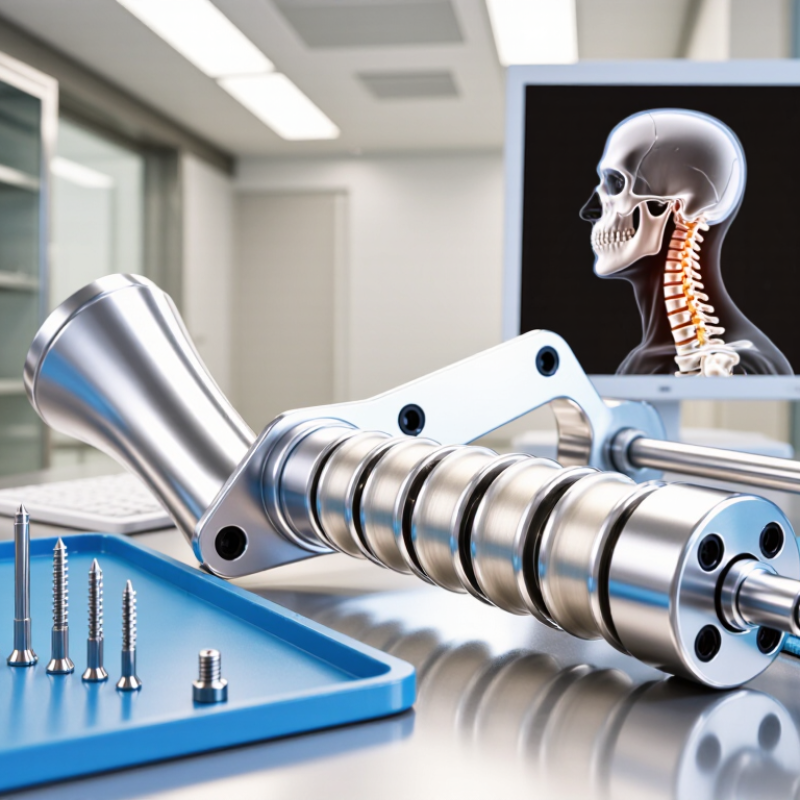
Spinal Plate Systems: Types, Uses, and Key Design Features
10 Best Spinal Plate System Suppliers for Global Buyers
Spinal plate systems stabilize vertebral segments after decompression, fusion, trauma repair, or deformity correction. Common types include anterior cervical plates, thoracolumbar plates, posterior fixation plates, and specialized occipitocervical designs. Selection depends on anatomy, surgical approach, bone quality, and expected loading conditions. The Global Burden of Disease 2021 study, published in The Lancet Rheumatology, estimated that low back pain affected about 619 million people in 2020. That figure may reach 843 million by 2050. Demand is growing, but demand alone should not guide procurement.
Key design features deserve closer inspection. Variable-angle locking screws can support controlled fixation and reduce screw back-out risk. Low-profile plates may limit soft-tissue irritation, especially in anterior cervical procedures. Wider graft windows improve access for interbody fusion assessment. Titanium alloy is widely used because it combines strength with corrosion resistance and imaging compatibility. Still, imaging artifacts vary by geometry and material. Buyers should request validated MRI information, fatigue-testing results, sterilization data, and traceability records.
A practical supplier review should examine instrument fit, sizing ranges, surgeon feedback, and local regulatory documentation. The FDA’s guidance on spinal system submissions emphasizes mechanical testing, biocompatibility, and clinical evidence. Those requirements matter more than polished catalogs. Some systems look efficient on paper but feel awkward during insertion. That detail is easy to miss. Independent testing and hands-on evaluation remain valuable, even when the technical file appears complete.
How to Evaluate Spinal Plate System Suppliers Worldwide
Evaluating spinal plate system suppliers worldwide requires more than comparing catalog prices.
A reliable assessment starts with documented manufacturing controls, material specifications, and traceability from raw alloy to finished implant. Ask whether the supplier operates under a certified quality system, such as ISO 13485. Request current audit or regulatory records where appropriate. Product files should clearly describe indications, dimensions, screw compatibility, sterilization status, and packaging controls. Vague answers are warning signs. Small details matter.
Clinical credibility deserves equal attention.
Review peer-reviewed evidence, surgeon feedback, complaint handling data, and post-market surveillance practices. A supplier should explain how design changes are validated and communicated before distribution. Global buyers also need practical support, including registration knowledge, stable lead times, training materials, multilingual documents, and responsive technical teams. Verify production capacity instead of trusting a polished presentation. Ask for sample lots, inspection reports, and a realistic delivery plan. Not every large supplier is dependable, and not every smaller supplier is weak. Transparent limitations can build more trust than exaggerated claims. Still, supplier comparisons are imperfect. Purchasing teams may overlook user experience when scoring spreadsheets. Independent clinical and regulatory review can reveal risks hidden behind attractive pricing.
Profiles of 10 Leading Spinal Plate System Suppliers
10 Best Spinal Plate System Suppliers for Global Buyers
Profiles of 10 Leading Spinal Plate System Suppliers
Supplier A develops cervical plates with low-profile edges and variable-angle screws. Its catalog shows clear size ranges and sterilization information. Supplier B focuses on thoracolumbar systems, offering modular trays for different surgical approaches. Its technical files appear organized, but buyers should confirm current revisions. Supplier C provides titanium implants with radiographic markers and documented material grades. This detail supports identification during follow-up imaging. Supplier D emphasizes instrument compatibility, including screwdrivers, guides, and trial components. That can reduce operating-room delays.
Supplier E serves hospitals seeking customizable plate lengths and screw configurations. Its engineering support is useful for complex anatomy, although response times need testing. Supplier F maintains a broad distributor network and multilingual documentation. Buyers should verify local registration before placing orders. Supplier G highlights fatigue testing, surface finishing, and packaging controls. These areas deserve independent review, not simple marketing acceptance. Supplier H offers training resources for surgeons and sterile processing teams. Practical demonstrations can reveal gaps that brochures hide.
Supplier I concentrates on cost-controlled systems for high-volume facilities. Lower prices may involve narrower inventory or longer lead times. Supplier J supports private-label manufacturing and design transfer. Quality agreements must define inspections, traceability, and change notifications. Experienced buyers compare clinical evidence, complaint records, audit results, and after-sales support. Ask for batch certificates. Request sample instruments. Small details matter. Supplier claims are only one part of the assessment; an incomplete technical file or vague delivery promise should trigger careful questioning.
10 Best Spinal Plate System Suppliers for Global Buyers
Spinal plate systems are selected according to anatomical region, fixation requirements, and surgical application. The chart below presents the standard number of vertebrae in each spinal region, providing useful context for comparing supplier product coverage without displaying company or brand data.
Data reference: standard human vertebral anatomy. The sacral vertebrae are typically fused into the sacrum, while coccygeal vertebrae are usually fused to form the coccyx. These anatomical figures are not supplier performance ratings.
Comparing Product Quality, Compliance, and Manufacturing Capacity
Choosing among spinal plate system suppliers requires more than comparing catalog photographs or unit prices. Product quality begins with material control, dimensional accuracy, and clinical usability. Ask for certificates covering titanium alloys, polymers, or other specified materials. Review surface finish, hole geometry, screw compatibility, and fatigue-test evidence. Small machining errors can affect fixation during surgery.
Compliance should be visible in daily records, not only in a polished certificate. Reliable suppliers usually maintain a quality system aligned with ISO 13485 and provide traceability from raw material to finished lot. Request sterilization validation, biocompatibility assessments, risk management files, and change-control procedures for the target market. Audit responses matter. Vague answers deserve caution.
Manufacturing capacity also needs practical verification. Examine CNC equipment, inspection tools, clean packaging areas, and backup production plans. Confirm realistic lead times, minimum order quantities, tooling ownership, and inspection frequency. A supplier may promise high volume but lack trained operators during demand peaks. That risk is easy to miss. In my experience, production samples can look excellent while process consistency remains unproven. A pilot order, independent dimensional inspection, and review of nonconformance records can reveal more than a sales presentation. No audit is flawless. Buyers should keep questioning assumptions, especially when delivery pressure encourages shortcuts.
10 Best Spinal Plate System Suppliers for Global Buyers - Comparing Product Quality, Compliance, and Manufacturing Capacity
| Rank |
Anonymous Supplier Profile |
Primary Manufacturing Region |
ISO 13485
Quality System |
Regulatory
Readiness |
Material Traceability |
Annual Capacity
(Systems) |
Standard Lead Time
(Weeks) |
Customization
Capability |
Sterile Packaging
Option |
Overall
Assessment |
| 1 |
Supplier Profile 01 |
Western Europe |
Certified |
High |
Full lot-level |
50,000–100,000 |
8–12 |
Advanced |
Available |
Excellent |
| 2 |
Supplier Profile 02 |
North America |
Certified |
High |
Full lot-level |
30,000–70,000 |
10–14 |
Advanced |
Available |
Excellent |
| 3 |
Supplier Profile 03 |
East Asia |
Certified |
High |
Full lot-level |
100,000–250,000 |
6–10 |
Advanced |
Available |
Excellent |
| 4 |
Supplier Profile 04 |
Central Europe |
Certified |
High |
Full lot-level |
20,000–50,000 |
10–16 |
Moderate |
Available |
Very Good |
| 5 |
Supplier Profile 05 |
South Asia |
Certified |
Moderate–High |
Full lot-level |
30,000–80,000 |
8–14 |
Moderate |
By request |
Very Good |
| 6 |
Supplier Profile 06 |
Southeast Asia |
Certified |
Moderate–High |
Full lot-level |
50,000–120,000 |
7–12 |
Advanced |
Available |
Very Good |
| 7 |
Supplier Profile 07 |
North Asia |
Certified |
Moderate–High |
Full lot-level |
80,000–180,000 |
6–11 |
Advanced |
Available |
Very Good |
| 8 |
Supplier Profile 08 |
Eastern Europe |
Certified |
Moderate |
Full lot-level |
15,000–40,000 |
12–18 |
Moderate |
By request |
Good |
| 9 |
Supplier Profile 09 |
Latin America |
Certified |
Moderate |
Partial to full |
10,000–30,000 |
14–20 |
Moderate |
By request |
Good |
| 10 |
Supplier Profile 10 |
Middle East |
Certified |
Moderate |
Partial to full |
10,000–25,000 |
14–22 |
Basic–Moderate |
By request |
Good |
Buyer verification criteria: Confirm current ISO 13485 certification, applicable market authorization, design-history documentation, ASTM F543 mechanical testing, ISO 10993 biological evaluation, ISO 14971 risk management, sterilization validation, supplier-change controls, and lot-level material certificates before qualification.
Global Purchasing Factors: Pricing, Delivery, and After-Sales Support
Global Purchasing Factors: Pricing, Delivery, and After-Sales Support
Price comparisons for spinal plate systems must go beyond the implant itself. Request a complete landed-cost sheet covering plates, screws, instruments, sterilization trays, freight, customs, training, and replacement parts. The World Bank’s 2023 Logistics Performance Index evaluates 139 economies through customs, tracking, and delivery timeliness. These indicators deserve attention when suppliers quote different lead times. A cheaper quote may hide costly delays.
Ask suppliers to separate standard stock from made-to-order production. Confirm batch-release documents, product traceability, packaging specifications, and the exact dispatch date. For hospitals, a 10-day delay can disrupt scheduled surgery and increase inventory pressure. Require written terms for partial shipments and urgent replenishment. Delivery promises should be measurable, not optimistic.
After-sales support often reveals supplier quality. Define response times for technical questions, complaint handling, instrument damage, and replacement requests. The International Organization for Standardization reports more than 38,000 ISO 13485 certificates worldwide in its 2023 survey, showing the scale of quality-system adoption. Certification helps, but it does not guarantee responsive service. Ask for service records, escalation contacts, and training evidence. I would also review the purchasing model after six months; early assumptions can be wrong. One overlooked issue is instrument availability. A complete implant set is useless when one essential screwdriver is missing.
FAQS
Check plate sizes, screw angles, material grades, sterilization details, and compatibility information. Clear ranges reduce ordering mistakes. Do not assume. Confirm current documents before purchasing.
Markers help identify implants during follow-up imaging. Ask for documented materials and visibility details. A brochure alone is not enough.
Request sample instruments, including screwdrivers, guides, and trial components. Confirm each tool fits the planned screws and plates. One missing screwdriver can stop a procedure.
Ask about plate lengths, screw configurations, engineering support, and response times. Complex anatomy may require tailored options. Test communication before committing. Early assumptions can be wrong.
Verify local registration, stock locations, language support, and replenishment routes. A wide distributor network does not guarantee immediate supply. Check one real delivery path.
Review fatigue testing, surface finishing, packaging controls, batch certificates, complaint records, and audit results. Independent review matters. Marketing claims are only one part.
Request a landed-cost sheet covering plates, screws, instruments, trays, freight, customs, training, and replacements. Compare standard stock with made-to-order production. Low prices may hide delays.
Require exact dispatch dates and written terms for partial shipments and urgent replenishment. A ten-day delay can disrupt scheduled surgery. Measure it.
Define response times for technical questions, complaints, damaged instruments, and replacement requests. Ask for escalation contacts, service records, and training evidence. Review the purchasing model after six months. It may need revision.
Conclusion
This guide provides a practical overview of the Spinal Plate System market for global medical device buyers. It explains the main system types, clinical applications, material choices, fixation methods, and design features that influence stability, compatibility, ease of implantation, and patient safety. It also outlines how to assess suppliers by reviewing product consistency, engineering capabilities, quality management systems, regulatory documentation, sterilization controls, and manufacturing capacity.
The article presents a structured comparison of ten leading supplier profiles without focusing on brand names, helping readers evaluate differences in product quality, compliance readiness, customization options, production scale, and technical support. It also examines important purchasing factors, including total pricing, minimum order requirements, lead times, international delivery arrangements, communication efficiency, warranty policies, training resources, and after-sales service. By using these criteria, hospitals, distributors, and sourcing teams can make more informed, transparent, and responsible decisions when selecting reliable spinal implant manufacturing partners worldwide.

 Beren Science & Technology