Why Choose a Dynamic Stabilization System? The question matters when spinal movement, pain, and long-term function must be considered together. A Dynamic Stabilization System is designed to support an unstable spinal segment while allowing controlled motion. Unlike rigid fusion, it may reduce stress on nearby segments in selected patients. However, it is not a universal solution.
Clinical decisions should begin with a careful examination, updated imaging, and a clear understanding of the patient’s symptoms. Surgeons may assess disc condition, bone quality, spinal alignment, nerve pressure, and previous treatments. These details matter. A system that looks suitable on an X-ray may not match the patient’s daily demands. Walking tolerance, lifting habits, sleep quality, and work posture can change the decision.
In practice, the device must perform reliably under repeated loading. Imagine a patient bending to tie shoes, standing from a chair, or carrying groceries. The spine needs support during these ordinary movements. Proper sizing, accurate placement, and structured rehabilitation remain essential. Technology alone cannot replace sound clinical judgment.
Evidence continues to develop. Some patients may experience meaningful pain relief and improved mobility. Others may gain limited benefit or require additional treatment. We should be honest about that uncertainty. Long-term outcomes can vary with diagnosis, surgical technique, and patient health. A responsible discussion includes both potential advantages and possible complications.
Choosing a Dynamic Stabilization System should therefore involve shared decision-making. Patients deserve clear explanations, realistic expectations, and advice from qualified spinal specialists. The best option is not always the newest option. It is the one that fits the patient’s anatomy, goals, and carefully assessed clinical needs.
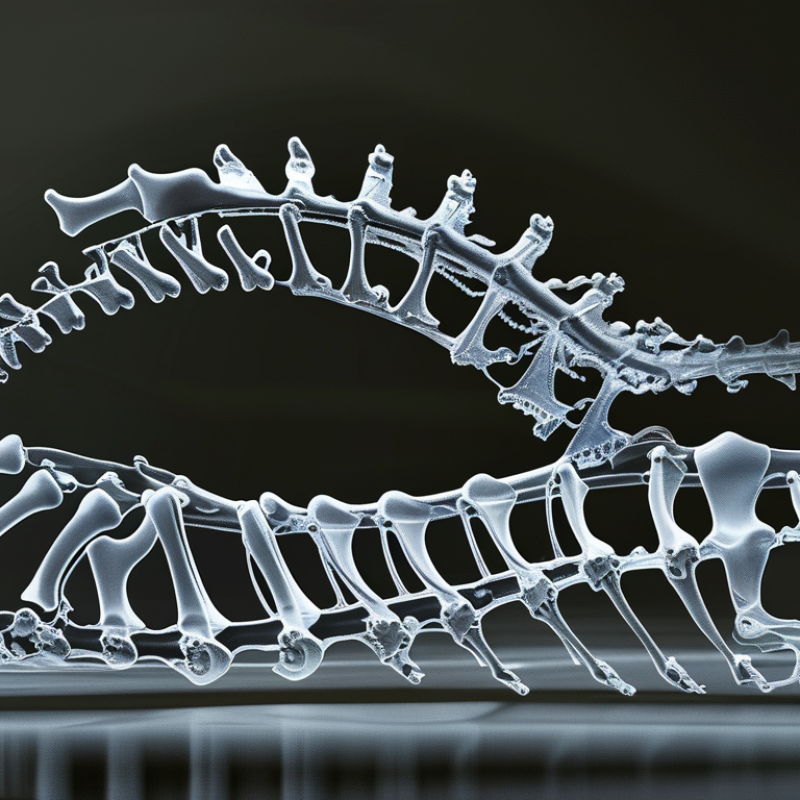
A dynamic stabilization system is a spinal treatment approach designed to support weakened segments while preserving controlled movement. Unlike a rigid fusion construct, it uses anchors and flexible connectors to limit excessive motion. The goal is practical: reduce painful loading without making the treated level completely immobile.
In clinical planning, specialists review scans, symptoms, posture, and daily activity. A patient who bends, lifts, or sits for long periods may need a different design than someone with limited mobility. The system can help share spinal forces and reduce strain on nearby structures. However, it is not a magic hinge. It may not suit severe instability, advanced degeneration, infection, or certain bone conditions. Careful selection matters more than the device itself.
Why choose this approach? It may offer support with less loss of natural motion, depending on the patient’s anatomy and diagnosis. Real recovery still involves movement training, follow-up imaging, and realistic expectations. Small details matter. Even a poorly controlled lifting habit can undermine progress. Evidence continues to develop, and long-term outcomes may vary. A qualified spine specialist should explain both the potential benefits and the unresolved questions before treatment.
A dynamic stabilization system supports an unstable spinal segment while allowing limited, controlled movement. Unlike a rigid fusion construct, it aims to share loads with surrounding anatomy. Anchors connect to flexible elements, such as cords, rods, or springs. These components resist excessive bending, rotation, or forward translation. Normal movement remains partly available. Small changes matter.
In clinical practice, proper patient selection is essential. Imaging, physical examination, symptoms, bone quality, and spinal alignment all influence the decision. A surgeon may adjust tension during placement to balance support and motion. The goal is not to make the spine normal overnight. It is to reduce painful mechanical stress when appropriate. Results can vary, and long-term evidence is still developing for some designs. That uncertainty deserves honest discussion.
Dynamic stabilization is considered when spinal movement remains painful, but complete fusion may be unnecessary. The decision begins with symptoms, neurological findings, imaging, and functional limitations. It is not simply a response to back pain.
The Global Burden of Disease 2021 study estimated that low back pain affected about 619 million people worldwide in 2020. That figure shows the scale, not an indication for surgery. Candidates usually have persistent mechanical pain, disc degeneration, or limited instability after structured treatment has failed. These treatments may include physiotherapy, movement retraining, medication, and carefully selected injections. Symptoms often worsen during standing, lifting, or repeated bending. Imaging should match the patient’s complaints. A scan alone is weak evidence.
Patient selection matters most. Dynamic systems may suit adults with preserved facet joints, manageable degeneration, and no severe spinal deformity. They may also be discussed after decompression, when removing bone could increase instability. Severe stenosis, advanced facet arthritis, major deformity, infection, fracture, or marked instability can require a different strategy. The North American Spine Society guidelines emphasize clinical correlation and shared decision-making for lumbar degenerative conditions. Evidence remains mixed, especially over long follow-up periods. That matters.
A practical assessment should ask whether motion is useful or harmful. Surgeons should review standing and bending radiographs, MRI findings, bone quality, activity demands, and previous treatment response. Patients also need realistic expectations. Pain may improve without disappearing. Technology cannot correct poor rehabilitation or an unclear diagnosis.
Dynamic stabilization is designed to support an unstable spinal segment without completely eliminating its movement. Traditional rigid fixation locks vertebrae together. Dynamic systems allow controlled motion while limiting painful or excessive movement. That difference can feel small, but it may influence comfort, mobility, and recovery.
In clinical practice, the main benefit is load sharing. The system can reduce stress on damaged structures while preserving some natural spinal mechanics. It may also help patients return to daily activities with less stiffness. Bending to tie shoes or standing from a chair can become easier. Small improvements matter. However, these benefits depend on the patient’s condition, bone quality, activity level, and surgical plan. A careful assessment is essential.
Recovery still requires patience. Physical therapy can strengthen core muscles and teach safer movement patterns. Follow-up imaging helps confirm stability and monitor healing. Dynamic stabilization is not a magic solution. Some patients may experience persistent pain, device-related problems, or limited improvement. Long-term outcomes also continue to develop as clinical evidence grows. This is worth remembering. A reliable decision should balance imaging results, symptoms, medical history, and realistic expectations.
| Evaluation Dimension | Potential Benefit of Dynamic Stabilization | Clinical or Functional Relevance | Important Consideration |
|---|---|---|---|
| Preservation of controlled motion | Allows limited, guided movement at the treated spinal segment instead of eliminating motion completely. | May help maintain a more natural movement pattern and reduce the feeling of a completely rigid segment. | The amount of preserved motion depends on the device design, surgical technique, anatomy, and healing response. |
| Load sharing | Distributes some spinal loads through flexible or semi-flexible components while providing stabilization. | Can reduce excessive stress concentration at the stabilized segment compared with a fully rigid construct. | Load sharing does not remove mechanical forces and cannot guarantee prevention of degeneration or implant failure. |
| Adjacent-segment mechanics | May reduce abrupt changes in motion and load transferred to nearby spinal levels. | This may be relevant when the goal is to limit additional biomechanical stress above or below the treated area. | Adjacent-segment degeneration has multiple causes, including age, natural disease progression, alignment, and previous surgery. |
| Stability and flexibility balance | Combines support against excessive movement with a degree of flexibility. | May be useful when rigid immobilization is not the only treatment objective. | Dynamic stabilization is not suitable for every form of instability, deformity, fracture, infection, or advanced degeneration. |
| Rehabilitation considerations | A motion-preserving strategy may support a gradual return to functional movement when clinically appropriate. | Patients may benefit from rehabilitation focused on posture, core control, mobility, and safe activity progression. | Recovery time varies according to the procedure, patient health, symptoms, and rehabilitation plan. |
| Potential reduction in rigid-fusion dependence | May provide an alternative in selected patients for whom stabilization is needed but complete fusion is not the preferred objective. | Preserving segmental movement may be considered as part of an individualized surgical plan. | Clinical outcomes depend on patient selection; dynamic systems are not automatically superior to fusion. |
| Evidence and outcome assessment | Offers a treatment concept supported by biomechanical rationale and clinical research in selected indications. | Assessment should include pain, neurological function, stability, imaging findings, activity level, and quality of life. | Published results vary by spinal region, indication, follow-up duration, system design, and study quality. |
| Long-term monitoring | Allows clinicians to monitor motion, alignment, symptoms, and implant condition over time. | Regular follow-up can help identify changes that may require observation, rehabilitation, or additional treatment. | No stabilization method eliminates the need for follow-up; wear, loosening, migration, or progression of disease may occur. |
Note: Dynamic stabilization is a general treatment concept rather than a single procedure. Suitability and expected outcomes must be evaluated by a qualified spine specialist based on the patient’s diagnosis, imaging, symptoms, bone quality, and overall health.
Selecting a dynamic stabilization system begins with the patient, not the device. Clinicians review pain patterns, neurological findings, spinal alignment, and daily demands. A warehouse worker lifting boxes needs a different discussion than an office worker with intermittent pain. Imaging helps, but it does not make the decision alone. Flexion-extension radiographs may show motion, while MRI can reveal disc or nerve compression. Bone density also matters because weak bone may reduce fixation reliability.
The intended motion is another key question. A system should control painful instability without creating unnecessary stiffness. Surgeons compare the affected level, facet-joint condition, deformity, and adjacent-segment risks. They also consider surgical access, implant compatibility, and possible revision. Evidence from peer-reviewed studies should guide this review, alongside the team’s training and documented outcomes. A persuasive brochure is not enough.
Selection is rarely perfectly predictable. Real patients do not behave like diagrams. Clinicians should explain benefits, limitations, rehabilitation, and warning signs in plain language. Alternatives, including nonoperative care, may deserve discussion. Follow-up matters: standing images, symptom changes, and implant position can require review over time. Clinical teams often learn that an elegant technical choice may still fail when expectations remain unclear. The strongest decision is shared, measurable, and open to reconsideration.
It supports an unstable spinal segment while allowing limited, controlled movement. Flexible cords, rods, or springs resist excessive bending and rotation. Some movement remains.
Fusion aims to stop movement at a spinal level. Dynamic stabilization shares loads while limiting painful motion. Neither approach guarantees complete pain relief.
It may suit adults with persistent mechanical pain, manageable degeneration, and preserved facet joints. Symptoms should match imaging findings. A scan alone is weak evidence.
Severe stenosis, advanced facet arthritis, major deformity, infection, fracture, or marked instability may change the plan. Different anatomy needs different thinking.
The review may include physical examination, MRI, standing radiographs, bending images, bone density, alignment, and daily activities. Lifting boxes matters.
It aims to reduce painful mechanical stress, not make the spine normal overnight. Pain may improve without disappearing. Results vary.
Ask how the system controls motion, expected recovery time, implant durability, and possible revision surgery. Ask what problem it addresses in your anatomy.
Follow-up can review symptoms, standing images, and implant position. Keep appointments even when discomfort improves. Healing is not always obvious.
Rehabilitation supports movement control and gradual strength. Follow lifting guidance carefully. Early overconfidence can undermine healing.
Not always. Some designs have limited long-term evidence, and outcomes remain difficult to predict. Honest uncertainty deserves discussion.
A Dynamic Stabilization System is a motion-preserving approach designed to support the spine while allowing controlled movement between selected vertebrae. Unlike rigid fusion, it aims to reduce excessive strain without completely eliminating natural flexibility. By using carefully engineered components and balanced support, the system helps stabilize unstable spinal segments, manage abnormal motion, and maintain a more natural distribution of load during daily activities.
Dynamic stabilization may be considered for conditions involving spinal instability, degenerative changes, mild vertebral slippage, or persistent symptoms that have not improved with conservative care. Its potential benefits include preserving mobility, reducing stress on neighboring segments, improving spinal balance, and supporting functional recovery. Selecting the appropriate system requires a thorough assessment of the patient’s symptoms, spinal anatomy, bone quality, activity level, and overall health. Imaging results and clinical judgment are also essential to determine whether dynamic stabilization is suitable and which design best matches the individual’s needs.

Beren Science & Technology