 Beren Science & Technology
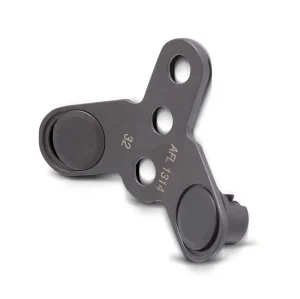
Class III surgical grade titanium pedicle screws, occipitocervical assemblies, anterior cervical plates, and minimally invasive sets for global distribution.
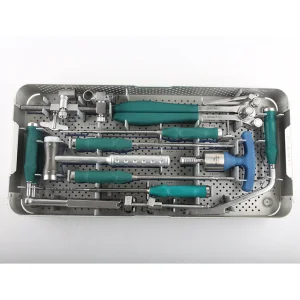
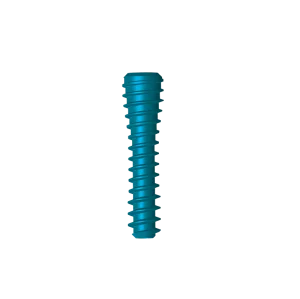
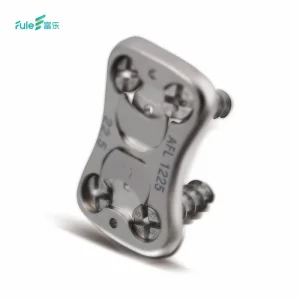
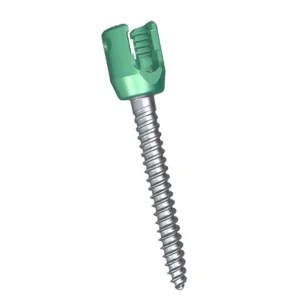
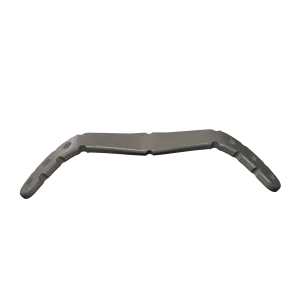
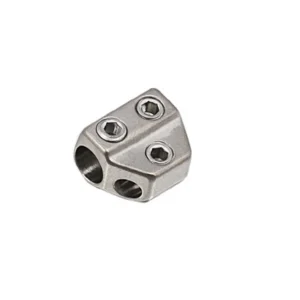
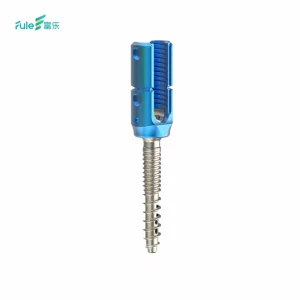
Established in 1996, our facility integrates 30 years of medical device engineering with high-precision manufacturing, delivering over 510,000 units annually across global hospital supply networks.
Why global medical device brands, hospital procurement consortiums, and specialized orthopedic distributors rely on Chinese precision spine manufacturing ecosystems.
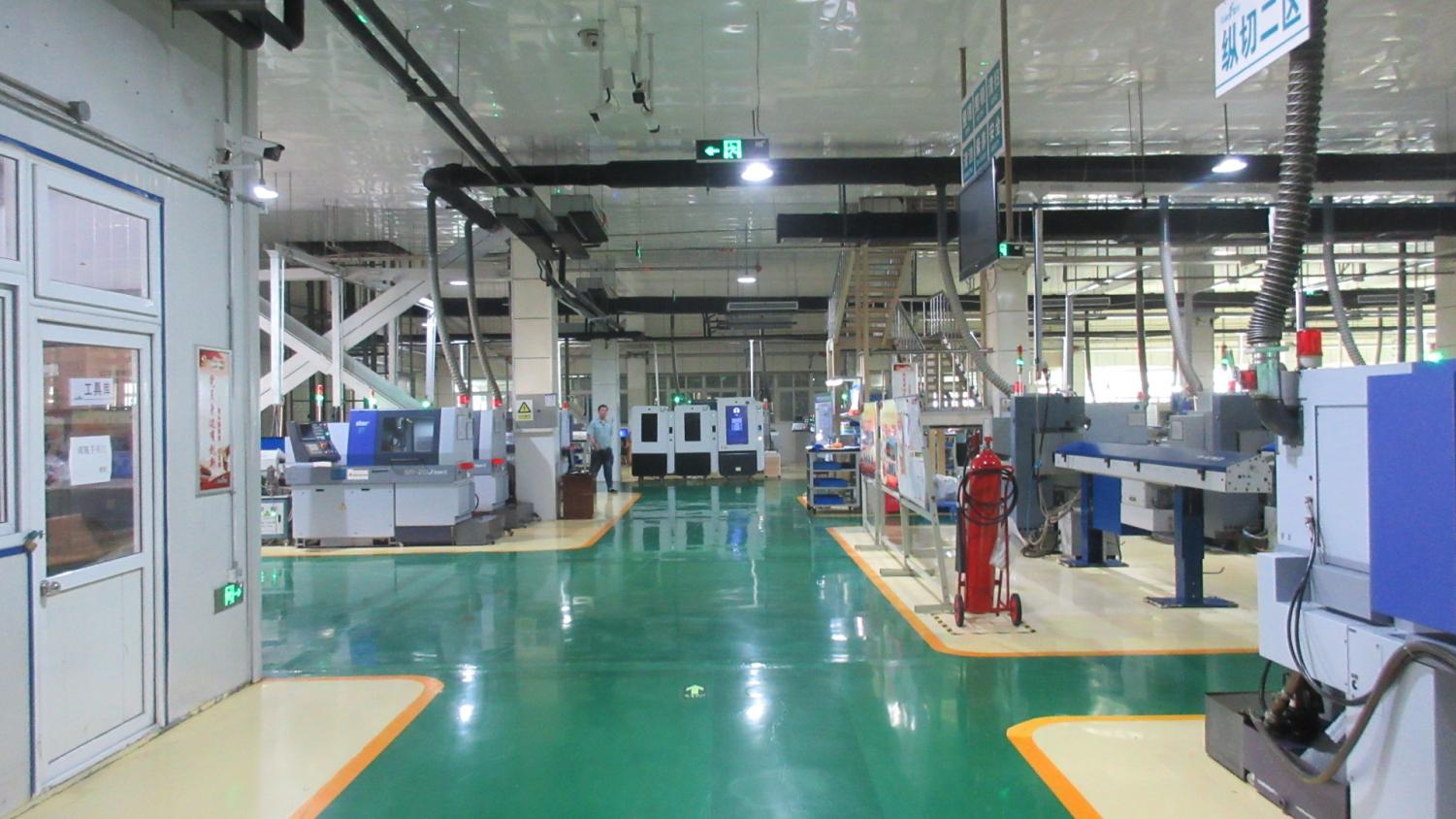
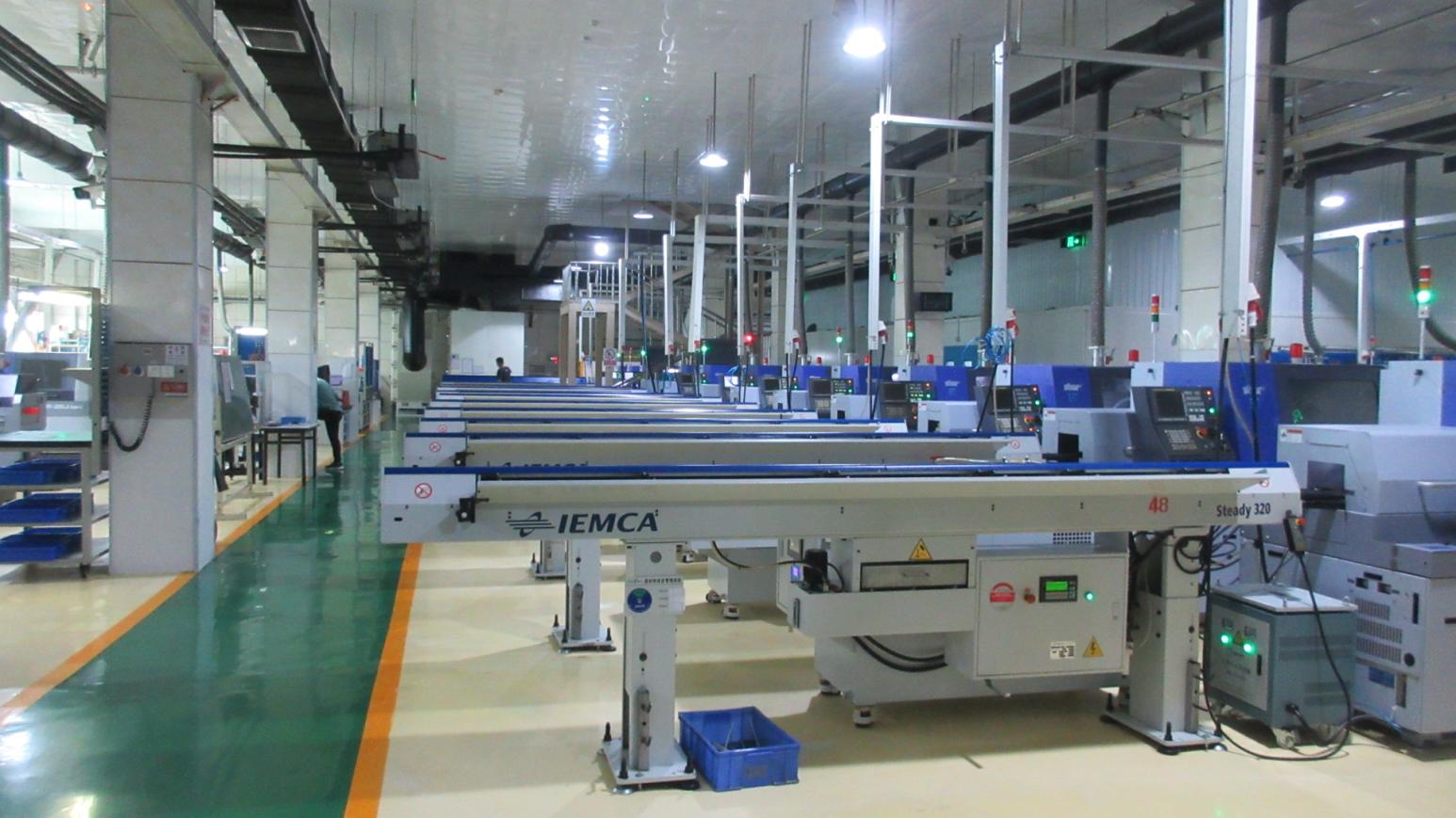
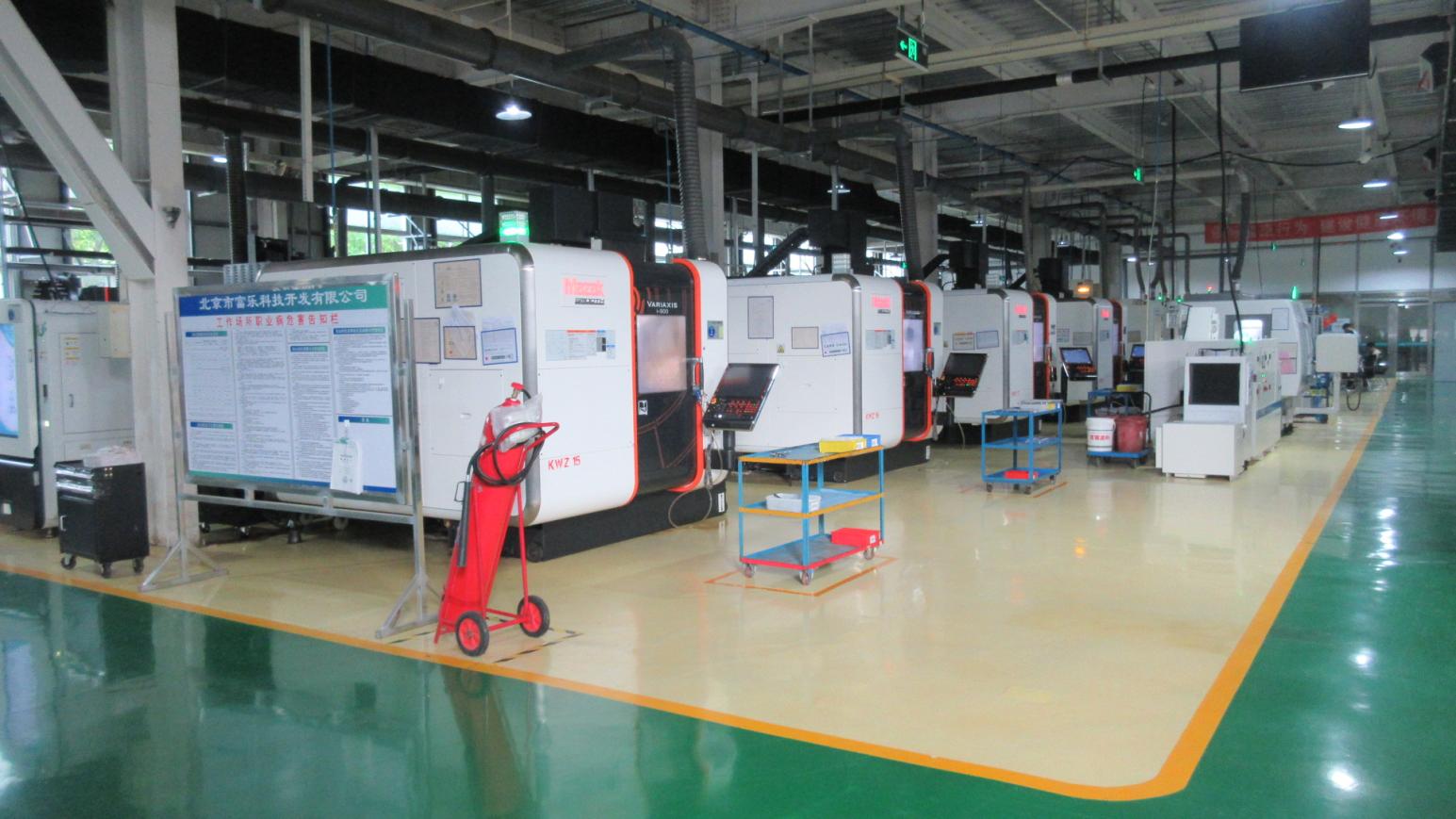
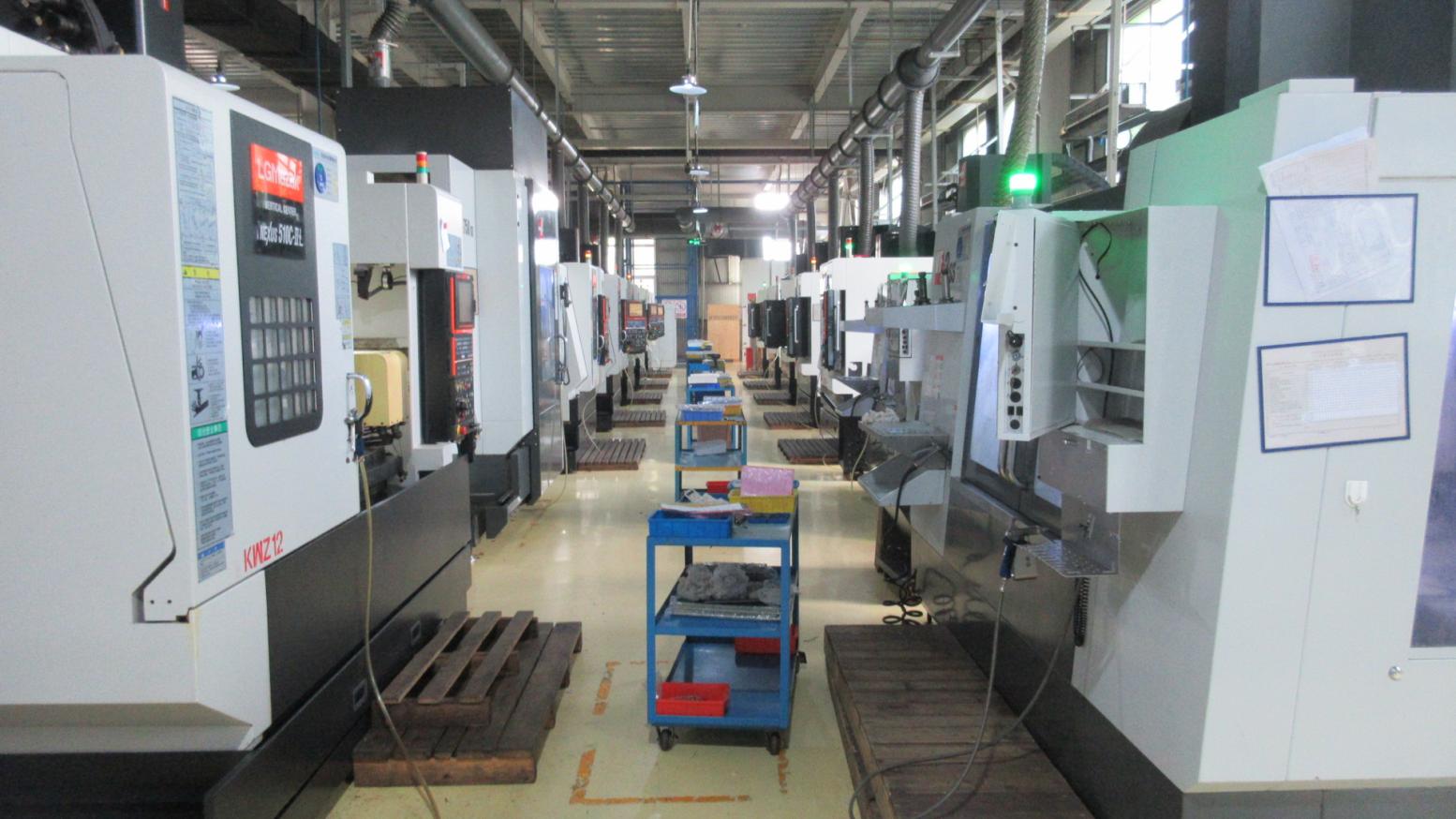
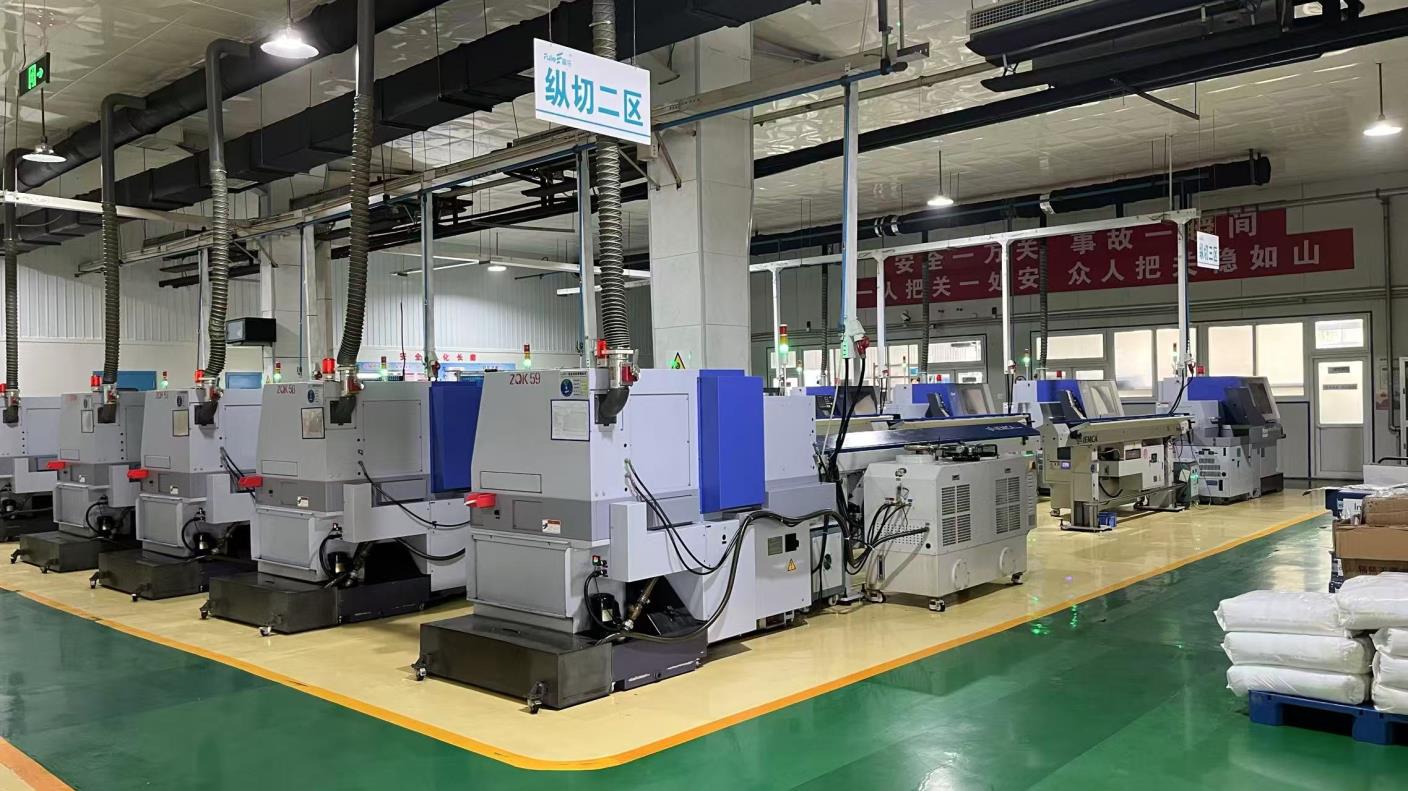
Equipped with 102 state-of-the-art 5-axis Swiss-type multi-tasking turning centers, our cleanrooms achieve strict dimensional tolerances within ±0.005mm. Every polyaxial screw head, reverse-angle thread, and friction torque locking mechanism conforms strictly to dynamic biomechanical endurance requirements under ASTM F1717 and ISO 12189 fatigue limits.
We source biomedical-grade Ti-6Al-4V ELI (Grade 23) in compliance with ASTM F136 and ISO 5832-3 standards. Material structural stability provides optimum tensile strength, modulus closer to human cortical bone, superior corrosion resistance in human fluid environments, and high biocompatibility, reducing stress shielding post-implantation.
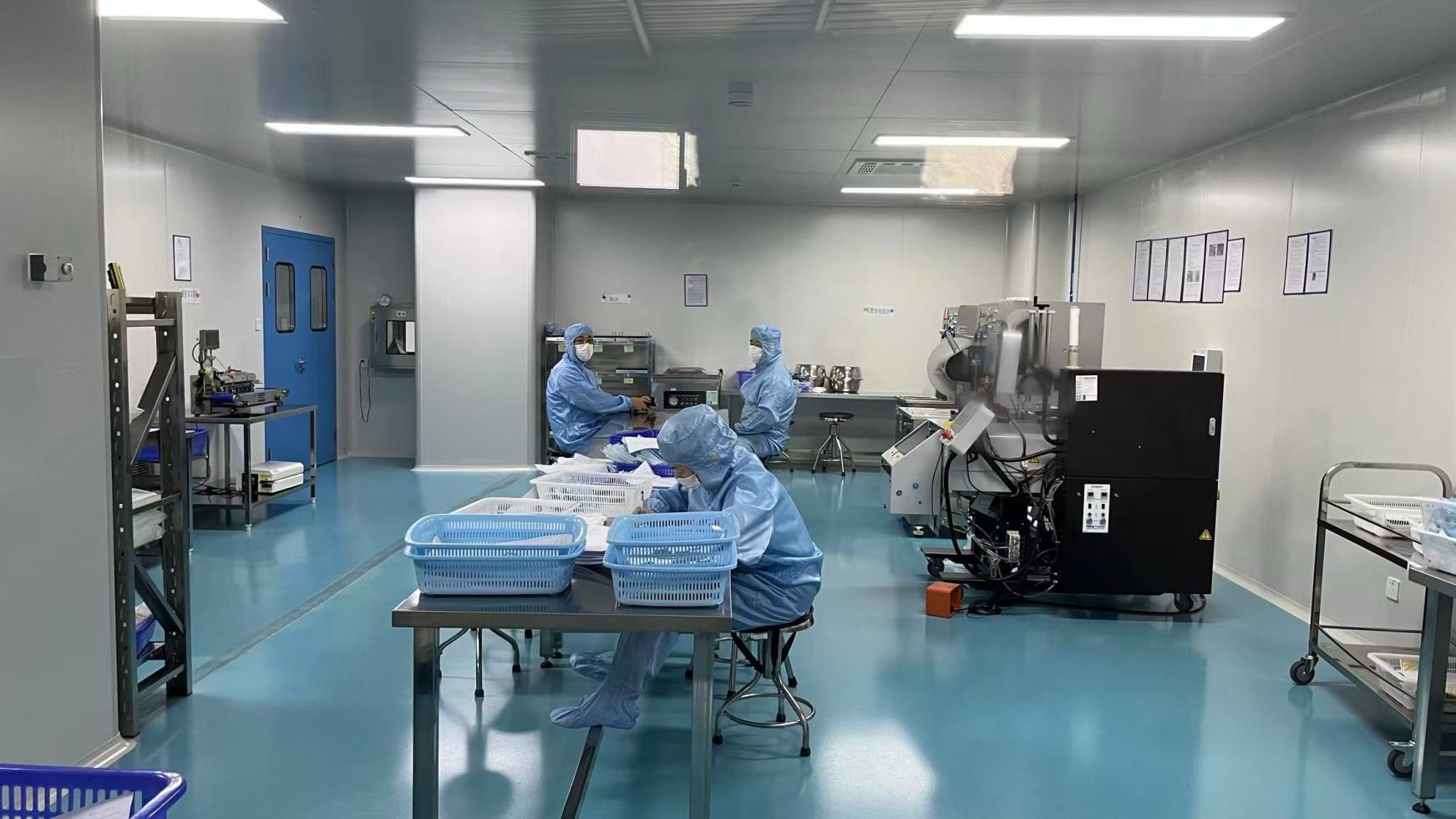
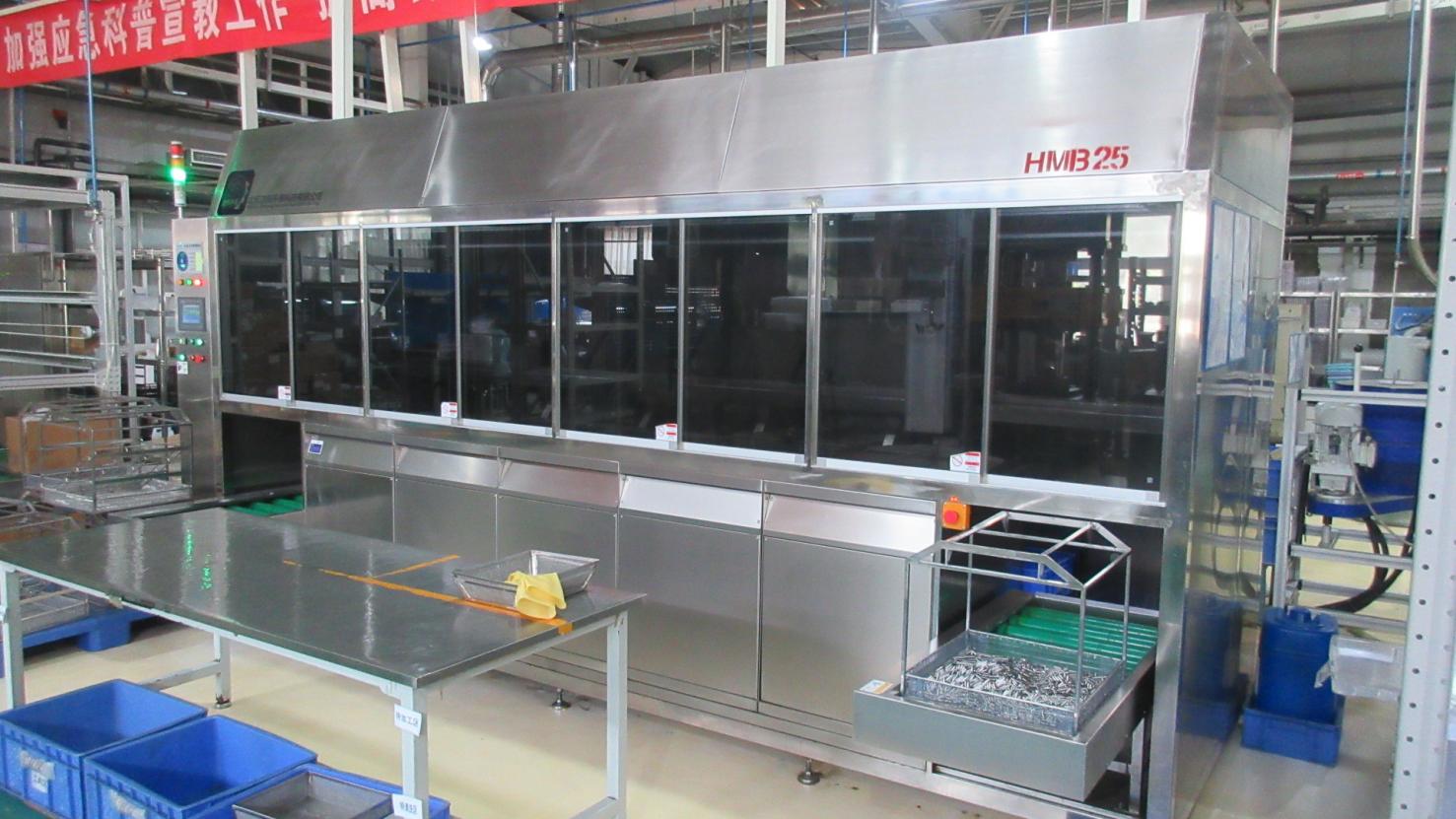
From raw titanium ingots and custom CNC machining to surface anodization, Class 100,000 cleanroom cleaning, laser marking, and sterile barrier packaging, China's end-to-end industrial chain reduces production cycles by 45% and procurement costs by 35% compared to European and North American peers, while maintaining ISO 13485 compliance.
Versatile stabilization systems engineered specifically to handle challenging anatomies, degenerative diseases, trauma fractures, and reconstructive spine surgeries.
Engineered for atlantoaxial instability, basilar invagination, rheumatoid cervical subluxation, and complex trauma. The system combines low-profile occipital plates, multi-angled occipital bone screws, and smooth C1-C2 lateral mass screw transitions, ensuring rigid fusion while preserving posterior muscle attachment and reducing postoperative dysphagia.
Developed for percutaneous transforaminal lumbar interbody fusion (MIS-TLIF) and posterior decompression. Our cannulated pedicle screws, extended breakout tabs, and fiber-optic instrument sets ensure minimal tissue dilation, significantly reducing surgical blood loss, shortening patient hospitalization, and accelerating ambulation recovery.
Optimized for adult spinal deformity, degenerative scoliosis, spondylolisthesis, and spinal canal stenosis. Features dual-lead thread geometries for fast insertion, high pull-out load resistance in osteoporotic bone, and polyaxial heads delivering 60-degree angulation to ease rod contouring and minimize construct stress concentrations.
Indicated for severe spinal column fractures, metastatic tumor corpectomy reconstructions, and pelvic ring disruptions. Utilizes thick-diameter 5.5mm/6.0mm titanium connecting rods, cross-link connectors, and pelvic reconstruction locking plates to distribute cyclic axial loads across the spinopelvic junction.
Tailored supply chain arrangements for medical equipment importers, government tenders, brand distributors, and OEM/ODM orthopedic partners.
Complete product lifecycle execution: from CAD 3D finite element simulation (FEA) to rapid tooling, dynamic testing, customized screw threading, head ergonomics, and customized laser-etched branding on Class I, II, and III medical products.
We supply full Technical Files, Design History Files (DHF), Biocompatibility Reports (ISO 10993 series), and Sterilization Validations (ISO 11137 / ISO 11135) to facilitate rapid registration with national FDA, CE MDR, and MoH agencies.
Serving over 70 partner networks across Eastern Europe, Southeast Asia, South America, and the Middle East. We provide safety buffer stocking, consigned surgical instrument boxes, and flexible batch shipments with continuous lot tracking.
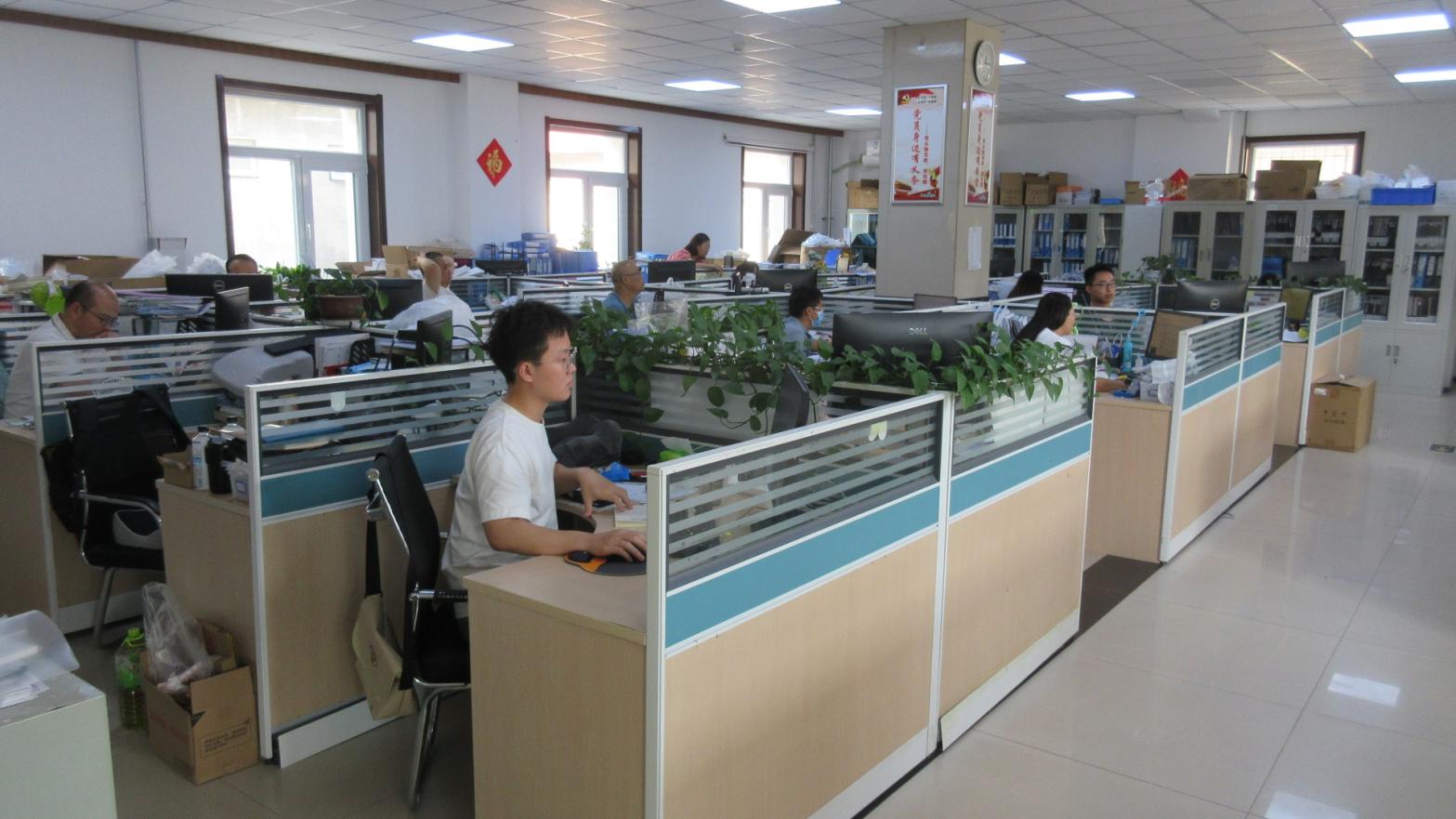
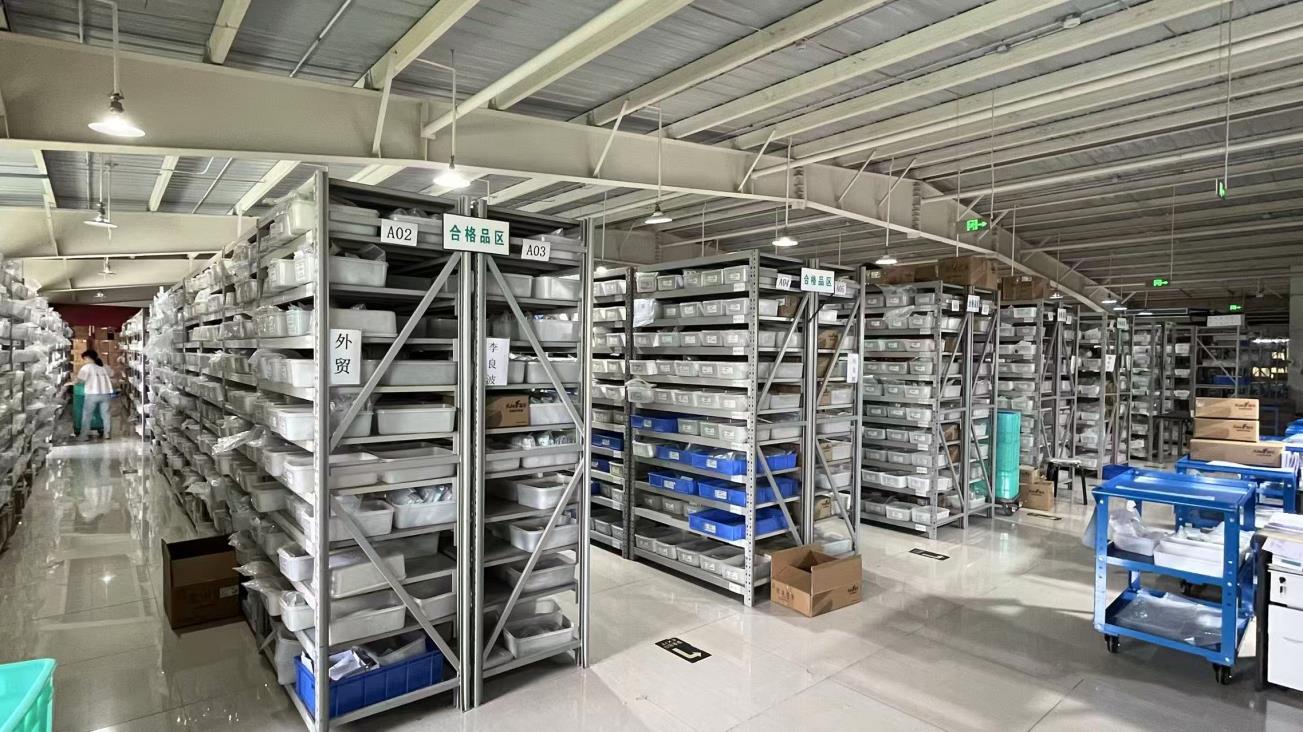
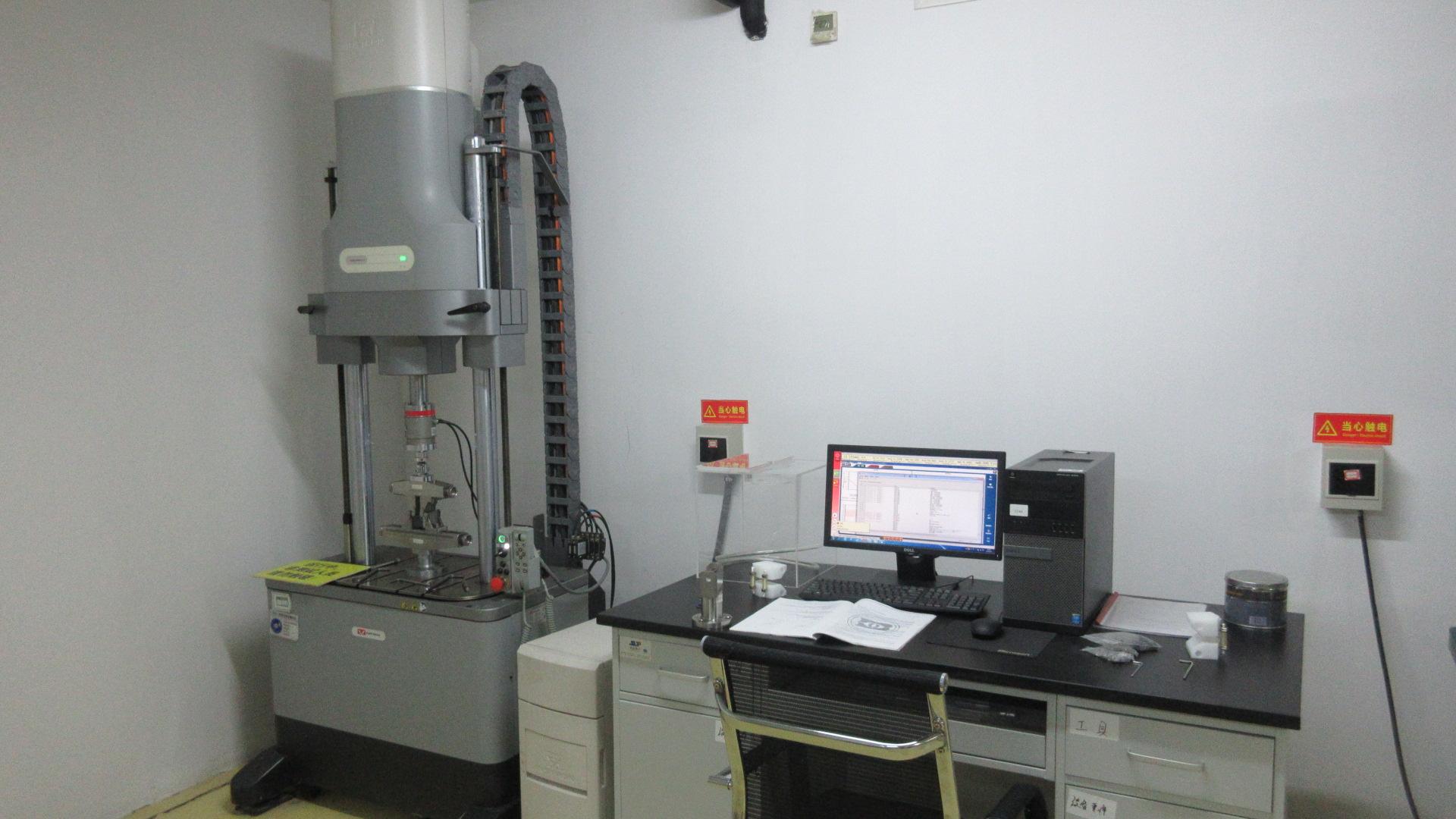
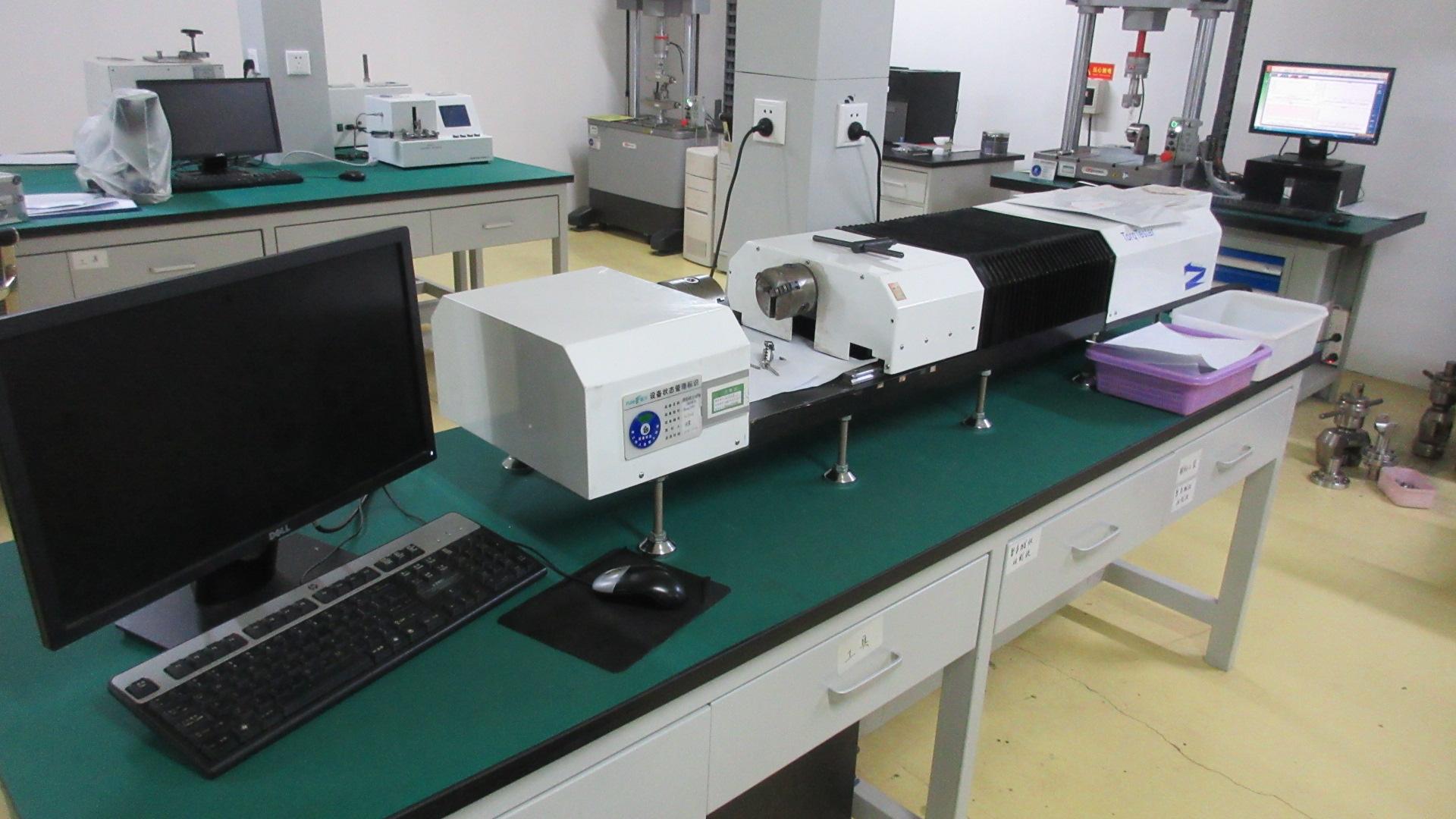
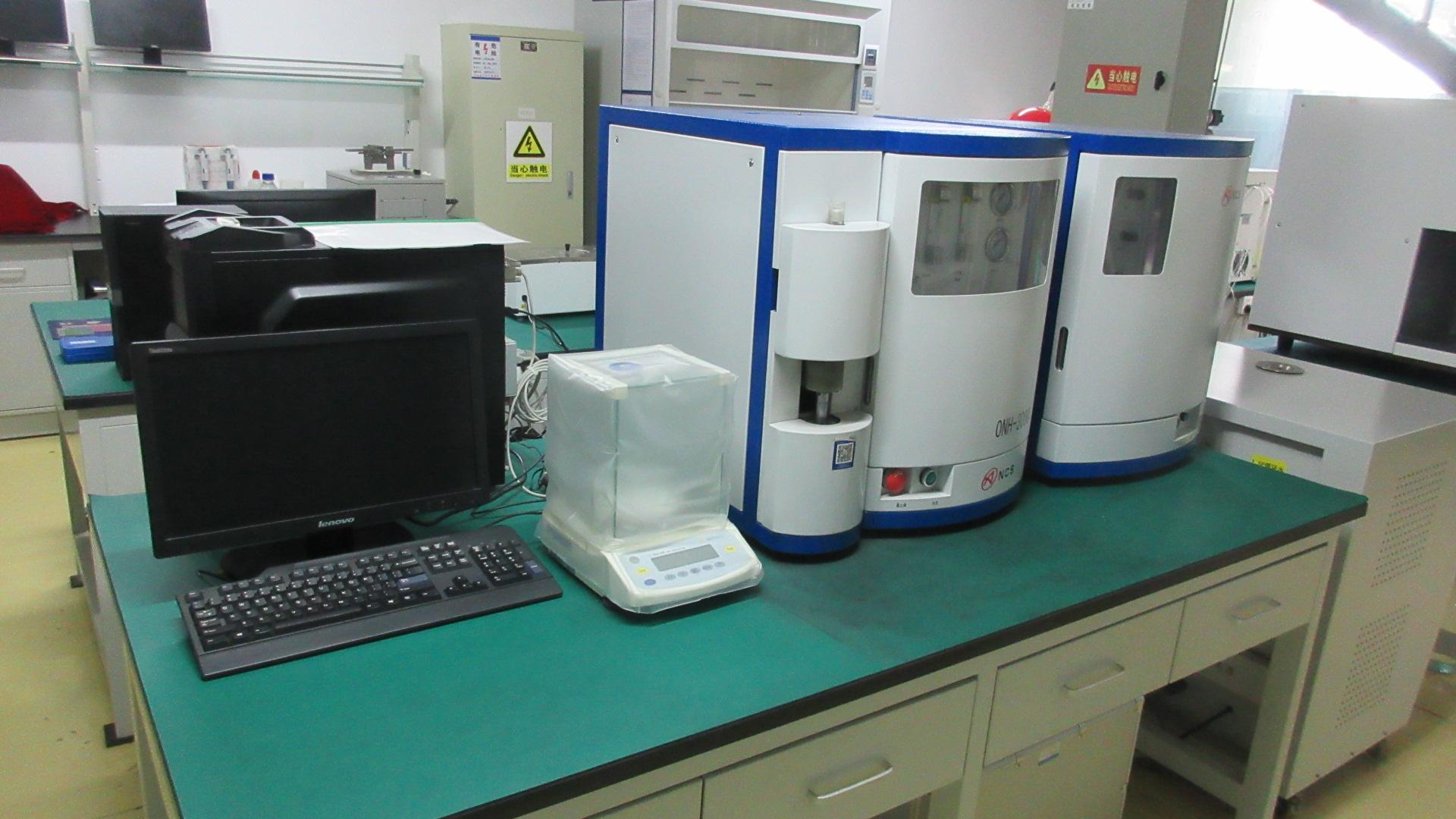
Take a look inside our 10,000㎡ precision manufacturing center, cleanrooms, and testing facilities.

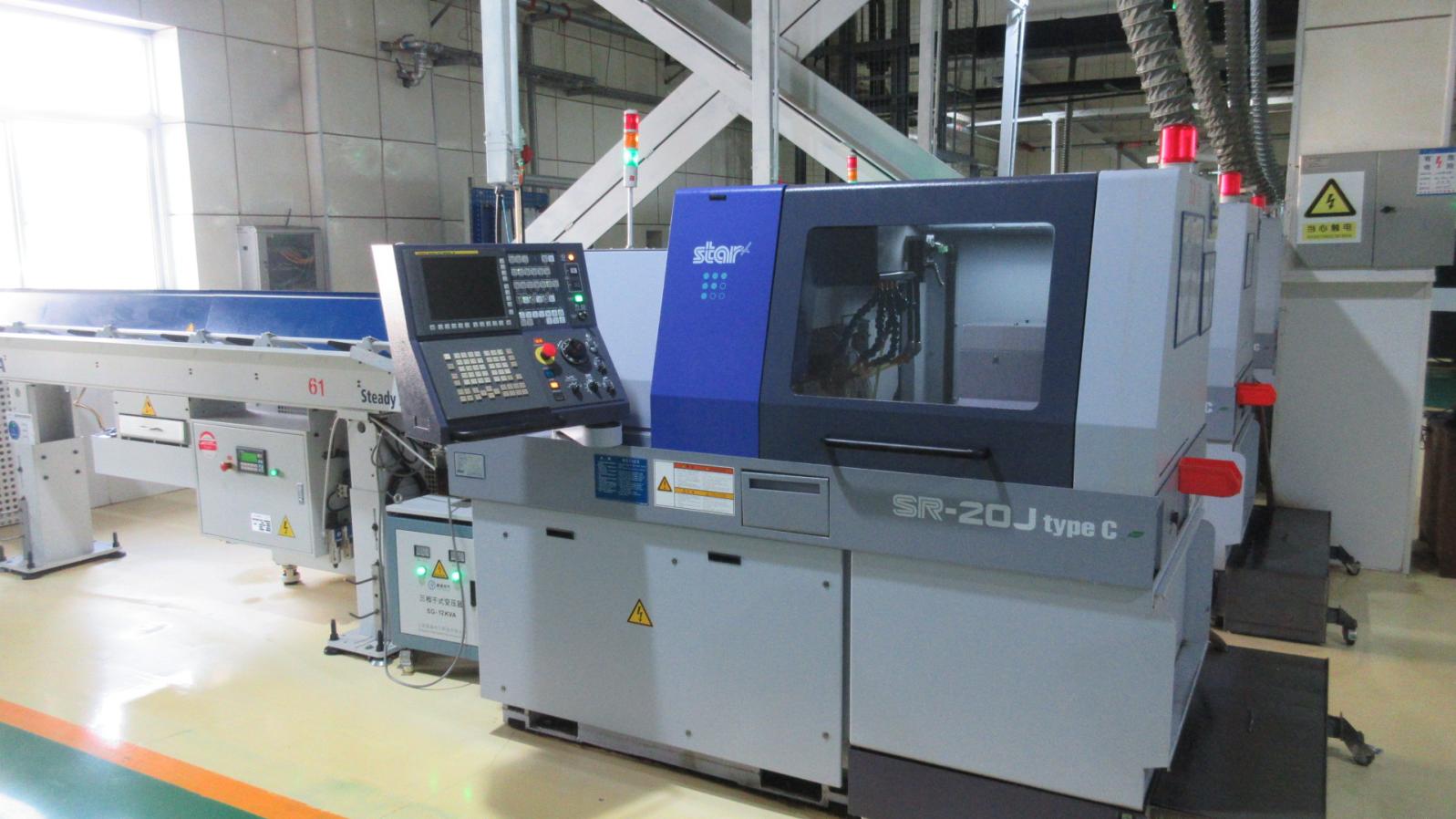
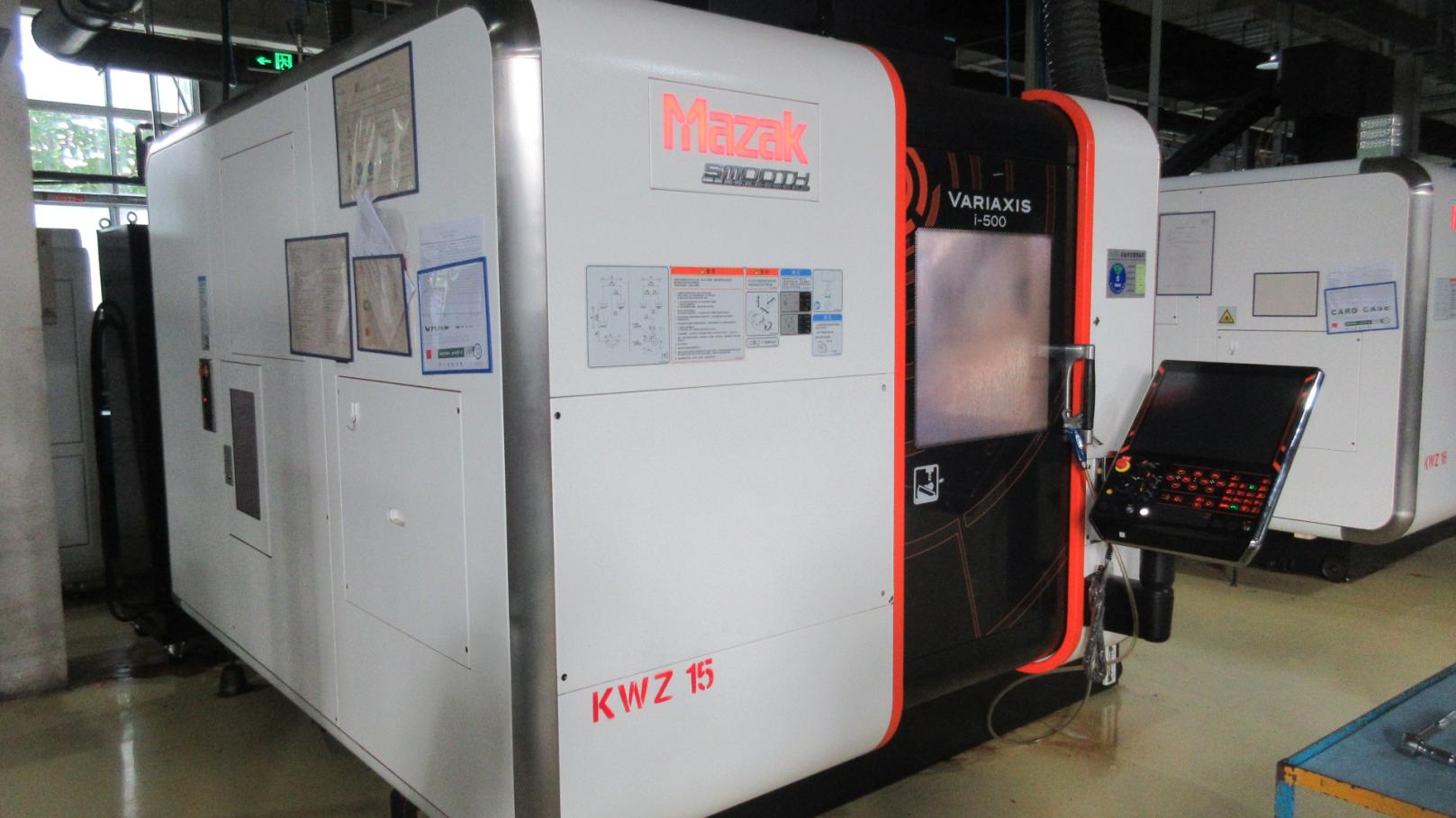
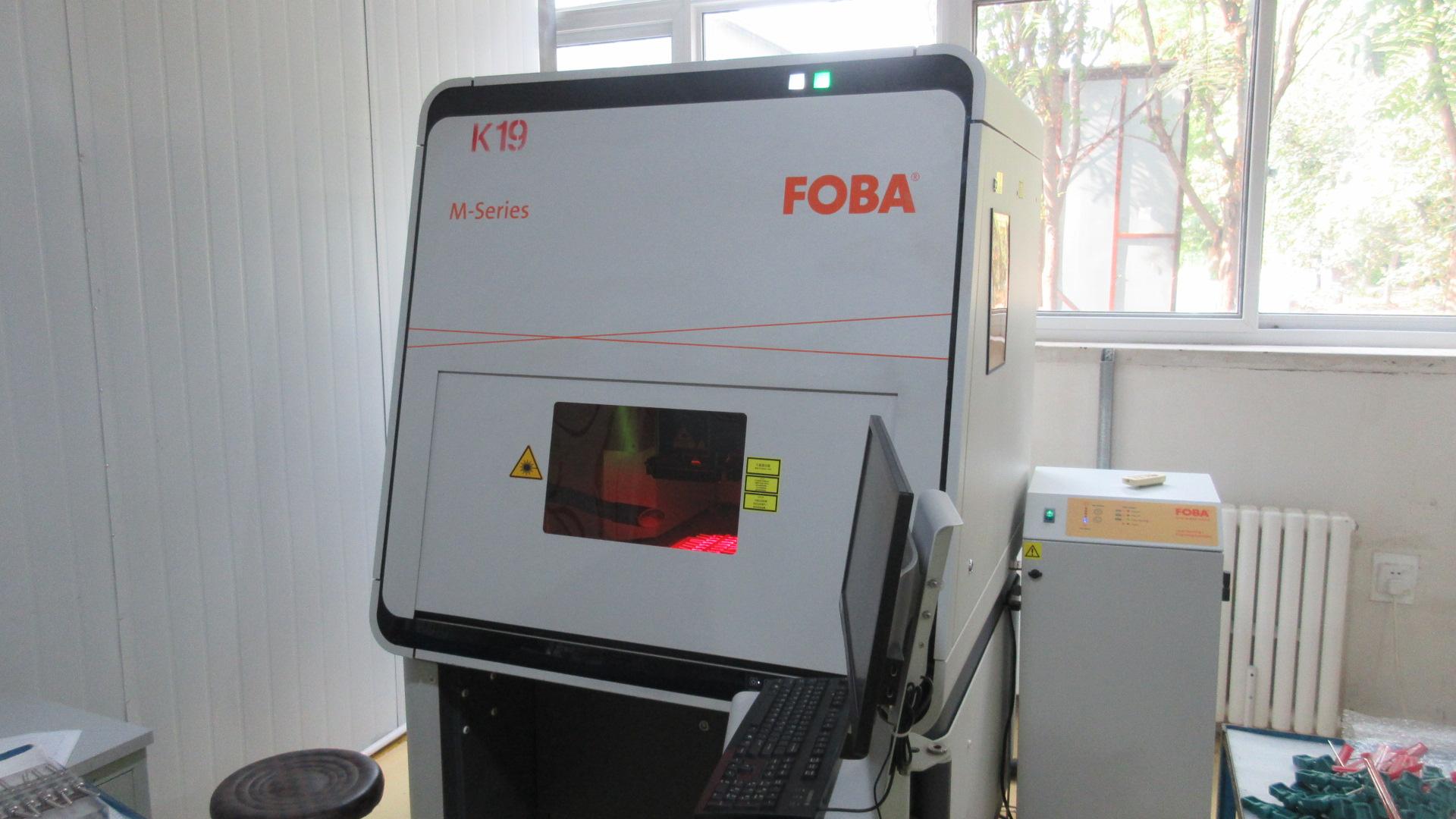
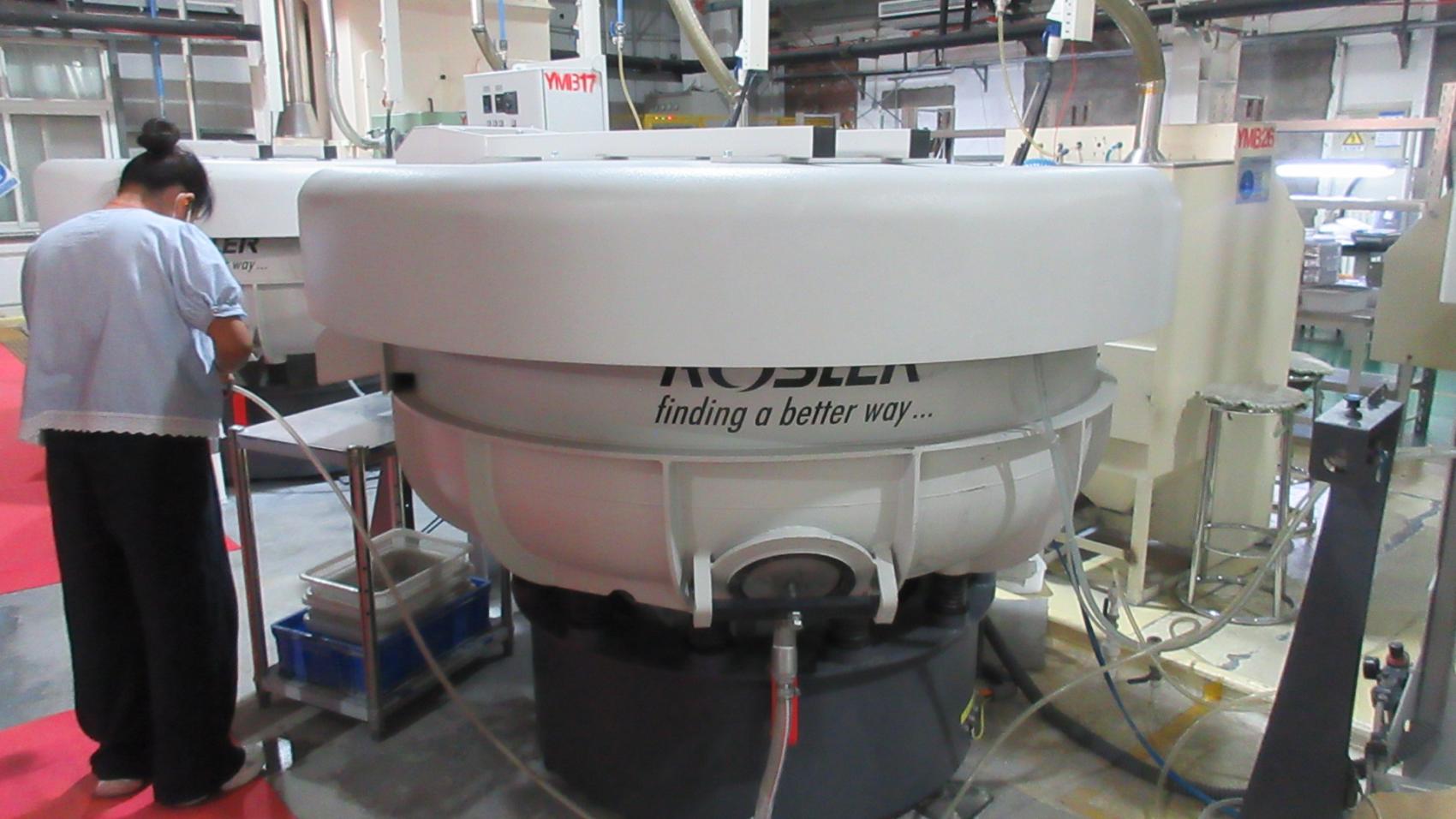
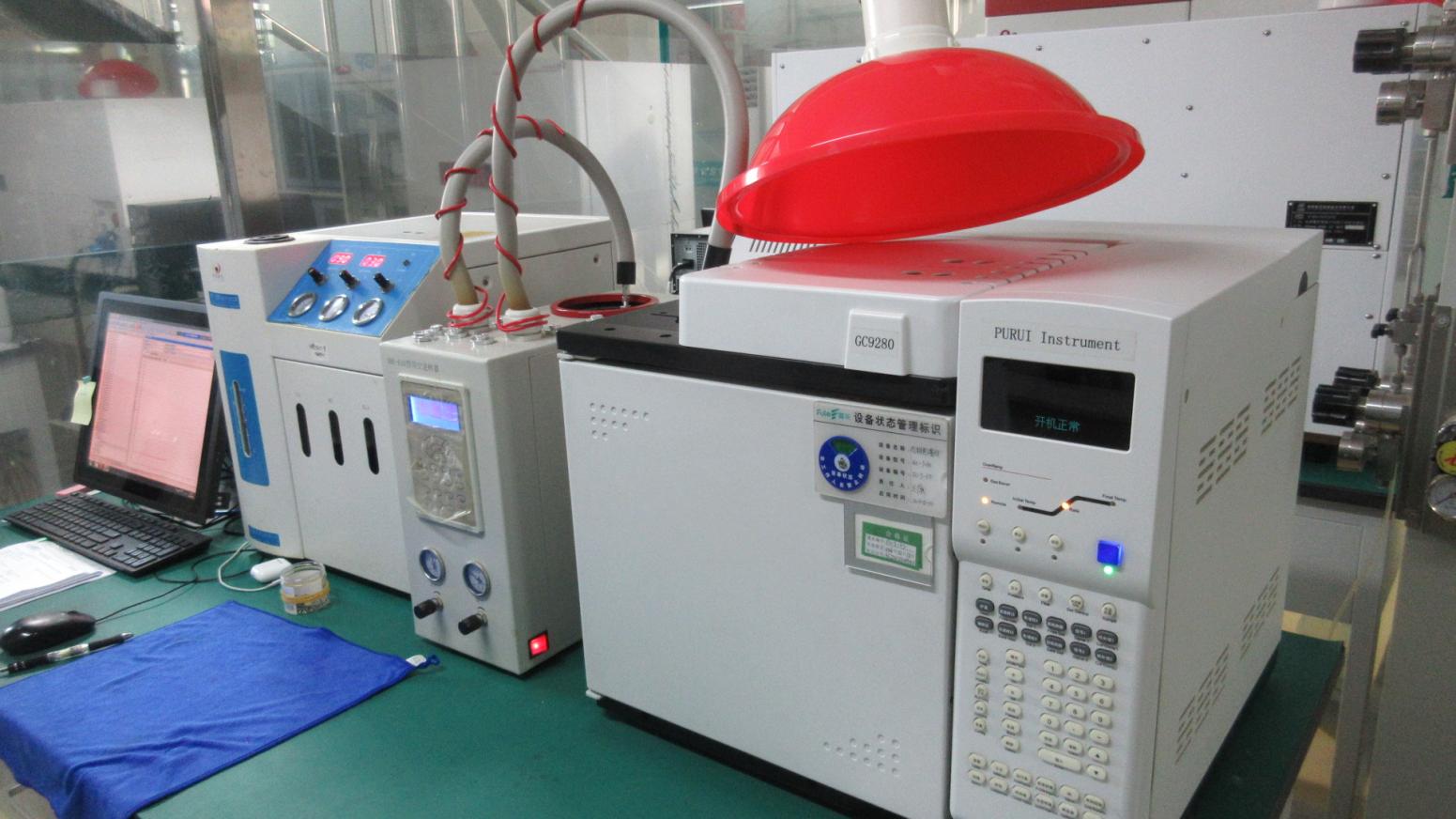
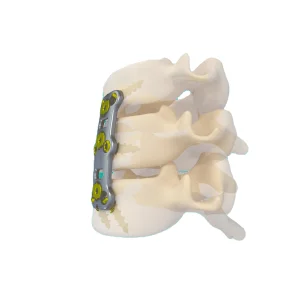
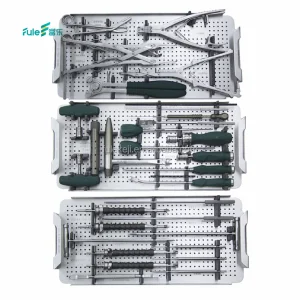
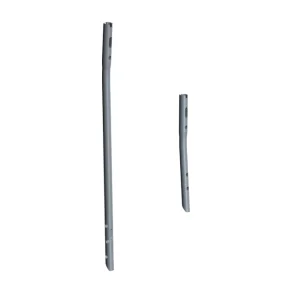
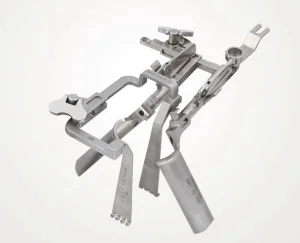
Certified stainless steel and titanium instrument kits, cannulated trauma nails, and anterior plates manufactured for international clinical performance.
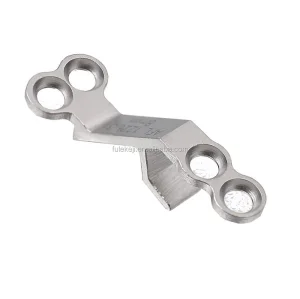
How state-level advanced manufacturing, additive 3D titanium printing, and computer navigation are redefining next-generation stabilization systems.
Modern pedicle screw instrumentation requires strict geometry compatibility with robotic tracking arrays (e.g., Mazor, Medtronic StealthStation). Our systems incorporate passive reflective markers, low-profile screw tulip geometries, and self-centering tap guides to enable 100% trajectory accuracy without slippage during automated placement.
Moving beyond standard machine surfaces, our R&D engineers integrate laser powder bed fusion (LPBF) to manufacture porous titanium interbody cages with 65-75% interconnected porosity and pore sizes of 400-600μm. This mimics natural cancellous architecture, stimulating osteoblast proliferation, bone ingrowth, and rapid bony arthrodesis.
Addressing surgical-site infections and delayed fusion in high-risk patients, our testing lines evaluate Nano-Hydroxyapatite (HA) plasma spraying, anodic nanotube oxidation, and silver-ion doped surface topographies to enhance bone-implant contact (BIC) and inhibit perioperative bacterial colonization.
Authoritative answers on compliance, customization, material certification, and logistics for procurement specialists and medical directors.
Every batch of medical Ti-6Al-4V ELI titanium undergoes physical, chemical, and metallurgical verification. We provide complete material chemical composition and tensile mechanical inspection certificates conforming to ASTM F136 / ISO 5832-3 standards. In addition, our ISO 13485 cleanroom infrastructure maintains strict environmental microbial controls with 100% full inspection across every production phase.
Our company maintains ISO 13485:2016 quality management certification (Registration: 04724Q10000818). Our products have obtained Class III medical device approvals and CE marks. We supply complete Technical Dossiers, ASTM F1717 mechanical fatigue verification data, biocompatibility reports (ISO 10993), and EO/Gamma sterilization validation documentation for prompt registration in local markets.
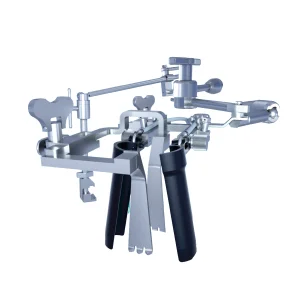
Yes. Supported by 20 experienced R&D engineers (including 15 graduate specialists), we provide sample processing, technical drawing modification, and custom design according to regional anatomies. We can adjust screw pitch, dual-core threads, polyaxial angles, low-profile tulip head geometries, and develop ergonomic surgical retractor sets.
Our 10,000㎡ plant operates 102 CNC precision turning centers with an annual capacity exceeding 511,000 units. Standard product inventory can ship within 5-7 business days. Custom OEM production runs typically require 4 to 6 weeks, including pilot prototyping, mechanical testing, and laser labeling.
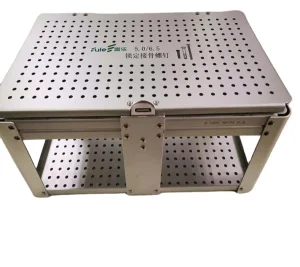
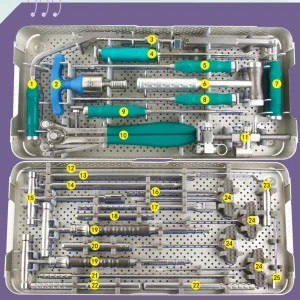
We provide a 2 to 5-year warranty on surgical instruments and implants against manufacturing flaws. We also provide complete surgical instrument boxes (cervical, thoracolumbar, trauma, MISS sets) manufactured with medical-grade stainless steel and aviation aluminum, designed to withstand over 500 autoclave cycles.
Our products are actively distributed across Eastern Europe (15%), Southeast Asia (10%), Latin America, the Middle East, and our domestic hospital networks (40%). We work closely with wholesalers, hospital chains, and private orthopedic brand labels across more than 70 partner supply channels.