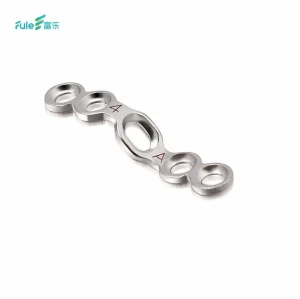
Explore our elite-grade spinal rods, cervical plates, and variable-angle pedicle screws manufactured under rigorous ISO13485 standards.
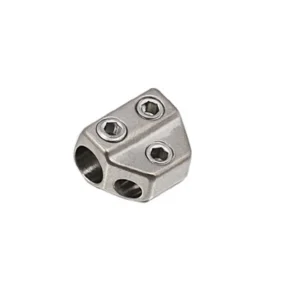
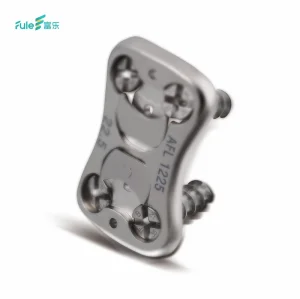
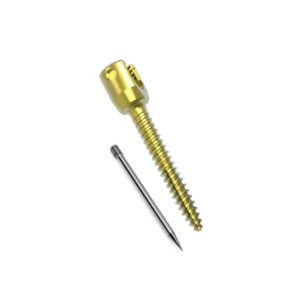
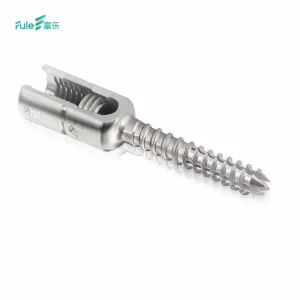
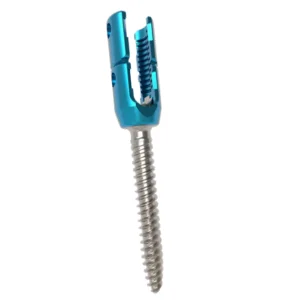
The global implantable medical devices market is experiencing unprecedented evolution. Driven by an aging population, increasing prevalence of degenerative disc diseases, spinal trauma, and demand for minimally invasive spinal surgeries (MISS), clinical centers worldwide require structural hardware of uncompromised biomechanical integrity.
High-grade titanium alloy (typically Grade 5, Ti-6Al-4V) remains the gold standard in structural orthopedics due to its outstanding biocompatibility, superior fatigue limits, and reliable osseointegration properties. As global supply chains face volatile disruptions, international distributors and hospital groups are actively restructuring their vendor portfolios, turning to vertically integrated suppliers capable of executing precision CNC machining and complex surface treatment technologies.
Combining high-precision technological inputs with unmatched industrial cluster benefits to deliver reliable, life-saving orthopedic components.
China's biomedical manufacturing sector has transitioned from a volume-centric assembly to high-precision, smart manufacturing hubs. Under rigorous supervision by domestic and international regulatory boards, advanced factories employ automated high-axis CNC turning and milling centers to craft implants with micro-millimeter tolerance thresholds.
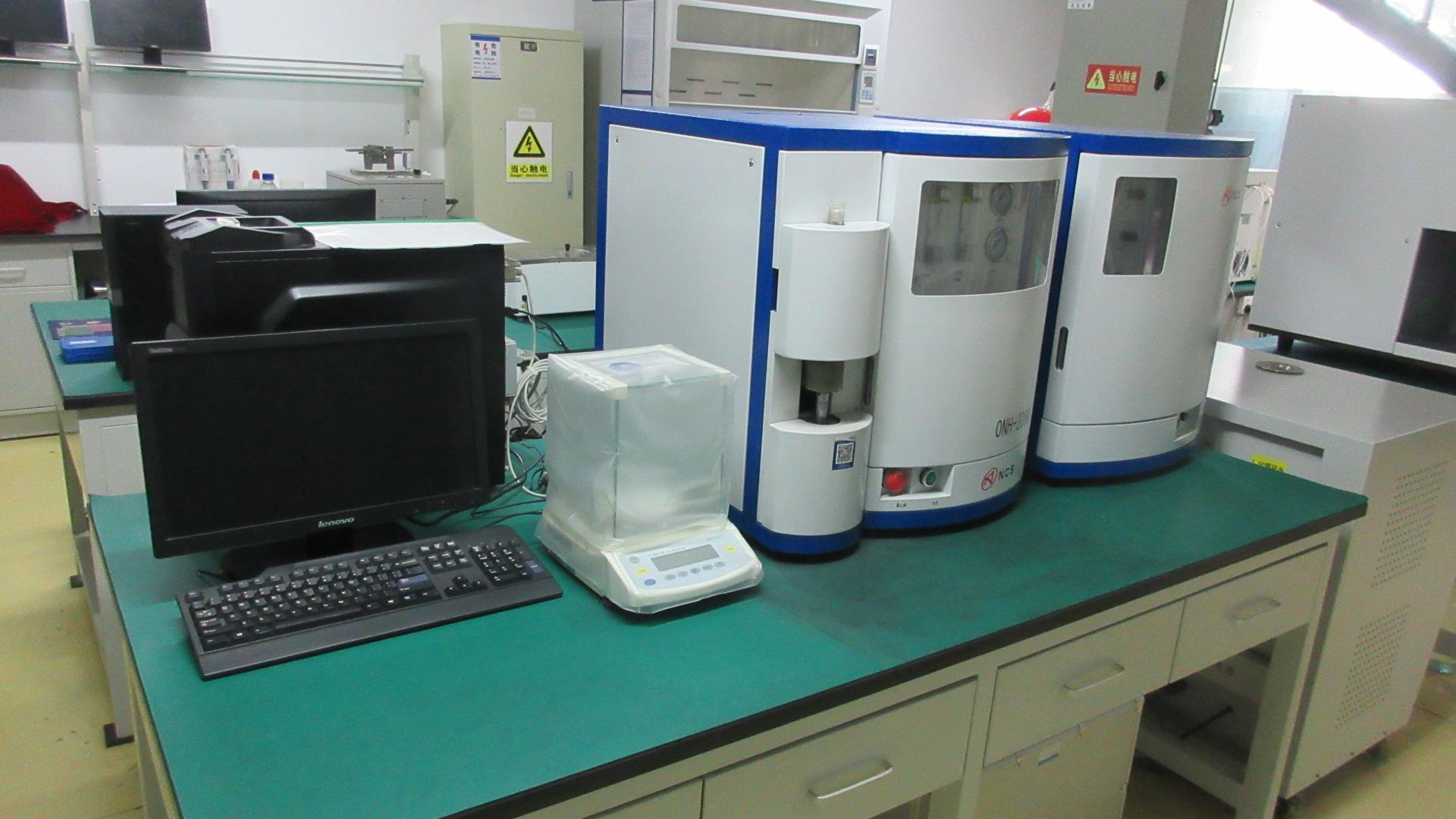
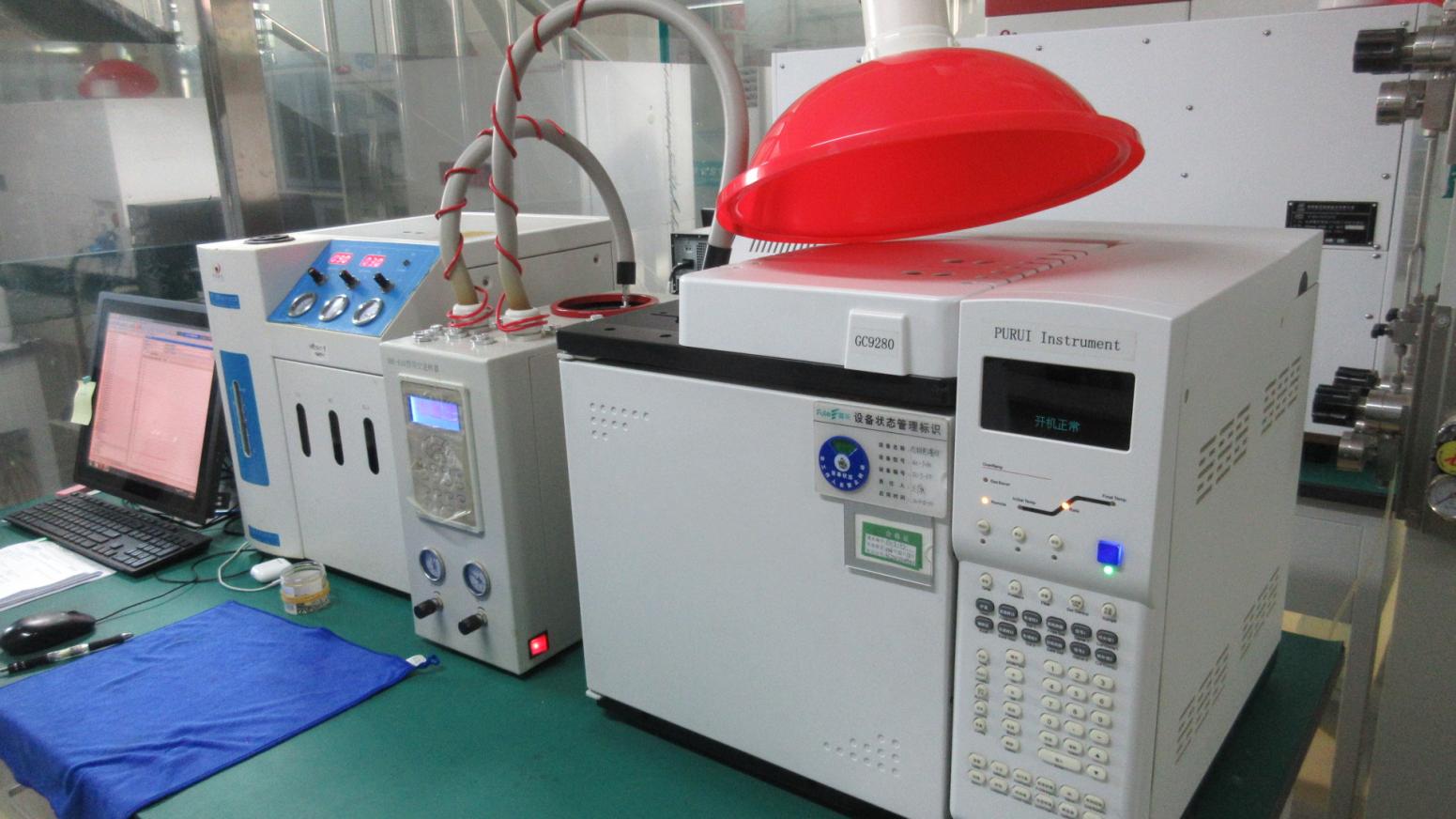
The efficiency of a modern Chinese orthopedic manufacturing facility relies on integrated ecosystem capabilities:
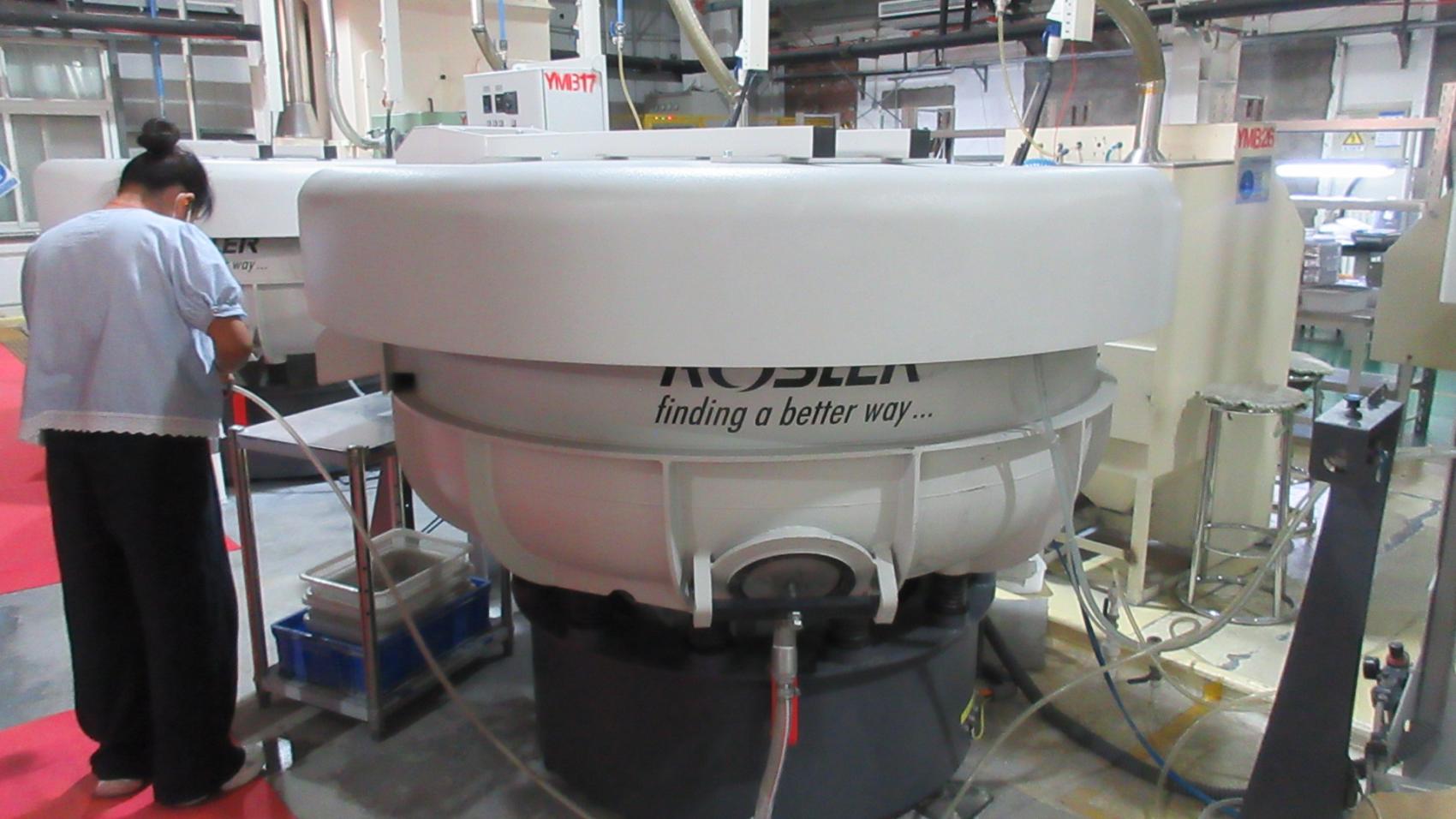
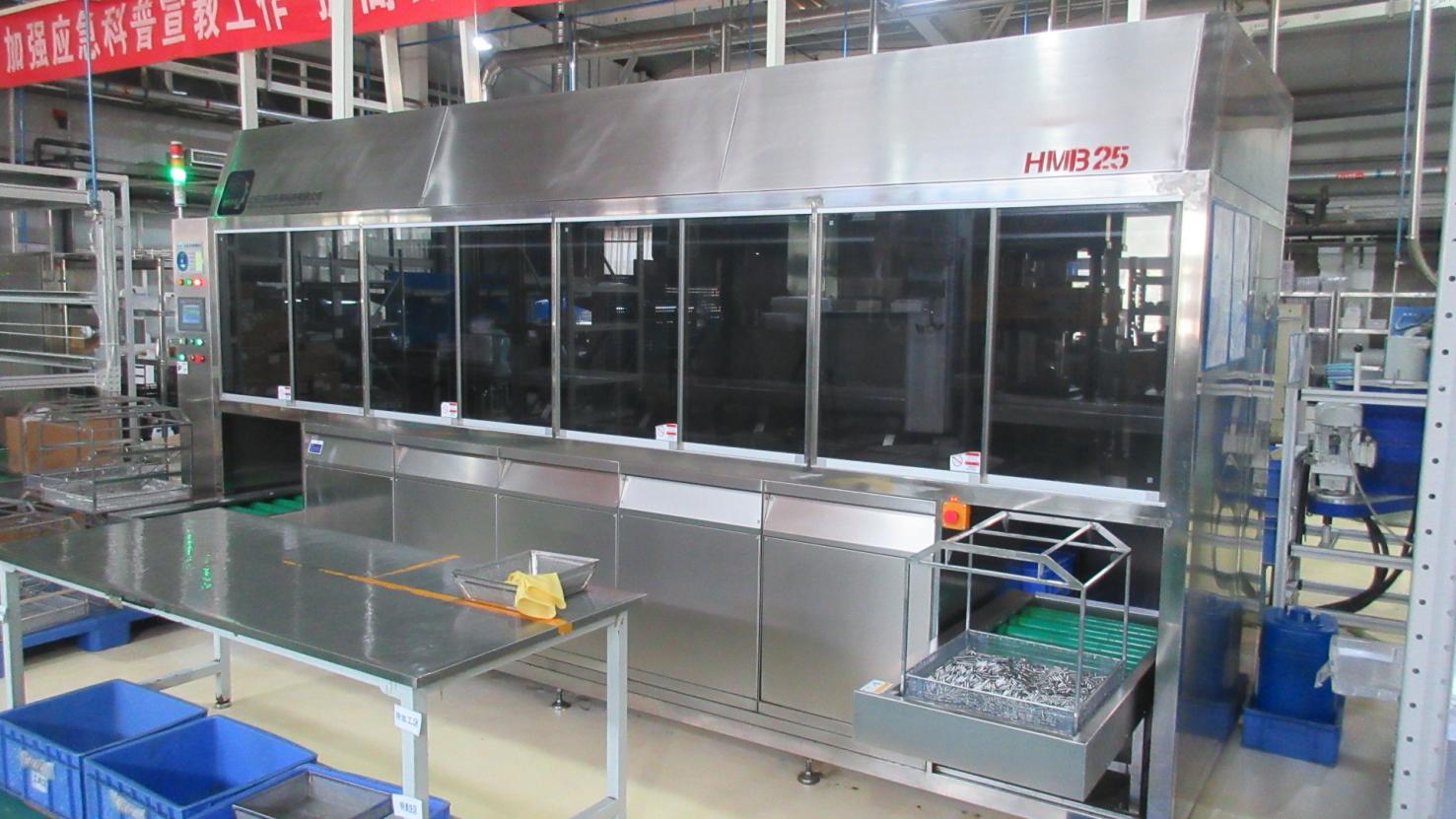
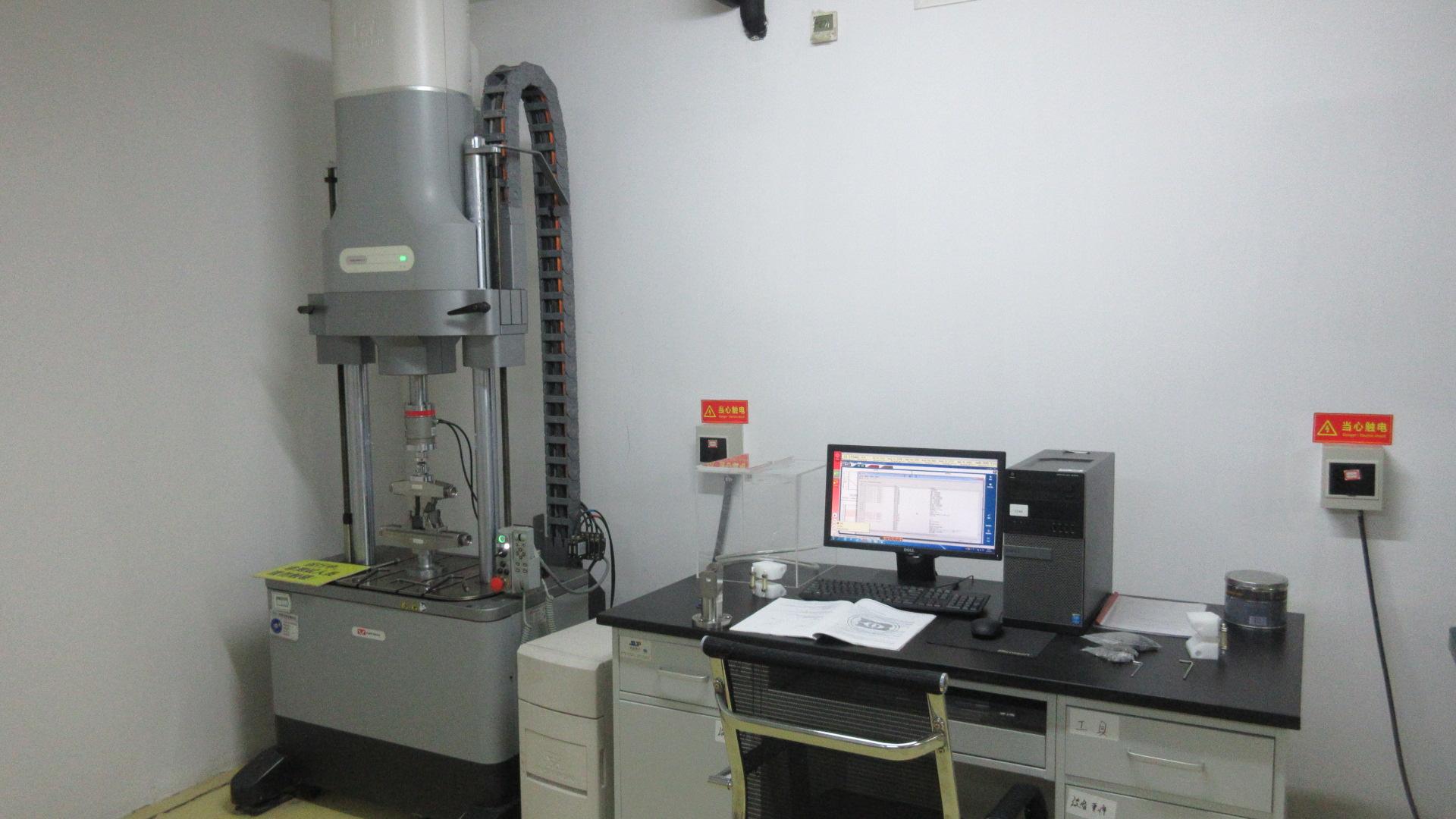
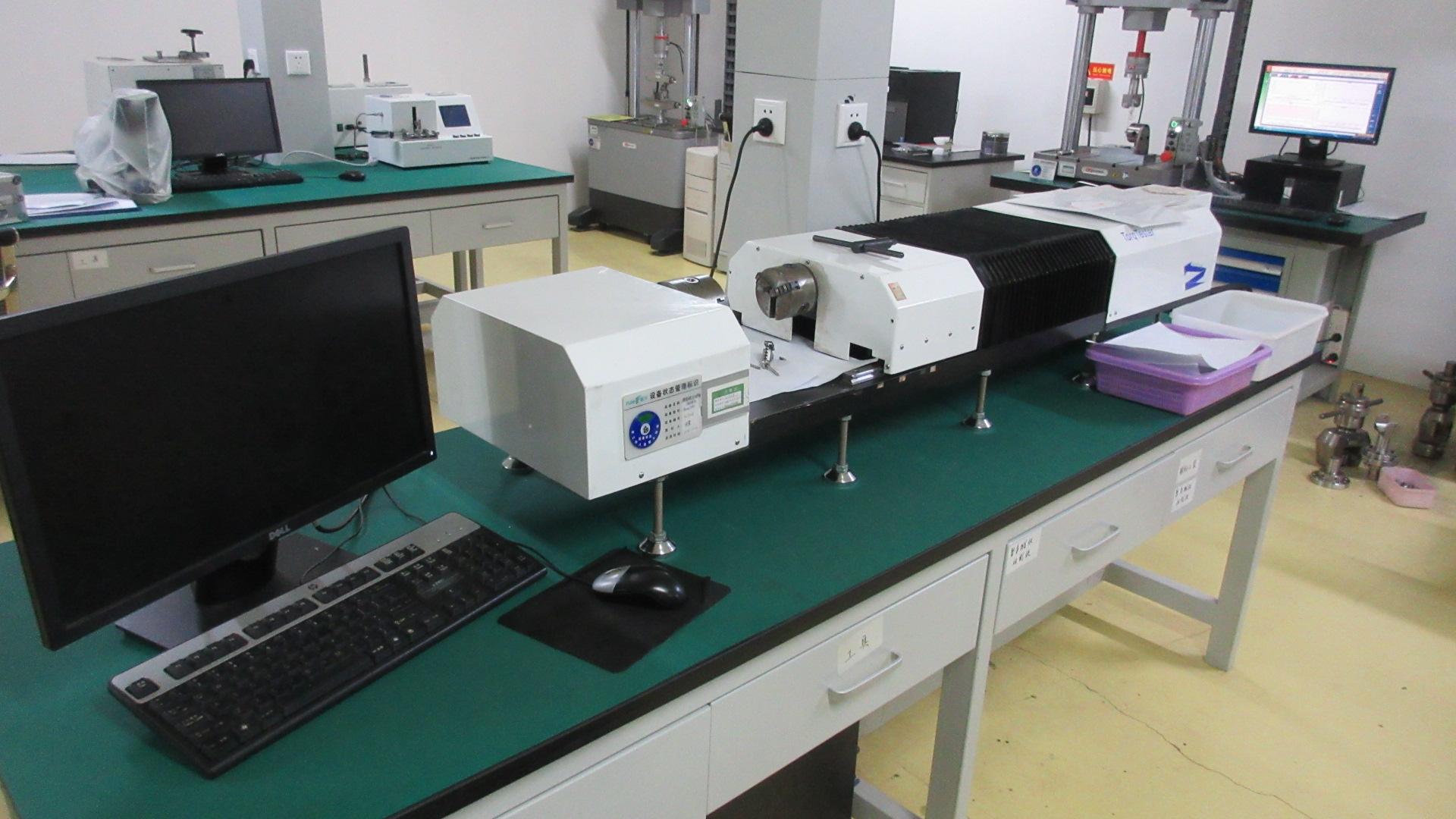
Explore our cleanrooms, precision CNC arrays, chemical treatment rooms, and quality control departments.

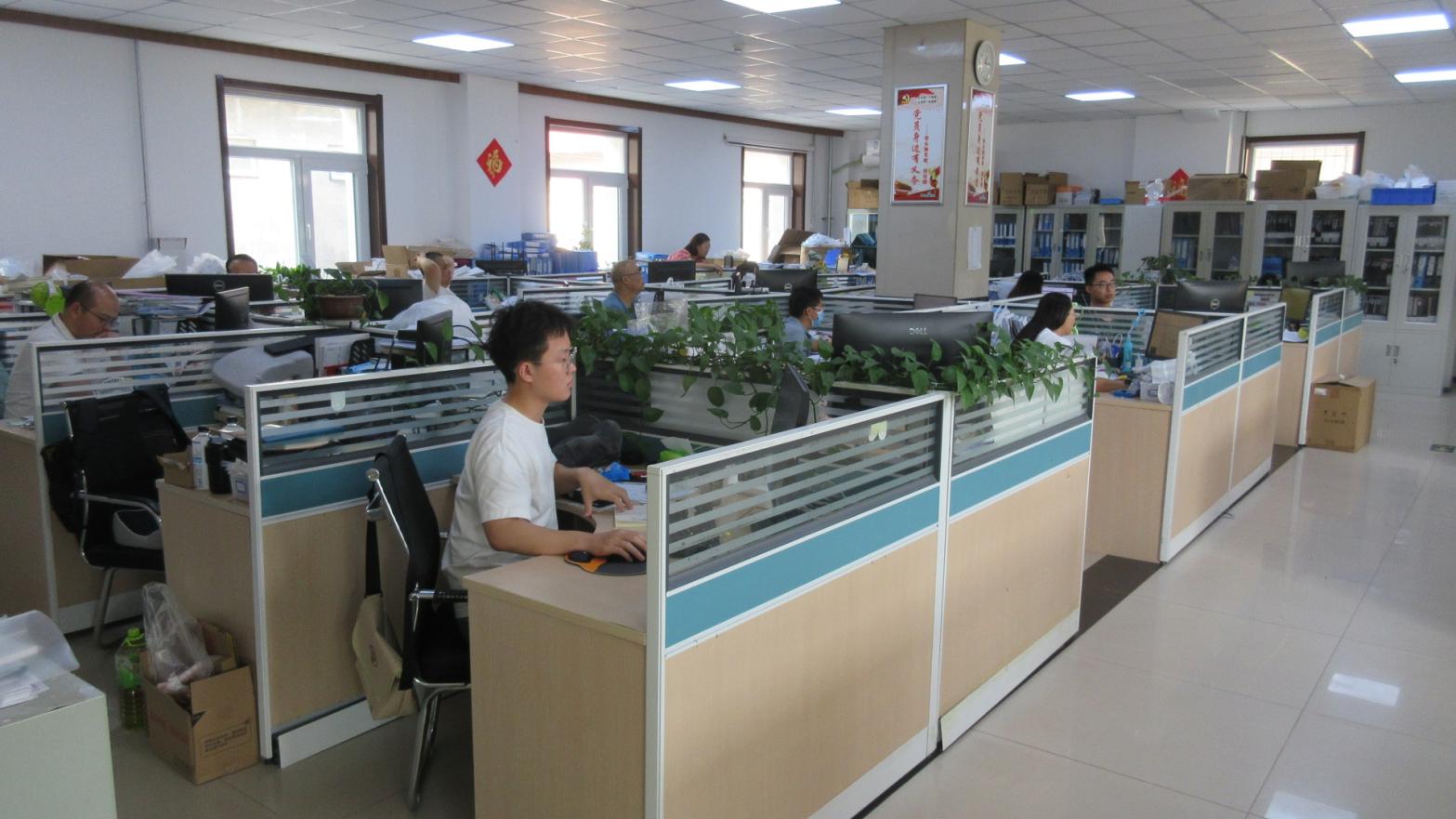
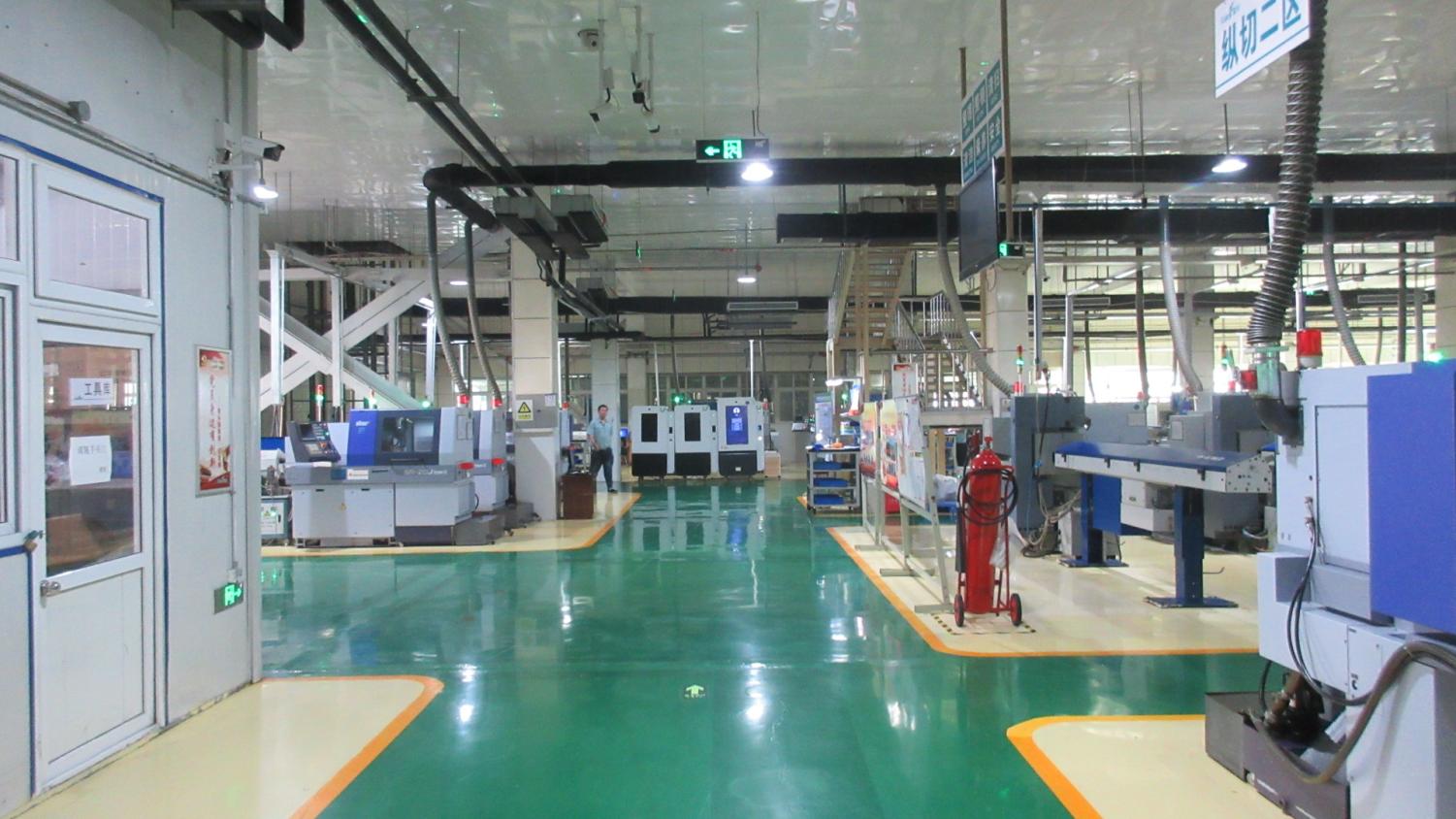
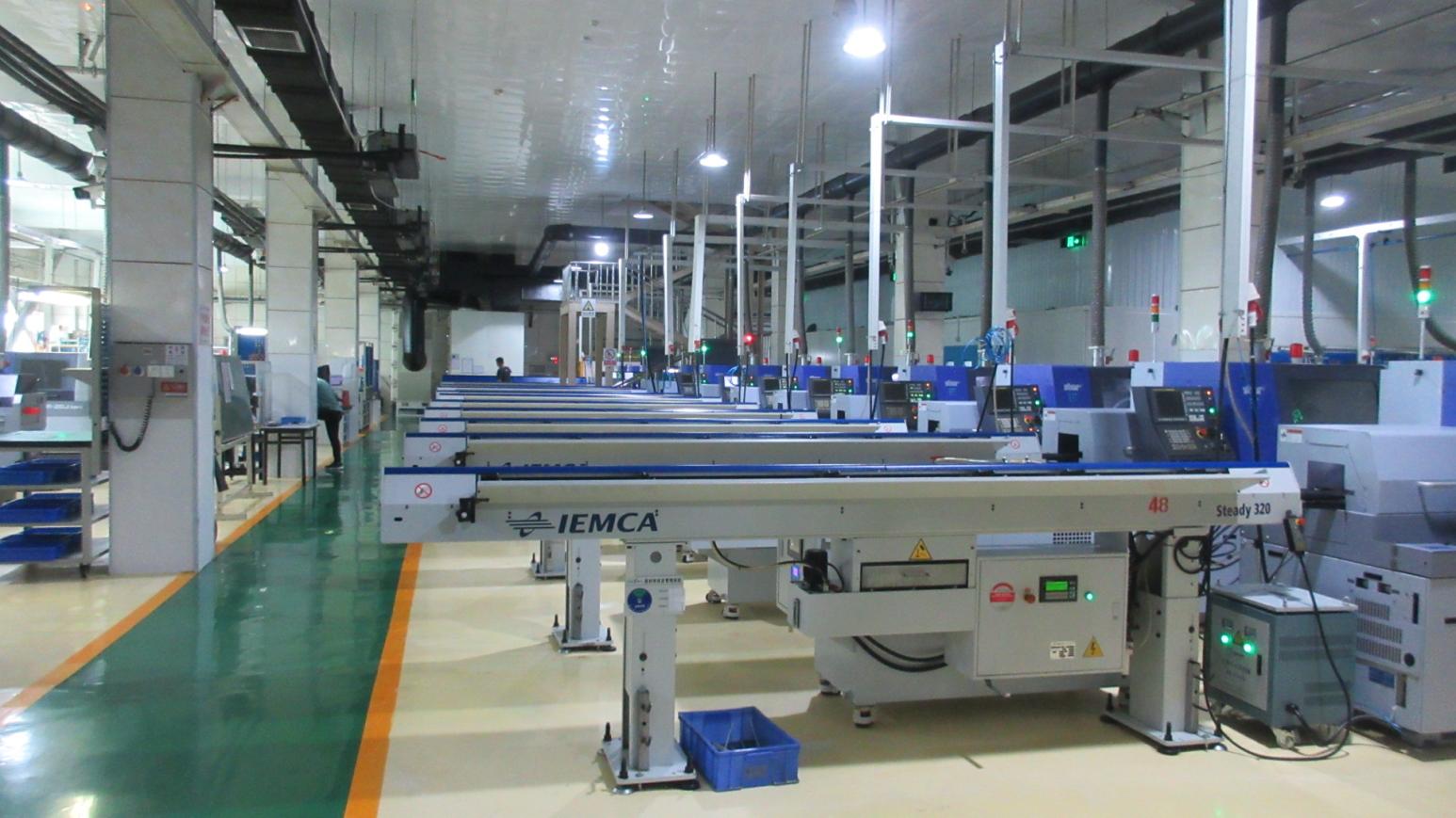
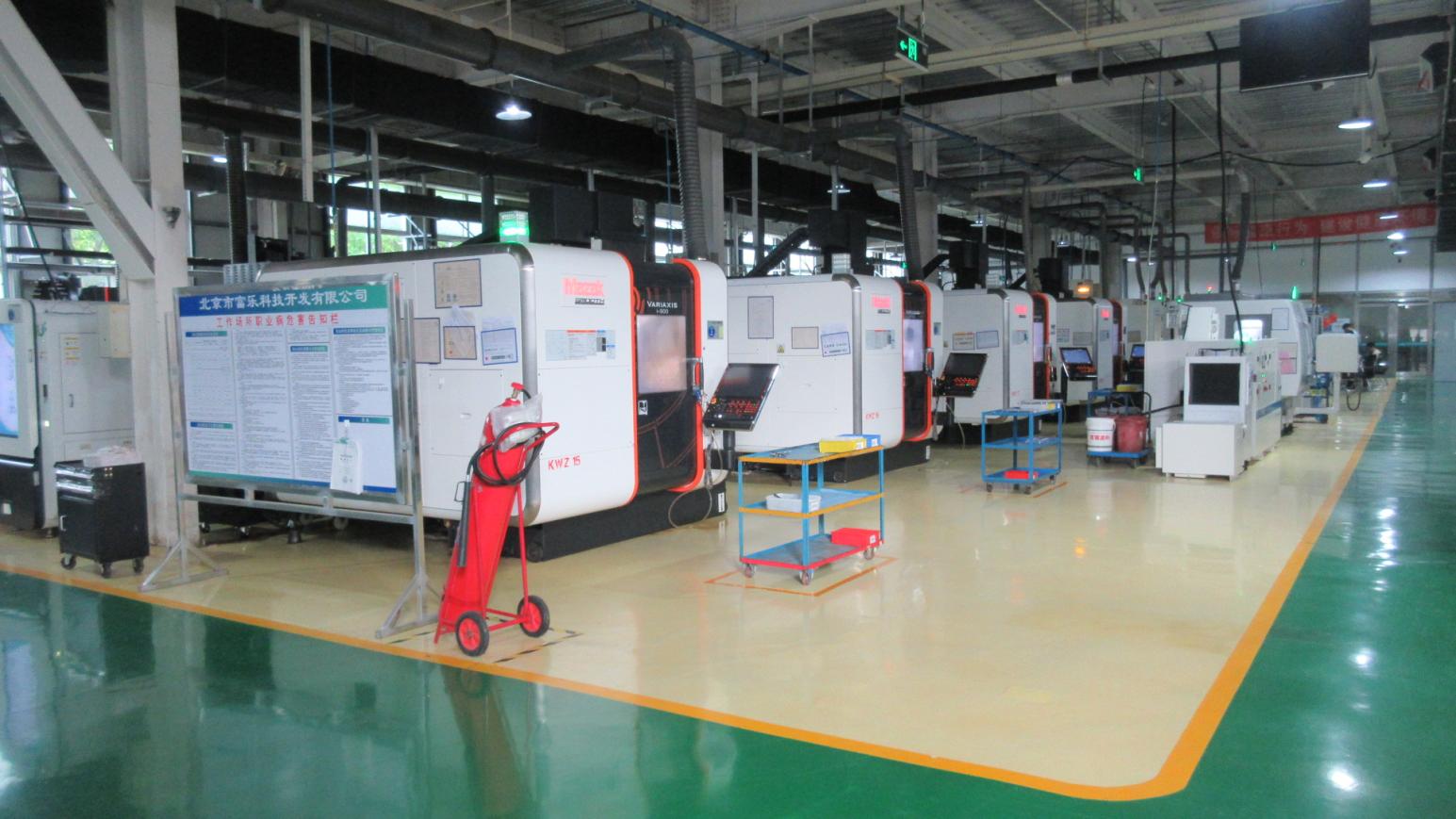
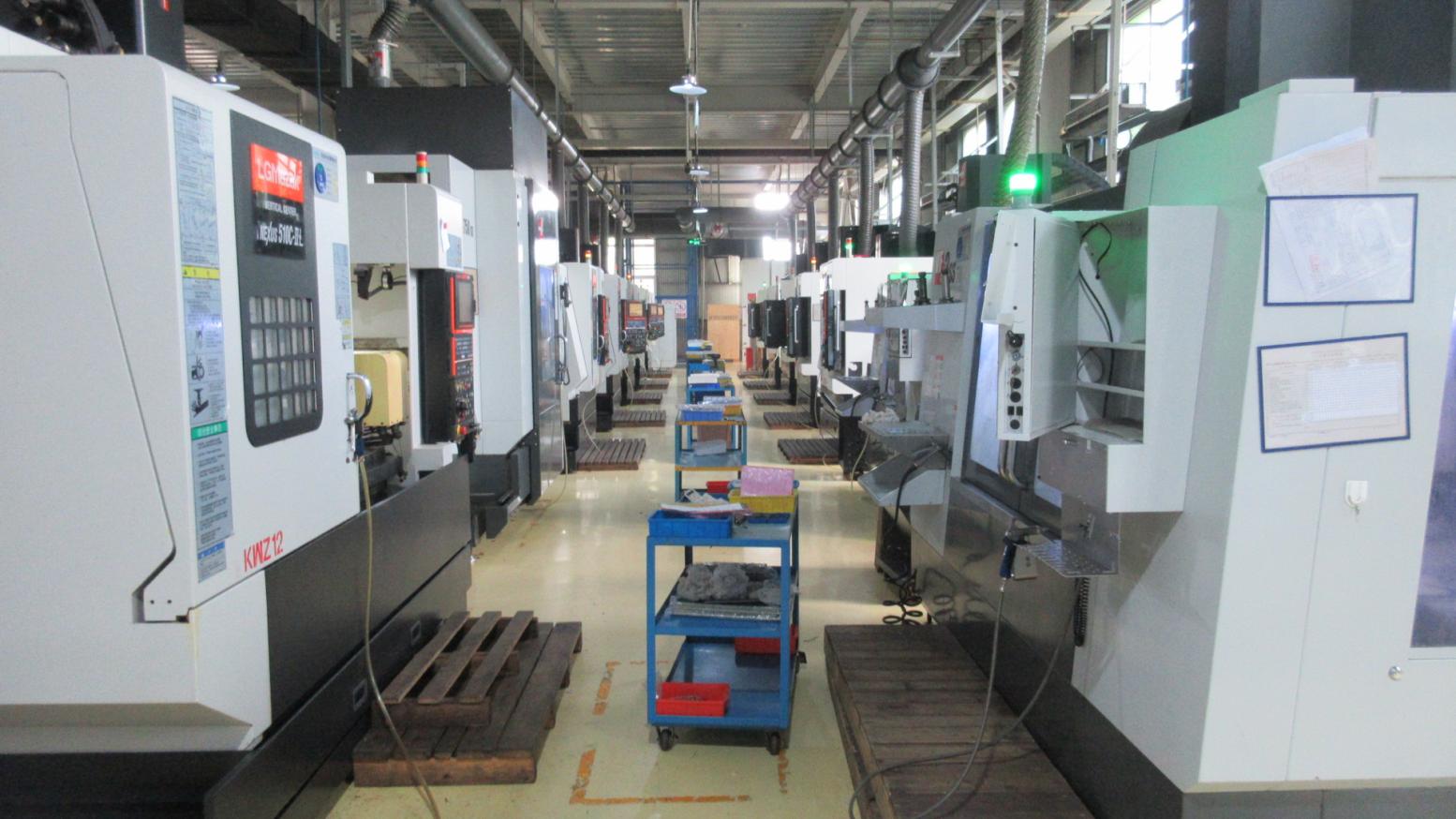
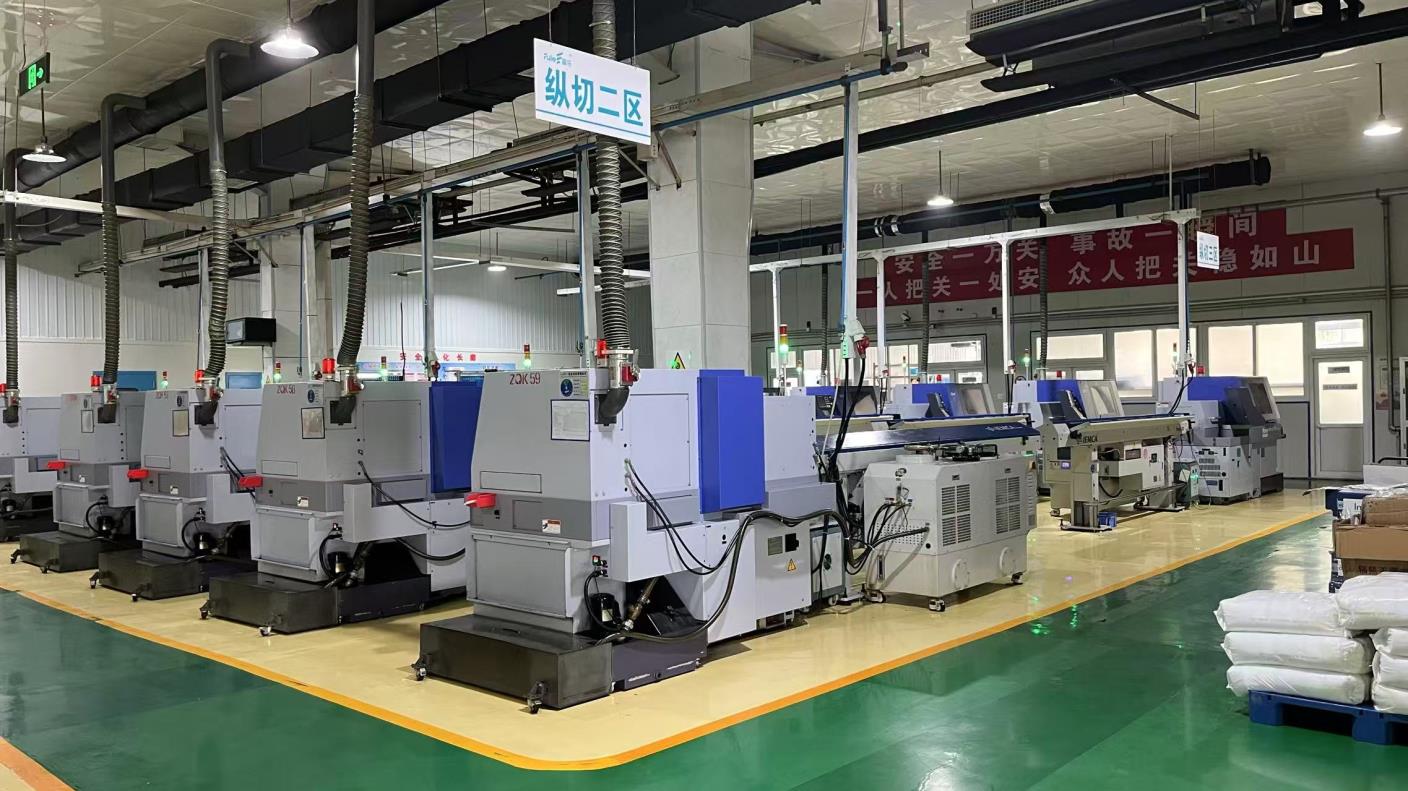
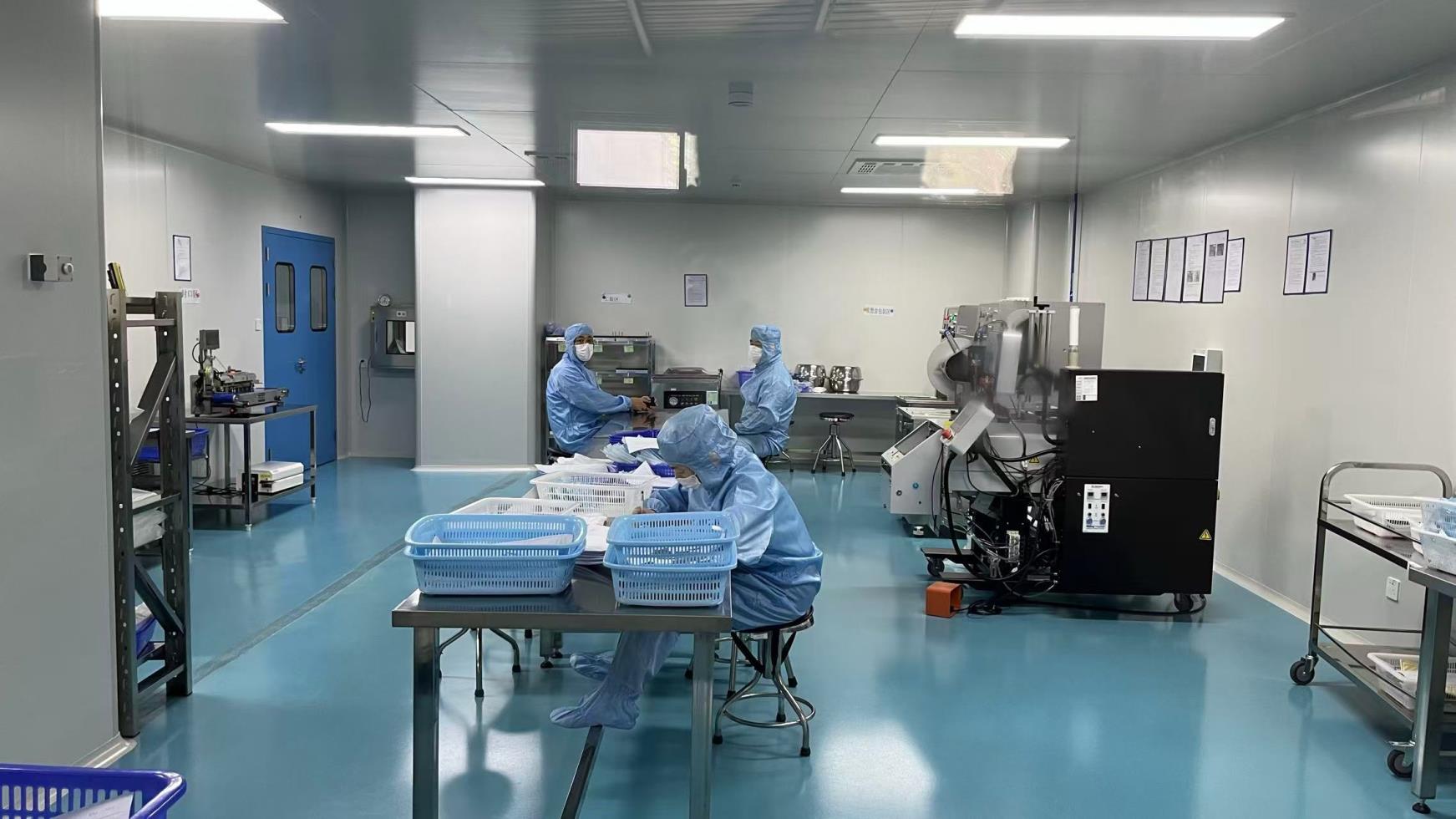
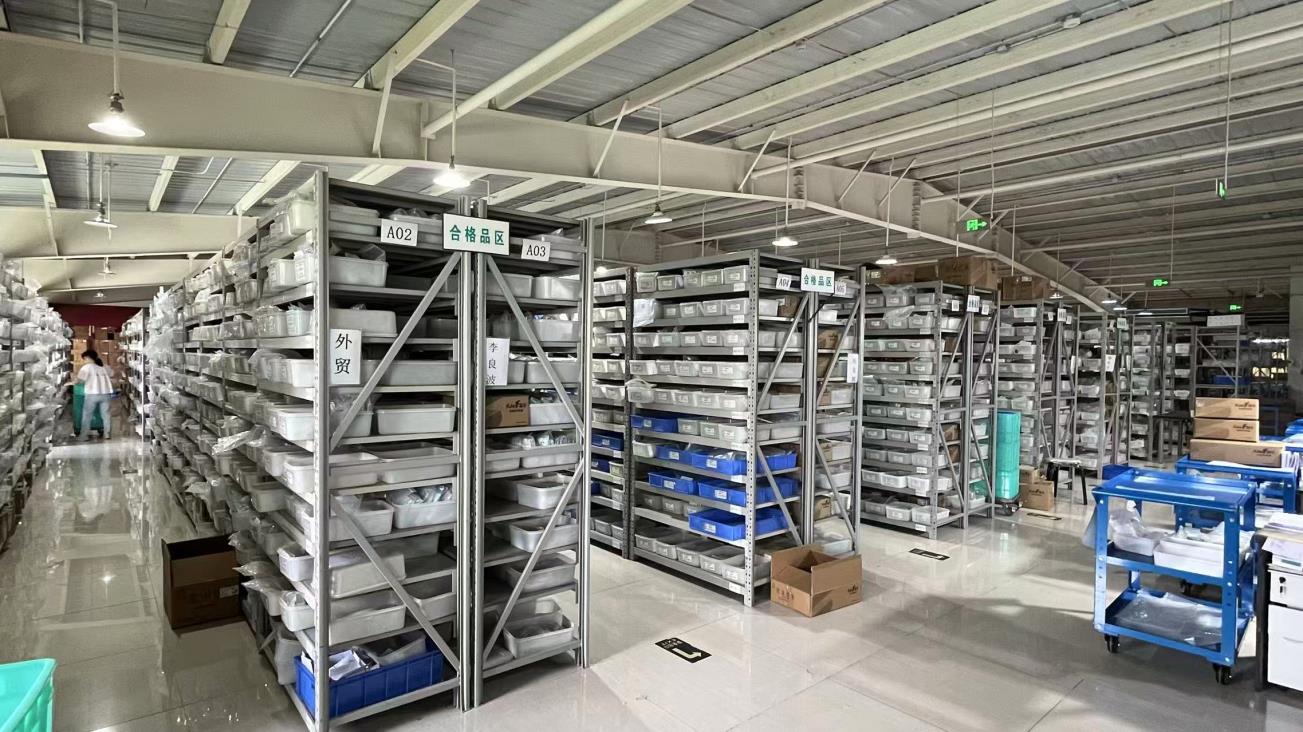
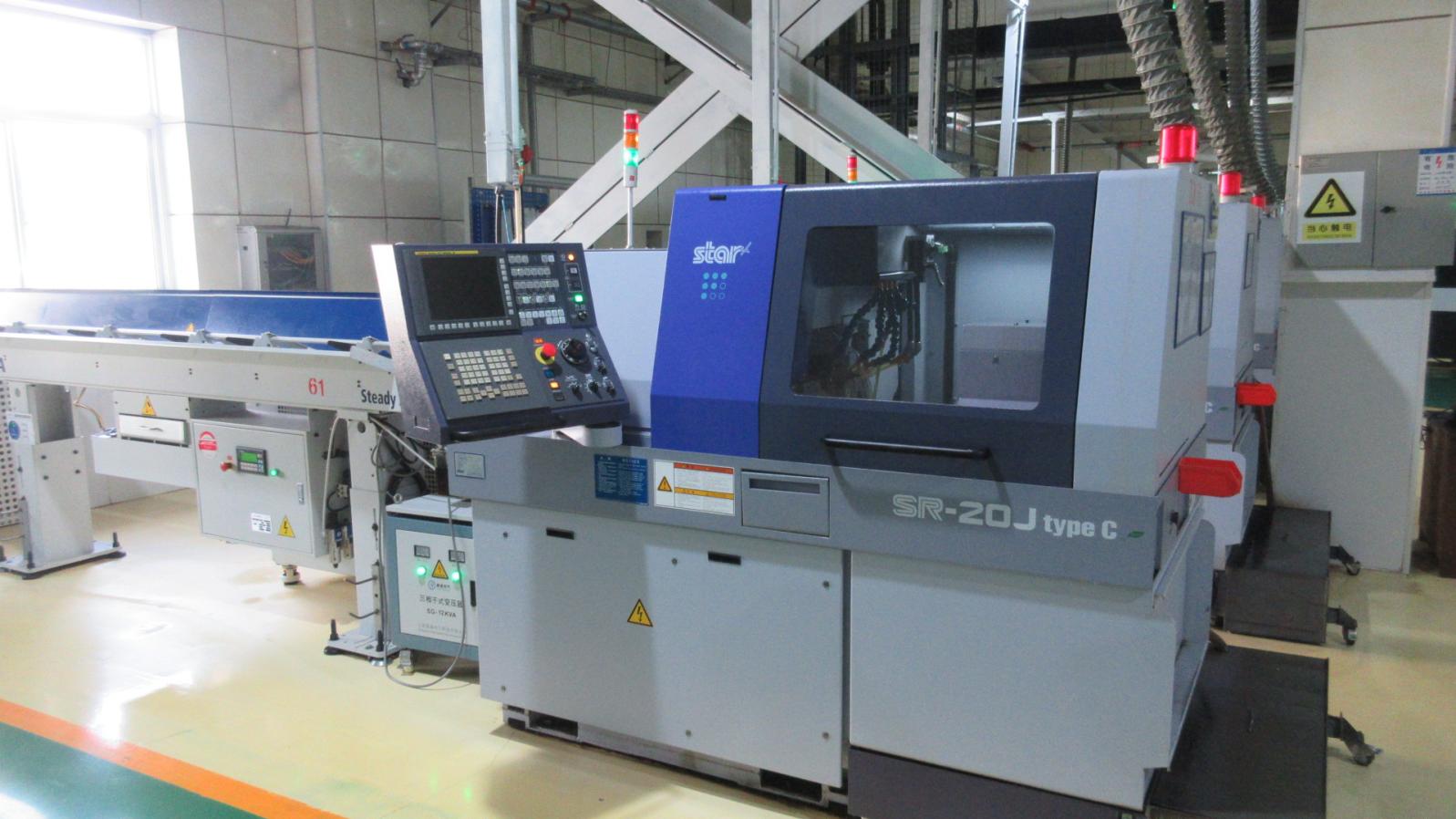
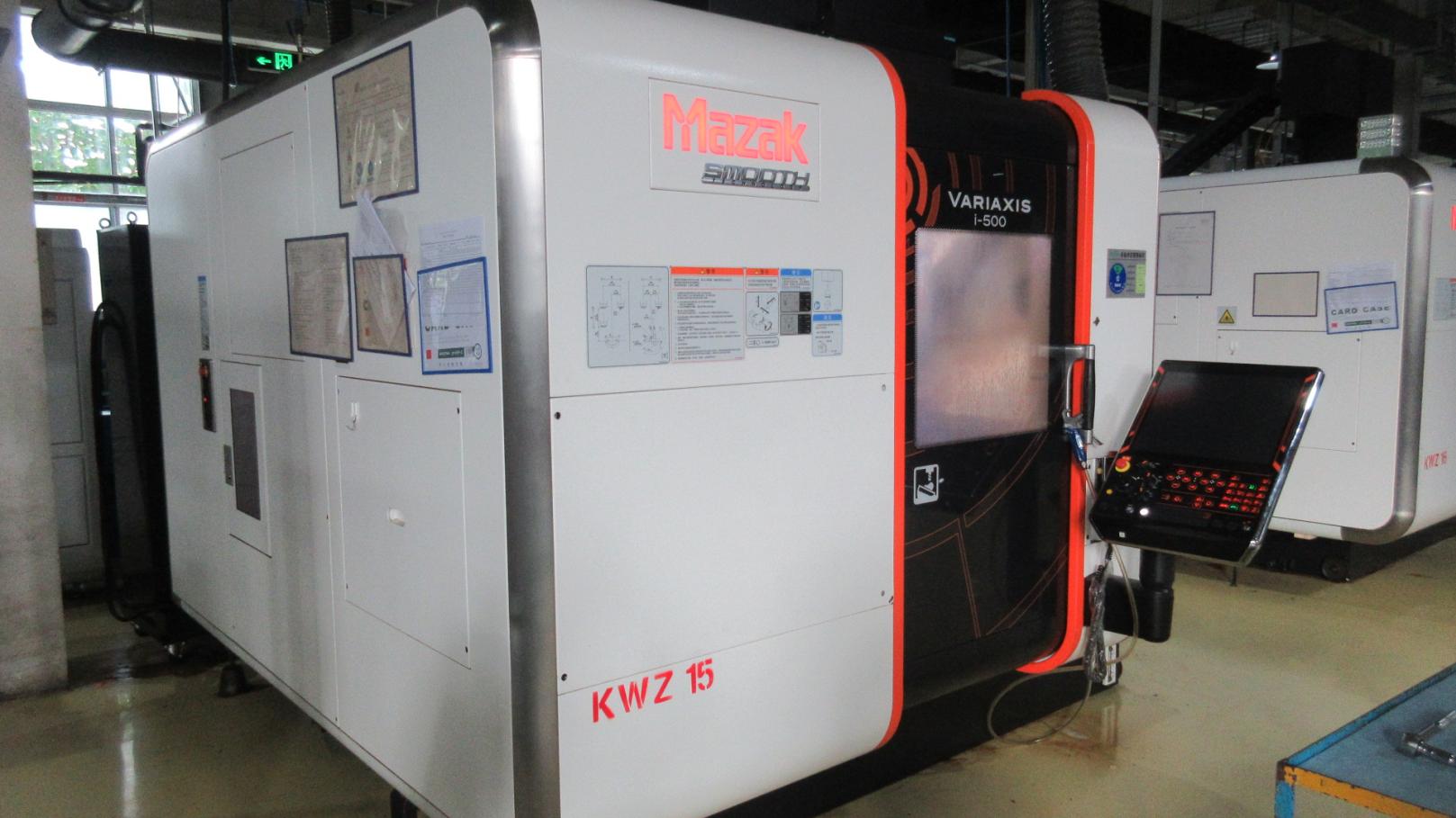
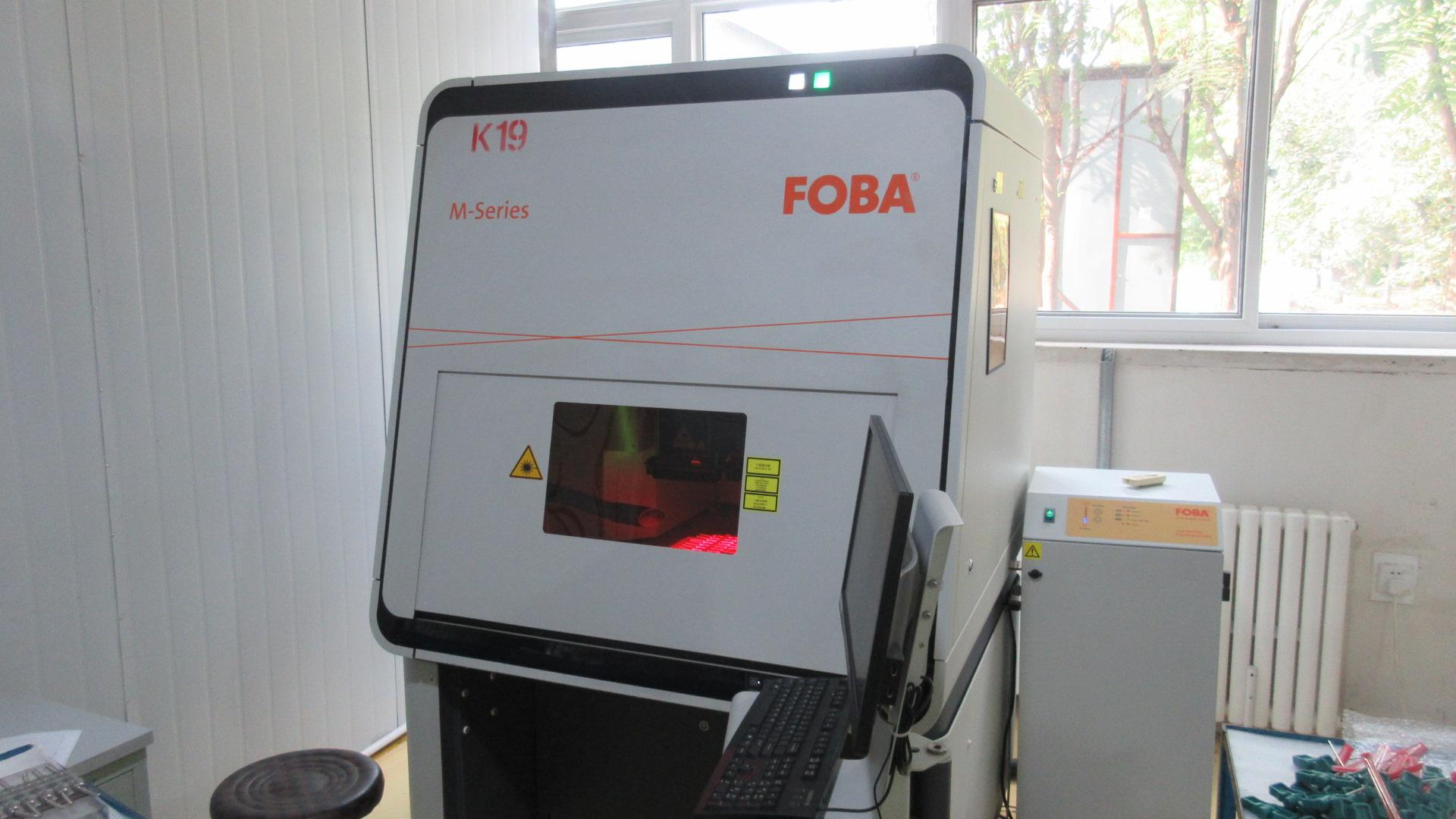
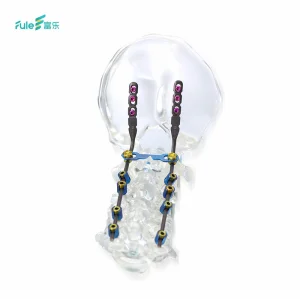
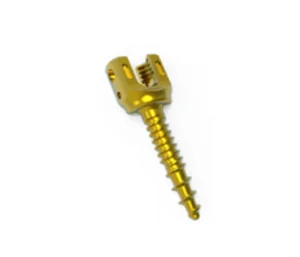
Medical devices are only as useful as the specific clinical solutions they enable. Our titanium systems and customized medical hardware cater to standard operating room environments globally. By designing with double lead threads, low-profile plating, and self-tapping tips, surgeons can perform decompression and stabilization maneuvers efficiently.
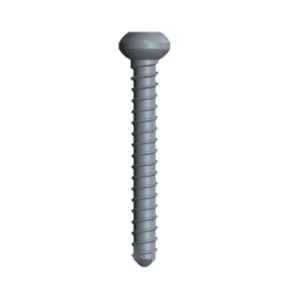
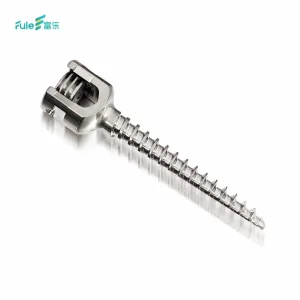
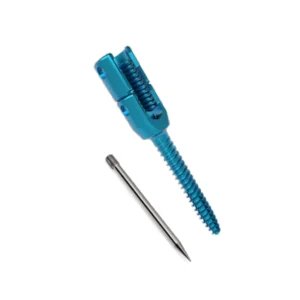
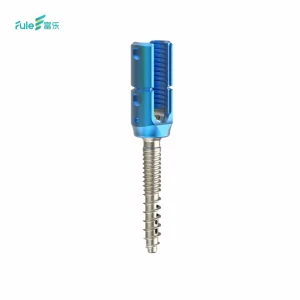
Standard implants often fail due to structural stress concentrations. Our product designs feature stress-dispersing rounded transitions and specialized variable angle screw collars. Variable angles allow up to 15 degrees of divergence, giving surgeons intraoperative flexibility to anchor through varied pedicle trajectories without shifting the primary rod alignment.
Additionally, specialized chemical anodization treatments form a robust titanium oxide layer on the implants. This oxide barrier reduces friction coefficients, prevents metallosis in adjacent soft tissues, and encourages osteoblasts to settle on the implant surface, driving faster post-op recovery.
Answering the critical technical, logistical, and material questions raised by global medical device buyers.
We use medical-grade Titanium Alloy (Ti-6Al-4V / ASTM F136) for our pedicle screws, spinal rods, and cervical plates. This alloy provides exceptional biocompatibility, robust yield strength, and structural resistance to corrosive bodily fluids. Raw material traceability is 100% verified from sourcing through processing.
Our manufacturing line is ISO 13485:2016 certified. Every step—from raw bar stocking, CNC milling, mechanical threading, cleanroom packing, and final sterilization validation—is recorded in a device history record (DHR). Our 15 QA/QC inspectors maintain continuous parameter verification.
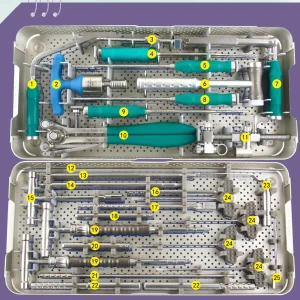
We offer robust customized options based on clinical blueprints or sample processing. Our R&D team consists of 20 highly qualified engineers who launched 20 new products last year. We handle custom-angle plates, orthopedic toolkits, and variable screw thread shapes to meet specific surgical preferences.
With 30 years of global exporting experience, our main markets are the Domestic Market (40%), Eastern Europe (15%), and Southeast Asia (10%). We support standard global trade terms, offering reliable logistics solutions to retailers, wholesalers, and clinical suppliers alike.
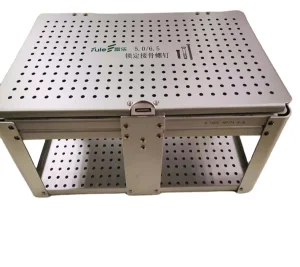
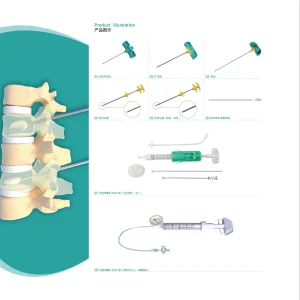
Browse our selection of specialized implants, sterile balloon expansion pumps, and surgical instrument cases.
 Beren Science & Technology