Precision-engineered titanium alloy and high-grade stainless steel orthopedic implants manufactured under stringent Class III cleanroom conditions.
In the rapidly evolving landscape of advanced medical sourcing, hospitals, Group Purchasing Organizations (GPOs), and distributors are transitioning from standard off-the-shelf implants to custom additive-manufactured solutions.
Additive manufacturing enables the creation of complex trabecular grid patterns that mirror human cancellous bone. This micro-porous structure facilitates direct bone ingrowth, drastically reducing the rate of implant displacement and revision surgeries.
Traditional milling processes discard up to 80% of raw titanium blocks. Industrial 3D printing (specifically Laser Powder Bed Fusion - LPBF) uses only the precise amount of metal powder required, driving down the unit cost of complex implants.
OEM / ODM services enable medical technology companies to translate DICOM imaging data from MRI or CT scans into patient-specific implants (PSIs) within a shortened 72-hour design-to-production turnaround window.
One of the primary cost-saving drivers for hospitals adopting 3D-printed guides and implants is the marked reduction in operating room (OR) time. By utilizing anatomical pre-planning, surgeons bypass the need for intraoperative adjustment of generic structural plates. Customized titanium cages and plates fit the patient's topography immediately upon deployment, lowering anesthetic exposure risks and minimizing surgical site infection (SSI) indicators.
International medical device importers must secure robust supply lines that withstand stringent auditing. As a factory partner with over 30 years of export experience, we alleviate import compliance bottlenecks. Our delivery infrastructure handles customs clearance dossiers, technical file access for Class II and Class III registrations, and offers flexible OEM batch production thresholds to optimize your capital allocation.
Our facility employs state-of-the-art Direct Metal Laser Sintering (DMLS) and Electron Beam Melting (EBM) technologies to process medical-grade Ti-6Al-4V ELI (Extra Low Interstitial) alloy powders.
| Manufacturing Parameter | Direct Metal Laser Sintering (DMLS) | Electron Beam Melting (EBM) | Clinical Advantages |
|---|---|---|---|
| Heat Source | High-power Ytterbium fiber laser | High-power electron beam | Ensures homogeneous material density and minimal structural voids. |
| Process Atmosphere | Inert Argon gas environment | High vacuum chamber | Prevents oxidation of titanium, securing biocompatibility integrity. |
| Pore Size Range | 300 µm - 600 µm | 500 µm - 800 µm | Optimized for vascularized bone ingrowth and osseous bridging. |
| Surface Roughness (Ra) | 5 - 15 µm (As-printed) | 20 - 40 µm (As-printed) | Provides high primary stability through mechanical friction with host bone. |
| Tensile Strength | > 950 MPa (Post-HIP) | > 900 MPa (Post-HIP) | Surpasses ISO 5832-3 standard mechanical performance demands. |
Raw printed titanium parts contain residual thermal stresses that can compromise fatigue life. To mitigate this risk, our post-processing routine utilizes Hot Isostatic Pressing (HIP) at 920°C under 100 MPa pressure, effectively collapsing internal micro-porosities and ensuring the mechanical resilience required for load-bearing spine and joint implants.
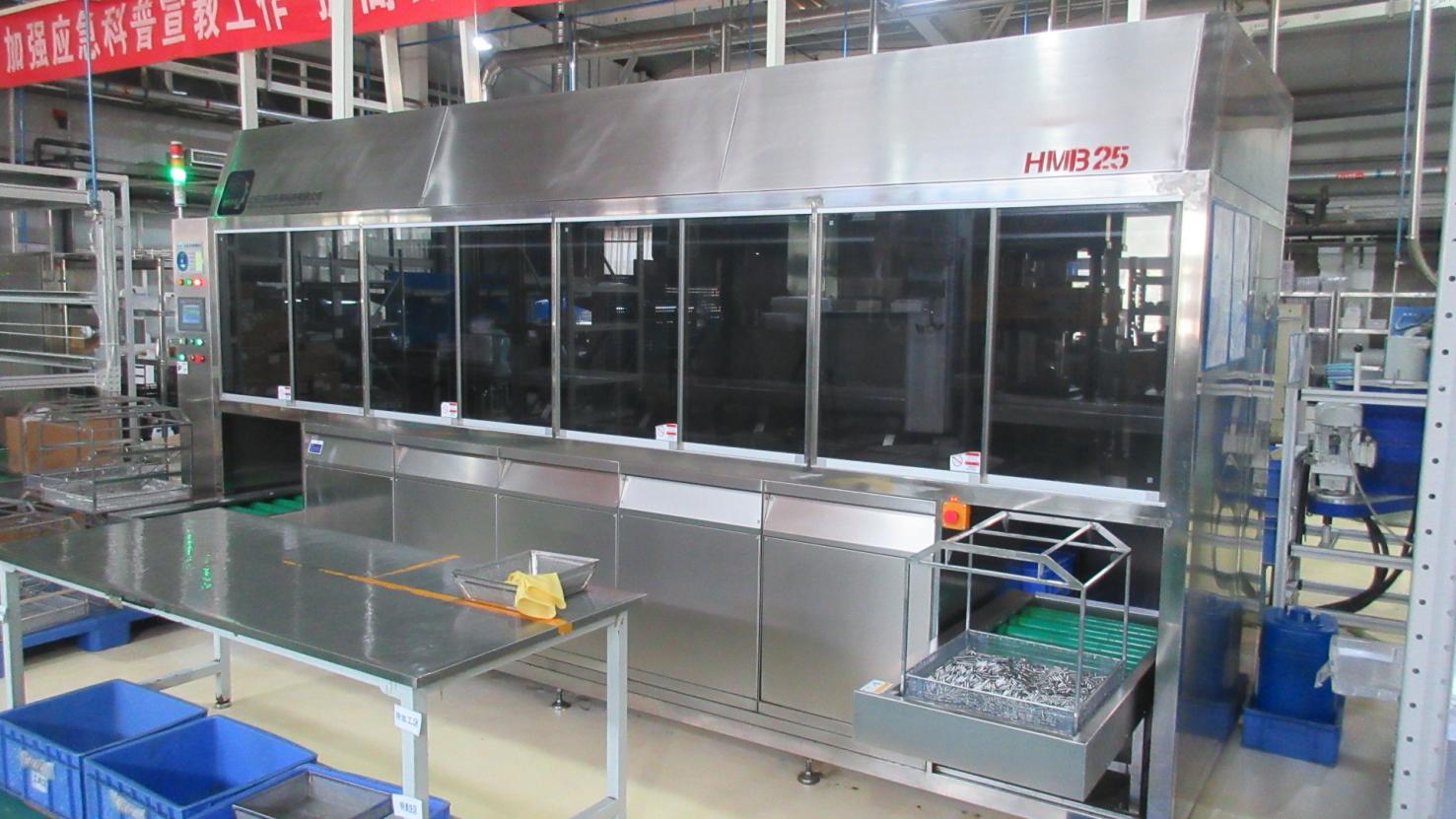
Following thermal treatment, implants undergo chemical acid etching to eliminate un-fused metal powders, followed by ultrasonic validation washes to ensure zero bio-contamination or cytotoxic residue on the implant surface.
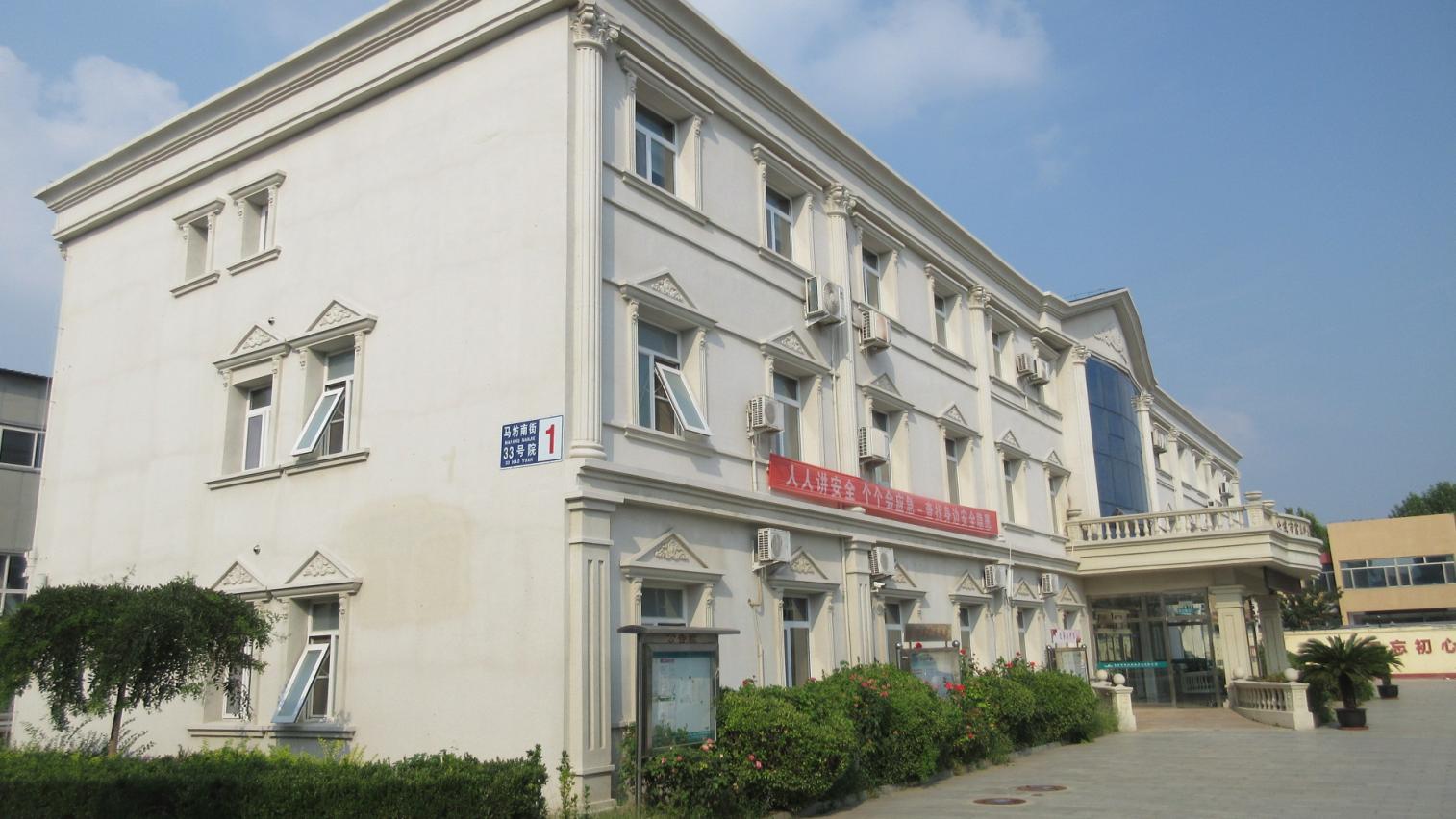
Operating from our 10,000 square meter integrated facility, we manage the entire manufacturing cycle from custom powder alloy procurement to packaging sterilization.
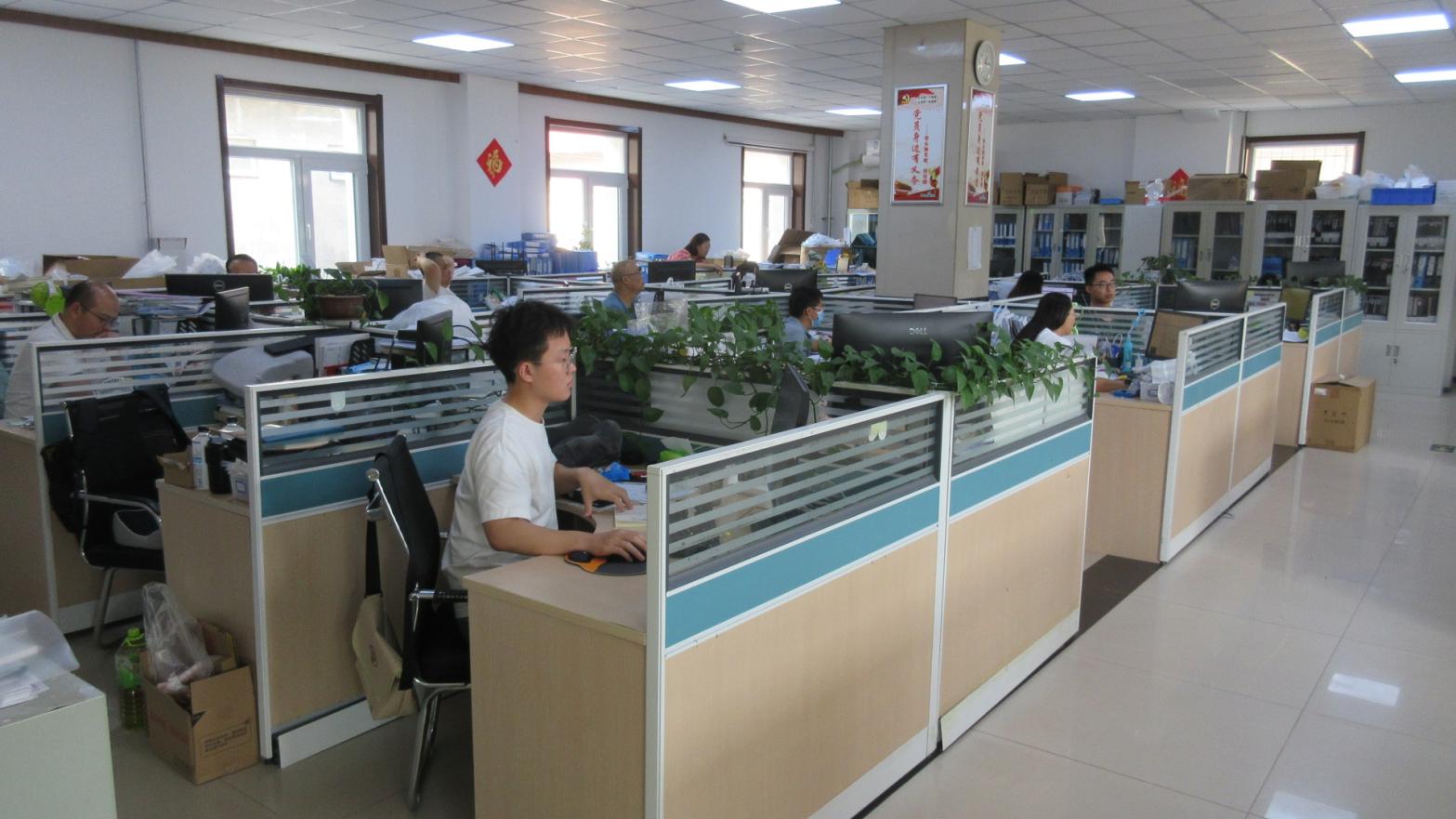
Our research and development division houses 20 specialized engineers (15 with postgraduate degrees) focused on structural biomechanics, topology optimization, and FEA (Finite Element Analysis) simulation to ensure mechanical integrity prior to fabrication.
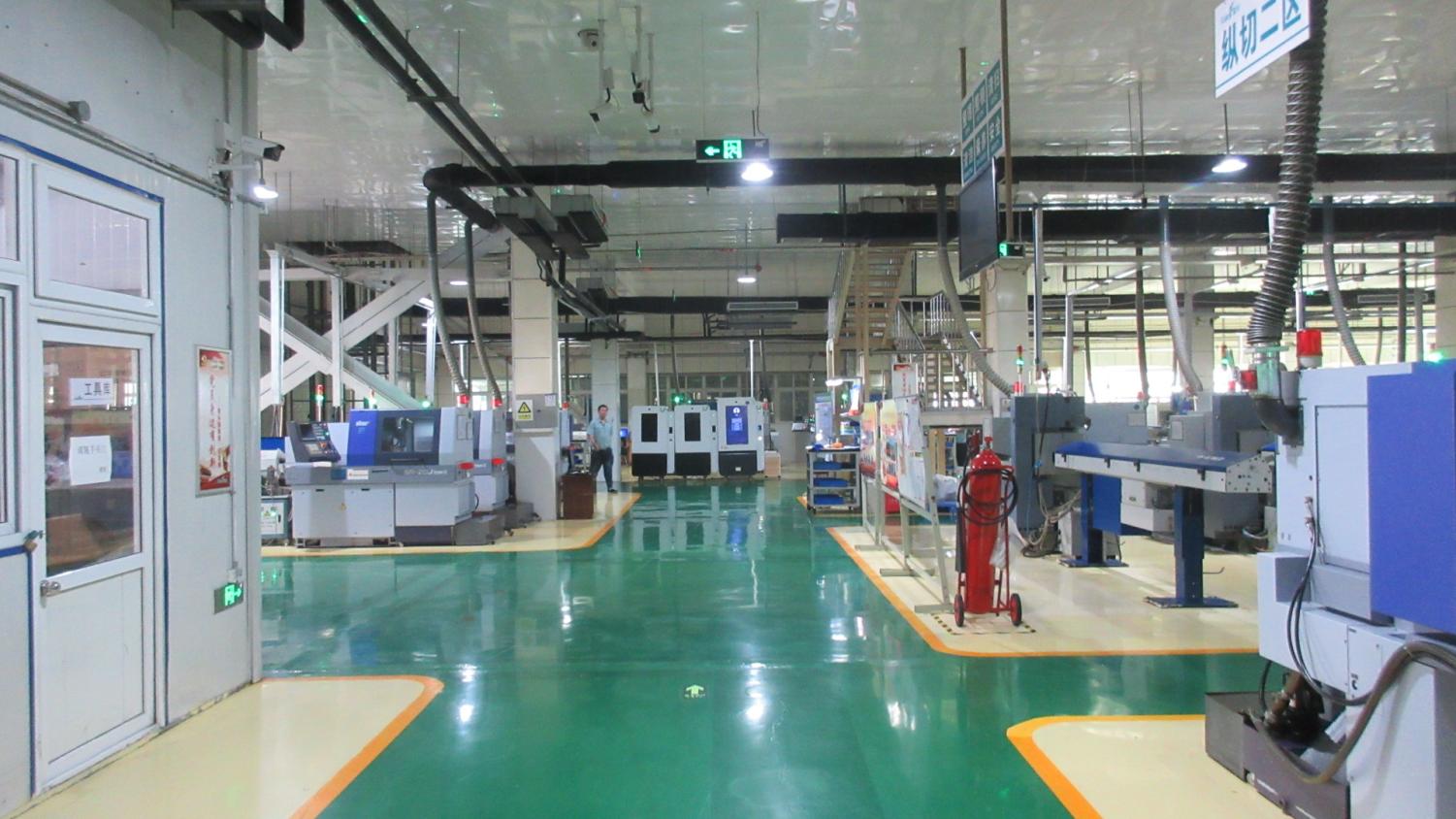
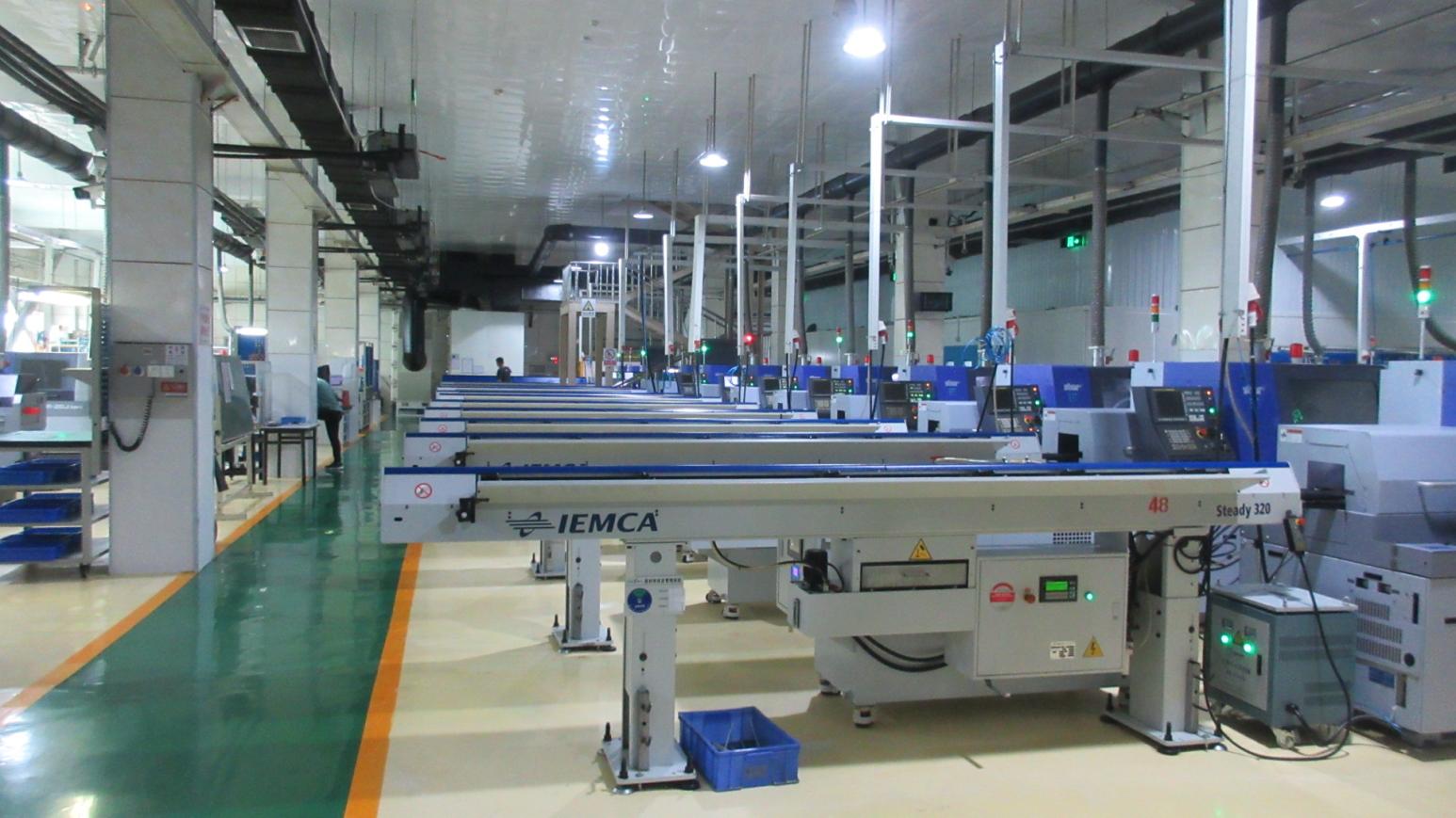
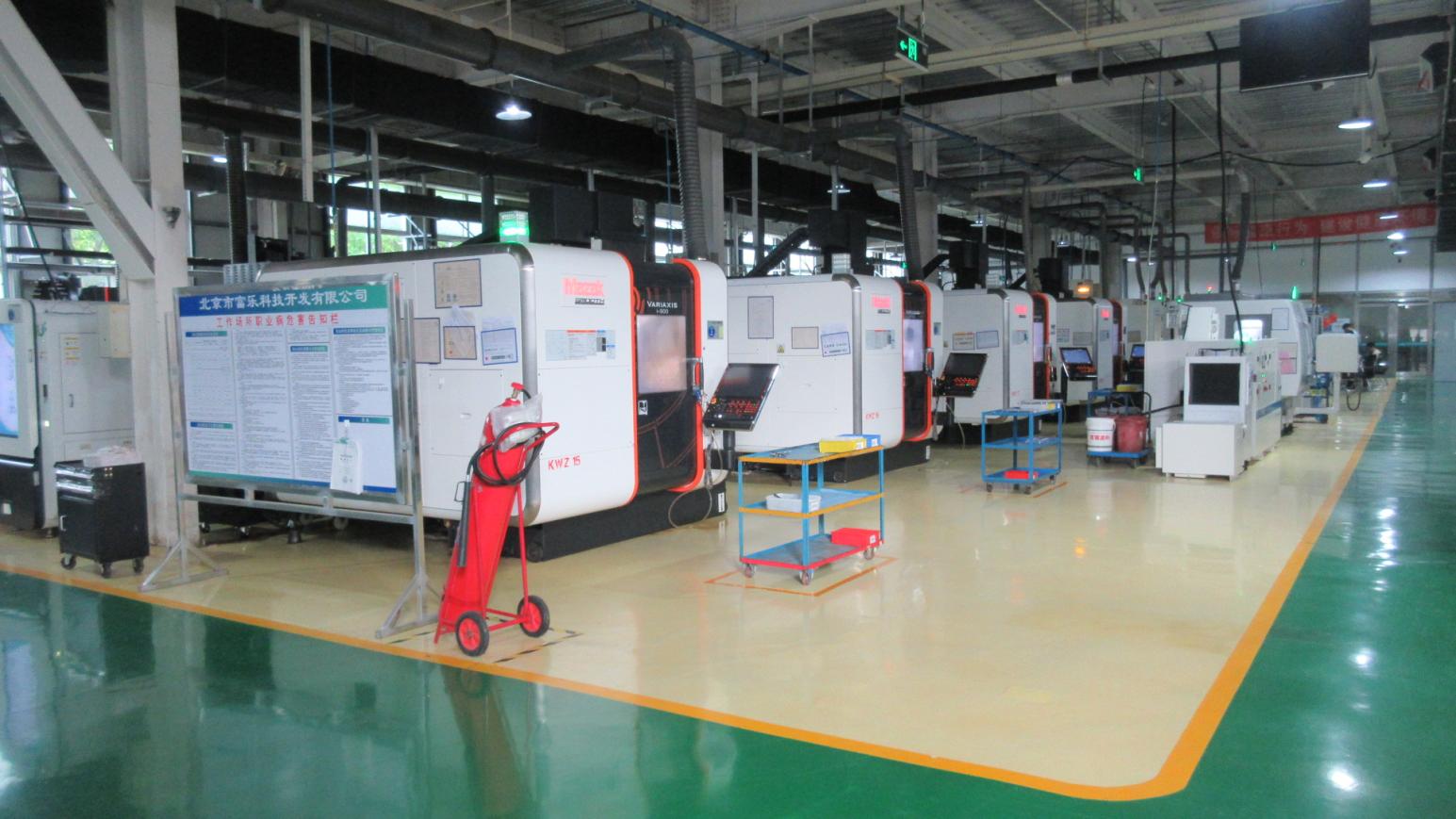
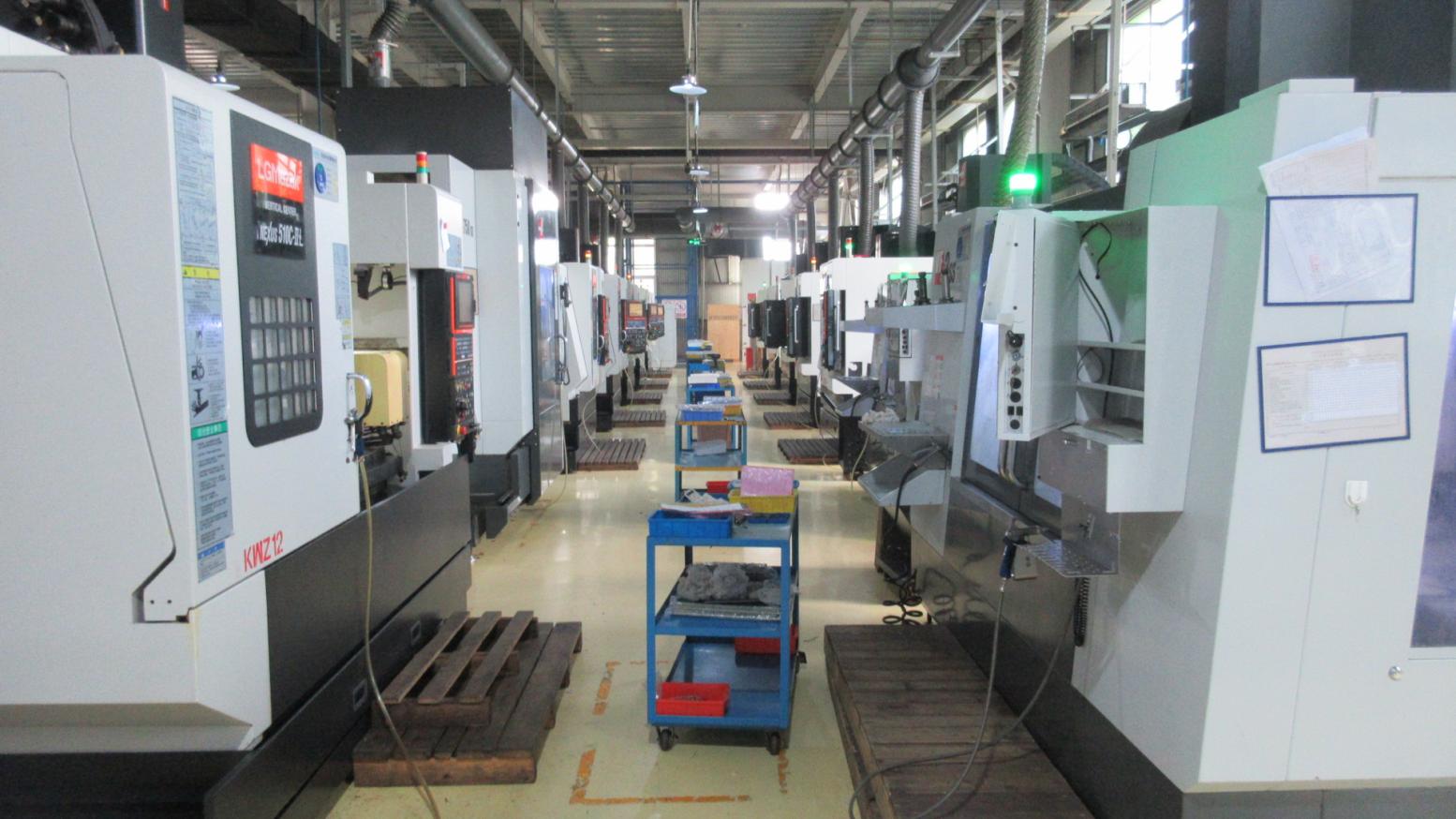
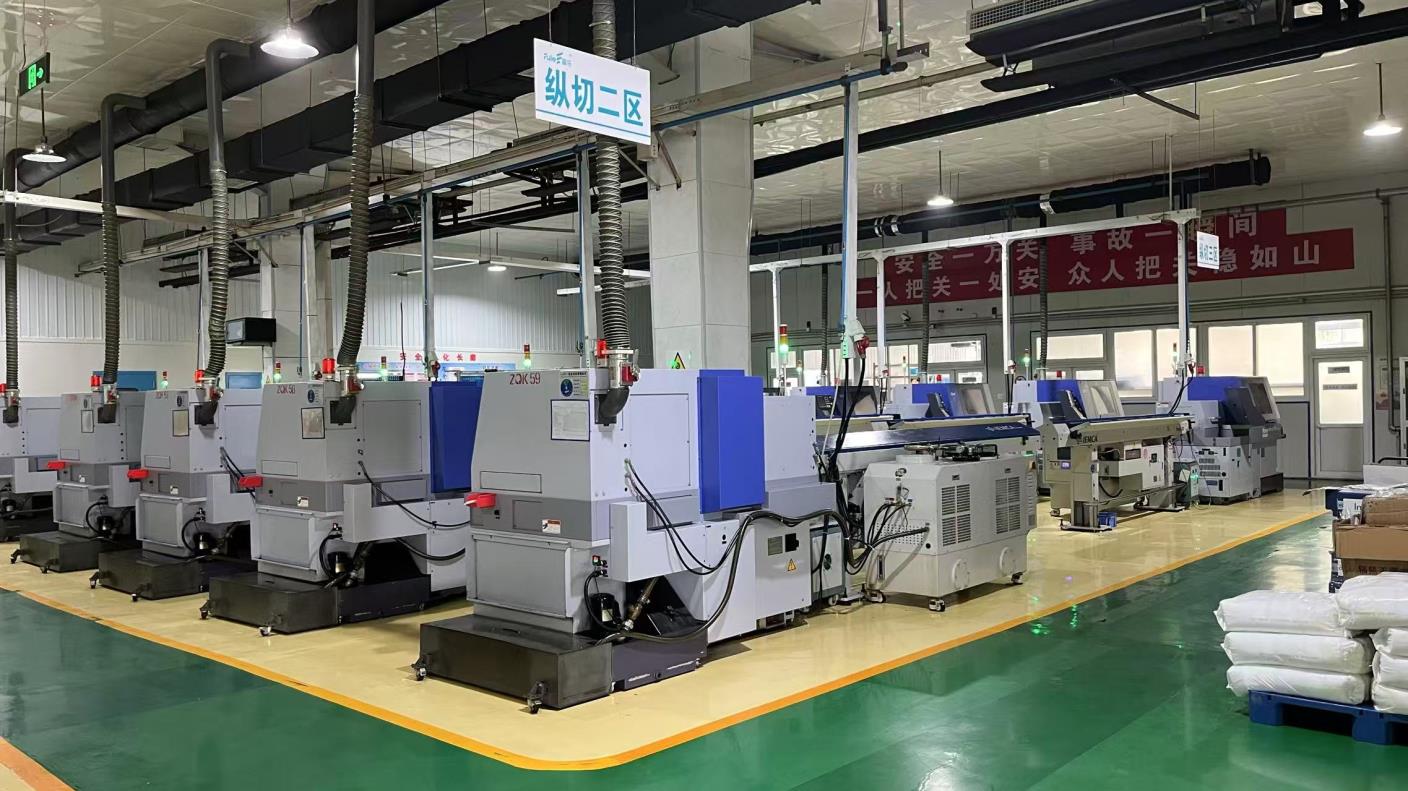
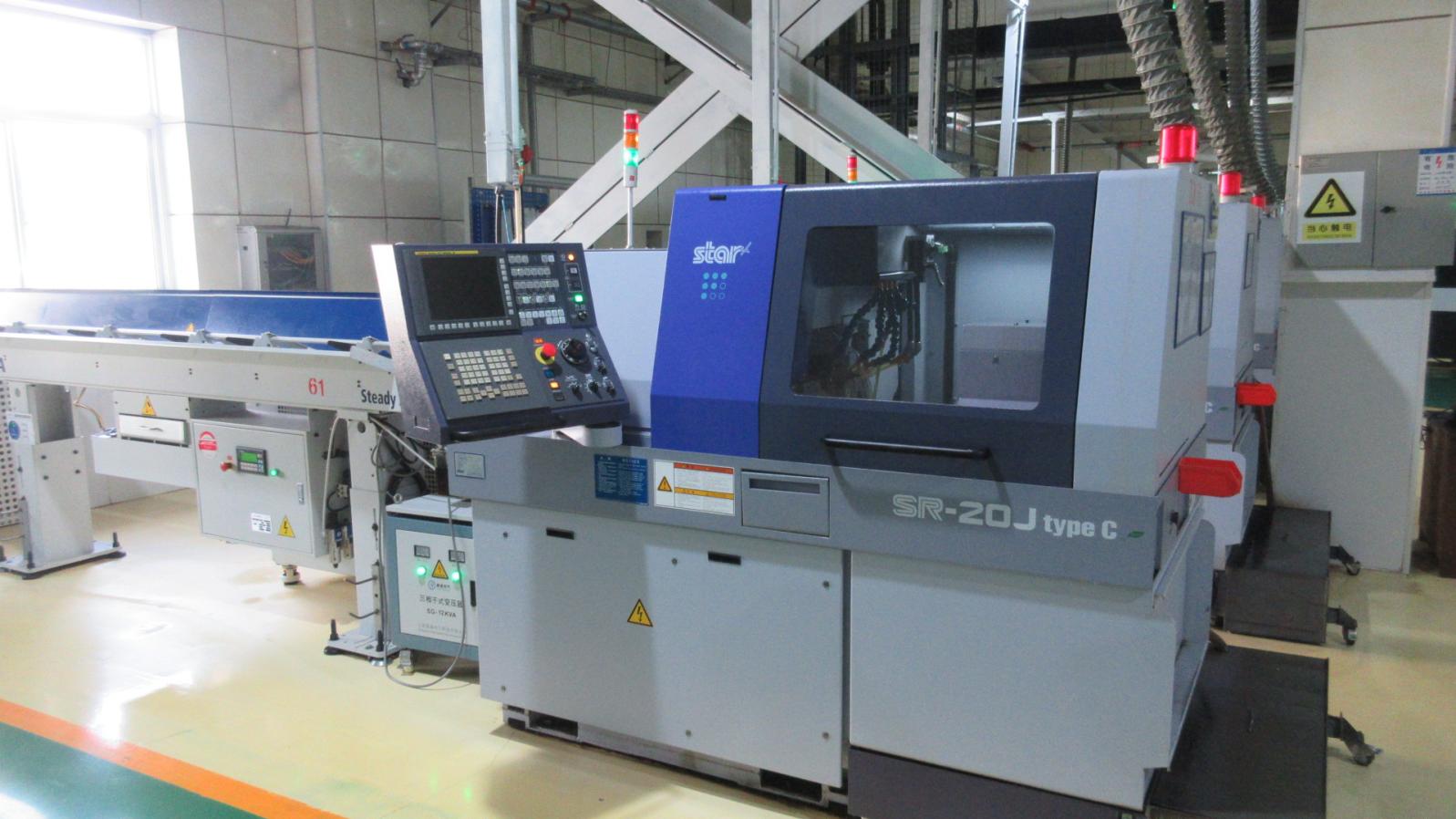
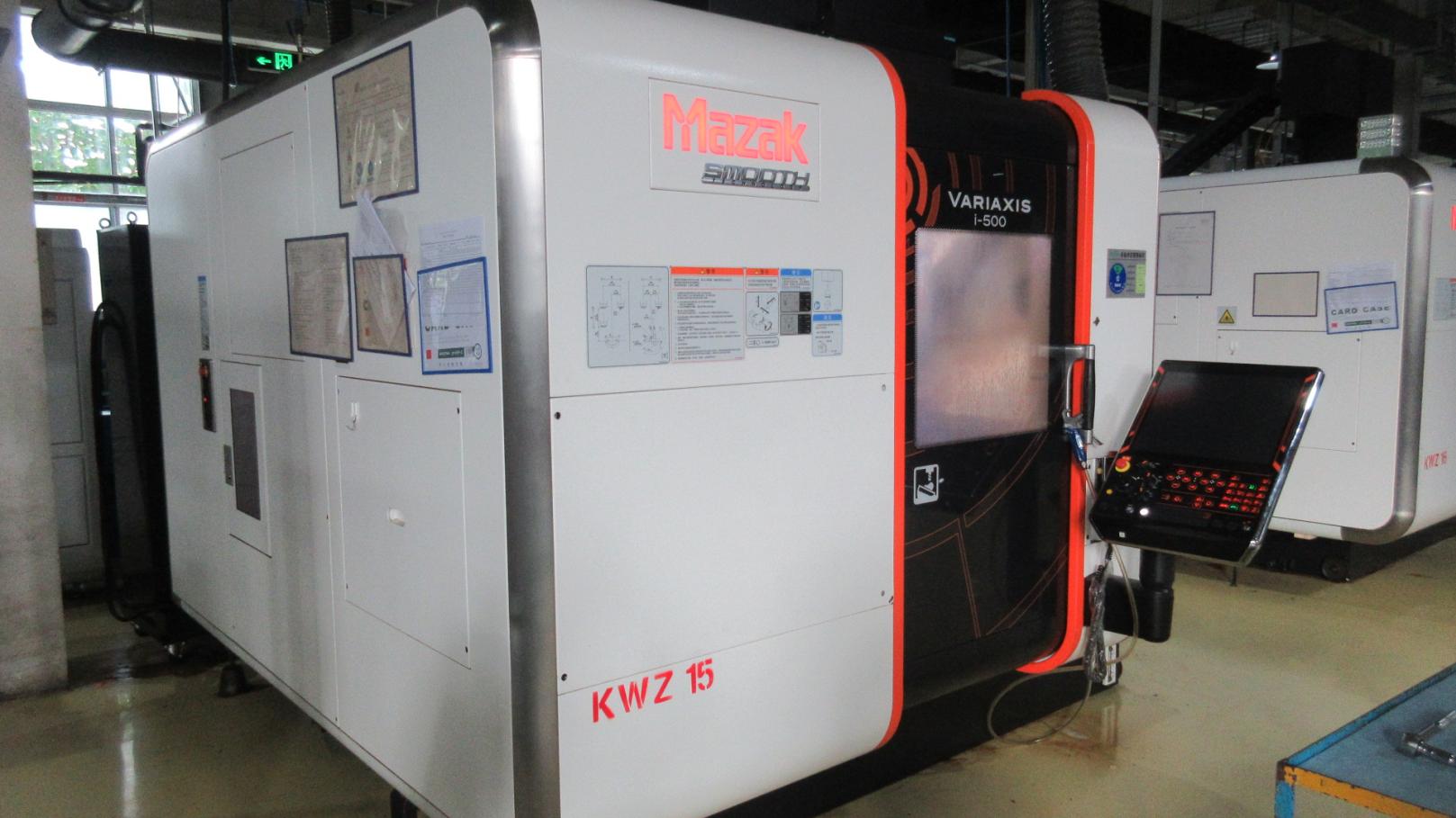
Equipped with 102 precision manufacturing instruments, including multi-axis CNC machines and state-of-the-art metal 3D printers, we scale output while preserving dimensional tolerances as tight as ±5 microns.
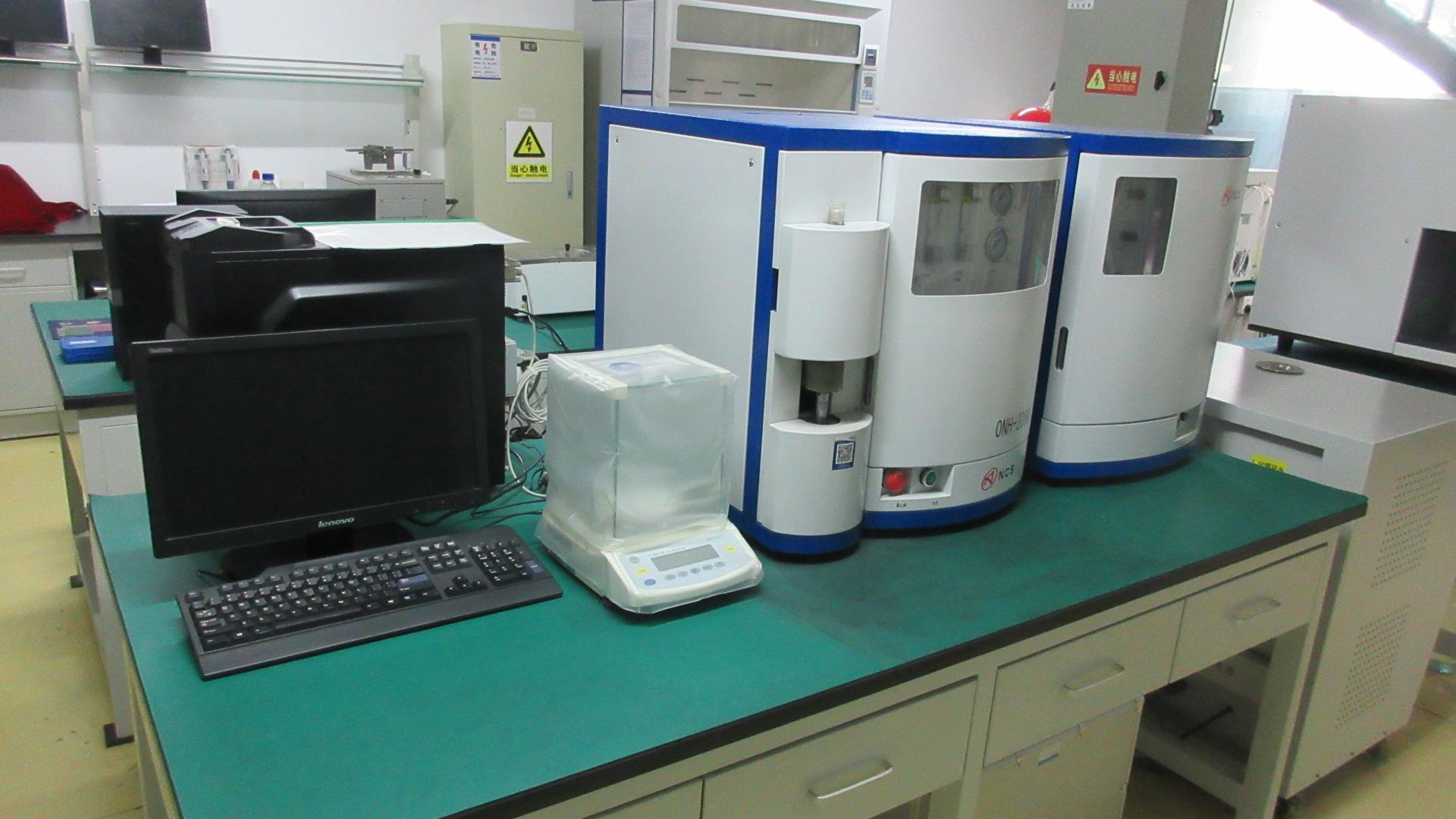
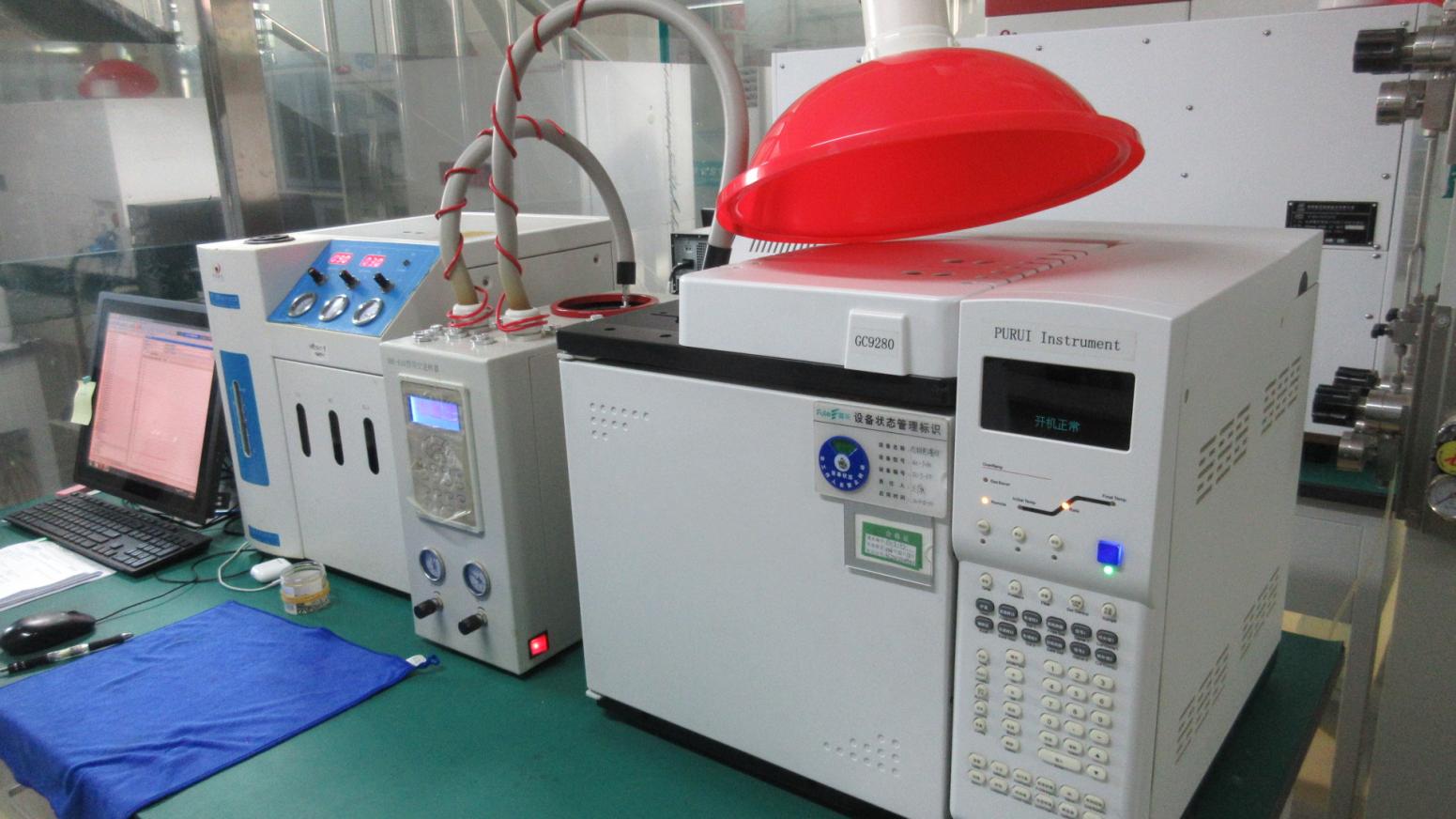
100% of our incoming titanium ingots and powders are verified using optical emission spectrometry. Each production batch is assigned a unique heat number, mapping chemical purity and material tracking from melt to sterile pouch.
In the medical device industry, compliance is non-negotiable. Our production lines operate under strict ISO 13485:2016 Quality Management Systems, audited by leading European notified bodies.
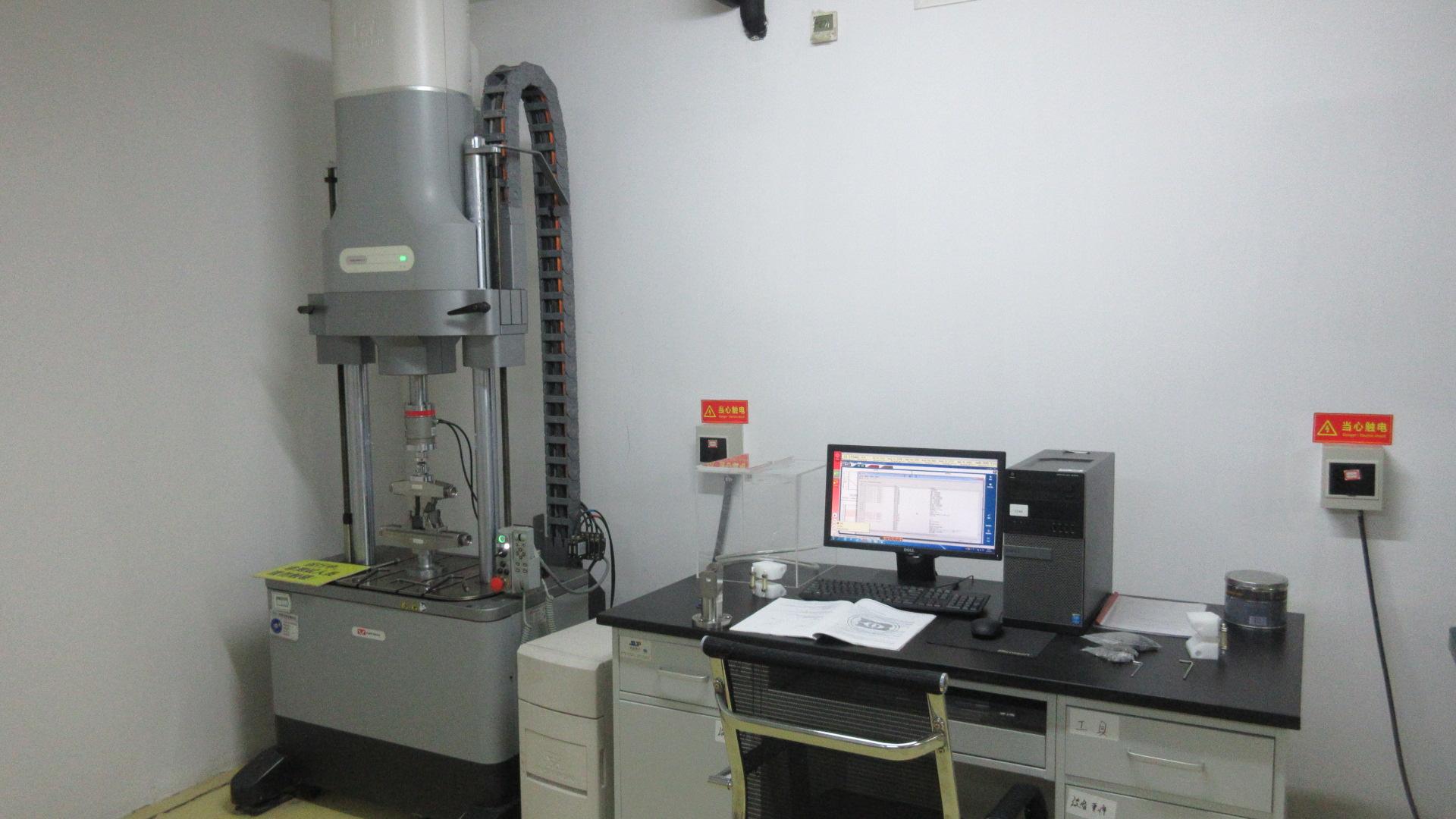
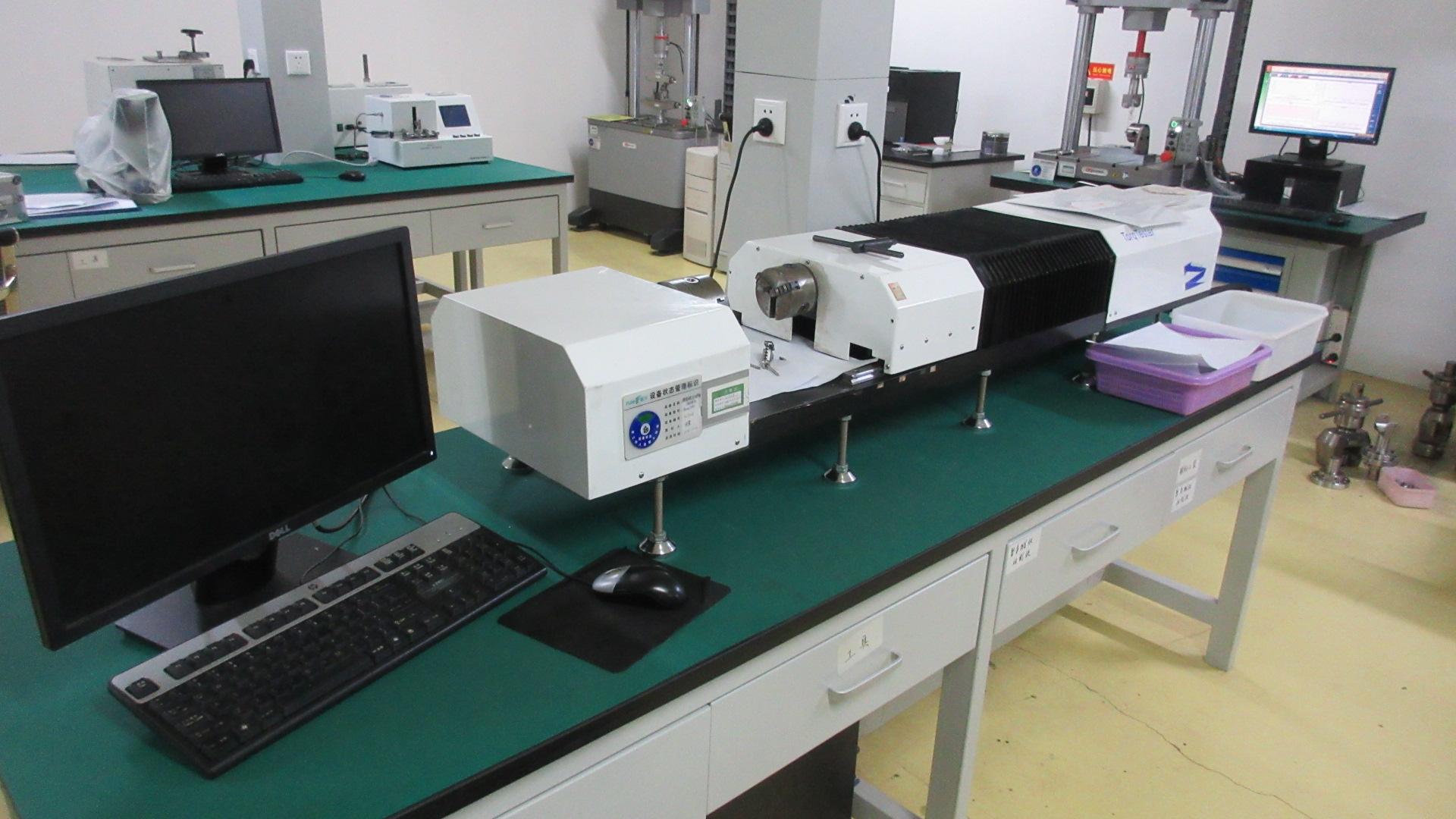
Every single implant designated for spinal or trauma surgery undergoes rigorous quality inspection. Our QC laboratory employs micro-CT scanning to inspect internal channels, and coordinate measuring machines (CMM) to verify critical tolerances. We also perform dye penetrant testing to confirm the absence of surface micro-fissures.
We supply products in both non-sterile bulk configurations and sterile double-barrier packaging. Our sterile packaging process is validated under ISO 11607 standards, using gamma radiation or ethylene oxide (EO) cycles to achieve a Sterility Assurance Level (SAL) of 10⁻⁶.
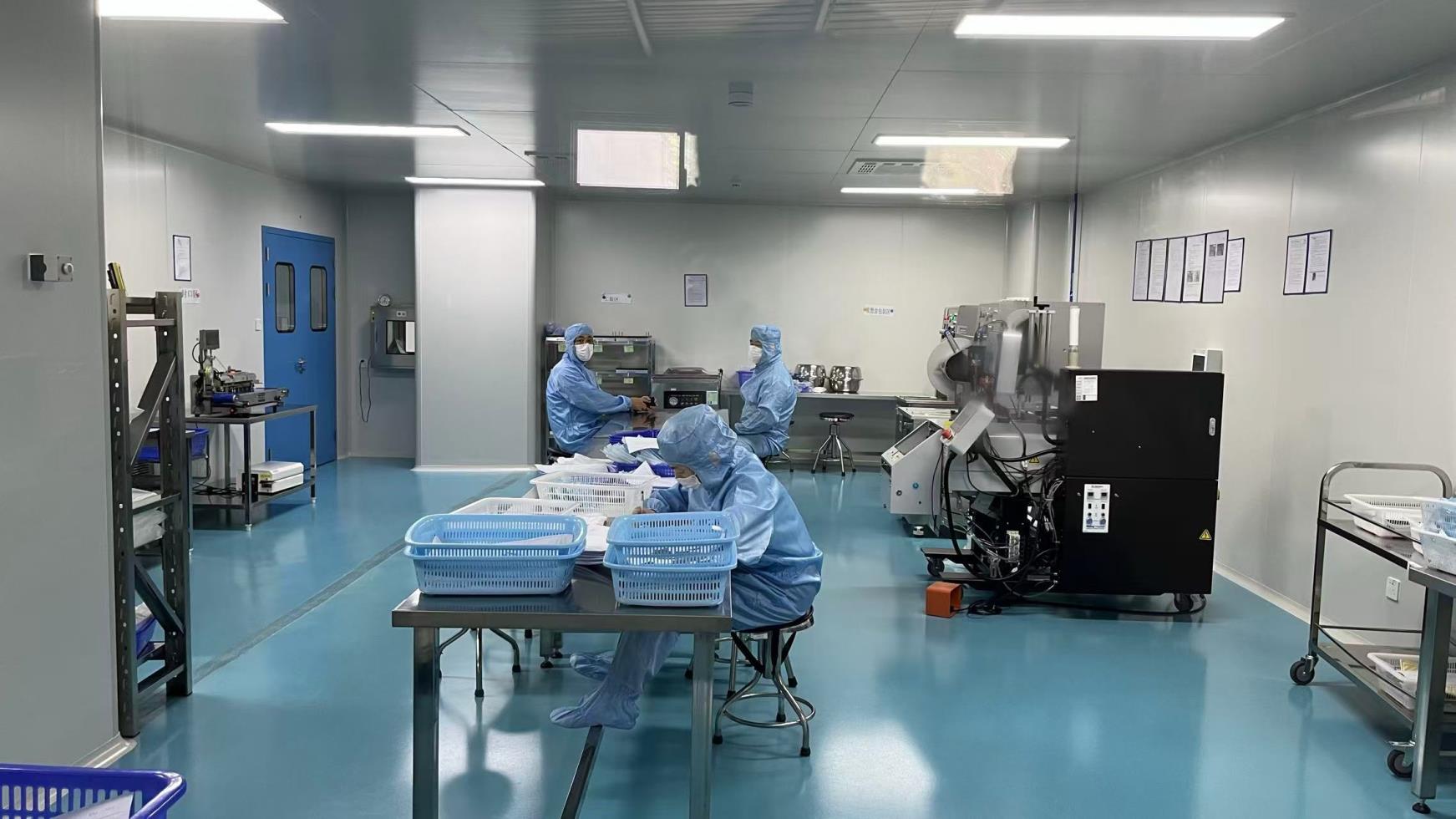
Final assembly, washing, and packaging take place in our certified Class 100,000 (ISO Class 8) cleanrooms. Airborne particulate counts, temperature, and relative humidity are monitored continuously to prevent biological contamination, pyrogenic buildup, or foreign particle infiltration before the implants are sealed.
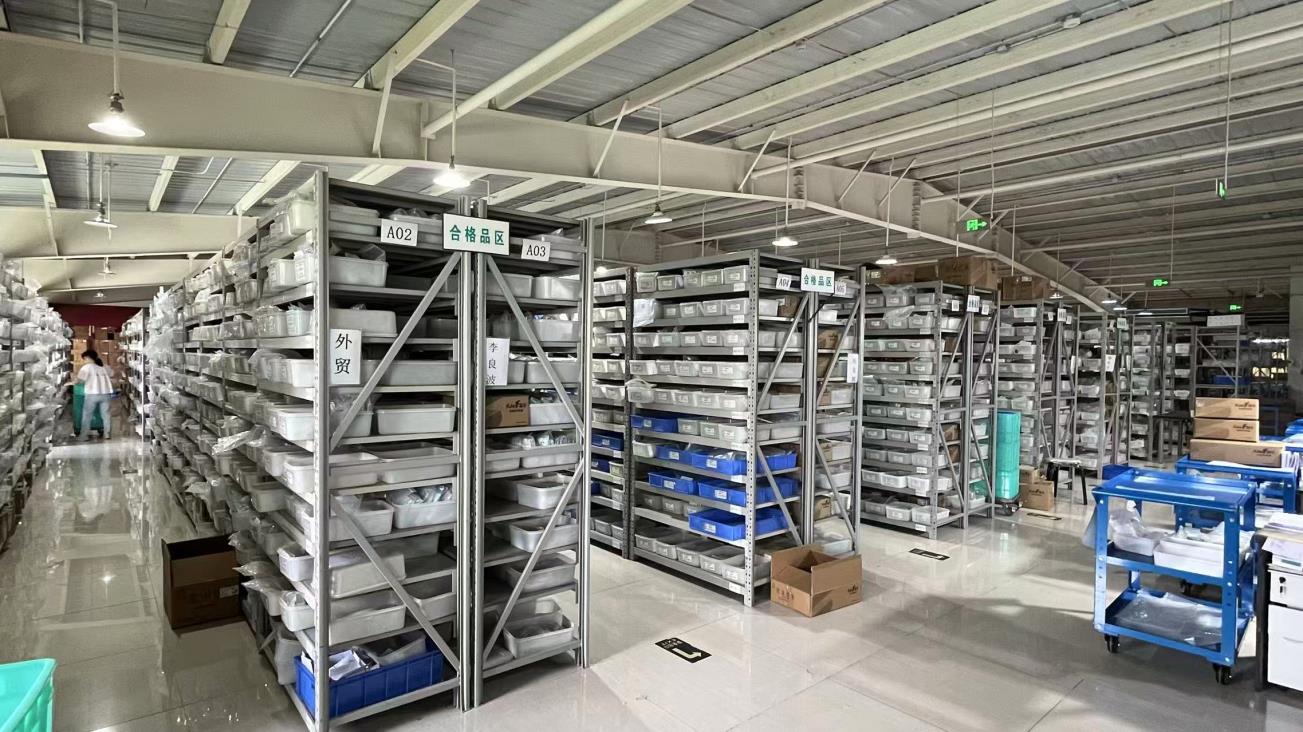
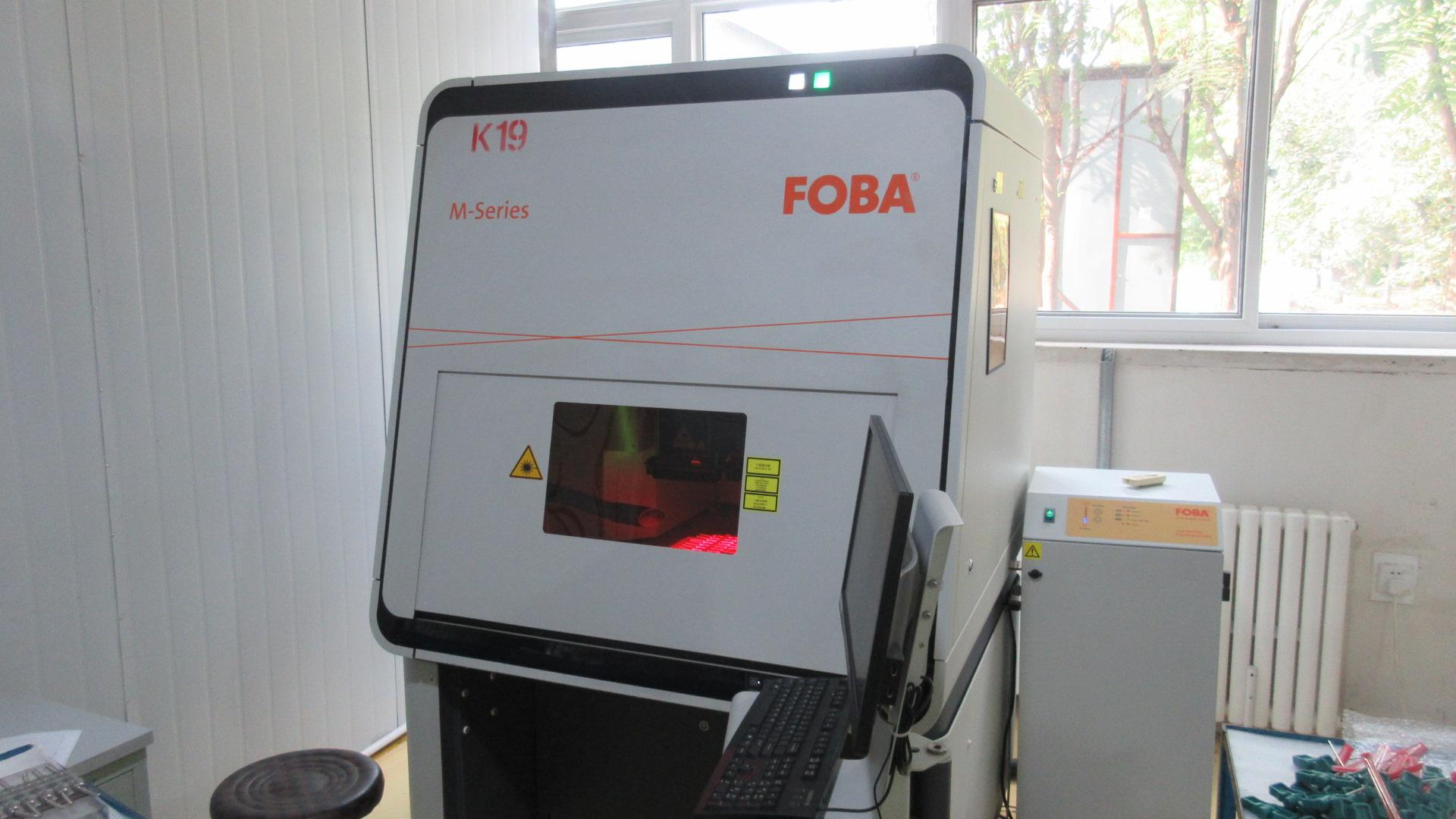
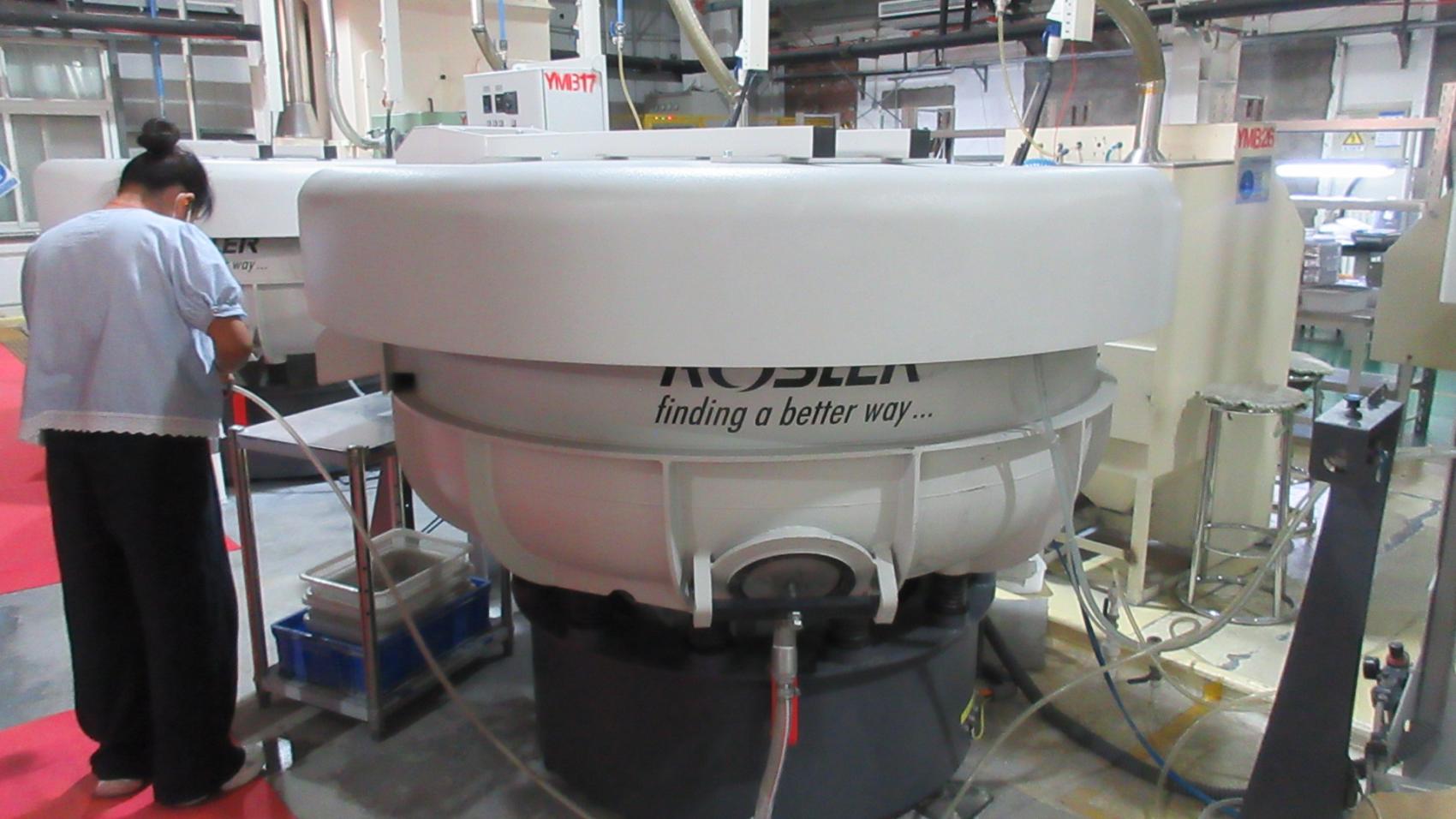
Explore our advanced manufacturing environment, highlighting our CNC centers, additive manufacturing cleanrooms, and testing facilities.
The field of orthopedic surgery is moving from passive load-bearing titanium implants toward active biological systems. We align our manufacturing research with these upcoming global trends.
By using hydrothermal synthesis and electro-chemical deposition, we are preparing next-generation titanium implants coated with hydroxyapatite (HA) or loaded with bone morphogenetic proteins (BMP-2). These additions active recruit osteoblasts, reducing the recovery time from typical 12-week periods to under 6 weeks.
We are investigating the powder metallurgy of biodegradable metals. Implants such as pediatric plates or bone screws will slowly degrade inside the body as new bone tissue grows, eliminating the need for a secondary retrieval operation.
Get detailed answers on material specifications, regulatory documentation, and production capabilities.
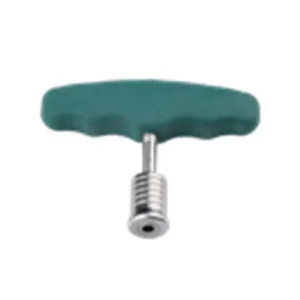
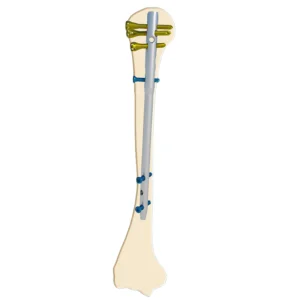
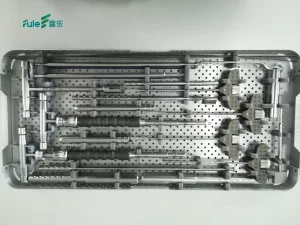
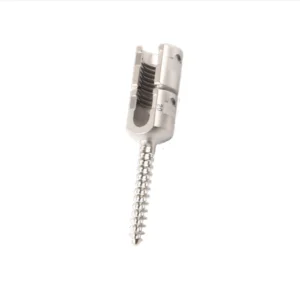
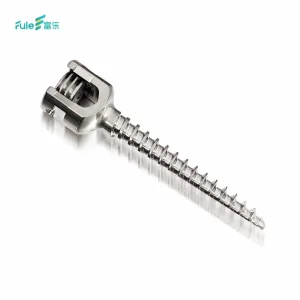
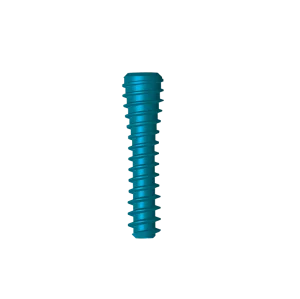
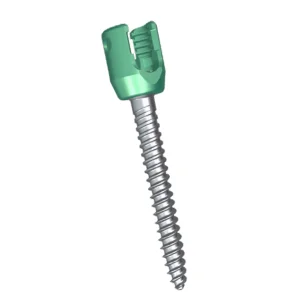
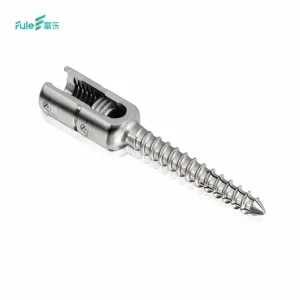
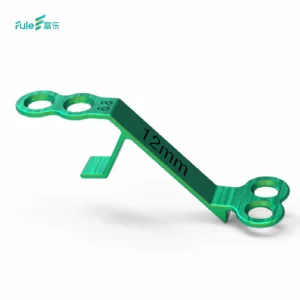
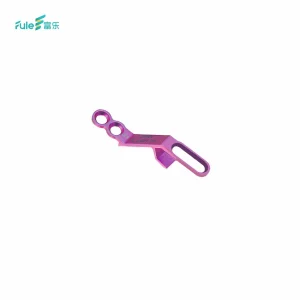
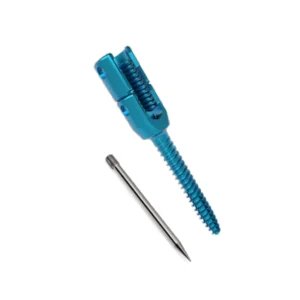
Explore our collection of trauma fixation plates, intramedullary nails, and polyaxial pedicle screws designed for challenging skeletal reconstructions.
 Beren Science & Technology