Explore our elite selection of CE-certified orthopedic surgery implants, titanium alloy systems, and specialized interventional materials.
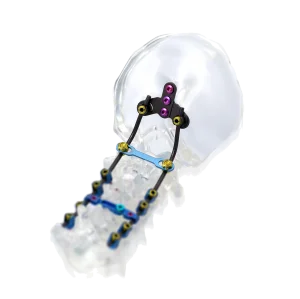
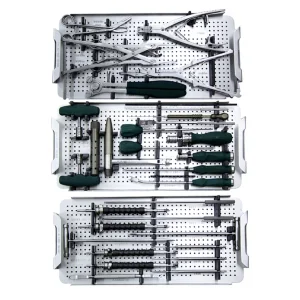
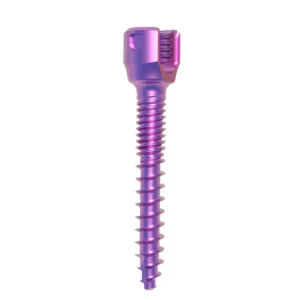
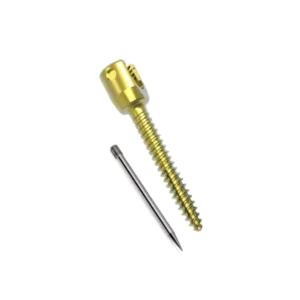
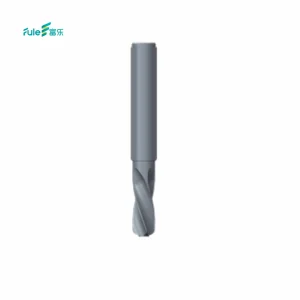
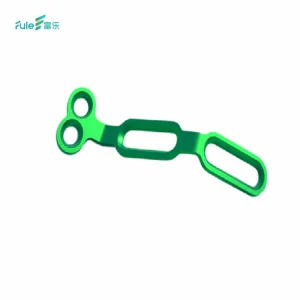
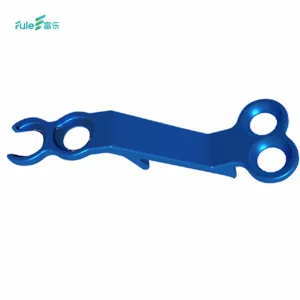
Navigating the complexities of modern trauma care, biocompatible metallurgy, and international procurement standards.
The global demand for high-performance trauma fixation devices and orthopedic implants has experienced exponential growth over the past three decades. Driven by an aging global population, rising incidences of traumatic injuries, and rapid advancements in surgical technology, medical institutions require manufacturers to deliver absolute precision, superior biocompatibility, and uncompromised structural integrity. As a seasoned SEO and semantic search strategist analyzing medical device procurement, it is evident that hospital administrators, medical wholesalers, and clinical researchers increasingly demand transparent, evidence-based data regarding manufacturing provenance, regulatory compliance, and material science.
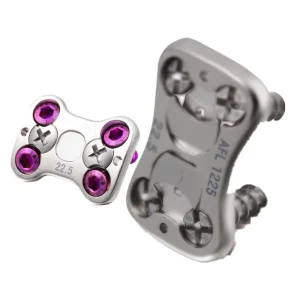
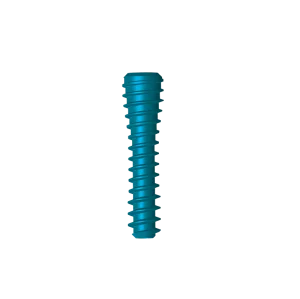
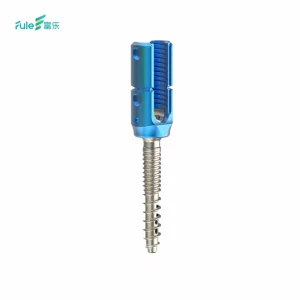
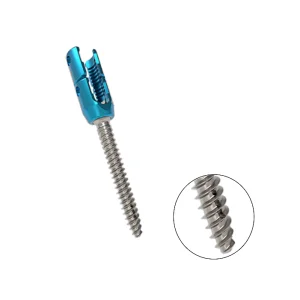
Titanium and titanium alloys remain the gold standard in trauma and spinal fixation due to their exceptional strength-to-weight ratio, corrosion resistance, and modulus of elasticity, which closely mimics human cortical bone. Innovations such as low-profile pedicle screw systems, polyaxial spine configurations, and specialized cannulated screw sets have fundamentally transformed surgical intervention outcomes, minimizing patient recovery times and reducing post-operative complications.
International procurement teams in the medical device sector face stringent quality assurance mandates. Sourcing from certified factories in established manufacturing hubs requires a multi-layered evaluation framework encompassing raw material traceability, cleanroom production standards, and rigorous third-party certifications like ISO 13485 and CE marking. Wholesalers and medical distributors prioritize partners who demonstrate robust supply chain transparency—from ingot casting to final sterilized packaging. The integration of advanced CNC machining, automated optical inspection, and meticulous QA/QC protocols ensures that every implant meets the exacting tolerances demanded in complex neurosurgical and orthopedic procedures.
Continuing our comprehensive portfolio of specialized spinal screws, removal instruments, and specialized trauma care hardware.
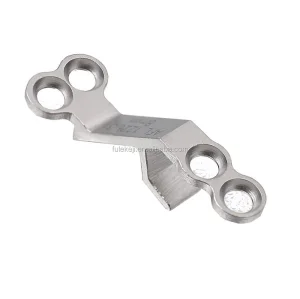
A transparent look at our enterprise profile, core competencies, certifications, and R&D dedication.

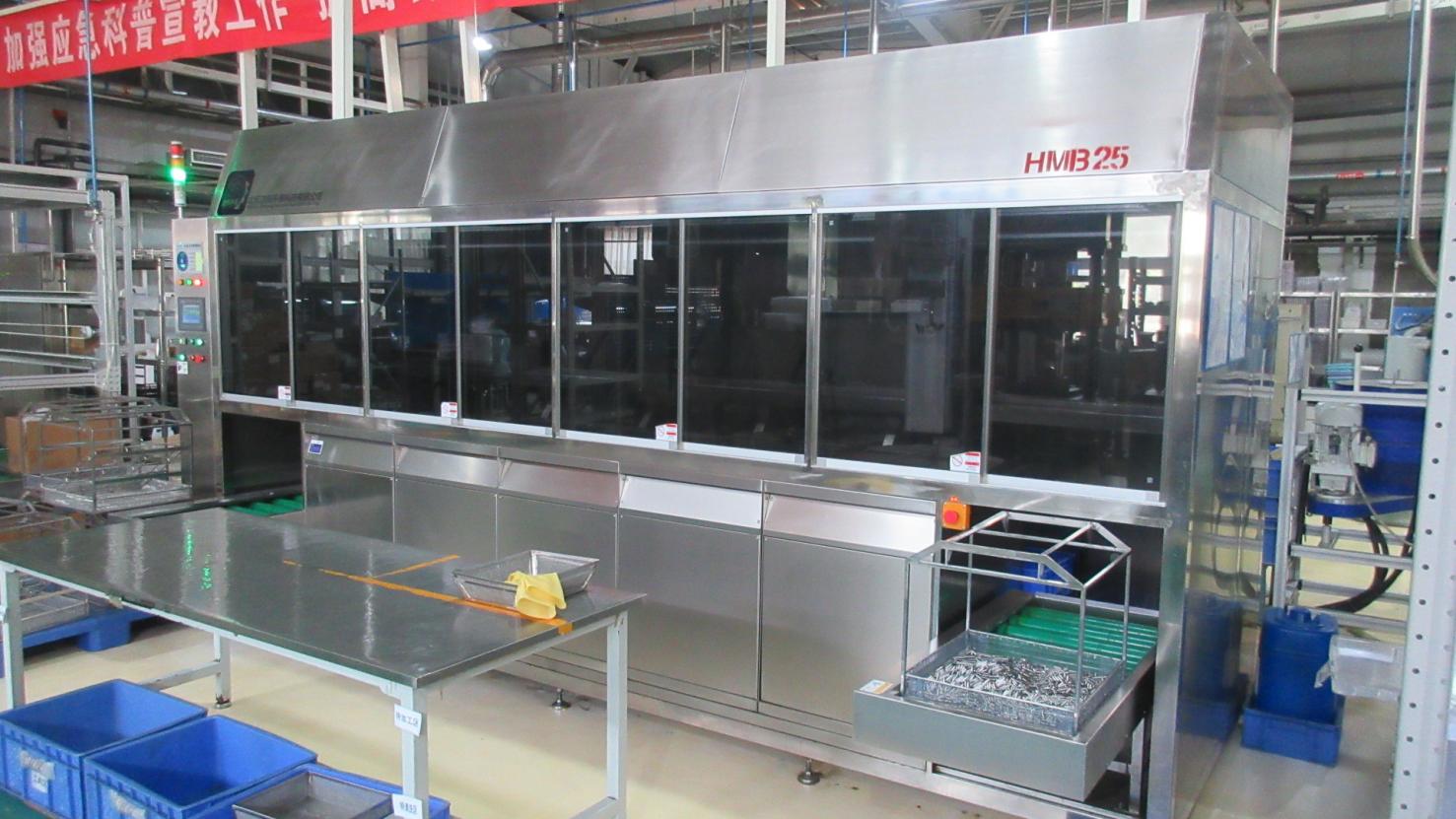
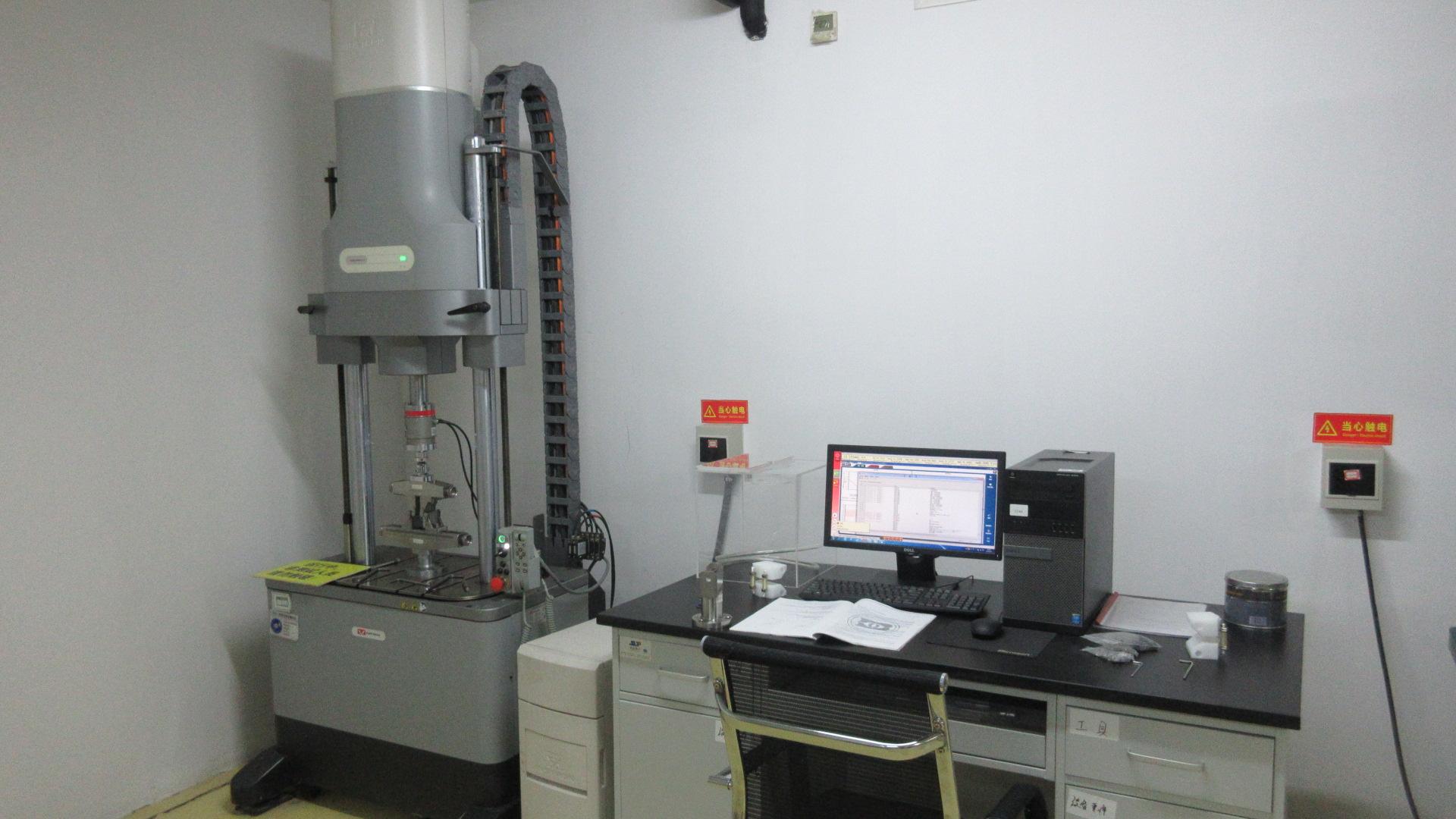
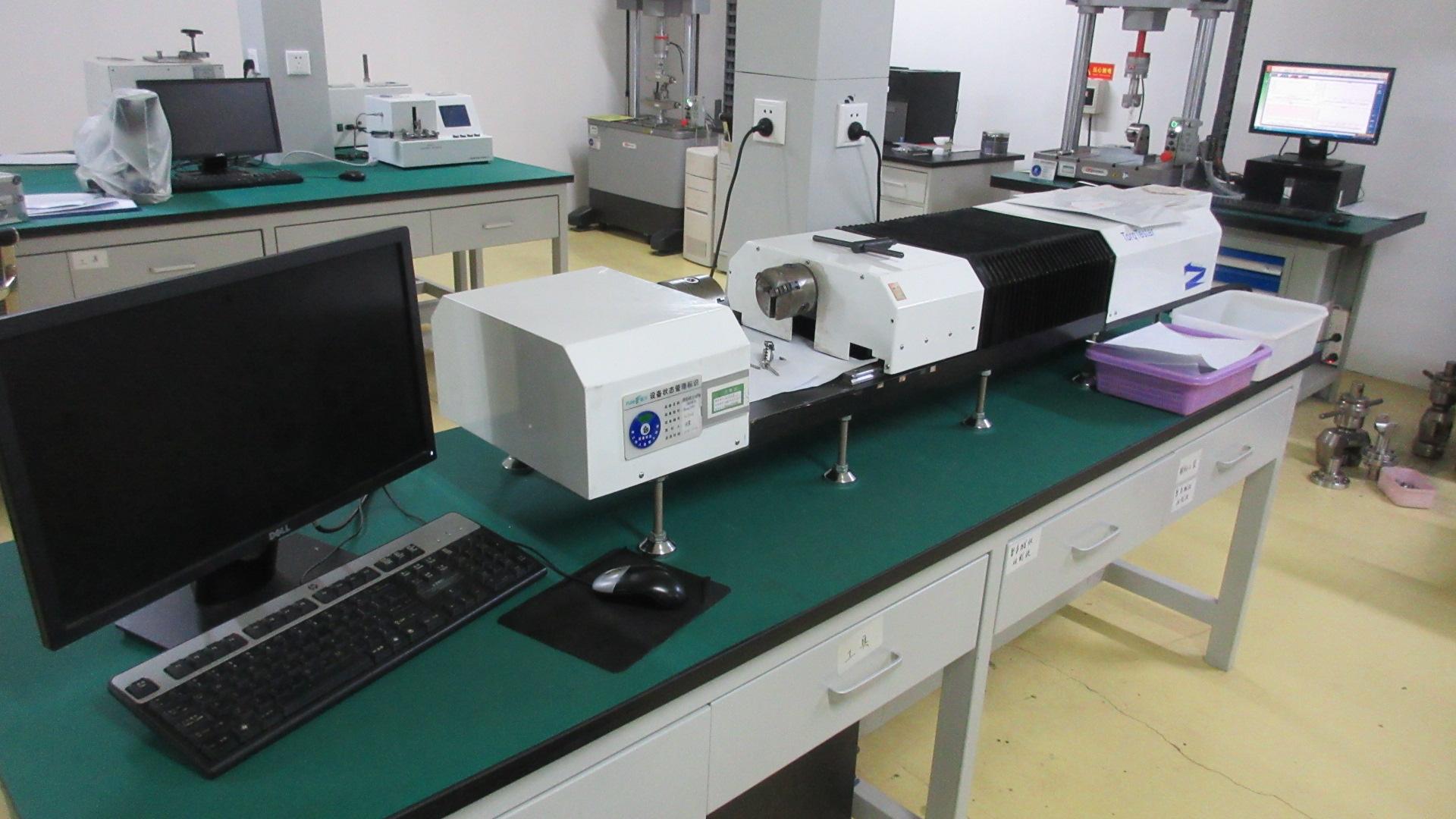
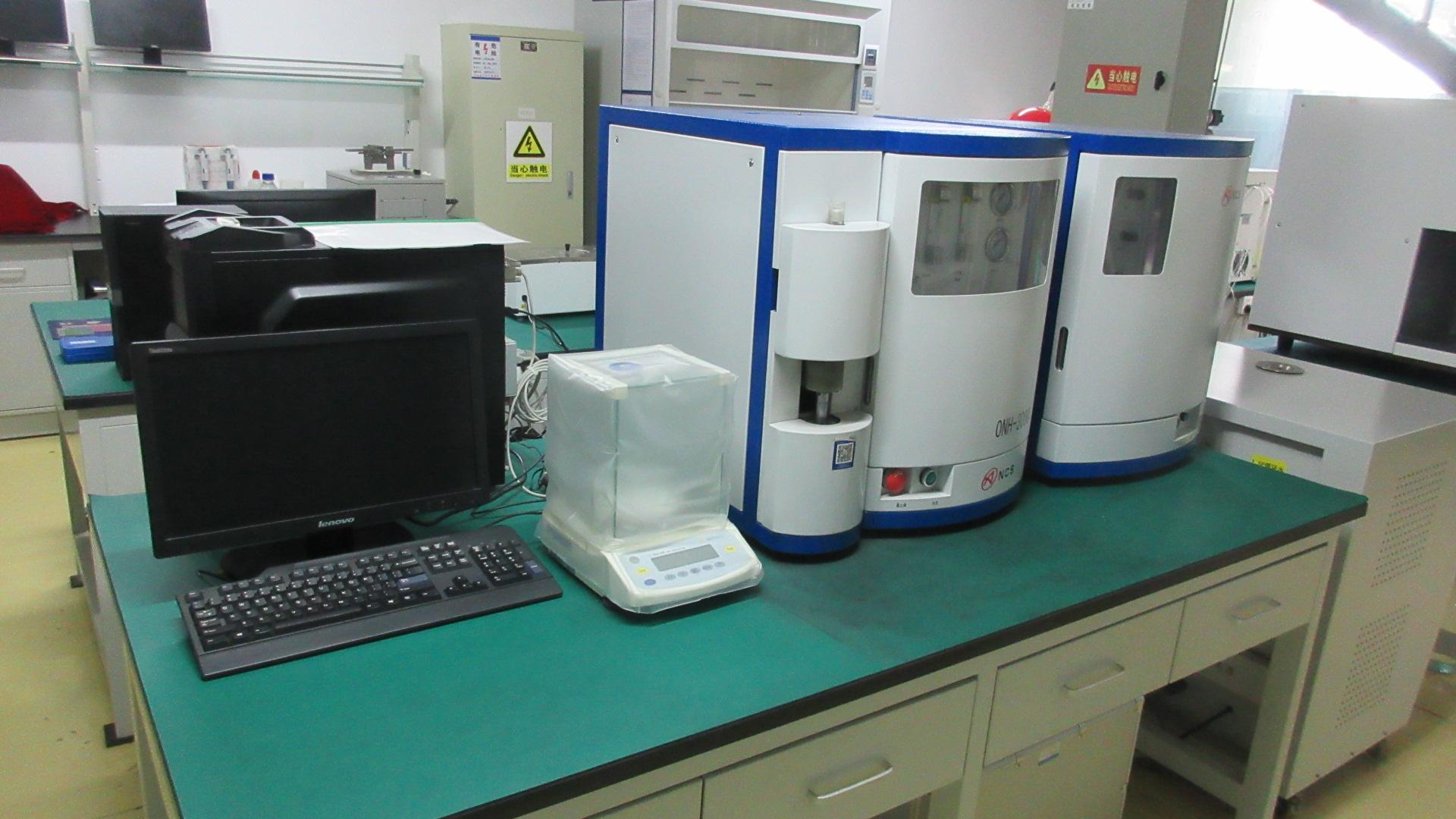
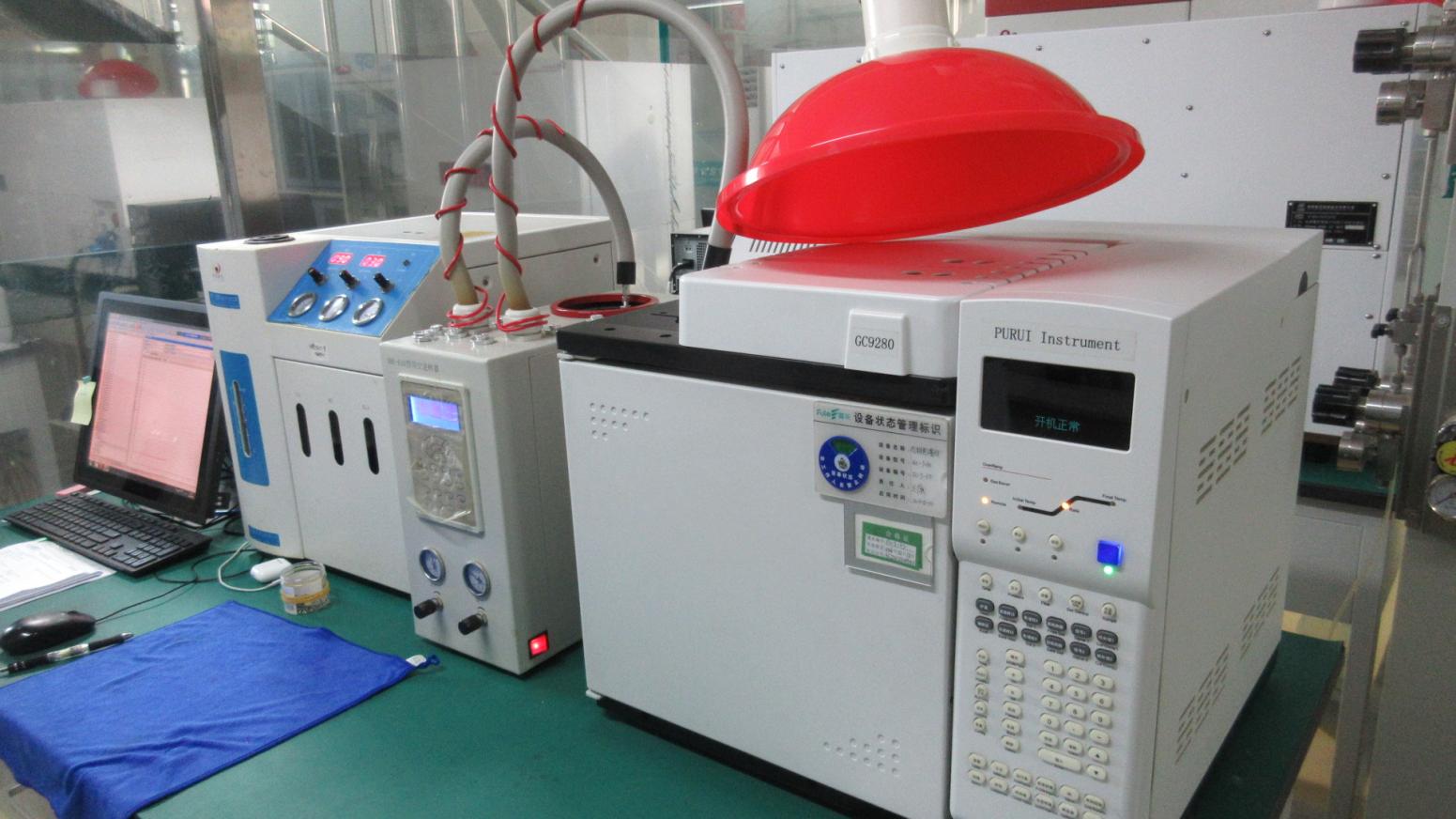
A visual tour of our advanced cleanroom environments, state-of-the-art CNC machinery, and rigorous testing laboratories.

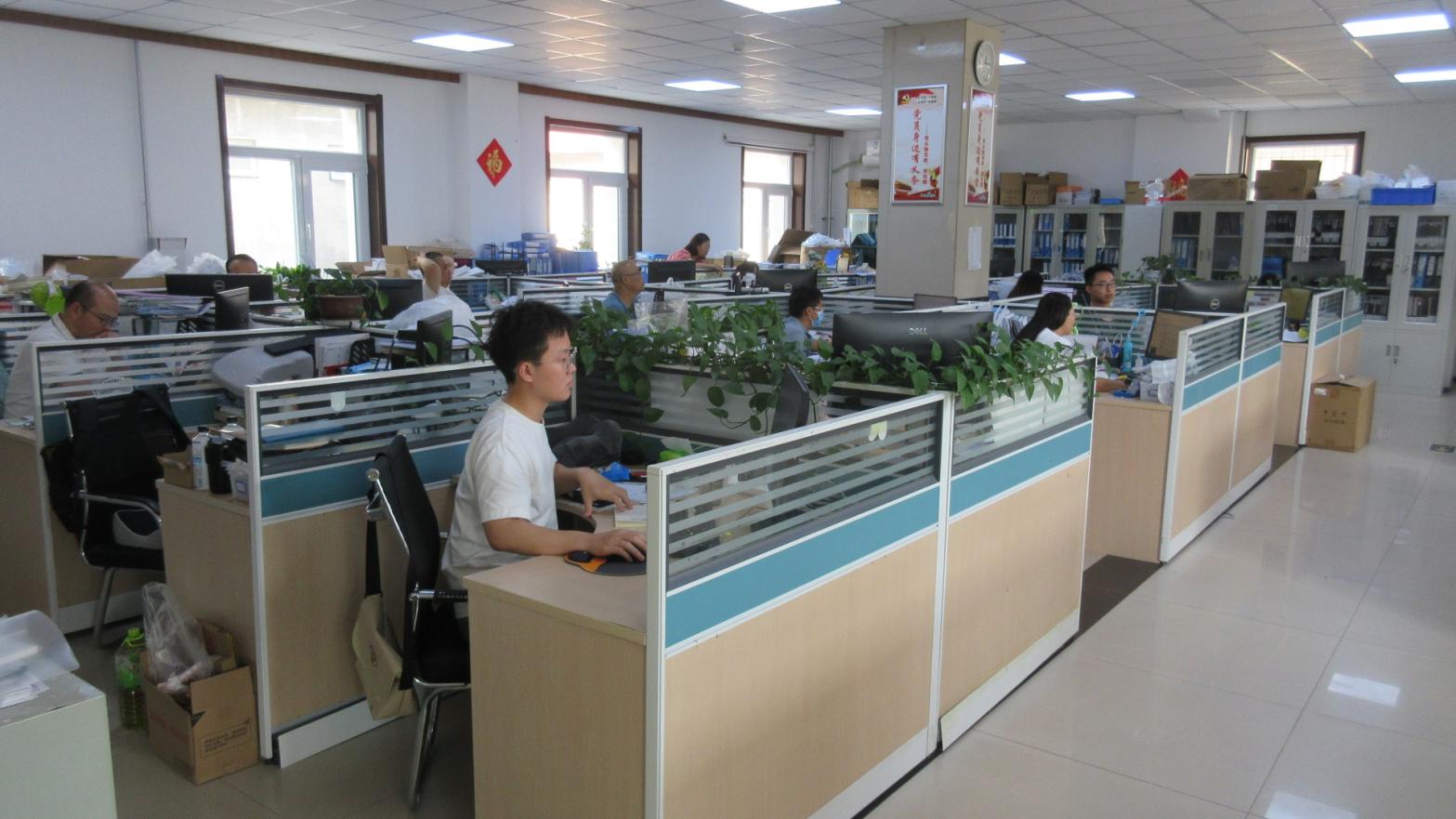
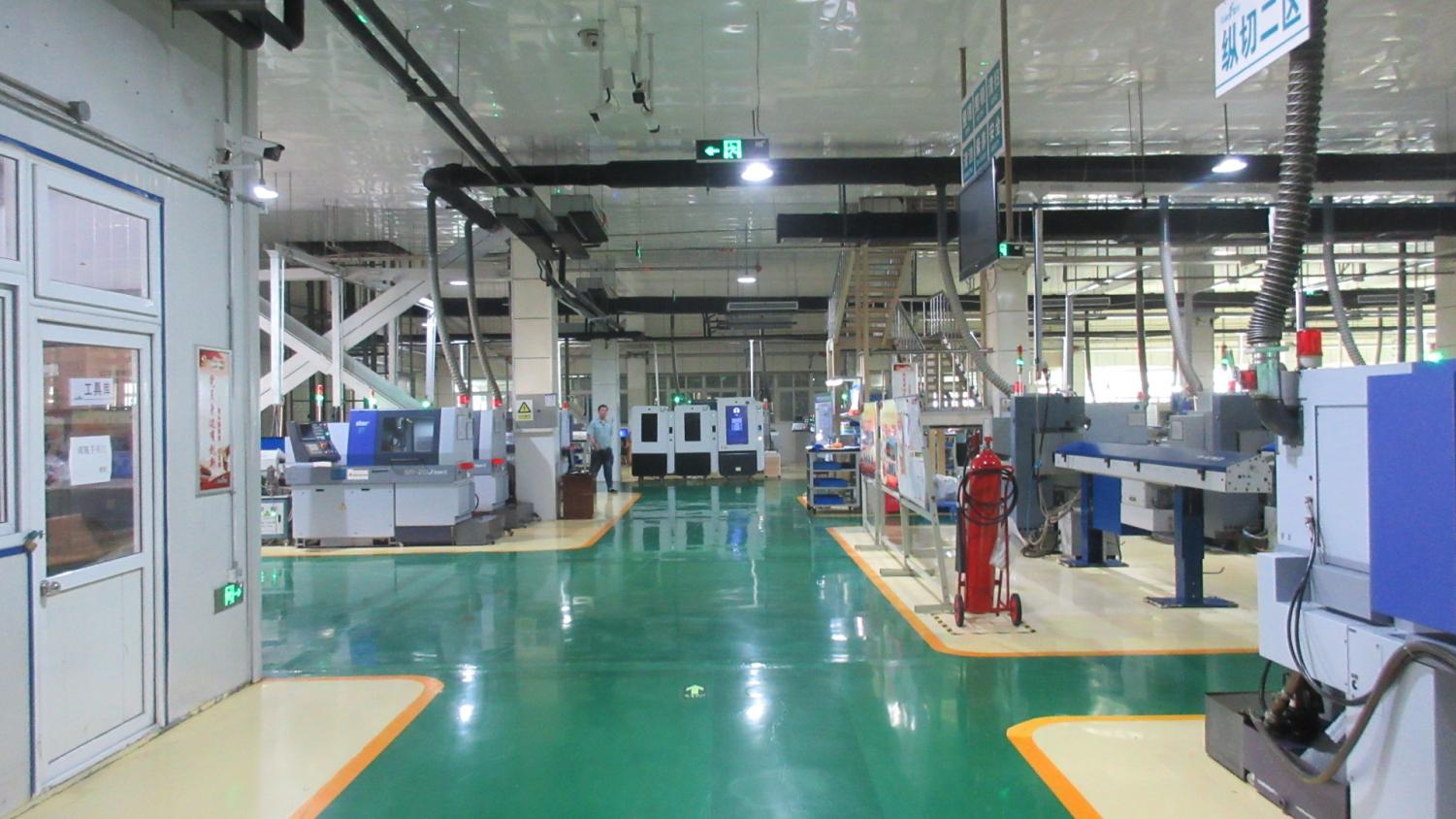
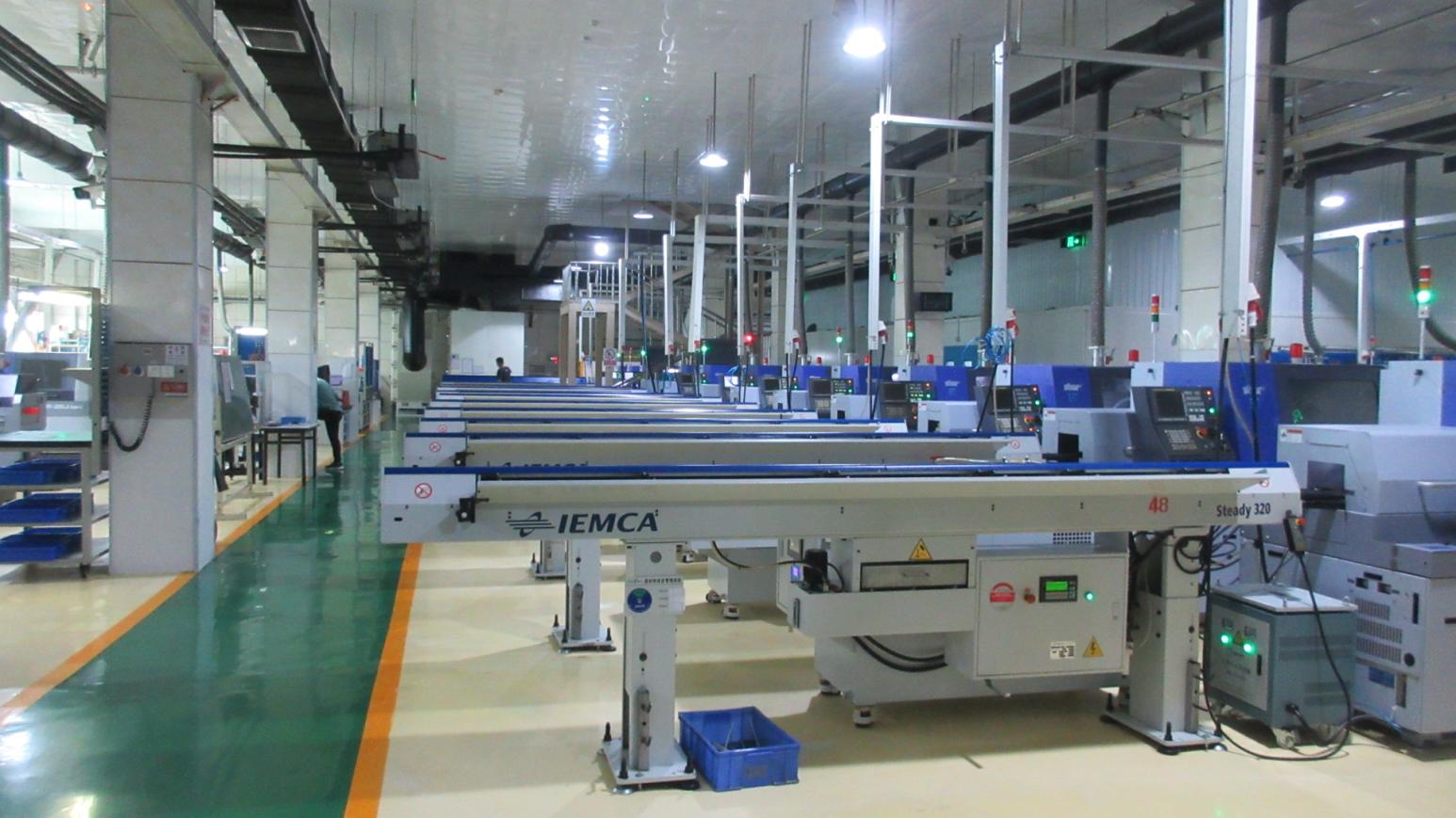
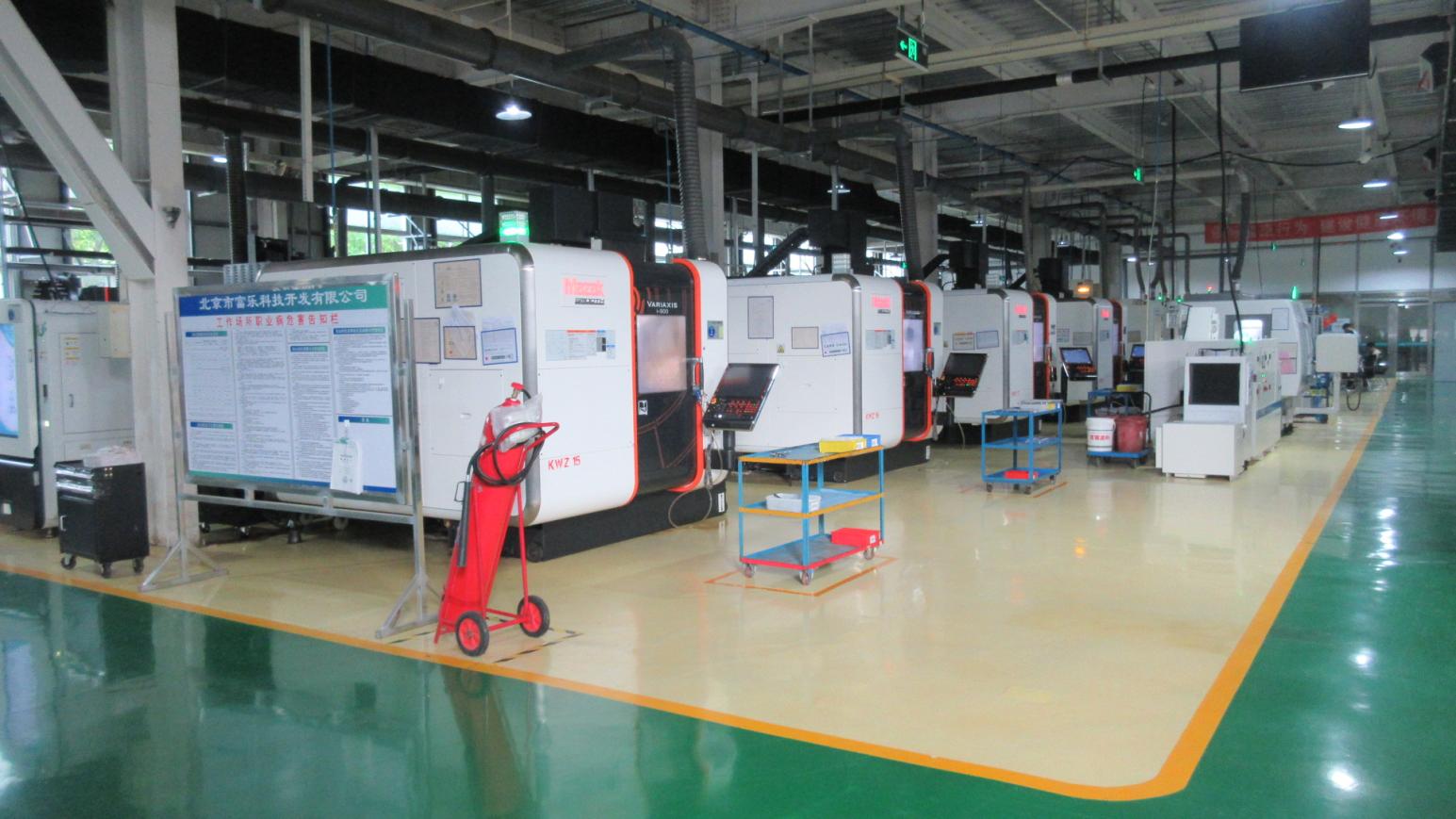
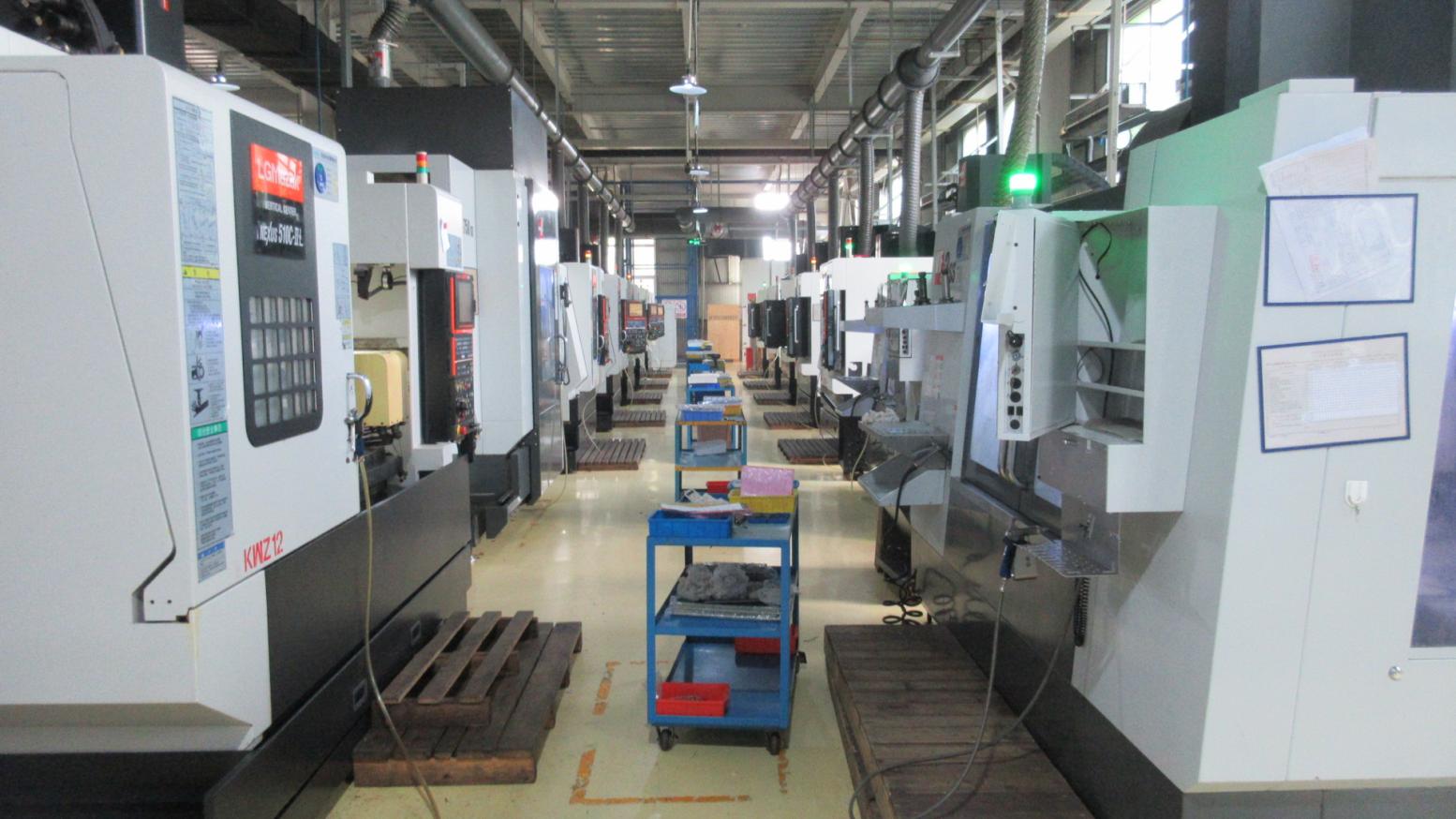
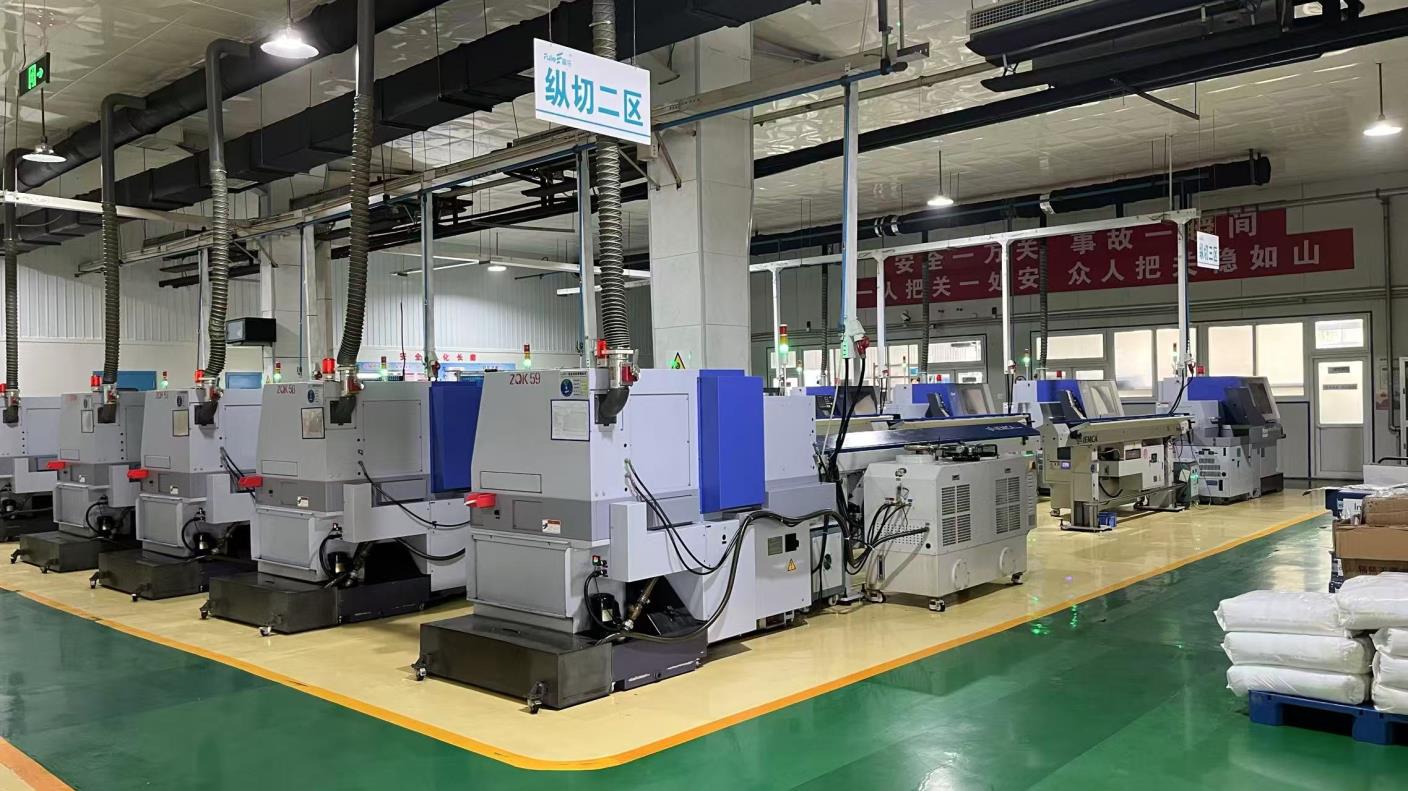
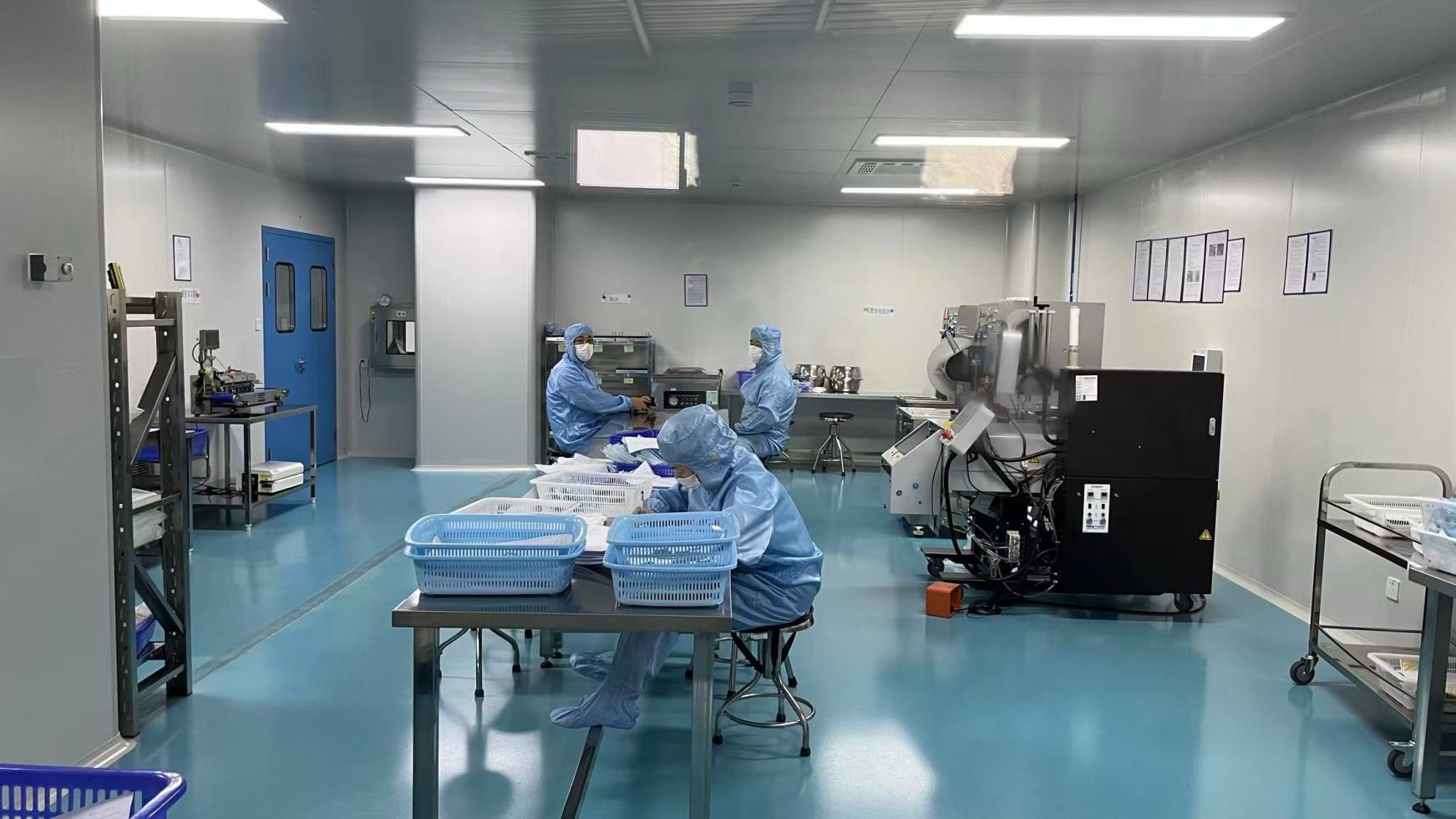
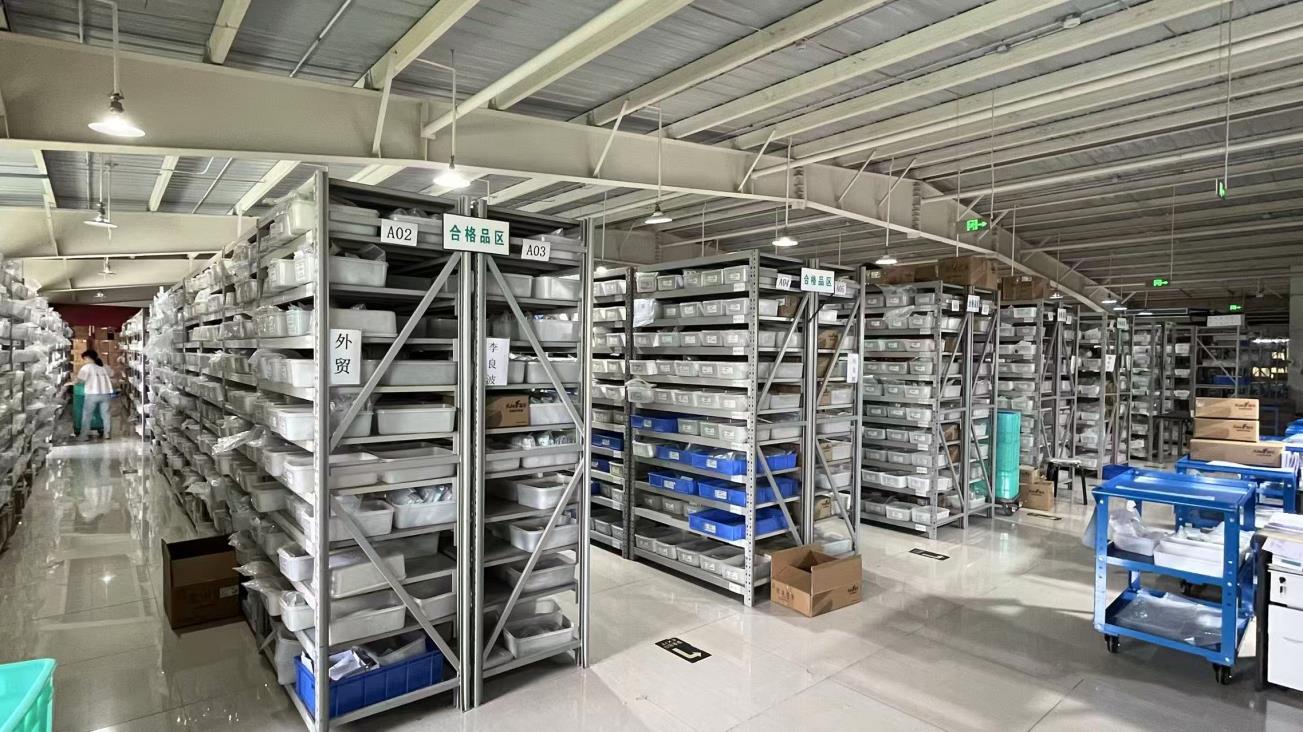
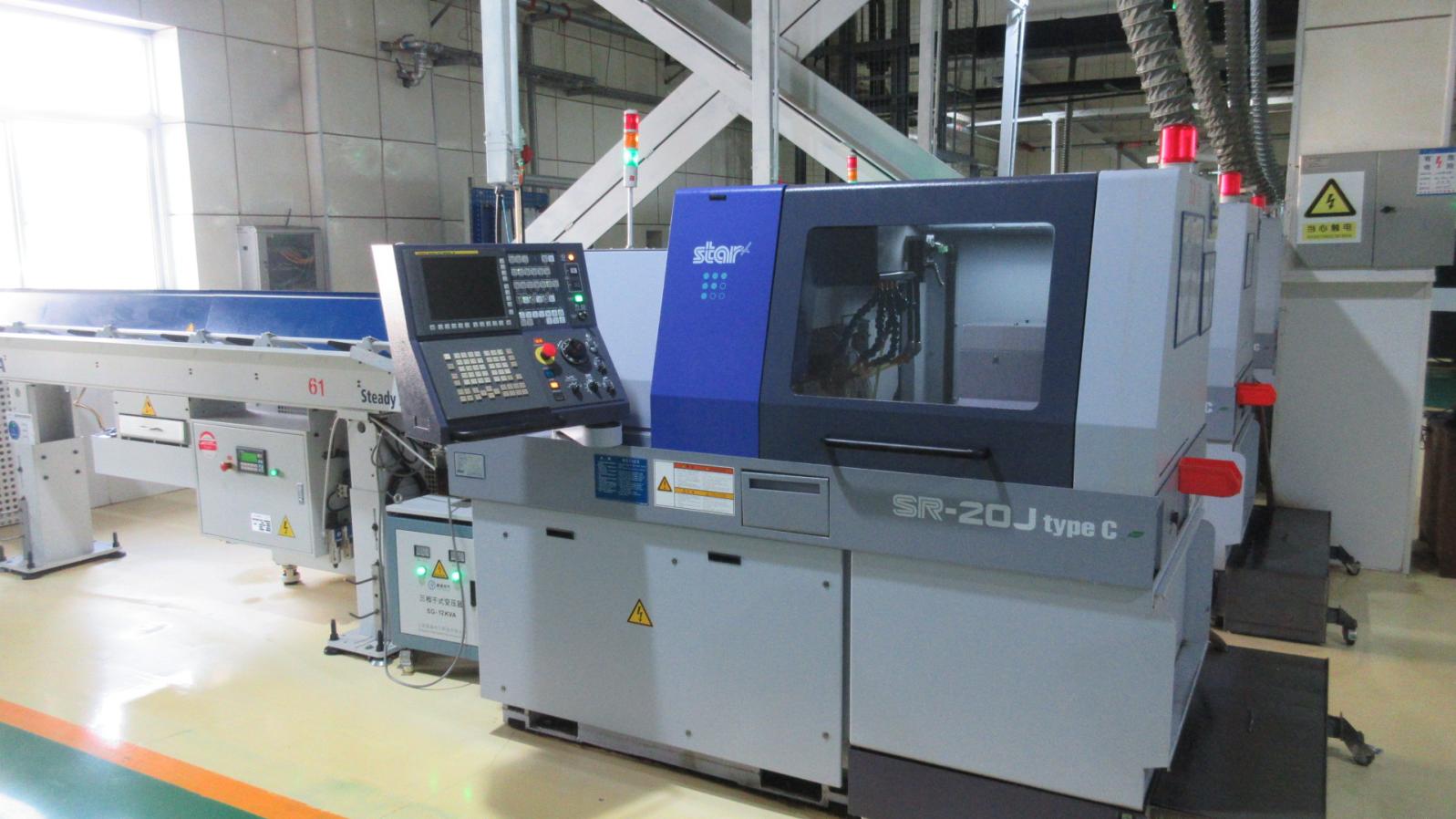
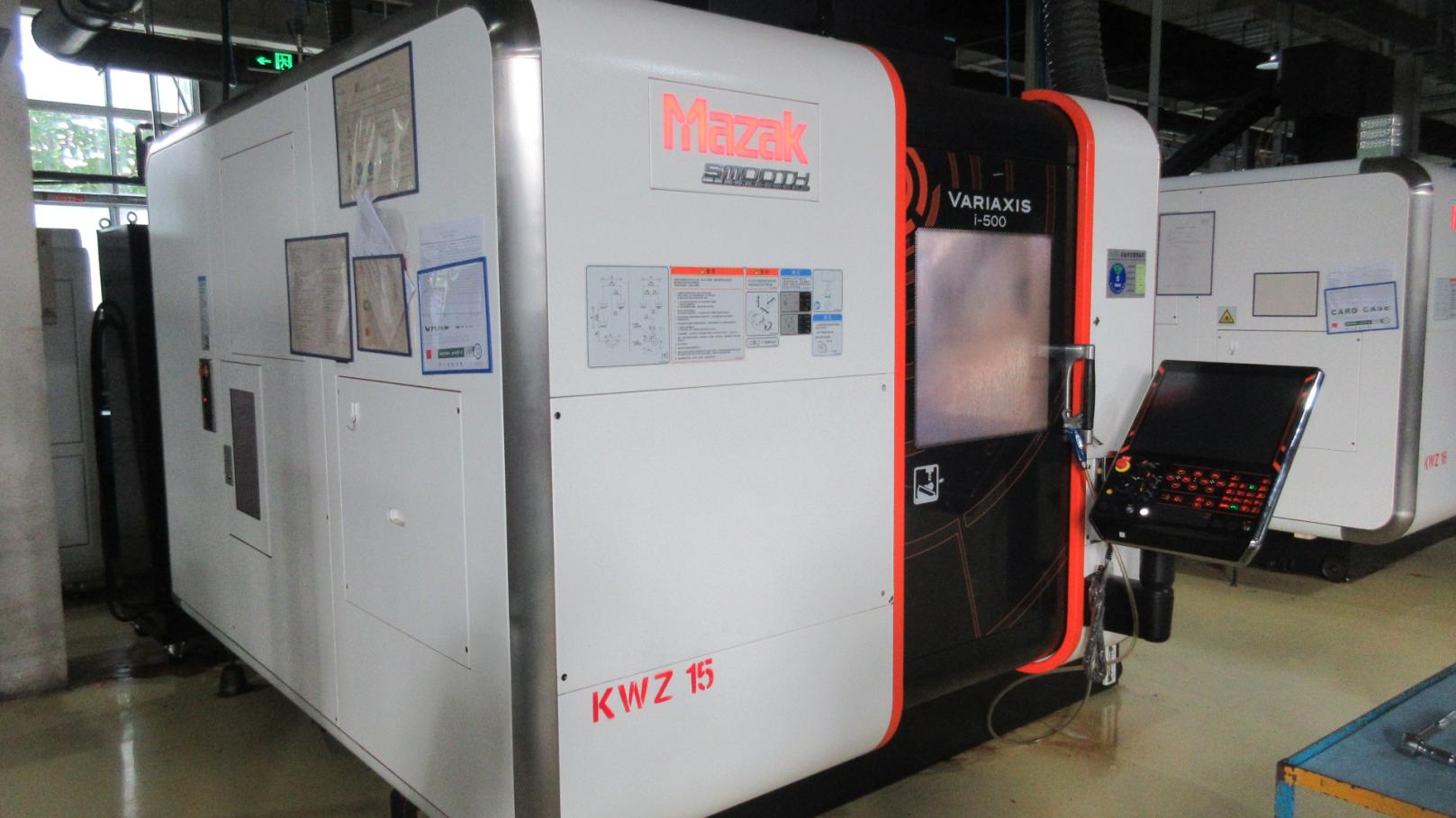
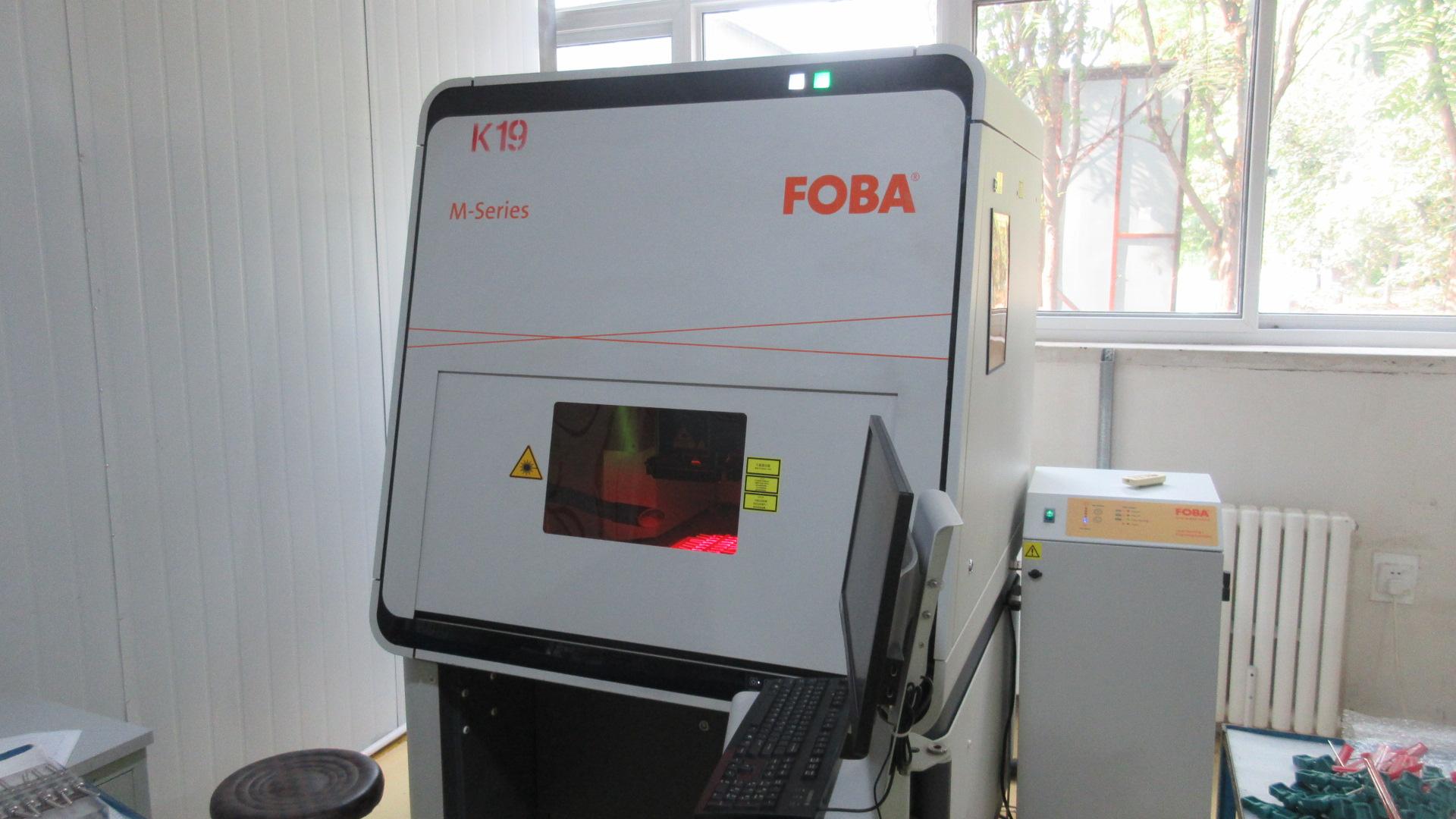
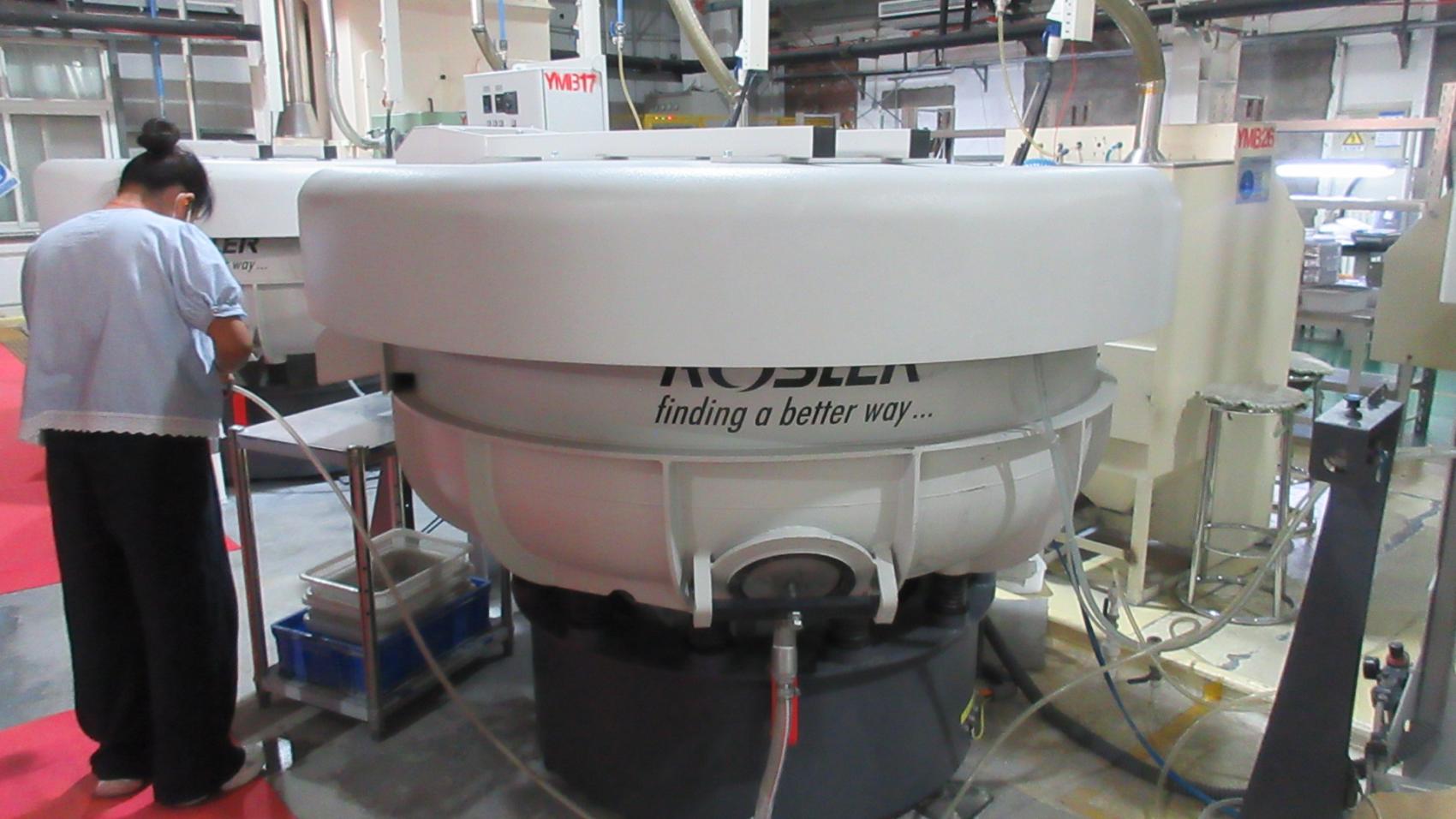
Expert answers regarding our trauma fixation devices, compliance standards, and OEM/ODM partnership opportunities.
 Beren Science & Technology