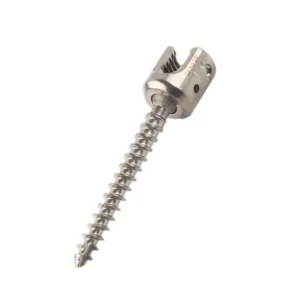
Clinically-proven implants designed for posterior cervical stabilization, incorporating precise manufacturing tolerances and premium biocompatible titanium.
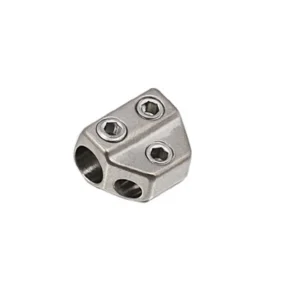
Analyzing market dynamics, regulatory environments, and the surging demand for high-quality Cervical Spinal Fixation (CFS) systems.
São Paulo stands as the economic heartbeat and the premier medical hub of Latin America. With world-renowned clinical research institutes and medical networks such as the Hospital das Clínicas da USP (HC-FMUSP) and the Beneficência Portuguesa de São Paulo, the metropolitan region is the epicenter for complex neurosurgical and spine reconstructive procedures in Brazil. As the demographic curve shifts and the geriatric population grows, the incidence of degenerative cervical spine disorders, cervical spondylotic myelopathy, and high-energy traumatic spine injuries has risen exponentially.
How Beijing Fule blends decades of manufacturing experience with cutting-edge production technologies to deliver elite medical implants.
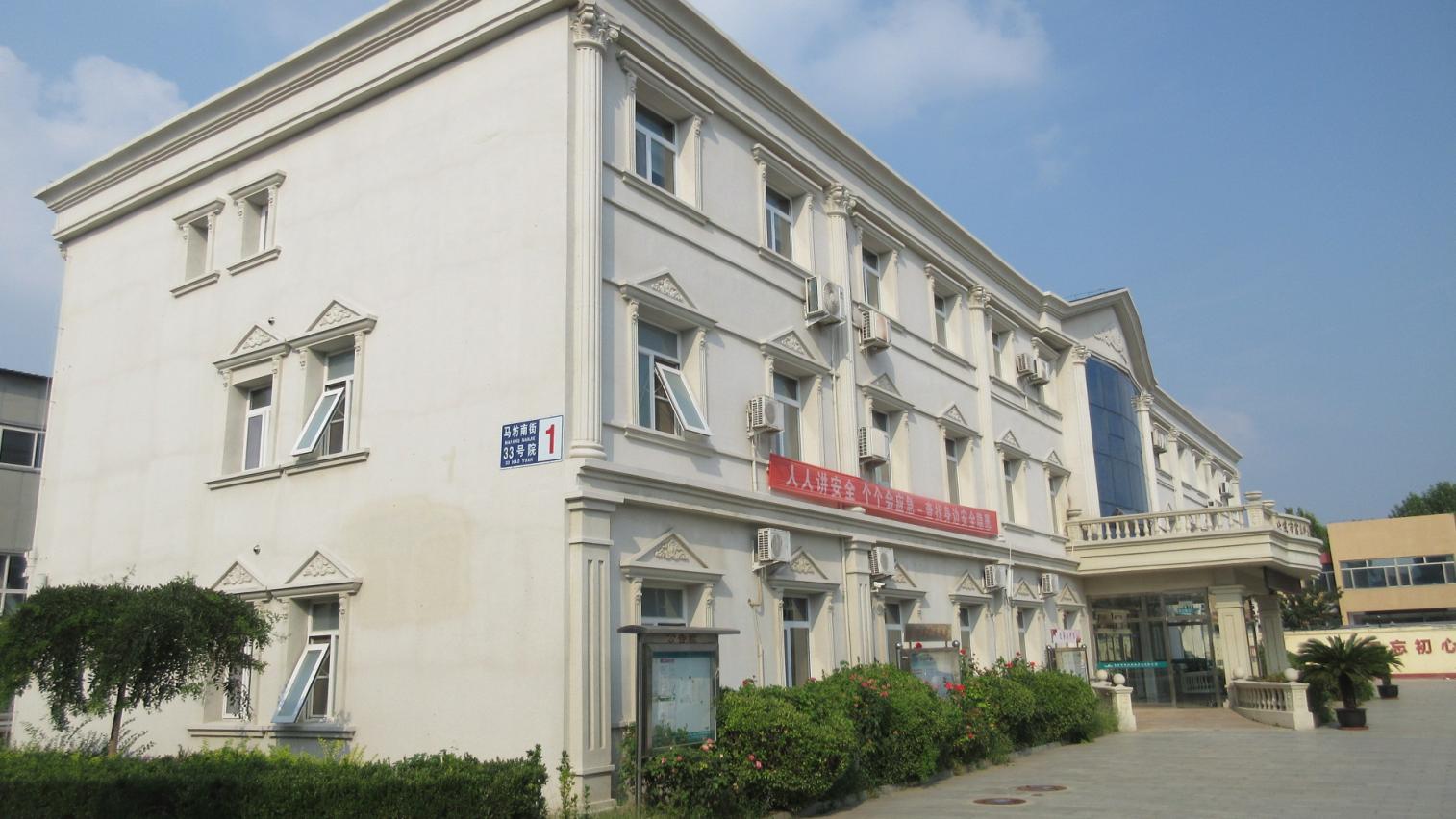
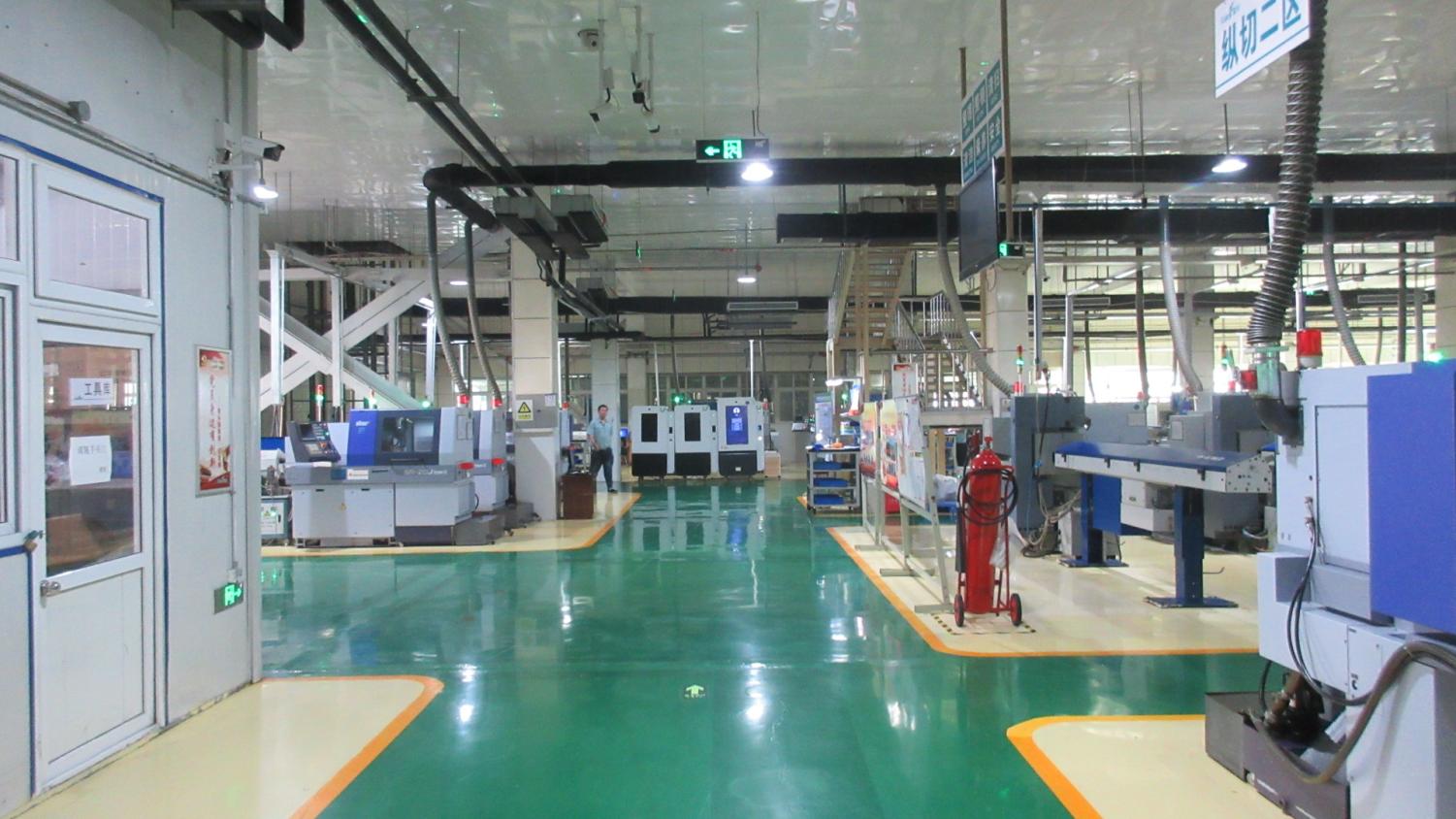
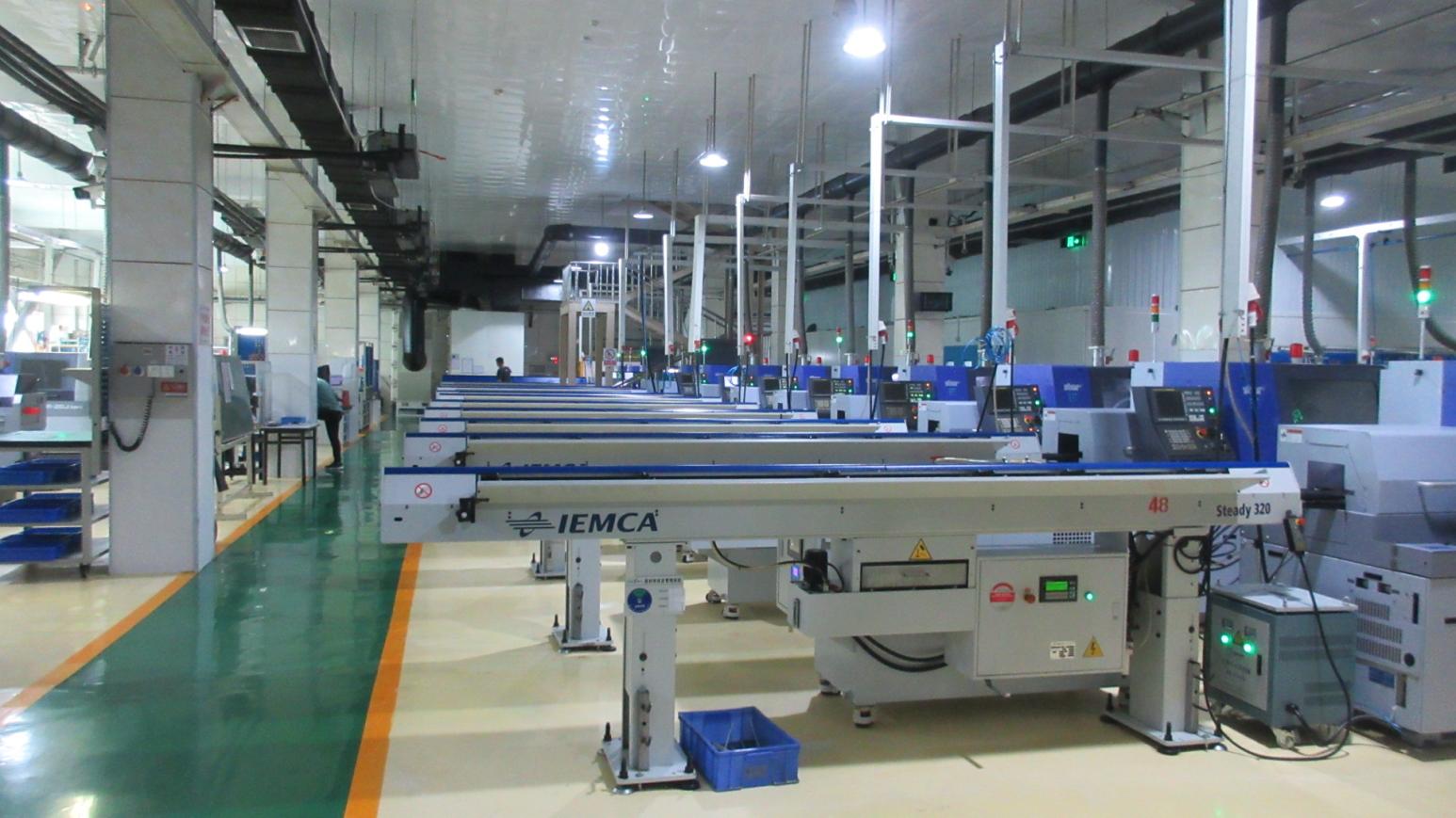
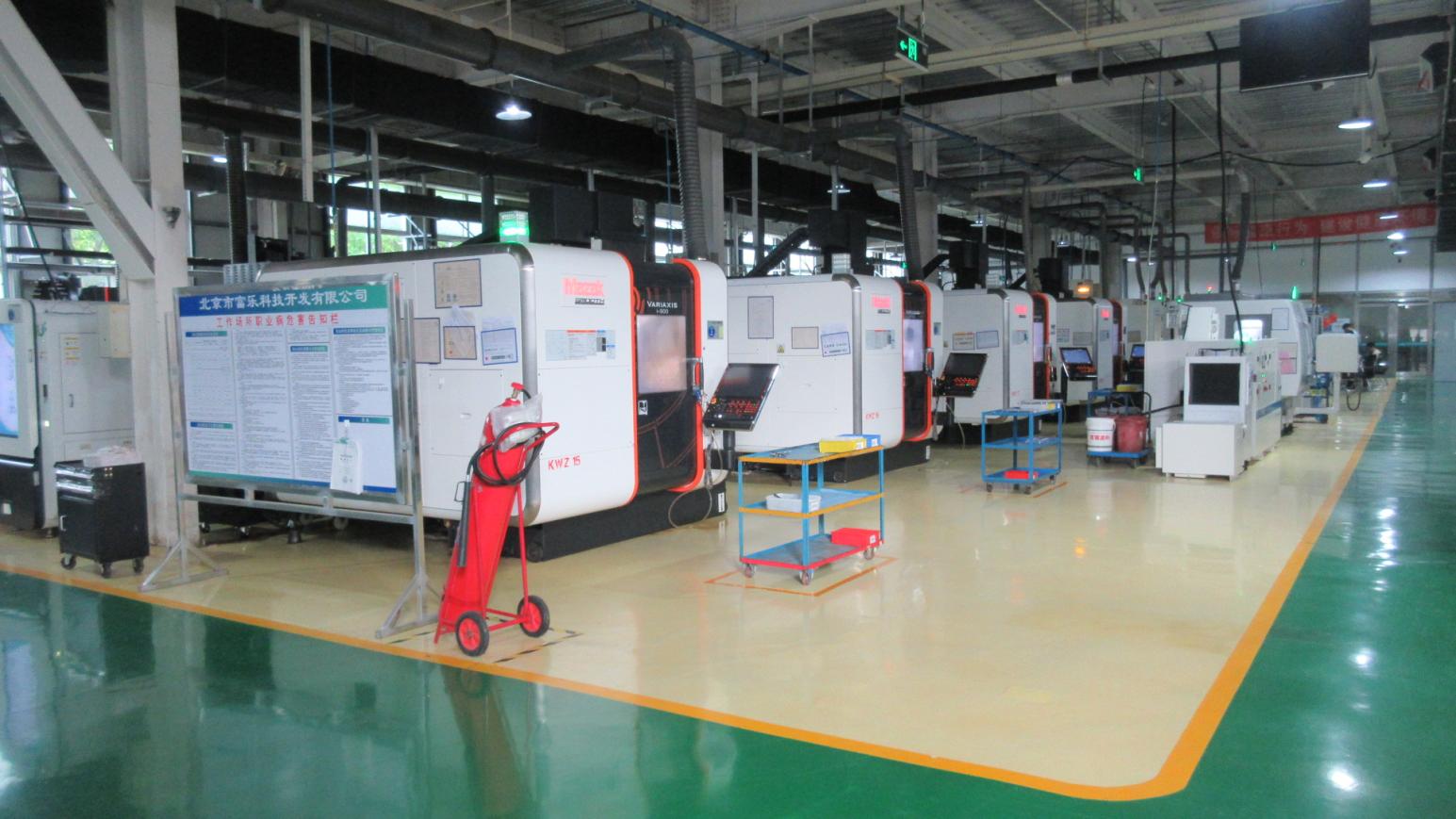
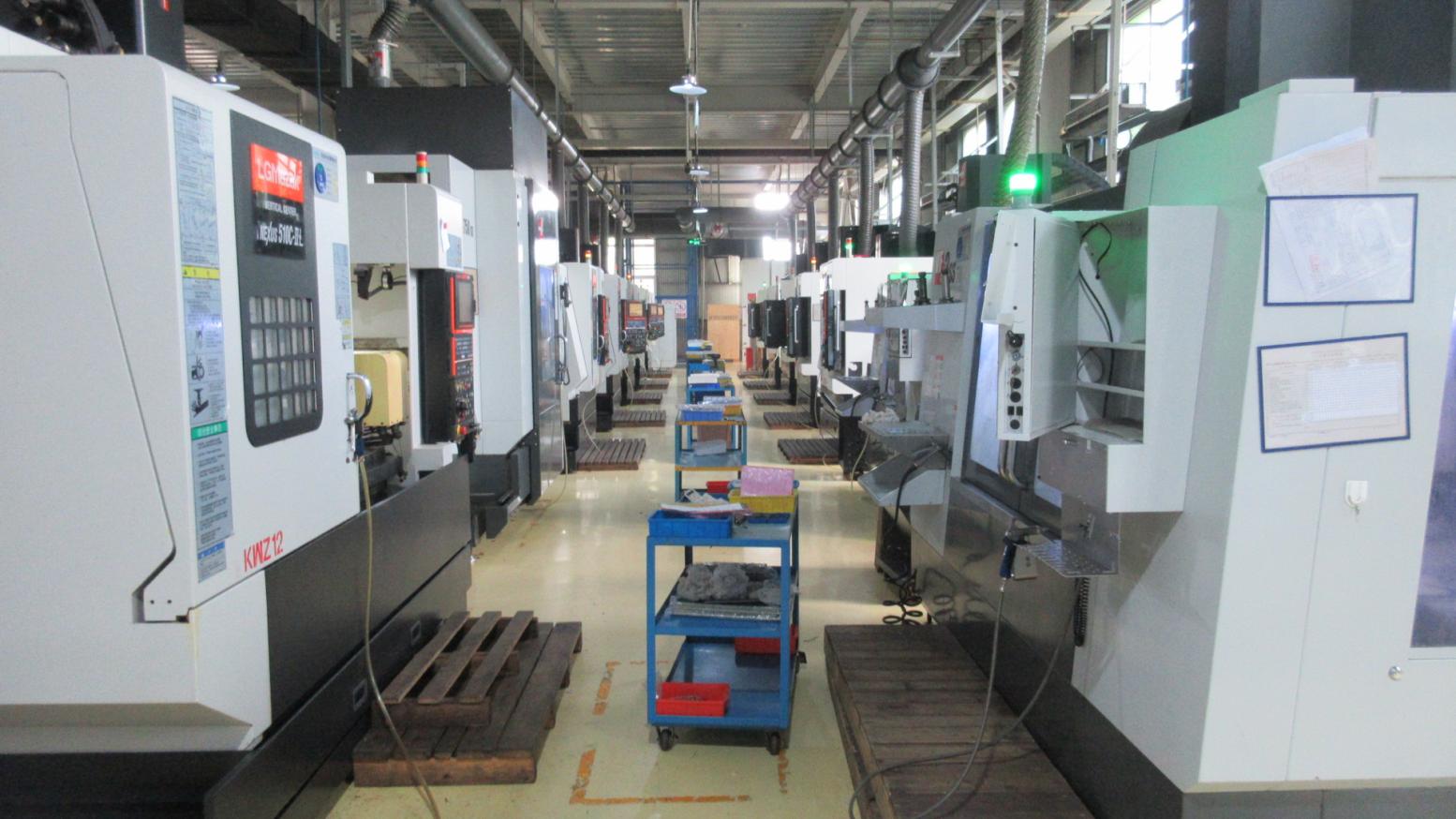
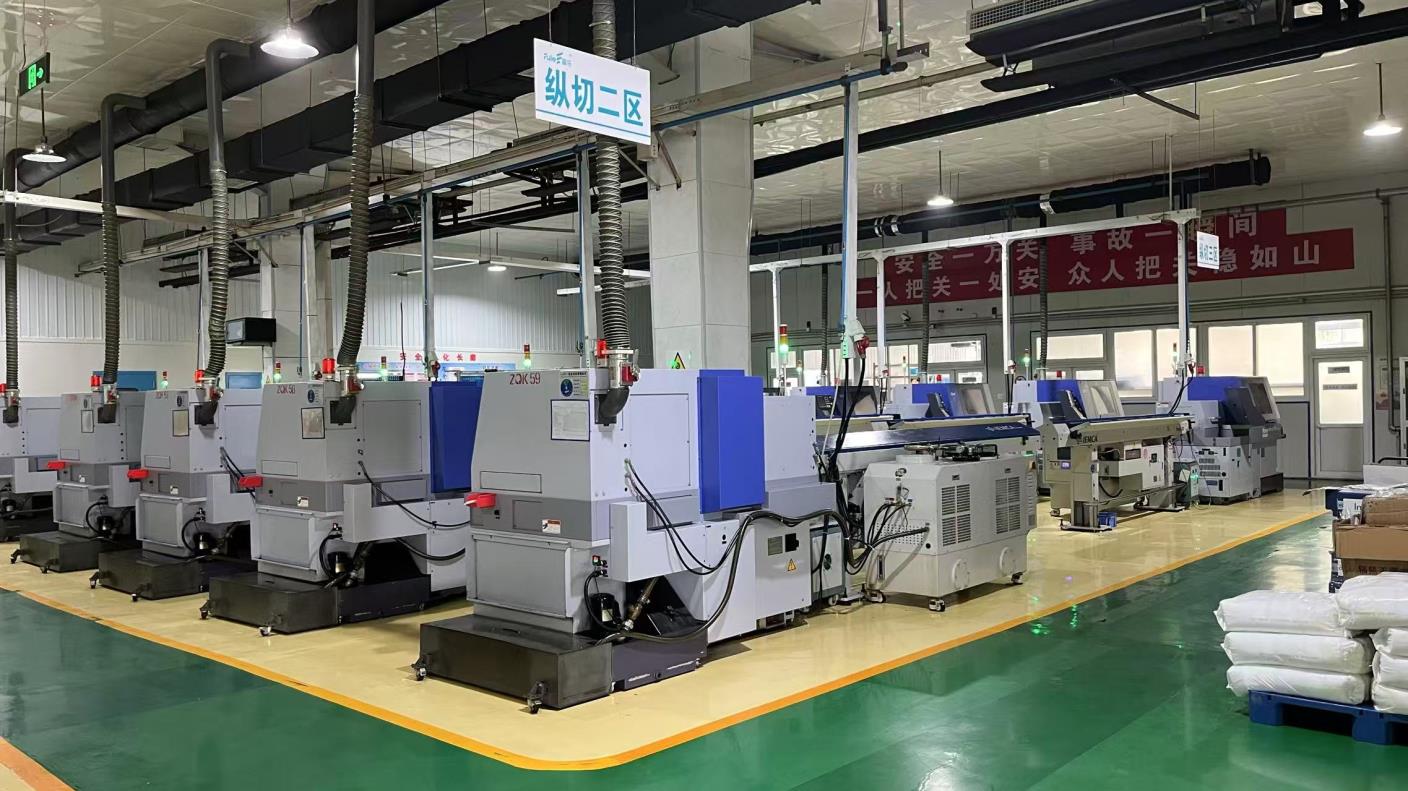
Beijing Fule Science & Technology Development Co., Ltd. has established itself as an authoritative leader in orthopedic implant fabrication. Operating out of a state-of-the-art 10,000 square meter facility, the factory features class 100,000 cleanrooms and advanced CNC machining centers imported from Switzerland and Japan. Our manufacturing advantages stem from localized raw material sourcing, tight quality control protocols, and extensive R&D capabilities.
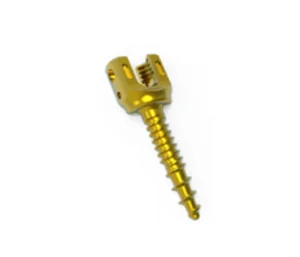
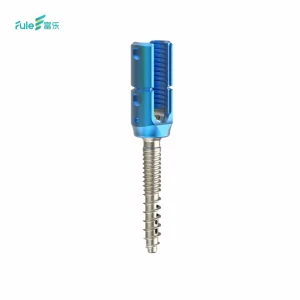
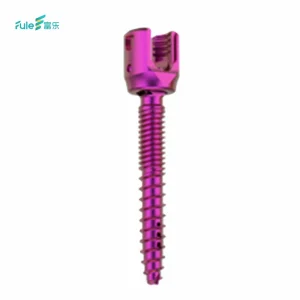
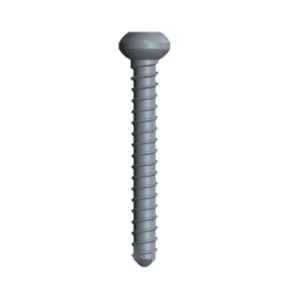
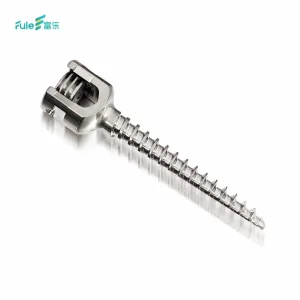
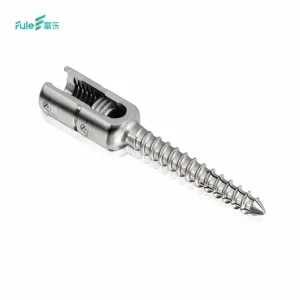
Each CFS ZJX Posterior Cervical Spinal Fixation System component is milled to sub-micron accuracy. We utilize implant-grade titanium alloy (Ti-6Al-4V ELI) conforming to ASTM F136 specifications. This provides optimal biocompatibility, high fatigue strength, and a modulus of elasticity closer to cortical bone compared to stainless steel. The self-tapping designs of our polyaxial and cortical screws undergo rigorous mechanical pull-out and torsional testing to ensure they exceed ASTM F1717 standards.
From the moment raw titanium ingots enter our facility to the final gamma sterilization and packaging phase, every single production step is fully traceable. Our internal QA/QC department consists of 15 senior inspectors who carry out 100% product testing rather than sample-based auditing. This zero-defect tolerance ensures that surgical teams in São Paulo receive reliable, stable components that minimize intraoperative complications.
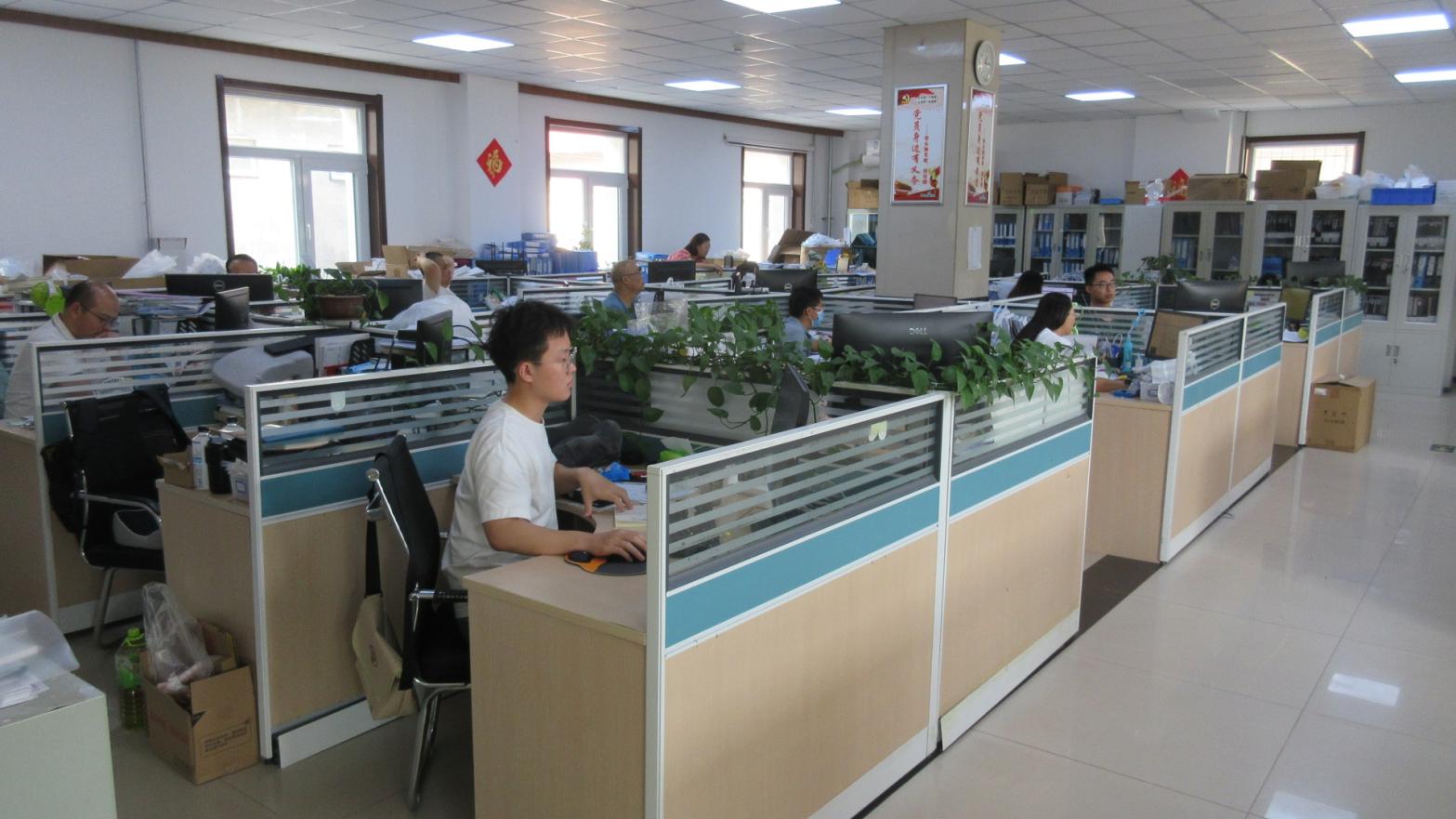
Visualizing our cleanrooms, machining equipment, testing laboratories, and administrative capabilities.
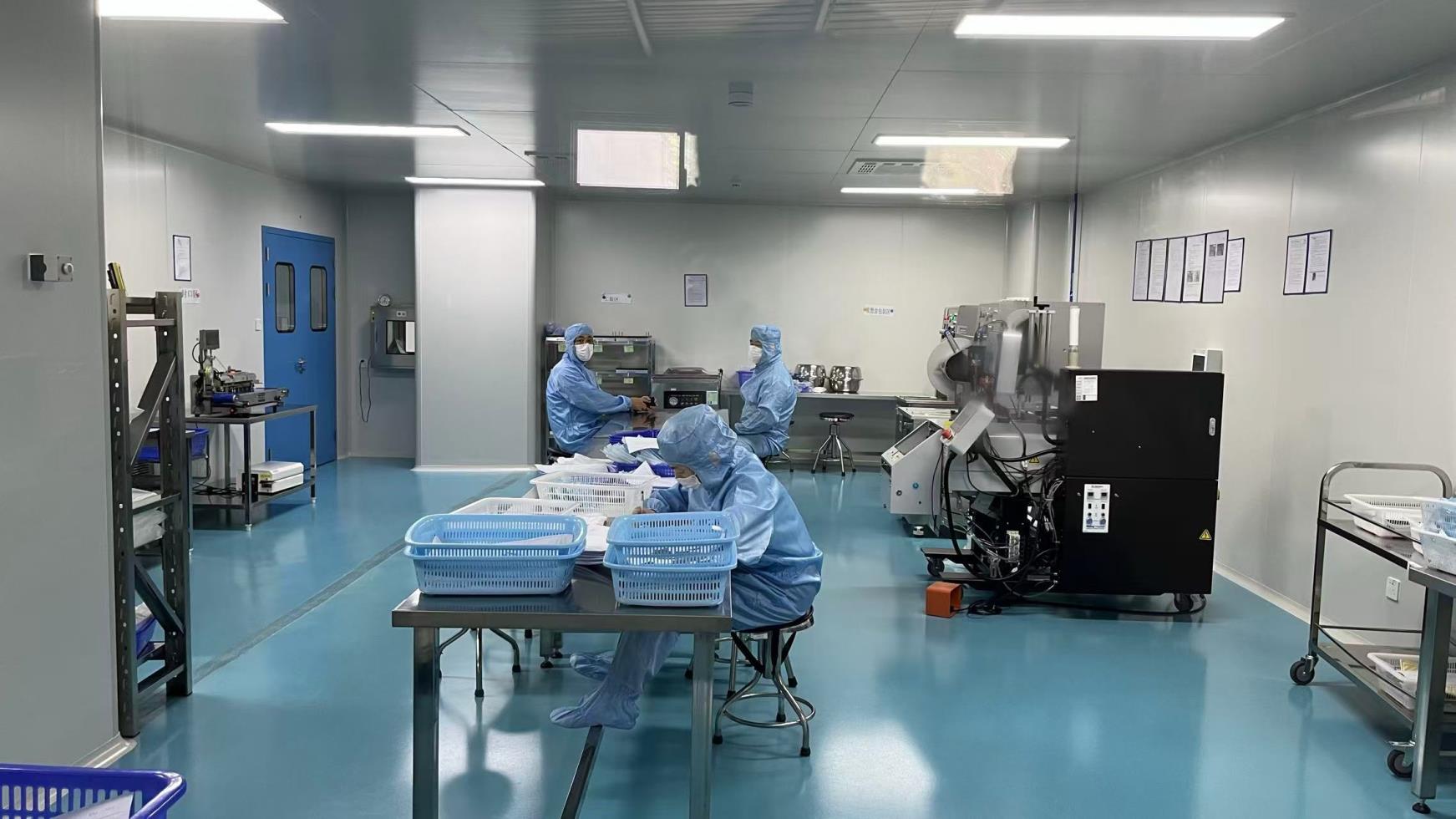
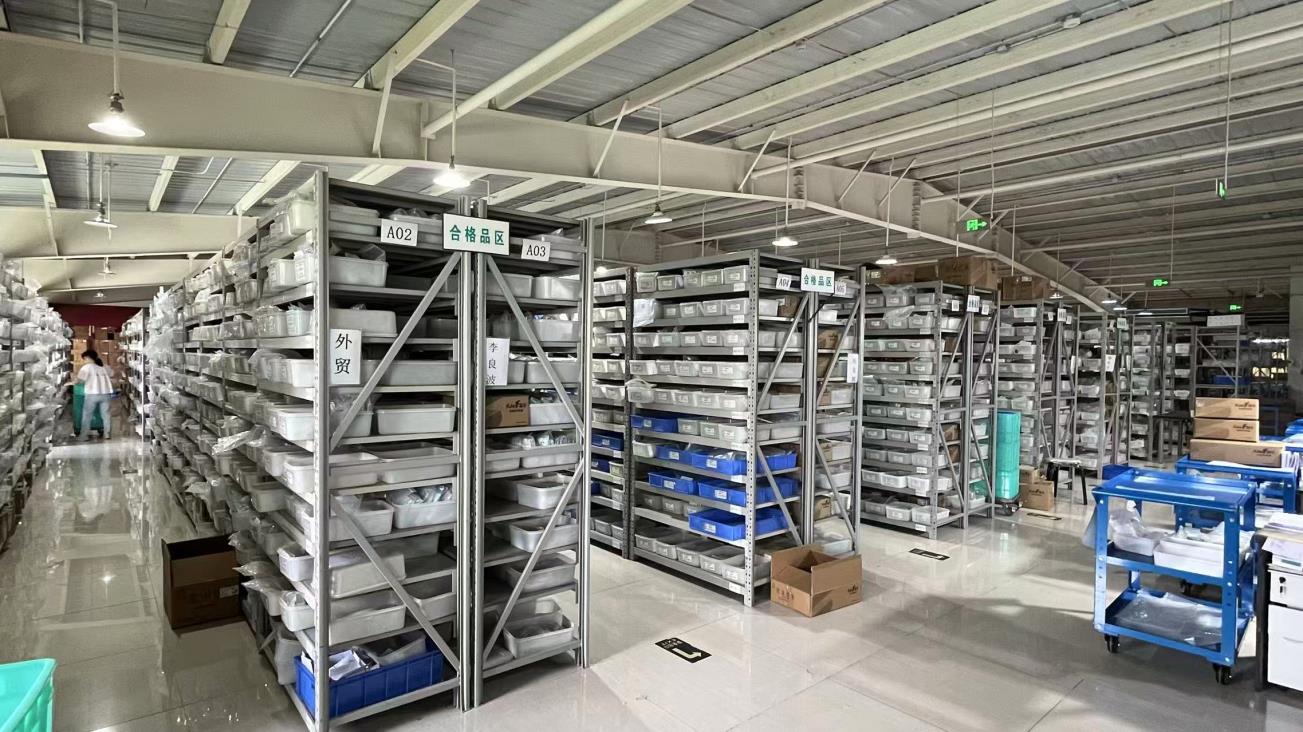
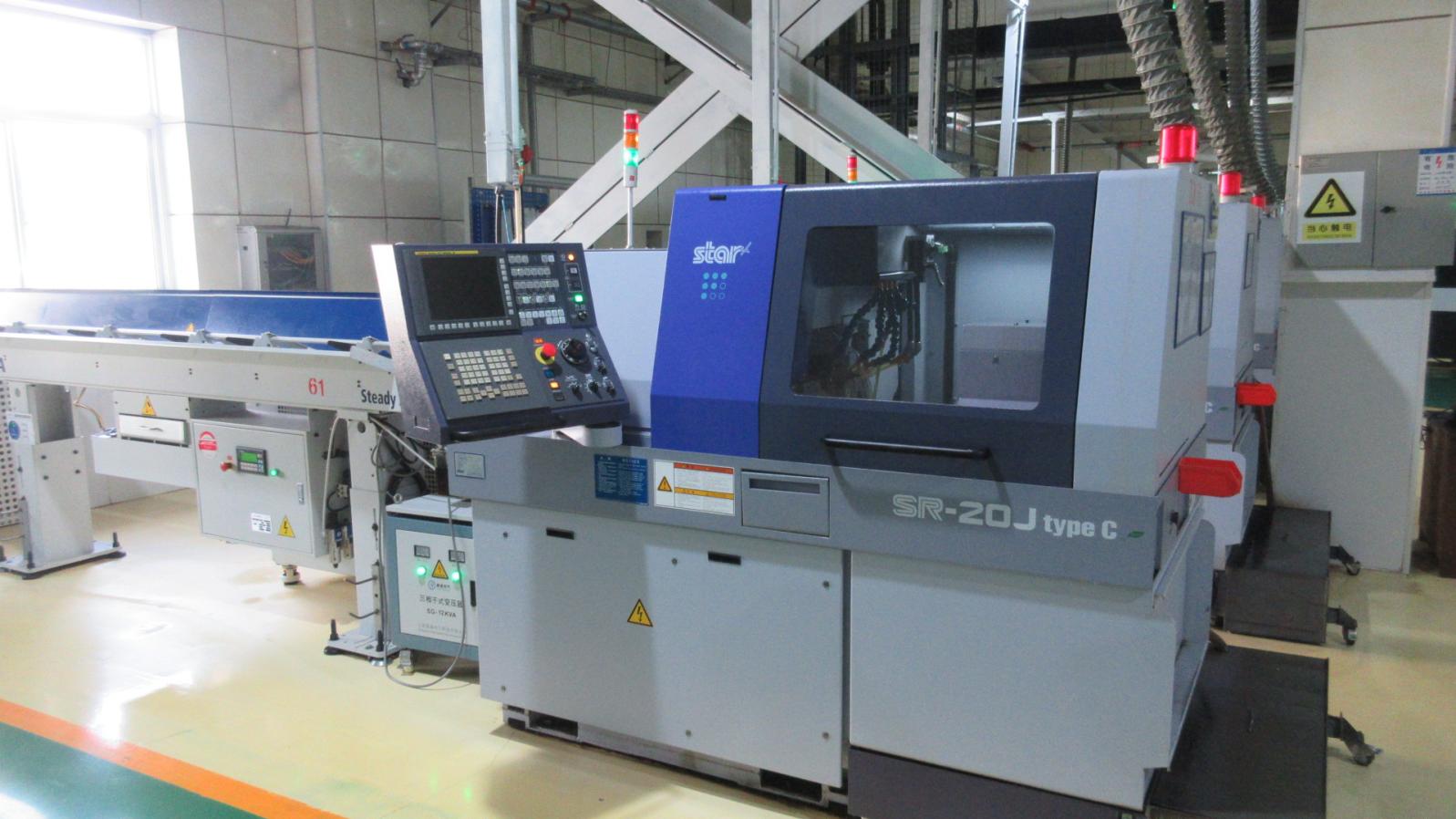
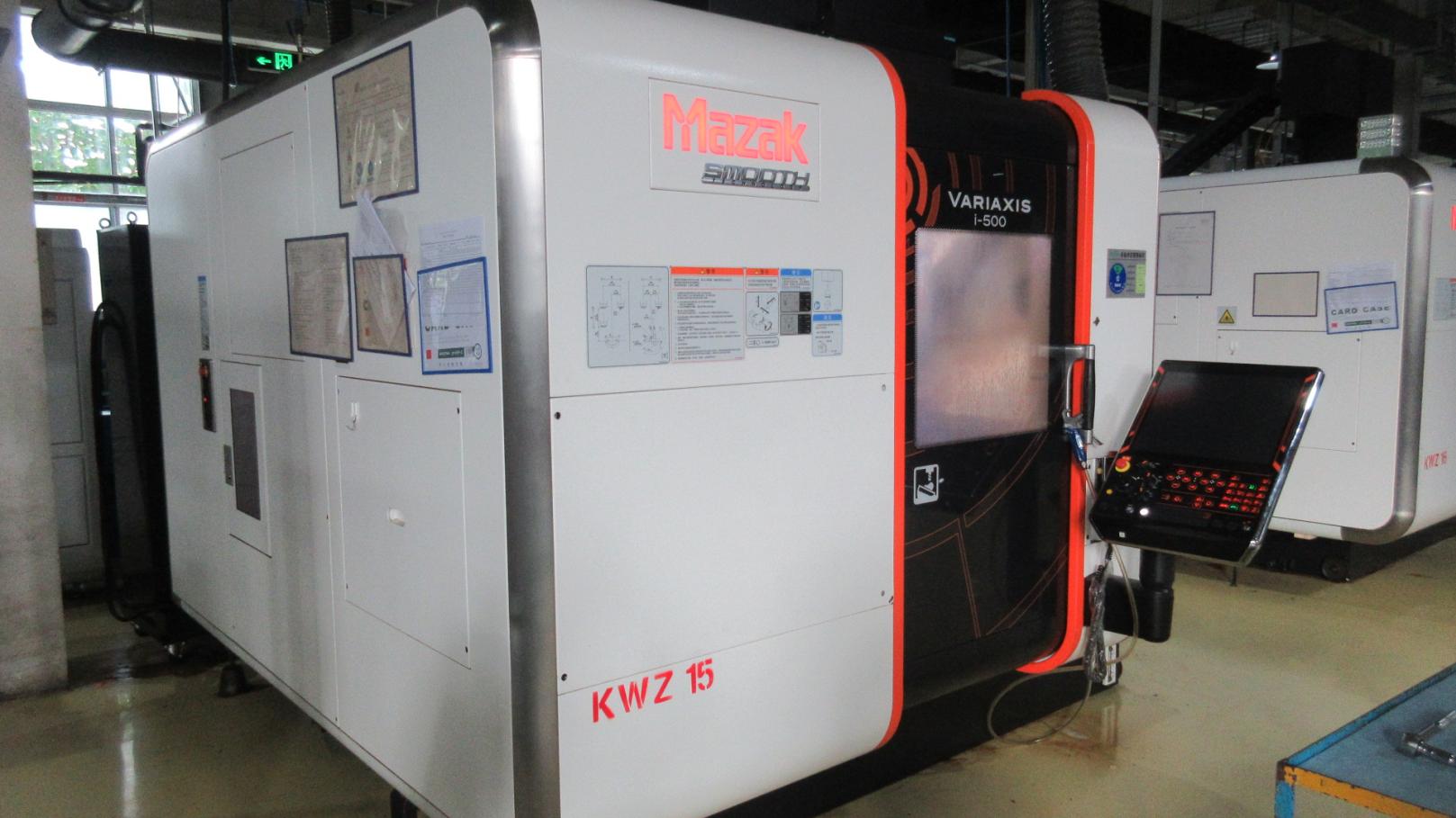
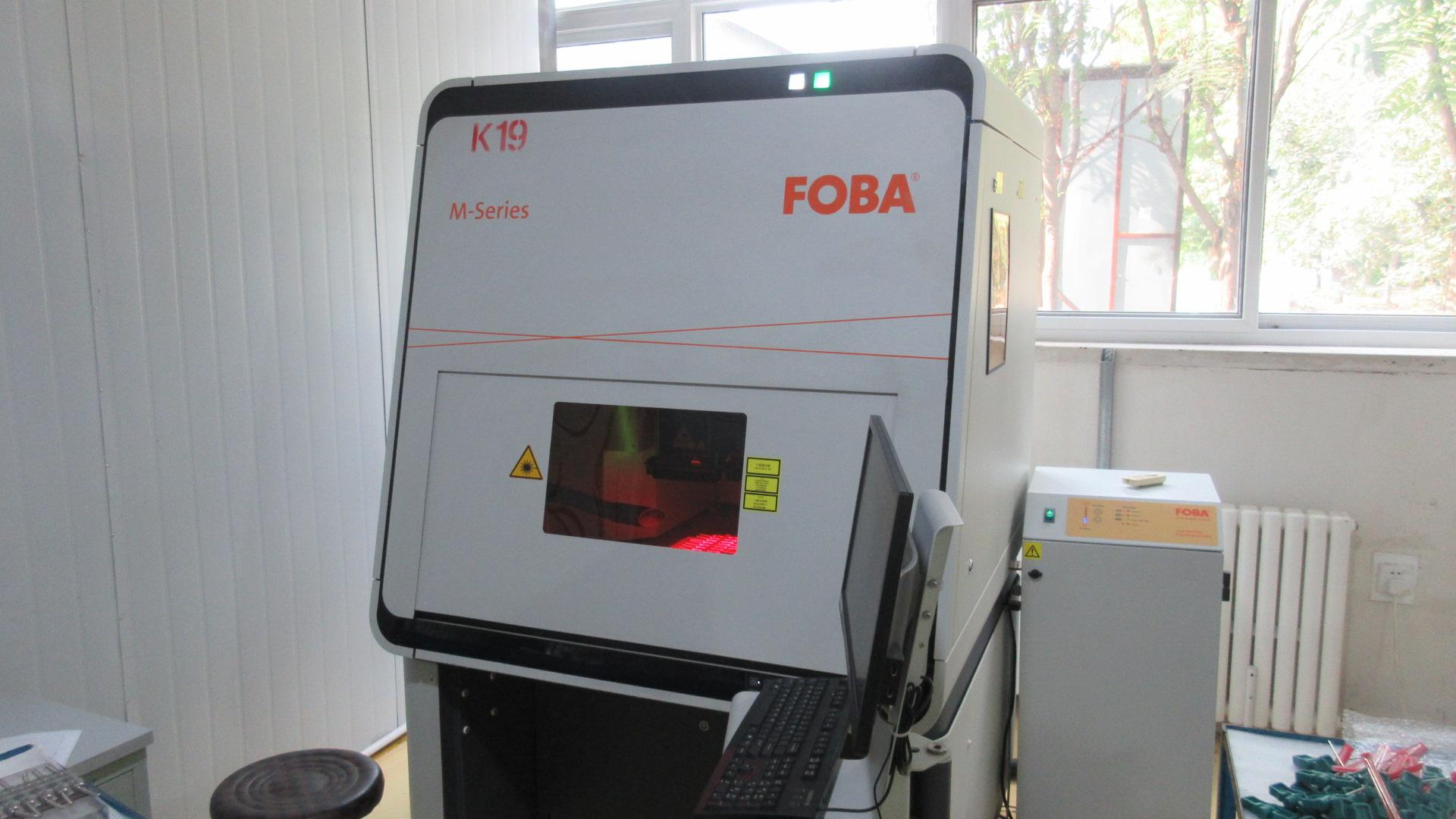
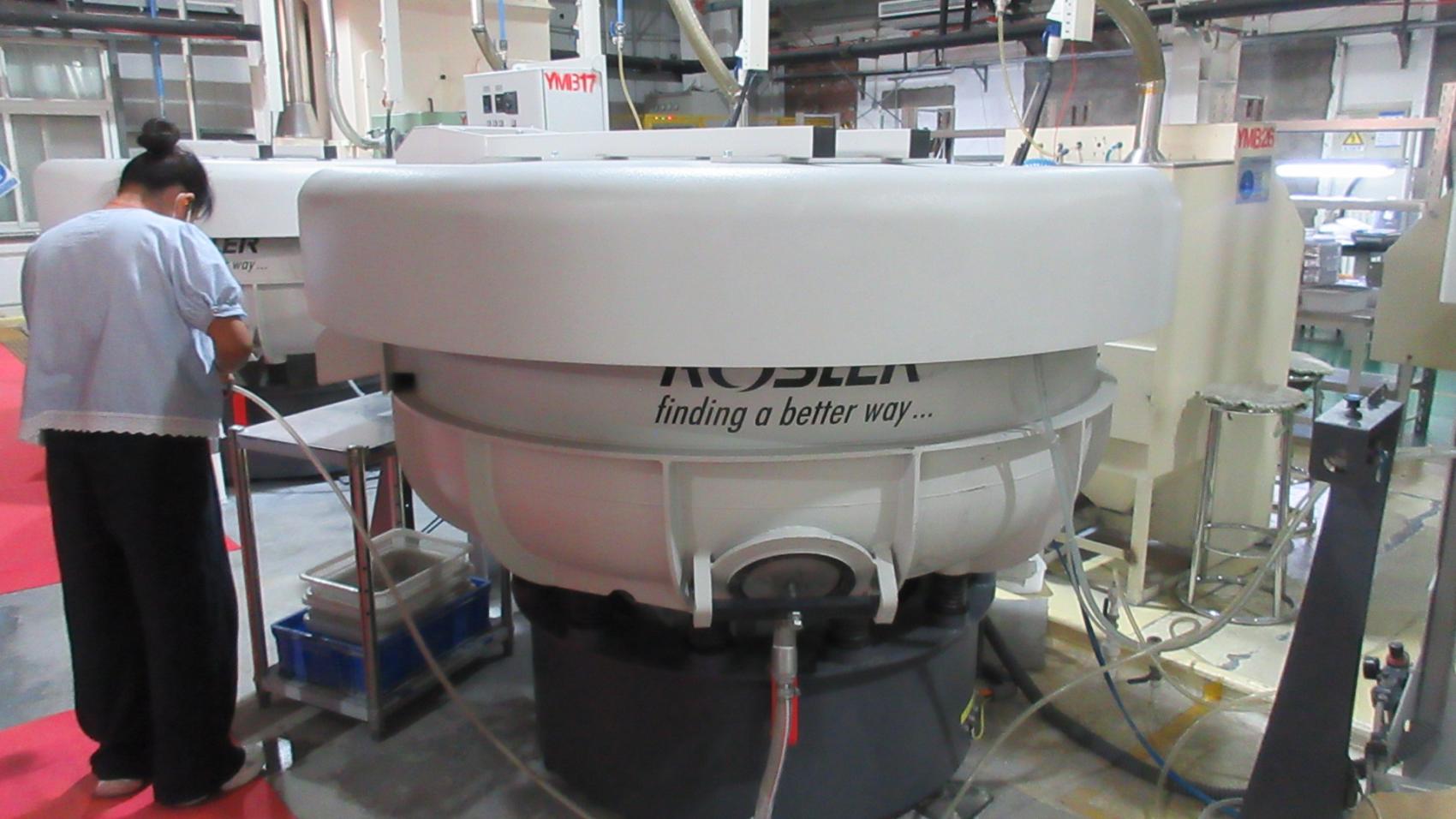
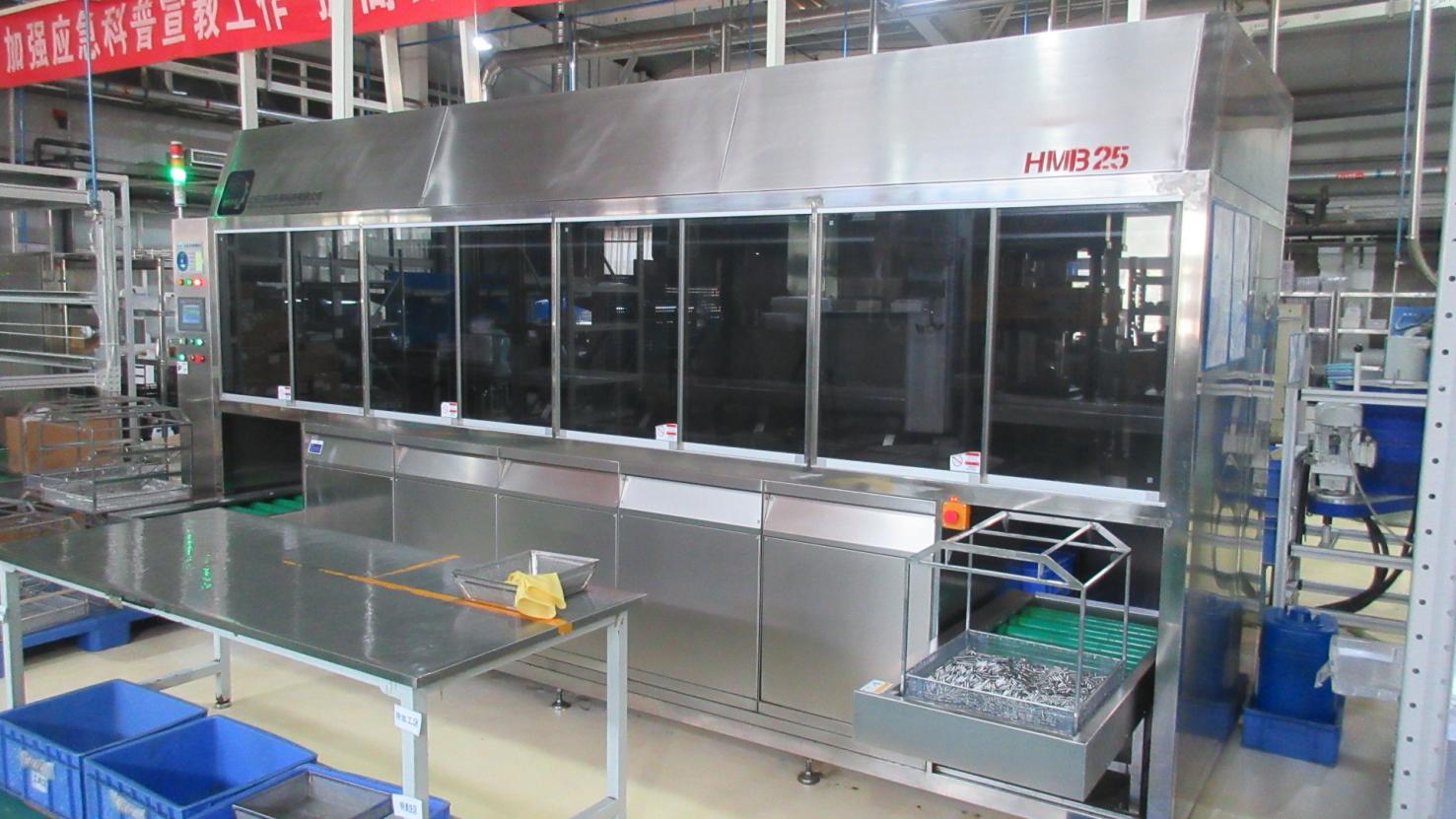
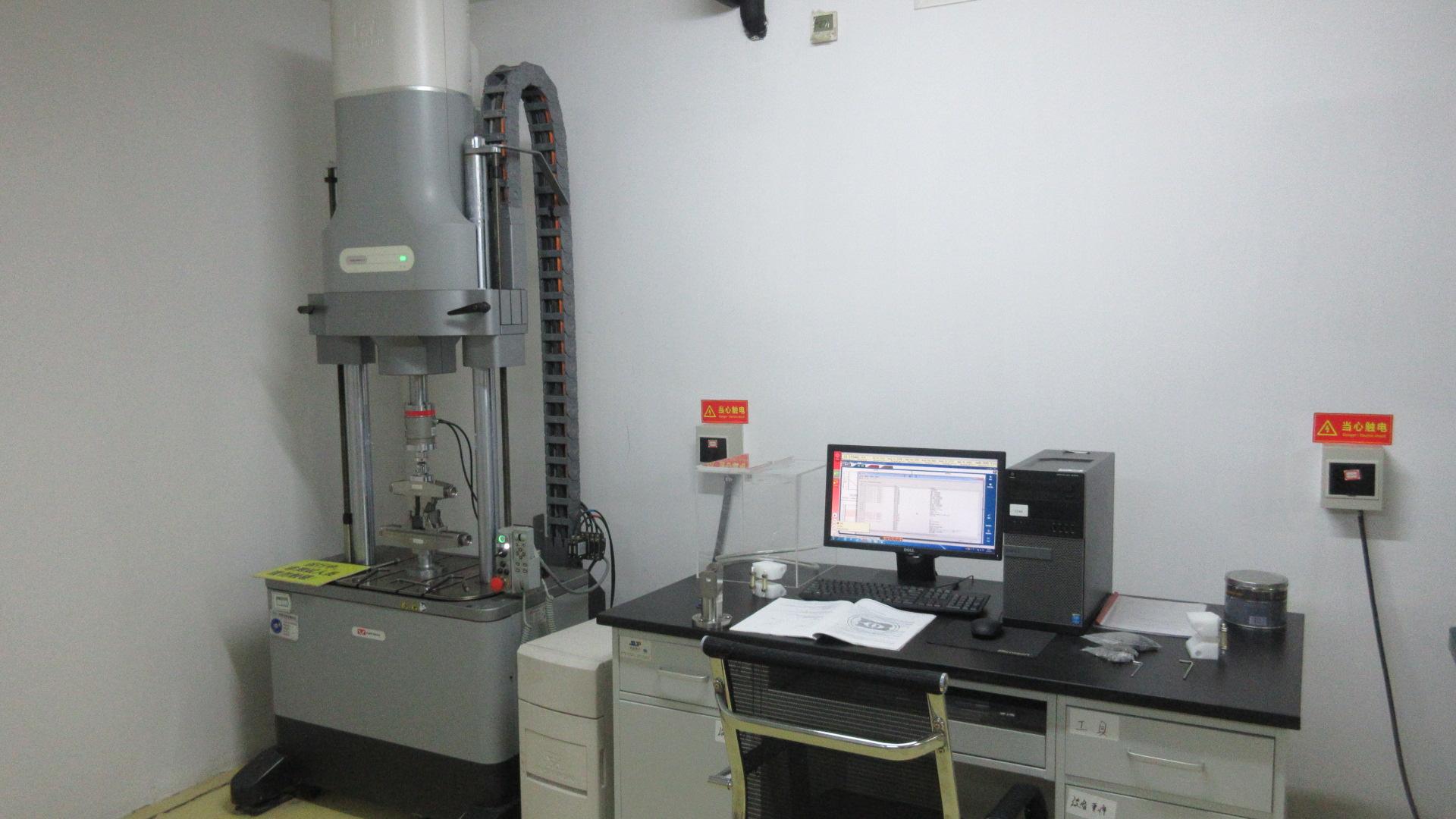
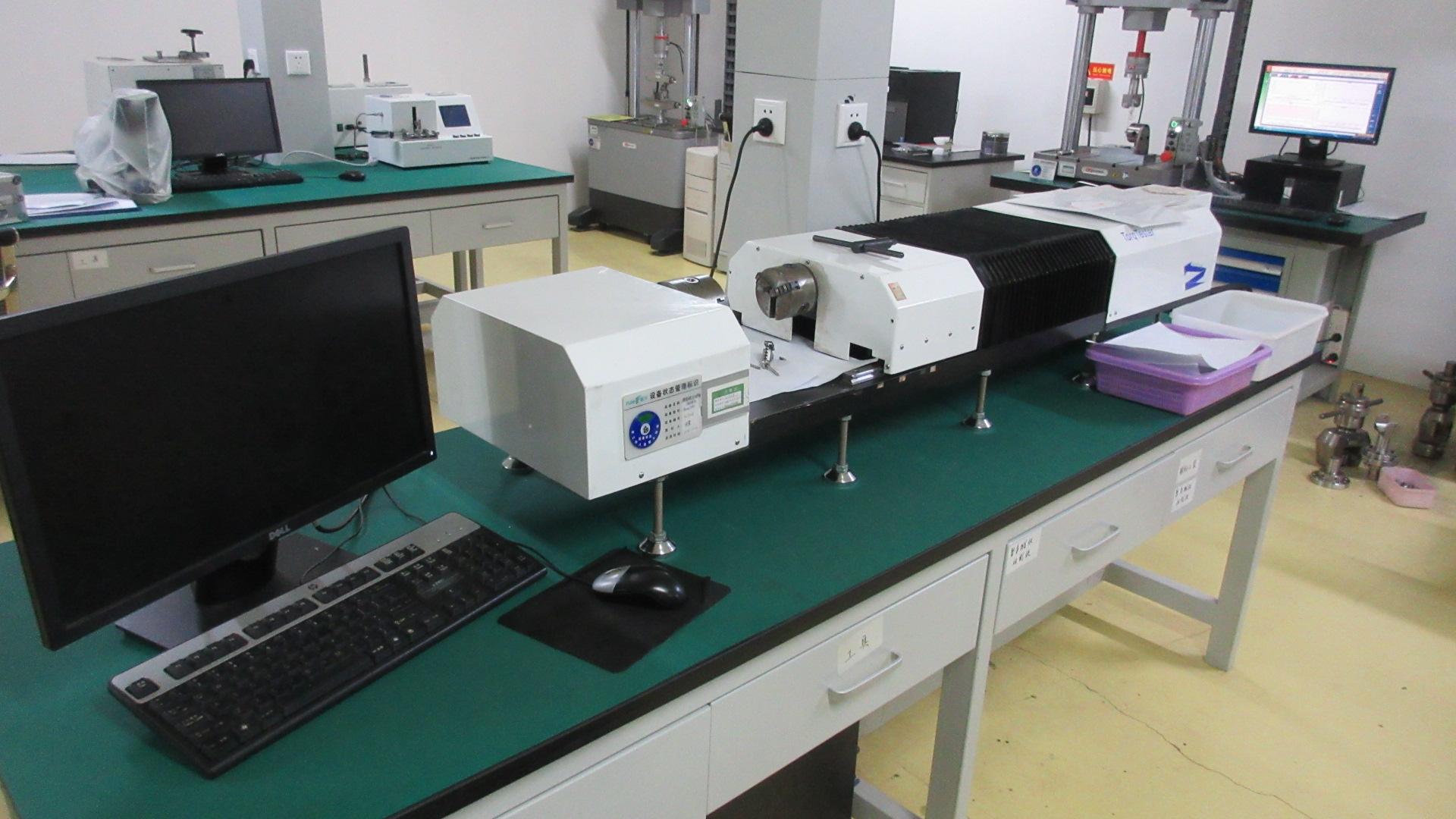
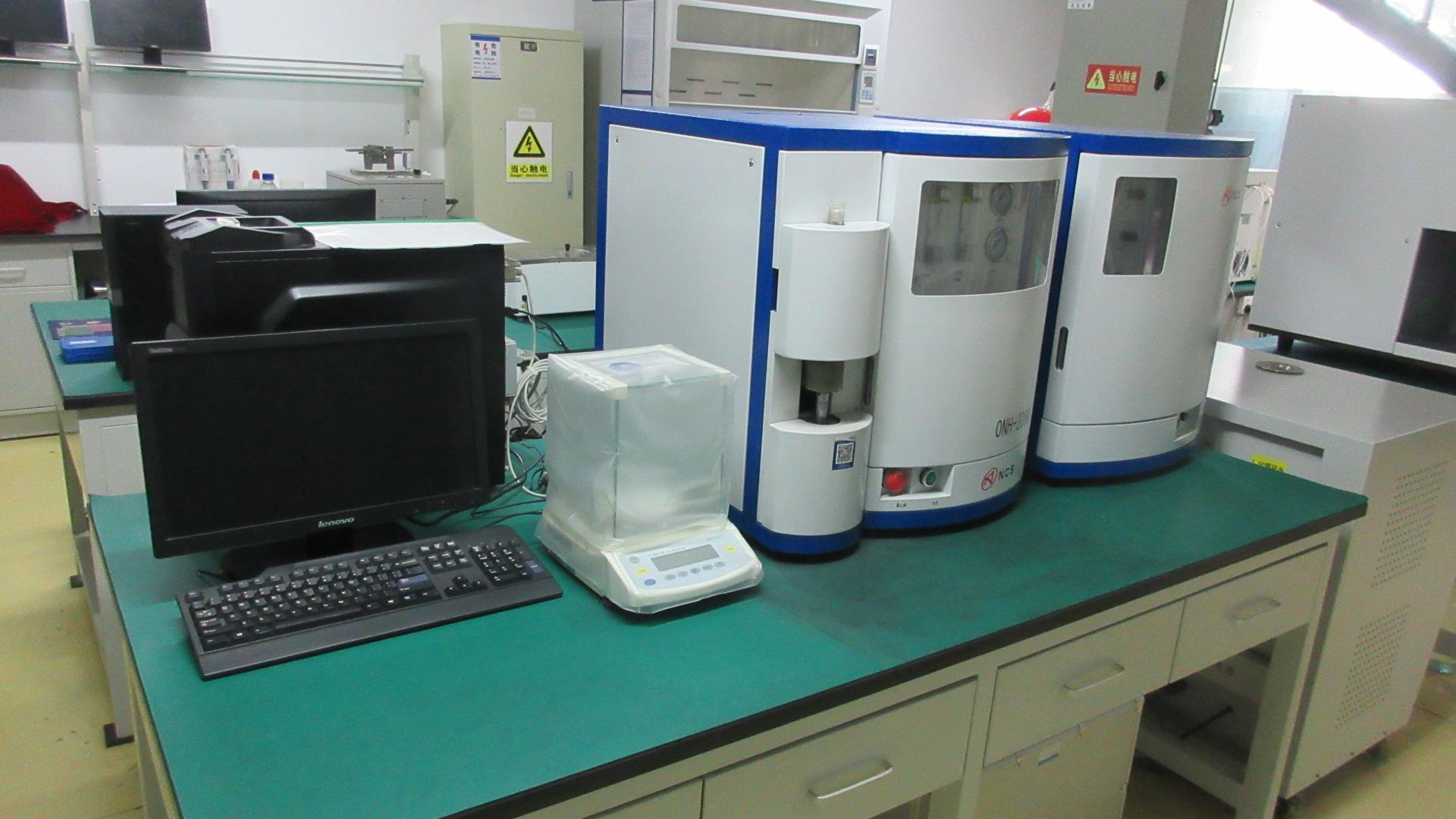
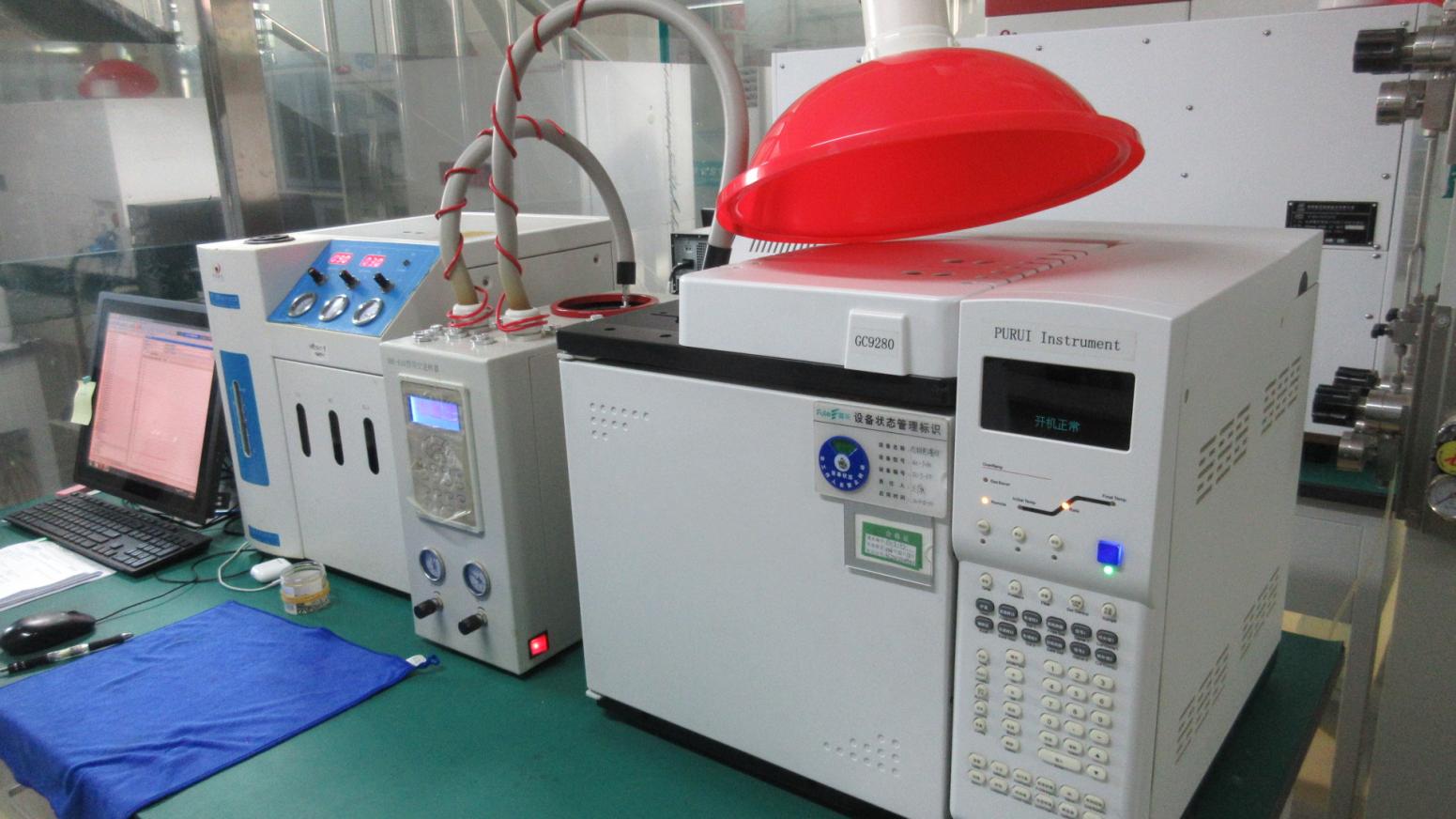
Evaluating how technological innovations shape medical procedures and orthopedic implant designs.
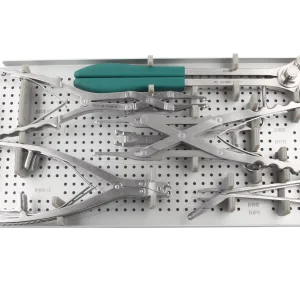
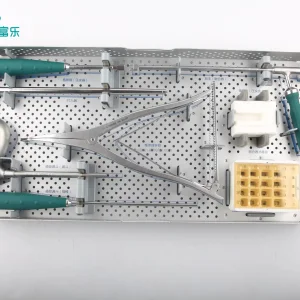
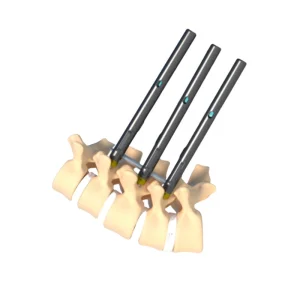
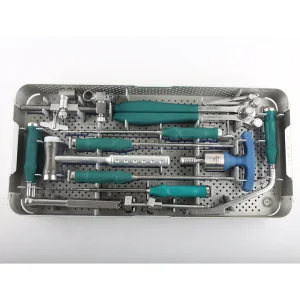
Traditional open posterior cervical surgeries are associated with prolonged hospital stays and muscle retraction injury. The global spinal surgery landscape is shifting rapidly toward minimally invasive spine surgery (MISS). In São Paulo, medical networks prioritize instrument sets designed for percutaneous placement and smaller surgical incisions. Our Minimally Invasive Titanium Class I Instrument Set is custom-designed to work with these techniques, providing the rigidity required for alignment while reducing soft tissue trauma.
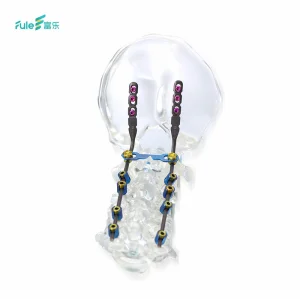
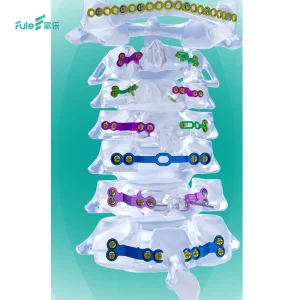
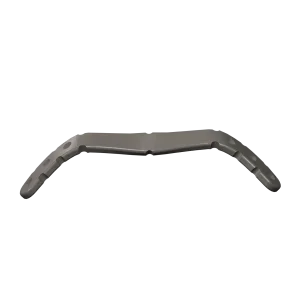
The biomechanical consensus surrounding cervical fusion has evolved. While rigid cervical fixation using rods and polyaxial screws remains the standard of care for trauma and severe instability, laminoplasty (using our Titanium Spine Surgery Systems Posterior Cervical Laminoplasty implants) is favored for multi-level cervical canal stenosis to preserve range of motion. Offering both rigid stabilization and motion-preserving options allows hospitals to cover a broader scope of surgical indications.
Digital medical modeling based on 3D CT scans allows surgeons to pre-plan screw insertion angles. Beijing Fule's internal design office coordinates with surgeons to deliver specialized customized orthopedic solutions on demand. This reduces operating room time and improves screw placement accuracy, directly lowering the post-operative complication rate.
Addressing critical engineering, regulatory, and logistics questions from distributors and purchasing managers in São Paulo.
A1: Our manufacturing processes strictly conform to ISO 13485 quality standards, with complete documentation verifying raw material certification (medical-grade titanium) and biocompatibility testing. We provide all the necessary technical dossiers, product specification sheets, and clinical data files required by ANVISA for registration. We work closely with local importers in São Paulo to facilitate smooth regulatory approvals.
A2: We use premium Ti-6Al-4V ELI (Extra Low Interstitial) titanium alloy. Biomechanically, this alloy exhibits a high strength-to-weight ratio and excellent corrosion resistance. The design features micro-threaded screw paths to maximize bone-screw interface contact and reduce the risk of screw backing out, ensuring long-term construct stability in posterior cervical spinal segments.
A3: Beijing Fule provides comprehensive OEM/ODM services. We offer sample processing, graphic design blueprint processing, and customized development on demand. With an engineering team of 20 specialists, we can adjust screw profiles, rod dimensions, and surgical instrument configurations to match the specific clinical preferences of orthopedic associations in São Paulo.
A4: We work with leading international medical logistics providers. Shipments are typically flown from Beijing Capital International Airport (PEK) to Guarulhos (GRU) or Viracopos (VCP) airports in São Paulo. Every batch is shipped with complete sterile packaging indicators, batch numbers, and commercial invoices to ensure straightforward customs clearing.
A5: We provide robust warranties on our products. For example, our FULE MIKO II Manual Orthopedic Forceps Surgical Instruments carry a 5-year warranty, reflecting our confidence in the materials and precision craftsmanship. Our Class I surgical instruments are built to withstand hundreds of sterilization and autoclave cycles without mechanical degradation.
A6: For standard inventory items, we can ship within 7–14 business days. For customized OEM designs, our design and prototyping phase takes approximately 2–3 weeks, followed by 30 days of production and mechanical testing, ensuring you receive high-quality implants designed to your exact specifications.
Explore our complete range of CE and ISO certified implants, including pedicle screw systems, fusion cages, locking plates, and intramedullary nails.
 Beren Science & Technology