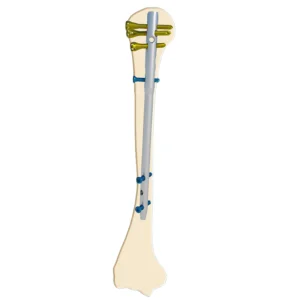
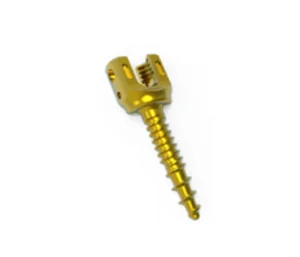
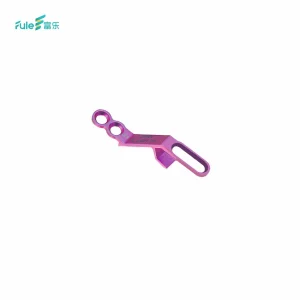
Explore our premium select humeral fixation systems. Engineered using medical-grade Titanium Alloy (Ti-6Al-4V ELI) and fabricated under strict ISO 13485 quality protocols, these systems deliver biomechanical excellence and promote accelerated osseointegration.
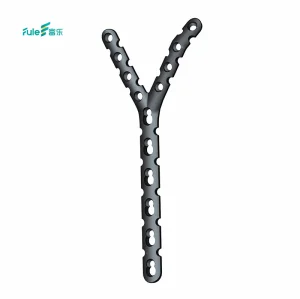
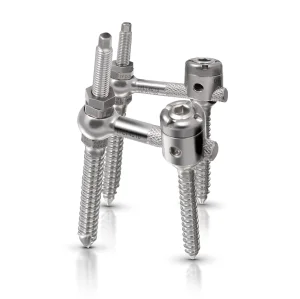
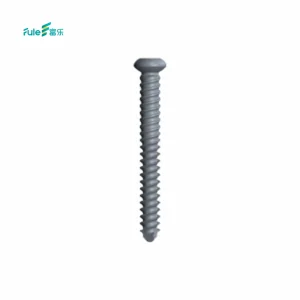
Monterrey, Nuevo León, has established itself as the leading industrial powerhouse of Mexico and the premier destination for advanced medical manufacturing in North America. Positioned strategically within the USMCA (United States-Mexico-Canada Agreement) corridor, Monterrey offers unparalleled proximity to the United States border, robust transport logistics, and a highly sophisticated industrial infrastructure.
In the orthopedics sector, especially for humeral implants and complex spinal hardware, Monterrey serves as a crucial integration point. The local industry has transitioned from basic assembly to high-precision manufacturing, material science application, and advanced biomechanical engineering. Local manufacturers, backed by world-class academic institutions such as Tec de Monterrey (ITESM) and UANL, supply highly qualified engineering talent that fuels innovation in CNC Swiss machining, titanium anodization, and sterile packaging systems.
Global medical device distributors and hospital procurement networks increasingly leverage Monterrey's manufacturing cluster. This nearshoring advantage dramatically minimizes lead times, reduces tariff risks, and ensures reliable supply chain resilience compared to traditional Asia-centric manufacturing models.

Our manufacturing complex represents the leading edge of orthopedic engineering. Operating under ISO 13485 certification, we feature dedicated class 100,000 cleanrooms and advanced metallurgical inspection labs. Here are the core data indicators that define our manufacturing scale and capability:
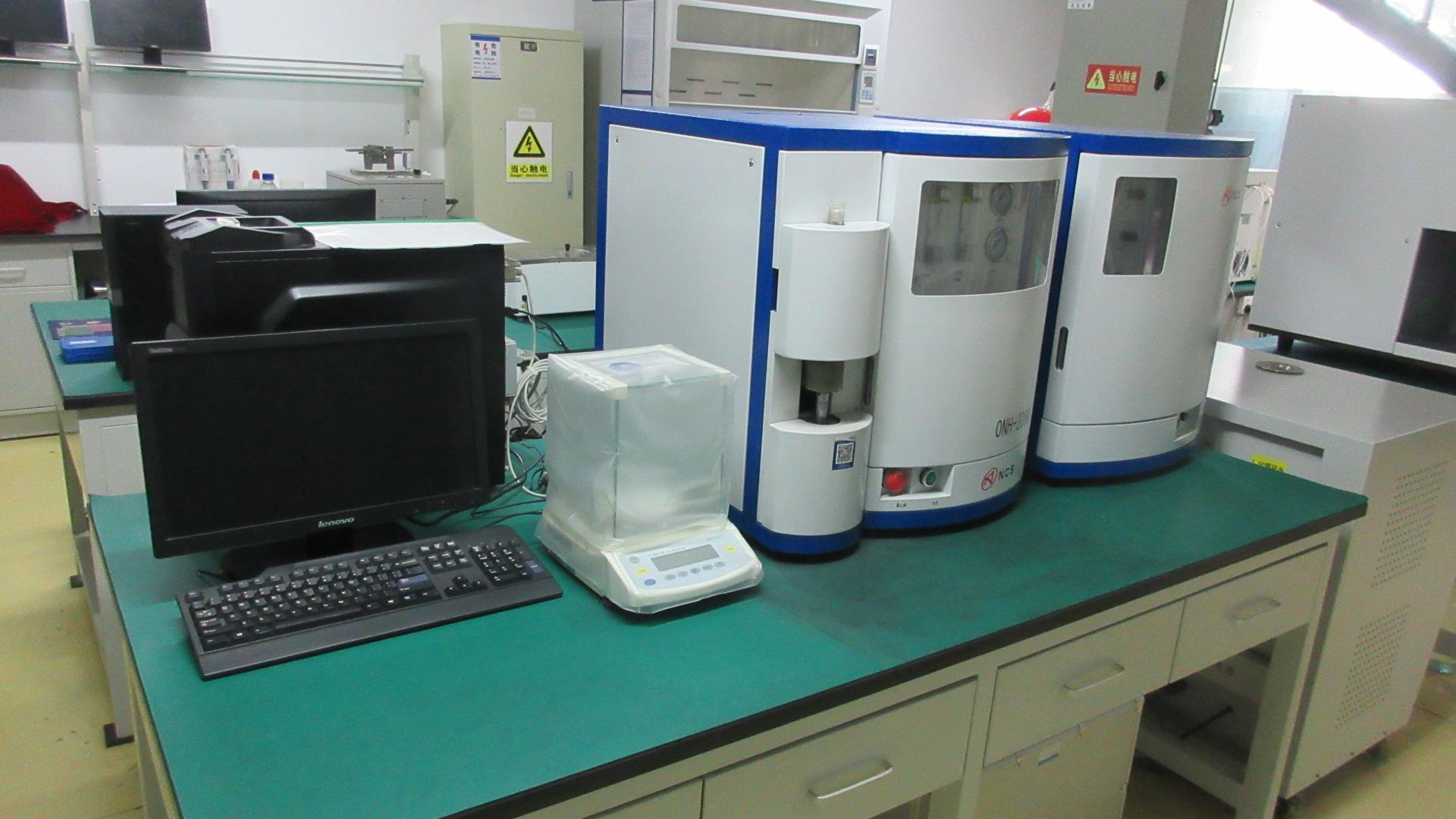
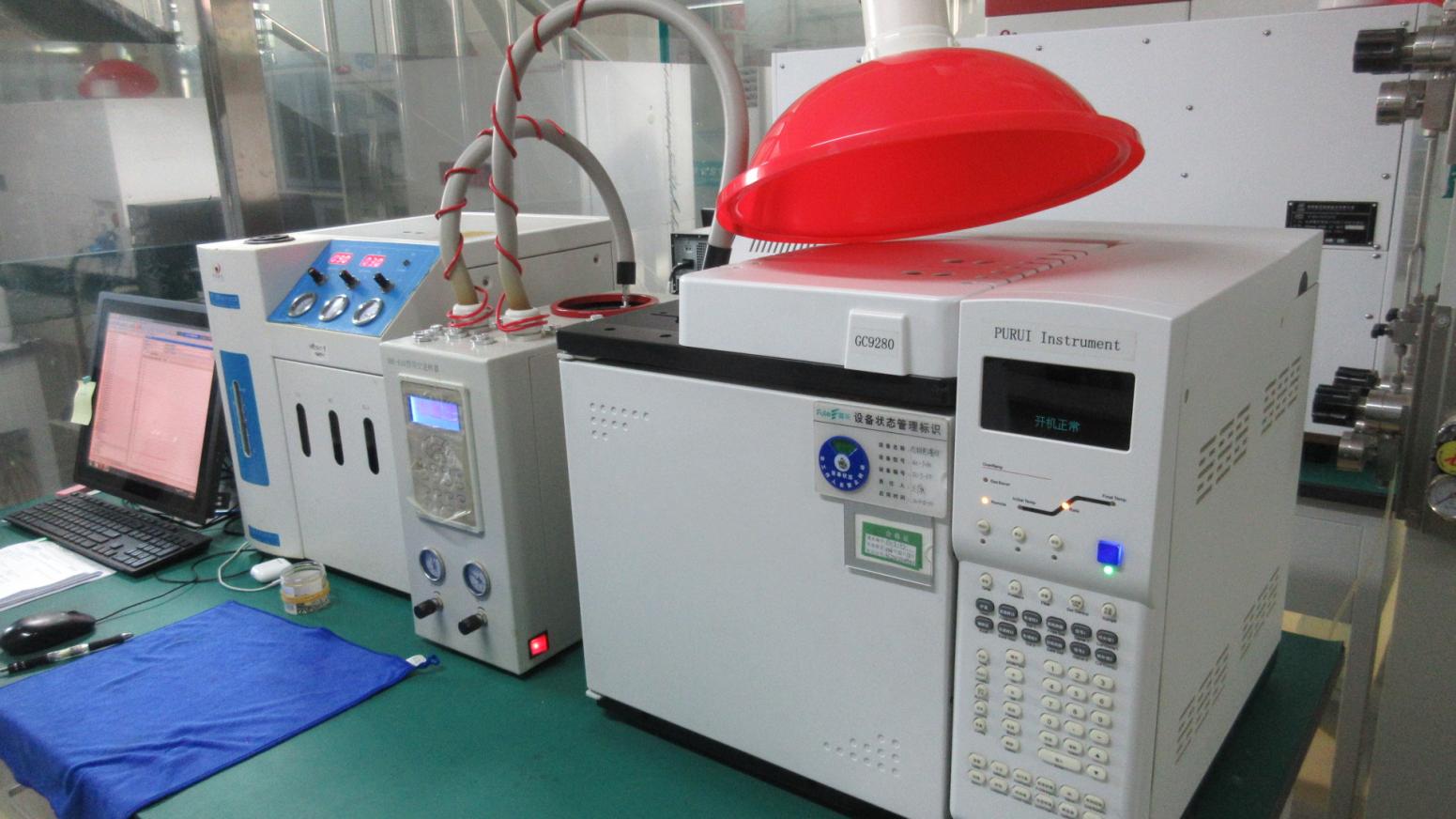
Every batch of titanium alloy (Ti-6Al-4V ELI) used in our humeral intramedullary nails and locking plates is accompanied by certified mill test reports and undergo thorough physical and chemical characterization in our metallurgical labs.
A dedicated team of 15 certified QA/QC inspectors conducts visual, dimensional, and functional testing on all production batches. No orthopedic implant leaves our plant without undergoing automated optical inspection (AOI) and coordinate measuring machine (CMM) validation.
With 20 R&D engineers, we provide high-fidelity CAD/CAM modeling, finite element analysis (FEA) testing, and custom surgical instruments (ODM/OEM) matching localized requirements in Mexico and North America.
All products are certified for Class III orthopedic surgical implants, meaning our products conform to stringent global healthcare regulations and safety benchmarks.
The global humeral implant market has witnessed significant technological transformations. Historically, humeral fractures were treated with conservative immobilization or simple non-locking plates, which often resulted in non-union, malunion, or prolonged rehabilitation times. The modern clinical landscape demands anatomical matching, load-sharing biomechanics, and early mobilization protocols.
Recent developments focus heavily on reducing implant-related complications. Innovations like polyaxial locking screws, radiolucent carbon fiber-reinforced PEEK implants, and bioactive coatings (such as Hydroxyapatite) that accelerate direct bone-to-implant contact are driving the segment forward. High-volume manufacturing clusters like Monterrey are playing a critical role by adopting digital thread technology, linking CAD designs directly to CNC machining centers for flawless execution.
| Feature / Parameter | Anatomical Locking Plates | Intramedullary Nails (EHN) | Traditional Screws / Pins |
|---|---|---|---|
| Primary Indication | Comminuted Proximal/Distal Metaphysis Fractures | Transverse / Oblique Humeral Shaft Fractures | Simple Bone Fractures & Tension Banding |
| Biomechanical Principle | Fixed-Angle Load Sharing / Bridging | Intramedullary Load Sharing / Splinting | Compressive Mechanical Stabilization |
| Invasive Level | Moderate to High Open Reduction | Minimally Invasive Percutaneous Entry | Low to Moderate depending on exposure |
| Soft Tissue Preservation | Requires anatomical contouring | High preservation of periosteal blood supply | Varies, risk of periosteal damage |
Precision is not merely an engineering objective; in orthopedic implants, it dictates the patient's long-term mobility and quality of life. The implants manufactured in our facility undergo rigorous processes to guarantee surface integrity and biomechanical safety.
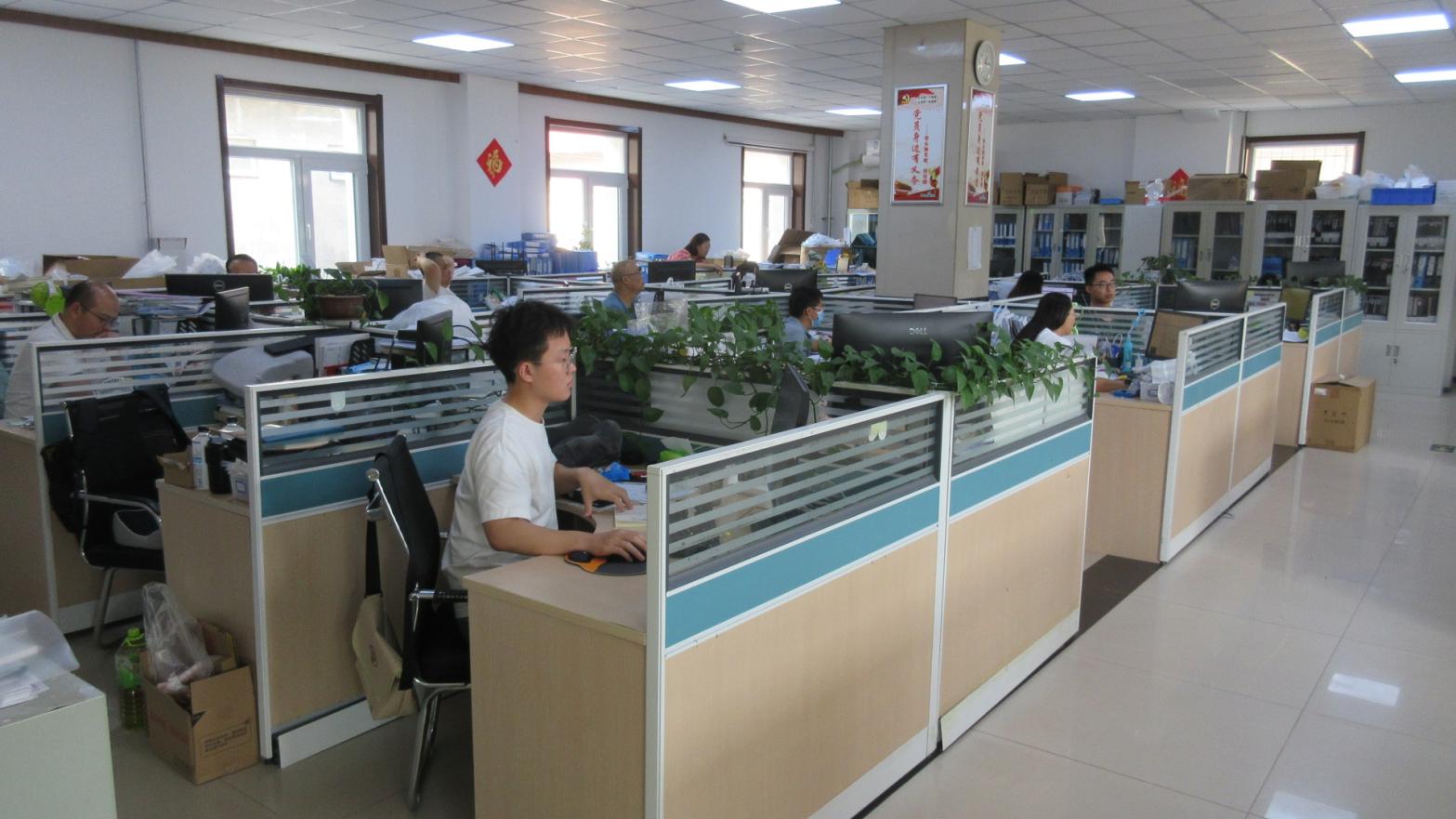
We source only raw materials conforming to ASTM F136 specifications. This extra-low interstitial (ELI) variant provides exceptional fatigue strength, high corrosion resistance, and excellent biocompatibility. It avoids the toxic biological reactions associated with nickel-containing steel alloys.
Applying advanced electrochemical anodization increases the surface hardness and reduces the coefficient of friction. This reduces the risk of cold welding between locking screws and plates, ensuring that implants can be removed safely if necessary post-healing.
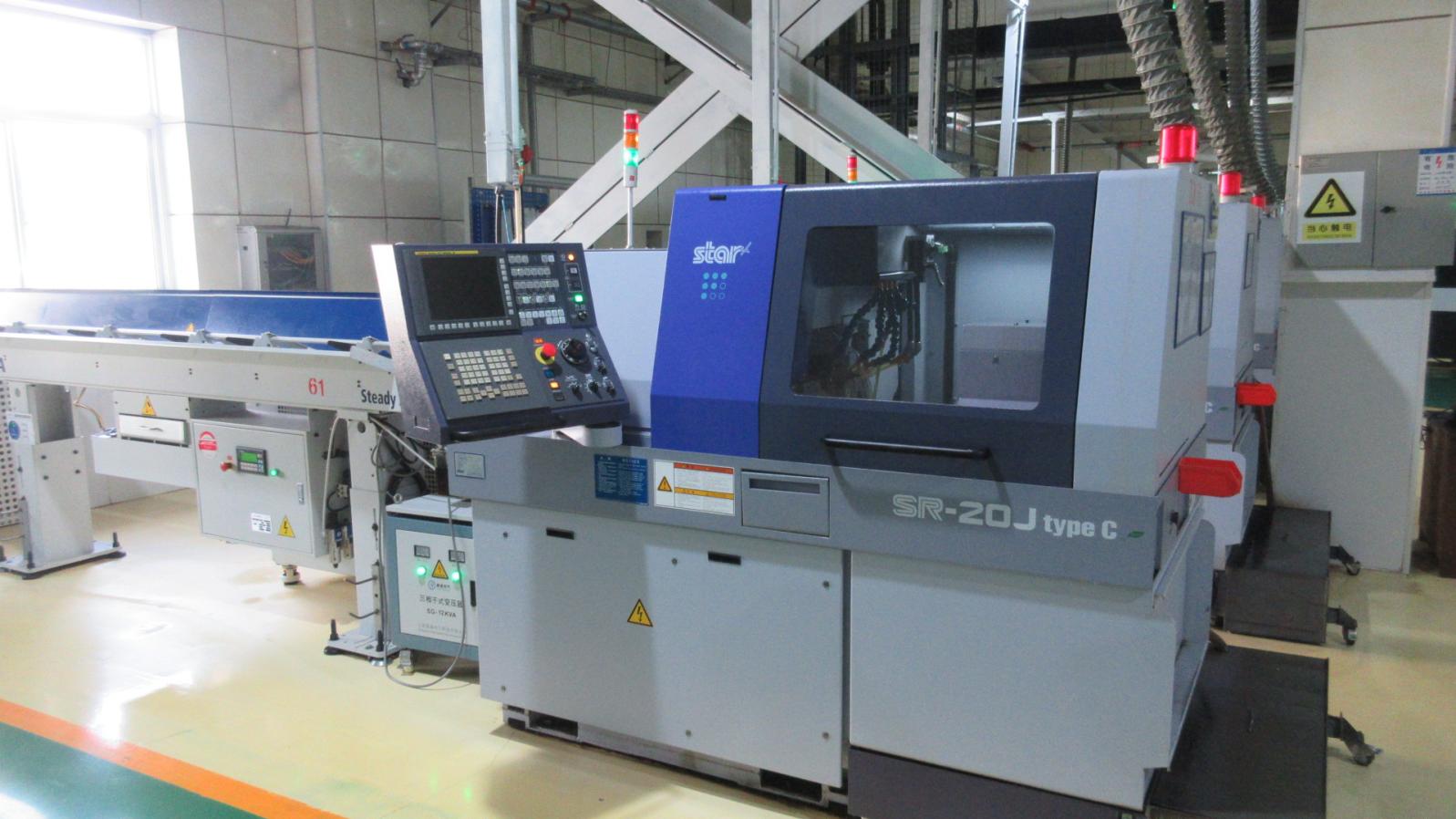
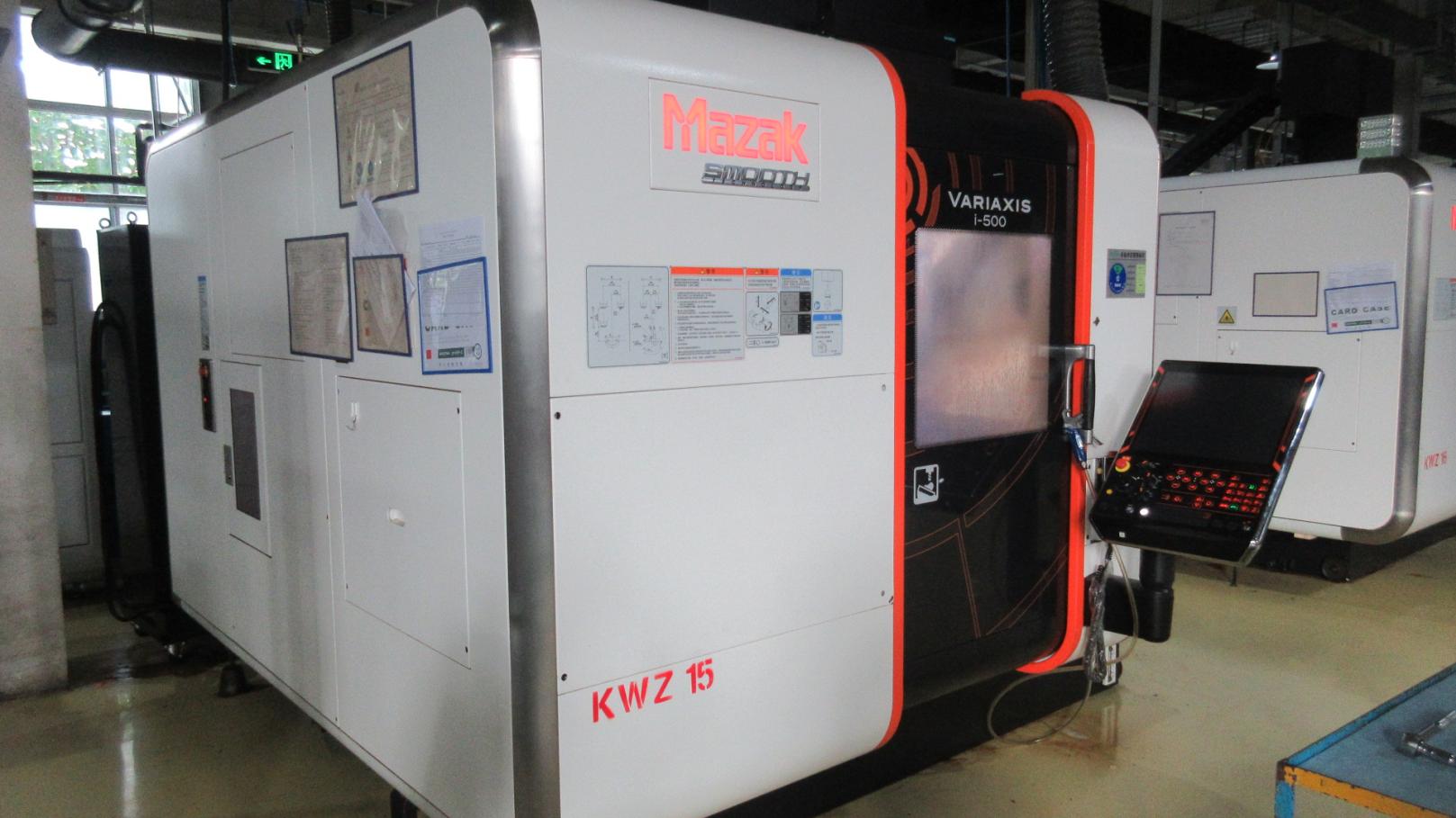
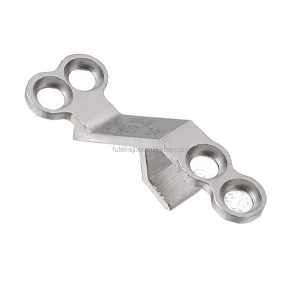
Operating multi-axis CNC machines allows the complex contouring of humeral head plates and the micro-thread patterns of multi-directional locking screws. Tolerances are held to within ±5 microns, preventing loosening under high cyclic stress loads.
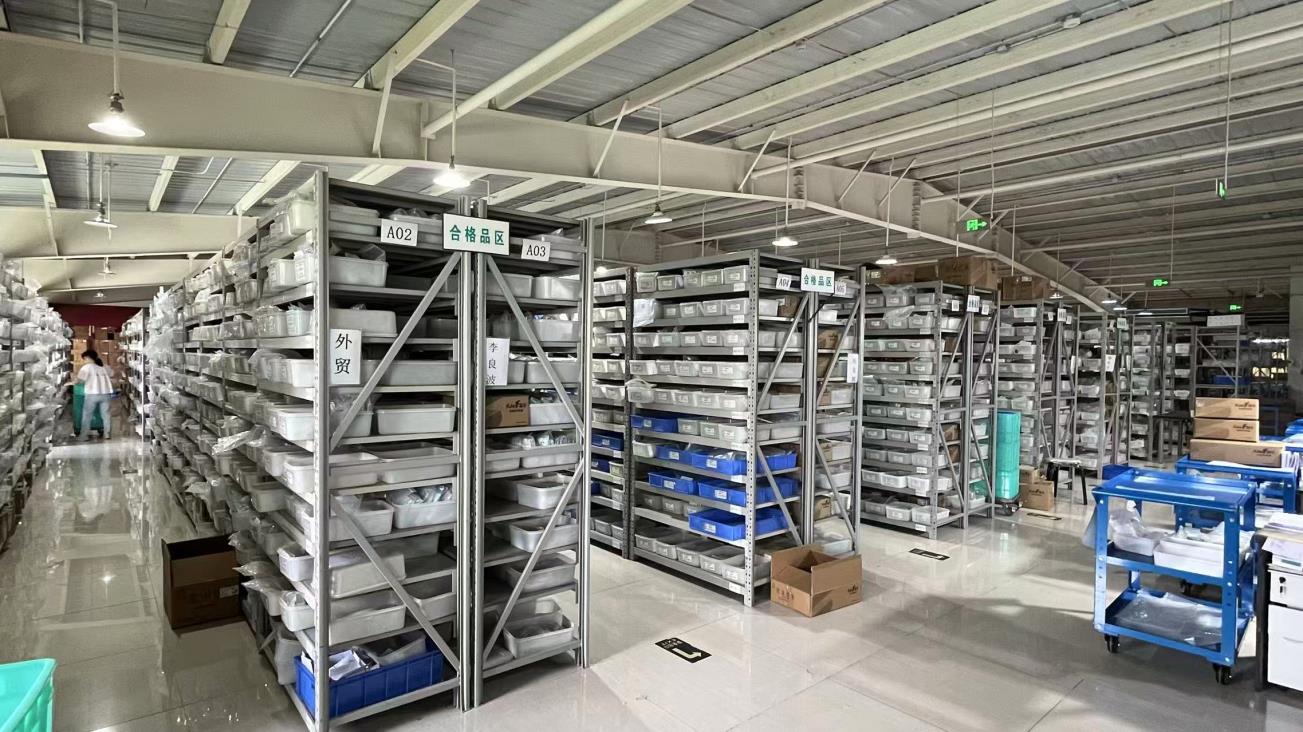
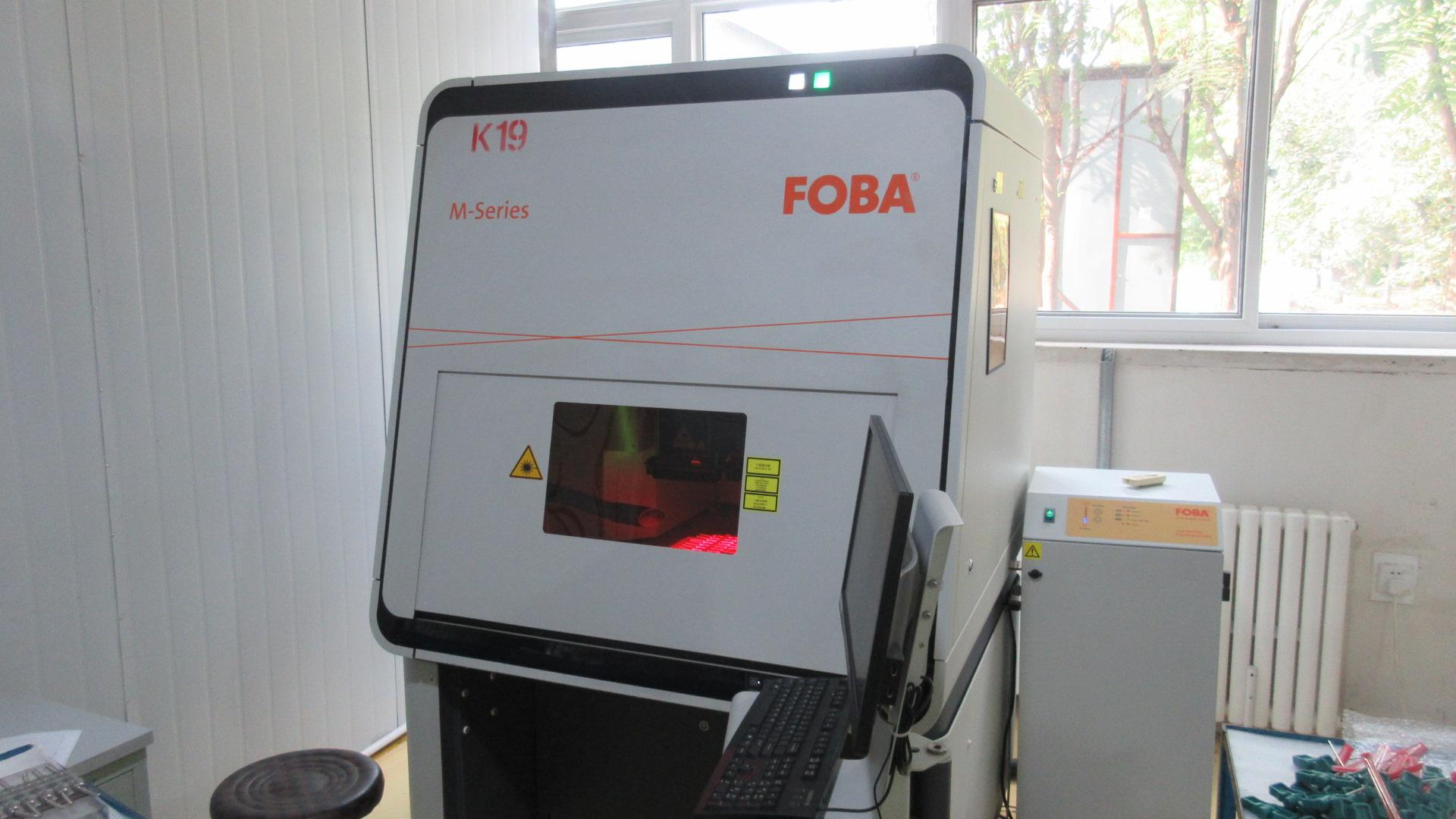
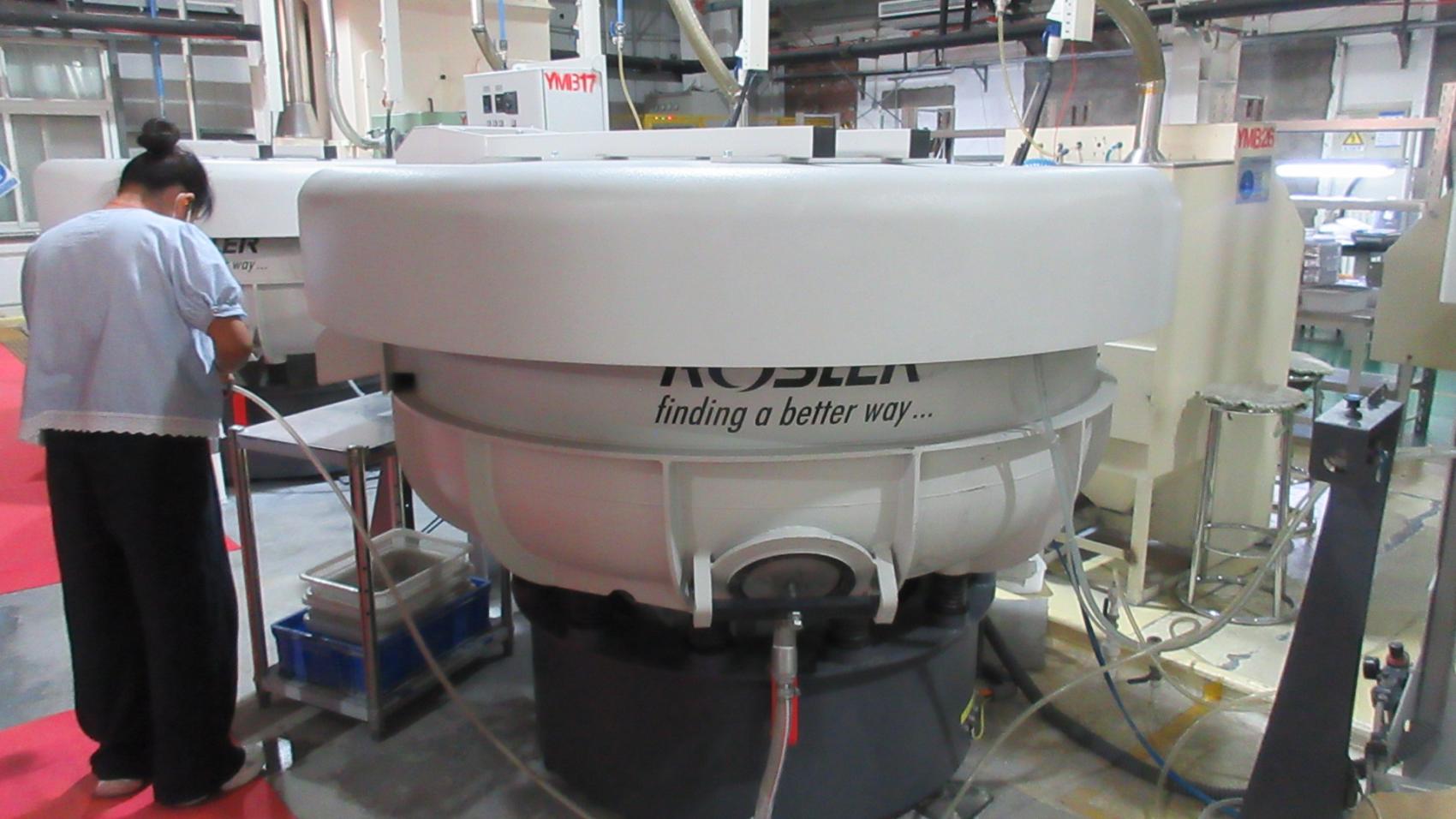
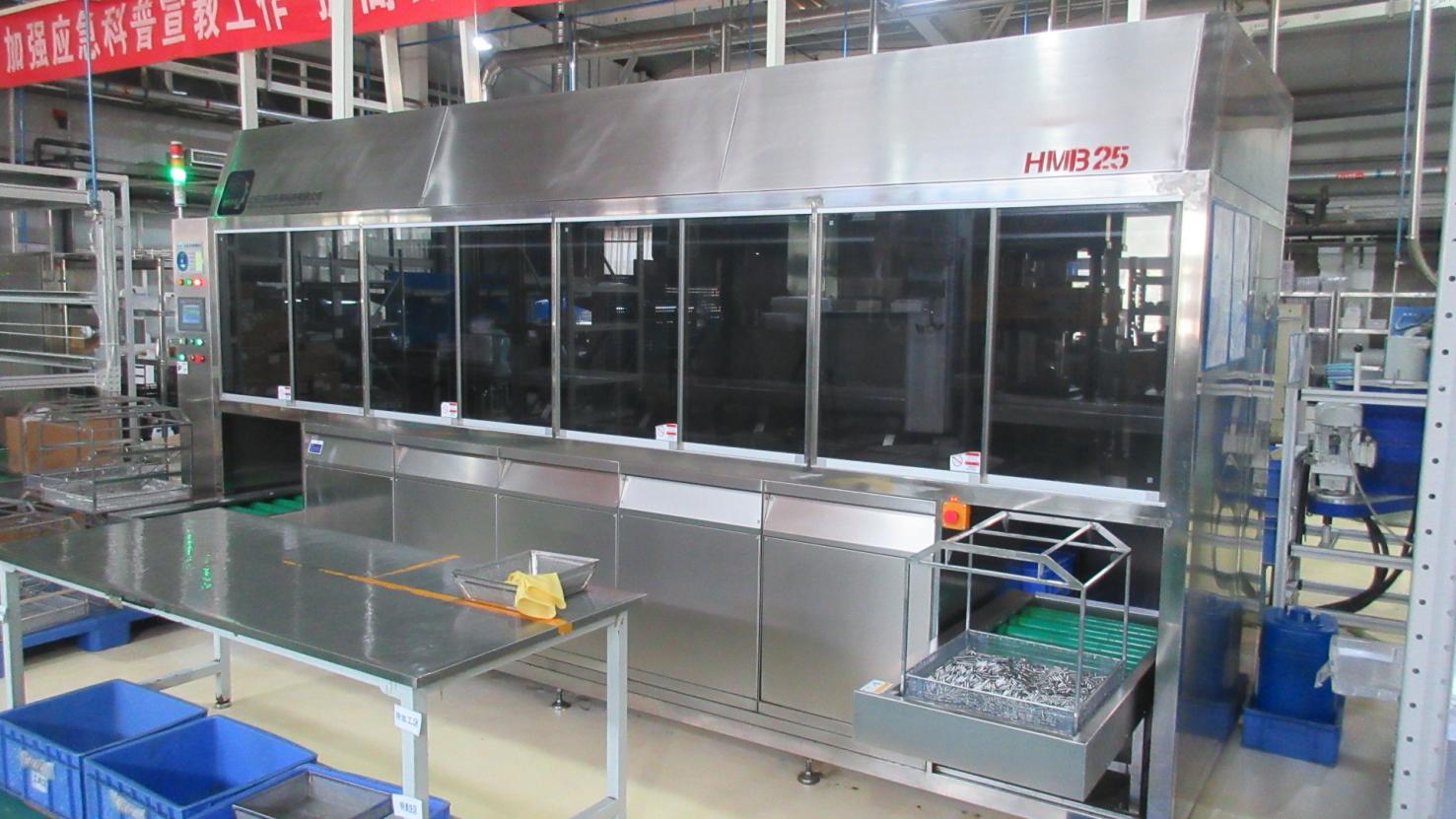
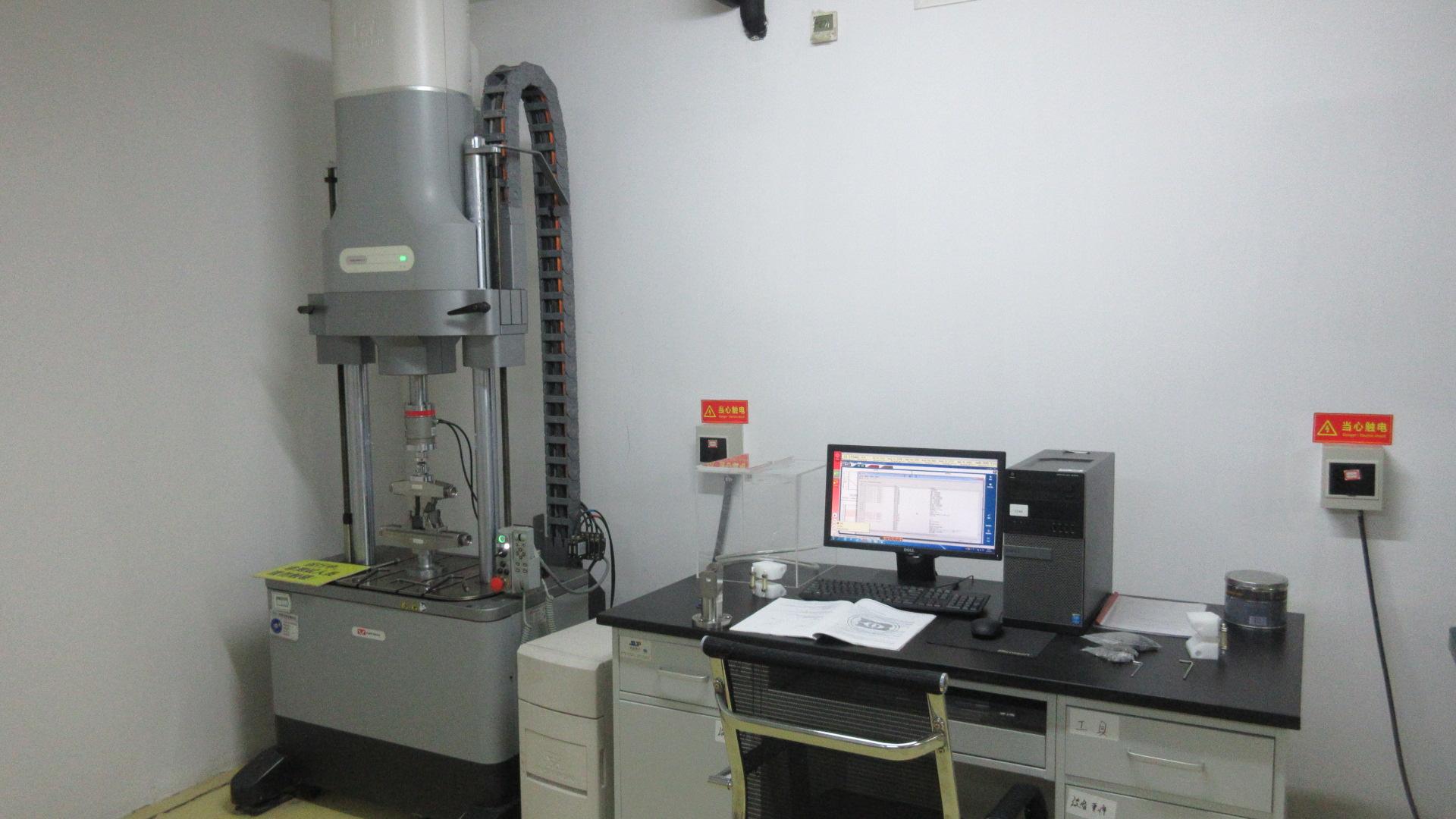
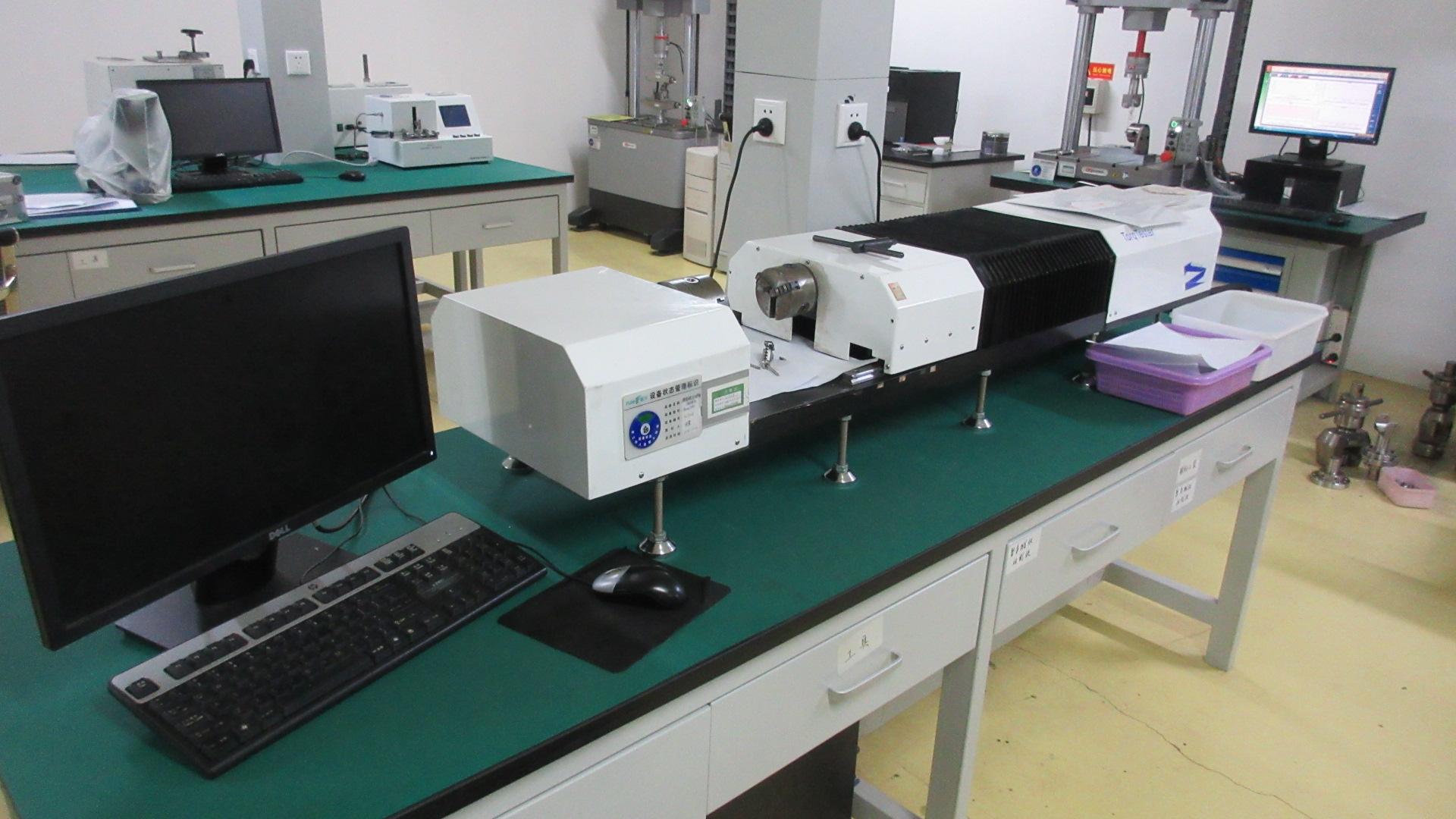
True quality is verified by consistent industrial execution. Our factory floor utilizes advanced physical testing, automated cleaning, and high-precision machinery. The following visual documentation details the specialized manufacturing environment supporting our orthopedic systems:
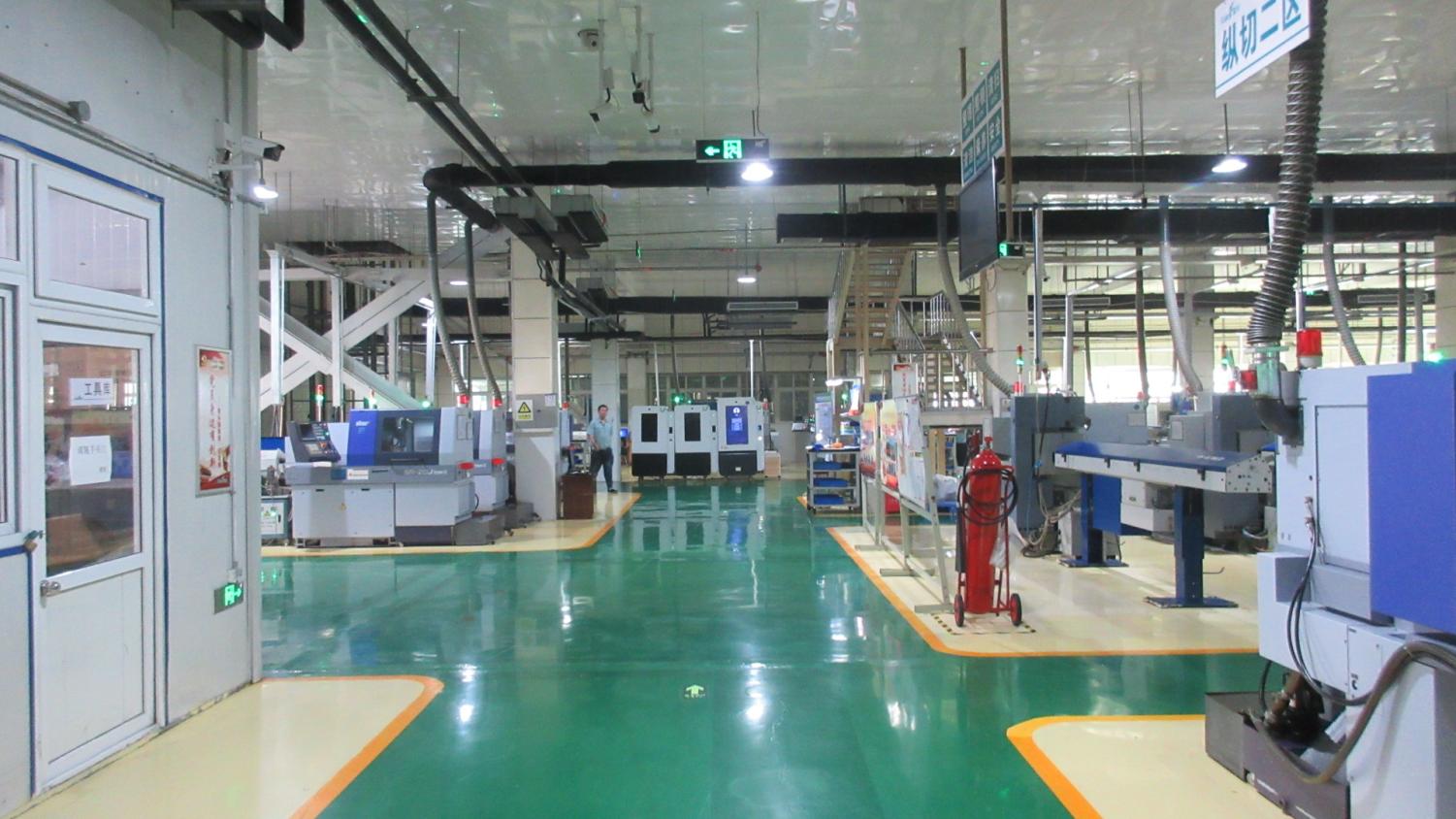
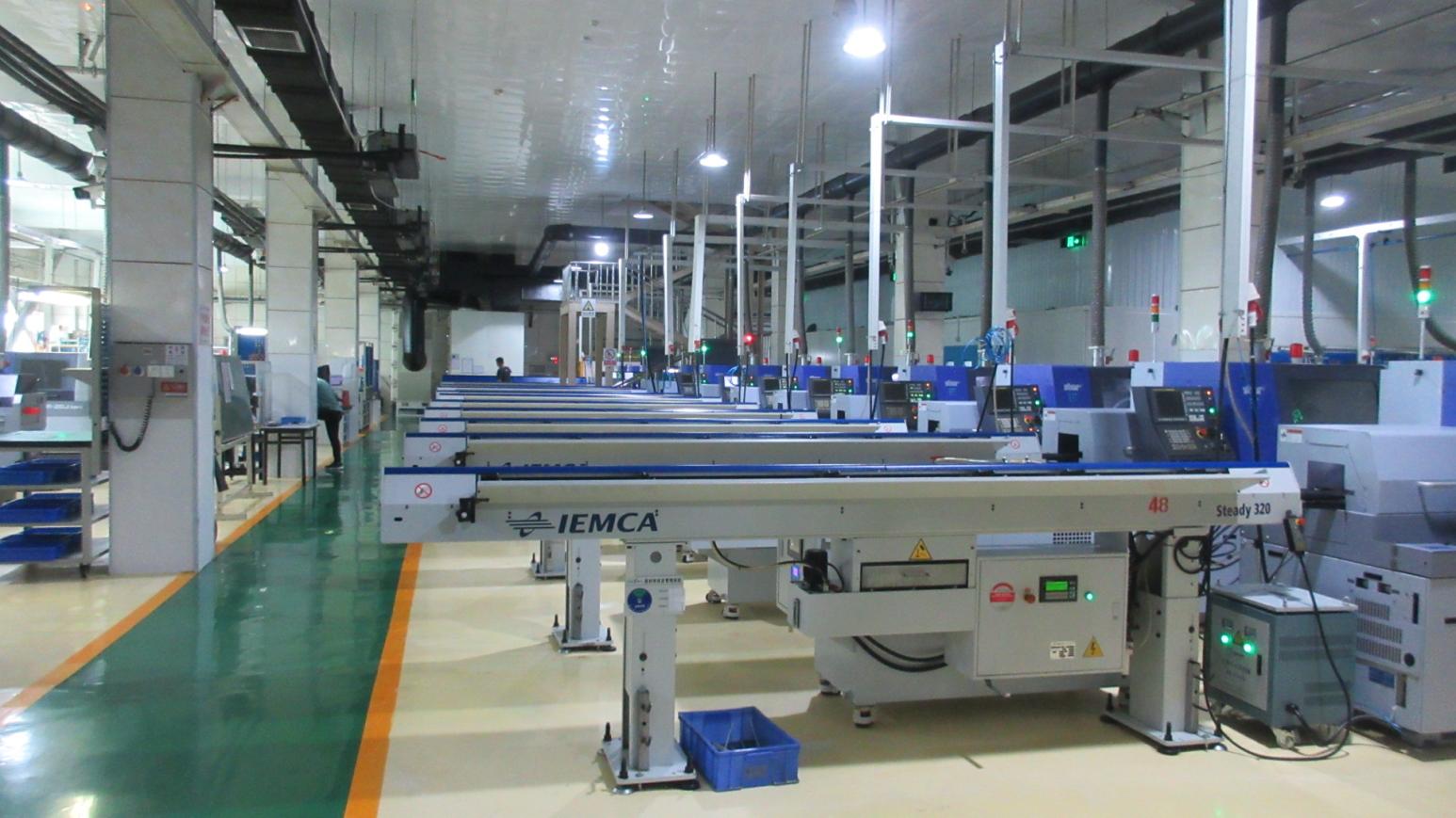
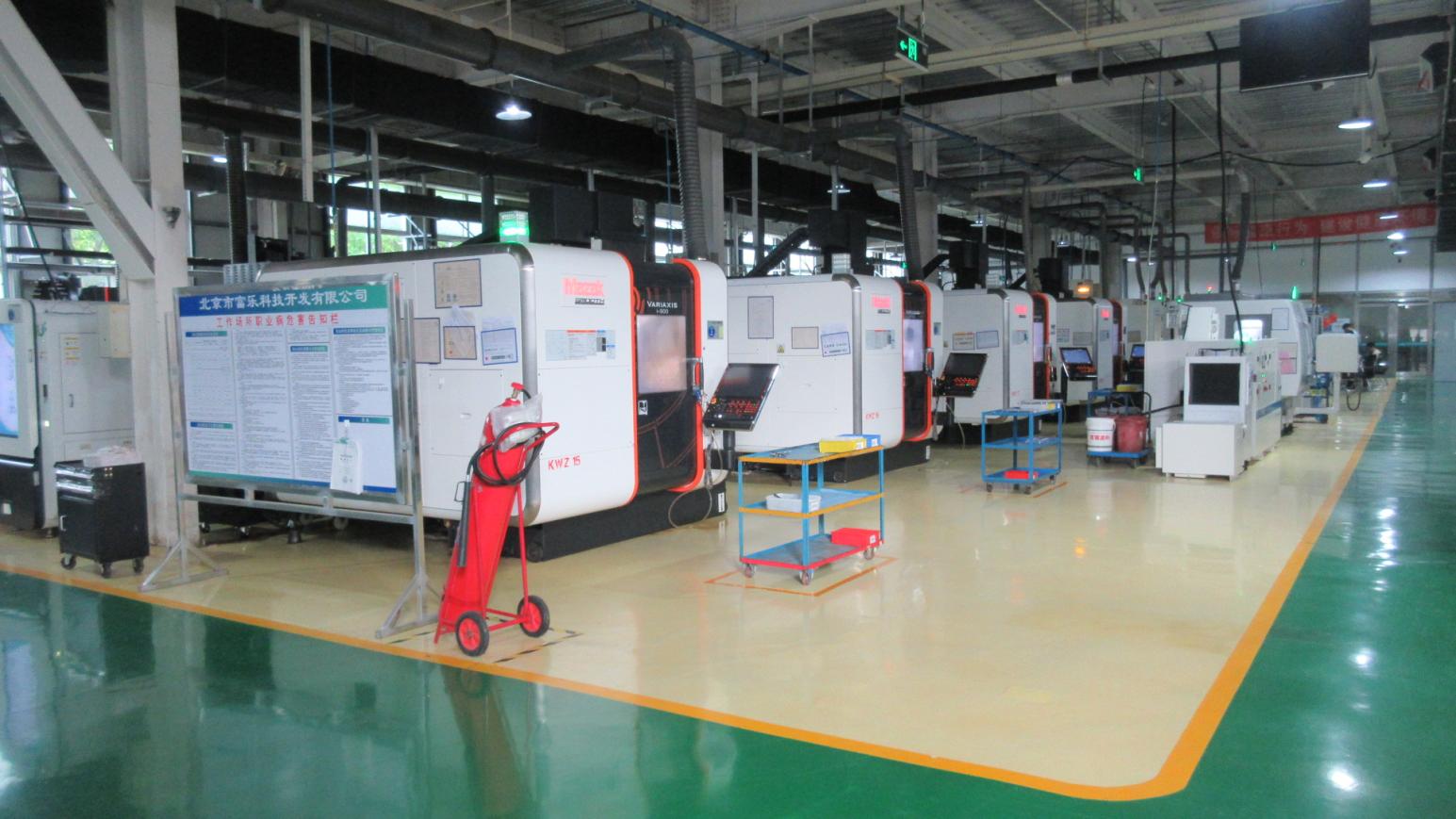
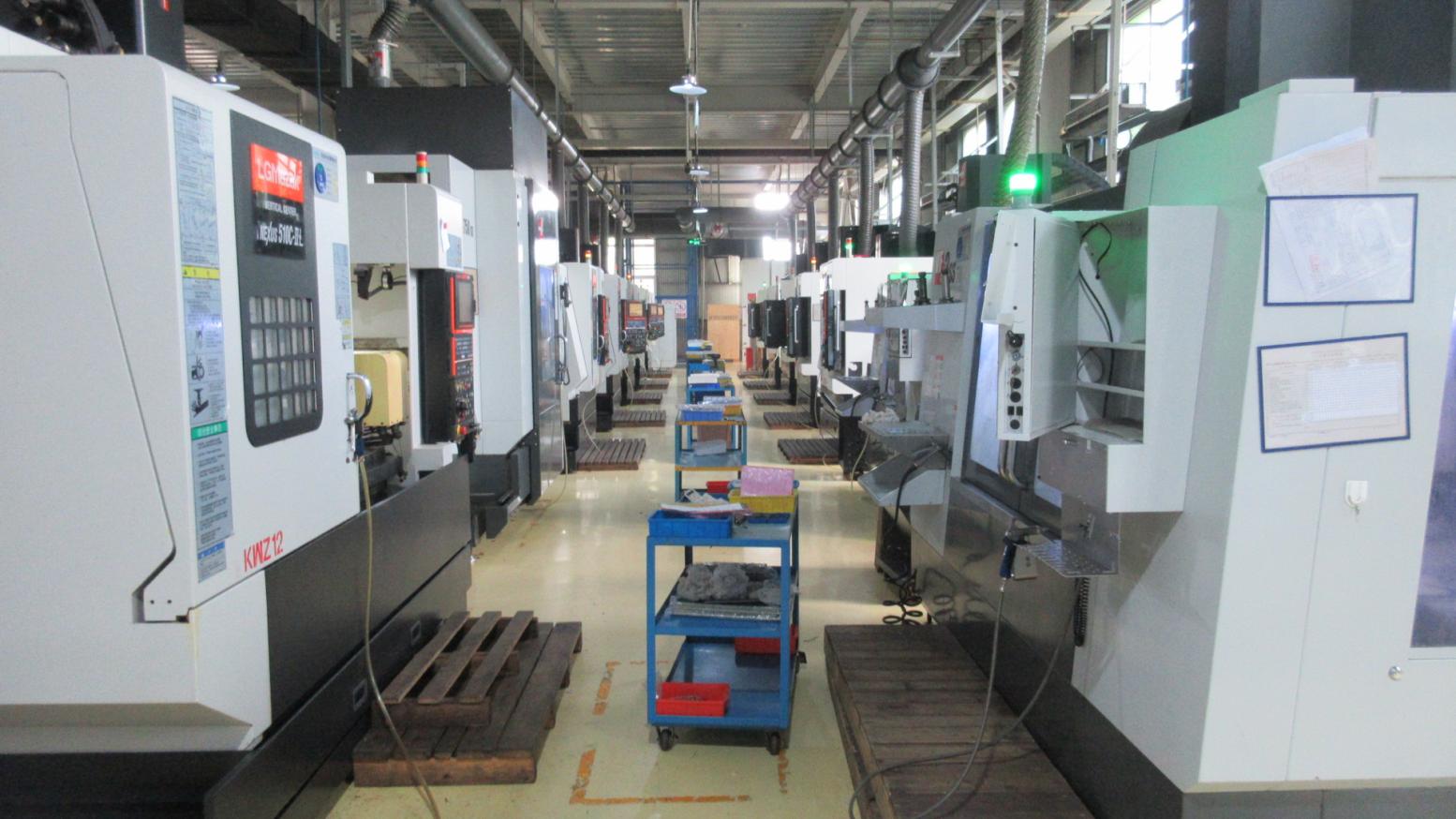
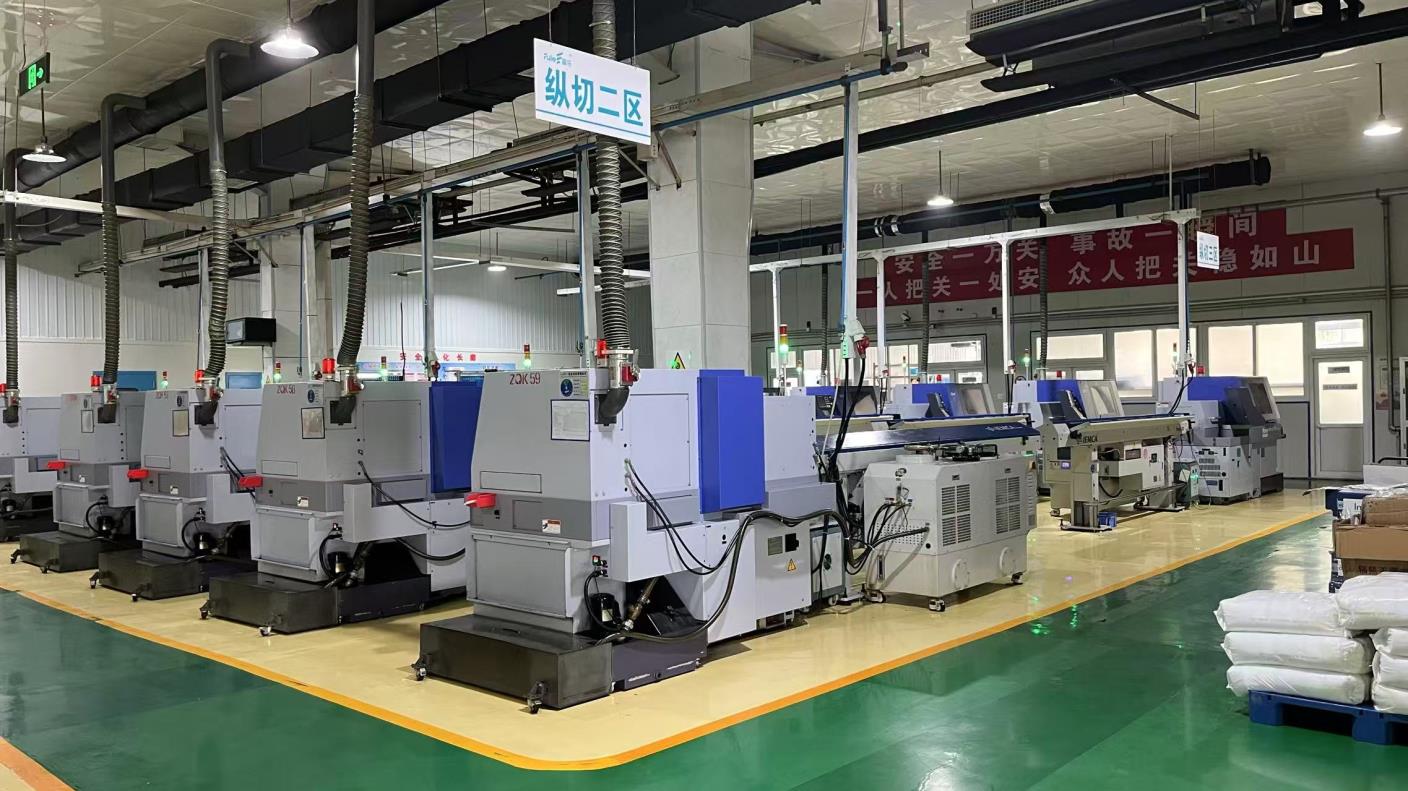
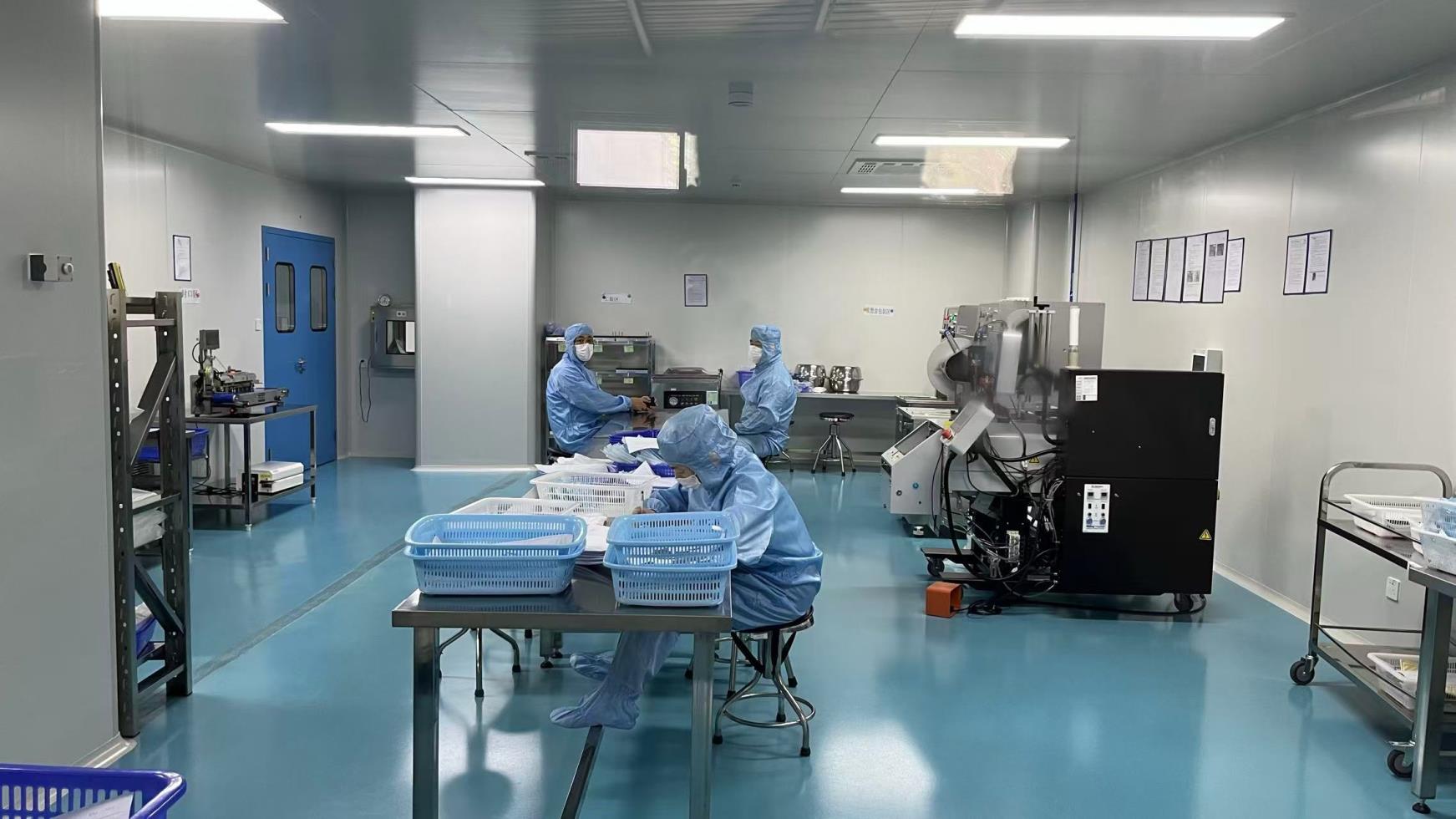
For medical distributors, hospital conglomerates, and brand owners in the United States and Canada, partnering with a Monterrey-oriented manufacturing supply chain provides substantial operational benefits. Global market unpredictability has proven that relying on single, distant geographical locations creates high vulnerability.
By leveraging Monterrey's industrial hub, transit times to major logistics points in Texas (such as Laredo, Houston, or Dallas) are reduced to under 24 hours. Compare this to the 30-to-45-day ocean transit times required for Asian shipments. This allows orthopedic OEMs to maintain leaner inventories and adapt dynamically to surgical volume changes.
Under the USMCA, intellectual property rights are protected under stronger framework provisions. Furthermore, manufacturing in Monterrey aligns your regulatory profile with standard FDA and Health Canada compliance expectations, streamlining audits, technical documentation reviews, and clinical evaluations.
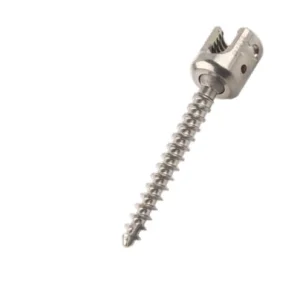
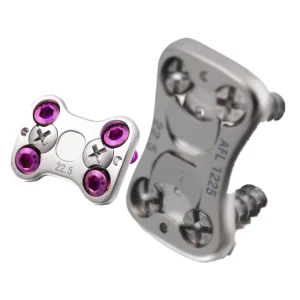
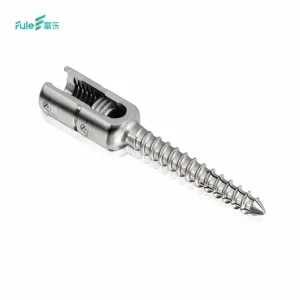
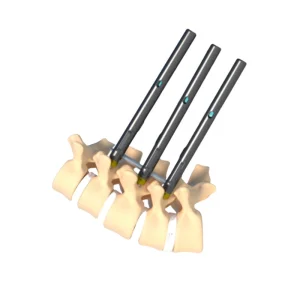
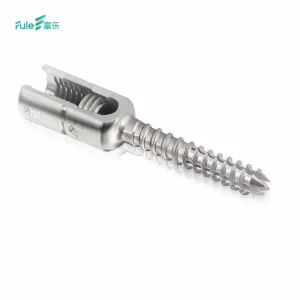
Monterrey is characterized by a strong metallurgical legacy, offering world-class services in surface treatment, custom heat treatment, and chemical processing. This allows our factory to achieve the physical and mechanical properties required for demanding Class III orthopedic applications, including anterior cervical plate screws and expansive pedicle screw systems.
As digital surgical planning and personalized healthcare continue to reshape modern medicine, the role of implant manufacturers must evolve. Our design and manufacturing roadmap integrates advanced data, materials science, and automated tooling to address the next generation of clinical needs.
We are currently validating direct titanium laser sintering (DTLS) to fabricate porous orthopedic surfaces. This technology enables custom anatomical geometries and porous structures that mimic trabecular bone, encouraging rapid bone ingrowth for revision surgeries.
To reduce post-surgical infection rates, our R&D team is evaluating silver-nanoparticle and copper-doped anodization processes. These technologies inhibit biofilm formation on humeral plates and spinal components without altering their mechanical performance.
By implementing machine-vision algorithms on our Swiss turning centers, we inspect critical thread tolerances in real-time, significantly eliminating machining variance and enhancing the safety of bone screw components.
We are researching magnesium-zinc-calcium alloys for next-generation pediatric trauma plates. These temporary scaffolds gradually dissolve inside the patient's body after bone healing is complete, avoiding secondary removal surgeries.
As a professional medical manufacturer, we believe in radical transparency. Below are structural answers to the most common questions raised by clinical regulatory managers and medical device buyers looking to source products in Monterrey:
Our manufacturing facility operates strictly under a certified ISO 13485 Quality Management System. The humeral locking plates, intramedullary nails, and spinal screw configurations are manufactured to meet CE Class III standards and conform to ASTM F136 and ASTM F382 (standard specification for metallic bone plates) specifications. We maintain complete traceability from raw titanium ingots to the finished sterilized implant.
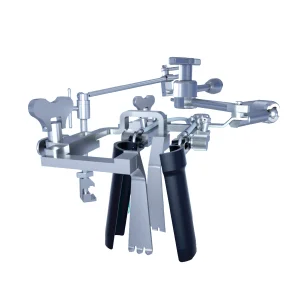
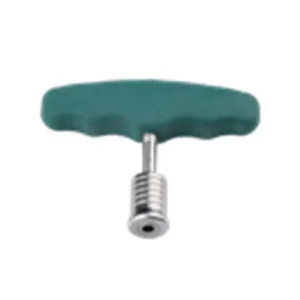
Yes. Our engineering department specializes in OEM/ODM customization. We support custom surgical instrumentation manufacturing using surgical-grade stainless steel (17-4 PH, 400 series) and premium medical plastics. We can develop dedicated drill guides, reduction forceps, benders, and screwdriver assemblies matching your specific humeral or spinal implant dimensions.
Thanks to Monterrey's strategic nearshoring footprint, standard stocking orders can be dispatched via ground freight, reaching US logistics hubs like Houston, Laredo, or El Paso within 24 to 48 hours. Custom manufacturing runs (OEM) typically take 45 to 60 days, which is significantly faster than traditional trans-pacific timelines. We support shipping terms including FOB, CIF, and DDP.
All titanium alloy plates and rods are sourced from top-tier, certified global manufacturers. Each delivery is accompanied by mill test certificates (MTC) proving compliance with ASTM guidelines. Additionally, our testing lab performs independent metallurgical testing, including tensile strength testing, chemical composition verification, and microstructural analysis, before raw materials enter our manufacturing lines.
Yes, we offer both non-sterile bulk packaging and validated sterile packaging services (gamma irradiation or ethylene oxide sterilization). Our cleanroom facilities operate under ISO Class 7/Class 10,000 guidelines, and all sterile barriers are validated under ISO 11607 protocols to ensure a 5-year shelf-life stability.
Precision is not merely an engineering objective; in orthopedic implants, it dictates the patient's long-term mobility and quality of life. The implants manufactured in our facility undergo rigorous processes to guarantee surface integrity and biomechanical safety.
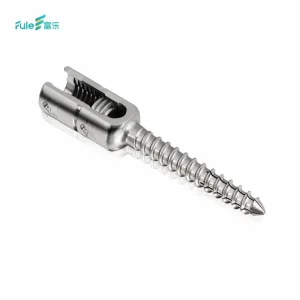
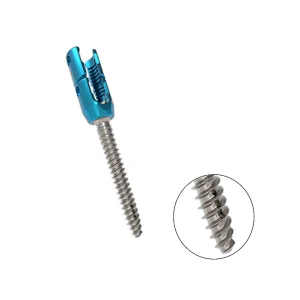
Browse our extensive portfolio of CE-marked implants and instrumentation sets. These products serve trauma, spine surgery, and reconstructive clinical needs, providing distributors and hospitals in Monterrey and across North America with a reliable, single-source OEM supply chain.
 Beren Science & Technology