Explore our premium surgical implants engineered for structural stability, rigid load distribution, and rapid osteointegration.
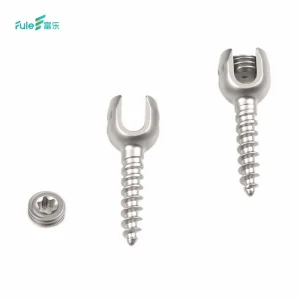
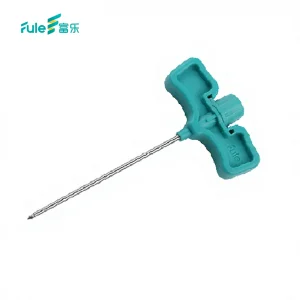
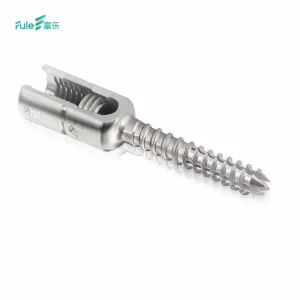
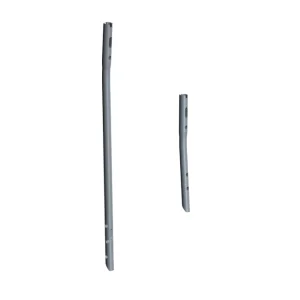
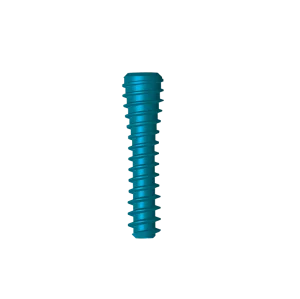
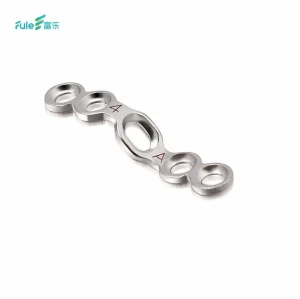
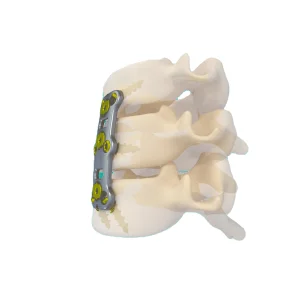
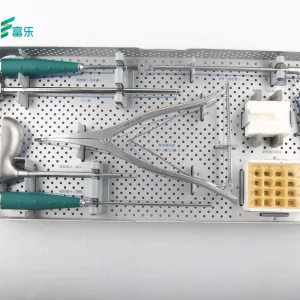
An in-depth whitepaper analysis on biomechanical performance, advanced metallurgy, and modern approach transitions.
In the field of orthopedic spine surgery, the selection of the surgical access path defines the trajectory of patient recovery and construct longevity. Anterior Spinal Systems have experienced a massive surge in global clinical adoption. Unlike posterior interventions that require extensive dissection of the erector spinae muscle group, the anterior approach—whether cervical (ACDF) or lumbar (ALIF)—minimizes muscle denervation and posterior ligamentous disruption. This anatomical preservation directly correlates with decreased postoperative pain indices and accelerated mobilization protocols.
Key technological advancements are centered around mechanical compliance and surface science. Traditional medical devices struggled with the modulus mismatch between rigid metallic implants and native cancellous bone, which often caused subsidence or stress shielding. Today's manufacturing landscape leverages advanced titanium alloys (such as Grade 23 Ti-6Al-4V ELI) and surface modification techniques (including plasma spraying and acid etching) to create biomimetic micro-textures. These textures mimic the trabecular architecture of bone, promoting direct mechanical interlocking and cellular attachment at the bone-implant interface.
Anterior fixation systems facilitate a more direct restorative force to reconstruct spinal lordosis, optimizing regional alignment and distributing load evenly across the anterior column.
Advanced acid-etched surfaces and porous implant structures accelerate natural osteoblast differentiation and speed up bone graft integration, reducing the risk of pseudoarthrosis.
Next-generation anterior plate-cage constructs incorporate low-profile and zero-profile lock systems that reside completely within the disc space to reduce irritation of adjacent soft tissue.
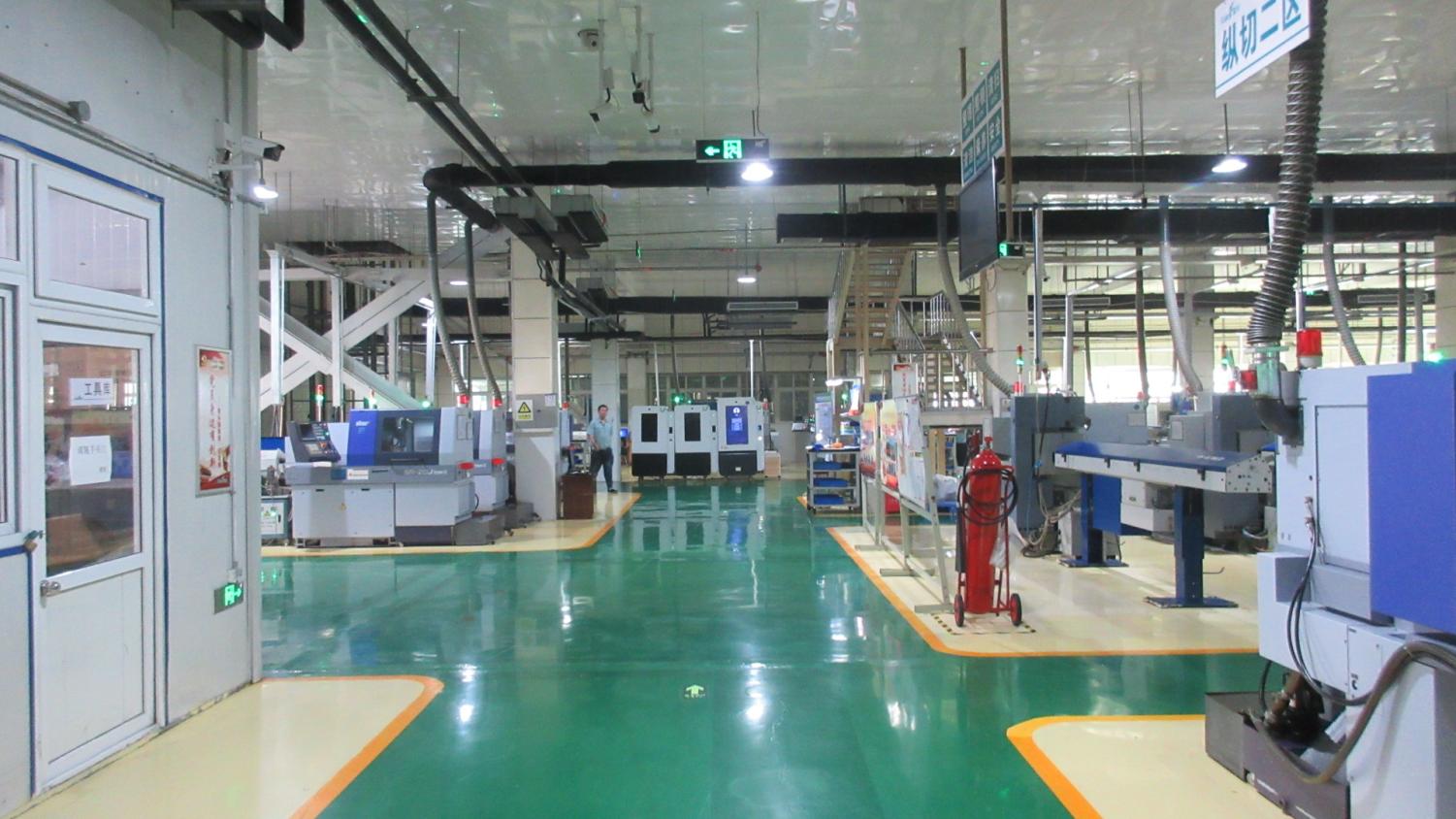
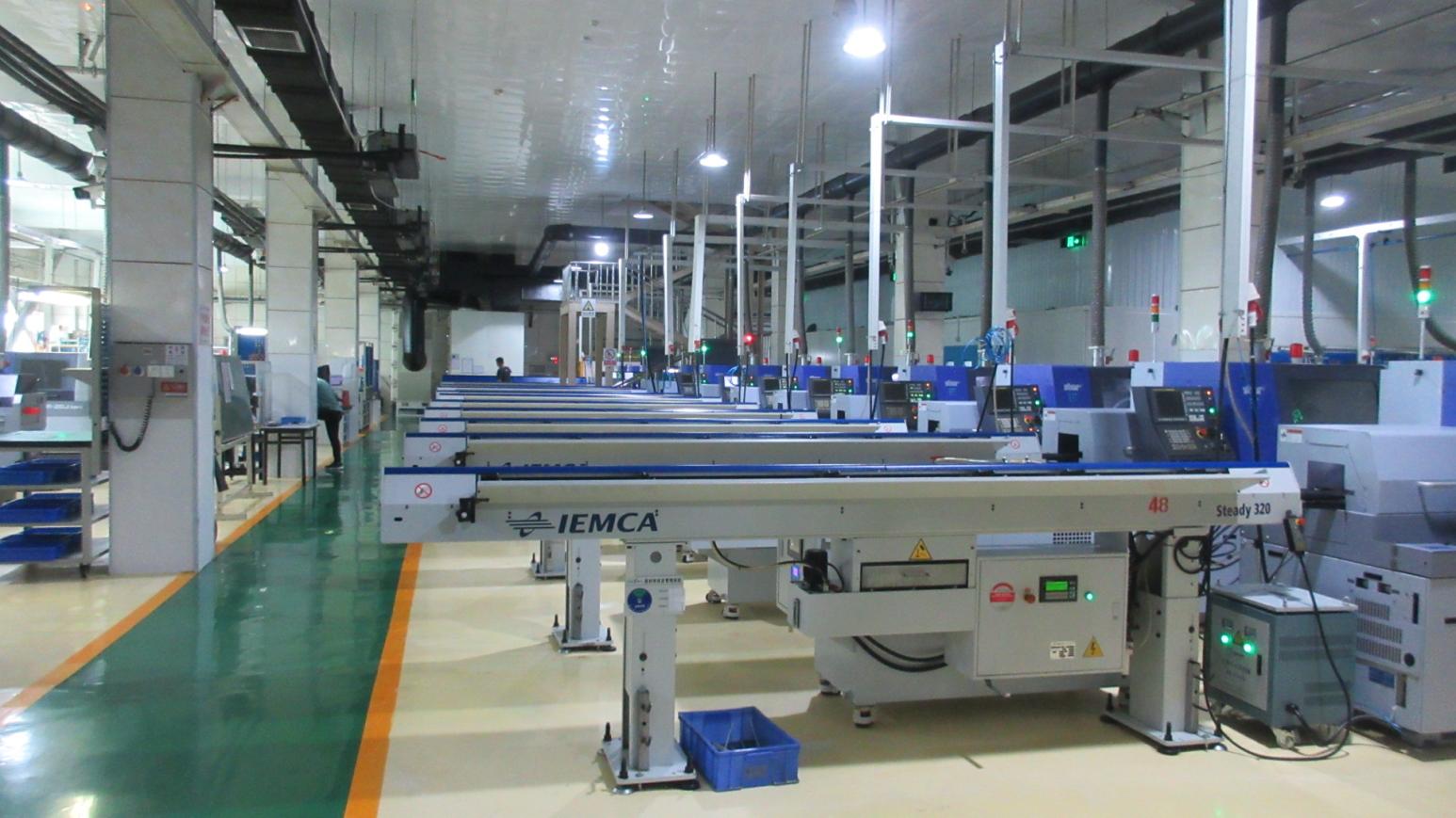
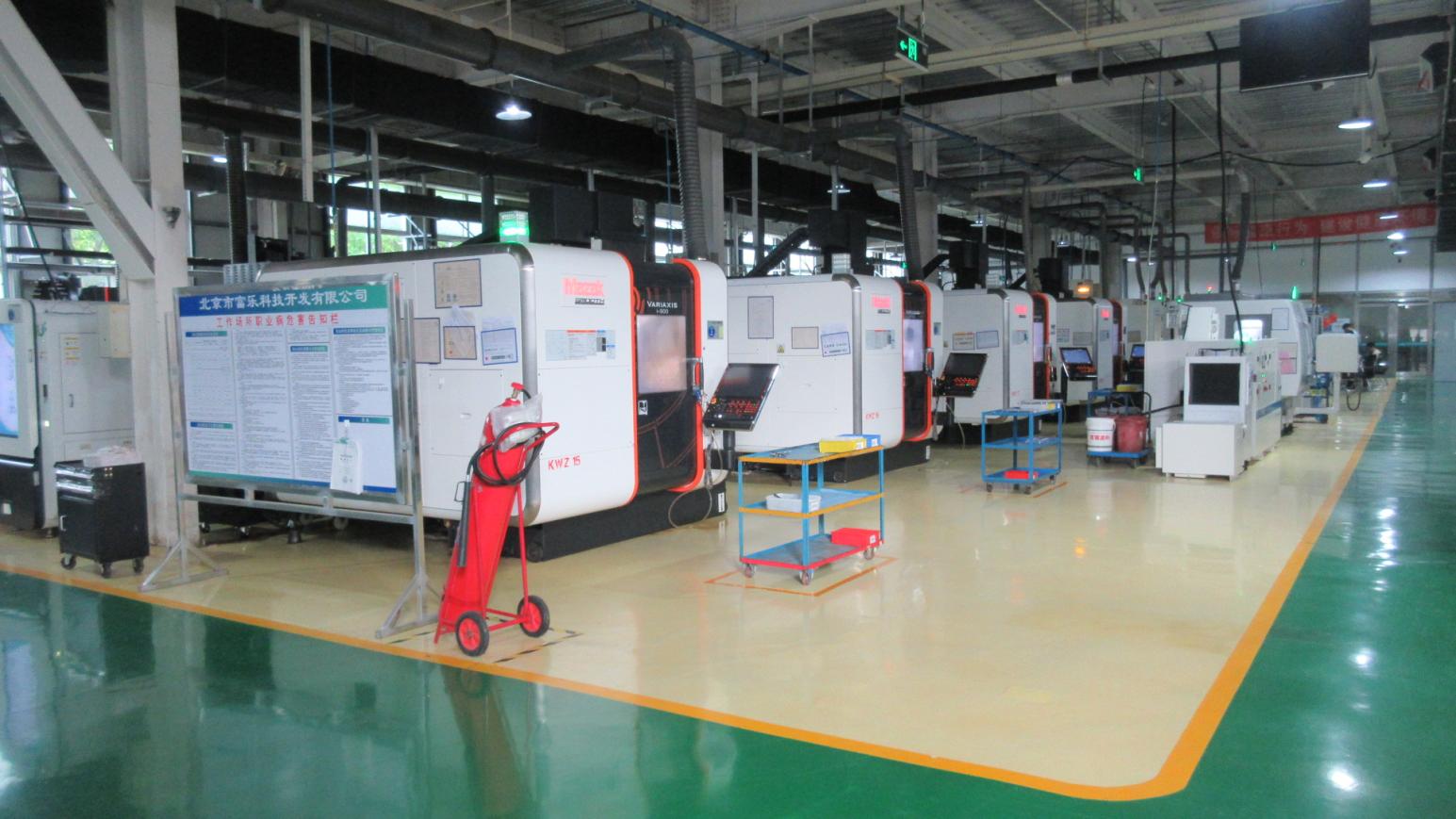
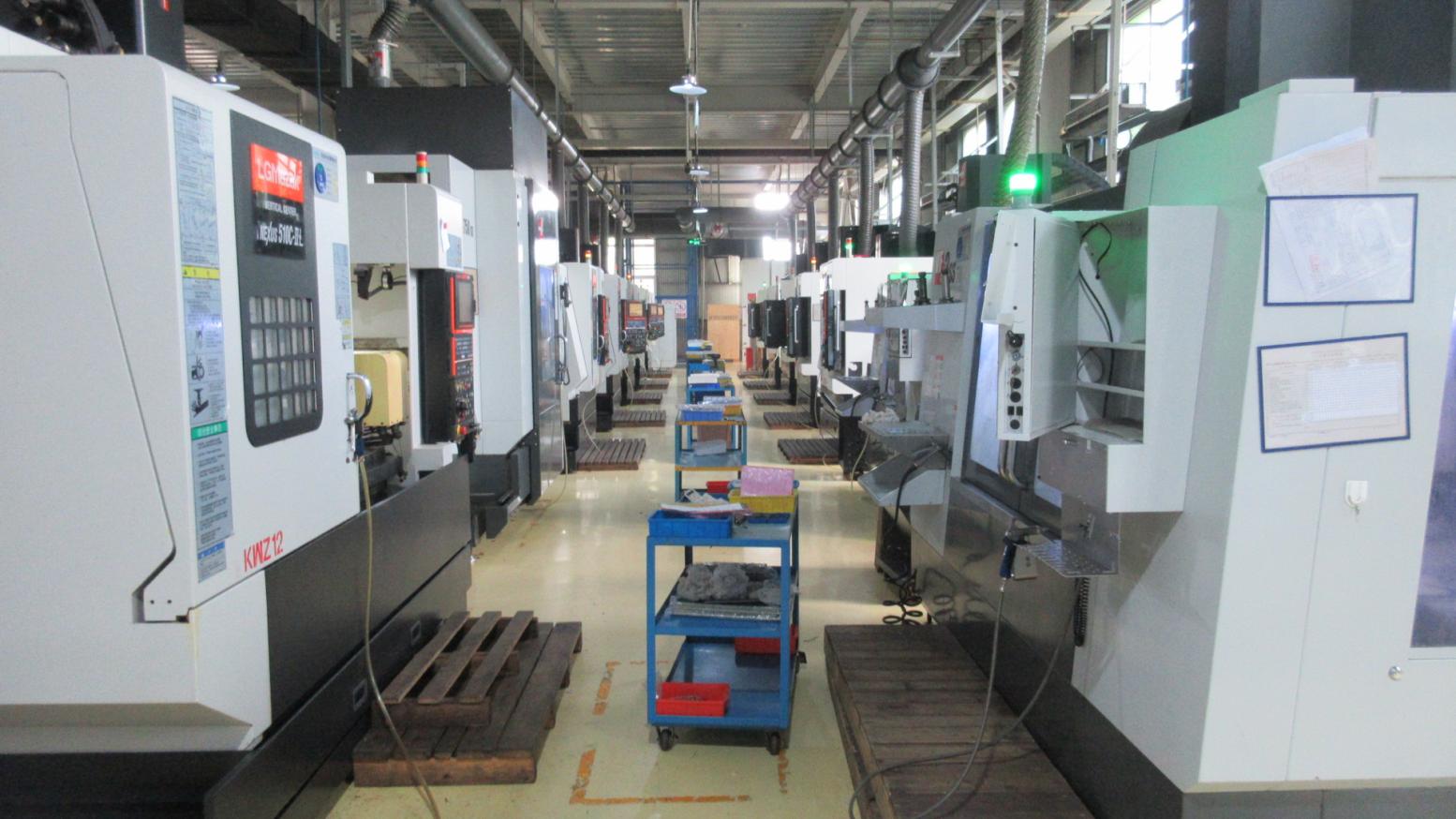
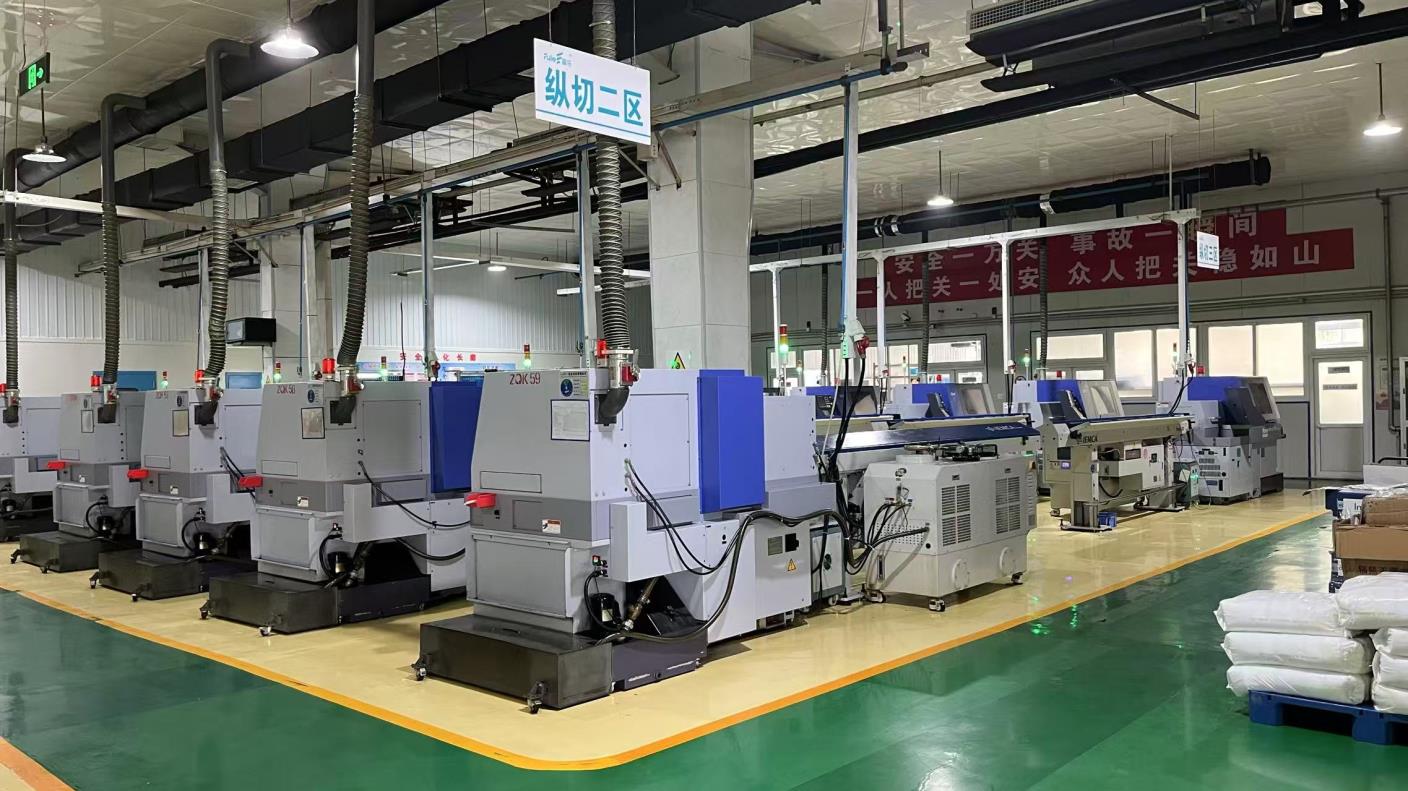
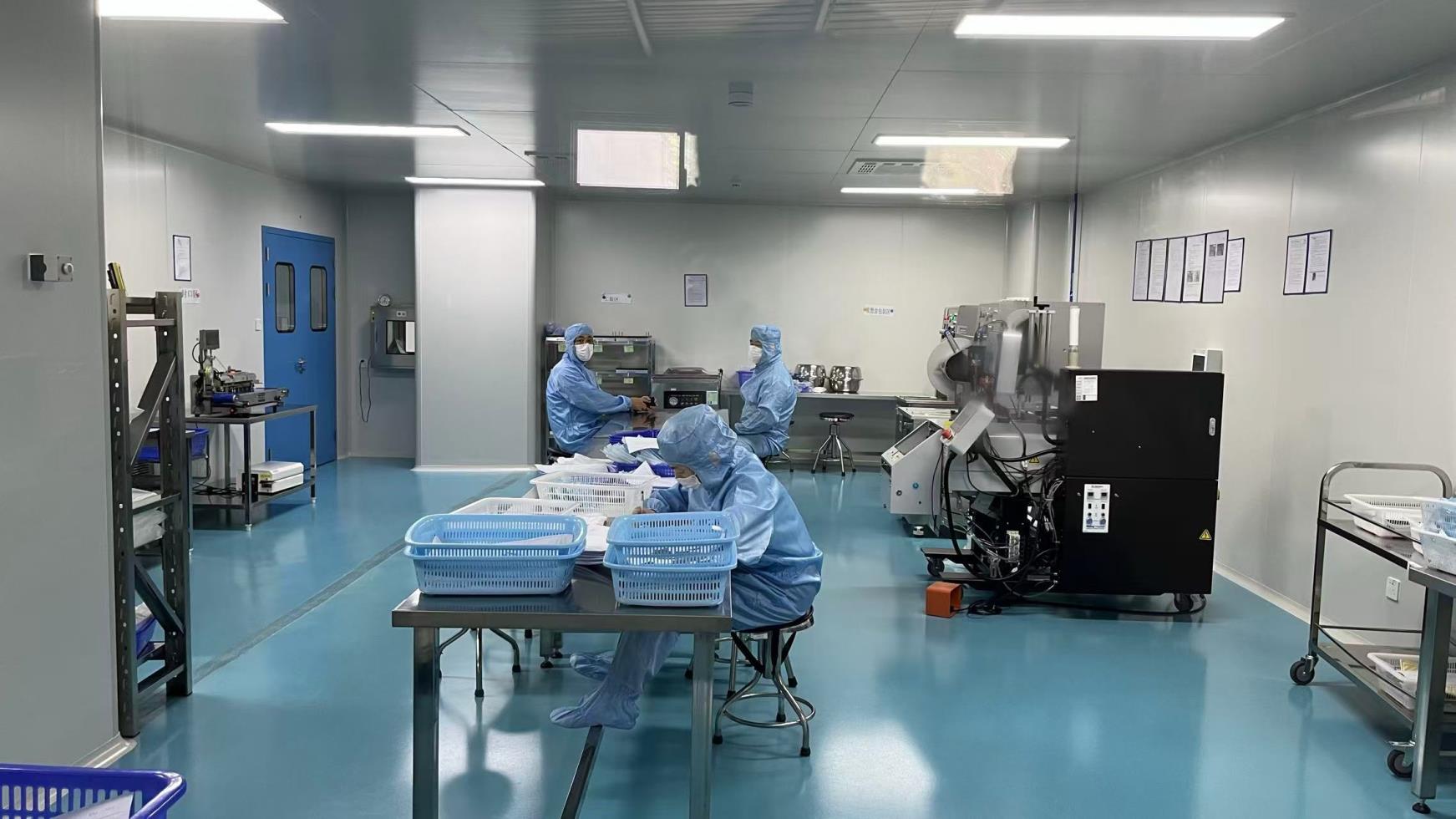
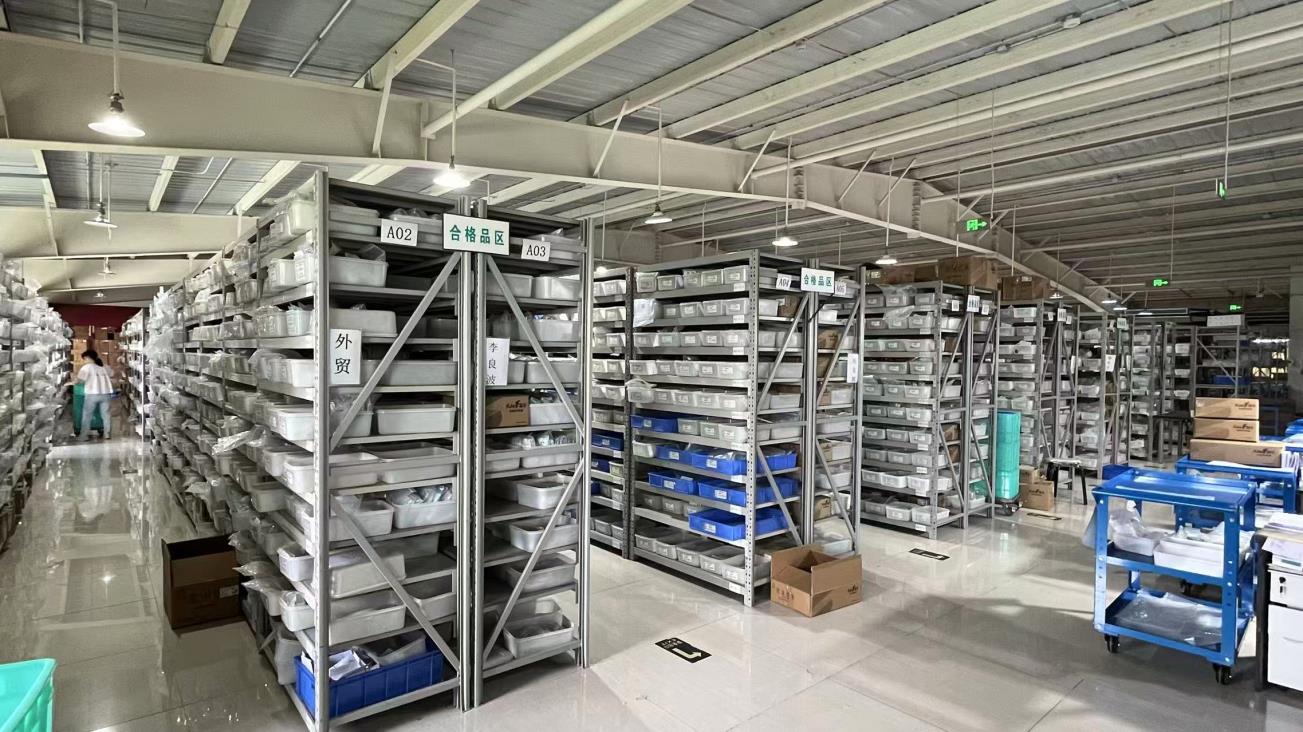
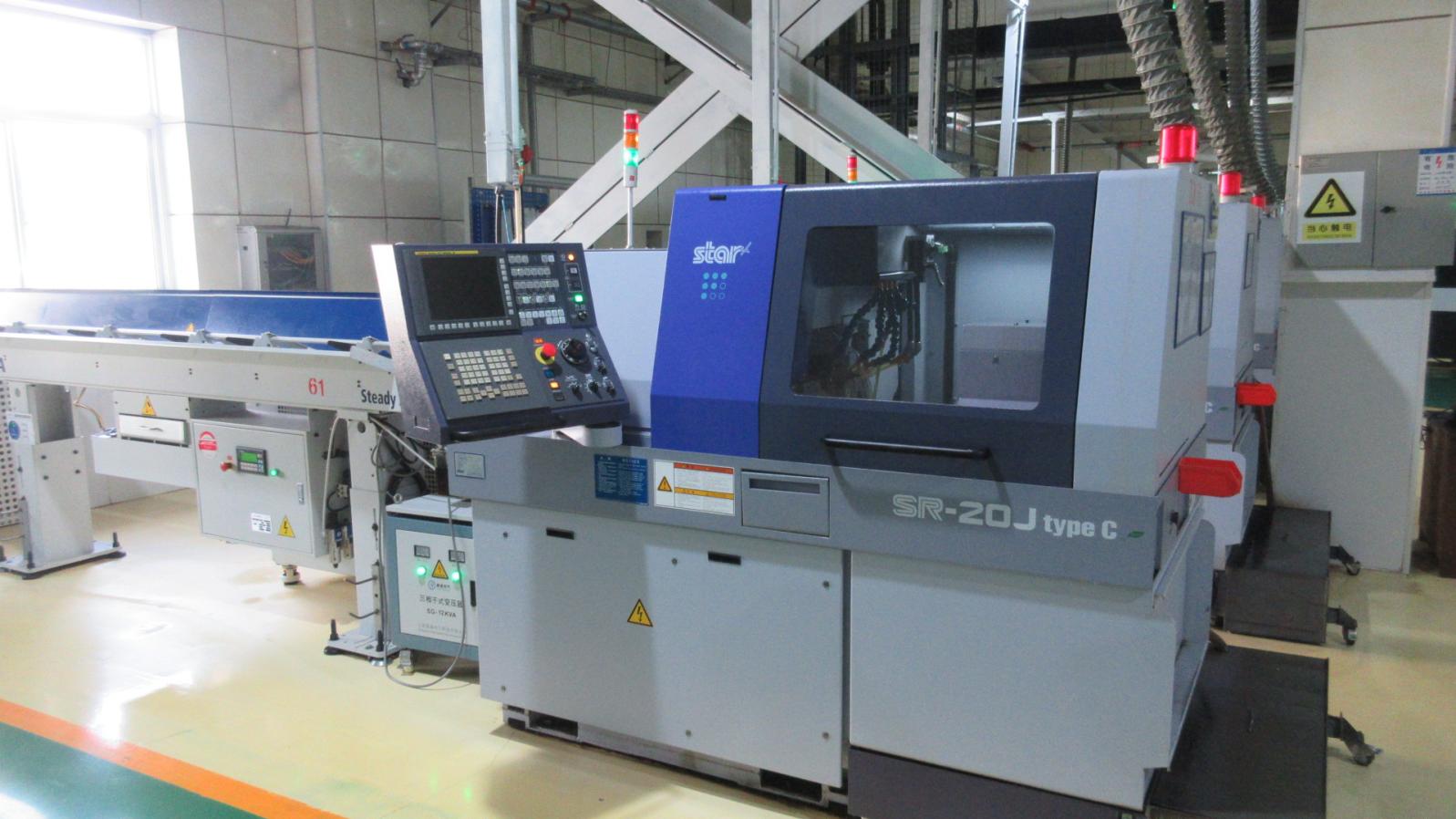
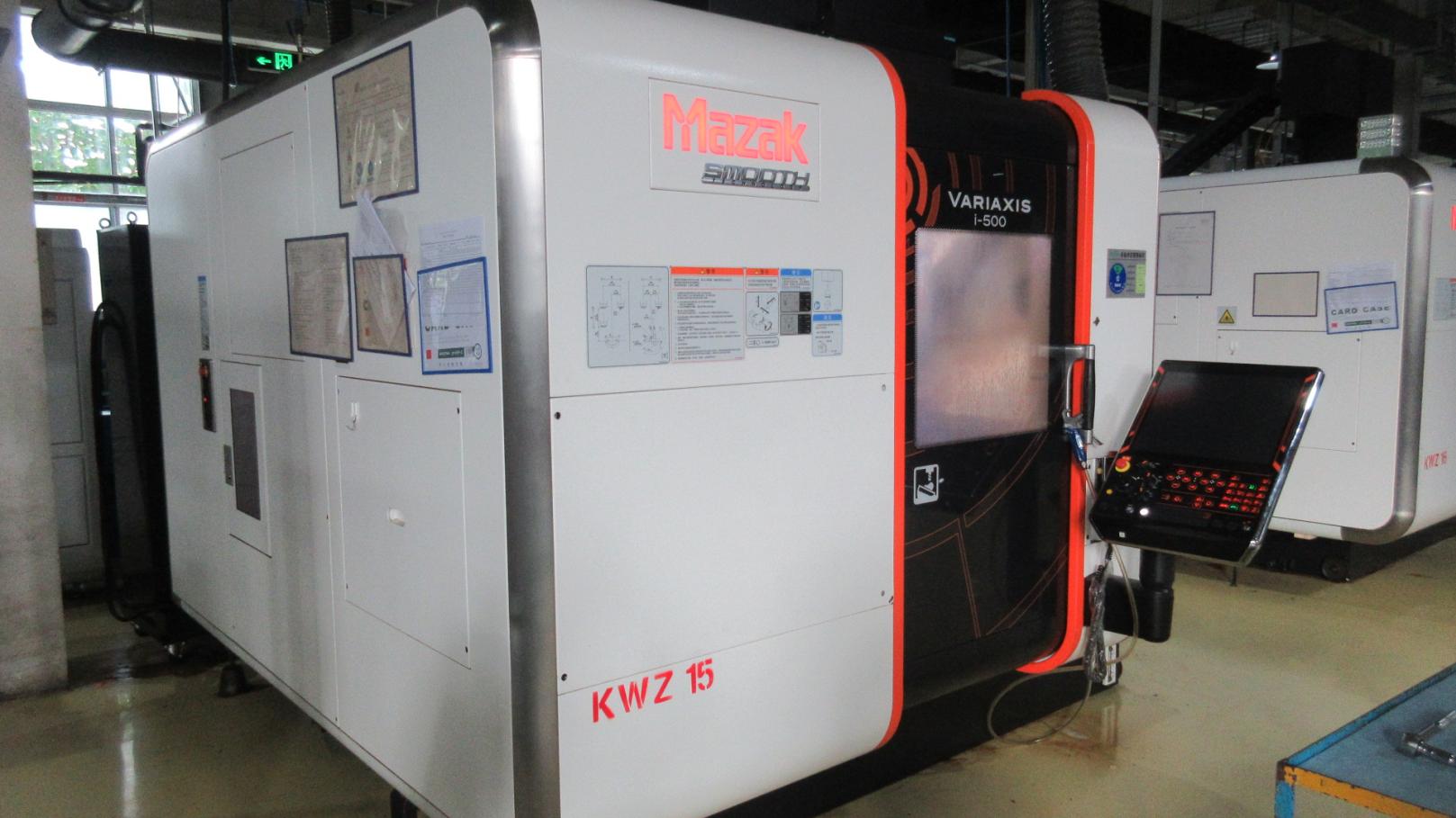
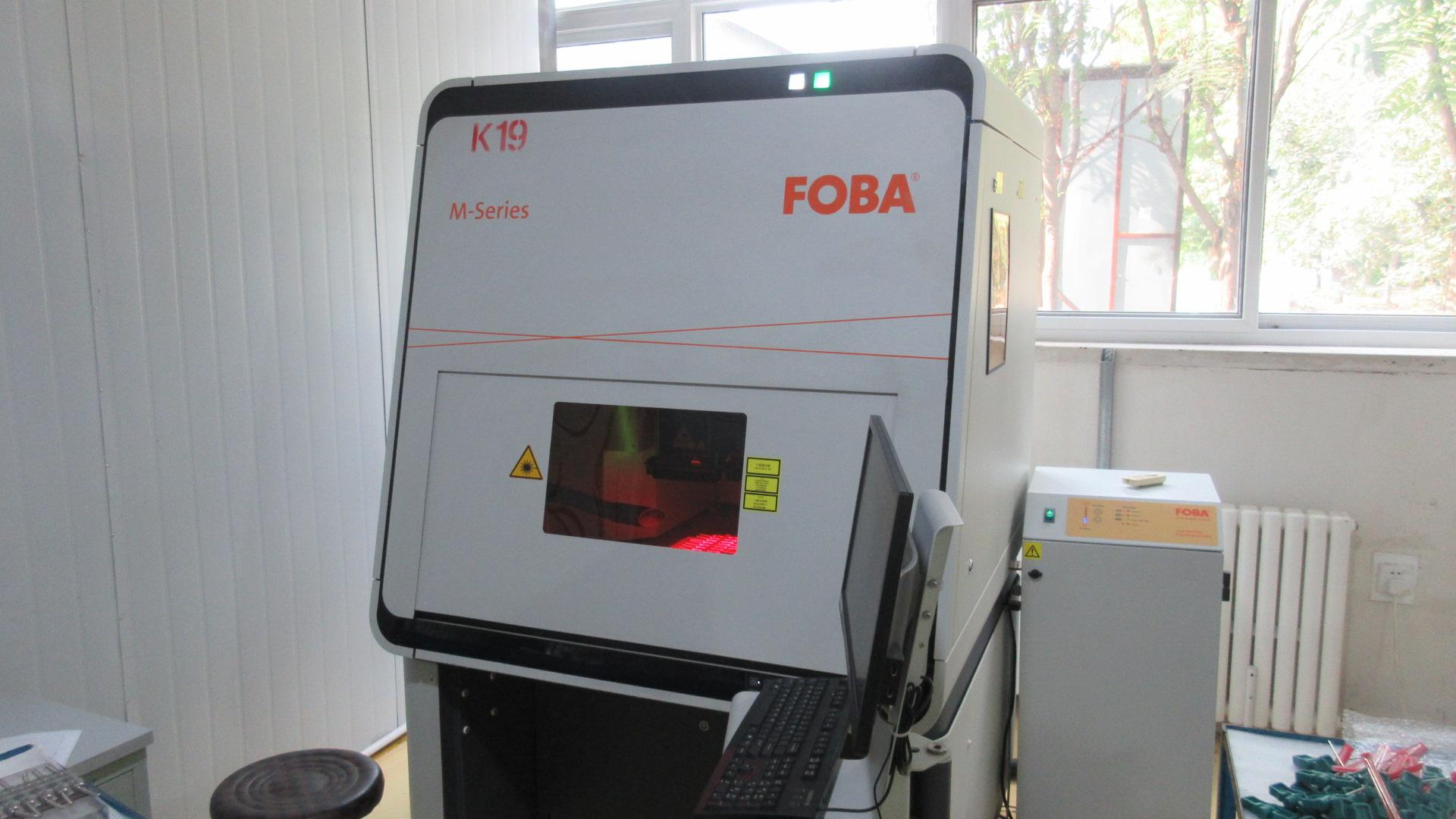
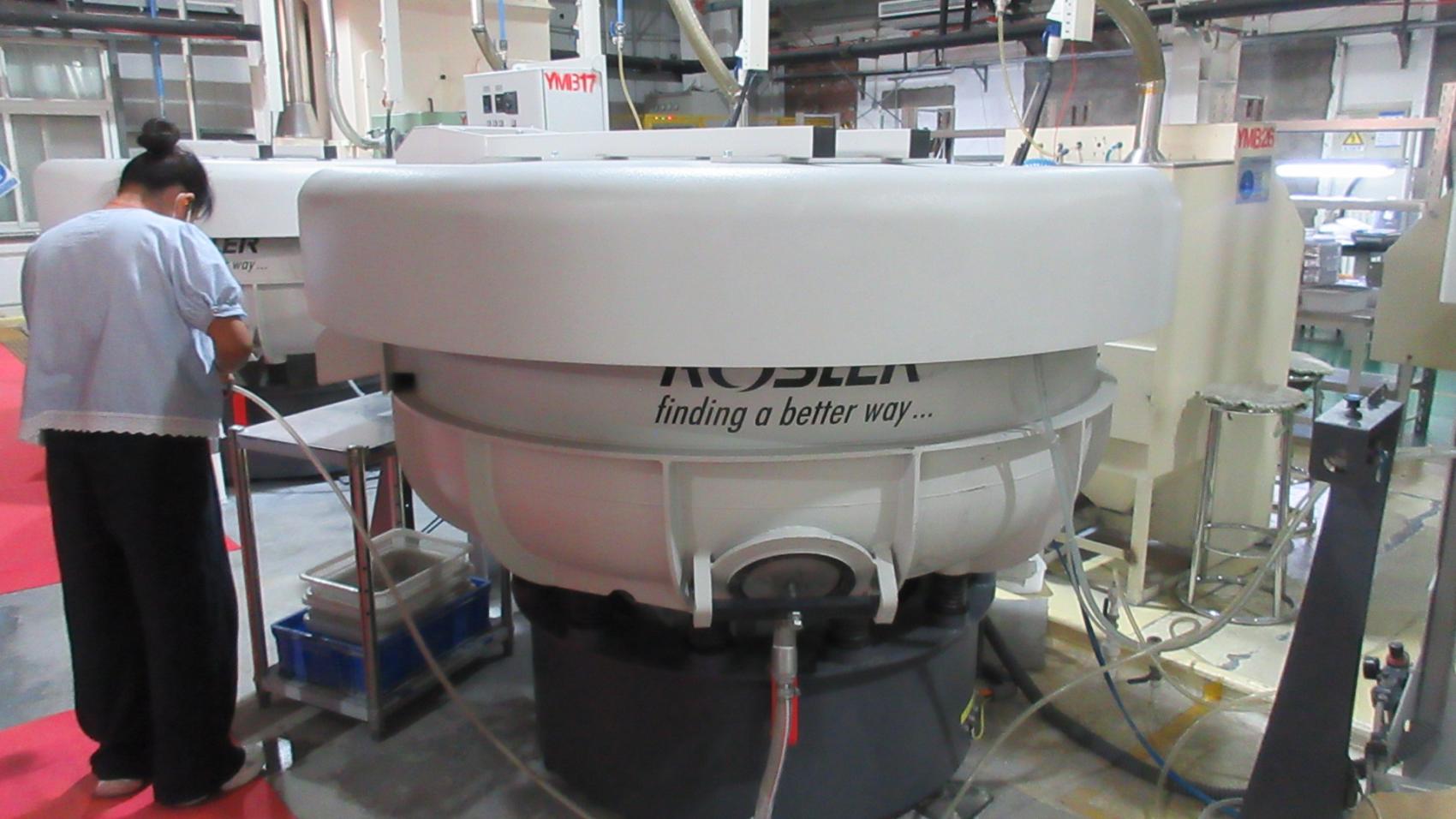
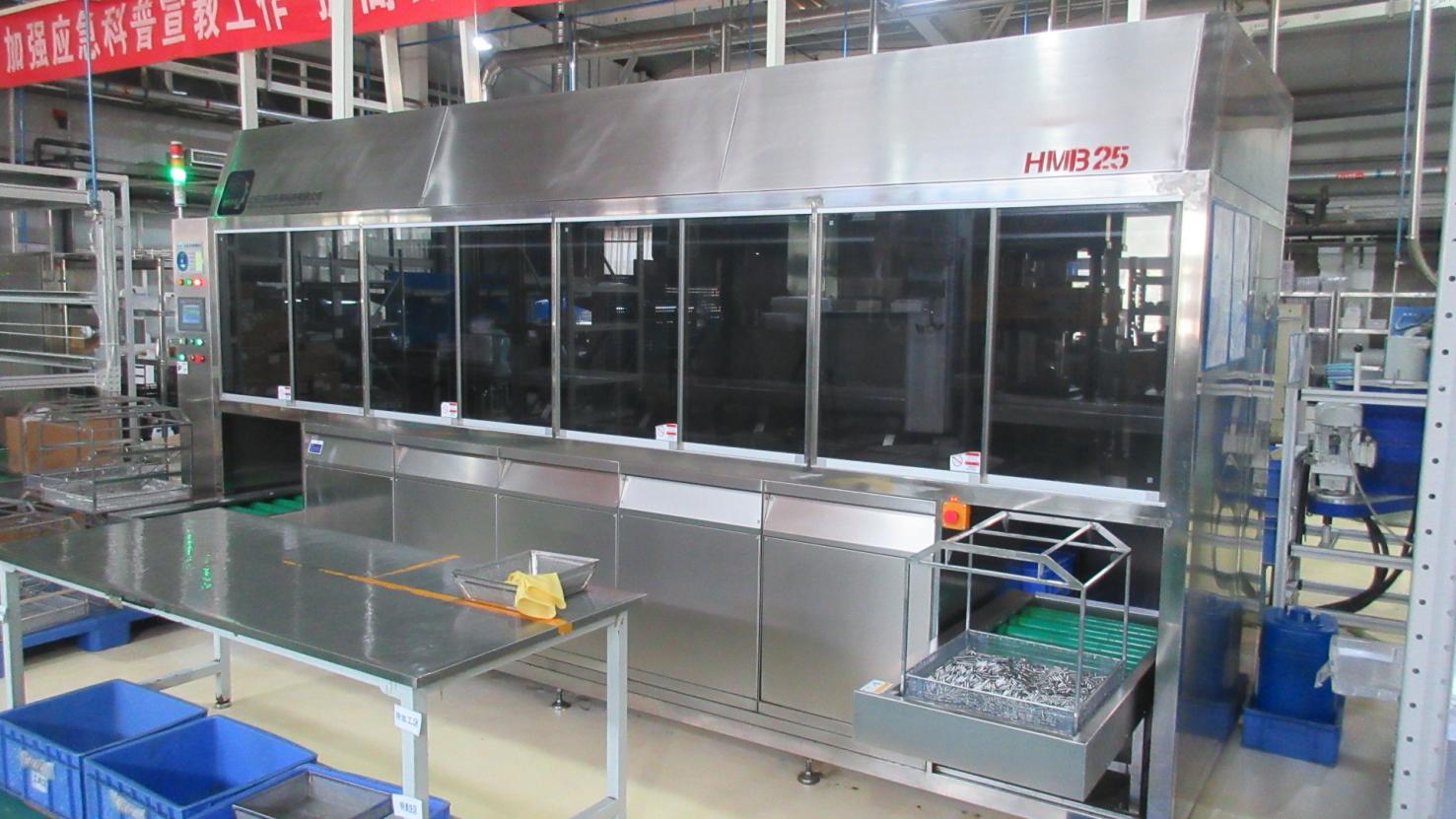
A deep dive into our advanced facility. Powered by precise automation, clinical-grade raw materials, and robust quality control systems.
Addressing the complex distribution challenges of medical implants across the FDA, CE MDR, and domestic healthcare channels.
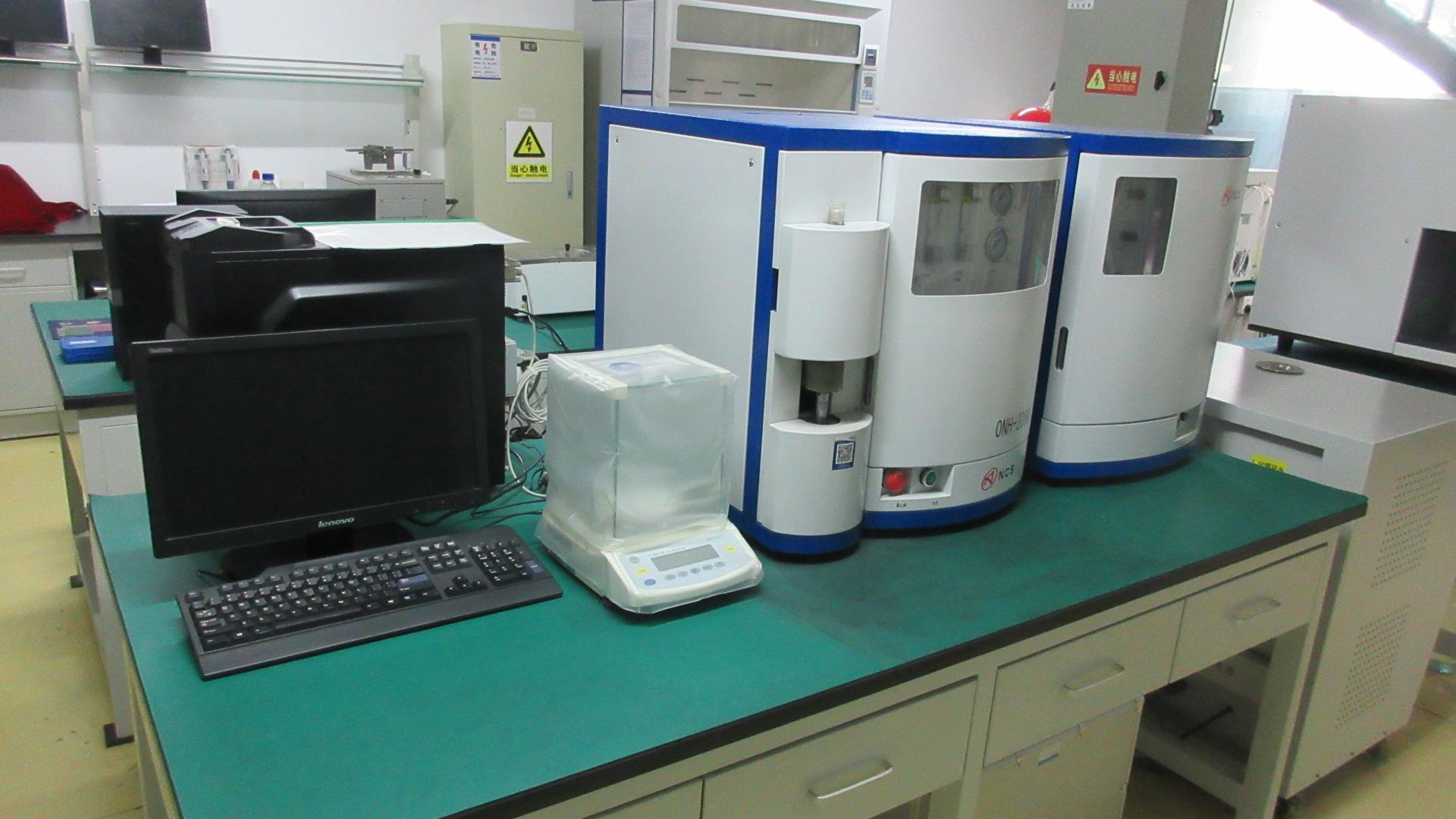
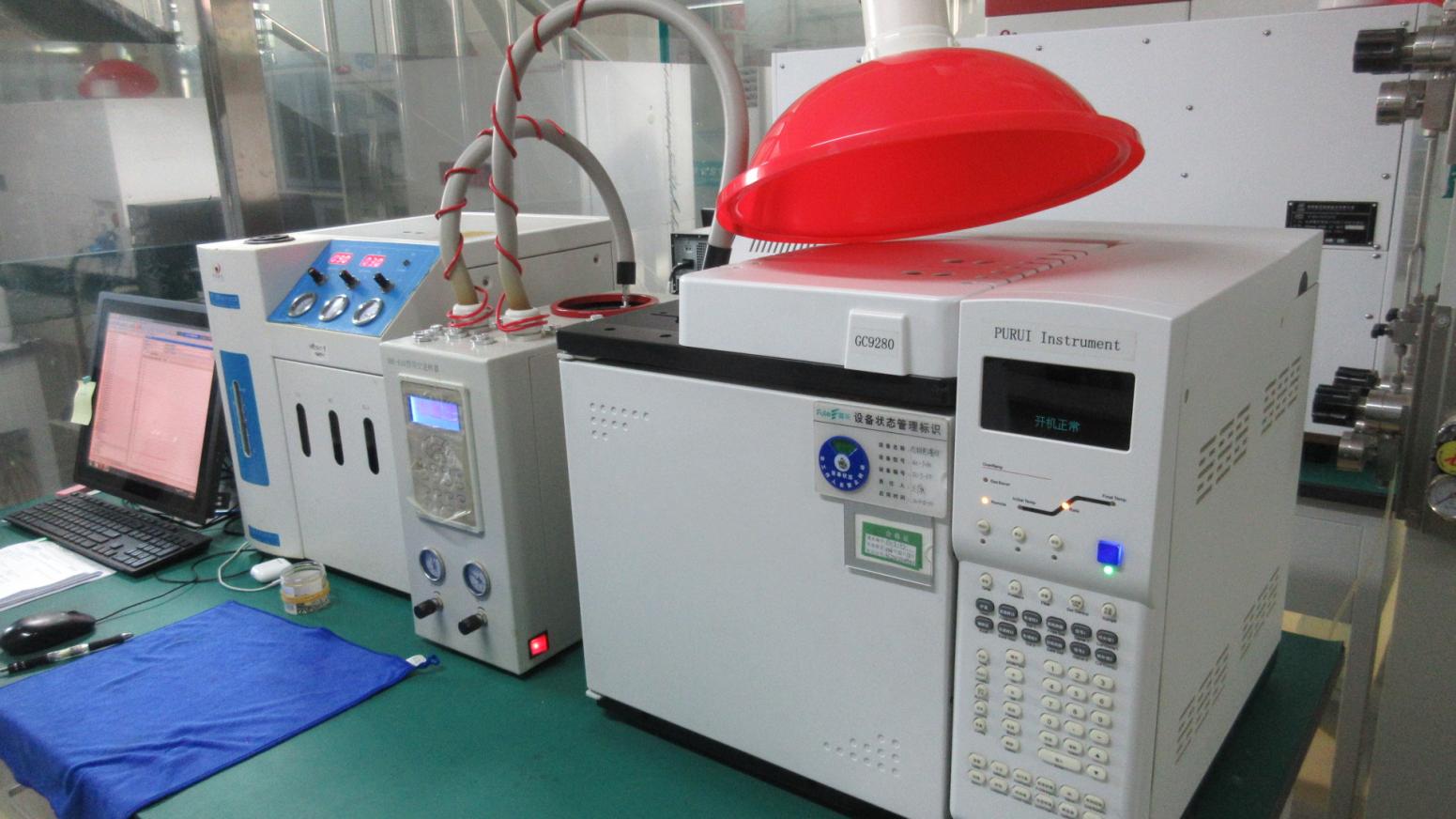
Procuring medical-grade spinal hardware demands rigid adherence to local health jurisdictions. For healthcare systems and bulk distributors in Europe, Asia, and the Americas, compliance with ISO 13485 is only the baseline. As regulatory frameworks shift towards the European Medical Device Regulation (MDR) and stricter FDA 510(k) validation pipelines, manufacturers must guarantee absolute material traceability. Our supply chains trace every titanium batch back to its raw ingot state, accompanied by mill test reports, chemical composition profiles, and mechanical stress test validations.
For high-volume distributors, supply chain resiliency is critical. Operating with 70 trusted supply chain partners and maintaining active sales channels in Europe (15%) and Southeast Asia (10%), our logistics infrastructure prevents shipping delays of clinical-grade implants. We offer extensive ODM/OEM customization options—including custom-designed sizing, sample processing, graphic engraving, and specialized instrumentation kits—to match the specific surgical practices of regional hospitals and medical groups.
We perform a rigorous 100% inspection method across all steps of production. From initial CNC milling to cleanroom passivating, ultrasonic washing, and double-sterile barrier packaging, our 15 dedicated QA/QC inspectors examine every screw thread and plate profile for structural integrity.
Collaborate directly with our 20 R&D engineers to modify implant parameters. Whether you require specific anatomical variations for pediatric spinal systems or specialized anterior plate profiles, our engineering team utilizes finite element analysis (FEA) to confirm mechanical performance before production.
Comprehensive orthopedic solutions, including revision instruments, pediatric-specific hardware, and external stabilization systems.
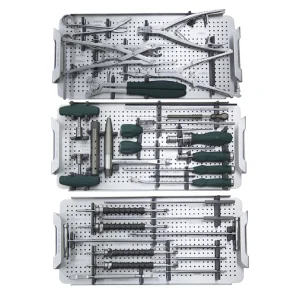
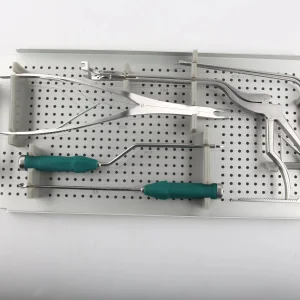
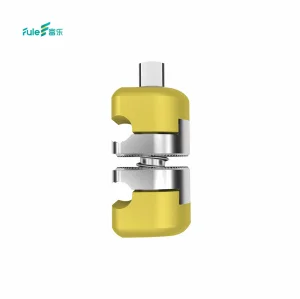
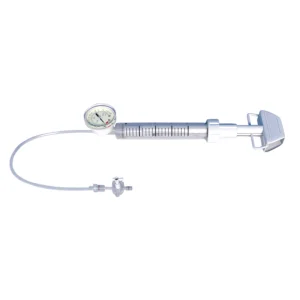
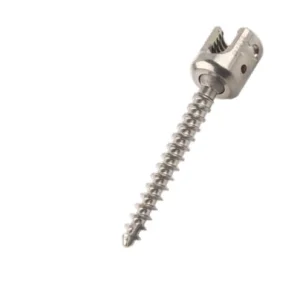
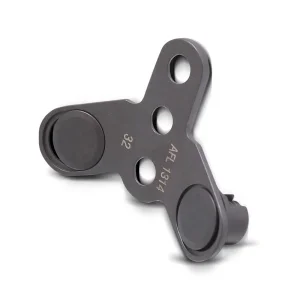
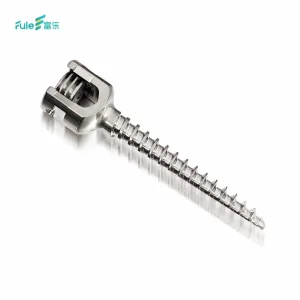
Pioneering bioactive implant surfaces, custom 3D-printed titanium lattices, and sensor-integrated spinal systems.
The future of spinal reconstruction is shifting from passive structural support to biologically active interfaces. In our R&D facilities, we are focusing on additive manufacturing technologies (3D metal printing) to construct porous cages that match the biomechanical properties of human bone. By utilizing electron beam melting (EBM) and direct metal laser sintering (DMLS), we can produce complex internal lattices. These lattices prevent stress shielding and encourage rapid bone ingrowth directly through the core of the implant.
Additionally, we are exploring bio-absorbable polymers and localized drug-delivery coatings. Applying bone morphogenetic protein-2 (BMP-2) or antimicrobial silver nanoparticles directly to titanium surfaces could lower post-operative infection rates and promote fusion in complex cases. As clinical demands continue to evolve, our 30 years of manufacturing experience ensures we remain at the forefront of spinal implant technology.
Utilizing high-end laser sintering to create internal bone-mimicking structures, promoting fast, stable osteointegration.
Applying advanced nano-coatings to reduce biofilm formation and minimize the risk of hardware-related infections.
Using preoperative CT data to customize spinal plates, ensuring a precise fit that matches each patient's unique anatomy.
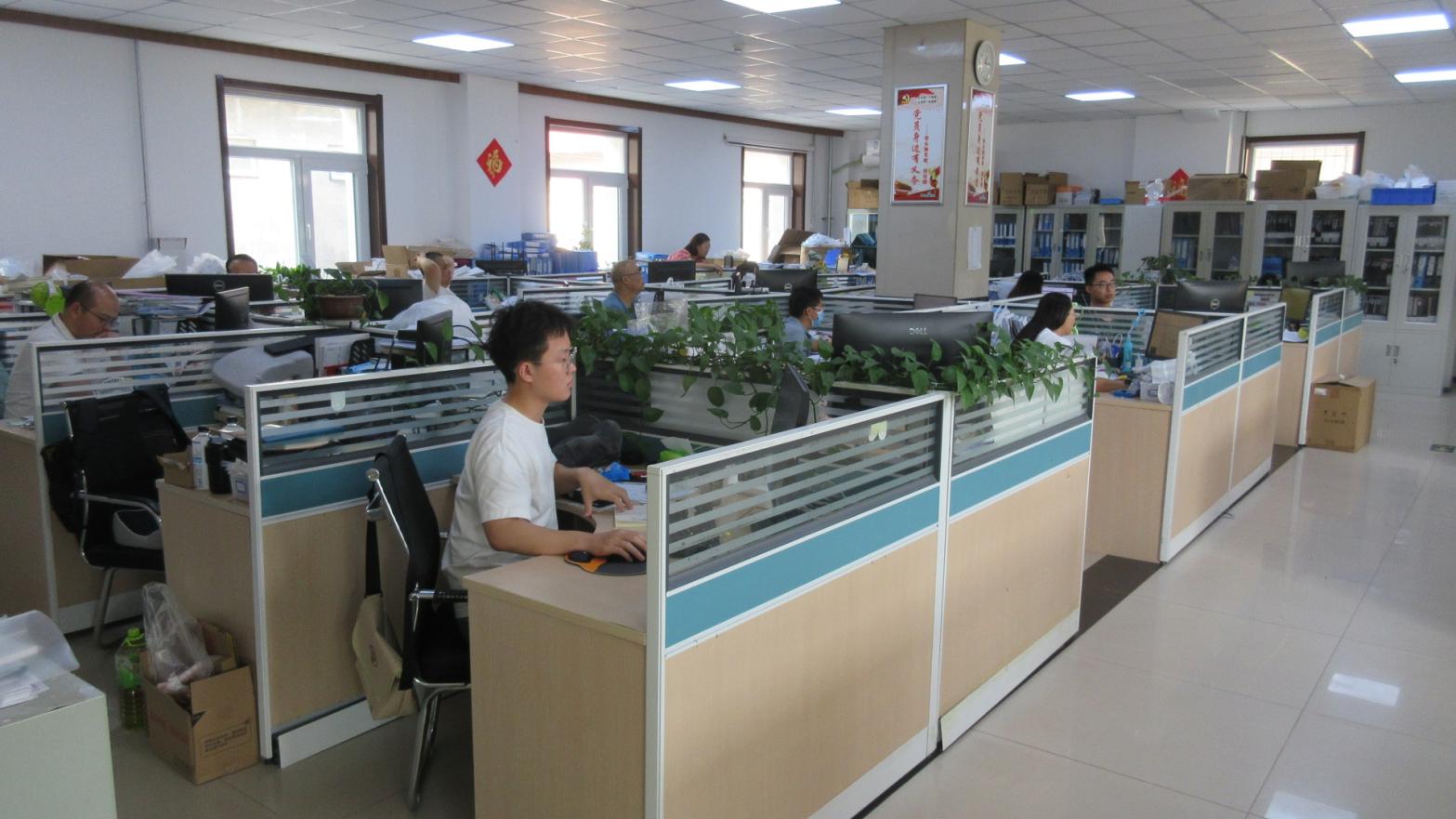
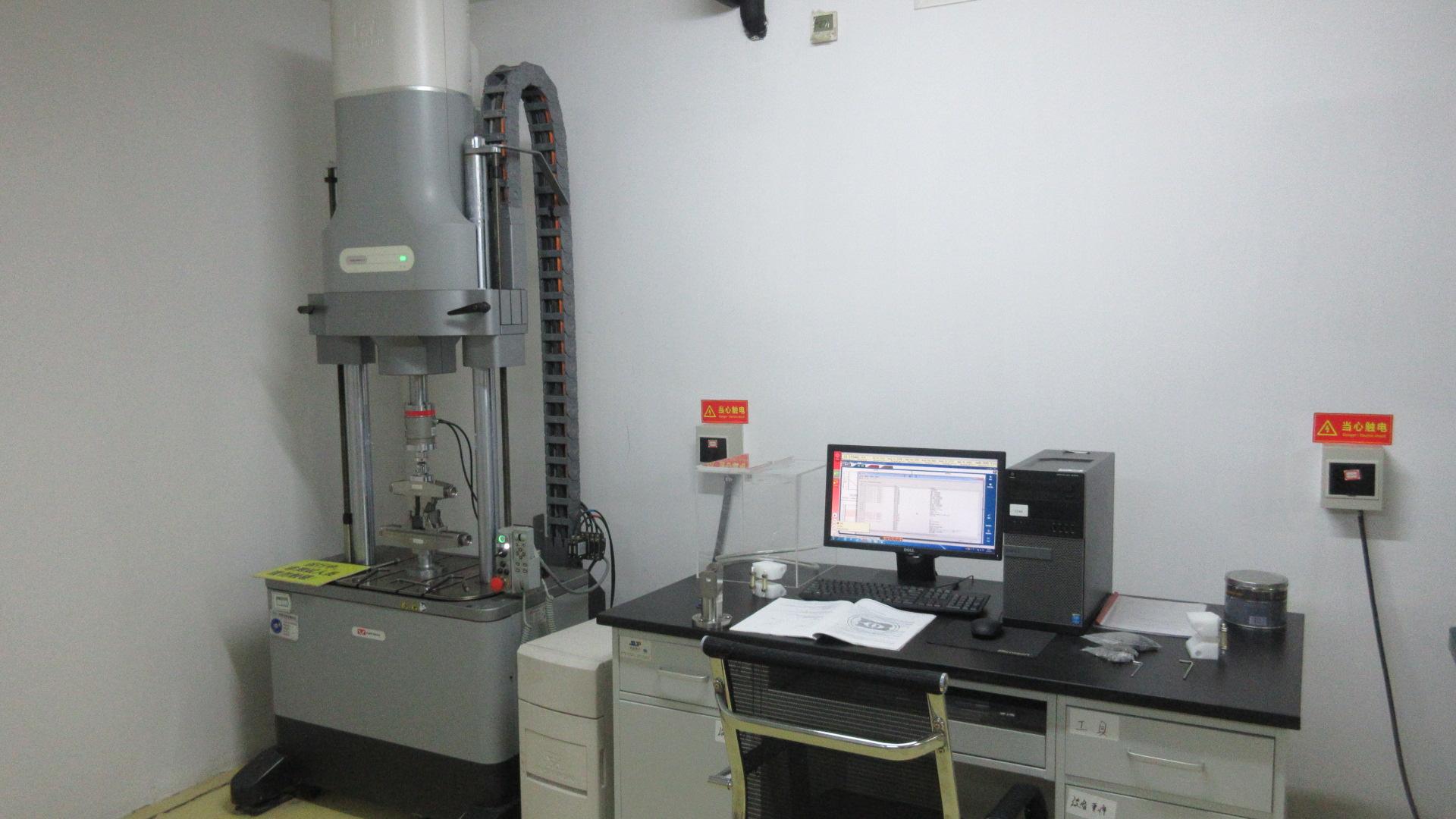
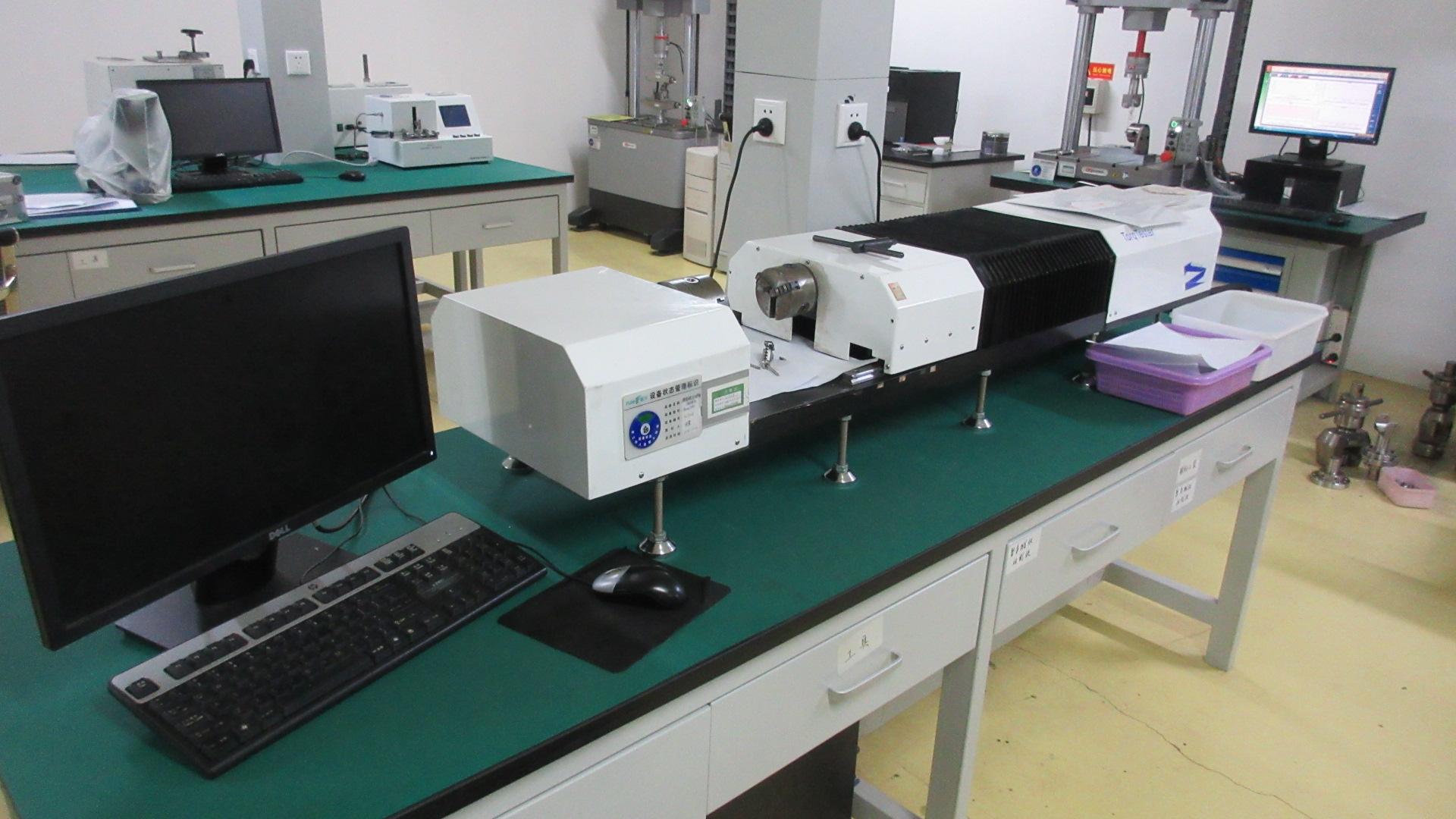
A behind-the-scenes look at our ISO 13485-certified manufacturing facility, advanced testing laboratory, and class-10,000 cleanrooms.

Find technical answers regarding our manufacturing standards, custom designs, and distribution capabilities.
Our production facility operates under a strict Quality Management System certified to ISO 13485 (Registration Certificate No. 04724Q10000818). All anterior cervical plates, pedicle screws, and lumbar fusion cages carry relevant CE marks, ensuring compliance with international safety and quality standards.
We use medical-grade titanium alloy (Ti-6Al-4V ELI, conforming to ASTM F136 standards) and biocompatible PEEK (polyetheretherketone) for our interbody cages. These materials are selected for their excellent biomechanical strength, corrosion resistance, and compatibility with MRI scanning.
Yes. Backed by 30 years of medical manufacturing experience and 102 precision machines, we offer customized solutions. These include sample processing, custom plate dimensions, specific screw thread variations, and customized logo marking to suit local clinical and commercial requirements.
Our team of 15 QA/QC inspectors conducts a 100% inspection method on all products. We perform comprehensive mechanical testing, including fatigue limit and axial pull-out tests, alongside digital profilometry to verify dimensional tolerances before shipping.
With 102 production machines and an annual output capacity of 511,000 units, we maintain stable delivery schedules. Standard orders are fulfilled within 30 to 45 days, depending on custom dimensions and raw material stock levels.
 Beren Science & Technology