Explore our CE-marked, biocompatible fixation components engineered for optimal anatomical integration and patient recovery.
How precision biomedical engineering translates into structural stability, anatomical compression, and minimized soft-tissue trauma.
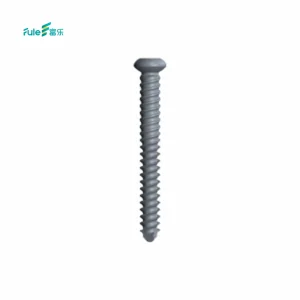
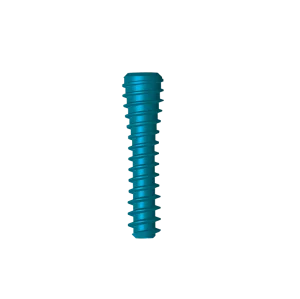
The hallmark of the Cannulated Screw System is its hollow core, allowing insertion over a guide wire. This ensures millimeter-level placement accuracy within complex anatomical regions, such as the femoral head or scaphoid bone, reducing the risk of cortical penetration and surgical error.
By offering dual-thread configurations (cancellous and cortical pitches), these screws optimize pull-out strength. Partial threading provides excellent interfragmentary compression, drawing the bone fracture gap closed when the thread engages the far fragment.
Manufactured from premium Medical Grade Titanium Alloy (Ti6Al4V ELI) and implant-grade stainless steel. These alloys offer a matching modulus of elasticity closer to cortical bone, significantly reducing stress-shielding risks and accelerating osseointegration.
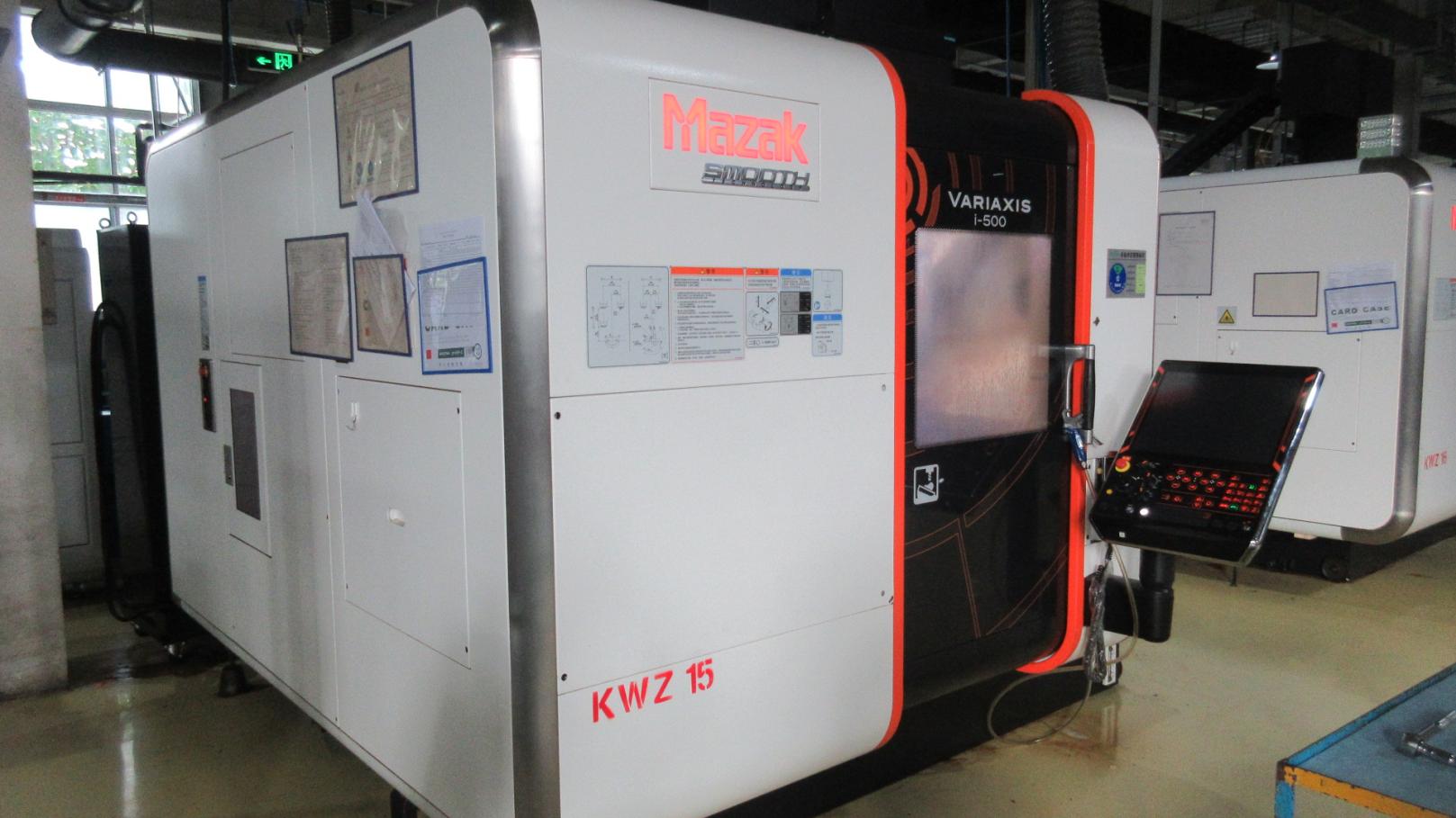
Leveraging industrial maturity, advanced Swiss CNC milling, and rigorous quality inspection to deliver certified orthopedic implants worldwide.
Partnering directly with a leading China Cannulated Screw System Factory streamlines your supply chain. We minimize middleman overheads while enforcing world-class regulatory standards. Our fully integrated facility utilizes raw material traceability protocols (ISO 13485) and deploys dedicated Quality Assurance (QA/QC) inspectors on every single processing line.
From sample customization to large-scale hospital bidding fulfillment, our capabilities are structured around clinical reliability. Below is our formal verification data, demonstrating why orthopedic distributors, clinical networks, and medical procurement departments globally trust our hardware.
Data transparency underpins trust. Here is a comprehensive overview of our physical infrastructure and quality control standards.

Registration number: 04724Q10000818. This certification verifies that our design, manufacturing, and quality management systems meet the stringent medical standard required to safely distribute orthopedic implants globally.
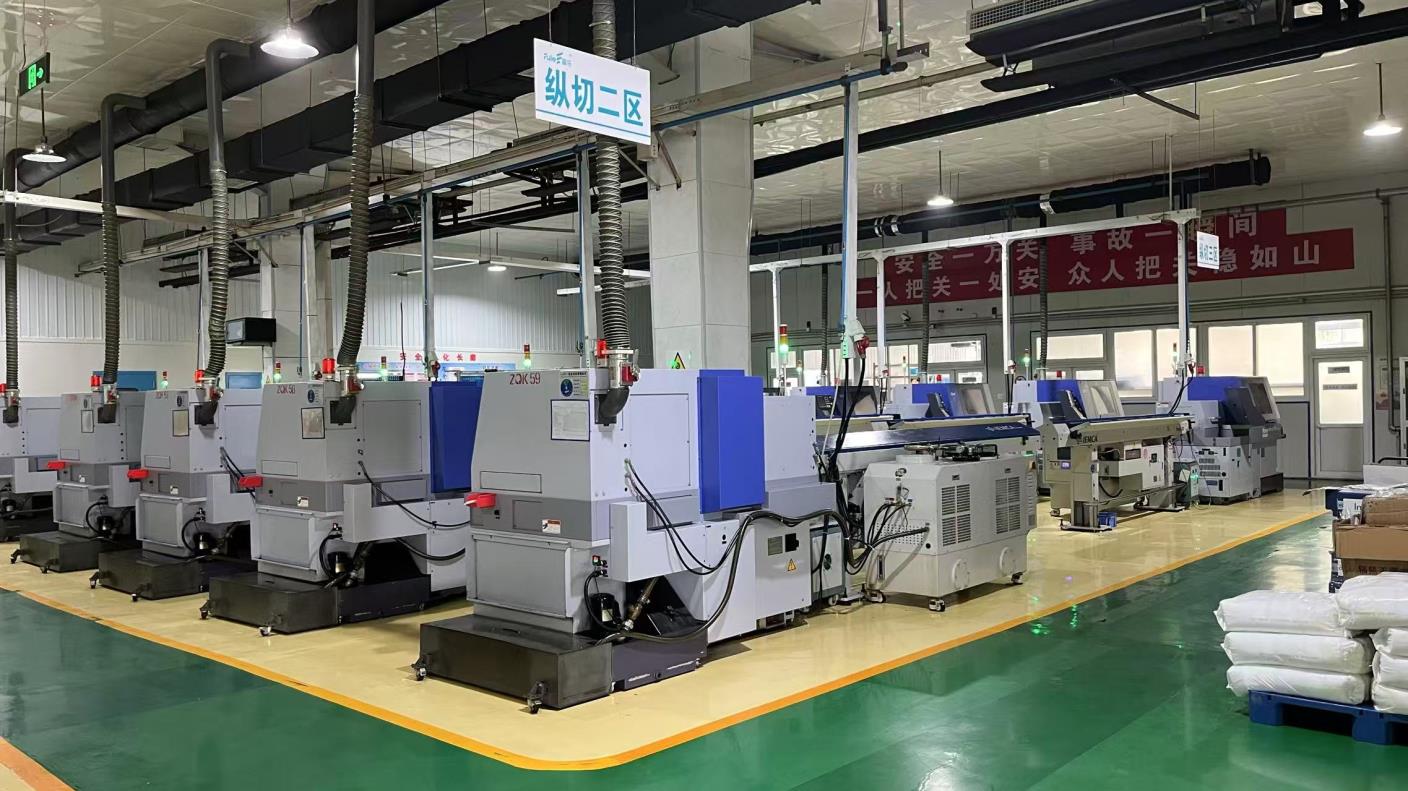
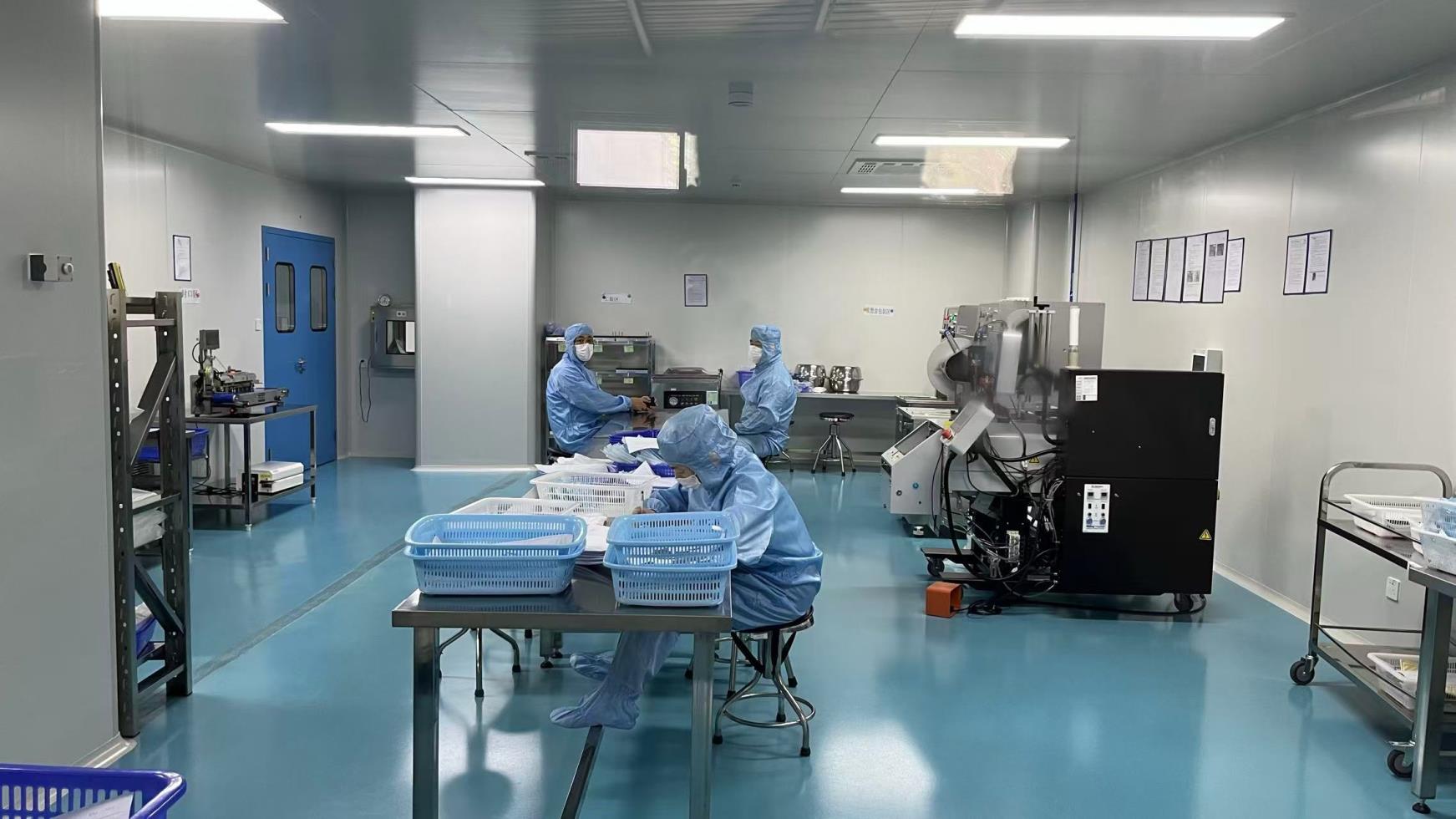
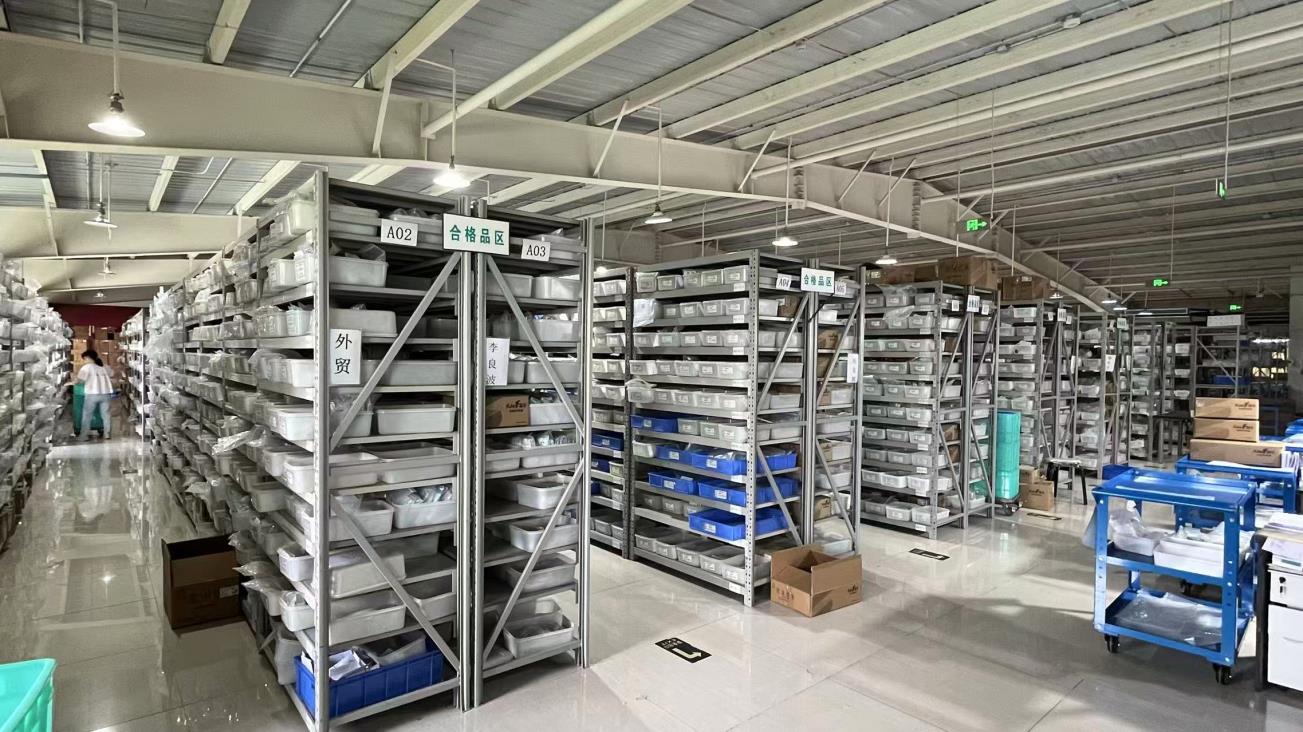
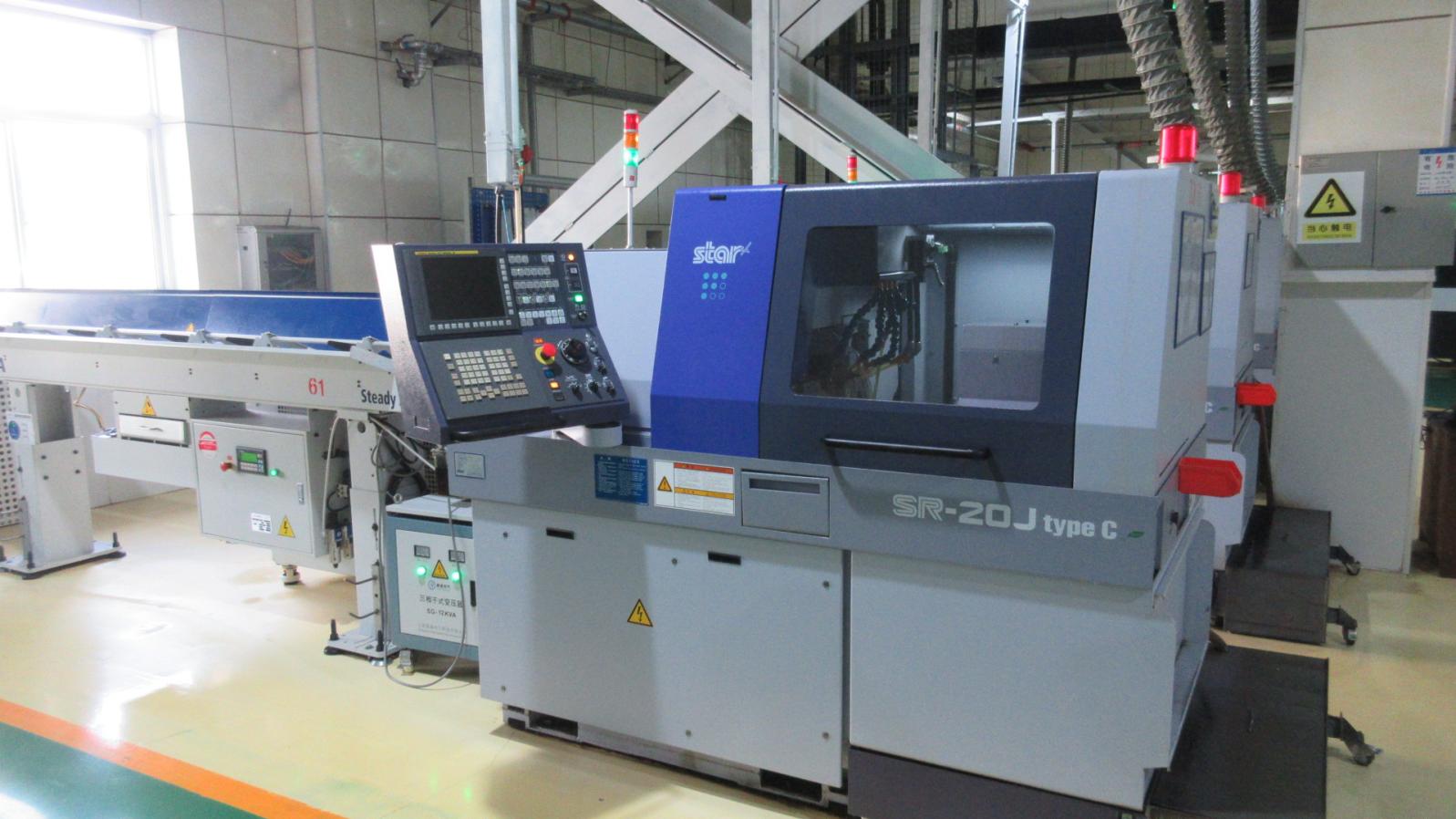
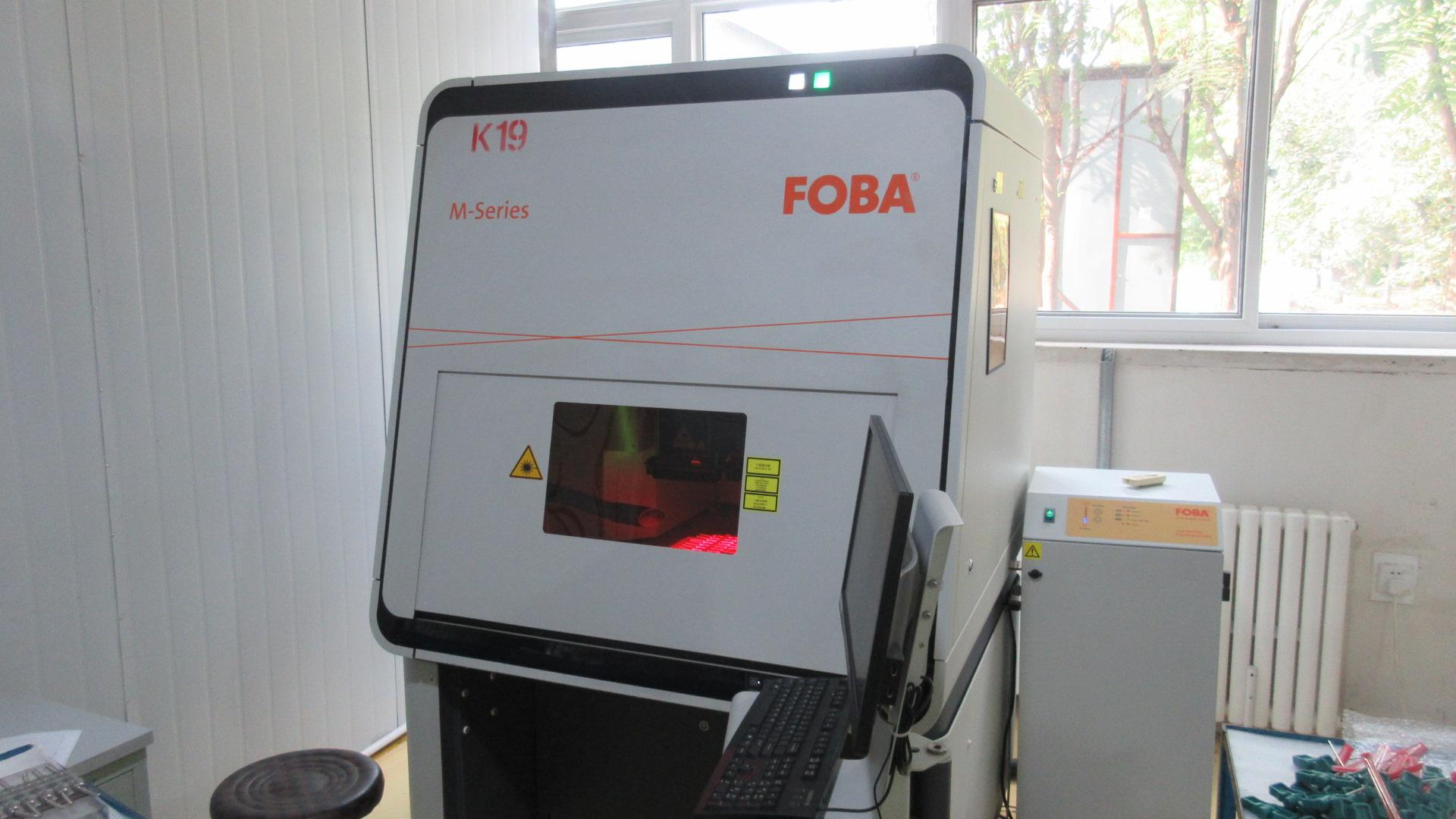
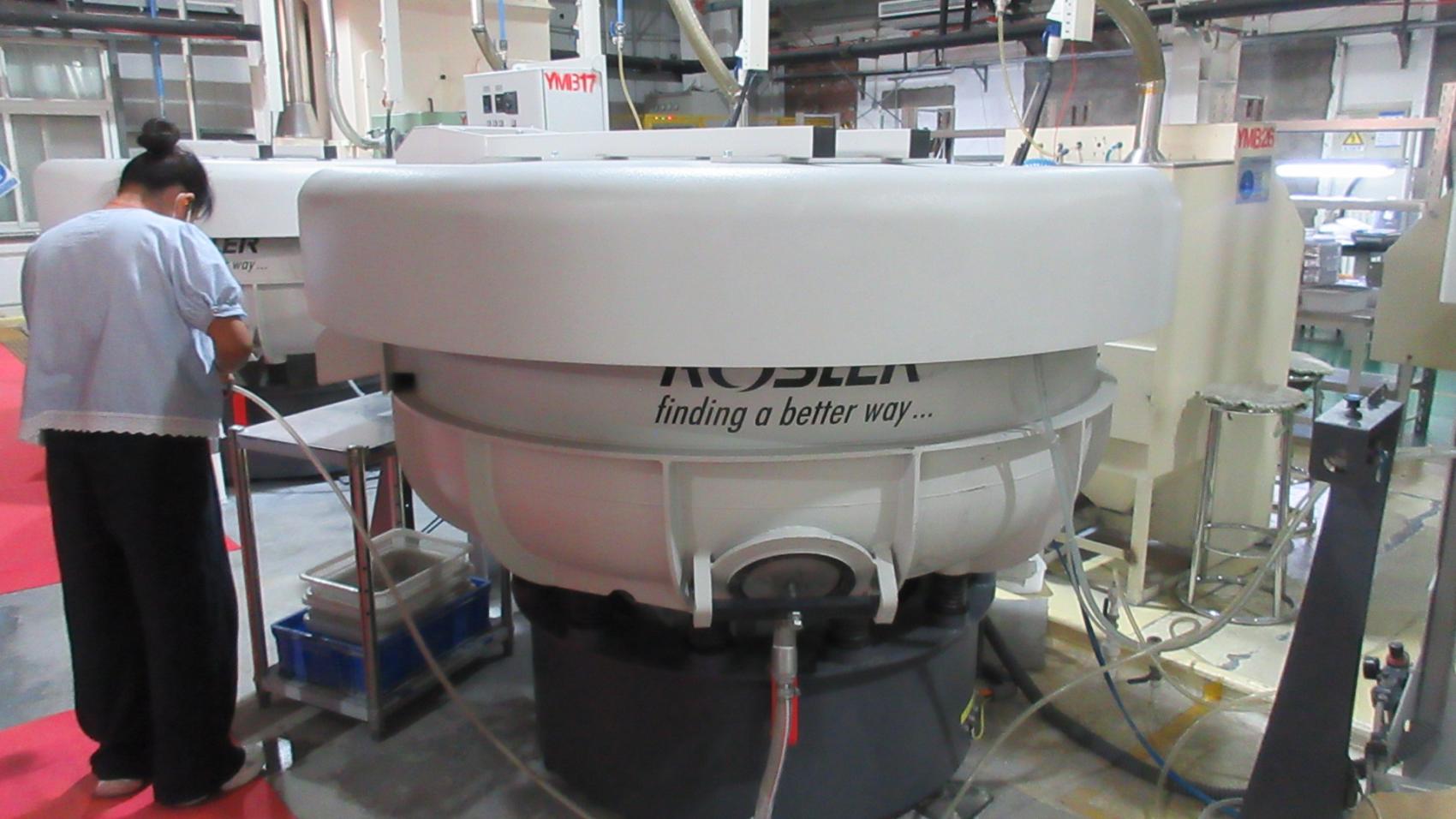
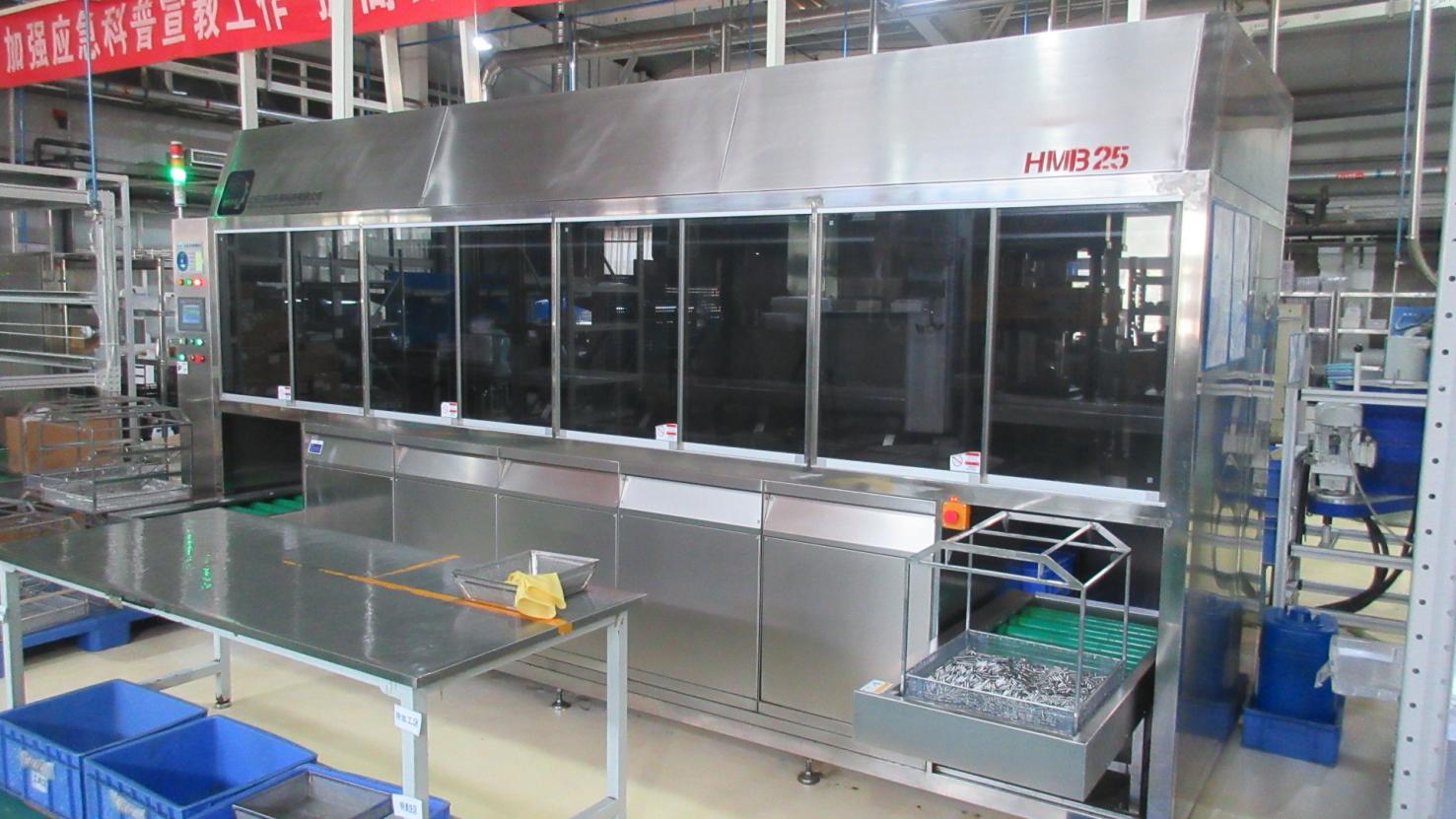
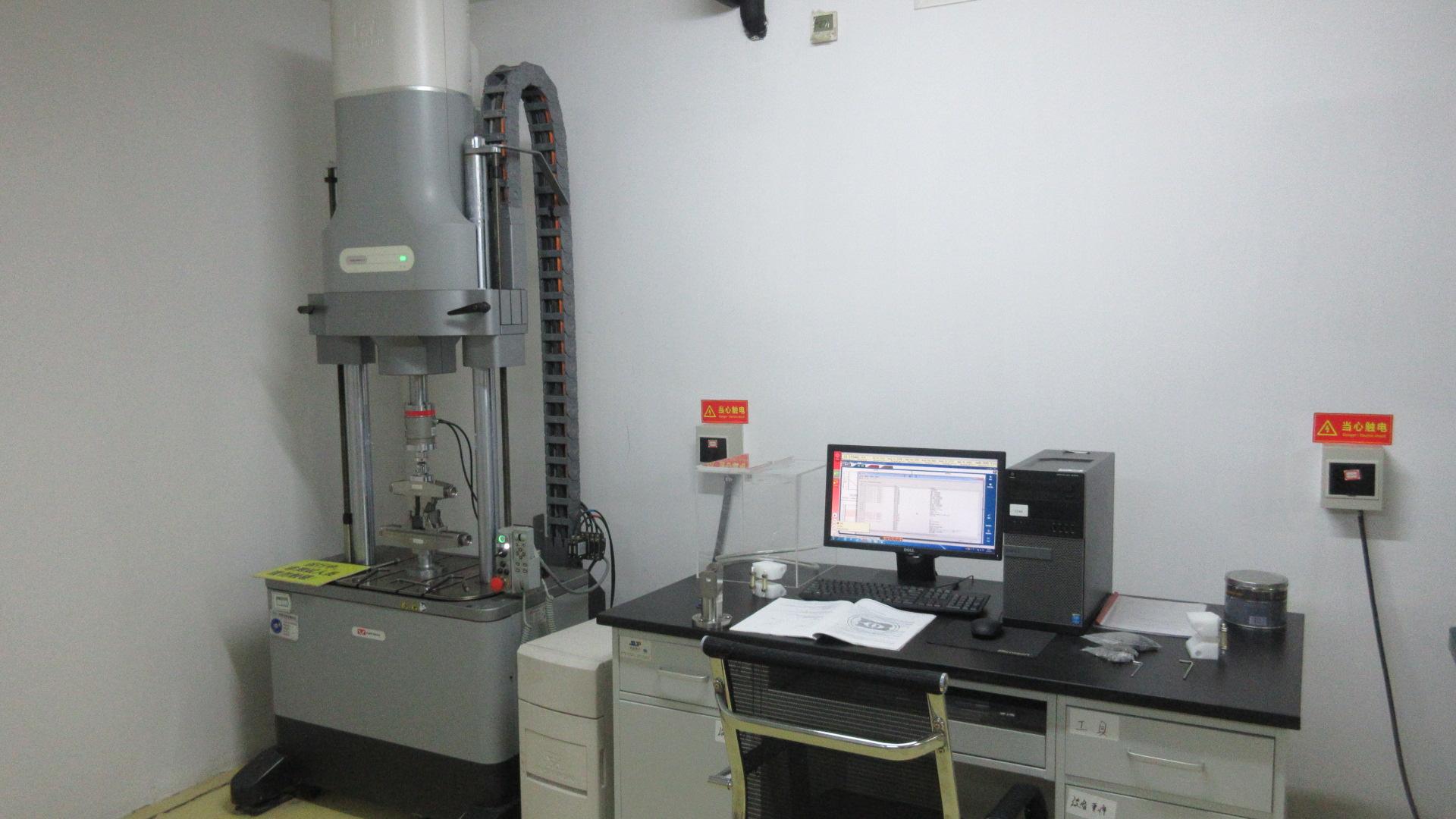
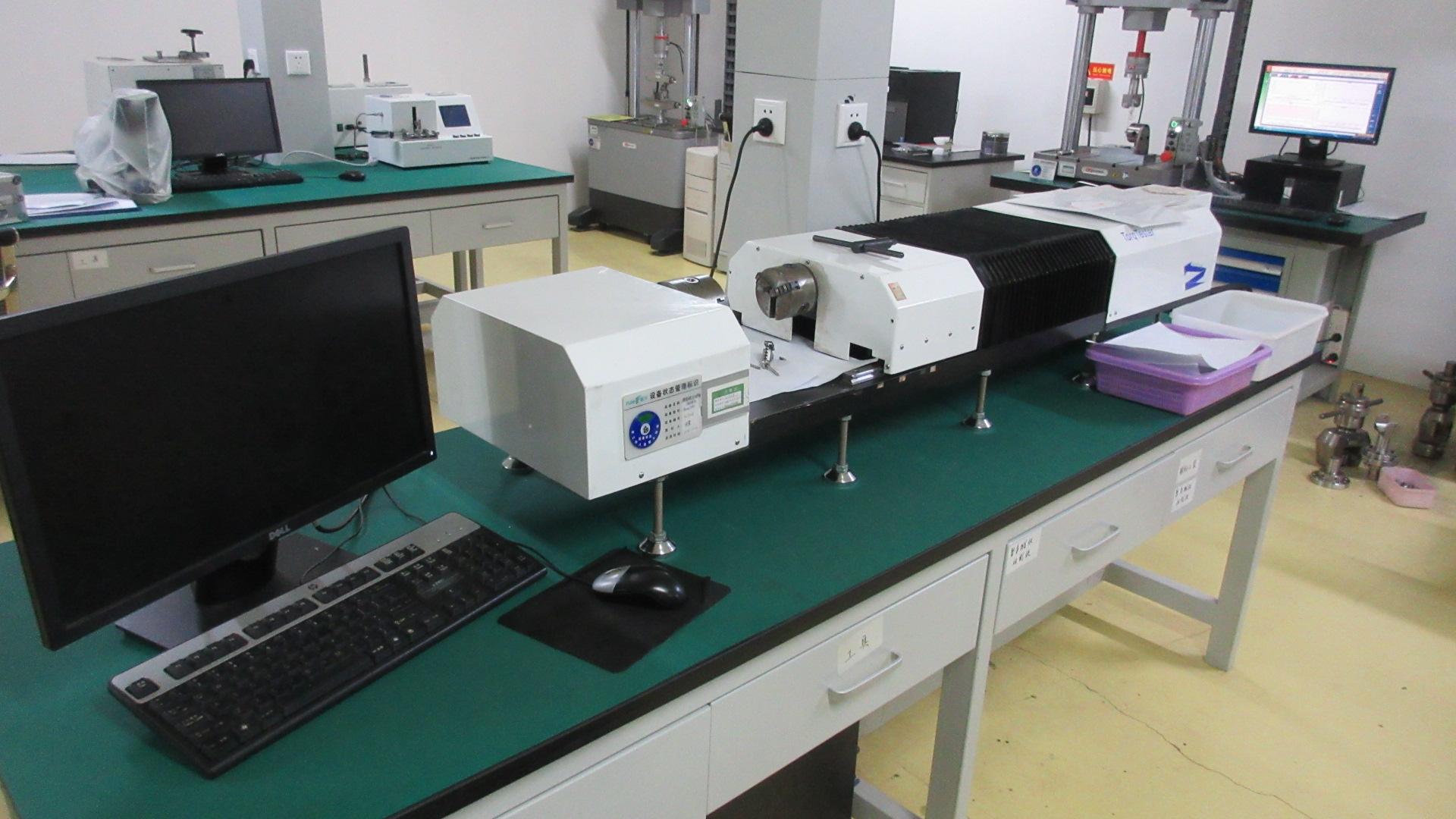
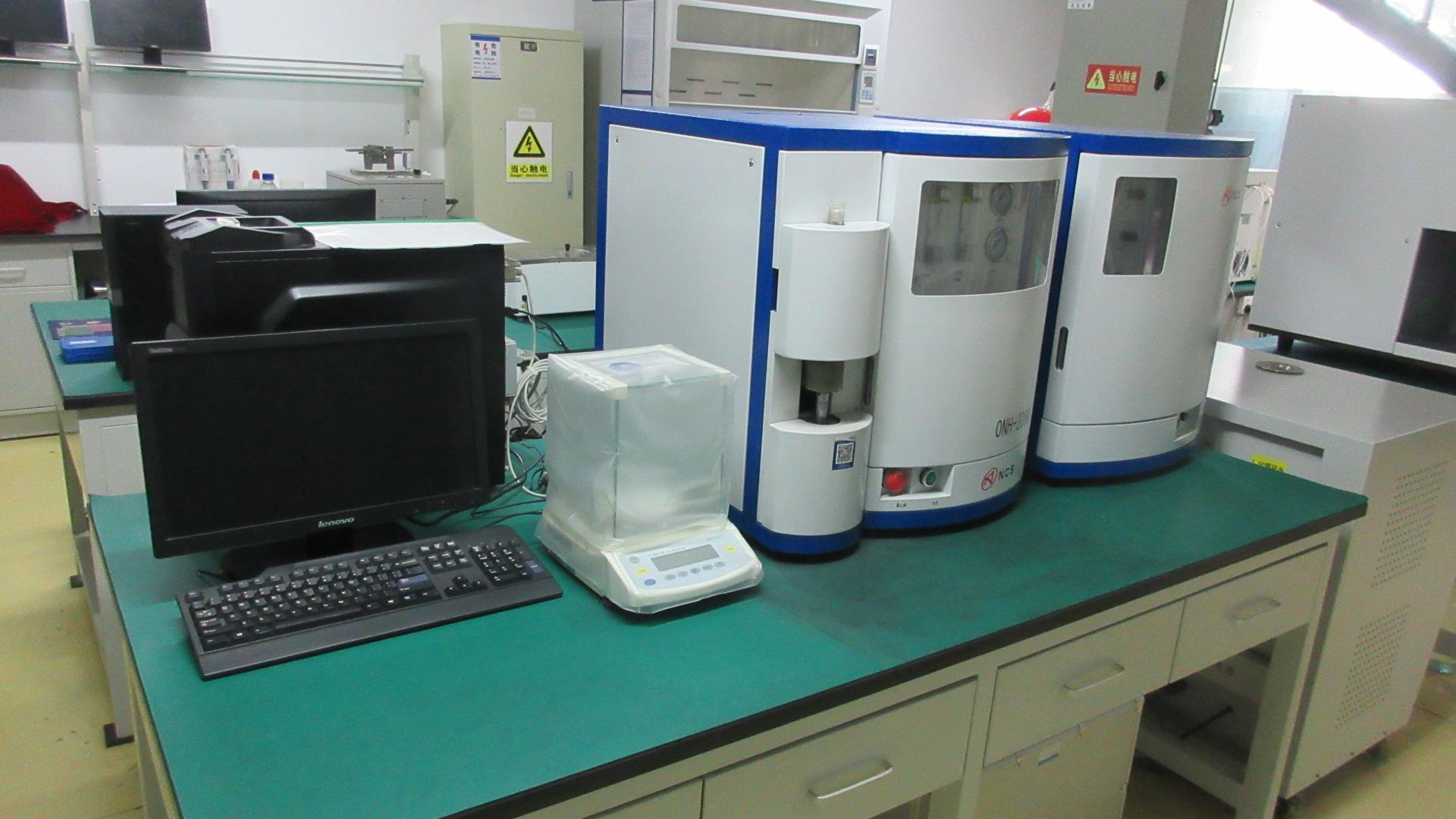
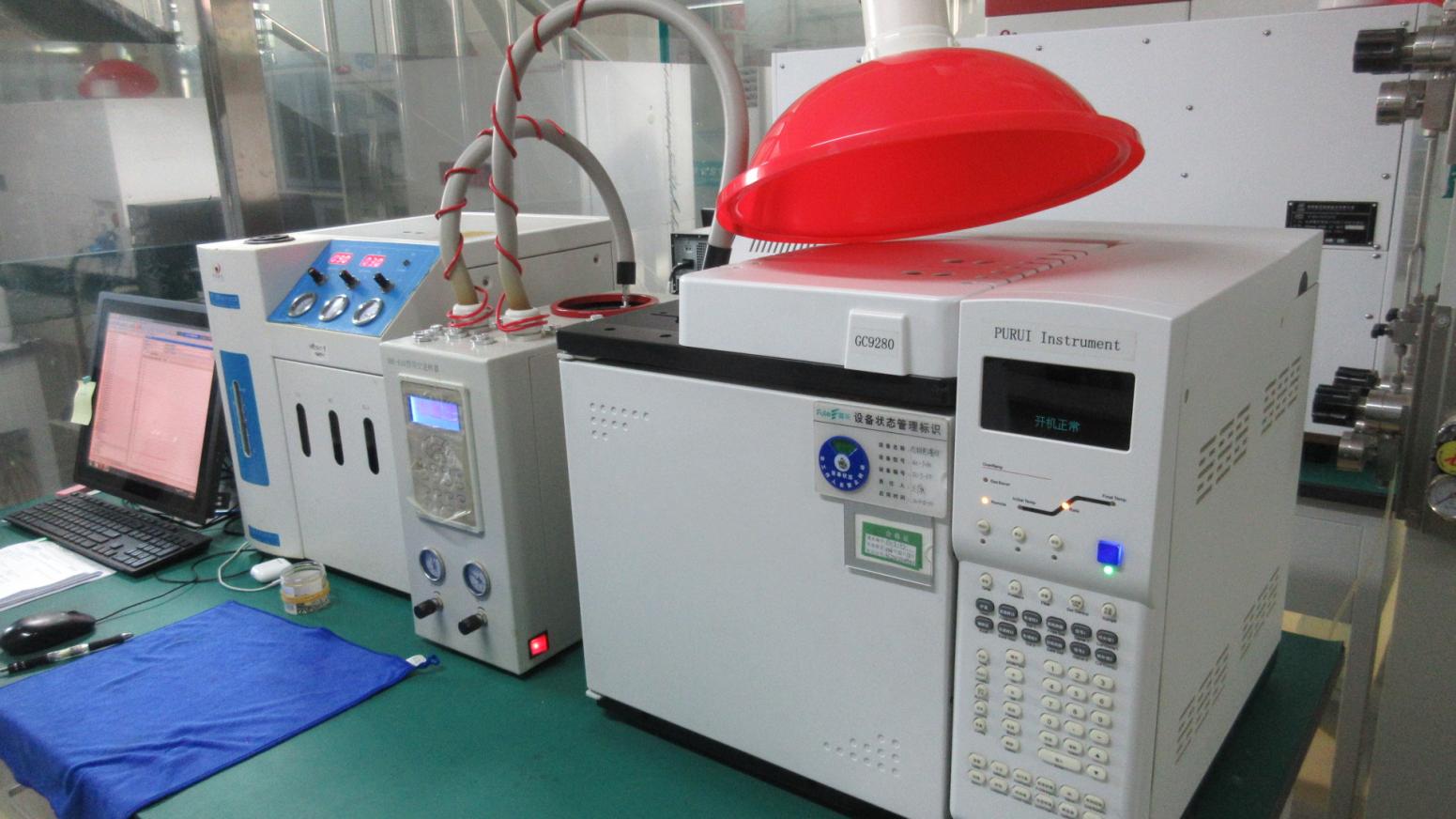
Inside our 10,000 square meter sterile cleanrooms, showcasing high-precision Swiss lathes, mechanical testing bays, and rigorous finishing operations.


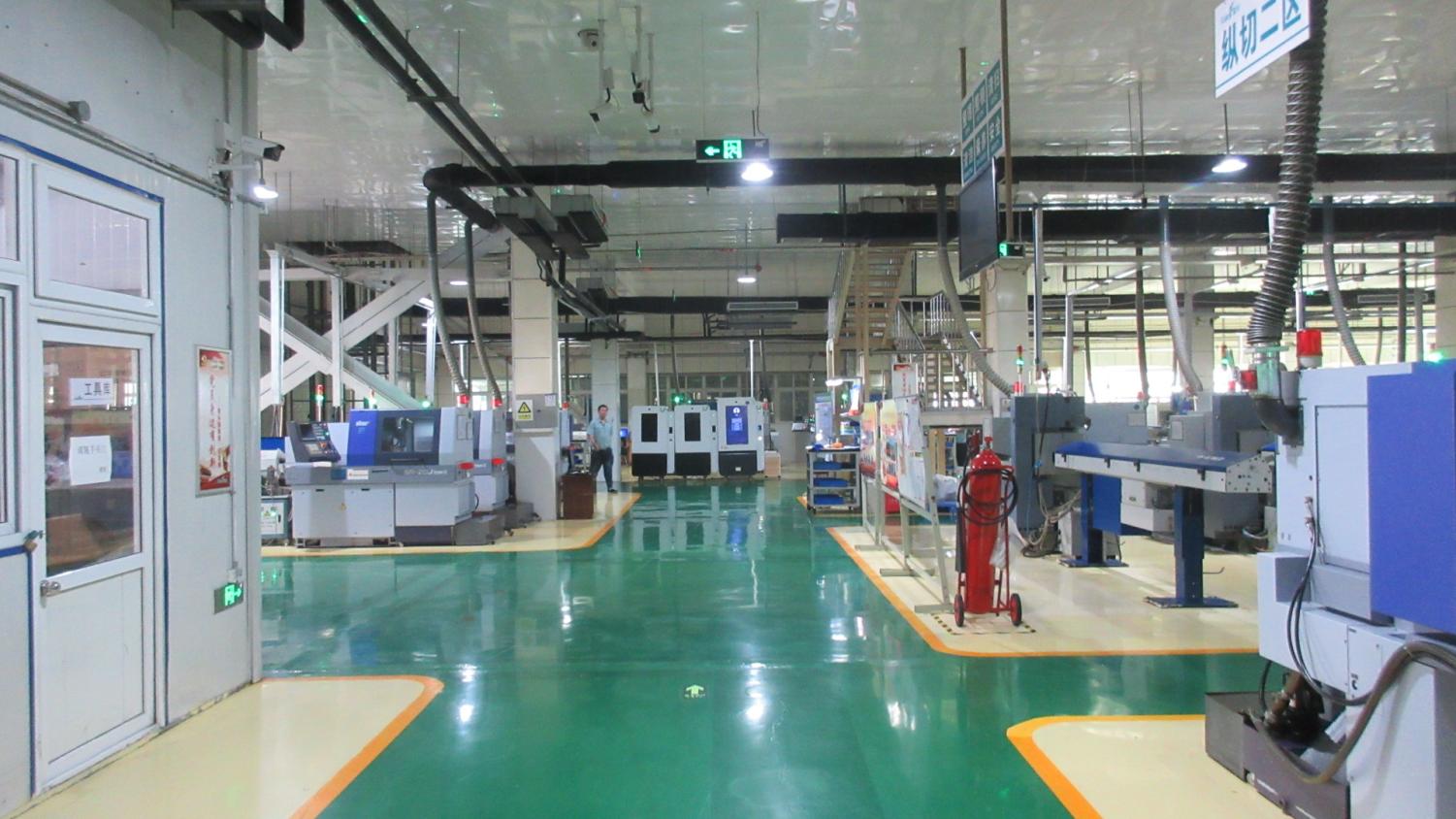
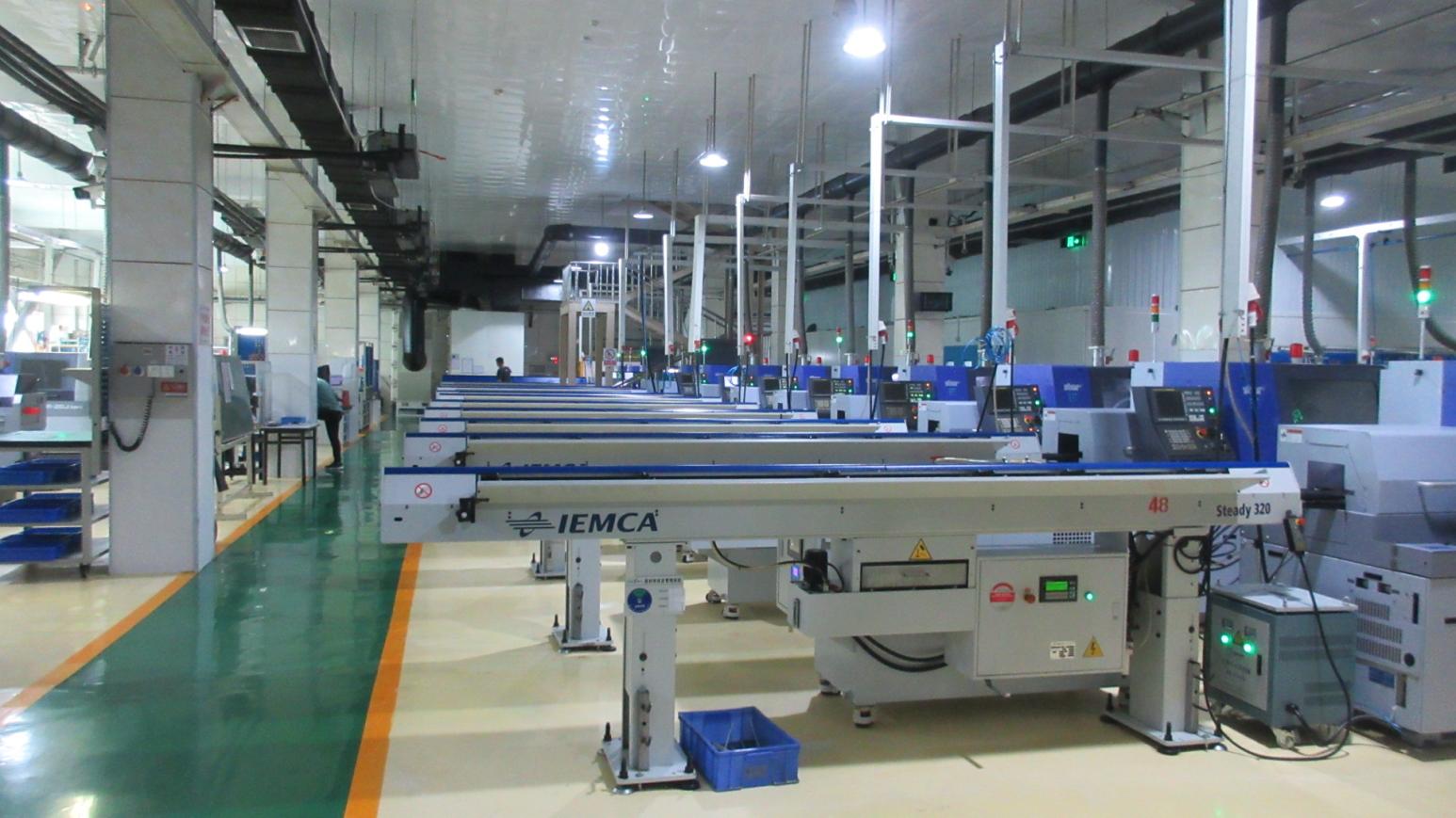
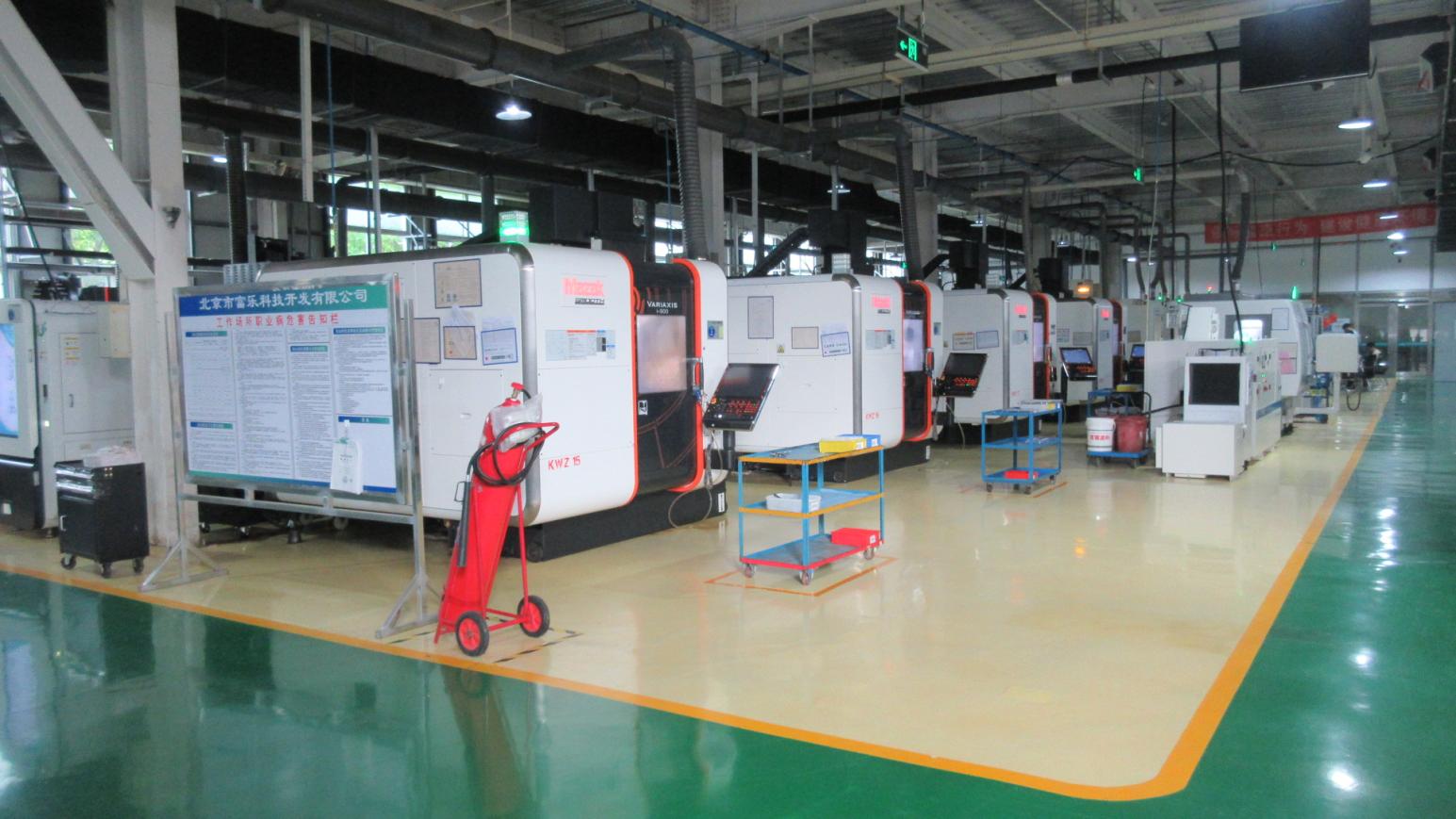
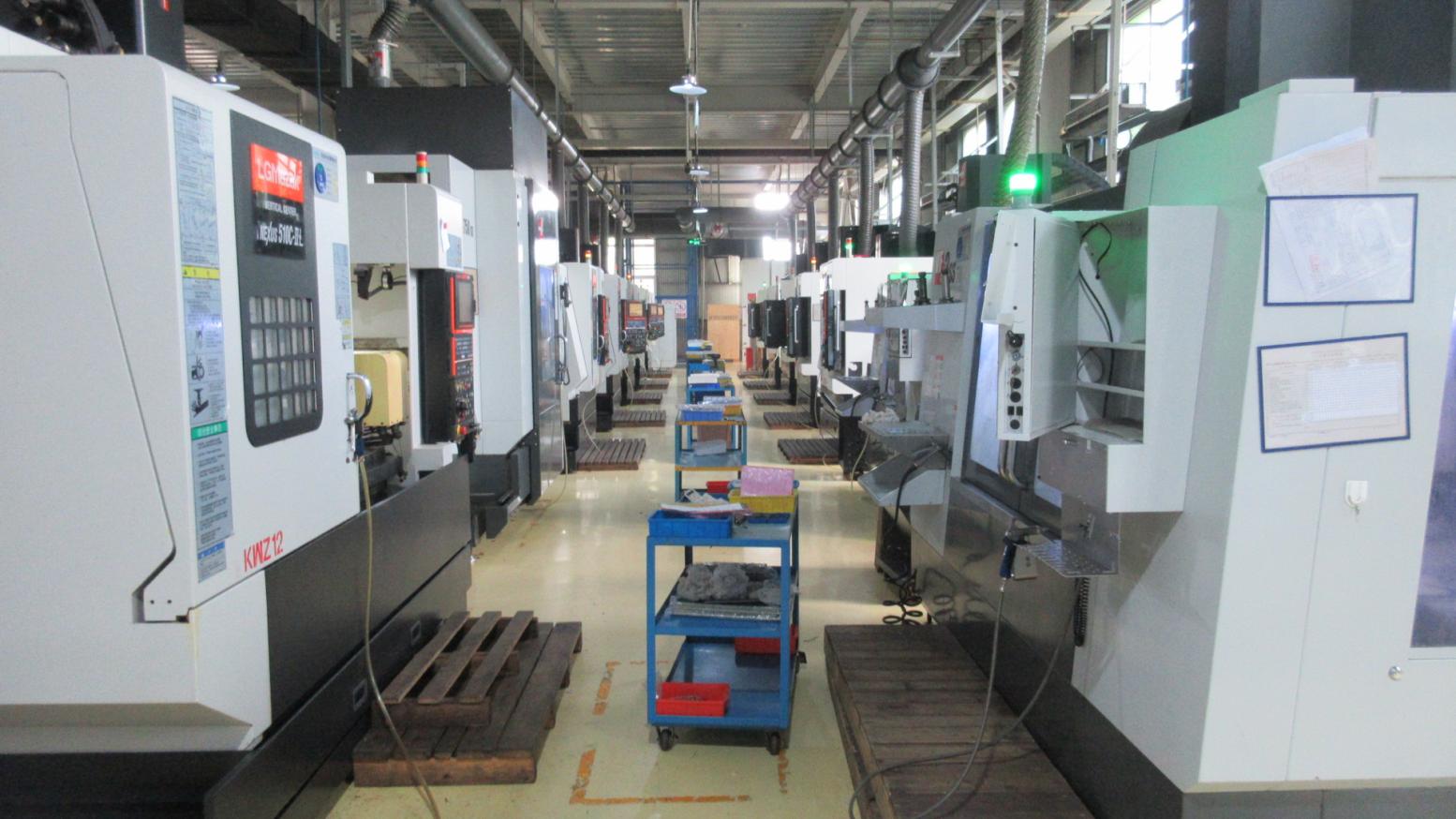
The global orthopedic fixation market is transitioning rapidly. Driven by an aging population, increasing outpatient surgeries, and the demand for shorter hospital stays, clinicians are insisting on instrumentation that delivers absolute structural stability with less trauma. Cannulated screw systems serve as the backbone of minimally invasive fracture surgeries, notably in pediatric orthopedics, trauma reconstructive surgery, and geriatrics.
While Titanium (Ti6Al4V ELI) remains the golden standard for structural strength and biocompatibility, there is active research into magnesium-based biodegradable alloys. Modern clinical trials aim to eliminate second-stage hardware removal surgeries entirely. Until then, the focus remains on surface modifications, such as electrochemical anodization, which creates a textured oxide layer to facilitate enhanced osteoblast cell adhesion and resist biofilm formation.
Surgical robotics and electromagnetic navigation require implants with tight manufacturing tolerances. Our cannulated screws are manufactured to micron-level tolerance bands to guarantee seamless alignment with guide wires deployed by robotic arms. For global procurement officers, ordering components that feature high dimension repeatability is paramount to preventing costly intraoperative failures.
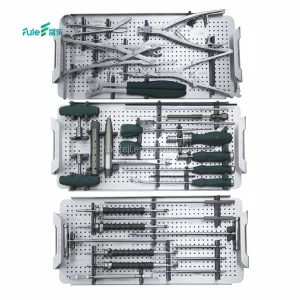
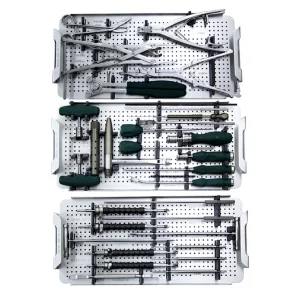
Faced with volatile supply chains, hospitals and distributors are migrating away from fragmented single-item sourcing. Our macro solution provides the complete implant assembly: the cannulated screws, specialized drill bits, guide wires, parallel wire guides, and corresponding driver systems packaged in customized sterilization containers. By providing pre-validated systems, we dramatically decrease the clinical verification workload for international purchasers.
With 20 skilled R&D engineers, we specialize in adjusting parameters such as thread pitch, flange width, and head profiles to accommodate localized population anthropometrics. This is especially vital when developing implants for pediatric orthopedic applications or varying geographic patient demographics.
Clear answers concerning certifications, customizations, technical specifications, and shipping protocols.
We primarily use medical-grade Titanium Alloy (Ti6Al4V ELI) complying with ASTM F136 / ISO 5832-3 standards, and implant-grade Stainless Steel conforming to ASTM F138 / ISO 5832-1. Every batch of material is accompanied by a mill certification sheet outlining chemical composition and tensile testing data.
Under our ISO 13485 quality control system, we stamp each implant with a unique laser-etched batch code. This code links to raw material receipts, cleanroom records, technician logs, anodization curves, and final sterilization validation data, ensuring complete end-to-end trace auditing.
Yes. We offer robust customization. You can supply physical samples or technical drawings (CAD files). We handle engineering verification, prototype modeling, test runs, and final laser engraving of your proprietary brand name, part numbers, and custom packaging boxes.
Standard items currently in stock ship within 5-10 business days. For customized OEM runs or bulk production lots spanning over 10,000 units, the manufacturing timeline ranges between 30 to 45 days, depending on the specifications and technical documentation required.
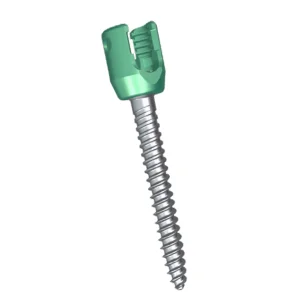
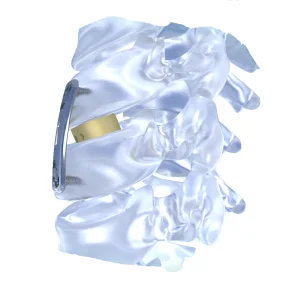
Premium implant systems designed for spinal fusion, minimally invasive trauma interventions, and complex joint stabilization.
 Beren Science & Technology