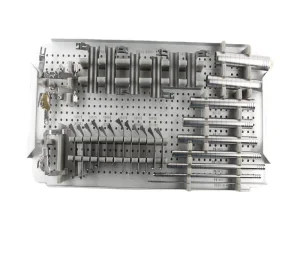
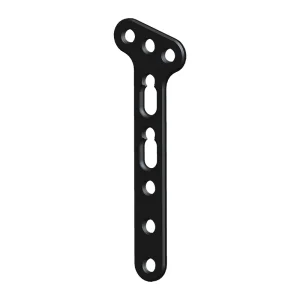
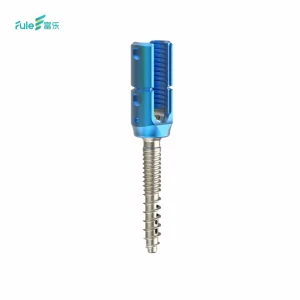
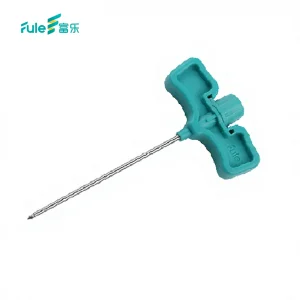
Premium surgical assemblies, specialized instrumentation kits, and class-certified implants engineered for spine deformity correction and decompression.
The global orthopedic spine market has shifted towards spinal stabilization systems that offer biomechanical longevity and minimize intraoperative tissue trauma. Modern posterior spinal fixation systems demand absolute reliability in load distribution, micro-motion restriction, and anatomical alignment restoration. Factors such as aging global demographics, increased rates of degenerative disc disorders, and complex spinal fractures highlight the clinical need for robust, reproducible posterior fixation systems.
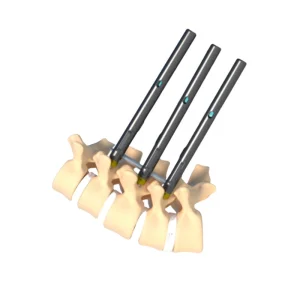
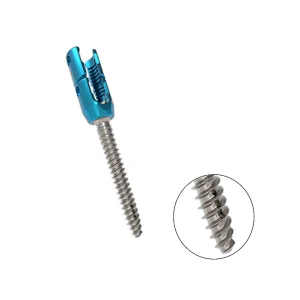
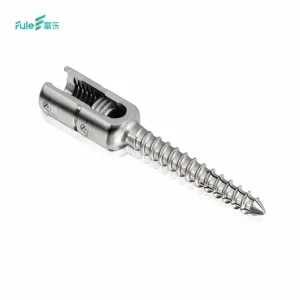
The Miko II Posterior Spinal System represents a significant advancement in this category. Combining polyaxial screw dynamics with low-profile tulip designs and high-grade titanium configurations, the Miko II addresses critical requirements for rigid internal fixation. As a leading manufacturer and exporter, we support clinical institutions and distributors worldwide with certified orthopedic solutions that ensure long-term stability and patient safety.
The structural integrity of the Miko II Posterior Spinal System relies on optimized screw thread profiles, secure locking mechanisms, and advanced medical-grade alloys. These features prevent screw pullout, assembly splay, and construct failure, supporting successful spinal fusion.
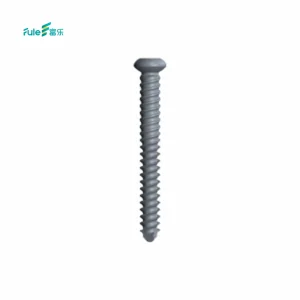
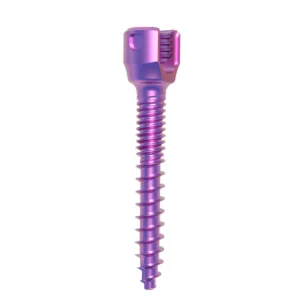
The system features a dual-lead thread design on the pedicle screws, which halves insertion time while maintaining high pullout resistance. Our specialized low-profile tulip head reduces contact with adjacent facet joints and surrounding soft tissues, helping prevent post-operative pain and facet impingement.
| Design Feature | Engineering Specification | Clinical & Biomechanical Advantage |
|---|---|---|
| Material Composition | Ti-6Al-4V ELI (ASTM F136) | Excellent biocompatibility, corrosion resistance, and high fatigue limit. |
| Screw Trajectory | 60° Polyaxial Articulation Range | Easier rod placement and reduced need for aggressive rod bending. |
| Thread Geometry | Dual-lead & Self-tapping Tip | Reduces insertion torque and increases pullout strength. |
| Locking Mechanism | Reverse Angle Buttress Thread Set Screw | Eliminates tulip splaying and prevents cross-threading during final tightening. |
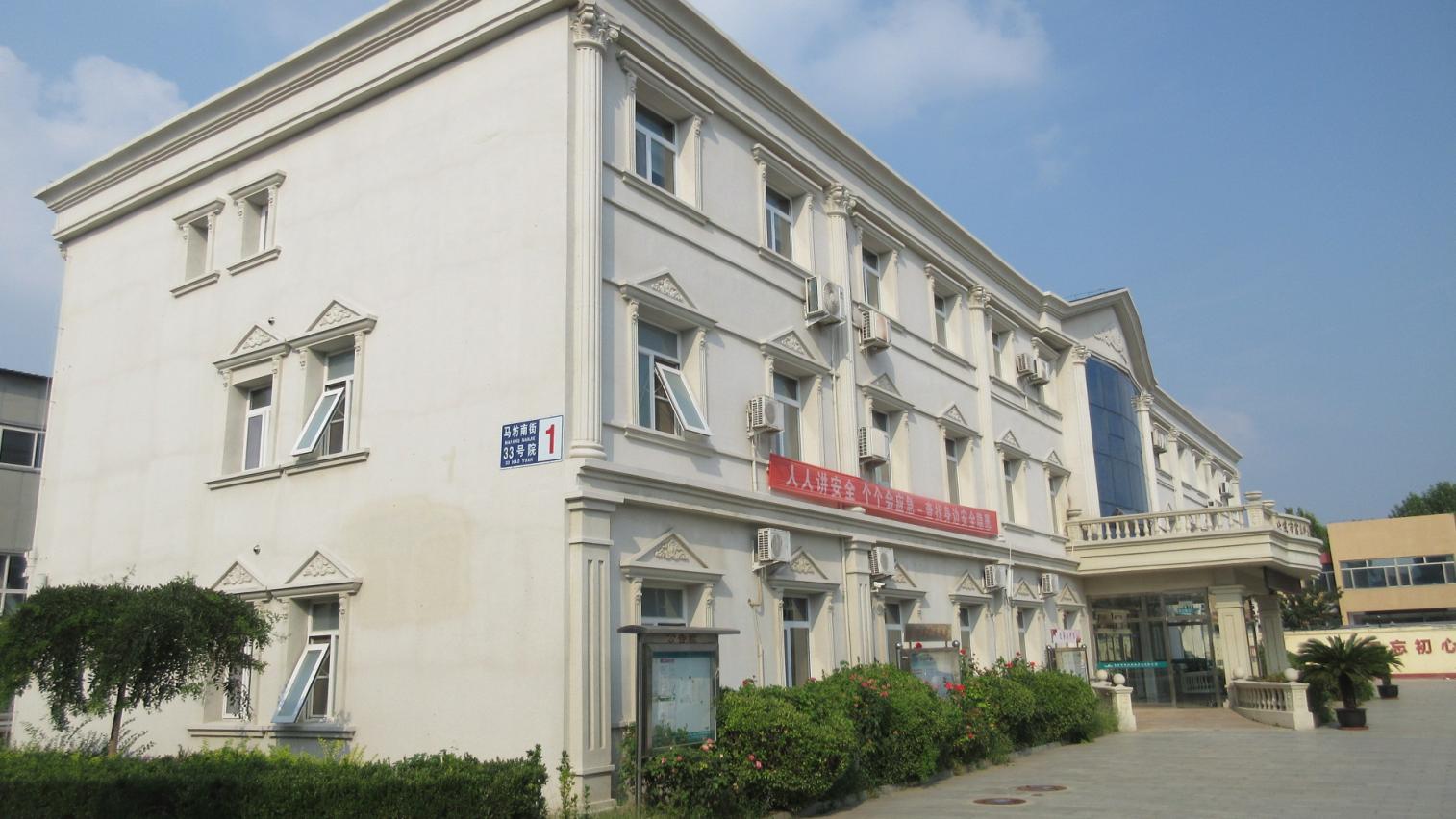
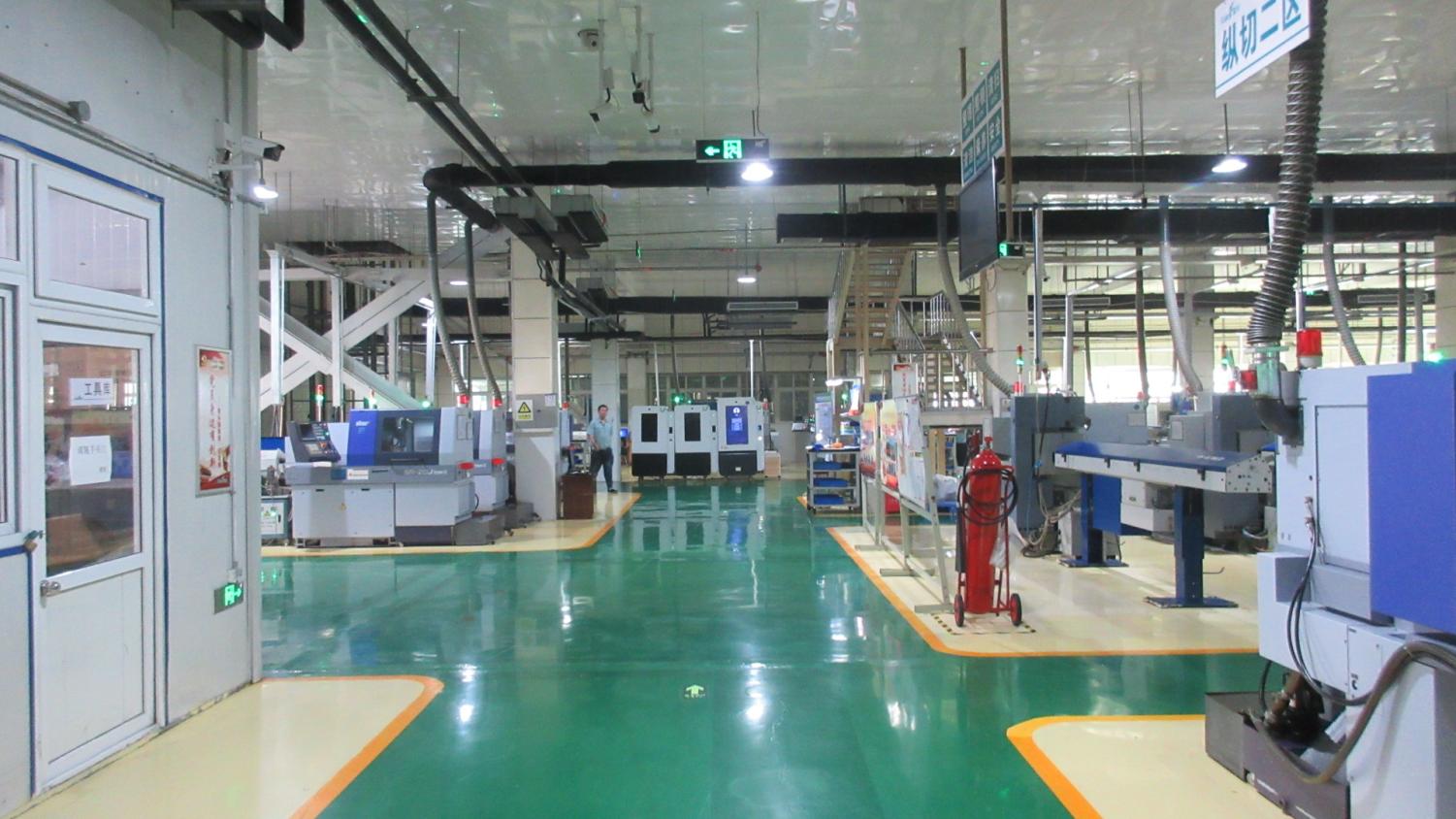
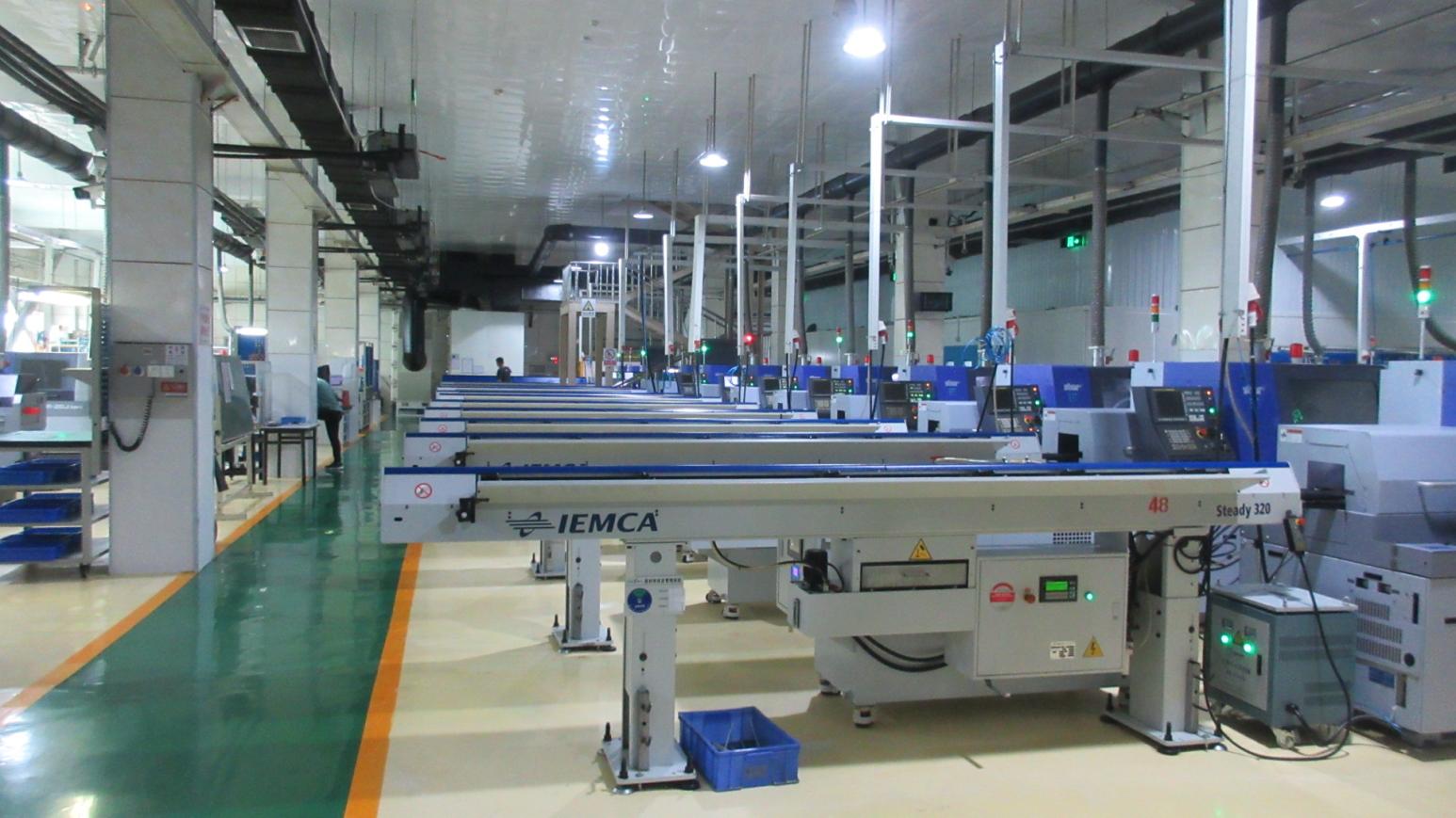
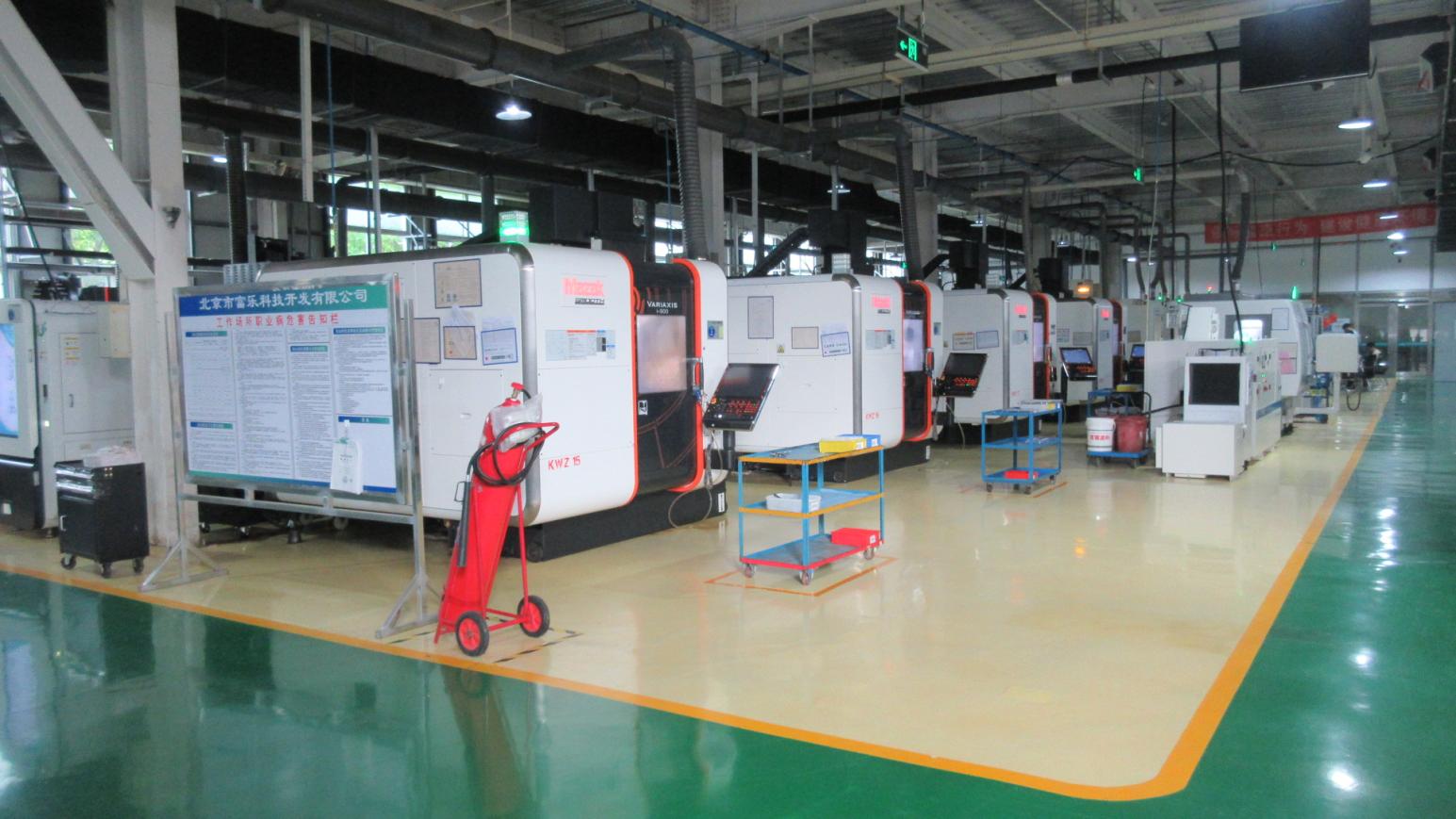
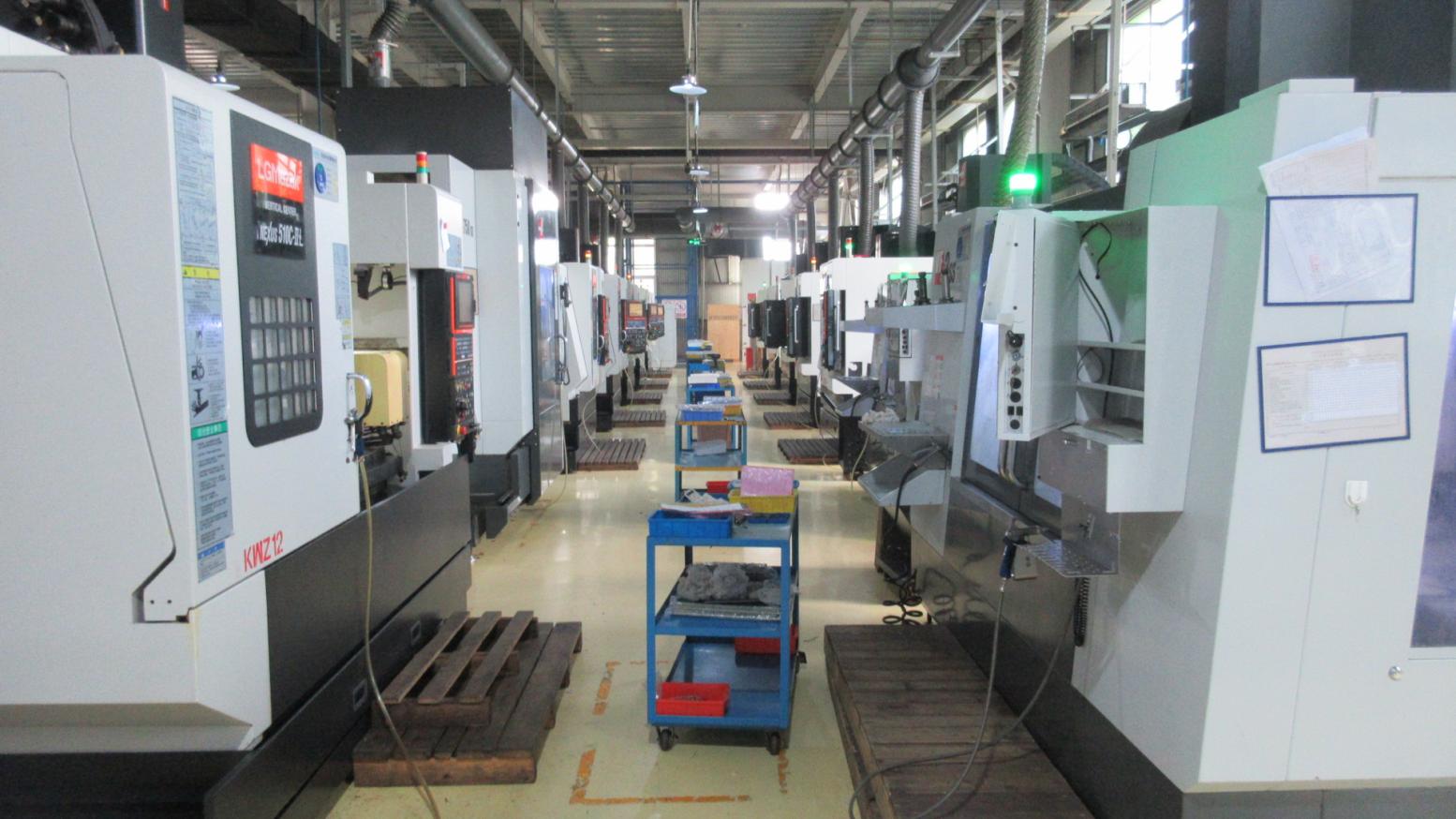
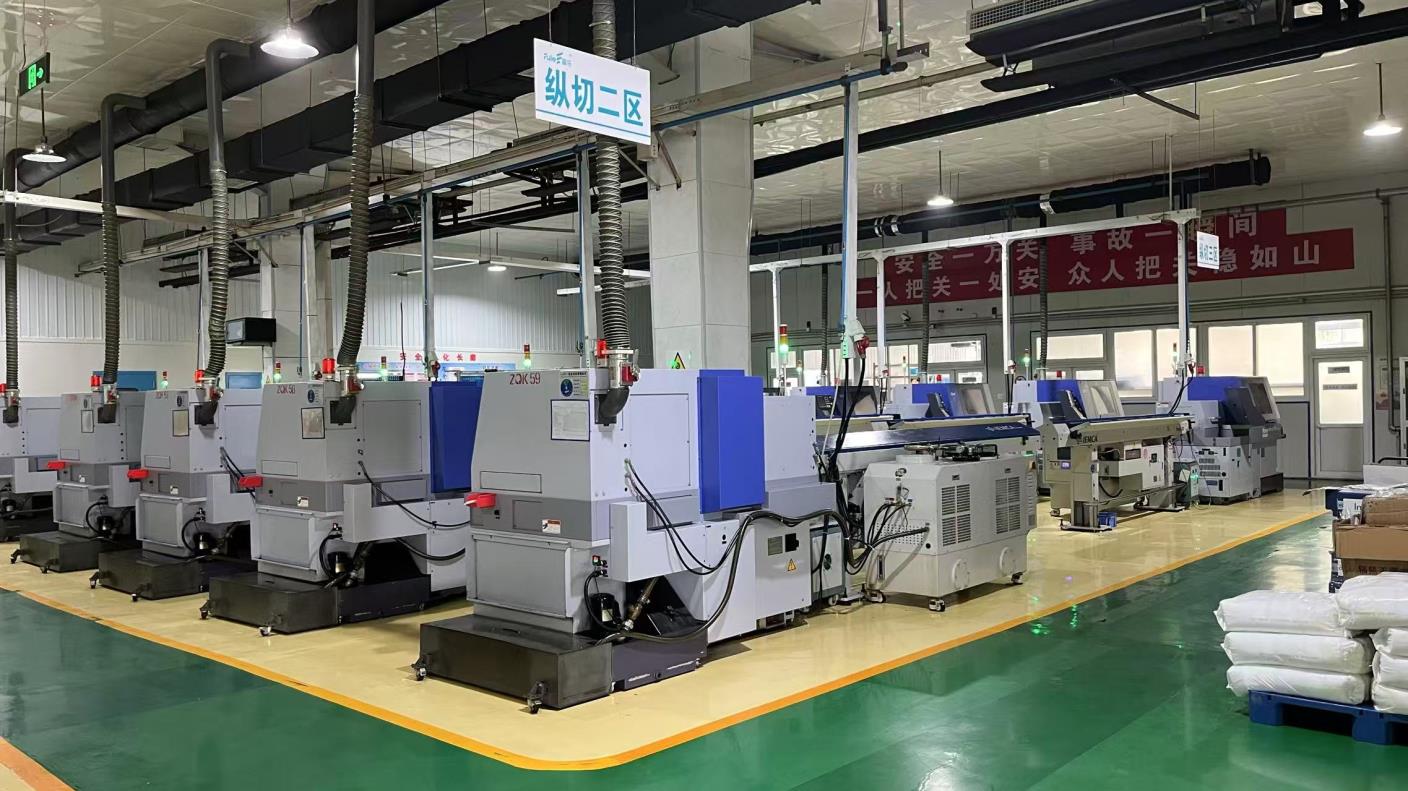
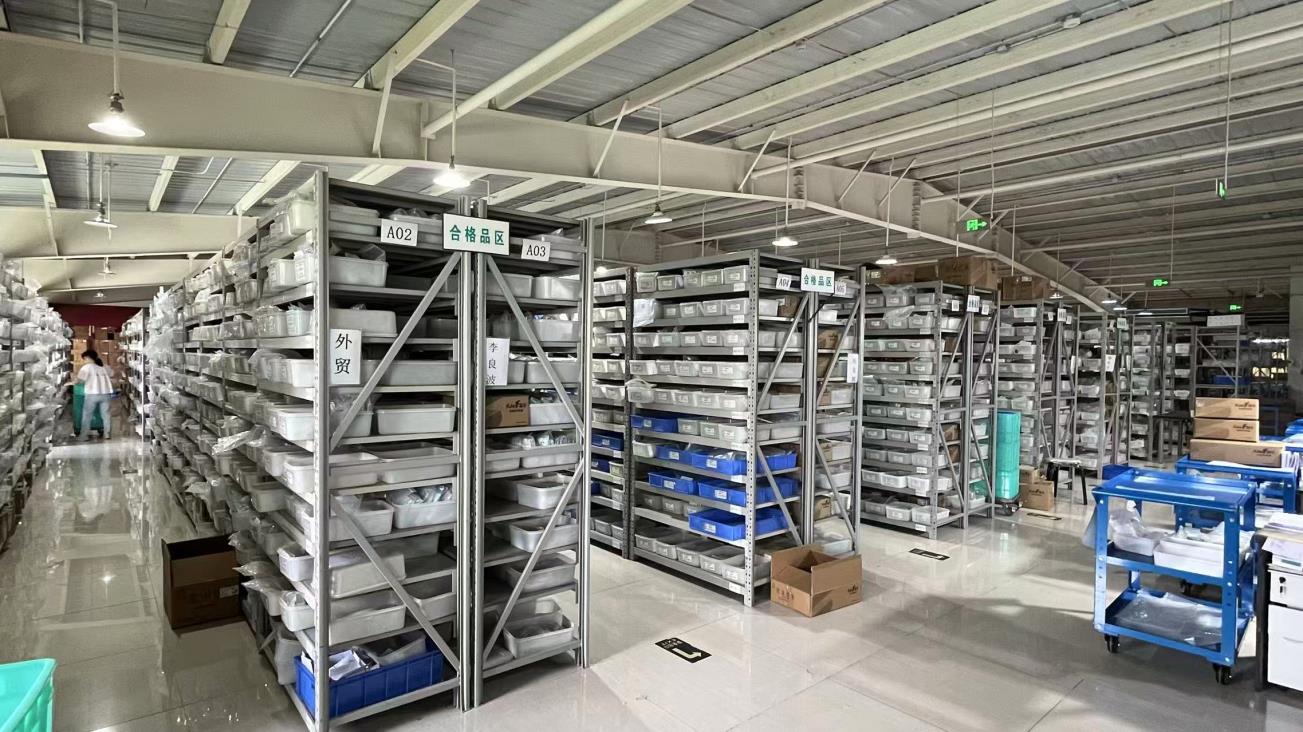
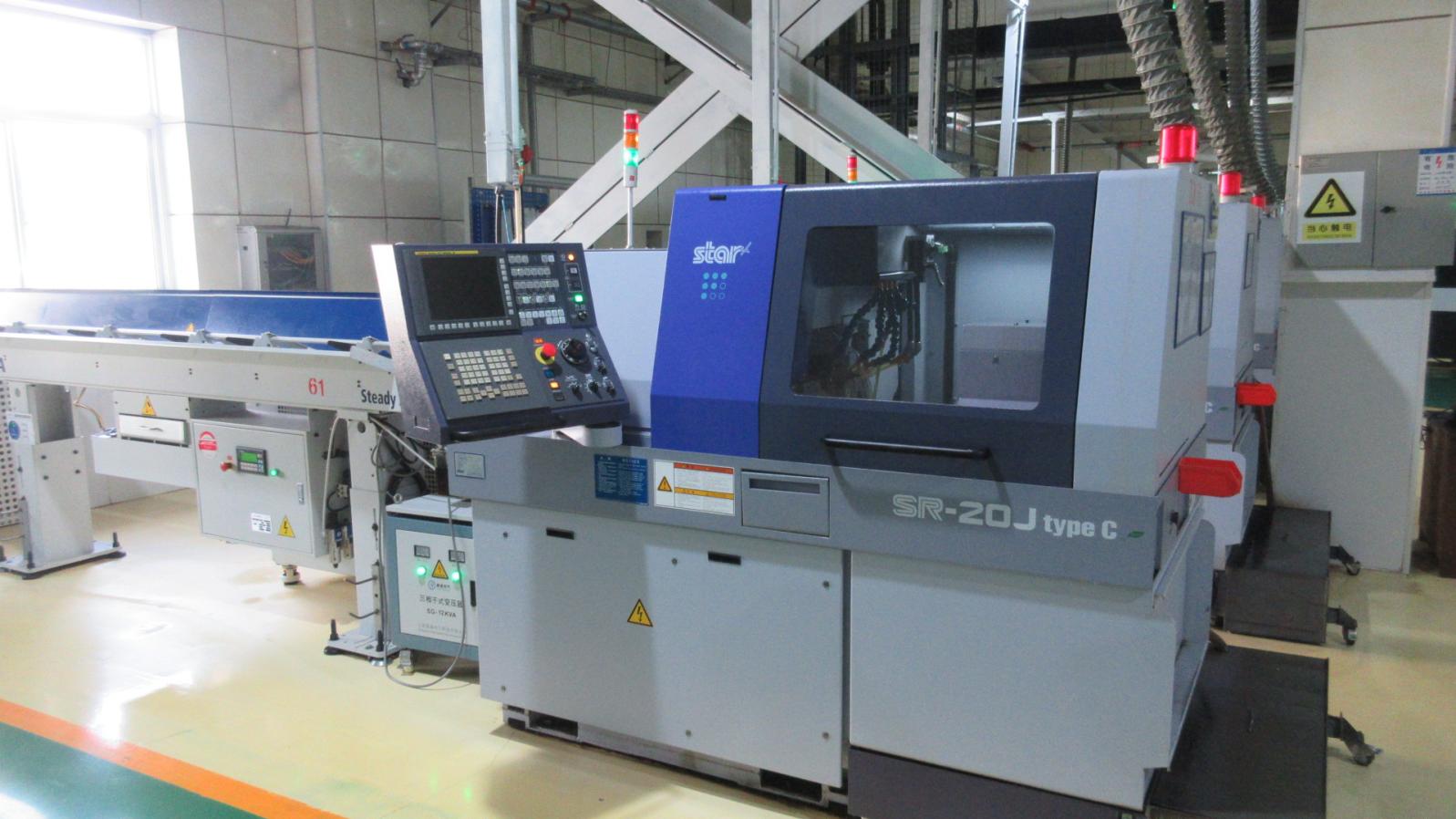
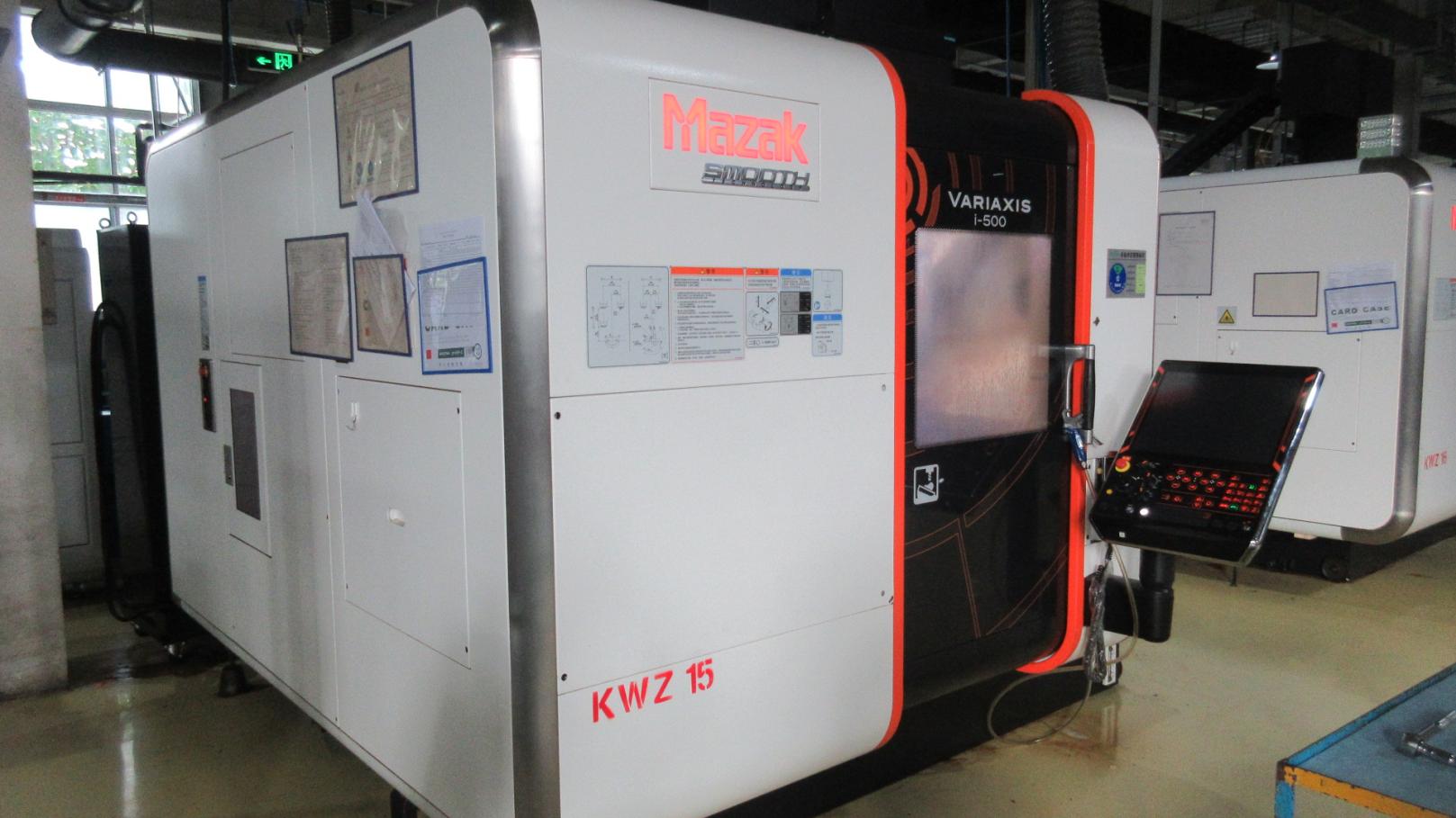
Operating a 10,000 square meter ISO 13485-certified facility, we maintain advanced production lines equipped with 102 precision machines, including Swiss-type CNC lathes and multi-axis milling centers. This enables an annual output capacity of over 511,000 units while keeping dimensions within micron-level tolerances.
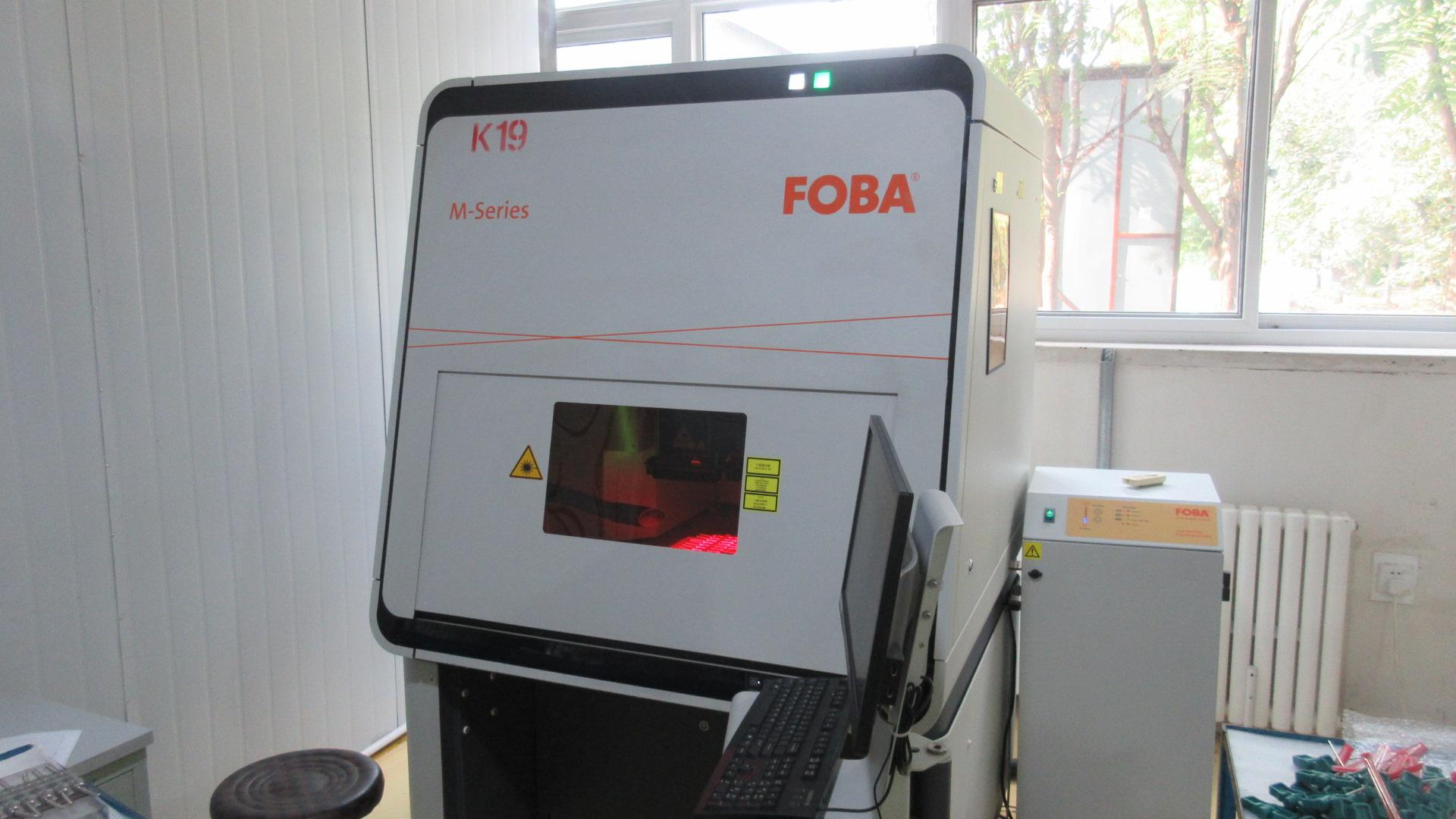
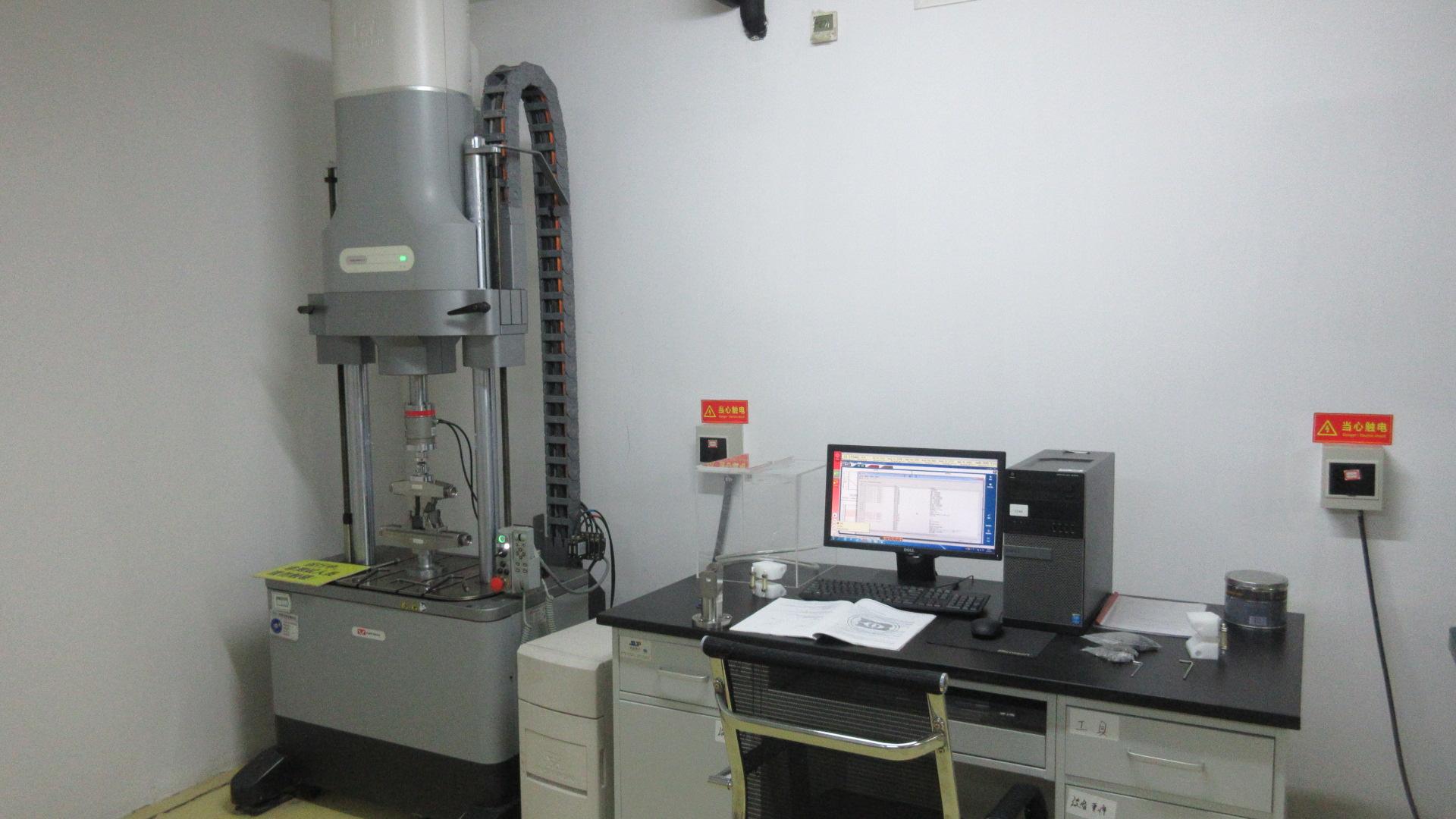
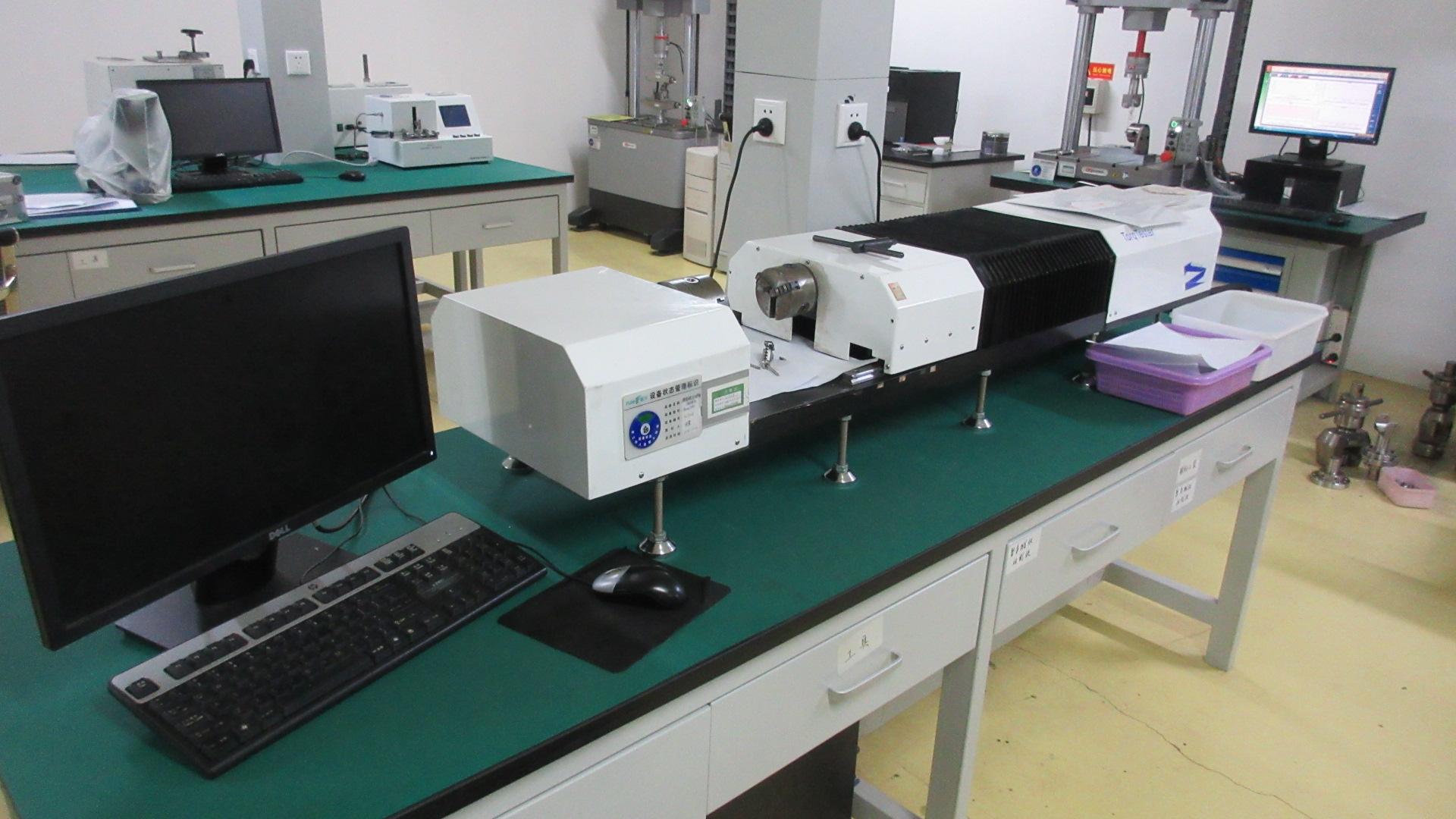
Our quality control protocol uses 15 dedicated QA/QC inspectors who monitor all production lines. Raw materials are 100% traceable, and all implants undergo automated optical measurements, coordinate measuring machine (CMM) dimensional checks, and rigorous fatigue testing. We ensure that every component shipped meets international medical standards.
Exporting orthopedic systems globally requires understanding regional regulatory requirements. We provide comprehensive documentation packages, including ISO 13485 certification, CE marking, and detailed material testing reports, to streamline regional registration and customs clearance.
Our supply chain supports diverse commercial requirements, offering OEM/ODM services such as custom dimensions, specialized surface finishes, and modified instrument sets. With 30 years of export experience, we manage logistics across diverse regions, ensuring reliable delivery to distributors in Eastern Europe, Southeast Asia, and beyond.
Full support for regional registrations with ISO 13485 and CE document packages.
Tailored design options including customized sizing, branding, and packaging configurations.
30 years of export experience ensures reliable international shipping and supply consistency.
The Miko II Posterior Spinal System is designed for a variety of clinical indications, including:
Looking ahead, our technology roadmap focuses on integrating the system with computer-assisted navigation and robotic guidance platforms. We are also researching bioactive surface coatings, such as hydroxyapatite and porous titanium textures, to promote faster osseointegration at the bone-screw interface.
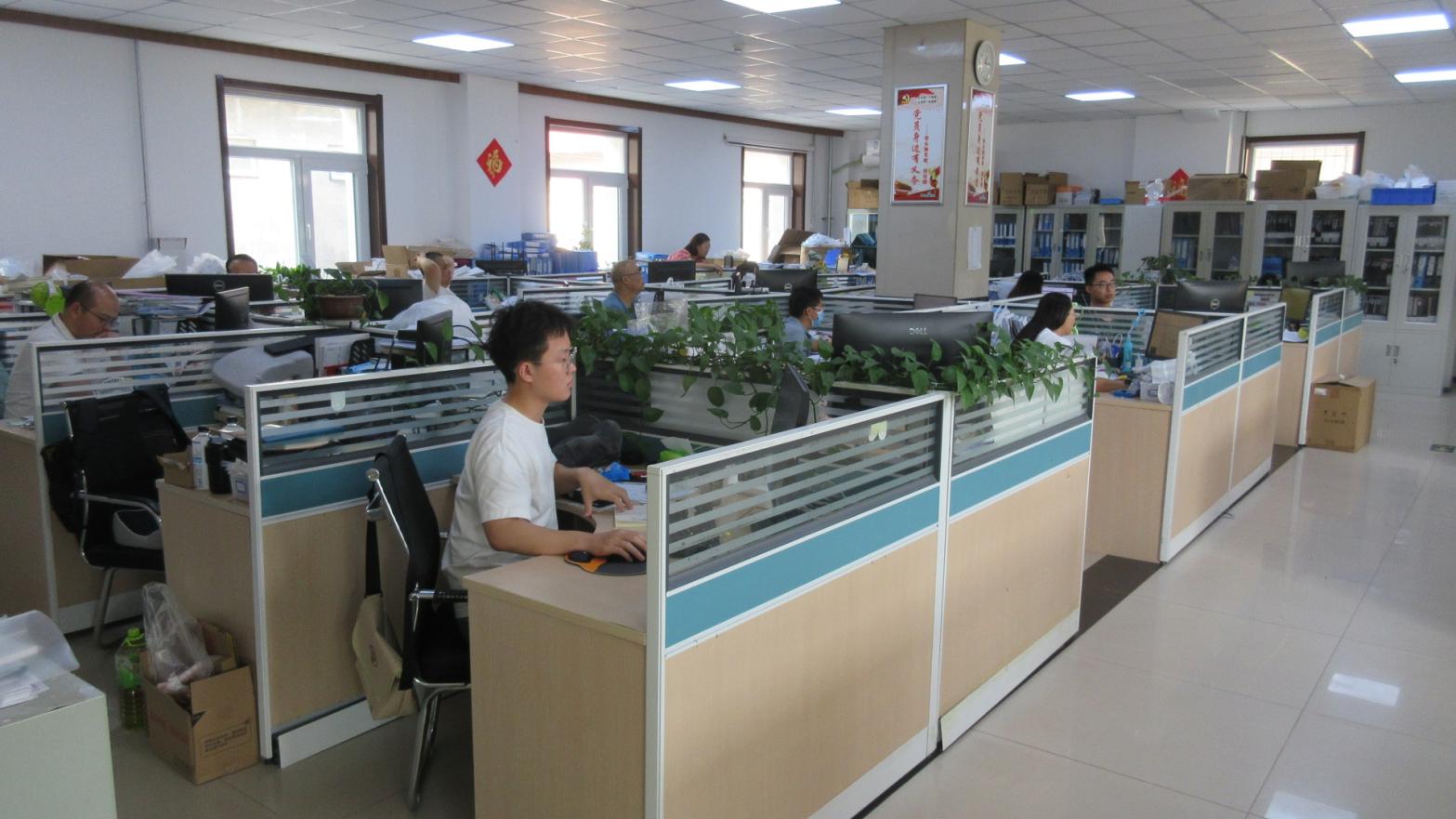
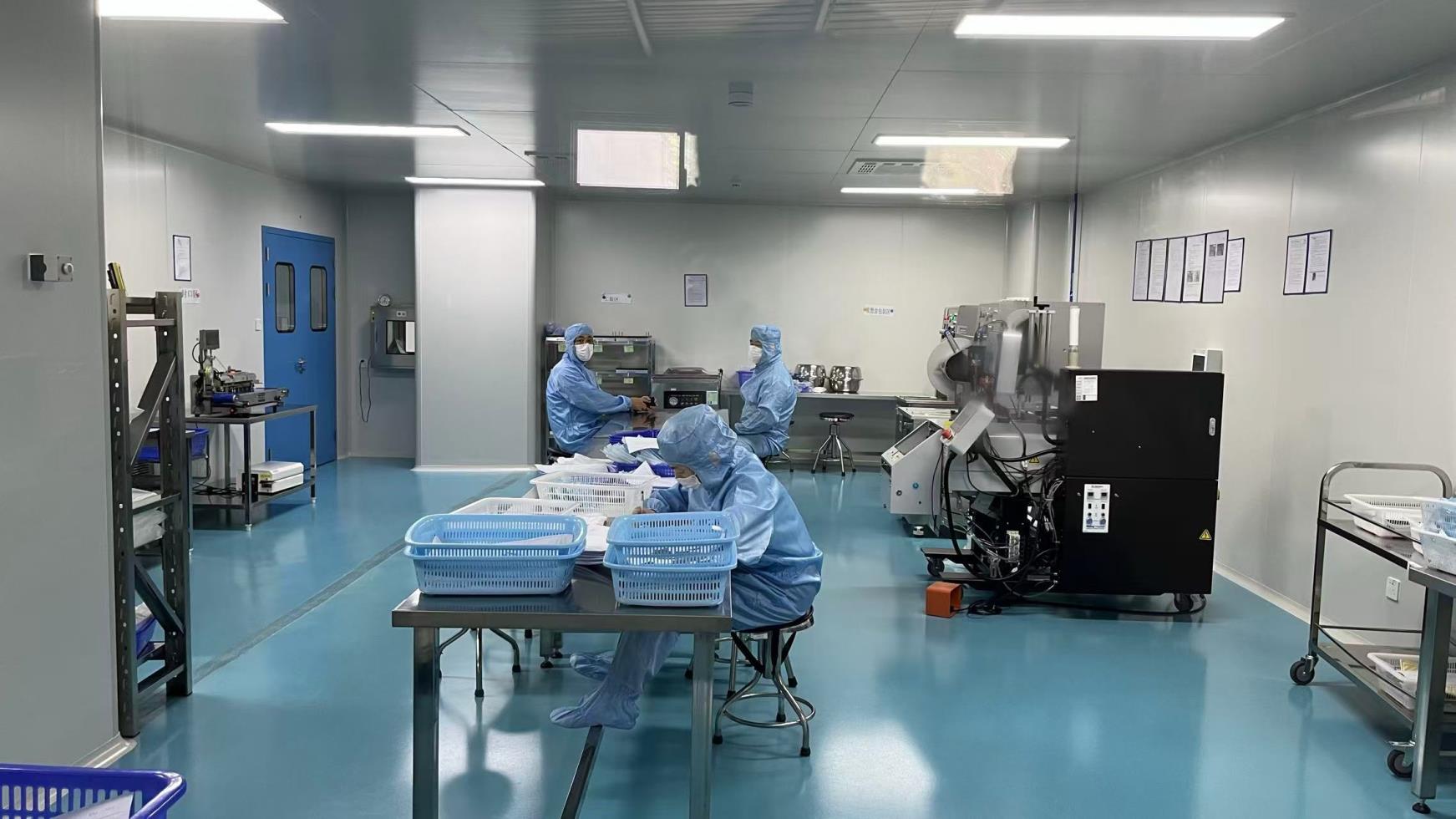
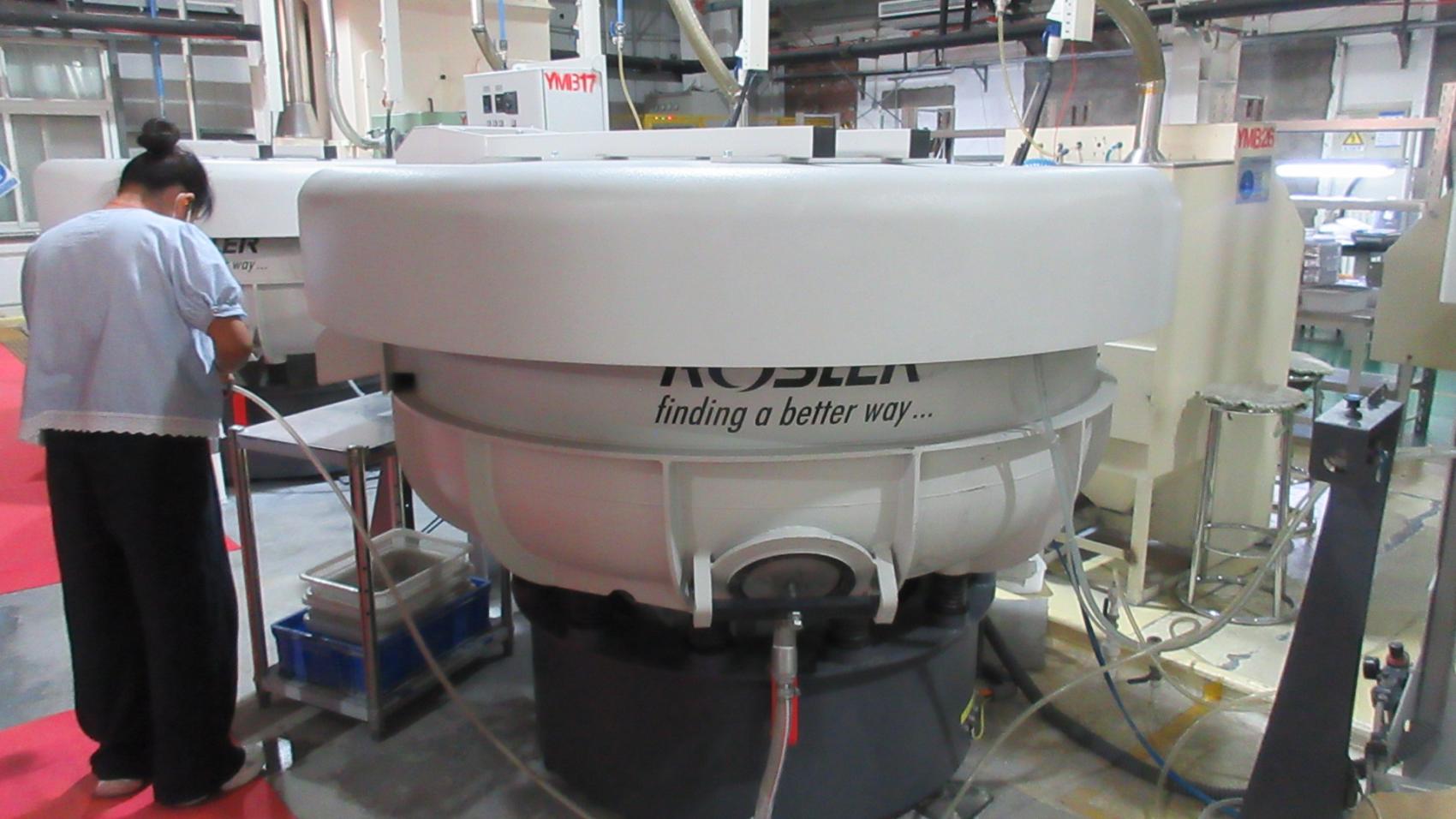
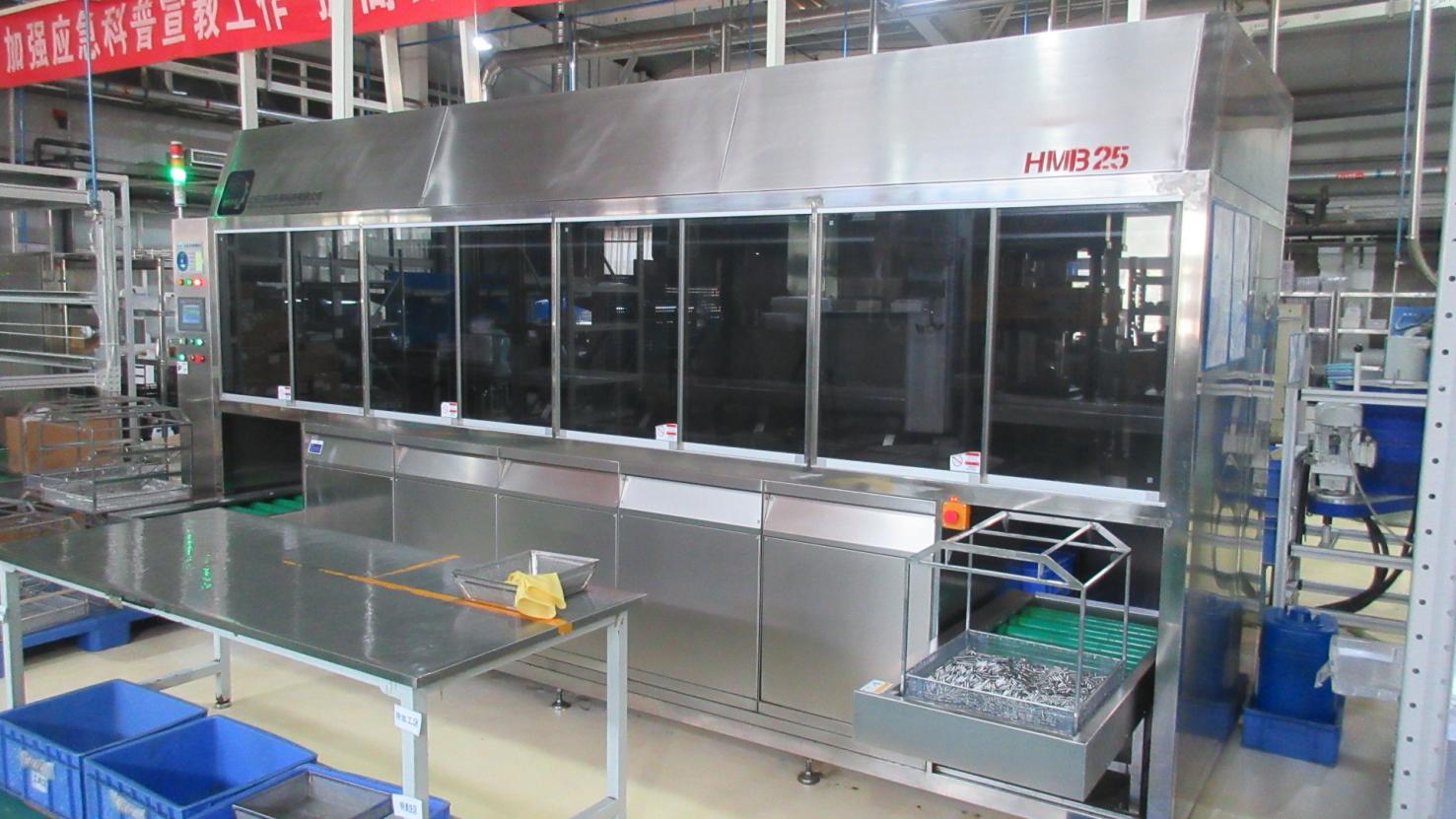
A look at our design blueprints, machining processes, cleanroom operations, and final mechanical inspections.
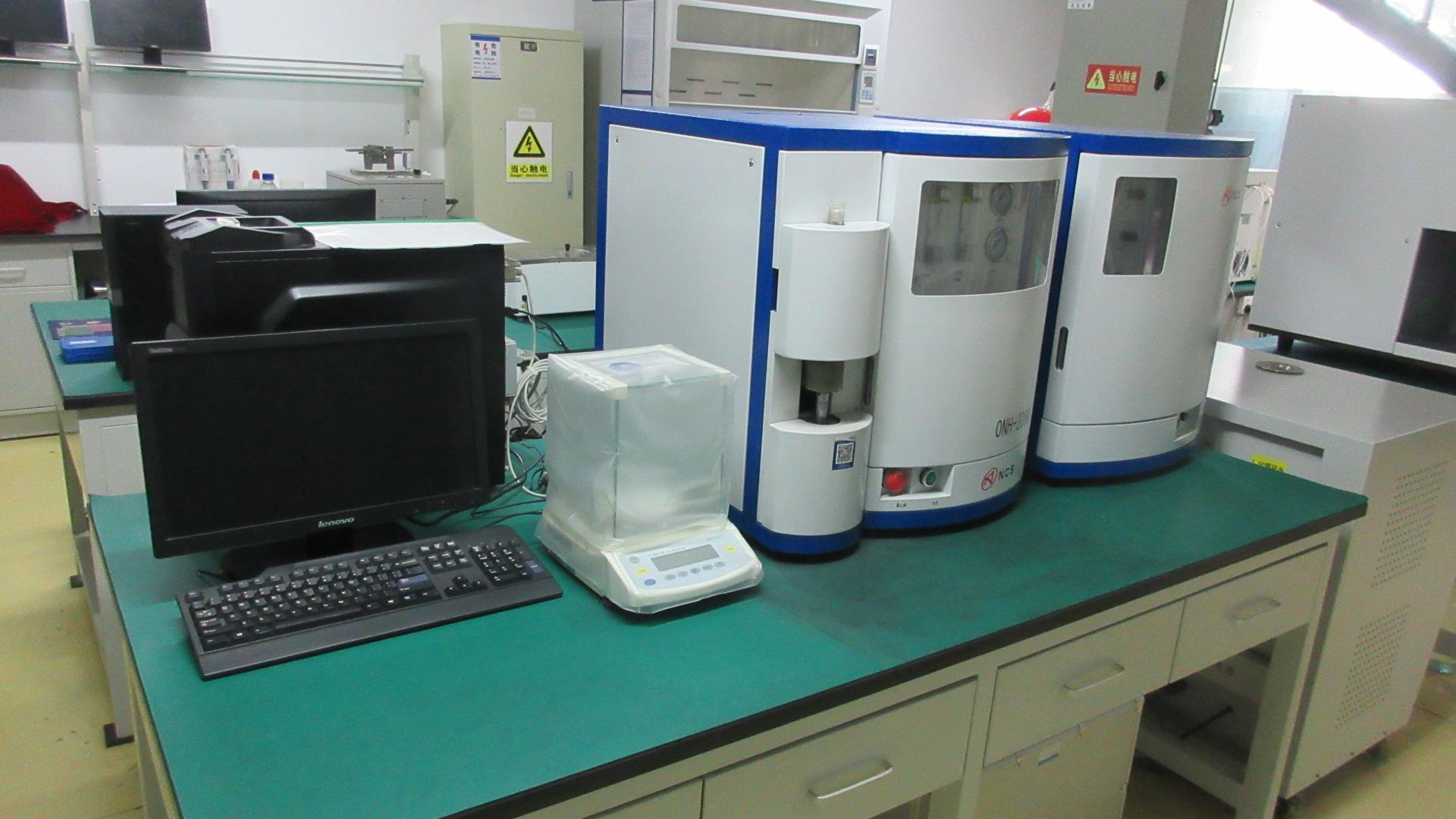
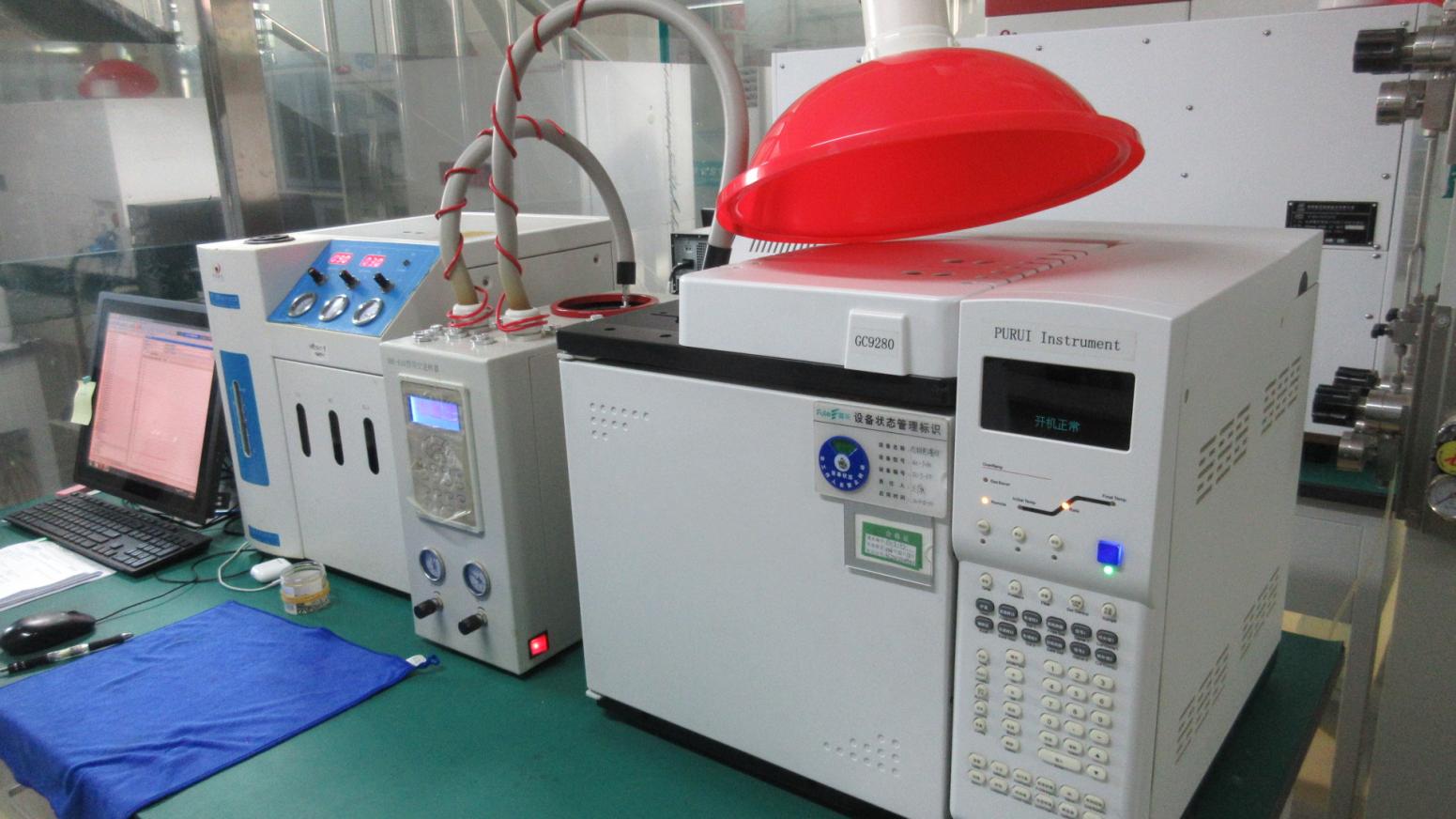
Answers to common technical, logistics, and quality assurance questions for buyers and distributors.
We use Ti-6Al-4V ELI (Grade 23) conformant to ASTM F136 specifications. This alloy provides excellent biocompatibility and high fatigue resistance. It is designed to withstand typical physiological loads without premature failure during spinal fusion.
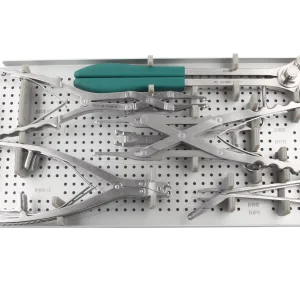
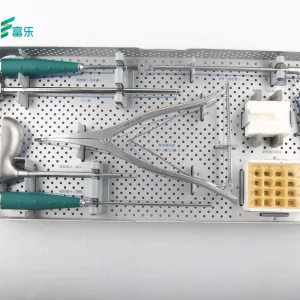
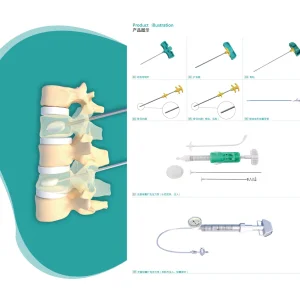
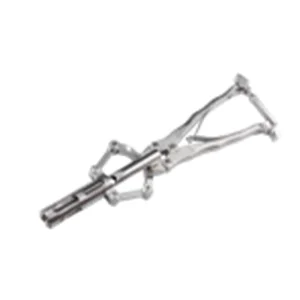
Yes, the Miko II system is designed to support minimally invasive pathways. The system features low-profile tulip heads, specialized tissue retractors, and target sleeves to minimize tissue disruption during percutaneous screw placement.
Our manufacturing processes are certified to ISO 13485. Our products undergo a 100% inspection protocol, and we provide material traceability documentation, compliance certificates, and CE documentation to support regional registrations.
Lead times depend on the order volume and customization requirements. Standard inventory items typically ship within 14–30 business days. MOQ requirements vary by product category and region; please contact our export team for details.
Yes, we provide customization options, including custom sizing, alternative surface finishes, custom labeling, and tailored instrumentation configurations, to meet local clinical preferences and regulatory requirements.
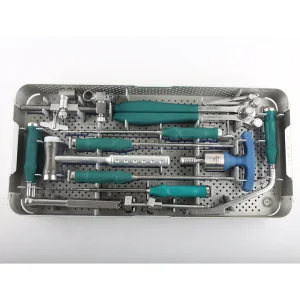
Implants can be supplied in either sterile or non-sterile packaging, depending on distributor and regulatory requirements. Non-sterile implants are packaged to withstand standard hospital sterilization protocols.
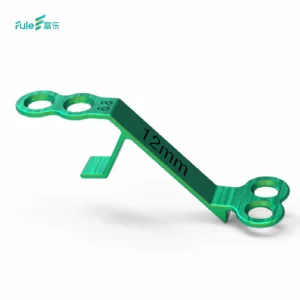
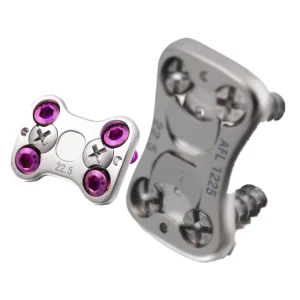
Explore our range of spinal fixation plates, interbody cages, pedicle screw configurations, and specialized instrumentation sets.
 Beren Science & Technology