Premium class trauma osteosynthesis plates, spinal fusion systems, and minimally invasive clinical solutions.
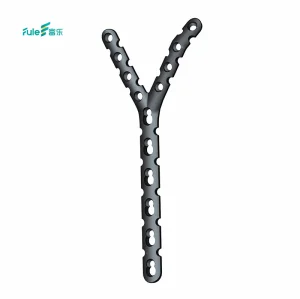
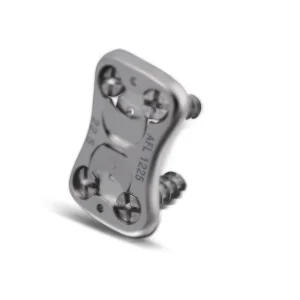
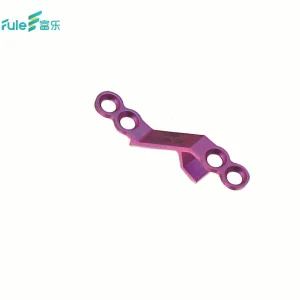
Internal fixation of humeral fractures has undergone a significant paradigm shift over the past three decades. From early dynamic compression plates (DCP) to the contemporary anatomically pre-contoured locking plate systems, clinical focus has migrated from rigid stability at the cost of biology towards biological osteosynthesis. Locking plate technology stands out as a milestone in orthopedic surgery, particularly in managing complex articular injuries of the proximal and distal humerus, as well as osteoporotic bone structures.
As a global exporter of medical implants, we recognize that the biological mechanics of a locking plate function as an external fixator but under the soft tissues. By threading the locking screws directly into the plate, the screw-plate interface becomes a fixed-angle construct. This eliminates the necessity of plate-to-bone compression, thereby preserving the periosteal microcirculation, which is vital for bone healing and reducing non-union rates.
In conventional plating systems, stability relies entirely on the friction between the plate and the bone surface, which is generated by screw tightening. Under physiological loading, especially torsional stresses on the humerus, these systems are highly prone to screw loosening, backing out, and primary loss of reduction. In contrast, the Humeral Locking Plate System provides angular stability through the mechanical interlocking of the screw head with the plate's internal thread. This configuration allows the system to resist axial and rotational displacement forces without relying on bone quality, making it the gold standard for metaphyseal and intra-articular reconstructions.
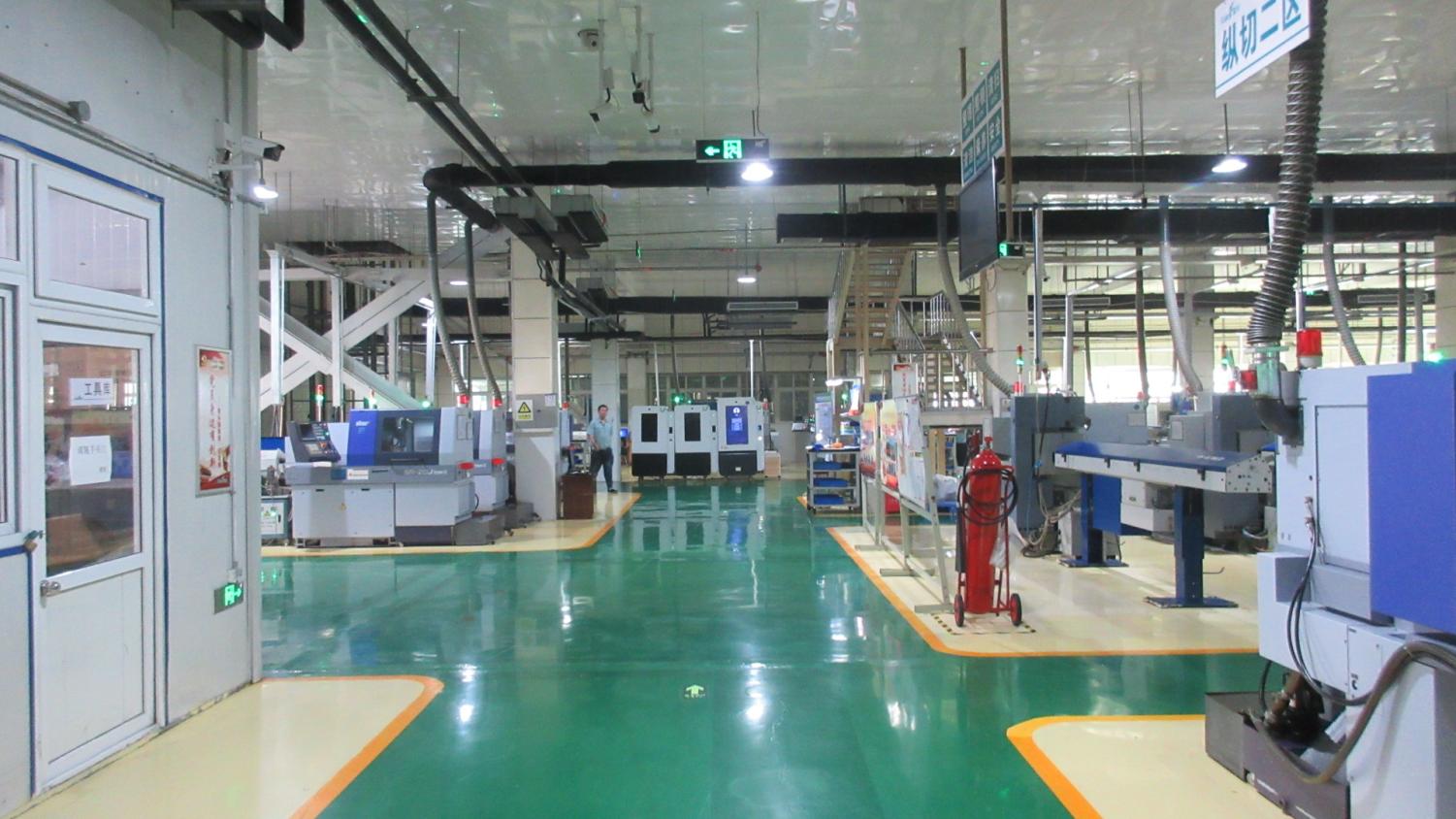
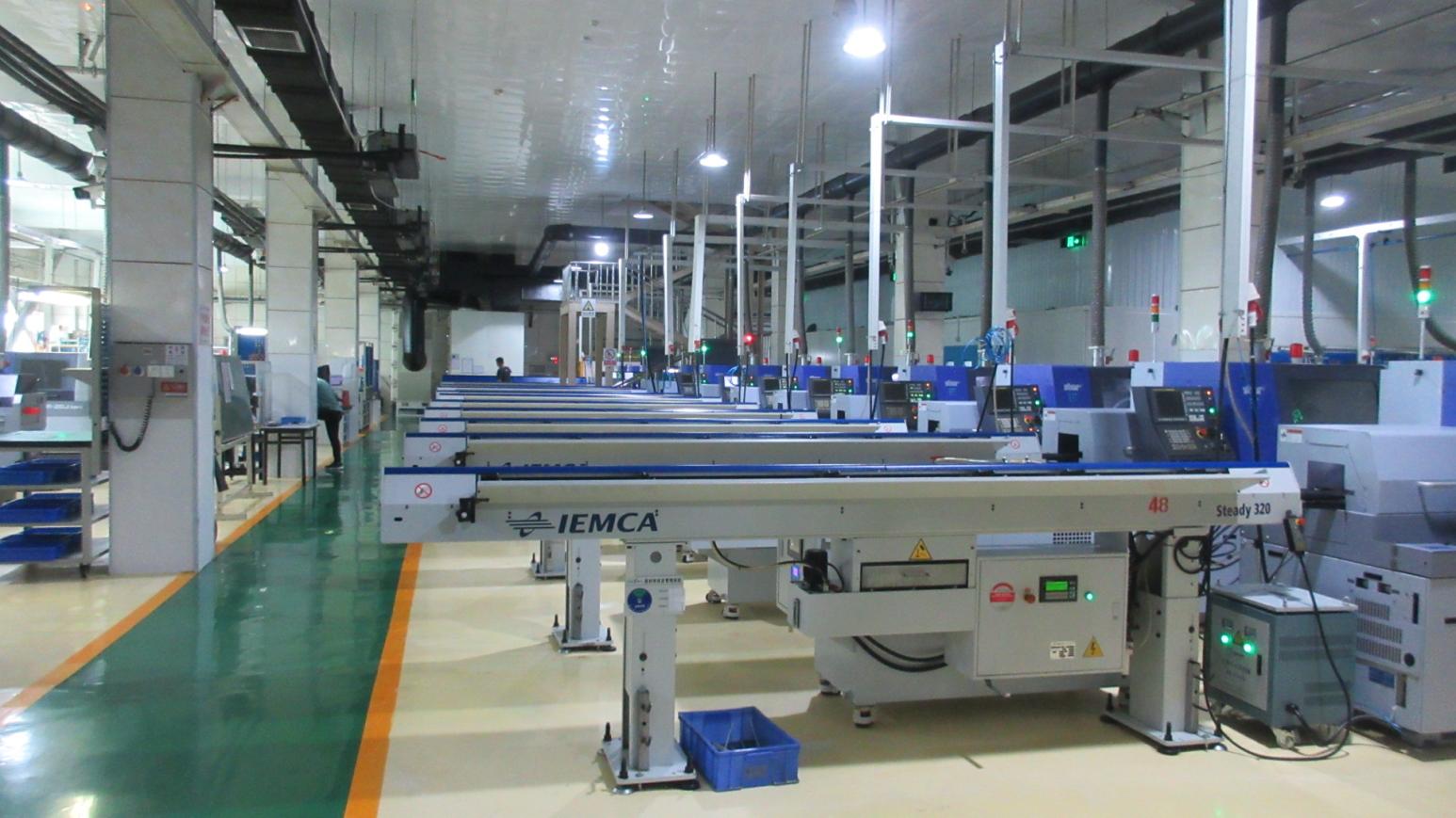
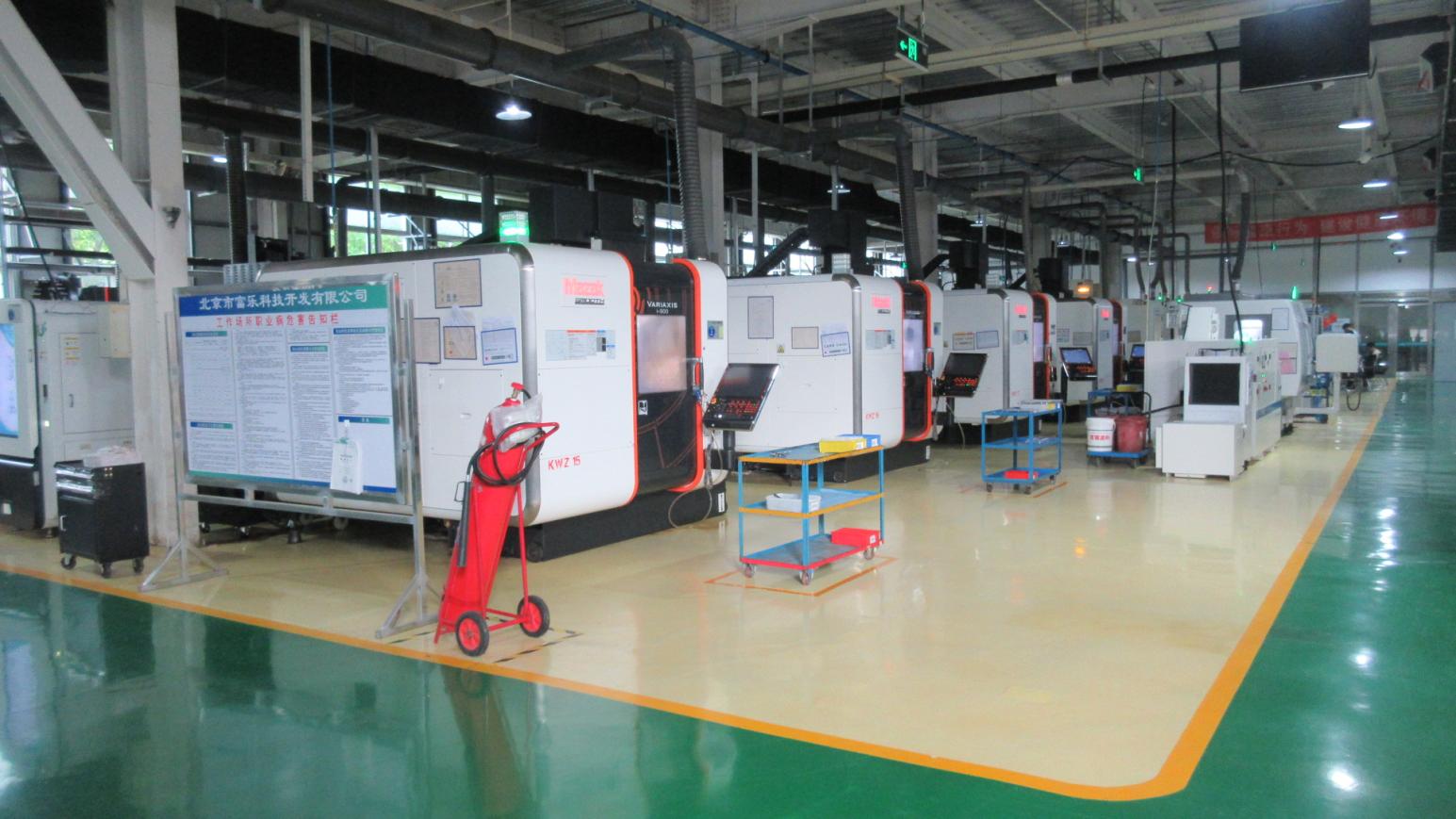
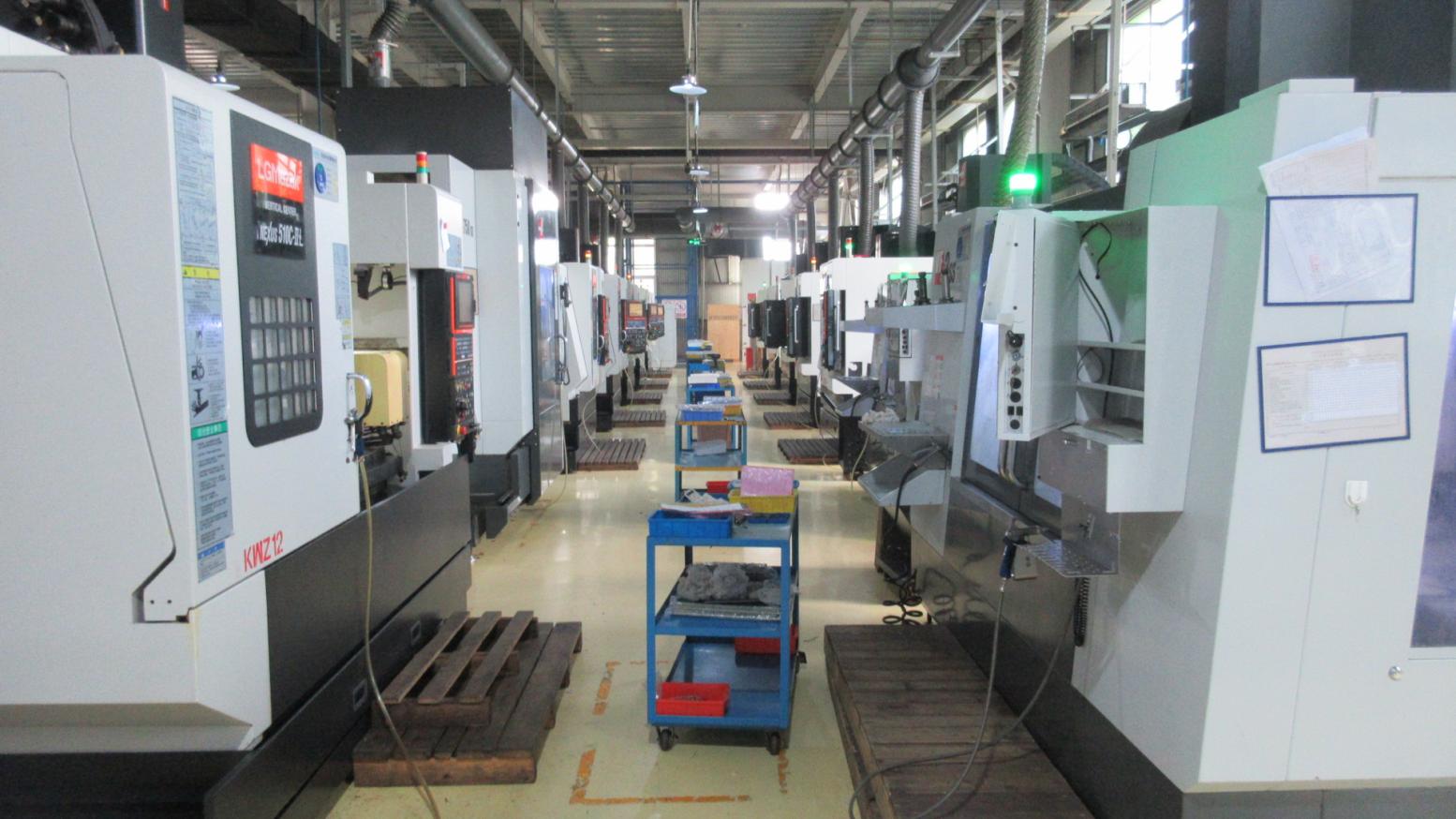
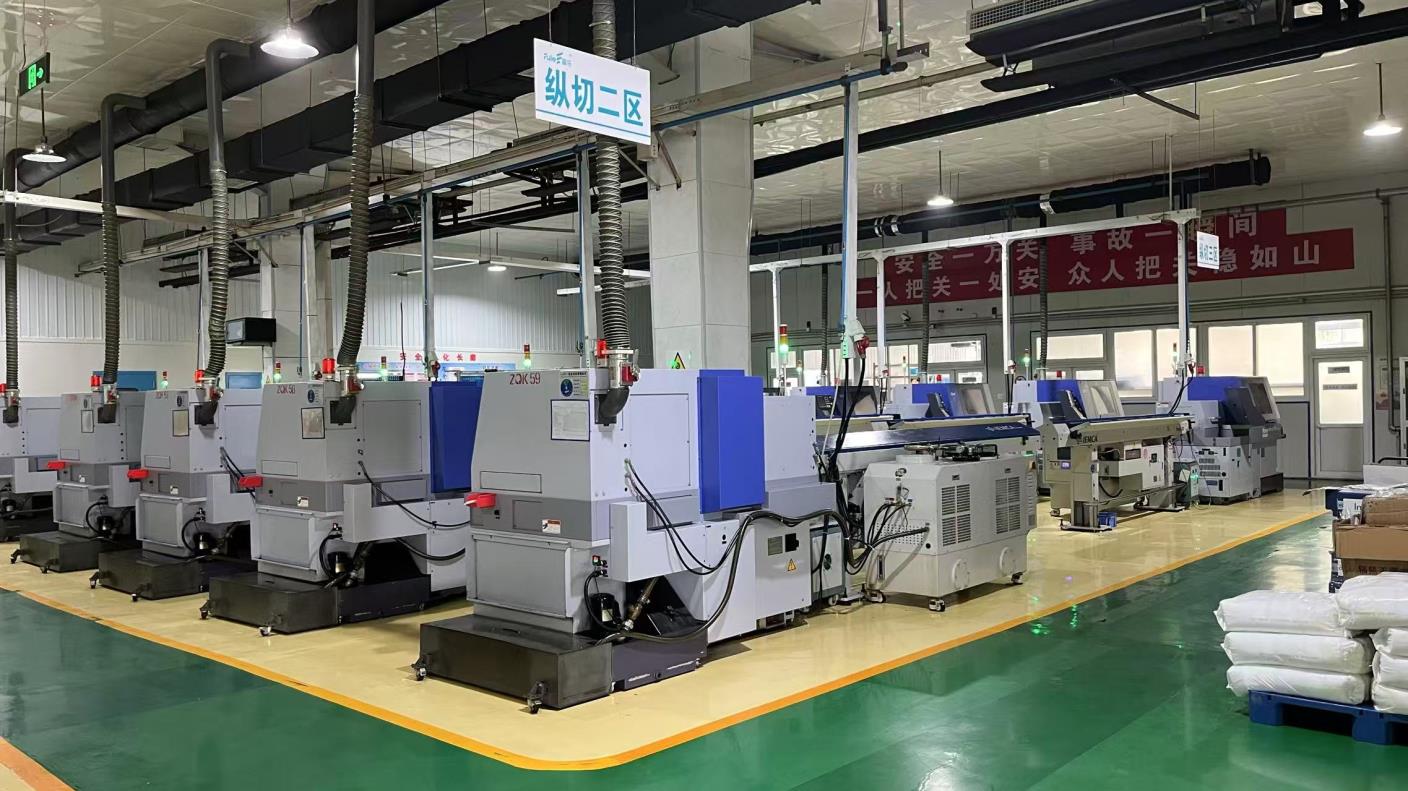
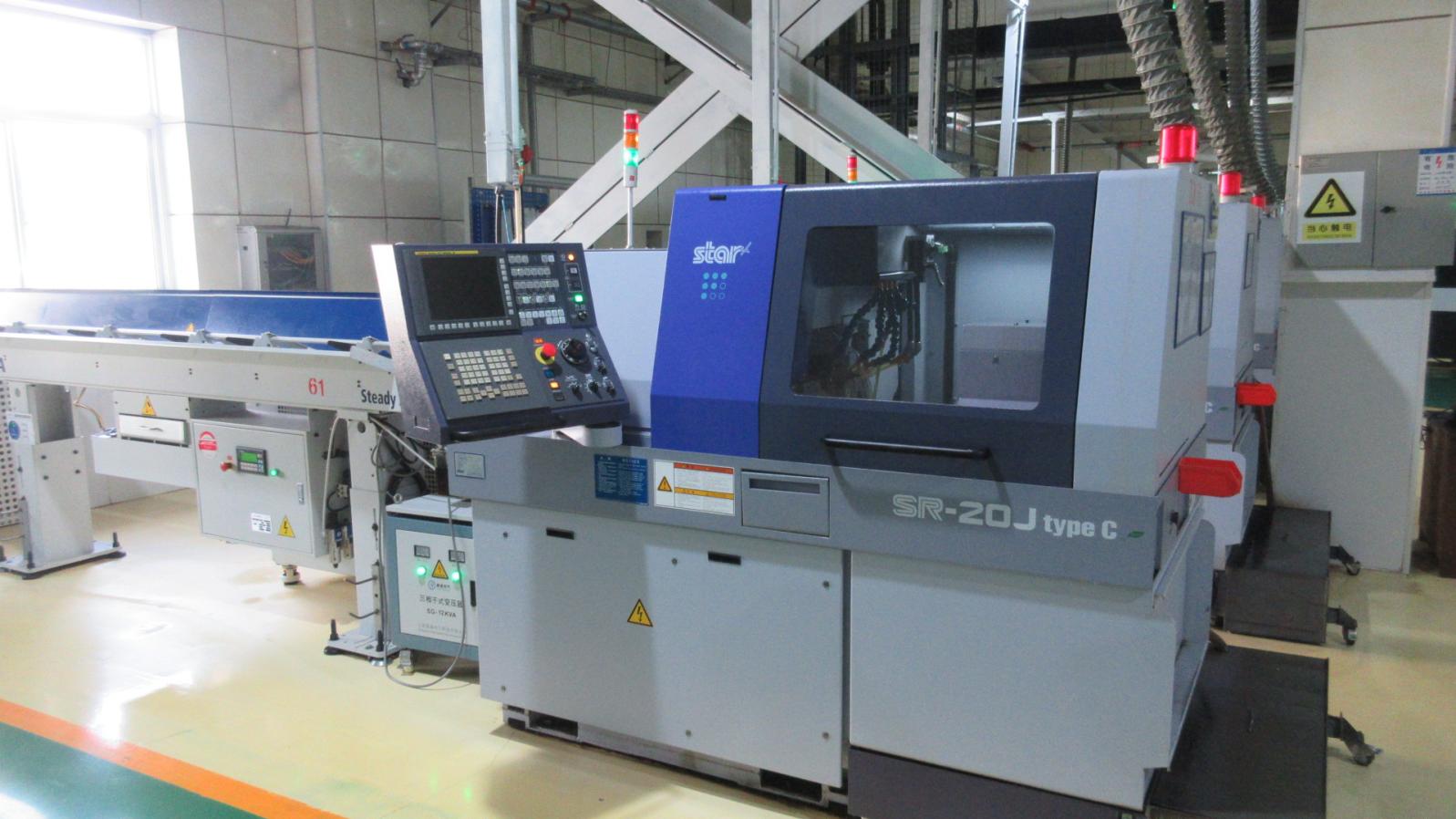
China has transformed from a high-volume manufacturer into a global leader in high-precision, medical-grade orthopedic innovations. As a trusted exporter operating out of our state-of-the-art 10,000 square meter facility, we combine decades of metallurgy experience with advanced automated production pipelines to offer global distributors uncompromised quality.
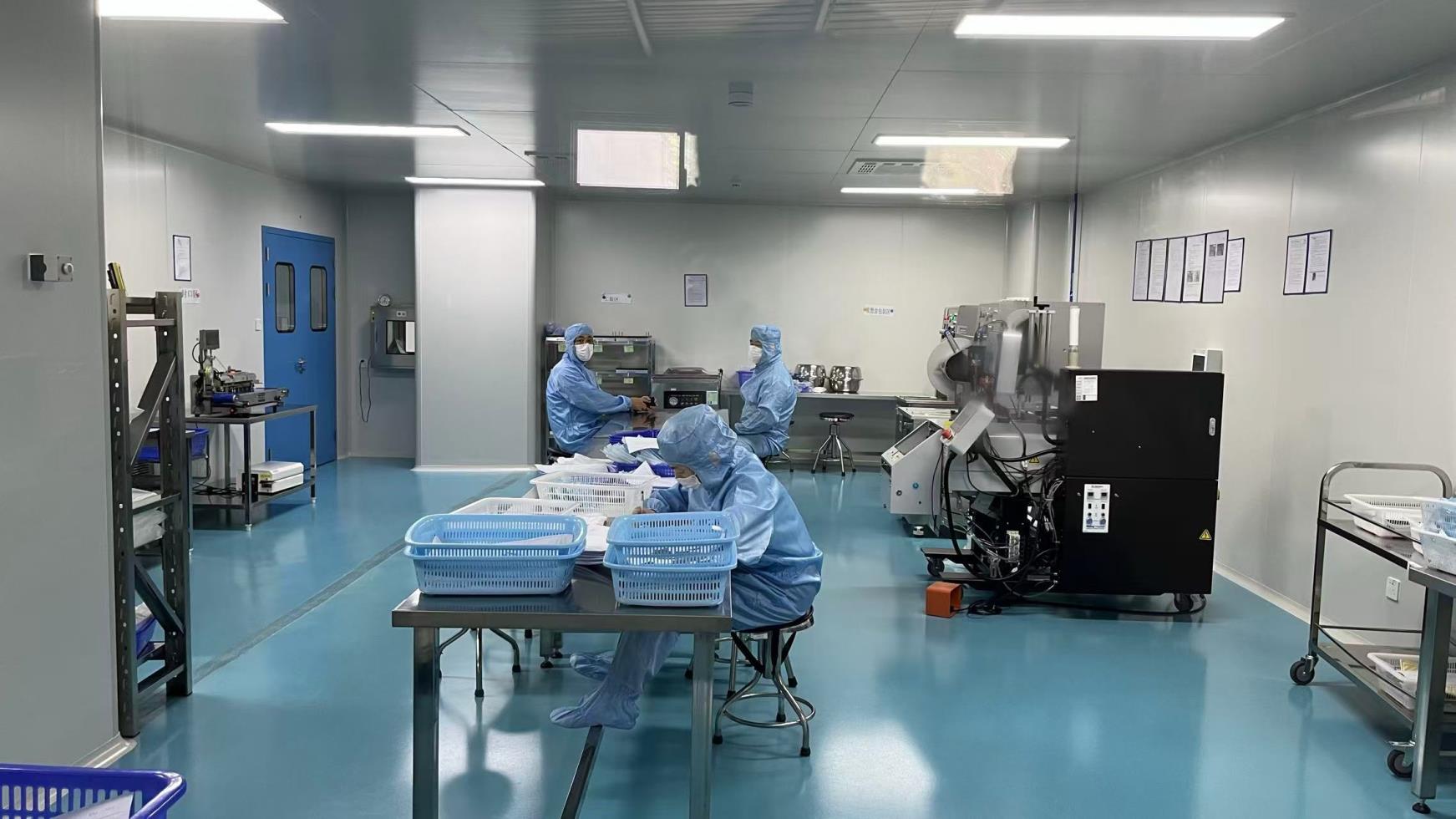
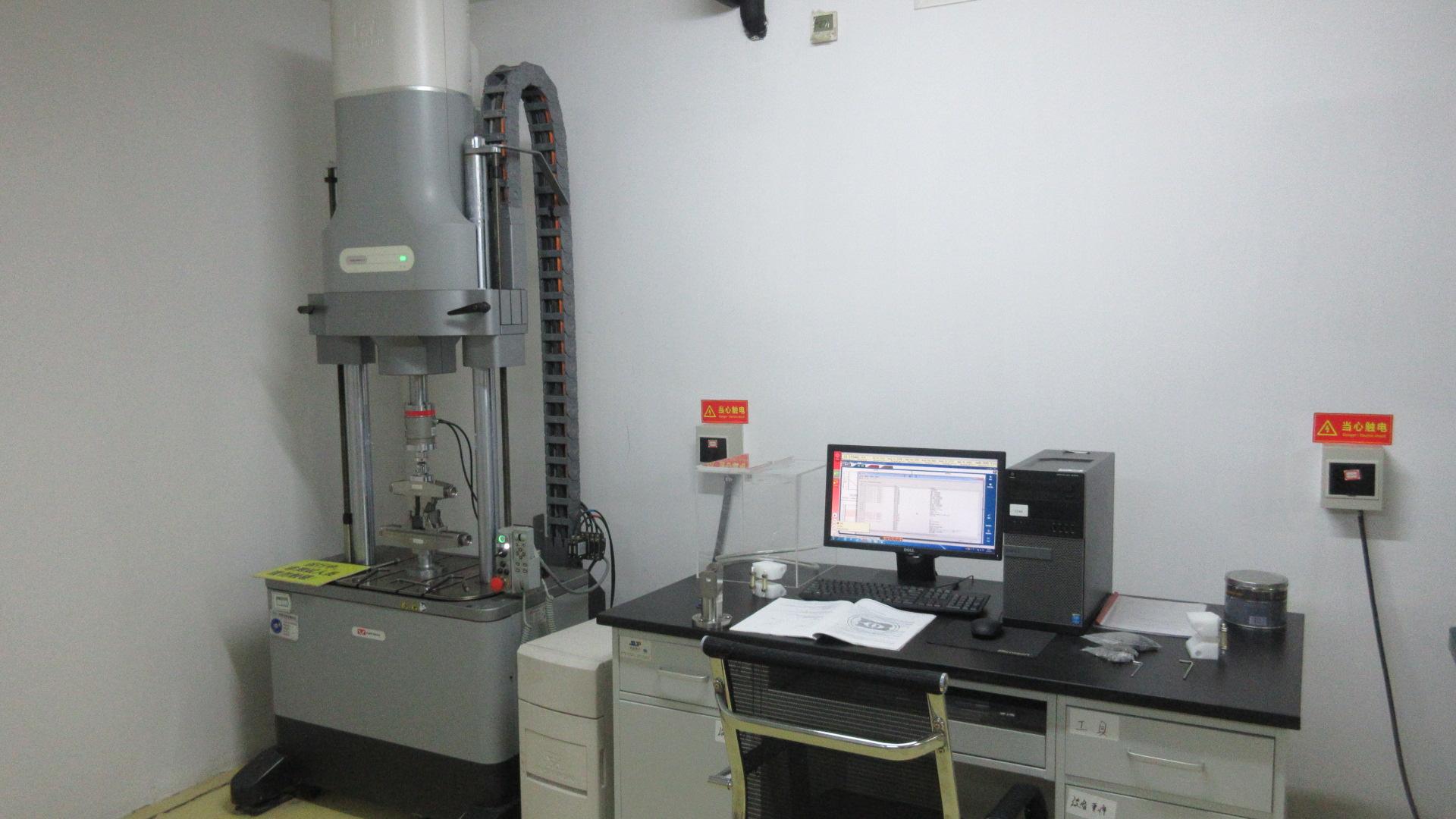
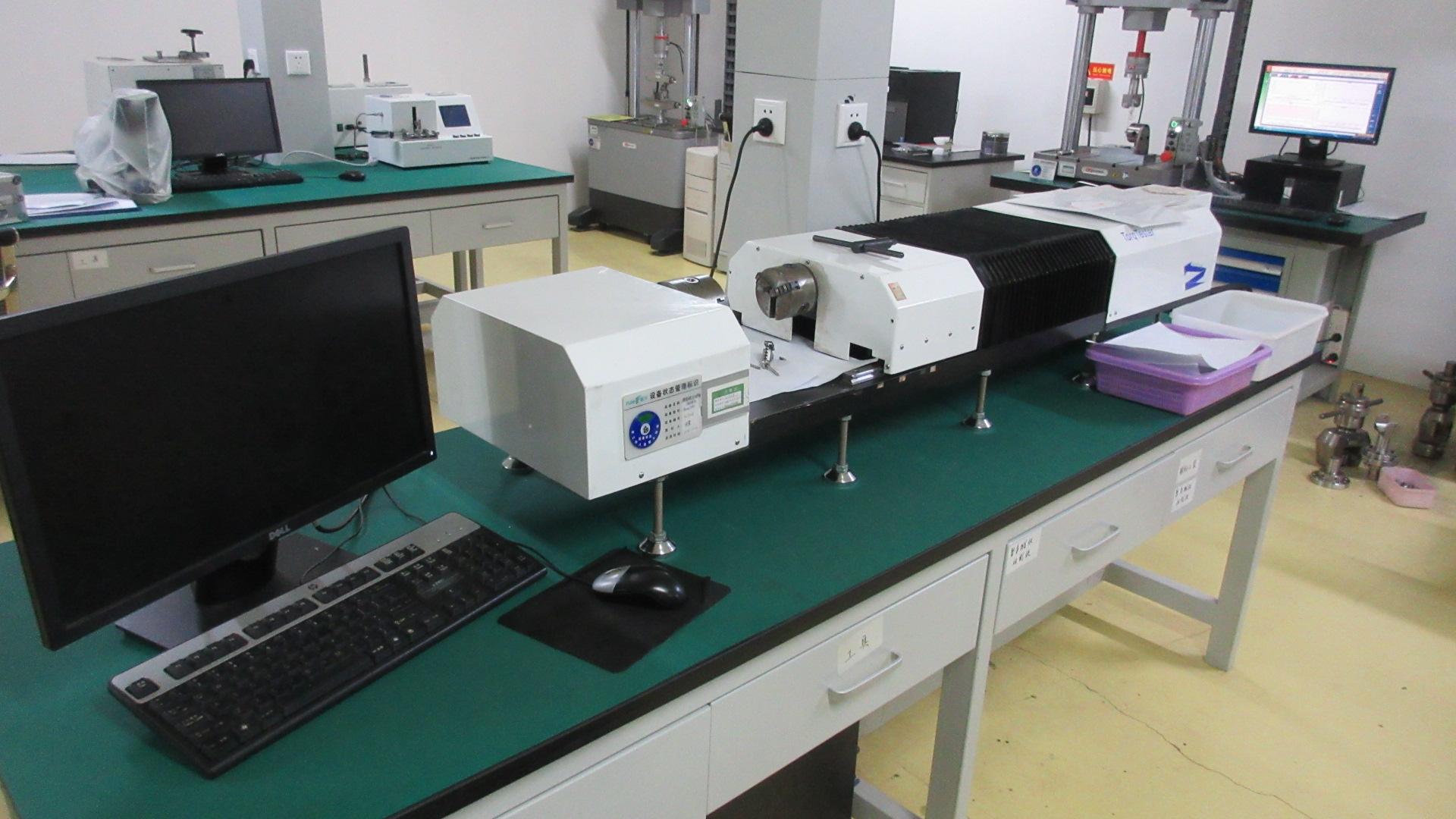
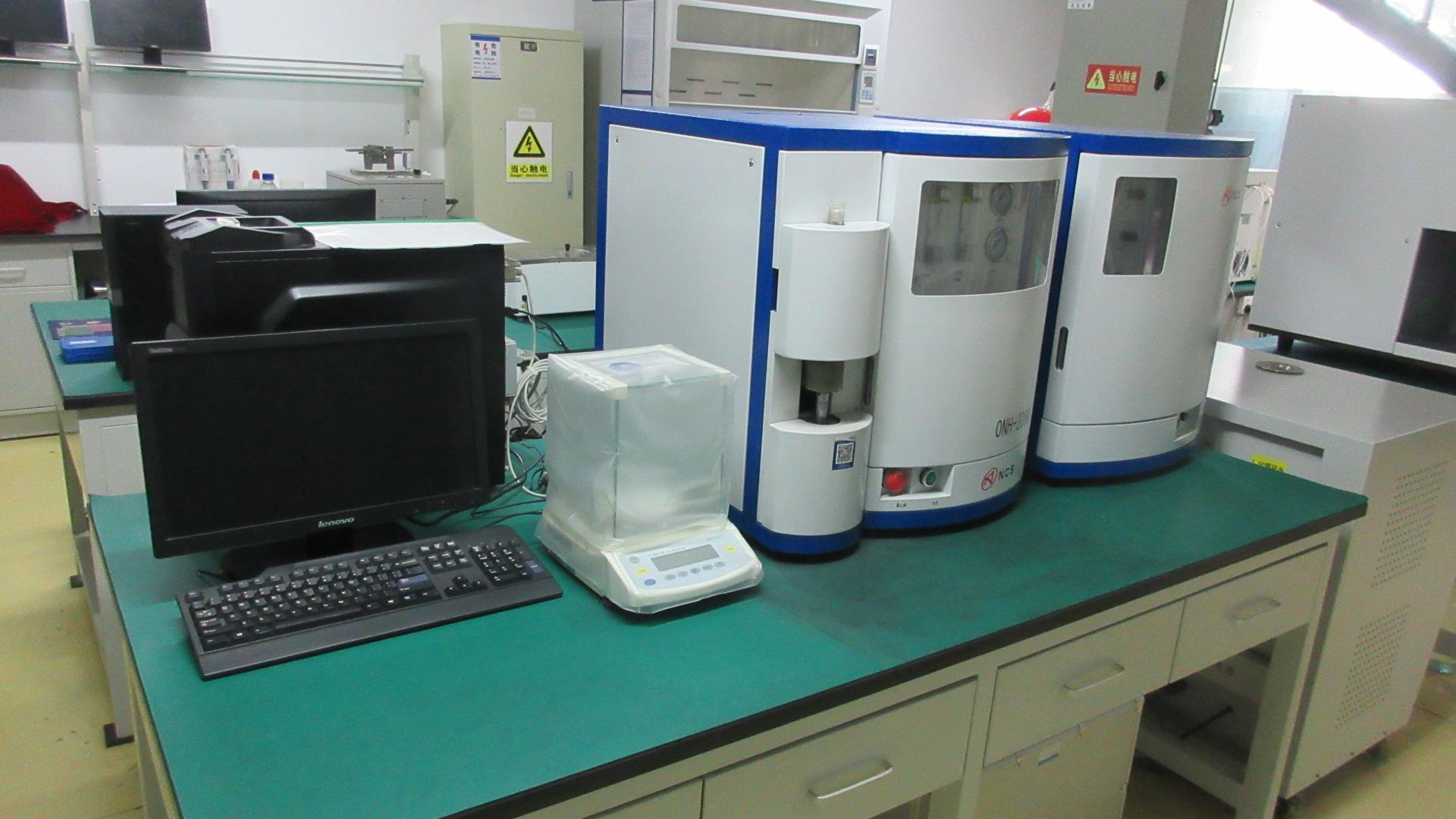
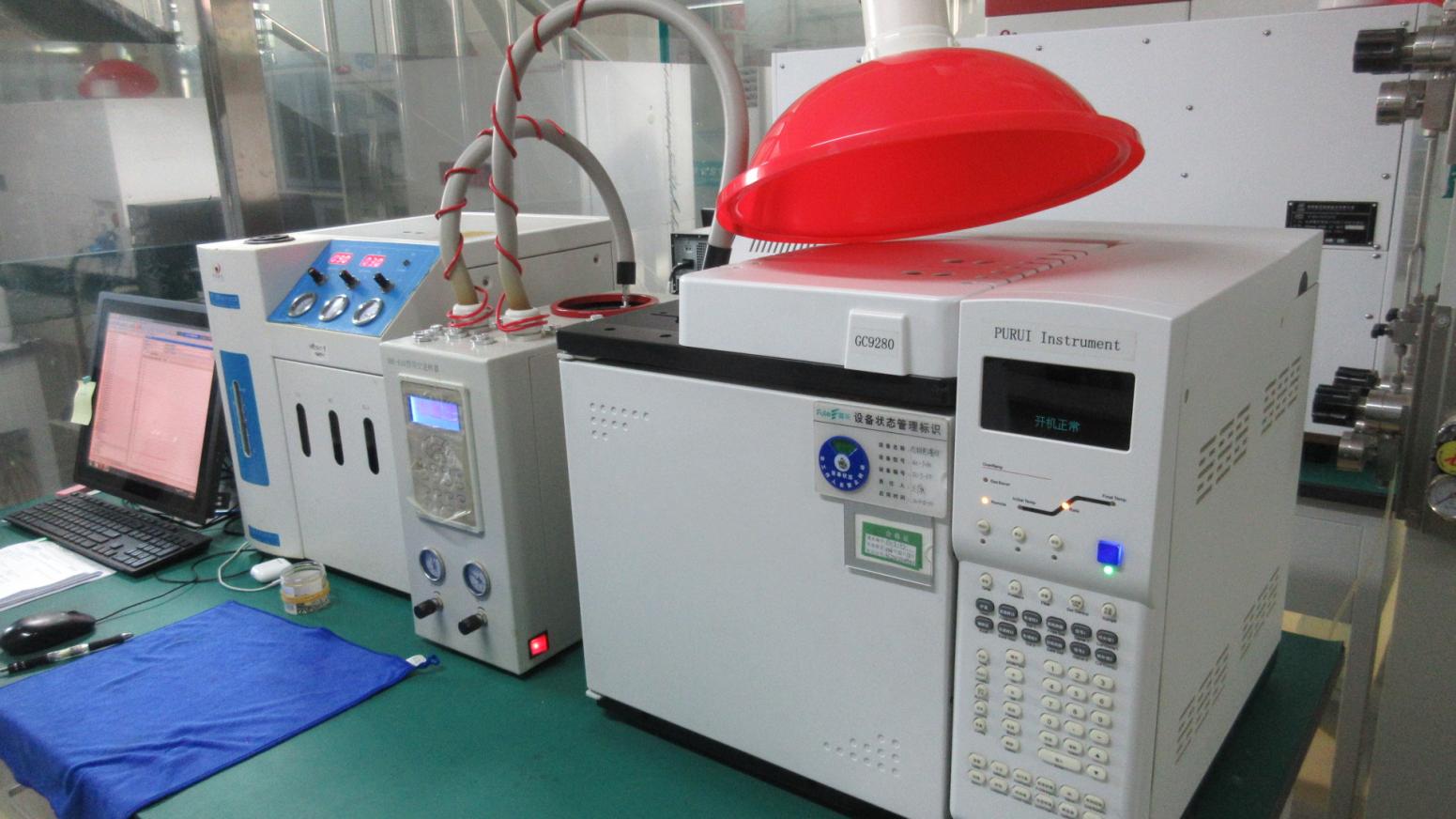
Our facility runs under rigorous quality management certified by ISO 13485 (Certification No. 04724Q10000818). A dedicated team of 15 QA/QC inspectors conducts 100% inspections across all production phases. From raw material spectrum analysis using optical emission spectrometers to coordinate measuring machine (CMM) testing, every single plate exported is accompanied by complete batch traceability, proving its safety and effectiveness for clinical use.
The global orthopedic fixation industry is experiencing rapid evolution driven by demographic shifts, technical innovations, and changing regulatory environments. Importers and clinical institutions must align with these macro trends to maintain market relevance:
Surgeons are increasingly opting for minimally invasive percutaneous plate osteosynthesis (MIPPO) techniques. This technique minimizes soft tissue dissection and preserves the deltoid insertion and the ascending branch of the anterior humeral circumflex artery. Contemporary locking plate designs incorporate targeting guides that allow precise subcutaneous insertion and screw placement through minimal incisions.
While titanium remains the standard, research into radiolucent polymers like polyetheretherketone (PEEK) is expanding. PEEK implants eliminate artifact interference in postoperative MRI or CT scans, allowing better evaluation of bone healing, though titanium alloys still offer superior mechanical properties for complex loading profiles.
Global regulatory bodies are raising the bar. The European Union's Medical Device Regulation (MDR) has enforced stricter clinical follow-up requirements on Class III and Class IIb implants. Working with exporters who maintain updated ISO 13485 documentation and robust clinical evaluation files is vital for market access.
Our humeral locking plate portfolio is anatomically engineered to accommodate the complex topography of the humerus, offering targeted solutions for distinct anatomical zones:
Specifically engineered for 2-part, 3-part, and 4-part fractures of the humeral head. Features multi-directional locking screw options in the proximal block to capture fragments of the greater and lesser tuberosities, resisting varus collapse forces.
Indicated for diaphyseal fractures, non-unions, and osteotomies. Combines dynamic compression holes with locking holes to allow stable osteosynthetic bridging, accommodating radial nerve path variations safely.
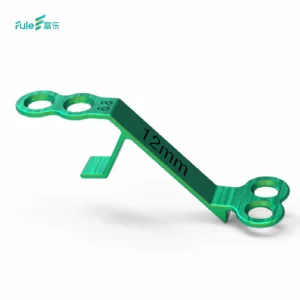
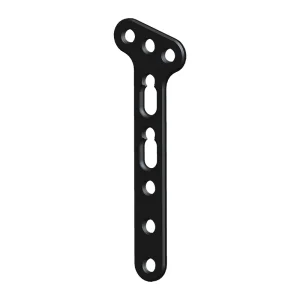
Optimized for intra-articular and supracondylar fractures of the distal humerus. Pre-shaped T-Oblique designs support distal metaphysis buttressing, stabilizing the medial and lateral columns of the elbow joint.
For large-scale medical distributors, tender managers, and hospital networks, importing implants involves managing complex logistical and technical requirements. We offer end-to-end macro solutions to facilitate seamless integration into local healthcare supply chains:
OEM and ODM Customization: Supported by 20 highly qualified R&D engineers (including 15 postgraduate specialists), we offer comprehensive graphic and sample-based customization. Whether you require specific anatomical variations, custom branding, or modified instrumentation, we convert concepts into clinical-grade realities, introducing over 20 new products annually.
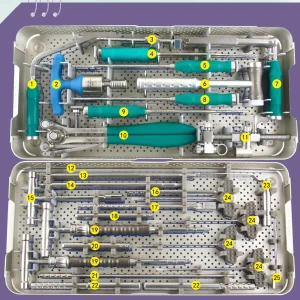
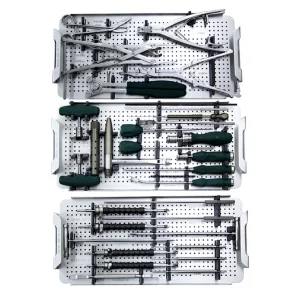
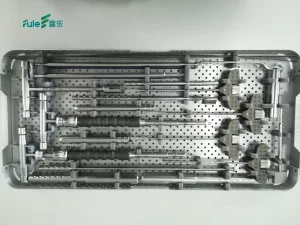
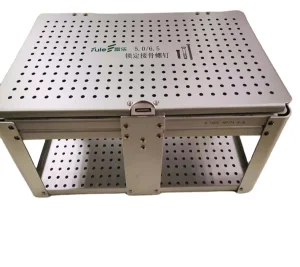
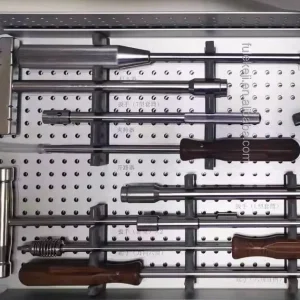
Complete Surgical Instrumentation Kits: Implants are only as effective as the tools used to insert them. We supply modular instrument containers including torque-limiting screwdrivers, drill guides, soft tissue protectors, and bone holding forceps, ensuring sterile processing and simple intraoperative steps.
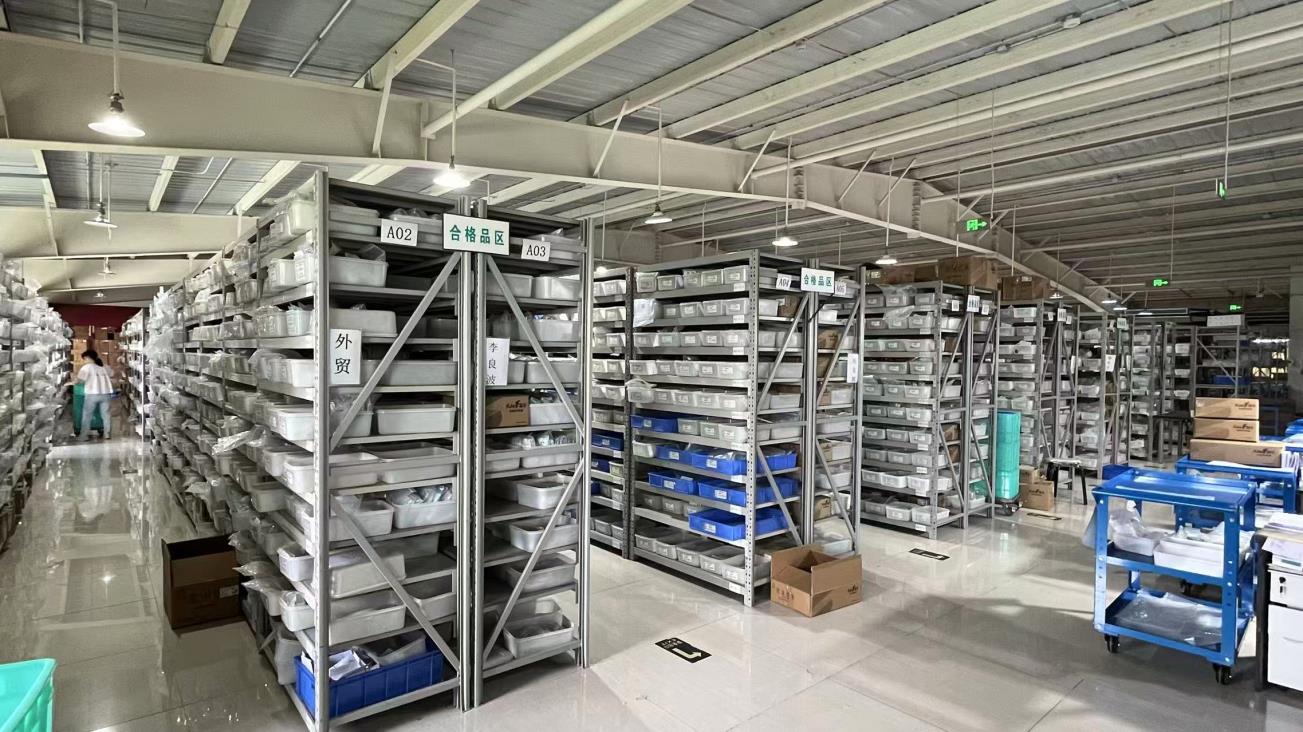
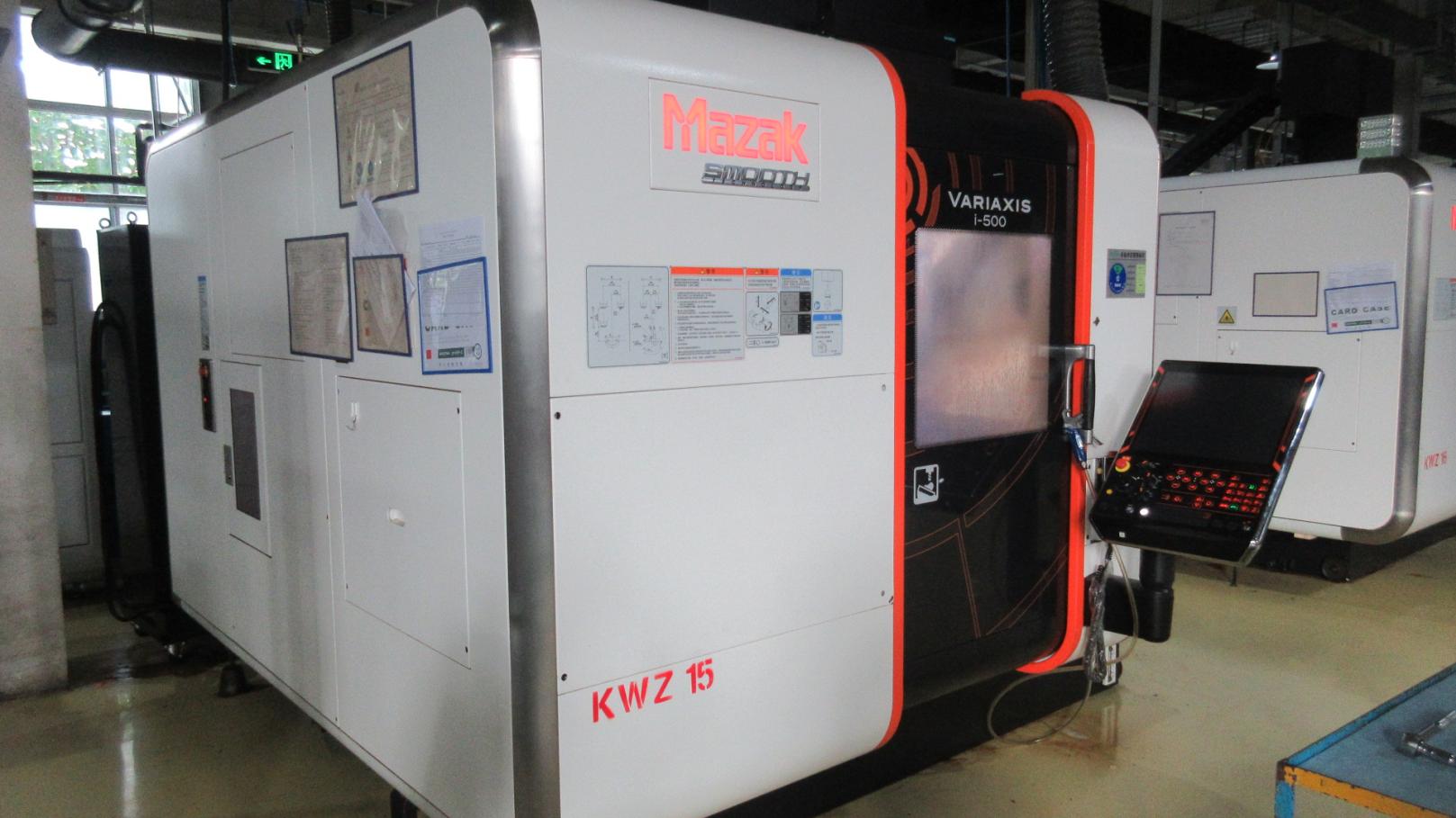
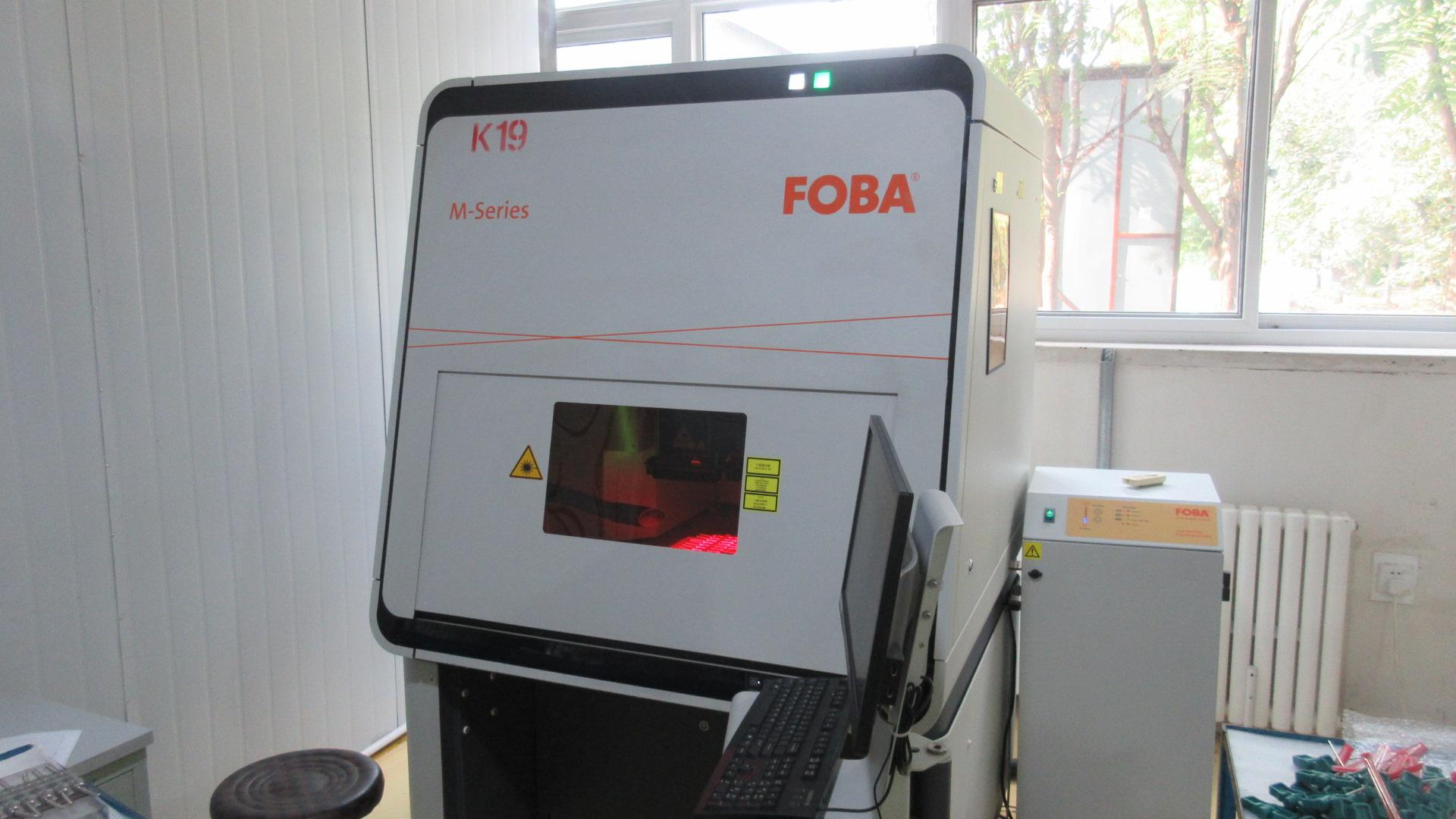
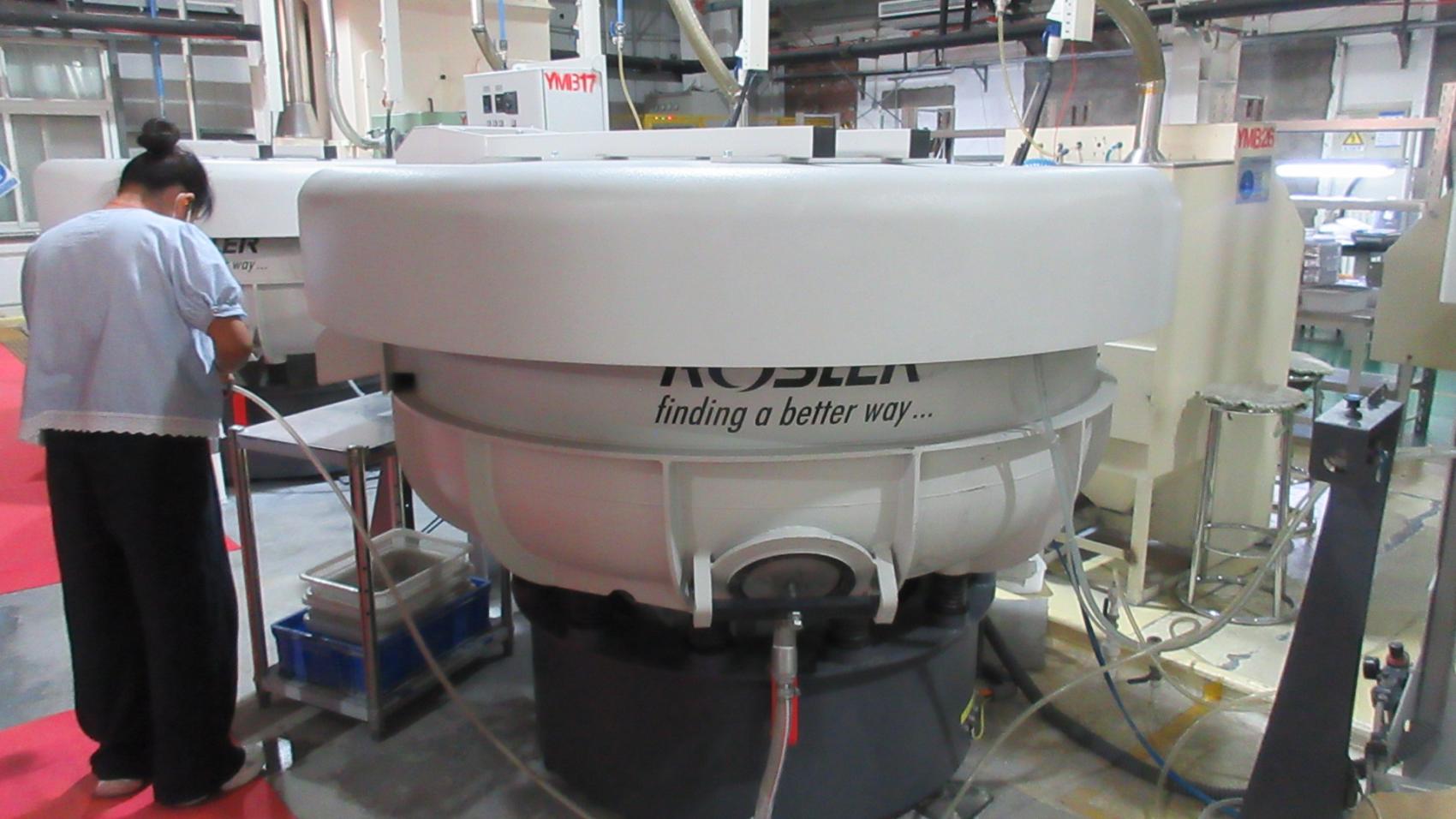
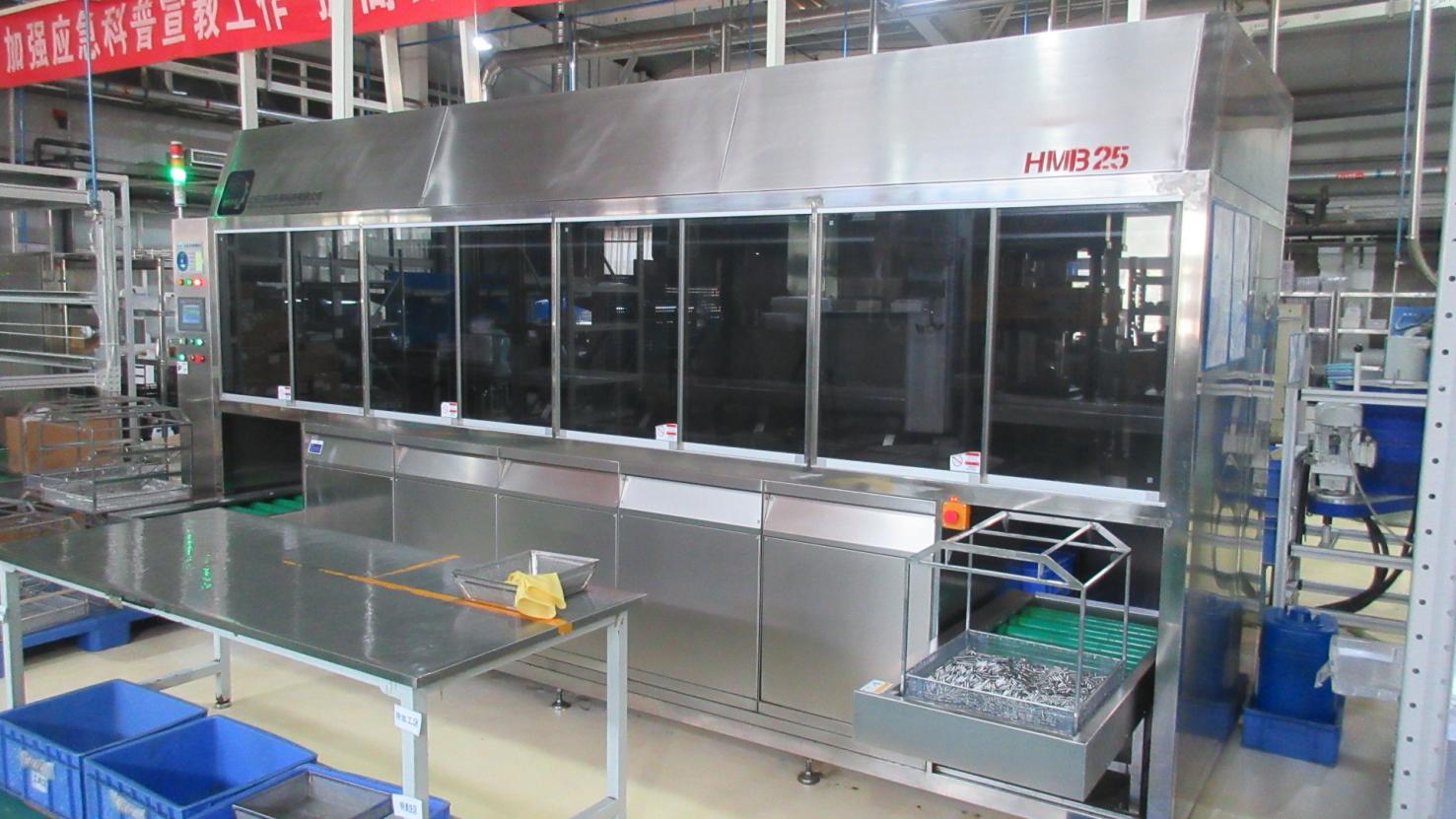
Visual tour of our 10,000 square meter plant, showcasing precision manufacturing, raw material storage, and clinical inspection.


Technical and regulatory insights for procurement managers and orthopedic importers.
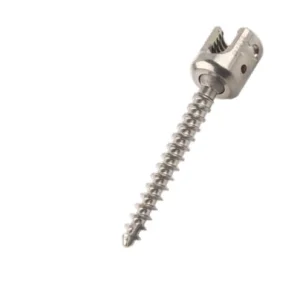
Explore our extended portfolio of titanium pedicle screw-rod systems, laminoplasty plating, trauma bone plates, and instruments.
 Beren Science & Technology