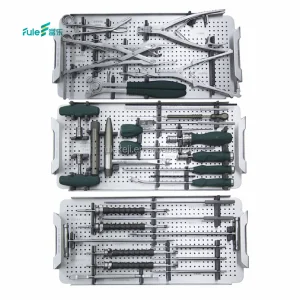
In the highly regulated ecosystem of orthopedic surgery, the clinical success of spinal arthrodesis, deformity correction, and decompression hinges on the flawless synthesis between implants and their corresponding spinal surgical instruments. As a premier Instrument of Spinal System Manufacturer & Exporter, we specialize in translating biomechanical requirements into robust titanium and stainless steel surgical tools.
Our product line is designed to support the entire spectrum of spinal pathology solutions. From traditional open scoliosis corrections to modern minimally invasive spine surgery (MISS), our instruments deliver micro-precision, ergonomic control, and strict compliance with global medical device standards.
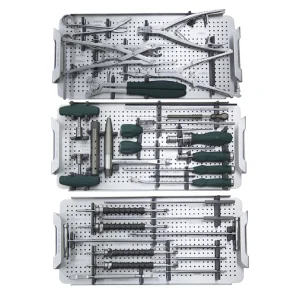
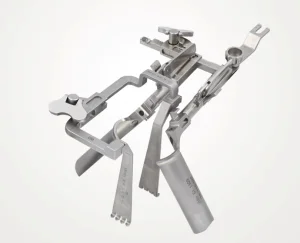
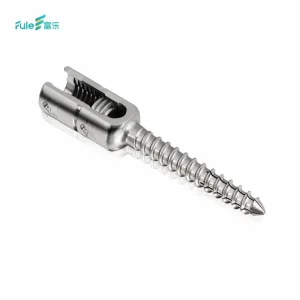
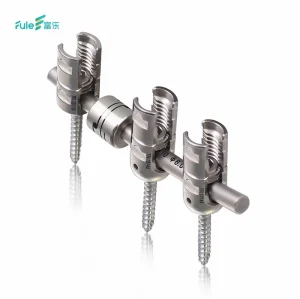
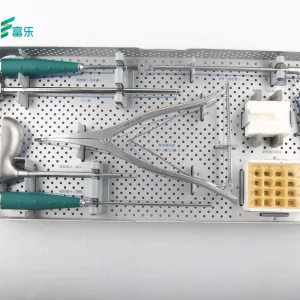
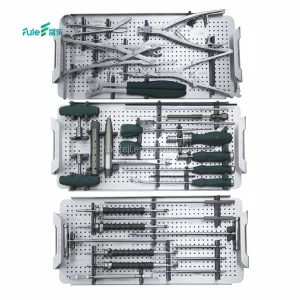
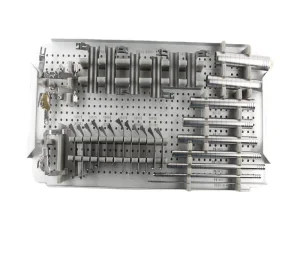
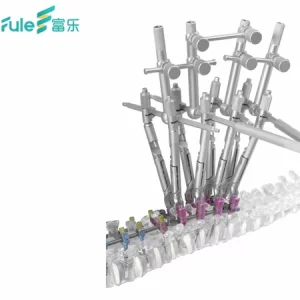
The international spinal surgical community is moving rapidly toward tissue preservation, intraoperative efficiency, and digitization. Global healthcare systems are demanding spinal implants and instruments that mitigate complications, reduce operative time, and decrease reoperation rates.
The shift from traditional open surgery to MIS TLIF/PLIF has driven the demand for specialized long-reaching, angled tools, cannulated screws, and muscle-splitting retractors.
Applying advanced coatings like Titanium Anodization Type II and Silicon Nitride improves wear resistance and limits metallic debris release under cyclic load.
Modern surgical systems incorporate calibration arrays on drivers and inserters, making them fully compatible with active robotic platforms and 3D navigation.
Hospital chain buyers, international medical distributors, and tender boards face distinct risks when selecting spinal device suppliers. Balancing manufacturing lead times, regulatory compliance, and precision mechanical tolerances is essential. Our services address these challenges directly:
In spinal systems, a fraction of a millimeter determines the stability of the screw-rod interface. A mismatch between a pedicle screw head and the rod driver can strip the implant. We mitigate this through 100% optical inspection and automated Coordinate Measuring Machine (CMM) routines on our critical production paths.
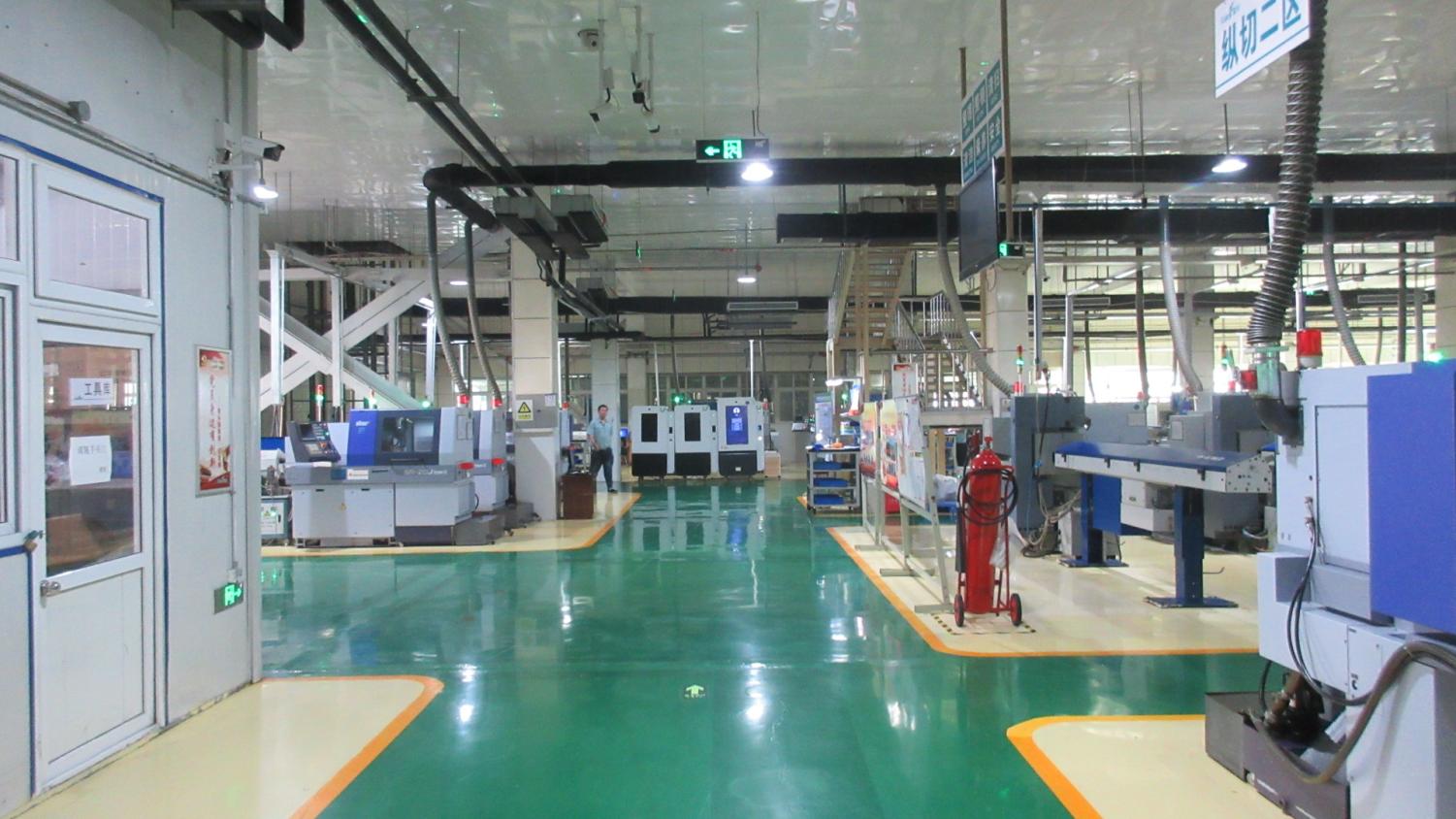
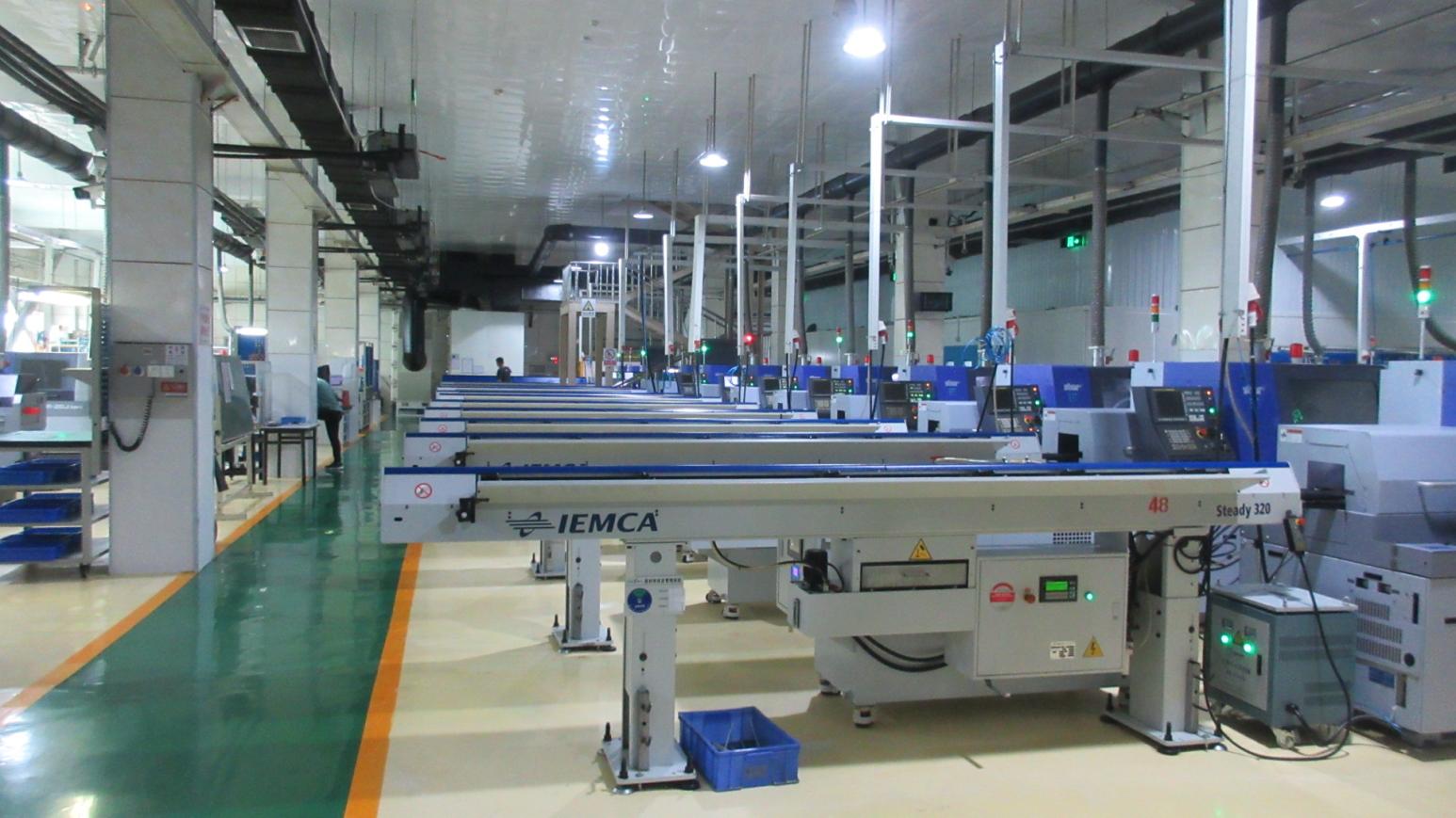
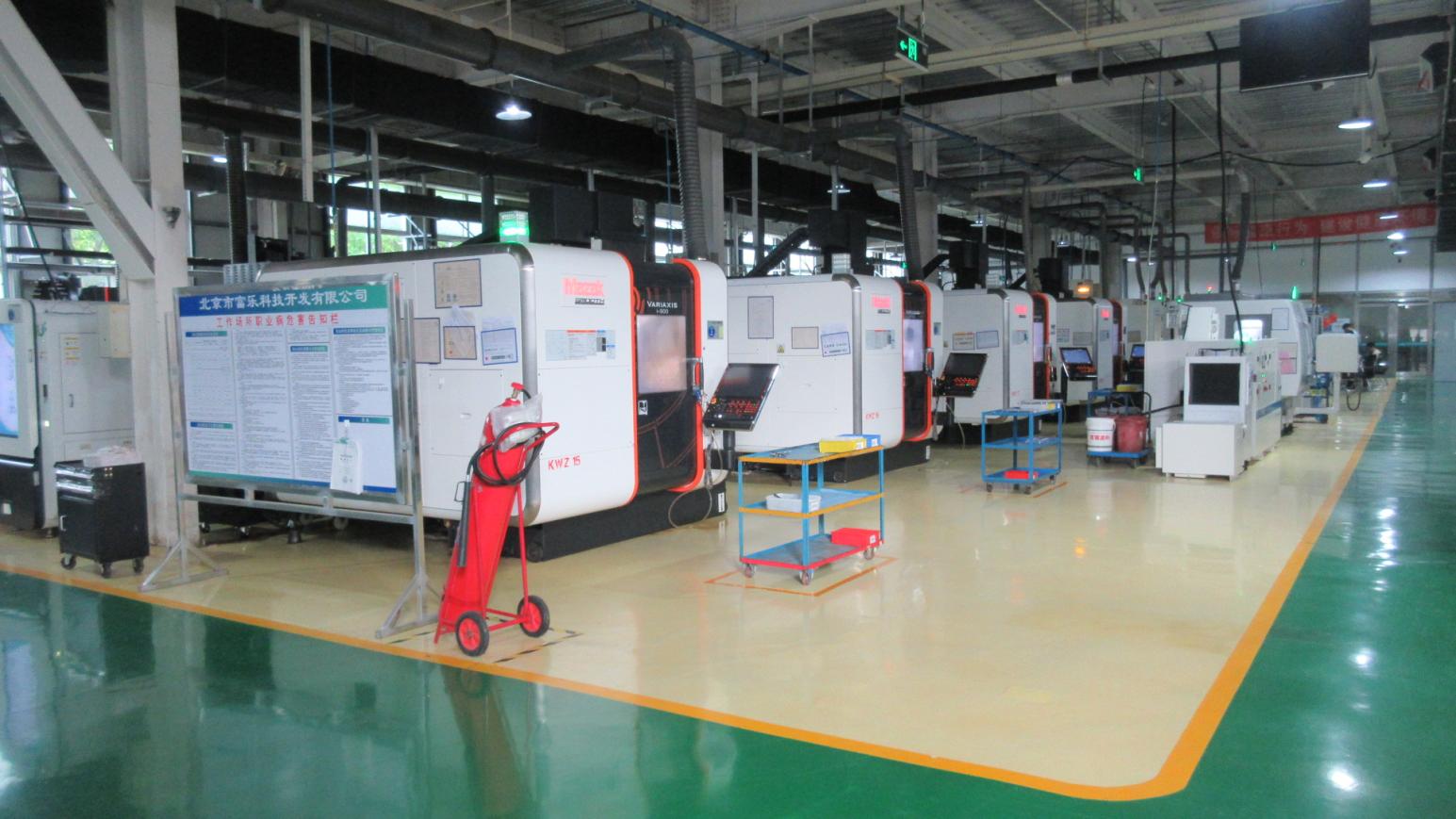
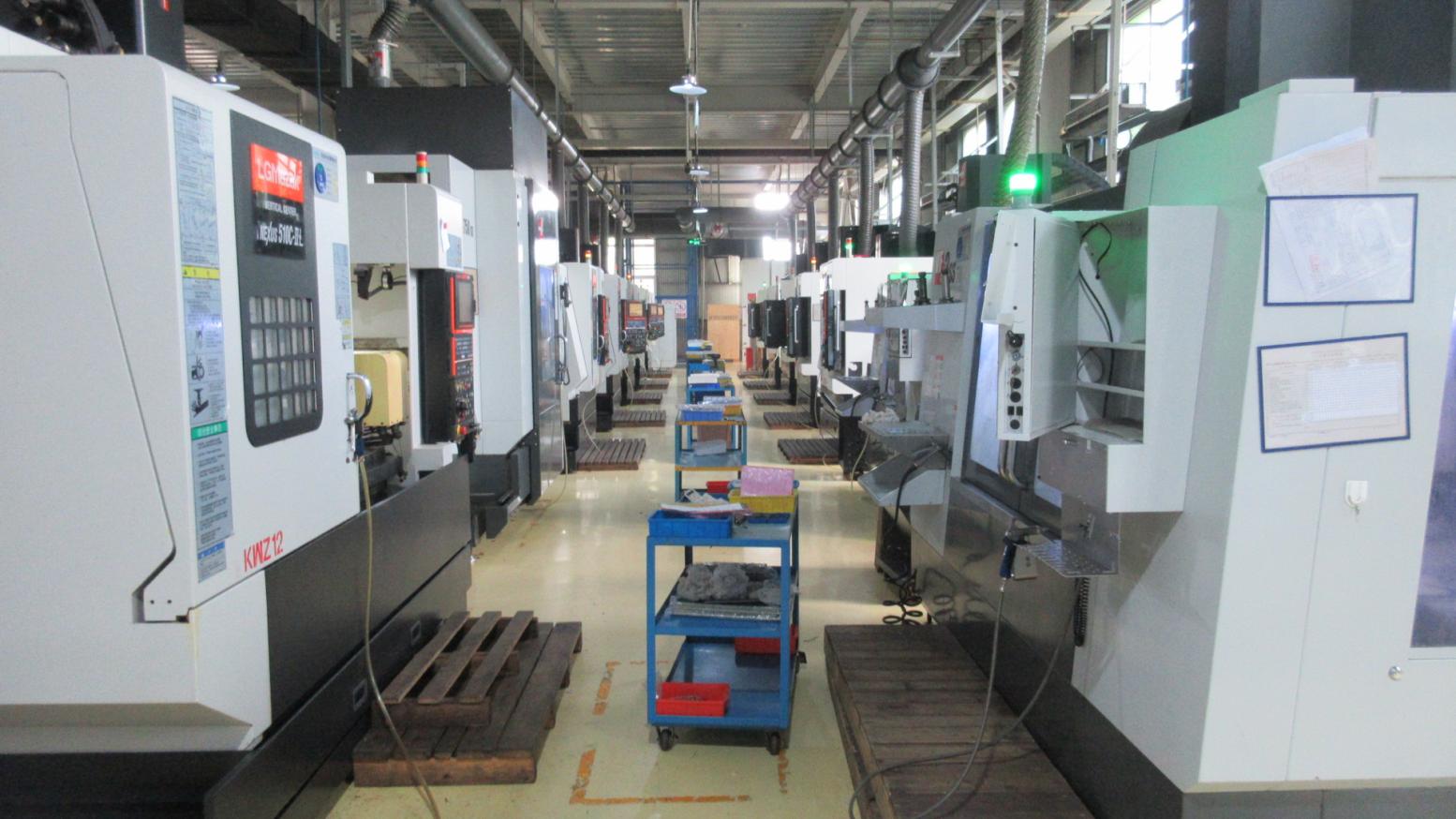
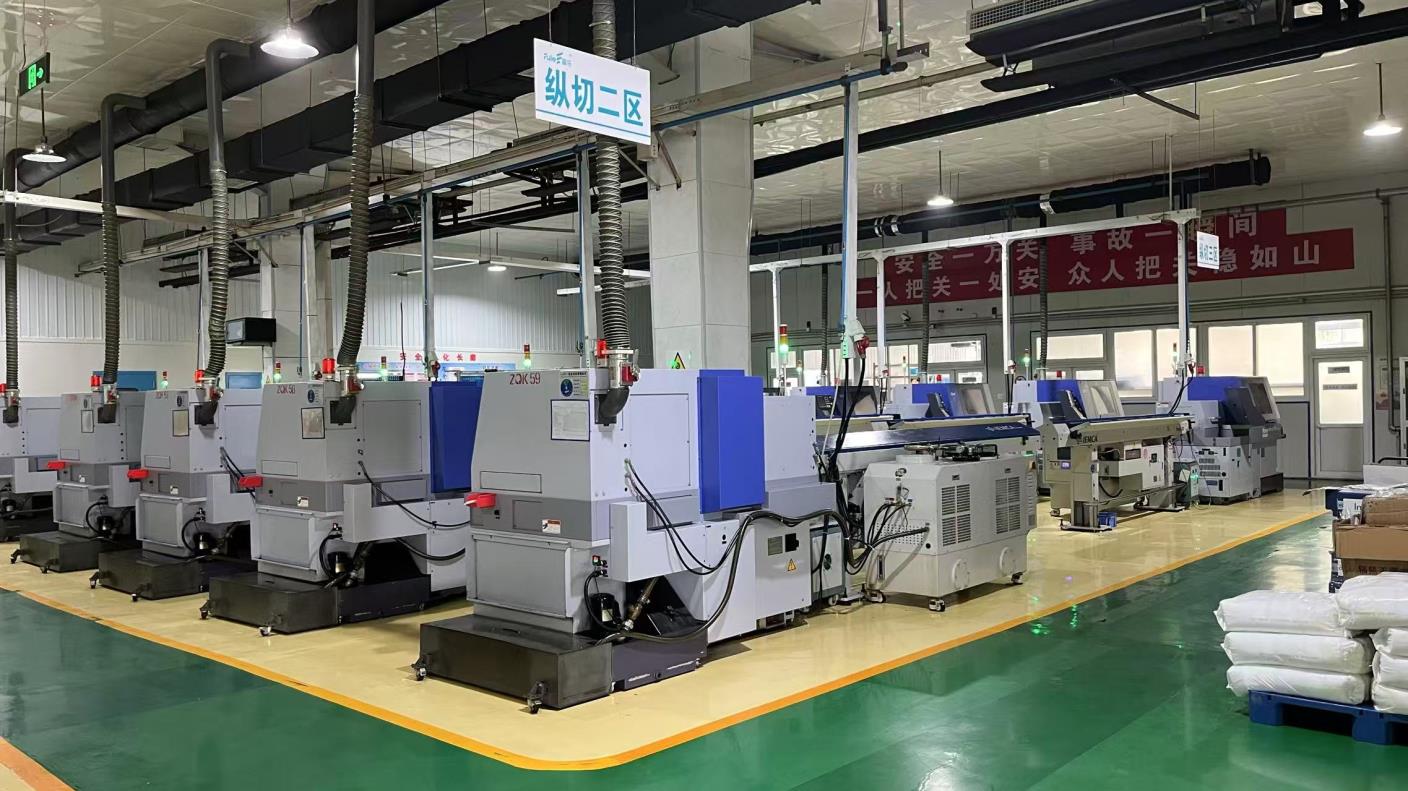
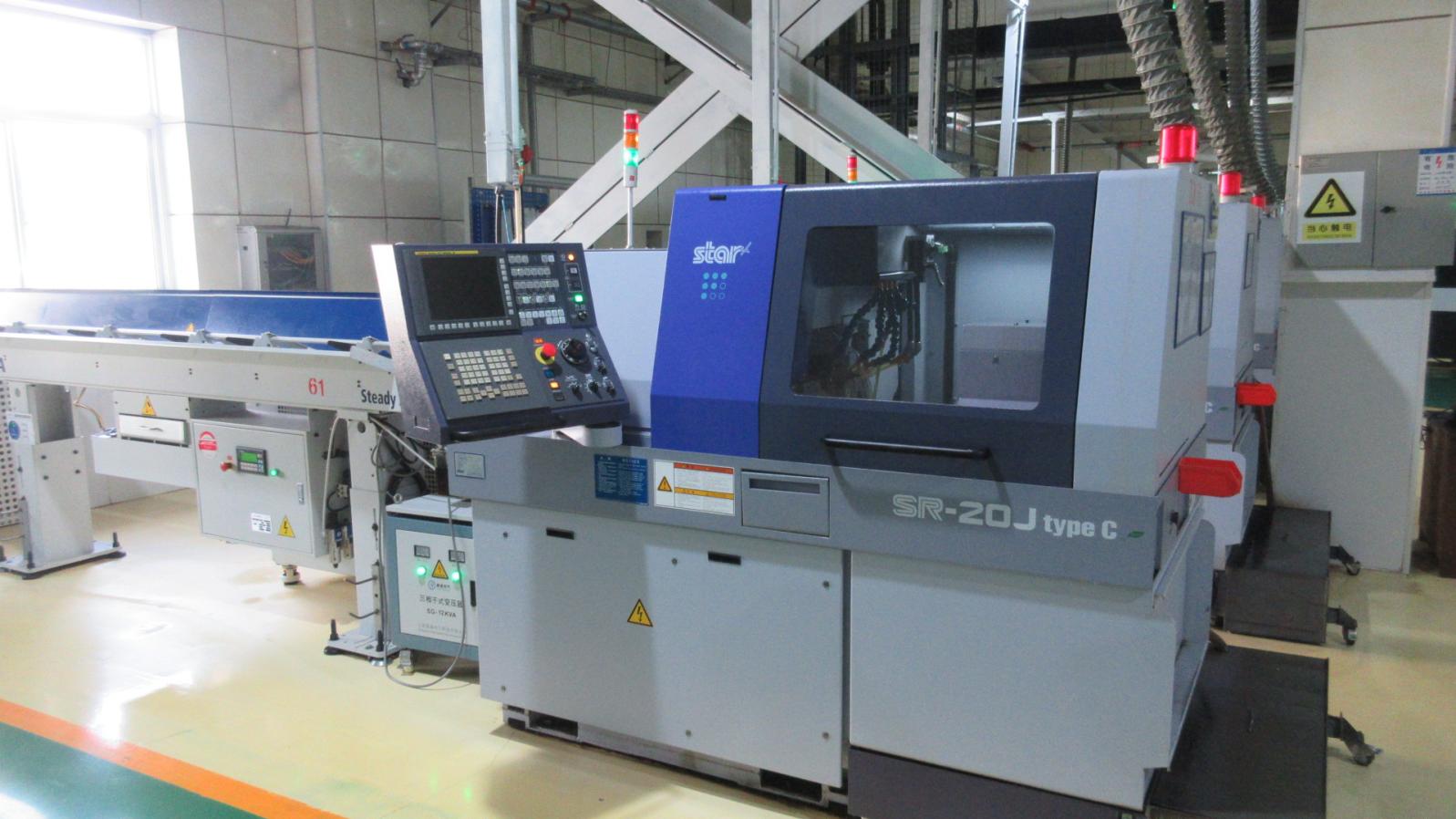
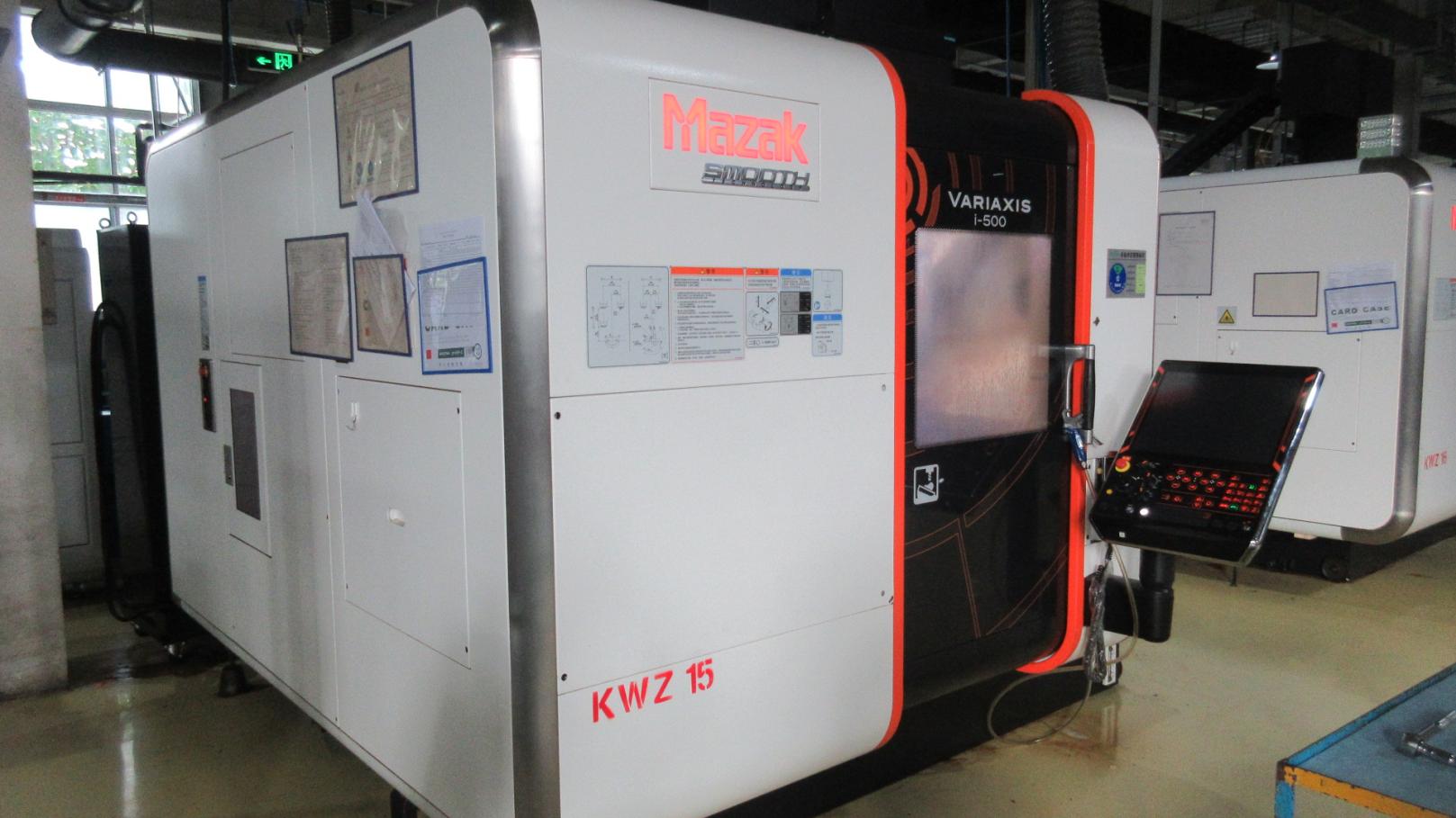
We operate 102 advanced CNC machining units capable of manufacturing 511,000 units annually. Supported by a robust network of 70 trusted supply chain partners, we ensure stable delivery timelines and prevent delays in surgical schedules.
Our facility is engineered to produce high-tolerance implant sets and surgical tools. Grounded in a comprehensive quality system, our capabilities ensure consistent manufacturing and reliable performance.
Our medical-grade titanium spinal systems are designed to address the challenges of osteoporotic bone, severe degenerative diseases, and anatomical variations. Below are the design solutions integrated into our primary instrumentation systems:
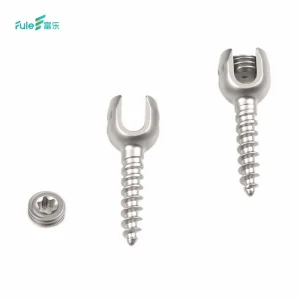
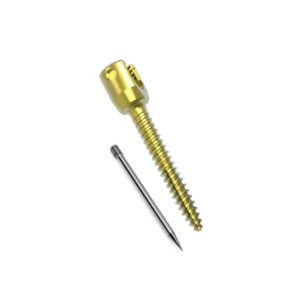
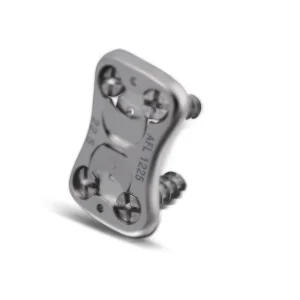
Utilizing high-strength Grade 5 Titanium (Ti-6Al-4V ELI), our polyaxial and monoaxial screws feature dual-lead thread profiles to maximize pullout strength in both cortical and cancellous bone. Our Bone Cement Pedicle Screws provide fenestrated designs, allowing PMMA injection directly through the screw core to improve purchase in osteoporotic bone.
Our fusion cages are fabricated from medical-grade PEEK or 3D-printed porous titanium. They feature hollow pathways for bone graft packing and anti-migration teeth to prevent post-operative displacement. Our targeted inserters and trials enable safe, controlled placement within the disc space.
Complex scoliosis corrections require coordinated, multi-segmental maneuvers. Our Spine Derotation Tools allow surgeons to apply torque uniformly across the construct. This minimizes structural stress on the pedicle screw-bone interface and helps prevent pedicle fracture during correction.
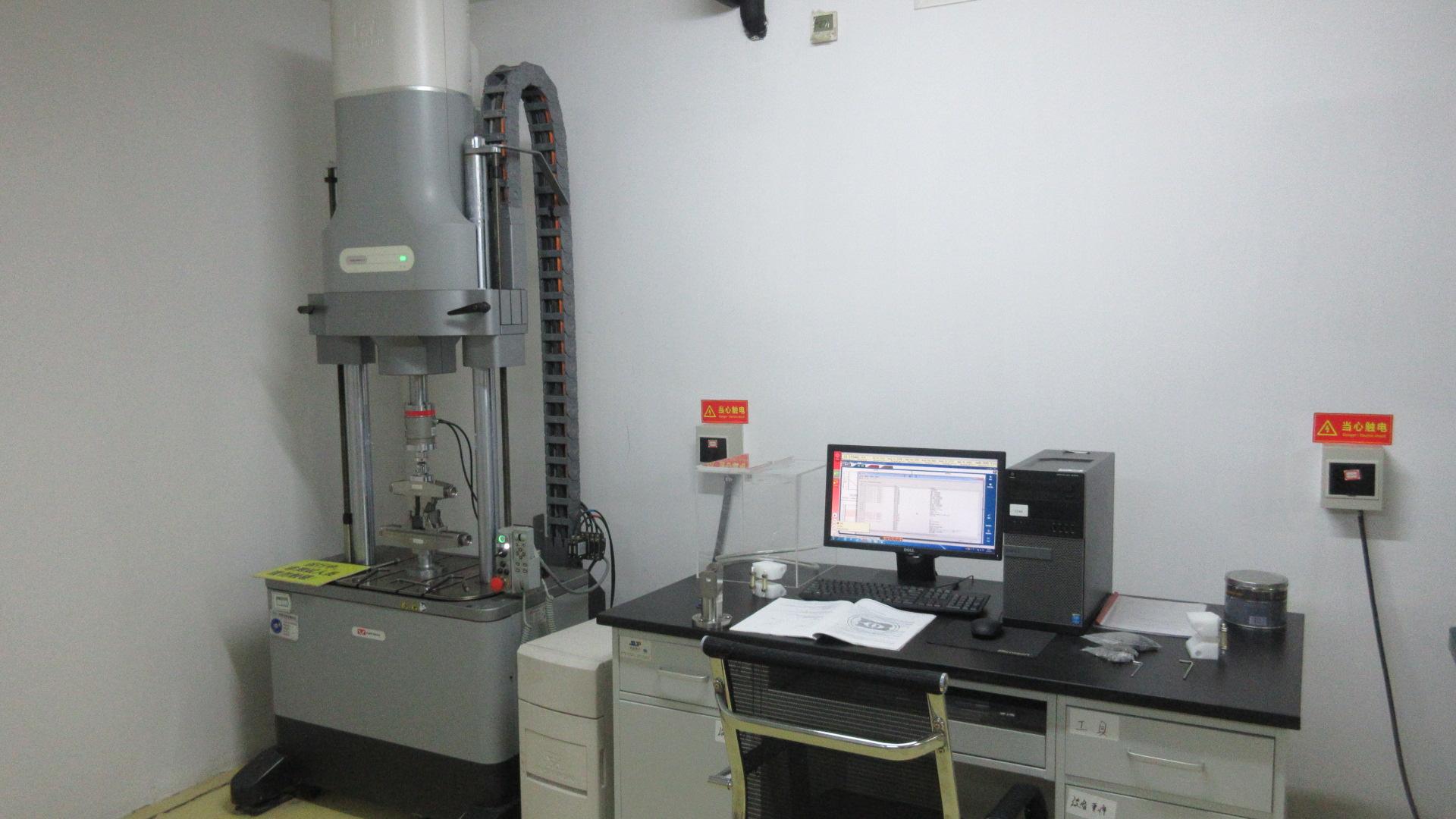
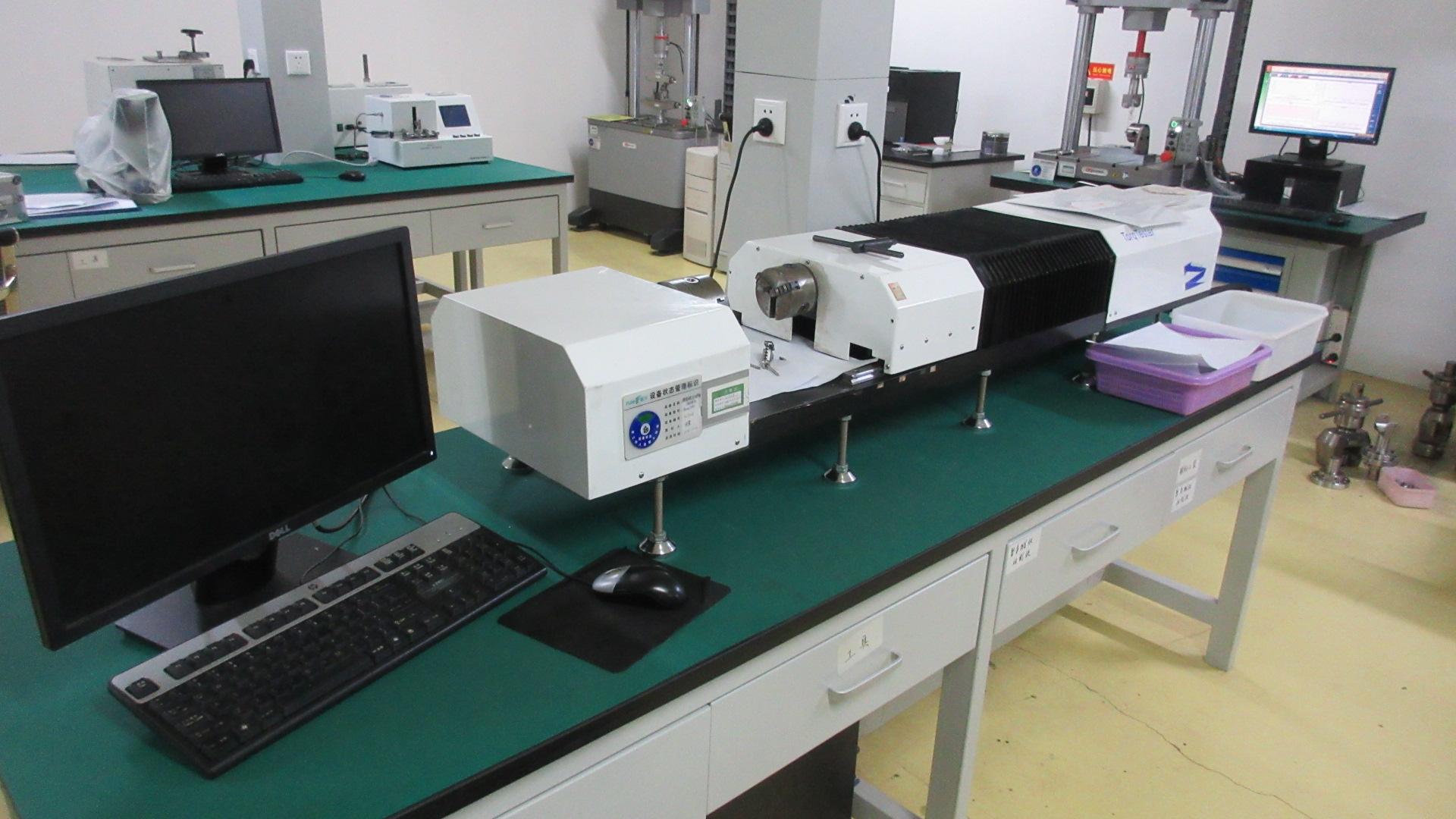
Quality assurance at our facility goes beyond final dimensional checks. Every bar of titanium and PEEK-OPTIMA raw material is logged with chemical and mechanical test certificates. The flowchart below outlines our quality control processes:
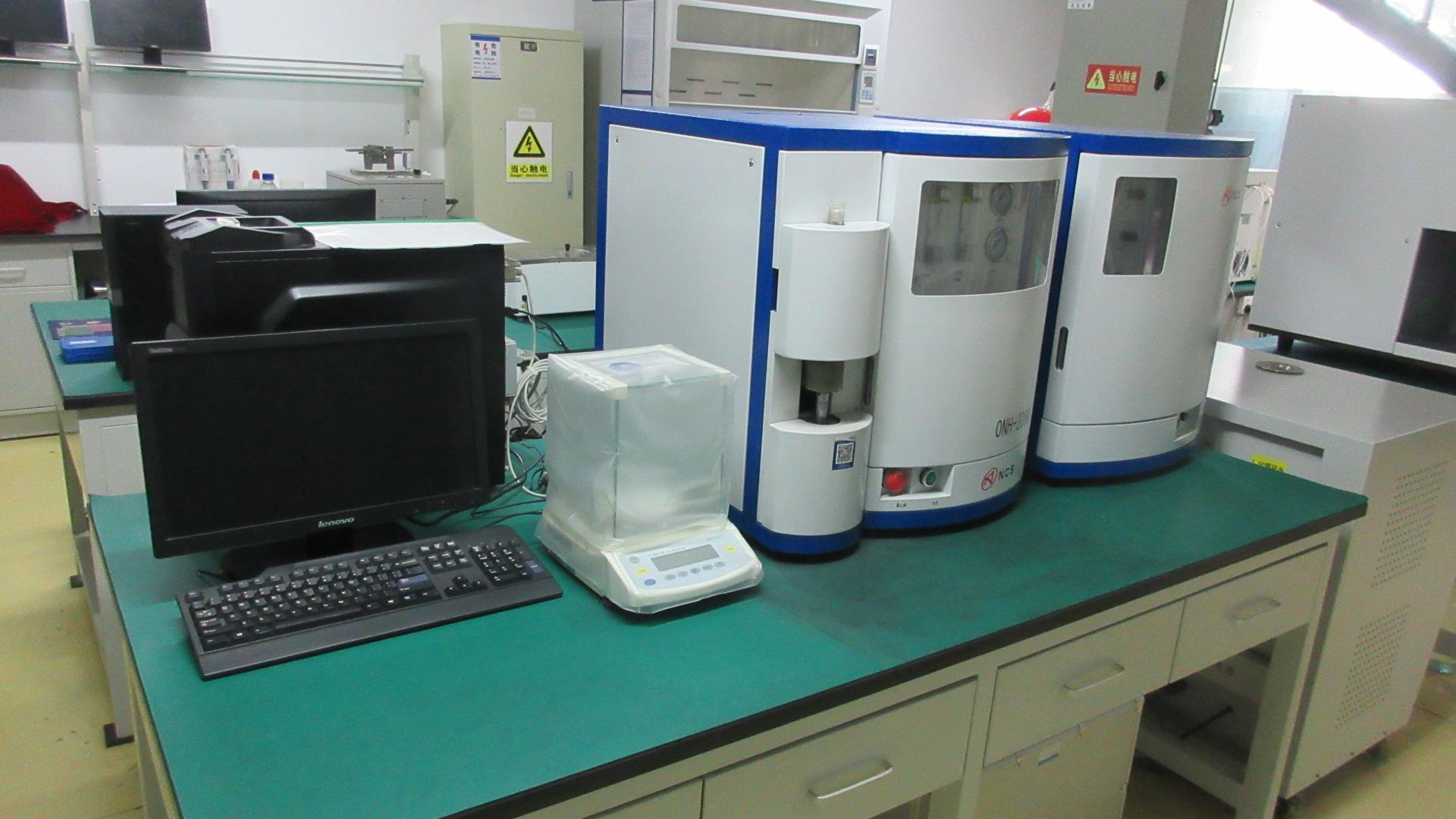
Spectral analysis and ultrasonic defect screening verify material integrity before production begins.
CNC operators perform automated coordinate monitoring and tool wear verification at regular intervals.
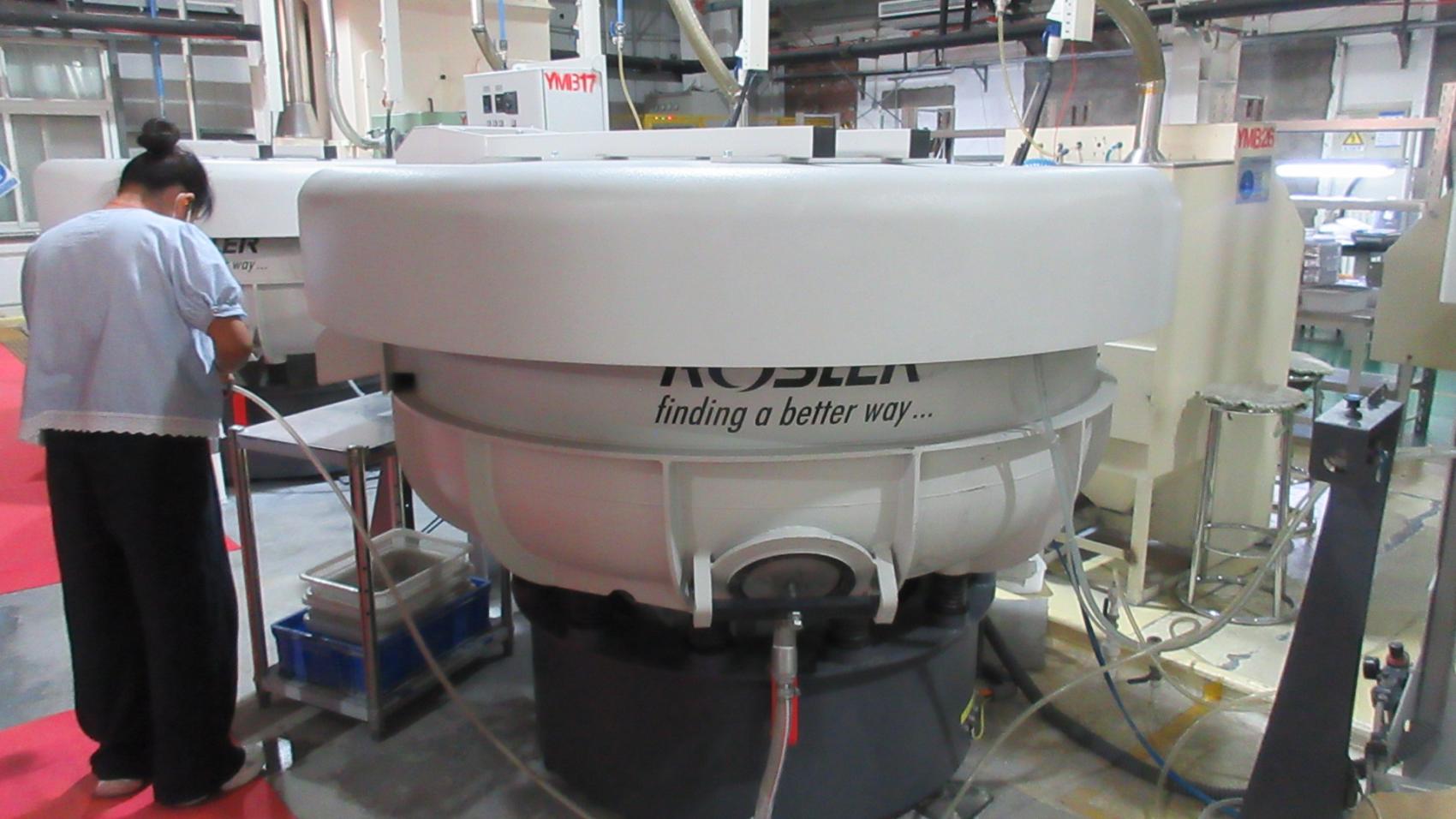
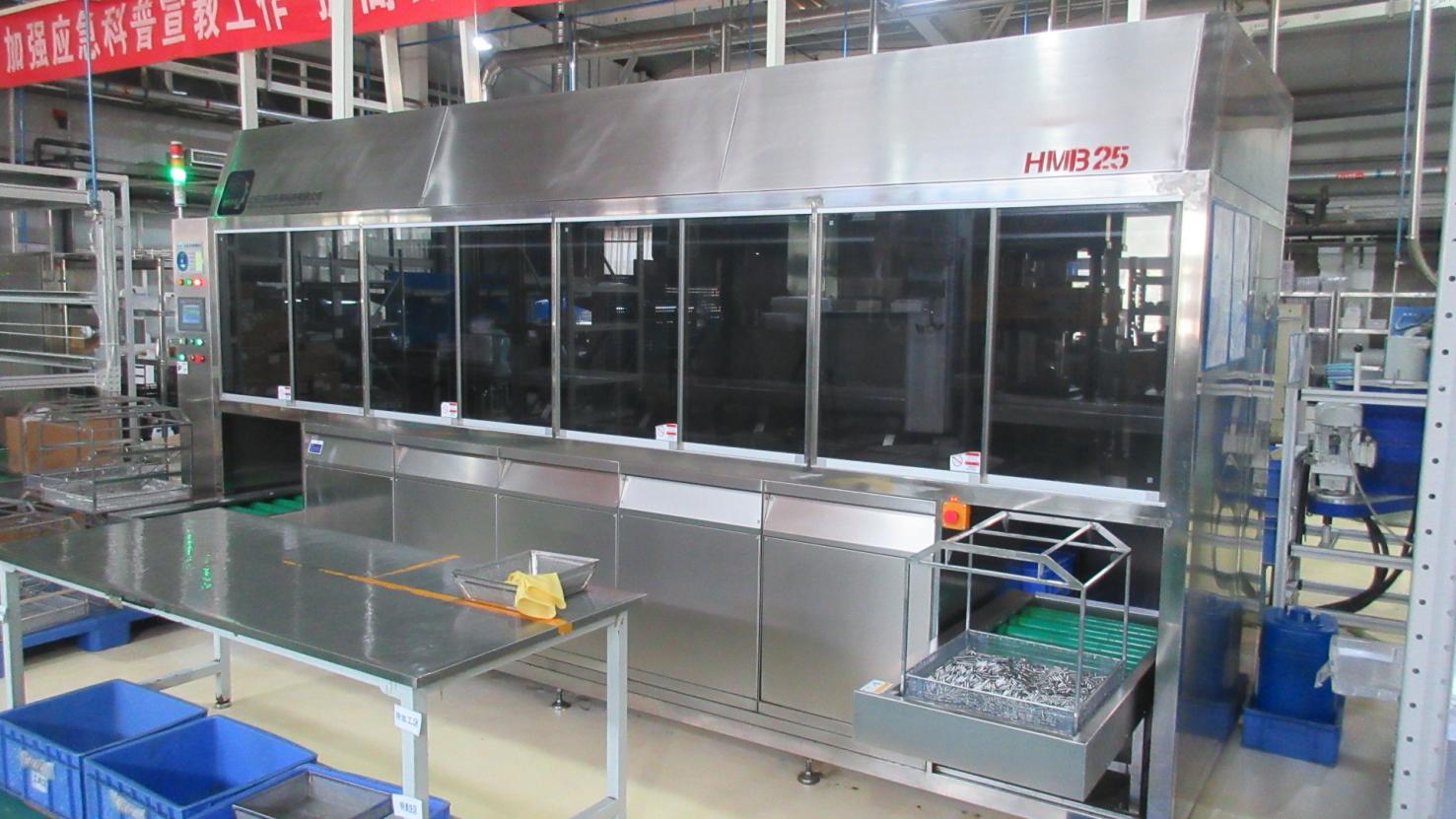
Validated chemical processes clean and passivate titanium surfaces, removing impurities and improving biocompatibility.
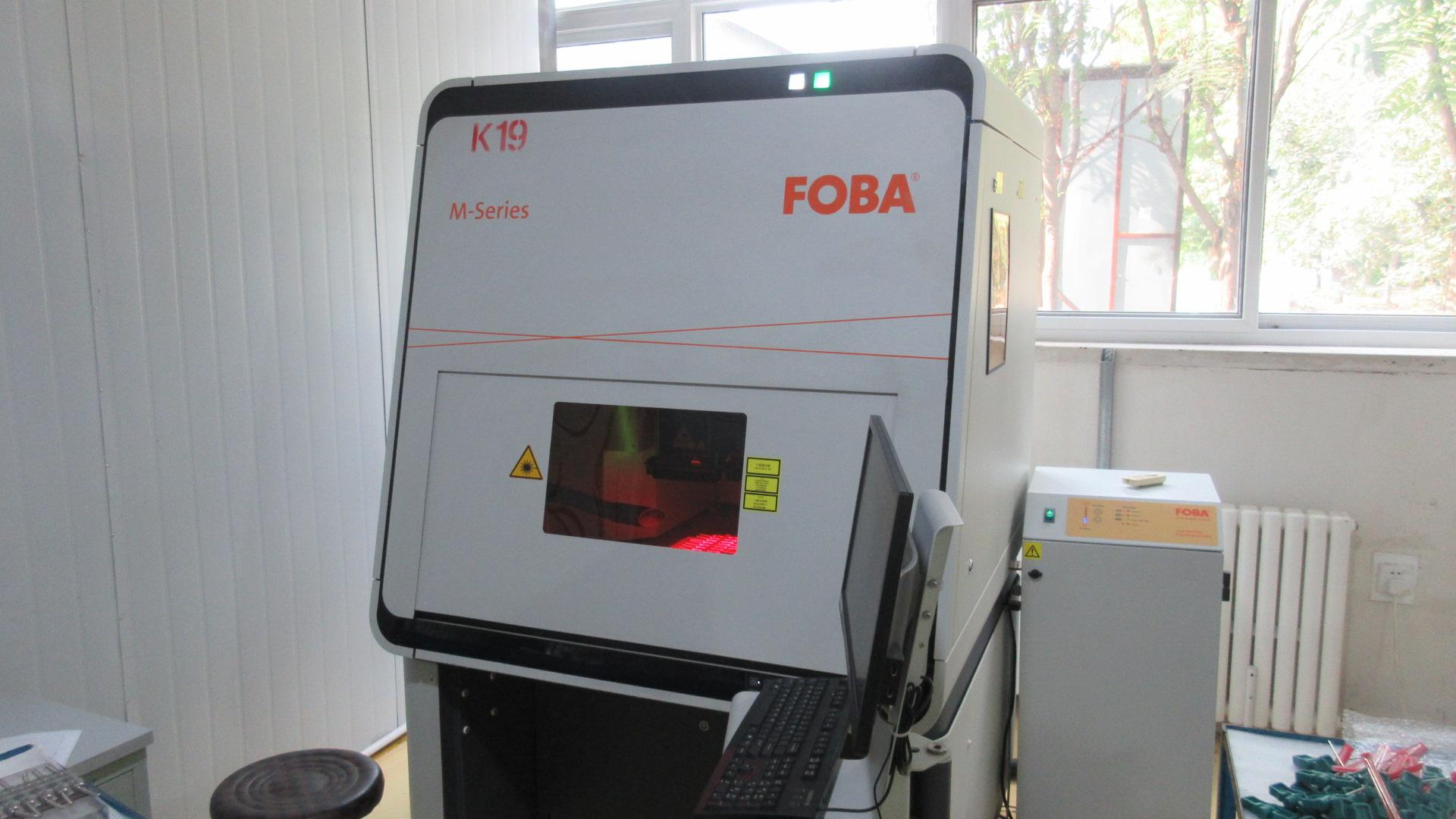
Every batch undergoes sterile-ready inspection and receives a permanent laser-marked UDI code for tracking.
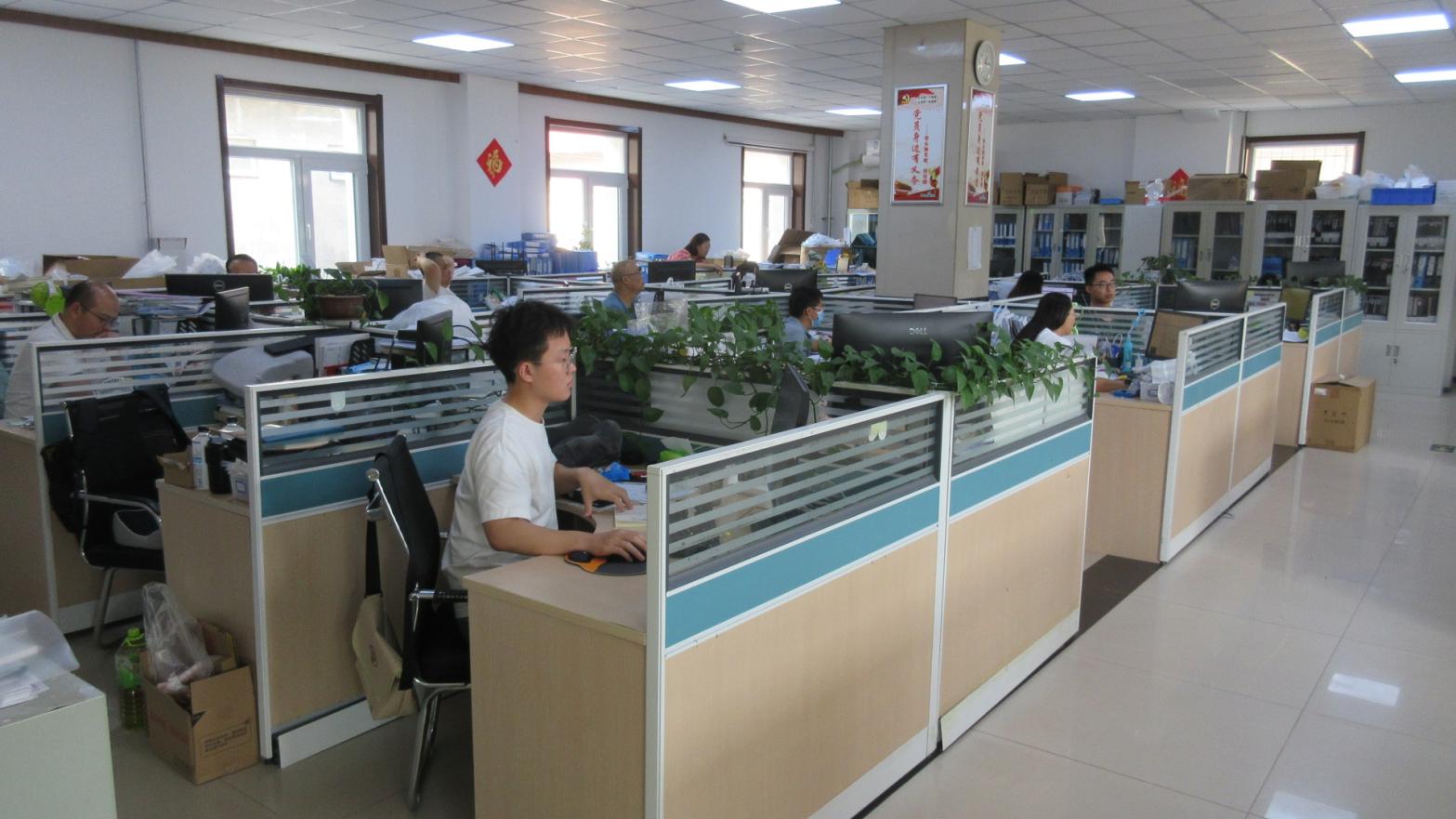
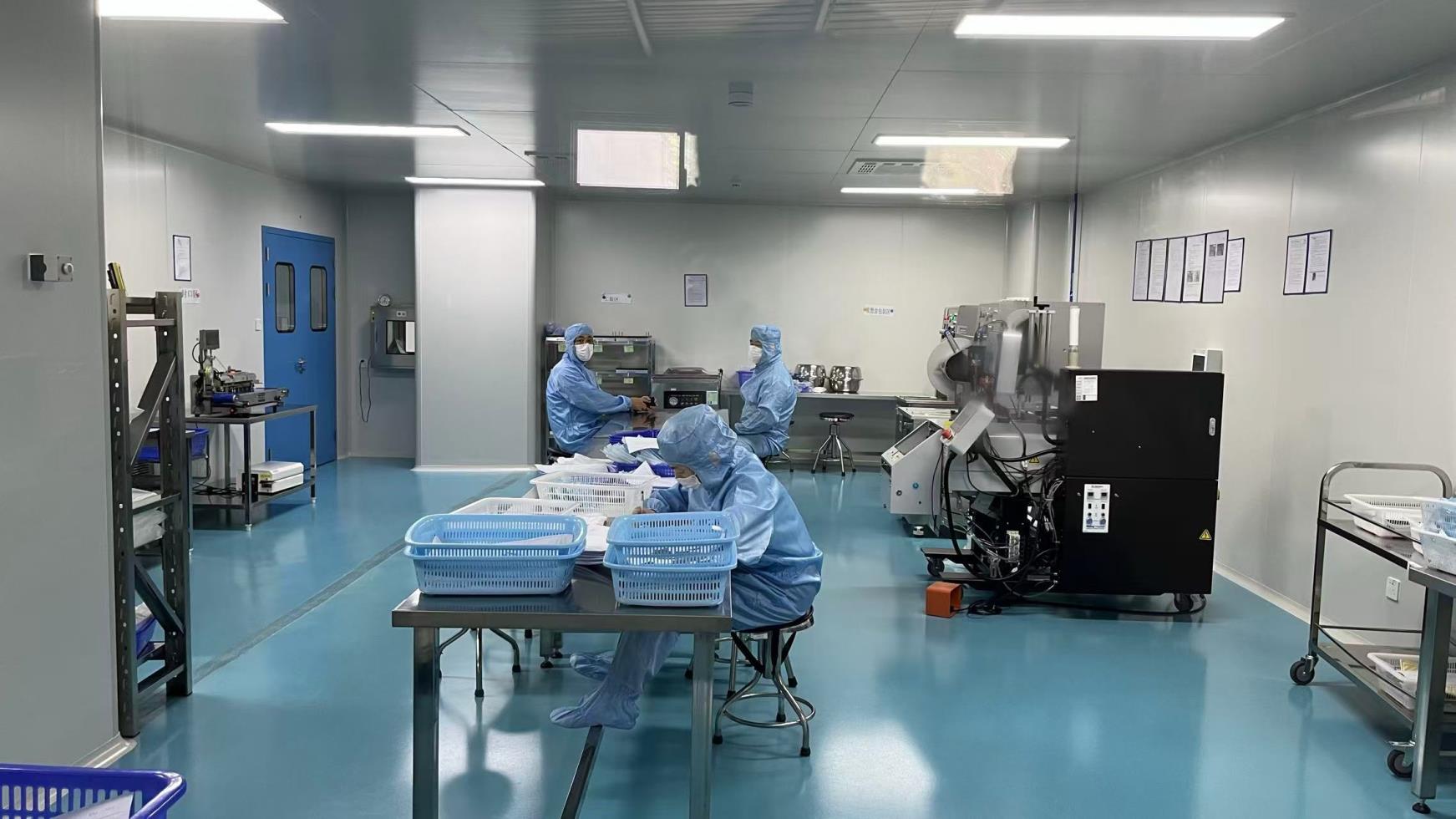
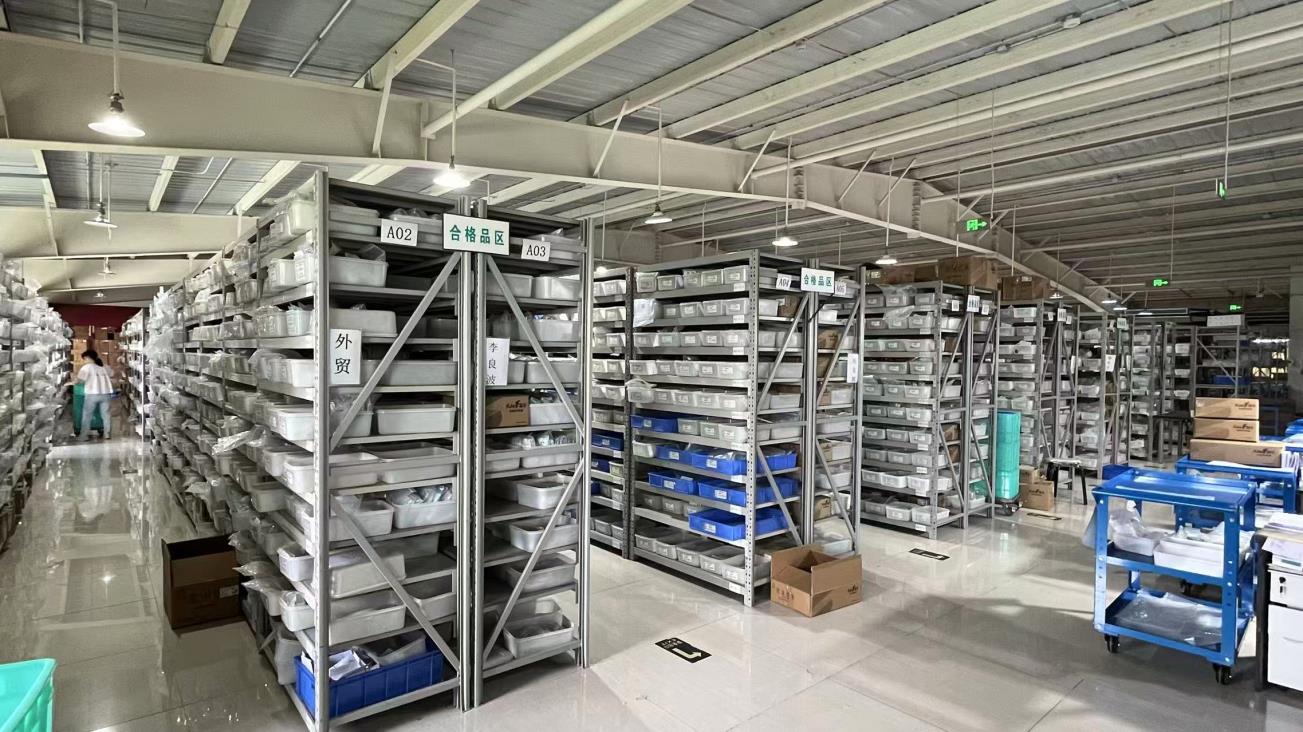
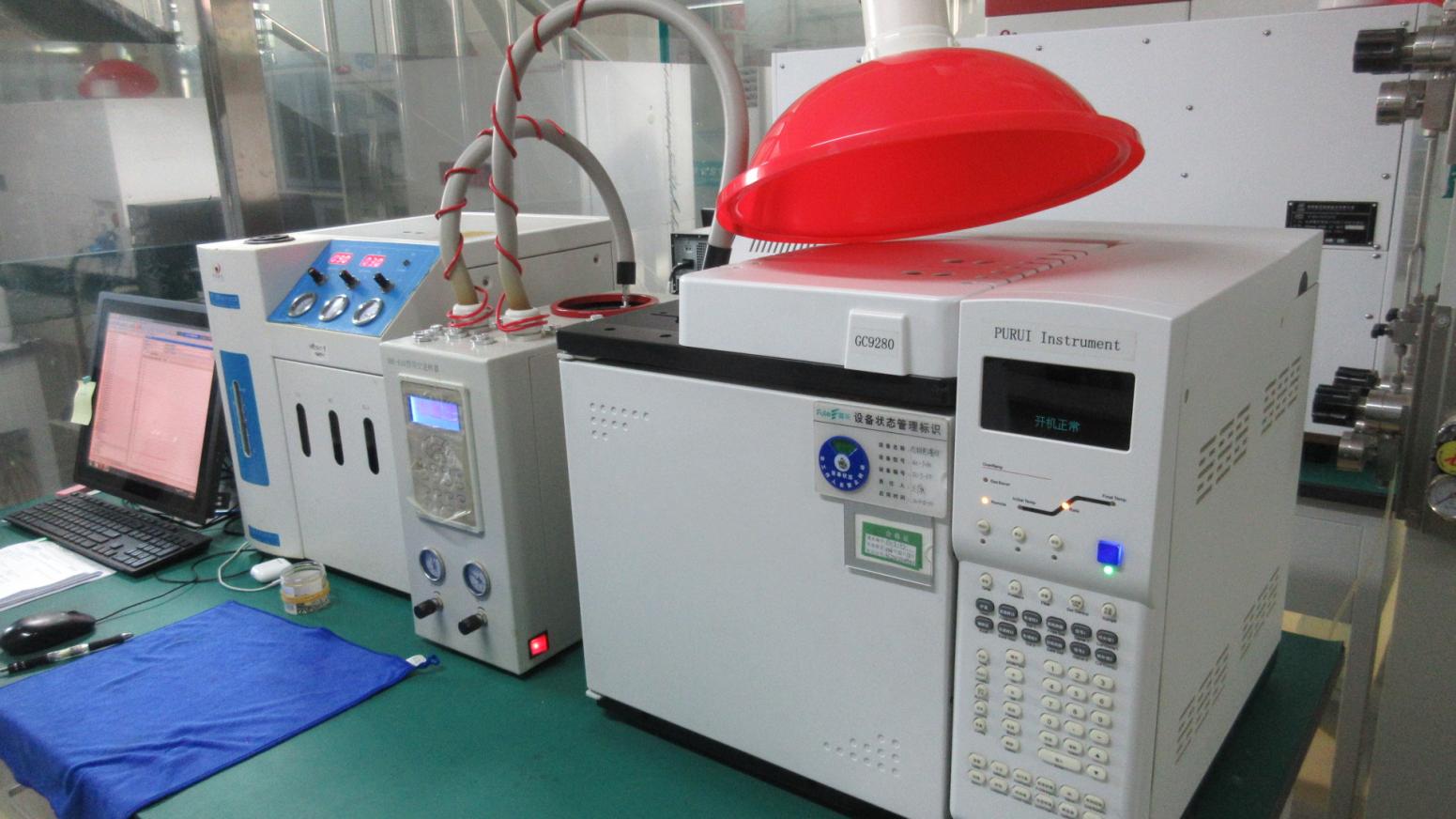
The images below demonstrate our manufacturing capacity, quality control procedures, and cleanroom environments.

Entering new markets requires meeting strict regulatory standards. We support our global partners with registration documentation and customized engineering solutions:
We provide comprehensive documentation support—including 510(k) consulting, CE Technical Files, and ISO 13485 reports—to simplify local market clearance.
Using advanced 3D modeling and prototyping, we customize thread pitches, handle grips, and instrument dimensions to meet your specific preferences.
We utilize protective sterile barrier packaging and structured shipping protocols to maintain product integrity and prevent damage during transit.
To maintain our position in the spinal instrumentation sector, our engineering team continuously develops and refines our manufacturing technologies:
We are expanding our 3D-printing capabilities to manufacture porous titanium interbody cages with interconnected lattices. This design matches the modulus of trabecular bone, encouraging rapid osseointegration and lowering the risk of cage subsidence.
We are developing carbon-fiber-reinforced PEEK instrument handles. These lightweight, radiolucent handles help reduce surgeon fatigue during long procedures and are compatible with repeated autoclave sterilization cycles.
Common questions and detailed answers regarding our spinal system manufacturing capabilities, materials, and order logistics.
 Beren Science & Technology