Engineered to meet the stringent requirements of trauma reconstruction, spinal fixation, and anatomical joint alignment.
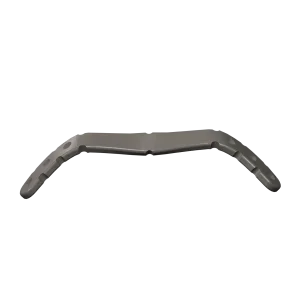
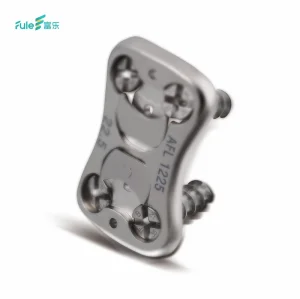
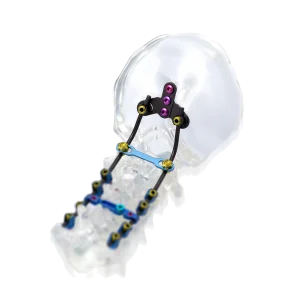
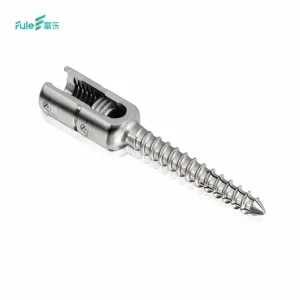
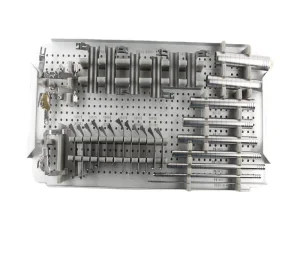
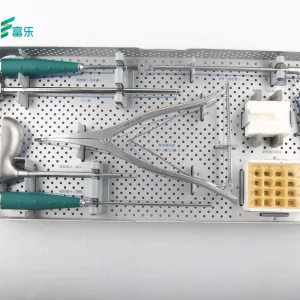
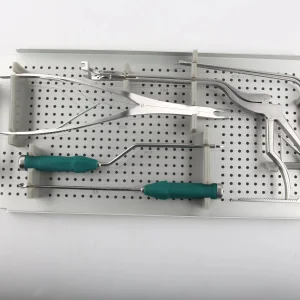
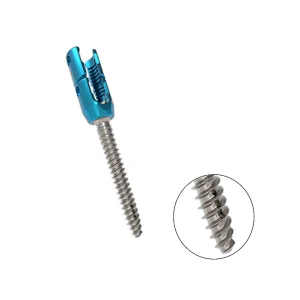
The biomechanical complexities of pelvic fractures require implant systems designed to balance high stiffness with anatomical contouring.
Pelvic ring disruptions and acetabular fractures rank among the most biomechanically challenging injuries managed by trauma surgeons. Unlike long bones, the pelvis functions as a load-bearing arch that distributes massive vertical forces from the axial skeleton to the lower extremities. Consequently, any stabilization system must resist complex multiplanar loads, including shear, compression, and torsion forces.
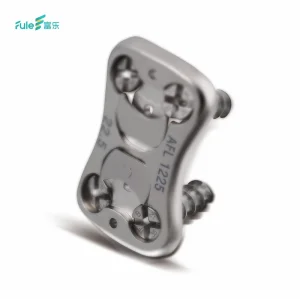
The clinical adoption of the Locking Plate System for Pelvic Fractures represents a significant paradigm shift. Conventional plating relies on the friction interface between the plate and bone surface, which often risks secondary loss of reduction, screw toggle, and construct failure—particularly in osteoporotic bone. In contrast, locked plating acts as a fixed-angle construct, transferring loads directly from the bone, through the locking screws, to the plate. This mechanism prevents screw pullout and limits localized stress concentration.
Modern pelvic trauma reconstruction emphasizes minimal implant profiles and anatomical pre-contouring. Traditional systems often demanded extensive intraoperative bending, which could compromise the mechanical integrity of the titanium alloy and increase operating times. Today’s state-of-the-art designs feature pre-shaped geometries matching the complex curves of the iliopectineal line, pubic symphysis, and posterior iliac column, drastically reducing tissue disruption and preventing implant-associated soft-tissue irritation.
Clinical trends are increasingly favoring polyaxial locking technologies. Standard monaxial locking systems restrict screw insertion to predefined trajectories. In acetabular fractures, however, vital neurovascular structures and the joint space restrict screw path choices. Polyaxial locking allows up to 20-30 degrees of angular deviation, enabling surgeons to target secure, high-density bone blocks while safely bypassing articular cartiledge and vascular bundles.
Optimized for the complex curves of the male and female pelvic rings, reducing intraoperative preparation time.
Constructed with Ti-6Al-4V ELI (Extra Low Interstitial) for exceptional fatigue limit and rapid osseointegration.
Understanding regulatory requirements, delivery frameworks, and precision demands for international orthopedic markets.
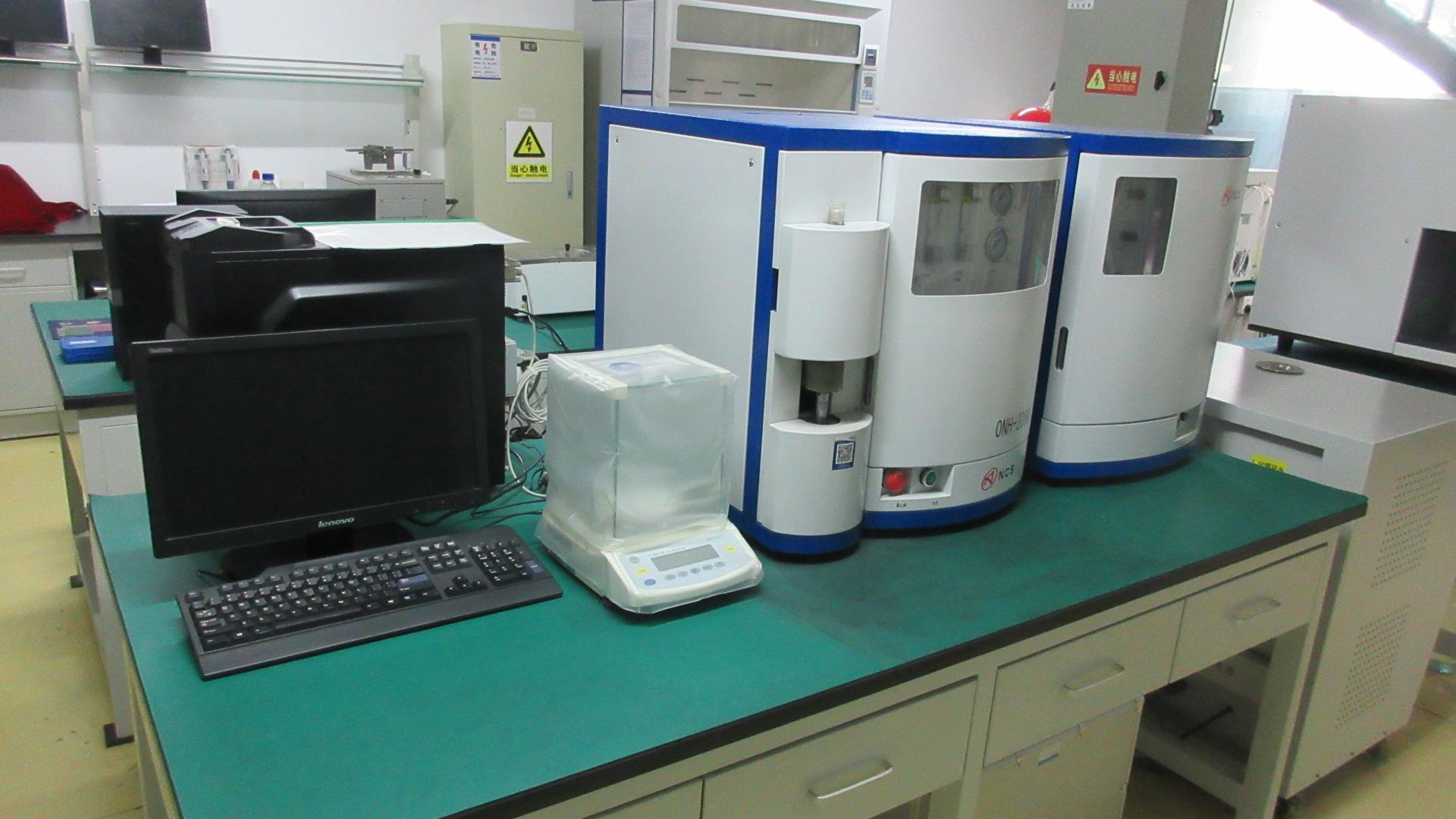
International distributors, hospital systems, and procurement agents seek more than just low-cost manufacturing. In the medical sector, risk mitigation is paramount. Orthopedic implants operate under high-risk regulatory classes (such as EU MDR Class III and FDA Class III). A reliable manufacturing partner must supply robust documentation, including ISO 13485 certification, material analysis test reports, and fully traceable manufacturing histories.
Our export network spans Eastern Europe, Southeast Asia, and domestic markets, delivering solutions tailored to distinct regional requirements. In Eastern Europe, compliance with stringent CE standards is mandatory. In Southeast Asia, partners prioritize cost-efficient logistics, durable packaging, and modular instrument configurations. To address these needs, we maintain partnerships with over 70 supply chain entities, ensuring stable raw material sourcing and smooth shipping operations.
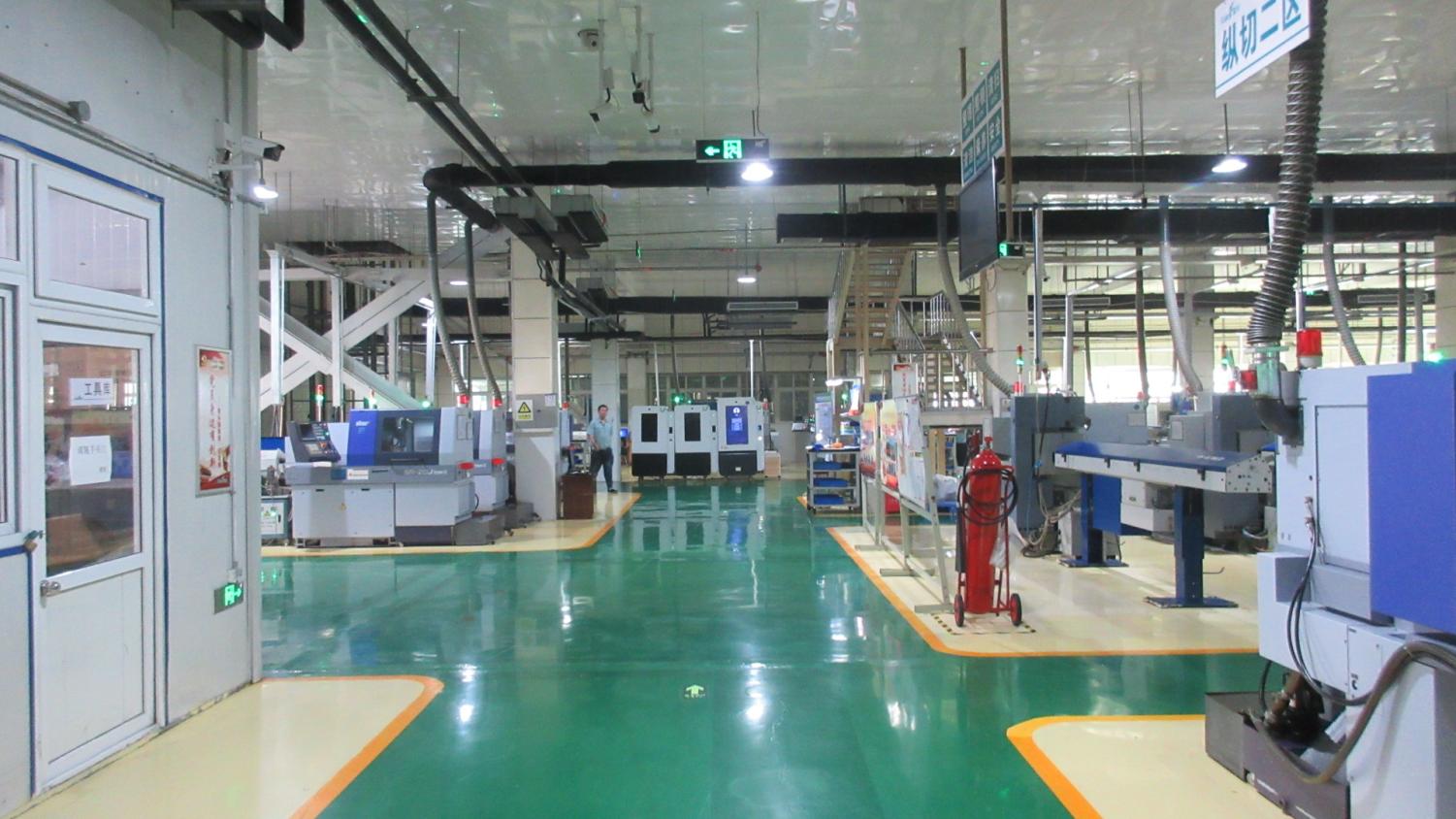
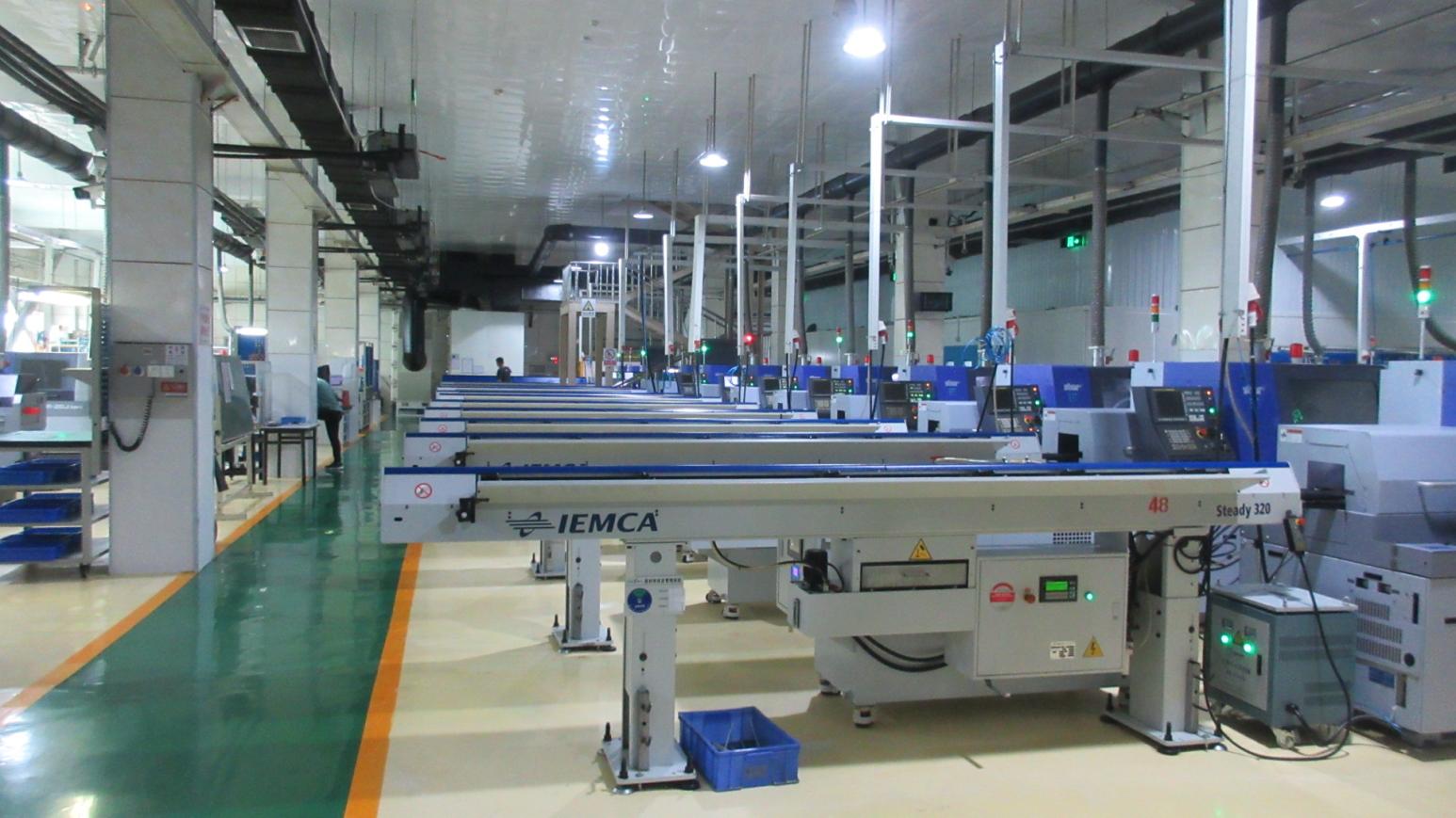
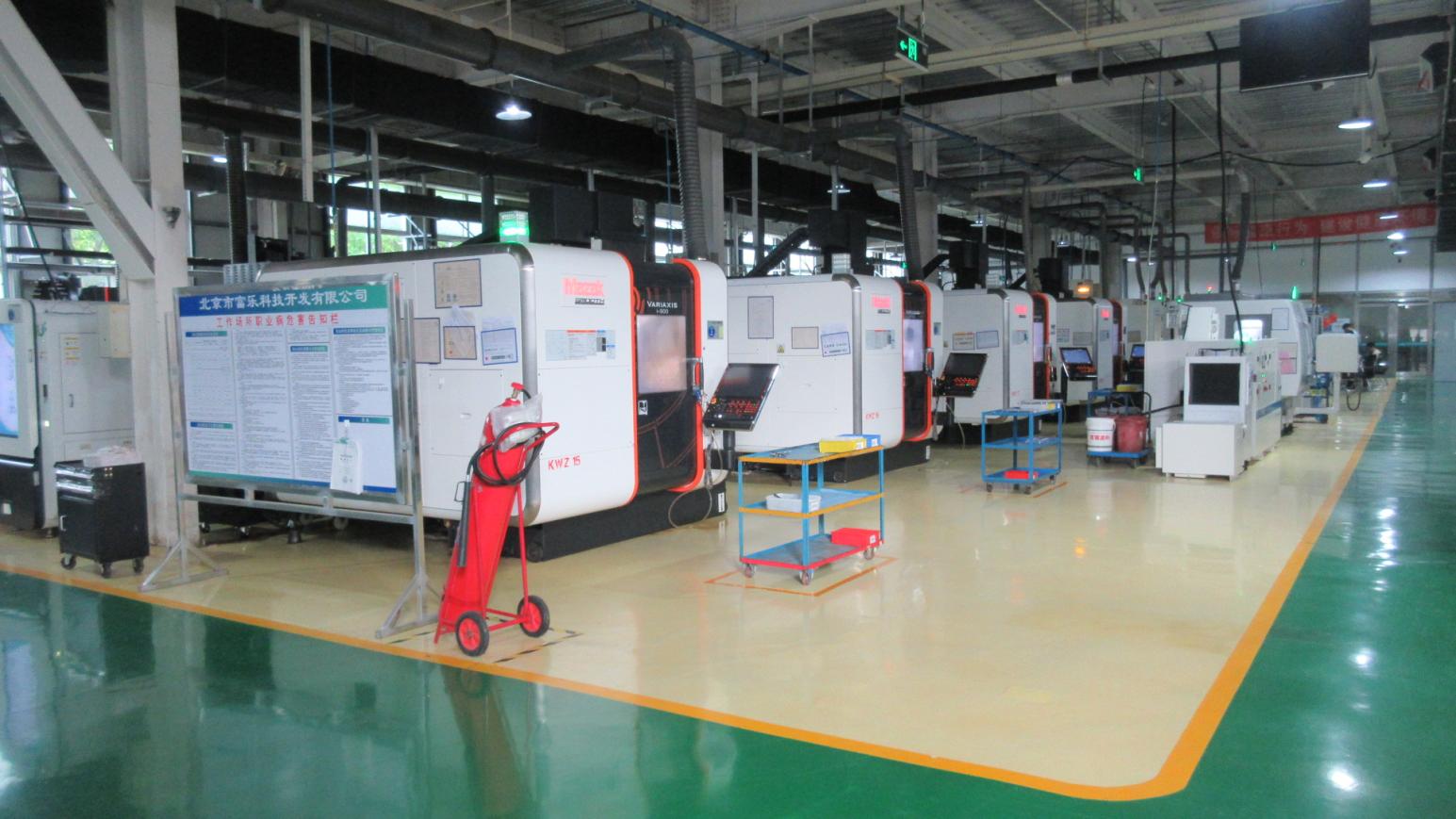
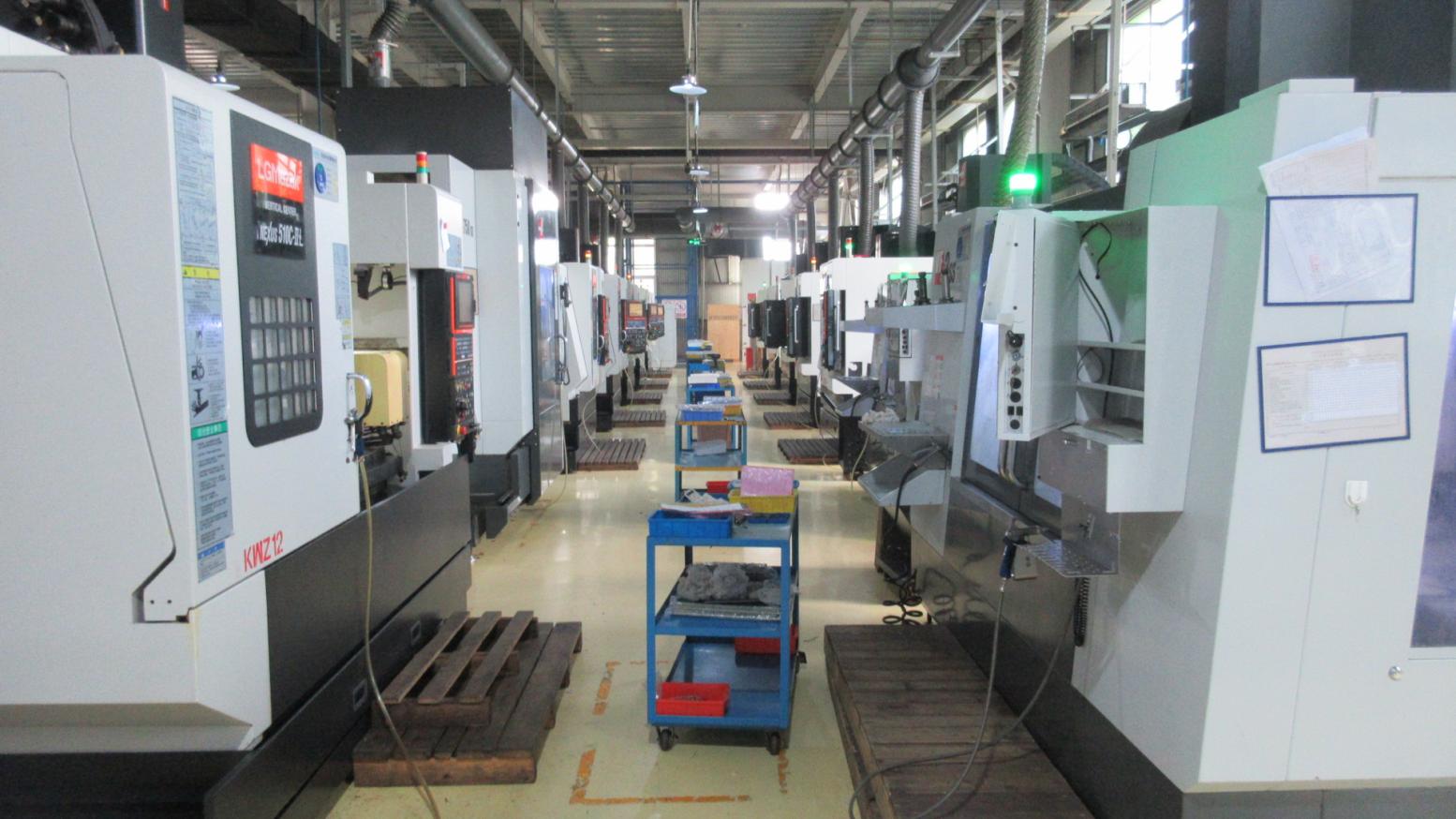
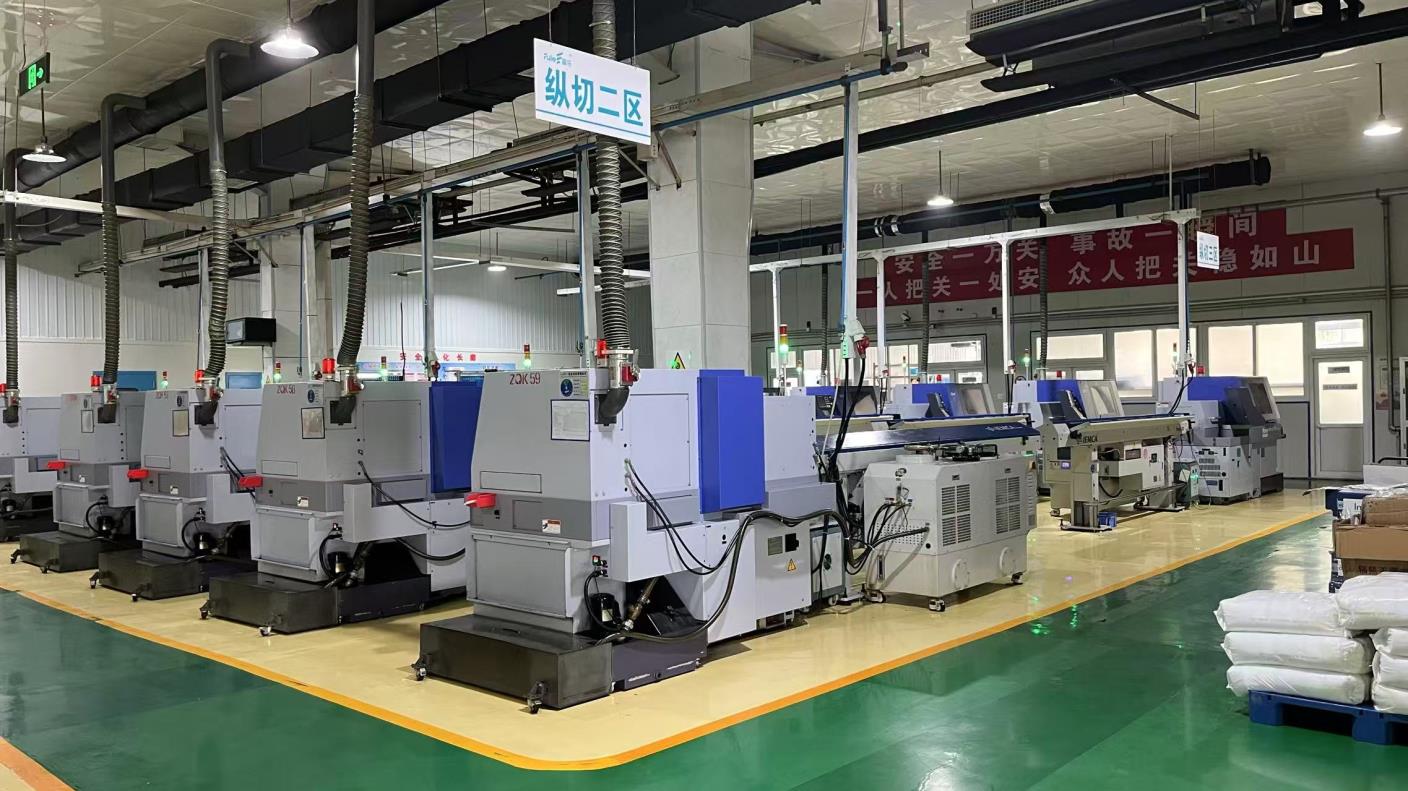
Our facility integrates advanced Factory 4.0 paradigms. With 102 precision manufacturing machines, including 5-axis CNC machining centers and high-speed Swiss milling stations, we process complex curved contours within tolerance limits under +/- 5 microns. This level of precision is crucial for pelvic reconstructive plates, where minor dimensional deviations can lead to improper fit or local implant loosening.
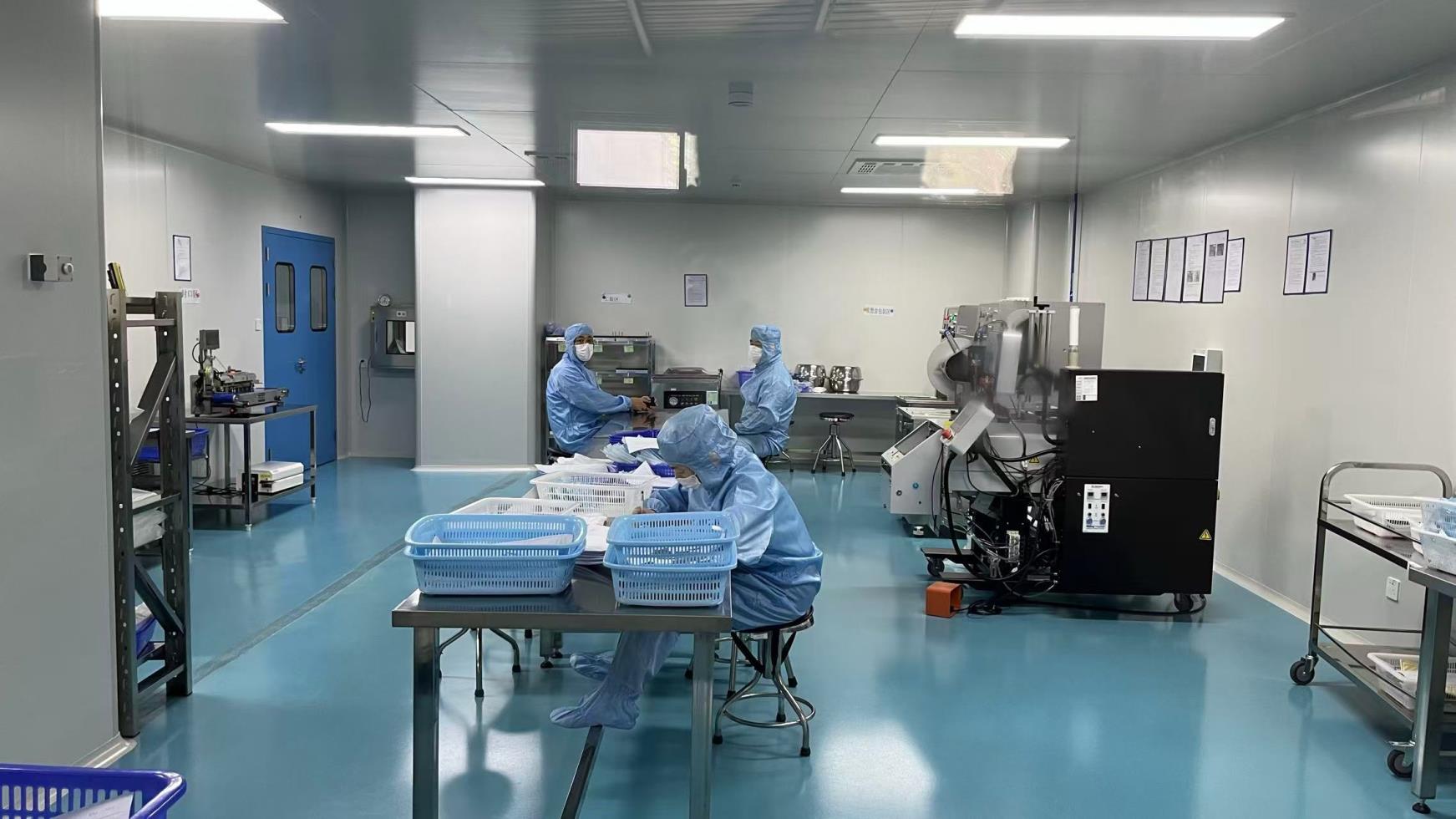
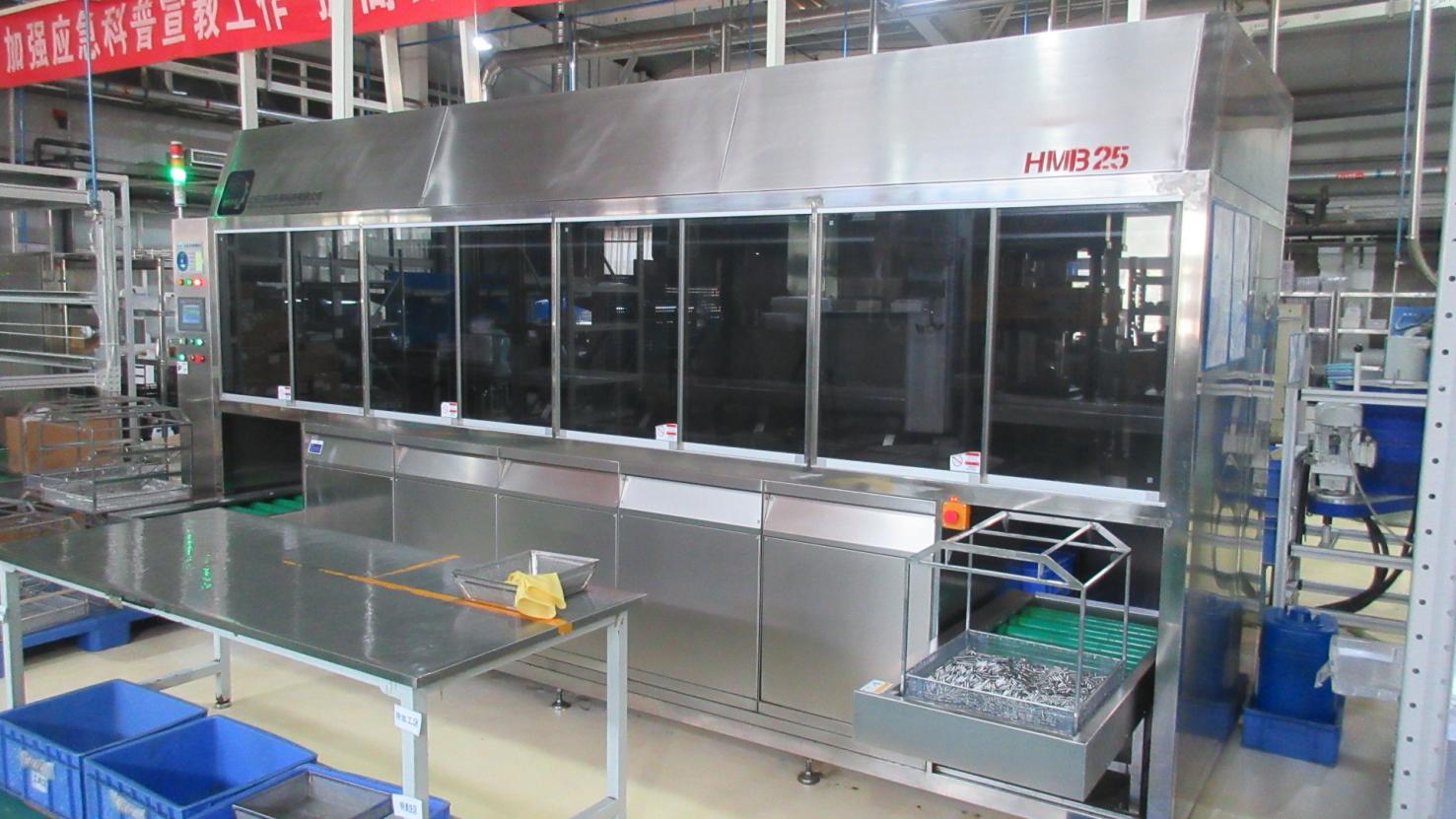
We manage every step of production, from raw titanium rods to final chemical cleaning and sterile-ready packaging, through a single continuous process. Under the guidance of our 20-engineer R&D department (featuring 15 graduate professionals), we routinely develop and test customized designs, launching over 20 new products annually.
A statistical breakdown of our operations, quality standards, and export capacity.
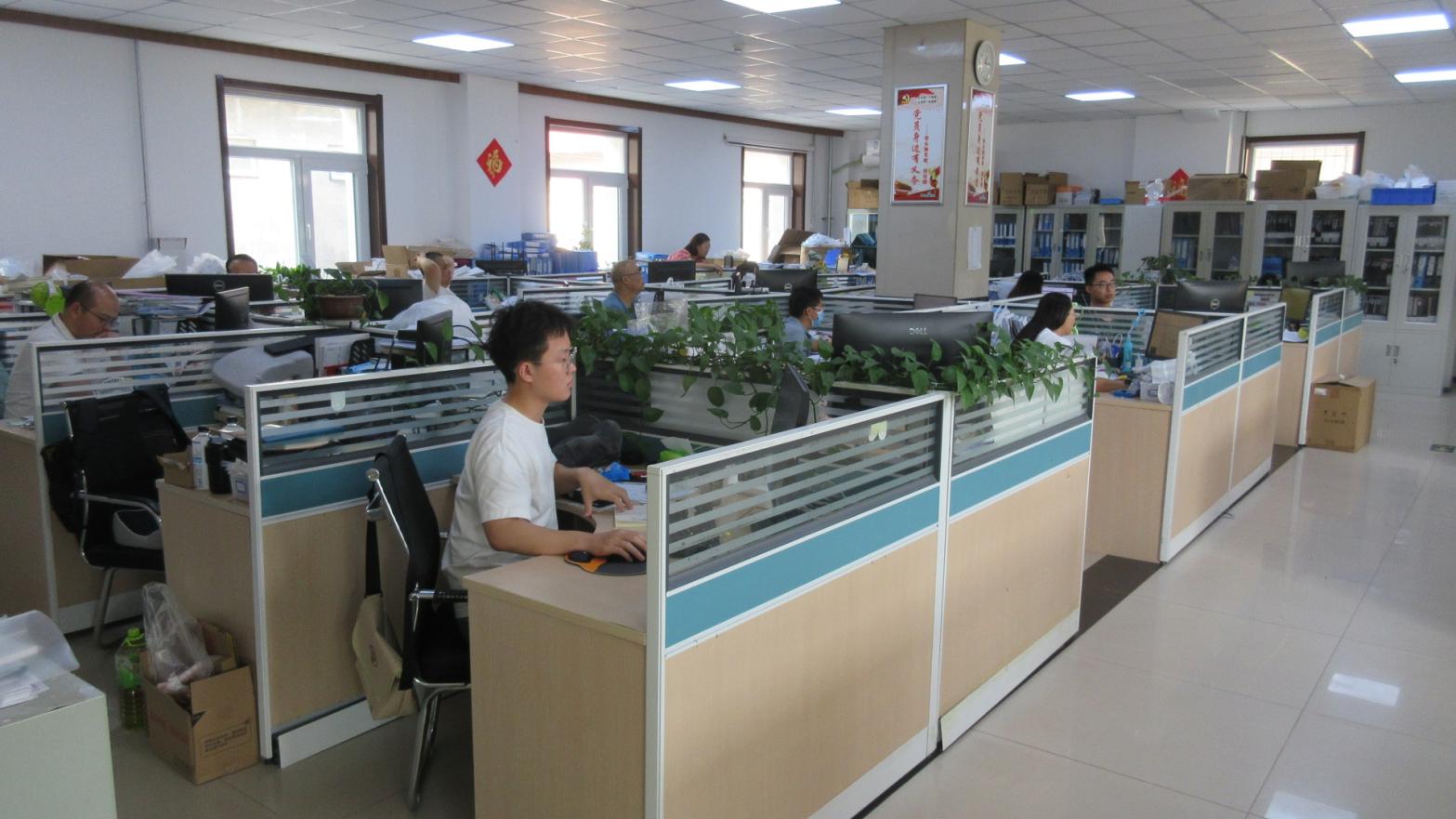
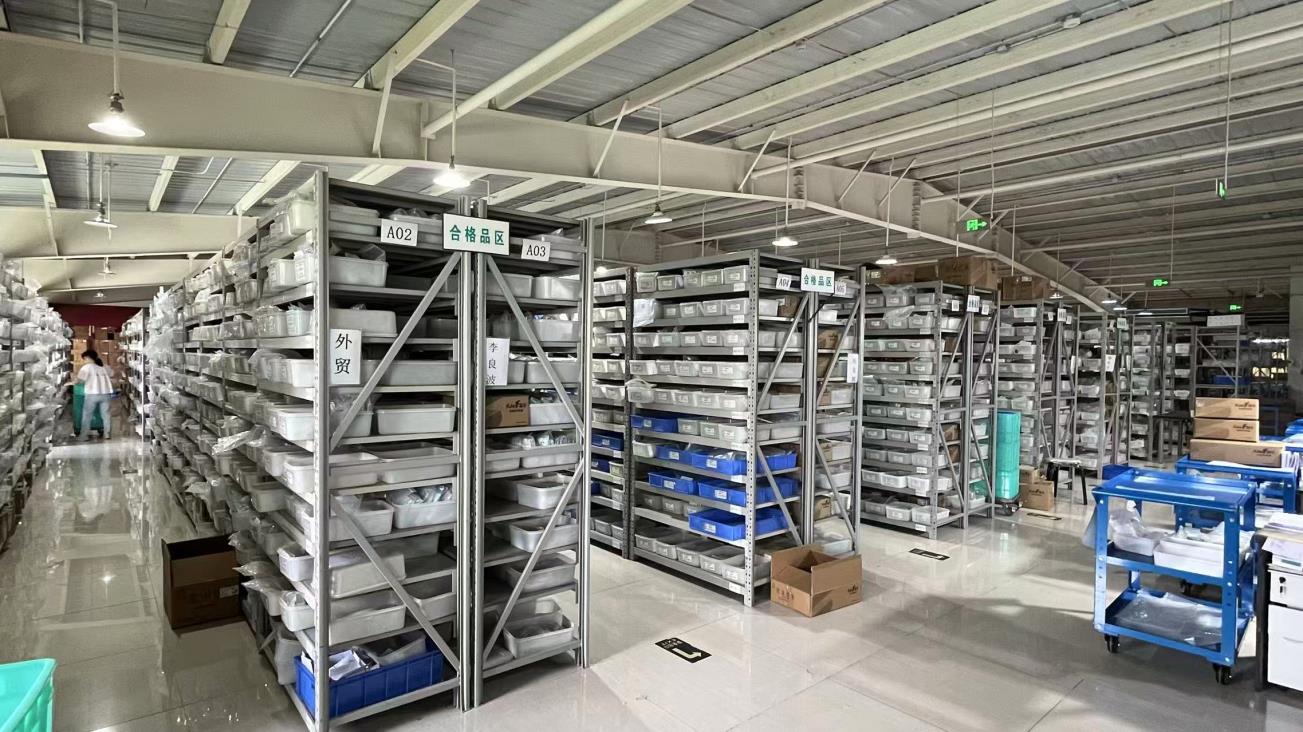
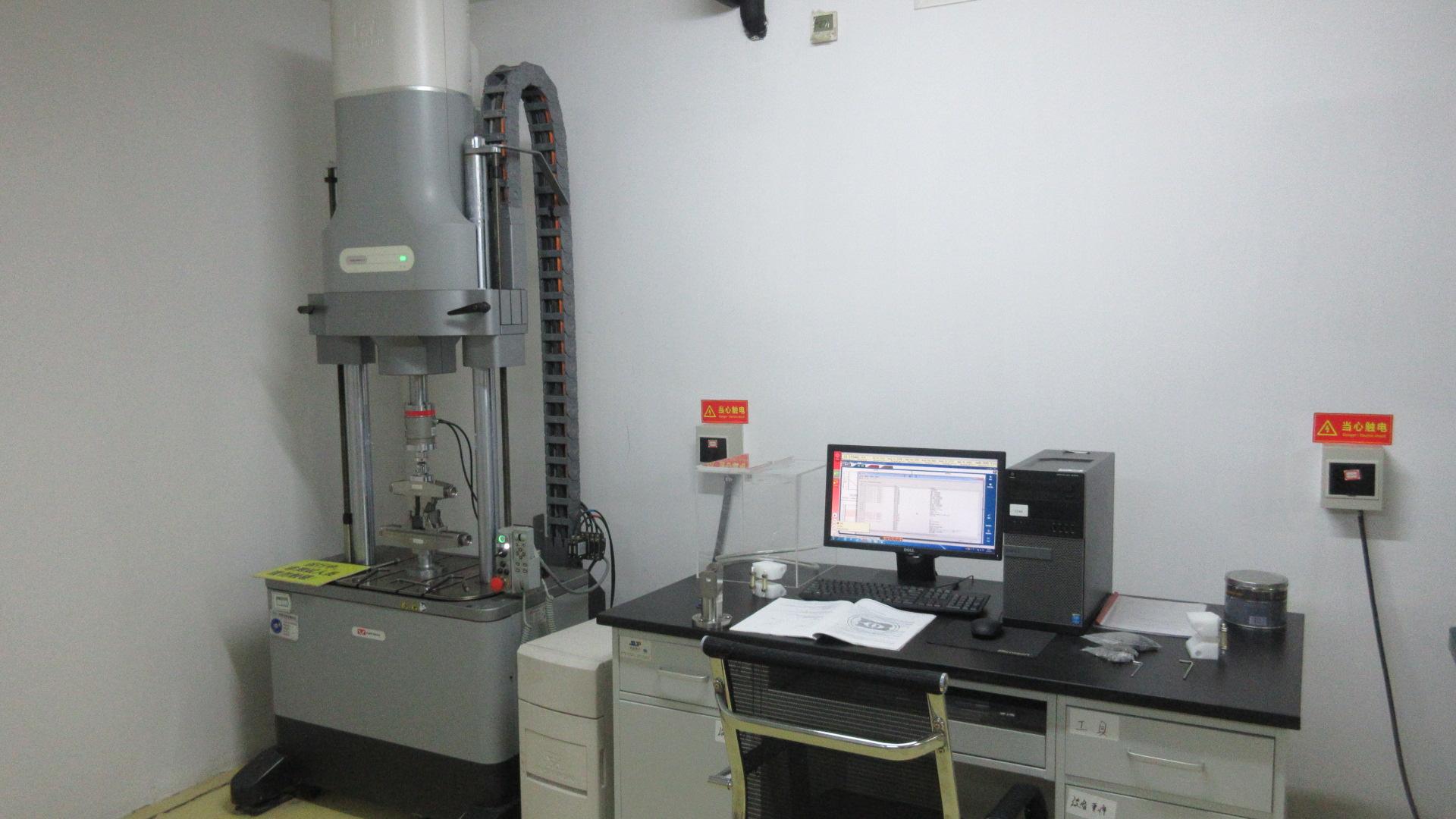
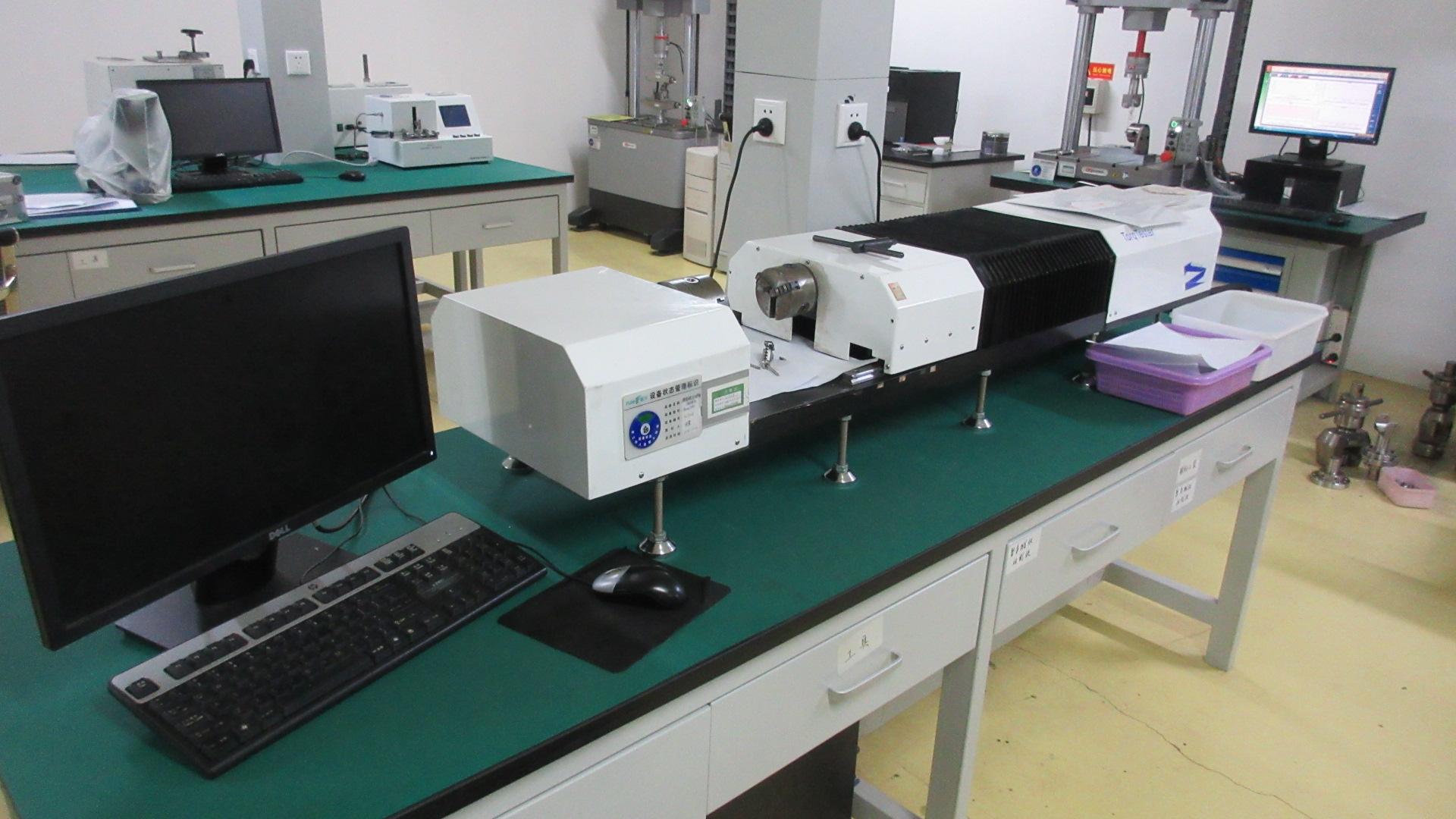
A photographic tour of our manufacturing floors, cleanrooms, testing labs, and state-of-the-art logistics setups.

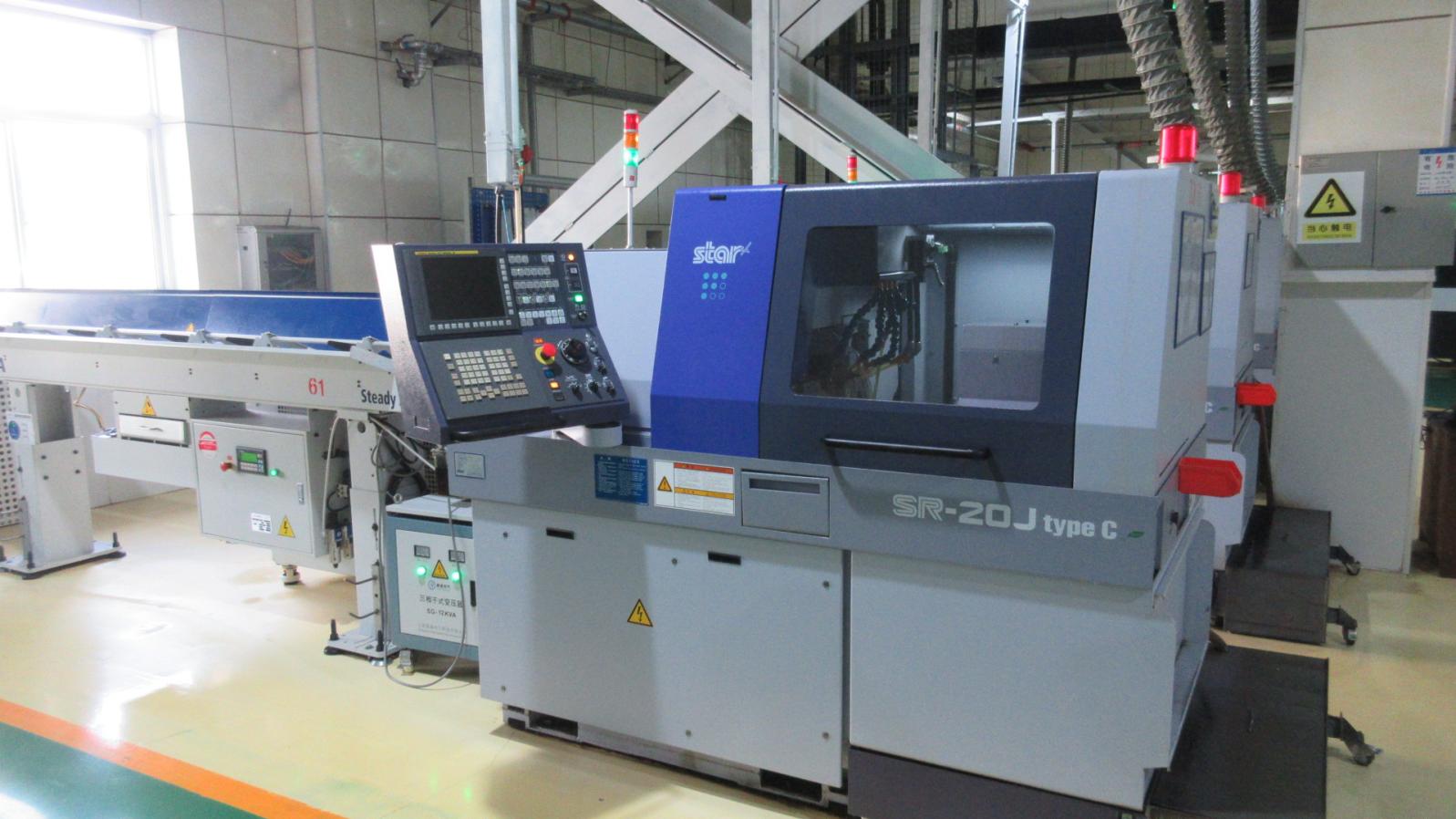
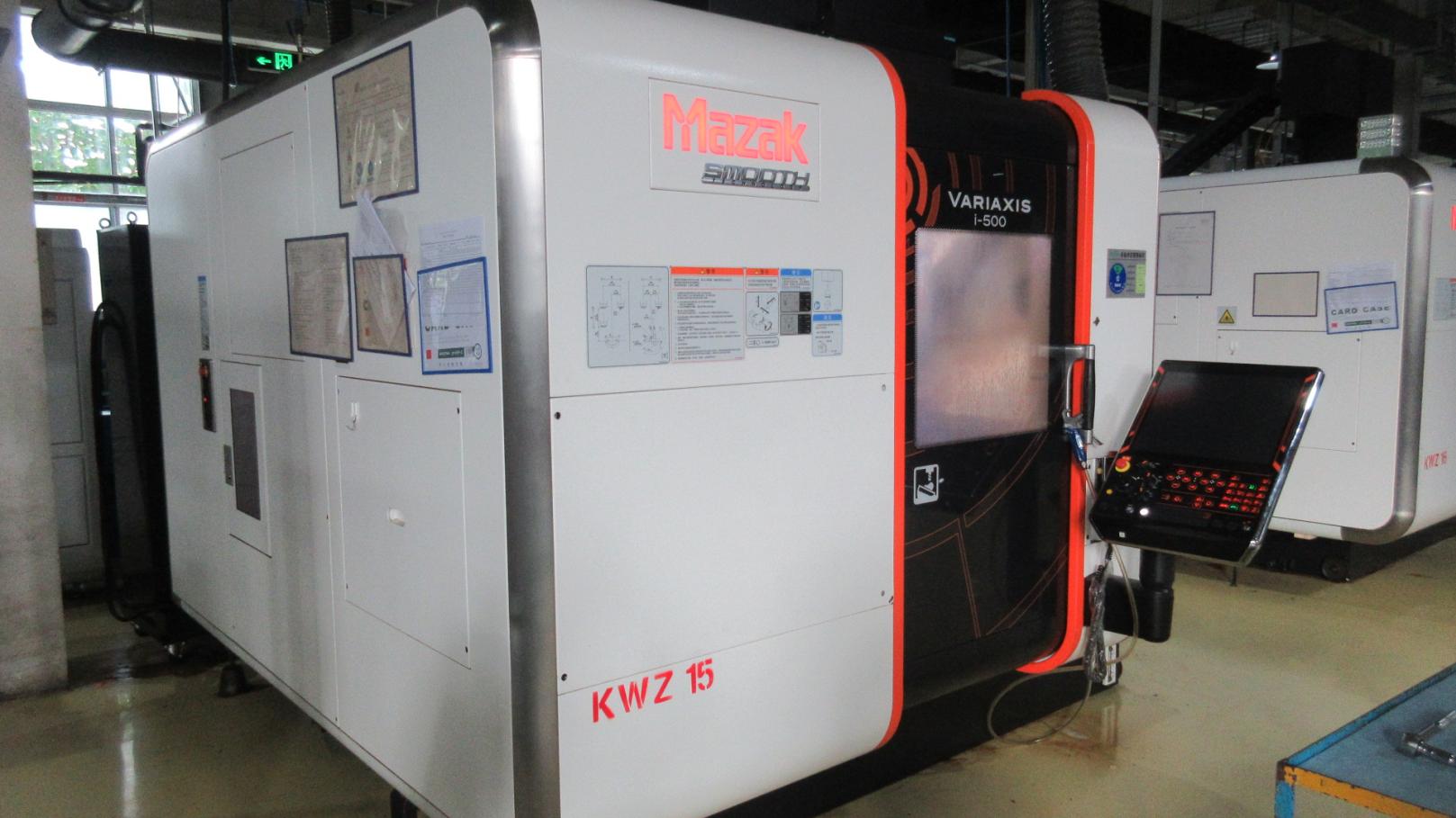
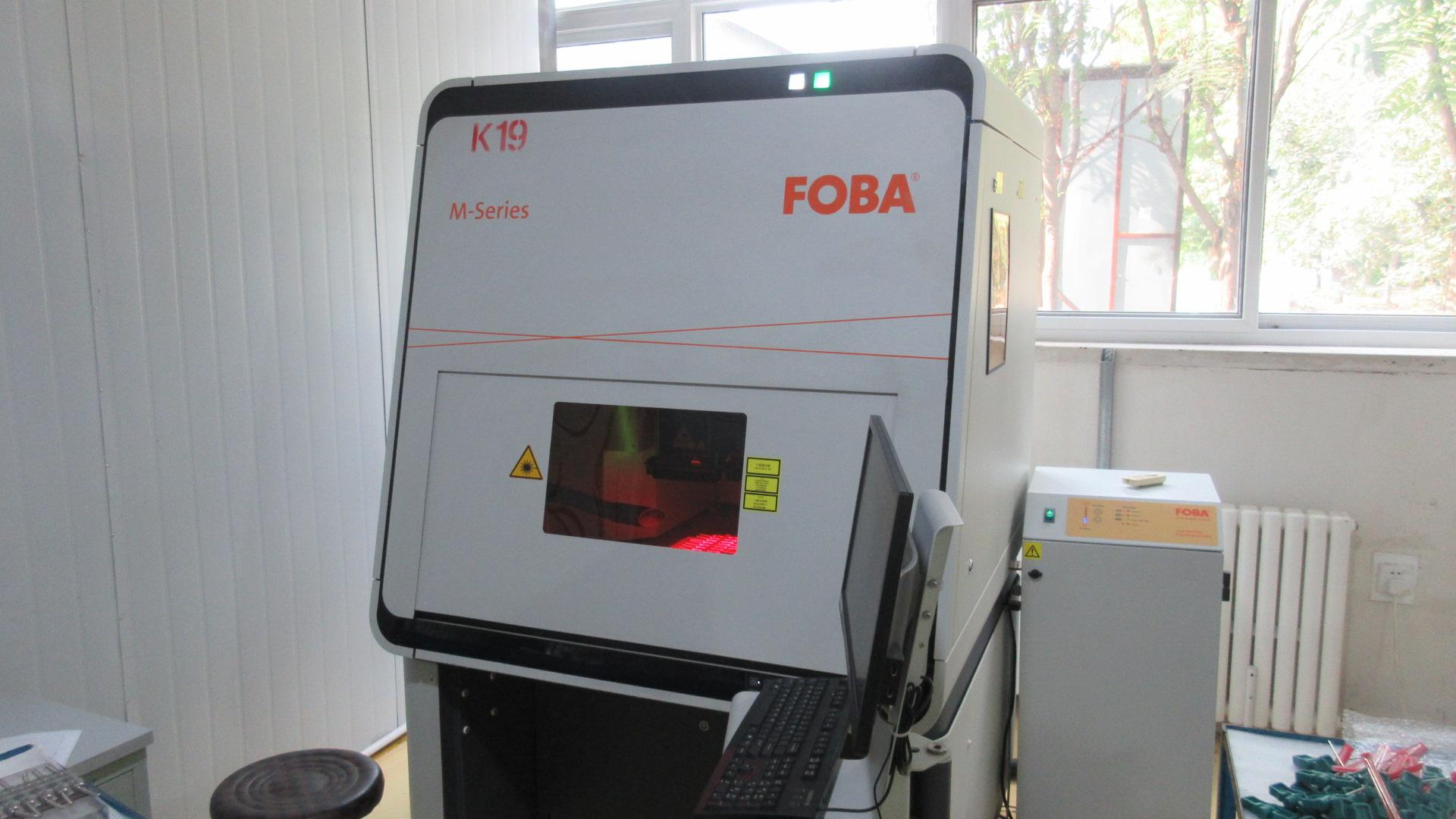
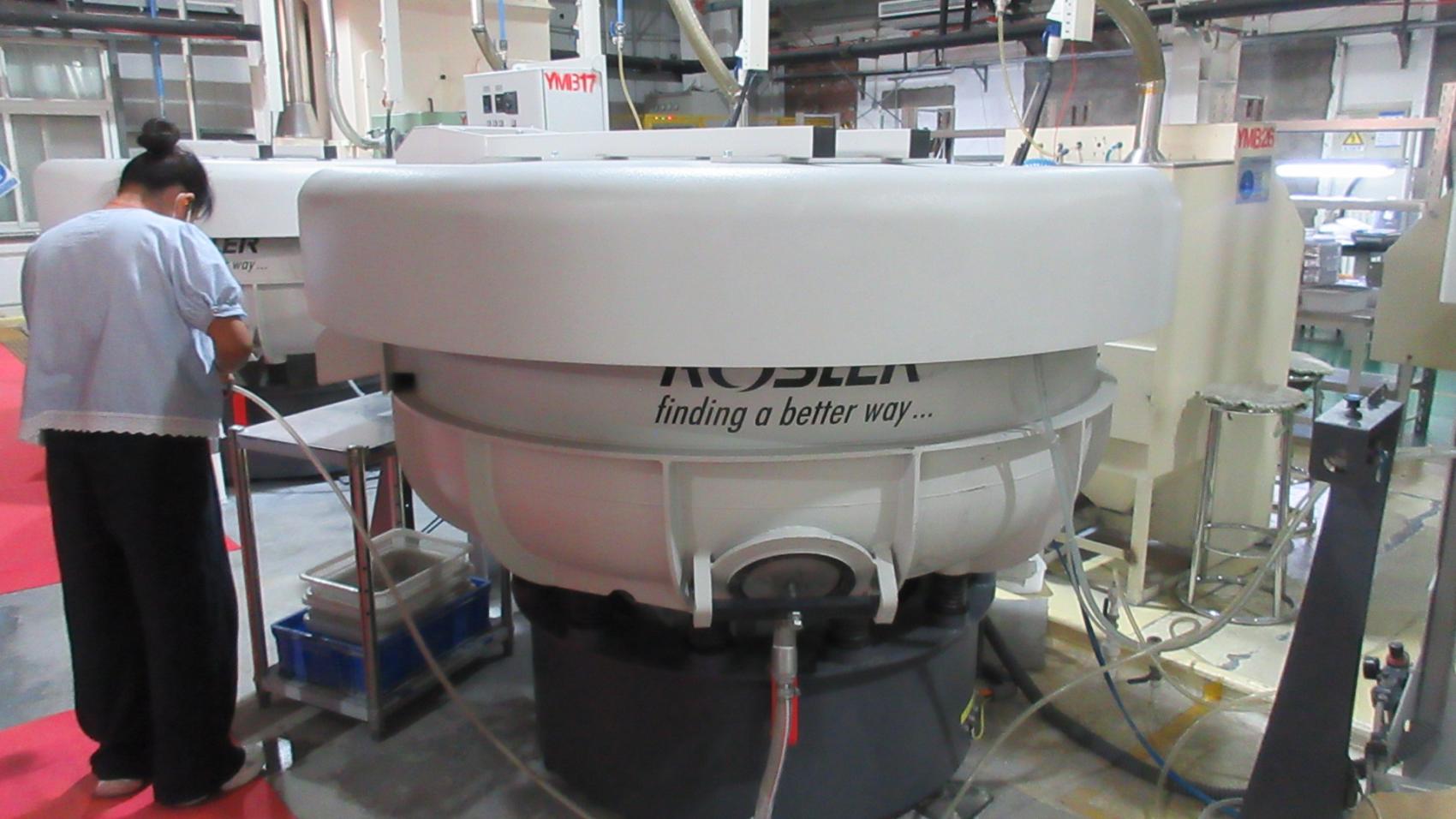
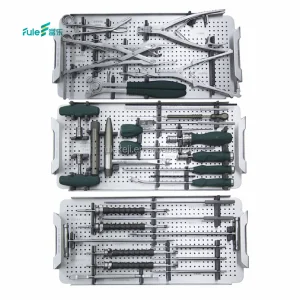
Custom configurations designed for specific trauma surgery scenarios and orthopedic repair processes.
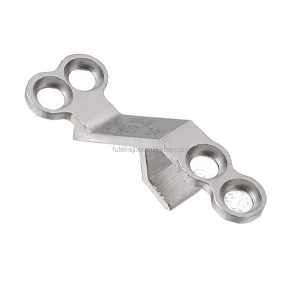
Indicated for diastasis of the pubic symphysis. Pre-contoured locking plates provide the stability needed to withstand lateral shear and compression, allowing early patient mobilization and preventing long-term malalignment.
Reconstructive plates are shaped to follow the curve of the acetabular dome. When combined with locking screws, they prevent articular surface displacement, reducing the incidence of post-traumatic osteoarthritis.
Used for posterior pelvic disruptions where structural loads are highest. Rigid, multi-screw configurations bridge the joint space to stabilize the posterior column against dynamic shear forces.
In-depth responses to regulatory, engineering, and manufacturing questions for medical device procurement.
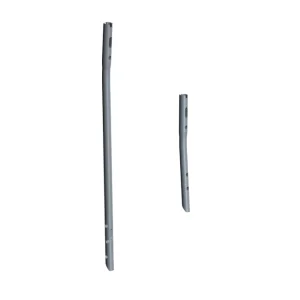
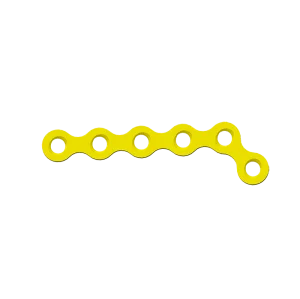
Additional clinical products manufactured to the same rigorous standards as our pelvic systems.
 Beren Science & Technology