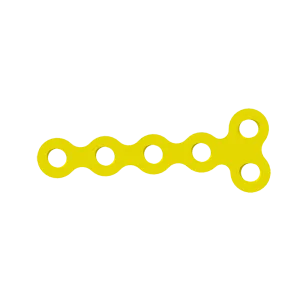
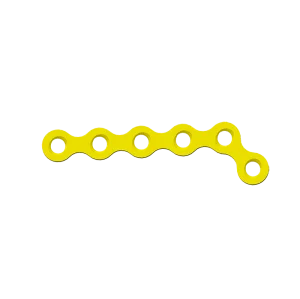
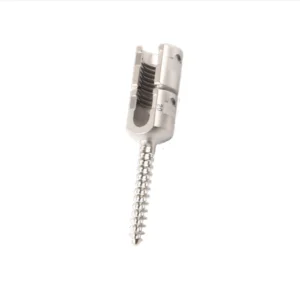
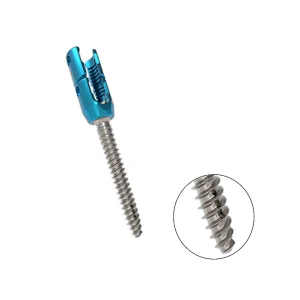
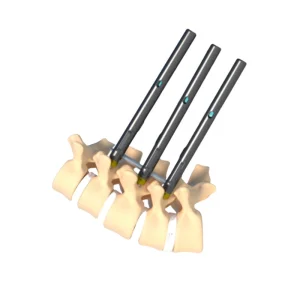
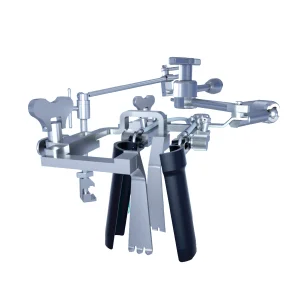
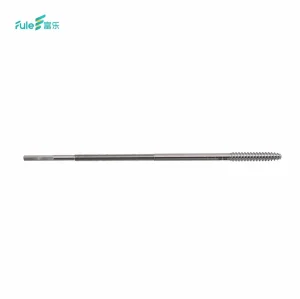
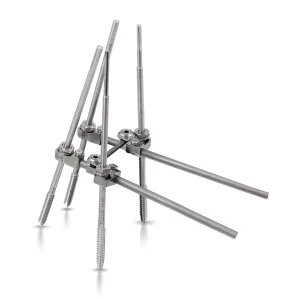
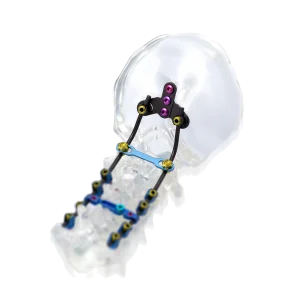
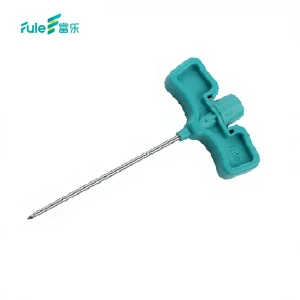
Explore our leading product range covering hand, foot, and spinal reconstruction options manufactured for extreme durability and precise anatomical fit.
A deep look into the expanding demands of orthopedic hand and foot surgeries worldwide.
The global extremities market is experiencing an unprecedented compound annual growth rate (CAGR), driven heavily by an aging worldwide population, increased participation in high-impact sports, and the technological transition from traditional casting and K-wire fixations to anatomic locking systems. Hand and foot anatomy is uniquely intricate; bone plates must conform perfectly to complex curves while providing rock-solid biomechanical stability.
By locking the screws rigidly into the plate, the system acts as an external fixator internal to the body. This prevents the plate from being pressed tightly onto the periosteum, protecting the local blood supply of small bones in the hands and feet. The dynamic locking mechanism guarantees stable fixation even under cyclical load distributions, significantly accelerating patient mobilization.
For B2B buyers and surgical distributors, navigating medical regulatory frameworks is vital. Our operations are fully ISO 13485 certified, and our products carry rigorous CE marks to guarantee cross-border medical compliance. Quality assurance documentation, raw material trace indicators, and batch testing certificates are fully furnished for global distribution channels.
Delivering high-performance biocompatibility and surgical precision through advanced metallurgy.
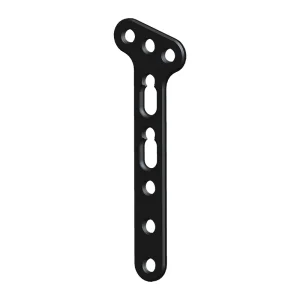
The primary focus of extremity reconstruction is reducing the implant's profile to prevent soft tissue irritation while maintaining mechanical strength. Because fingers, toes, and wrists have minimal soft tissue coverage, thick plates can cause discomfort, tendon impaction, or skin necrosis. Our hand and foot locking plates feature ultra-low profiles, with tapered distal edges that blend smoothly onto the bone surface.
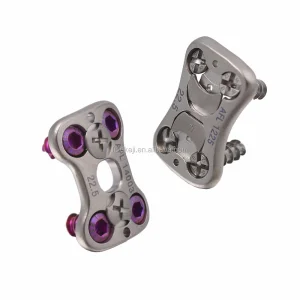
In highly osteoporotic or comminuted bone, traditional screws can strip the thread and lose compression. A locking plate system forms a fixed-angle construct, securing the screws directly into the threaded plate holes. This distributes the stress across the entire plate length rather than relying solely on bone-implant friction. Variable-angle locking options allow surgeons to angle screws up to 15 degrees off-center, avoiding joints or targeting specific bone fragments.
Each titanium locking plate undergoes electro-chemical anodization. This creates an bio-inert oxide surface layer that reduces friction and prevents cold welding of screws. The micro-roughness optimization assists in steady bone apposition without leading to aggressive osseointegration, simplifying eventual hardware removal when necessary.
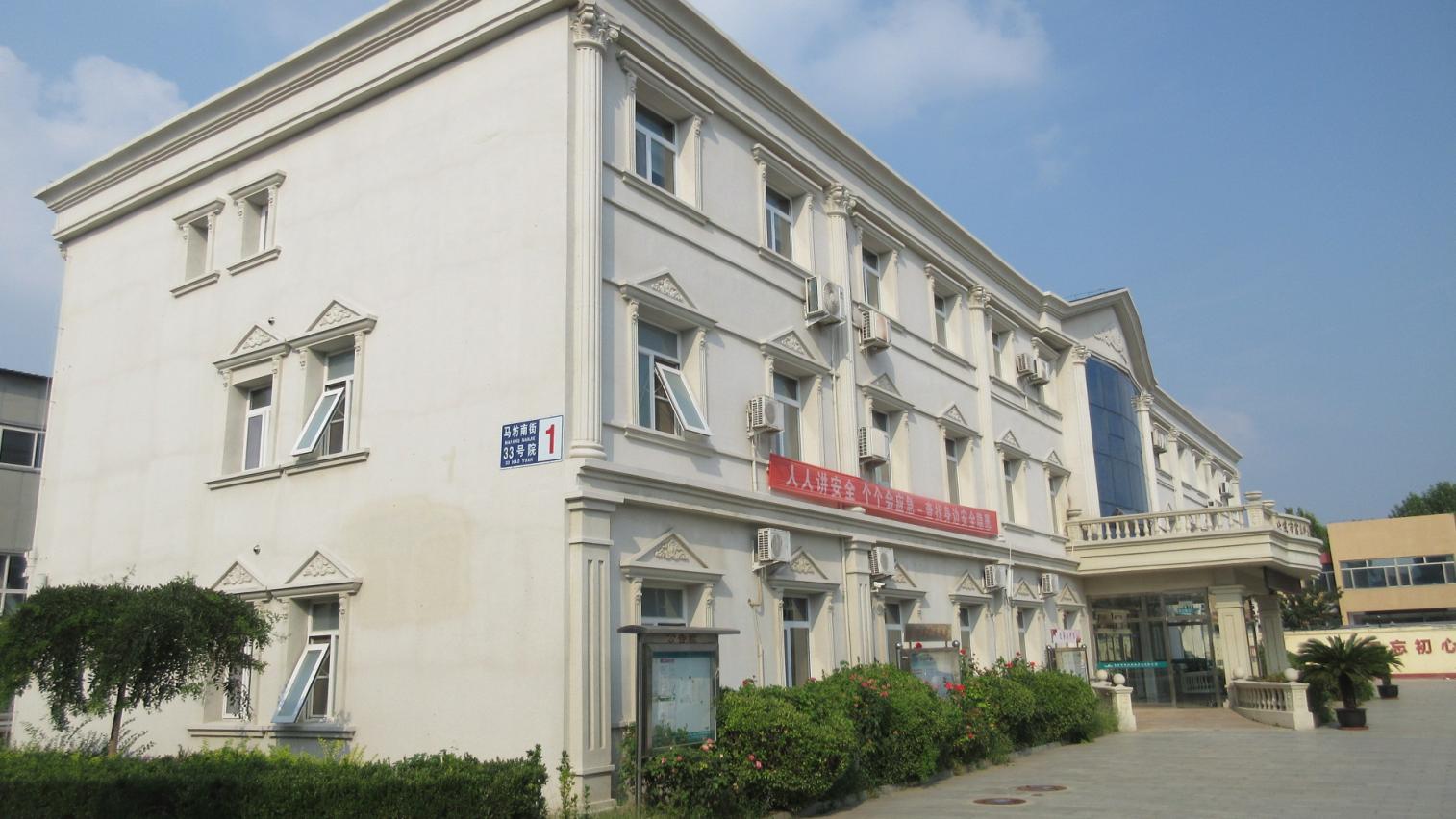
A closer look at our world-class manufacturing facility and regulatory credentials.
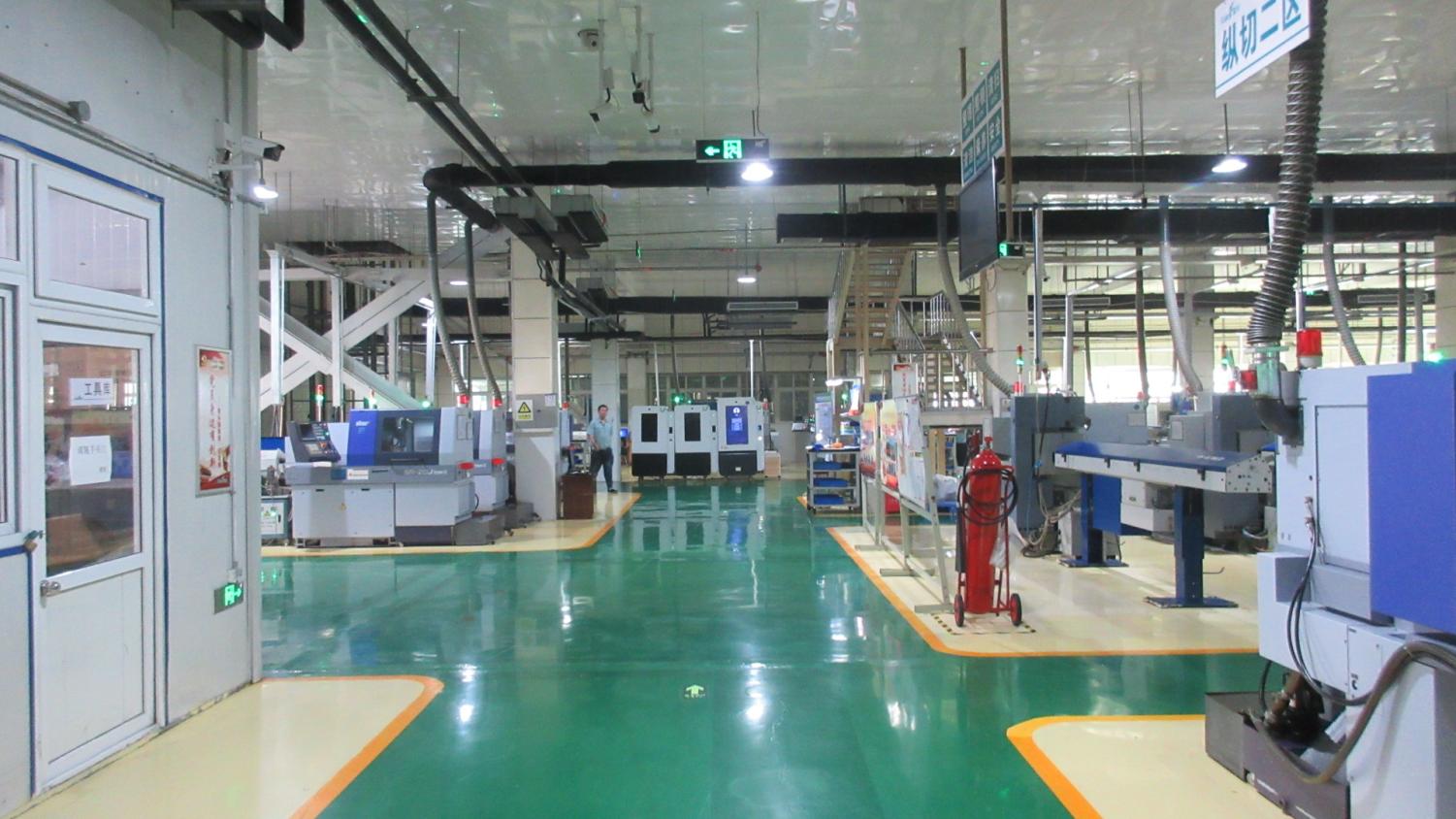
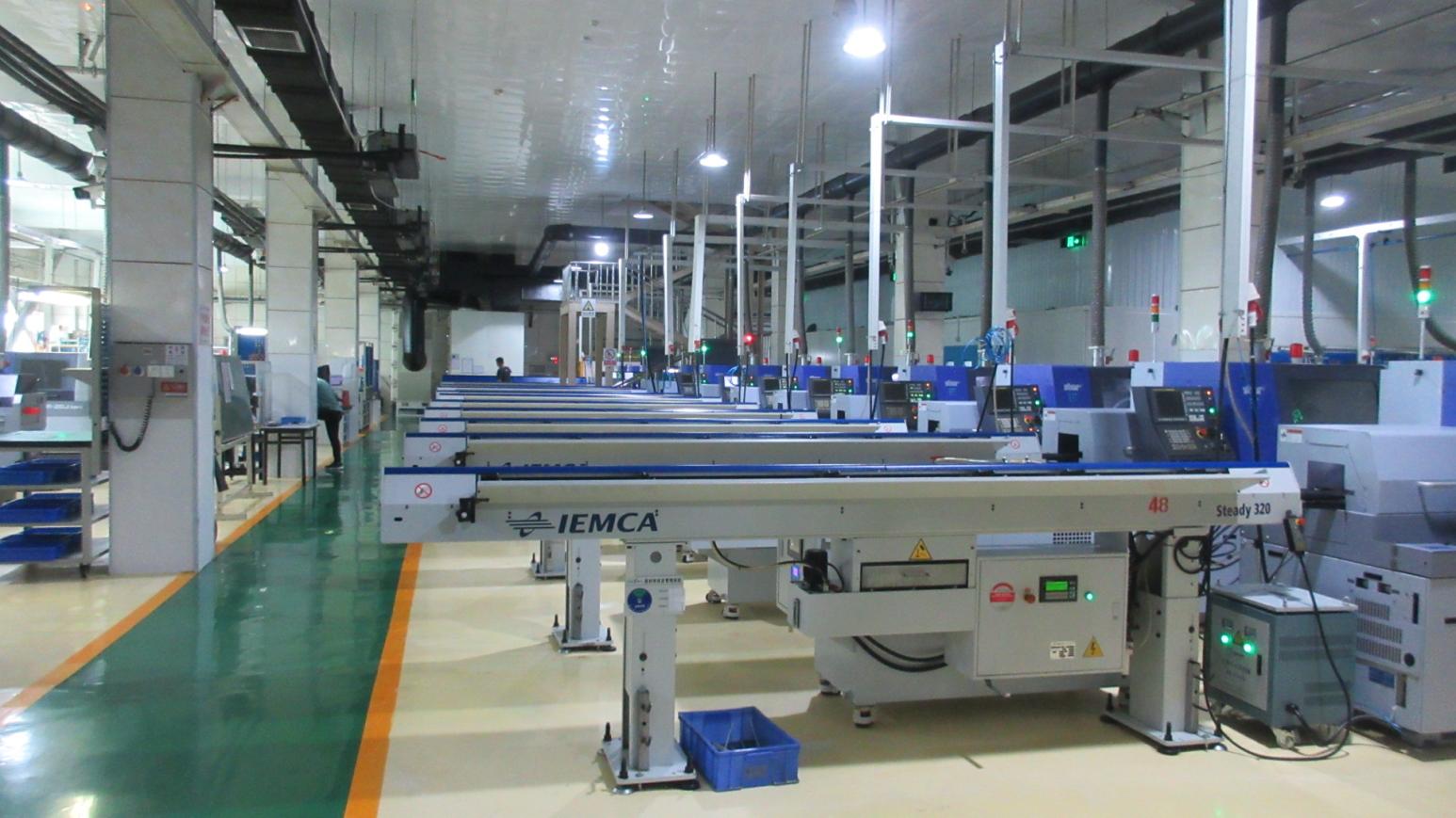
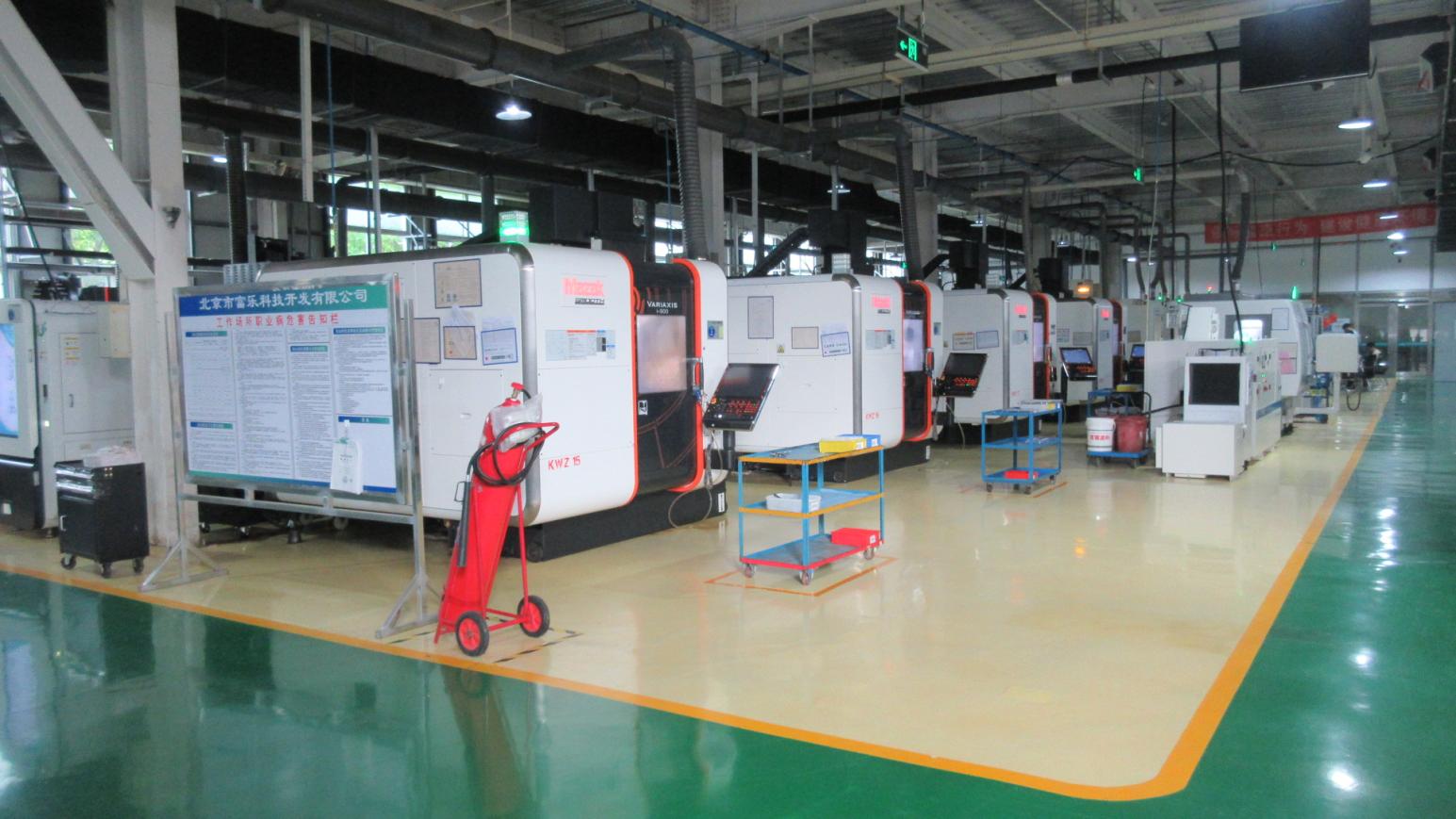
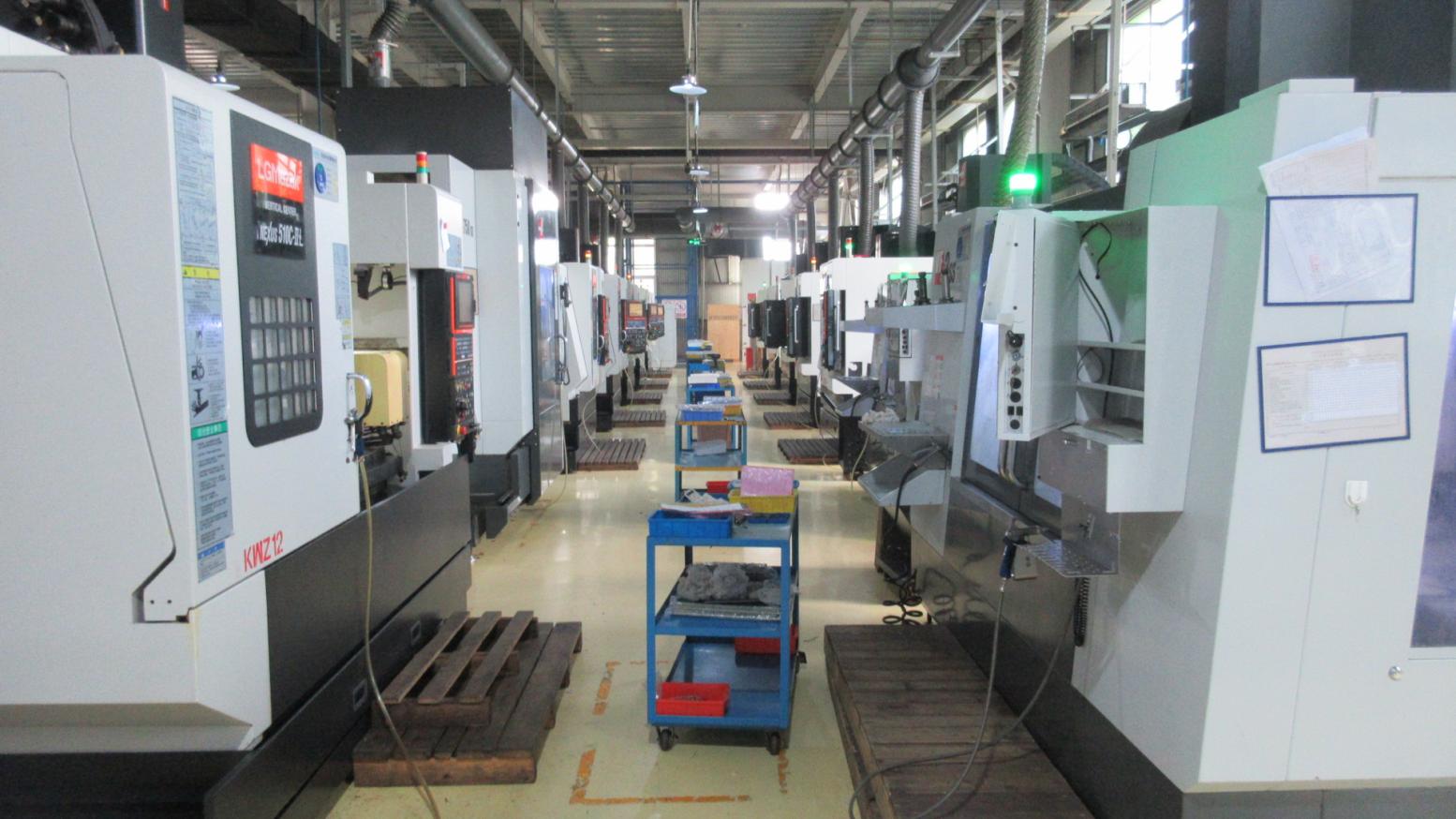
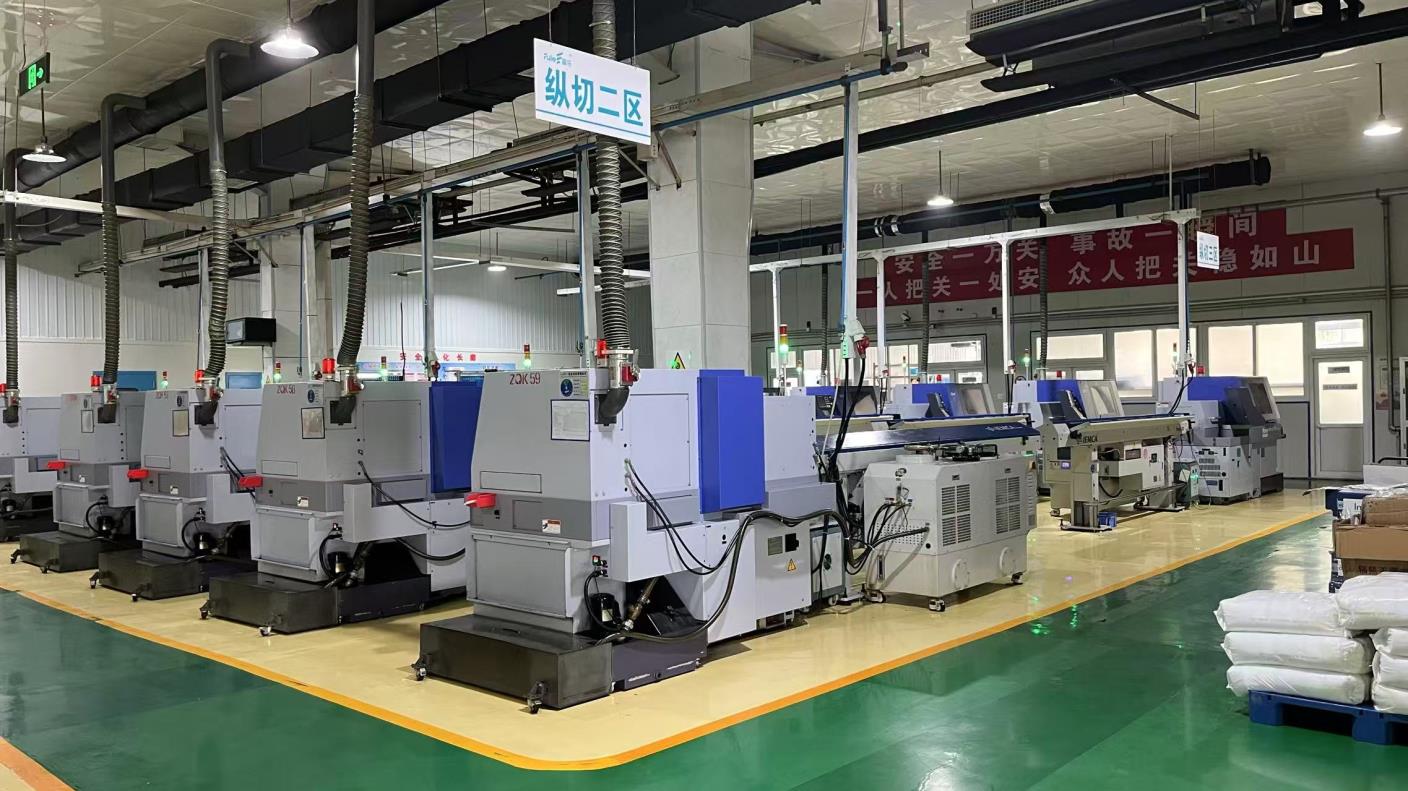
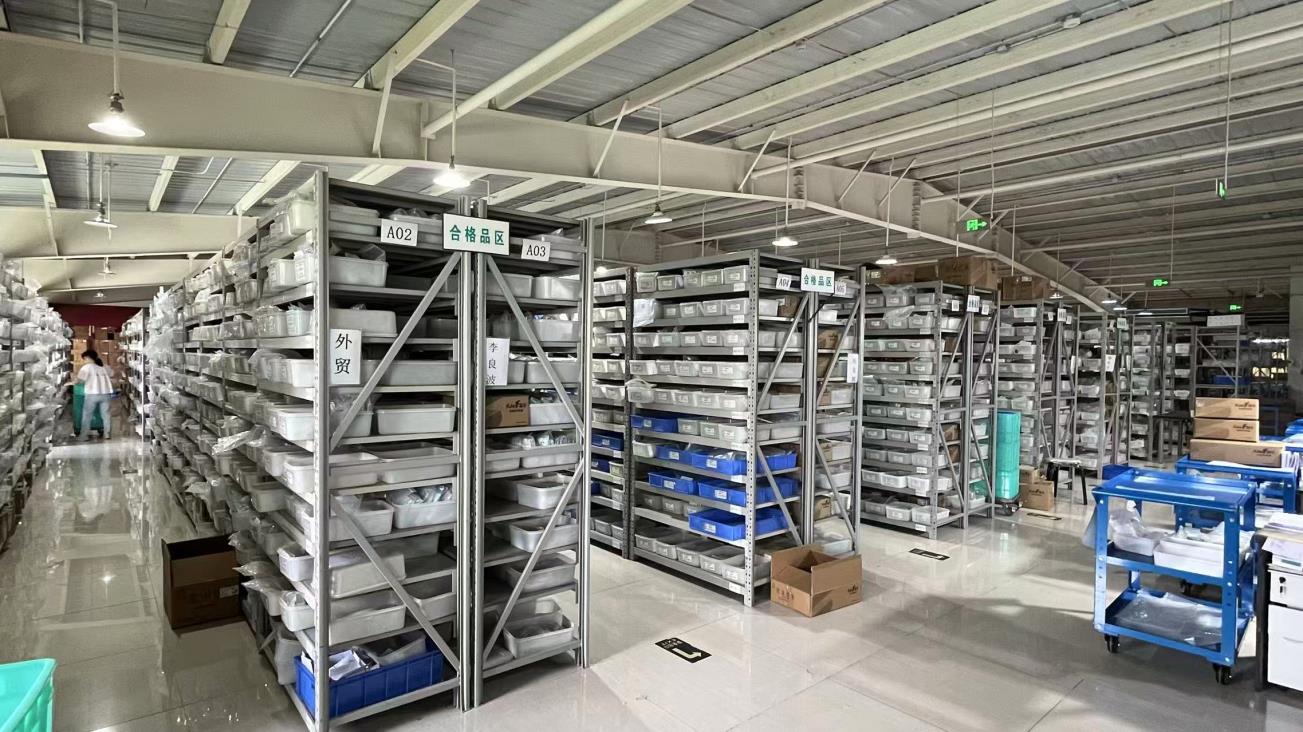
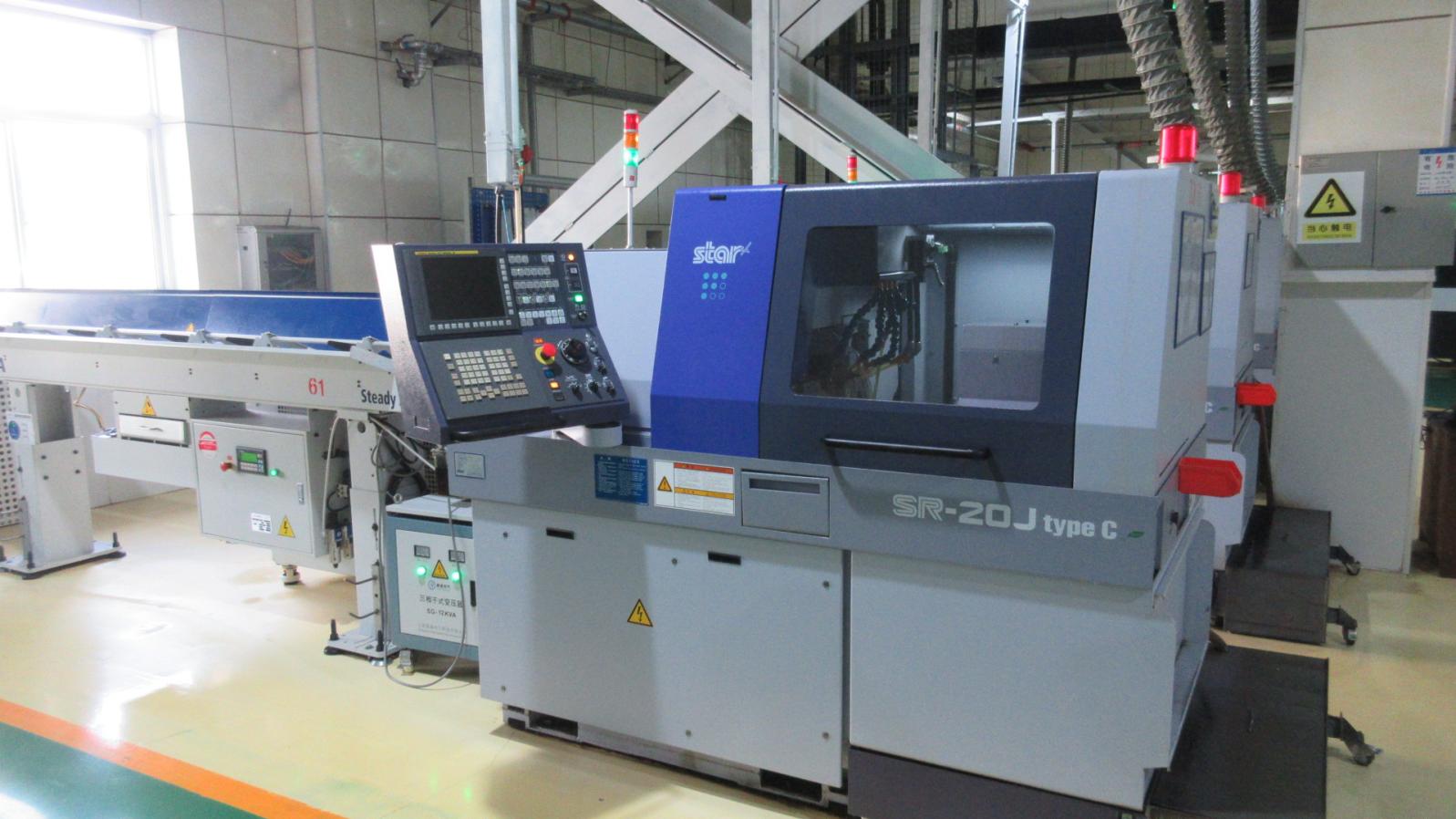
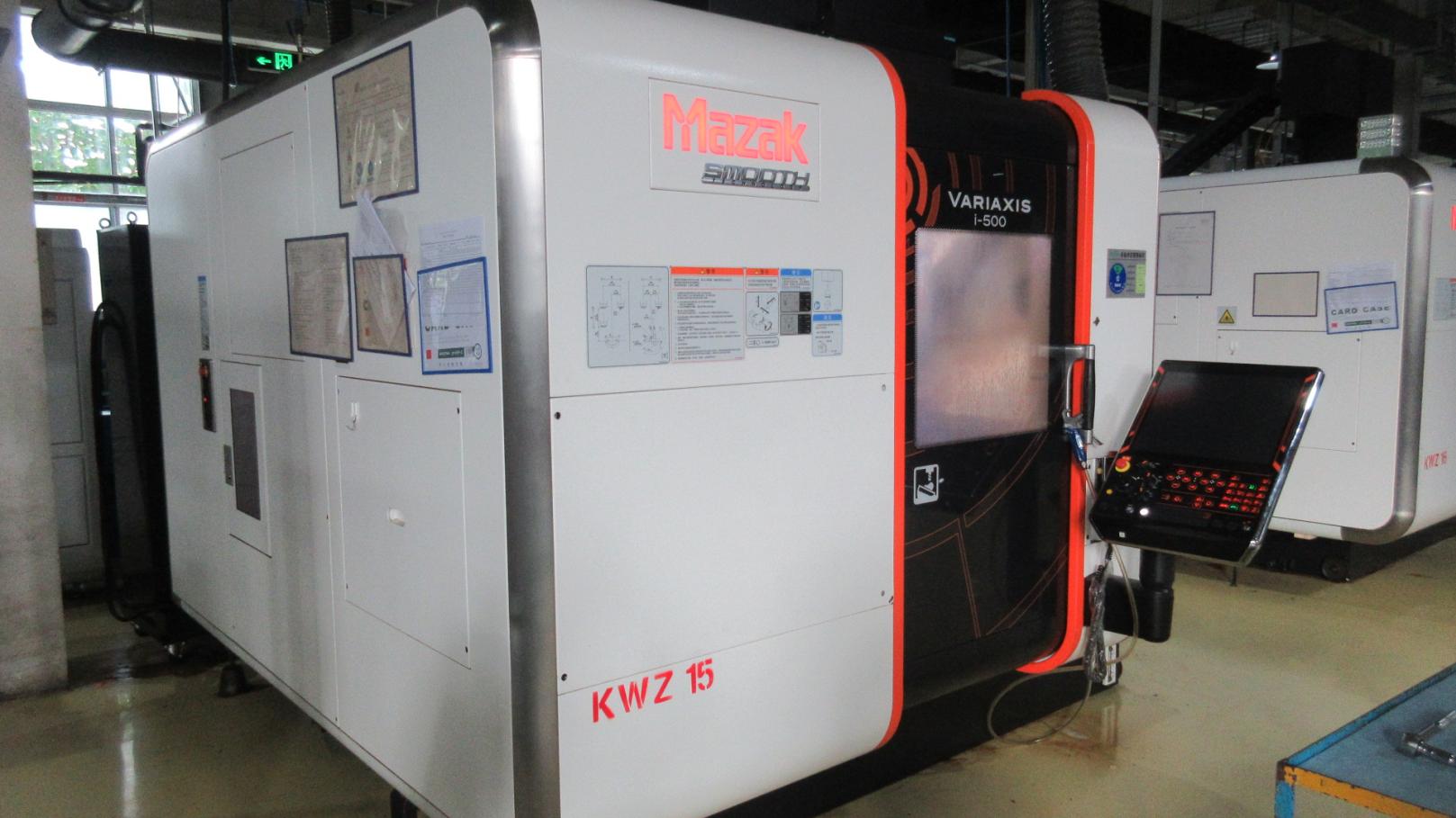
Since our establishment in 1996, we have committed ourselves to raising the standard of trauma and spinal care hardware. Operating within a modern 10,000 square meter clean facility, our production line leverages 102 highly specialized CNC machines. These advanced Swiss-type automatic lathes and milling systems achieve tolerances within a few microns.
Our annual capacity exceeds 511,000 orthopedic implant units, ensuring we meet large-scale global demands without delay. We support sample processing, graphic design processing, and customized demands (OEM/ODM) to meet the unique anatomical requirements of different target patient markets.
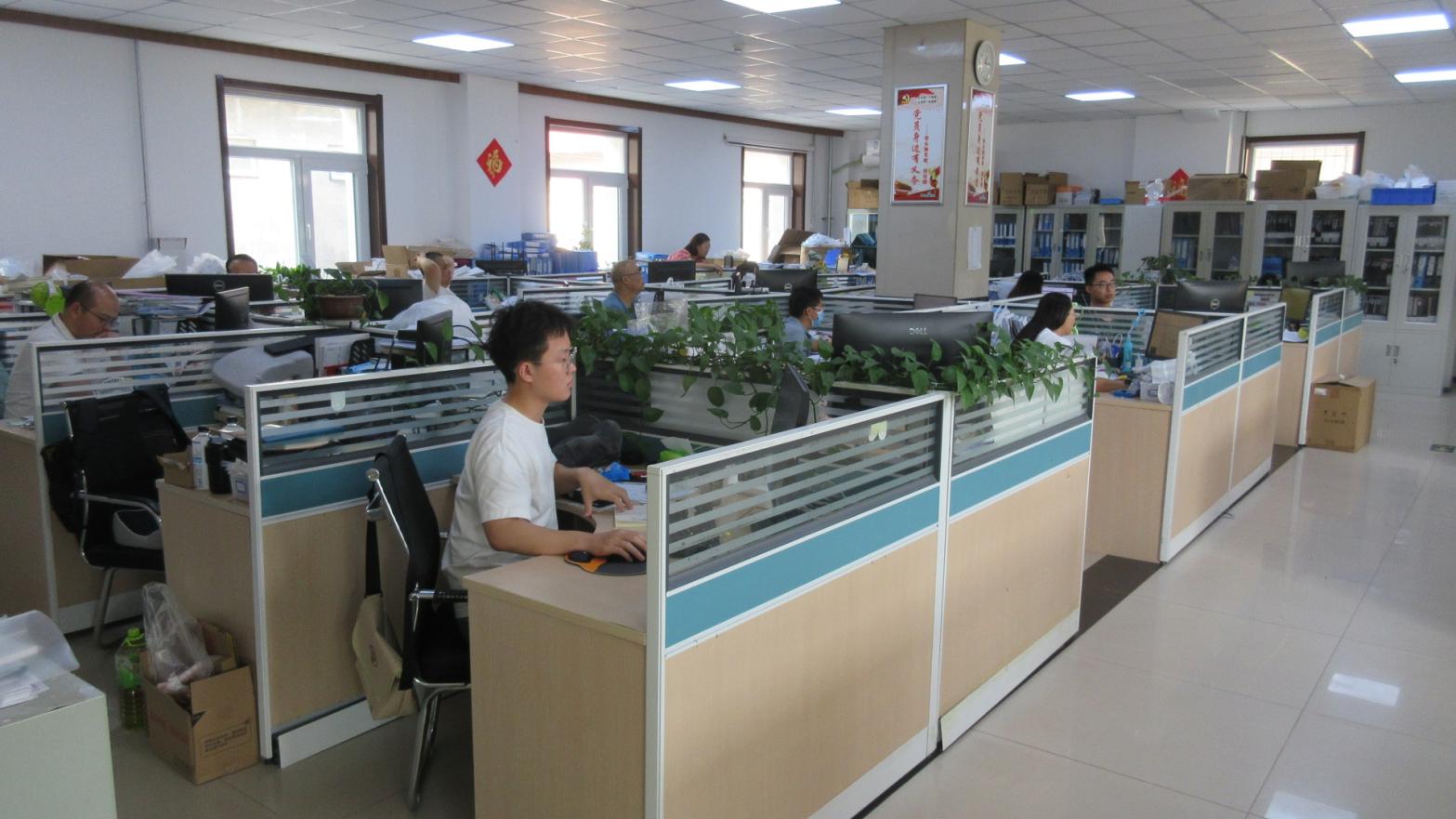
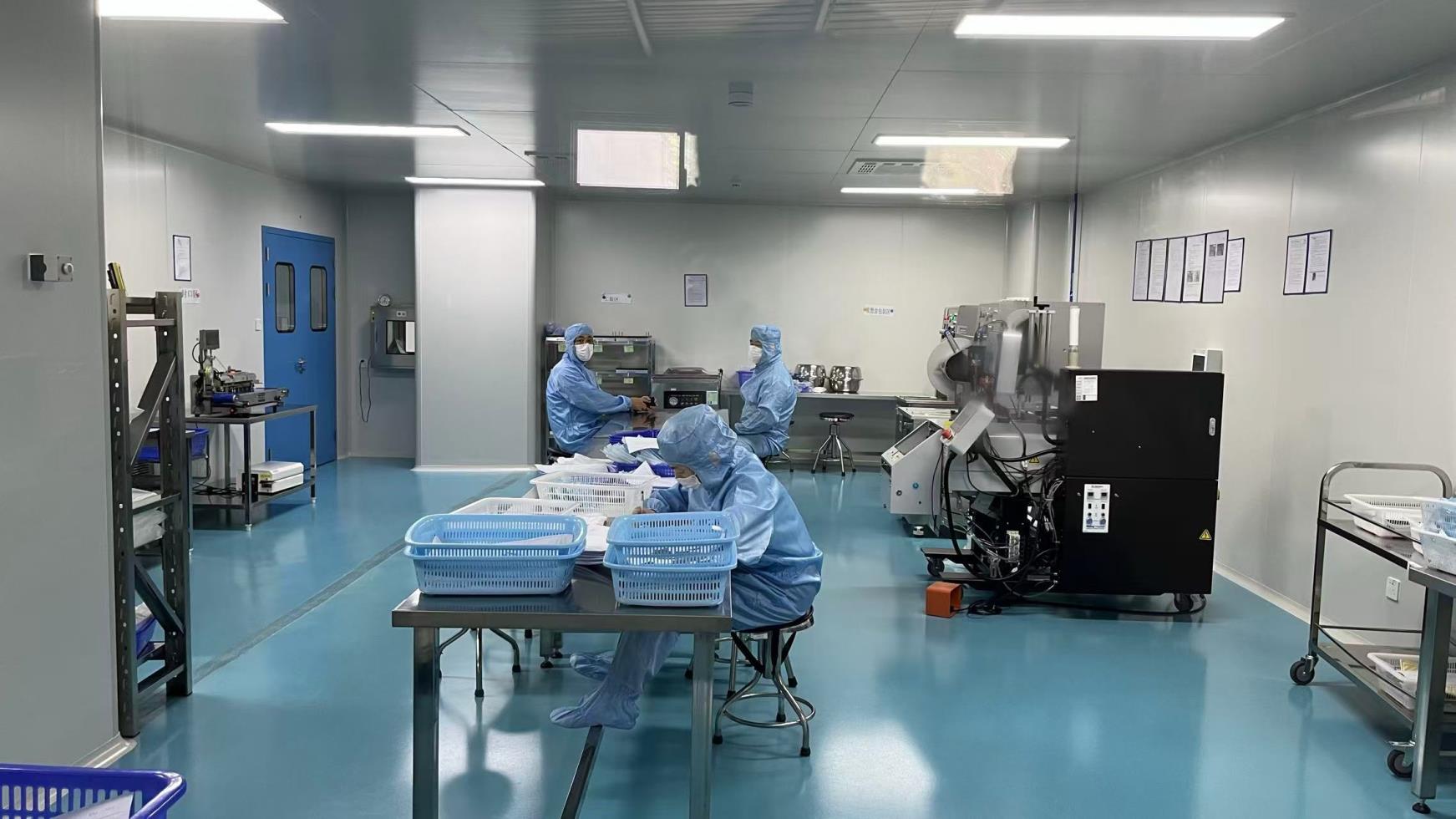
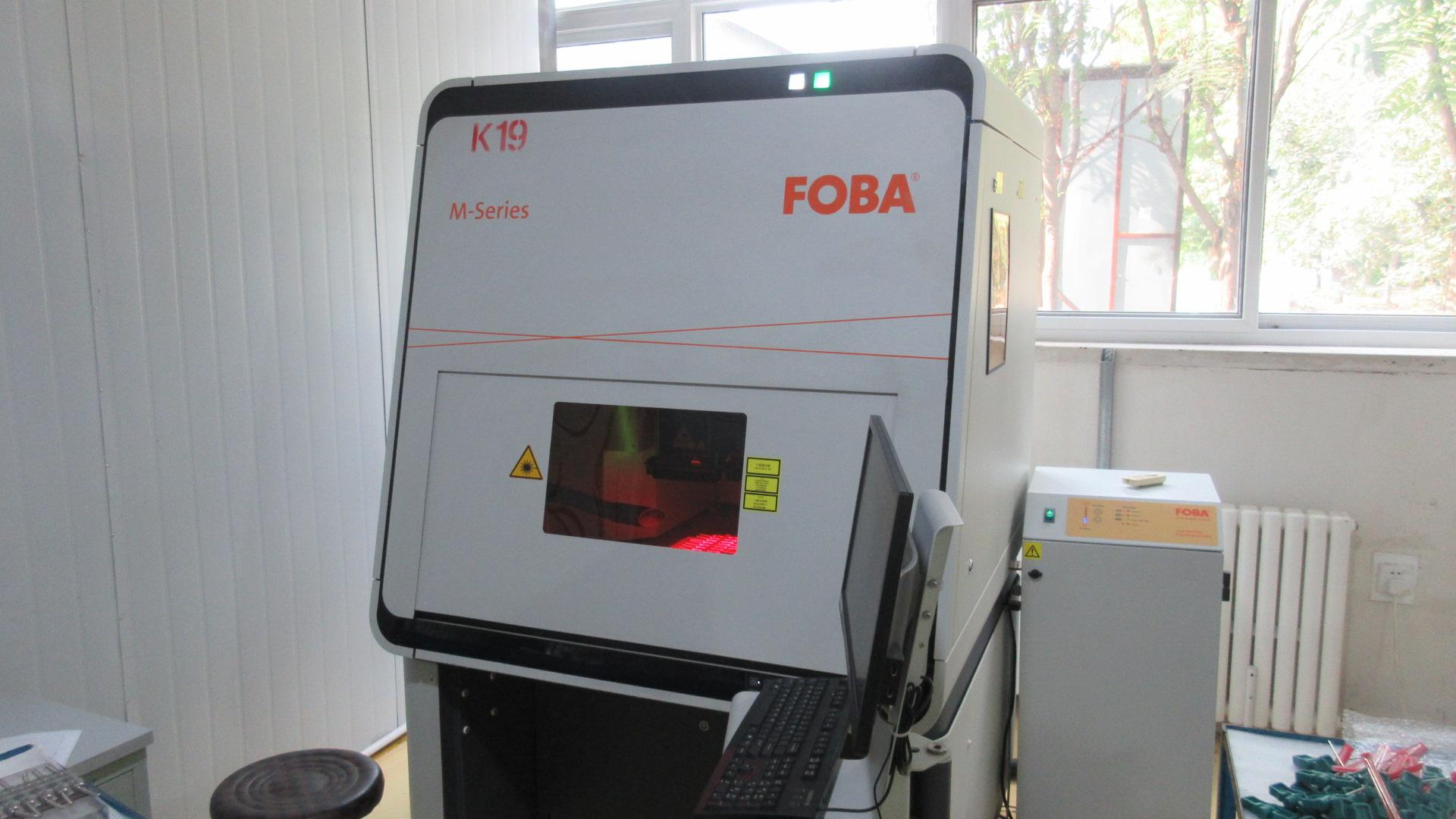
Quality control is integrated at every stage. With 15 dedicated QA/QC inspectors, raw material trace tracking is fully maintained from initial titanium bars to the final sterile packaging. Every single unit undergoes a strict final dimensional and optical inspection to guarantee clinical success.
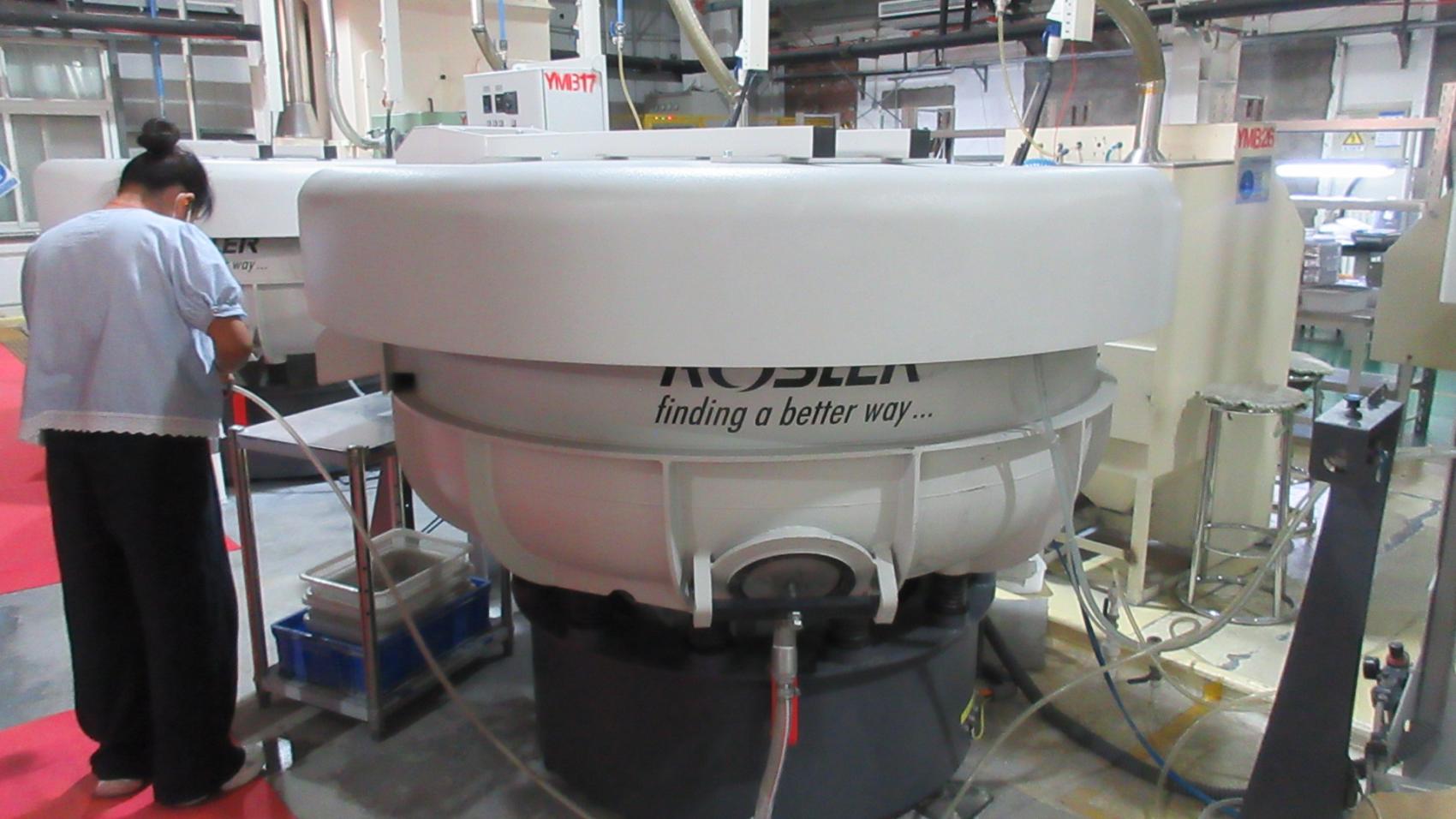
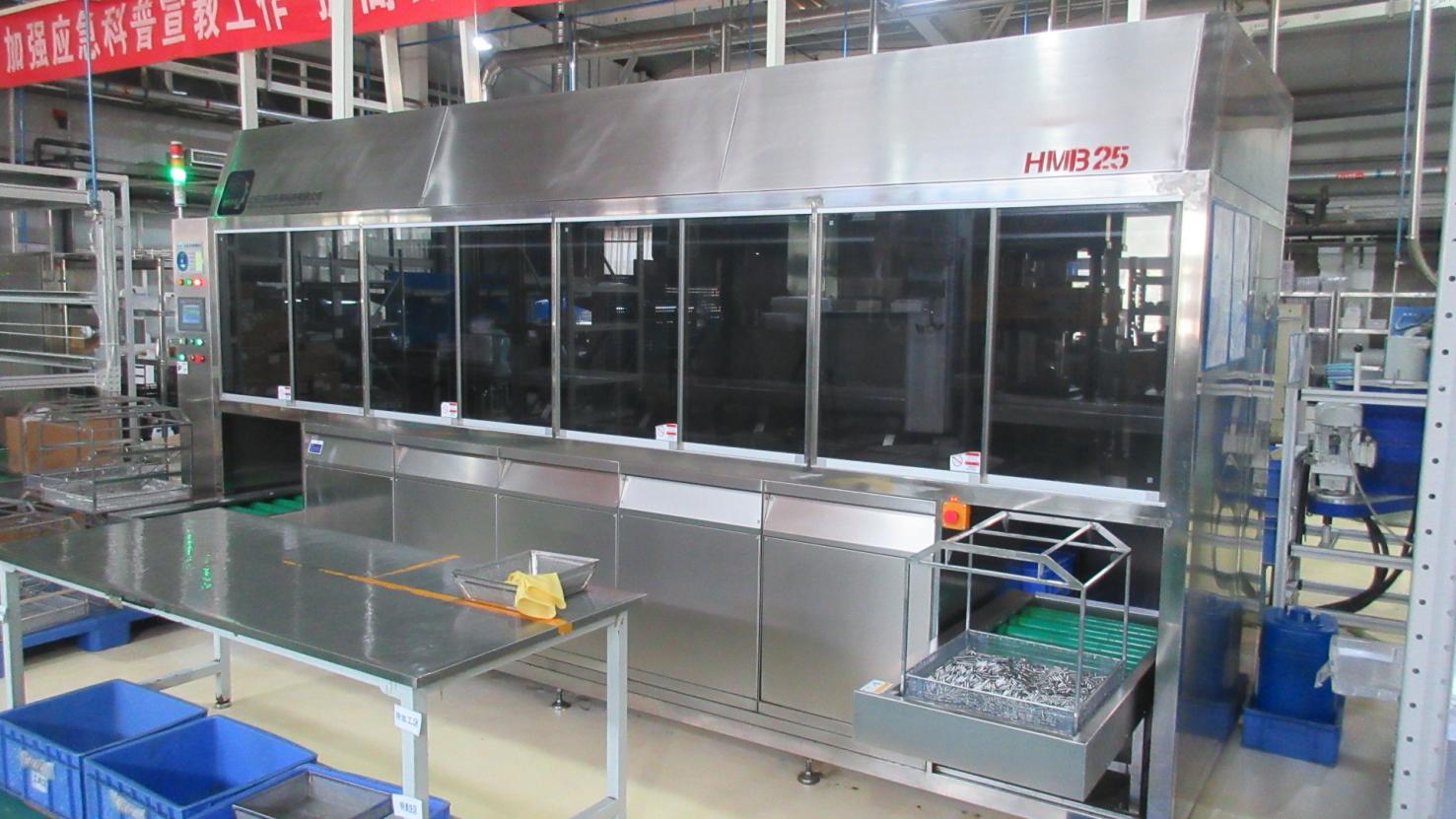
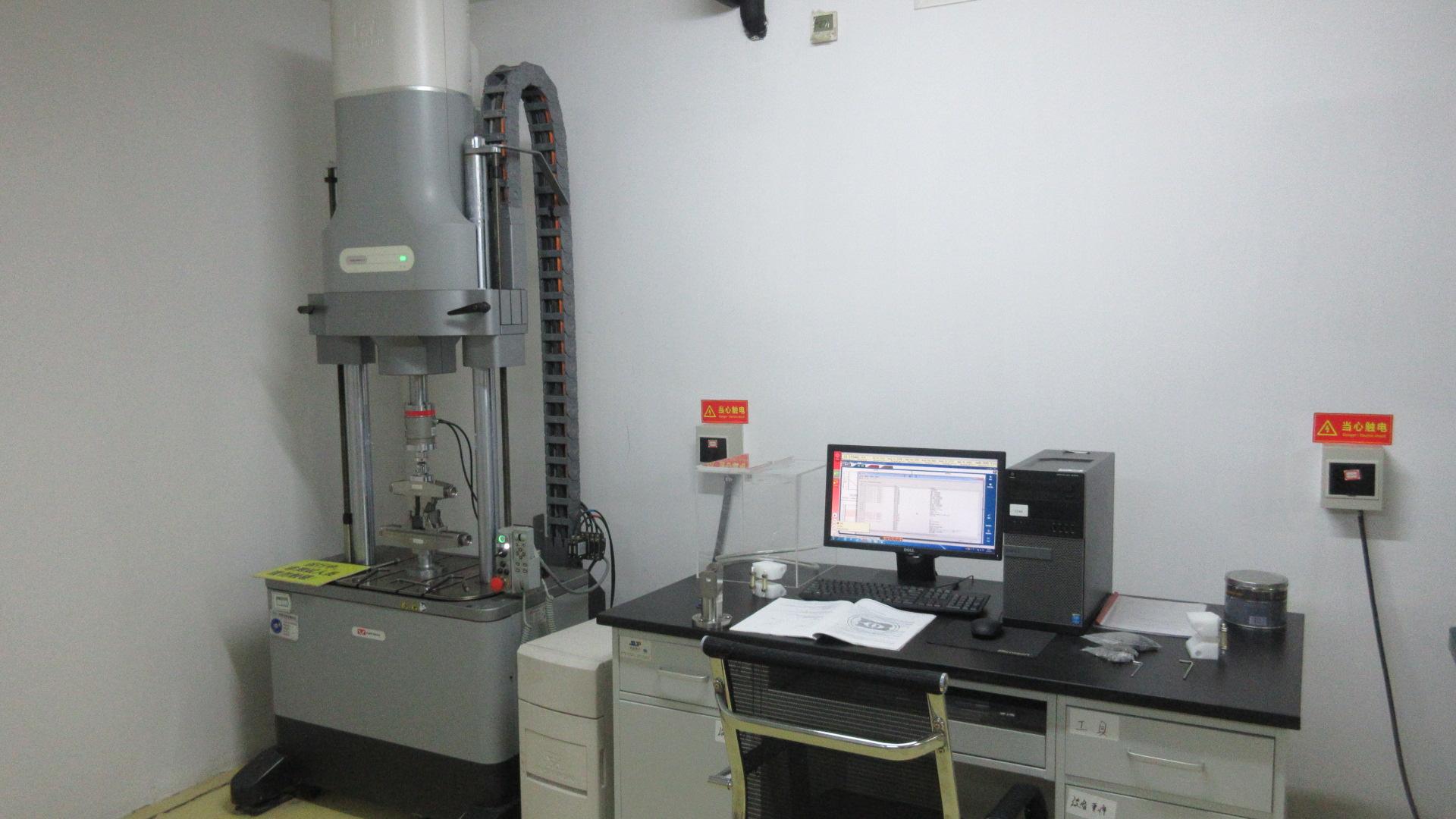
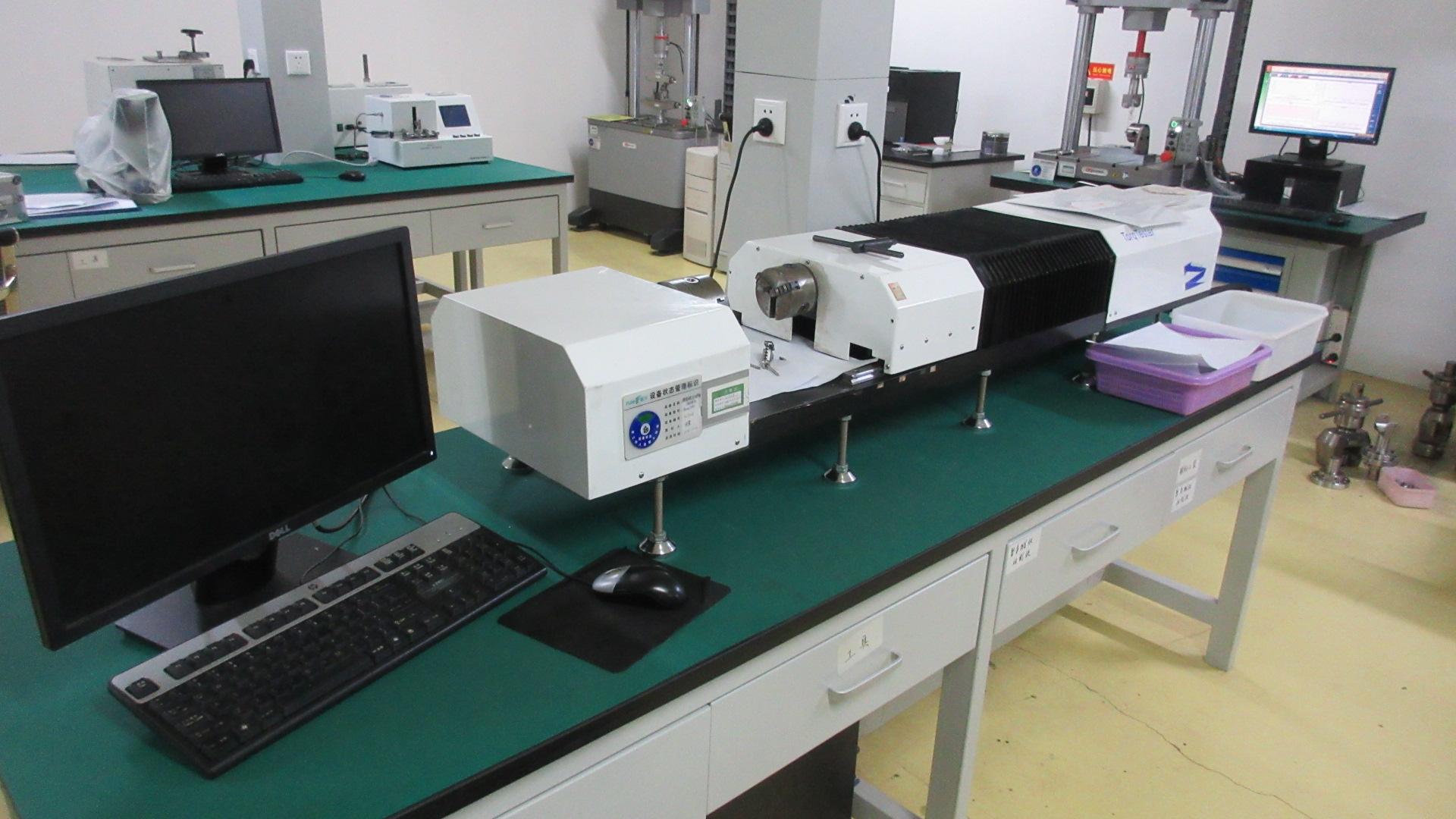
A pictorial walkthrough of our high-precision production environments and testing facilities.
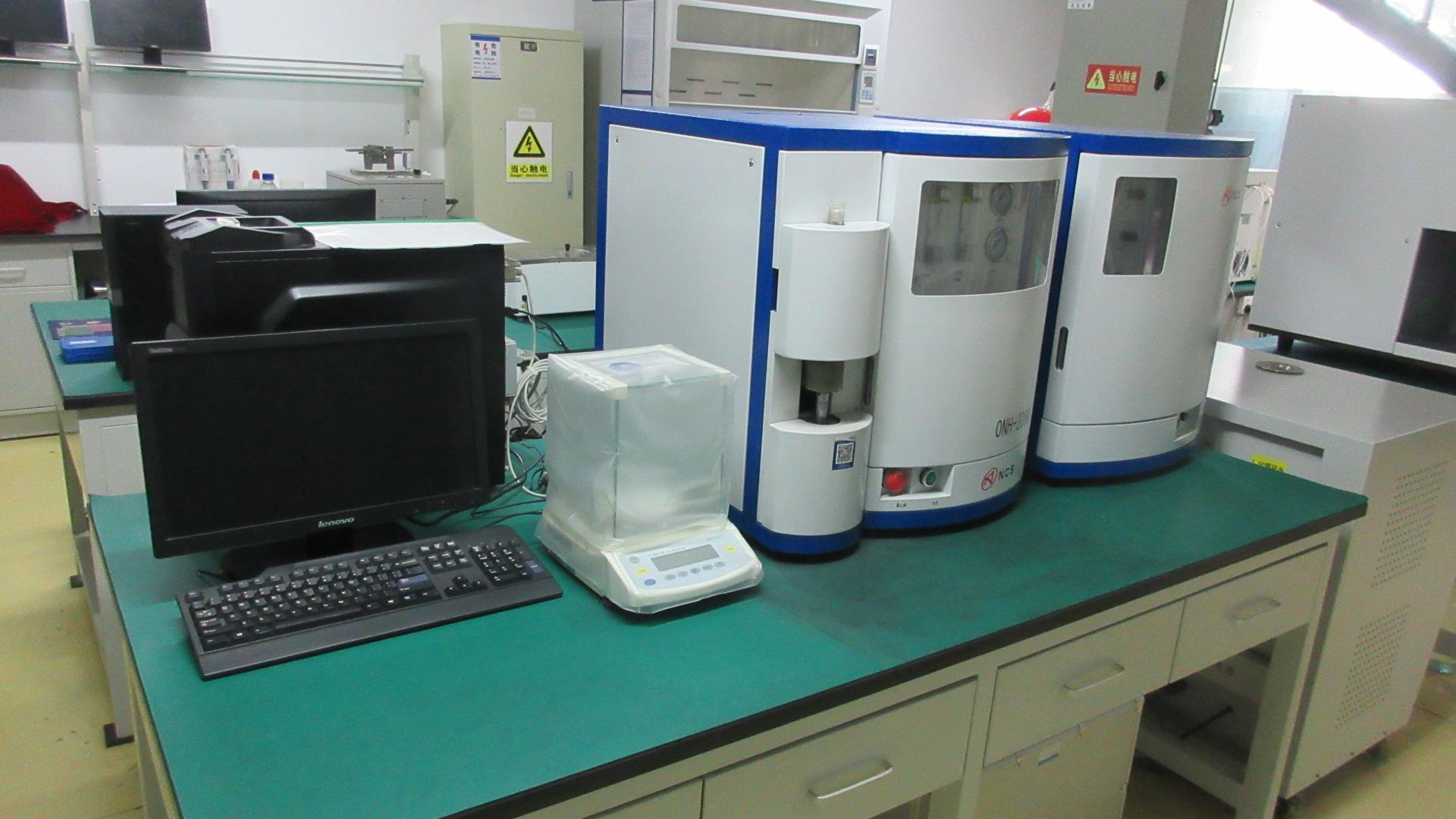
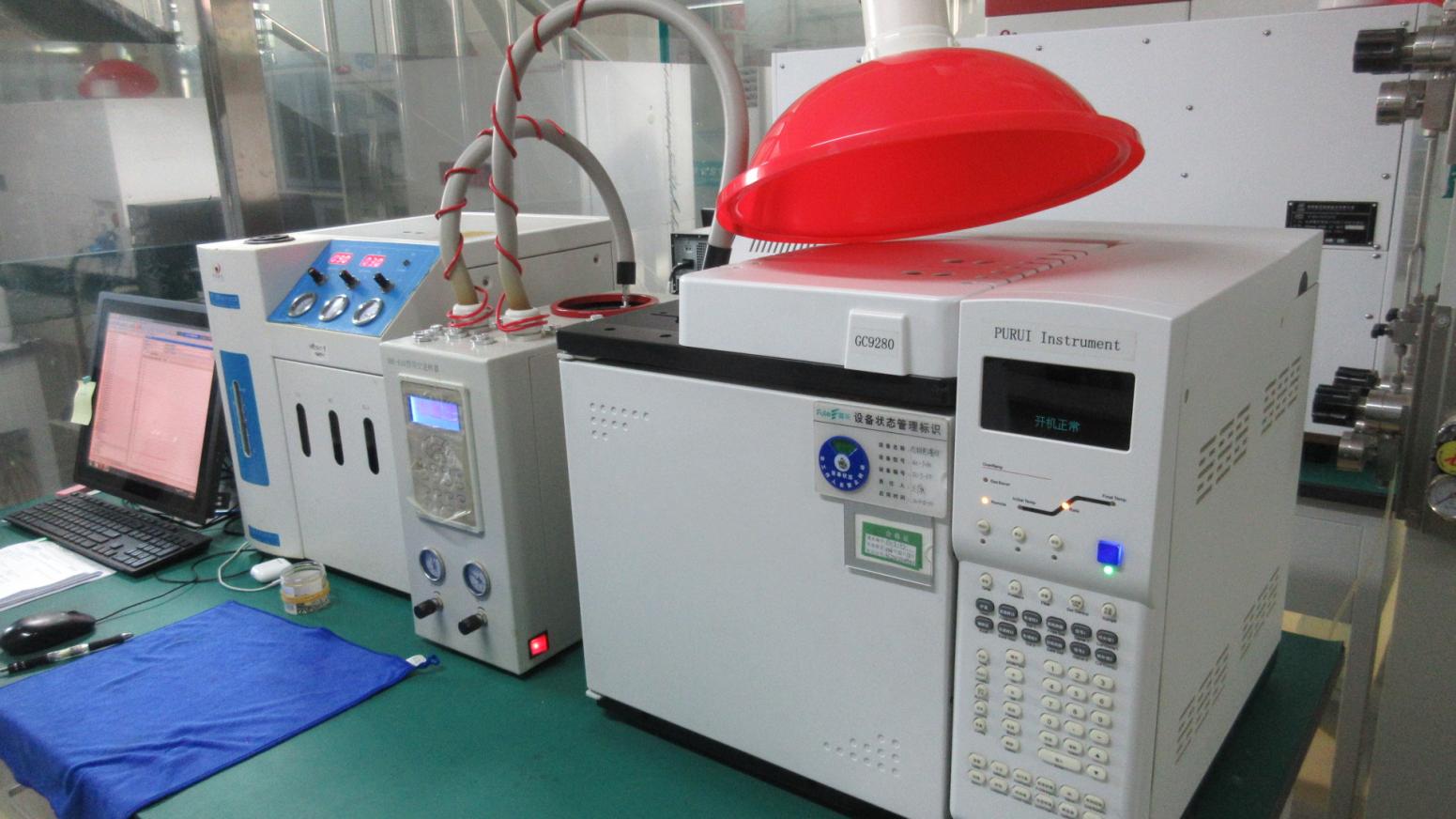
How locking plates adapt to complex fractures, corrective osteotomies, and fusion surgeries.
Complex intra-articular fractures of the distal radius require highly contourable plates to prevent interference with tendons. Low-profile distal radius and Y-shaped locking systems offer stable fixation for metaphyseal fractures, ensuring patients recover grip strength and joint mobility quickly.
In corrective osteotomies for Hallux Valgus (bunion correction), the metatarsal bone needs stable fixation to prevent post-operative displacement. Our 2.4/2.7mm locking systems secure the construct during full weight-bearing recovery cycles, lowering non-union rates.
Calcaneal and midfoot fractures involve high-energy loads. Low-profile multi-directional locking plates support fragment alignment and resist shear forces, avoiding collapse of the foot's longitudinal arch.
Our long-term R&D vision for advanced extremities fixation.
Standard orthopedic geometries are evolving toward customized implants. Our R&D team is advancing patient-specific locking implants produced via Electron Beam Melting (EBM) and Direct Metal Laser Sintering (DMLS). These systems allow doctors to reconstruct severe bone defects using exact fits based on high-resolution patient CT scans.
To avoid second operations for implant removal (common in pediatric or hand surgeries), we are researching bioabsorbable magnesium alloys. These implants retain mechanical strength during the critical bone-healing phase and dissolve safely into the body once healing is complete.
Post-operative infections present a serious risk in orthopedic trauma surgeries. We are testing advanced silver-ion and antibiotic-eluting coatings on our locking titanium surfaces to inhibit bacterial colonization, lowering infection rates in open hand and foot fractures.
The future of clinical recovery tracking lies in smart implants. We are developing microscopic piezoelectric sensors integrated within bone plates to monitor mechanical strain and local bone union rates in real-time, sending diagnostic updates directly to medical staff.
B2B services, regulatory documentation, and custom supply chain support.
We work with global medical brands to manufacture implants based on customized design models. Our 20 R&D engineers convert CAD files into surgical-grade prototypes quickly, helping our partners bring new products to market efficiently.
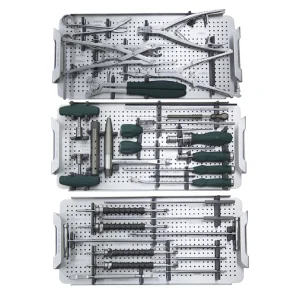
Successful surgeries depend on precise, reliable tools. We export complete surgical instrument sets containing dynamic drill guides, torque-limiting screwdrivers, plate benders, and sterilization trays alongside our locking plate systems.
Our regulatory team prepares detailed documentation dossiers (including biocompatibility test records, clinical evaluation files, and manufacturing logs) to assist distributors with fast, compliant product registration in local markets.
Clear, direct answers regarding quality control, certifications, materials, and international partnership logistics.
Our manufacturing facility operates under the ISO 13485 quality system. Our hand, foot, and spinal implant ranges are CE certified, ensuring compliance with international medical device safety and performance criteria.
Yes, we support comprehensive customization, including sample-based adjustments, graphic design files, and tailored OEM requests. Our R&D team can adapt plate designs to the distinct anatomical requirements of your market.
We maintain full raw material traceability. Every batch of titanium alloy (Ti-6Al-4V Grade 5) is tested for mechanical properties and chemical purity, and chemical composition analysis certificates are kept on file for reference.
We perform 100% inspection on all orthopedic products. Our team of 15 QA/QC inspectors conducts dimensional checks, surface finish tests, and thread verification steps on every single production batch.
Lead times depend on the order volume and customization requirements. Standard products are typically shipped within 15-30 days of payment confirmation. Custom OEM orders require additional time for prototype design and approvals.
Yes, we provide matching surgical instrument kits for all our hand, foot, and spinal locking plate systems. These include drill guides, screwdrivers, plate benders, and sterilization trays for safe hospital use.
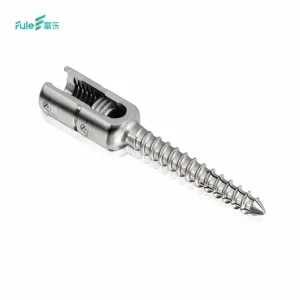
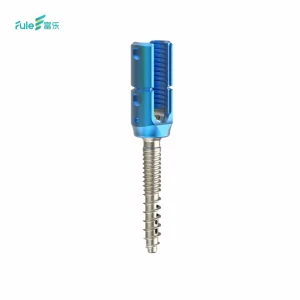
Explore our highly reliable spinal screw-rod configurations, trauma bone plates, and interbody fusion cages designed for complex stabilization procedures.
 Beren Science & Technology