Exploring the surgical engineering behind expansile laminoplasty systems designed to preserve vertebral motion while securing immediate stability during spinal canal decompression.
Cervical Spondylotic Myelopathy (CSM) and Ossification of the Posterior Longitudinal Ligament (OPLL) represent multi-segmental pathologies that compress the cervical spinal cord. Posterior cervical expansile laminoplasty is highly preferred over fusion techniques when preserving the neck's range of motion (ROM) is critical.
By creating a hinge on one side of the lamina and an opening on the other (the "Open-Door" technique), or splitting the spinous process down the midline (the "Double-Door" technique), surgeons increase the anteroposterior diameter of the spinal canal. This decompression relieves myelopathic symptoms without destabilizing the anterior column, reducing the risk of adjacent segment disease.
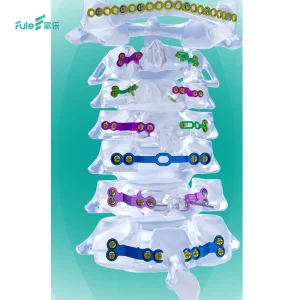
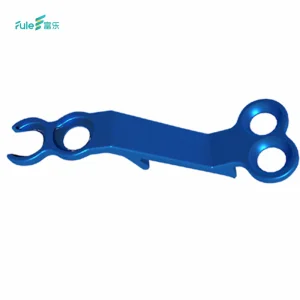
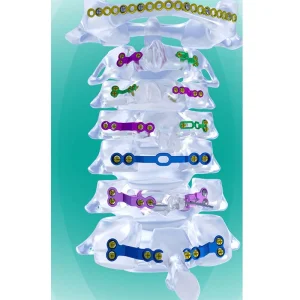
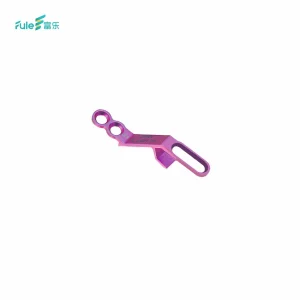
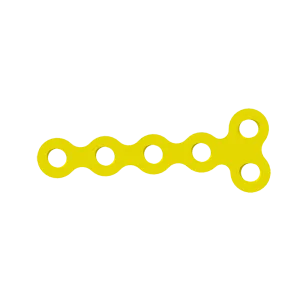
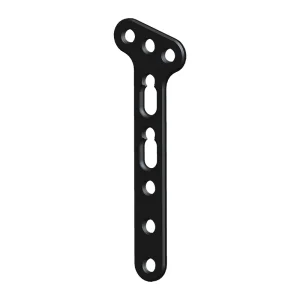
Our Cervical Laminoplasty Plate System comprises anatomically configured plates optimized to fit the raised hinge of the lamina. Manufactured using advanced CNC Swiss-type lathes, each titanium plate is engineered to support axial load transfer while permitting optimal bone grafting between the laminae.
Featuring pre-bent designs that reduce intraoperative manipulation, these plates match various hinge dimensions (ranging from 4mm to 14mm spacers). Integrated screw locking mechanisms prevent screw backout under dynamic cervical load cycles, mitigating the risk of micro-motion that could lead to hardware failure or pseudarthrosis.
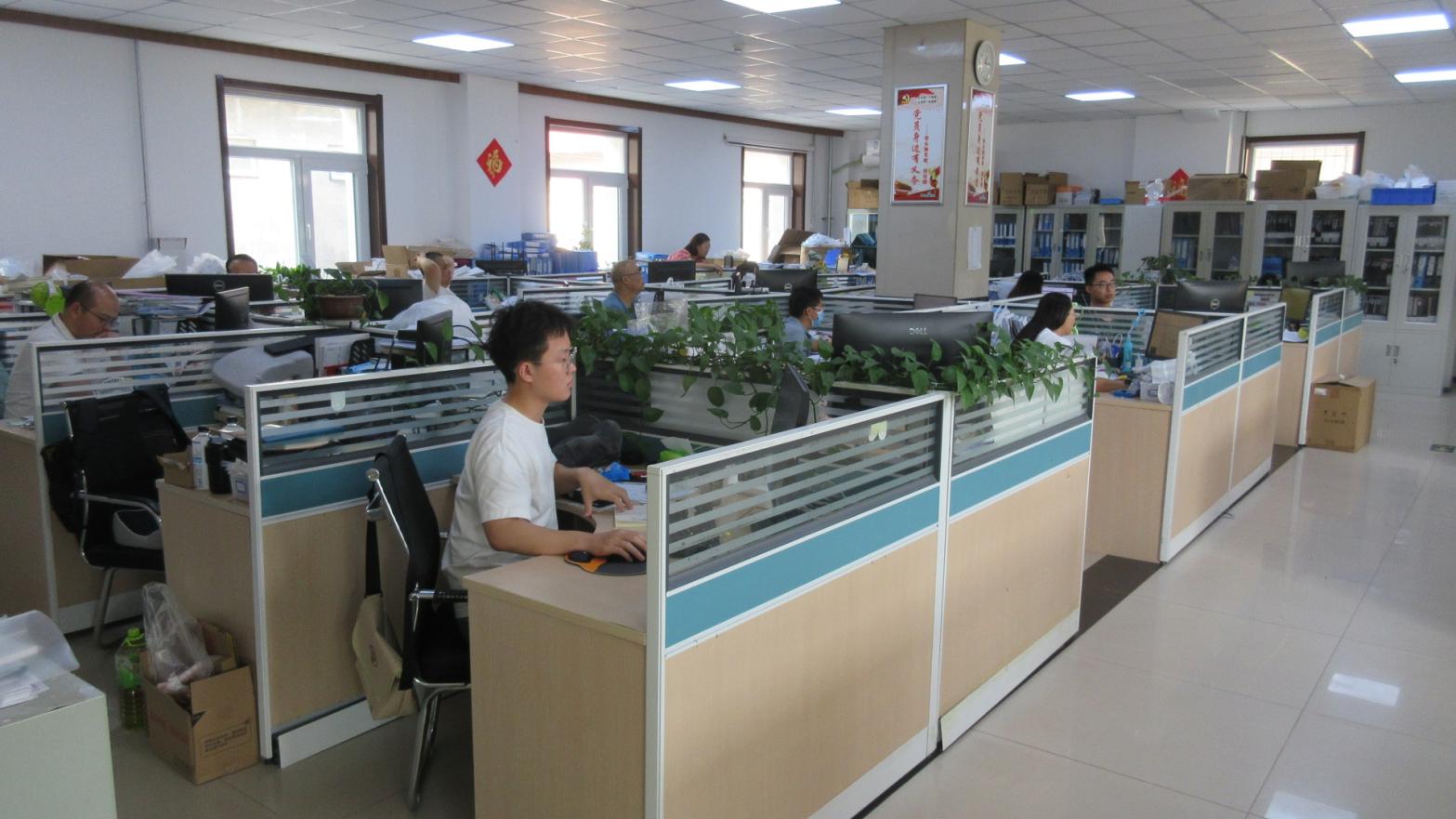
Addressing the critical operational and regulatory needs of hospital groups, international distributors, and orthopedic implant OEMs in the modern healthcare supply chain.
With the transition from MDD to MDR in Europe and tightening FDA 510(k) clearances globally, B2B buyers require implants with comprehensive clinical data portfolios. Implants must be manufactured in ISO 13485-certified facilities, showcasing complete trace records of biomedical raw materials back to the mill source.
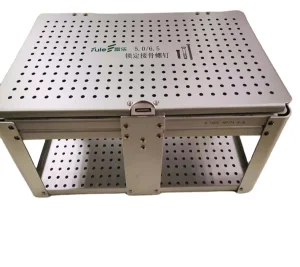
A major bottleneck for healthcare systems is the complexity of surgical instrumentation. Top manufacturers must supply user-friendly, modular instrument trays with custom-fitted screw holders, plate benders, drill guides, and depth gauges that minimize intraoperative steps and cleaning times.
Global procurement teams favor manufacturers who maintain stock buffers of varying sizes (open-door, double-door, Y-shaped, and pediatric plate configurations) along with high-volume production lines capable of scaling up during sudden market shortages.
Leveraging state-of-the-art production capabilities and rigorous quality control to supply critical spinal hardware worldwide.
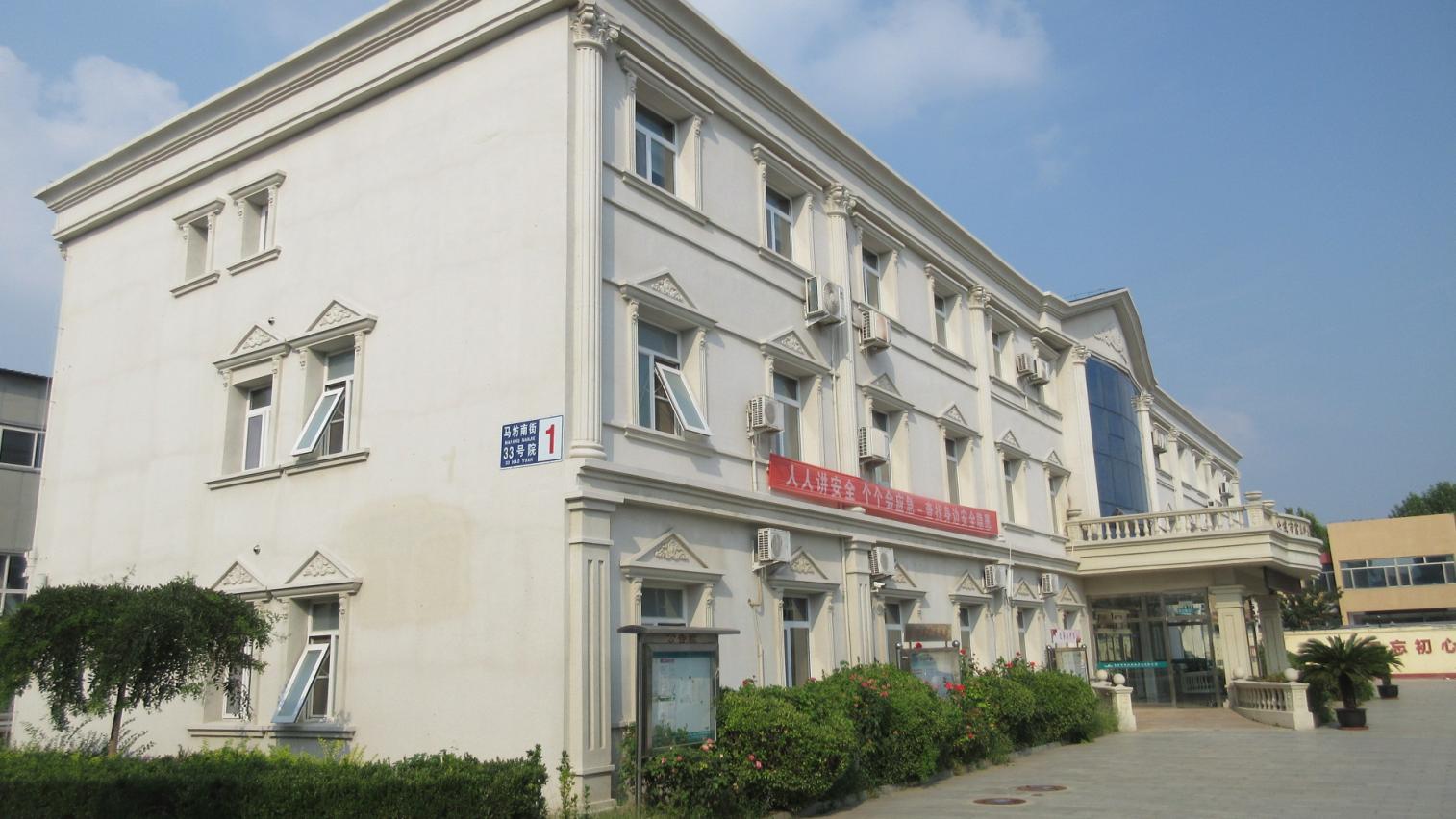
Operating out of a modern facility established in 1996, we emphasize strict quality parameters to maintain compliance with global standards. We perform 100% inspections on all spinal implants across our manufacturing lines, backed by 15 dedicated QA/QC inspectors. Raw materials are sourced from validated medical-grade titanium and PEEK suppliers, with full batch traceability records preserved for up to 10 years.
Our dynamic R&D department houses 20 specialized engineers (including 15 graduate professionals and 5 junior college specialists). They design custom orthopedic solutions and have launched 20 new products over the past year, aligning with emerging clinical findings and surgical feedback.

Registration No: 04724Q10000818
Quality Management System for Medical Devices
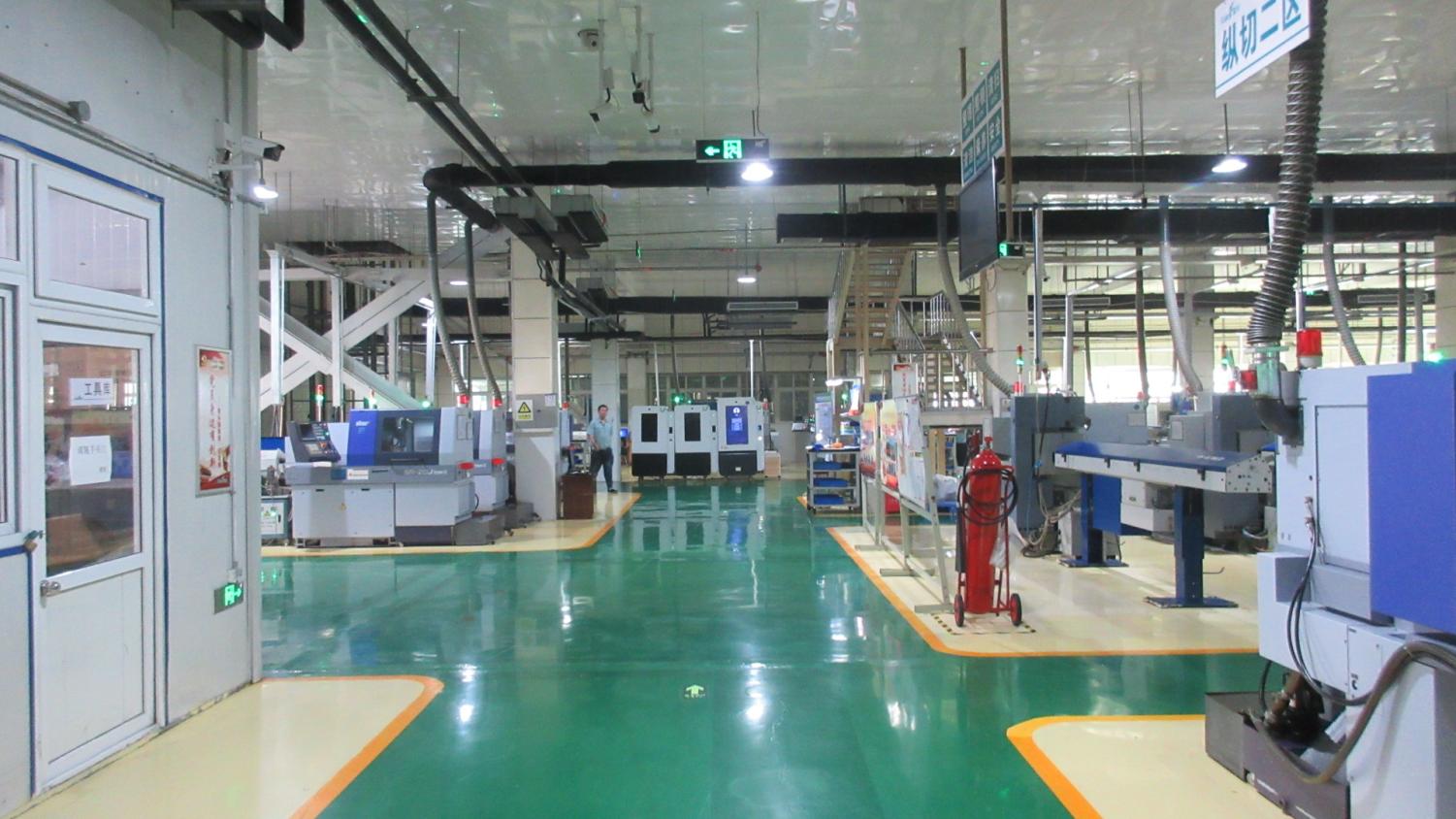
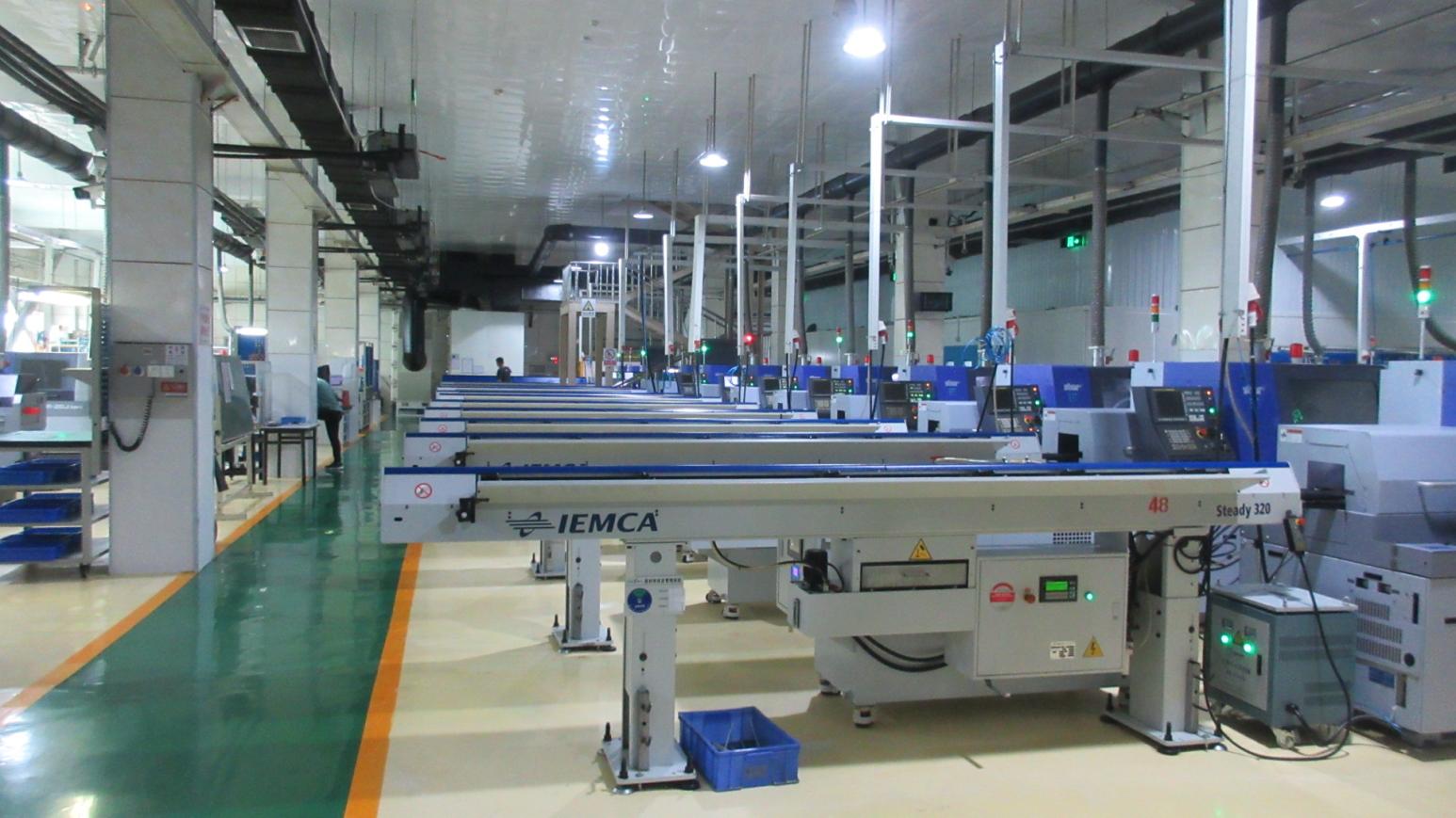
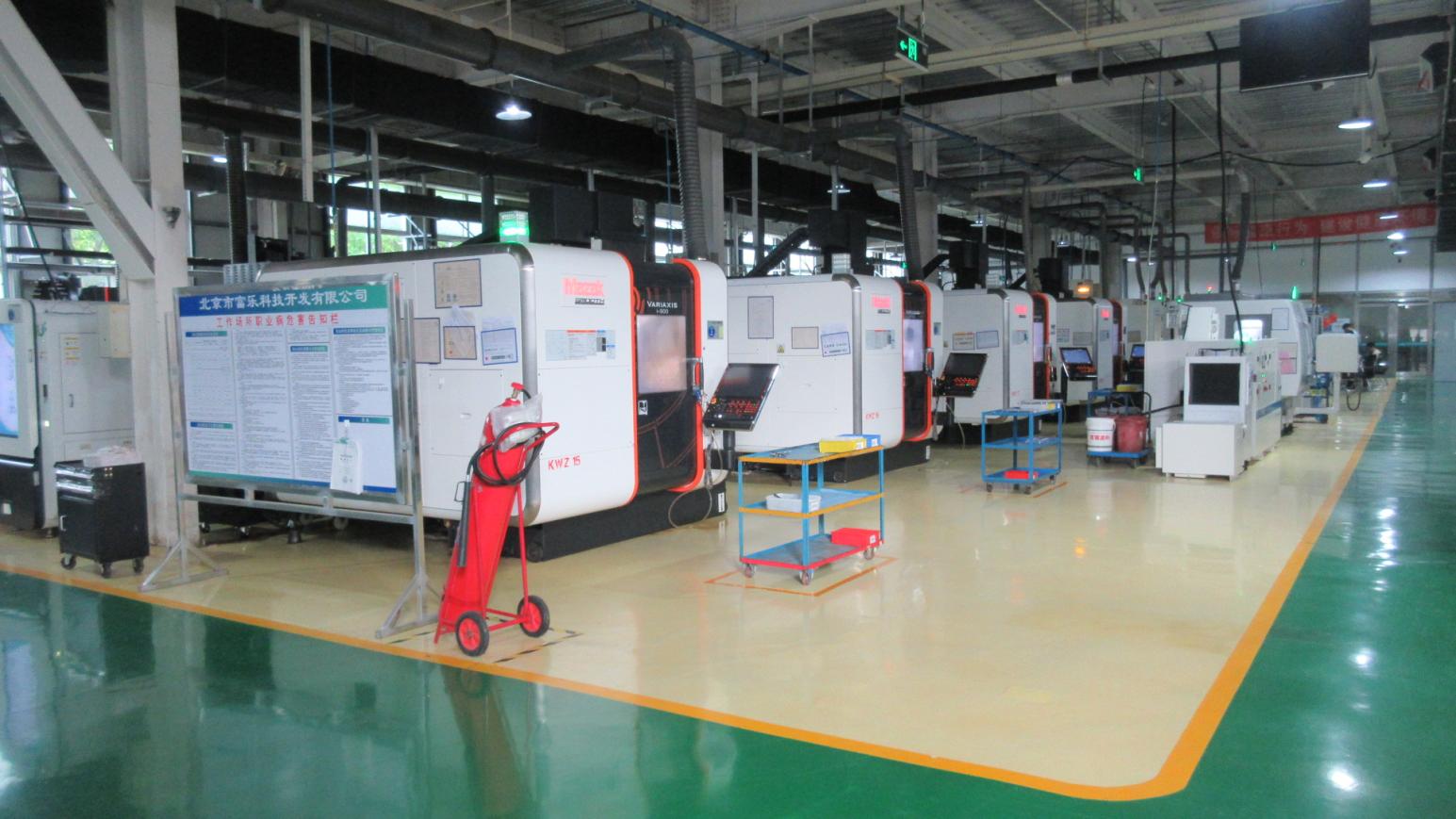
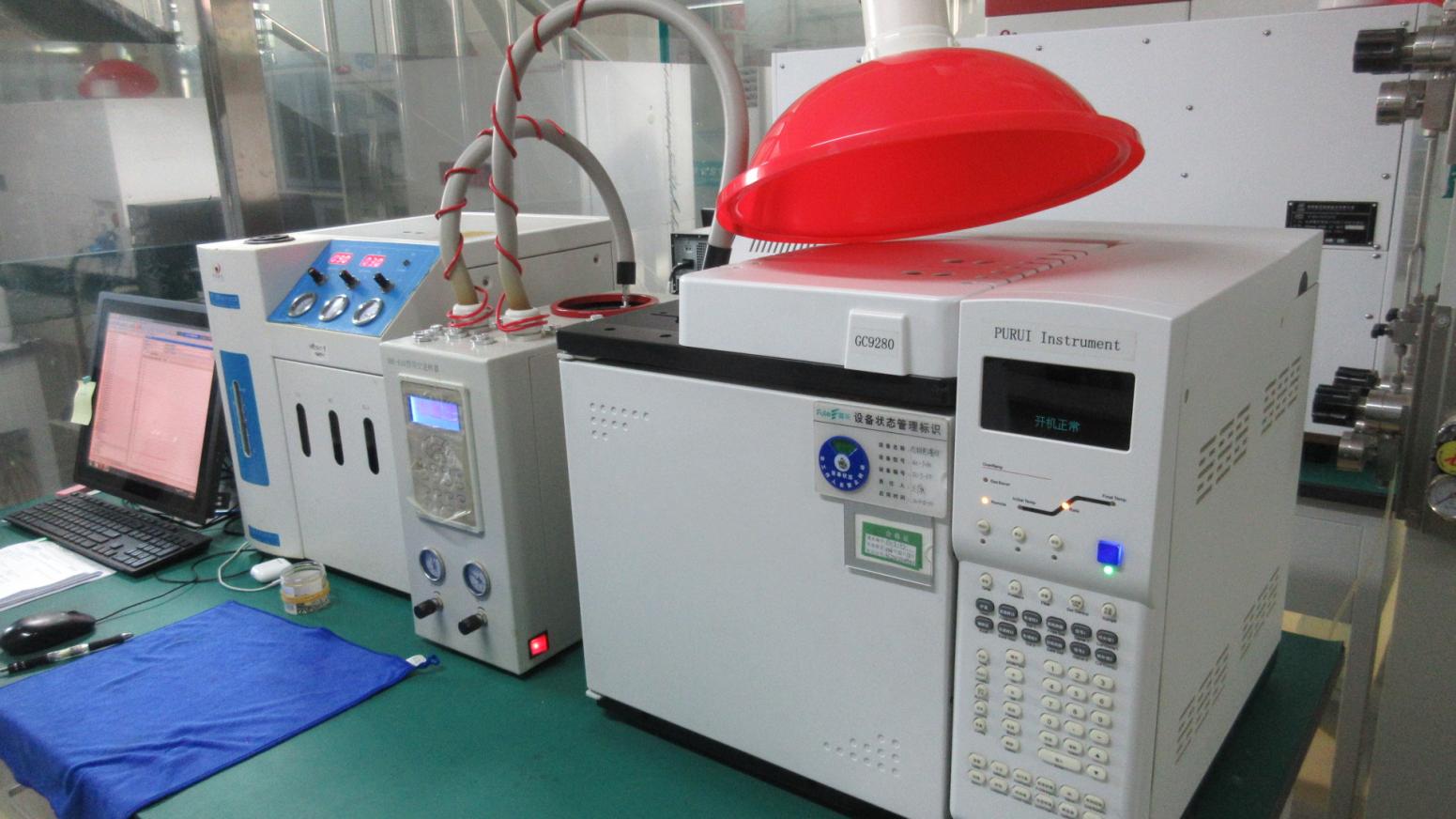
Visualizing our high-precision milling, cleanroom packaging, and testing facilities designed for Class III medical device fabrication.
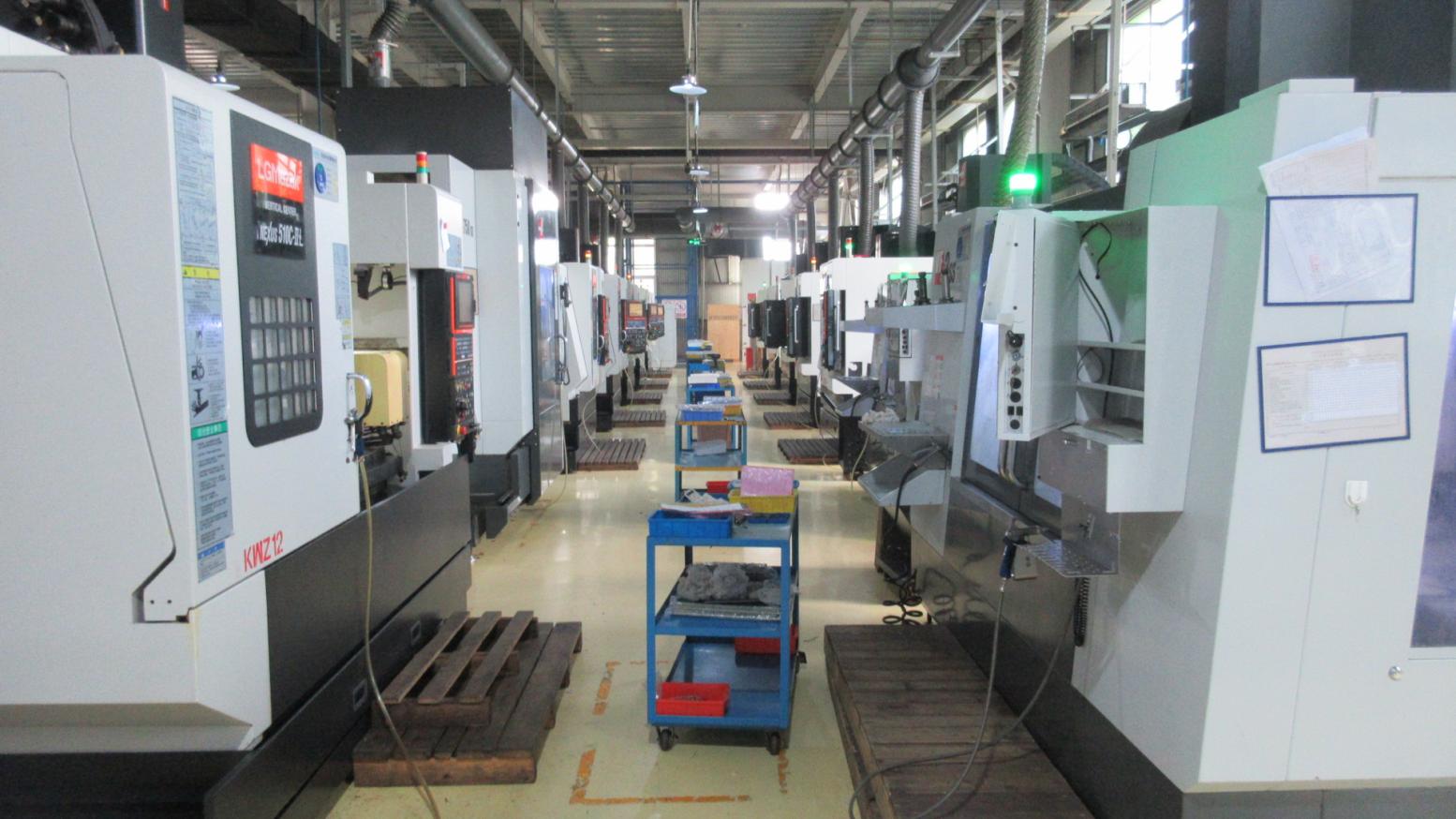
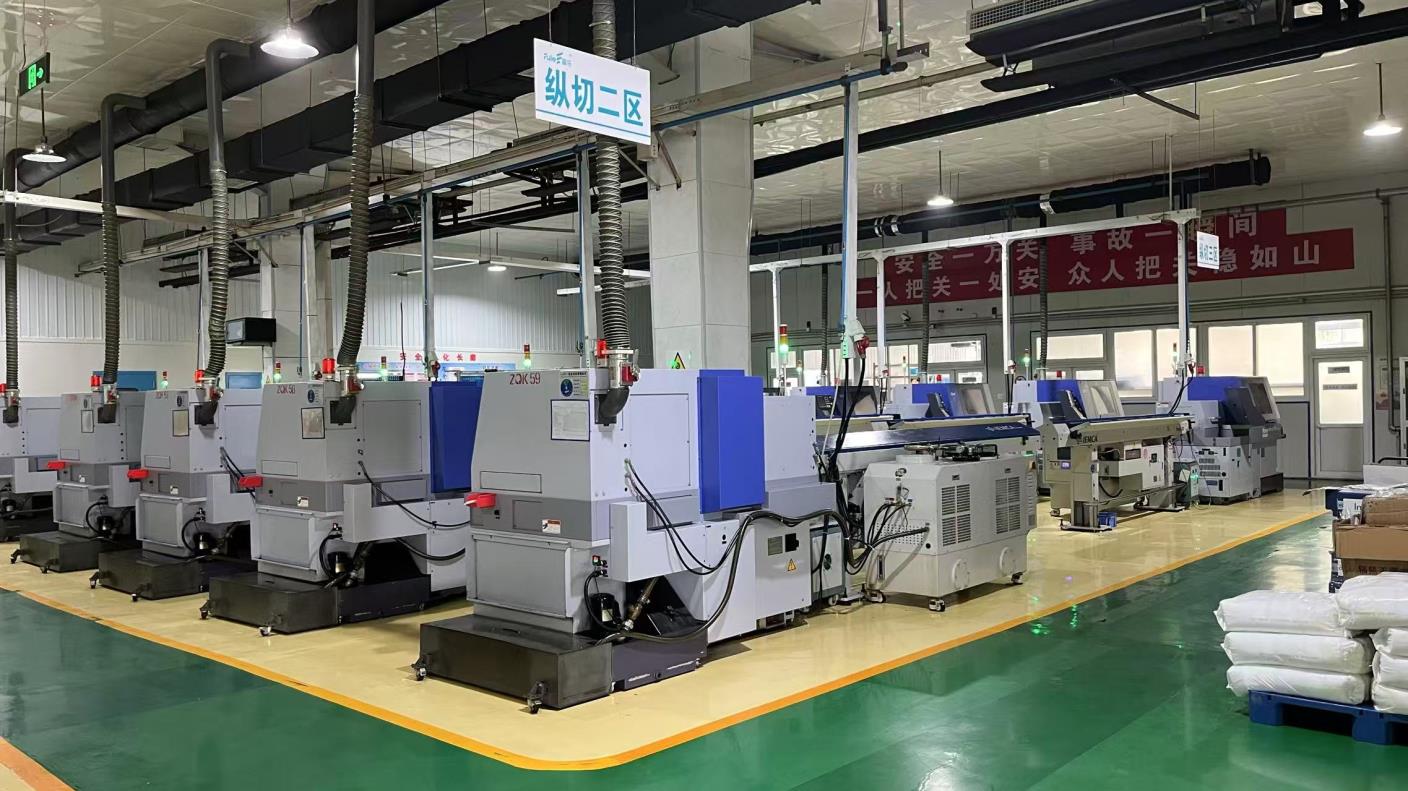
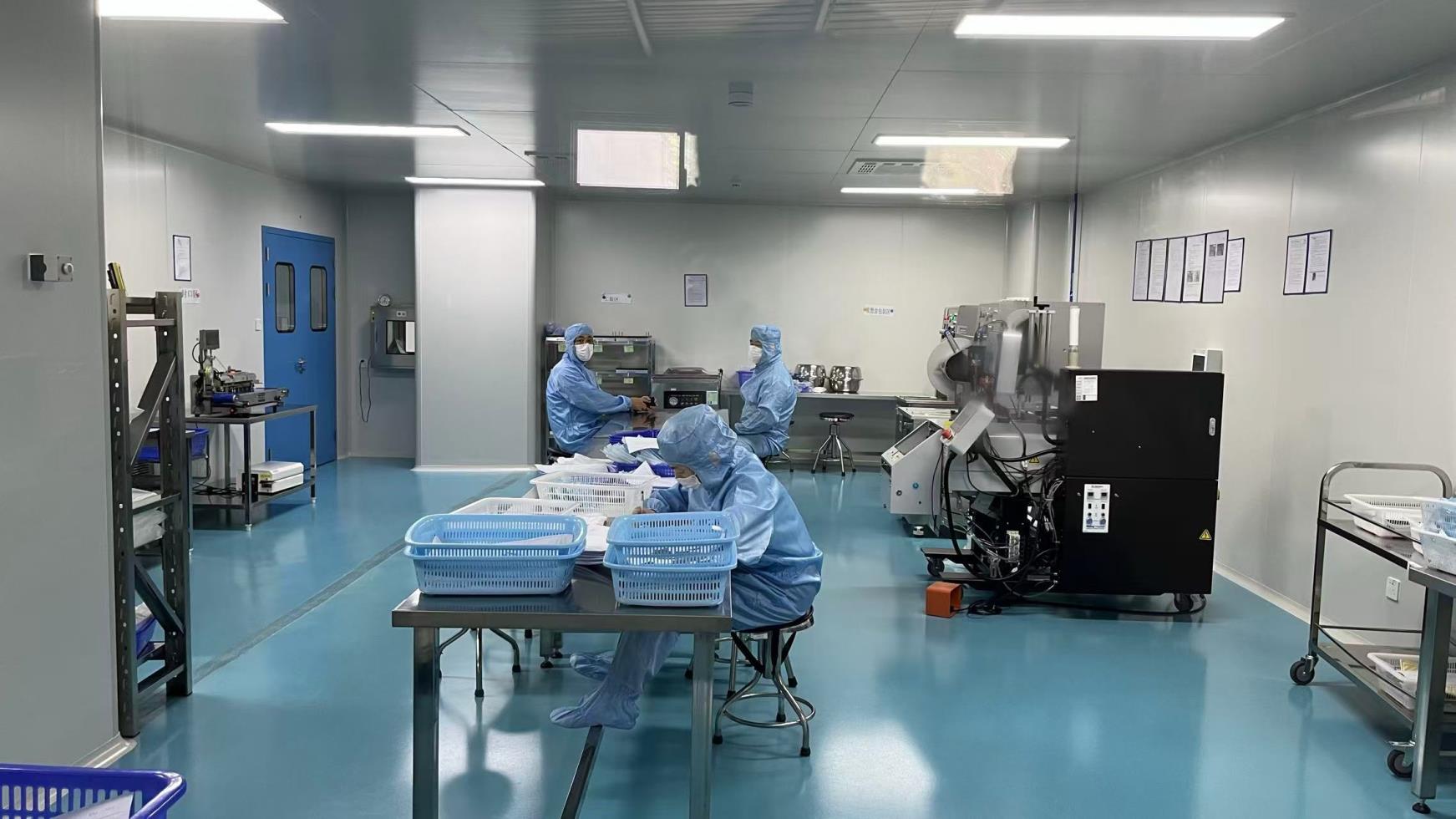
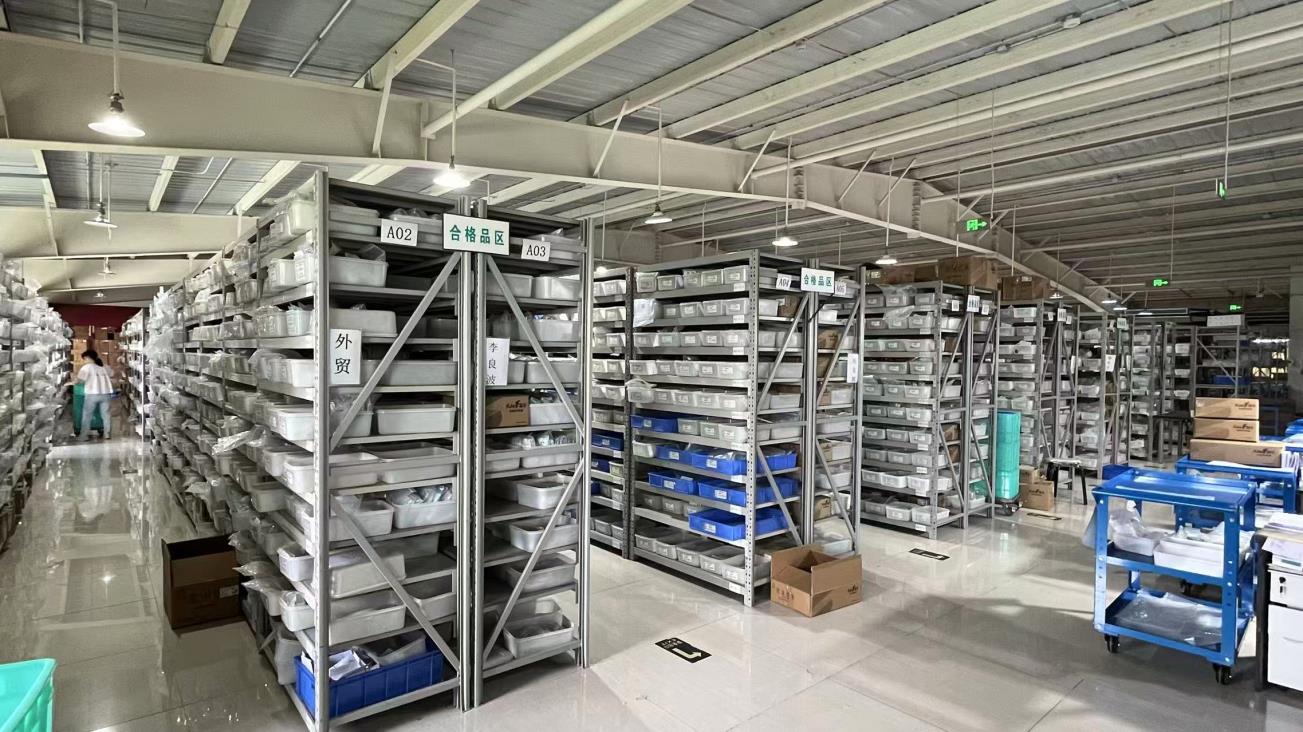
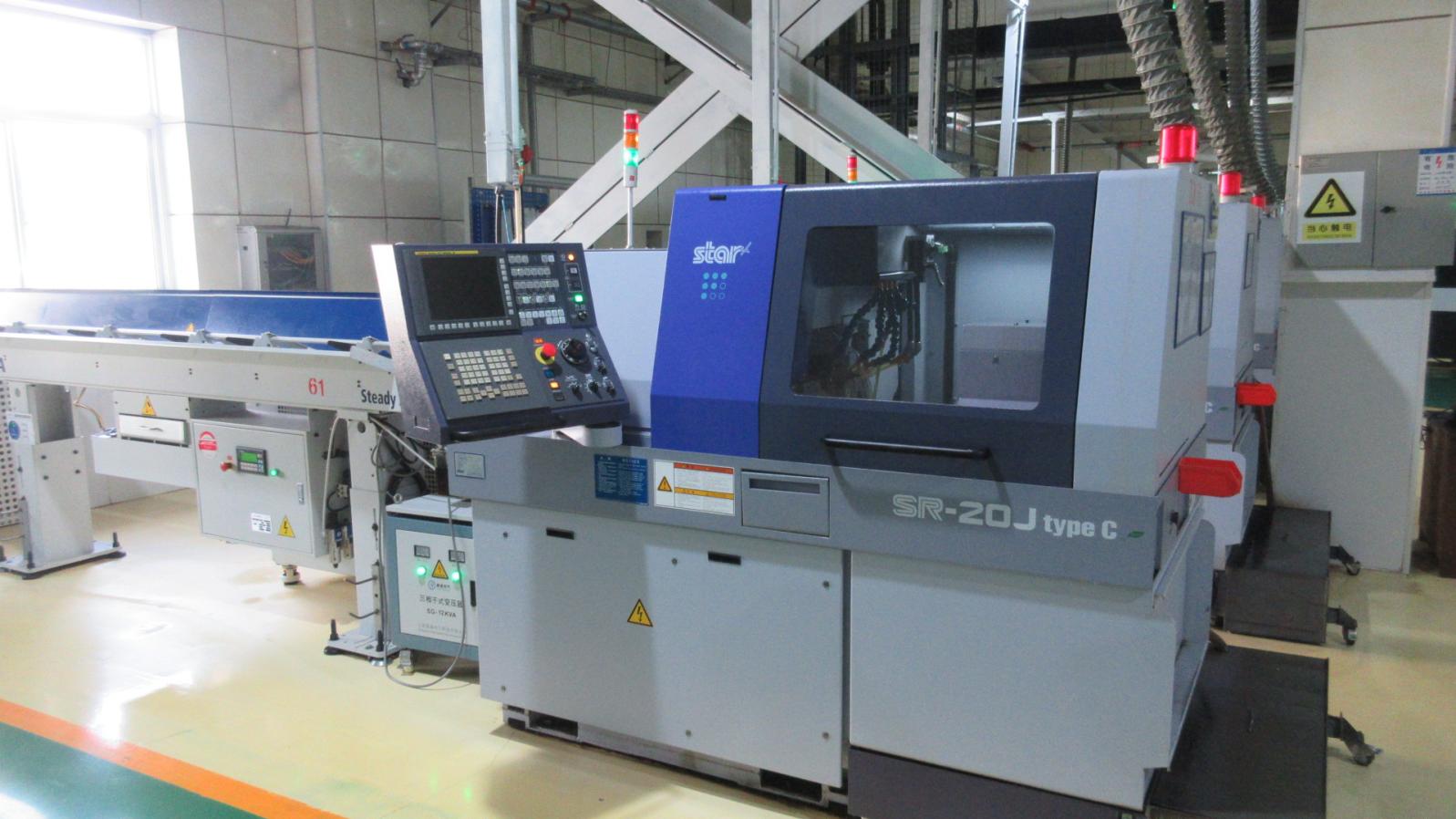
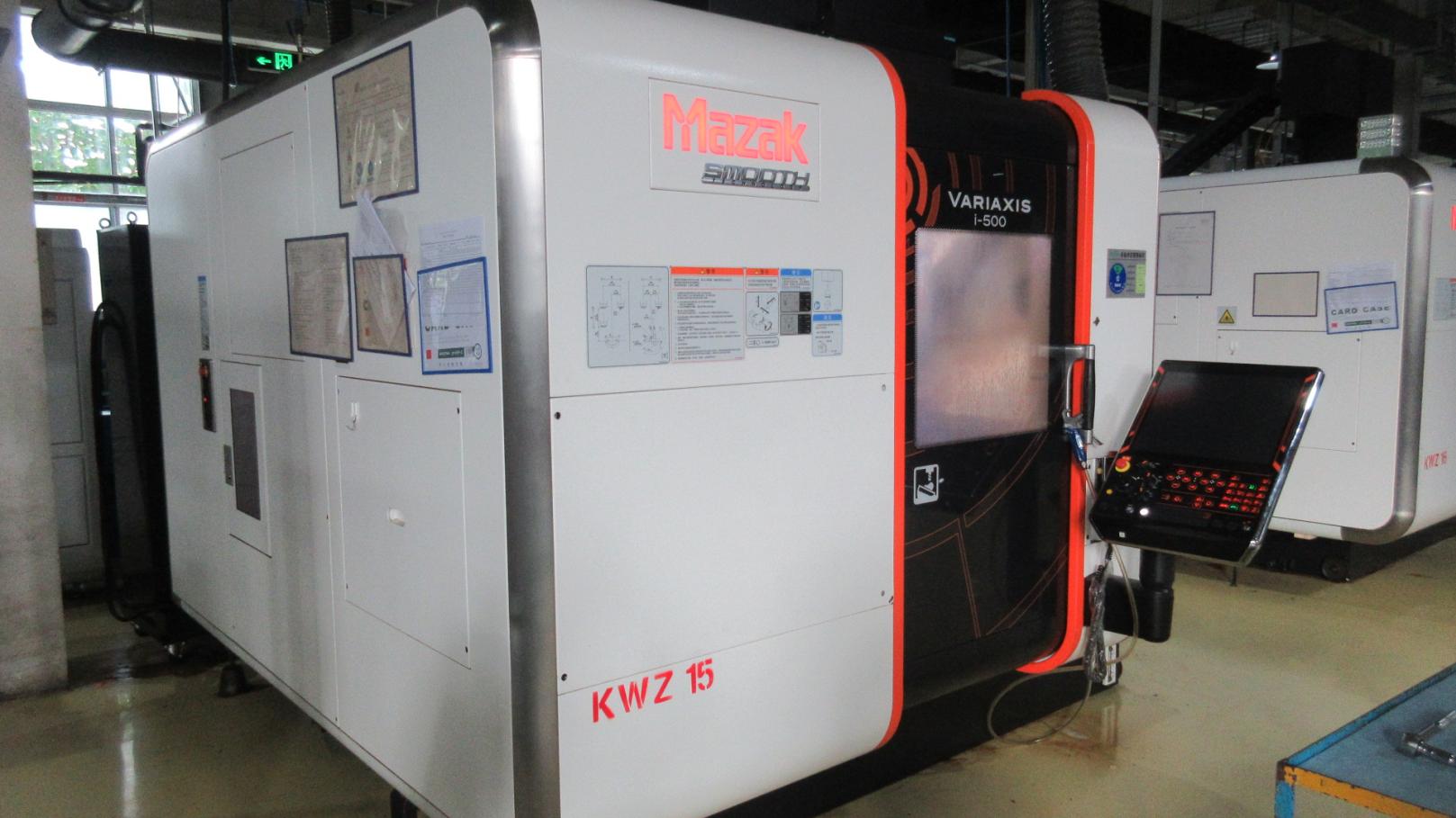
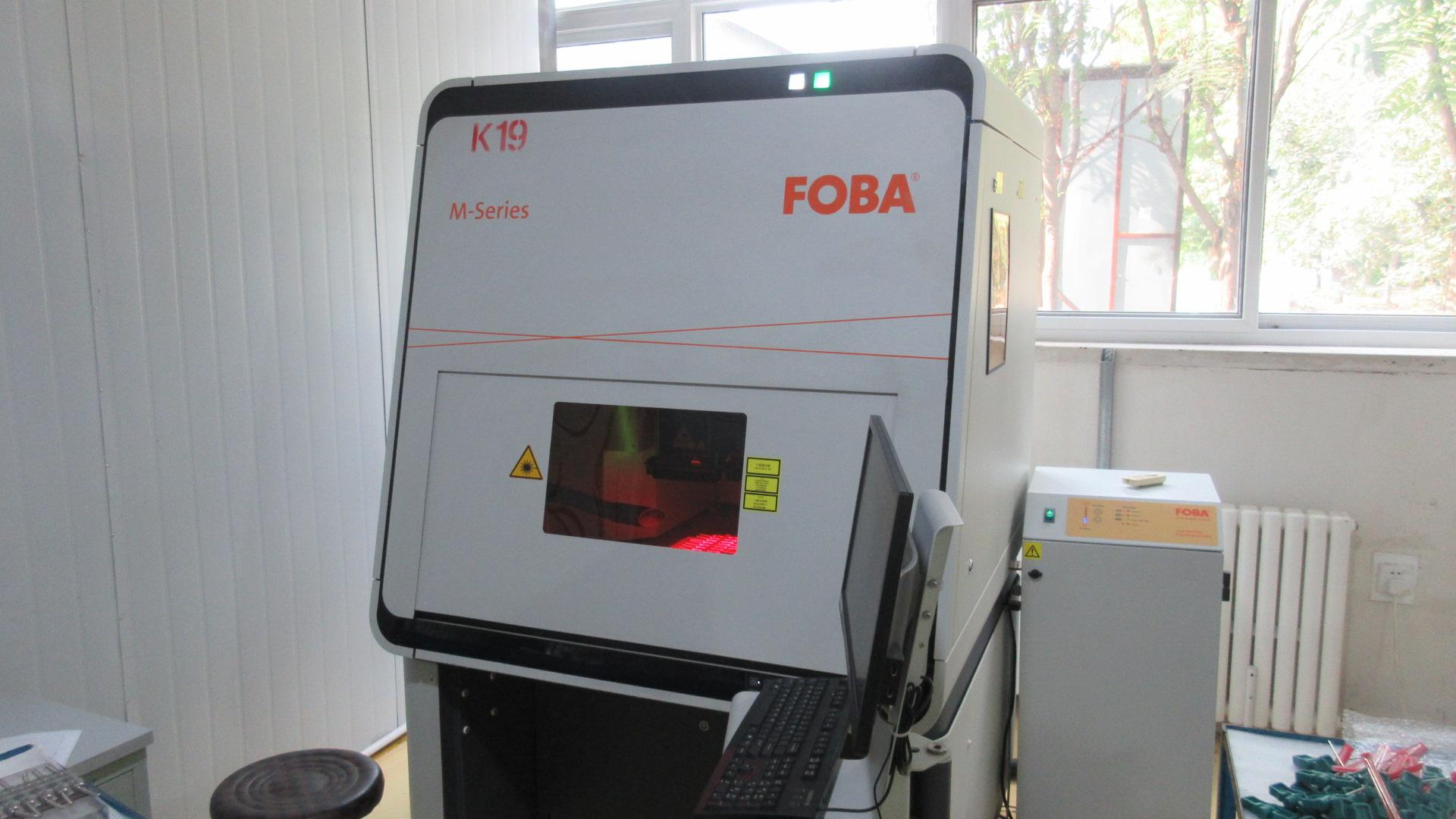
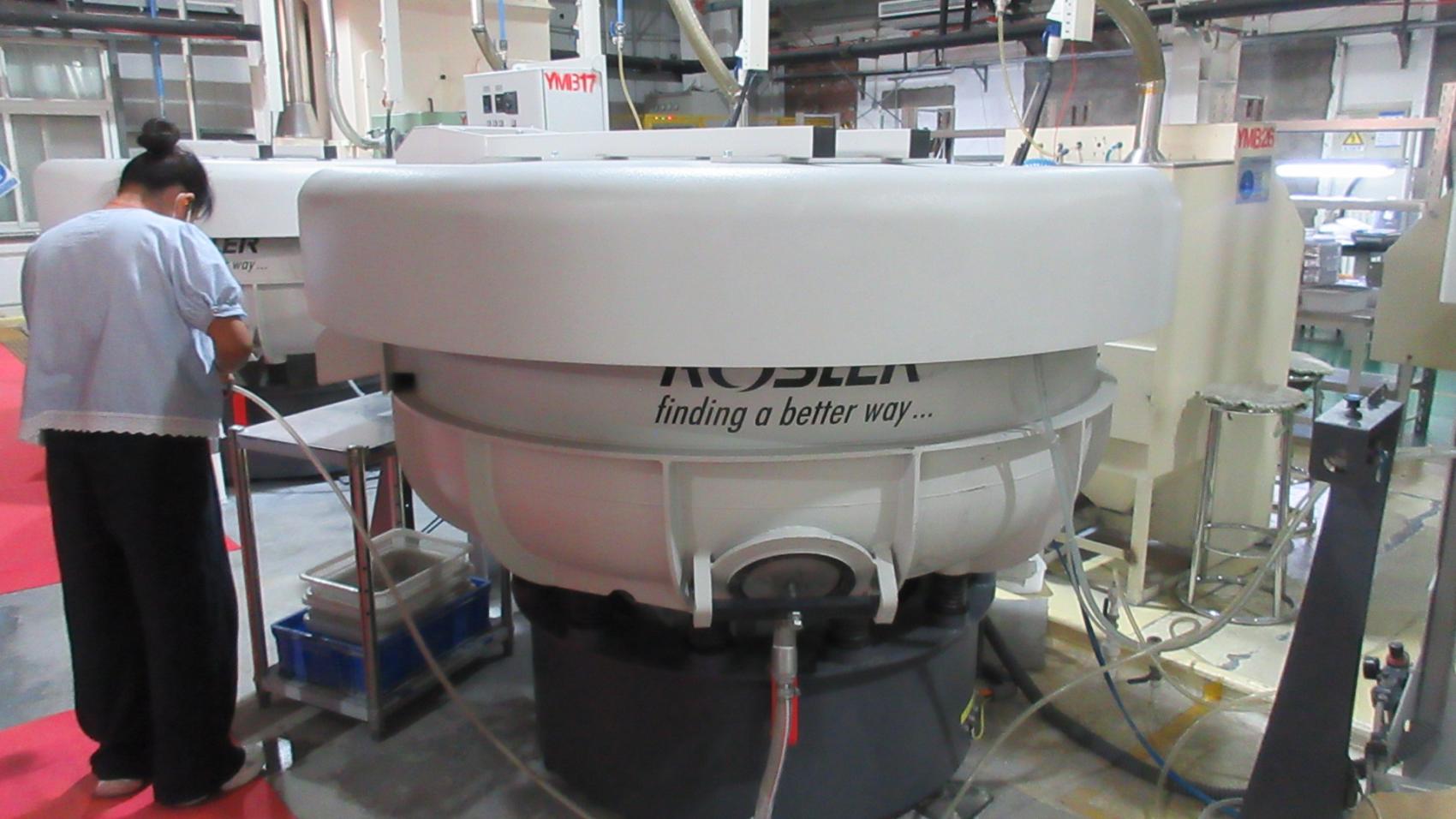
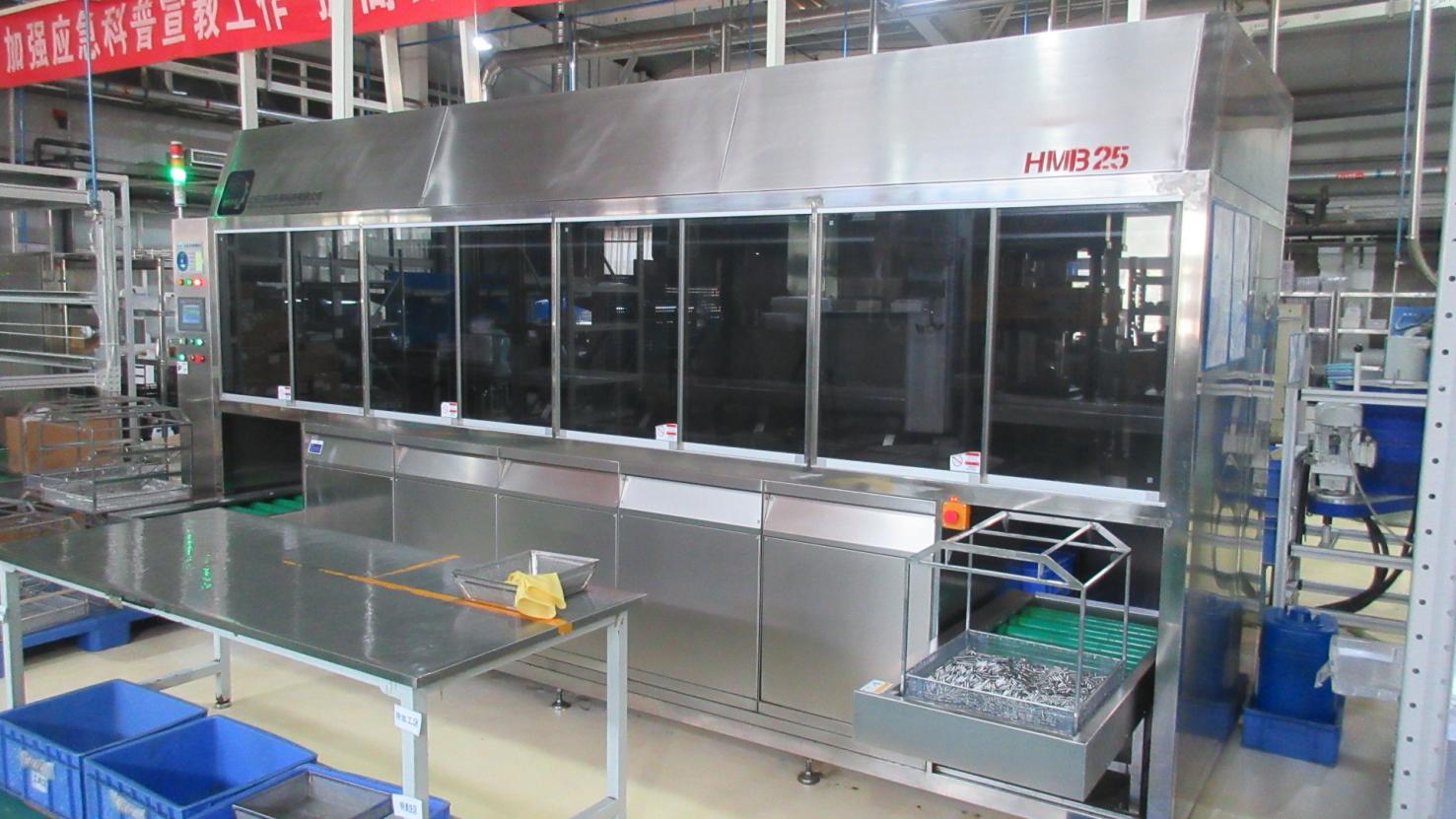
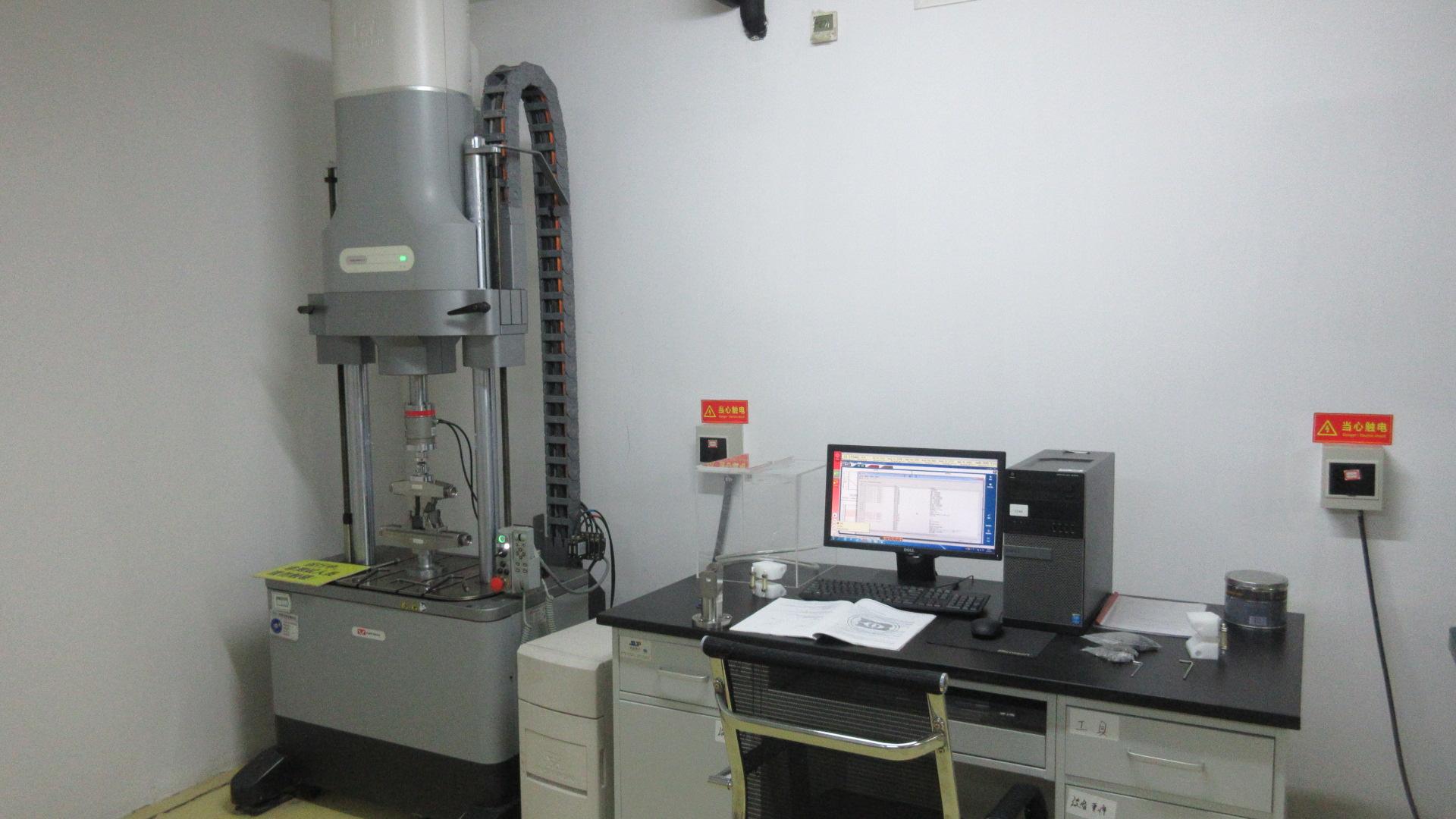
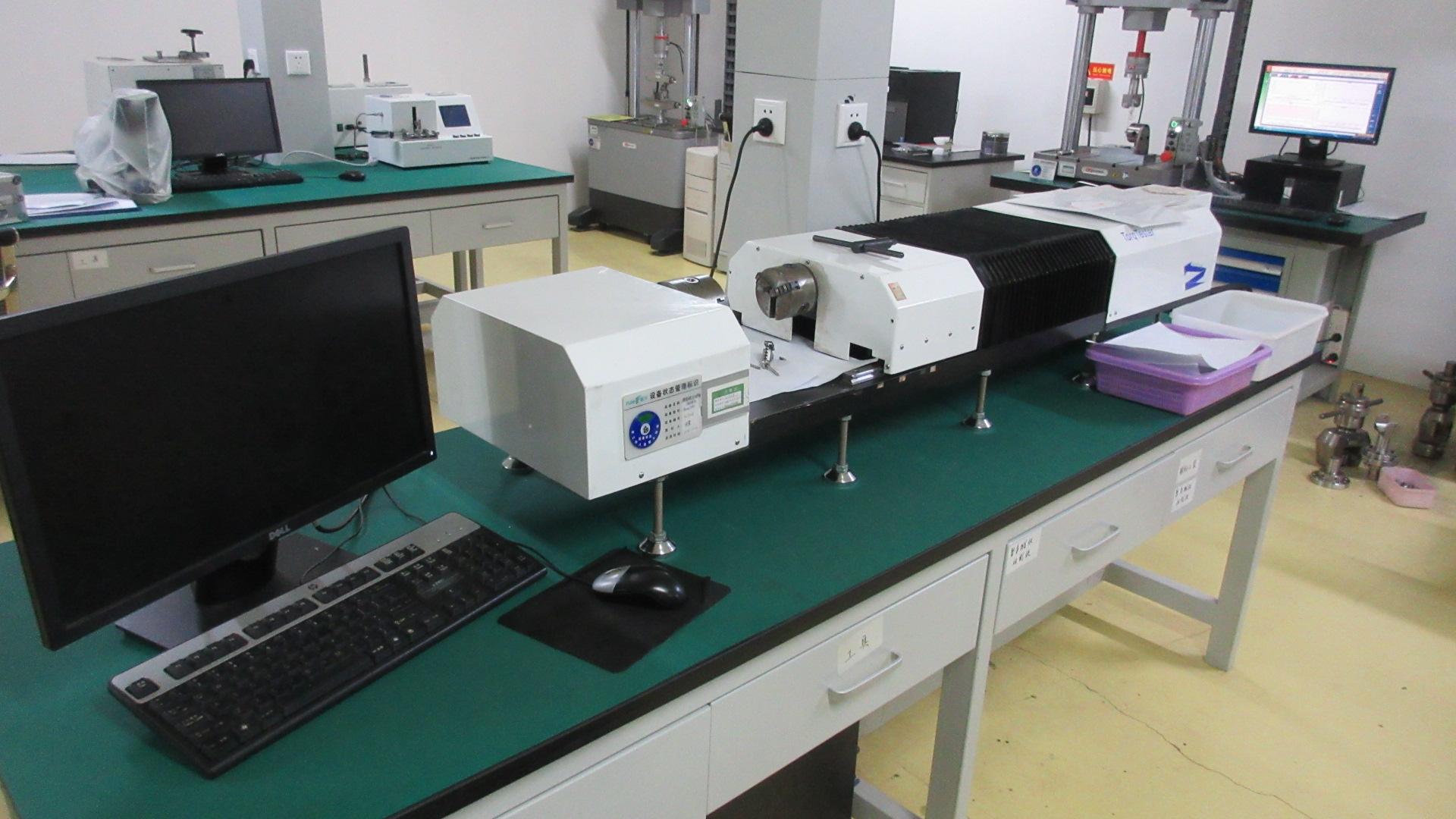
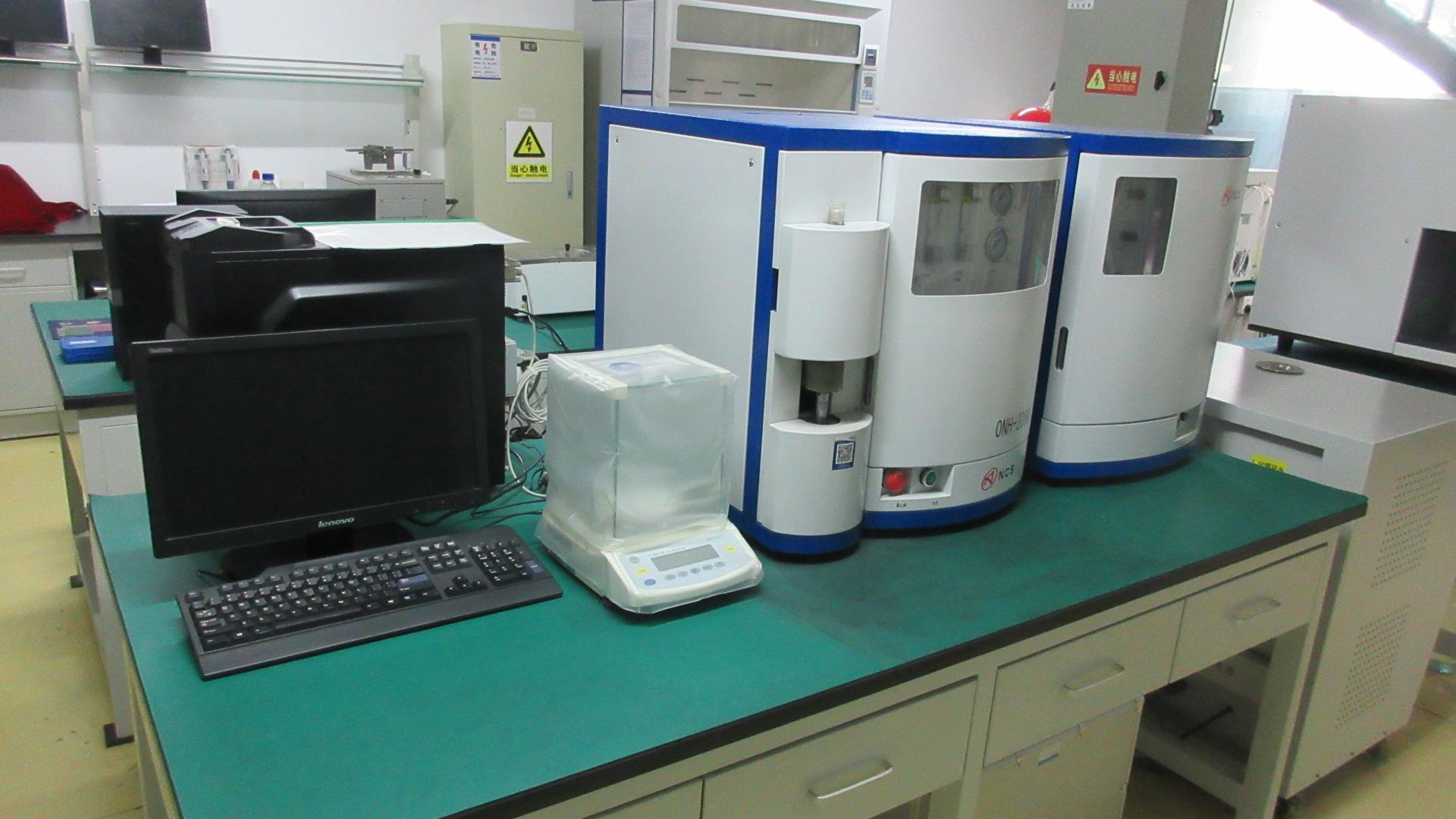
Detailing the materials science evolution, customizable design iterations, and smart clinical enhancements that are shaping the future of cervical spine procedures.
While Ti-6Al-4V remains the industry standard, active R&D is exploring bioresorbable magnesium alloys and advanced PEEK/Titanium composites. These next-generation materials minimize stress-shielding, prevent long-term plate migration, and eliminate the need for permanent hardware retention.
Additive manufacturing using Selective Laser Melting (SLM) enables the creation of custom-shaped plates with highly porous surfaces. These structures mimic trabecular bone, accelerating osseointegration and allowing the spinal canal graft to fuse seamlessly with the surrounding tissue.
By integrating pre-operative CT imaging with CAD modeling, future surgical protocols will feature patient-specific laminoplasty plates. This customization reduces intraoperative adjustment times and aligns precisely with individual anatomical variations.
Facilitating smooth international trade and local registration processes for healthcare organizations across multiple regions.
To support national health registrations, we provide comprehensive documentation packages, including Biocompatibility Reports (ISO 10993), Mechanical Testing Data (ASTM F1717 / ASTM F2193), and dynamic fatigue performance studies. Our regulatory teams work closely with global distributors to facilitate approvals with regional authorities, including the European Union (MDR 2017/745), the United States (FDA), and ANVISA in Brazil.
With 30 years of export experience, our products are distributed across several key regions:
| Market Segment | Distribution Share |
|---|---|
| Domestic Market | 40% |
| Eastern Europe | 15% |
| Southeast Asia | 10% |
| Rest of the World | 35% |
Technical answers to common queries regarding spinal plate system materials, designs, compatibility, and global supply chains.
 Beren Science & Technology