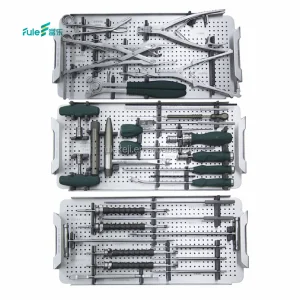
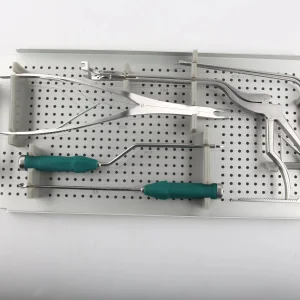
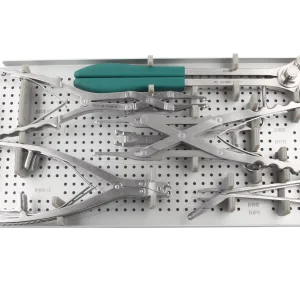
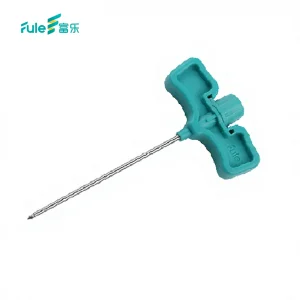
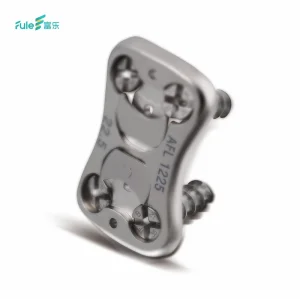
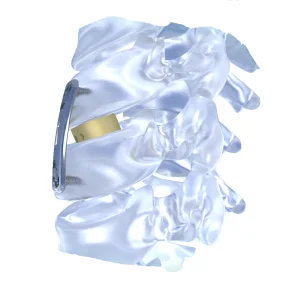
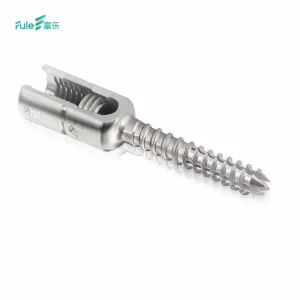
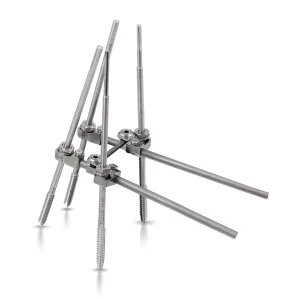
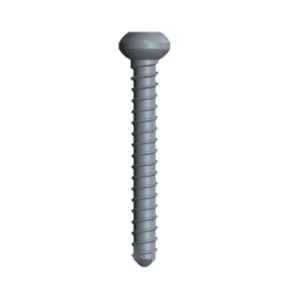
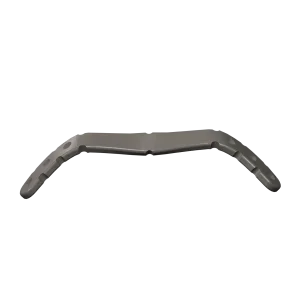
Explore our leading titanium pedicle screw systems, cervical plates, and dedicated decompression instrumentation designed for modern orthopedics.
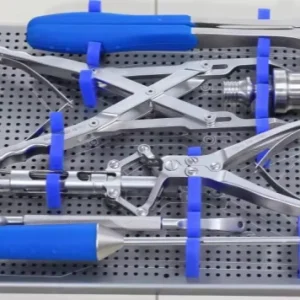
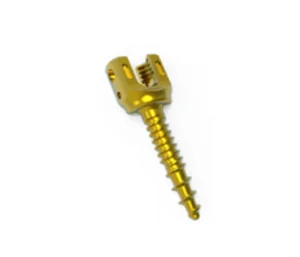
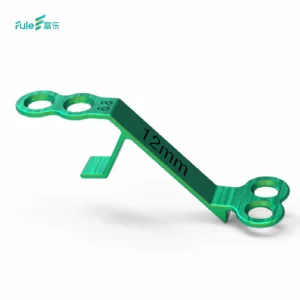
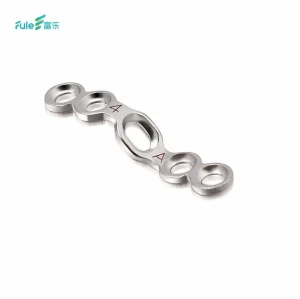
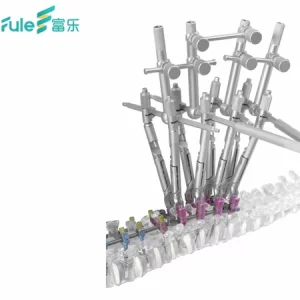
Spinal disorders represent a significant global health burden, affecting millions of patients annually. The successful surgical intervention of complex spinal conditions—ranging from degenerative disc disease and spondylolisthesis to traumatic fractures and spinal deformities (such as scoliosis)—is profoundly dependent on the quality, biomechanical integrity, and ergonomic design of spinal instrumentation. An Instrument of Spinal System is not merely a collection of tools; it is a critical interface between the surgeon's skill and the patient's long-term biomechanical stability.
As a pioneering manufacturer established in 1996, Beijing Fule (under the Usmart brand) has engineered comprehensive orthopedic surgical solutions that address the primary pain points of spine surgeons: instrument fatigue, anatomical mismatch, set complexity, and intraoperative failure. Our Class I and Class III orthopedic products utilize medical-grade titanium alloys (such as Ti-6Al-4V ELI) and polyetheretherketone (PEEK) to deliver exceptional biocompatibility, radiographic visualization, and corrosion resistance.
Healthcare providers, B2B distributors, and clinical organizations face a complex landscape when sourcing spinal implants. Strict regulatory requirements, such as the transition from MDD to MDR in Europe and stringent FDA clearance guidelines, have increased compliance barriers. Simultaneously, hospitals require affordable, high-volume production without compromising on raw material quality or engineering tolerances.
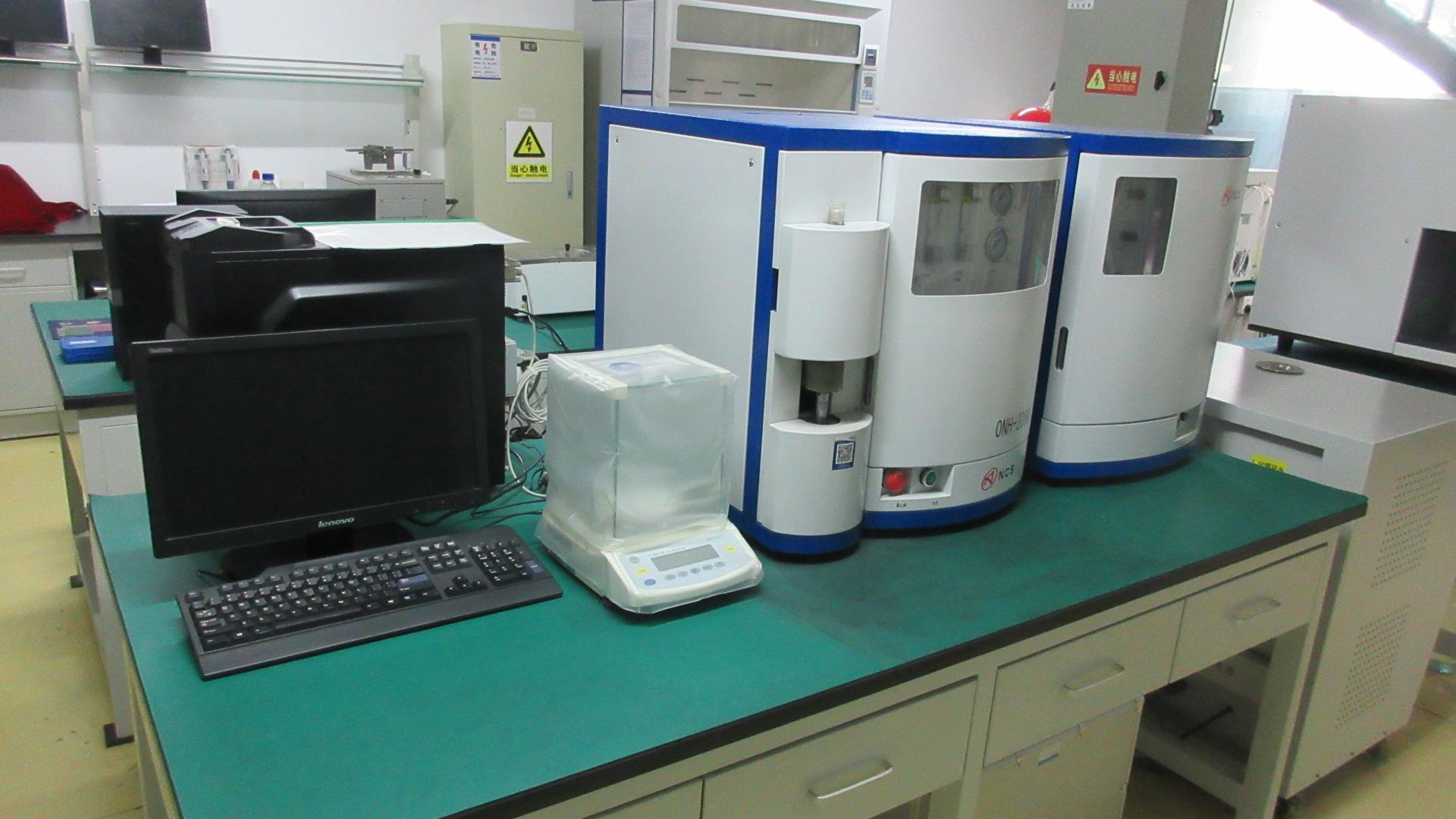
100% verification and documentation of titanium and PEEK stocks from international mills, ensuring compliance with ASTM and ISO standards for medical implants.
Every single implant and instrument undergoes a multi-phase inspection process overseen by our 15 dedicated QA/QC specialists, ensuring zero-defect delivery.
Offering comprehensive custom design capabilities, including sample-based engineering, CAD-based design, and customized surgical instrument cases.
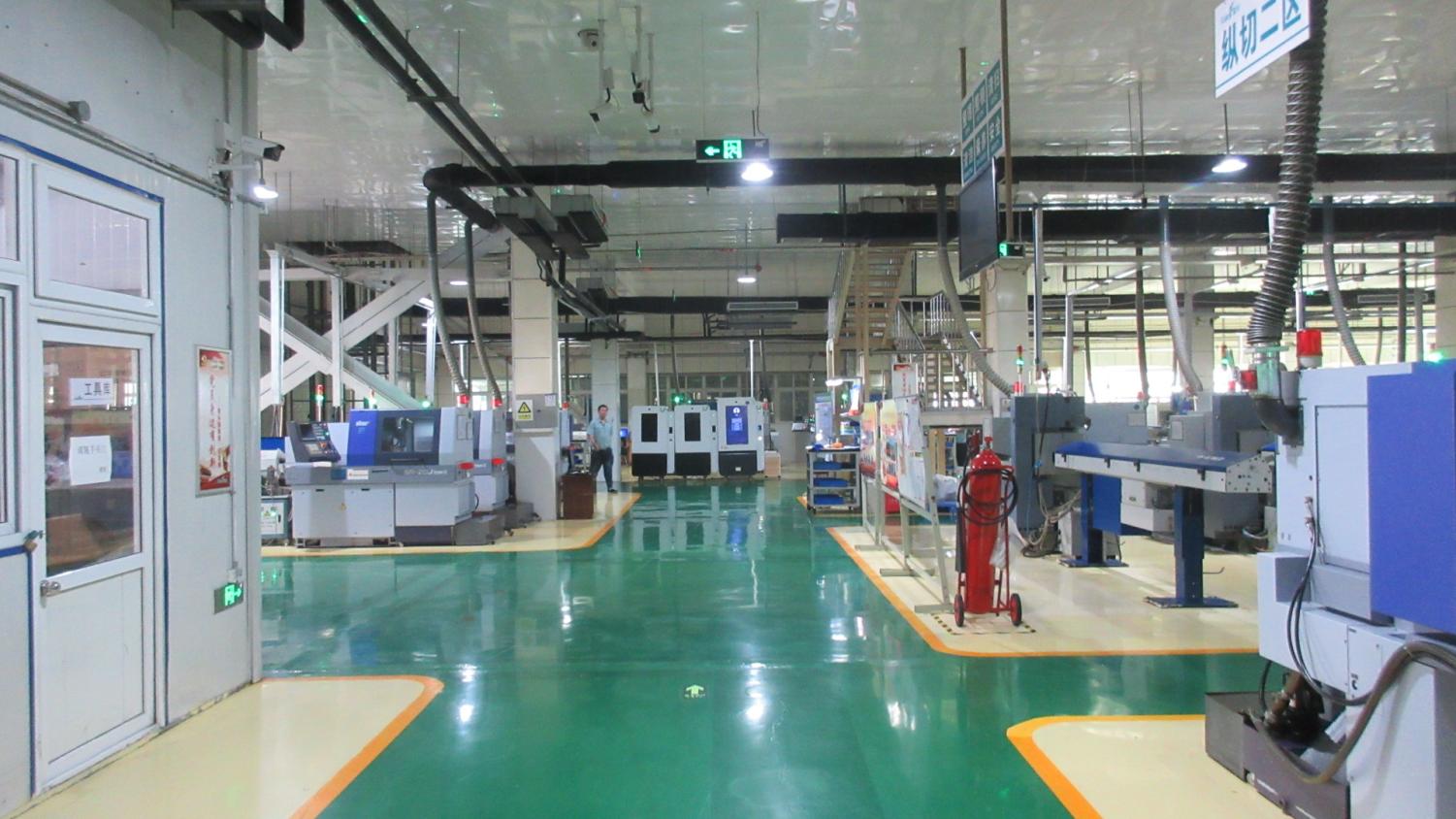
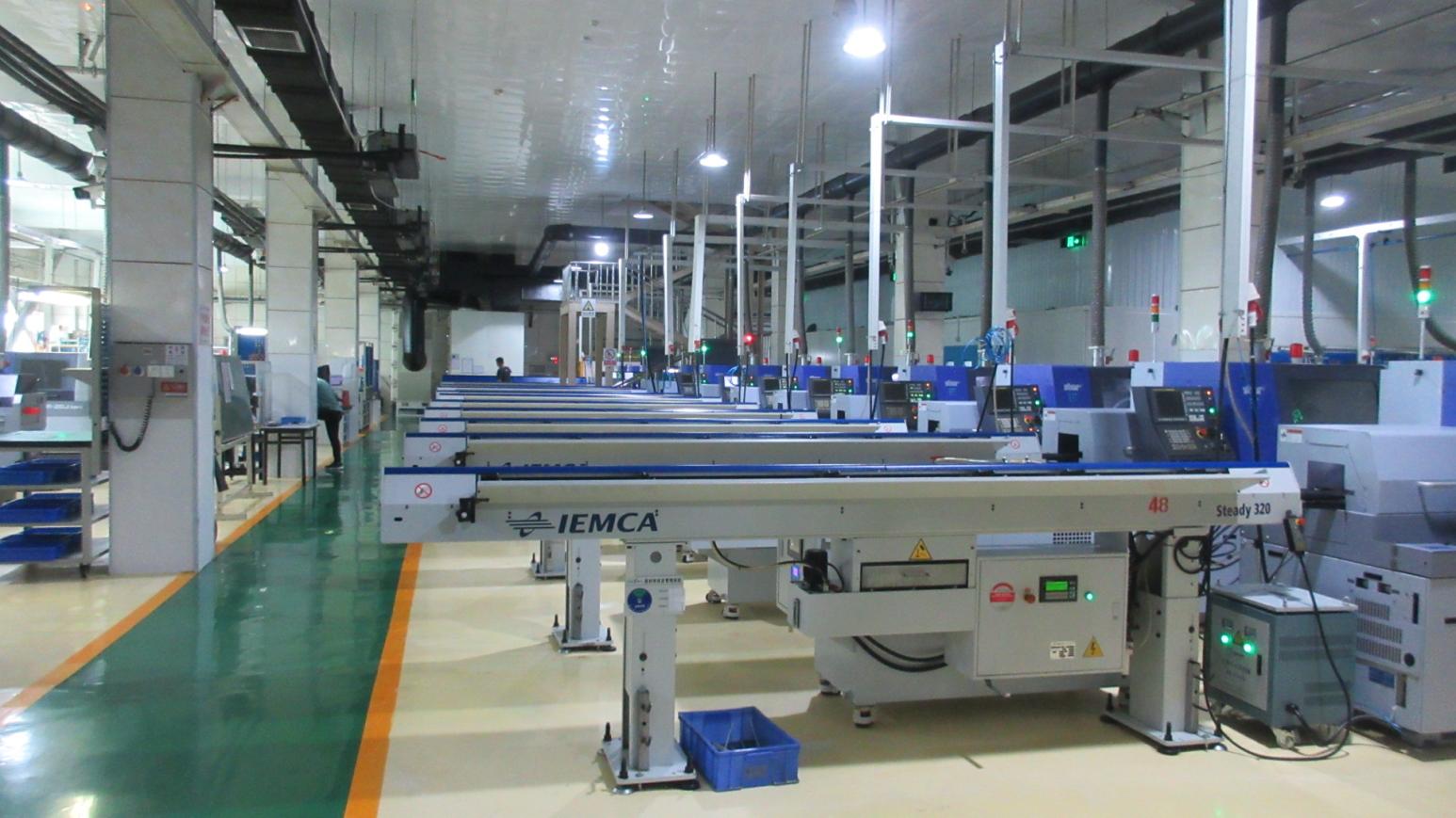
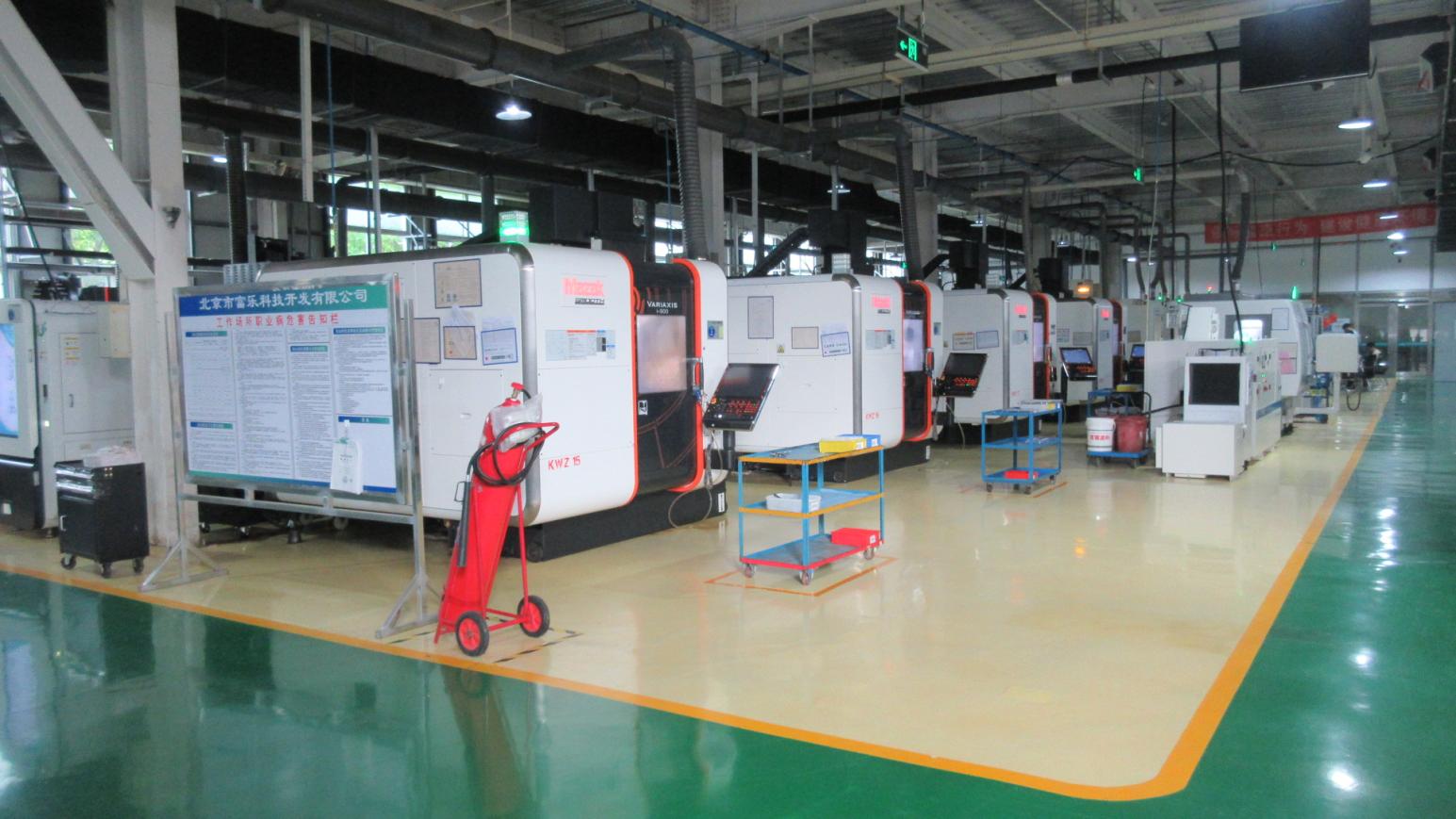
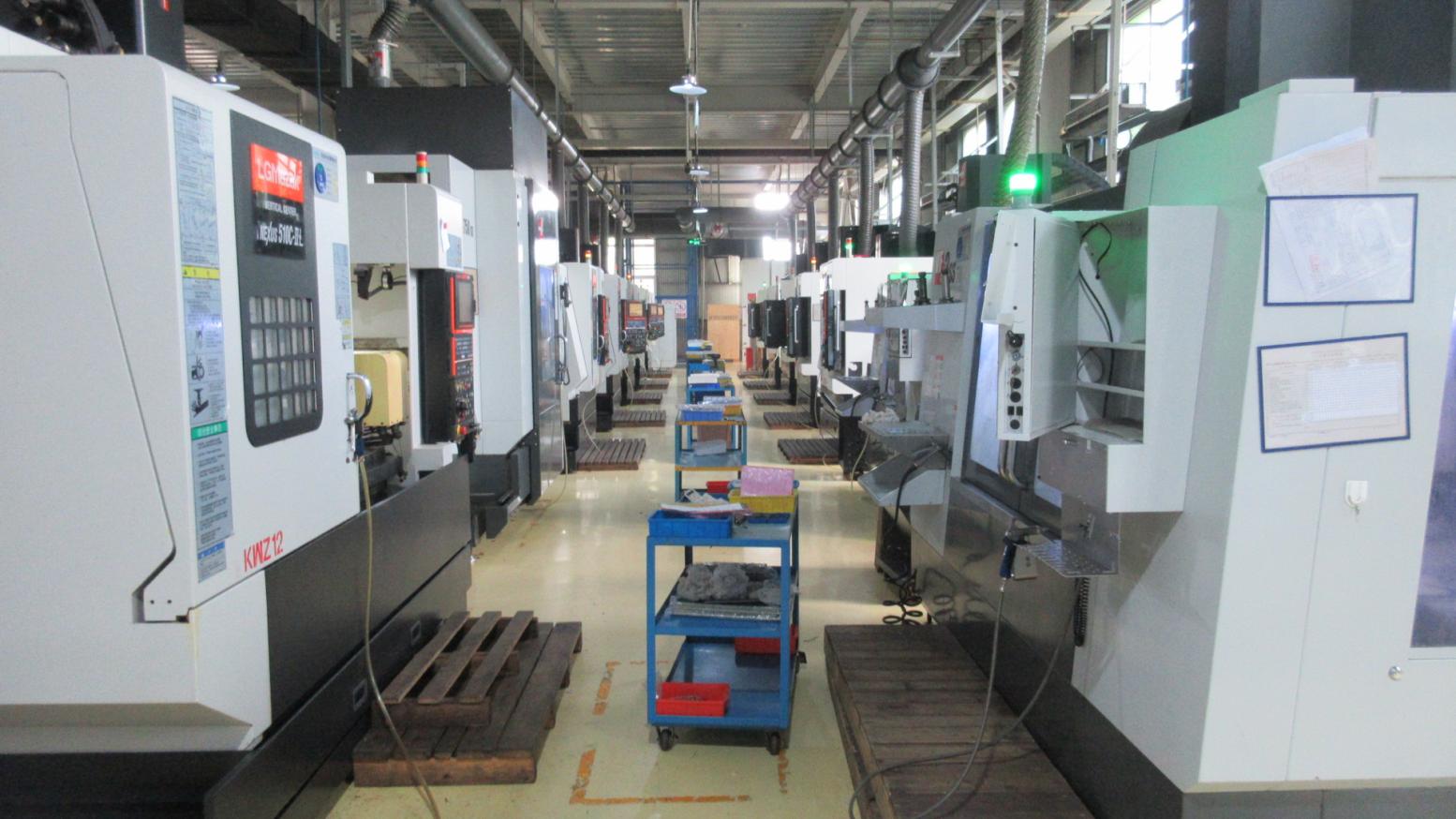
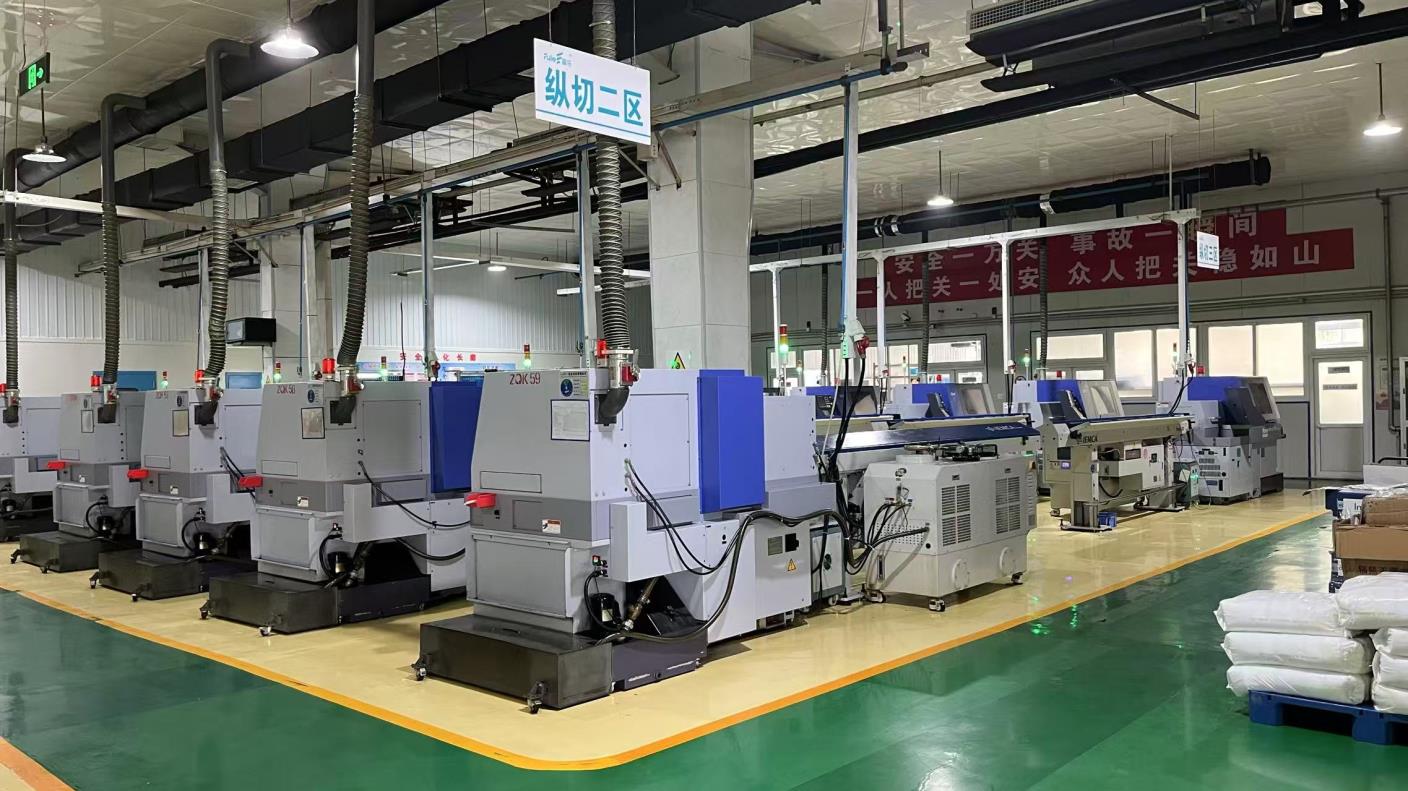
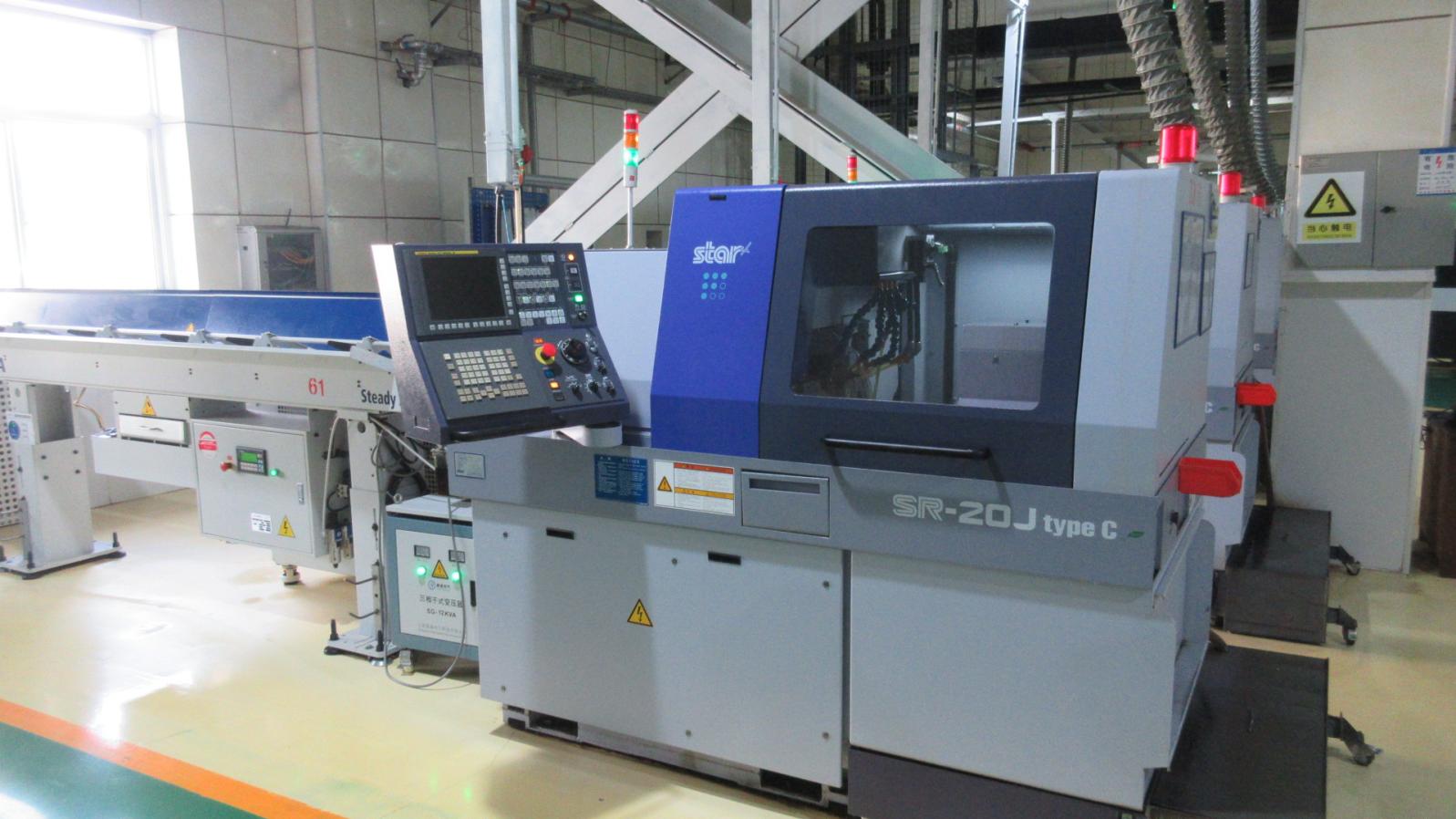
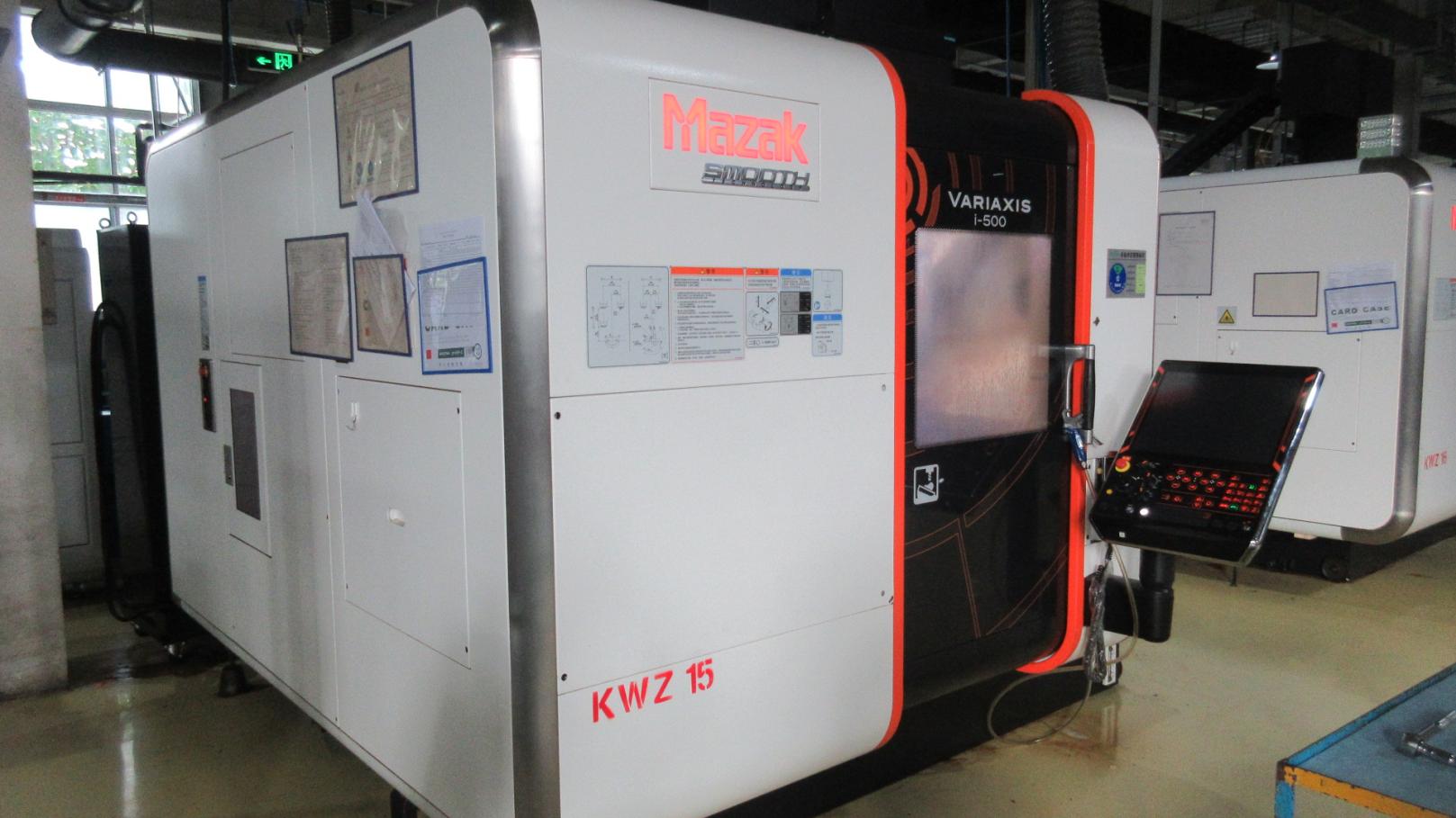
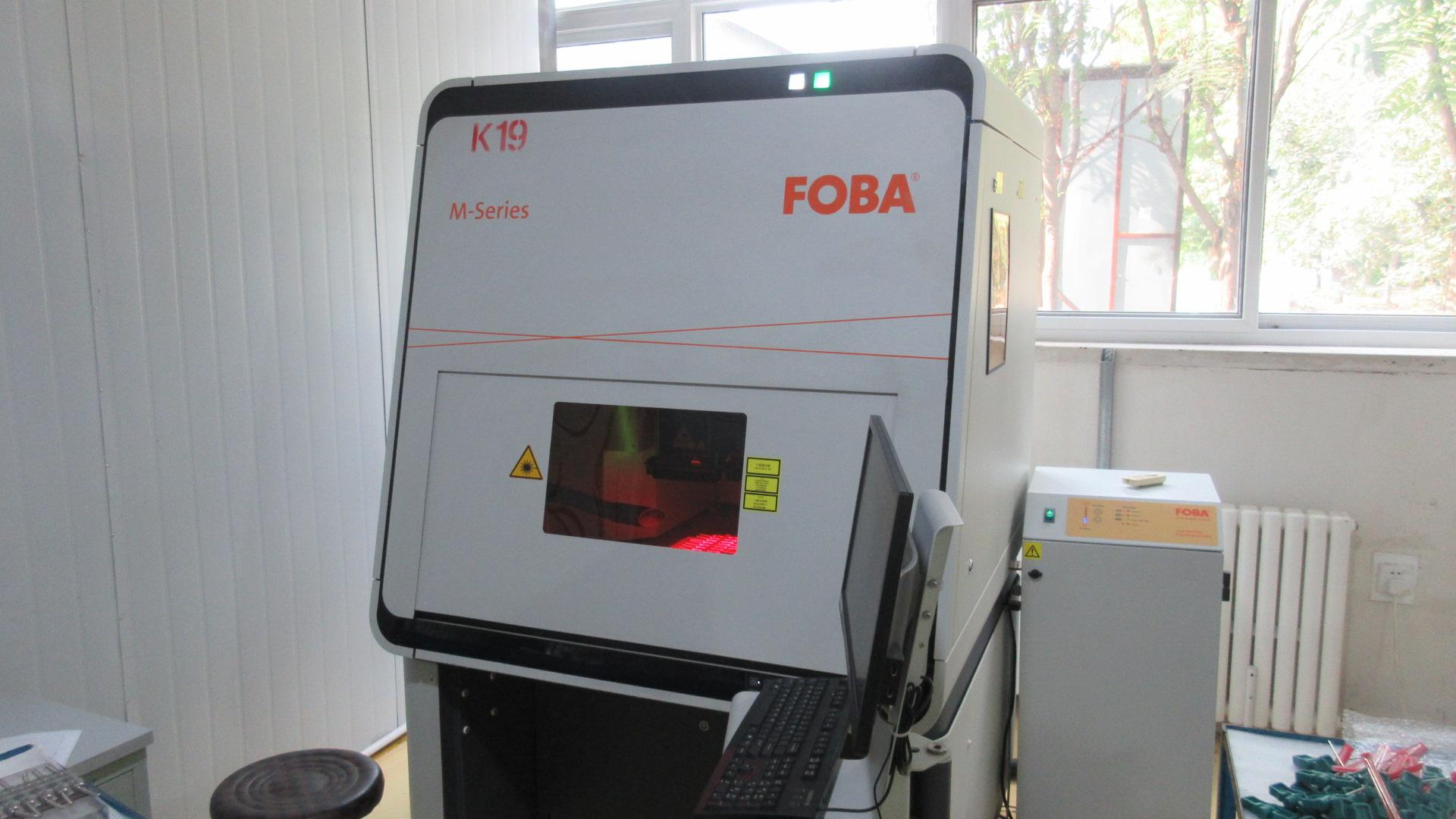
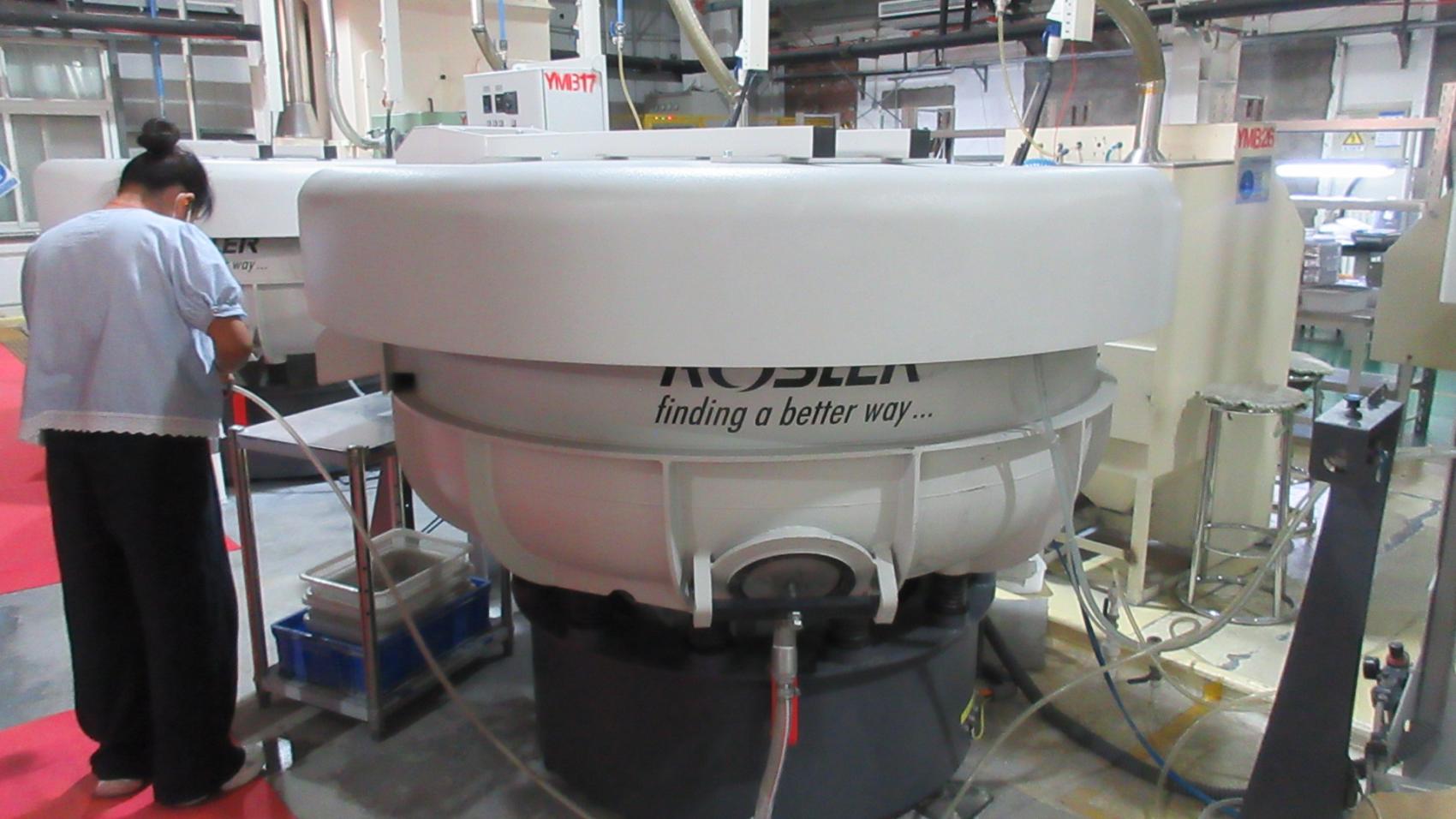
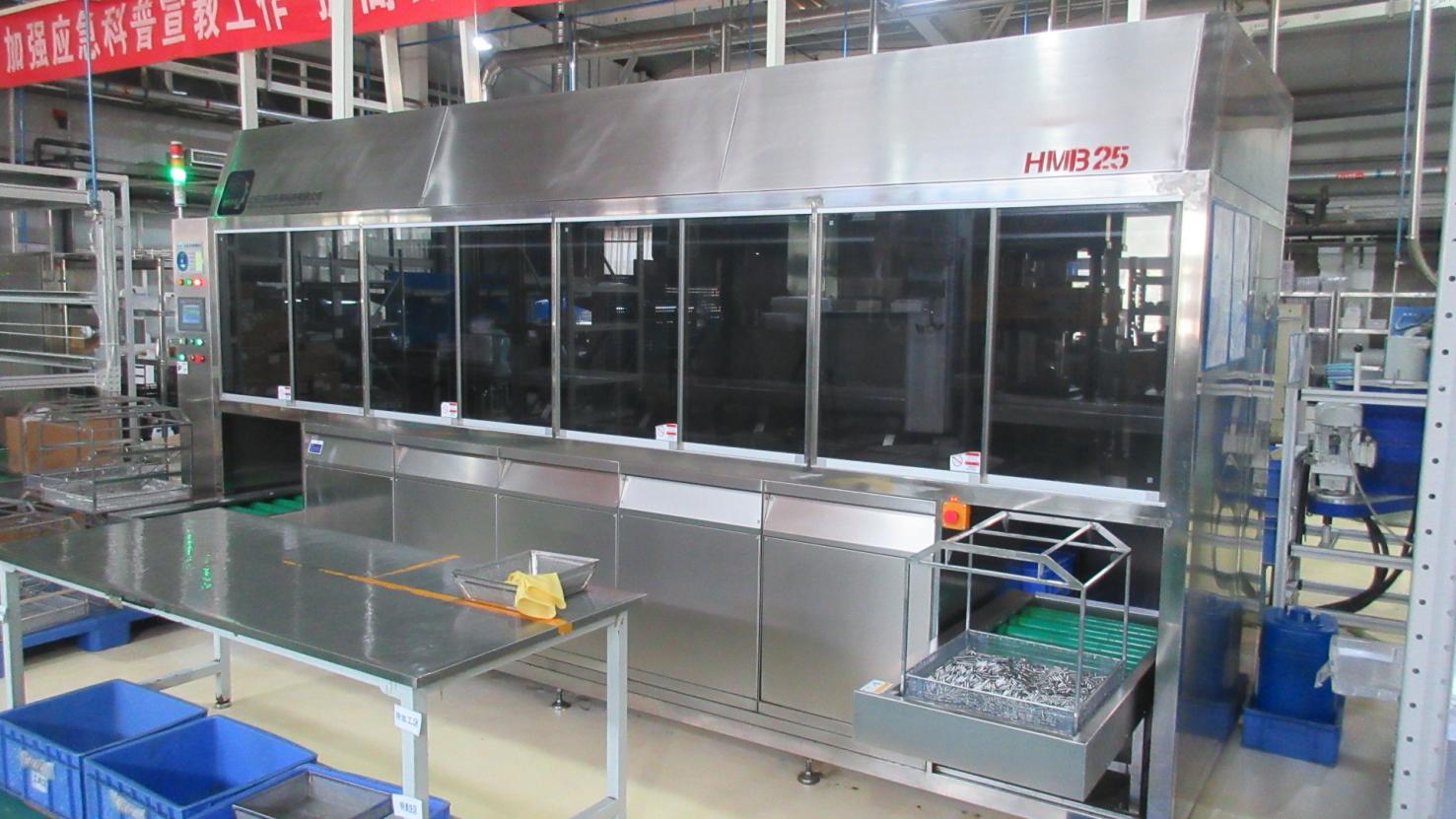
Our manufacturing facility spans over 10,000 square meters and houses 102 state-of-the-art production machines, which yield over 511,000 units annually. This capacity ensures that Beijing Fule can consistently meet large-scale global demand while maintaining lead times that keep hospital workflows uninterrupted.
Quantifying the industrial scale, historical milestones, and rigorous validation metrics that support our global export operations.
| Beijing Fule Technical and Quality Capabilities Profile | |
|---|---|
| Core Certification | ISO 13485 (Certificate No. 04724Q10000818) - Fully Certified Medical Device QMS |
| QA/QC Structure | 15 Dedicated Quality Inspectors, 100% inspection on all production lines |
| Raw Material Traceability | Full batch verification and physical-chemical test documentation |
| R&D Personnel | 20 Professional Engineers (15 Graduate Degree Holders, 5 Technical Specialists) |
| New Product Development | 20 new registered products/designs launched per annum |
| Export Target Markets | Domestic Market (40%), Eastern Europe (15%), Southeast Asia (10%), Rest of World (35%) |
| Primary Client Profile | Global Healthcare Retailers, Orthopedic Product Wholesalers, OEM Partners |
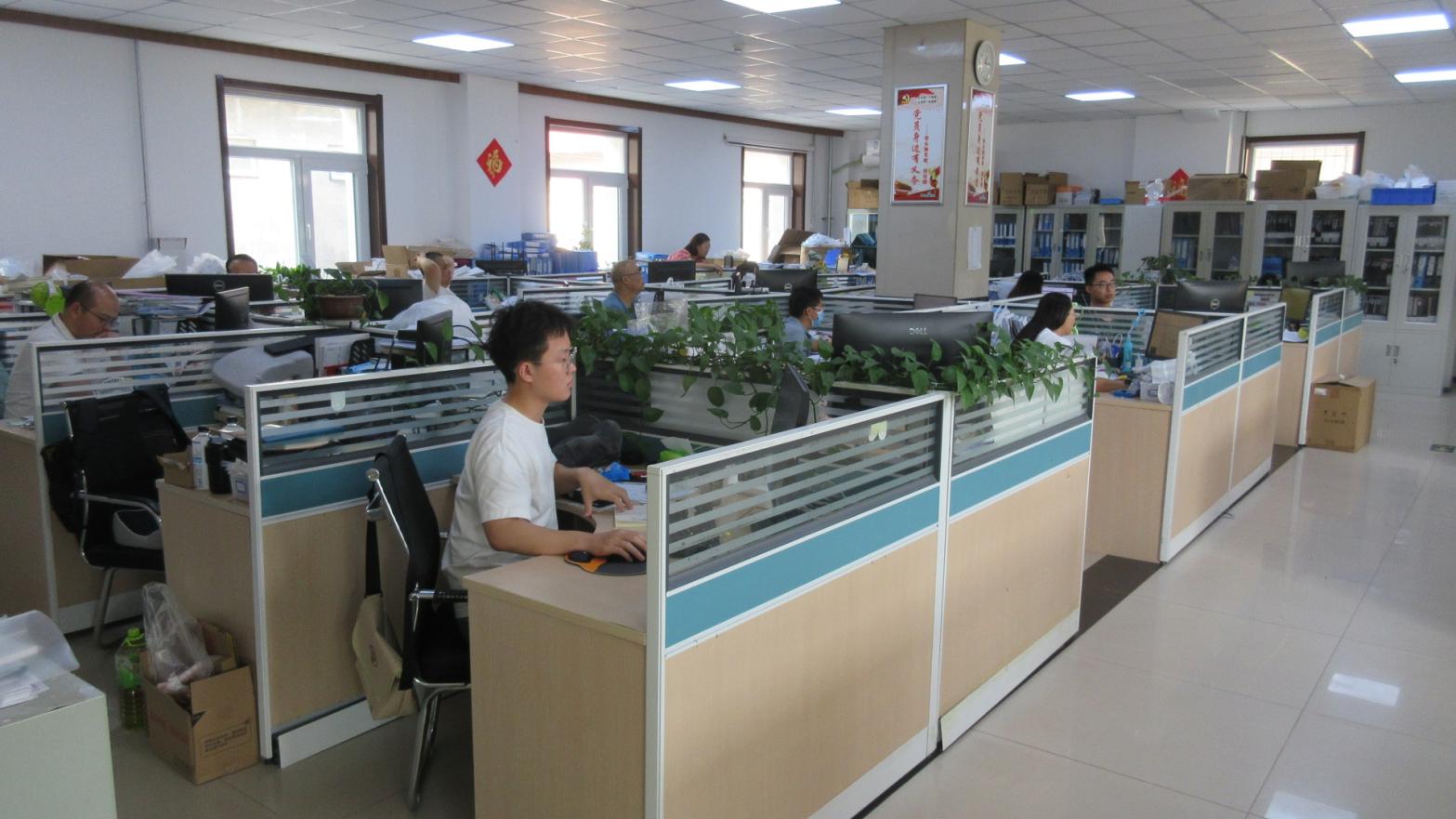
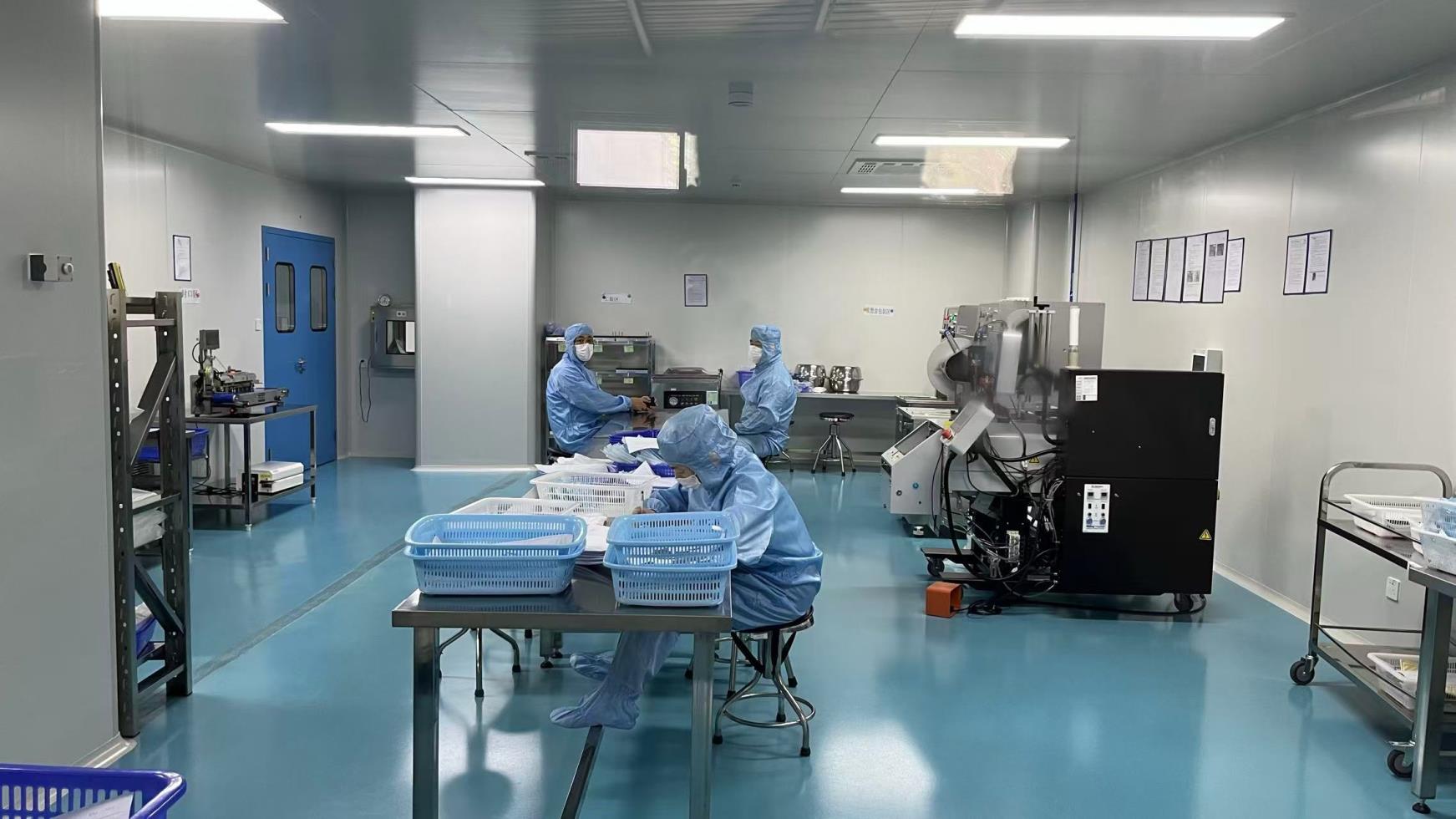
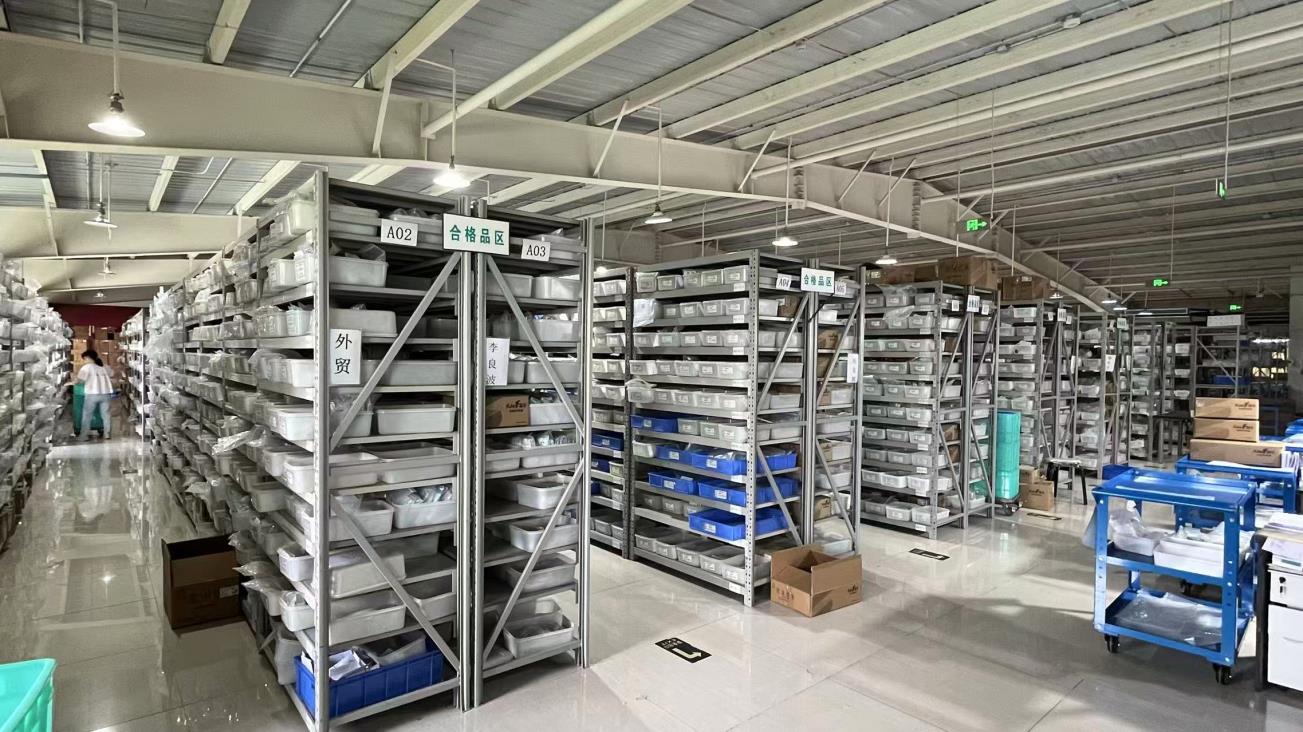
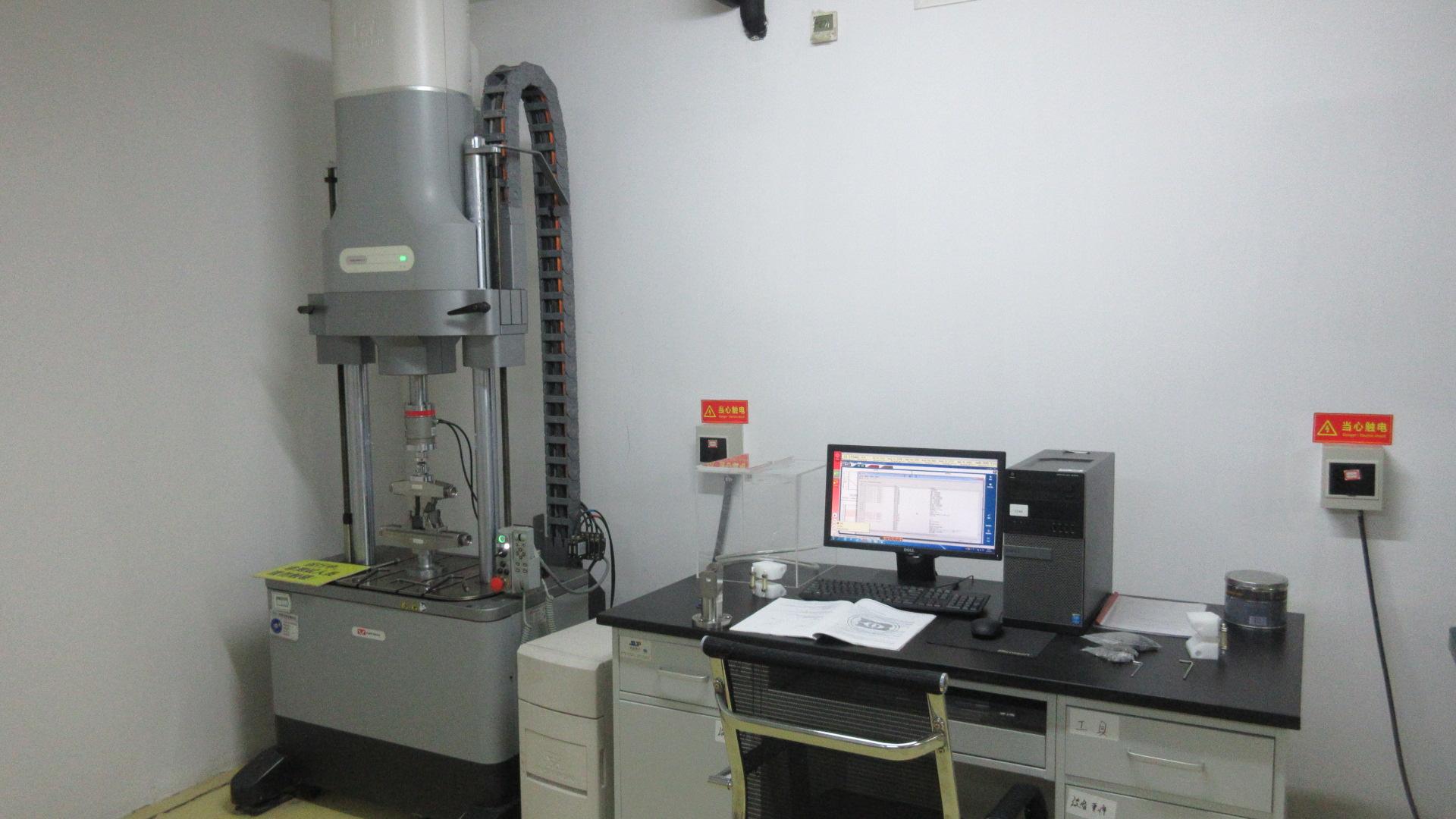
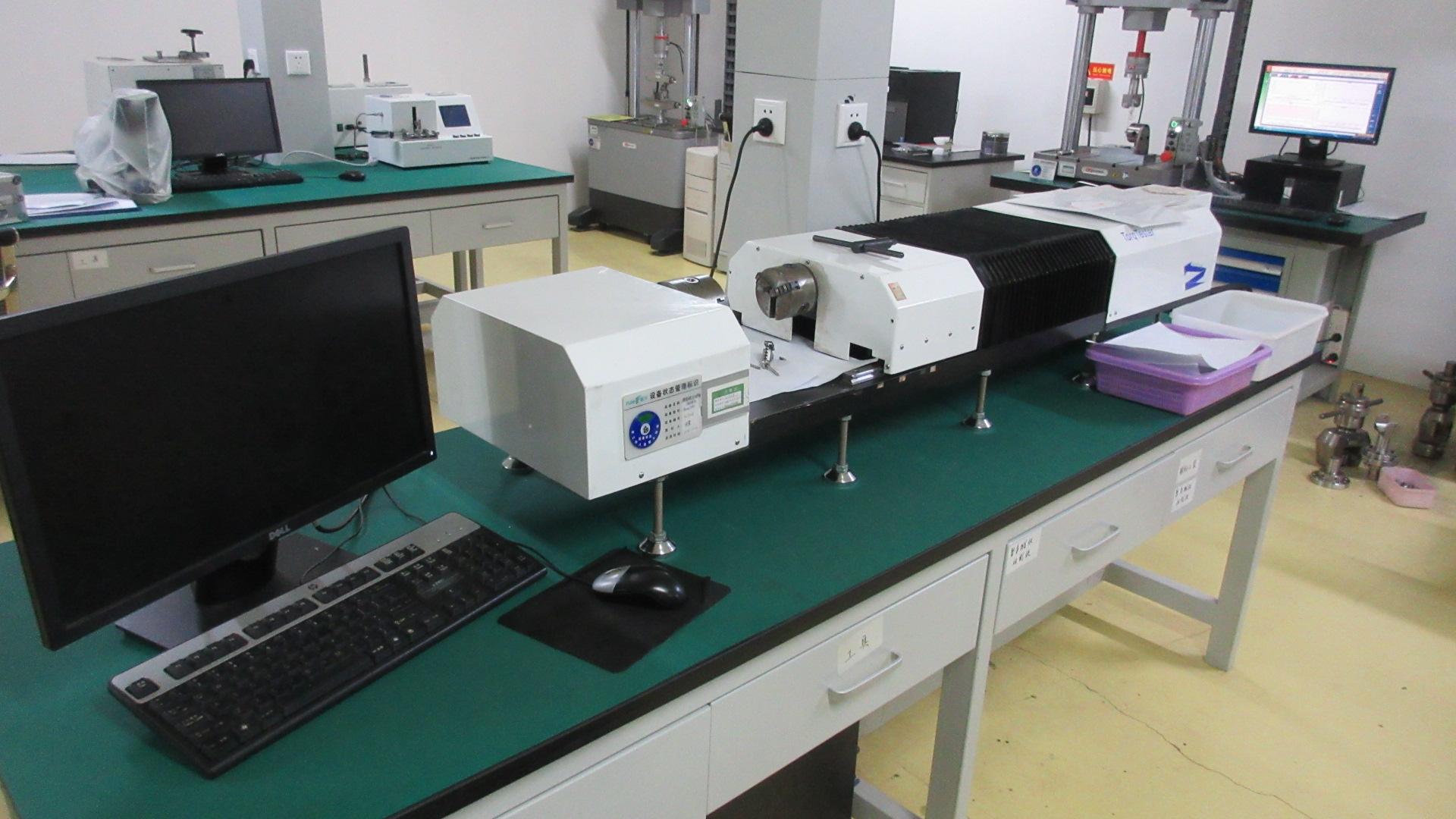
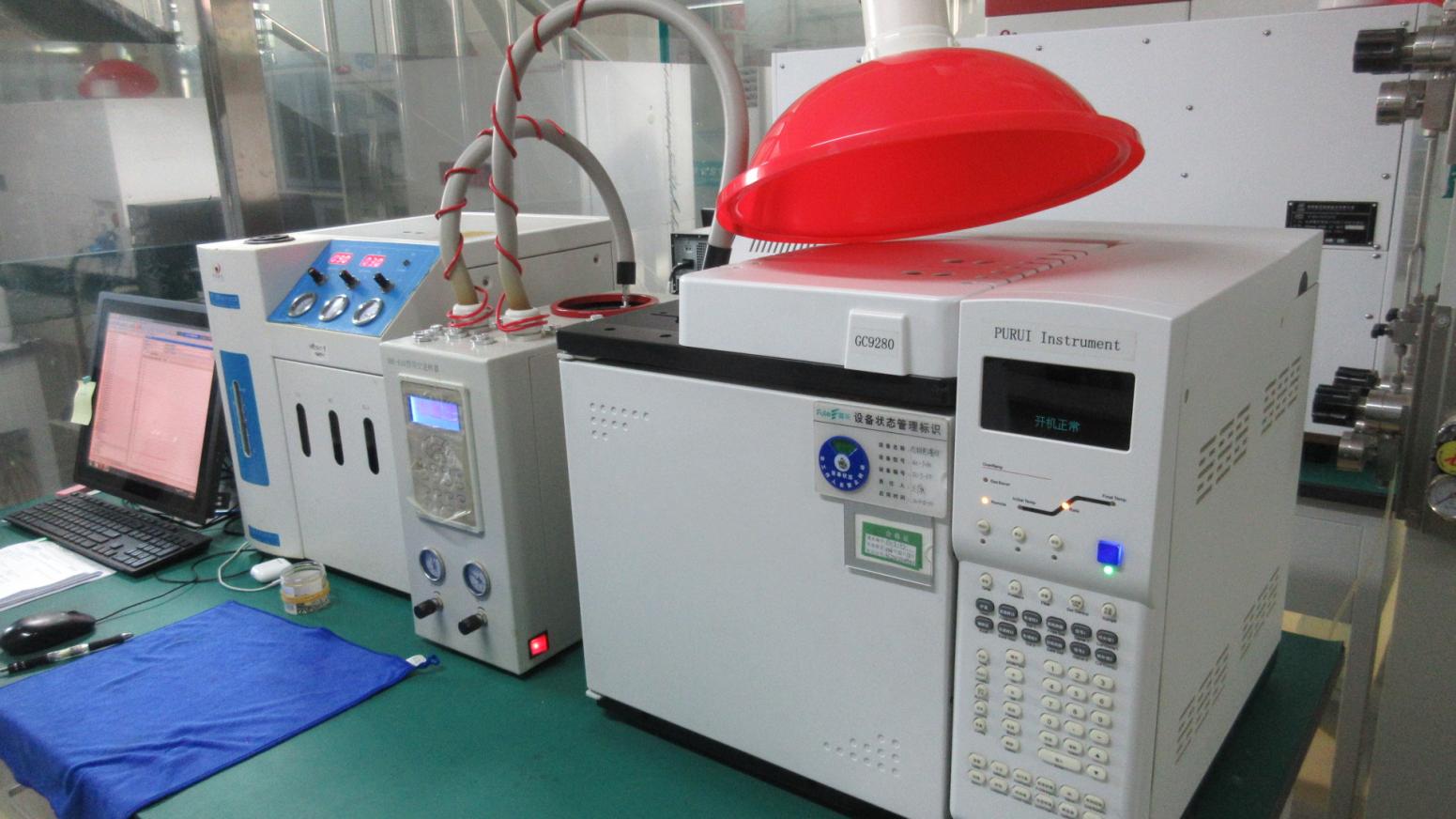
A transparent look inside our manufacturing floor, testing laboratories, cleanrooms, and ISO 13485 medical device certification.

Authorized ISO13485 Quality Management System Certification (No. 04724Q10000818)

Spinal instrumentation requires seamless integration with local hospital regulations and operating room (OR) protocols. Every country's healthcare system imposes unique guidelines for implant sterilization, product track-and-trace (UDI implementation), and clinician training. Beijing Fule supports our global distributors by offering ready-to-file regulatory documentation dossier templates (Technical Files) and sterilized/non-sterilized packaging options.
Whether deploying our systems in Eastern European regional clinics or Southeast Asian healthcare centers, our localized support includes professional translation of instruction manuals (IFU), customized orthopedic instrument layouts, and sterile-packaged kits designed for single-use efficiency. This dramatically reduces inventory footprint, eliminates localized sterilization validation bottlenecks, and prevents intraoperative surgical tray errors.
The choice of orthopedic materials fundamentally determines the fusion rate and clinical outcomes of spinal operations.
Our implants undergo rigorous biomechanical testing, including static and dynamic axial compression, torsion, and fatigue limits (in accordance with ASTM F1717 and ASTM F2077). This ensures that every Usmart spinal construct can withstand years of physiologic loading inside the human body.
As spine surgery moves rapidly toward computer-assisted navigation and robotics, Beijing Fule is adapting its instrumentation line to stay at the vanguard of innovation. Our R&D division is actively prototyping navigation-ready instruments with optical and electromagnetic tracker geometry compatibilities. By integrating precision trackers directly into our spinal insertion tools, we aim to facilitate faster, more accurate pedicle screw trajectory verification, reducing radiation exposure for surgical teams and optimizing clinical efficacy.
Find authoritative answers regarding product safety certifications, OEM capabilities, raw materials, and ordering procedures.
Discover our specialized interventional instruments, pelvic locking systems, and advanced trauma screws for targeted osteotomy and stabilization.
 Beren Science & Technology