Explore our high-precision posterior fixation implants, cervical plate assemblies, and stabilization hardware certified for worldwide trauma distribution.
Understanding the Biomechanics, Material Engineering, and Surgical Indications for Modern Orthopedic Stabilization.
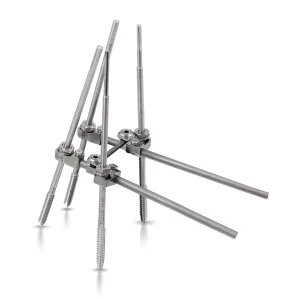
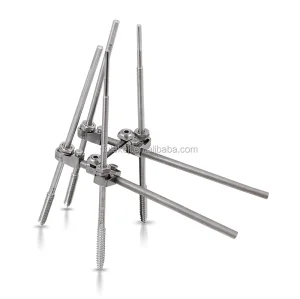
The human spine is a complex load-bearing structure subjected to multi-axial forces including compression, flexion, extension, lateral bending, and axial rotation. When trauma disrupts the column—resulting in burst fractures, fracture-dislocations, or unstable translational injuries—restoring mechanical stability is paramount. The Posterior Spinal System serves as an internal brace, transferring physiological loads across compromised motion segments. By utilizing pedicle screws secured to the vertebral bodies and interconnected by longitudinal rods, the system achieves rigid multi-segmental stabilization. This construct neutralizes bending forces, prevents post-traumatic kyphotic collapse, and provides the rigid immobilization necessary for solid bony fusion.
Selecting implant materials requires balancing structural integrity with biological compatibility. Most modern posterior spinal traumatic systems are forged from biocompatible Titanium Alloys (such as Ti-6Al-4V ELI conforming to ASTM F136). Titanium exhibits a modulus of elasticity closer to human cortical bone compared to stainless steel, reducing the risk of stress shielding and subsequent implant loosening. Furthermore, its superior fatigue strength ensures resilience against cyclic load stress. In specific scenarios where maximum rigidity is needed to correct severe traumatic sagittal deformities, Cobalt-Chromium (CoCr) rods are incorporated to limit sagittal contour loss during healing.
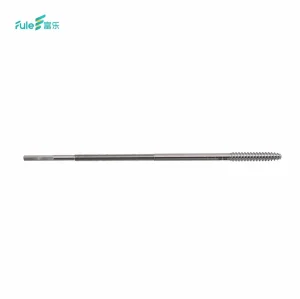
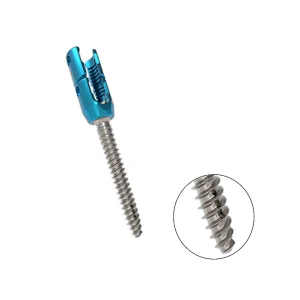
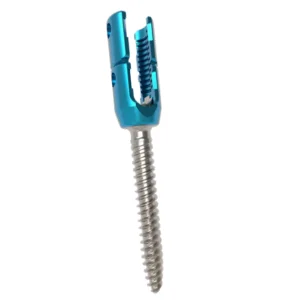
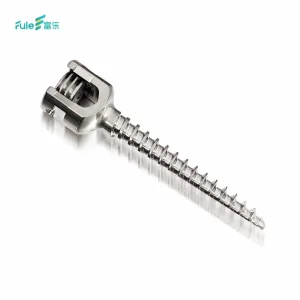
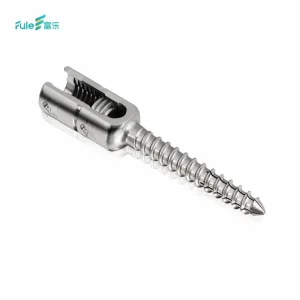
To accommodate varied anatomical configurations in trauma patients, screw designs have evolved. Polyaxial screws feature a spherical head enclosed within a housing, permitting up to 60 degrees of angulation. This flexibility simplifies rod engagement in complex fractures. Conversely, Monoaxial screws provide rigid axial orientation, offering stronger leverage for rotational correction and vertebral alignment. For osteoporotic patients, cement-augmented and expandable pedicle screws feature fenestrations that allow the injection of polymethylmethacrylate (PMMA) bone cement, directly enhancing pull-out strength in low-density bone.
Empowering global medical supply chains with high-volume, compliant, and precision-engineered implant manufacturing.
Our facility features 15 dedicated QA/QC inspectors managing a comprehensive 100% inspection workflow on all production runs. Quality control protocols are fully executed on all active production lines to guarantee trace-level accountability.
Backed by certified ISO 13485 (Cert No: 04724Q10000818) credentials. We maintain structural alignment with Class III medical device manufacturing standards, satisfying regulatory requirements across Europe, Southeast Asia, and the domestic Chinese market.
Featuring a robust team of 20 R&D engineers (including 15 graduate specialists). We provide extensive sample processing, graphic CAD/CAM file translation, and fully customized OEM/ODM services to support custom regional clinical specifications.
Combining world-class production infrastructure with optimized international logistics to serve surgical teams globally.
Operating within a mature medical manufacturing hub allows us to rapidly secure premium-grade raw materials (like ASTM F136 titanium) and advanced post-processing services, keeping production lead times minimal.
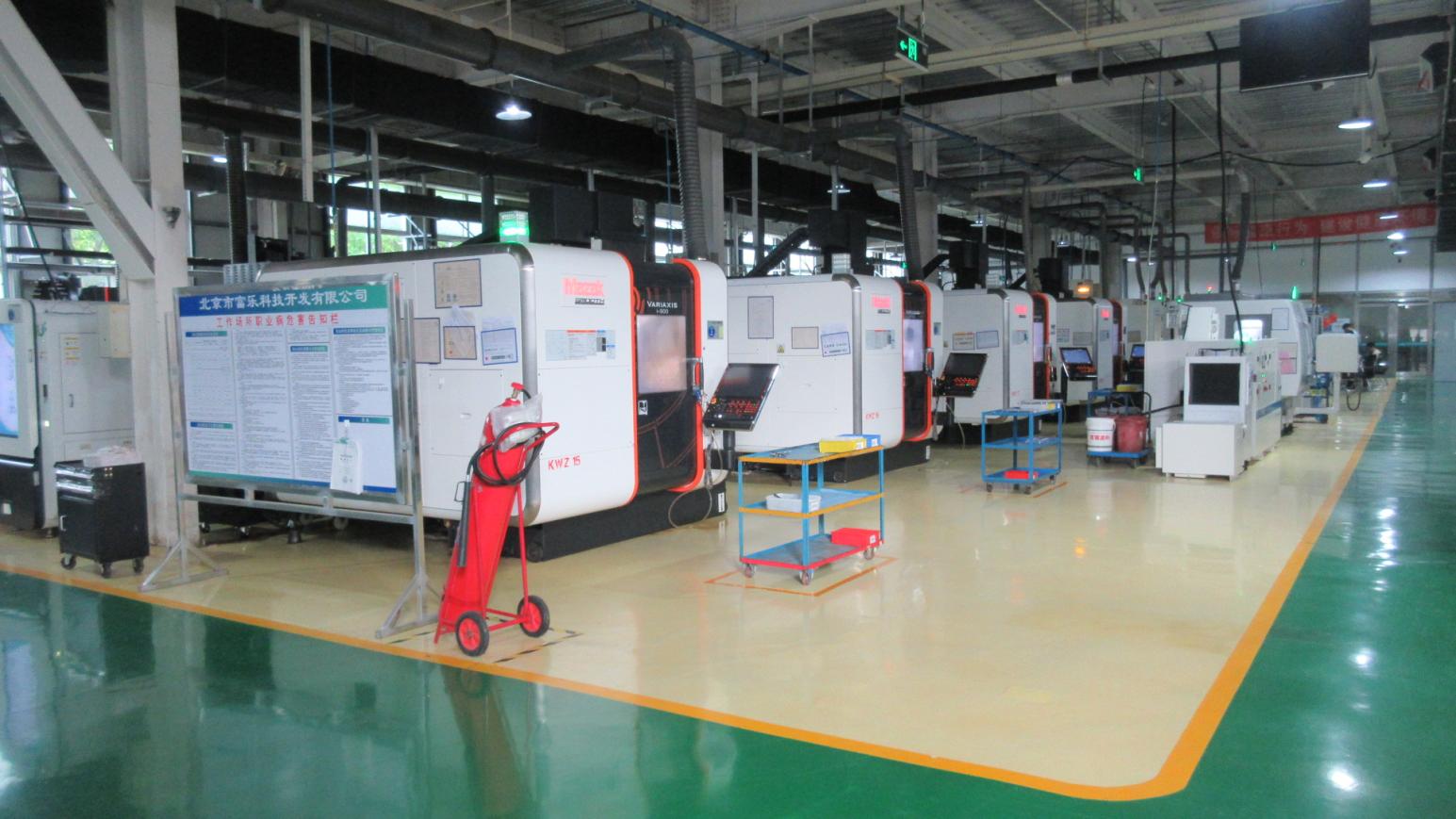
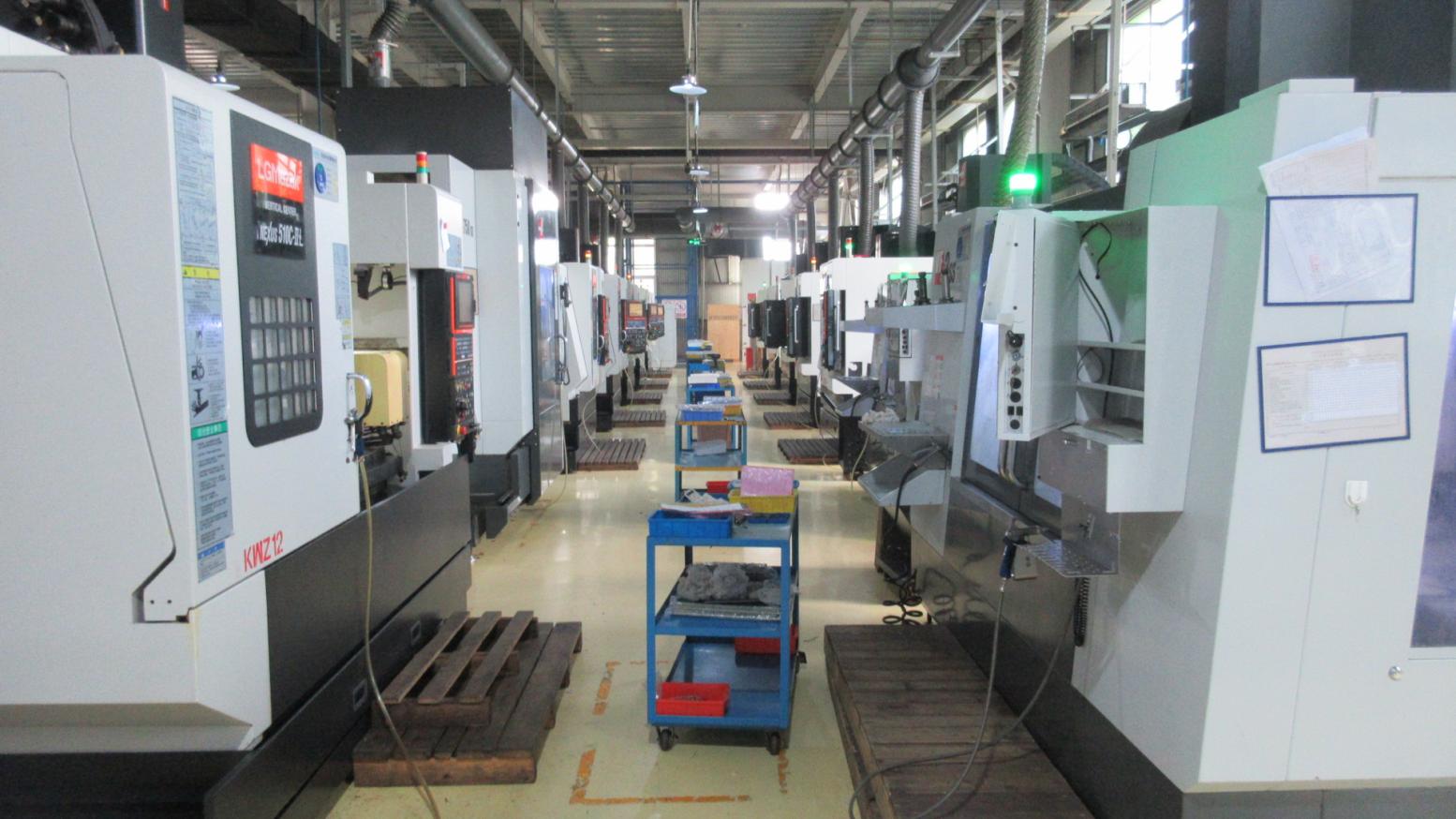
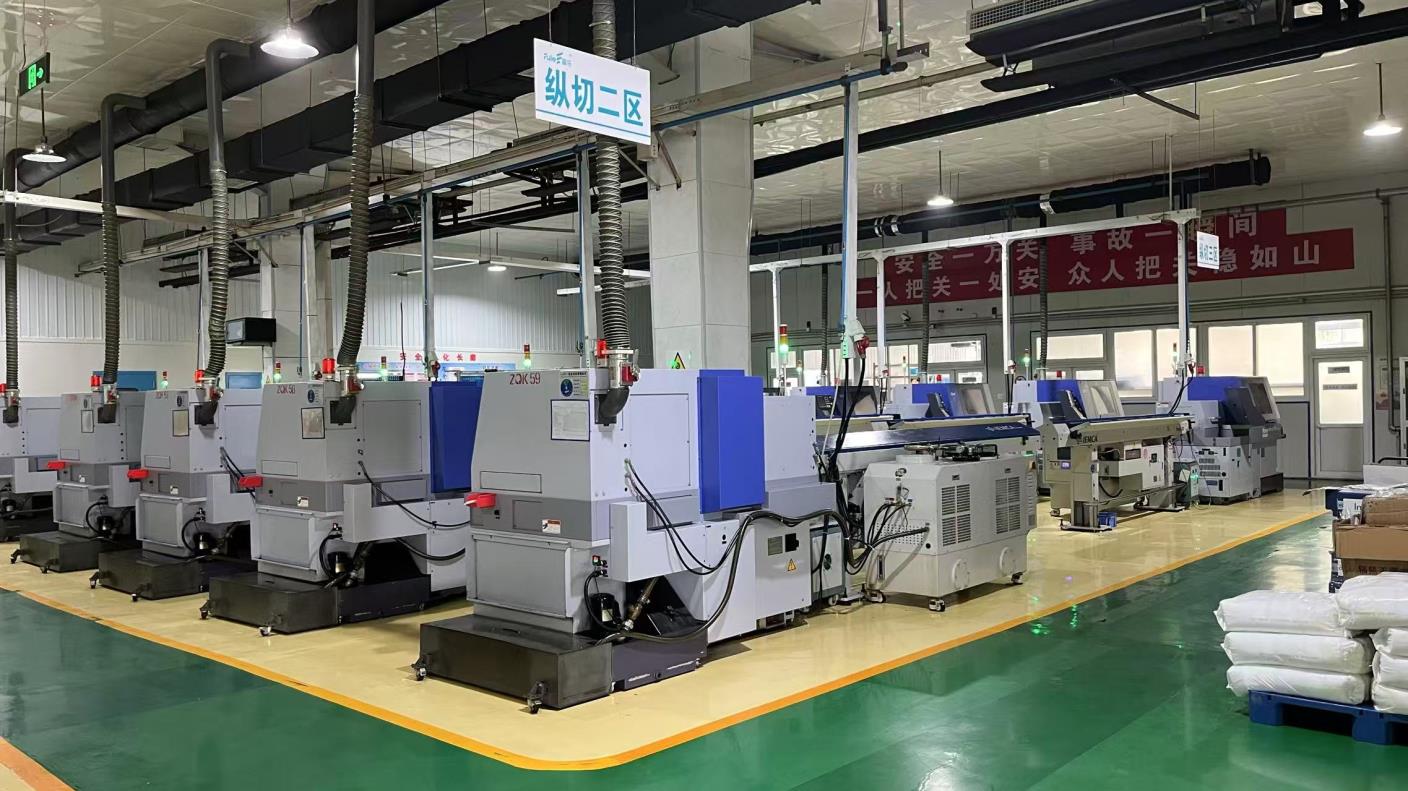
With 102 state-of-the-art production machines including Swiss-type sliding head CNC lathes, we achieve sub-micron tolerances for complex thread profiles like double-lead and self-tapping zones.
Strategic partnerships with global couriers like DHL and FedEx enable fast, secure, and fully traceable door-to-door delivery for time-sensitive clinical distribution contracts.
We support distributors with comprehensive technical documentation packages (including material certificates and test protocols) to accelerate localized registrations and tenders.
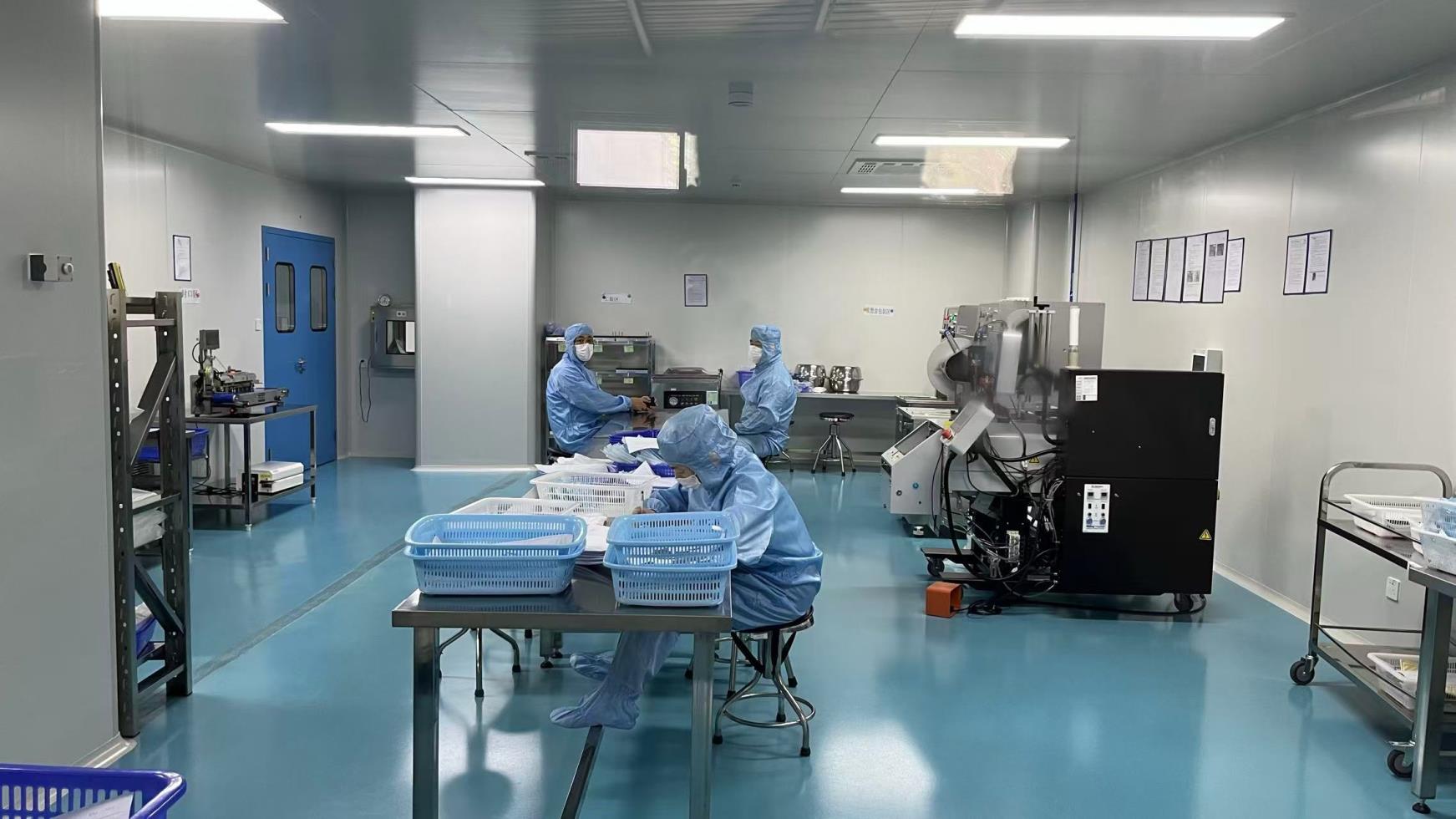
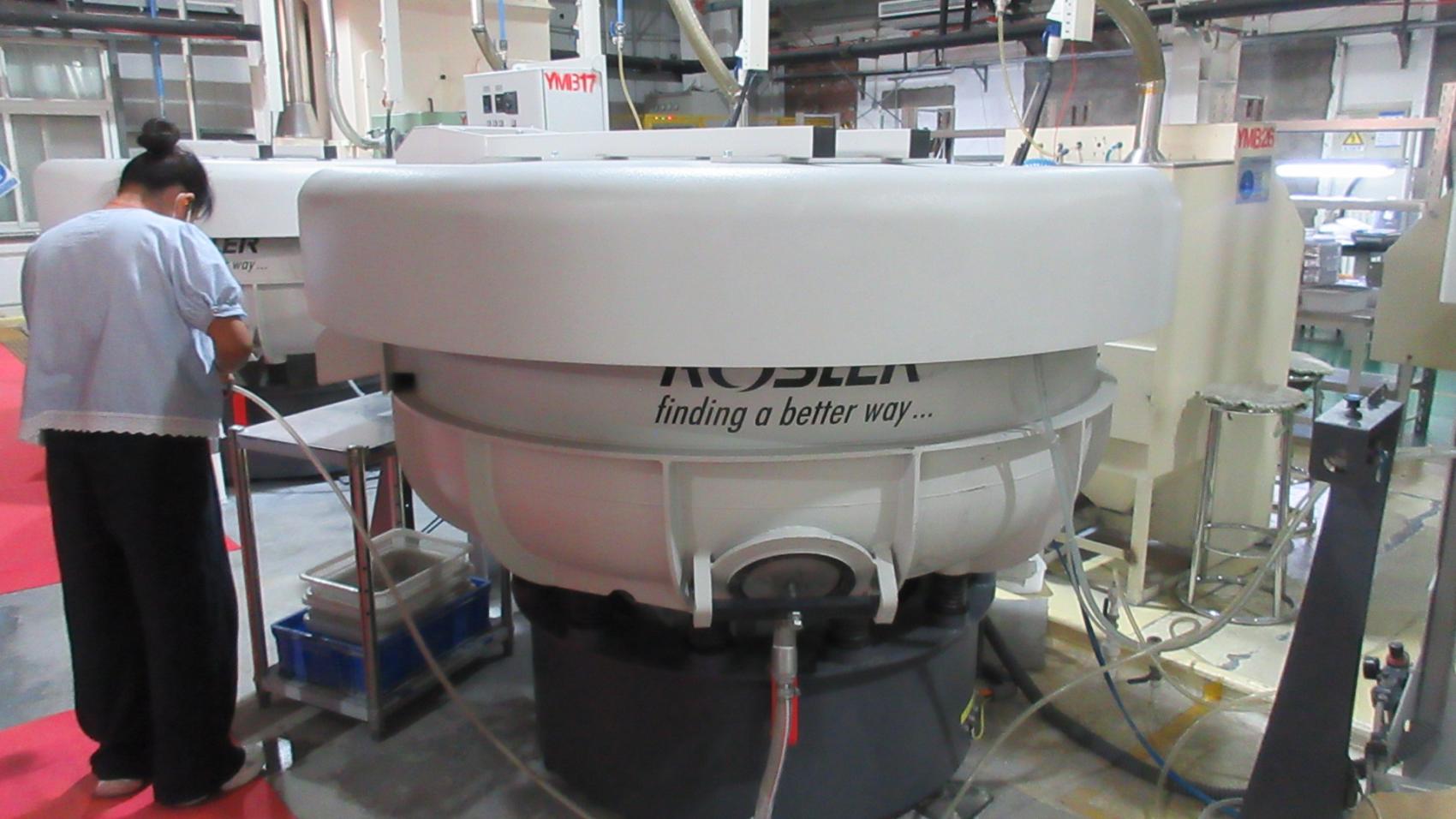
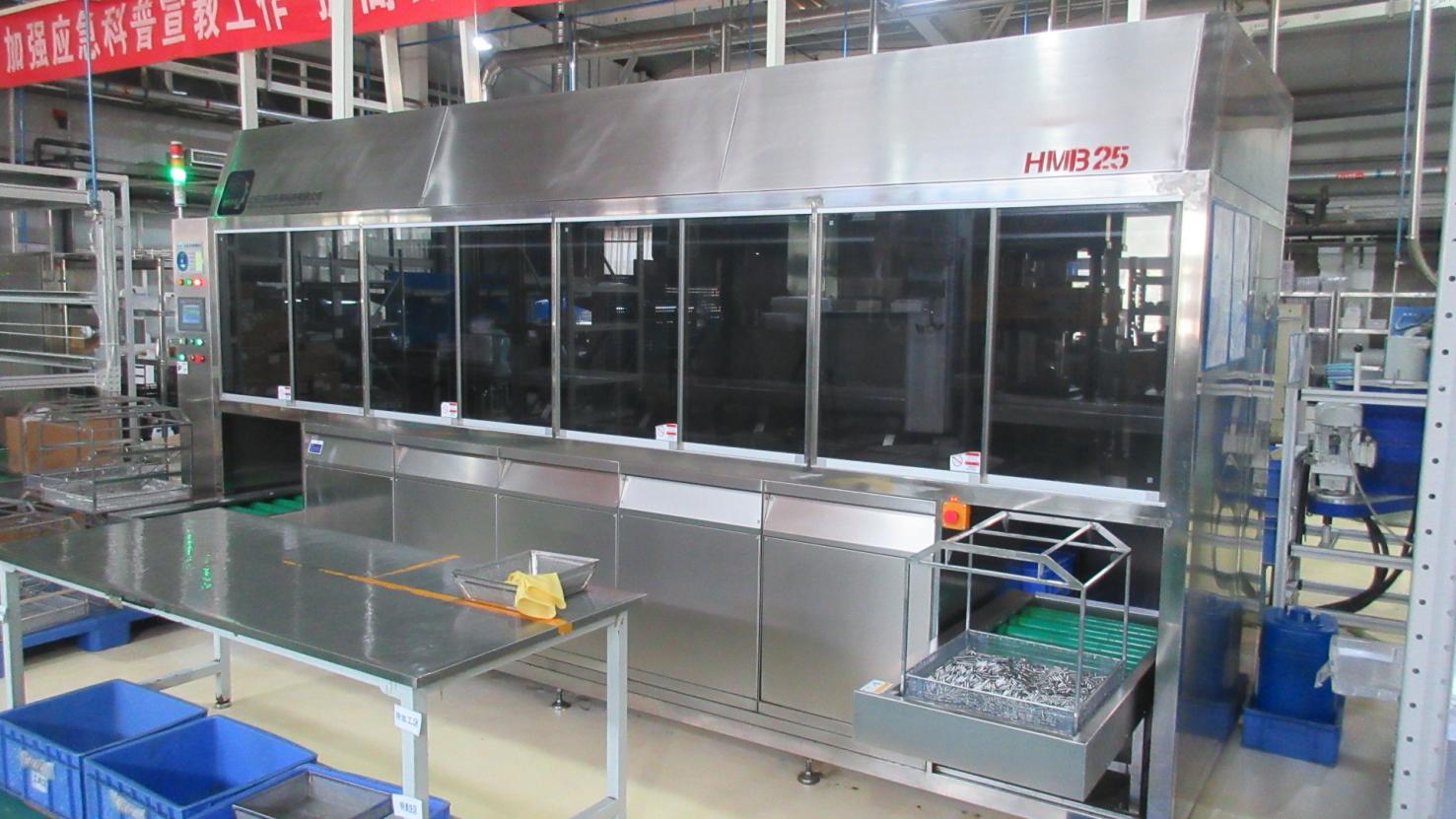
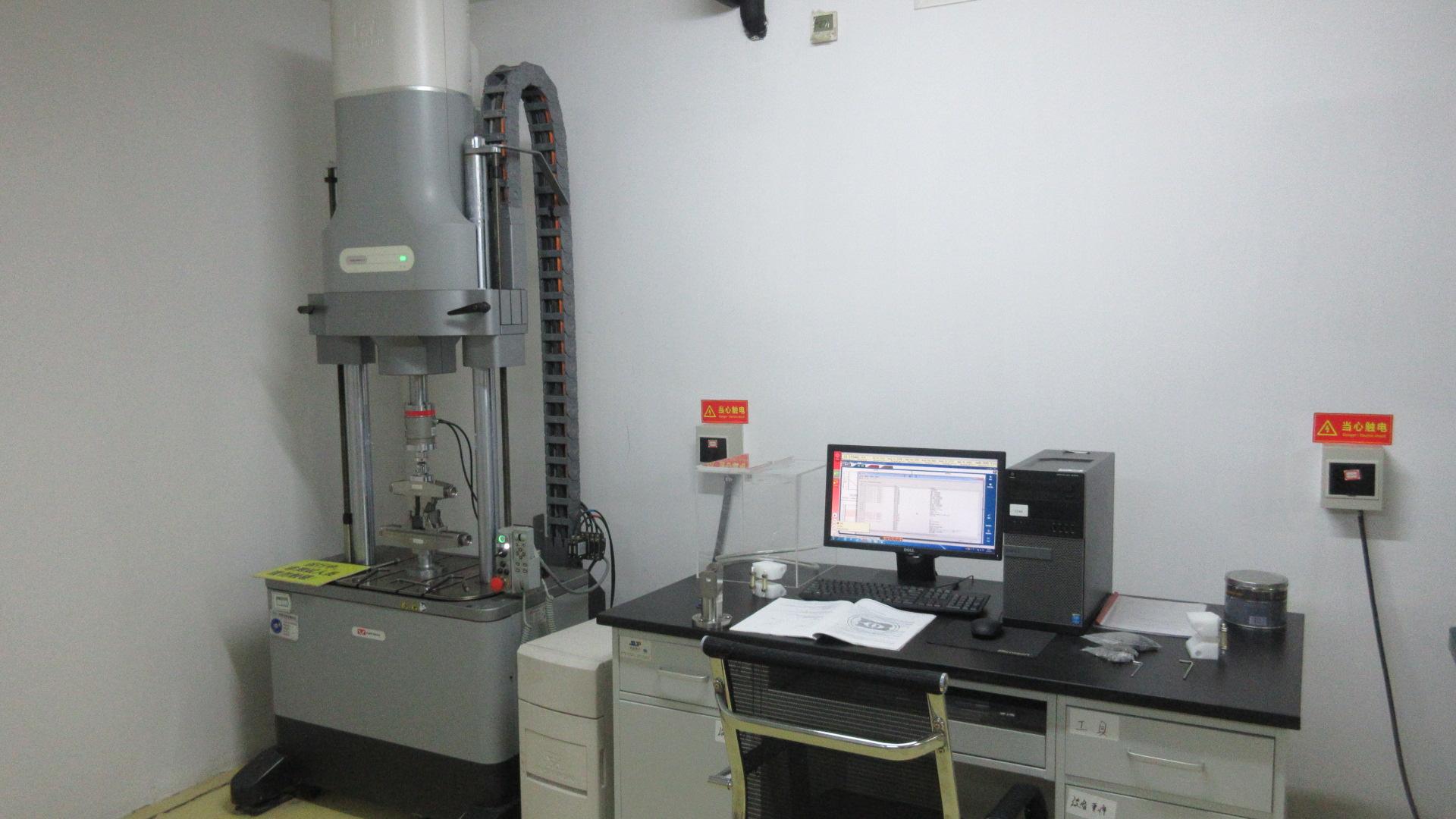
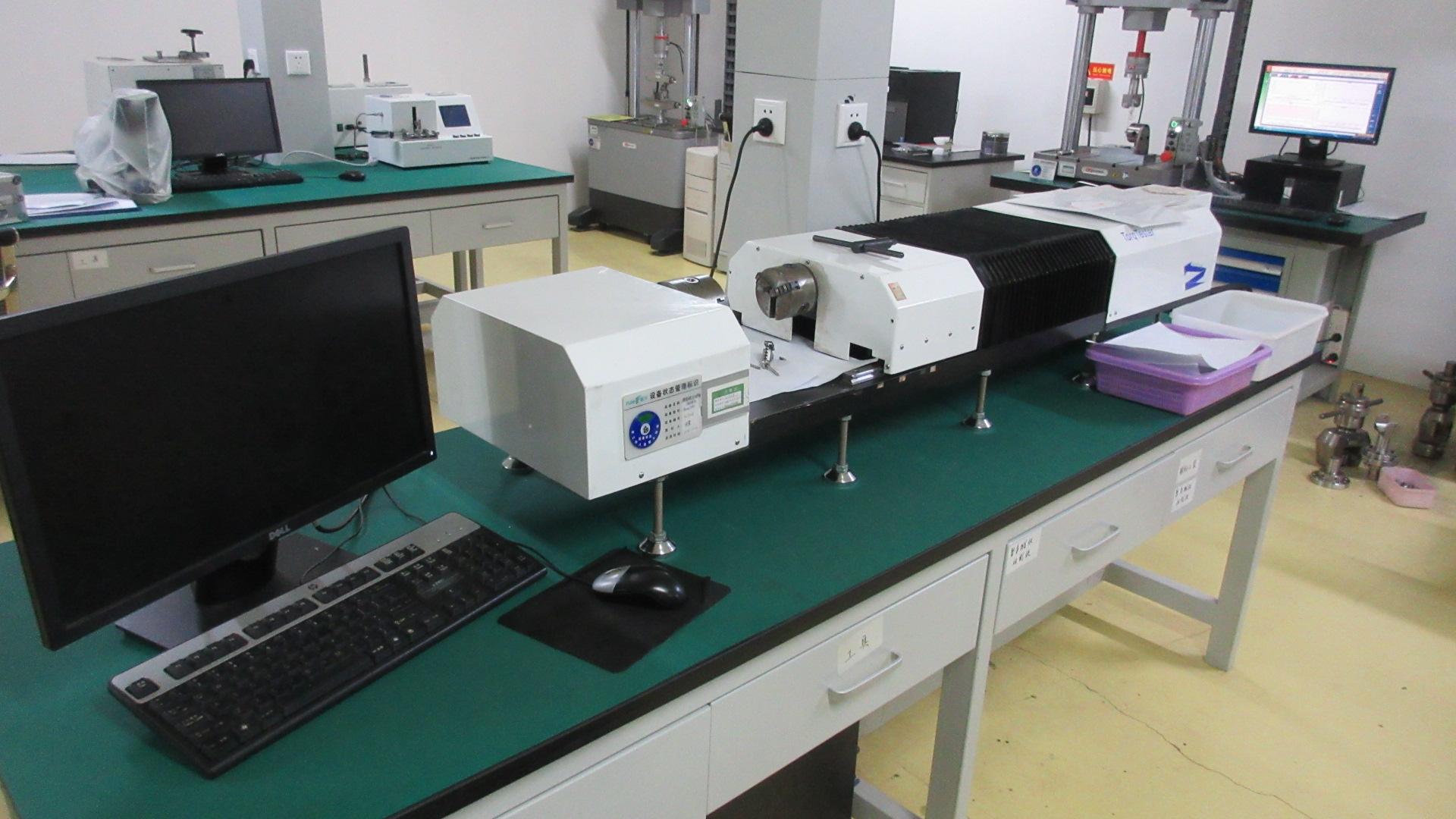
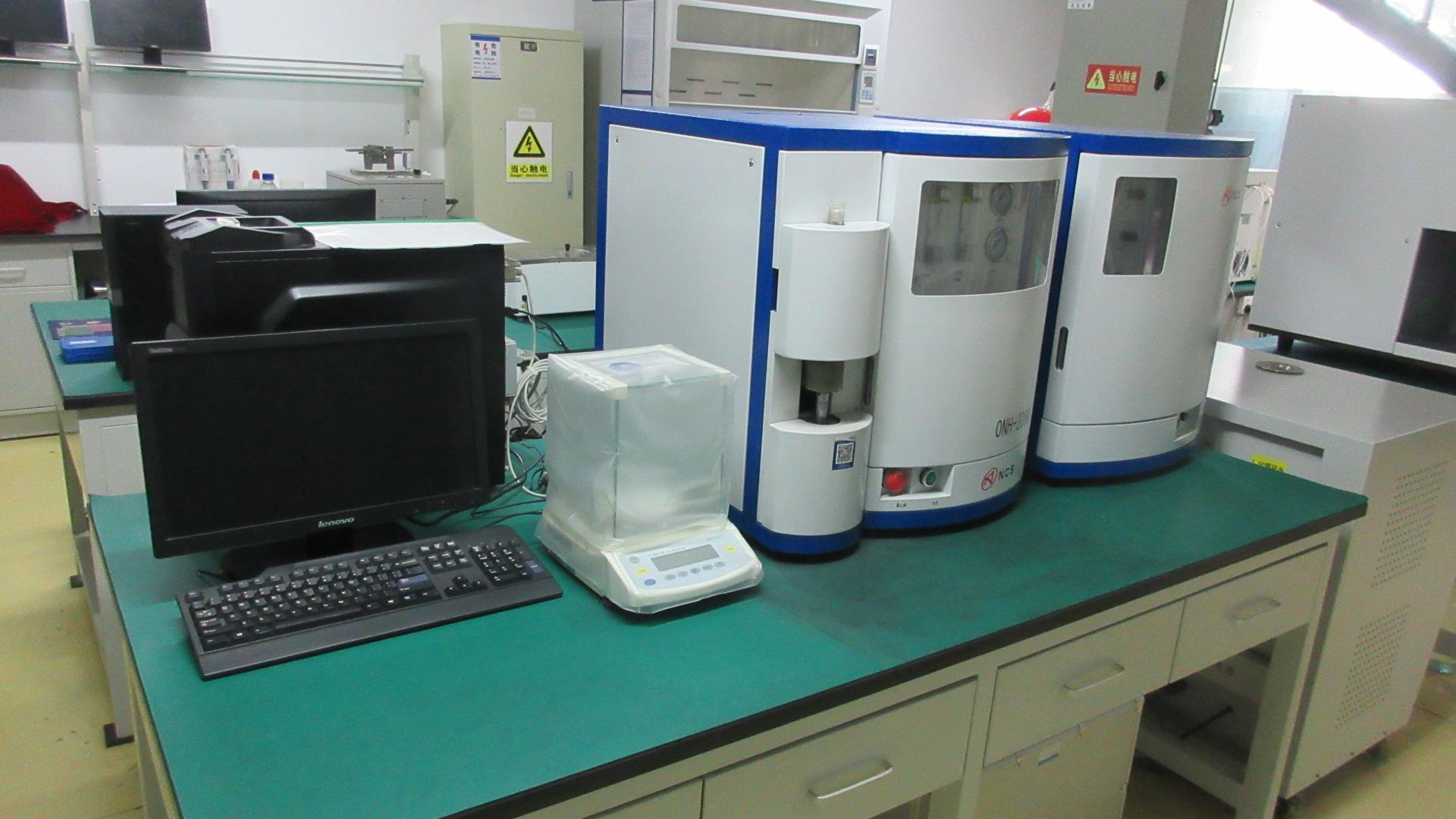
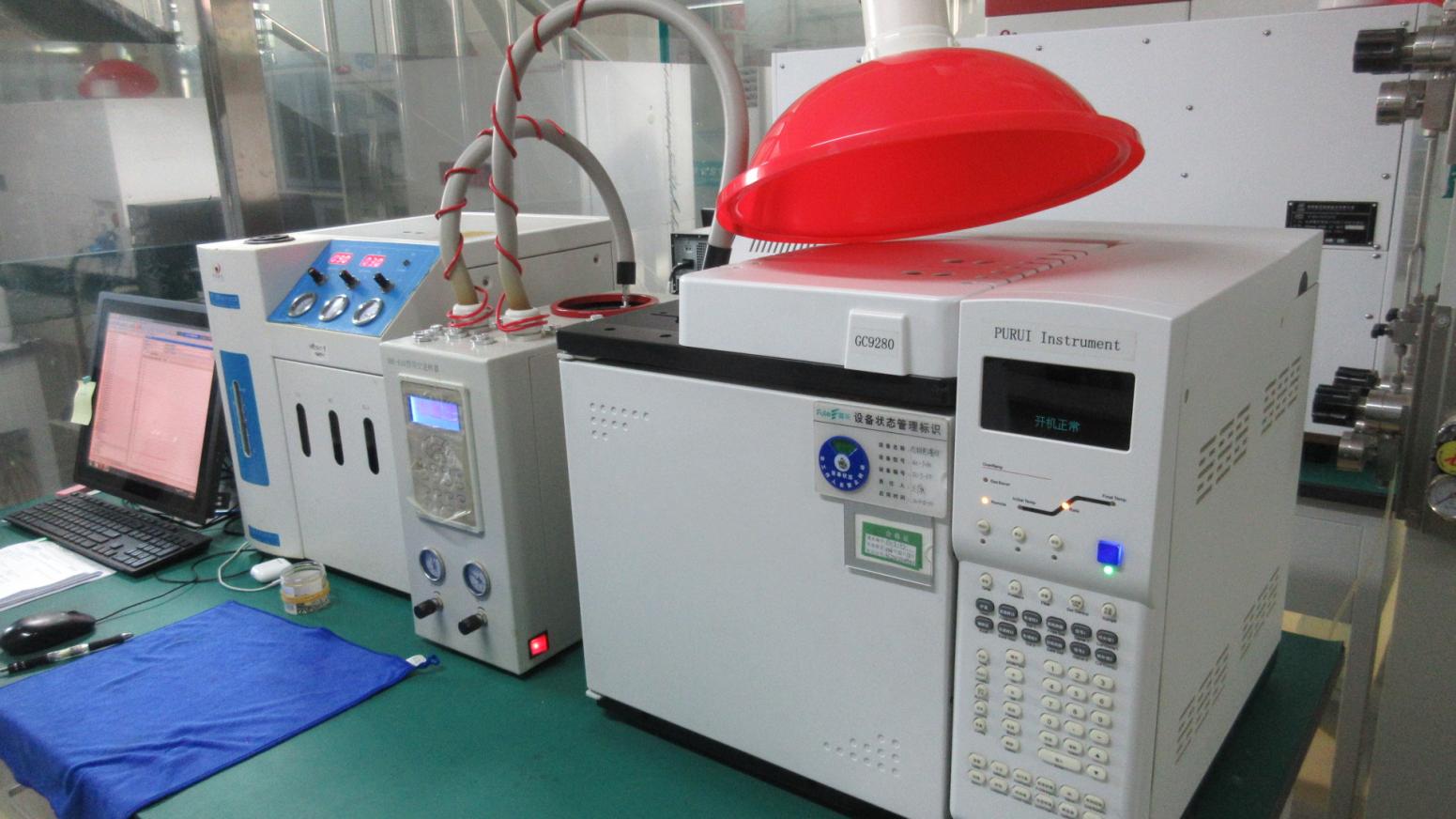
Transparency drives confidence. Step inside our certified ISO 13485 facility, featuring cutting-edge machining, rigorous inspection fields, and automated packing cleanrooms.
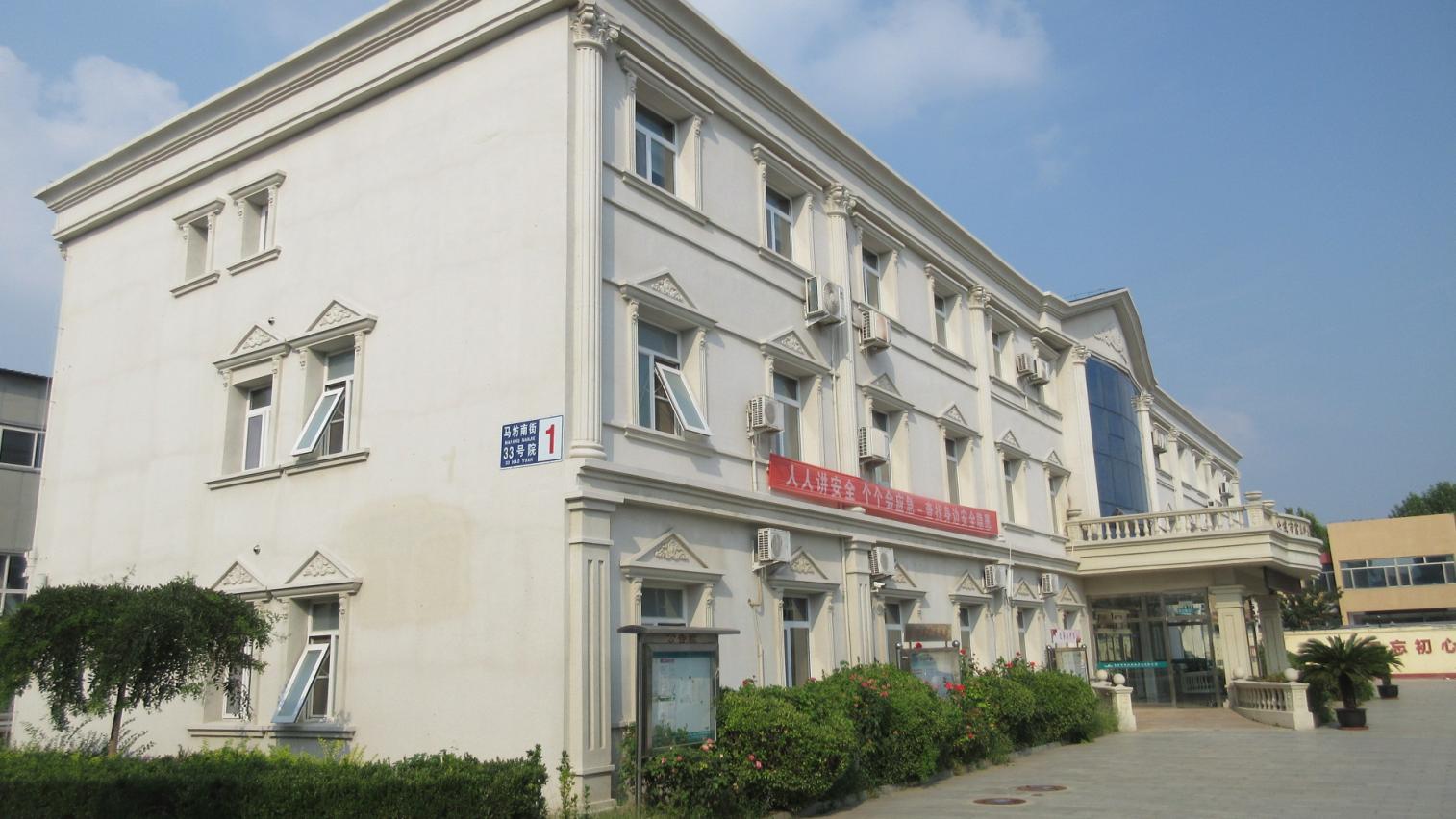
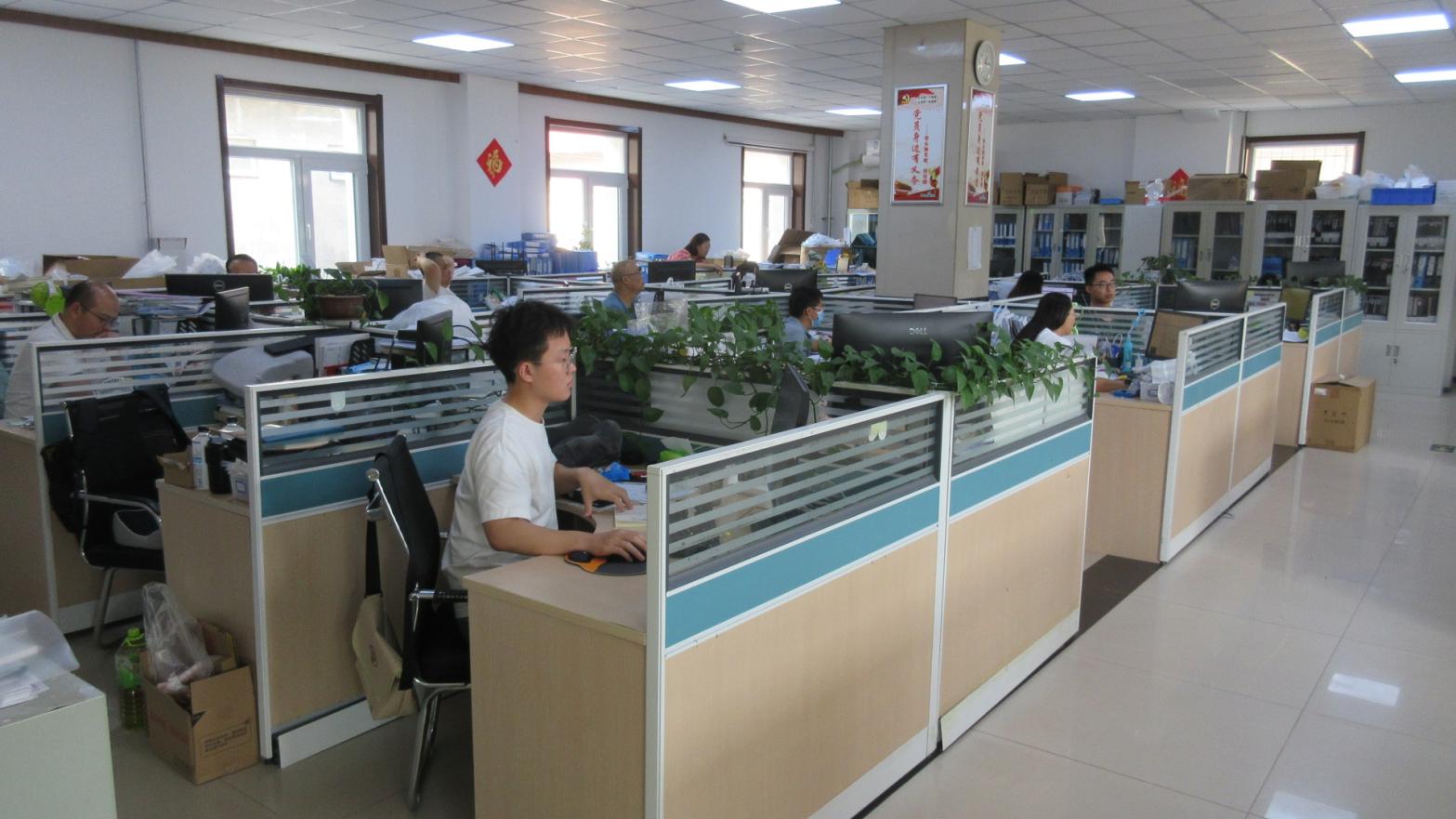
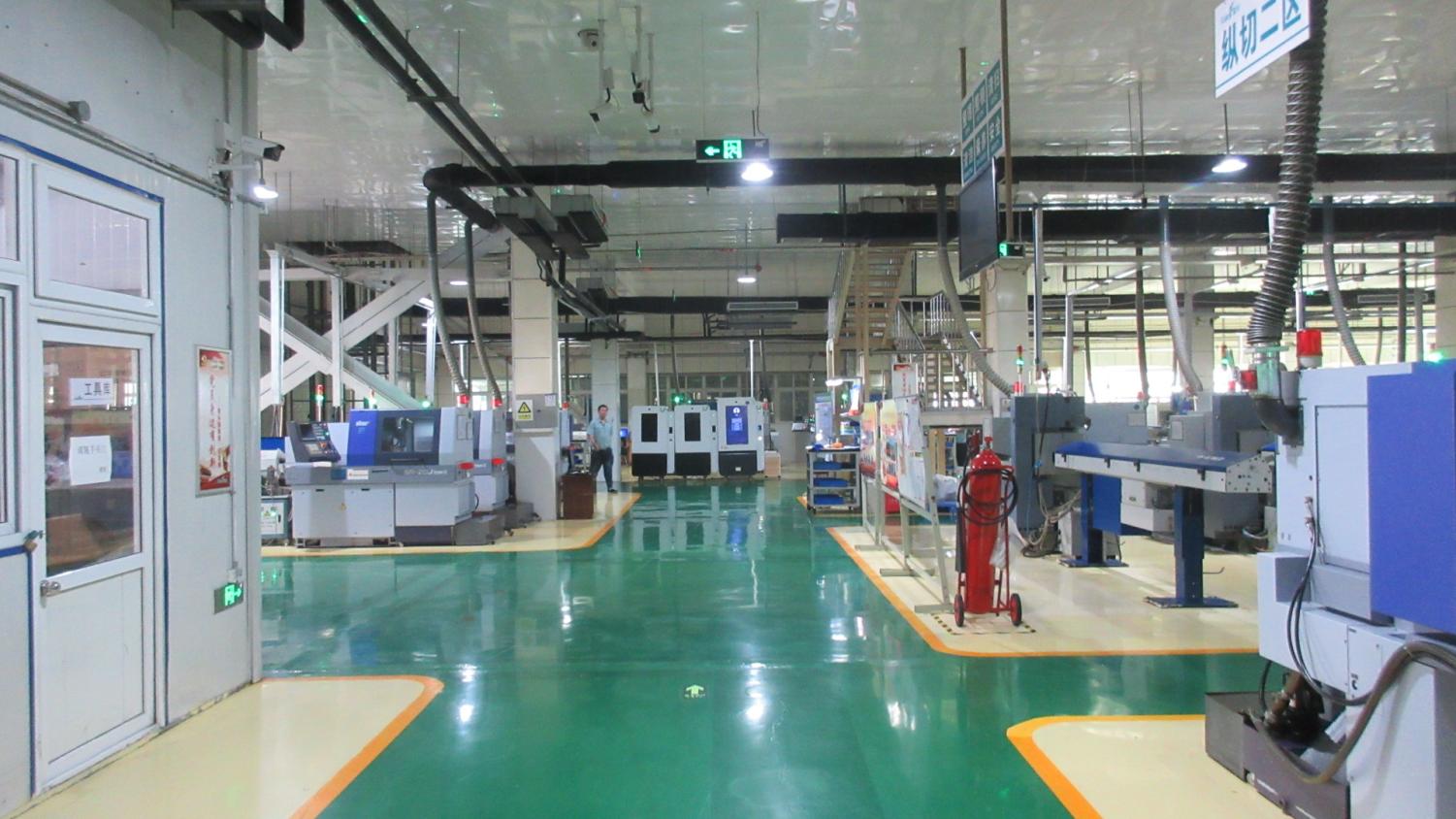
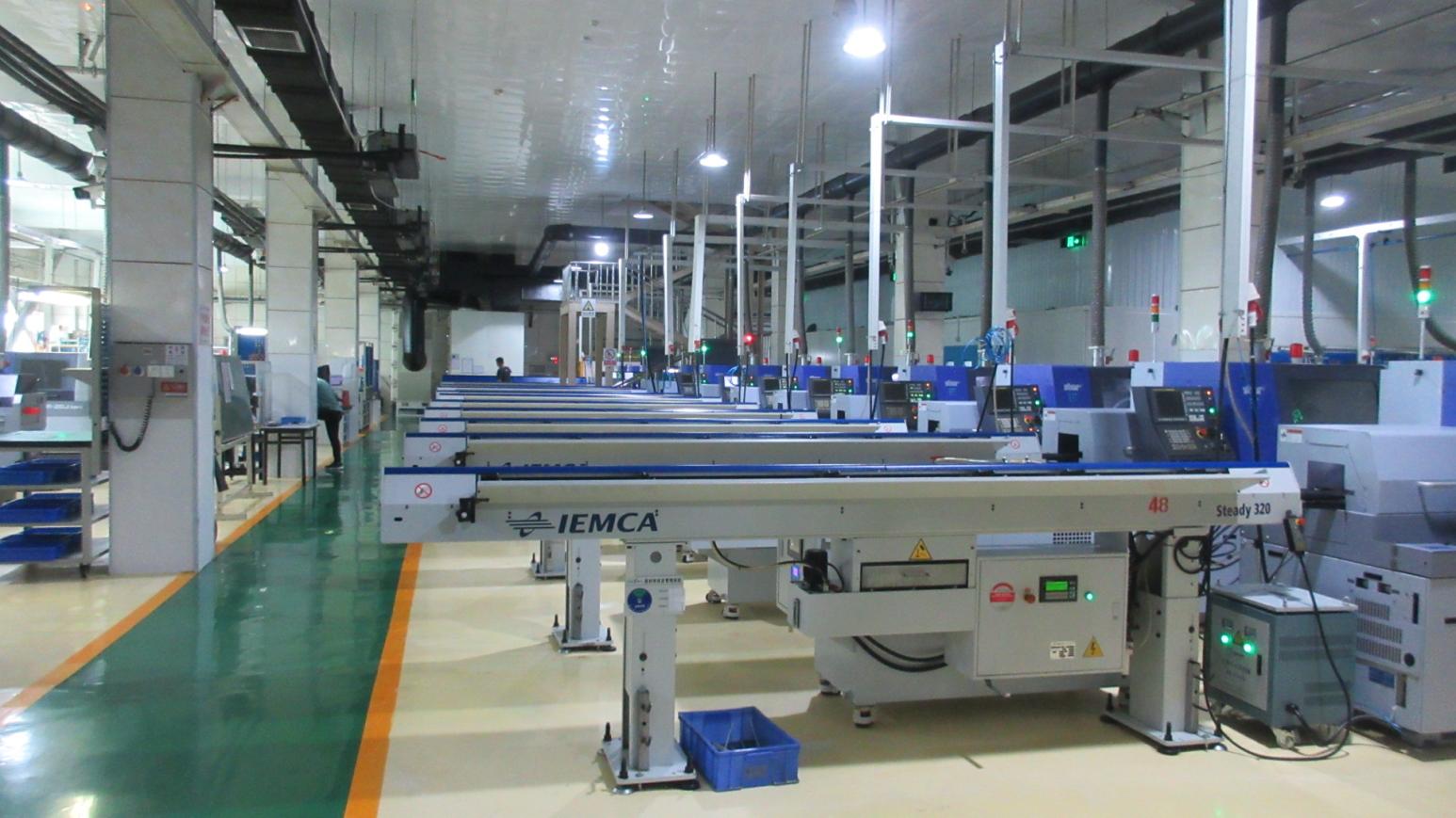
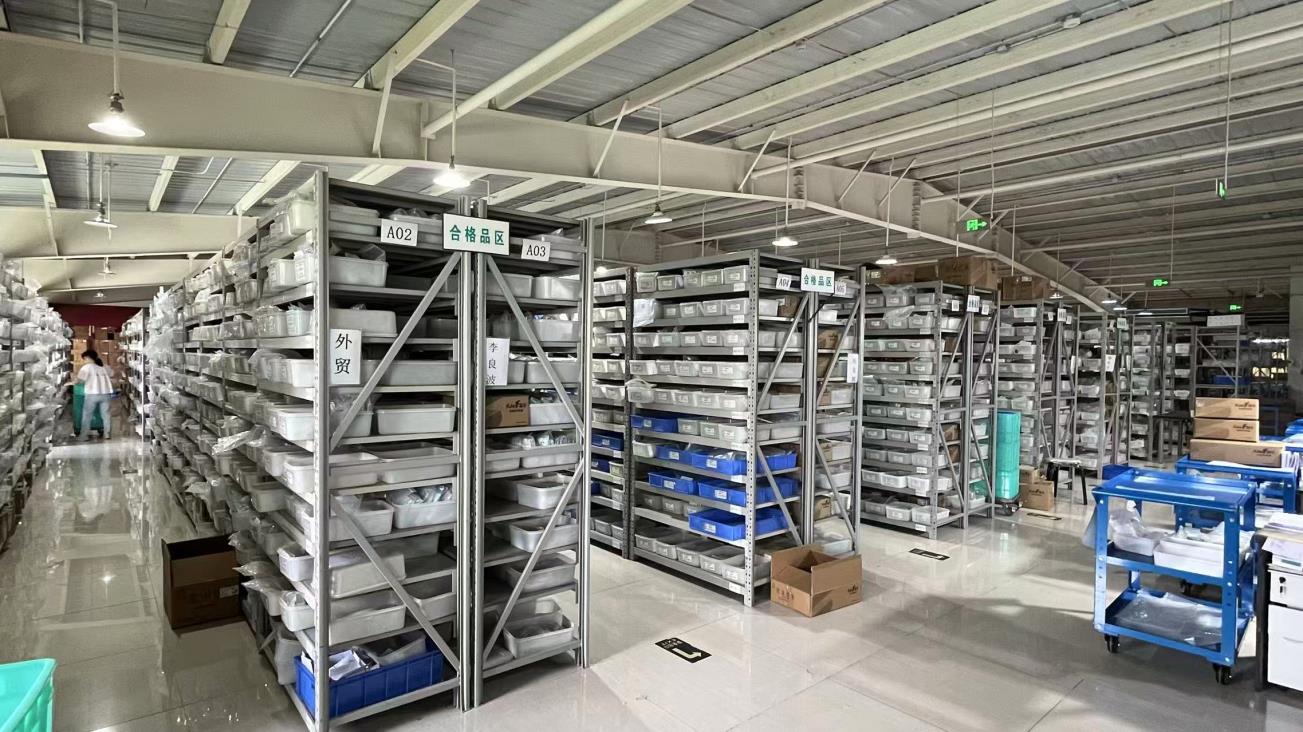
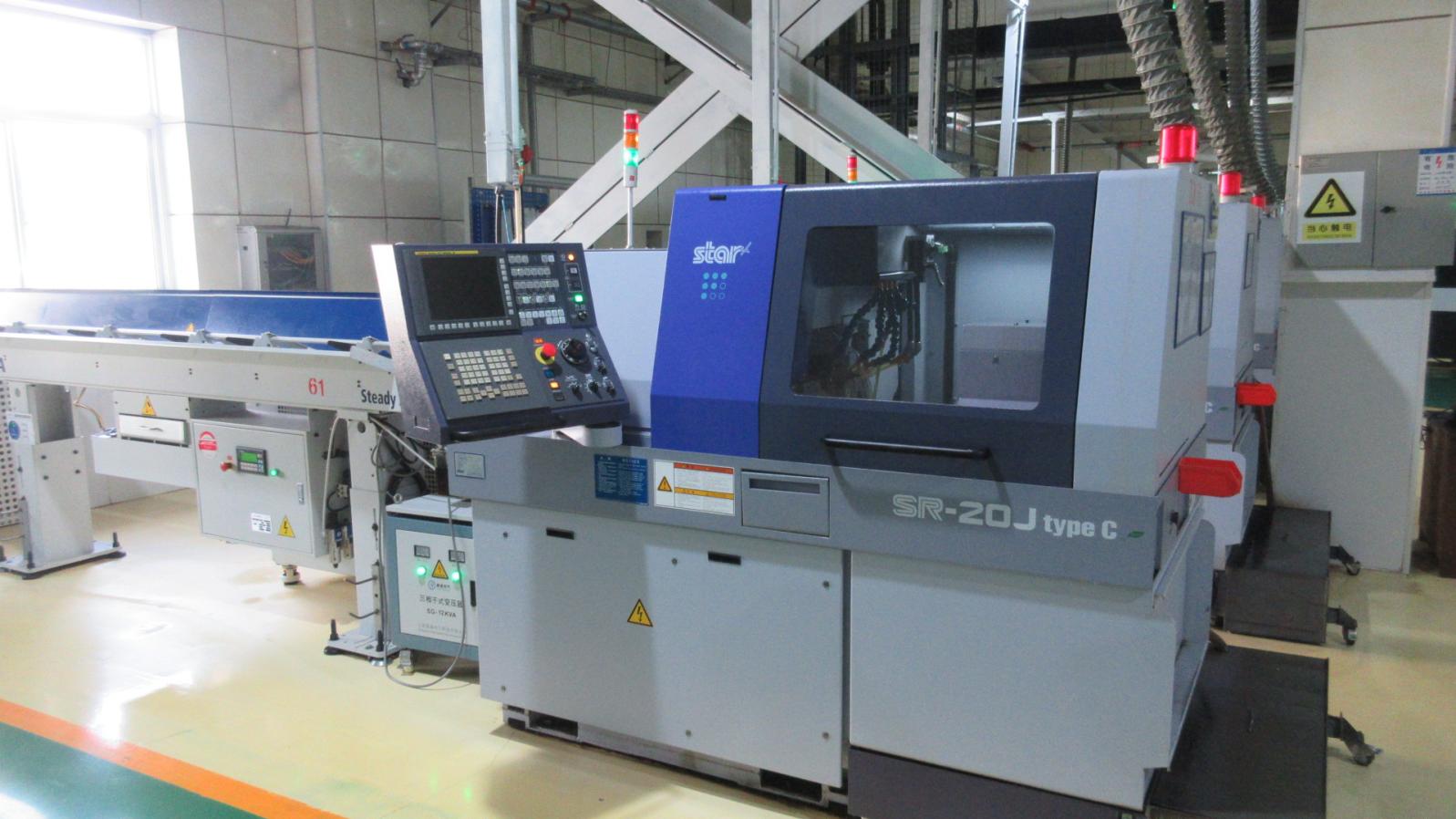
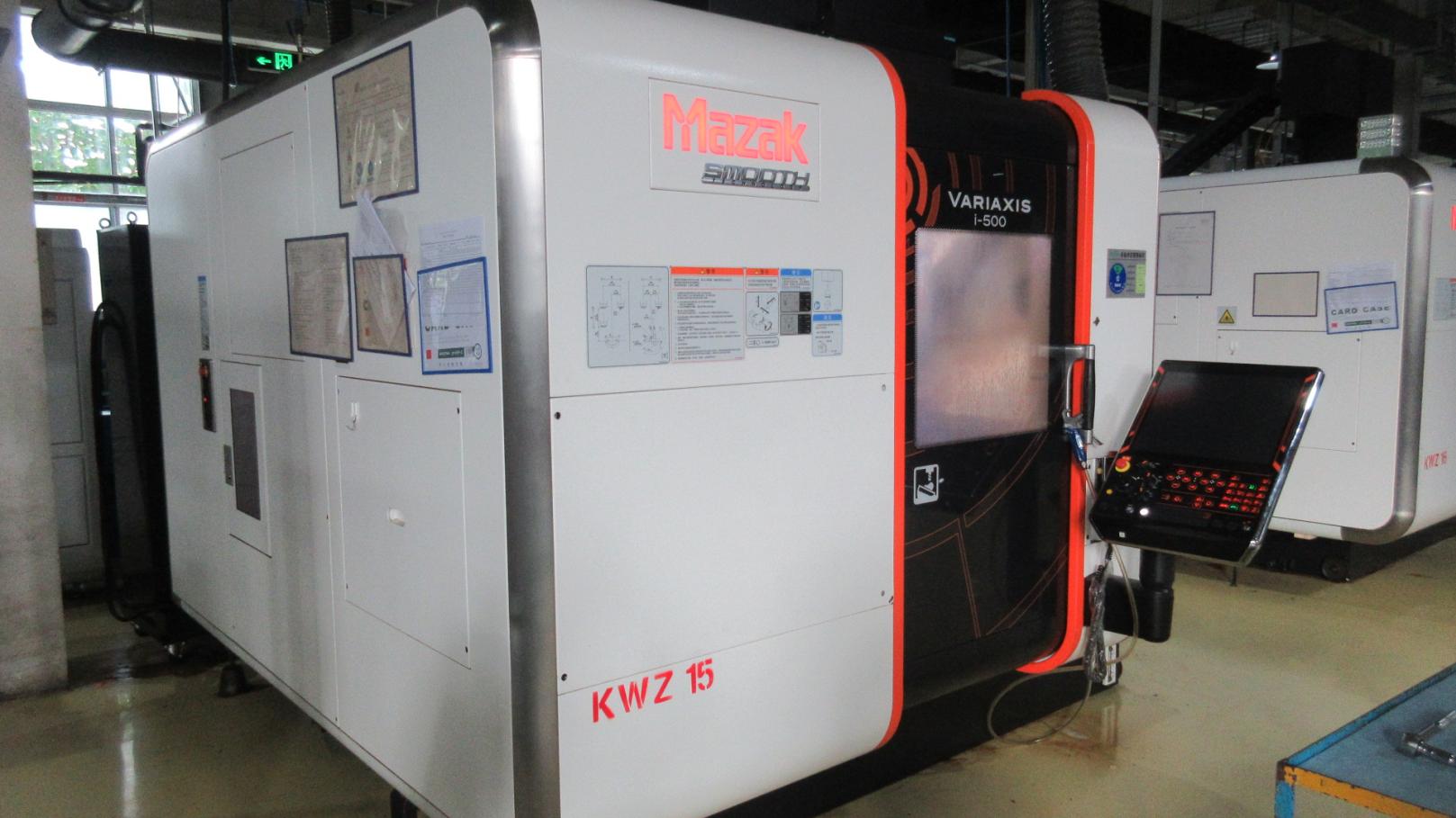
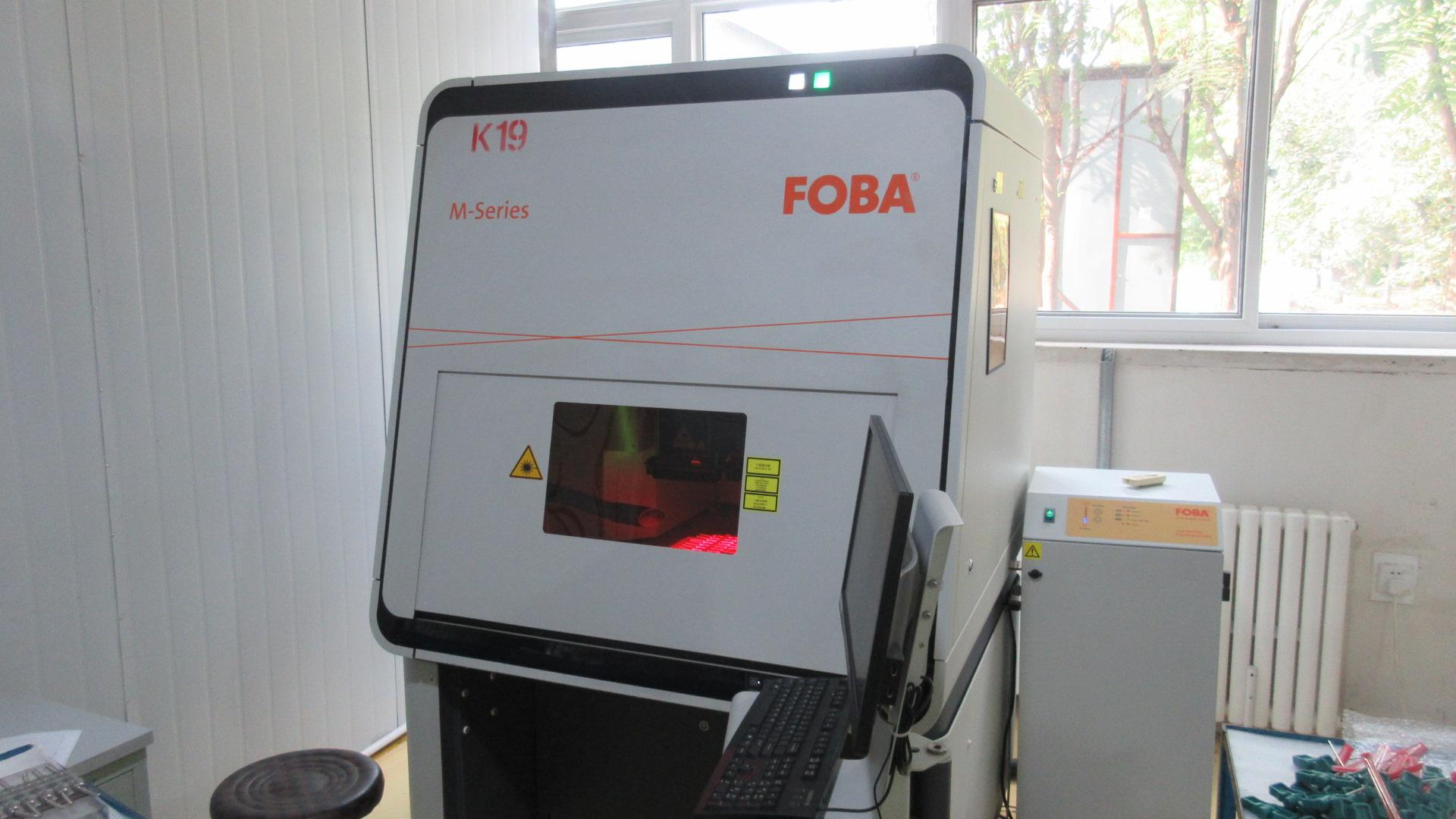

ISO13485 Quality Management System Certified - Certificate ID: 04724Q10000818
Posterior spinal traumatic systems are critical across a wide range of emergency and scheduled orthopedic procedures:
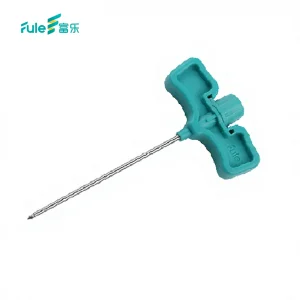
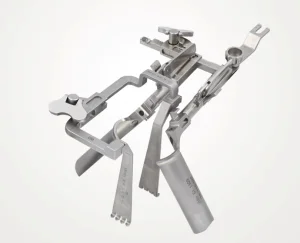
The spine surgery sector is evolving from open procedures to Minimally Invasive Surgery (MIS). MIS pedicle screw systems reduce muscle retraction, blood loss, and recovery times. These systems use specialized guide wires and percutaneous cannulated instrumentation. Simultaneously, compatibility with intraoperative navigation and robotic systems is becoming standard. Modern implants feature precise radio-opaque markers and registration configurations to match computerized navigation workflows, improving placement accuracy and patient safety.
Key information for orthopedic distributors, hospital purchasing managers, and clinical professionals.
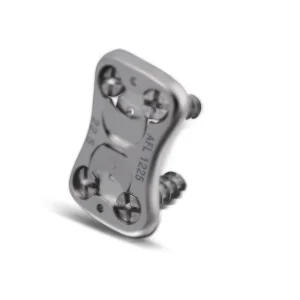
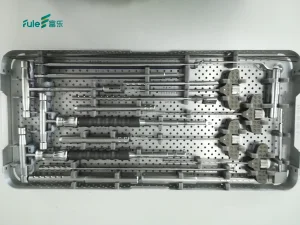
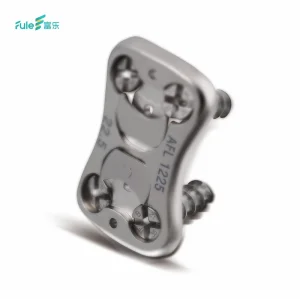
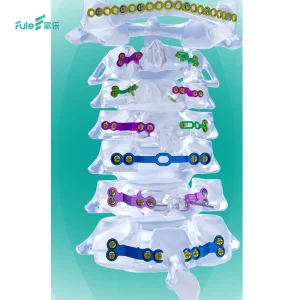
Complete surgical setups including cervical plates, minimally invasive systems, and specialized titanium screw options.
 Beren Science & Technology