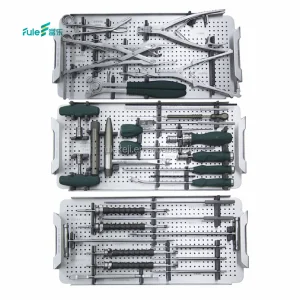
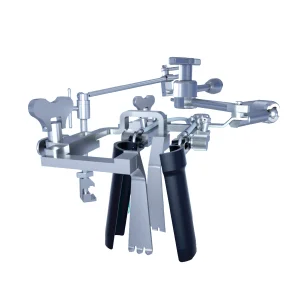
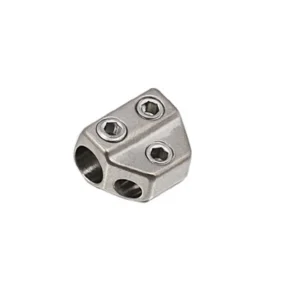
Explore our primary trauma and spine reconstruction systems manufactured under stringent cleanroom protocols.
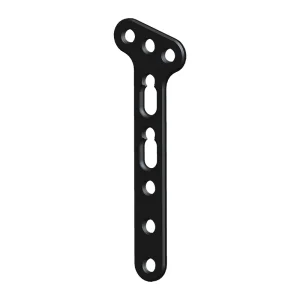
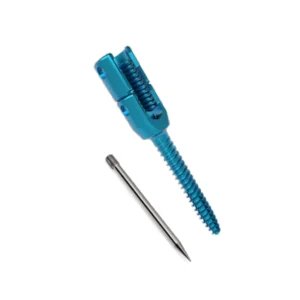
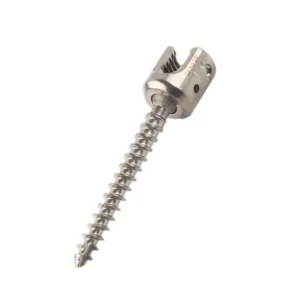
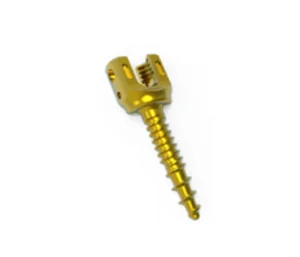
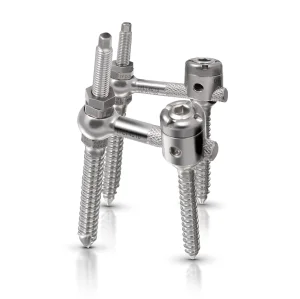
Forearm fractures, specifically involving the radius and ulna, present unique anatomical and functional challenges. As the skeletal framework supporting pronation and supination, maintaining perfect anatomical alignment, length, and rotational stability is paramount. The traditional dynamic compression plate (DCP) relied entirely on friction between the plate and bone surface, which often compromised periosteal blood flow and led to early loosening, especially in osteopenic and geriatric bone.
The emergence of the Locking Plate System has revolutionized internal osteosynthesis. By threading the screw head directly into the plate, the system forms a single, stable fixed-angle construct. This mechanism behaves similarly to an external fixator, minimizing contact force between the plate and the periosteum, thus preserving vital vascular structures. For distal radius fractures, which represent approximately 17% of all emergency room fracture cases globally, locking technology has significantly reduced malunion rates and accelerated postoperative mobilization.
Our Locking Plate Systems are anatomically pre-contoured for specific segments of the radius and ulna, addressing distinct clinical etiologies.
Specifically indicated for intra-articular and extra-articular distal radius fractures (e.g., Colles, Smith, and Barton fractures). Designed with low-profile margins to prevent flexor tendon irritation and rupture.
Engineered to wrap around the olecranon process, counteracting the heavy tensile forces of the triceps tendon. Perfect for complex comminuted fractures and Monteggia fracture-dislocations.
Provides rotational stiffness and maintains the radial bow essential for normal forearm movement. Combination locking/compression holes allow choice of dynamic compression or angular stability.
Established in 1996, Beijing Fule is a premier manufacturer and global exporter of high-grade orthopedic implants and spine-trauma fixation instruments. Spanning a state-of-the-art facility of over 10,000 square meters, the factory is equipped with 102 precision CNC machining tools, Swiss longitudinal lathes, and automated polishing systems. Our dedicated cleanrooms ensure all implants meet Class III medical device standards.
| Operational Metric | Enterprise Capabilities & Verification Details |
|---|---|
| Establishment & Industry Pedigree | Founded on June 28, 1996; 30 years of R&D and clinical application experience. |
| Quality Assurance & Regulatory Compliance | ISO13485 Certified (Cert No. 04724Q10000818); 100% inspection policy with 15 QA/QC inspectors. |
| R&D Infrastructure | 20 dedicated R&D engineers (15 graduate, 5 junior college); 20+ new products launched annually. |
| Supply Chain and Customization | 70 trusted partners; customization options including sample processing, graphic design, and OEM/ODM service. |
| Primary Markets | Domestic (40%), Eastern Europe (15%), Southeast Asia (10%), and global distribution channels. |
In the orthopedic trauma sphere, Fule’s engineering team operates on a multi-phase innovation roadmap designed to address the challenges of primary osteosynthesis:
Currently, our Grade 5 Titanium (Ti-6Al-4V ELI) locking plates undergo specialized anodization processes. Anodizing thickens the protective oxide layer, increasing corrosion resistance, reducing metal ion release, and color-coding plates for easier surgical assembly.
Using 3D bone mapping technologies, we capture thousands of CT scans to optimize the pre-contoured geometry of our plates. This minimizes the need for intra-operative bending and prevents soft-tissue damage, a major concern in thin-skinned areas like the wrist.
Our long-term R&D focuses on magnesium-based biodegradable locking alloys that gradually dissolve as the bone heals, avoiding secondary removal surgeries, and integrating micro-sensors to track fracture healing dynamics in real-time.
Visual presentation of our manufacturing quality, sterile cleanroom workflows, and industrial production capability.
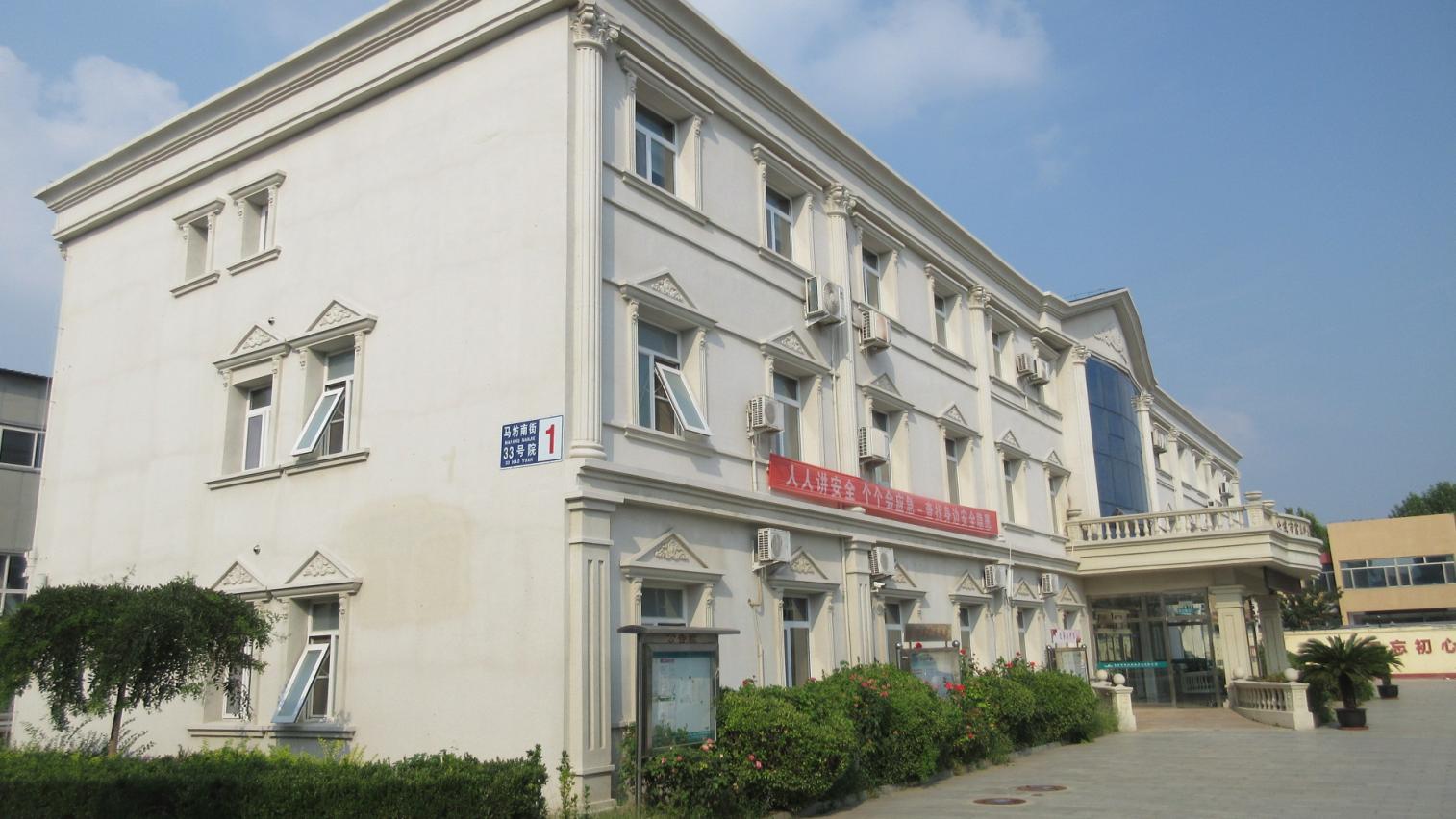
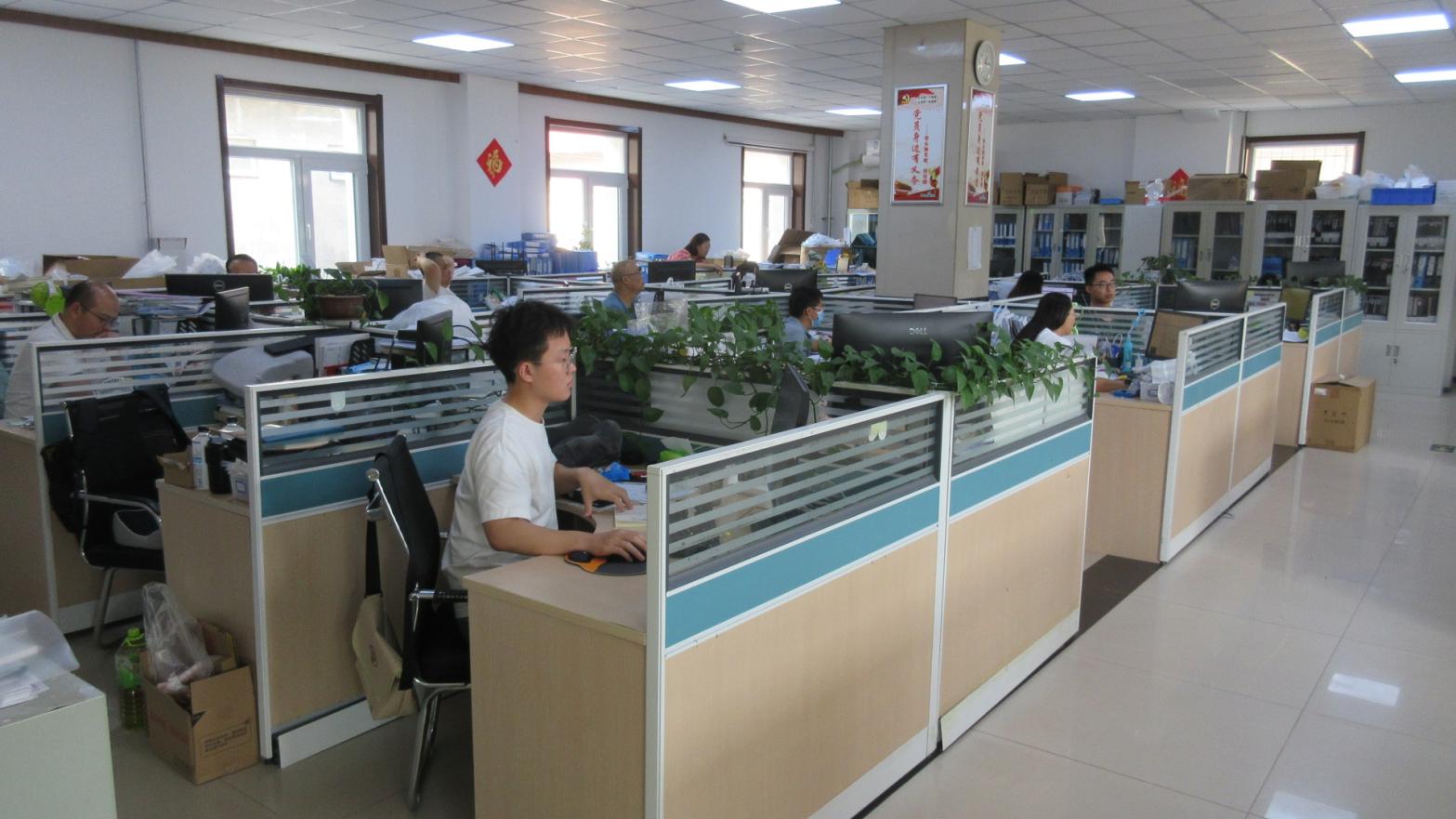
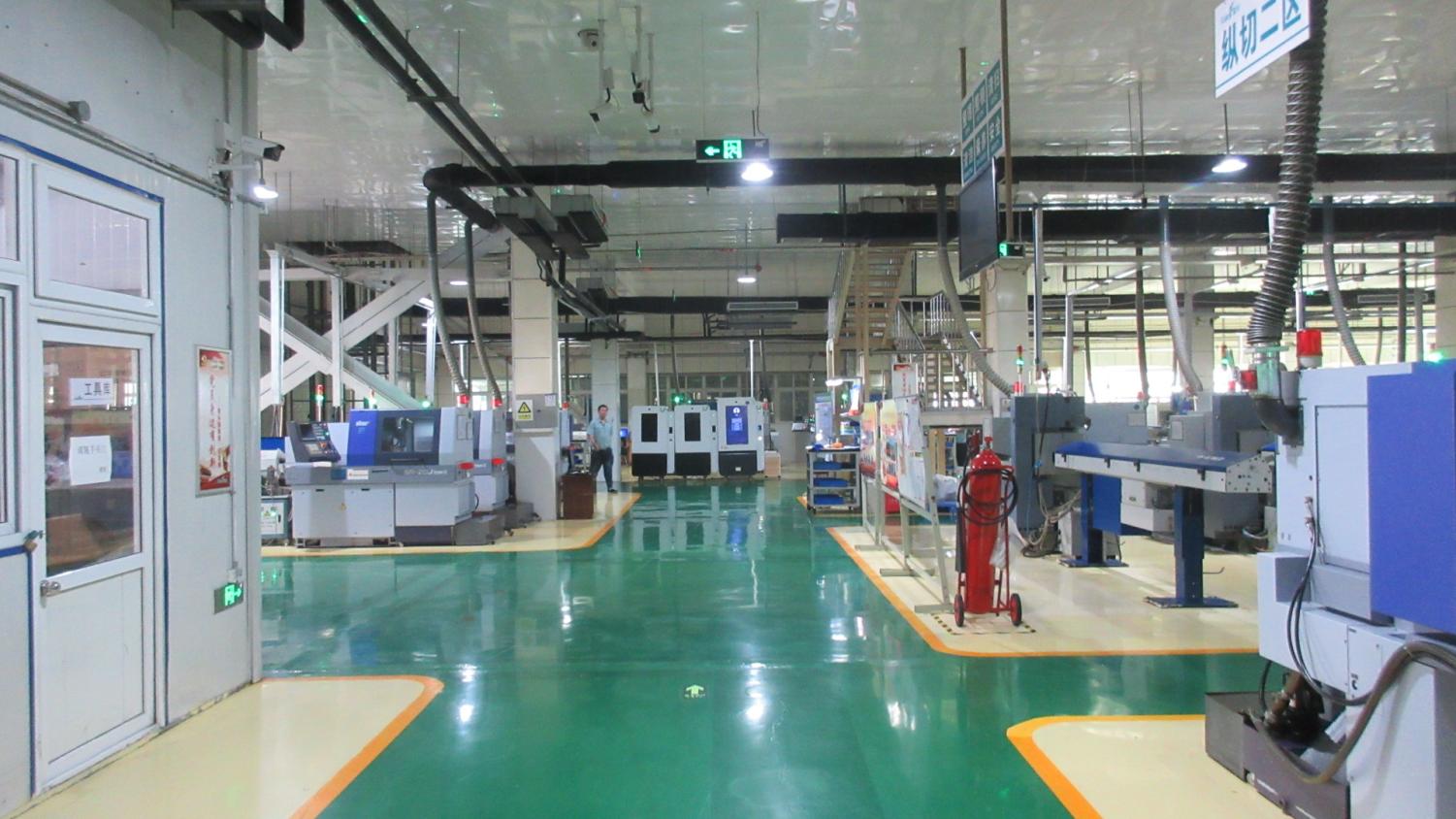
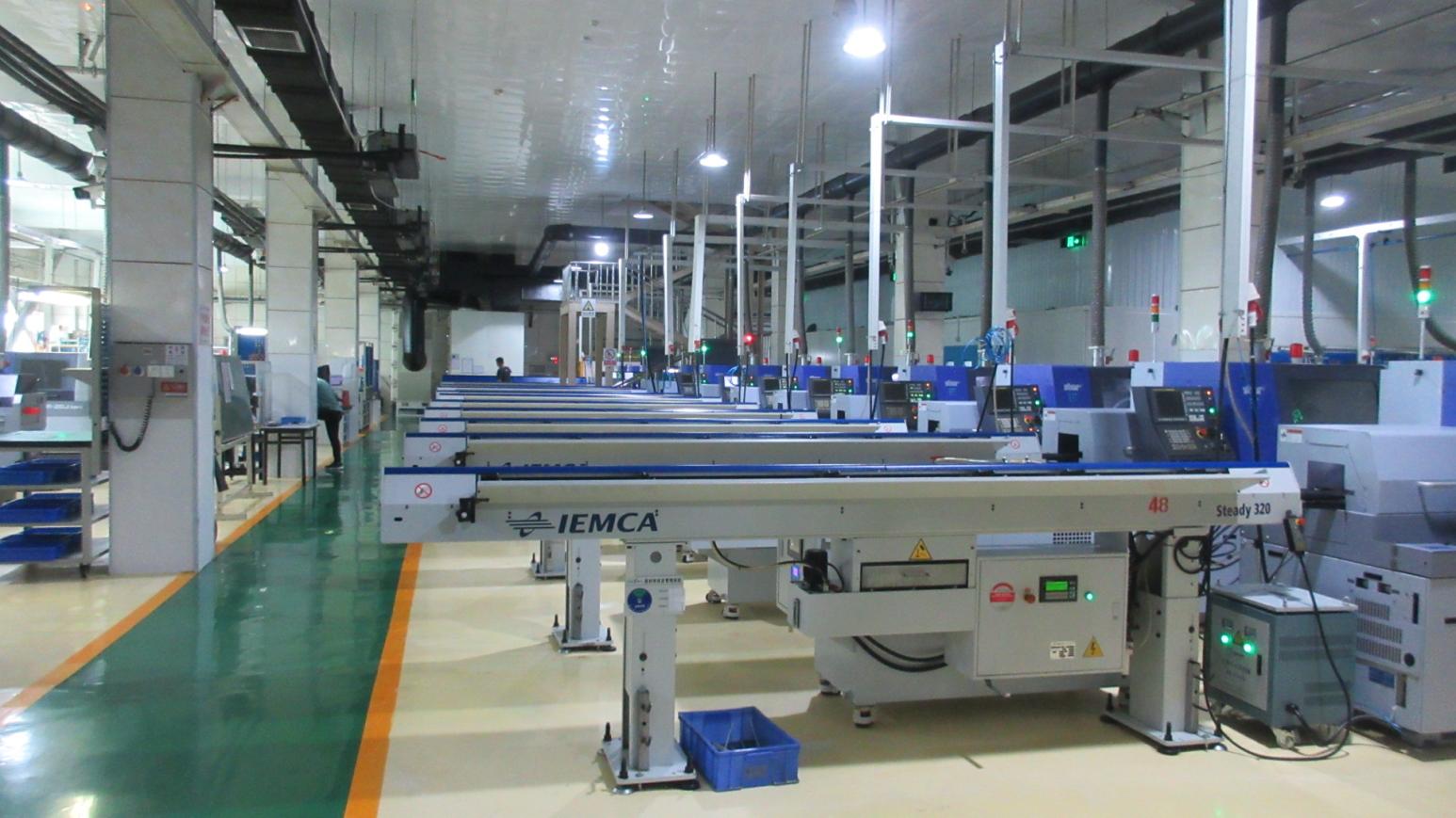
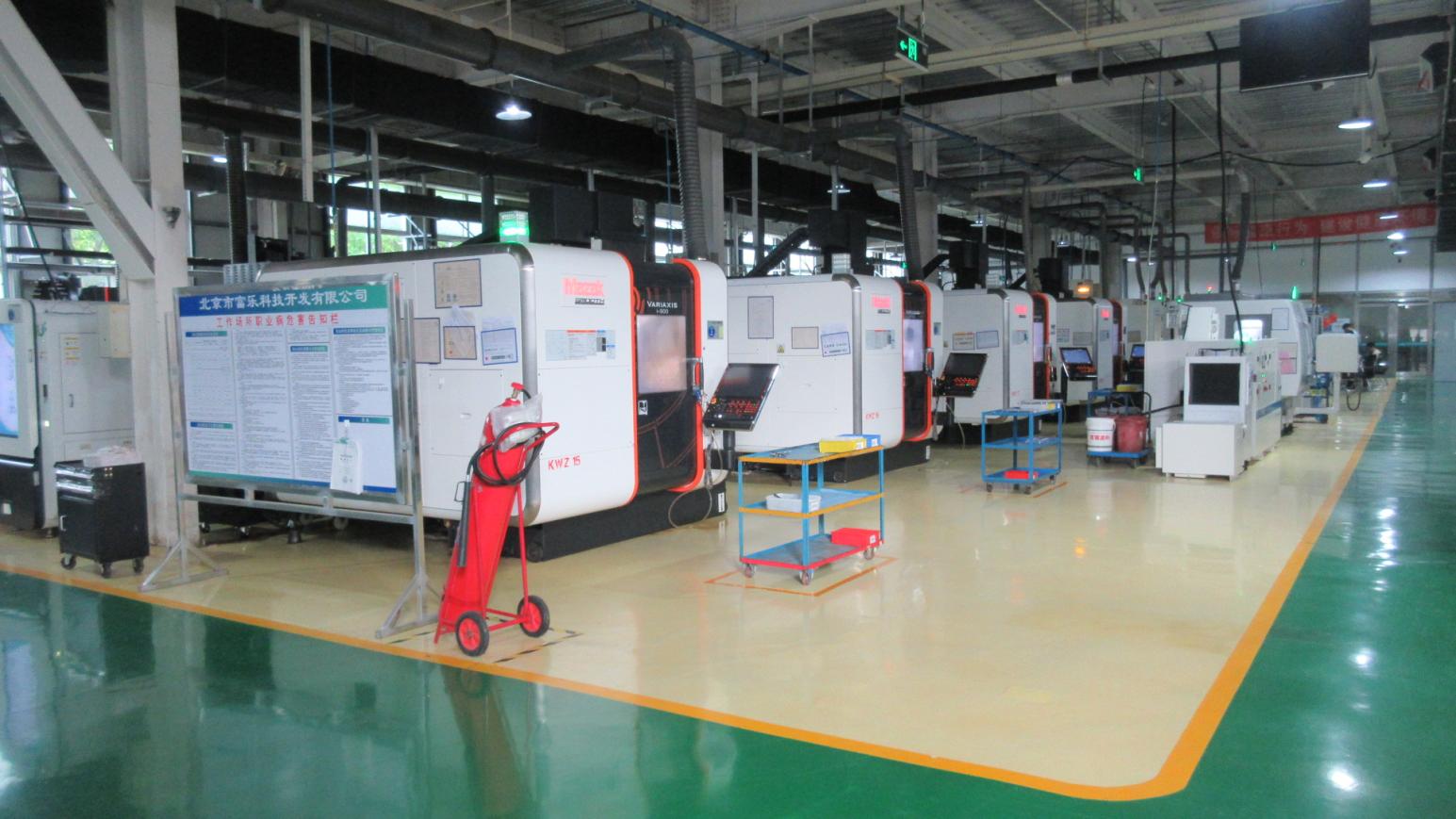
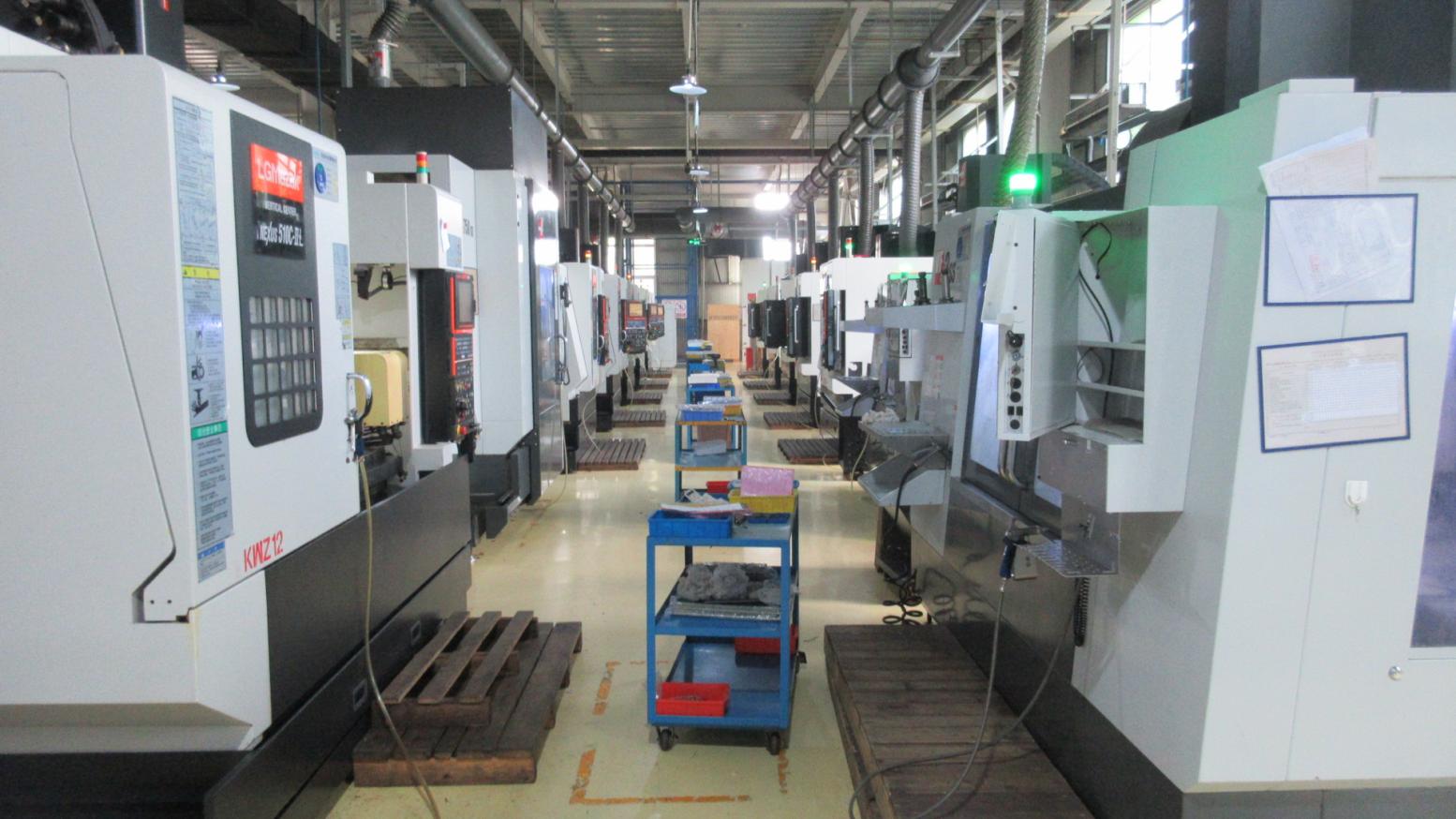
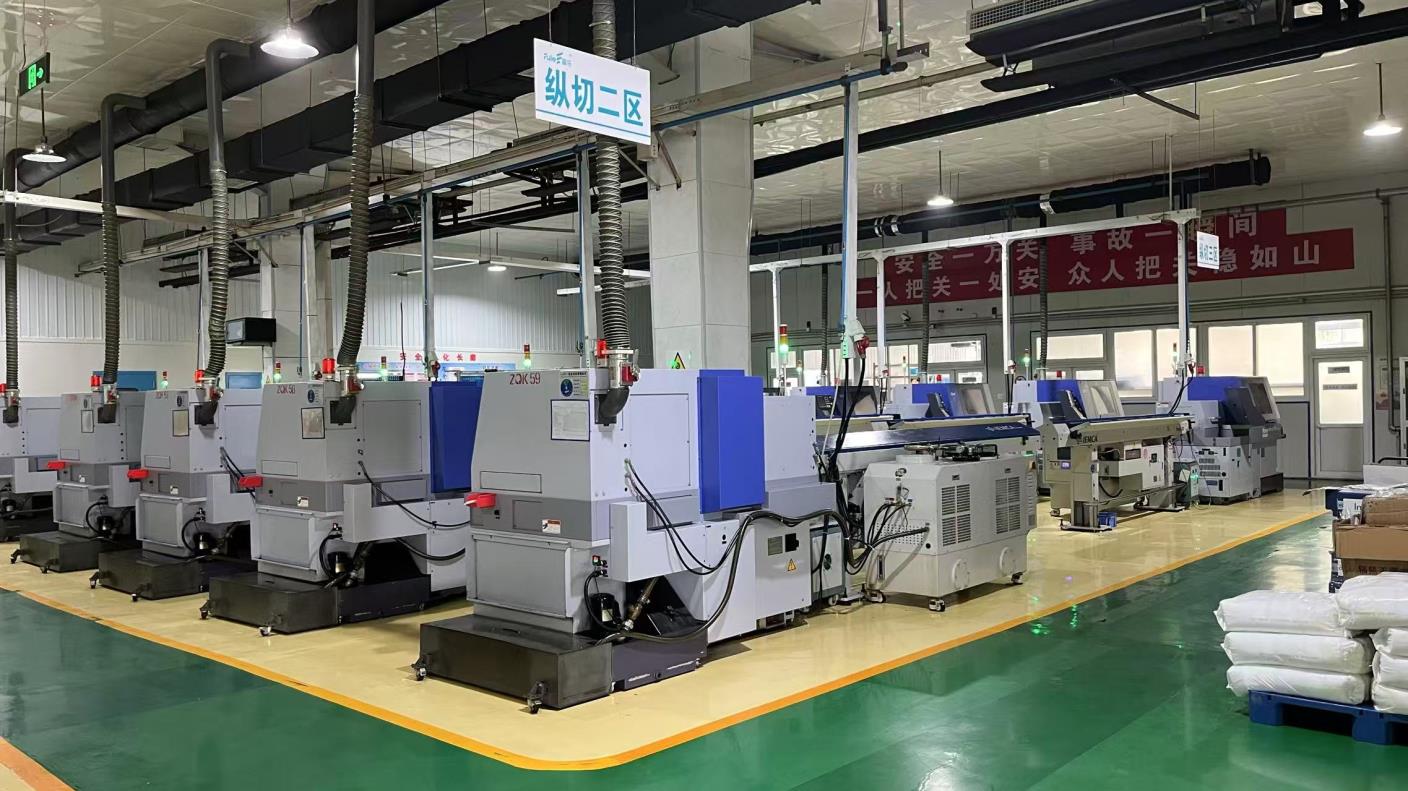
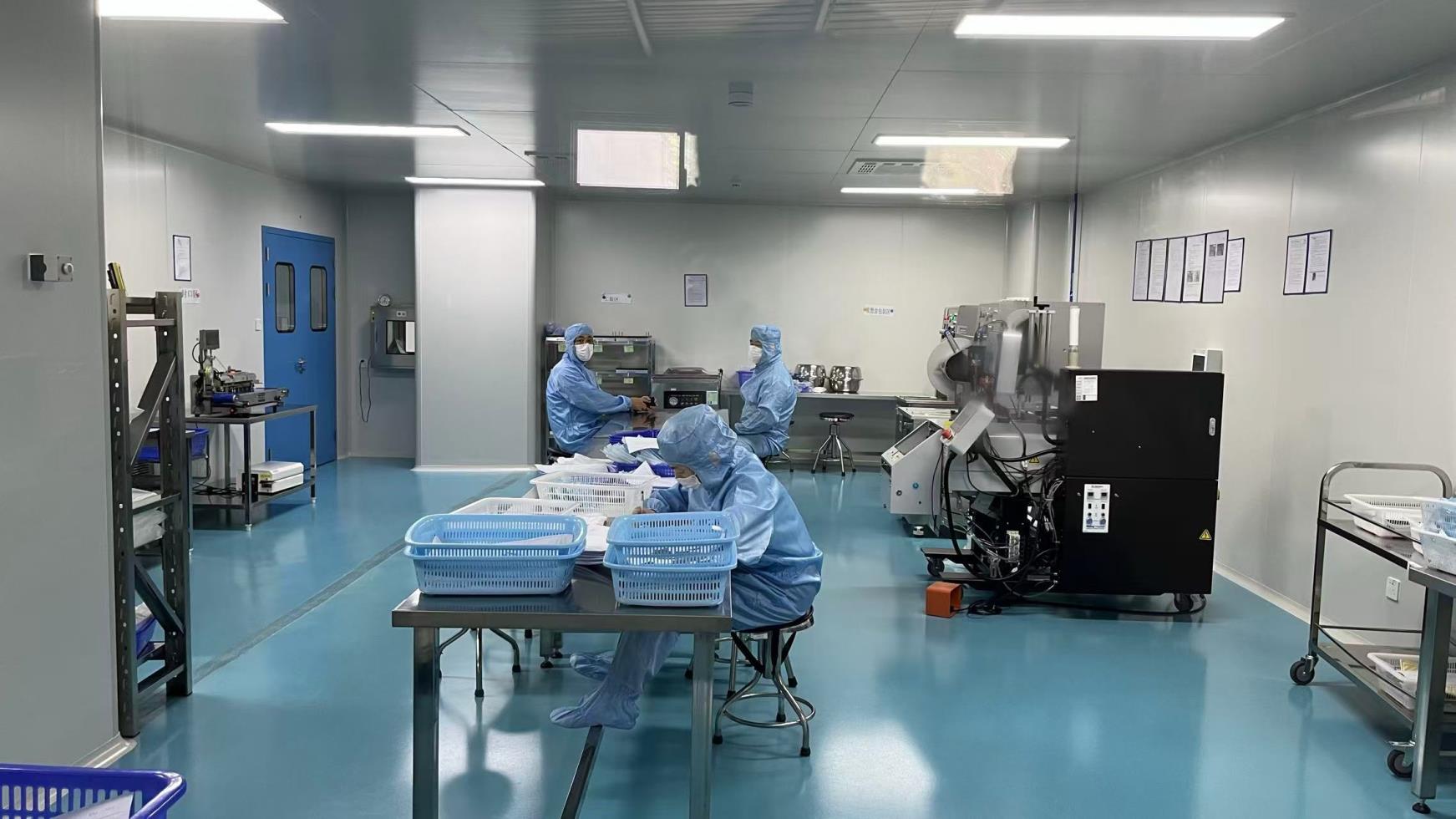
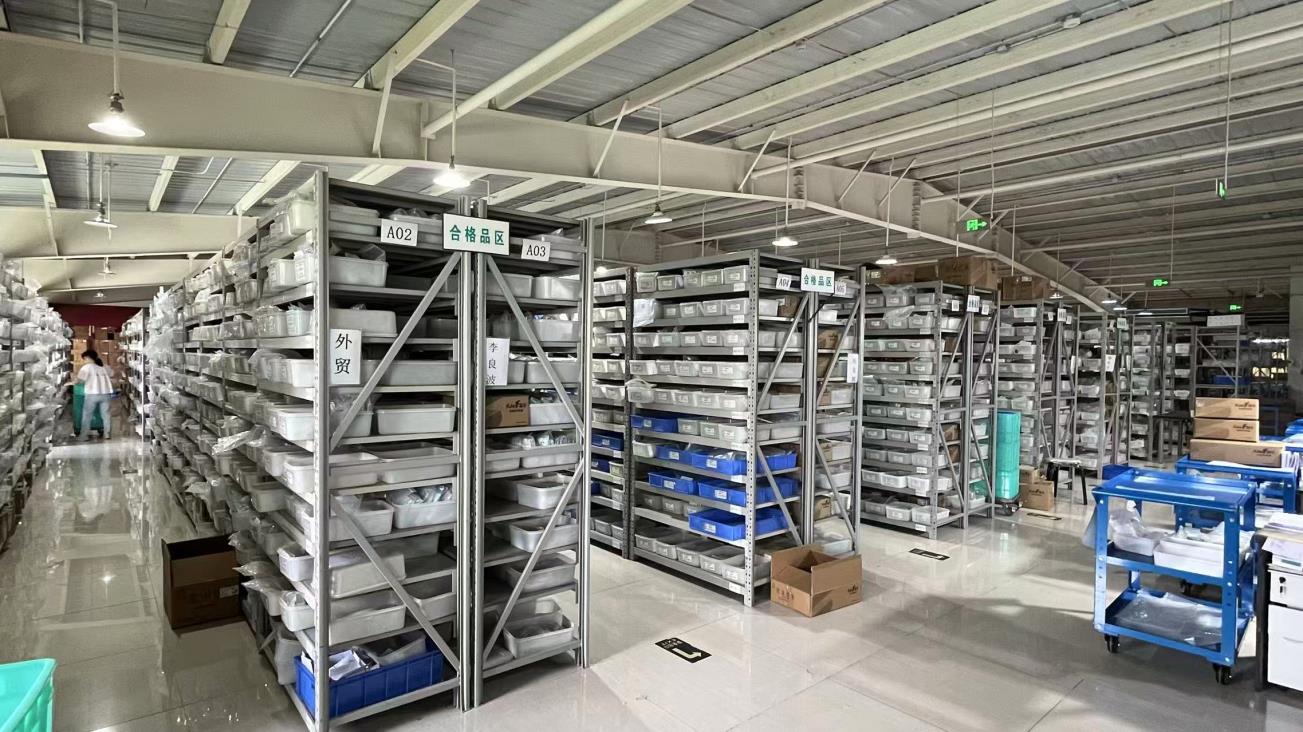
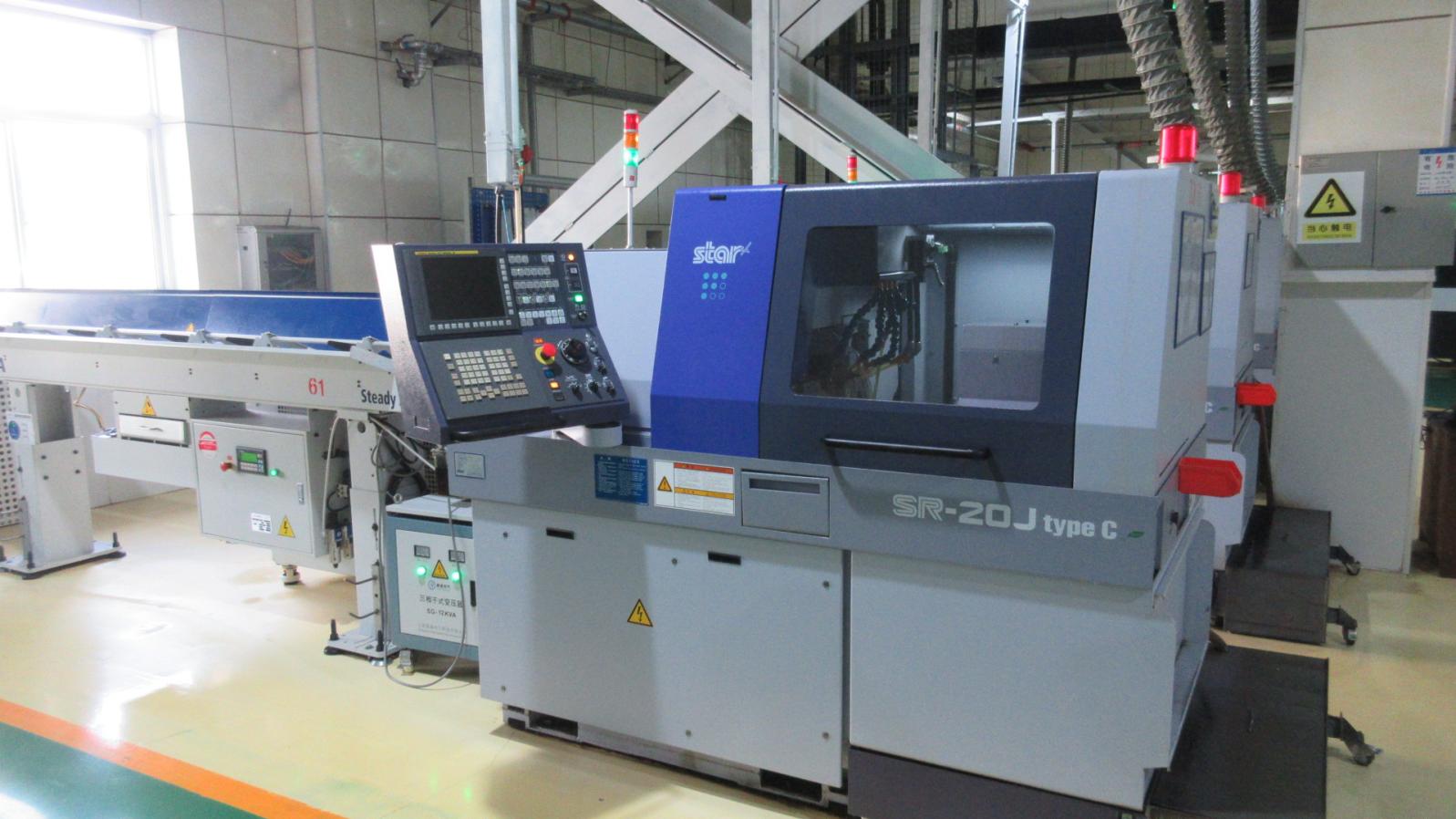
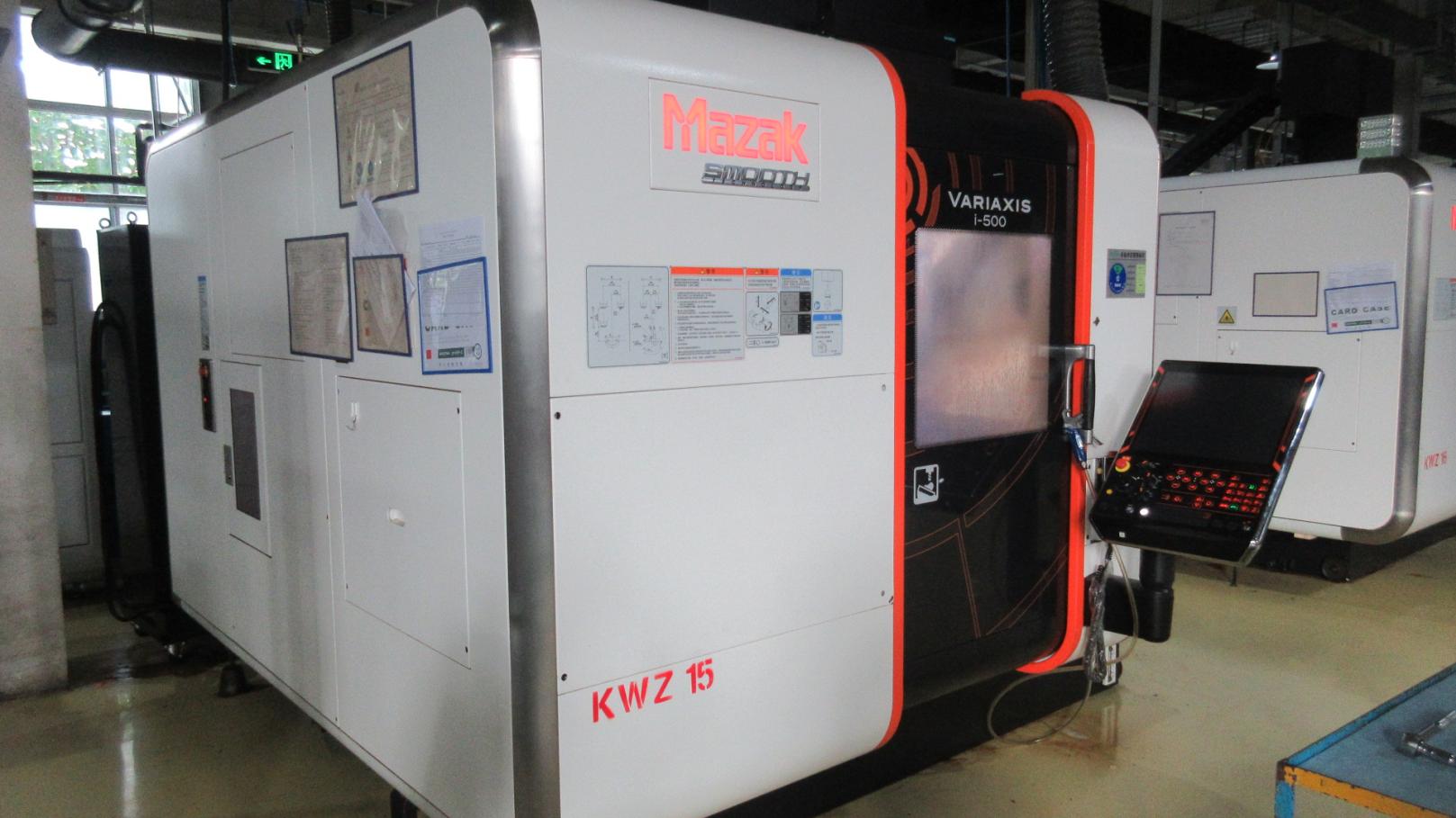
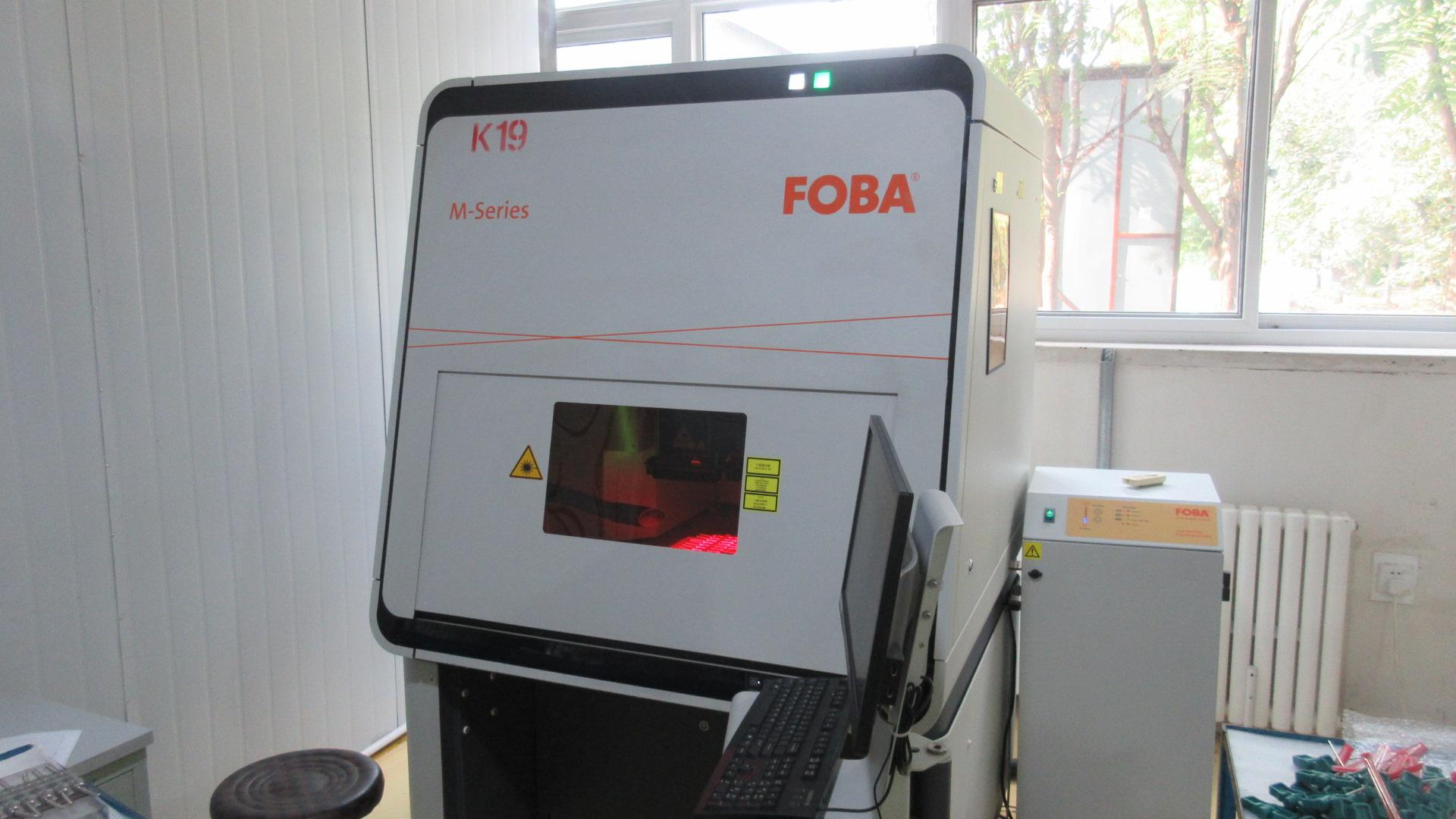
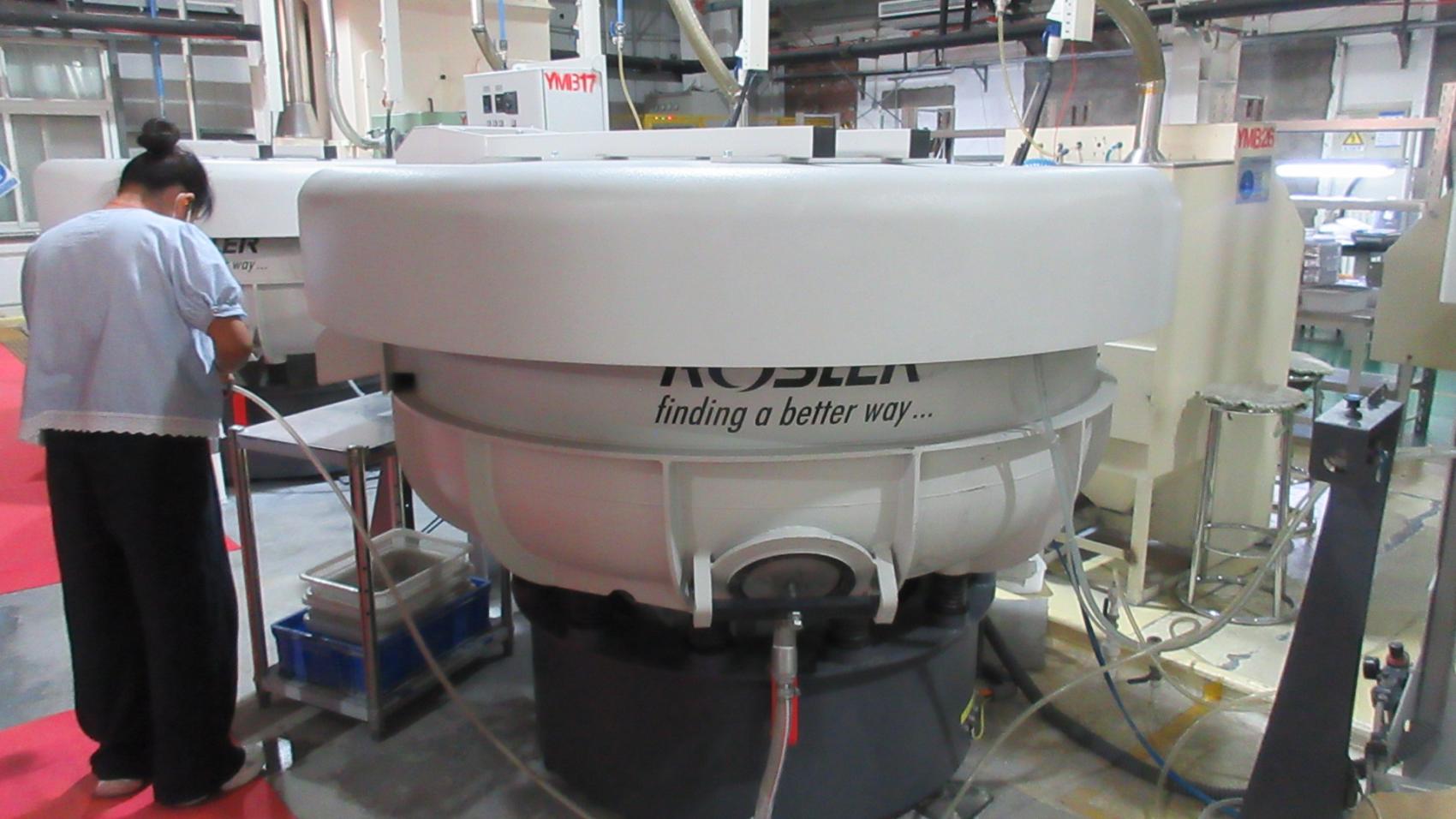
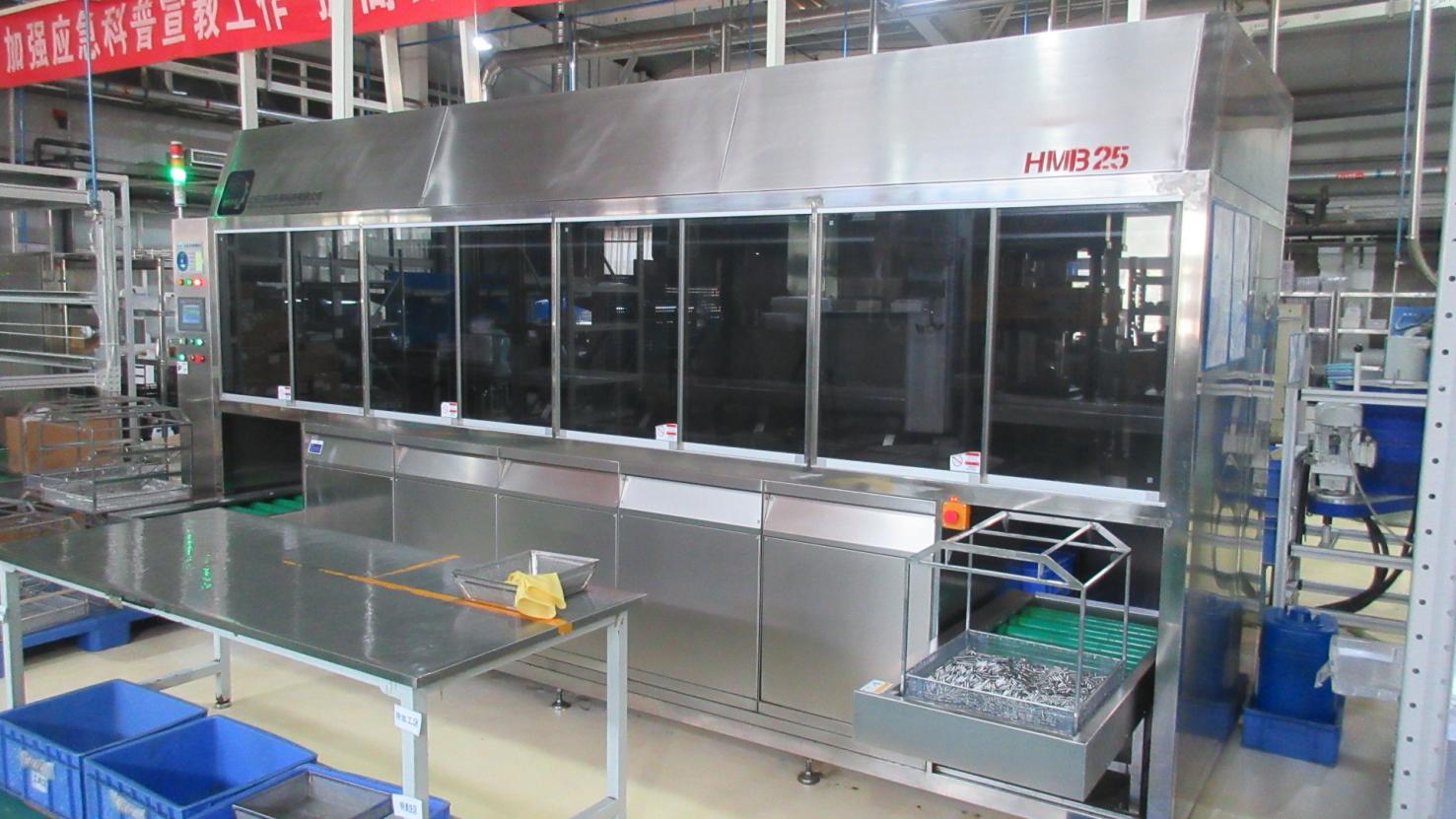
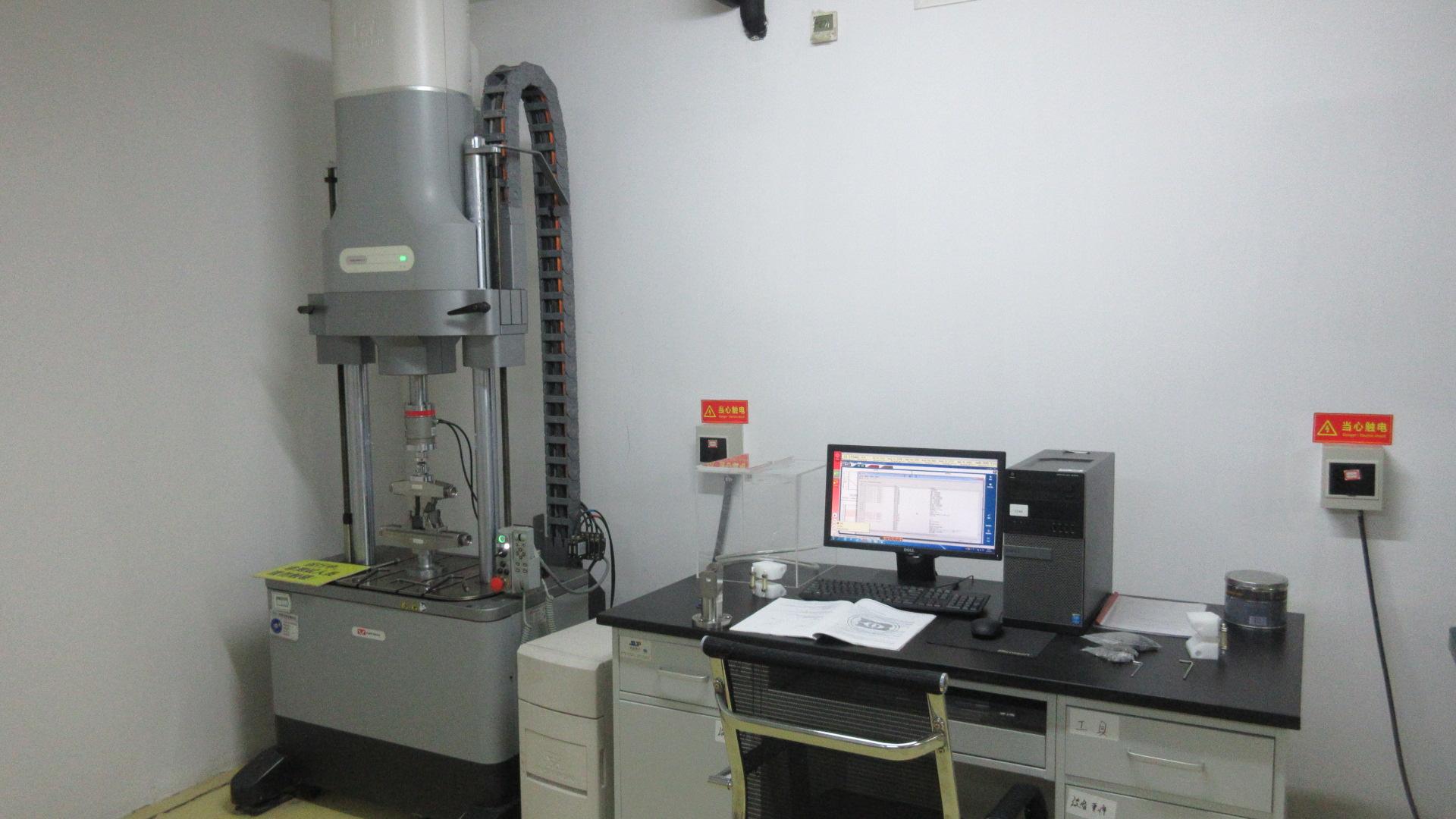
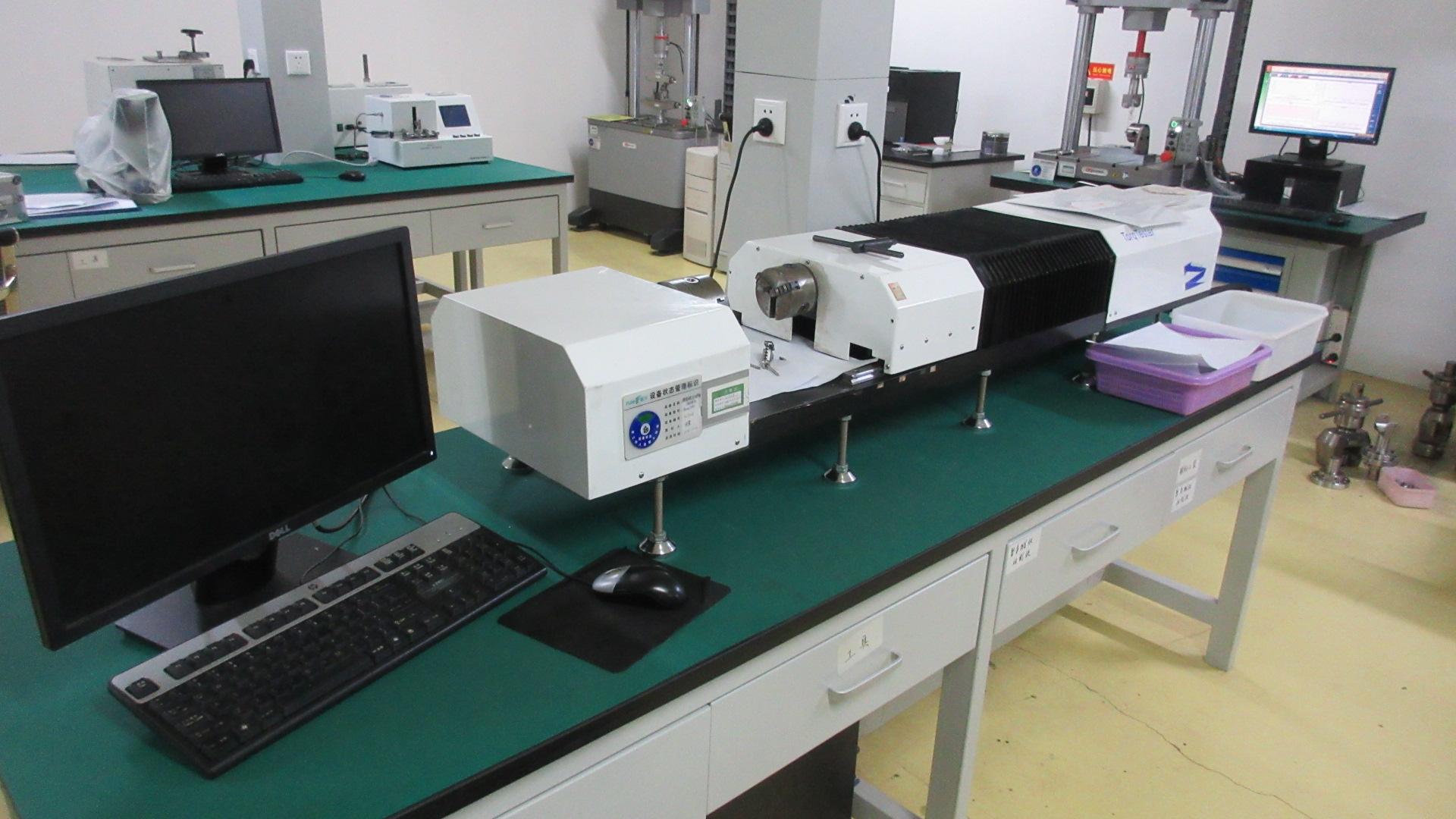
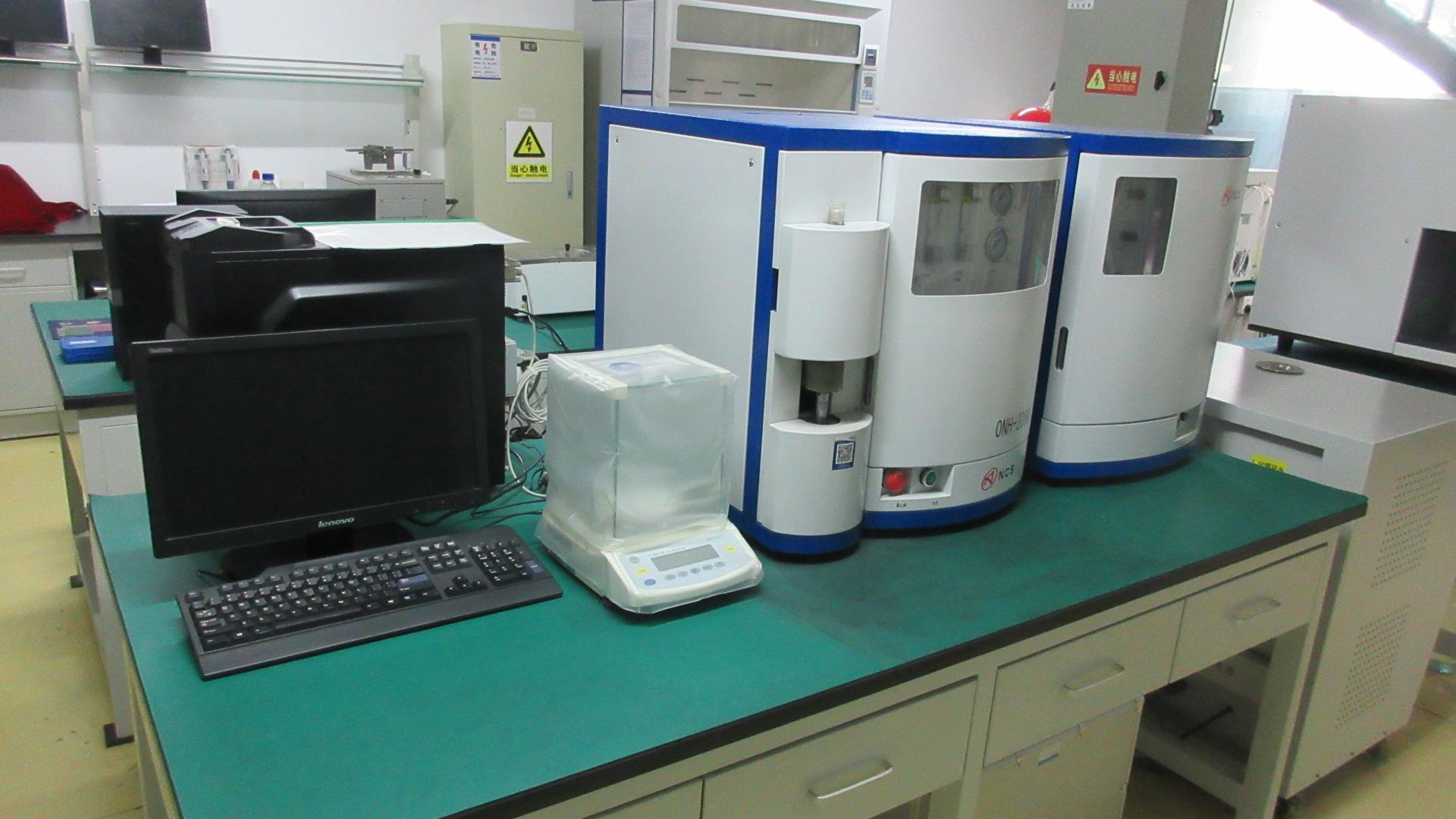
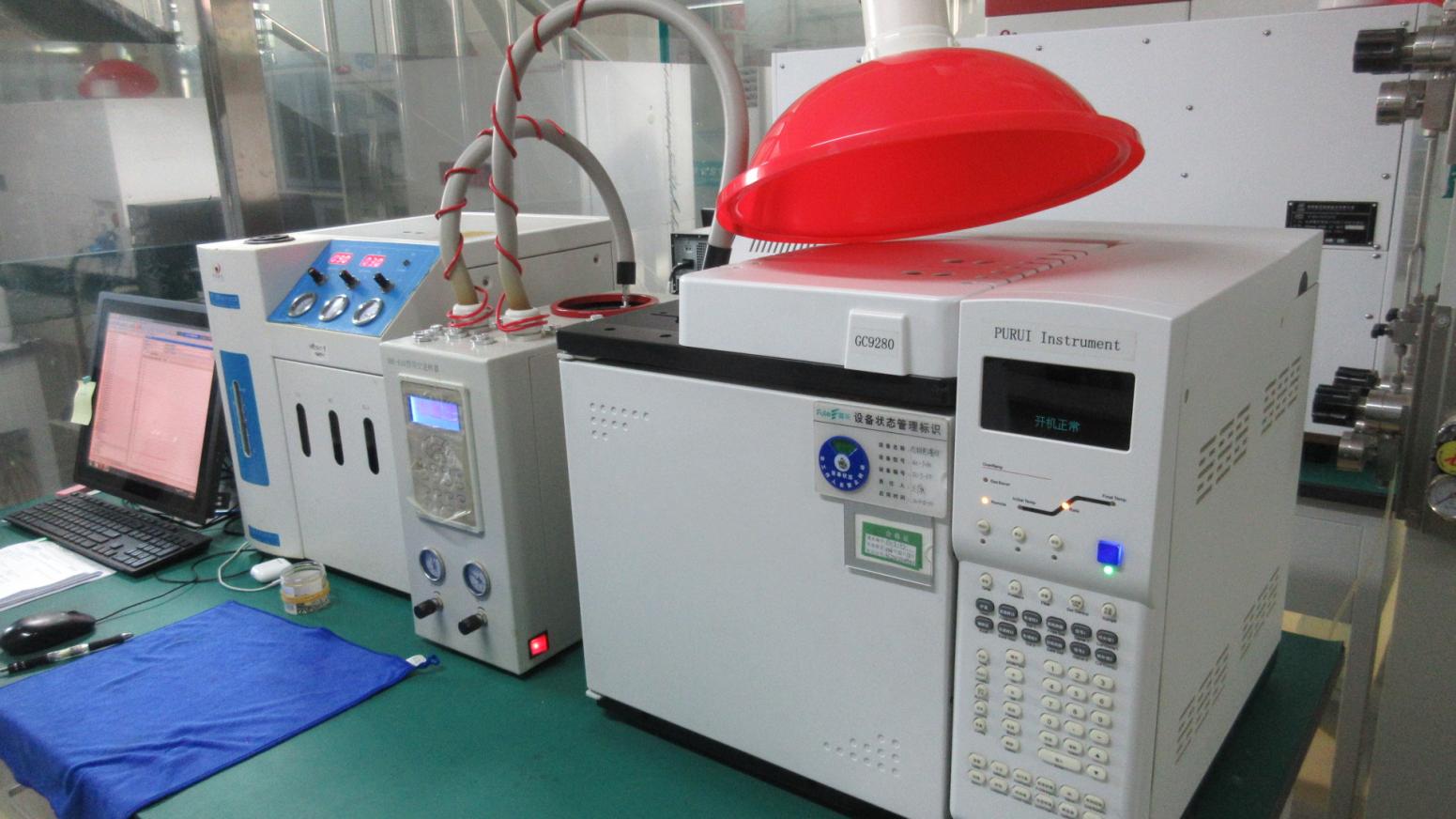
In the post-pandemic medical device market, hospital procurement teams face severe delivery backlogs and cost pressures. Beijing Fule leverages a mature local supply chain ecosystem composed of 70 key strategic partners. This cluster allows us to source certified medical-grade titanium and stainless steel raw materials within 48 hours and scale up production dynamically.
Unlike smaller contract manufacturers, our facility integrates vertical operations in-house: from initial CAD styling, raw bar forging, CNC milling, chemical anodization, to cleanroom packaging and sterilization. Our annual output capacity of over 511,000 units guarantees that sudden spikes in trauma implant demands can be serviced without delay, providing distributors with reliable market stock.
Our global distribution model focuses on providing regulatory and tender document support. Whether registering the implants in Eastern Europe, Southeast Asia, or Latin America, our dedicated compliance team provides clean technical files (STED), biocompatibility reports, clinical evaluation files, and traceability certificates, drastically accelerating local import clearances.
Addressing essential mechanical, regulatory, and surgical concerns for B2B medical procurement agents.
We use Titanium Alloy Ti-6Al-4V ELI (Extra Low Interstitials), conforming to ASTM F136 standards. This medical-grade material provides exceptional mechanical strength, superior fatigue resistance, and excellent biocompatibility. The surface is oxidized (anodized) to provide a non-reactive layer, reducing tissue adhesion and titanium ion degradation.
Our premium Locking Plate Systems incorporate combi-holes, supporting both standard locking (fixed-angle) and compression locking. In select systems, we provide polyaxial (variable angle) locking mechanisms allowing up to 15 degrees of angulation, accommodating complex intra-articular fractures where screw trajectory must avoid articular cartilage.
Equipped with 102 precision machines, we have an annual production capacity exceeding 511,000 units. Our standard lead time for catalog orders is 15-30 days. For custom OEM/ODM processing, lead times range from 45-60 days. We offer flexible MOQs depending on the distribution scope and territory exclusivity agreements.
Under our ISO 13485 quality system, every titanium bar is mapped to its original melt batch number. Laser engraving assigns a unique identifier to every single implant. This code tracks the raw material batch, CNC operator ID, cleanroom sterilization date, and QA clearance certificate, ensuring complete clinical compliance.
While our plates are anatomically pre-contoured to match distal radius and ulna curves, they can be contoured slightly using bending templates and irons if necessary. However, excessive bending must be avoided near the threaded locking holes to prevent deformation, which can prevent proper screw engagement.
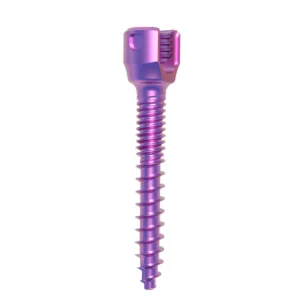
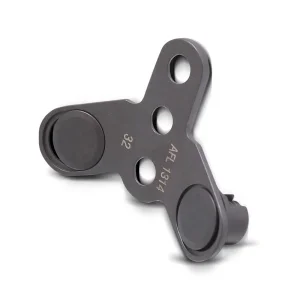
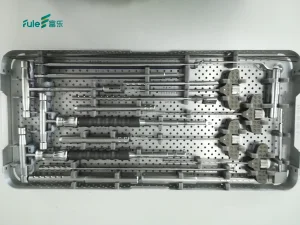
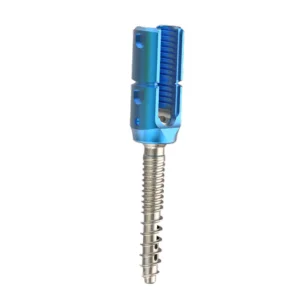
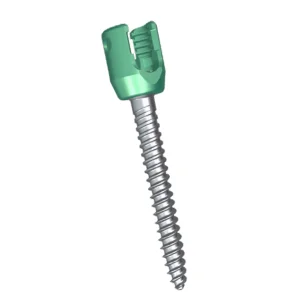
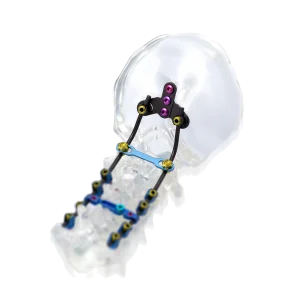
Explore our high-performance pedicle screw systems and specialized orthopedic instruments used worldwide.
 Beren Science & Technology