Engineered with Class III titanium alloy materials, delivering exceptional mechanical stability and biocompatibility for clinical intervention.
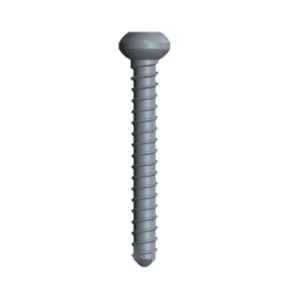
Pioneering biomechanical engineering to resolve bone healing limitations and optimize implant longevity.
The global orthopedics paradigm is moving away from absolute rigid stabilization (which causes stress shielding and bone resorption) toward dynamic mechanical adaptation. In intramedullary systems, preserving the periosteum's vascular networks is essential. Our systems support biologically stable internal fixation that encourages secondary healing via callus formation.
High-energy metaphyseal and diaphyseal long bone fractures represent complex mechanical environments. Conventional screw fixations often lead to early hardware fatigue or cut-out in osteoporotic bone. By developing advanced locking geometry, such as helical/spiral blades, we increase the surface contact area and convert shear forces into compressive loads, enhancing stability.
Chemical composition, passive oxide film stability, and corrosion rates in bodily fluids determine the long-term viability of implants. We utilize medical-grade Titanium Alloy (Ti-6Al-4V ELI) that matches the physical characteristics of cortical bone, reducing adverse inflammatory responses and supporting seamless tissue integration.
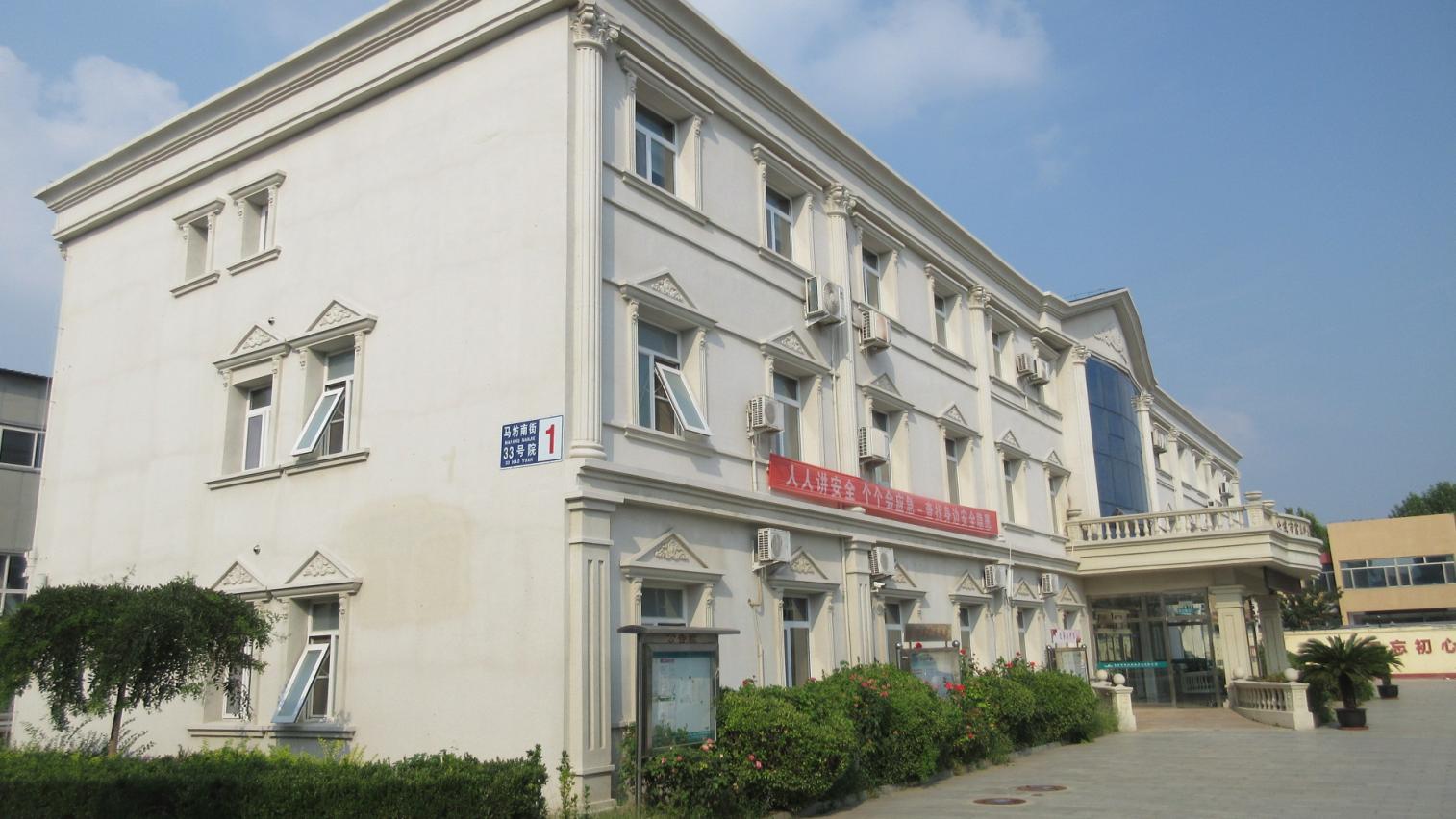
Combining 30 years of manufacturing experience with ISO 13485-certified workflows to deliver reliable implants globally.
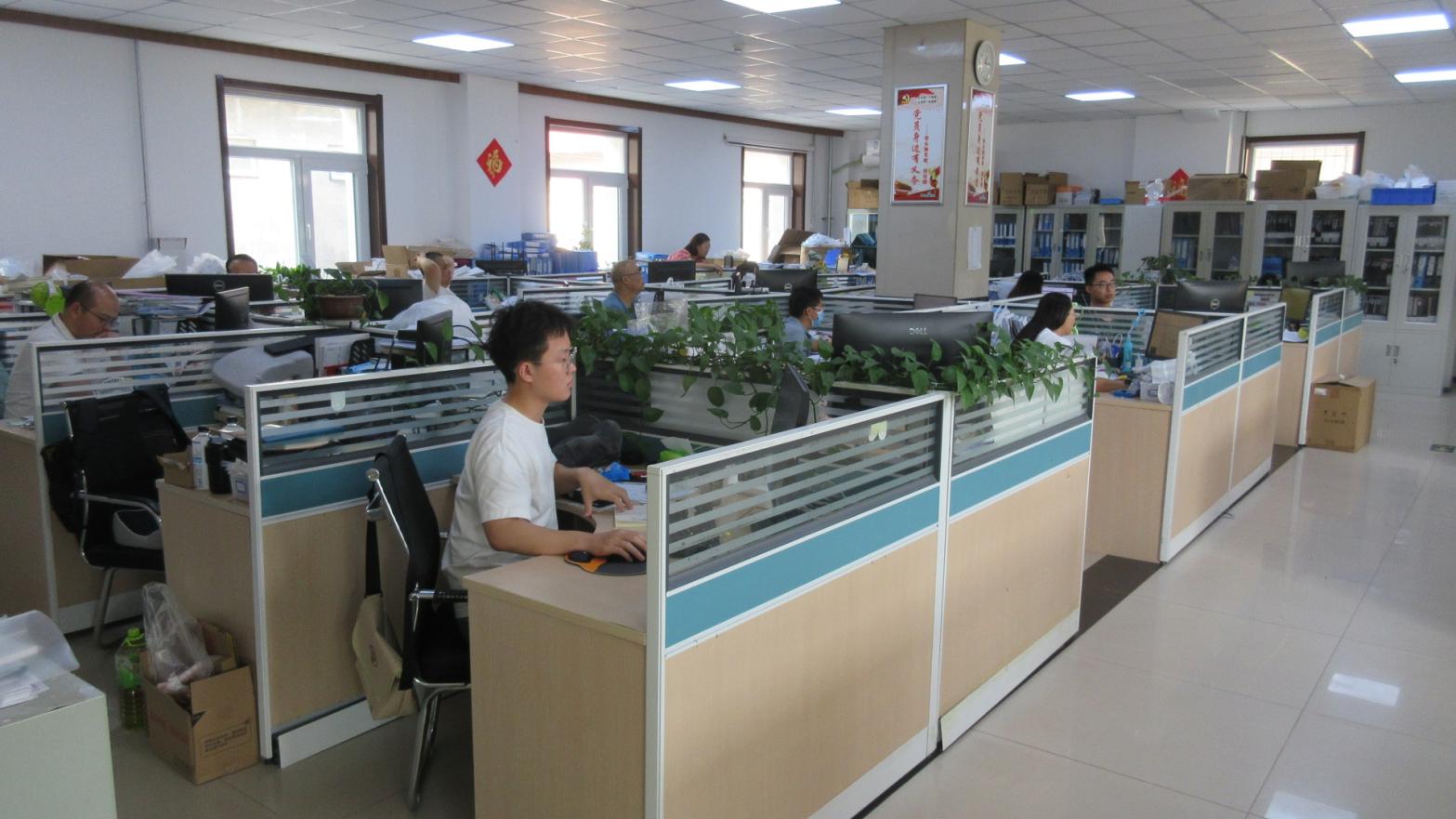
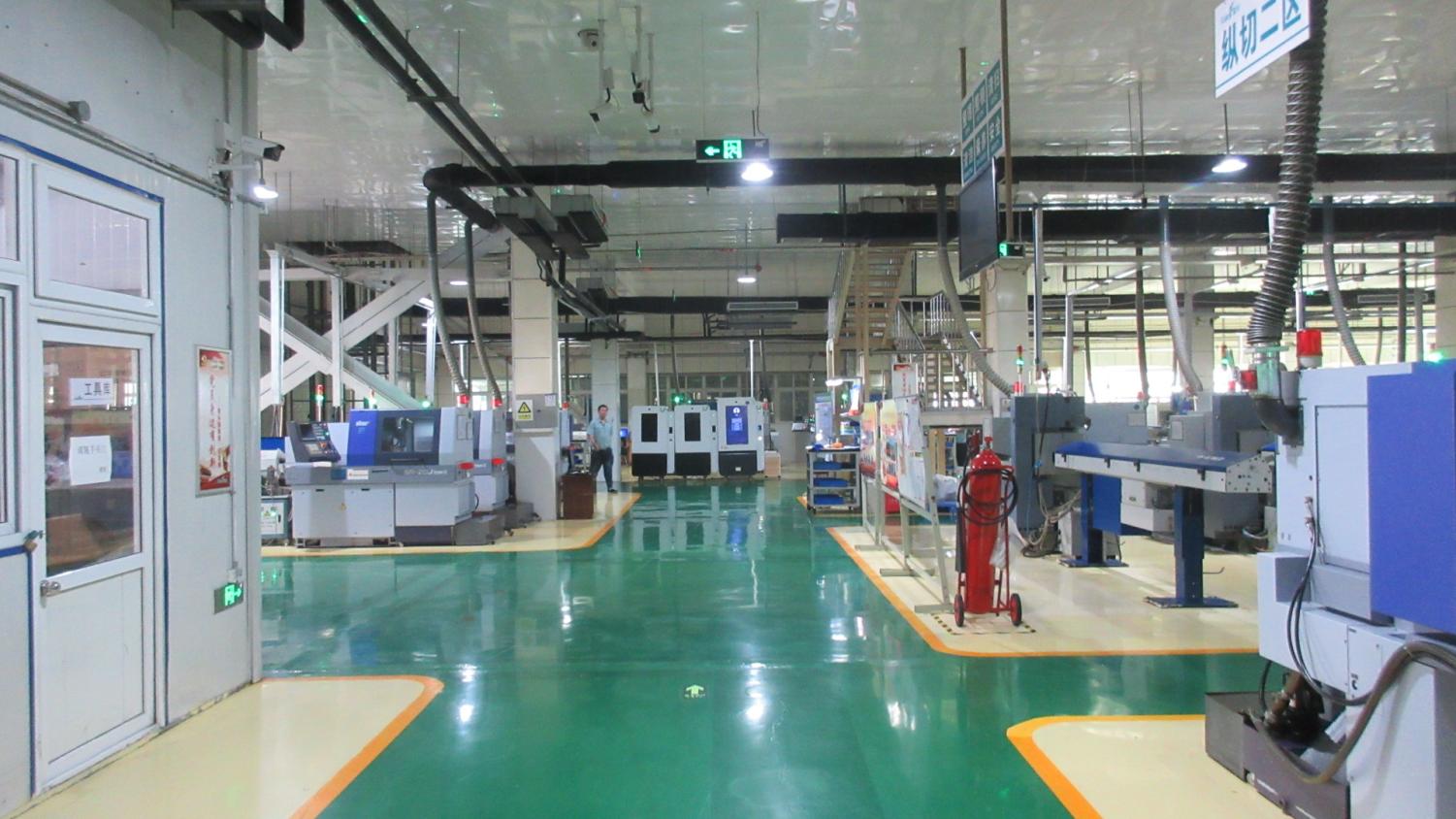
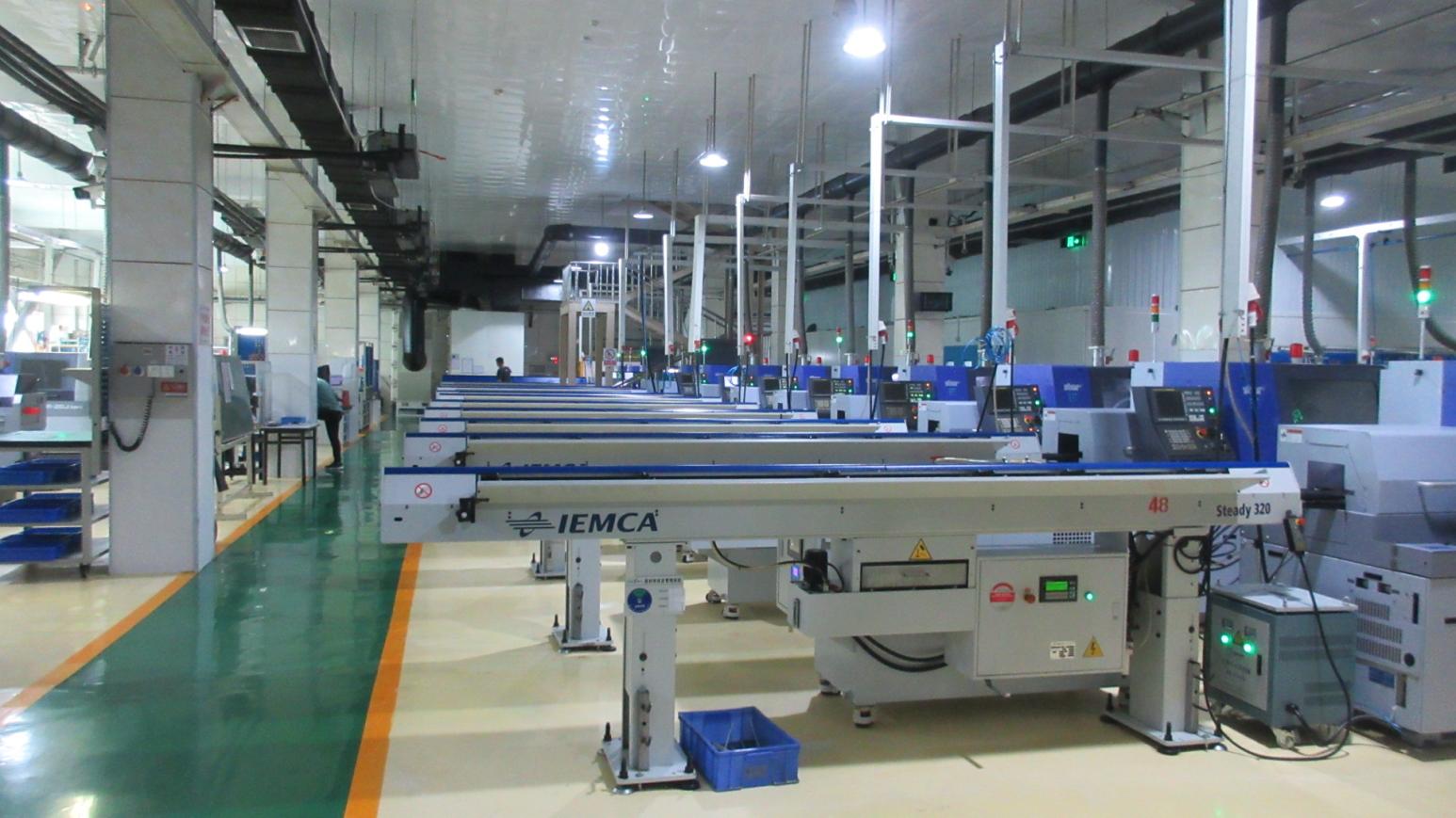
Equipped with 102 state-of-the-art production machines, our facility processes raw medical-grade metals into precise orthopedic implants. We offer custom manufacturing including sample processing, graphic configuration, and customized options to meet the needs of international retailers and wholesalers.
| Parameter | Standard Specification |
|---|---|
| Facility Auditing Standard | ISO13485:2016 Certified (Cert No: 04724Q10000818) |
| Inspection Protocol | 100% Comprehensive Product Inspection Rate |
| Quality Control Personnel | 15 Dedicated QA/QC Inspectors |
| R&D Organization | 20 Engineers (15 Graduates / 5 Junior College) |
| Raw Material Verification | Complete Mill Source Traceability and Chemical Testing Verification |
We serve a diverse international clientele, balancing active domestic markets with key exports to Southeast Asia and Eastern Europe. With over 70 supply chain partners, we ensure reliable logistics and material sourcing for international hospital networks and distribution agents.
Ensuring compliance with medical device directives across global health jurisdictions.
Our intramedullary and spinal fixation systems conform to Class III medical device standards, subject to regular conformity assessments. This guarantees that each implant meets safety and performance requirements for clinical distribution across the European Economic Area.
We log every raw material batch, forging parameter, and heat treatment process. This end-to-end traceability ensures that physical and chemical properties can be traced back to the raw material mill, fulfilling strict post-market clinical follow-up requirements.
Through robust logistics networks, we offer regional warehousing support, rapid delivery, and complete documentation packages. These resources assist our partners with local import clearances and health authority registrations.
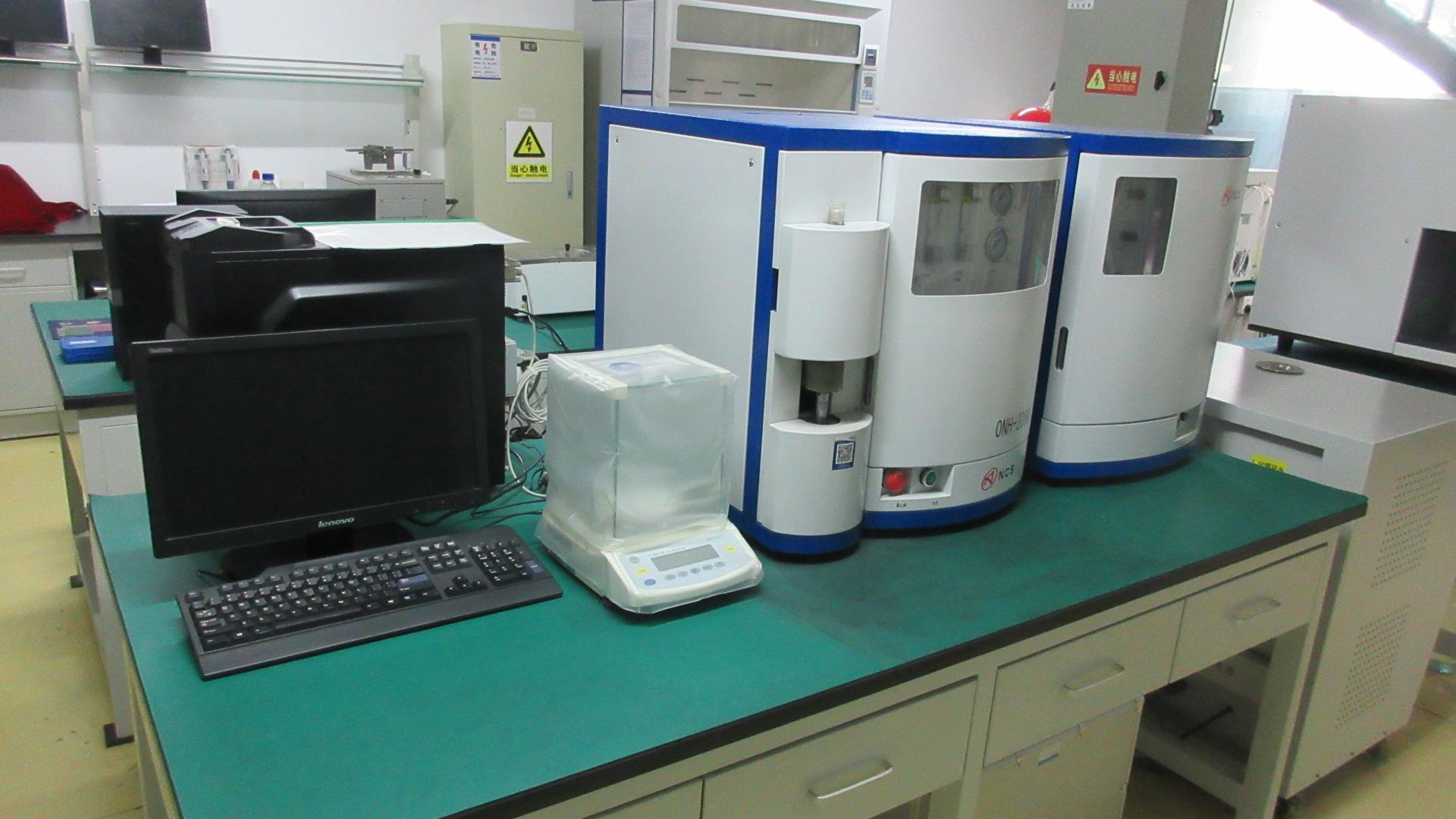
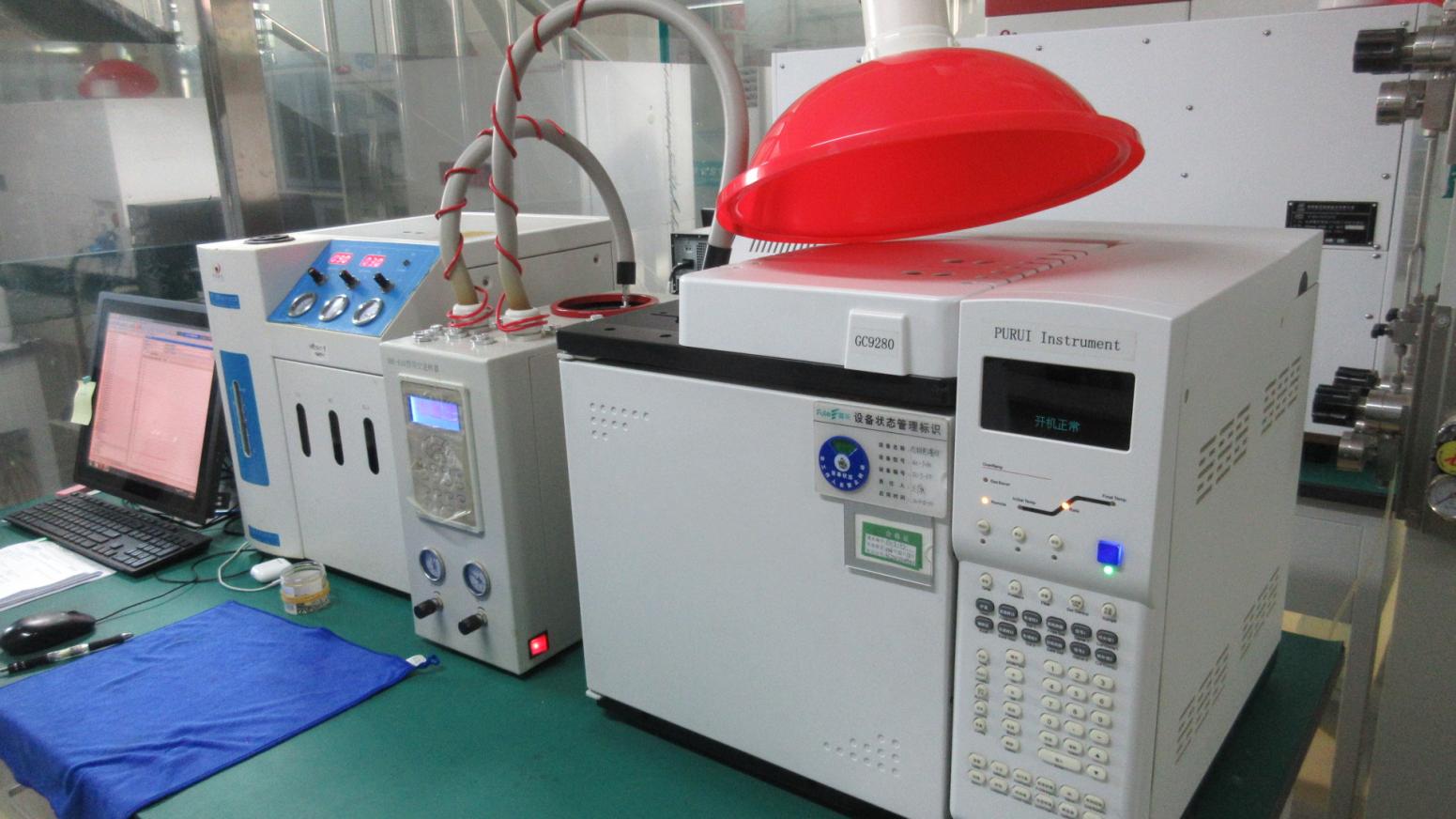
A look inside our ISO 13485-certified production site, showcasing CNC machinery, cleanroom operations, and quality inspection workflows.
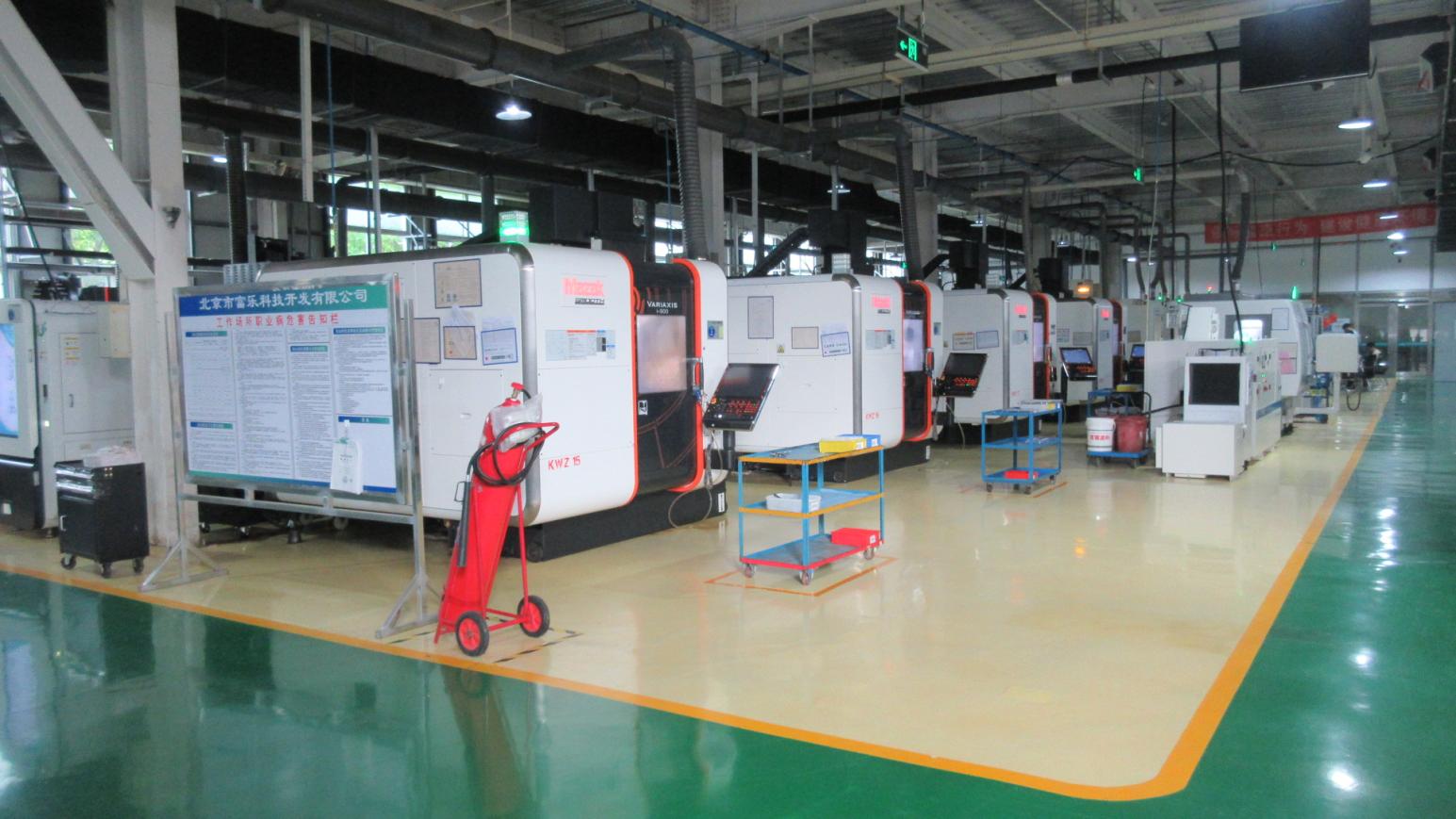
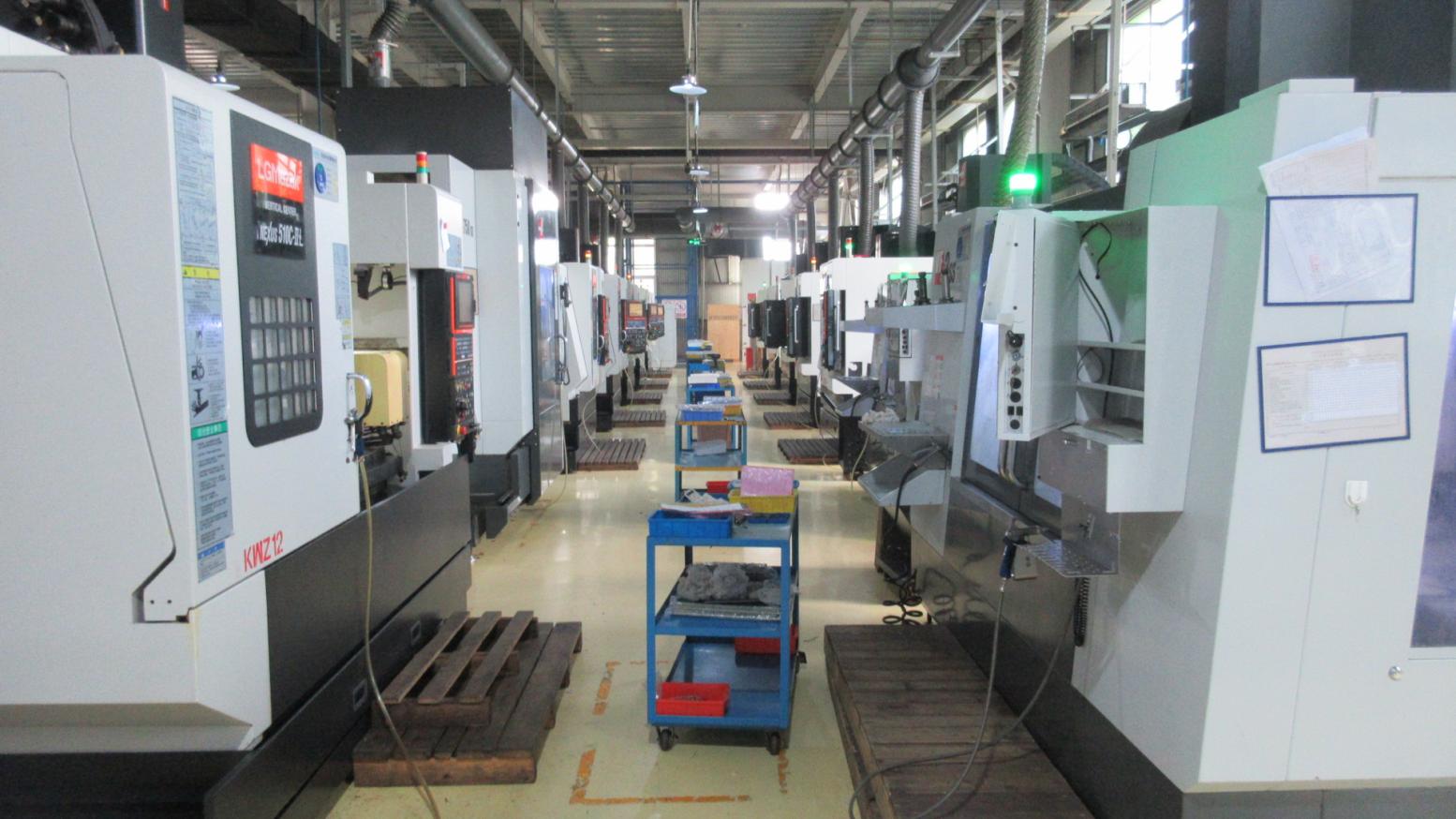
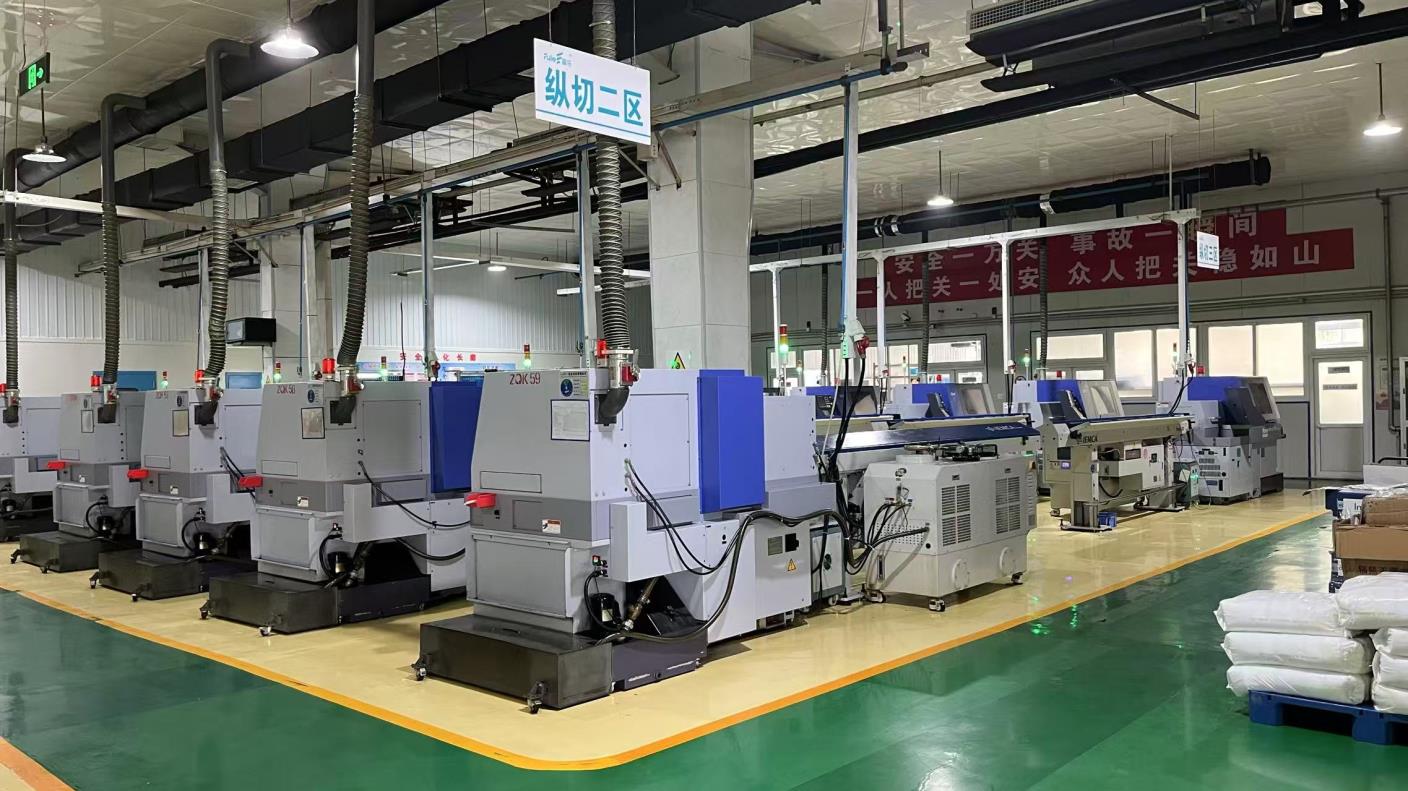
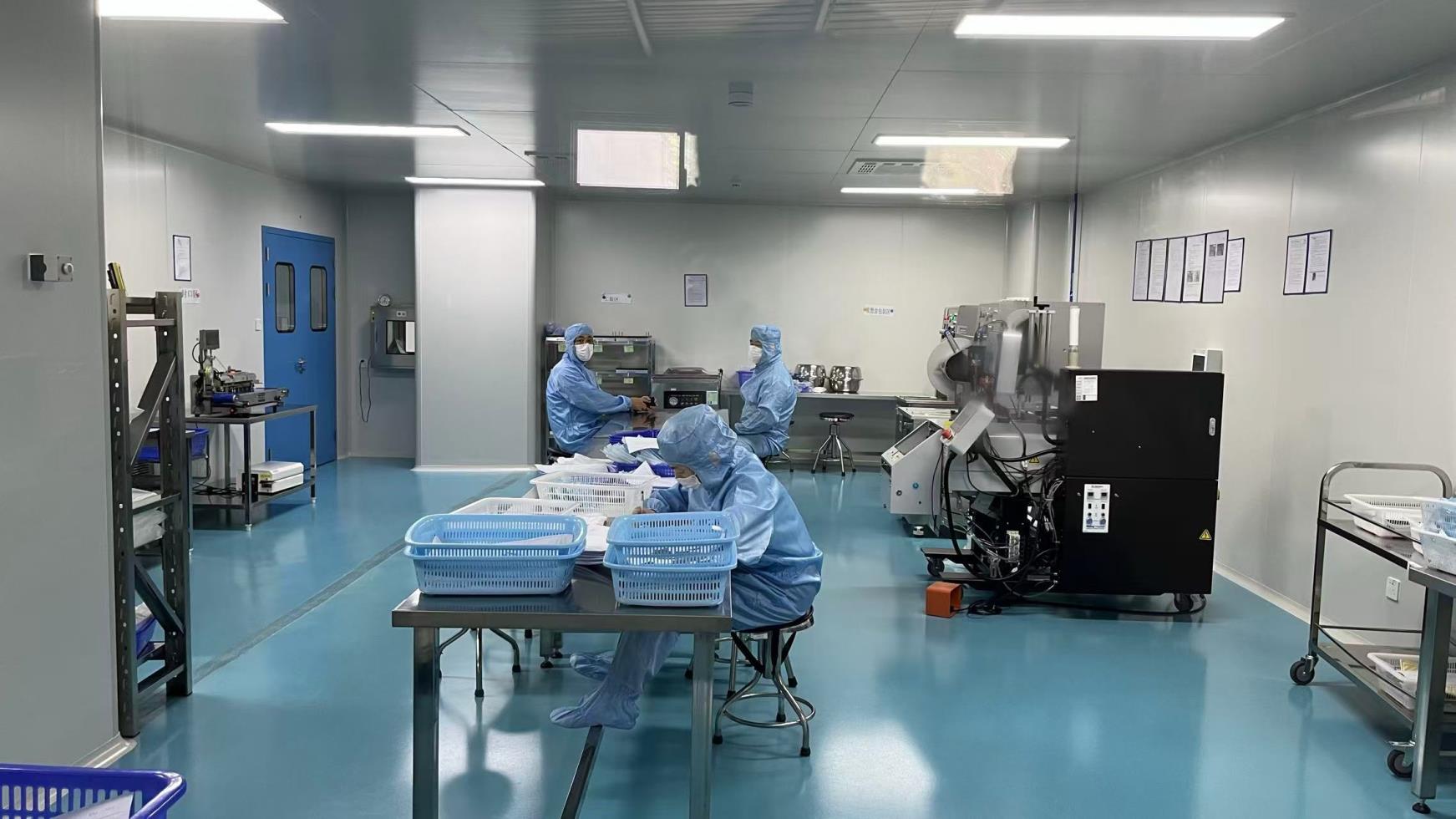
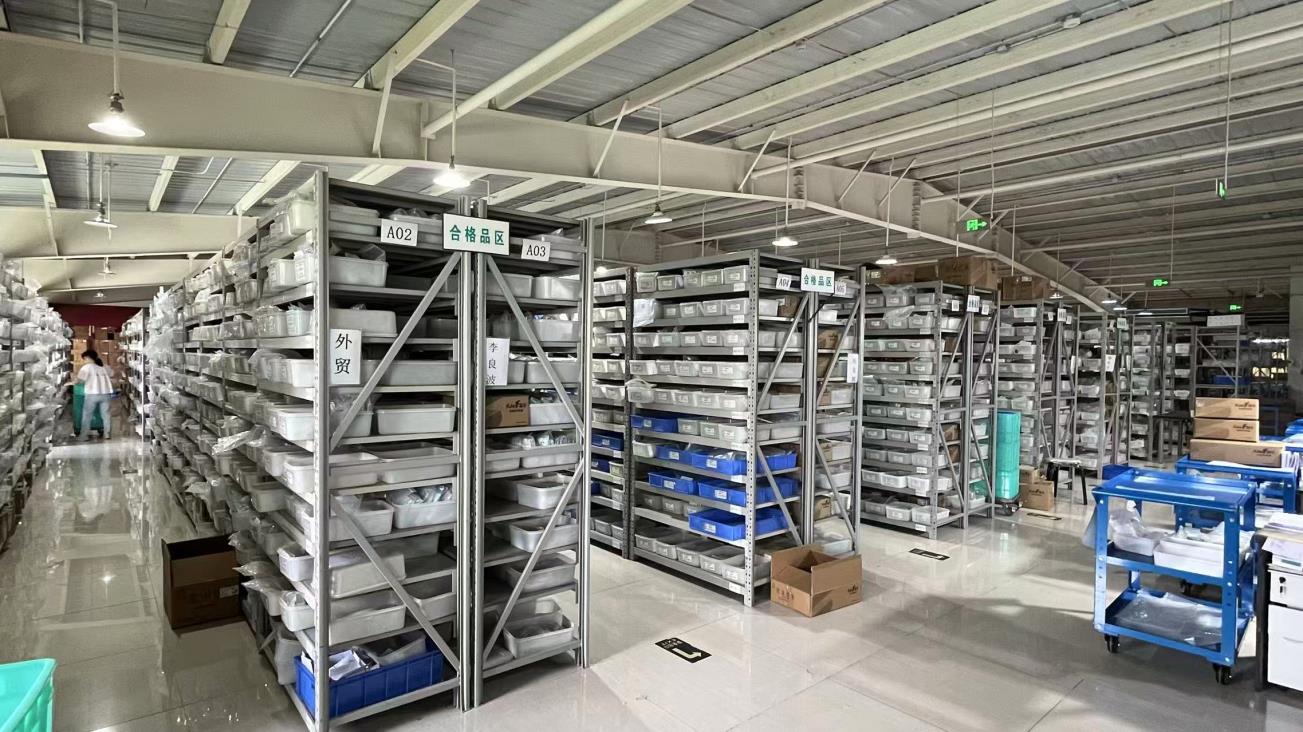
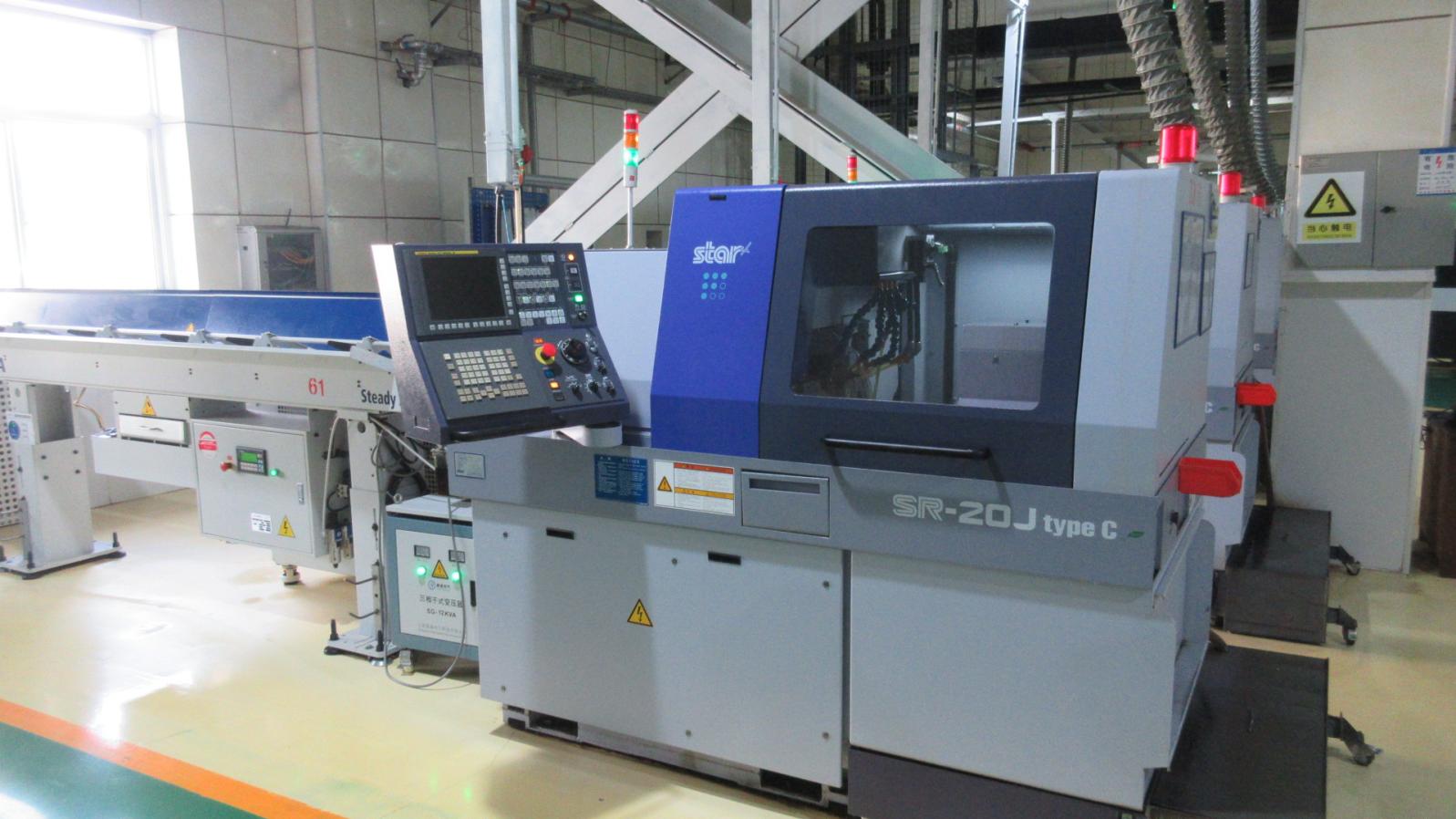
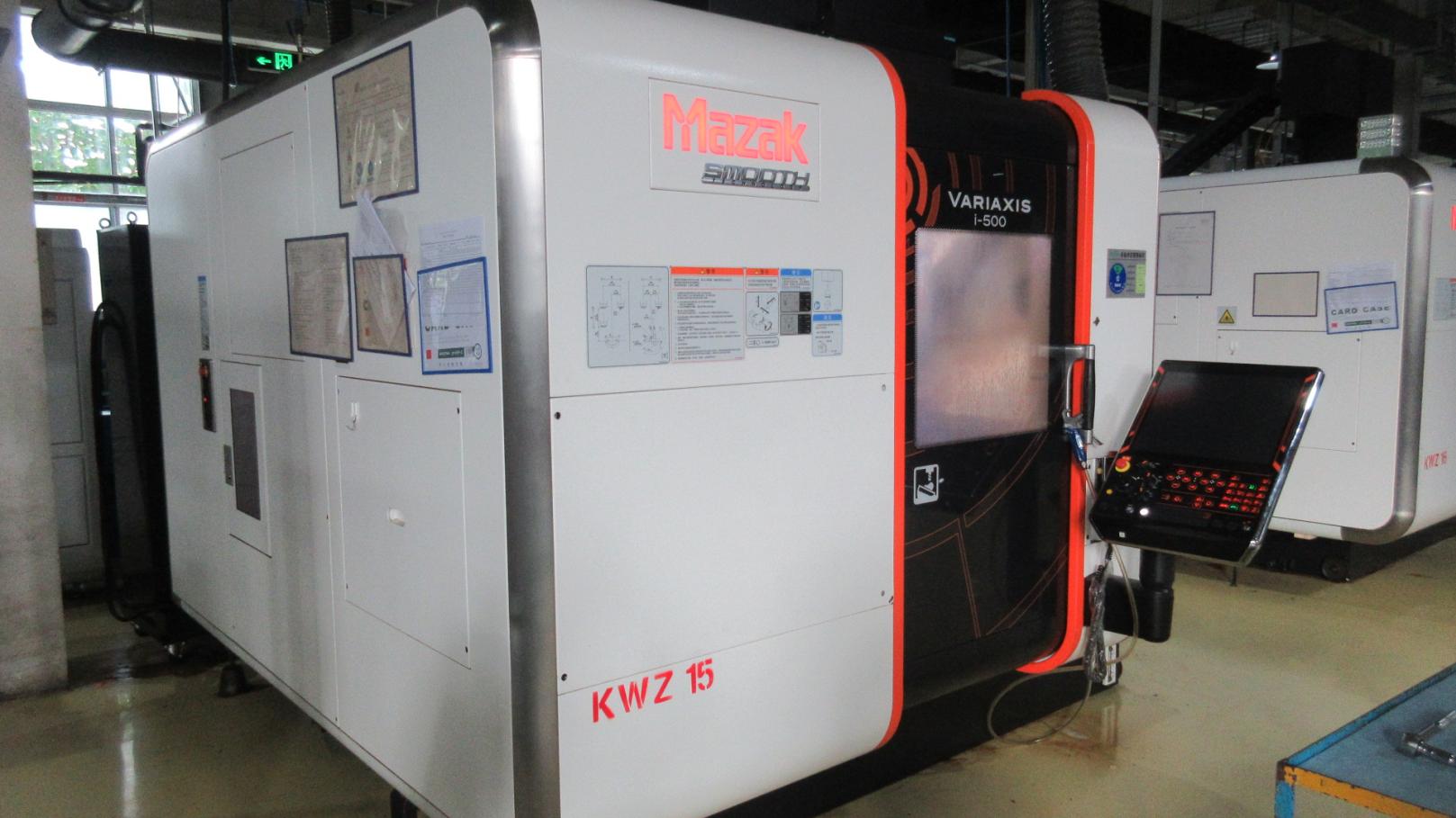
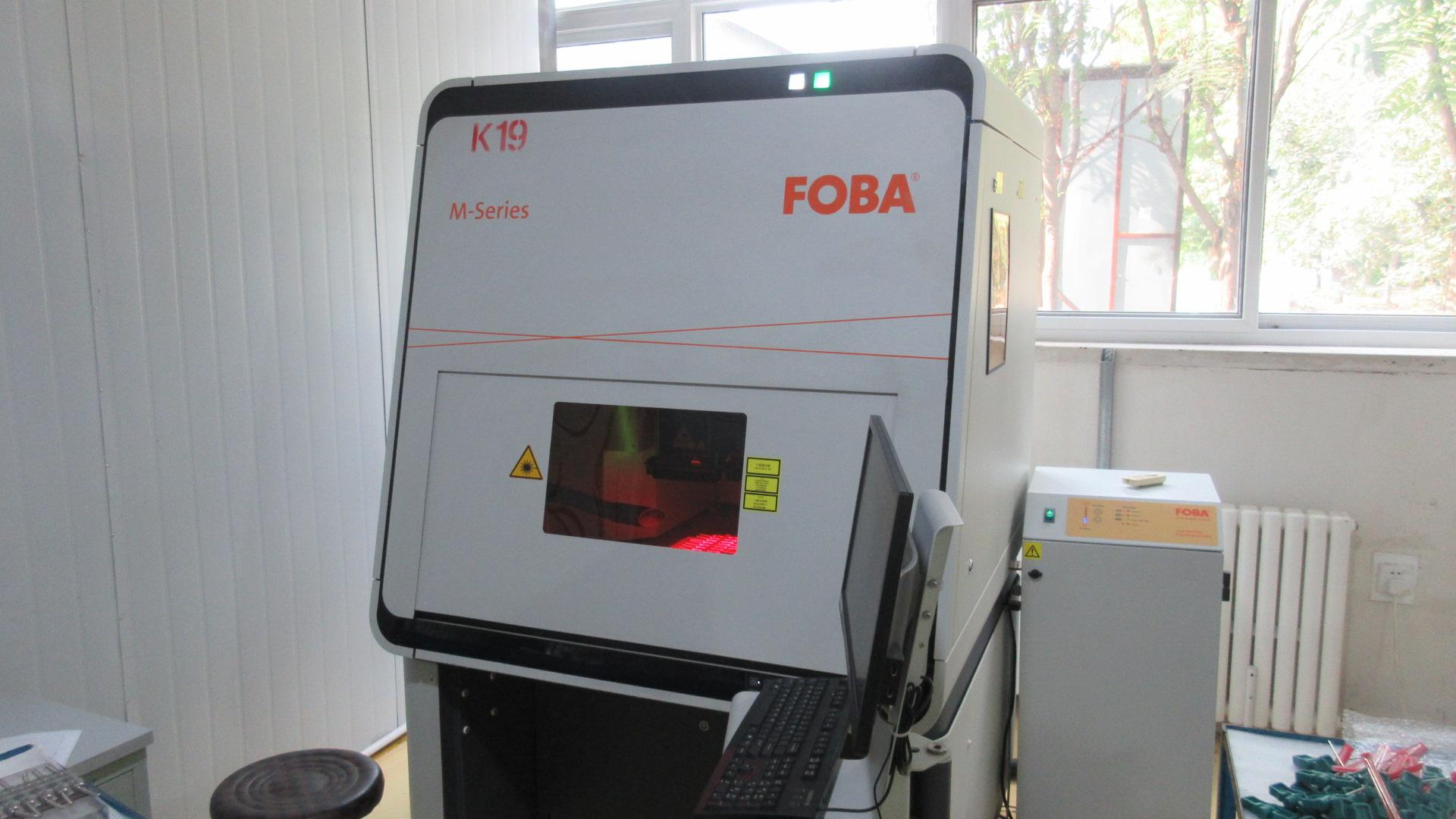
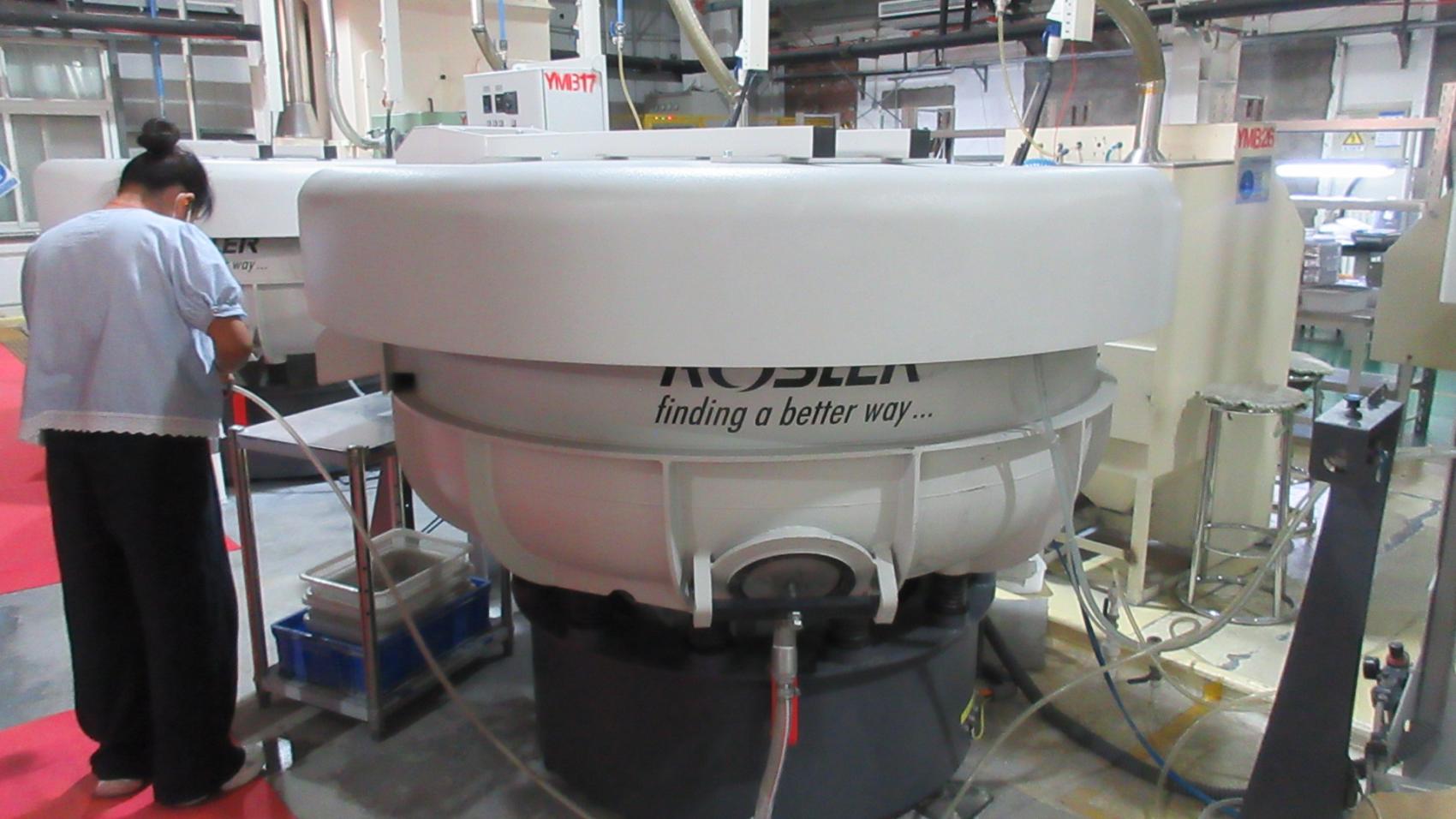
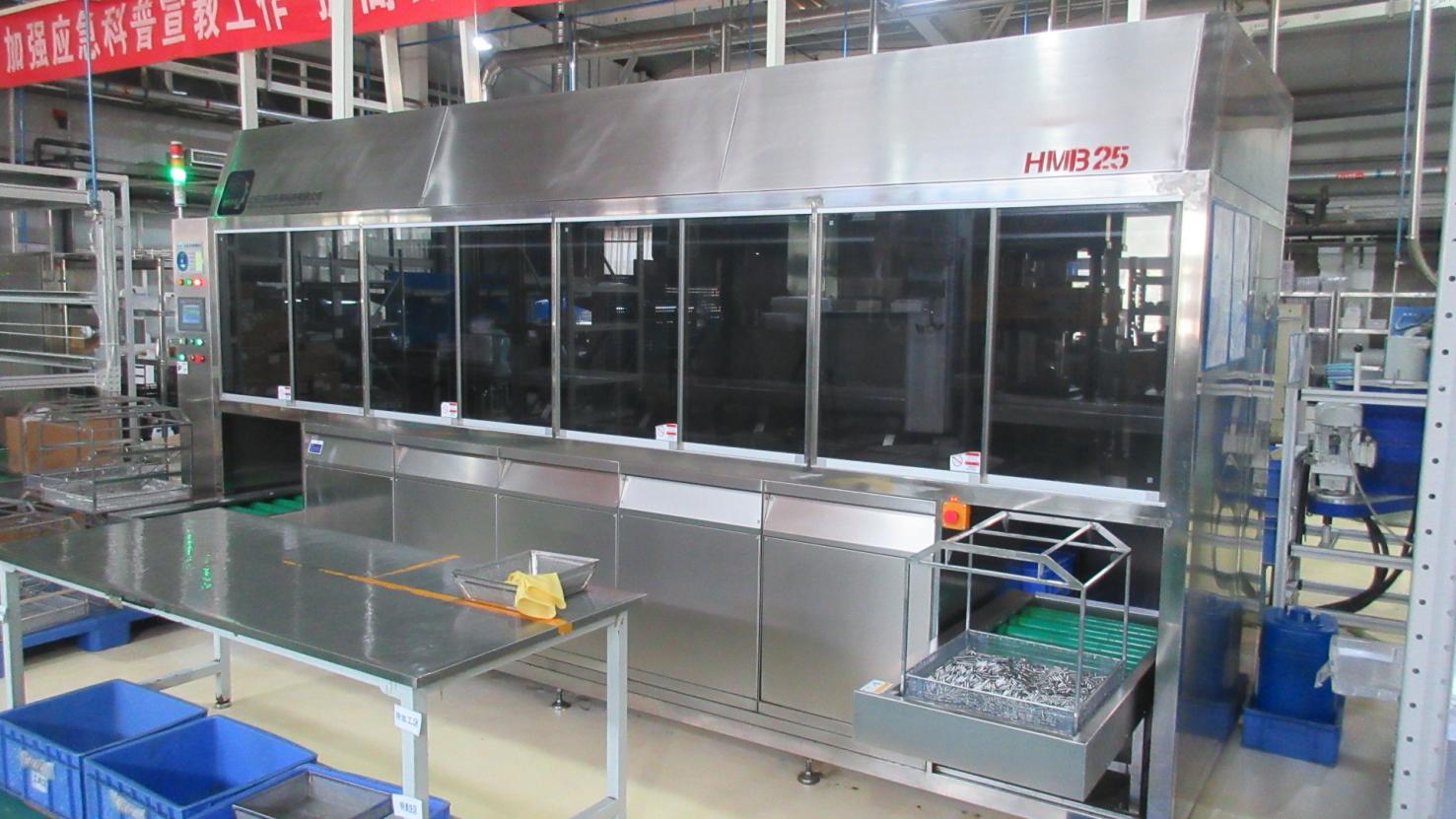
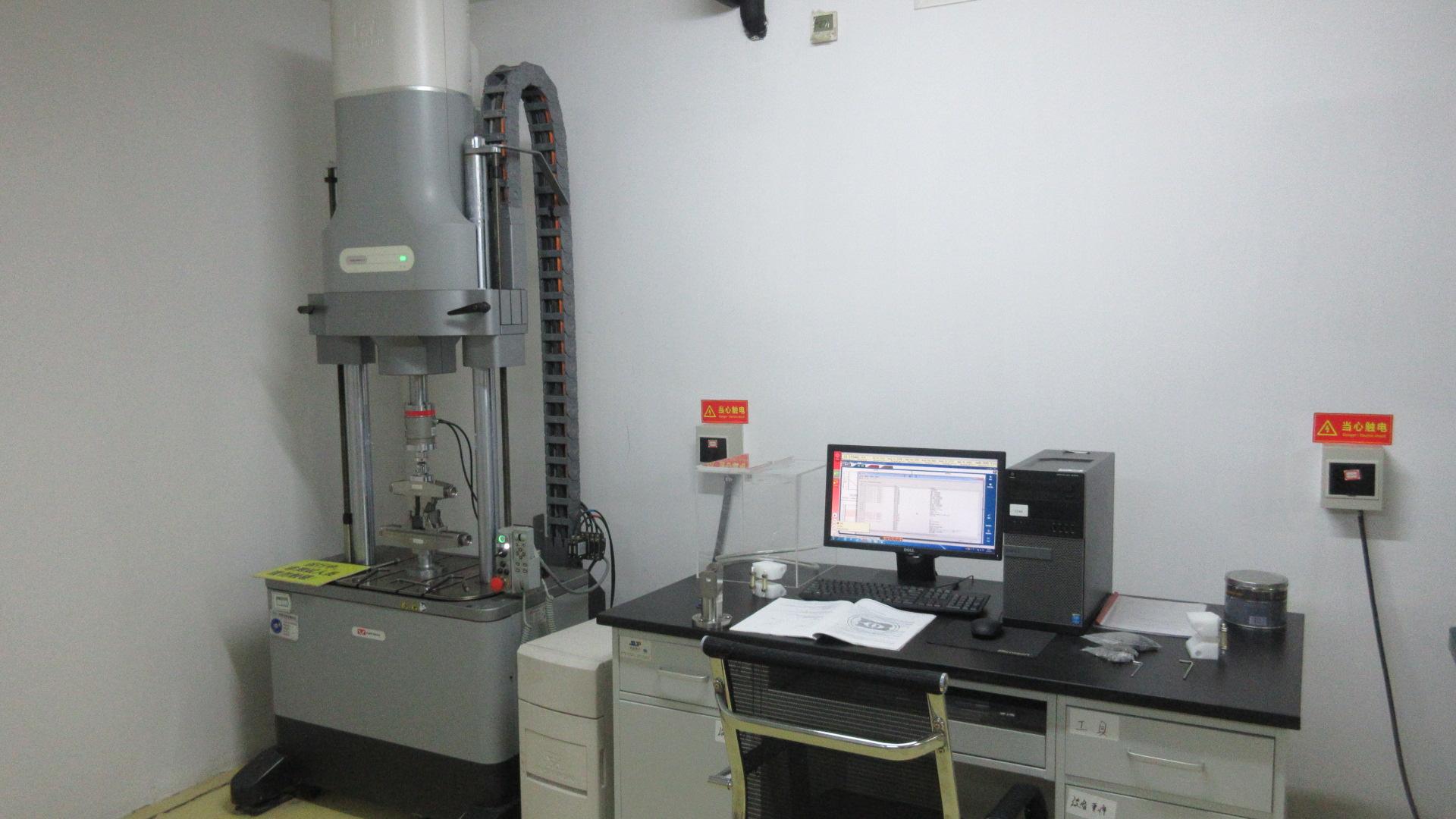
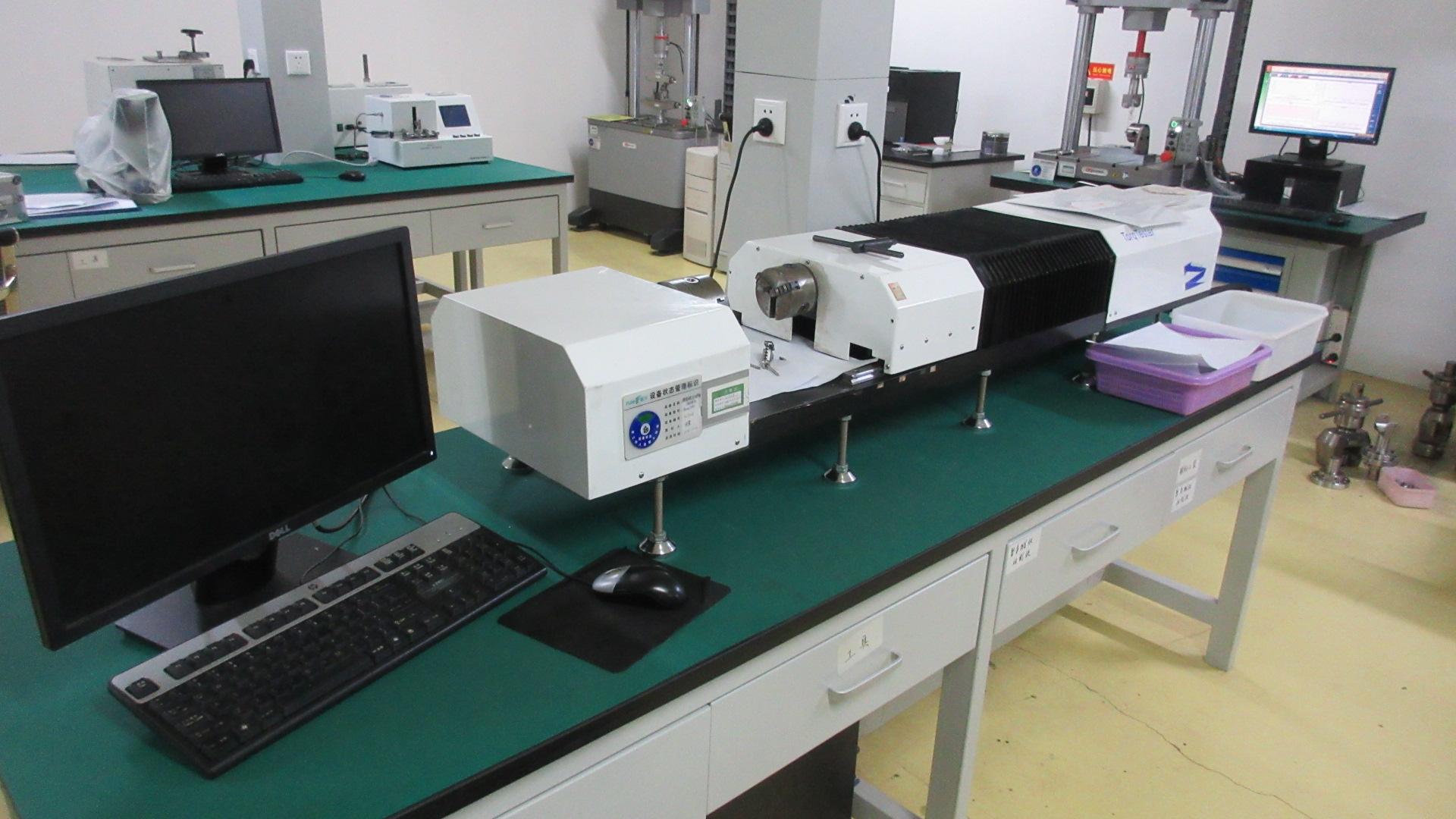
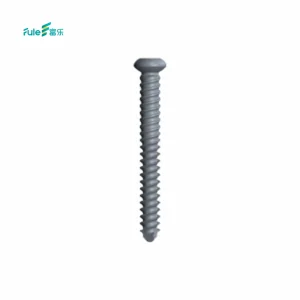
Precision-focused implant designs engineered for challenging anatomical regions and complex fractures.
Specifically designed for proximal femoral fractures, particularly trochanteric and subtrochanteric injuries in osteoporotic patients. The helical/spiral blade design compacts the cancellous bone during insertion, providing optimal resistance to cut-out and axial rotation compared to traditional locking screws.
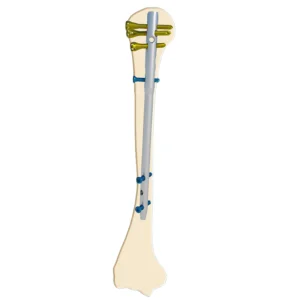
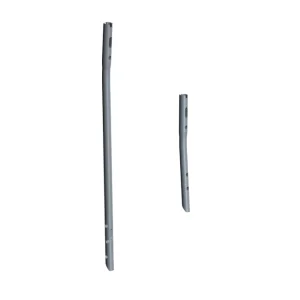
For diaphyseal humeral fractures and non-unions. Multi-dimensional proximal locking configurations allow secure fixation in poor-quality bone, while low-profile distal configurations minimize soft tissue irritation and preserve rotator cuff function.
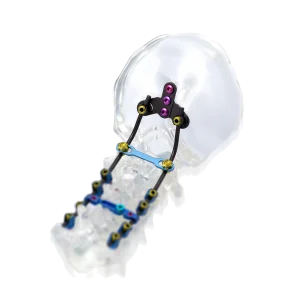
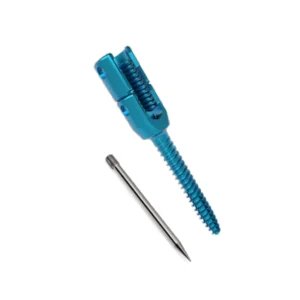
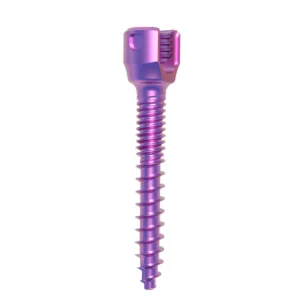
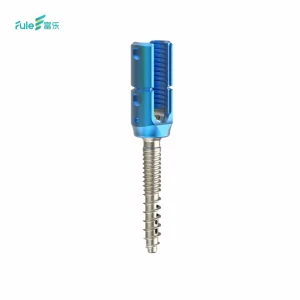
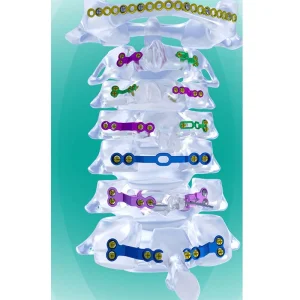
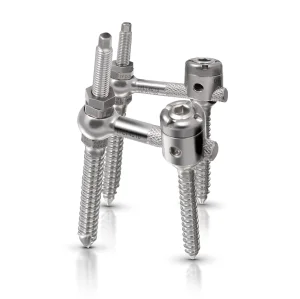
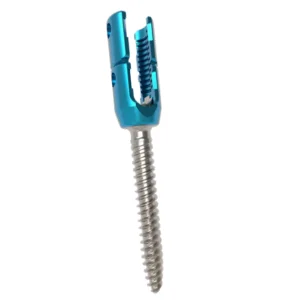
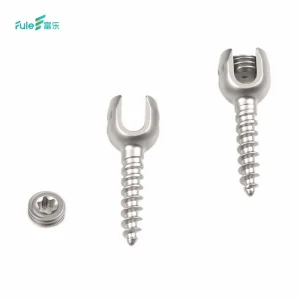
Our posterior spinal screw-rod and pedicle systems address degenerative disc disease, spinal stenosis, spondylolisthesis, and spinal trauma. They offer expandable options for osteoporotic bone, providing multi-axial angles for simplified insertion and strong pull-out resistance.
Developing next-generation implants with advanced surfaces and digital integration to improve patient outcomes.
Our research and development team is developing nanostructured hydroxyapatite and titanium oxide coatings. These treatments encourage rapid osseointegration, establishing direct bone-to-implant contact and reducing healing times.
In addition to titanium, we are evaluating carbon-fiber-reinforced PEEK components. PEEK's elastic modulus is similar to human bone, which helps distribute mechanical stress more evenly and reduce stress-shielding risks in long-term fixations.
We are integrating selective laser melting (SLM) metal 3D printing into our production. This technology will allow us to manufacture custom, porous implant structures that support natural bone ingrowth for complex bone reconstructions.
Technical guidance and material specifications for orthopedic surgeons, purchasing agents, and medical distributors.
The helical blade provides bone compaction during insertion, preserving cancellous bone in osteoporotic patients. It increases the contact surface area and converts lateral forces into axial compression, reducing the risk of rotational displacement and femoral head cut-out.
We use medical-grade Titanium-Aluminum-Vanadium alloy (typically Ti-6Al-4V ELI conforming to ASTM F136). This material is chosen for its high fatigue strength, corrosion resistance, low density, and biocompatibility profile.
Yes, implants made from Ti-6Al-4V are non-ferromagnetic. They are considered MRI-conditional under standard clinical imaging conditions, which helps minimize susceptibility artifacts during postoperative MRI scans.
Our 15 QA/QC inspectors examine every implant. This process includes coordinate measuring machine (CMM) dimensional checks, thread pitch verification, surface roughness assessment, and optical inspections to ensure each unit meets engineering specifications before sterilization and packaging.
Yes. We offer customization options including design adjustment, customized dimensions, and OEM manufacturing based on technical drawings. Our production facility is equipped to handle custom production runs to meet specific regional requirements.
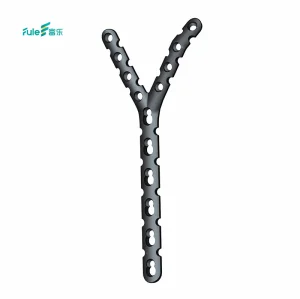
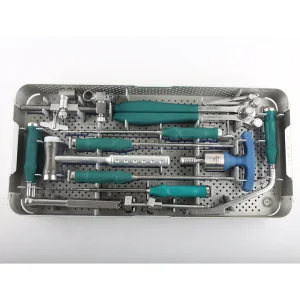
Explore our spinal instrumentation and plate systems, manufactured to high standards of clinical safety and performance.
 Beren Science & Technology