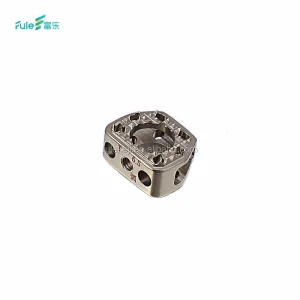
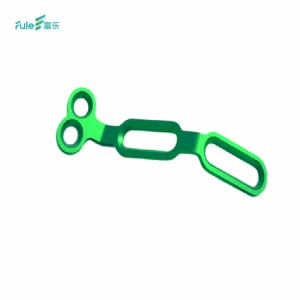
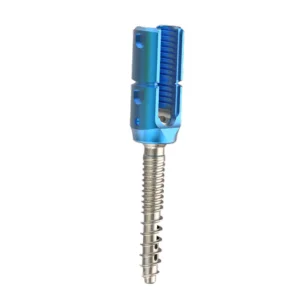
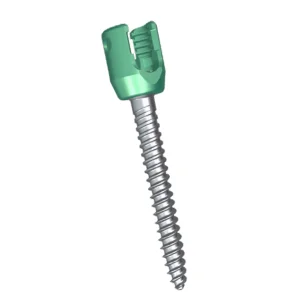
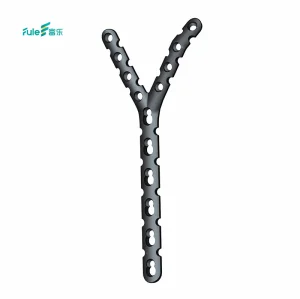
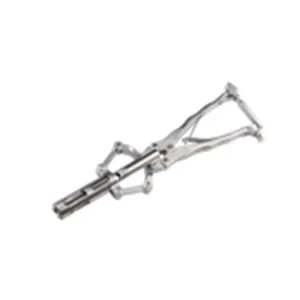
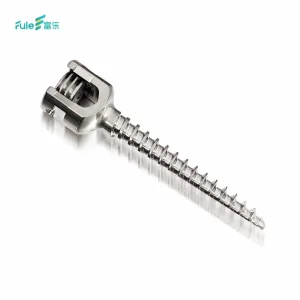
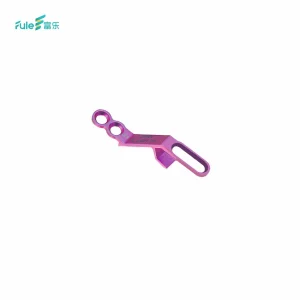
CE-Certified Posterior Orthopedic Screw-Rod Systems and Cranio-Maxillofacial Fixation Solutions
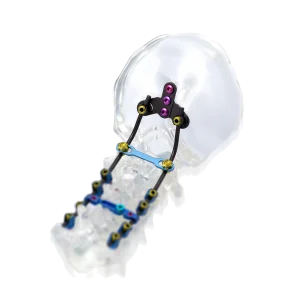
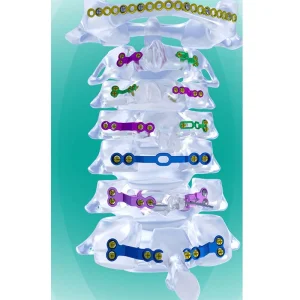
In modern spinal reconstructive surgery, stabilizing the craniovertebral junction (CVJ) combined with posterior thoracic instrumentation represents one of the most challenging biomechanical objectives. The Occipitocervical Thoracic Posterior Spinal System serves as the definitive mechanical solution for pathologies compromising the structural integrity of the upper spine. This system provides critical stabilization for complex conditions, including atlantoaxial subluxation, advanced rheumatoid arthritis of the cervical spine, high-energy traumatic fracture-dislocations, osteolytic neoplastic metastases, and congenital skeletal dysplasias.
From a macroscopic industry perspective, the design paradigms of orthopedic implants have evolved rapidly. Advanced manufacturers have transitioned from rigid, monolithic fixation constructs to modular, load-sharing biomechanical architectures. These systems accommodate the unique micro-anatomy of the occipital bone and the complex pedicular geometry of the cervical and thoracic vertebrae. This minimizes the risk of construct failure, implant translation, and proximal junctional kyphosis (PJK).
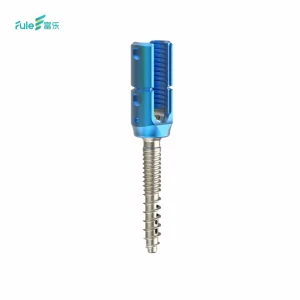
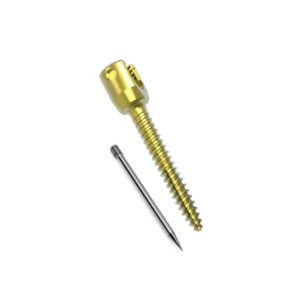
Our system integrates variable-angle occipital plates and polyaxial pedicle screws. These design features allow surgeons to customize implant placement to accommodate significant anatomical variations across diverse patient populations.
By minimizing the volumetric footprint of our posterior plates and rod connectors, we reduce soft tissue irritation. This structural design helps prevent post-operative muscle tension and wound dehiscence in the suboccipital region.
Backed by 30 Years of Specialized R&D and Certified Surgical Quality Management
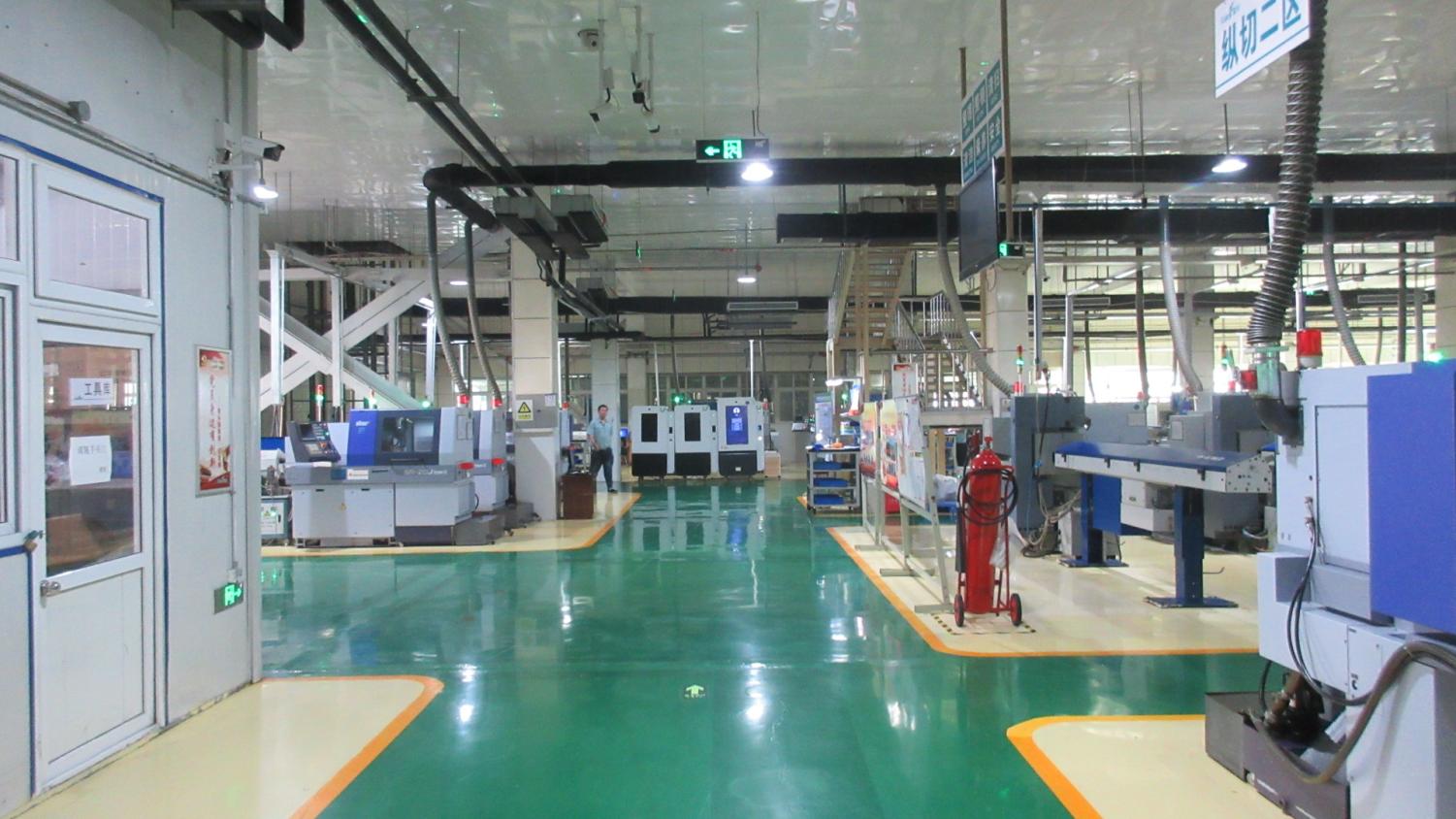
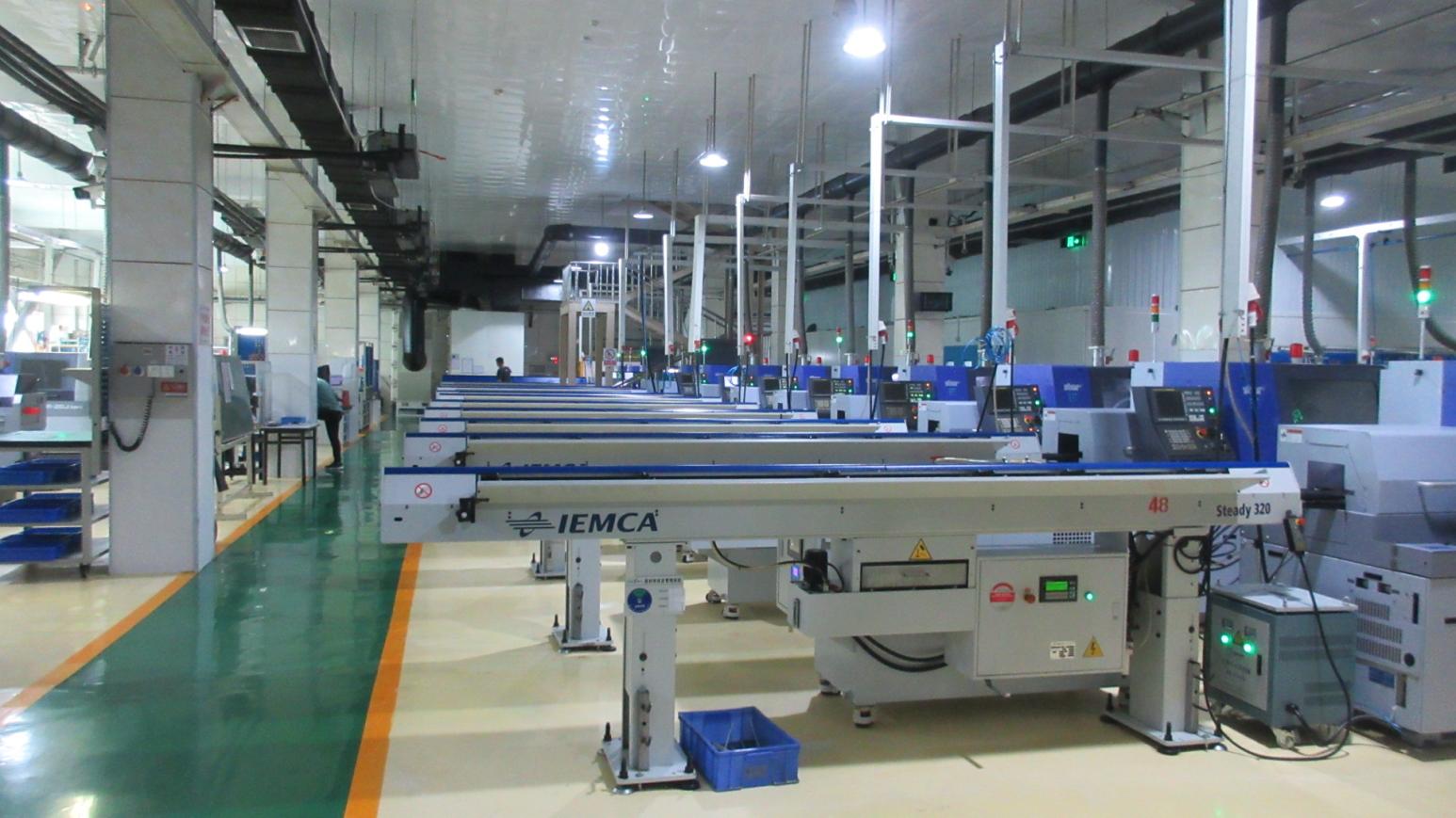
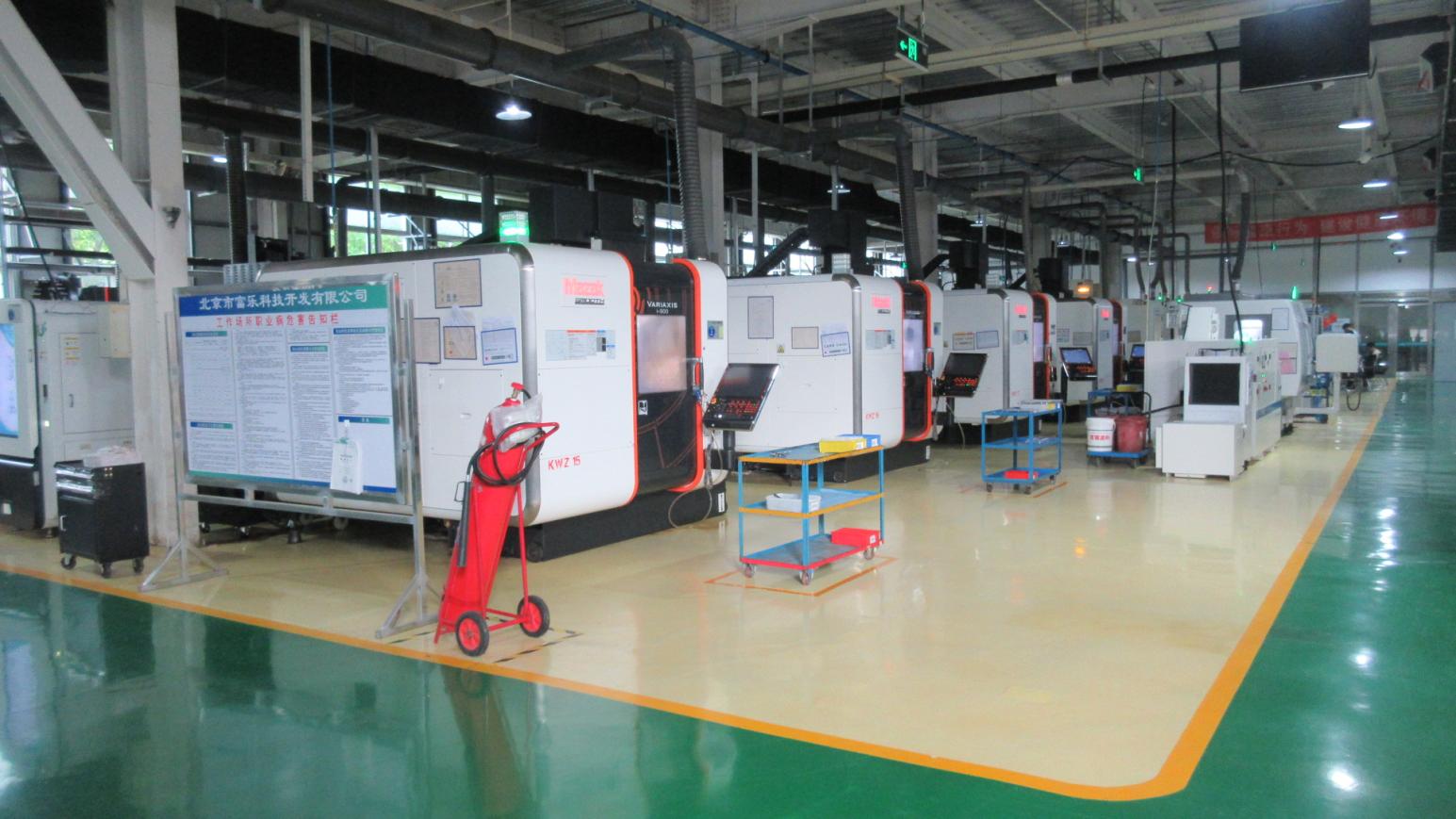
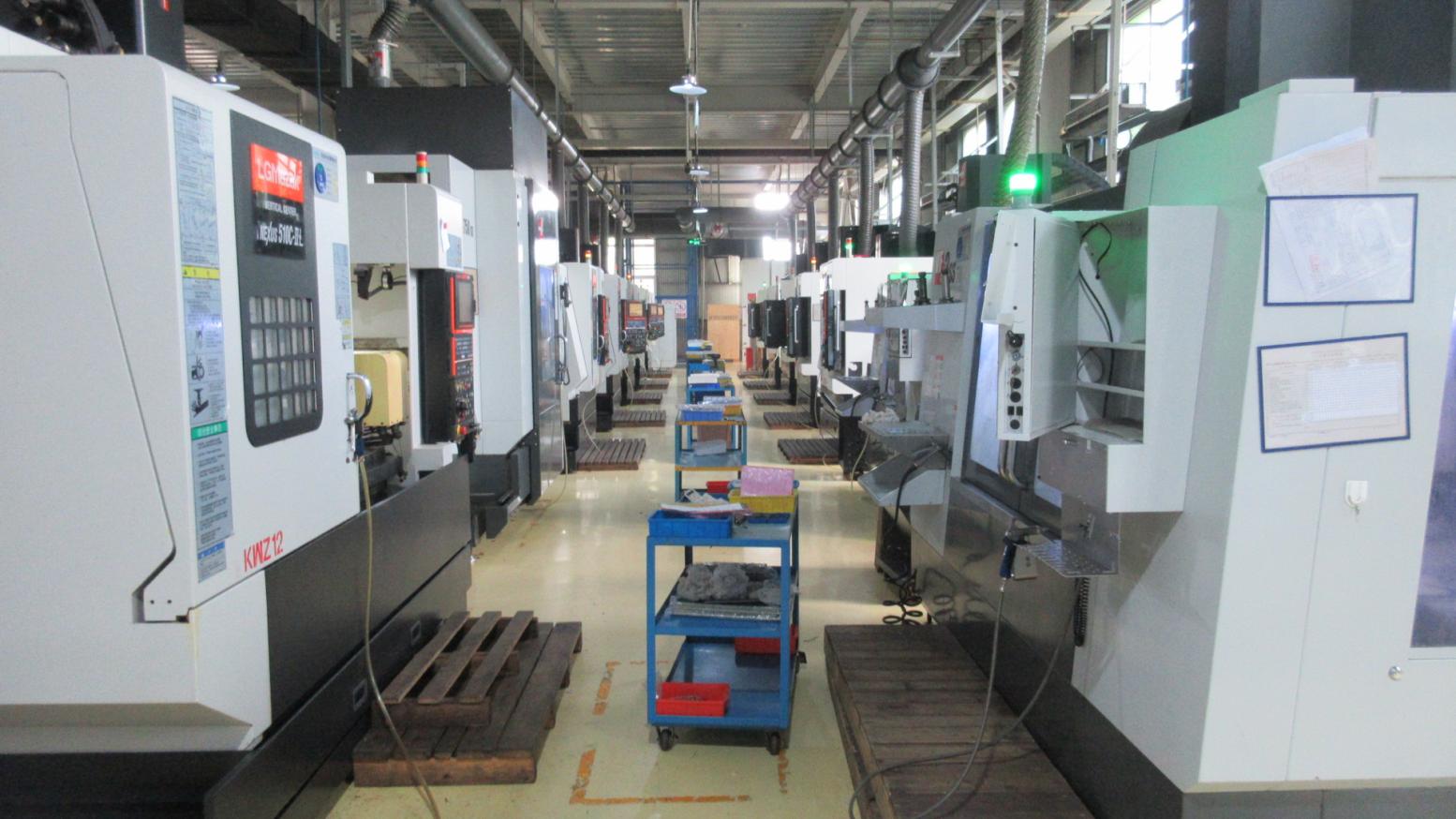
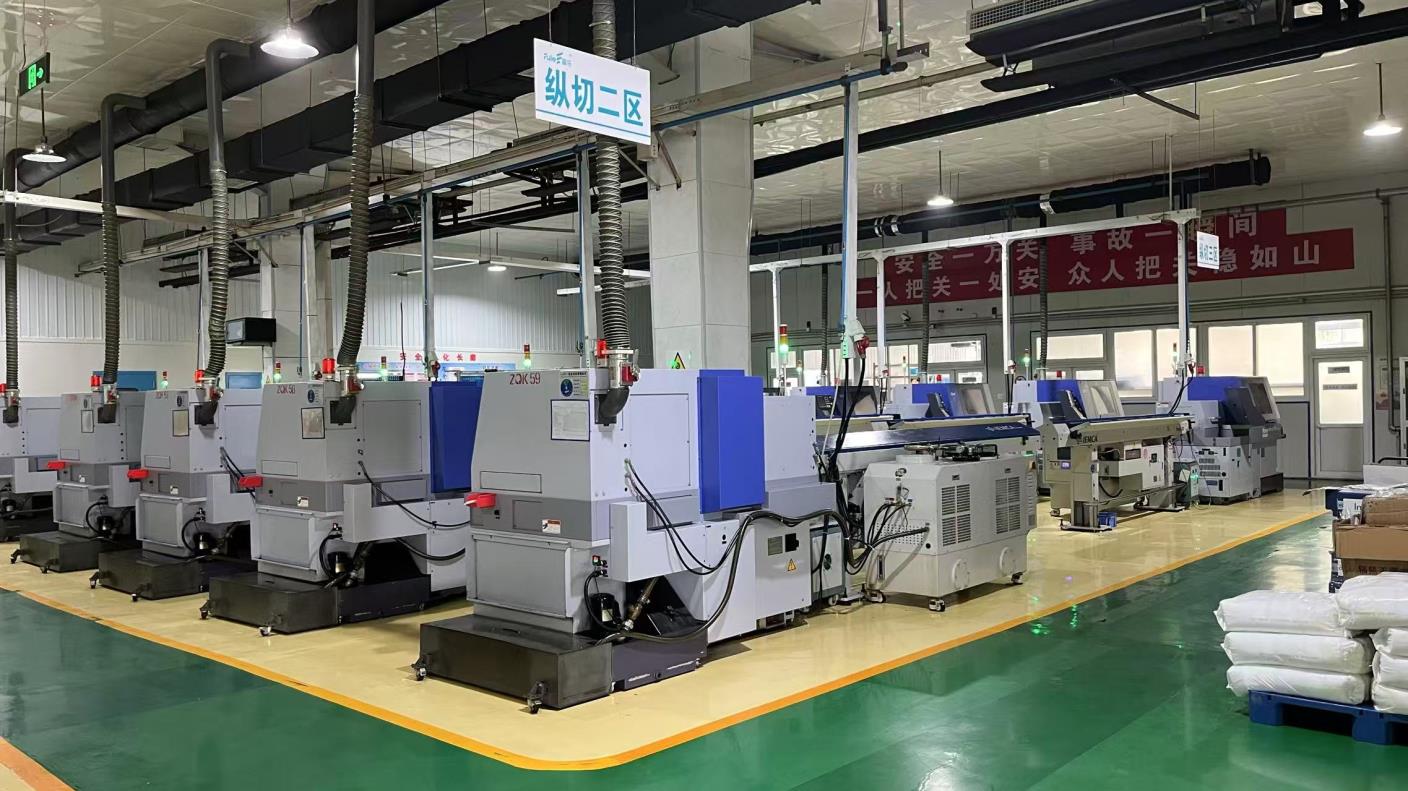
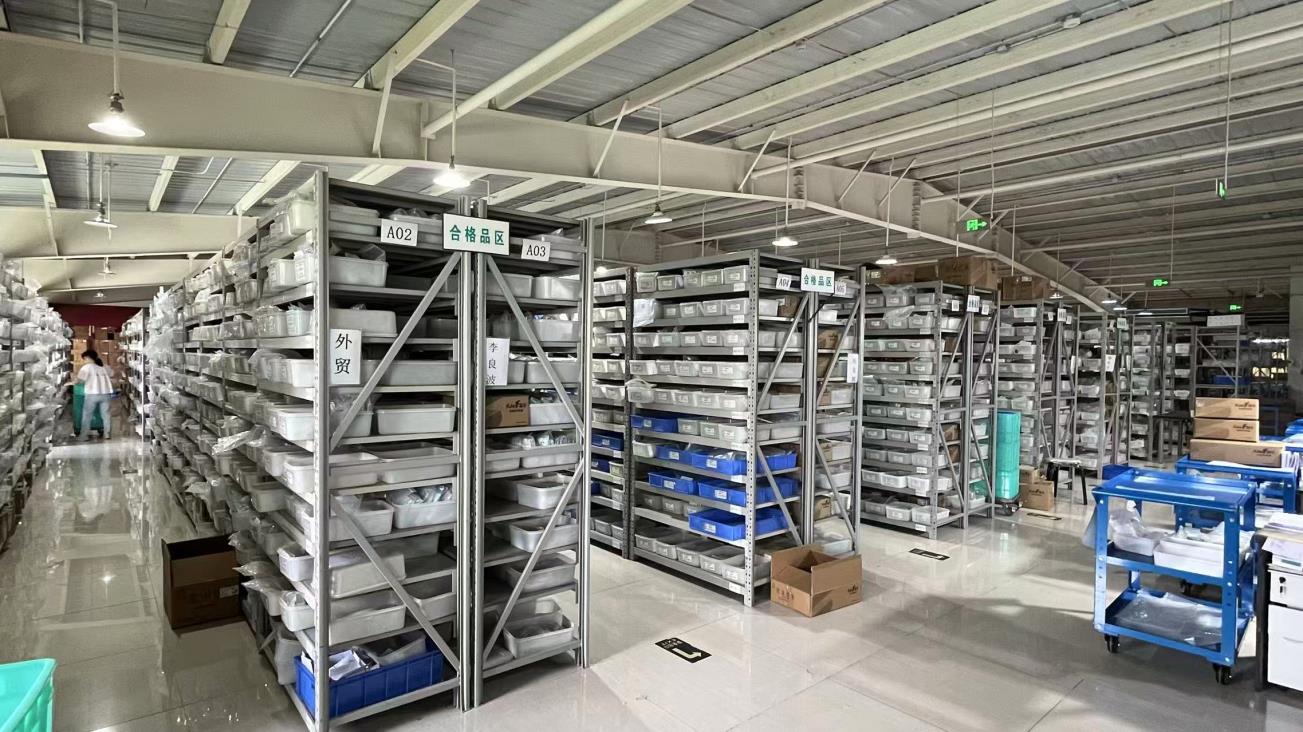
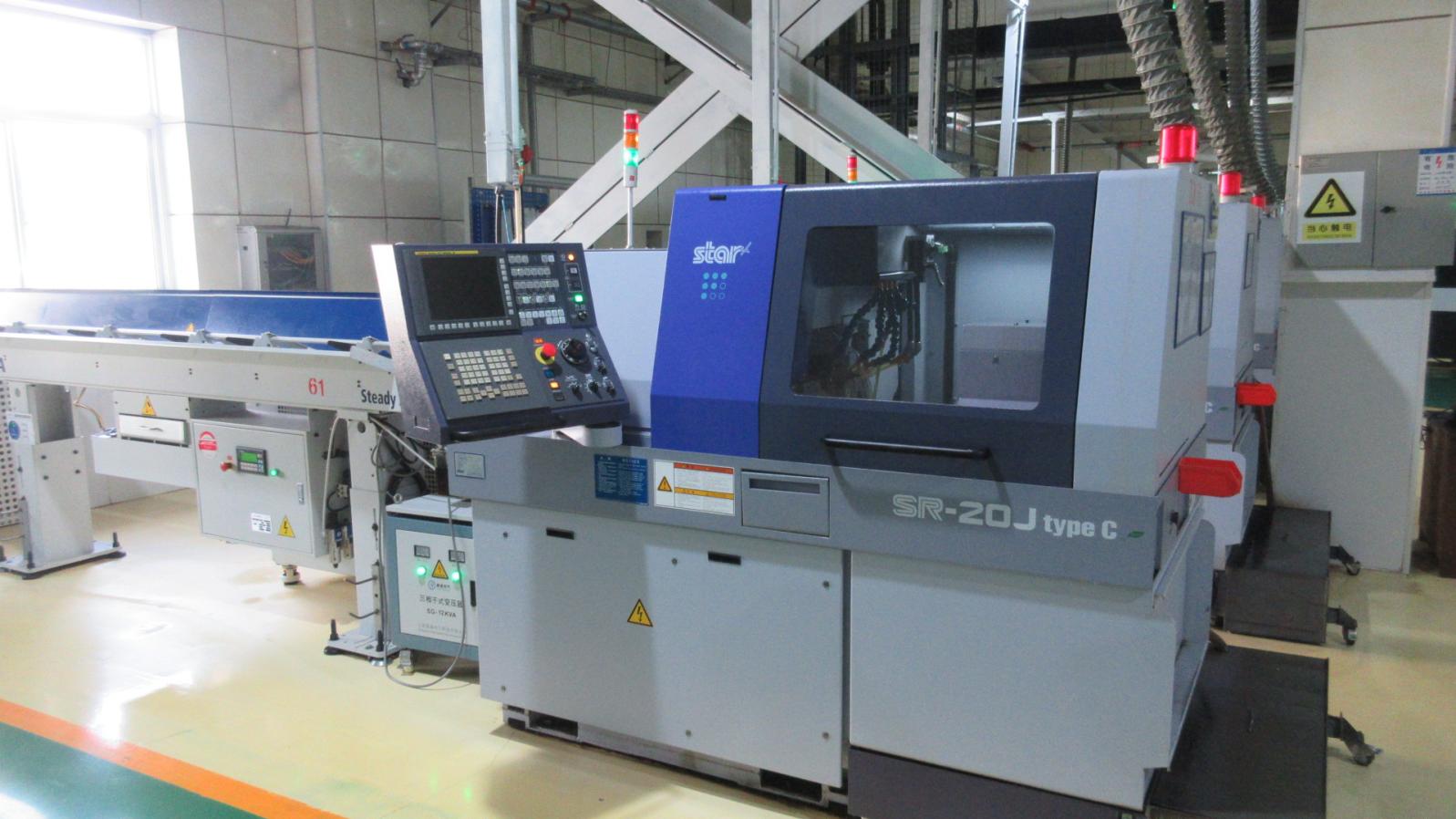
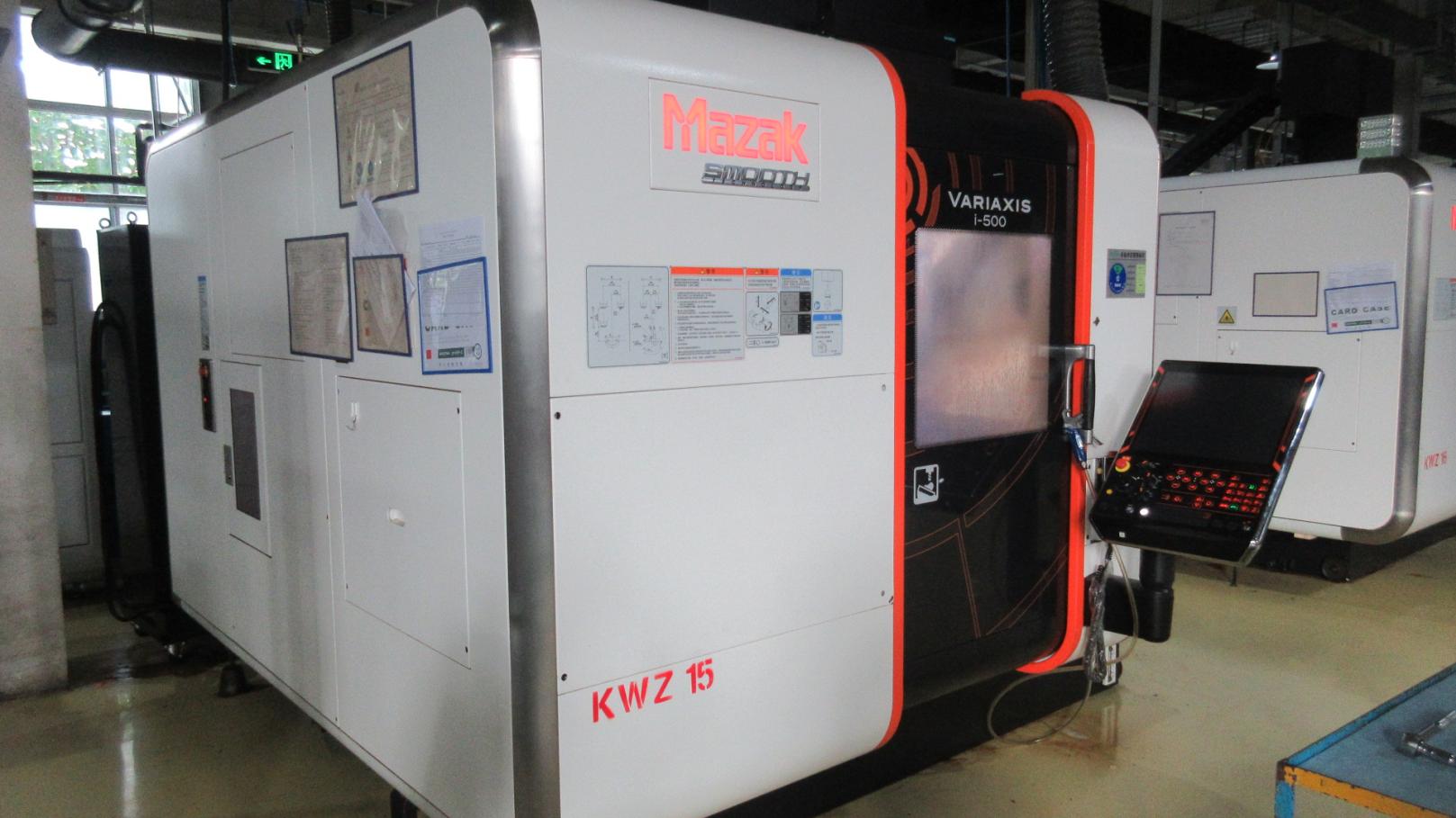
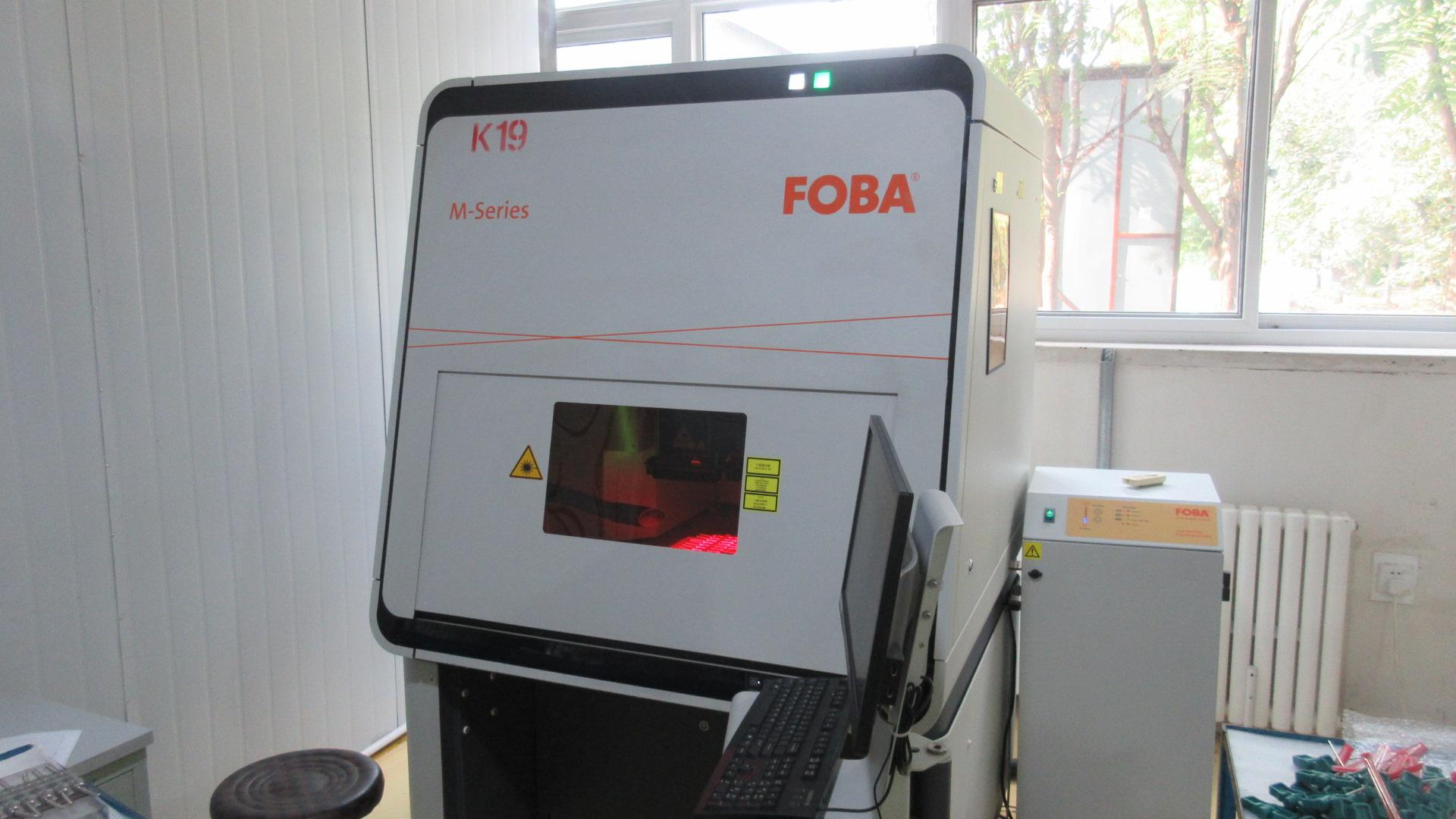
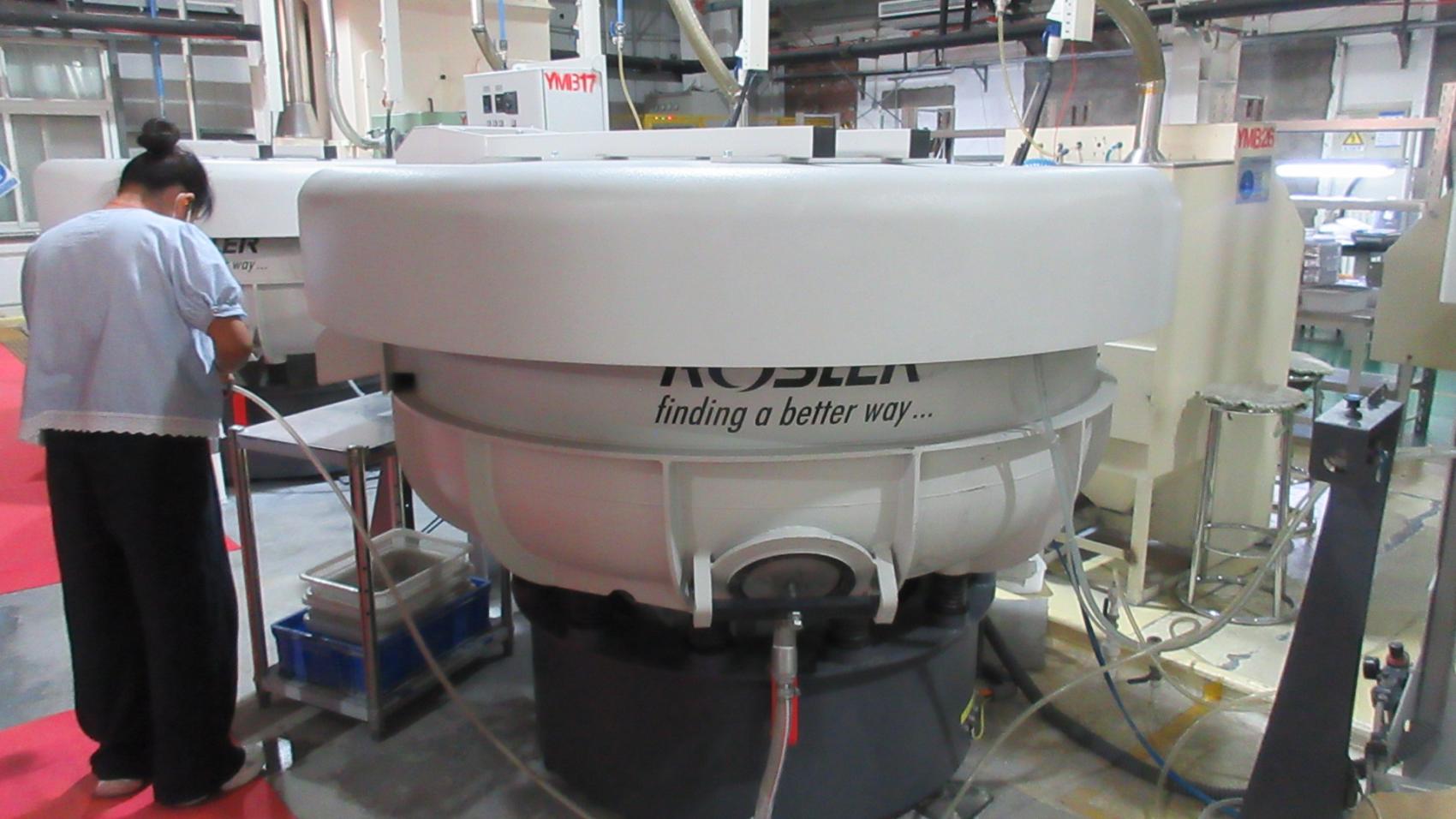
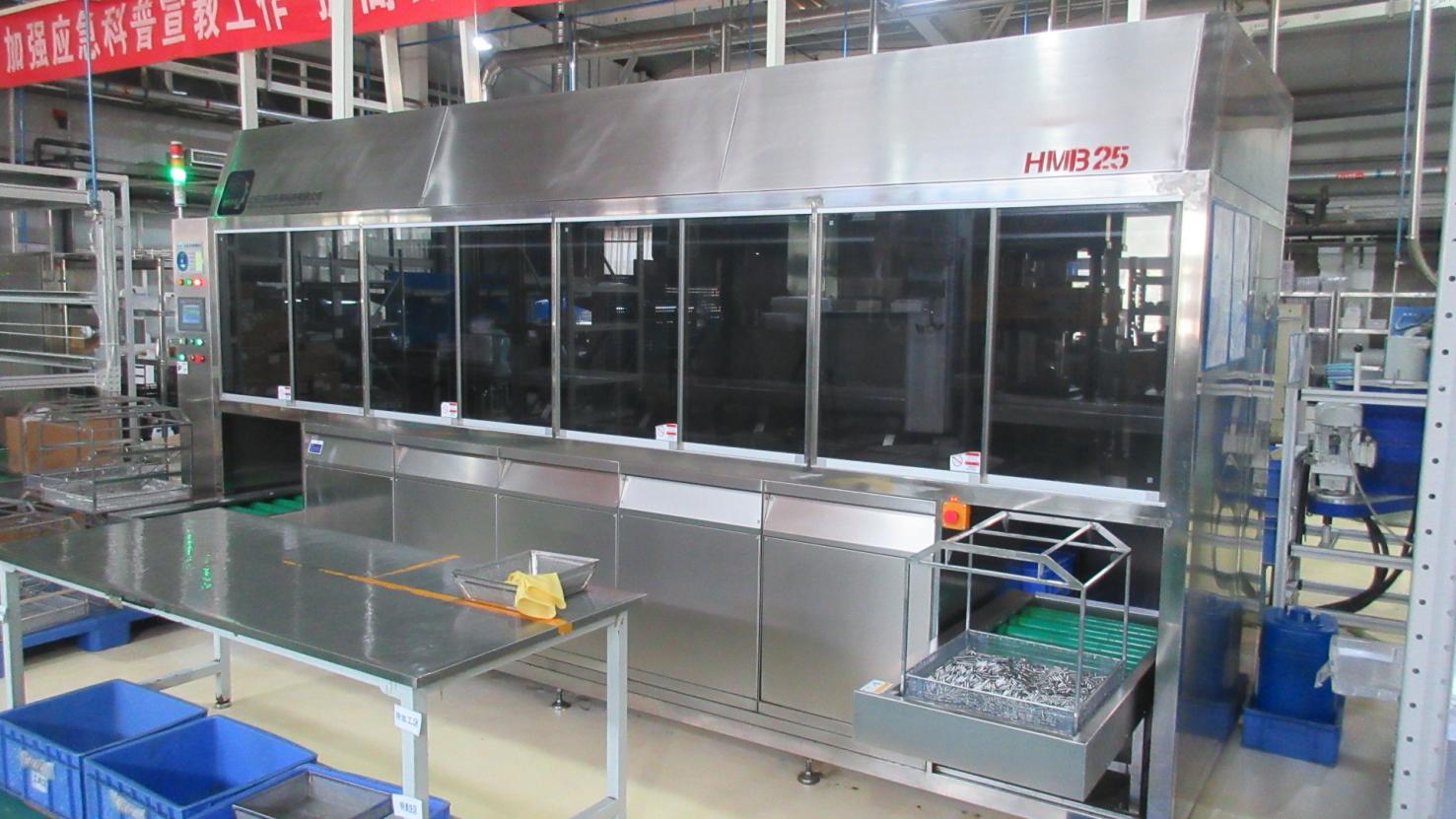
Operating out of a modern 10,000 square-meter production facility, our manufacturing environment incorporates high-speed CNC Swiss-type lathes, automated wire-EDM cutting stations, and advanced surface finishing cells. These capabilities allow us to machine implants with tolerances at the micron level. We ensure traceability by inspecting 100% of our products across every step of the manufacturing pipeline.
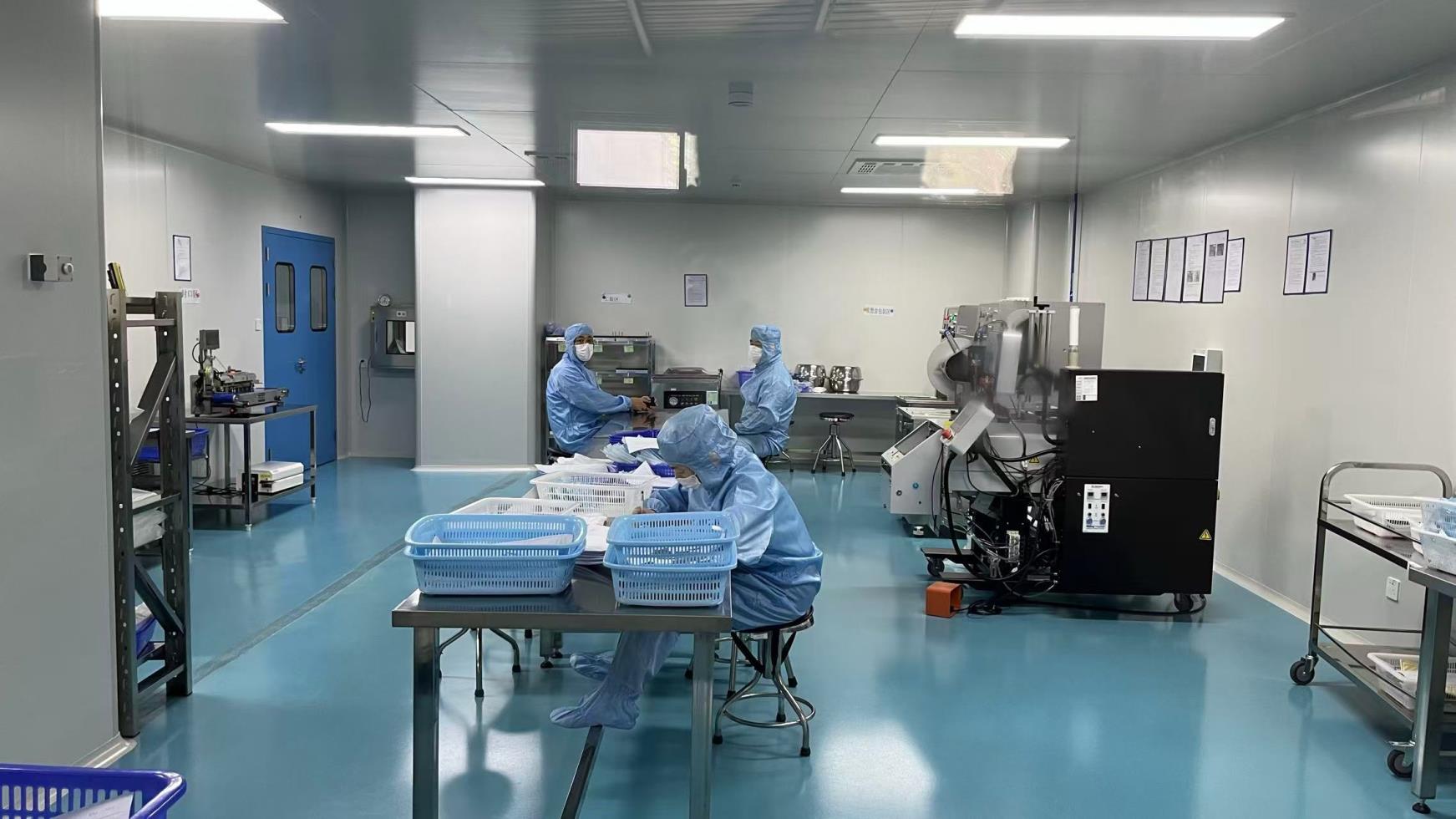
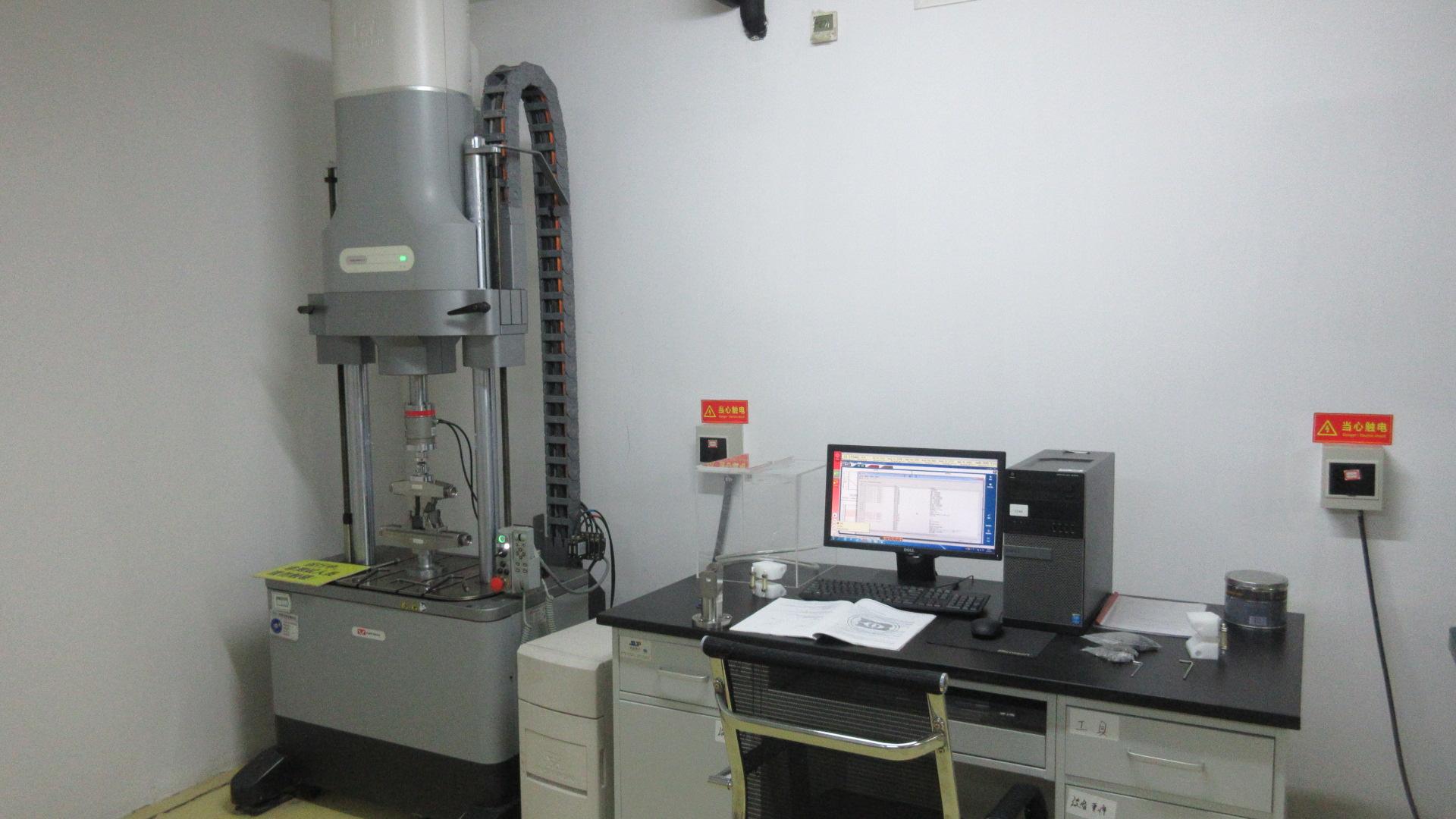
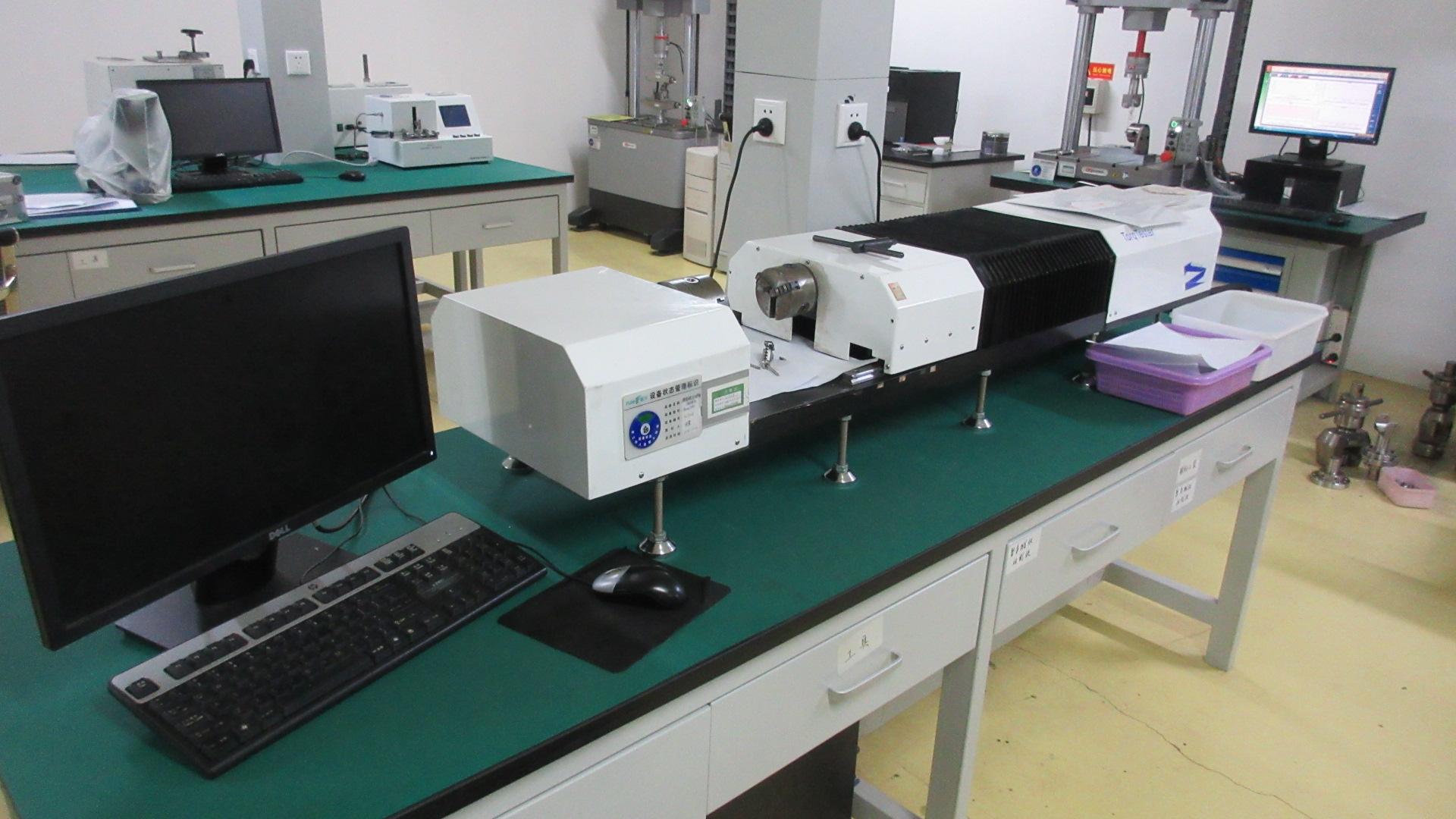
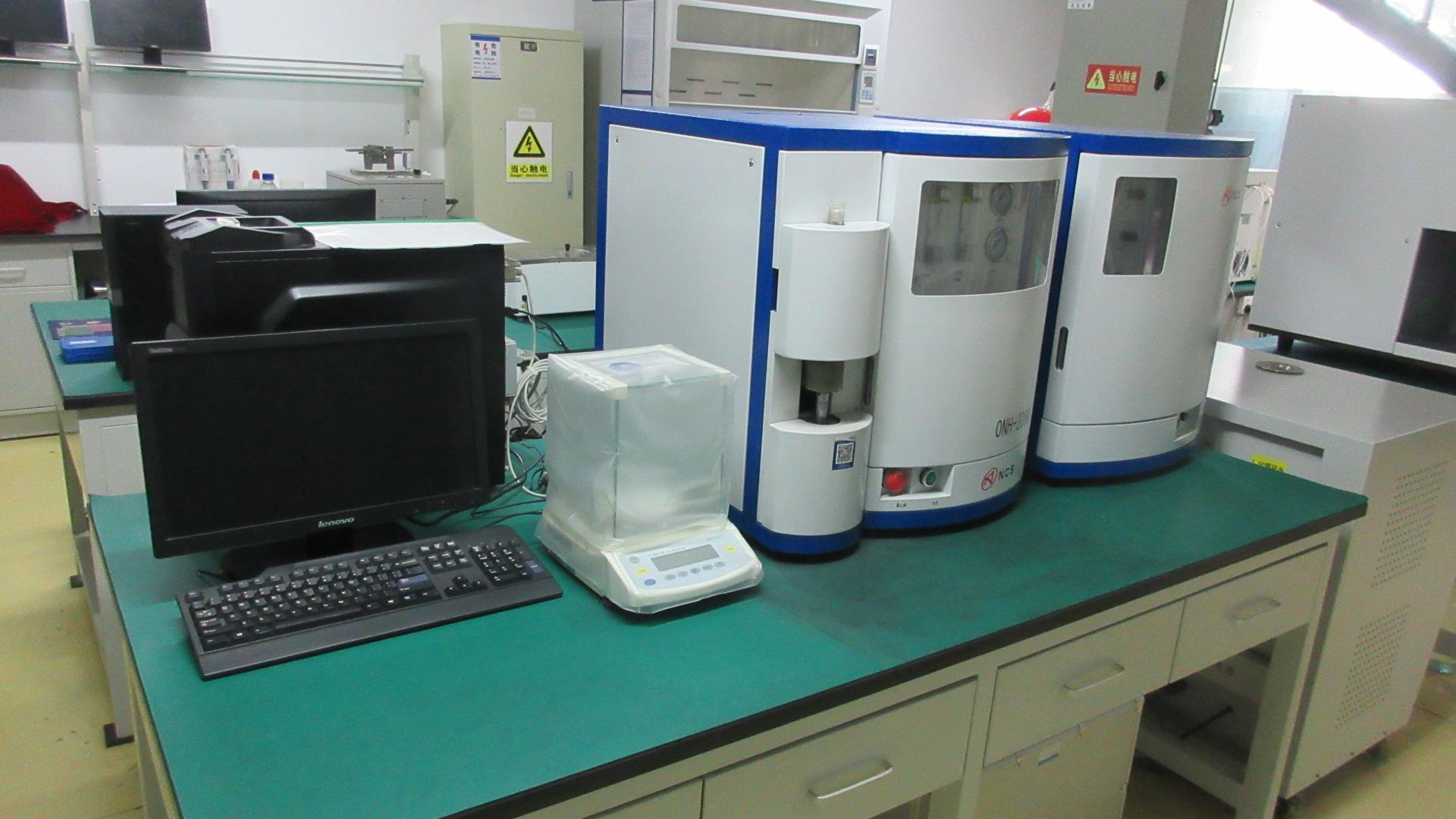
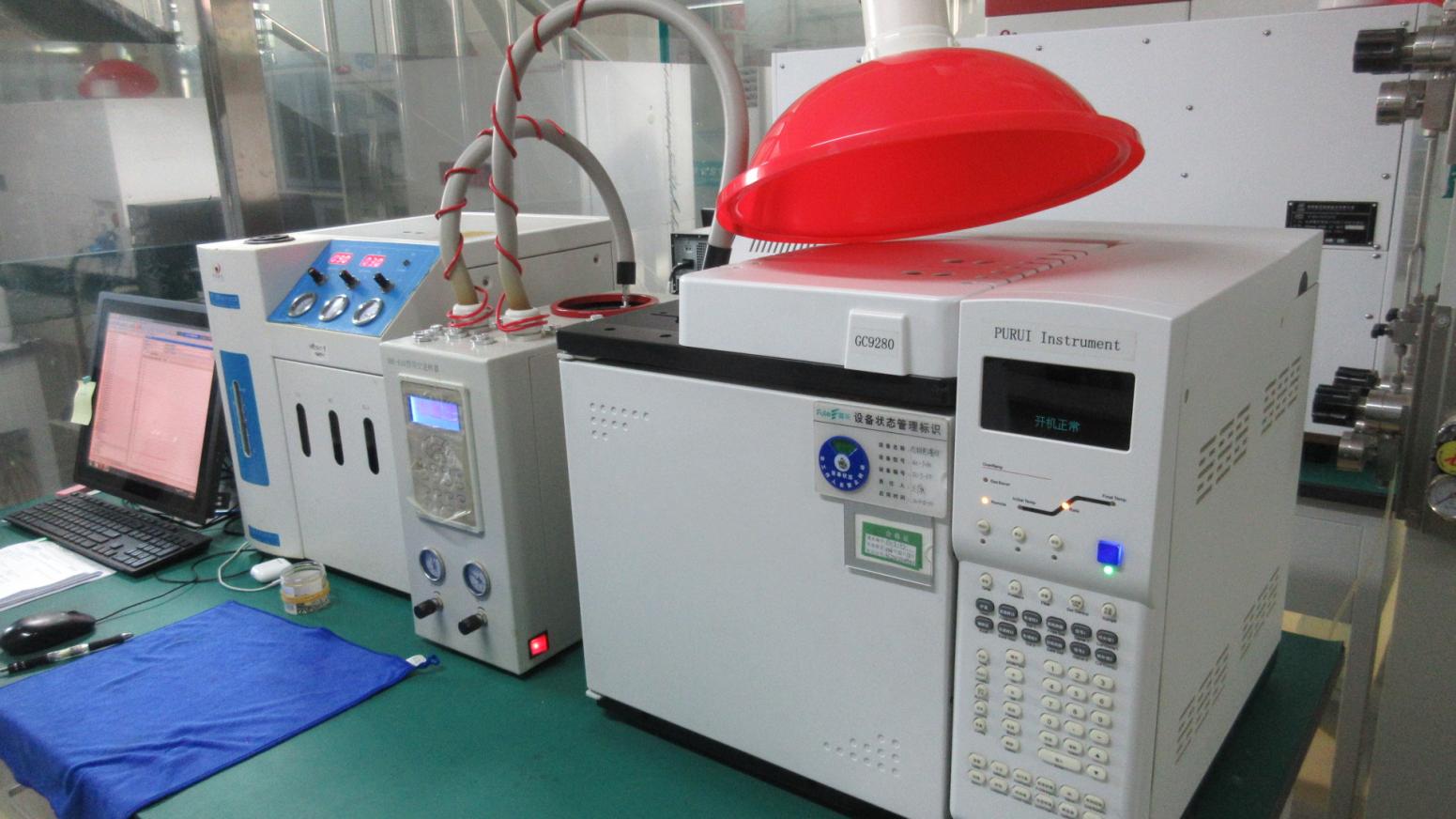
Our quality management system is fully certified to ISO13485 standards (Certification No. 04724Q10000818). A dedicated team of 15 certified QA/QC inspectors conducts rigorous testing protocols on all components. This includes coordinate measuring machine (CMM) dimensional verification, metallographic verification of medical-grade titanium alloy (Ti-6Al-4V ELI), and fatigue limit profiling under simulated anatomical loading conditions.
Visualizing the Mechanical Design and Surgical Adaptations of Posterior Fixation Systems


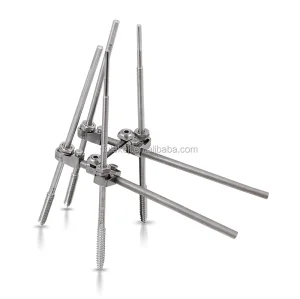
A primary failure mode of occipitocervical constructs is screw back-out or fatigue failure at the transition zone between the rigid cervical spine and the more mobile thoracic spine. To mitigate this risk, our system utilizes a dual-diameter rod configuration (typically 3.0mm to 5.5mm transition) designed to optimize load distribution. This architecture provides stiff stabilization at the craniocervical junction while allowing controlled load-sharing across the upper thoracic vertebrae.
Our implant designs utilize medical-grade titanium alloy (Ti-6Al-4V ELI) conforming to ASTM F136 specifications. This material was selected for its high strength-to-weight ratio, superior fatigue resistance, and excellent biocompatibility. The passive oxide film layer on the titanium implants minimizes ion release, protecting surrounding soft tissue from adverse reactions.
Navigating international regulatory requirements is a critical factor for global medical device procurement. Our systems are backed by CE certification and comply with major international orthopedic implant standards. We work closely with clinical and commercial partners in markets worldwide to ensure smooth localized integration.
Our quality management system is fully certified to ISO 13485. This covers the entire lifecycle of our implants, from initial design and raw material sourcing through manufacturing, sterilization validation, and post-market surveillance.
Our products are cleared for distribution in several global regions. We support our local distributors with complete technical documentation, including risk analysis files, biocompatibility data, and clinical evaluation reports.
To support global supply chains, we maintain strategic partnerships that allow us to coordinate delivery times efficiently. Currently, our primary international markets include Eastern Europe (15%) and Southeast Asia (10%), alongside a strong domestic presence (40%). We partner with medical distributors, hospital groups, and surgical centers to provide reliable delivery options, including major international freight services like DHL and FedEx.
Step-by-step Visual Overview of Our Specialized CNC Manufacturing and Quality Control Processes
As digital health and surgical navigation systems continue to advance, the design of spinal implants is evolving. Our R&D team is working to integrate our posterior spinal systems with modern digital workflows. This effort focuses on three key areas of innovation:
Frequently Asked Questions Regarding Material Specifications, Assembly, and Regulatory Compliance
Browse Our Complementary Product Lines, Including Thoracolumbar Pedicle Systems and Humeral Locking Plates
 Beren Science & Technology