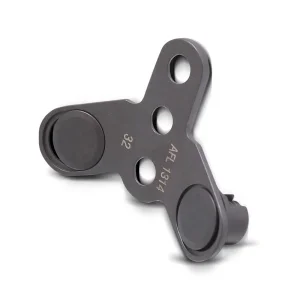
Explore our leading collection of CE-certified titanium plates, instrument sets, and spinal systems designed for optimal clinical fusion.
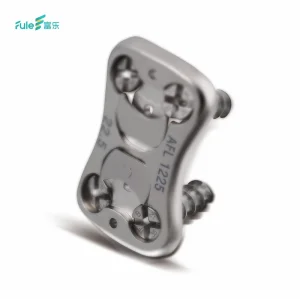
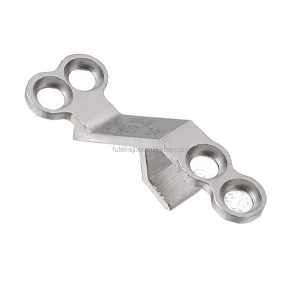
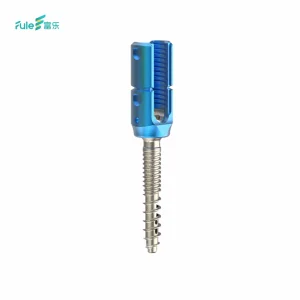
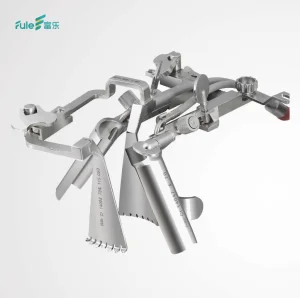
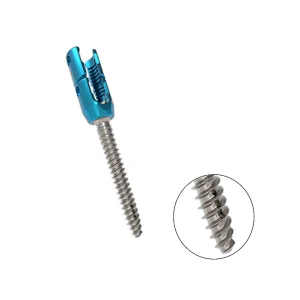
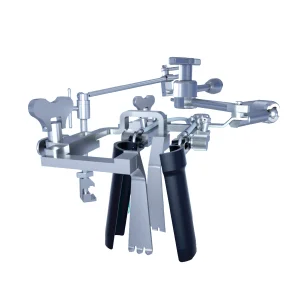
Understanding the engineering paradigm in dynamic load sharing, implant profile minimization, and cervical spinal stabilization.
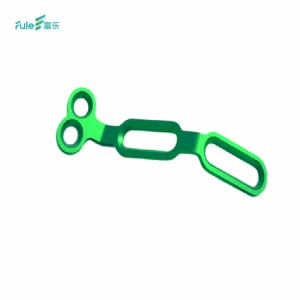
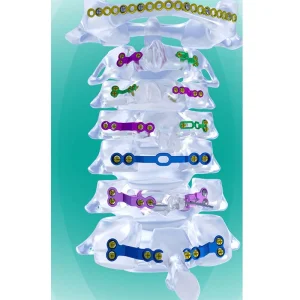
Anterior Cervical Discectomy and Fusion (ACDF) remains the gold standard for treating cervical degenerative disc disease, myelopathy, and radiculopathy. Within this surgical regime, the Anterior Cervical Plate (ACP) serves as a primary mechanical stabilizer, preventing graft displacement, facilitating load transfer, and promoting osseous fusion. As a leading anterior cervical plate exporter, we recognize that the biological success of a cervical construct depends entirely on balancing structural rigidity with natural load sharing.
The biomechanical evolution of spinal plate systems has shifted from rigid, static assemblies to modern dynamic configurations. Static plating ensures absolute structural immobilization, which is highly beneficial in traumatic instability or multi-level corrections. However, static systems carry the risk of "stress shielding," where the rigid titanium plate bears all the axial loading, potentially depriving the bone graft of the mechanical stimuli required for remodeling under Wolff’s Law. Dynamic cervical plates, conversely, allow controlled axial settling through slotted screw configurations. This dynamic settlement maintains constant compression across the bone graft-vertebral body interface, accelerating fusion rates and reducing the incidence of implant breakage.
Ultra-low profile constructs (less than 2.0 mm thickness) drastically minimize mechanical friction against the esophagus. This design approach clinically reduces post-operative dysphagia and tissue irritation.
One-step integrated locking covers prevent bone screw back-out. Visual and tactile feedback configurations assure the spinal surgeon of secure engagement under high angular stress.
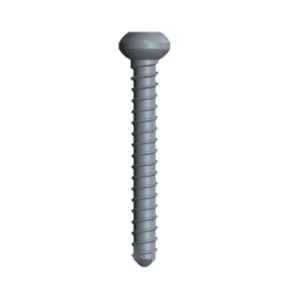
Screw holes allow convergent/divergent screw placement up to 15 degrees. This variable trajectory offers high intra-operative flexibility for challenging anatomical structures.
Material selection is critical in implant manufacturing. We utilize high-purity medical-grade Titanium Alloys (typically Ti-6Al-4V ELI conforming to ASTM F136). This material delivers an optimal balance of biocompatibility, tensile strength, fatigue resistance, and low magnetic susceptibility, facilitating post-operative MRI and CT scans. The surface is micro-anodized to create a bio-inert barrier, preventing metal ion release while optimizing osteoblast adhesion.
A statistical breakdown of our clinical engineering and export logistics capabilities, ensuring reliable supply to over 70 global partners.

A guide for international distributors navigating orthopedic implant imports, ISO registration, and manufacturing audit requirements.
For medical device distributors and wholesalers, importing surgical implants requires careful attention to regulatory compliance. Unlike general surgical instruments, spinal implants like the Anterior Cervical Spine Plate System are Class IIb or Class III medical devices. Therefore, a manufacturer's ISO 13485 certification and compliance with medical device standards are essential for legal market entry.
Our export facilities maintain strict adherence to quality systems. We implement complete batch traceability for all materials, from raw titanium rods to final sterile packaging. This level of traceability is vital for hospital audits and regulatory reviews. Additionally, each batch is tested for tensile strength, elongation, and surface finish consistency to ensure clinical reliability.
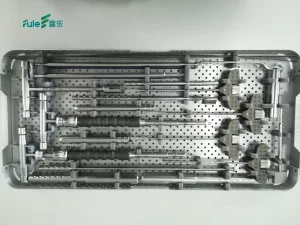
Furthermore, meeting the needs of global healthcare buyers requires customized options. Through our R&D team, we offer OEM and ODM services. This enables distributors to customize screw sizes, plate curvatures, or sterilizing trays to suit regional surgical preferences. From sample processing to scale production, our engineers use advanced CAD/CAM software to match custom requests with clinical standards.
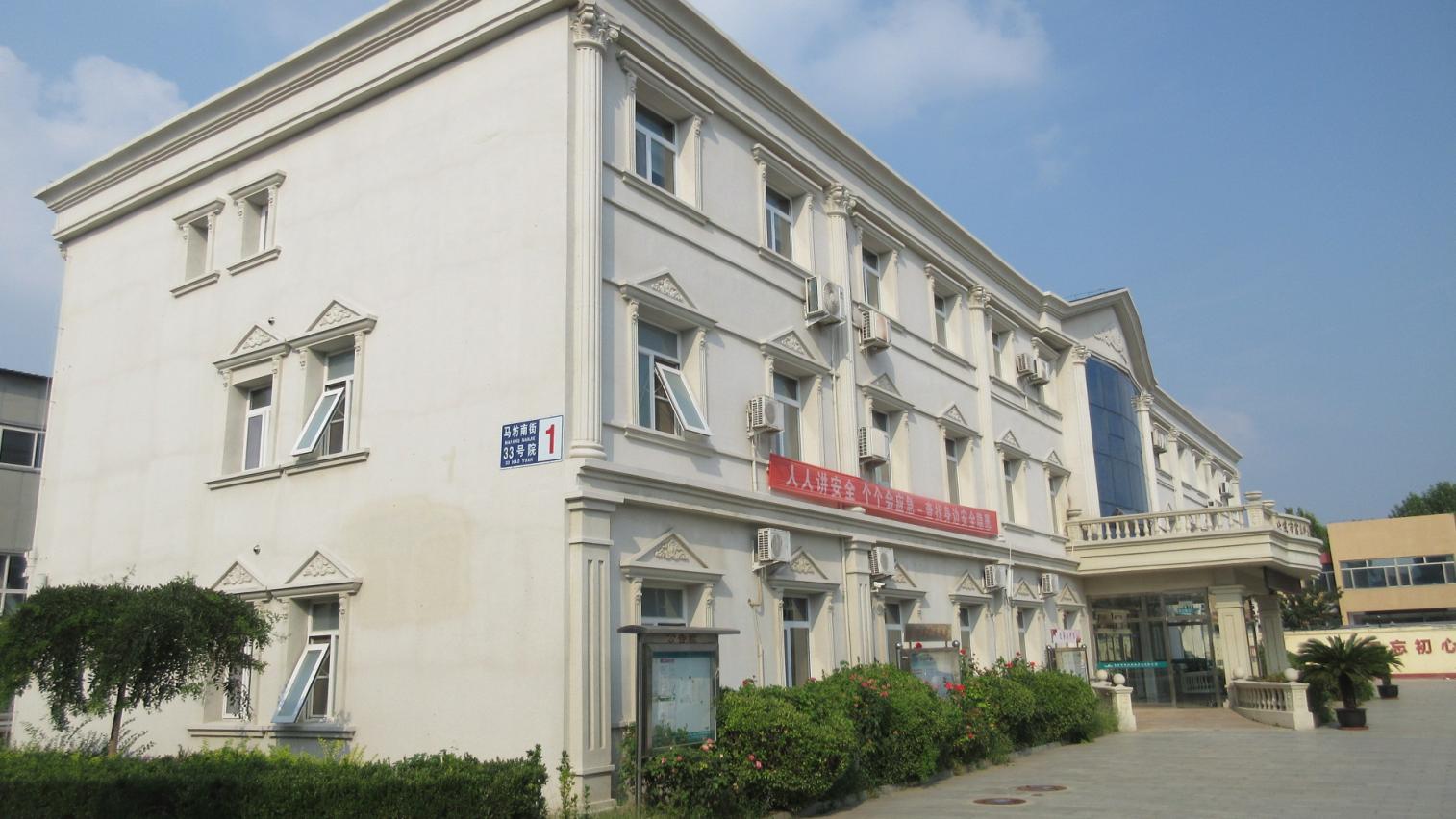
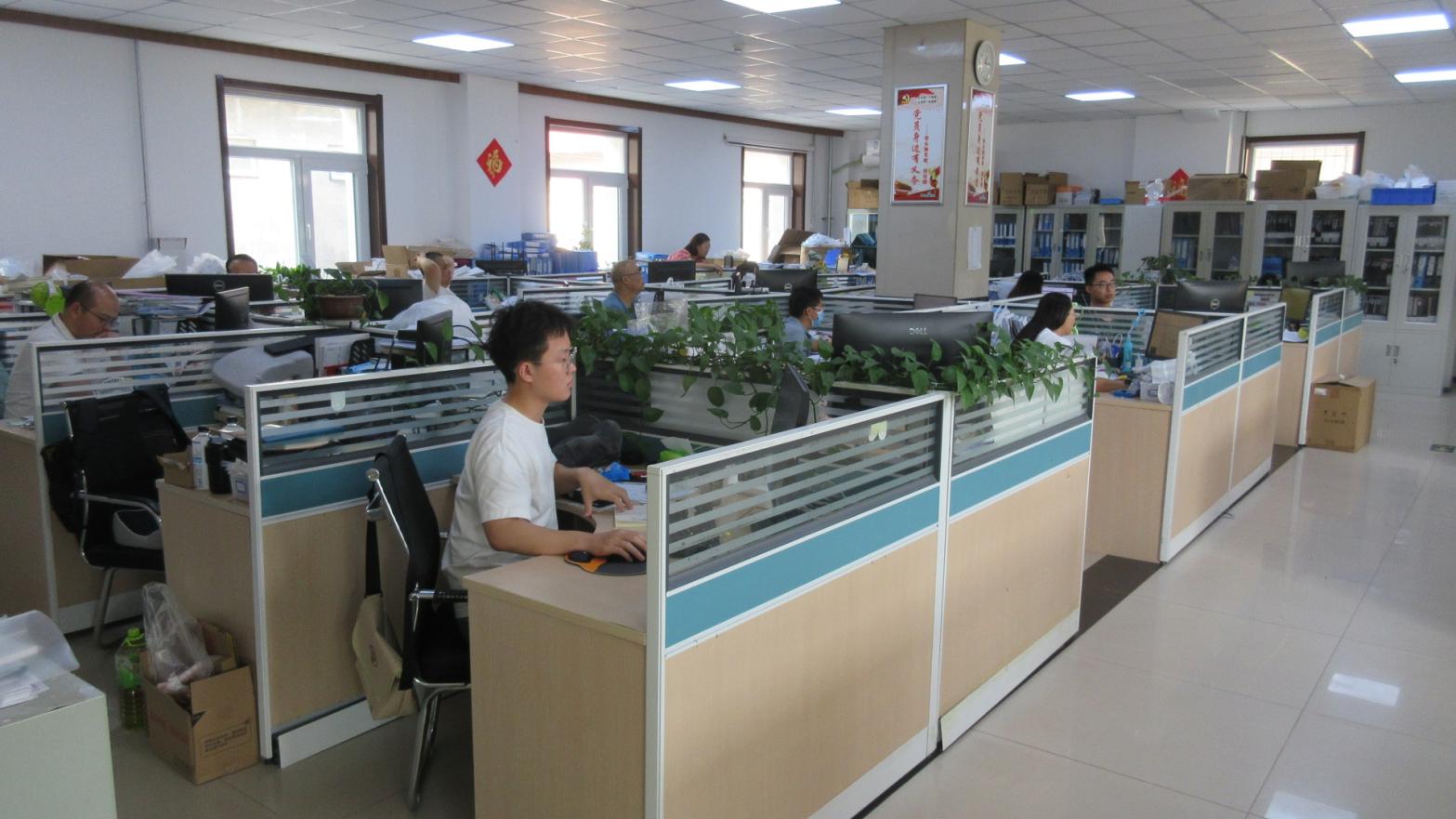
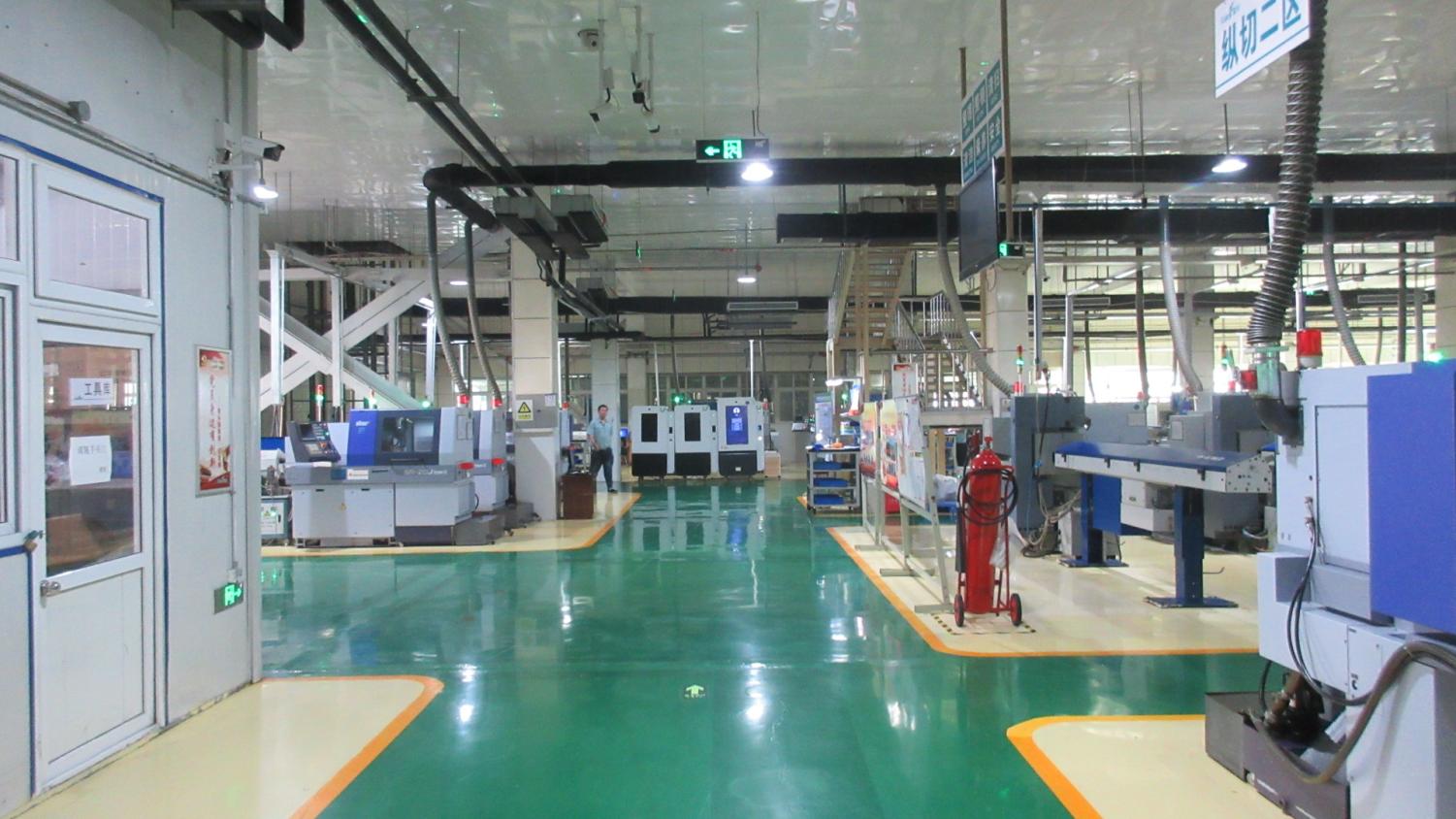
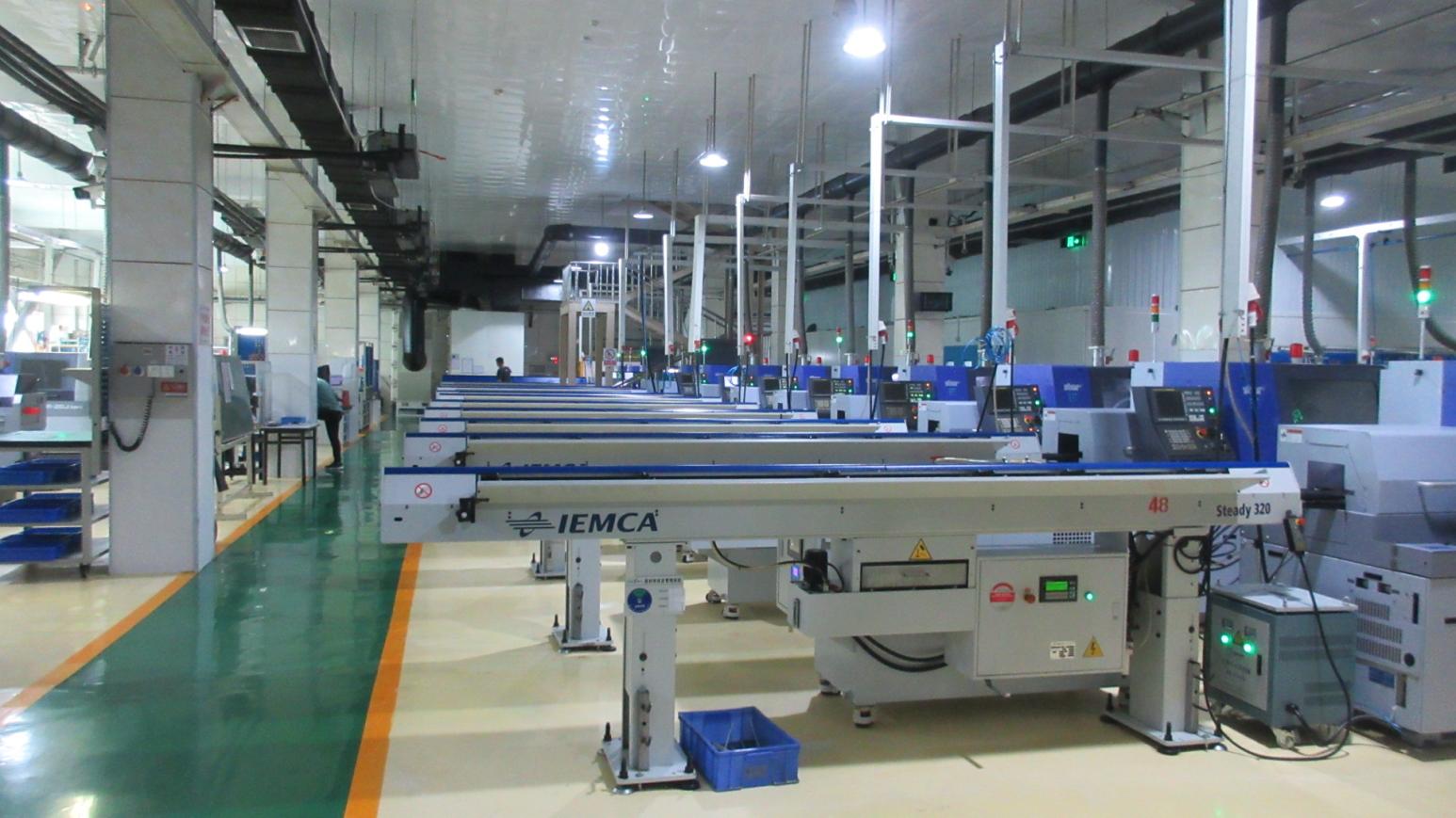
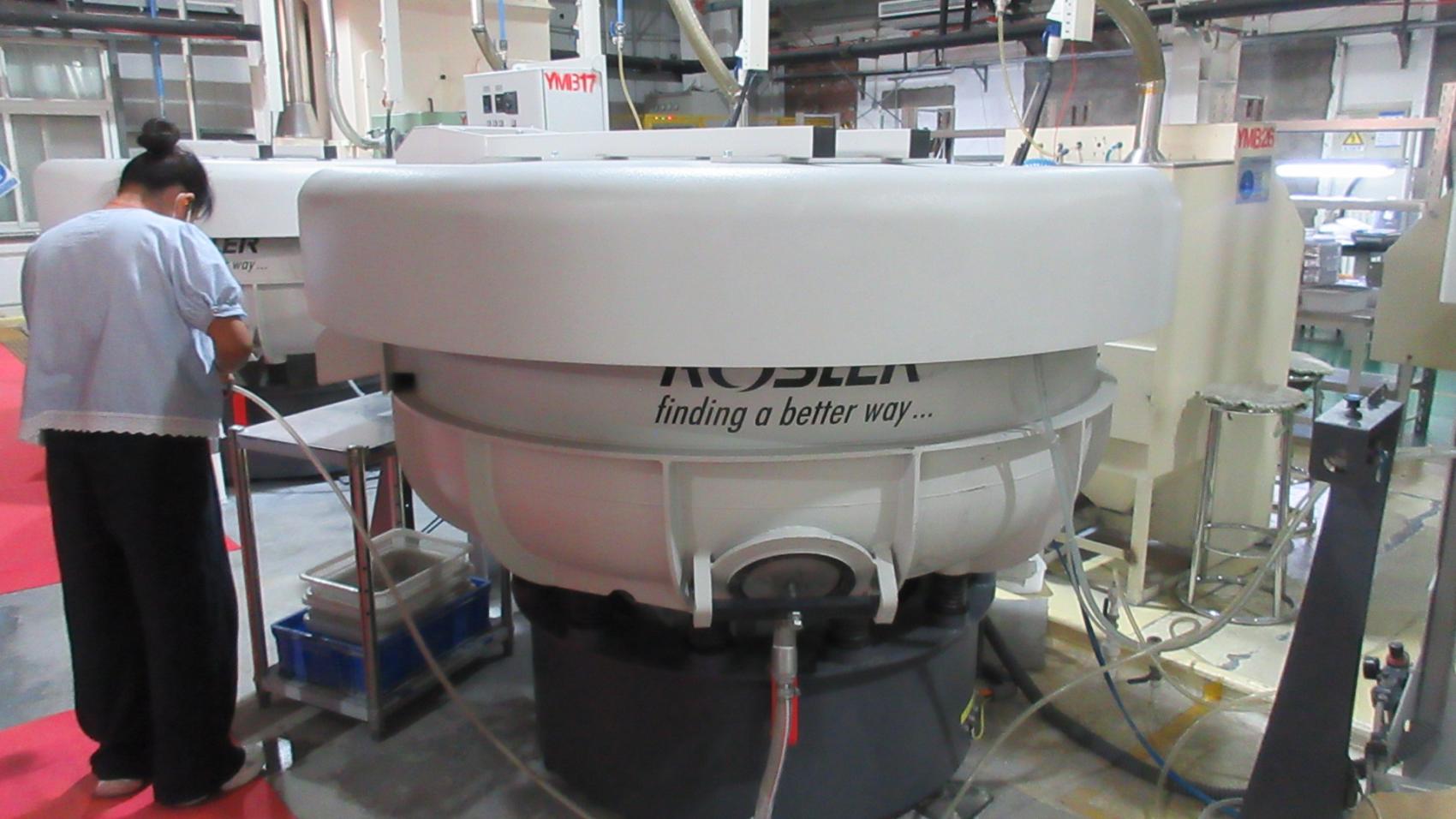
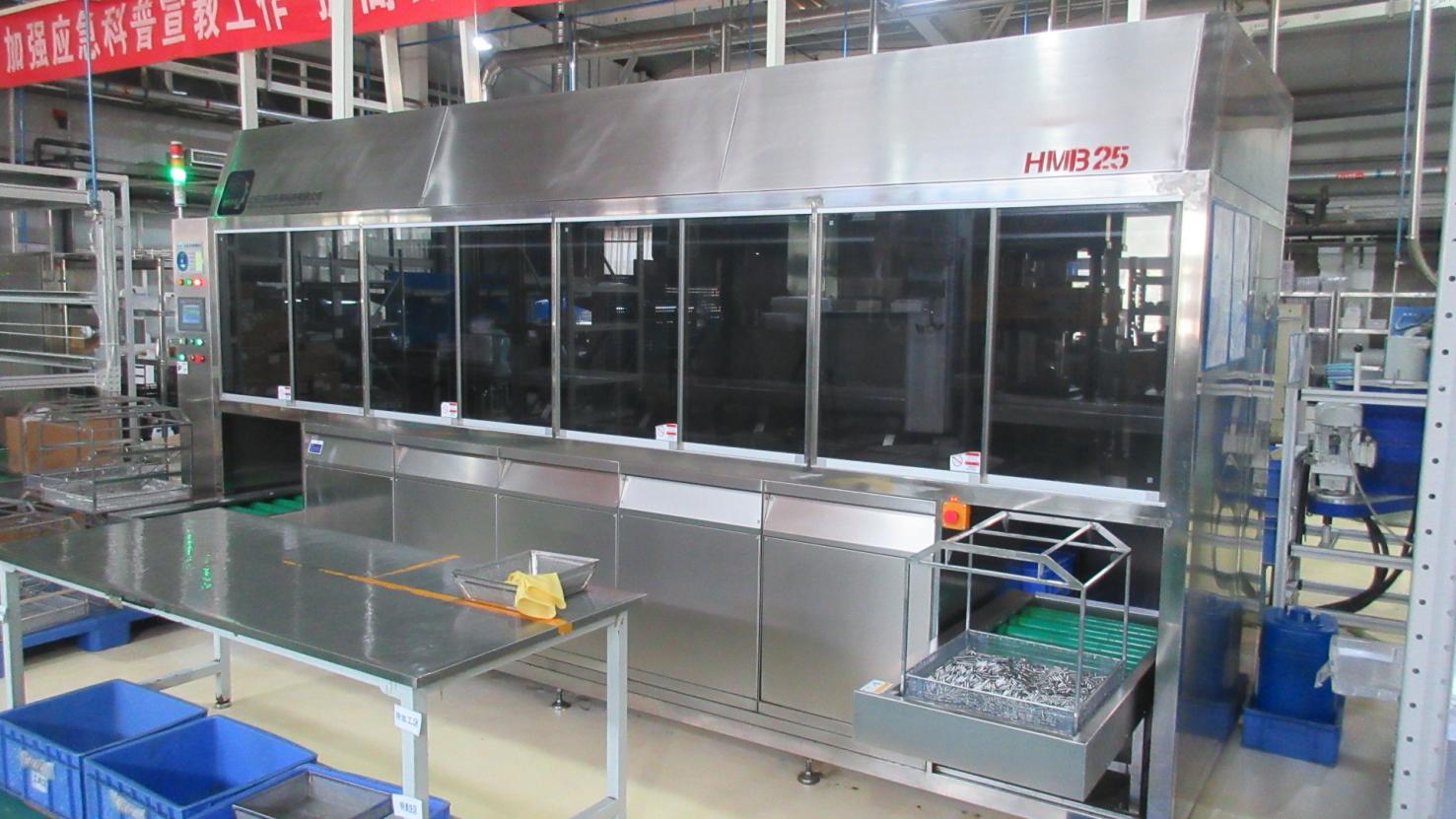
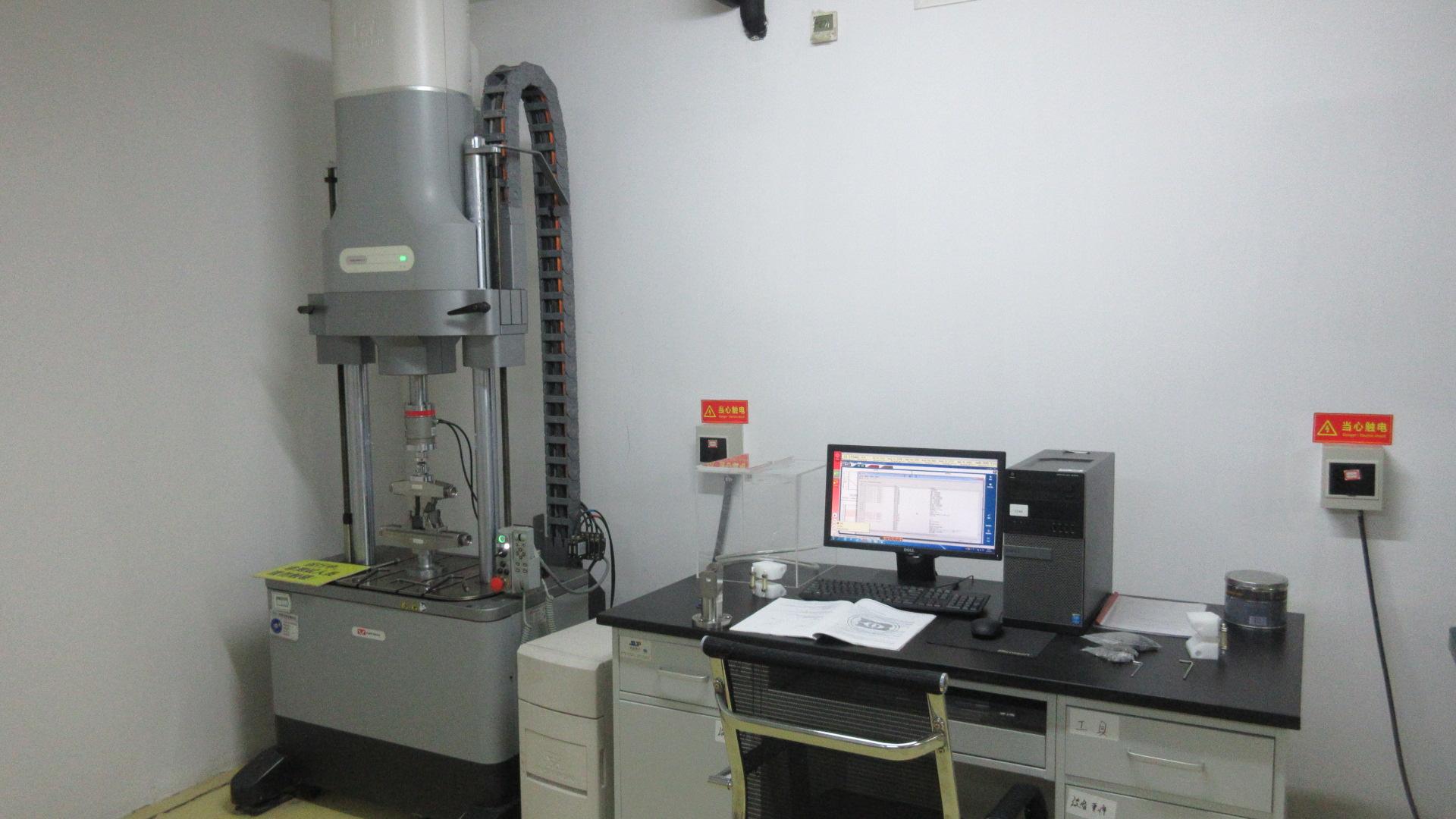
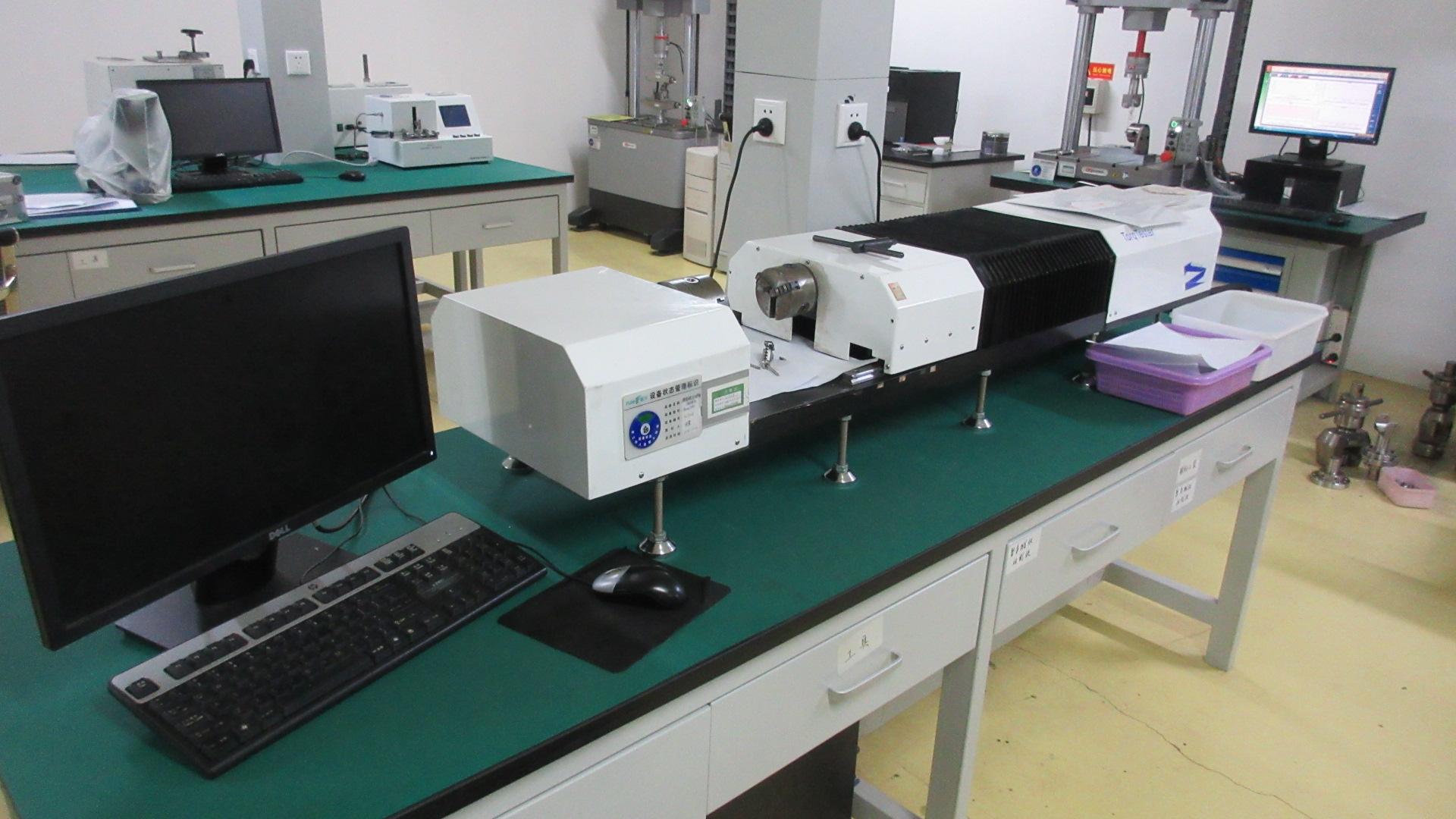
Inspect our high-precision production machinery, certified cleanrooms, and extensive inventory of medical-grade spinal components.
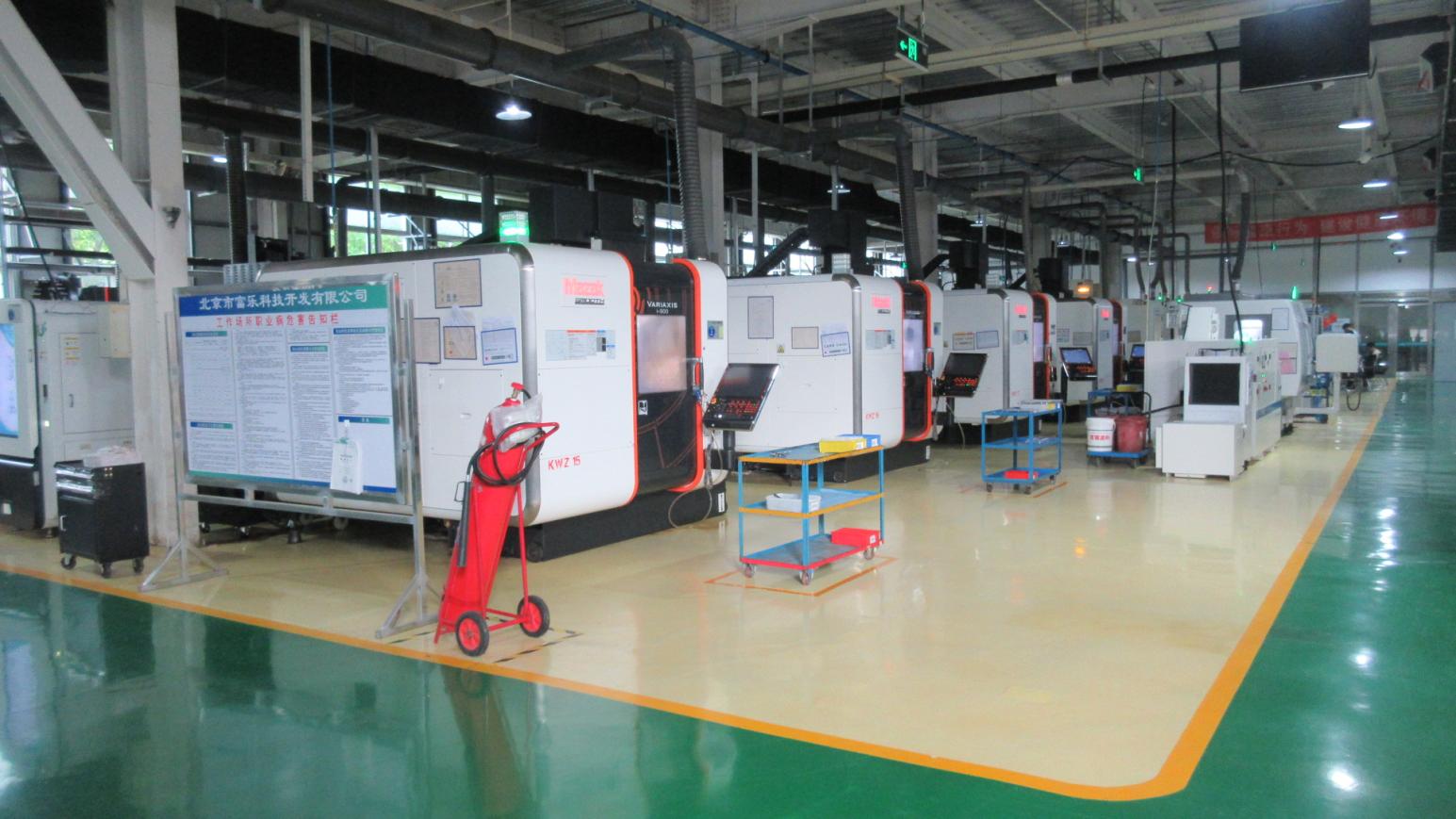
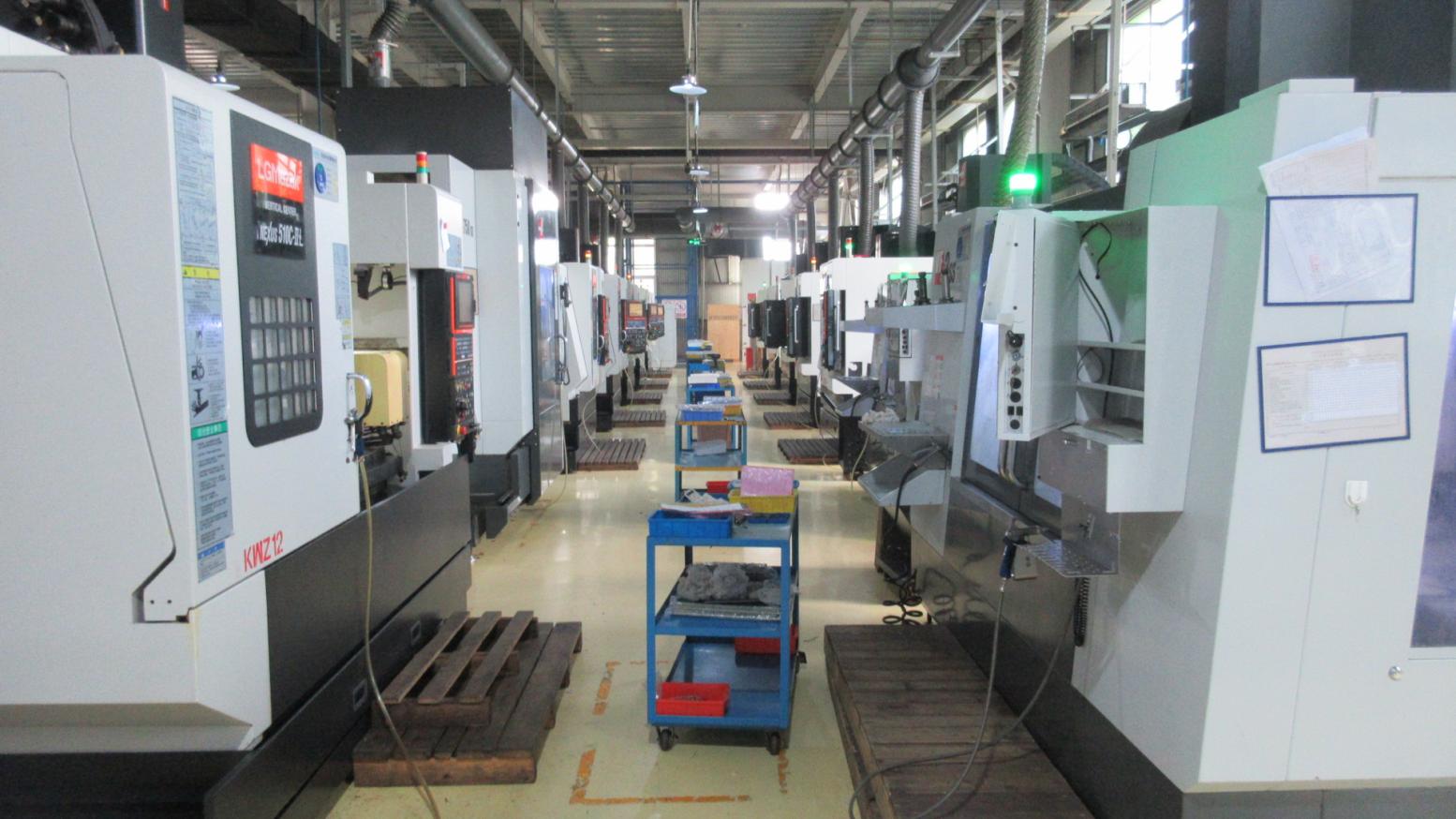
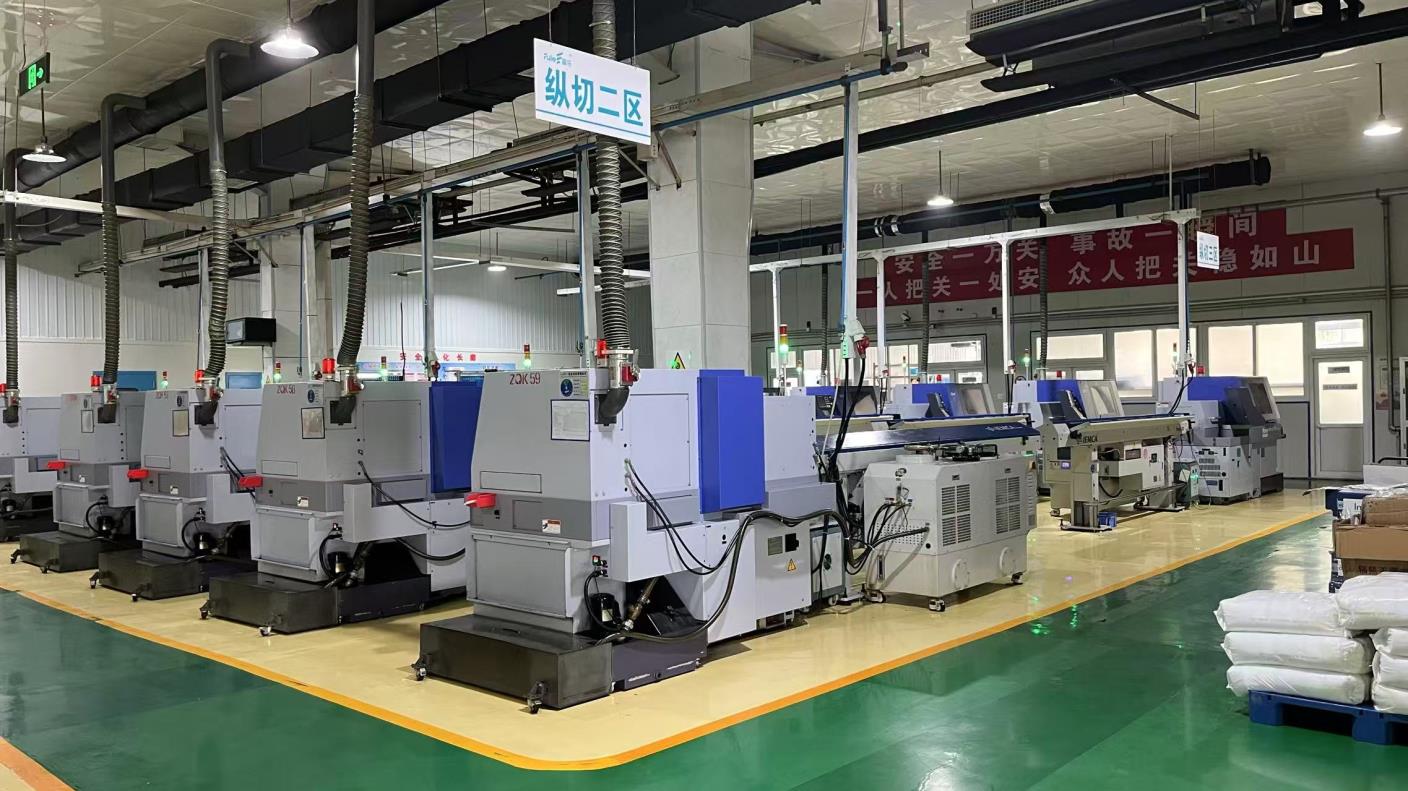
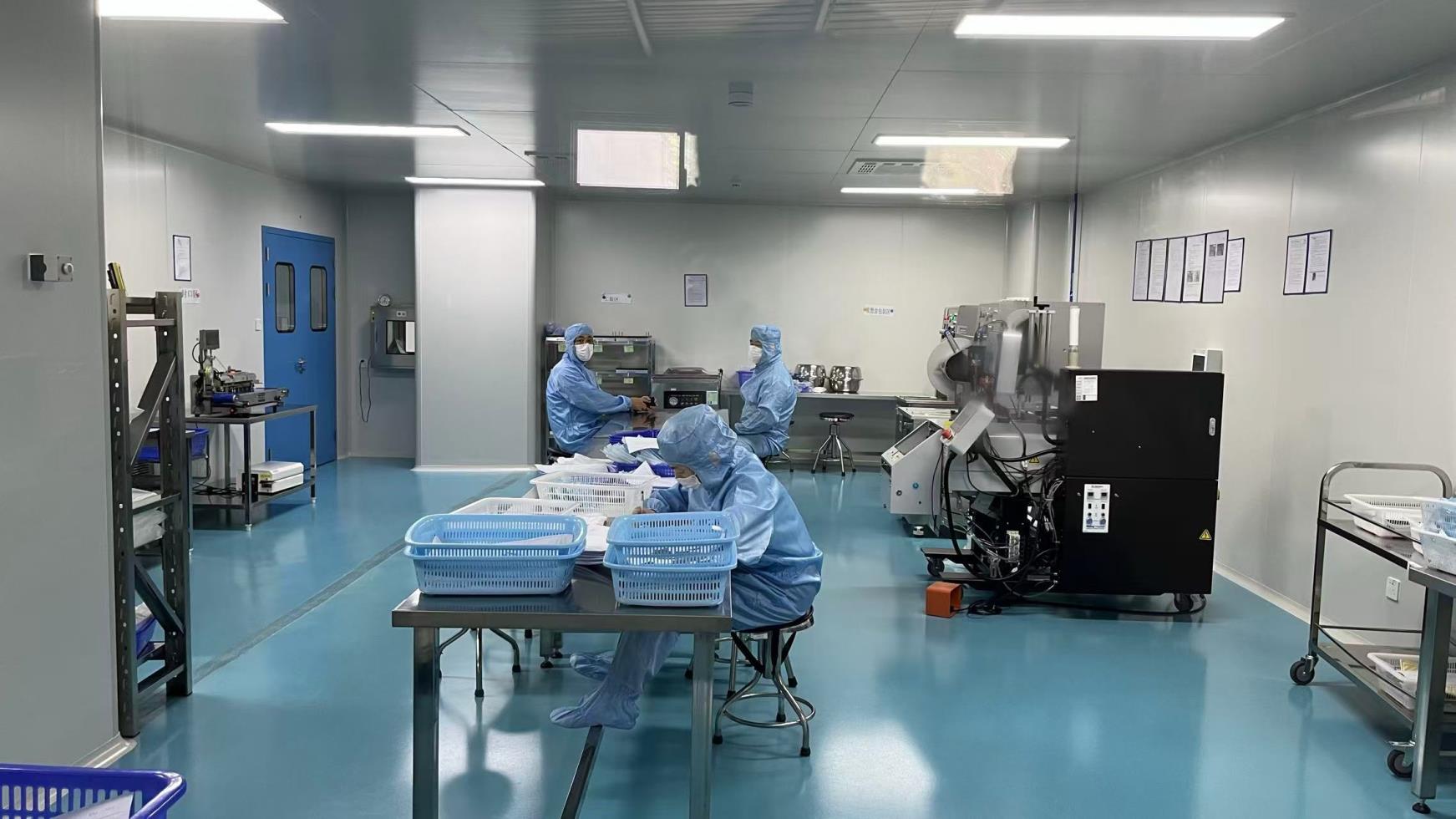
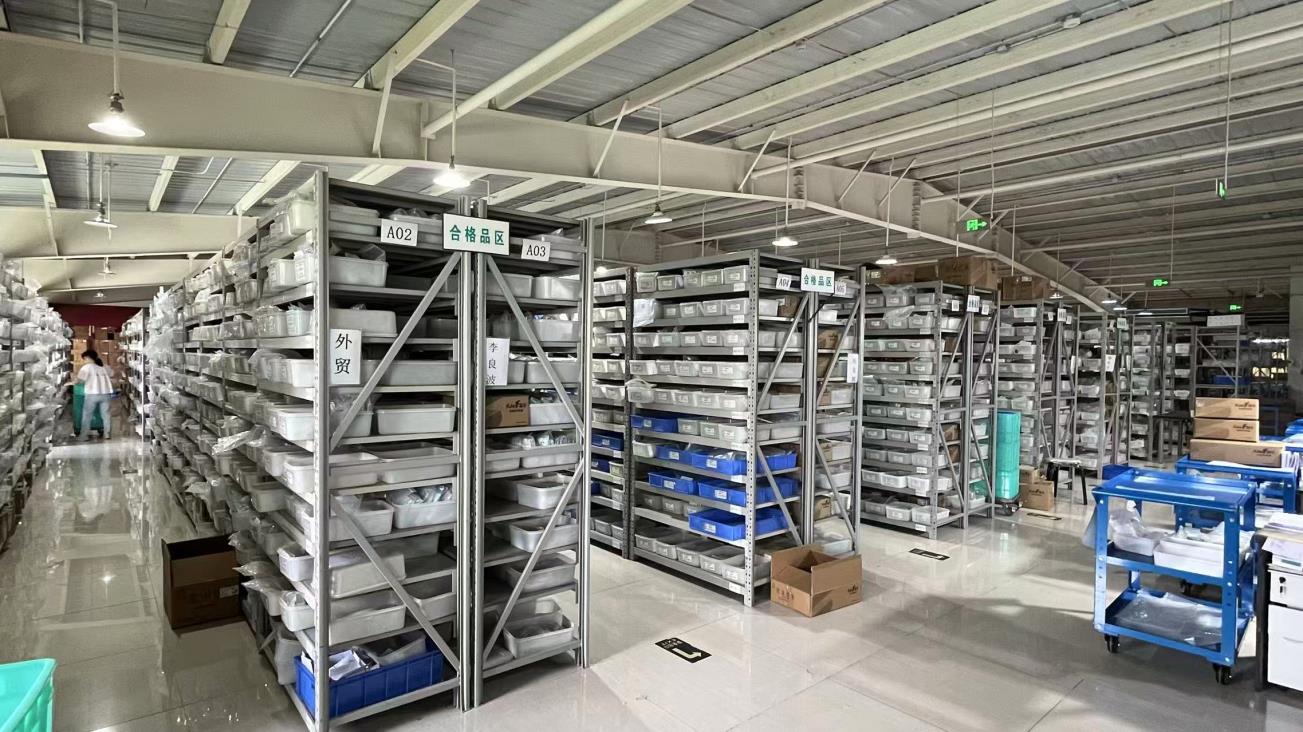
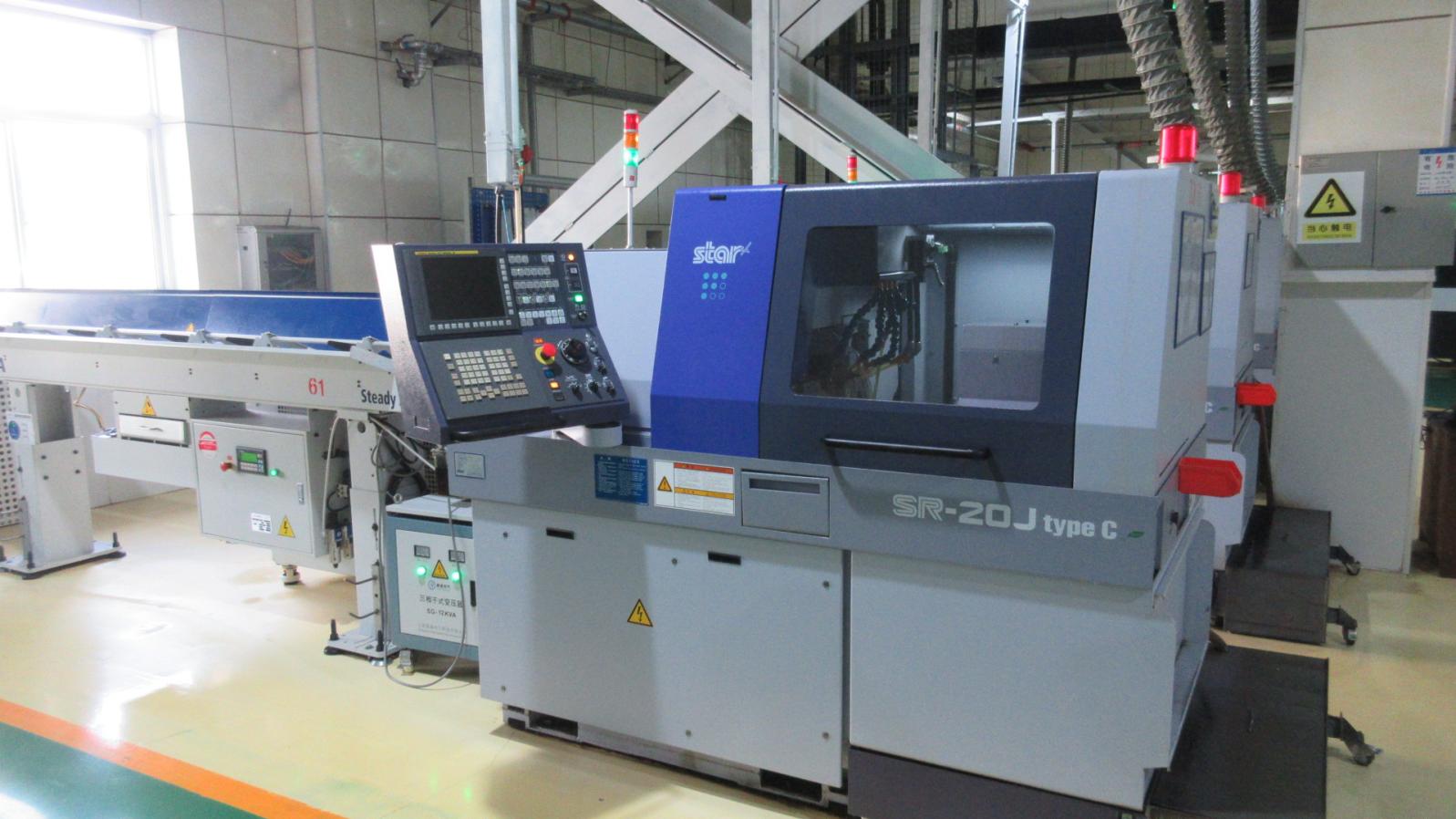
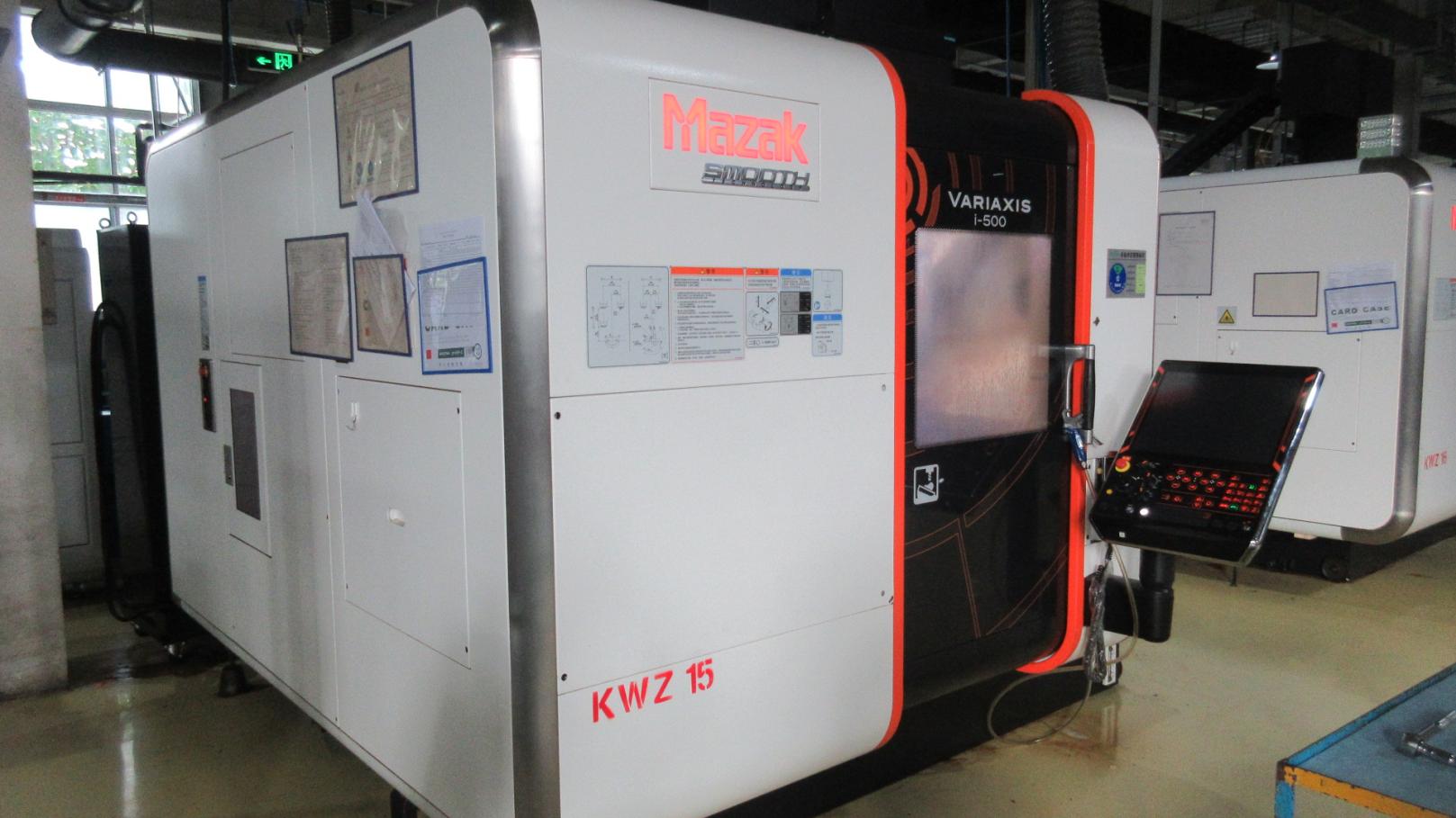
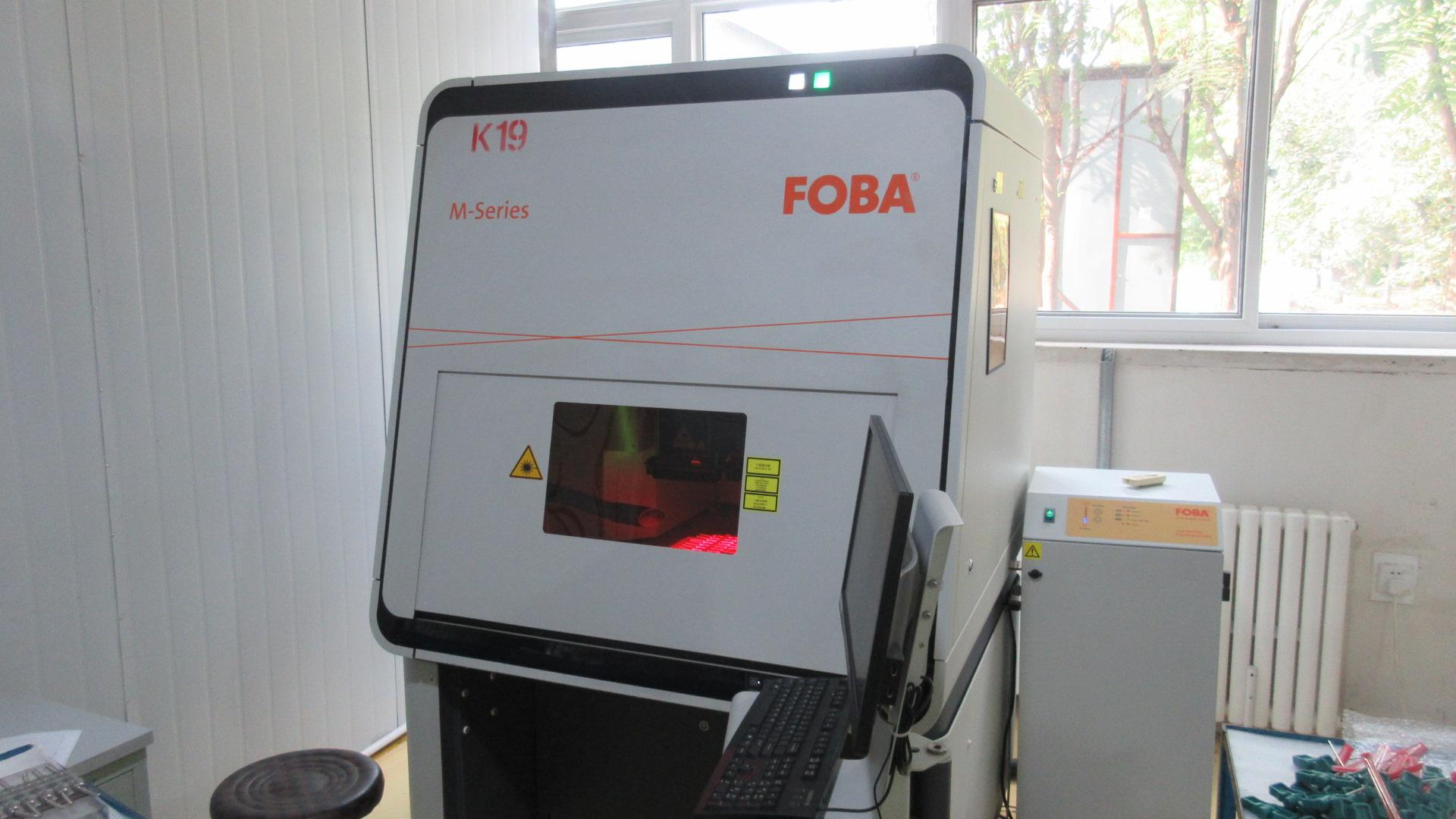


Innovation in smart implants, surface modification, and customized design in cervical reconstruction.
The future of anterior cervical spinal stabilization centers on biological integration and patient-specific solutions. One major trend is the development of 3D-printed porous titanium plate structures. These designs mimic trabecular bone geometry, promoting natural bone growth into the implant surface to improve long-term stability.
Another area of focus is chemical surface modification. We are exploring nano-textured titanium surfaces and bioactive coatings, such as hydroxyapatite and silver nanoparticle layers, to accelerate bone healing and reduce the risk of implant-associated infections.
Finally, we are researching smart spinal implants. By embedding micro-sensors, future plate systems may be able to monitor bone healing in real time and track mechanical loads. This data can help clinicians monitor patients' progress and detect potential complications early, supporting safer, more personalized recovery paths.
Expert answers to common technical, biological, and procurement questions regarding Anterior Cervical Spine Plates.
Explore our additional orthopedic systems, including posterior cervical systems, MIS instruments, and intramedullary nails.
 Beren Science & Technology