Explore our precision-manufactured posterior cervical and thoracolumbar spinal stabilization components, designed to reduce surgery times and improve patient outcomes.
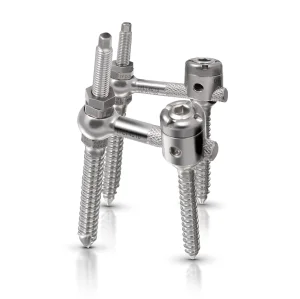
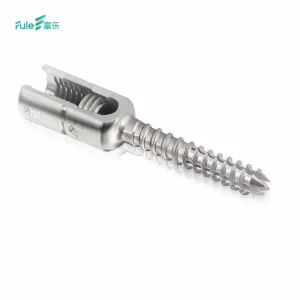
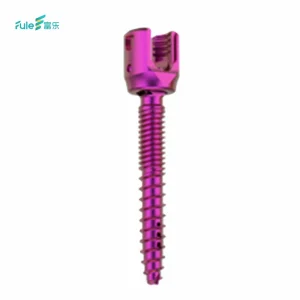
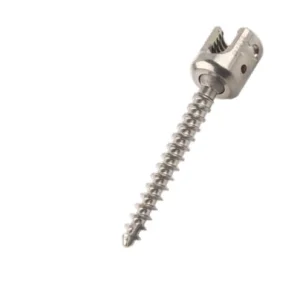
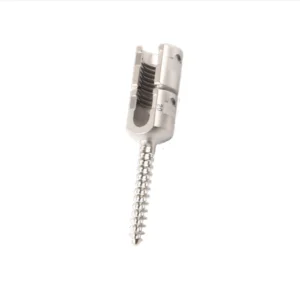
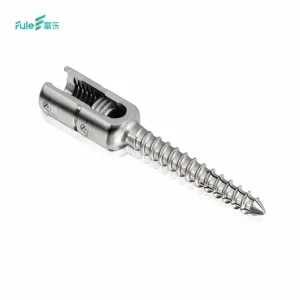
As orthopedic surgeries demand higher structural integrity, reduced patient invasiveness, and long-term biological integration, posterior spinal systems remain the cornerstone of spinal deformity and degenerative correction.
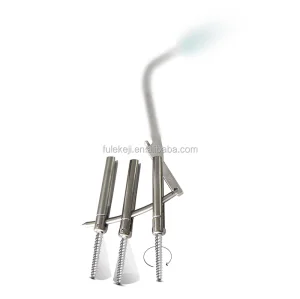
The shift toward Minimally Invasive Surgery (MIS) has forced manufacturers to re-engineer instrumentation systems. By utilizing percutaneous approaches, systems like the VSS I Titanium Spinal MIS System minimize muscle trauma, decrease intraoperative blood loss, and shorten post-operative recovery timelines. Extended-tab pedicle screws allow surgeons to contour and guide rod placement efficiently through small skin incisions without compromising mechanical leverage.
Securing international trust demands regulatory compliance. Quality markers like CE-marking and ISO 13485 certifications indicate that raw materials, structural design, dynamic fatigue life (ASTM F1717 standard testing), and packaging environments conform to strict biomedical expectations, allowing safe import into regions with high clinical hurdles, such as Eastern Europe and Southeast Asia.
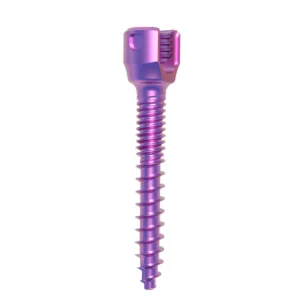
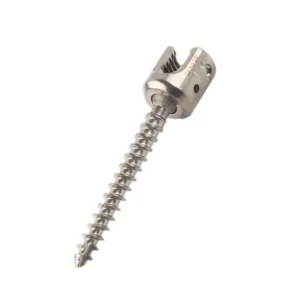
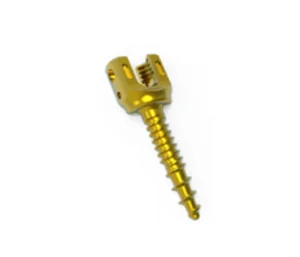
Clinical Application Tip: Monoaxial pedicle screws provide high rigidity and stability for severe trauma cases, while polyaxial screws offer up to 45 degrees of angulation, dramatically simplifying rod alignment in complex multi-segment degenerative deformity surgeries.
Established in 1996, we have engineered and exported medical-grade orthopedic implants for three decades, leveraging state-of-the-art facilities and QA/QC architectures.

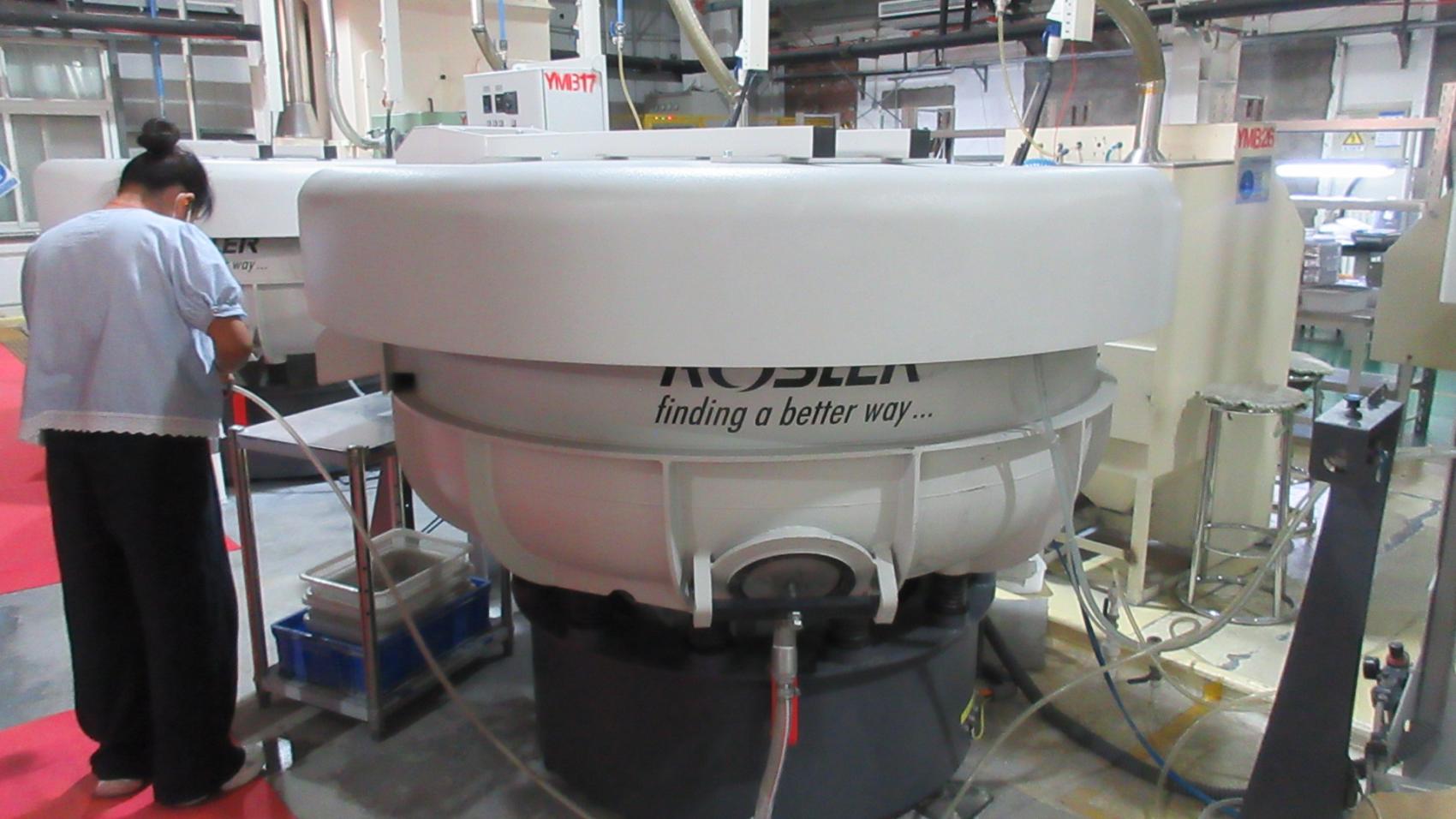
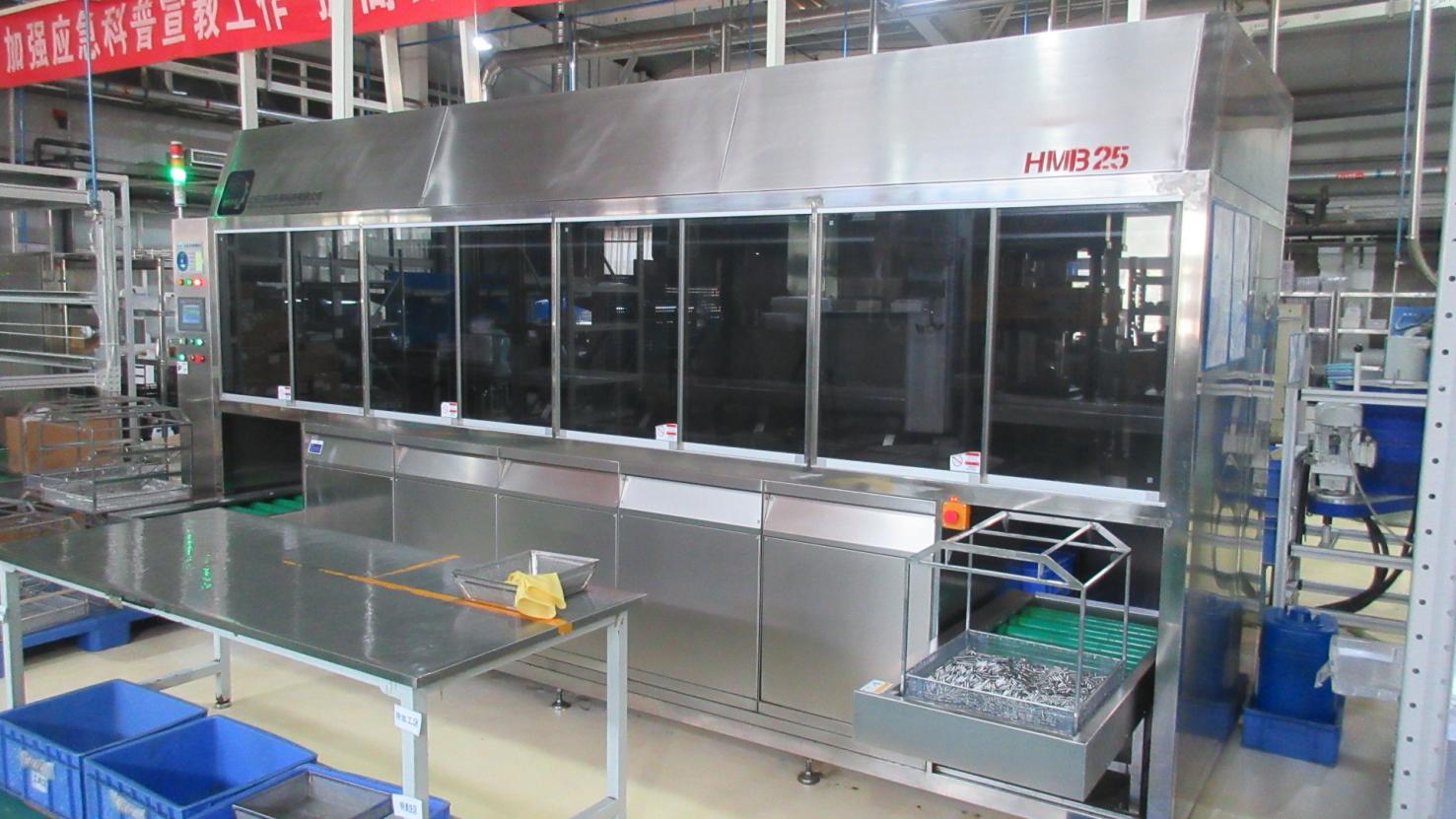
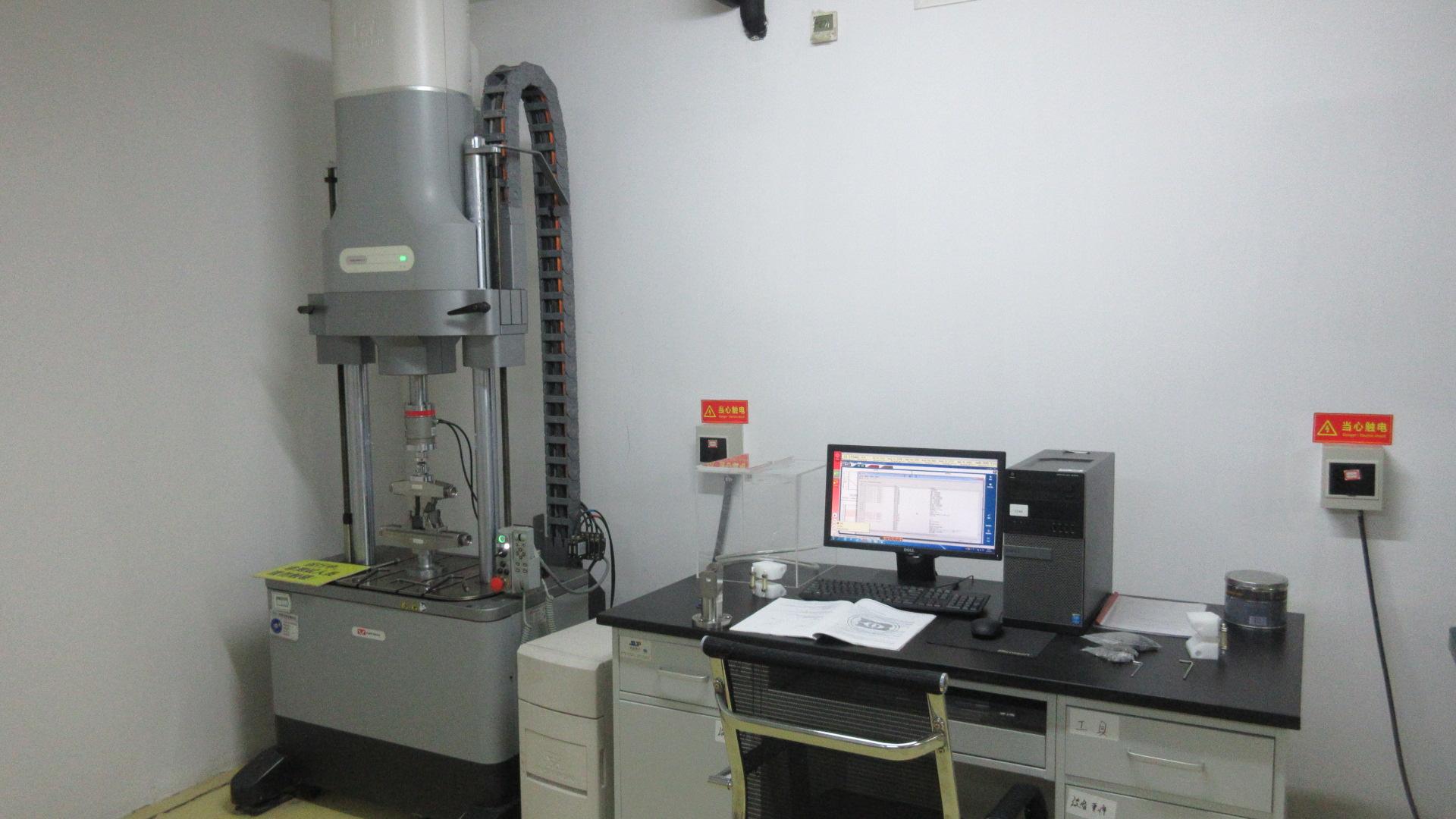
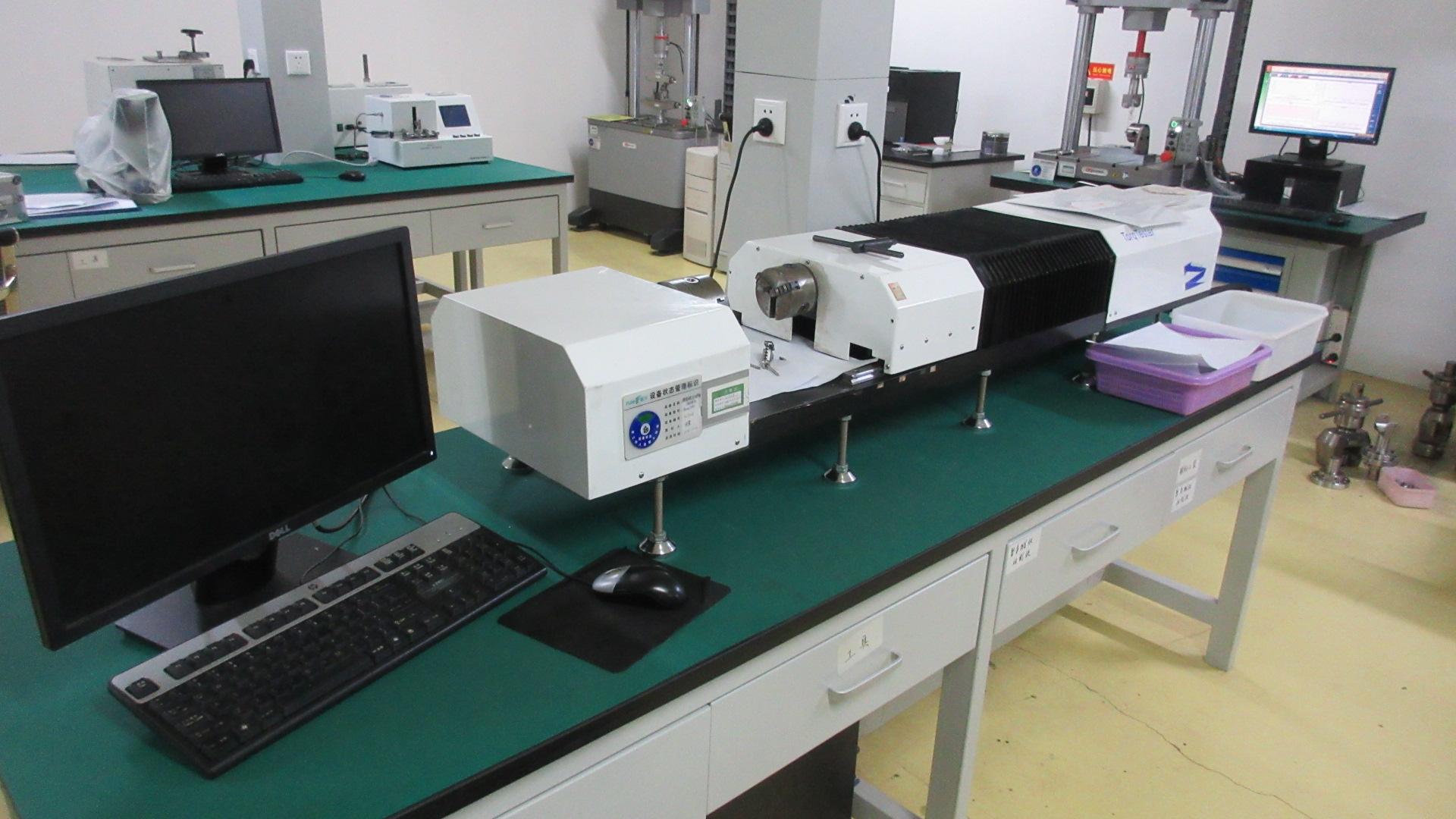
Visualizing our production cleanrooms, high-speed CNC multi-axis milling, warehousing, and testing centers.

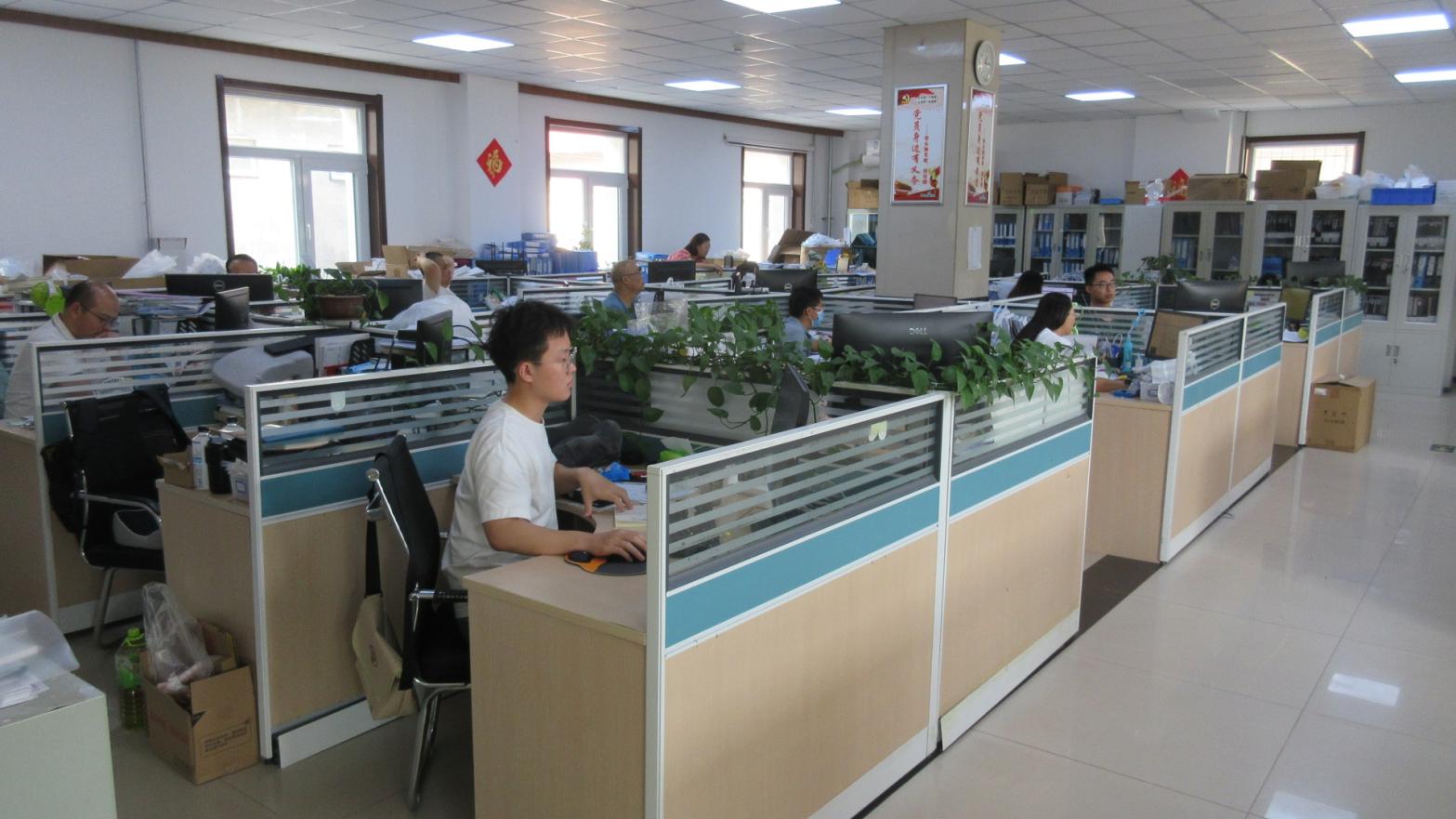
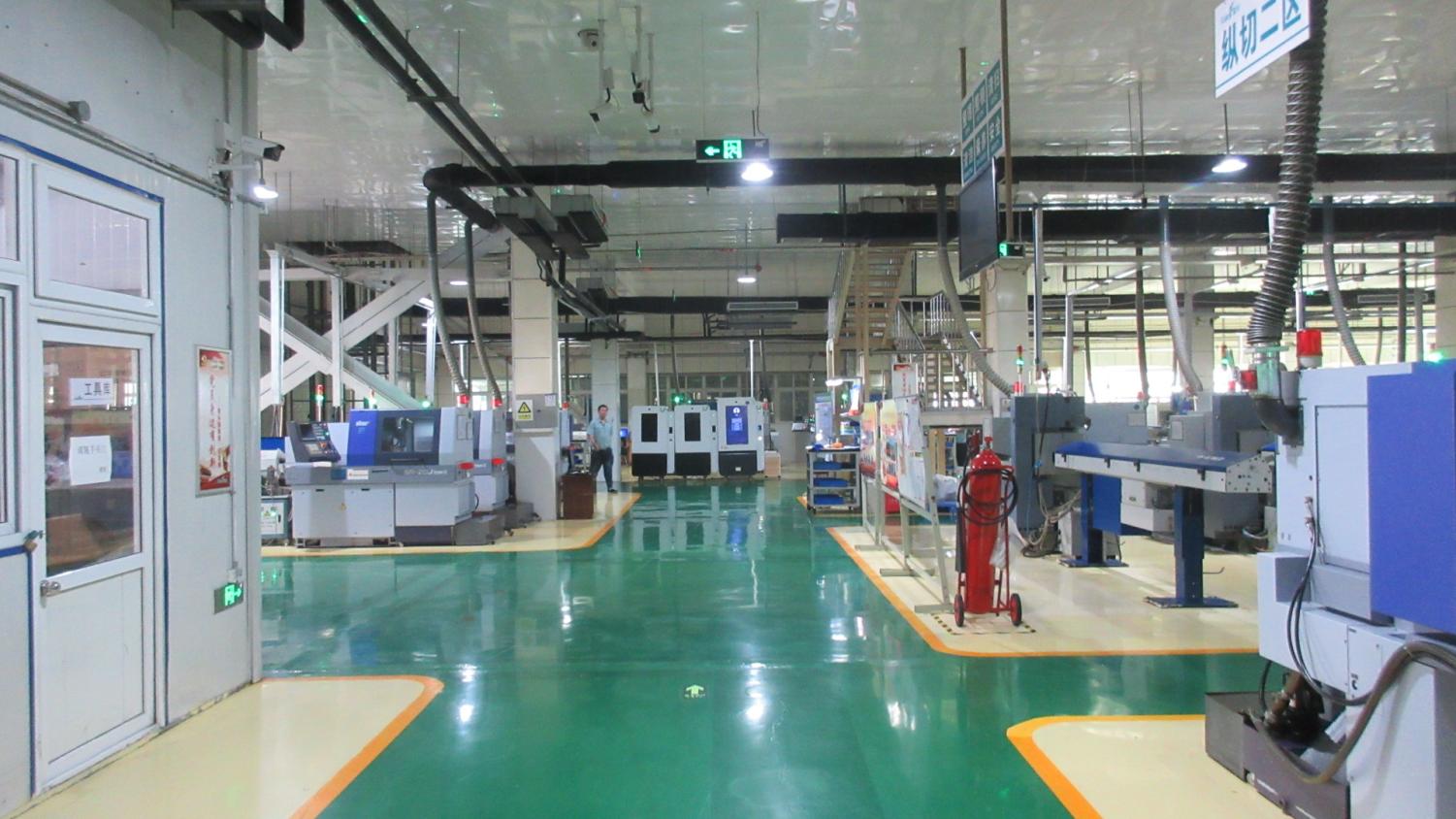
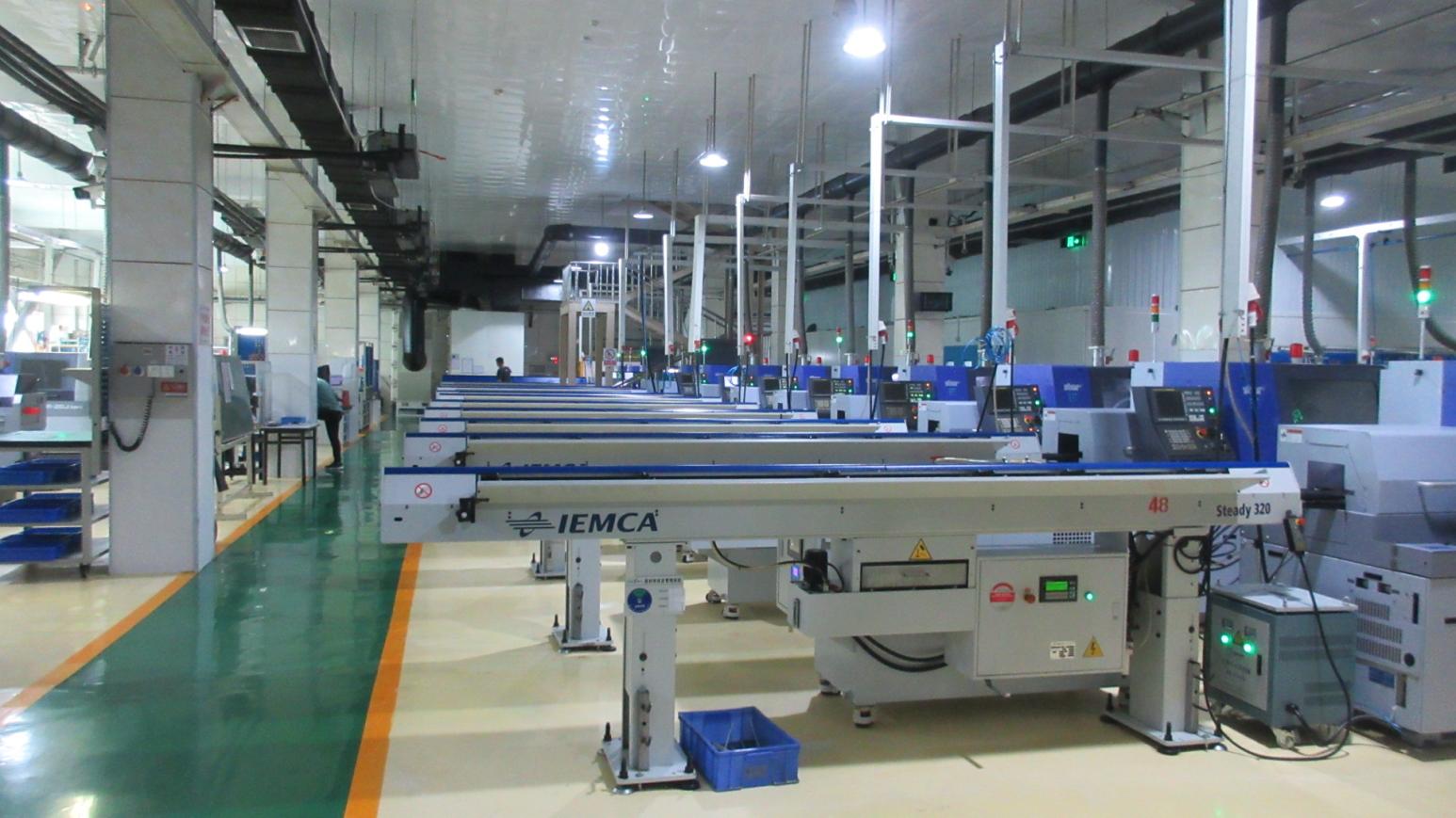
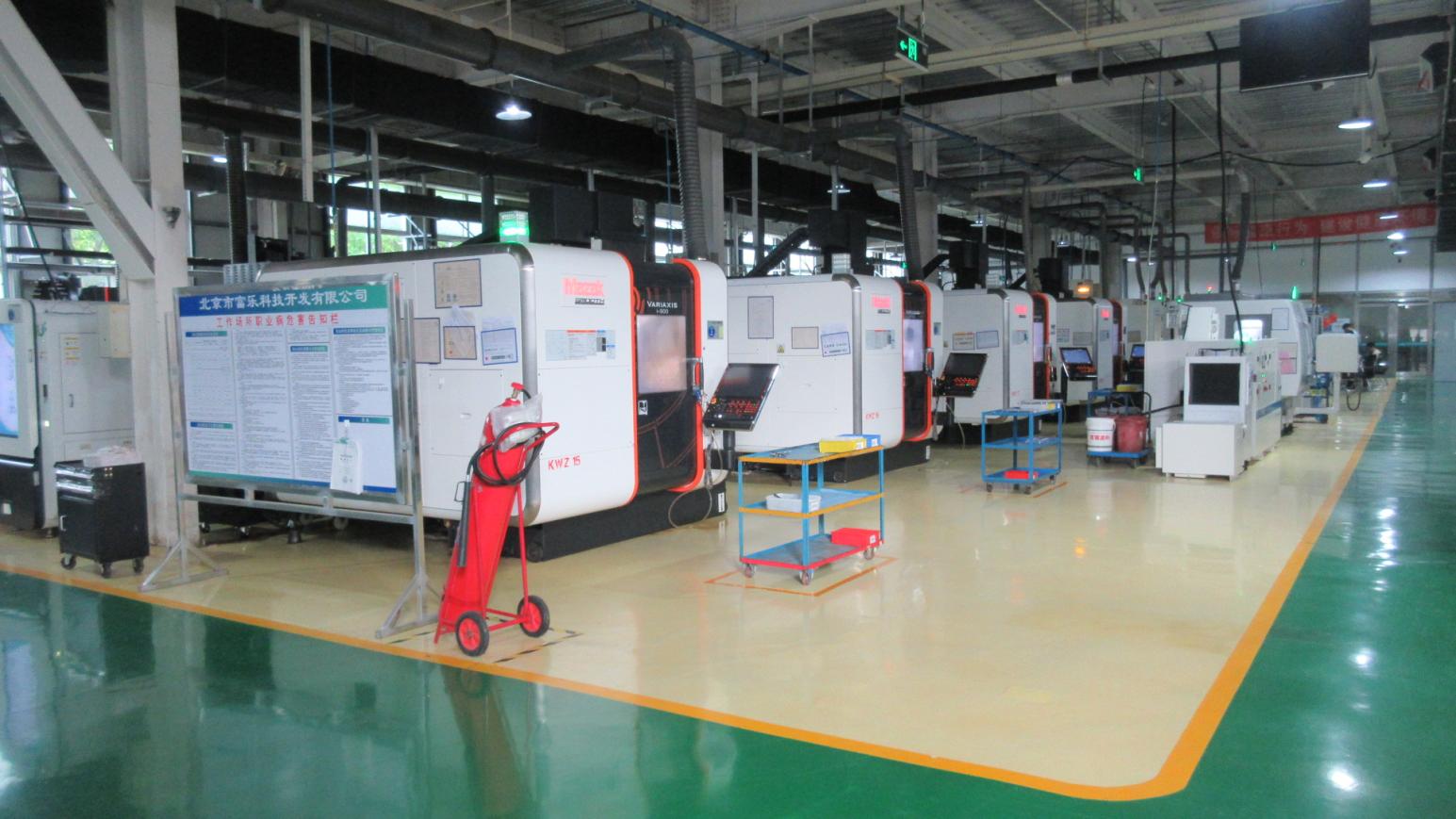
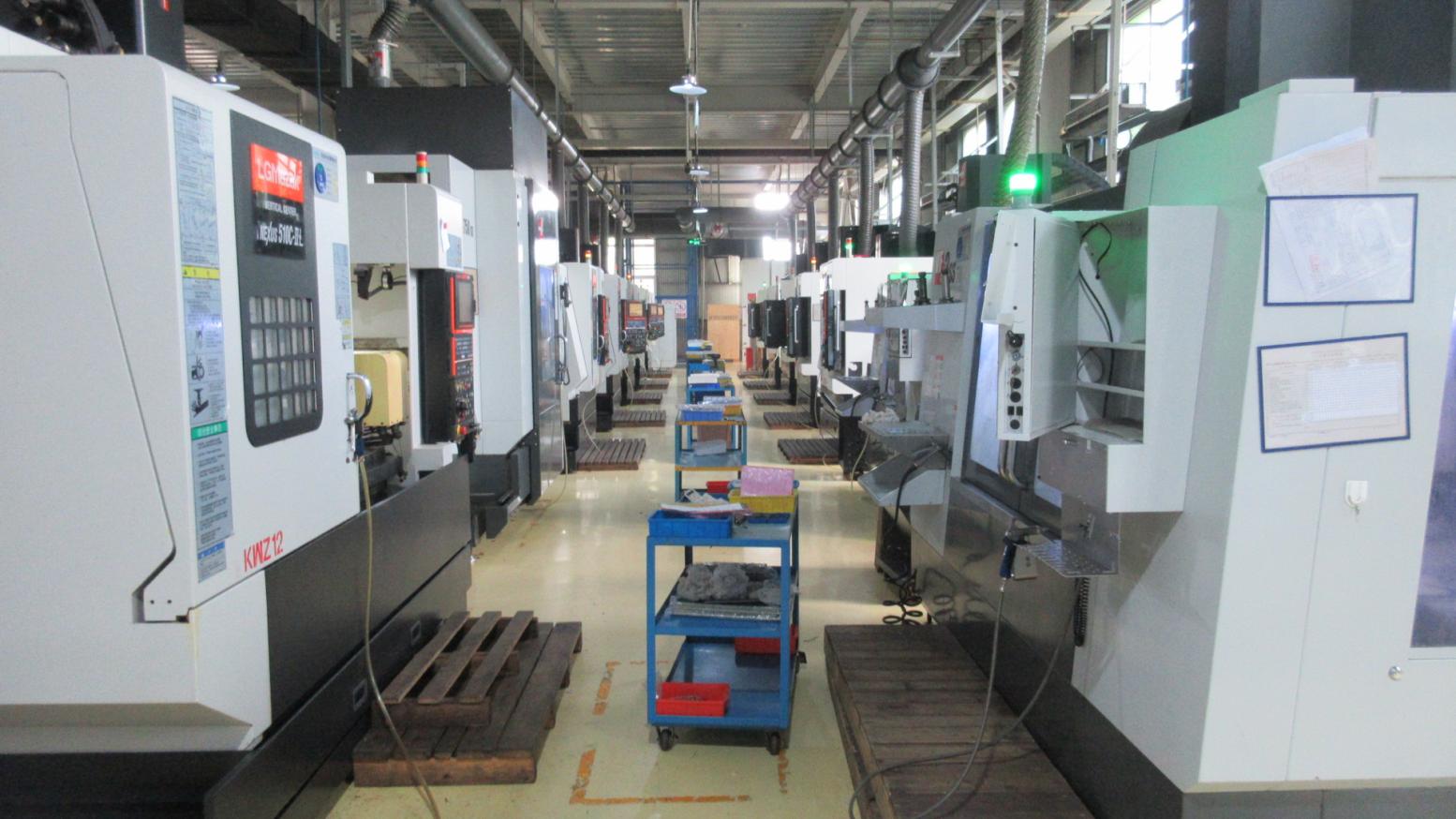
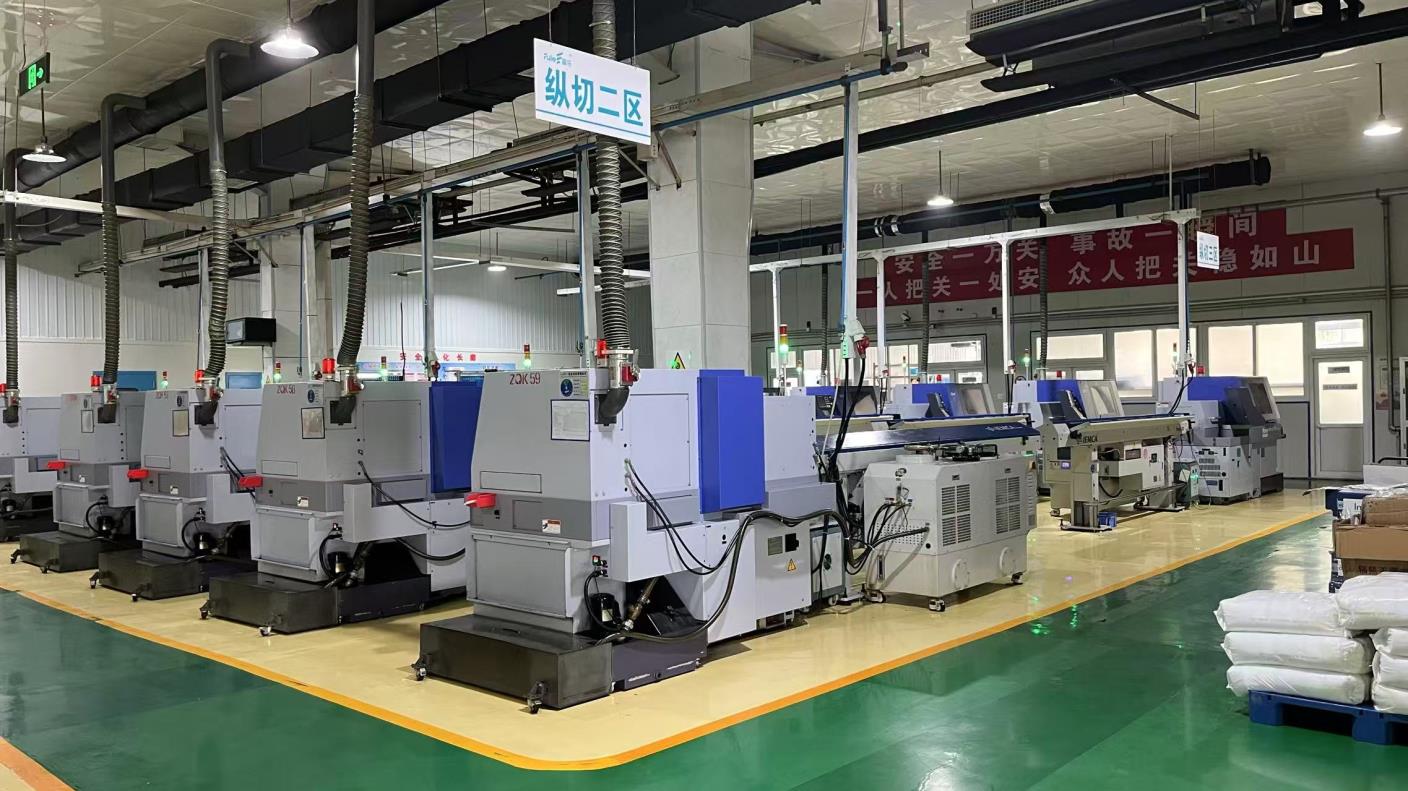
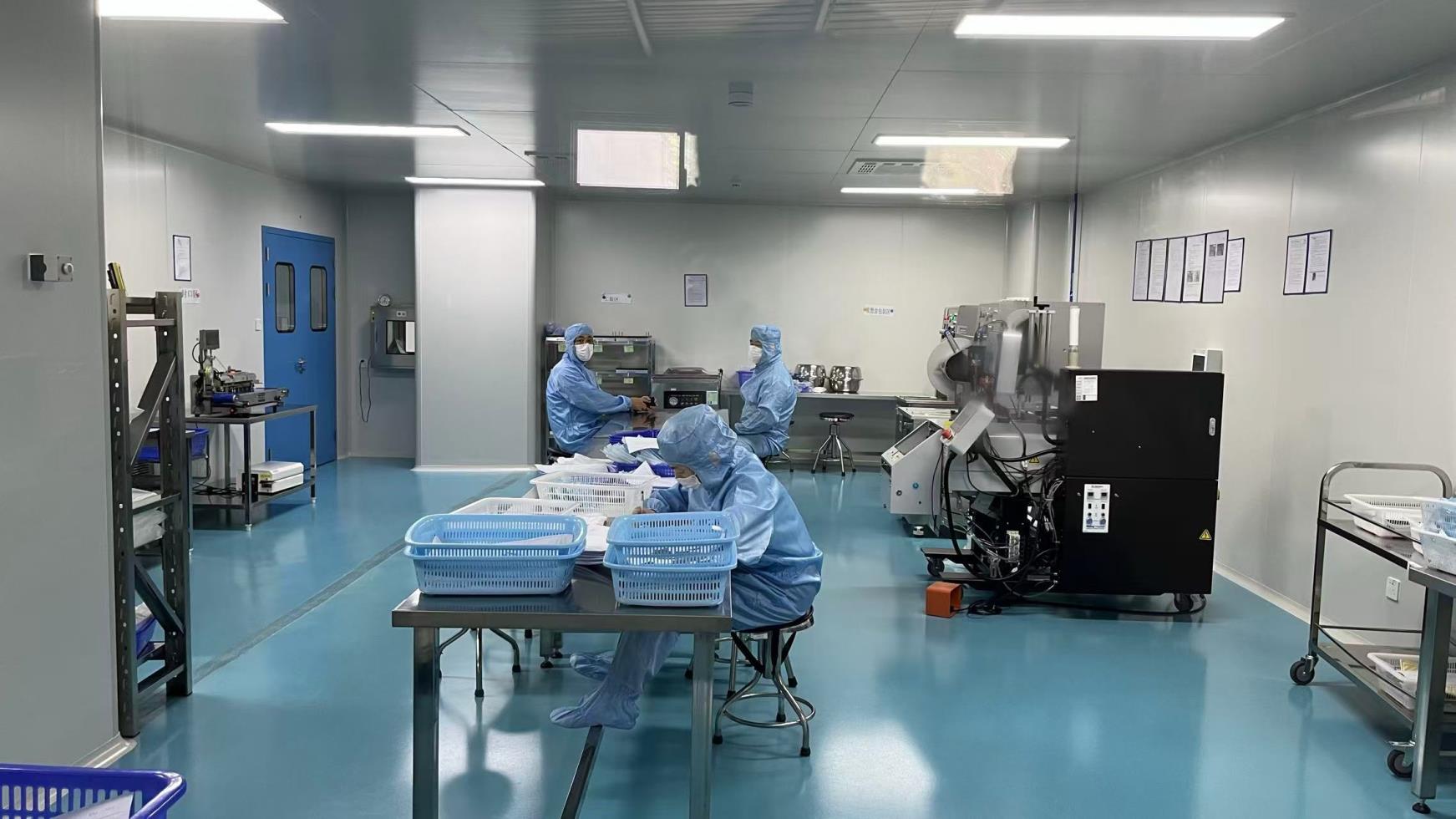
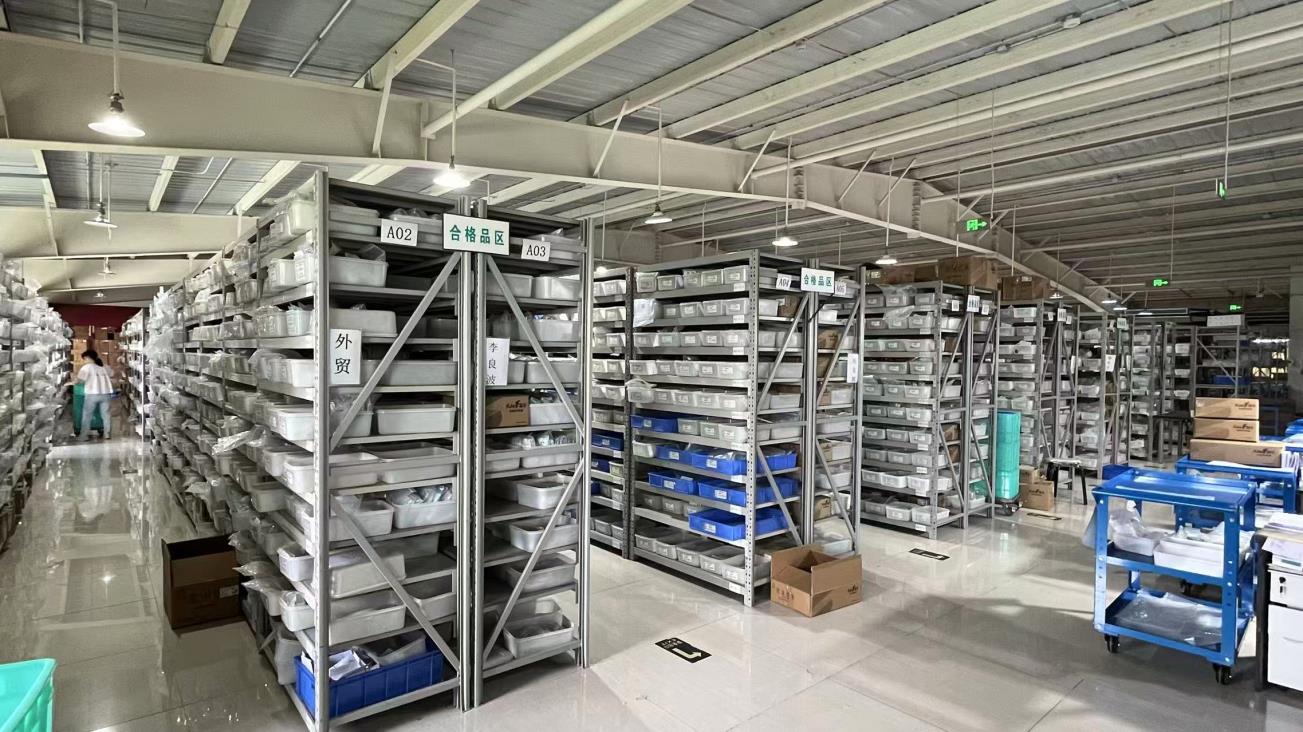
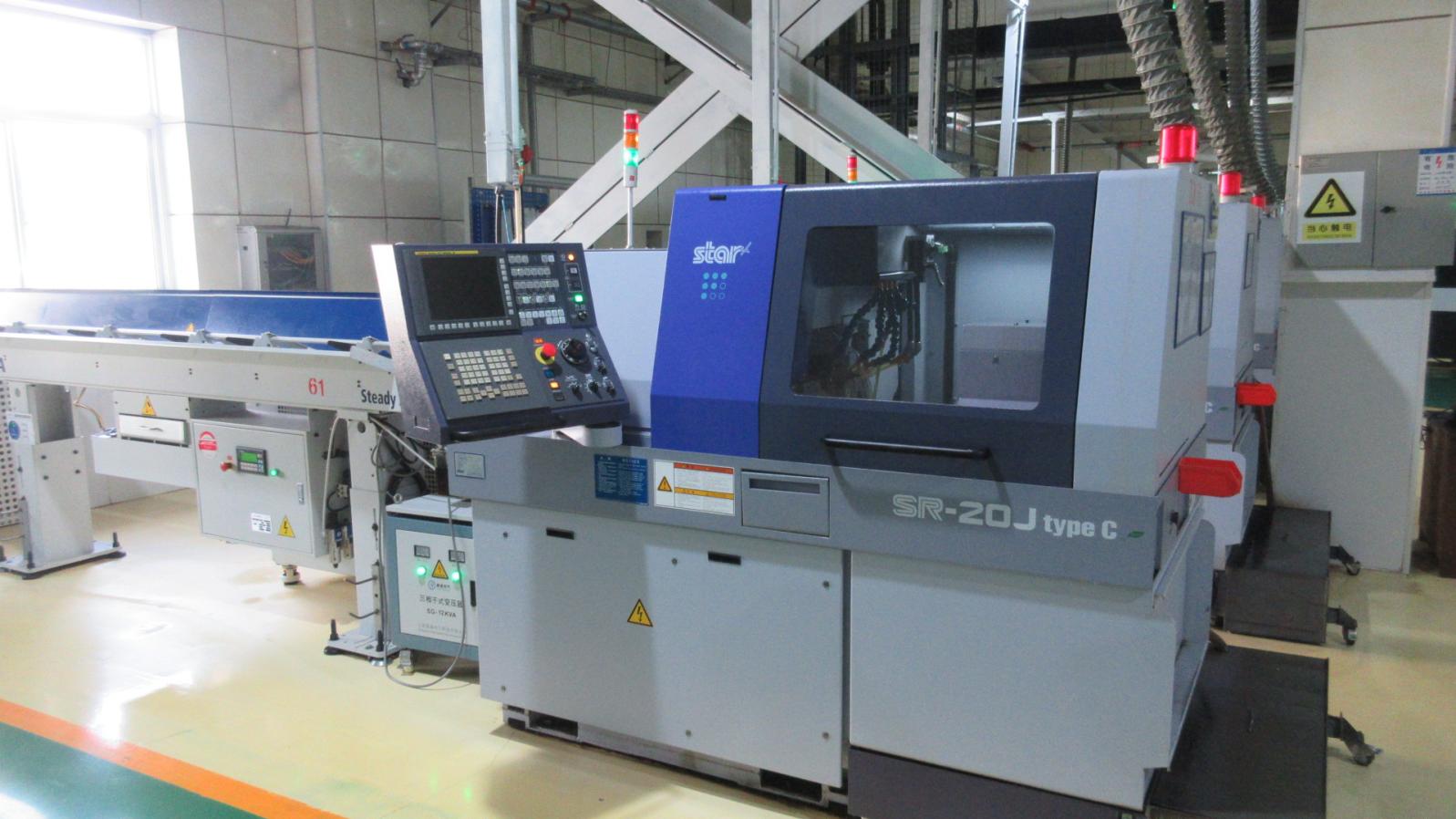
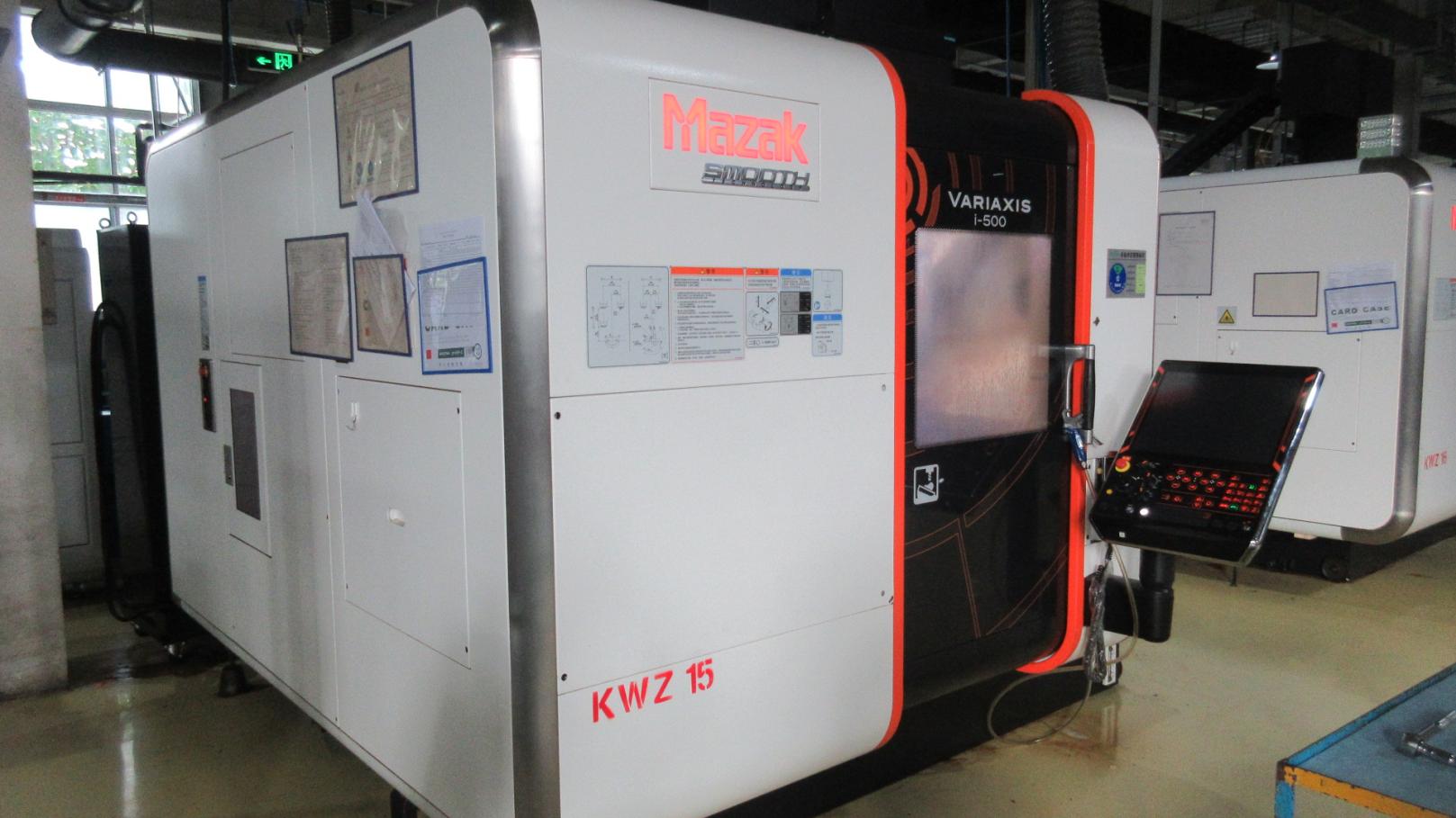
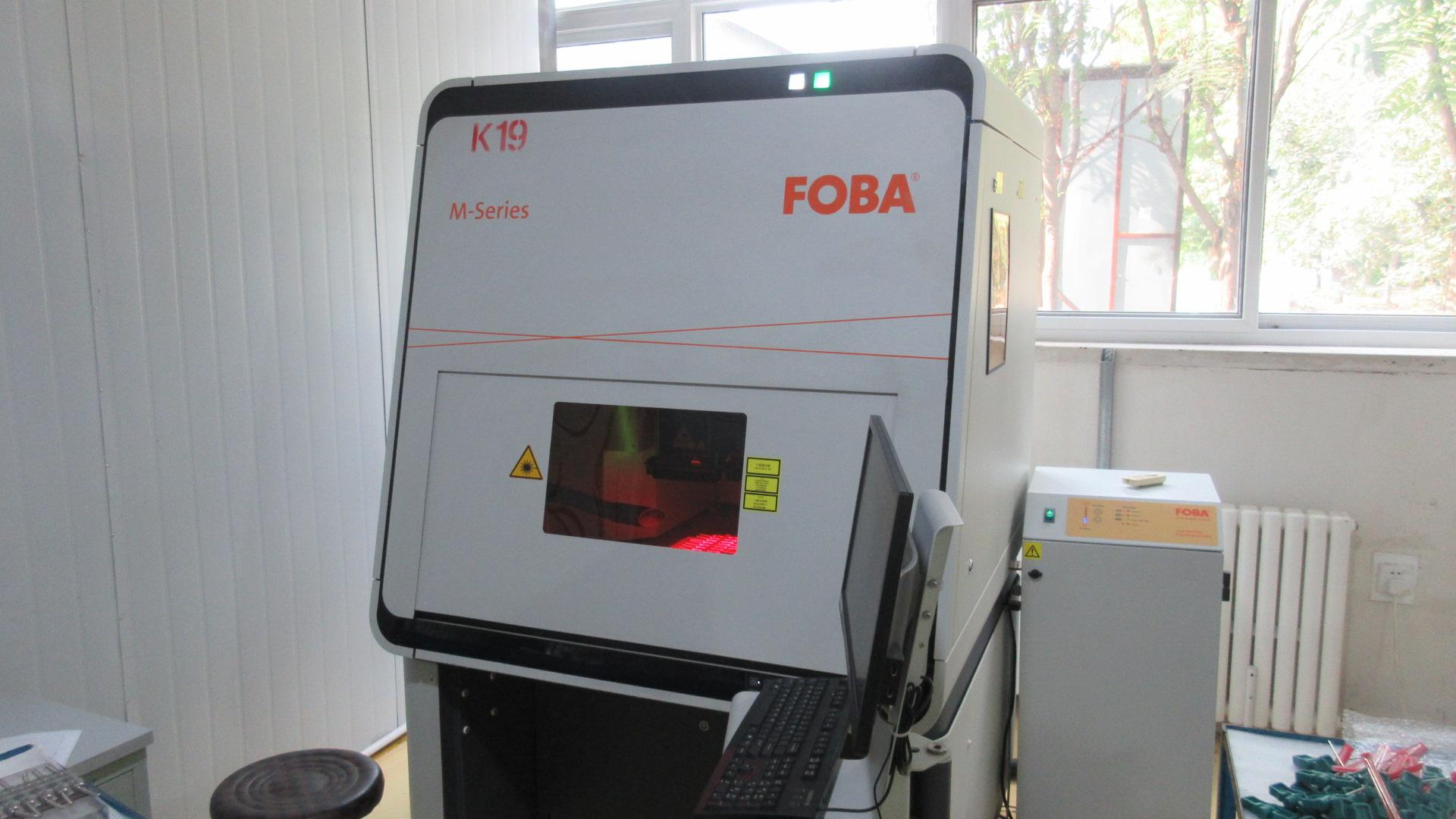
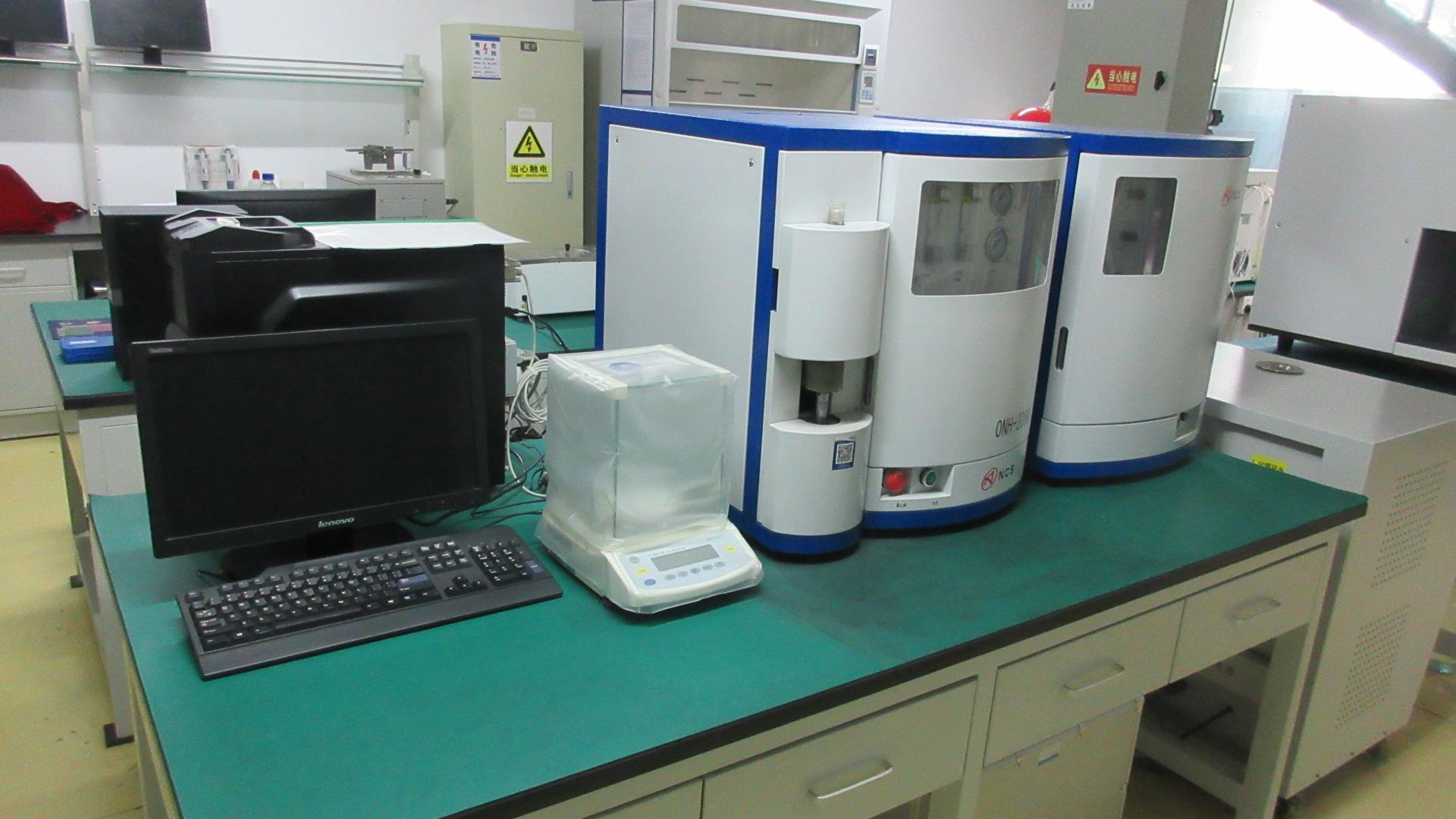
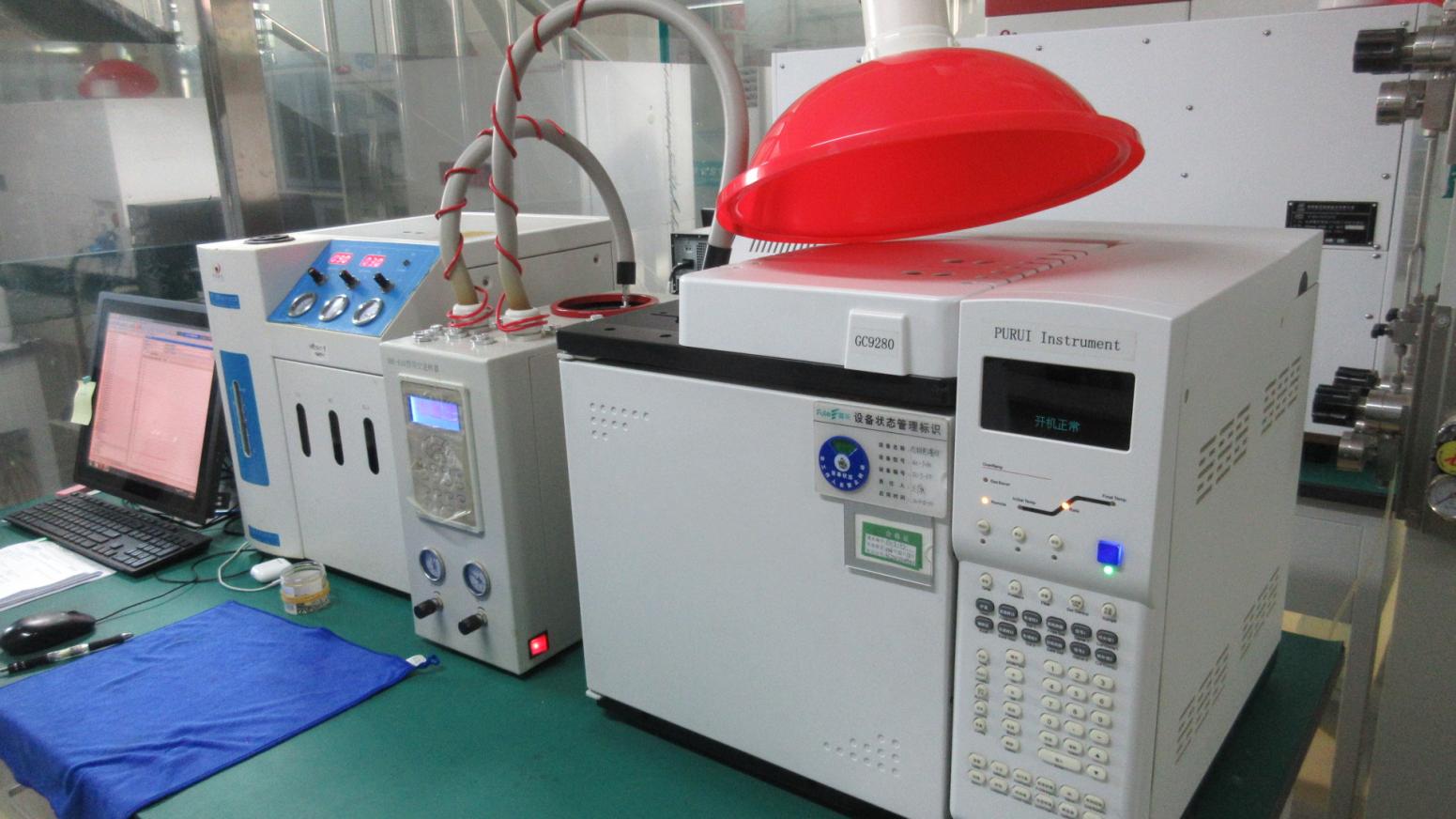
Every patient represents a distinct structural challenge. Our system accommodates varying anatomical topologies through micro-targeted solutions.
Congenital and adolescent idiopathic scoliosis require systems that can withstand high correction forces while matching smaller pediatric anatomies. The CCS Pediatric Spinal Screw-Rod System features a reduced 5.0mm sliding screw profiles and low-profile connectors to minimize soft tissue irritation in patients with low body mass indices.
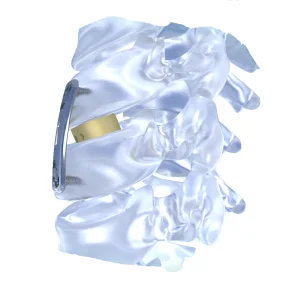
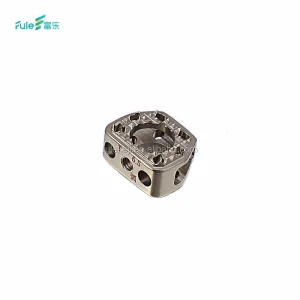
Adult degenerative disc disease, spondylolisthesis, and spinal stenosis often require robust instrumentation to achieve solid fusion. Cages like the PEEK Cervical Interbody Fusion Cage, paired with Usmart 5.5 Spinal Screw-Rod System, restore lordotic balance and maintain disc height during bone graft integration.
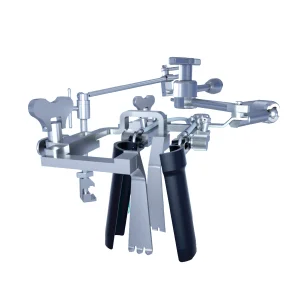
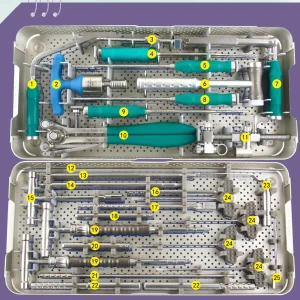
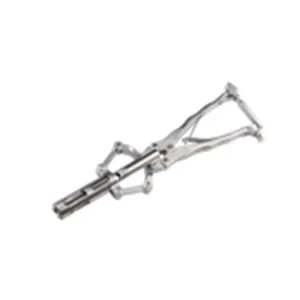
Complete surgical solutions require both primary implants and corresponding instrumentation. Explore our anterior fusion cages, spinal rods, and surgical instrument kits.
Review our answers to common questions about material grades, regulatory compliance, instrument sterilizations, and global procurement procedures.
 Beren Science & Technology