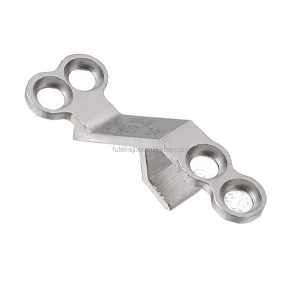
Explore our foundational range of titanium fixation plates, spinal screw-rod instruments, and trauma systems engineered for maximum clinical performance.
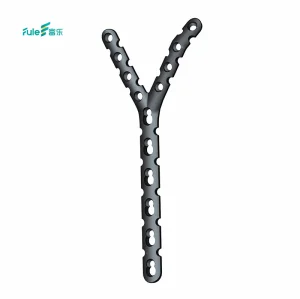
An in-depth look at semantic medical engineering, biomaterial innovations, and safety profiles in modern spine stabilization technologies.
Modern spinal instrumentation has transitioned from rigid, non-yielding stabilization mechanisms to dynamic, anatomically responsive constructs. The COX Spinal System integrates advanced biomechanics designed to distribute physiological loads across the posterior spinal column evenly, minimizing the incidence of adjacent segment disease (ASD) and optimizing fusion rates.
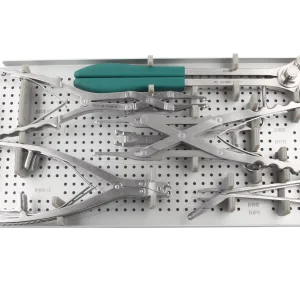
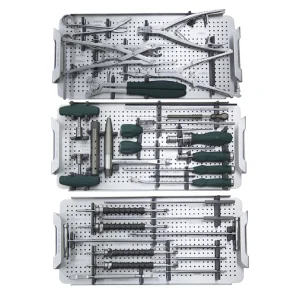
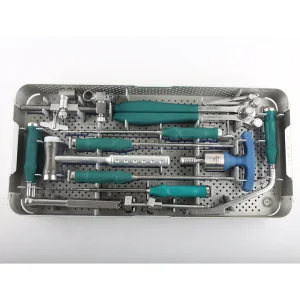
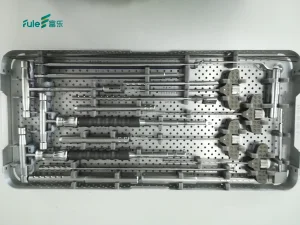
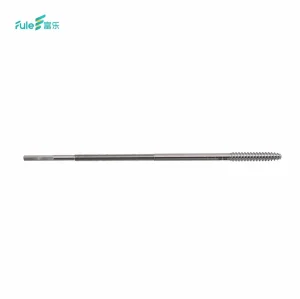
Surgical success depends highly on the tactile feedback provided by high-precision surgical instruments. Instrument sets for pedicle screw placement, rod contouring, and interbody site preparation must exhibit nominal tolerance variations to prevent intraoperative failures or implant slippage. By using medical-grade Titanium Alloy (Ti-6Al-4V ELI), we ensure that both implants and insertion instruments display maximum fatigue resistance and ultimate tensile strength.
Biocompatibility remains the absolute core of Class III spinal implant design. Our manufacturing process focuses heavily on chemical passivation and micro-roughened surface treatments. This structure facilitates osteoblast adhesion, encouraging quicker osseointegration compared to traditional smooth surfaces.
Furthermore, spinal rod systems (such as the 5.5mm and 6.0mm configurations) require corresponding dynamic instrumentation tools. These tools allow spinal surgeons to perform multi-axial adjustments, distraction, and compression without stripping the screw heads or compromising the structural integrity of the surrounding bone cement matrix.
Delivering high-throughput clinical grade production since 1996. Our ISO 13485 certified facility guarantees traceabilty and perfect execution.
Leveraging high-end manufacturing efficiency, premium metallurgical sources, and top-tier engineering talent.
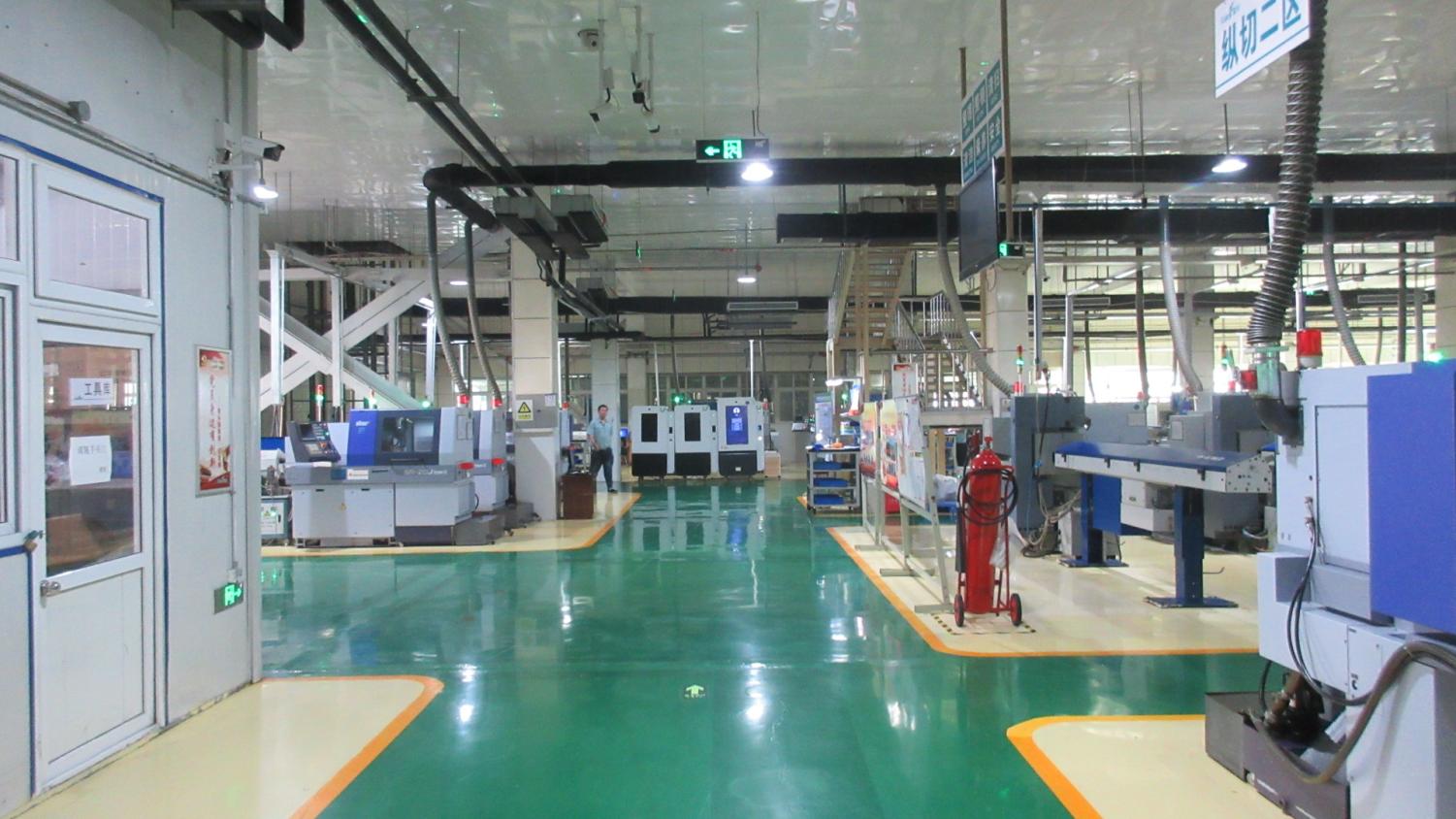
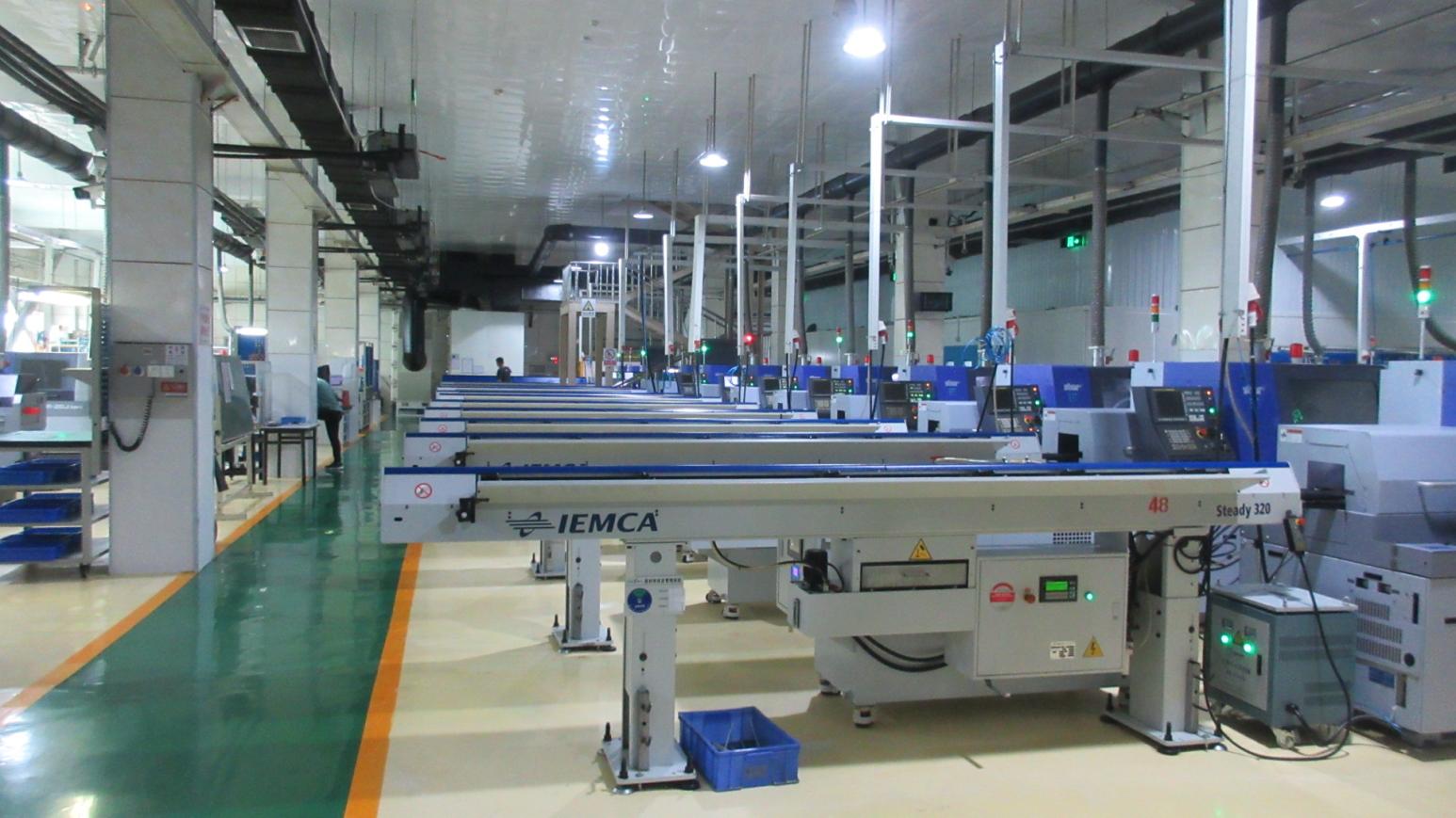
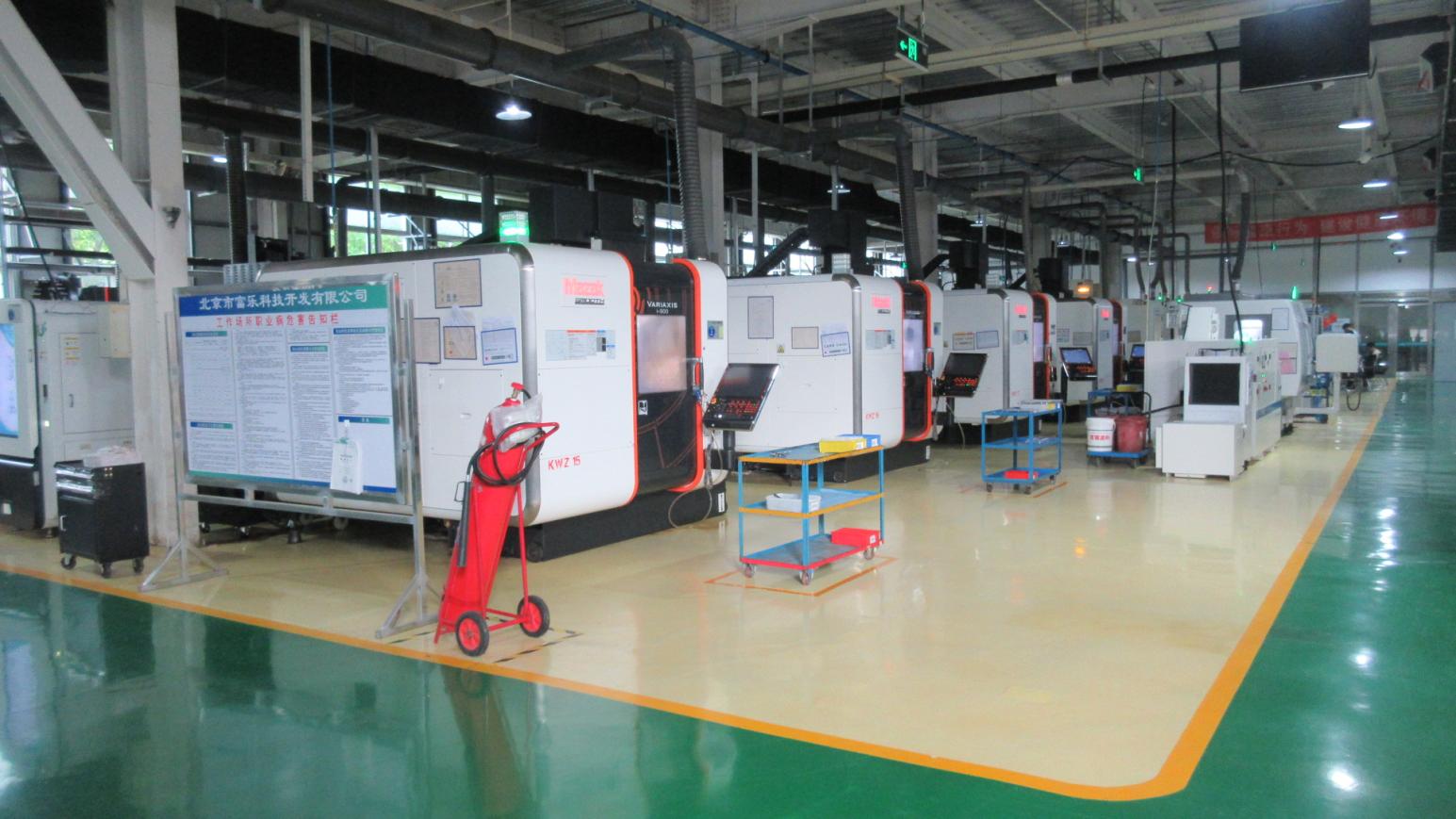
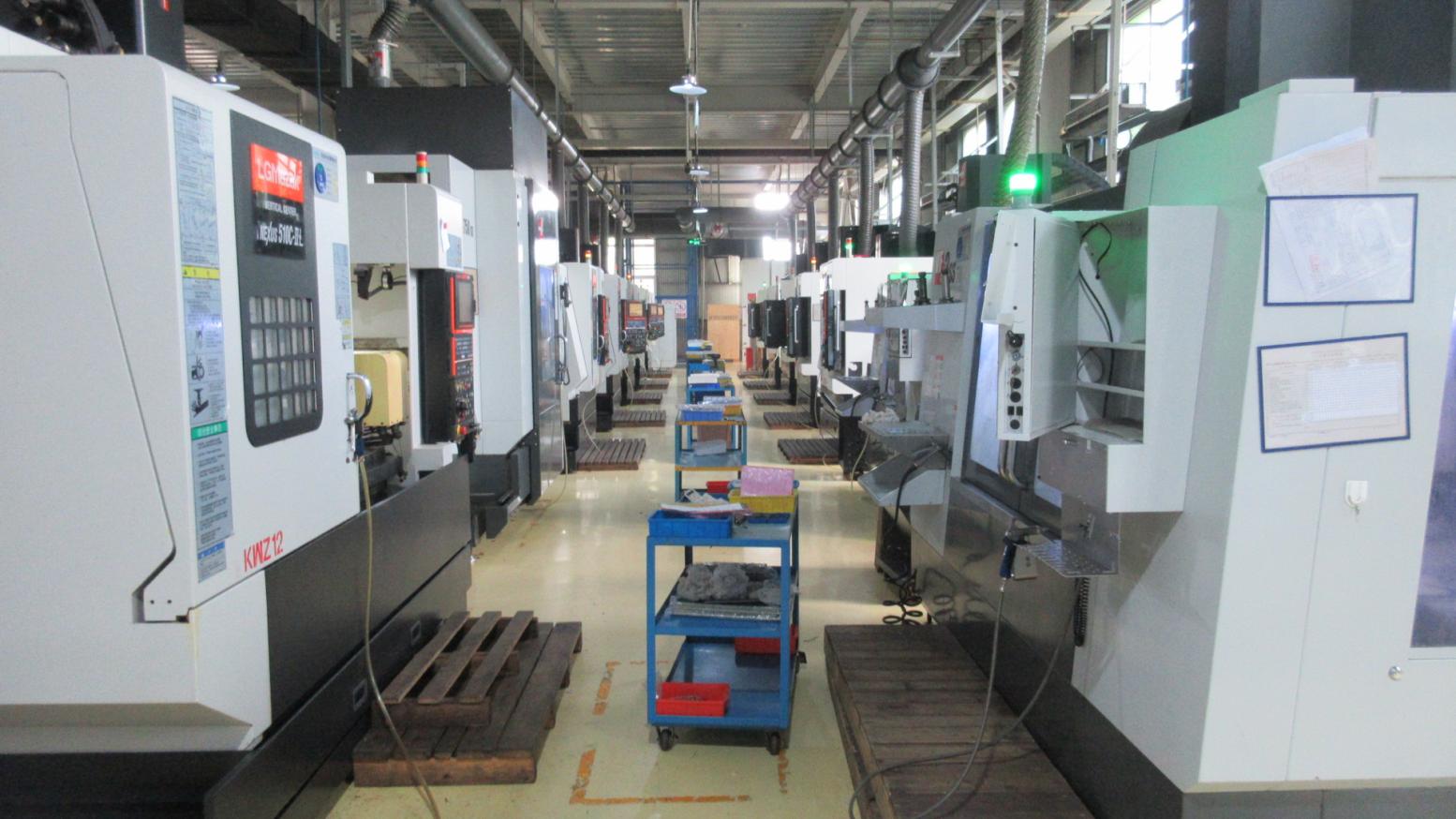
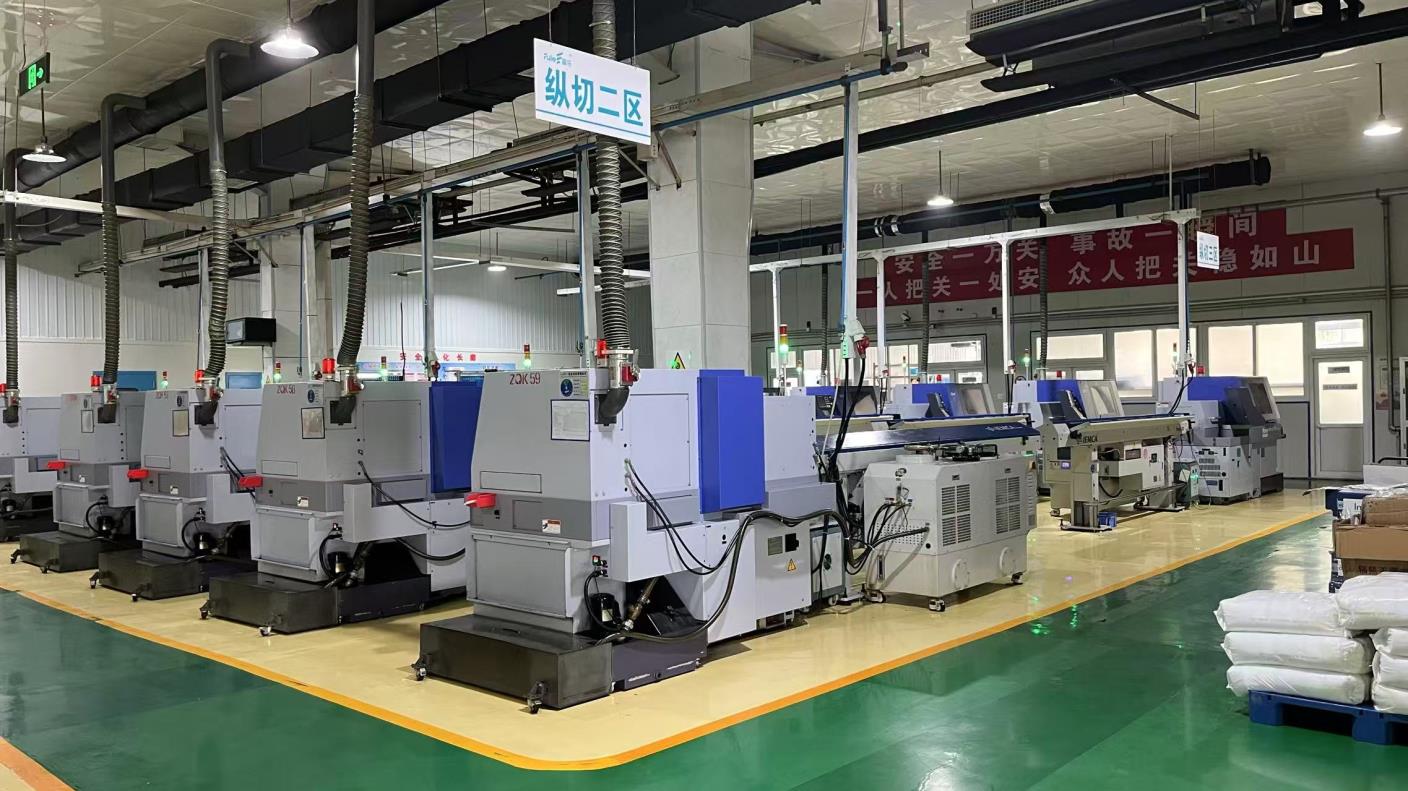
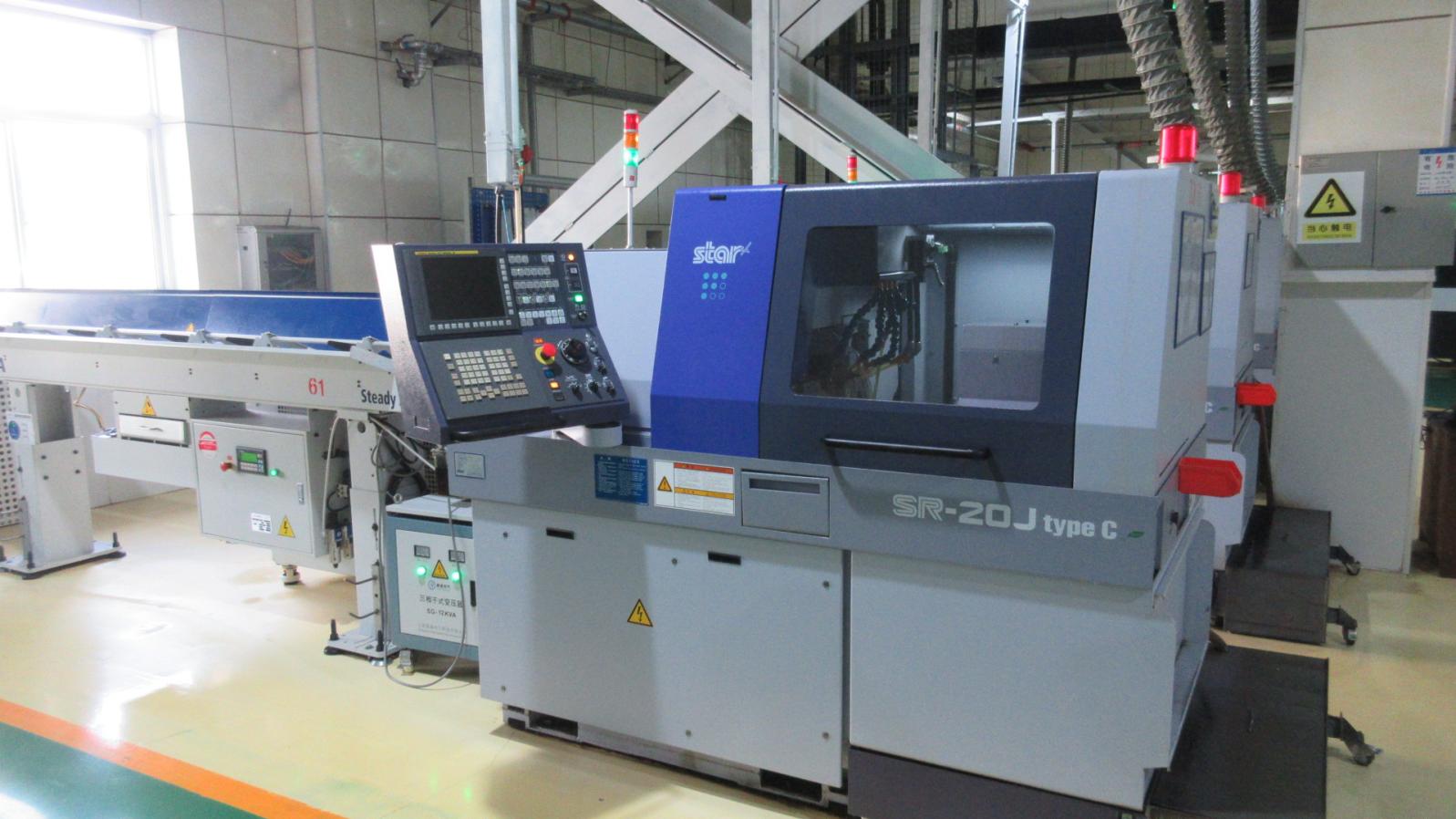
Our facility houses 102 state-of-the-art multi-axis CNC machines and Swiss lathe turning centers. This allows us to produce complex geometries for pedicle screws and low-profile spinal plates with micro-millimeter tolerances.
We source raw medical-grade titanium alloy and PEEK polymers exclusively from accredited material providers. Full traceability of melt batches and chemical certificate documentation is delivered with every batch shipped.
Our dedicated R&D division consists of 20 highly qualified orthopedic design engineers (including 15 postgraduate specialists). They coordinate with clinical teams globally to turn surgical ideas into OEM designs.
Optimized for structural correction, trauma stabilization, and degenerative diseases.
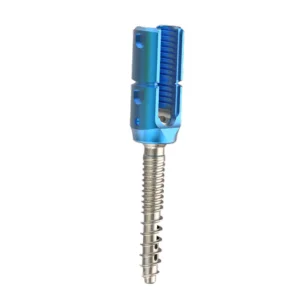
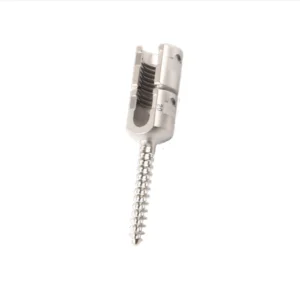
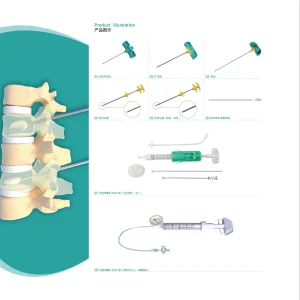
For degenerative disc diseases, spondylolisthesis, and spinal stenosis, the COX Posterior Spinal Screw-Rod System provides robust three-point fixation. Utilizing polyaxial pedicle screws with self-tapping threads and dual-lead thread patterns, surgeons can achieve superior pullout strength even in osteoporotic bone structures when combined with PMMA bone cement.
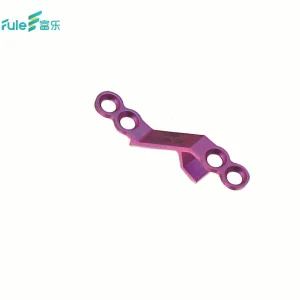
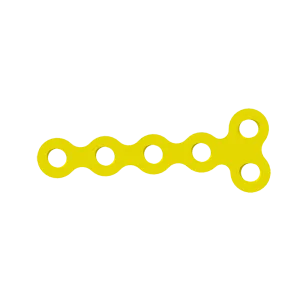
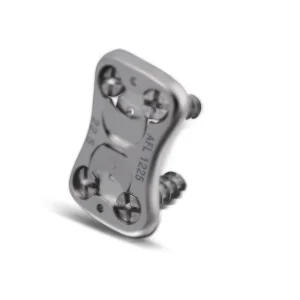
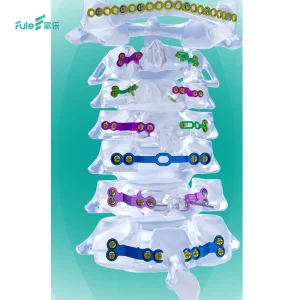
Managing severe scoliosis and structural spinal column deformities demands rigid, reliable fixation. Our Anterior Cervical Spine Plate and multi-level locking plate systems allow multi-segmental correction. This ensures corrective forces are evenly distributed over the instrumented levels, minimizing construct failure risks.
A transparent breakdown of our engineering capacity, quality metrics, and regulatory frameworks.
| Operational Metric | Factory Status & Specifications |
|---|---|
| Registration & Experience | Established in 1996-06-28 | 30 Years of Industry Excellence |
| Facility Space | 10,000 m² state-of-the-art facility |
| Quality Assurance (QA/QC) | 15 Dedicated Inspectors | 100% inspection on all production lines |
| Machinery & CNC Lines | 102 Premium Production Machines & Inspection Instruments |
| Traceability Framework | Full raw material traceability back to smelting batch |
| Global Certifications | ISO13485 Certified Medical Quality Management System |
| Product Development | 20 R&D Engineers (15 Graduates) | 20+ New Products Launched Annually |
| Customization Options | OEM/ODM - Sample Processing, Graphic Processing, Customized on Demand |
Keeping procurement professionals and healthcare networks ahead of the technological curve.
Globally, spine surgery is shifting toward minimally invasive techniques (MIS). MIS instruments minimize muscle dissection, reduce intraoperative blood loss, and shorten hospital stays. Our MIS sets feature percutaneous screw insertion paths and advanced targeting sleeves designed for modern operating suites.
While titanium remains the standard for load-bearing screws, PEEK (Polyetheretherketone) is highly favored for interbody fusion cages. PEEK features an elastic modulus similar to human cortical bone, reducing stress shielding. It is also radiolucent, enabling clear radiographic imaging during postoperative follow-ups.
Global medical buyers are increasingly demanding localized logistics, fast customs clearance, and high regulatory compliance. With ISO 13485 certification, our manufacturing operations ensure that global distributors receive fully documented, audit-ready implants and instruments.
Direct technical answers addressing sourcing questions from hospitals, clinical networks, and OEM distributors.
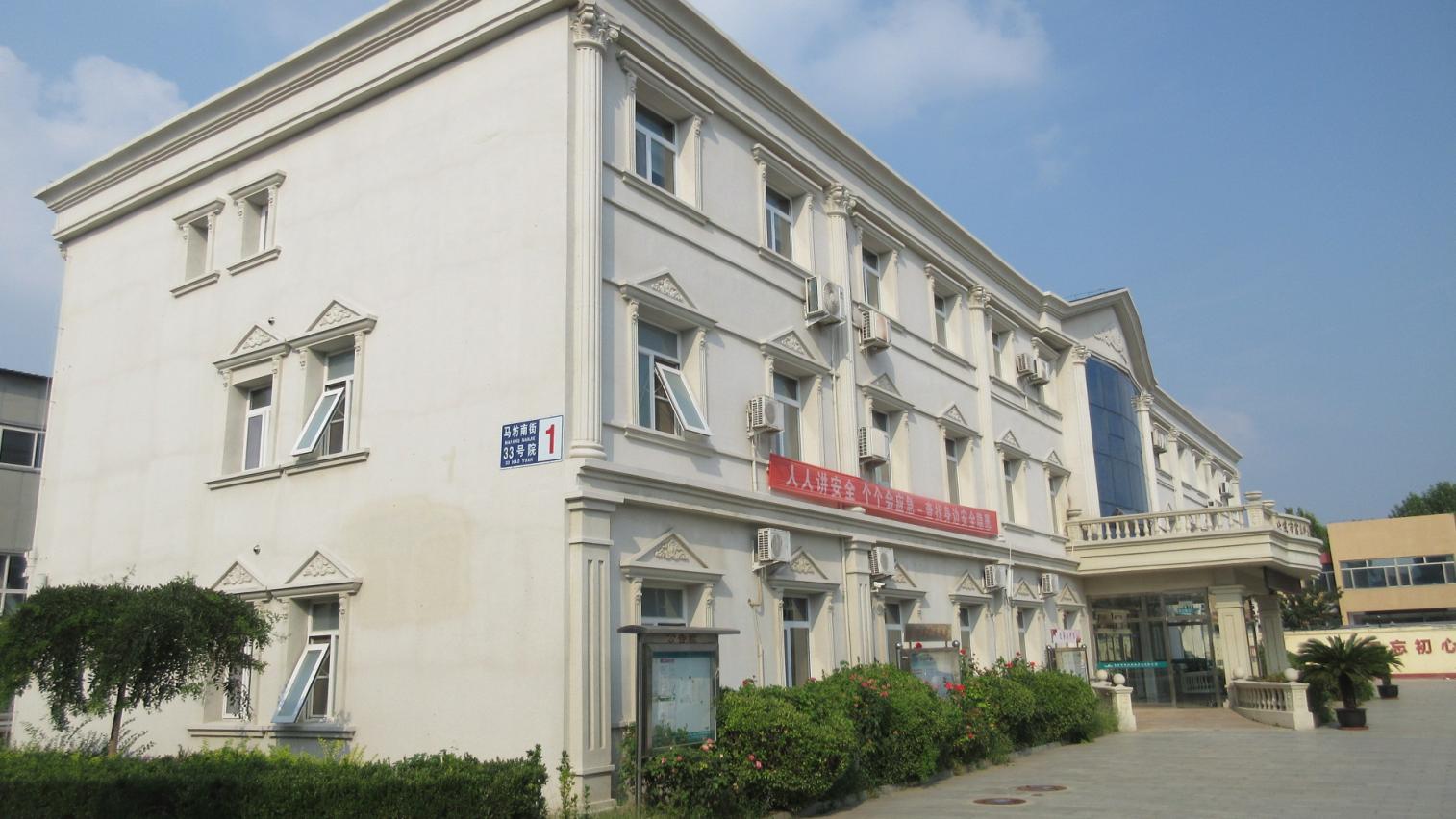
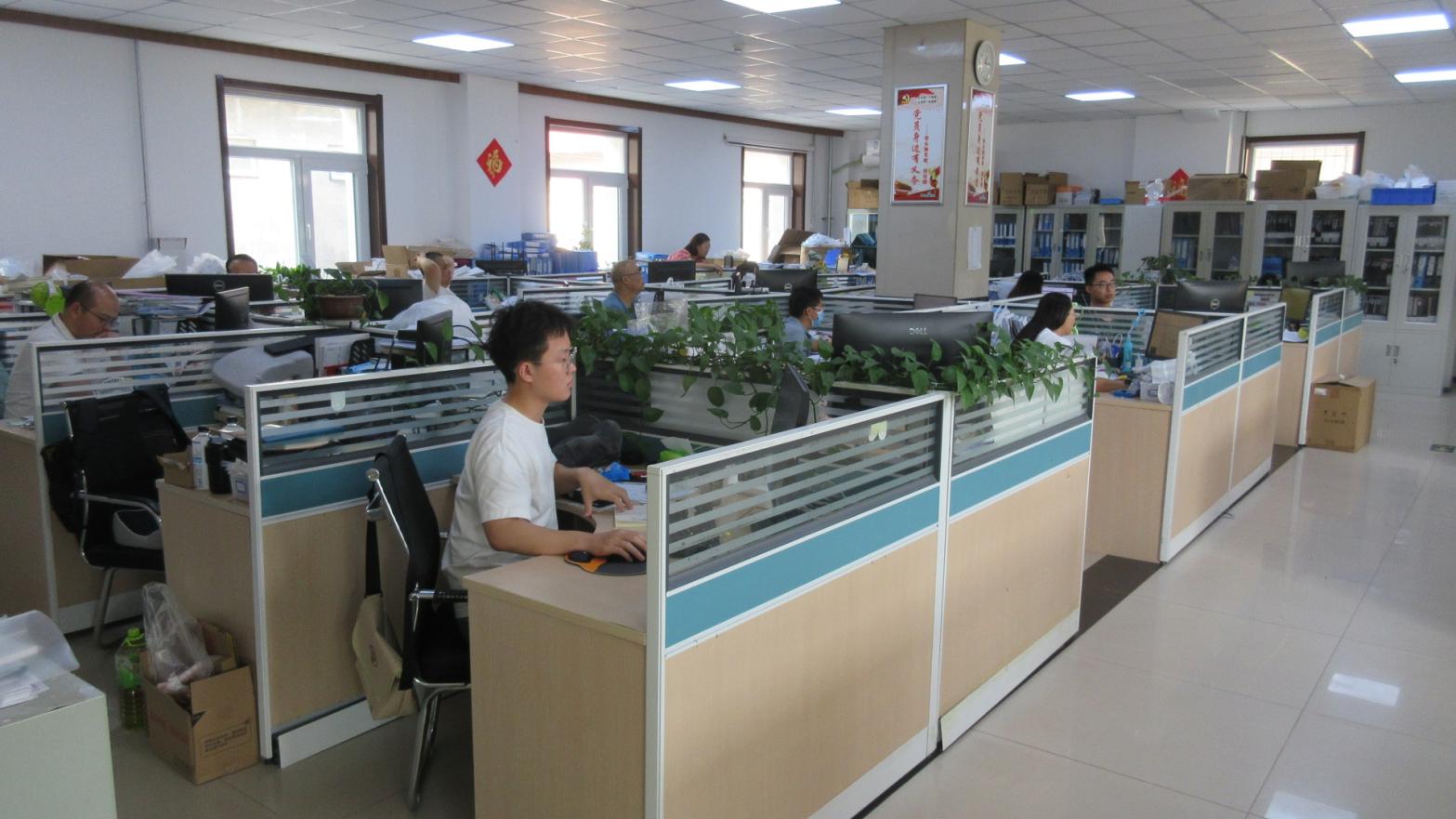
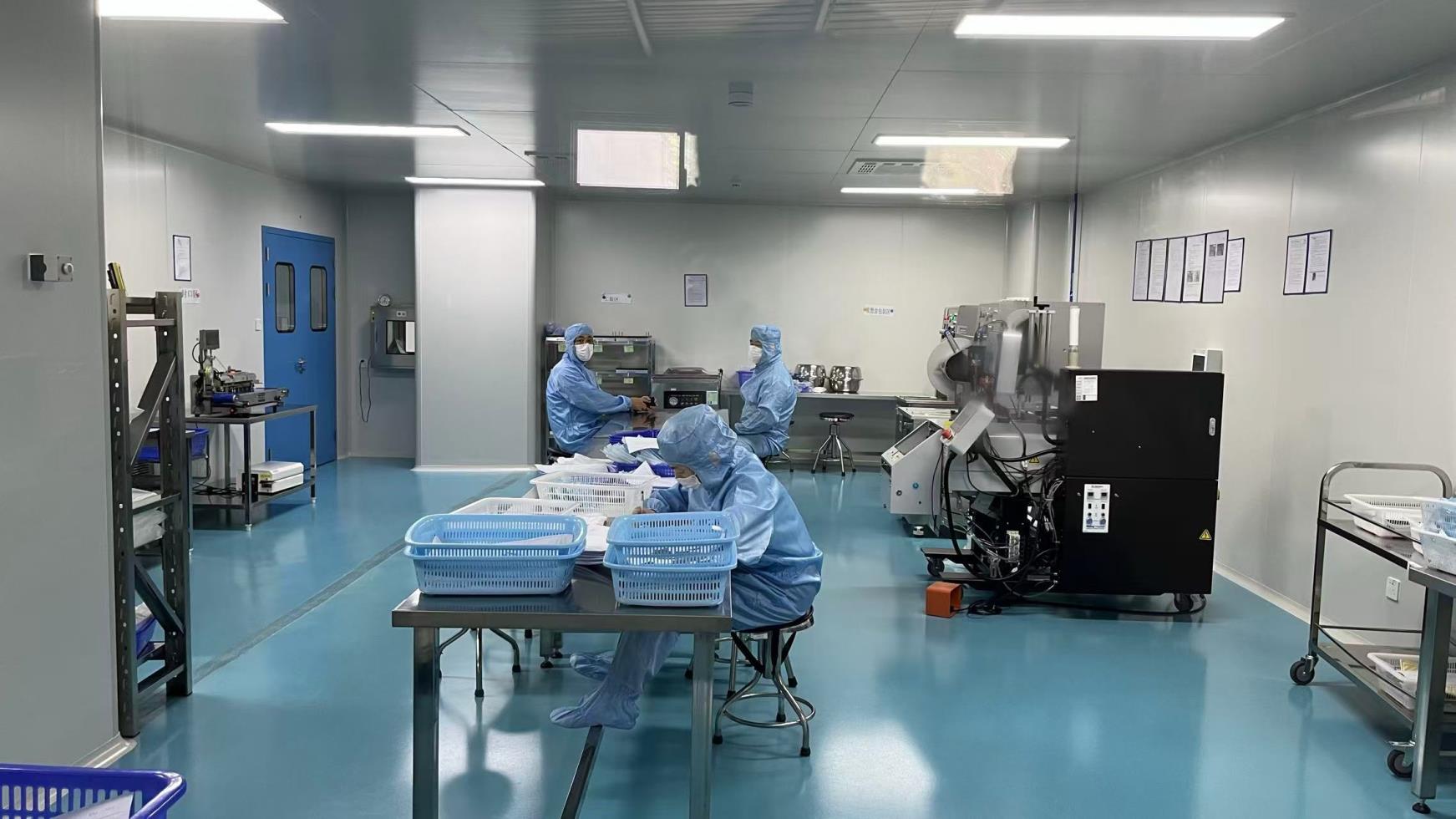
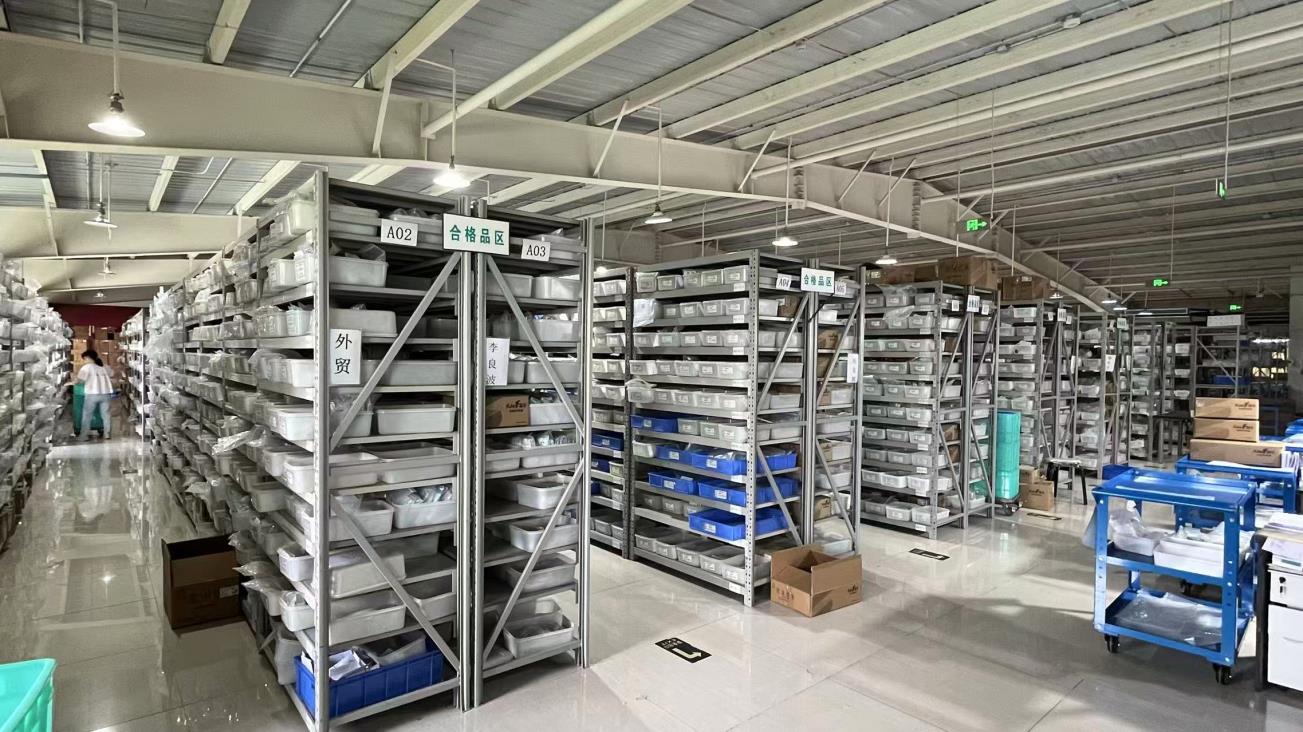
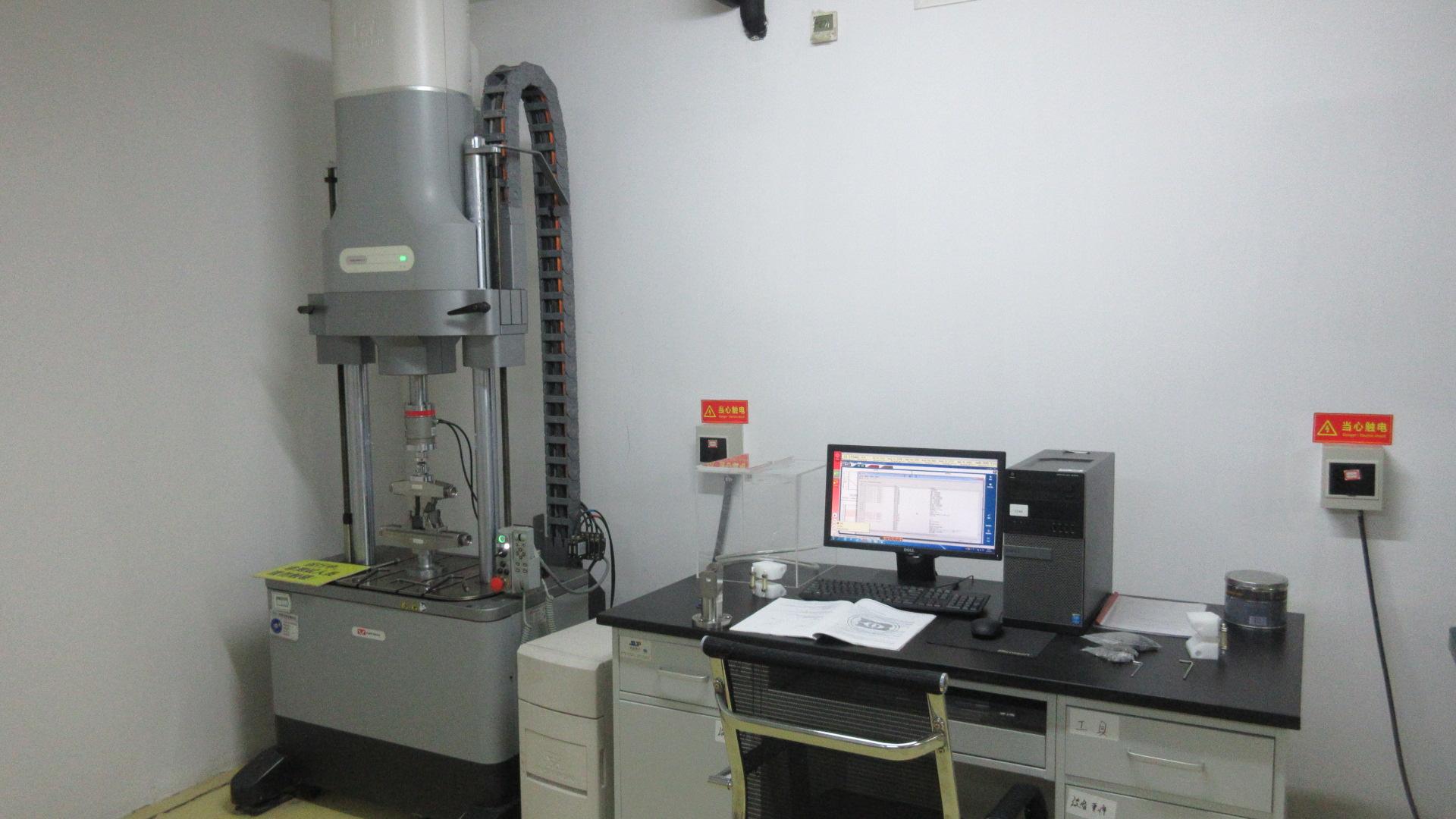
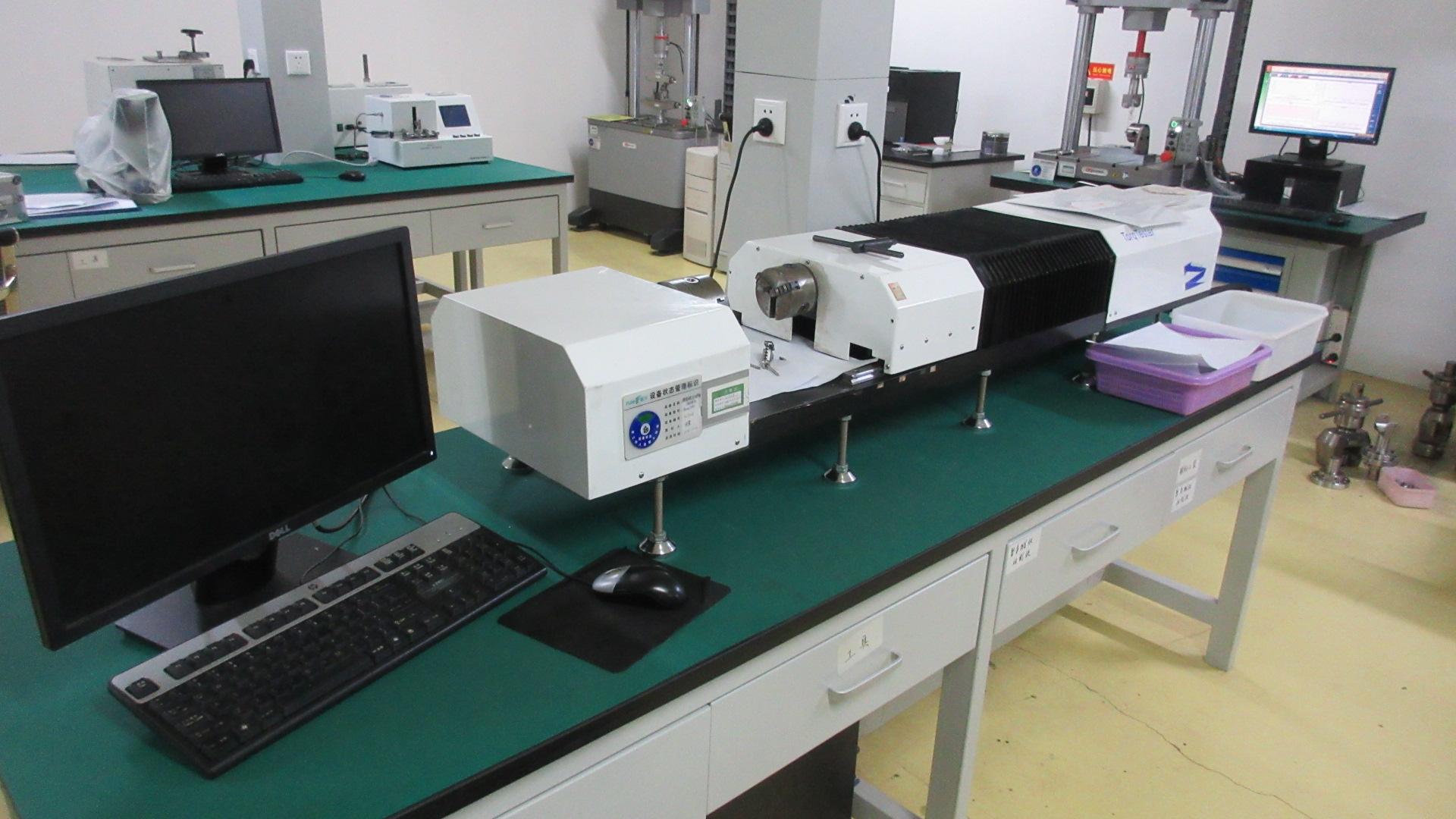
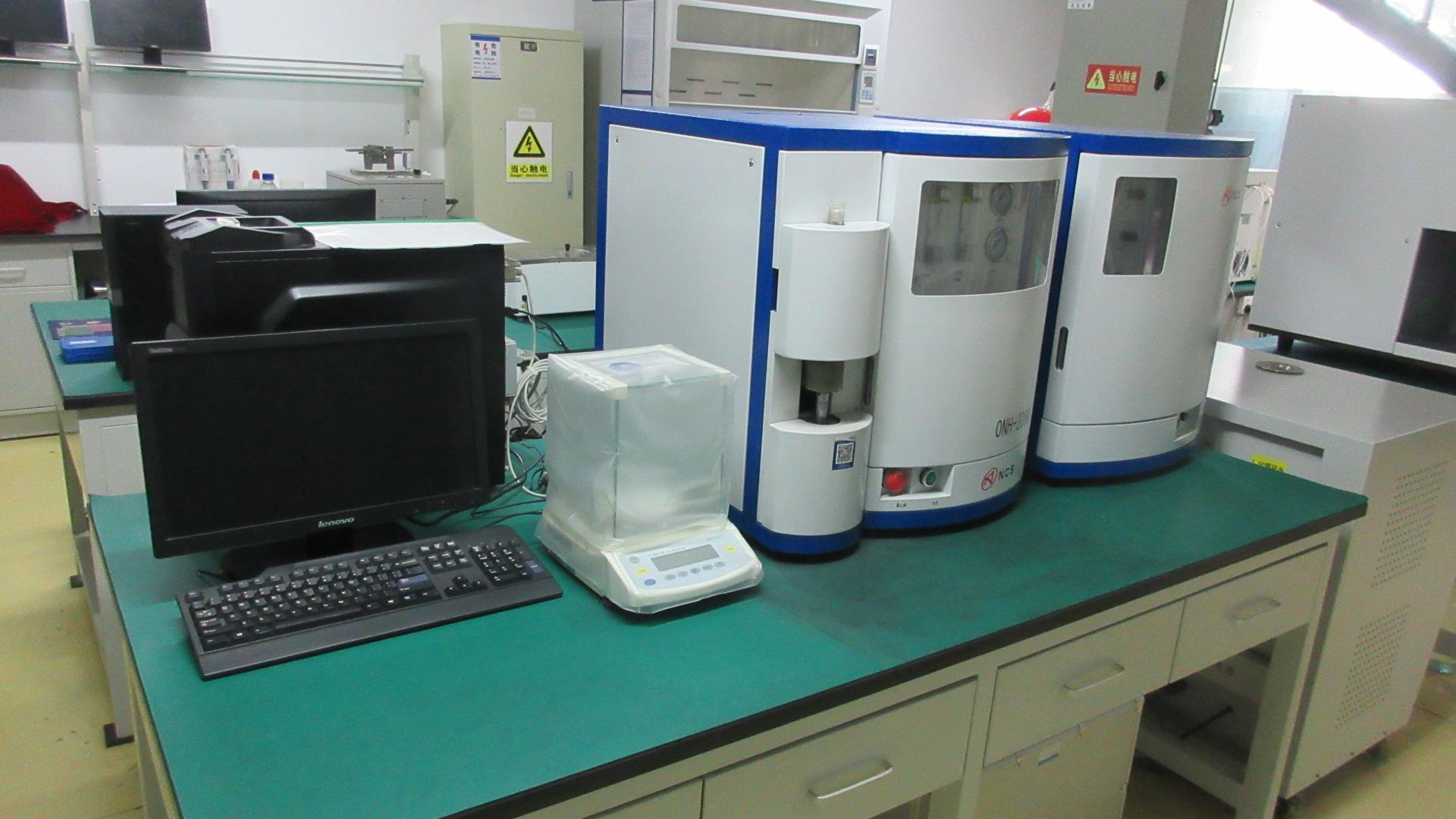
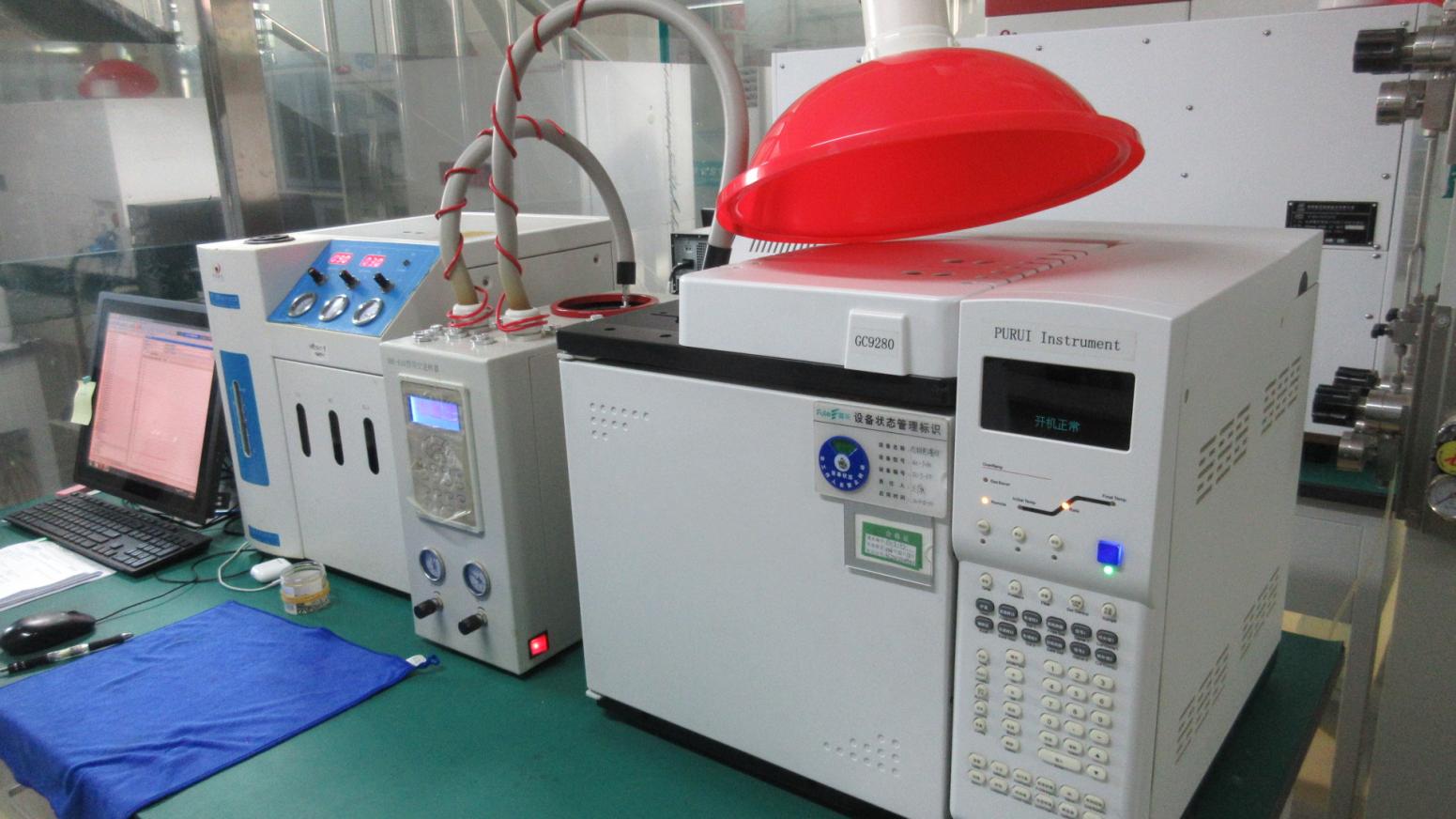
A visual look into our ISO 13485-certified manufacturing environment, processing lines, and high-precision testing instruments.
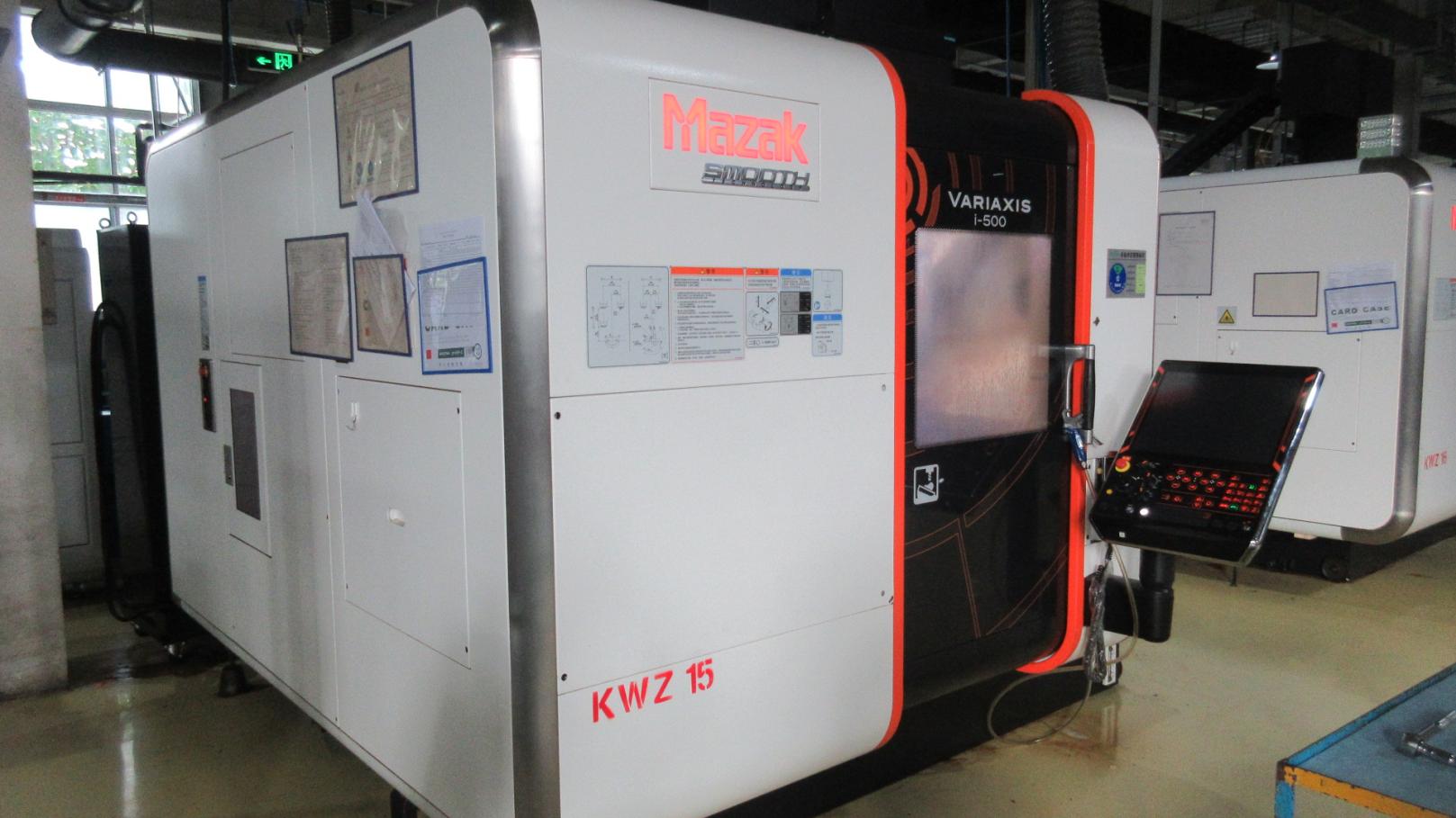
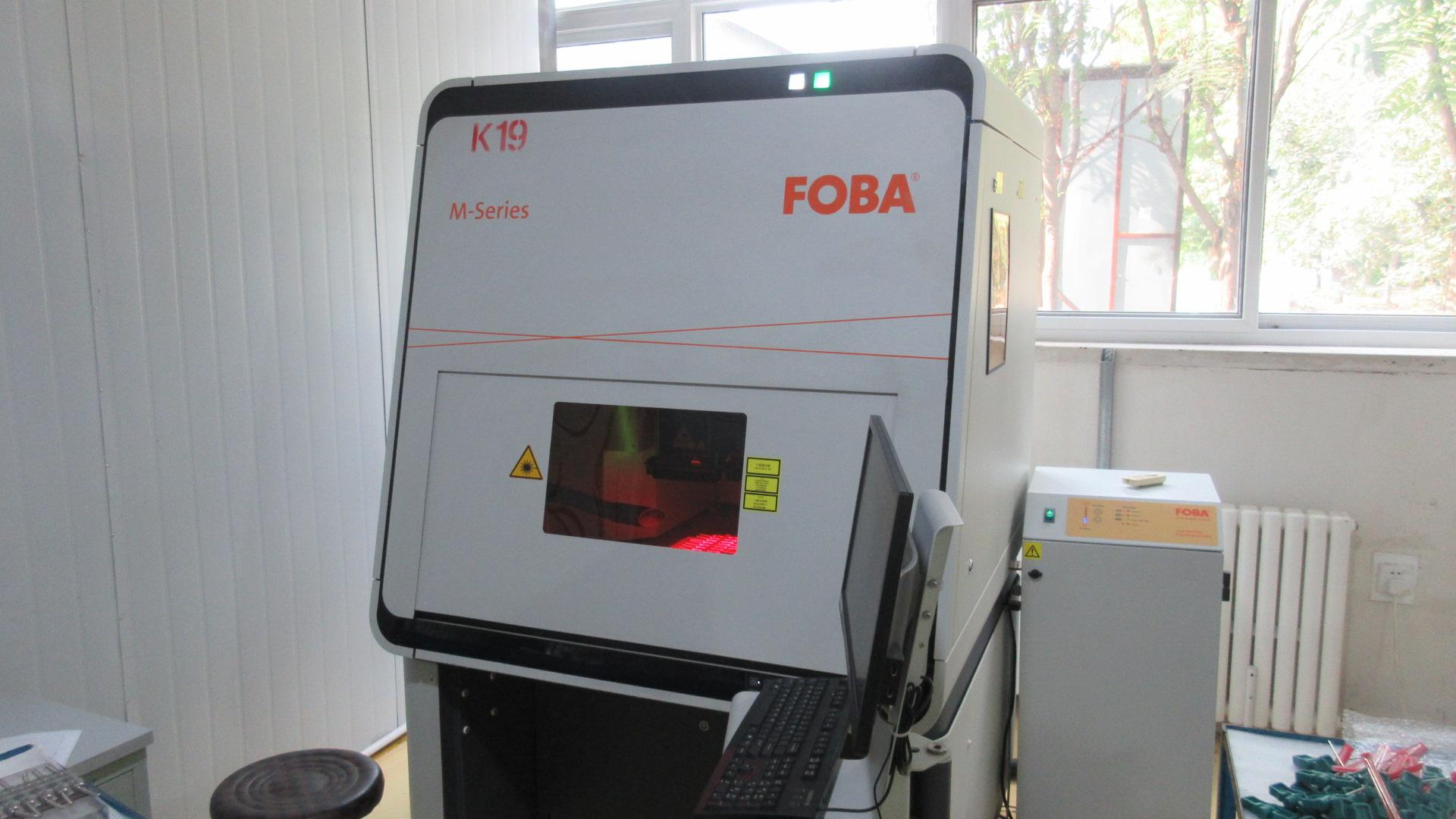
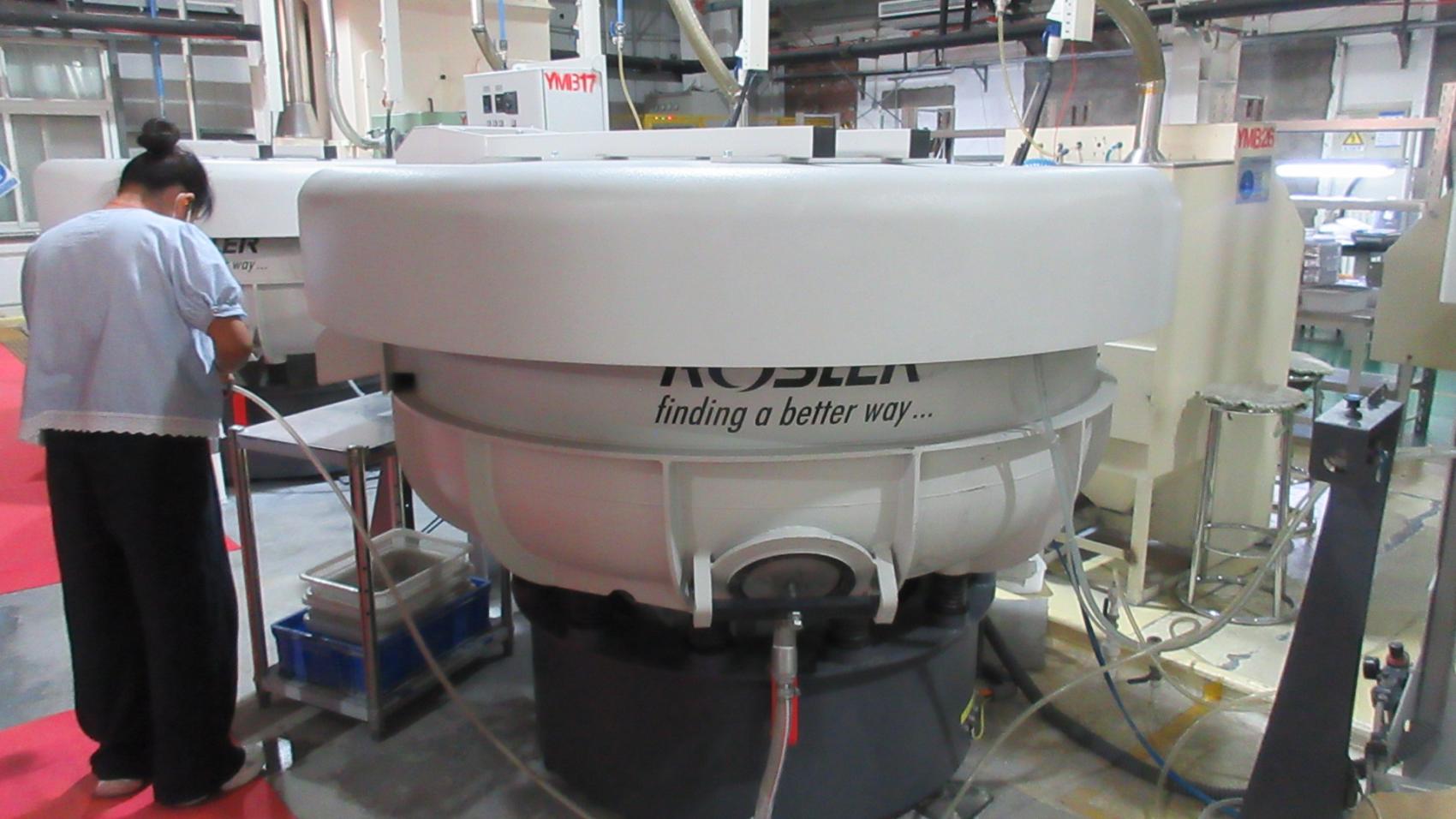
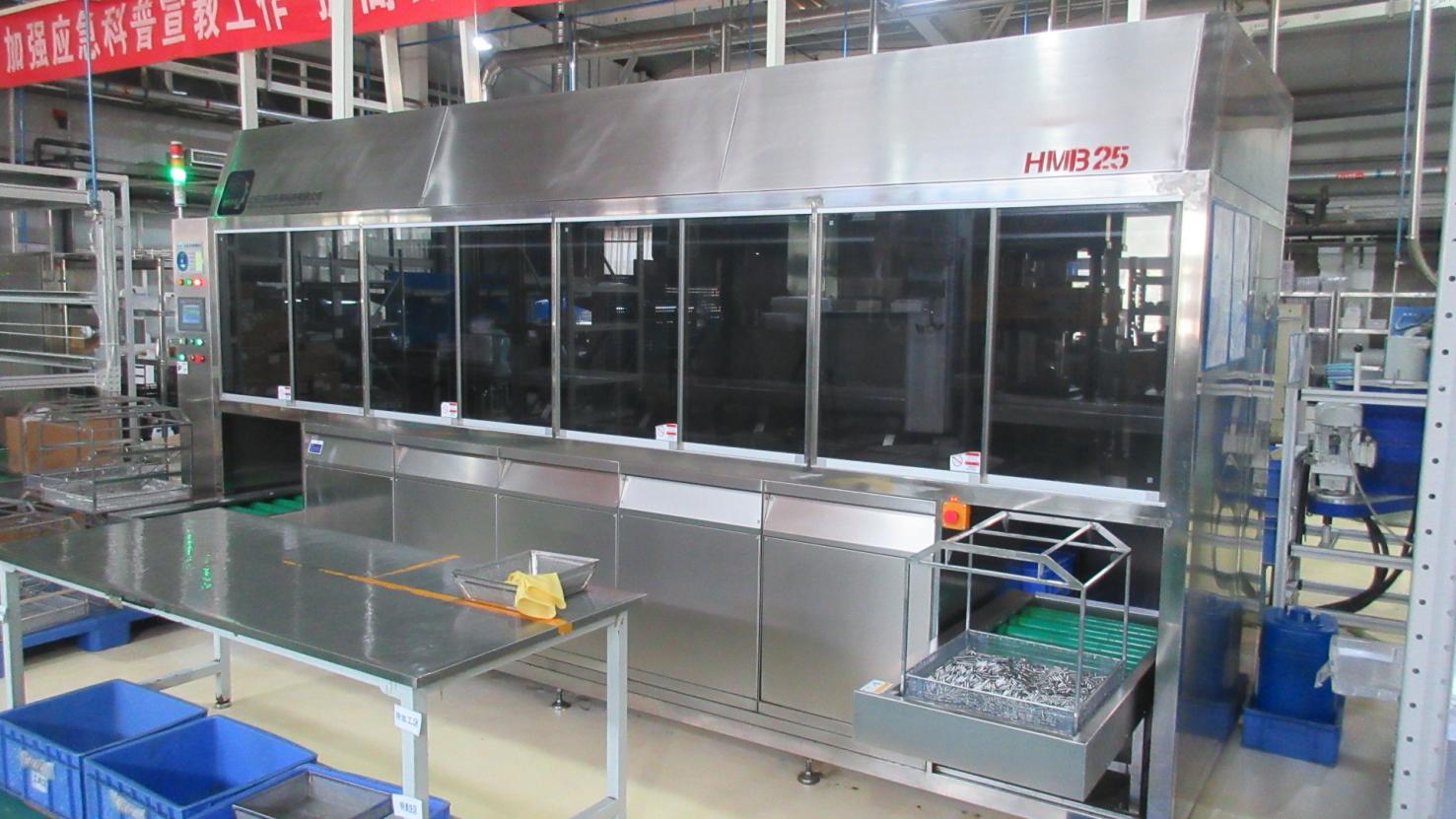
Complete your inventory with our CE-certified posterior laminoplasty sets, interbody cages, pediatric sliding screws, and sterile pressure pumps.
 Beren Science & Technology