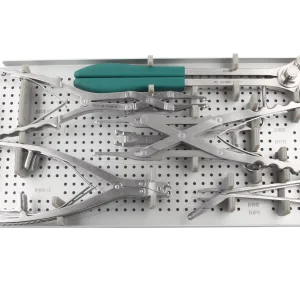
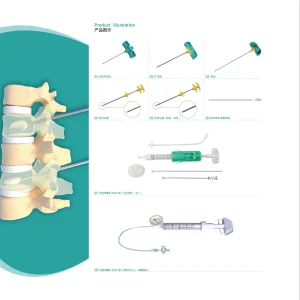
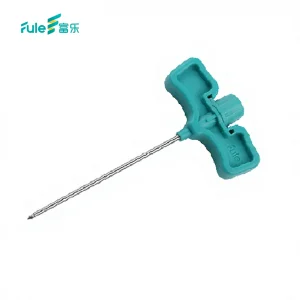
Explore our CE-marked titanium alloy implant systems and precision surgical instruments developed for critical orthopedic stabilization and internal fixation.
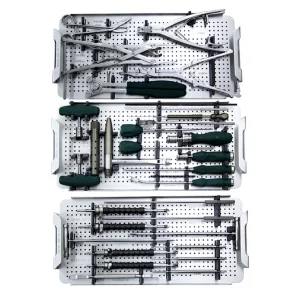
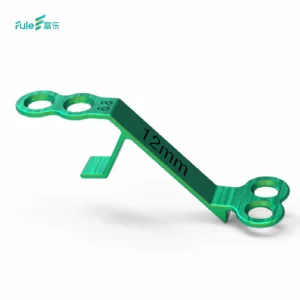
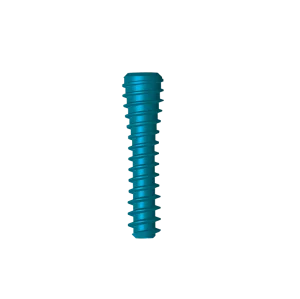
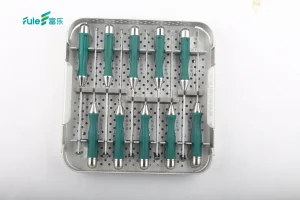
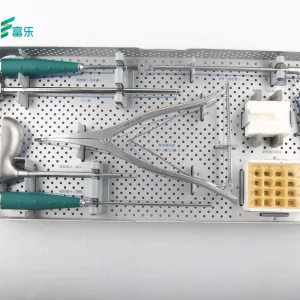
30 years of medical-grade metallurgy, surgical-grade quality control, and clinical research coordination.
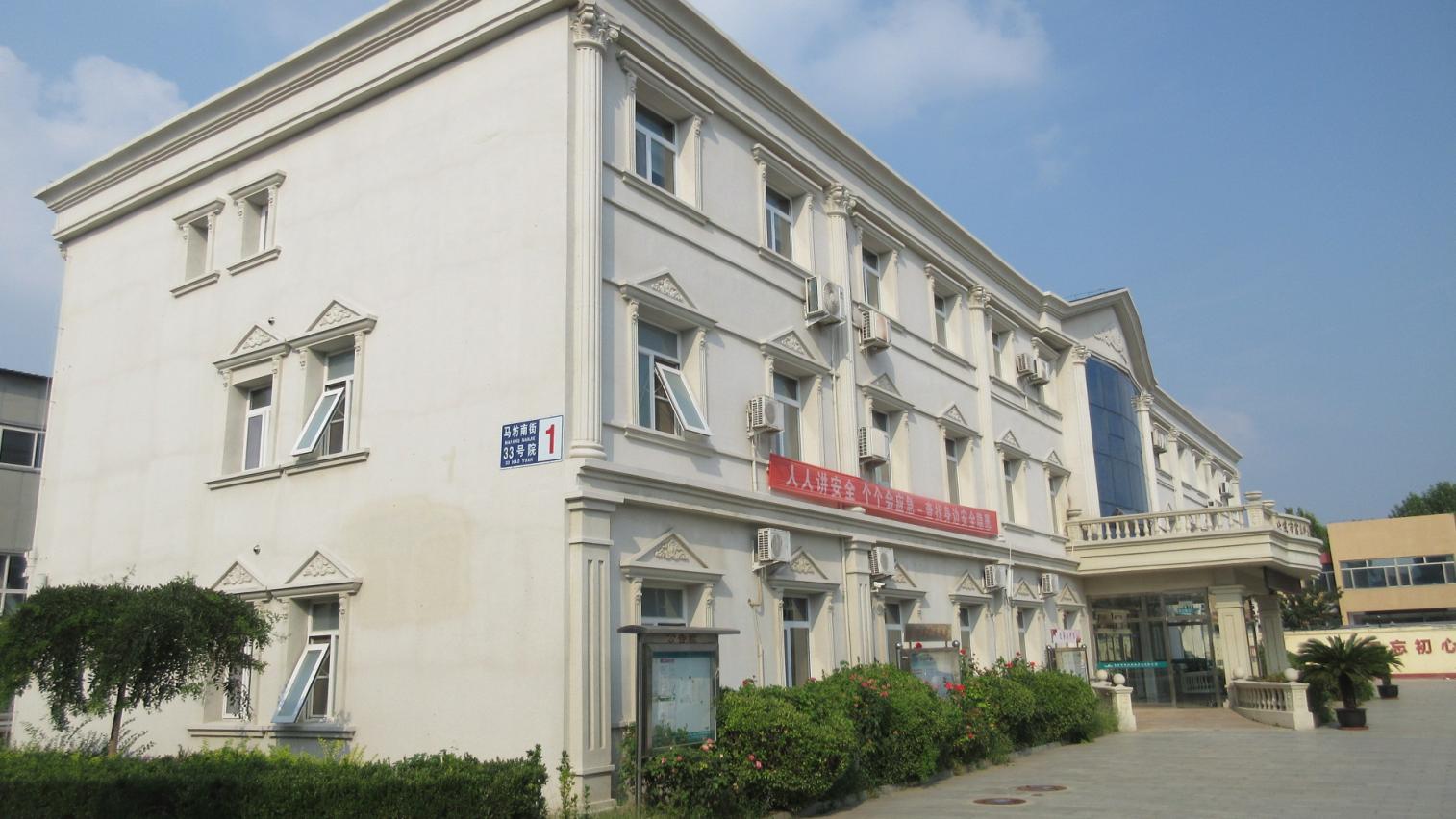
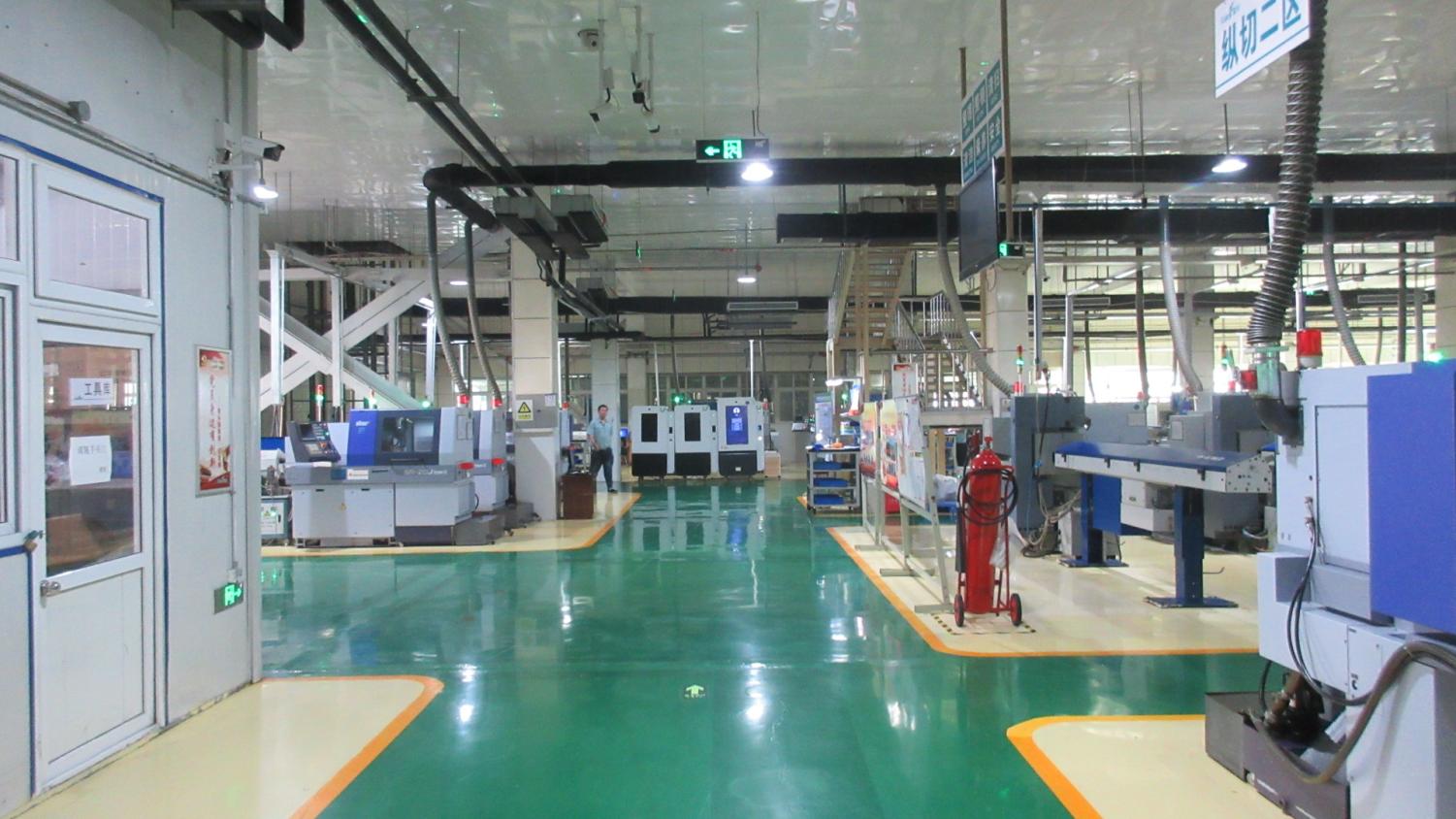
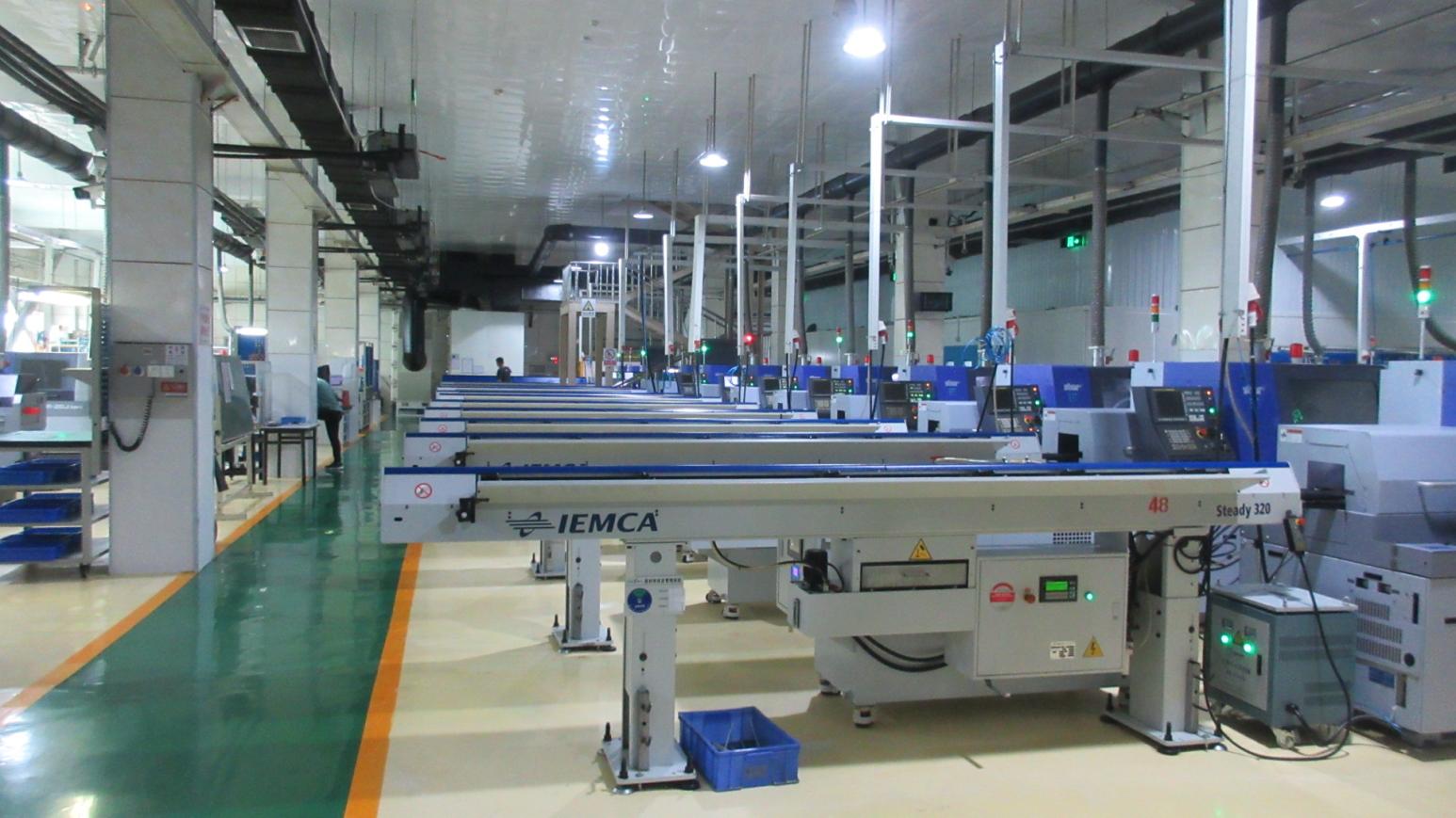
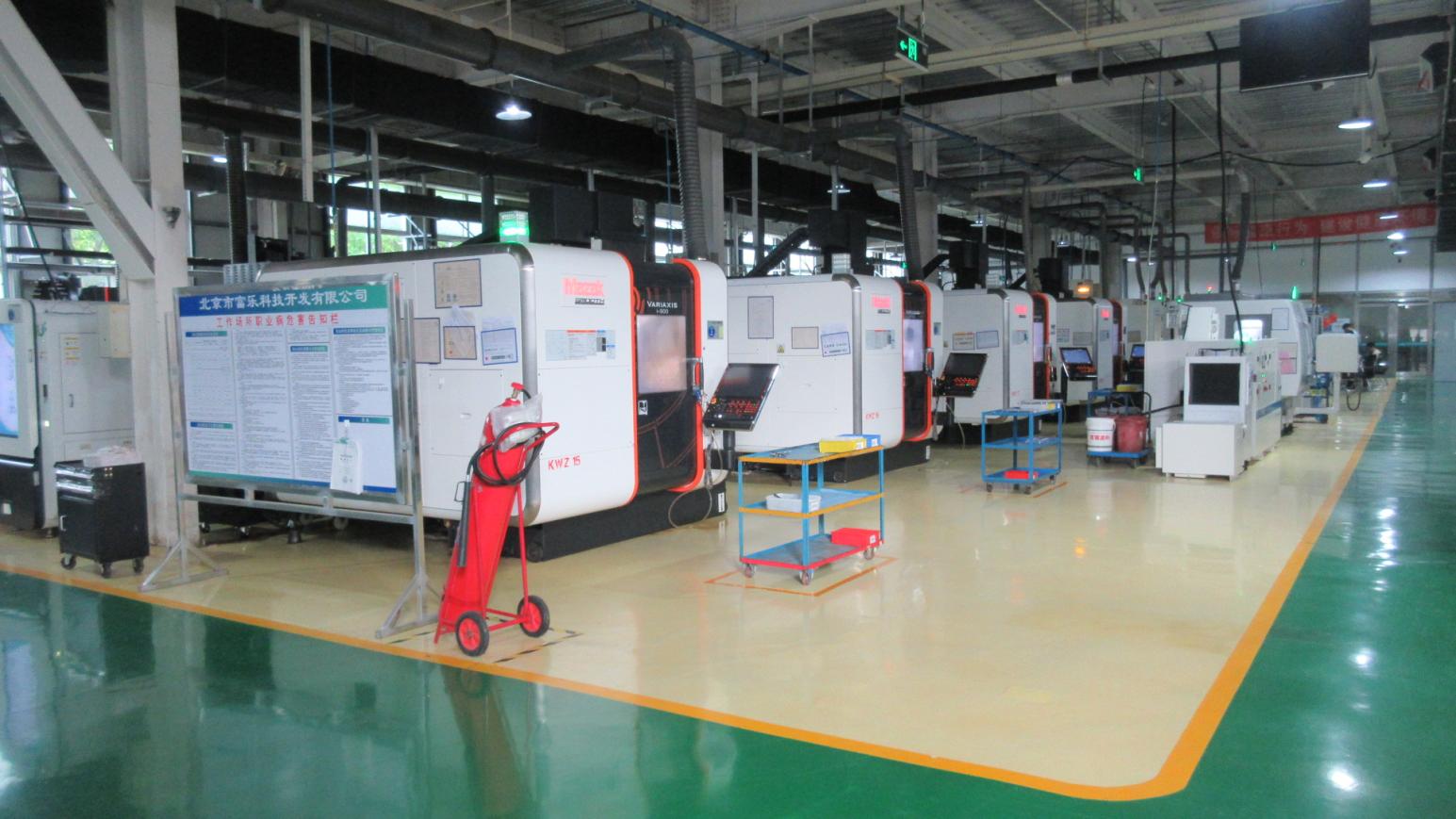
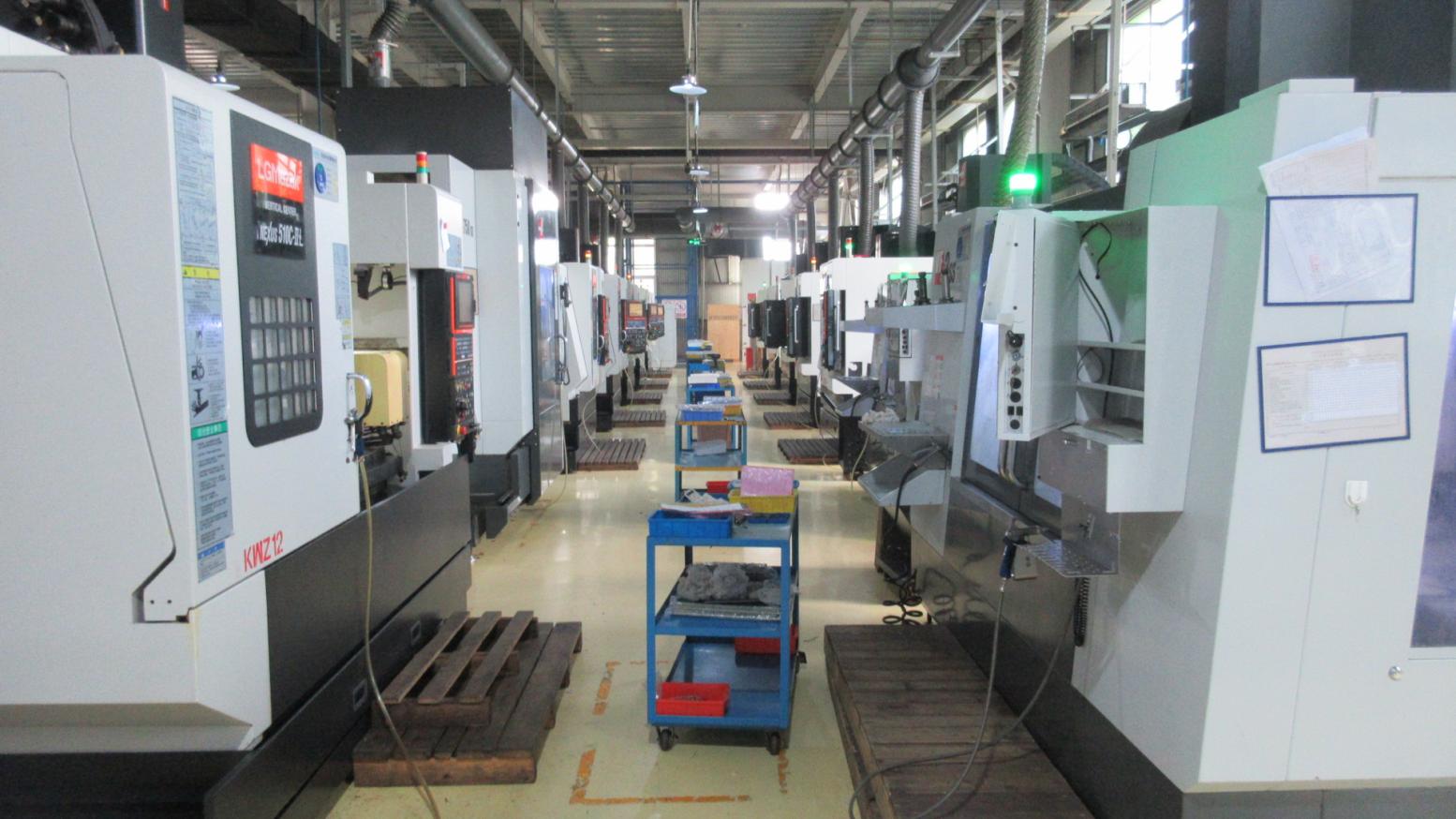
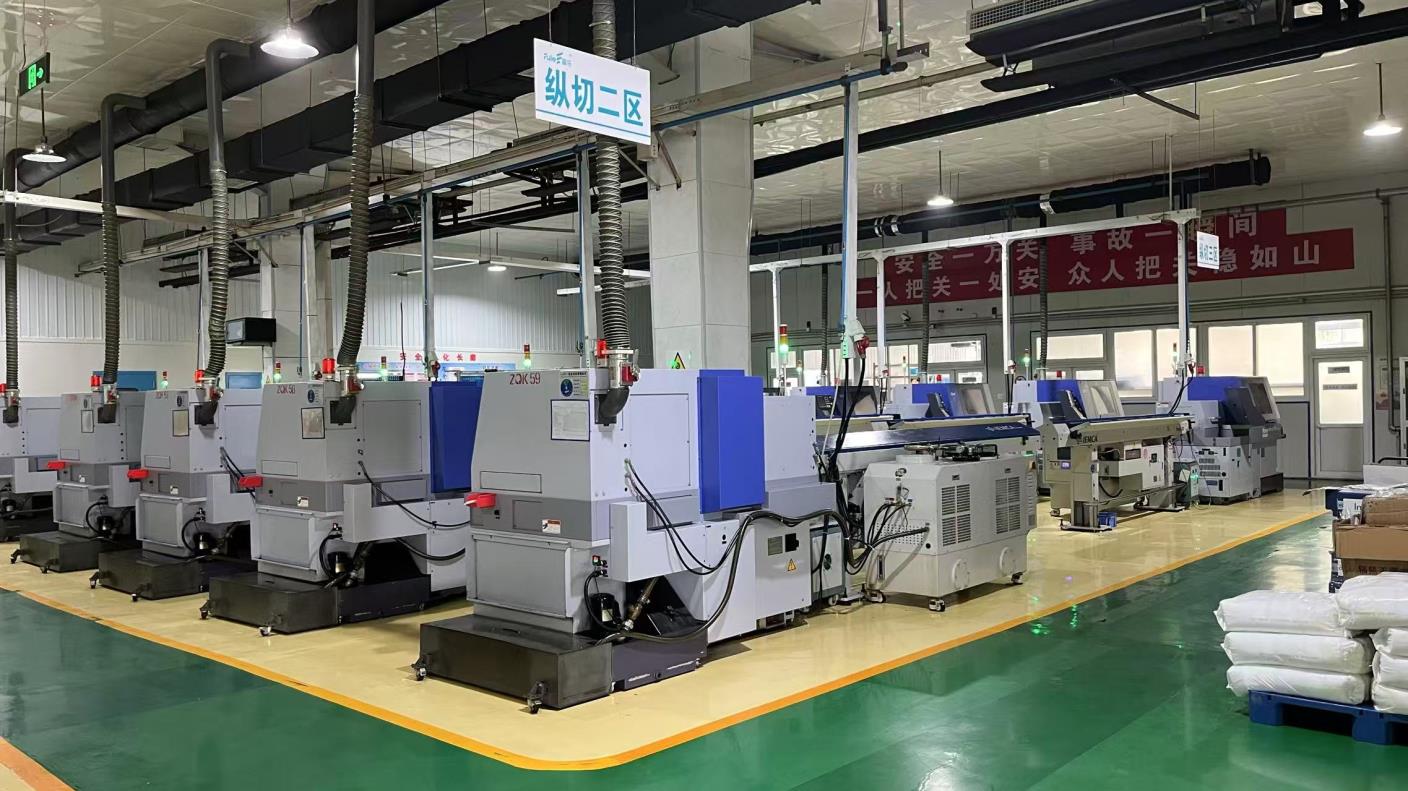
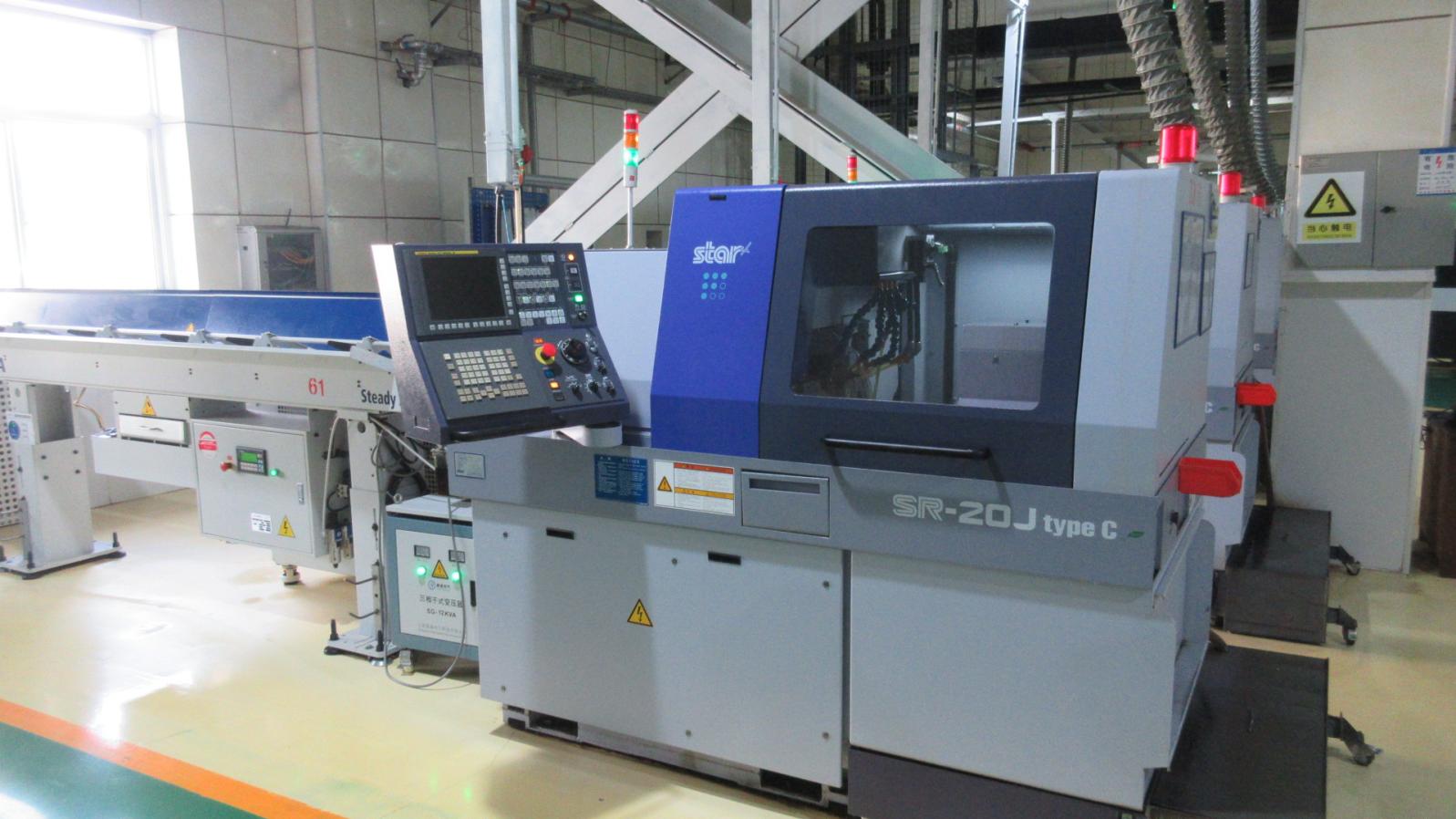
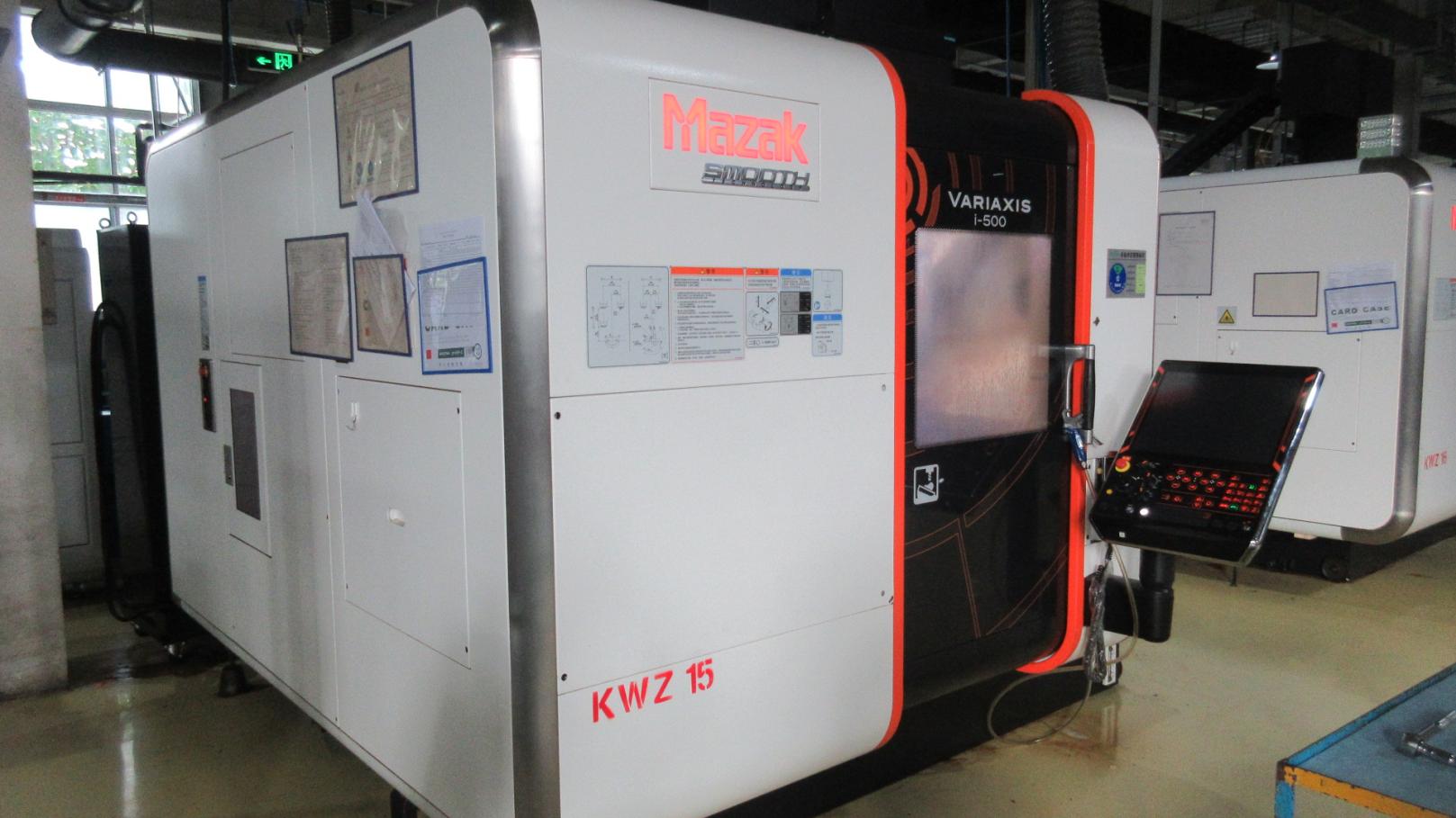
Founded in 1996, our enterprise stands as a vanguard in the manufacturing of high-performance orthopedic locking plate systems and anatomical implants. Operating out of a state-of-the-art 10,000 square meter facility, we integrate advanced Swiss-style CNC longitudinal lathes and Multi-axis machining centers to manufacture high-tolerance bone plates, cannulated compression systems, and spinal instrumentation.
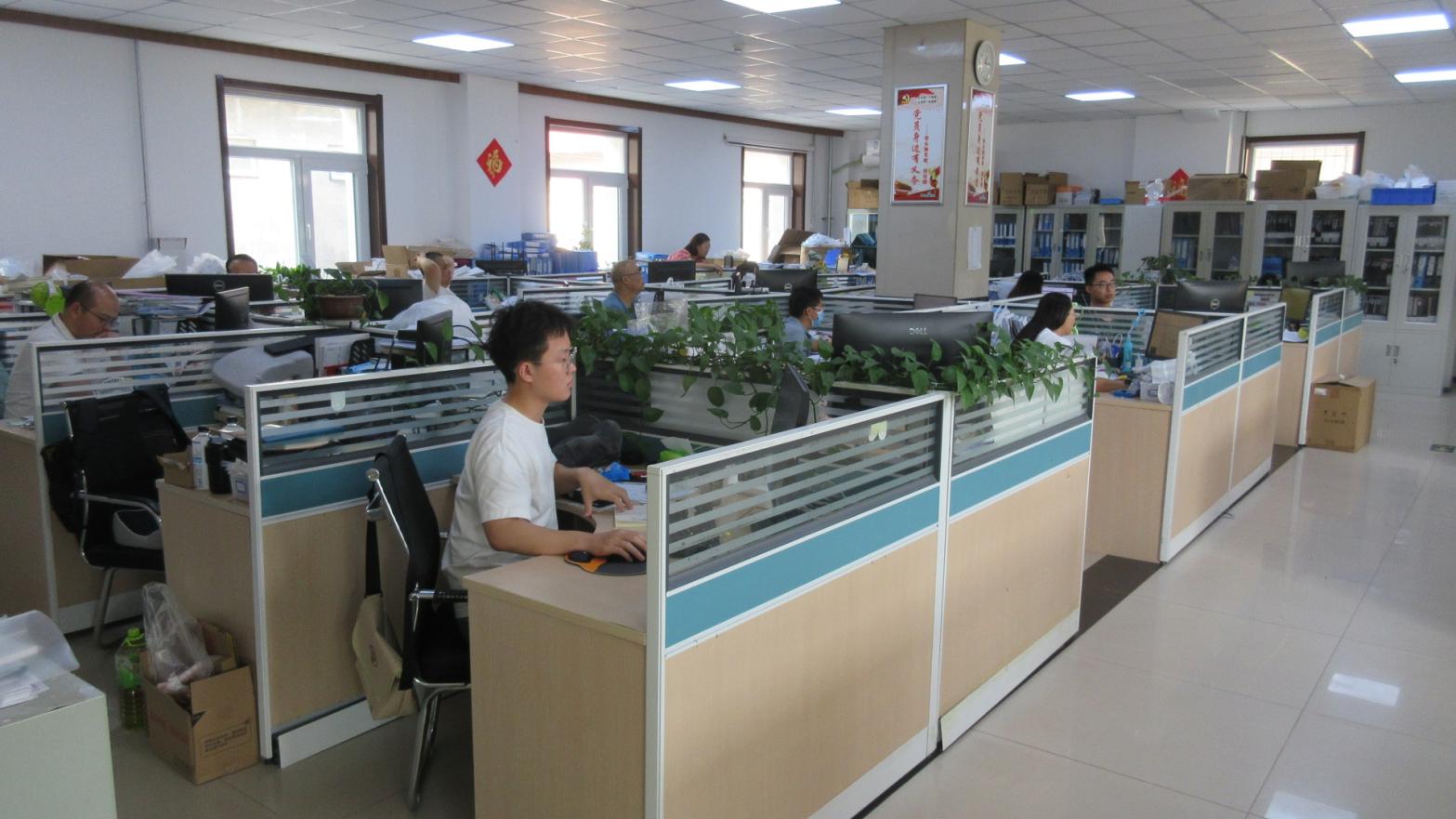
Backed by a team of 20 dedicated R&D engineers (with 15 holding advanced graduate degrees), we continuously evolve the biomechanical profiles of our implants. Our robust quality control department includes 15 specialized QA/QC inspectors executing 100% inspection protocols on our production lines, supported by full material traceability from raw medical-grade titanium (Gr5 / Ti-6Al-4V ELI) to sterile, shelf-ready implants.
| Technical Production & Quality Overview | |
|---|---|
| Registration Date | 1996-06-28 (Over 27 years of industry leadership) |
| Primary Certification | ISO13485 (Certificate No: 04724Q10000818) |
| Accepted Languages | English / Multi-language commercial support |
| Main Export Markets | Domestic Market (40%), Eastern Europe (15%), Southeast Asia (10%), Latin America & MEA |
| Supply Chain Partners | 70 audited global distribution & raw material partners |
| R&D Scope | Graphic processing, Sample processing, Custom OEM/ODM on demand |

An authoritative analysis of fixed-angle construct stability, dynamic stabilization mechanisms, and manufacturing tolerances in load-bearing trauma implants.
Modern internal fixation requires a delicate balance between mechanical stiffness, biocompatibility, and fatigue resistance. Our locking plate systems are fabricated from premium medical-grade Titanium Alloy (Ti-6Al-4V ELI, conforming to ASTM F136) and pure titanium (conforming to ASTM F67). The Extra Low Interstitial (ELI) variant of Ti-6Al-4V provides enhanced fracture toughness and fatigue crack propagation resistance, which is critical for locking plates deployed in periarticular zones subjected to high cyclic loading, such as distal femur or proximal tibia fractures.
By employing precise anodization surface treatments (Type II Anodization), we significantly improve the wear characteristics and surface hardness of the plate, reducing the coefficient of friction and minimizing the risk of cold welding (galling) between the locking screw head and the plate thread. This is a critical clinical benefit that ensures effortless implant removal during hardware revision surgeries.
The development of the combination hole (Combi-Hole) has revolutionized orthopedic trauma surgery. One half of the hole features a dynamic compression unit (DCU) geometry allowing for traditional cortex or cancellous screws to achieve absolute stability via compression. The other half is threaded, designed to thread-lock the head of a locking screw to create a fixed-angle construct.
This hybrid capability allows surgeons to selectively apply dynamic axial compression to reduce simple fracture patterns, followed by locking fixation to bridge complex comminuted fracture zones. Our factories utilize precision milling tools to ensure that the lead-in angles of the internal threads in each combi-hole are cut to tolerances of less than 10 microns, eliminating the threat of cross-threading during surgical insertion.
Locking plates act as external fixators internally. Fixed-angle constructs resist axial collapse and angular deformation under physiological loads, especially in osteoporotic bone.
Because locking screws lock to the plate, the plate does not need to be pressed against the bone cortex, preserving the critical periosteal blood flow and promoting faster callus formation.
Plate designs are based on extensive 3D morphological databases of human skeletons, minimizing the need for intraoperative plate bending and shortening surgical time.
While monoaxial locking systems restrict screw placement to a pre-defined vector, polyaxial locking technology enables surgeons to angle the locking screw within a cone of up to 30 degrees (15 degrees from the central axis). This variation allows targeting of specific bone fragments, avoiding joint surfaces, and bypassing existing implants or prostheses. Our polyaxial locking plates incorporate reinforced screw hole designs that maintain high pull-out strength and torque limits, even when screws are locked at maximum angular deviation.
How our integrated raw material sourcing, automated CNC machining, and automated logistics guarantee uninterrupted supply chains for global healthcare buyers.
Global medical procurement demands more than just low unit costs; it demands extreme supply chain resilience. Our manufacturing base in China utilizes Factory 4.0 principles to mitigate geopolitical risks and shipping bottlenecks. With 102 advanced production machines running on automated shifts, we maintain an annual production capacity exceeding 511,000 units. This massive output allows us to scale production lines rapidly in response to sudden hospital tenders or distributor shortages.
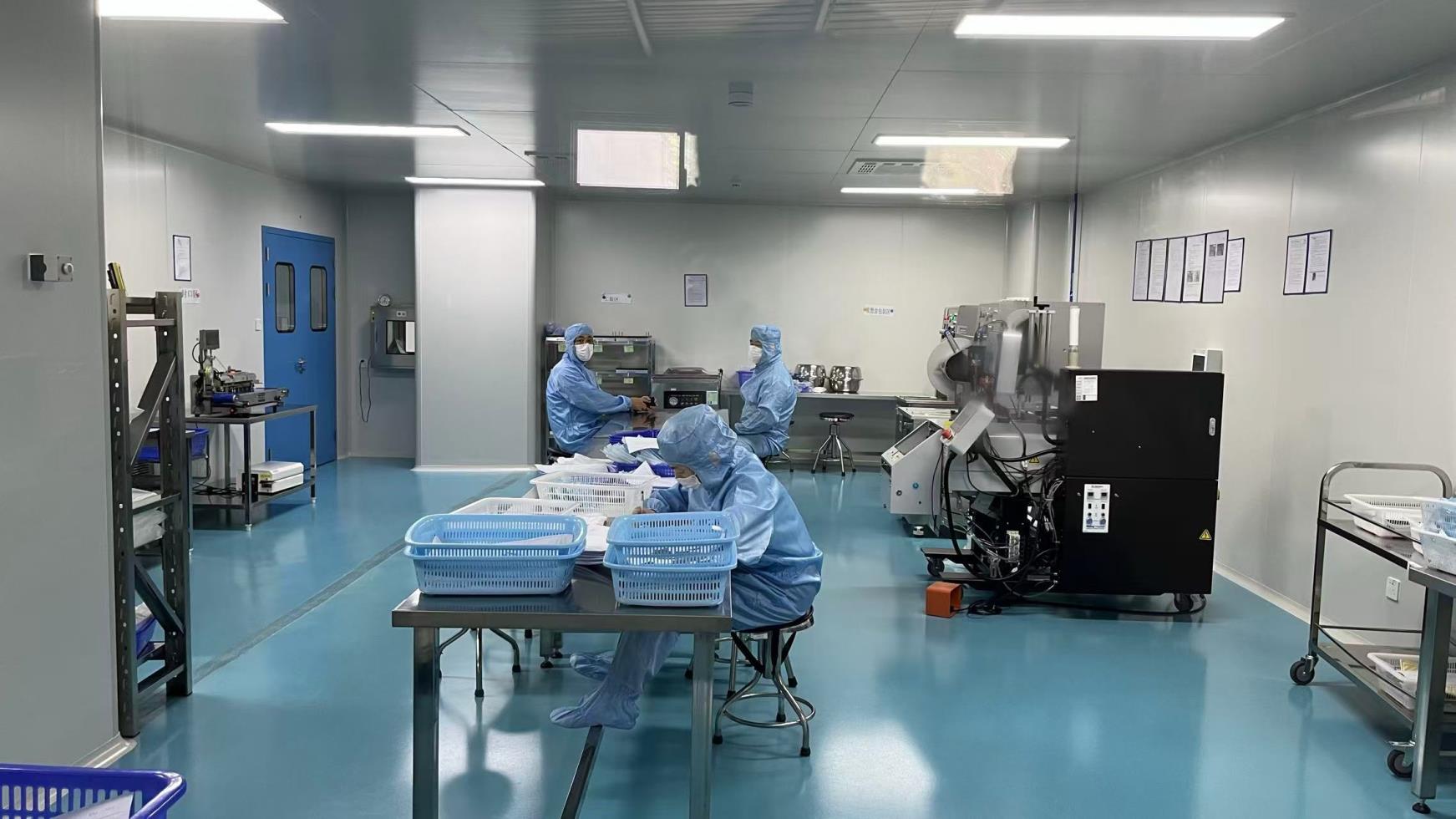
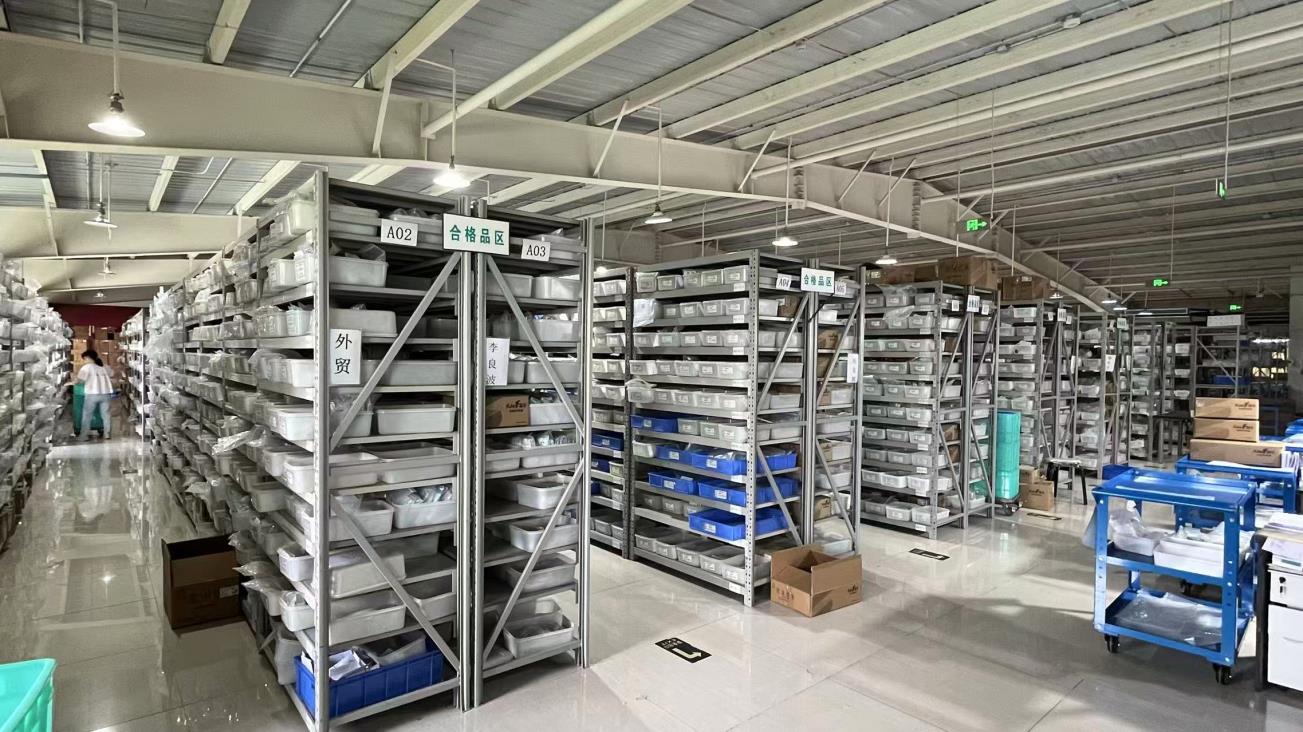
Furthermore, our supply chain incorporates integrated partnerships with 70 verified logistics and material suppliers. We maintain safety stocks of medical-grade titanium rods and plates for up to 6 months of continuous operation. By executing all processes in-house — from mechanical polishing and chemical passivation to cleanroom packaging (Class 10,000 environment) and pre-shipment inspections — we eliminate dependency on third-party subcontractors, ensuring consistent quality and predictable lead times.
| Manufacturing Stage | Infrastructure & Technology Deployed | Quality Assurance Protocols |
|---|---|---|
| 1. Raw Material Sourcing | Certified medical-grade titanium (Gr5) and stainless steel bars | Chemical composition analysis & ultrasonic flaw detection |
| 2. CNC Machining | Citizen (Japan) and Star CNC automatic longitudinal lathes | 100% dimensional inspection via optical profile projectors |
| 3. Surface Finishing | Electropolishing and Type II electrochemical anodization | Surface roughness measurement and adhesion testing |
| 4. Cleanroom Packing | Class 10,000 packaging cleanroom (ISO Class 7 equivalent) | Bioburden testing & sterile barrier integrity validation |
Anticipating clinical needs through research in biodegradable alloys, smart telemetry implants, and patient-specific orthopedic architectures.
As the global population ages and the prevalence of osteoporotic fractures rises, locking plate systems must evolve beyond passive mechanical splints. Our R&D team is actively pursuing a technology roadmap structured around three major growth pillars:
To accelerate bone-implant integration in compromised bone beds (e.g., diabetic patients or elderly populations with low bone mineral density), we are developing micro-arc oxidation (MAO) techniques. MAO coatings containing silicon, calcium, and phosphorus elements transform the bio-inert titanium surface into a highly osteoconductive, bone-like apatite layer. This promotes rapid osteoblast adhesion and reduces the rehabilitation phase for patients post-surgery.
A key focus of our material science division is the development of biodegradable magnesium alloy (Mg-Zn-Ca) plates and screws. These implants possess mechanical properties close to natural human cortical bone, reducing the stress-shielding effect. Over a period of 12 to 18 months, the magnesium implant gradually degrades and is replaced by natural bone tissue, completely eliminating the need for a secondary surgery for implant extraction.
Our upcoming generation of locking plate instruments features built-in optical and electromagnetic tracking arrays. These tools integrate directly with computerized navigation systems and robotic surgical arms. By providing real-time positional data, surgeons can execute micro-invasive incisions and place locking screws with sub-millimeter precision, reducing soft tissue trauma and intraoperative radiation exposure.
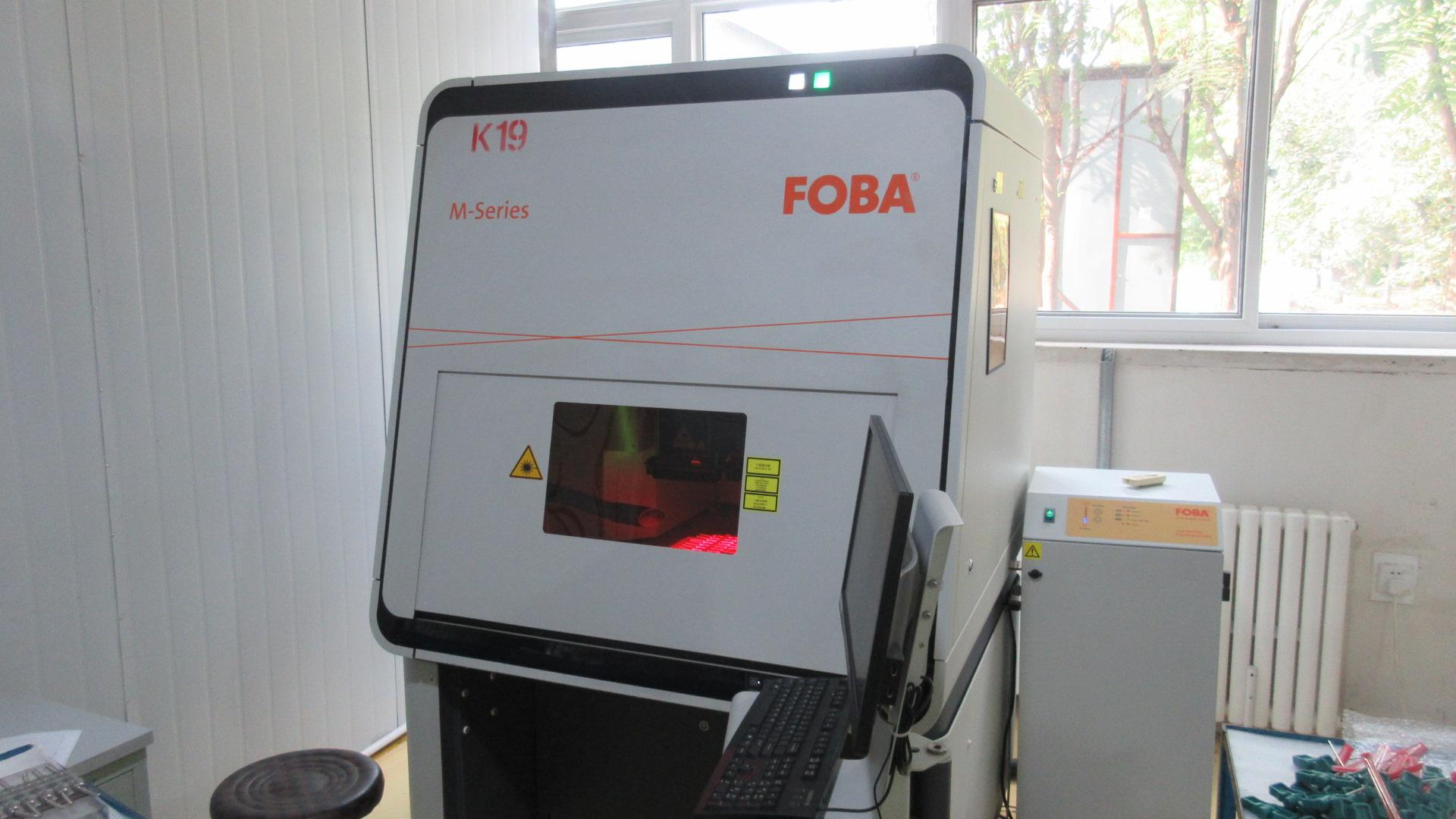
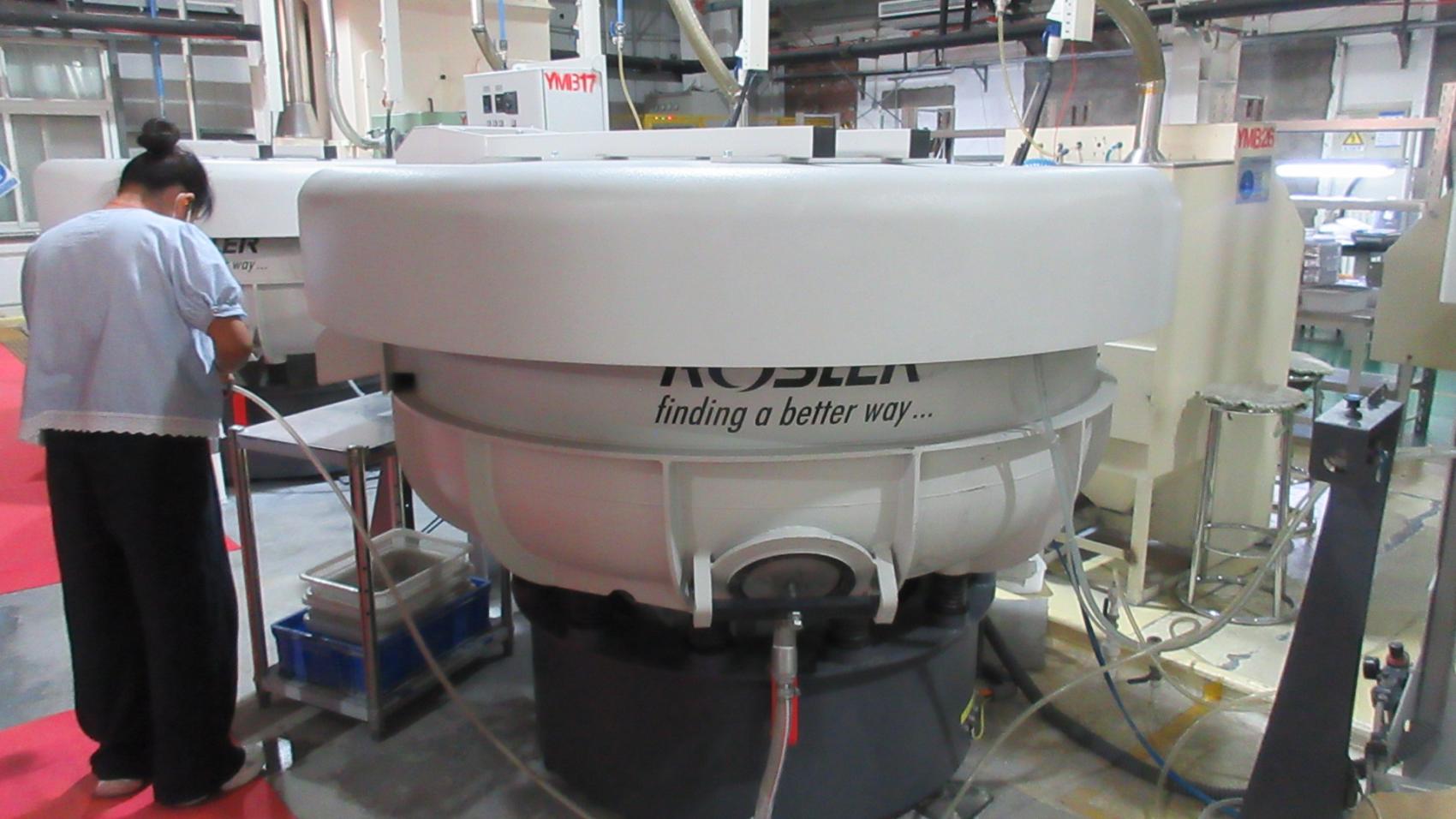
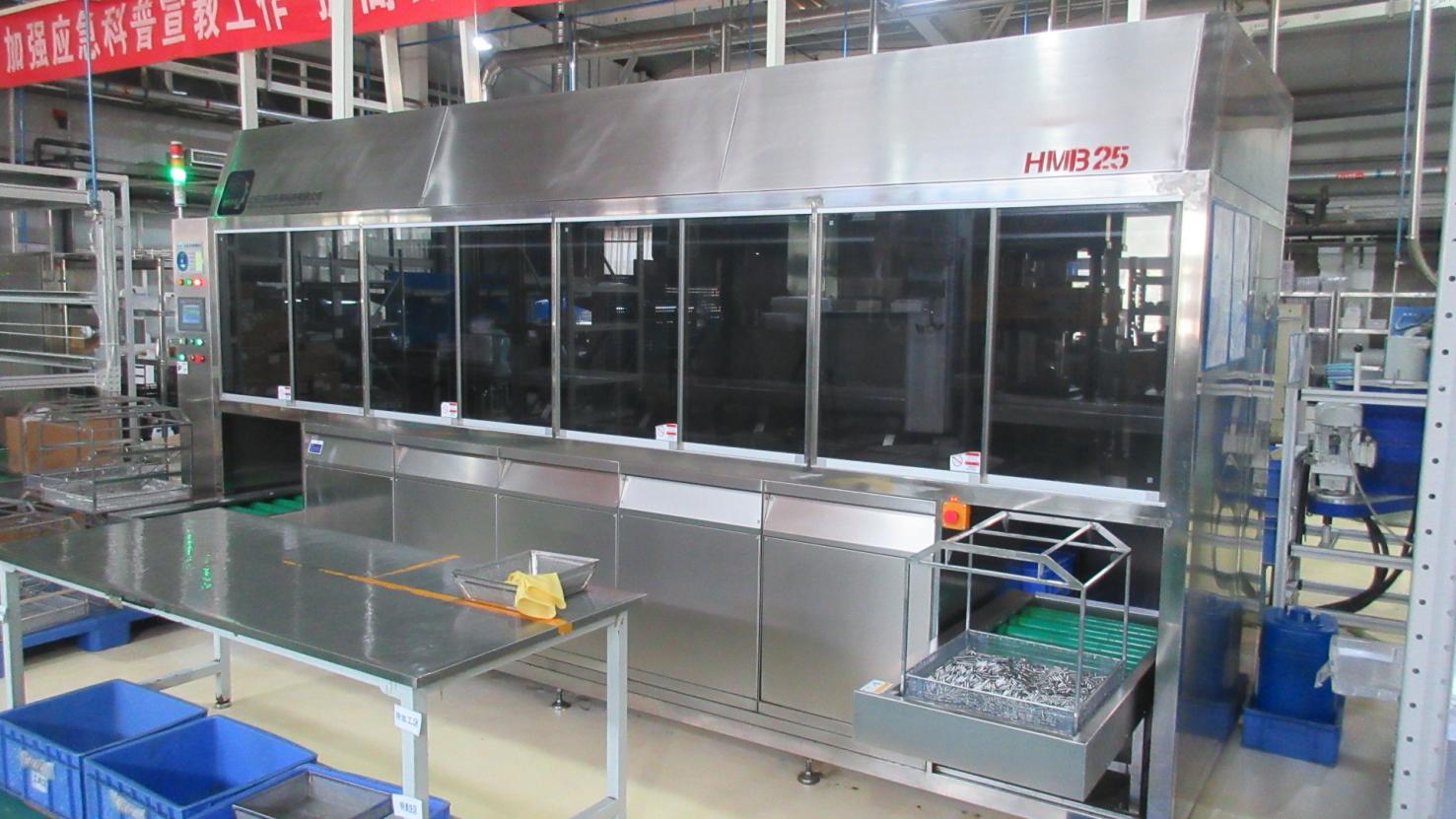
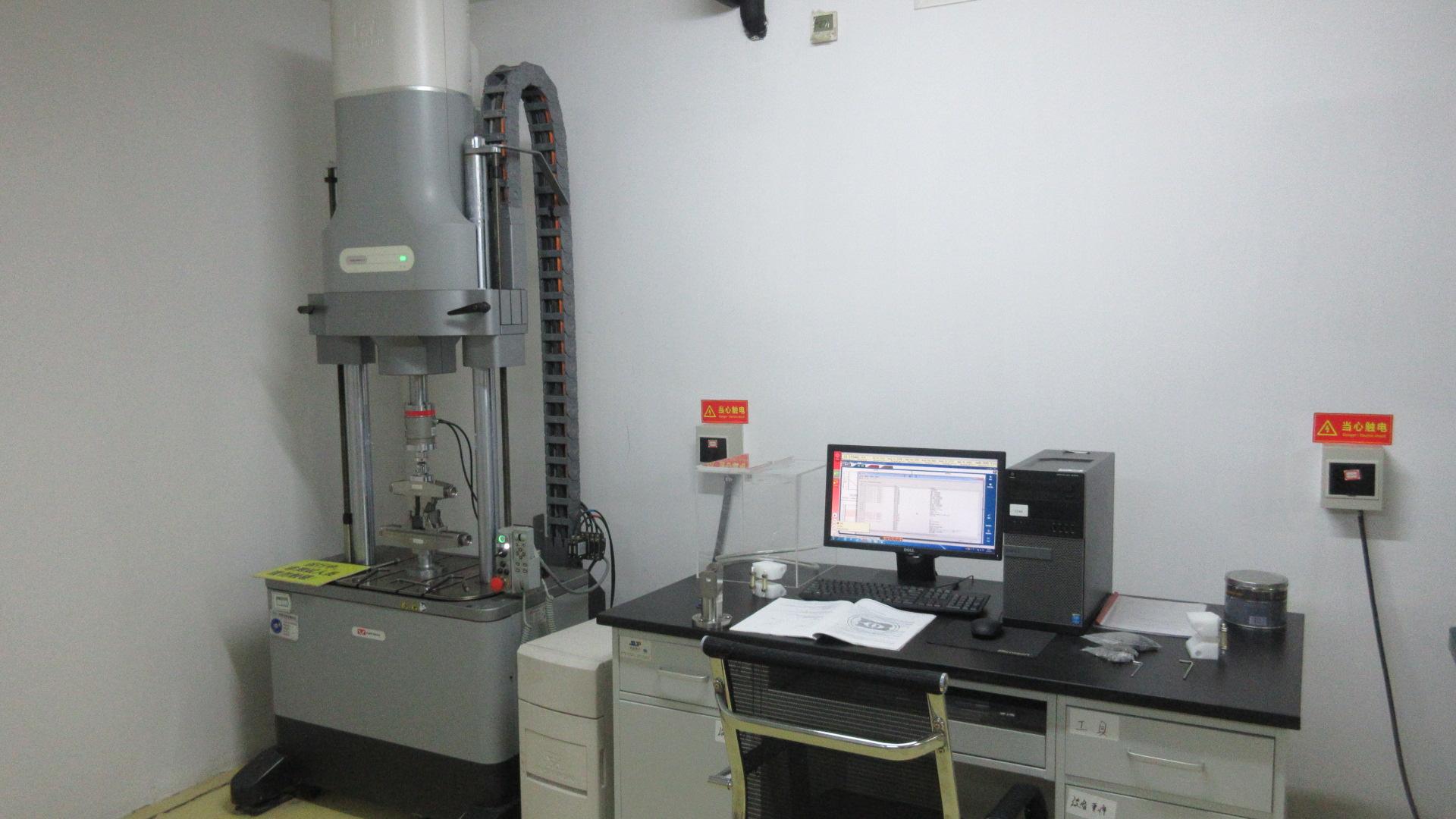
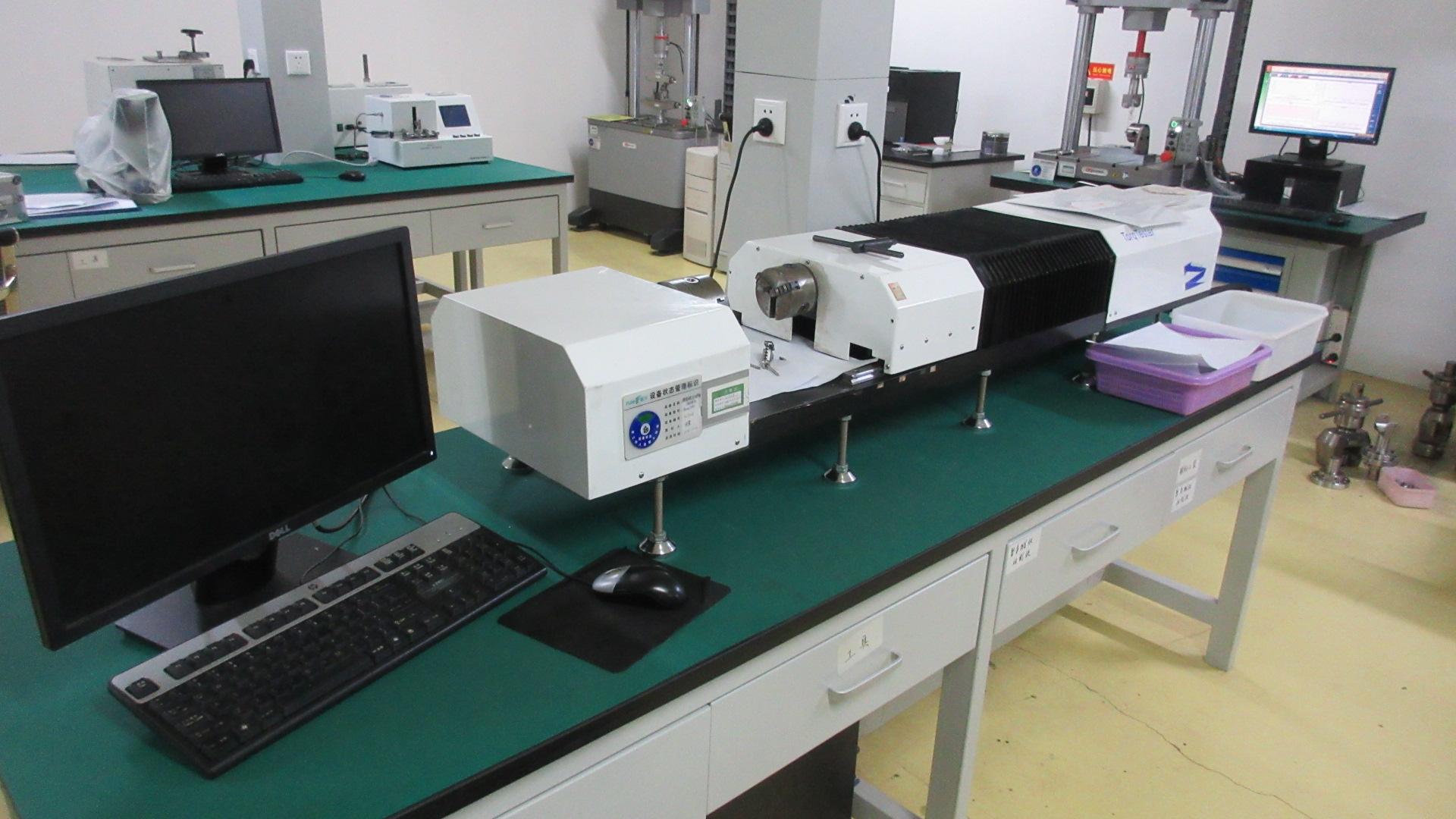
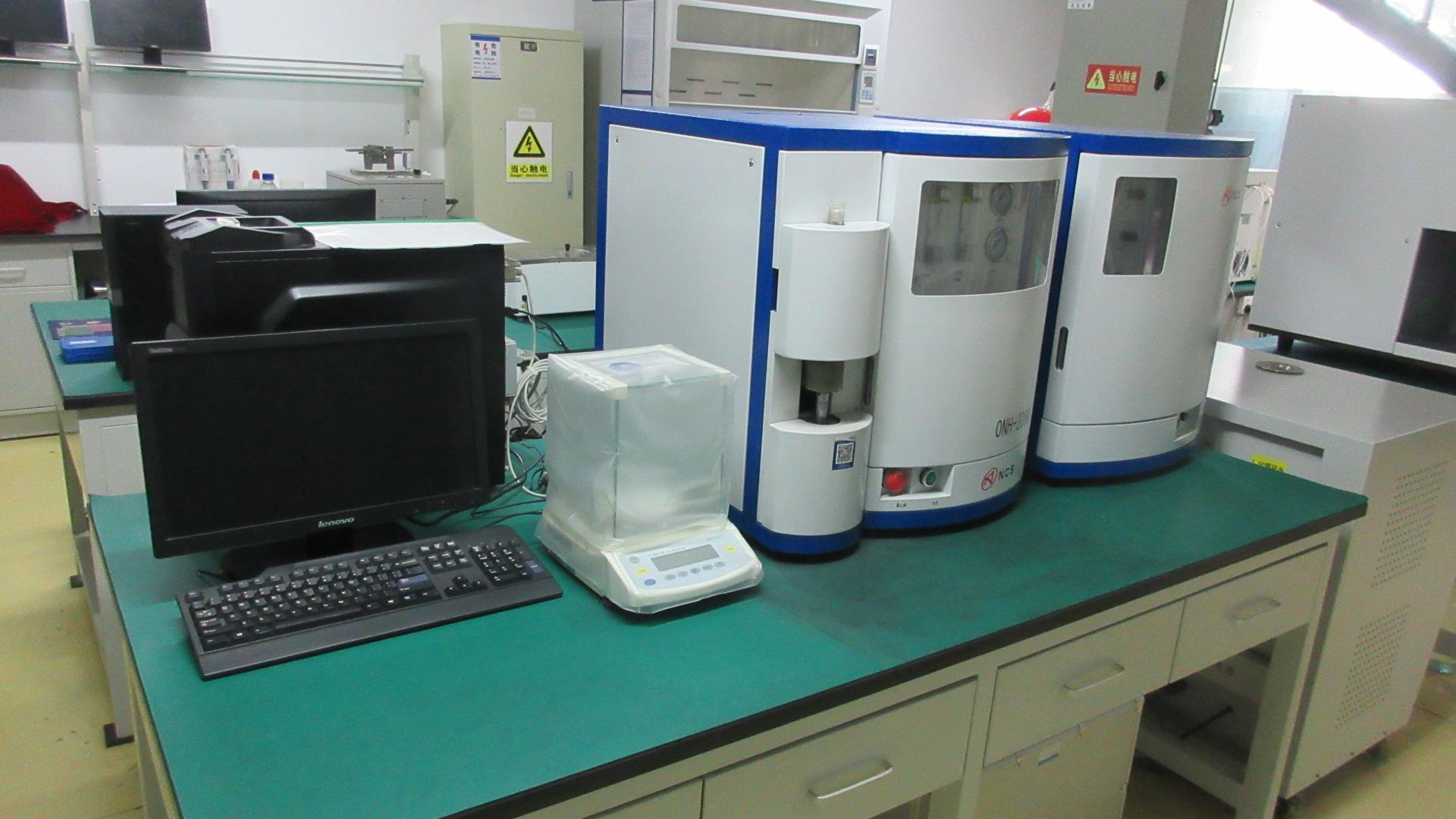
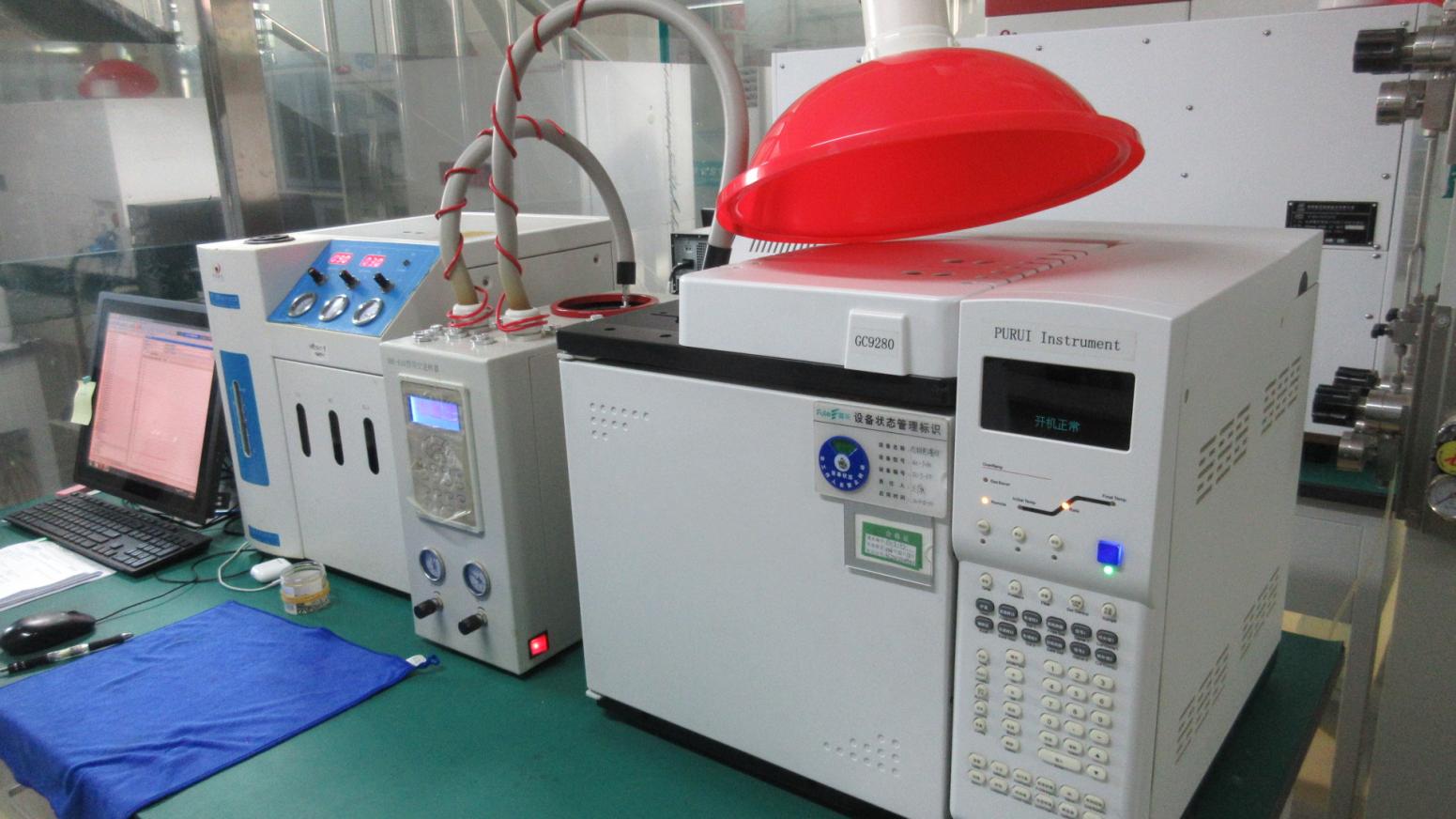
Inside our manufacturing workshops: high-performance CNC centers, medical instrumentation assemblies, and rigorous quality check zones.
Navigating MDR CE certifications, local hospital tenders, and strict quality control standards for medical implants.
For international medical device distributors, hospitals, and ministerial tender organizations, purchasing orthopedic implants from overseas factories involves strict regulatory pathways. A single compliance gap can lead to customs seizures, registration delays, or clinical complications. We assist global procurement managers in navigating these risks with structured support:
Technical and logistical insights for orthopedic distributors, purchase departments, and hospital networks.
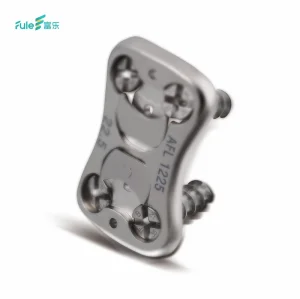
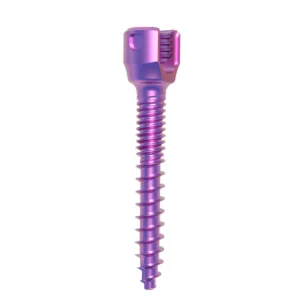
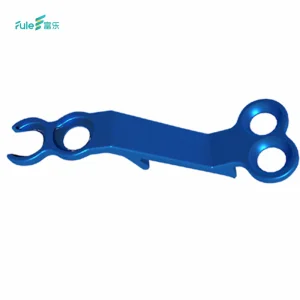
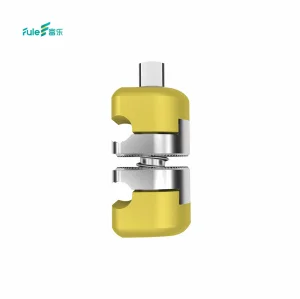
Discover our comprehensive range of spinal rod systems, intramedullary nails, external fixators, and minimally invasive trauma instruments.
 Beren Science & Technology