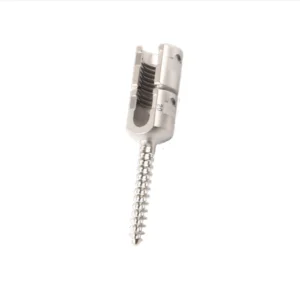
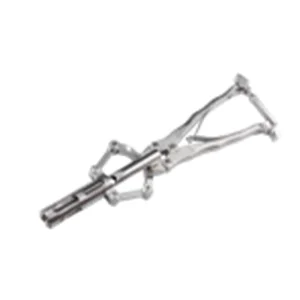
External Fixator Device Manufacturer & Exporter

Global Standard Orthopedic Solutions, Advanced Titanium Systems & Clinical Biomechanical Engineering Since 1996

Surgical Solutions Portfolio

Titanium & Titanium Alloy Orthopedic Implants

Engineered for spinal restoration, complex trauma stabilization, and minimally invasive bone reconstructive surgeries.
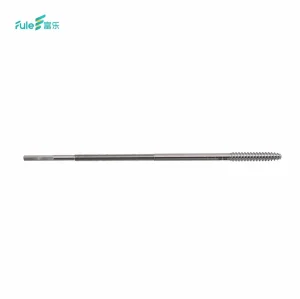
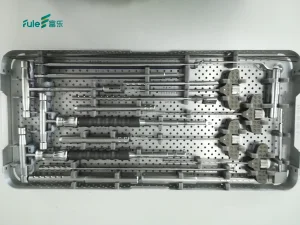
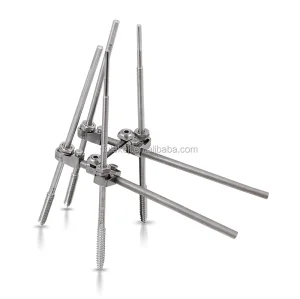
Posterior Spinal Screw-Rod System

Posterior Spinal Screw-Rod System Titanium Alloy Cervical Plate Orthopedic Surgery Traumatic Implants Interventional Materials

View Technical Specifications
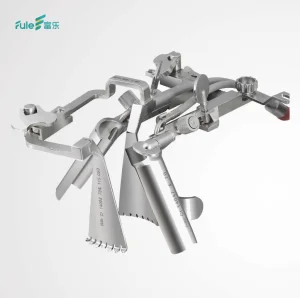
MIS Minimally Invasive Instrument

High Quality Orthopedic Surgical Implants & Interventional Materials MIS Minimally Invasive Instrument

View Technical Specifications
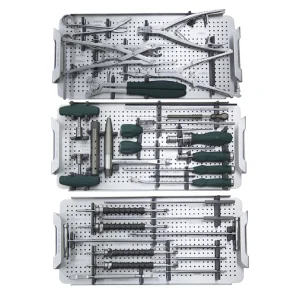
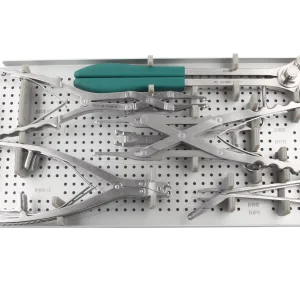
Titanium Spinal Surgical Instruments Set

Less Invasive Class II CE Certified Titanium Spinal Surgical Instruments Set with 5.5mm Spec and 5+ Year Warranty Surgical Tools

View Technical Specifications
Lumbar Interbody Fusion Cage Instruments

CE Posterior Orthopedic Lumbar Interbody Fusion Cage Instruments Tlif Instruments

View Technical Specifications
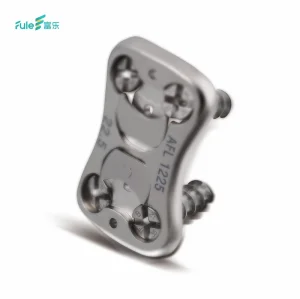
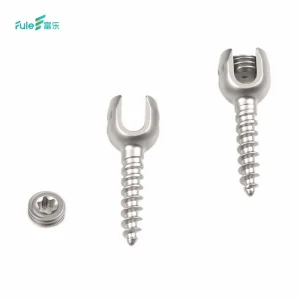
Anterior Cervical Plate and Variable Angle Screw

Anterior Cervical Plate and Variable Angle Screw for Spine Trauma Implant Titanium Alloy Material Pedicle Spine Implants

View Technical Specifications
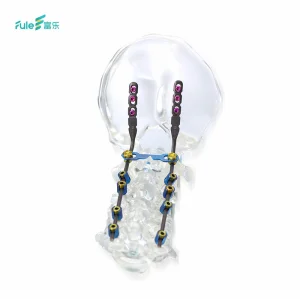
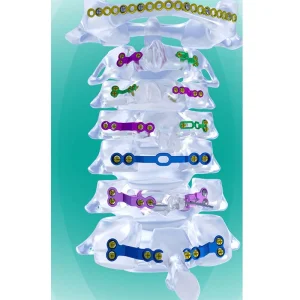
CFS ZJX Posterior Cervical Spinal Fixation System

China Manufacture High Quality Titanium Orthopedic Implant CFS ZJX Posterior Cervical Spinal Fixation System OEM Fule Brand CE

View Technical Specifications
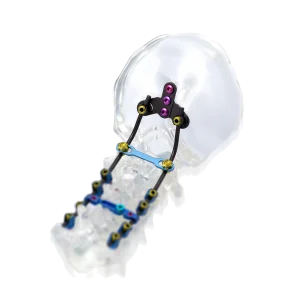
Posterior Cervical Laminoplasty Surgical System

High Quality Posterior Cervical Laminoplasty Surgical System for Enhanced Spinal Decompression

View Technical Specifications
Posterior Cervical Laminoplasty Implant Set

Posterior Cervical Laminoplasty Implant Set for Spine Decompression and Stabilization Titanium Material

View Technical Specifications
30+

Years of Industry & Export Expertise

511K

Annual Units Output Capacity

102

Precision Production Machines

100%

Traceable Quality Inspection

Industry Whitepaper

Comprehensive Biomechanical Engineering & Global Supply Analysis of External Fixation Devices

The global field of orthopedic trauma reconstruction demands structural interventions that balance mechanical integrity with physiological compliance. As a premier External Fixator Device Manufacturer & Exporter, we recognize that the design, material choice, and fabrication of external fixators dictate the biological recovery process. Rigid systems prevent micromotion but can lead to stress shielding, whereas excessively flexible fixators compromise alignment and risk non-union. The modern surgical approach requires adaptive, biocompatible, and biomechanically stable external fixation solutions.

"Bone healing is a dynamic mechanobiological process. Modern external fixation systems must provide robust primary stability during early-stage healing while permitting planned dynamization to foster healthy callus formation."

1. Biomechanics of External Fixation Systems

The stability of an external fixator relies on the configuration of its frame, the placement of half-pins, and the structural parameters of the connecting rods. Key factors affecting the mechanical environment of the healing zone include:
  • Pin Diameter and Count: Bending stiffness of the pins increases with the fourth power of the diameter. Selecting the proper pin dimensions is critical to prevent loosening at the bone-pin interface.
  • Rod Distance to Bone Axis: Placing the connecting rod closer to the bone axis increases overall frame stiffness and limits mechanical displacement.
  • Bi-planar configurations: For complex fractures, adding a second structural plane improves torsional and shear resistance under physiological loads.

2. Global Commercial Landscape and Supply Chain Optimization

The international trade in class II and III orthopedic devices is defined by stringent regulatory compliance and quality control. With over 30 years of manufacturing experience, we have optimized our operations to supply global healthcare distributors, hospitals, and wholesalers. Our exports reach critical networks in Eastern Europe (15%) and Southeast Asia (10%), backed by a reliable supply chain of 70 trusted partners.

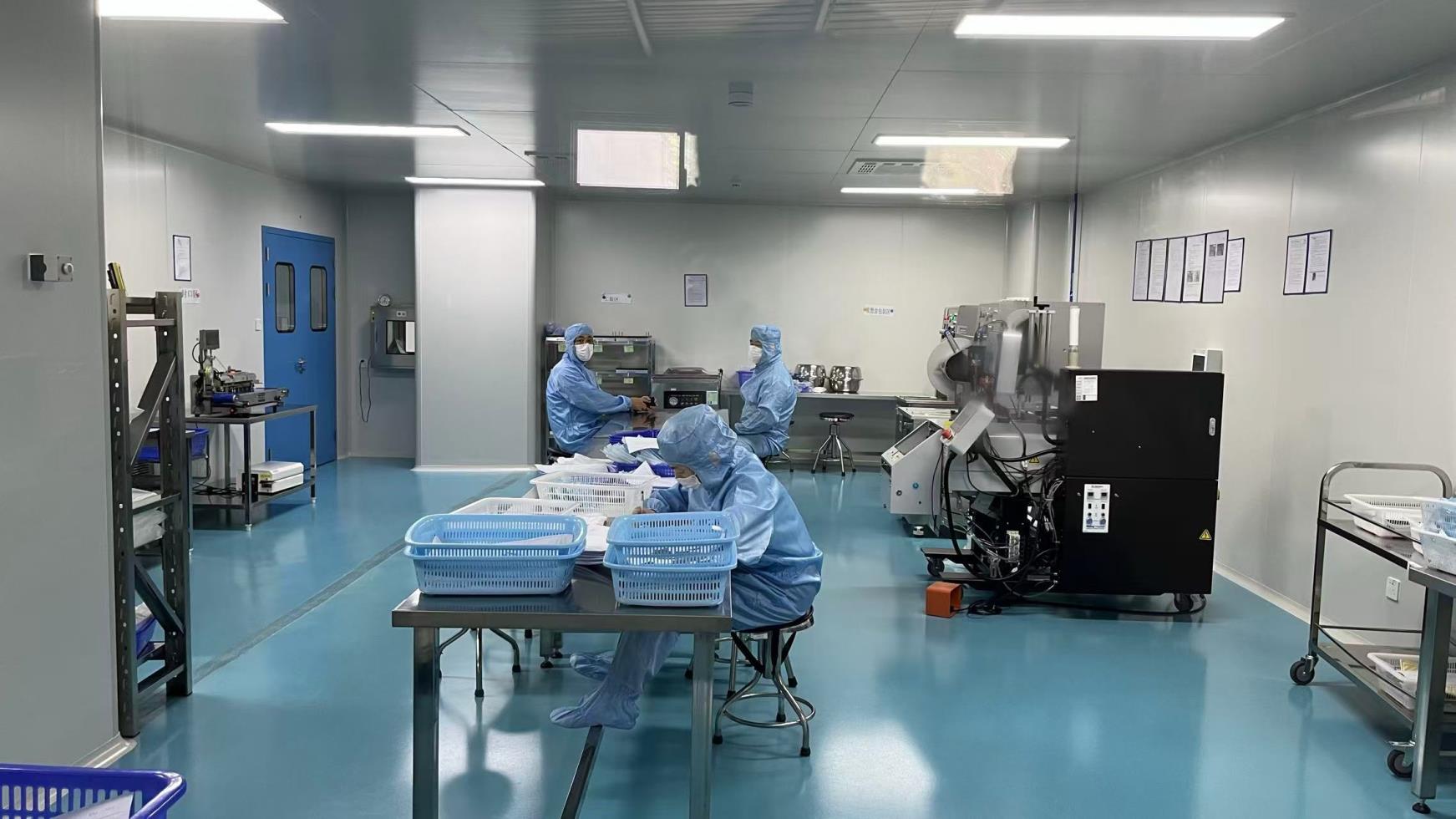
To operate effectively in these markets, our products carry rigorous certifications, including ISO 13485. This certification verifies that our design, development, and manufacturing systems meet strict standards for cleanroom operations, materials traceablity, and sterilization processes.
3. Micro-Engineering and Metallurgy: Titanium vs. Steel

The choice of materials is a major factor in clinical outcomes. Historically, stainless steel was the industry standard due to its rigidity and lower cost. However, high-performance titanium alloy (specifically Grade 5, Ti-6Al-4V ELI) has emerged as the preferred choice for implant systems and pins because of several key advantages:
  • Elastic Modulus: Titanium's modulus of elasticity is closer to that of cortical bone compared to stainless steel, reducing stress shielding and promoting bone healing.
  • MRI Compatibility: Titanium is non-ferromagnetic, which minimizes artifacts during post-operative magnetic resonance imaging (MRI).
  • Biocompatibility: Titanium forms a stable, protective oxide layer that resists corrosion in physiological fluids and supports osseointegration.

4. Clinical Application Scenarios and Localized Support

Orthopedic trauma often presents as open fractures (e.g., Gustilo-Anderson Grade III), severe soft-tissue damage, or multi-fragmentary segment injuries. In these cases, internal plating is often avoided initially to minimize the risk of infection. External fixation serves as the primary standard of care here, providing:

  1. Rapid Stabilization: Quick frame assembly in emergency settings stabilizes the limb and allows soft tissues to heal.
  2. Limb Reconstruction and Lengthening: Modern ring fixators (like Ilizarov-type frames) use tensioned wires and biological distraction osteogenesis to repair large bone deficits.
  3. Deformity Correction: Adjusting the struts allows for precise correction of multi-planar deformities over time.

Through our customization services, which include sample processing and custom design on demand, we support clinical teams worldwide by providing tailored instruments and frame components suited to their specific patient populations.
5. Manufacturing Quality & Traceability

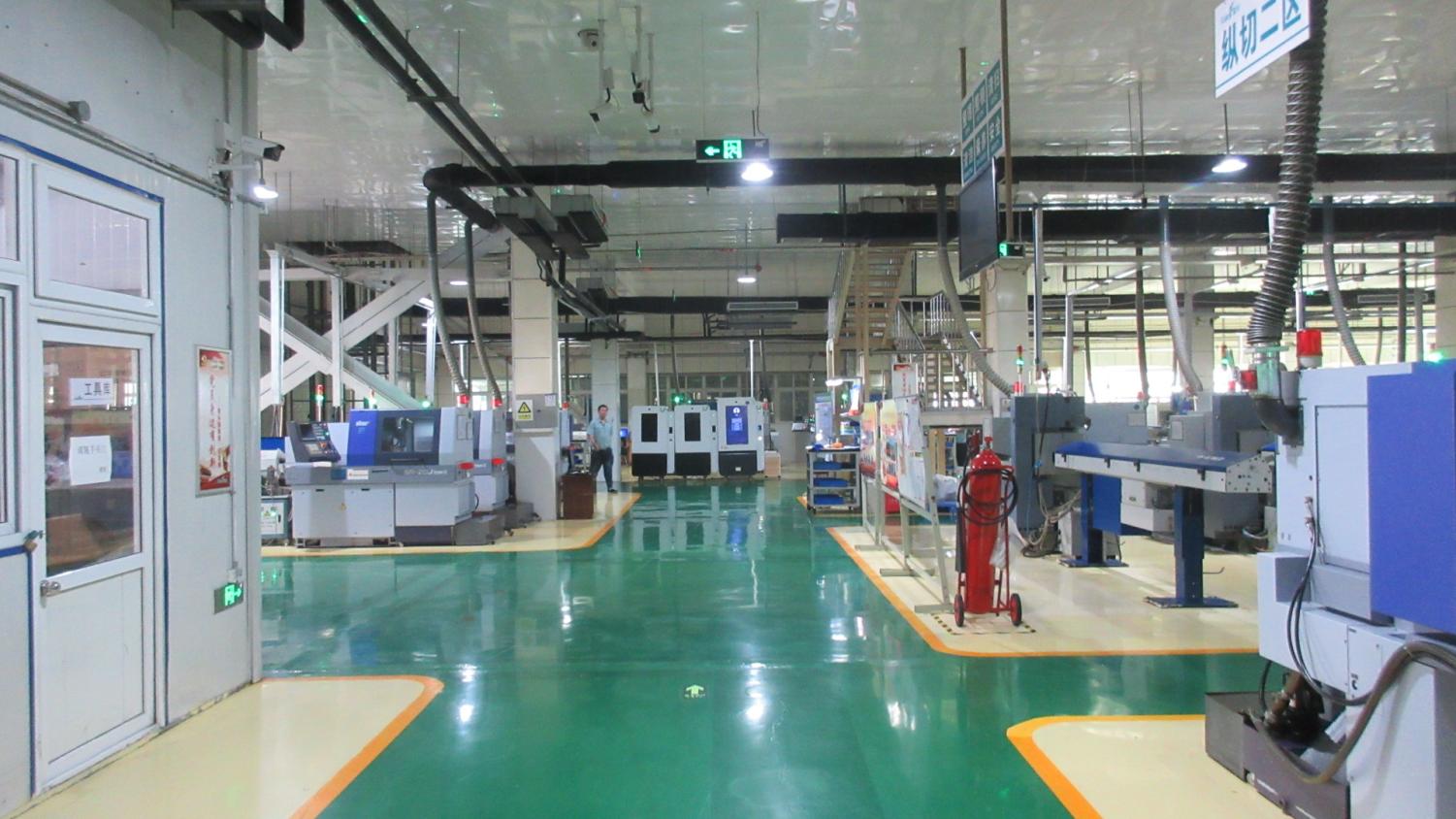
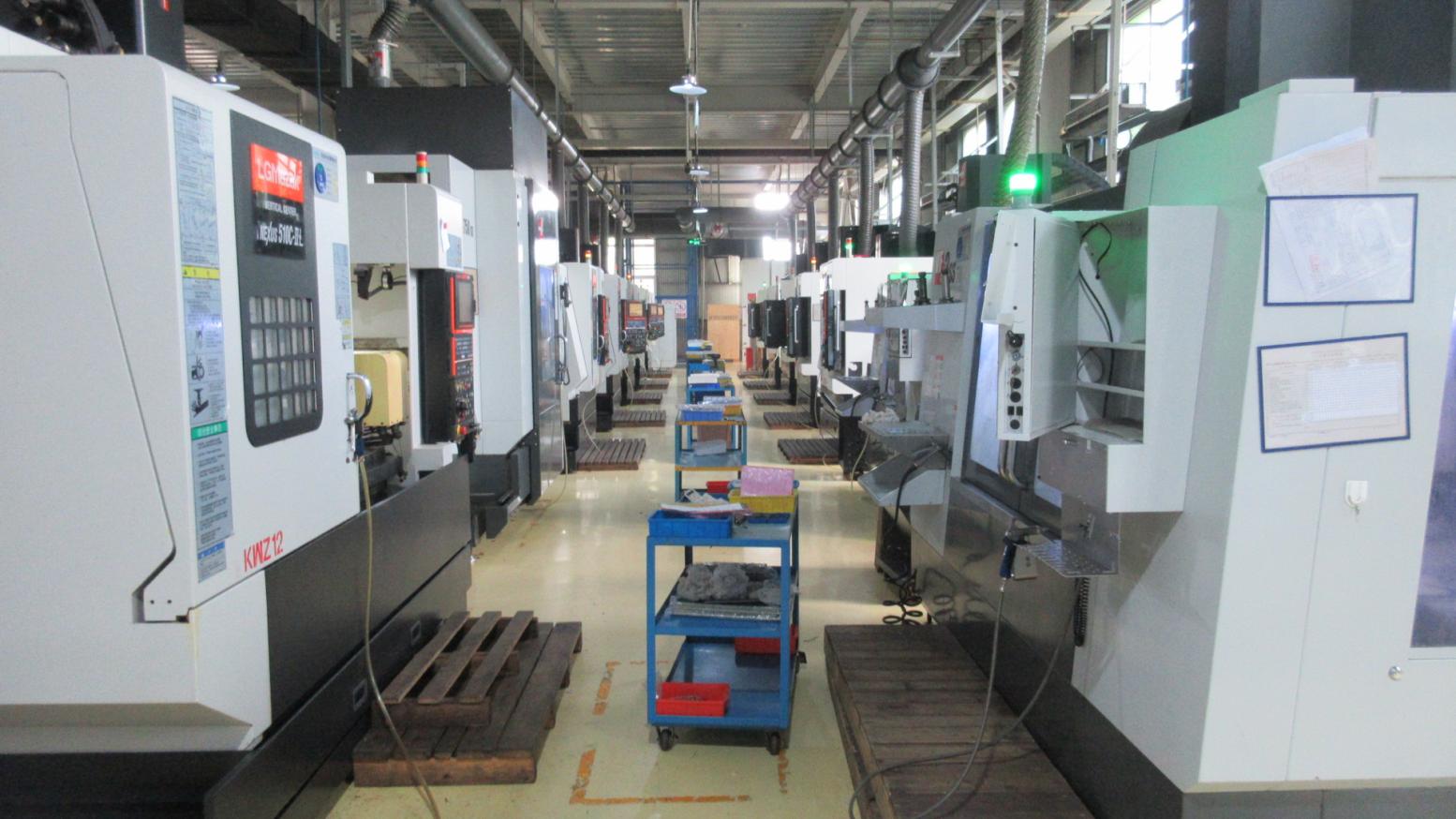
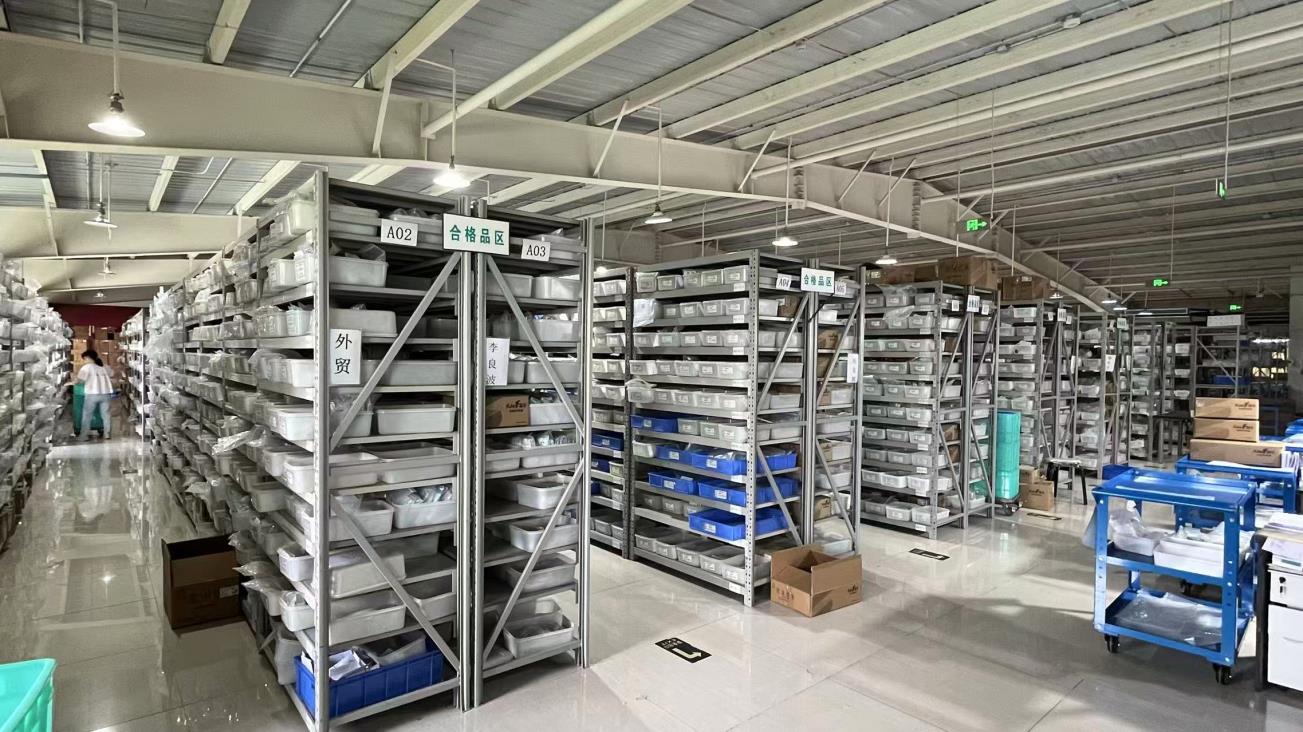
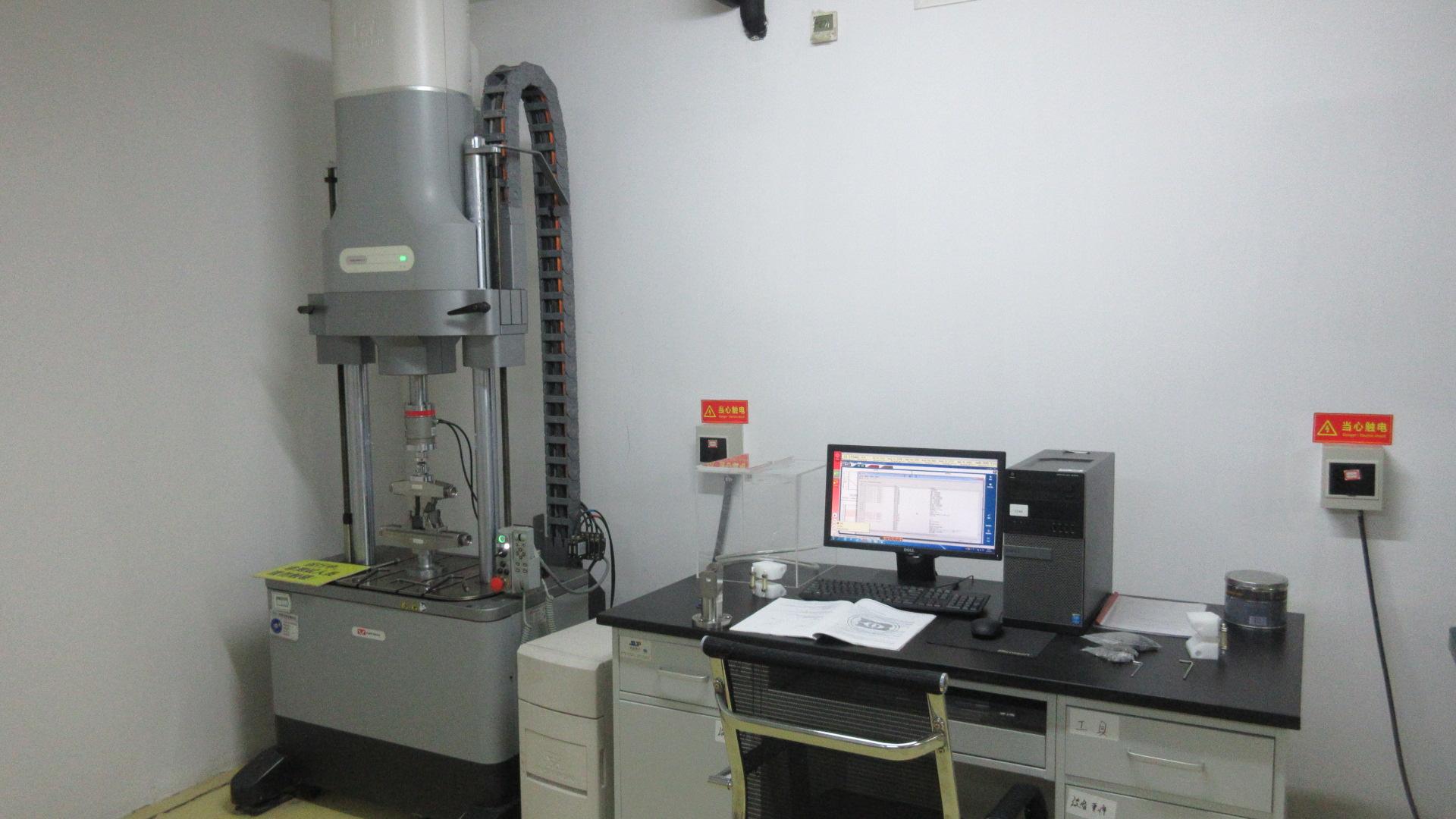
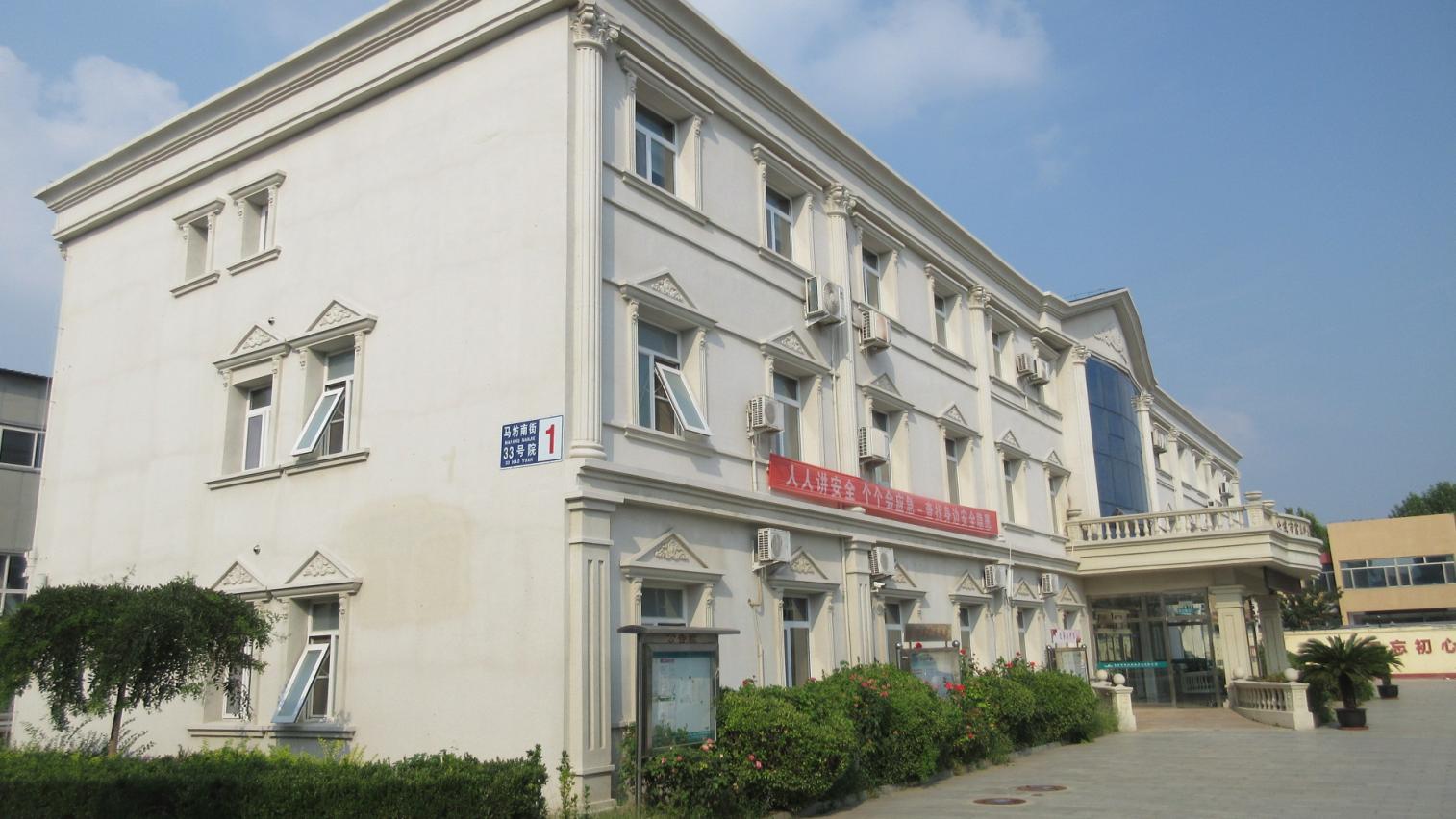
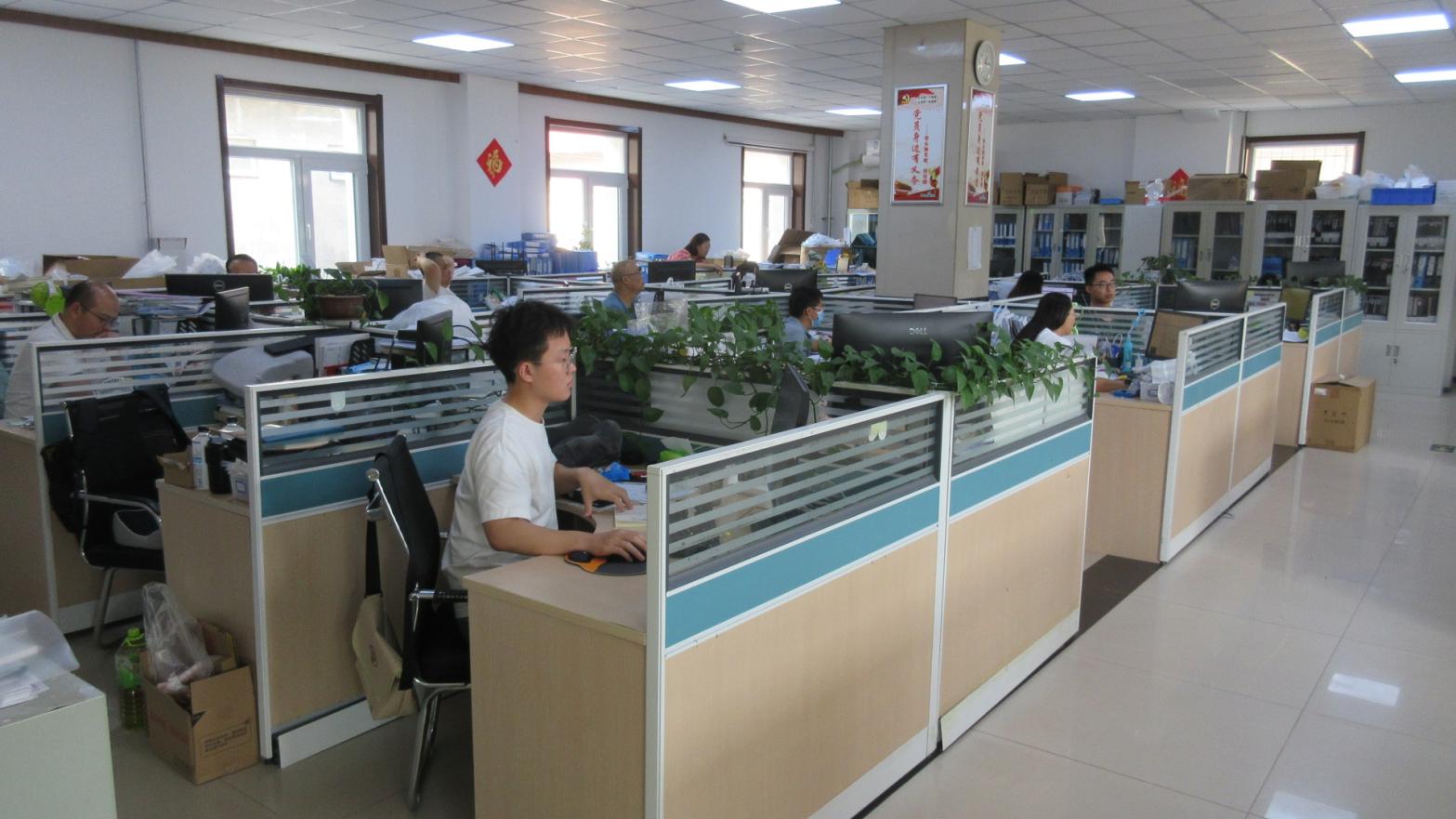
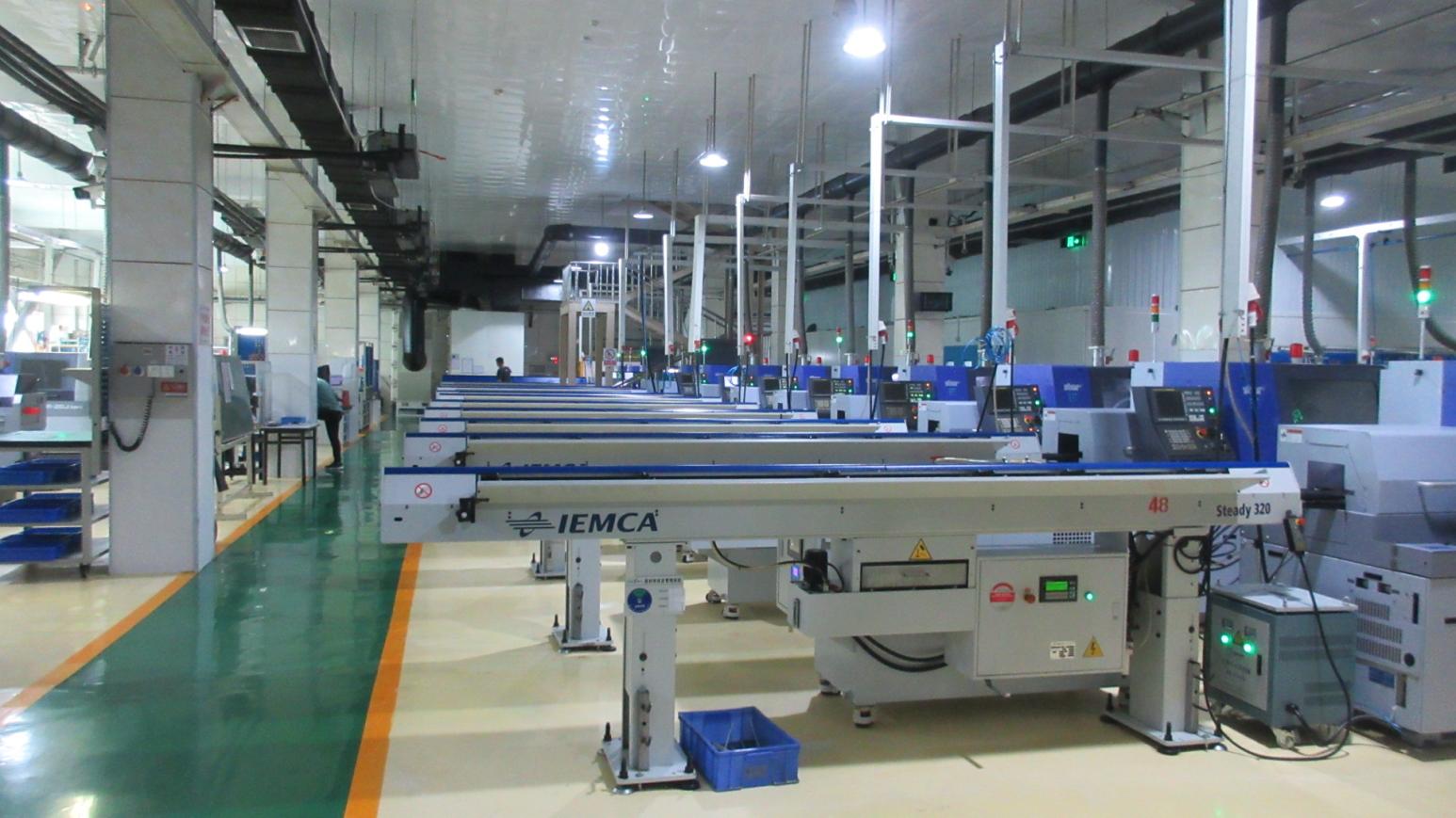
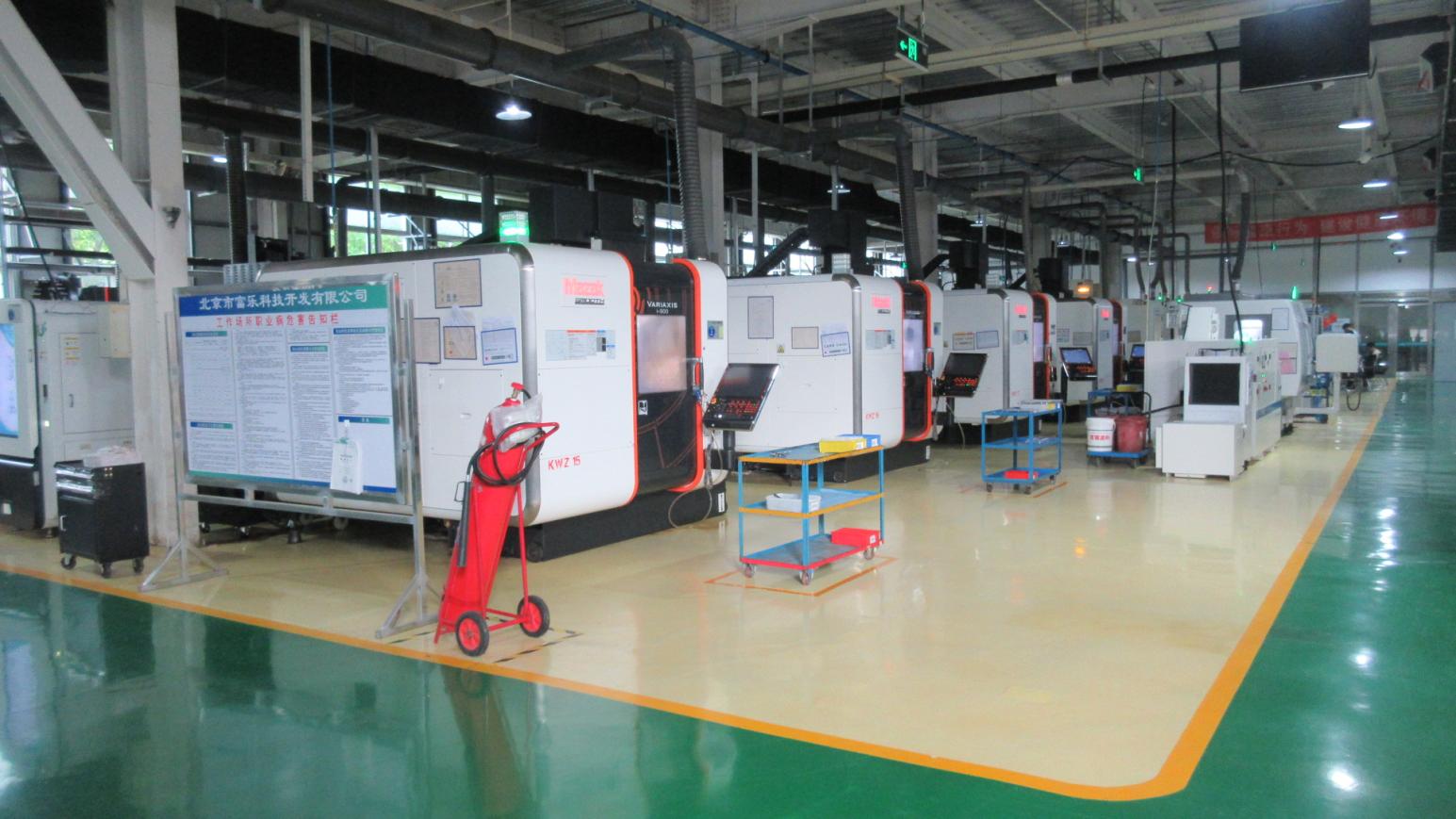
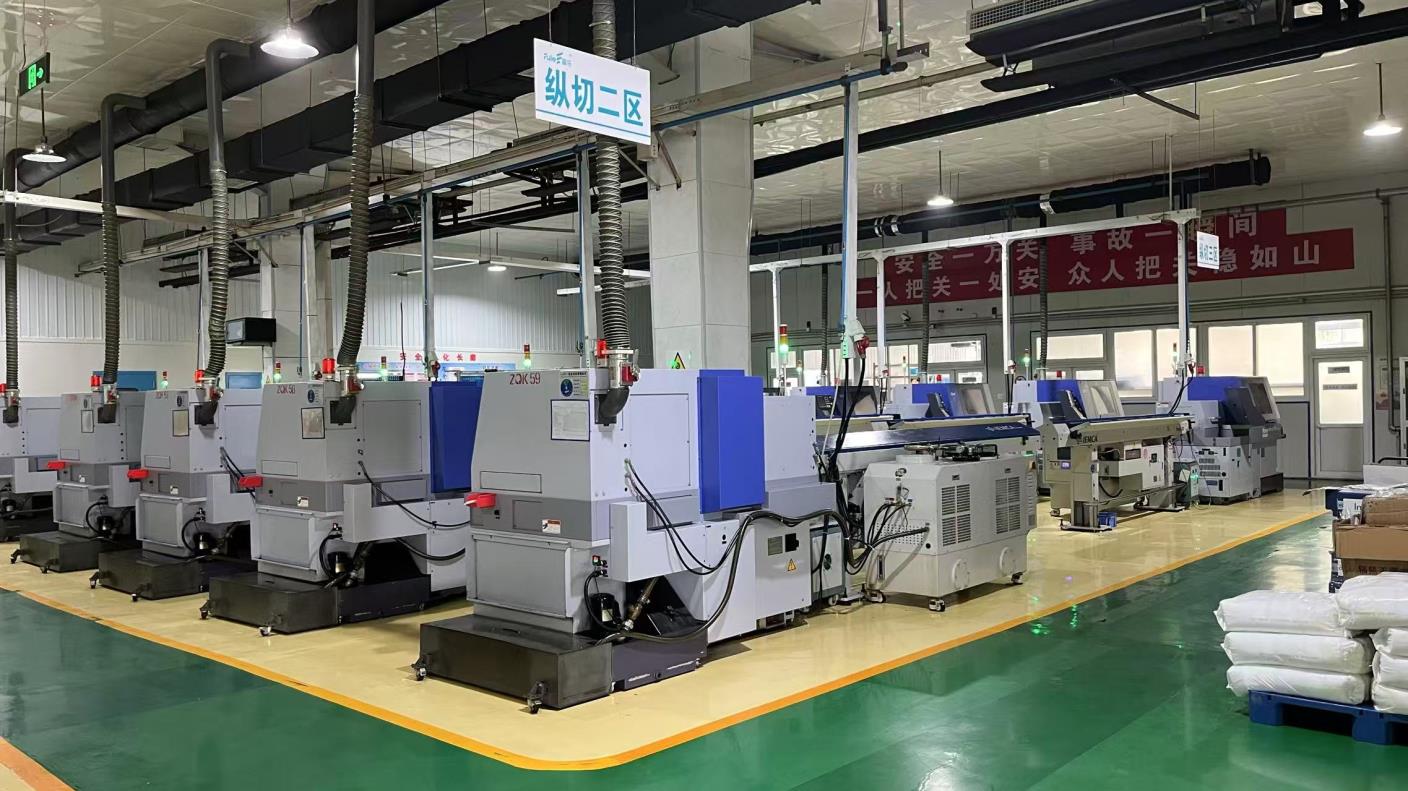
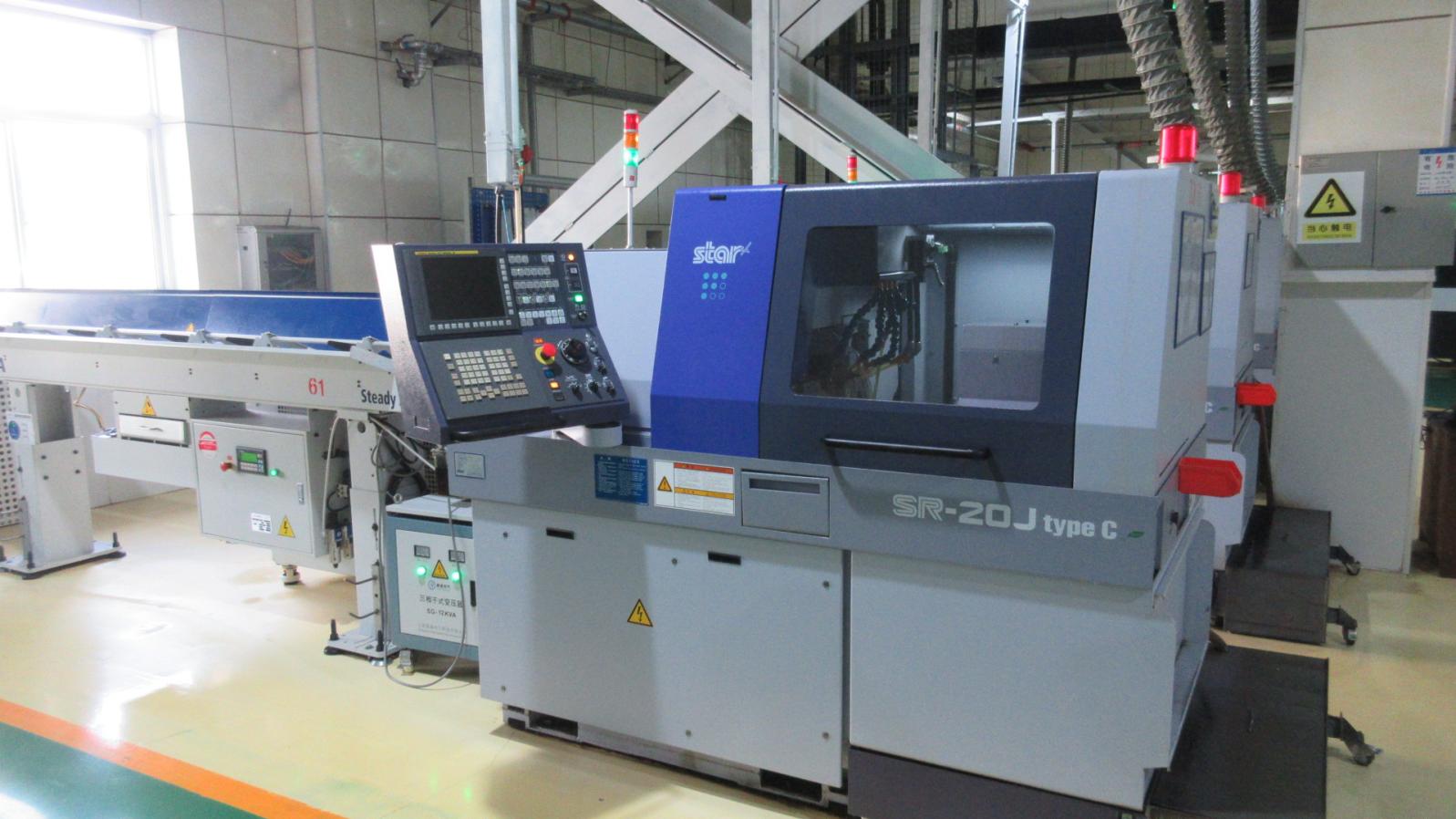
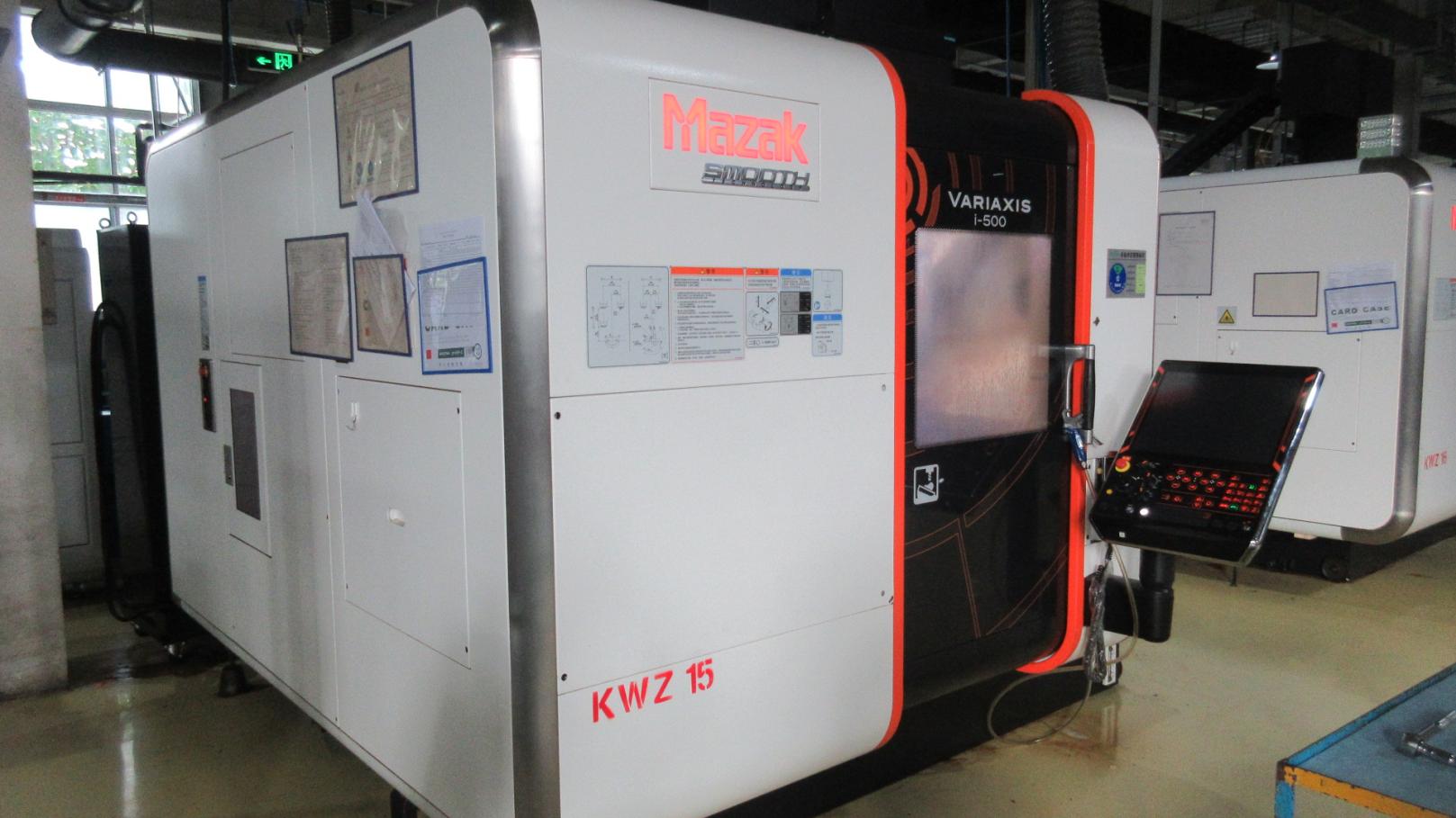
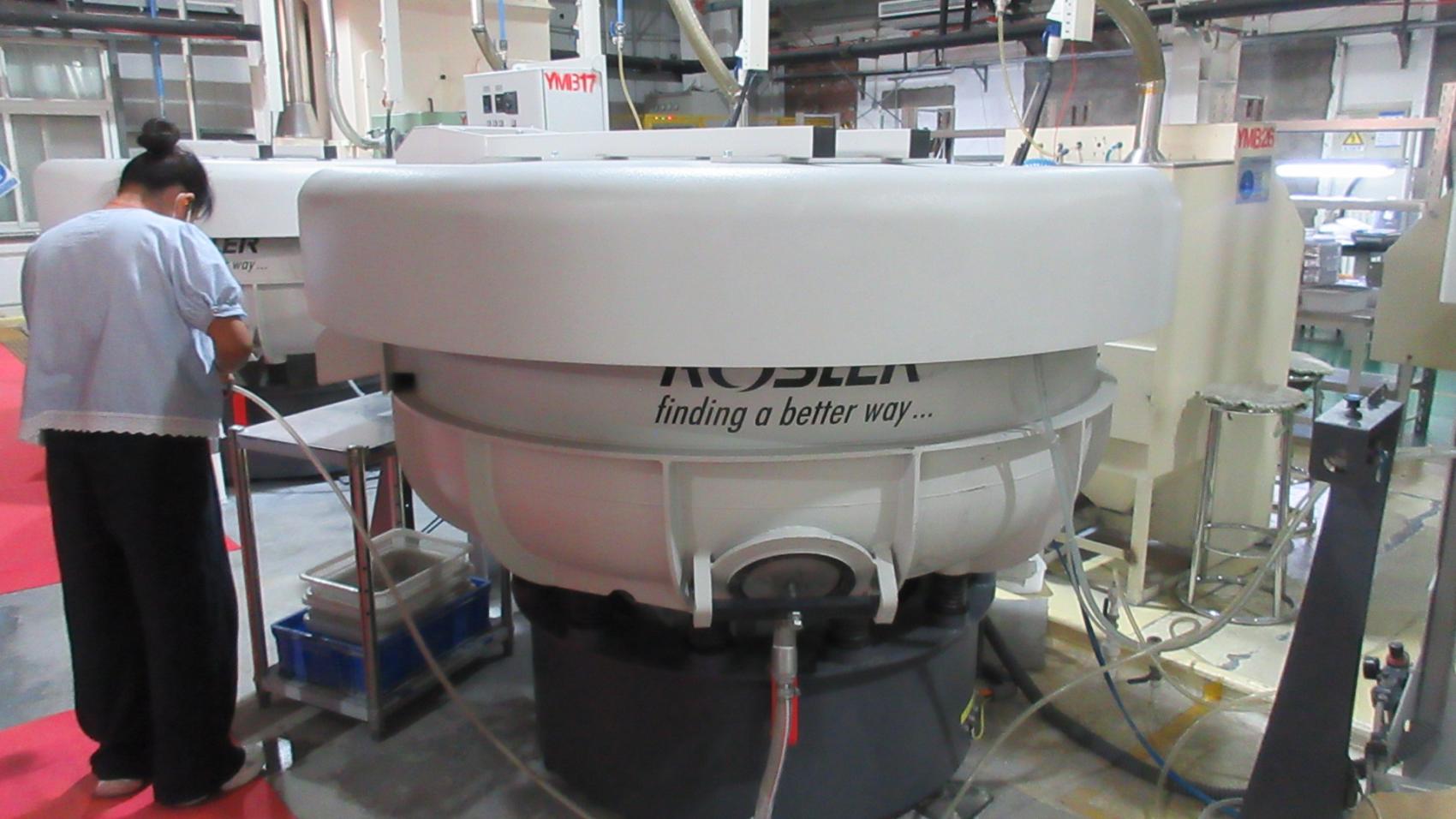
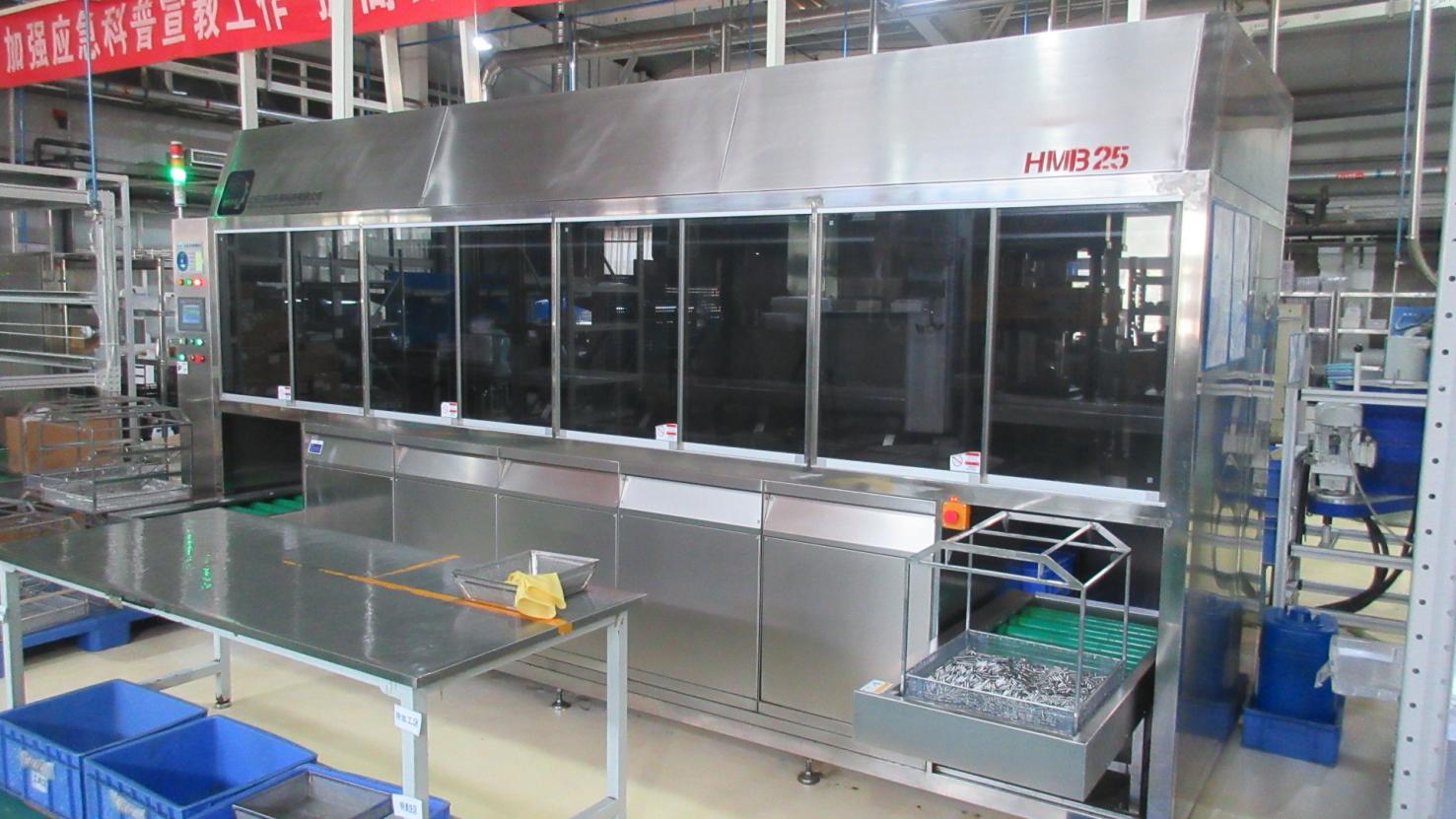
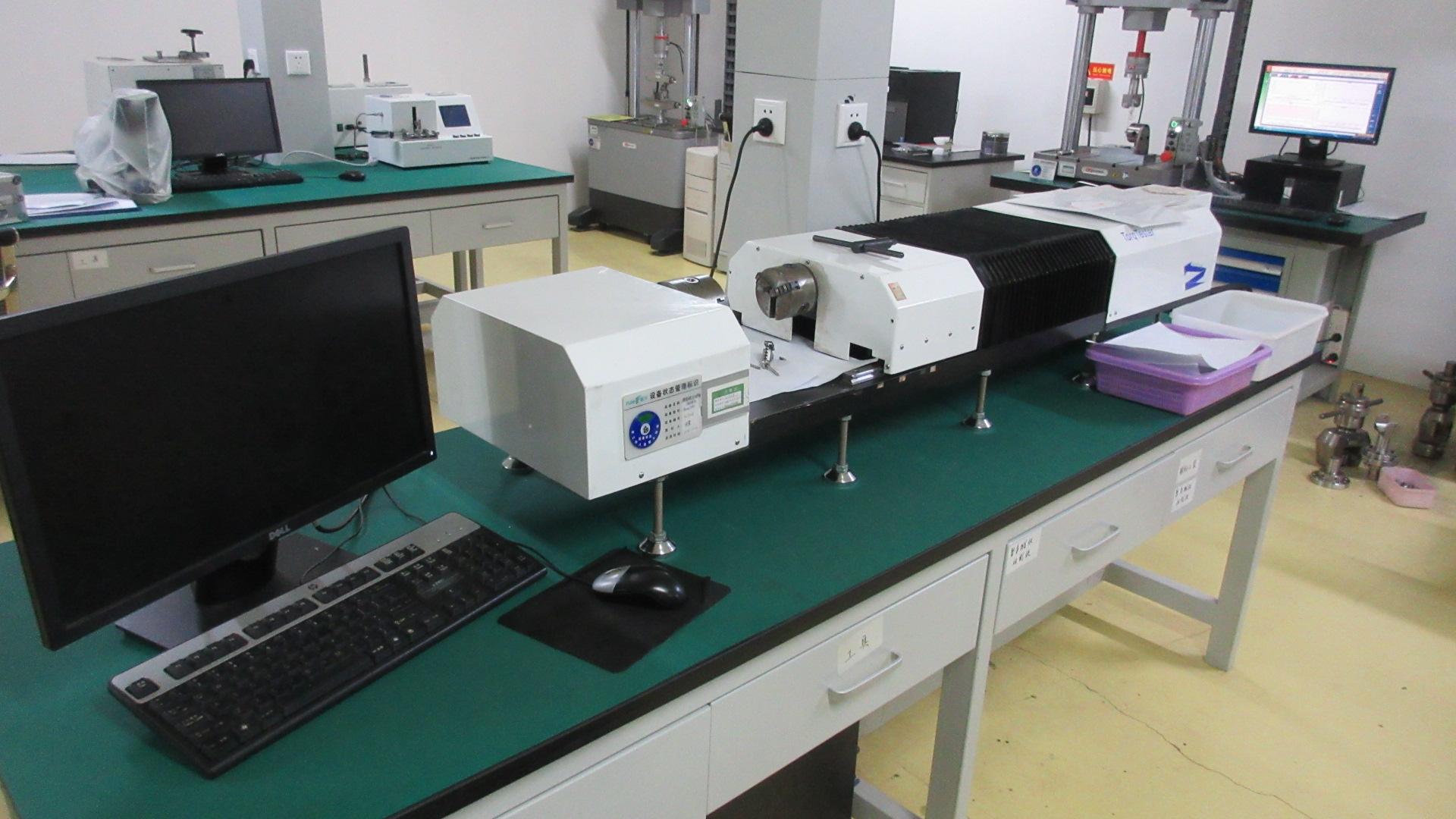
Our 10,000-square-meter facility features advanced manufacturing technology, housing 102 state-of-the-art production machines. We maintain 100% inspection across our product line, ensuring that every external fixator, spinal rod, and locking plate meets specified dimensional tolerances. A dedicated team of 15 QA/QC inspectors oversees the verification of raw materials, inline machining accuracy, and final cleanroom packaging.
6. Future Outlook: Smart Fixators & Digital Integration

The next generation of external fixation will integrate smart features, transforming static mechanical frames into active monitoring systems. Researchers are studying implantable micro-strain gauges that track real-time loading patterns across the fracture site. This data can help clinicians monitor bone healing progress remotely, allowing for personalized, data-driven decisions on when to begin dynamization and weight-bearing exercises.
Enterprise Profile

  • Established 1996-06-28
  • Facility Size 10,000 ㎡
  • Global Markets Domestic (40%), Eastern Europe (15%), Southeast Asia (10%)
  • Export Experience 30 Years
  • Production Lines 1 Automated Flow
  • Precision Machinery 102 units
  • QA/QC Inspectors 15 Specialists
  • R&D Engineers 20 (15 Post-Grad, 5 Junior College)
  • Certifications ISO13485 (No: 04724Q10000818)
  • Languages Spoken English
Technical & Regulatory FAQ

Frequently Asked Questions

Detailed technical, mechanical, and regulatory answers for hospital procurement teams and orthopedic distributors.

What certifications back your external fixator and spinal implant systems?
Our manufacturing plant is certified under ISO 13485 (Certificate Number: 04724Q10000818), which establishes standard procedures for raw material tracking, cleanroom assembly, and sterilization safety. Most of our implant portfolios, including the Spinal Screw-Rod and Cervical Laminoplasty systems, carry CE certifications, satisfying safety and performance standards for major international markets.
How is raw material quality and product traceability managed?
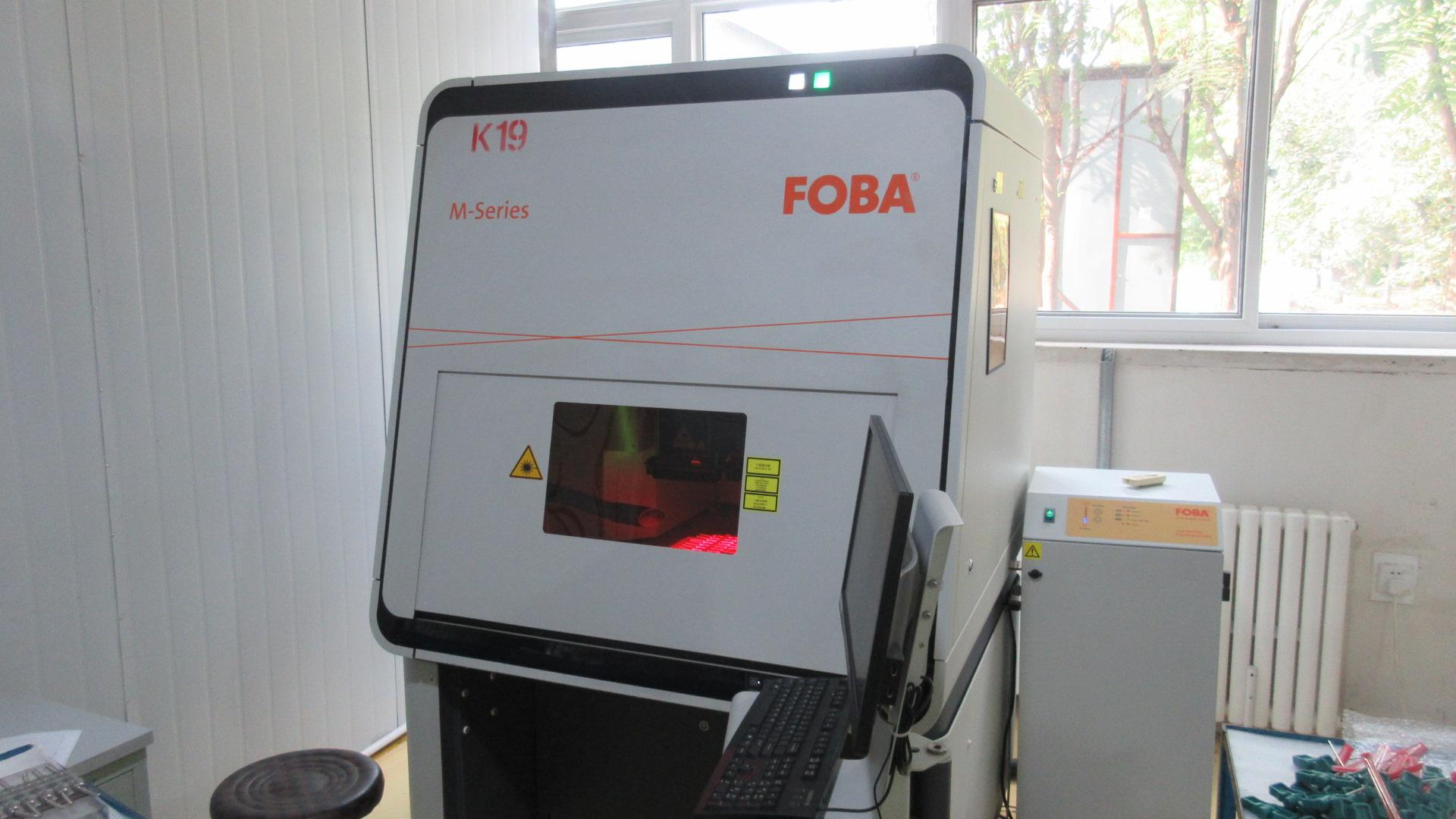
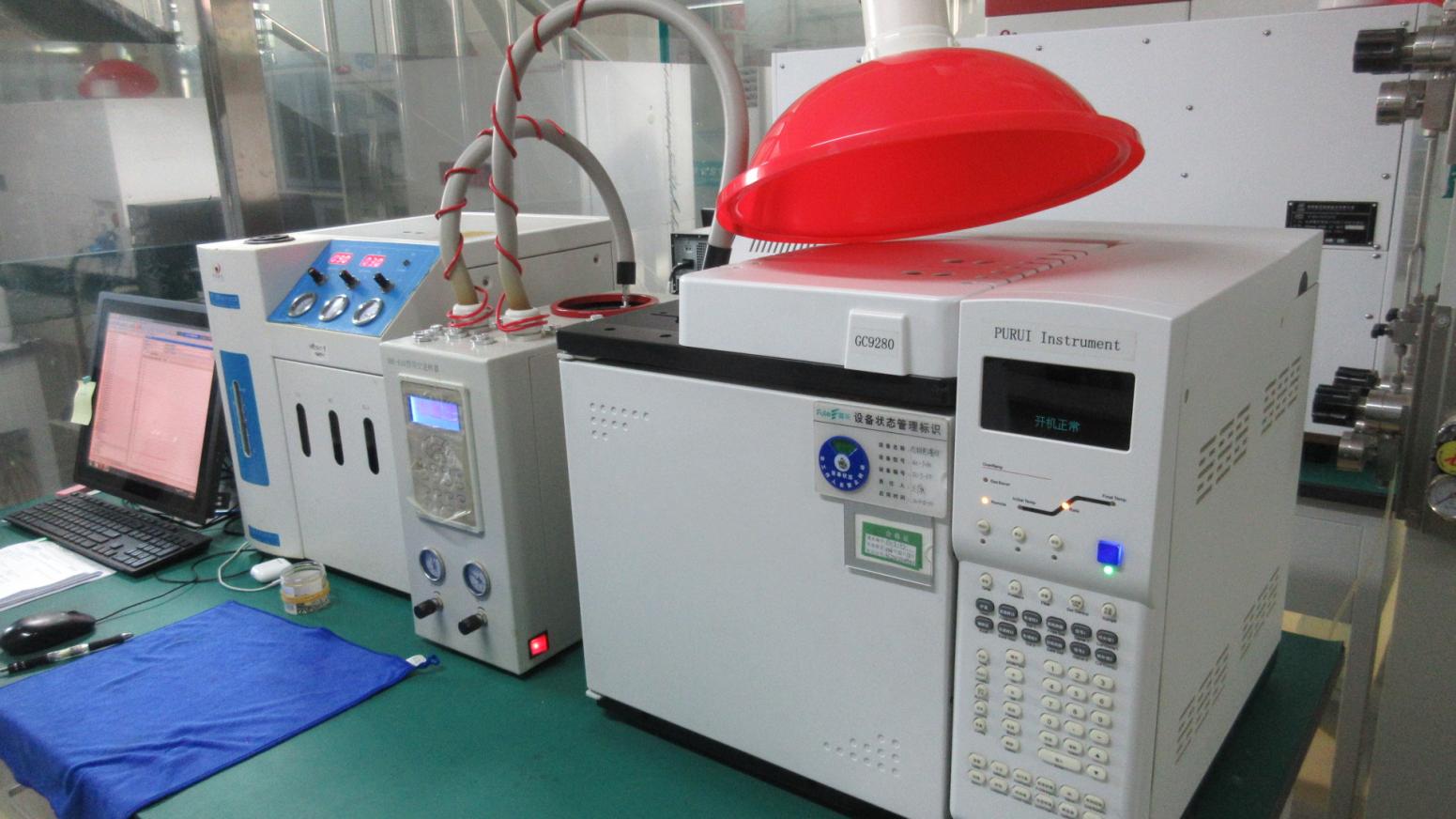
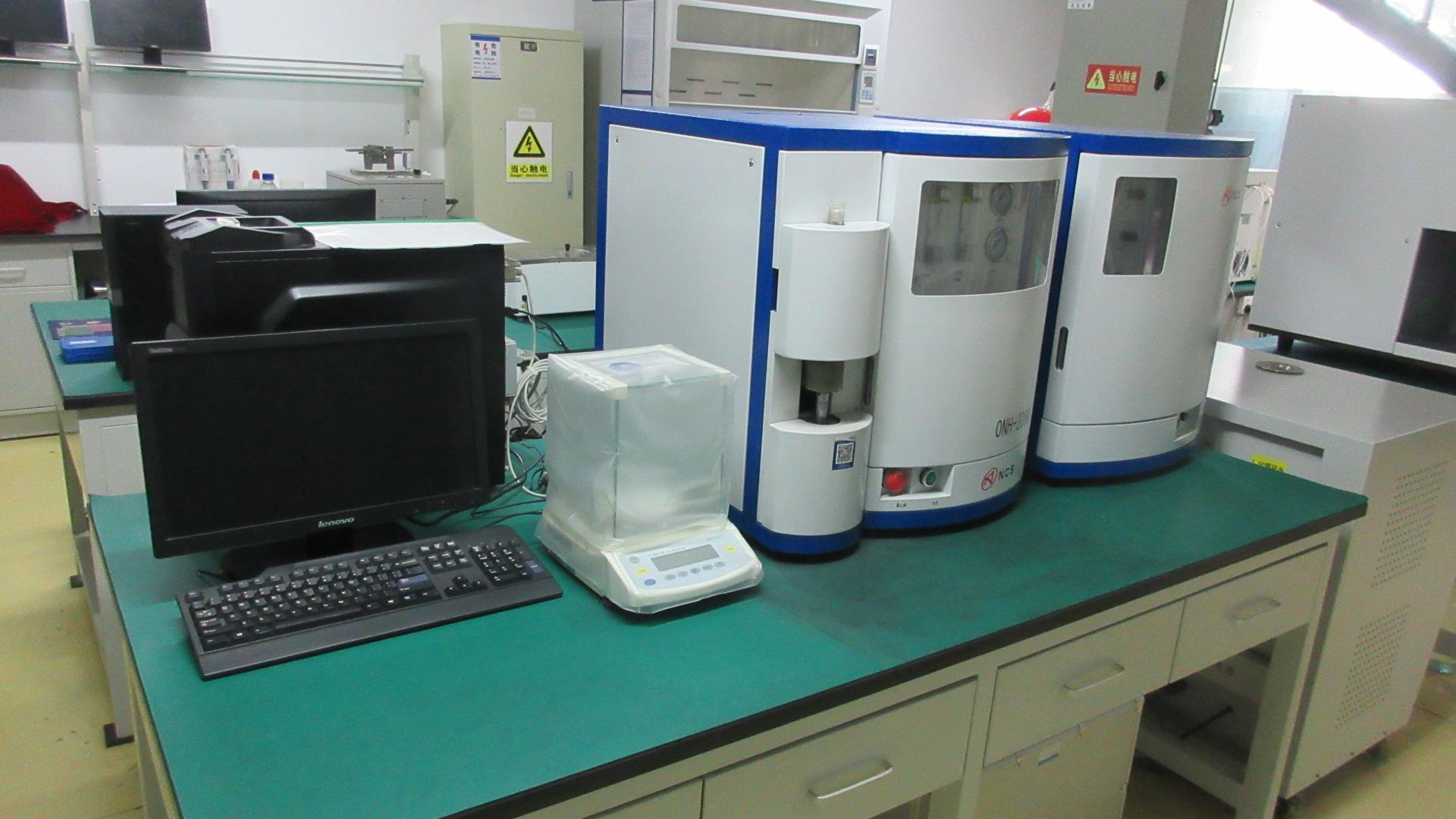
We source medical-grade titanium and titanium alloys directly from certified suppliers. We check the chemistry and mechanical properties of each batch before starting production. Every single piece is engraved with a unique serial number using a laser-etching process, allowing us to trace every finished implant back to its raw material heat lot.
Are custom design and OEM services available for custom components?
Yes, our R&D group of 20 engineers provides customization based on specific requirements, engineering drawings, or physical samples. We provide design verification, rapid prototyping, and full production runs for custom pins, clamp assemblies, and specialized spinal implants.
What are the recommended sterilization and processing protocols?
Unless supplied sterile and labeled as such, our implants are delivered non-sterile and must be cleaned and sterilized before use. We recommend utilizing a validated steam autoclave protocol (typically dynamic air-removal steam sterilization at 132°C for a minimum of 4 minutes, or gravity displacement sterilization at 132°C for a minimum of 15 minutes) in compliance with local hospital guidelines and ANSI/AAMI ST79.
Advanced Trauma Systems Portfolio

Locking Plate & Occipitocervical Fixation Components

Premium surgical systems designed to secure anatomic reductions and manage complex spinal instabilities.
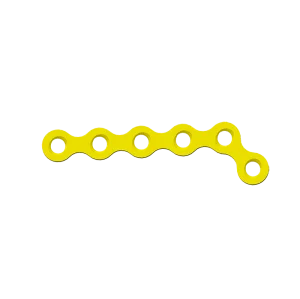
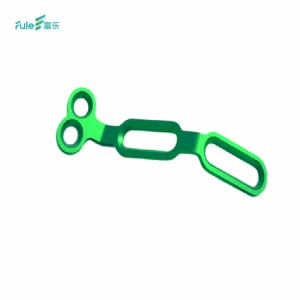
Titanium Full Hand & Foot Locking Plates

CE Marked Titanium Full Hand & Foot Locking Plates Competitive Price for Secure Fixation

View Technical Specifications
Titanium Medical Implant Products

High Quality Titanium Medical Implant Products for Posterior Cervical Laminoplasty Surgery

View Technical Specifications
Posterior Titanium Spinal Screw-Rod System

Posterior Titanium Spinal Screw-Rod System Orthopedic Surgery Trauma Implant & Stent

View Technical Specifications
COX 6.0 Screw & Rod System

COX 6.0 Screw & Rod System Class I Implant Instruments for Orthopedic Surgery

View Technical Specifications
Occipitocervical Thoracic Posterior Spinal System

Beijing Fule Occipitocervical Thoracic Posterior Spinal Screw-Rod System Model CFS Made of Durable Titanium and Titanium Alloy

View Technical Specifications
Anterior Spinal Screw-Rod System

5.5 Anterior Spinal Screw-Rod System CD Monoaxial Pedicle Screw Titanium

View Technical Specifications
Titanium Sliding Screw Spinal Implants

High Quality 5.0 Titanium Sliding Screw Pediatric Orthopedic Surgery Spinal Screw-Rod System Implants CE Certified

View Technical Specifications
Customizable Titanium Spinal System

High Quality Hot Selling Customizable Titanium 5.0mmCSS Implantable Artificial Organs System for Spine Surgery CE Certified 5+

View Technical Specifications
All External Fixator Device Products