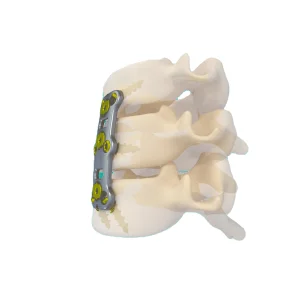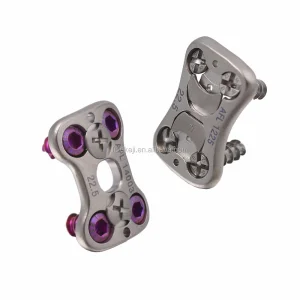
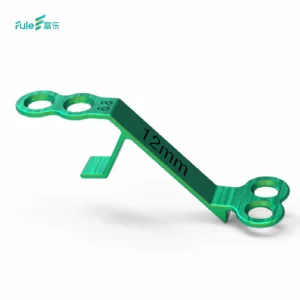
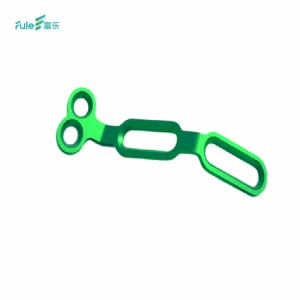
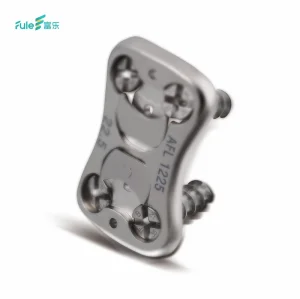
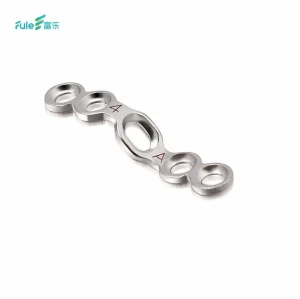
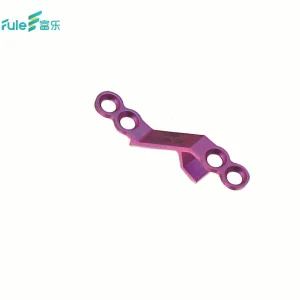
The global orthopedics landscape is experiencing a significant shift toward precision manufacturing. Among these technological developments, the Spinal Plate System remains a foundational component of spinal reconstruction, fusion, and decompression therapies. Designed primarily for stabilizing segments of the cervical, thoracic, and lumbar spine, these specialized plate systems counteract multi-planar forces and provide rigid fixation to facilitate high rates of arthrodesis.
As premium medical devices, modern spinal plate assemblies demand strict compliance with international manufacturing certifications and high-precision CNC engineering. Leading spinal plate system manufacturers utilize advanced manufacturing lines to deliver custom solutions for anterior cervical discectomy and fusion (ACDF), posterior cervical laminoplasty, and complex thoracolumbar reconstruction procedures.
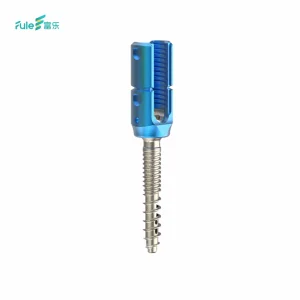
Utilizing high-grade Titanium Alloys (Ti-6Al-4V ELI) and PEEK composites to optimize biocompatibility, mechanical strength, and fatigue resistance under high dynamic loads.
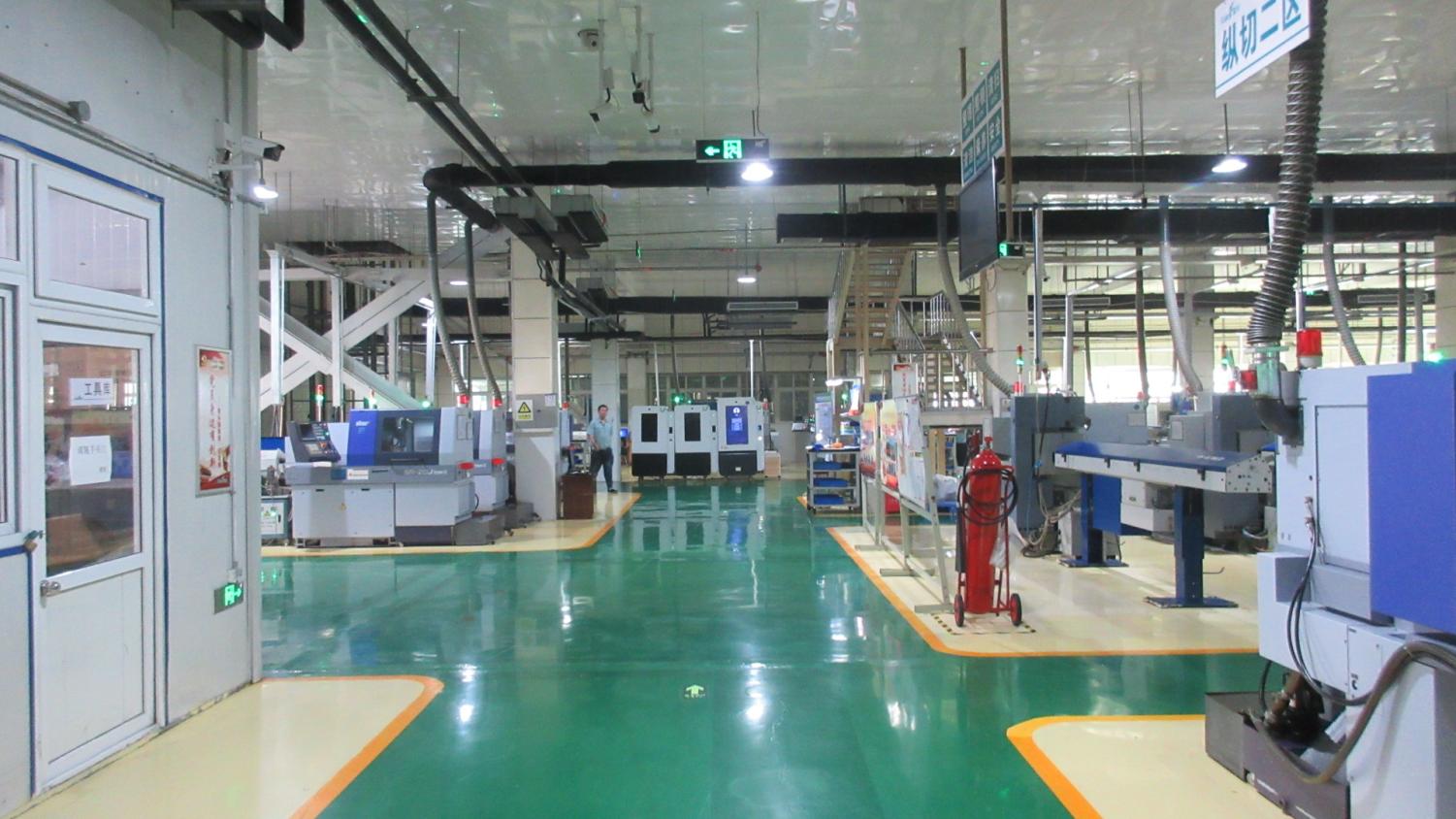
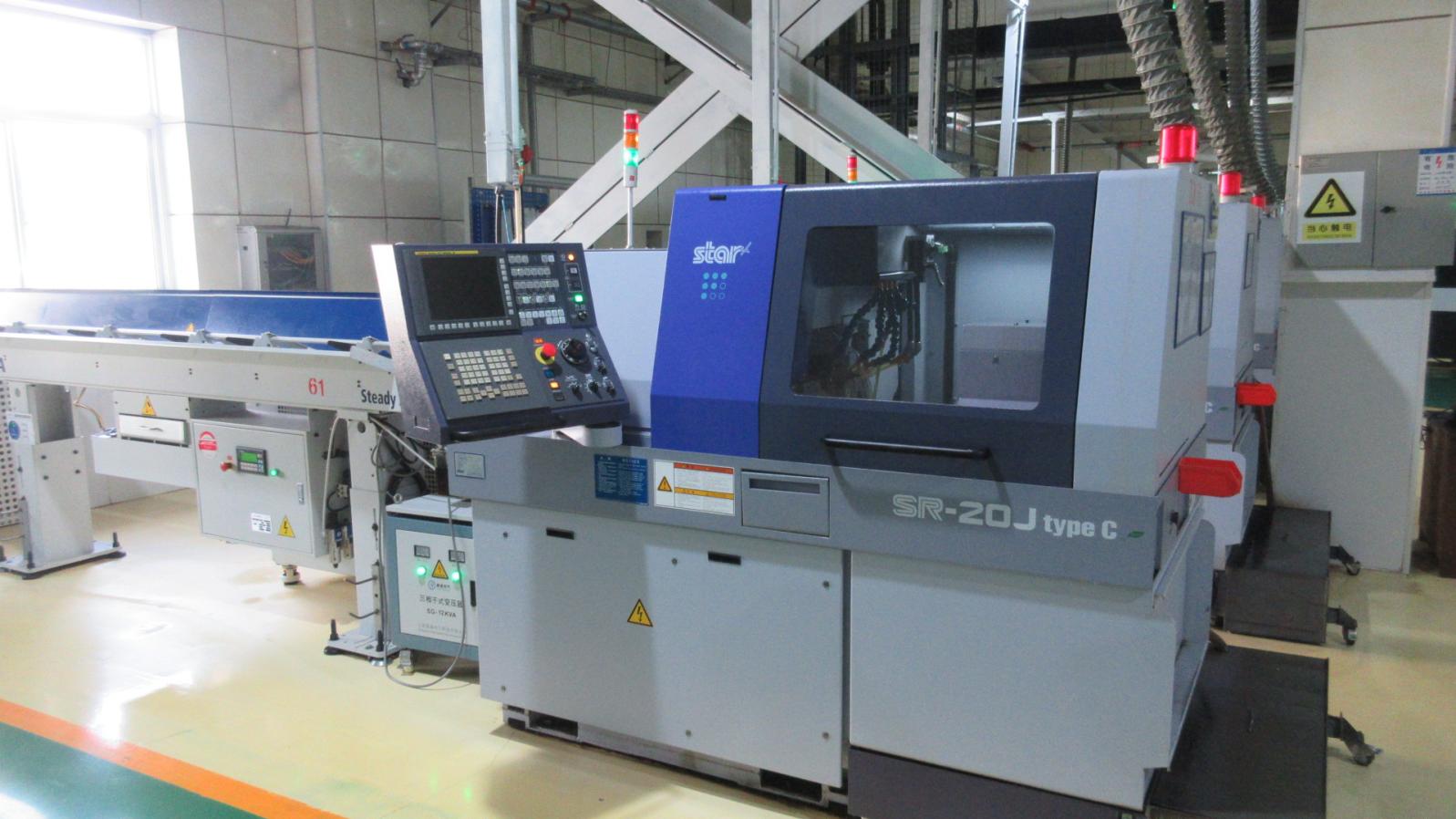
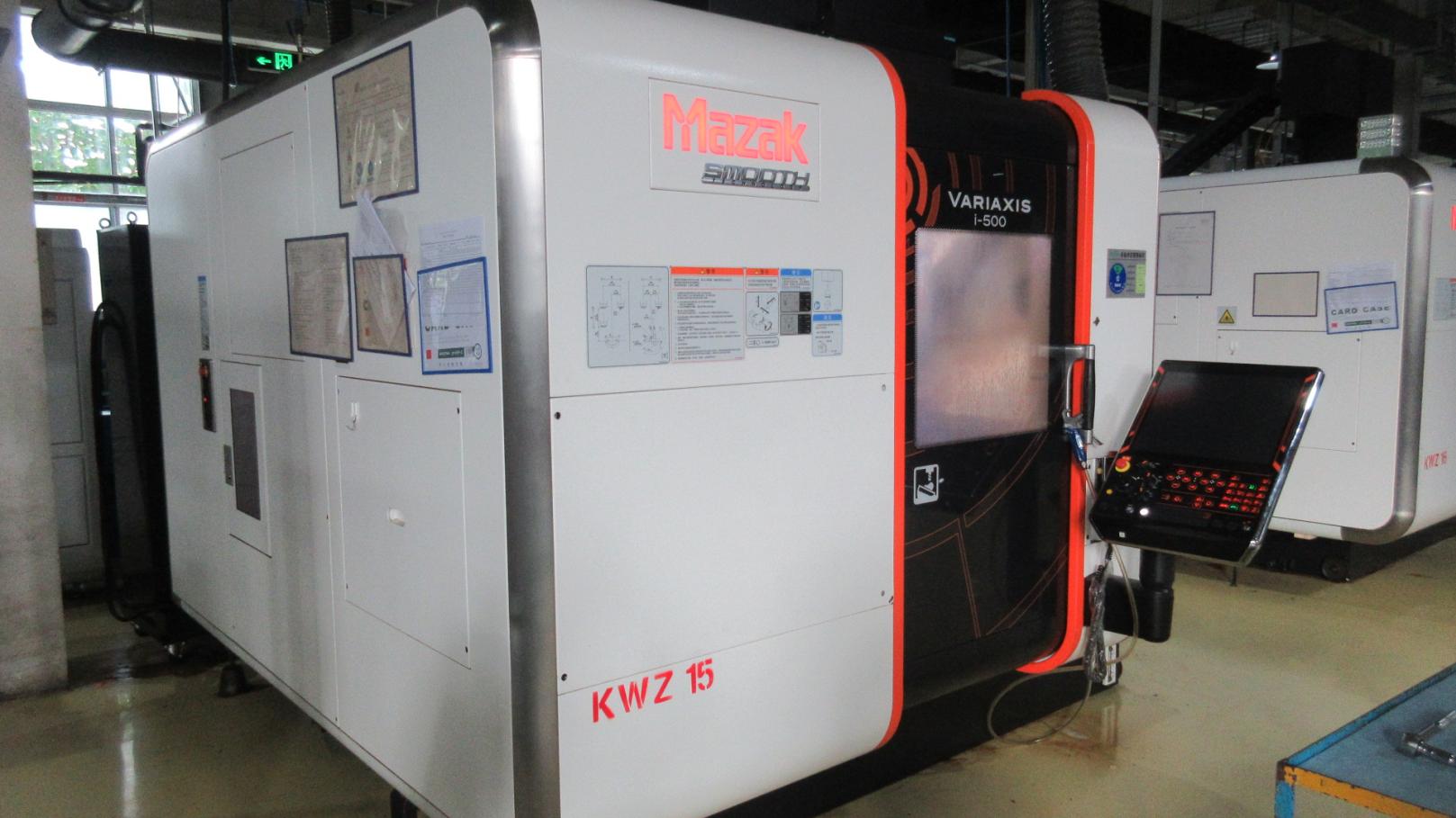
100% component inspection using advanced multi-axis CNC machines and automated optical scanning to ensure dimensional tolerances of less than 5 microns.
Comprehensive material verification and document tracking systems that ensure every plate, screw, and rod is traceable to its original raw material heat lot.
The global market for spinal plate systems is growing due to rising rates of degenerative disc diseases, spinal stenosis, and traumatic orthopedic injuries. Industrialized nations face aging populations, requiring highly stable, low-profile plates that reduce postoperative complications like dysphagia. Conversely, developing regions show a strong demand for cost-effective, high-yield solutions that maintain clinical efficacy without placing a heavy financial burden on healthcare facilities.
Regional dynamics dictate clear demands for local customization:
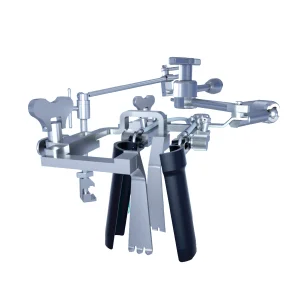
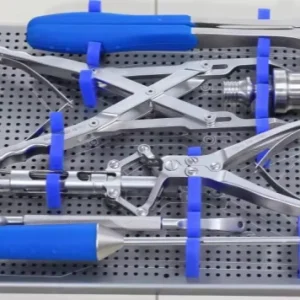
In response to these diverse requirements, manufacturers are adopting agile manufacturing models. This allows them to configure systems for variable-angle locking screws, custom-length anterior plates, and integrated instrumentation sets suited to local surgical practices.
The field of spinal fixation is evolving rapidly from rigid stabilization to dynamic, bioactive, and smart implants. Manufacturers invest heavily in R&D to bridge the gap between mechanical stability and natural bone remodeling.
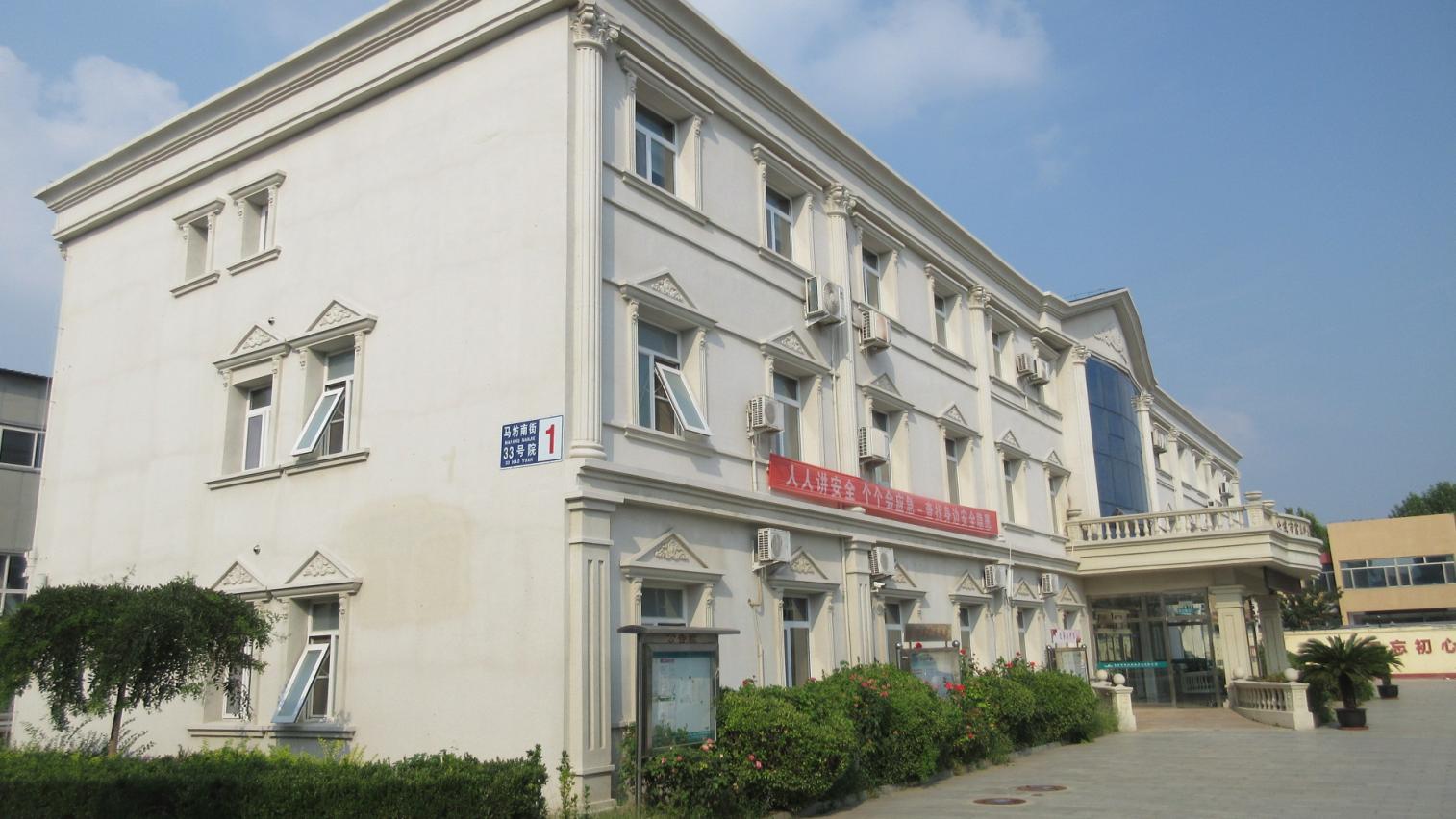
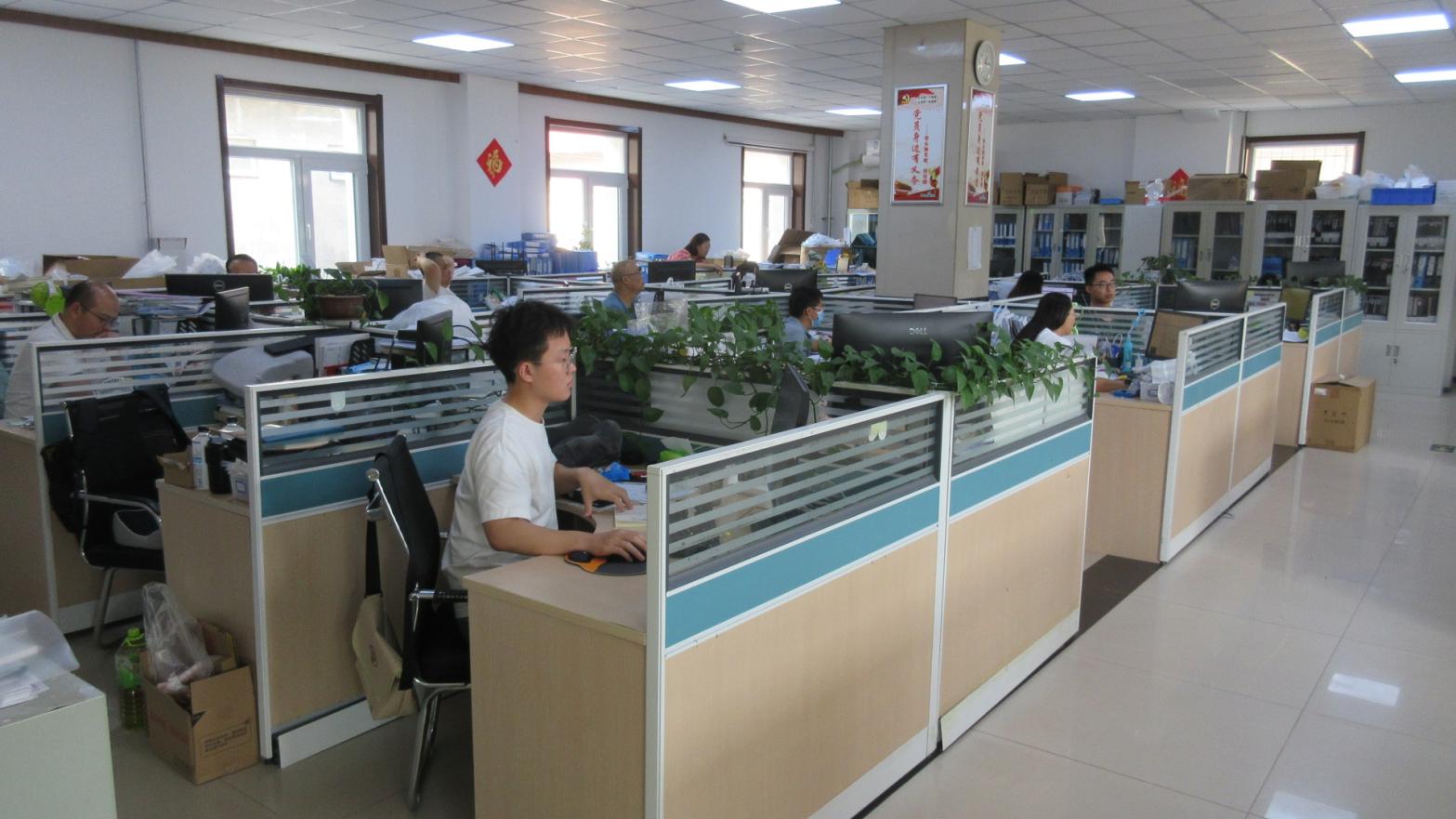
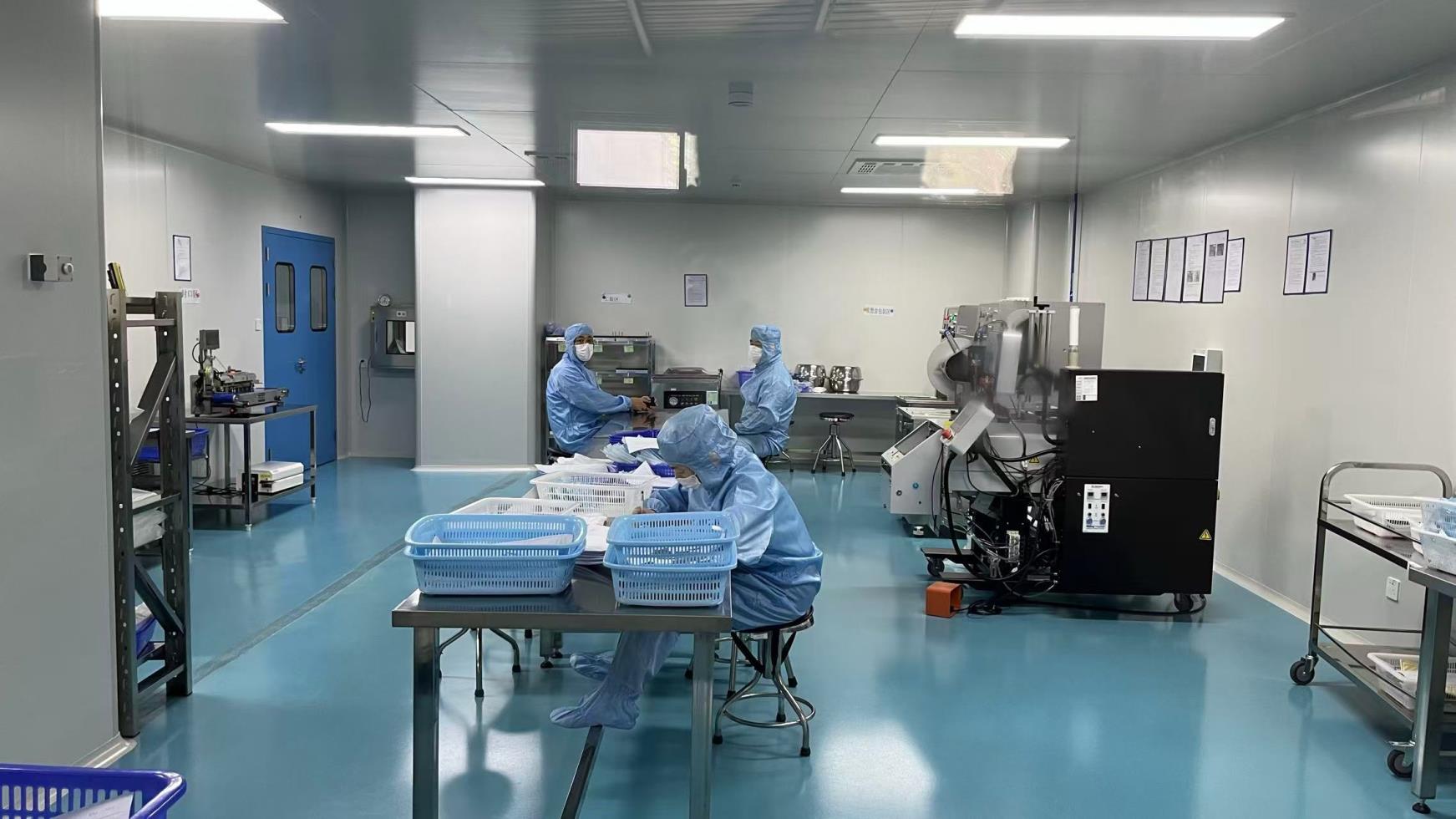
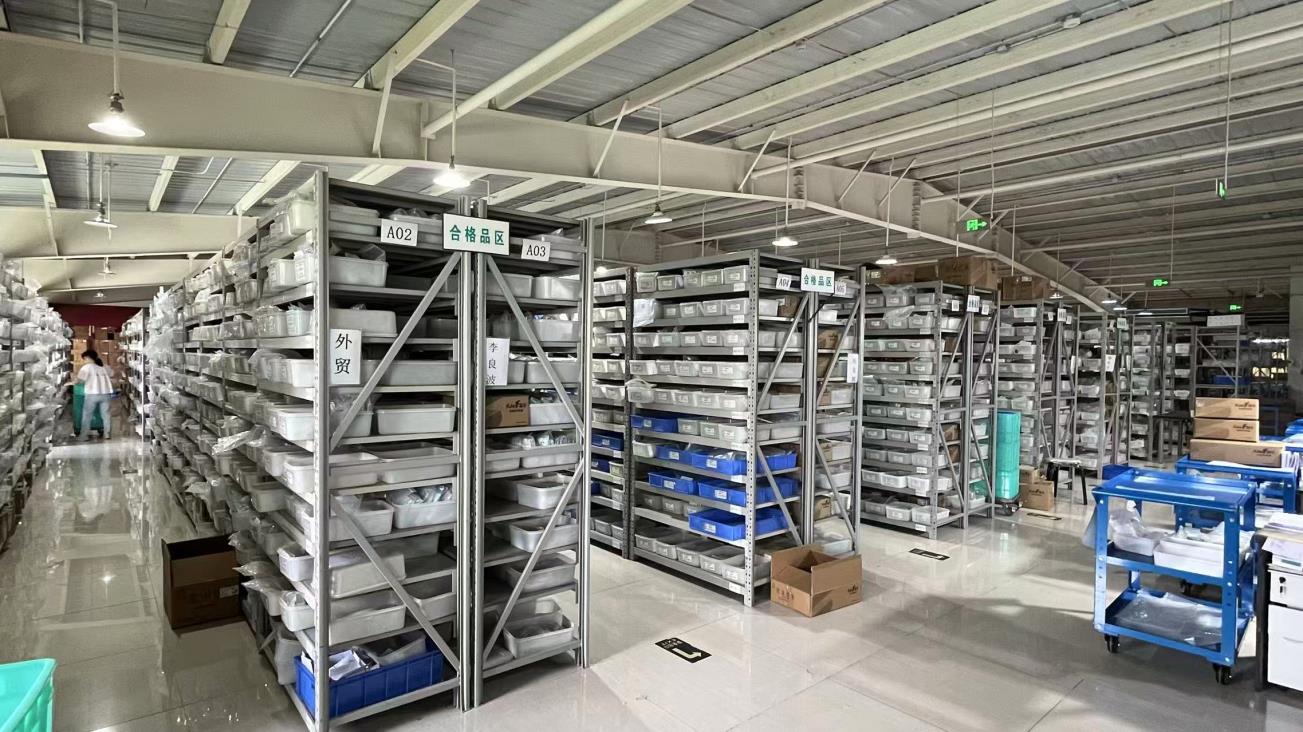
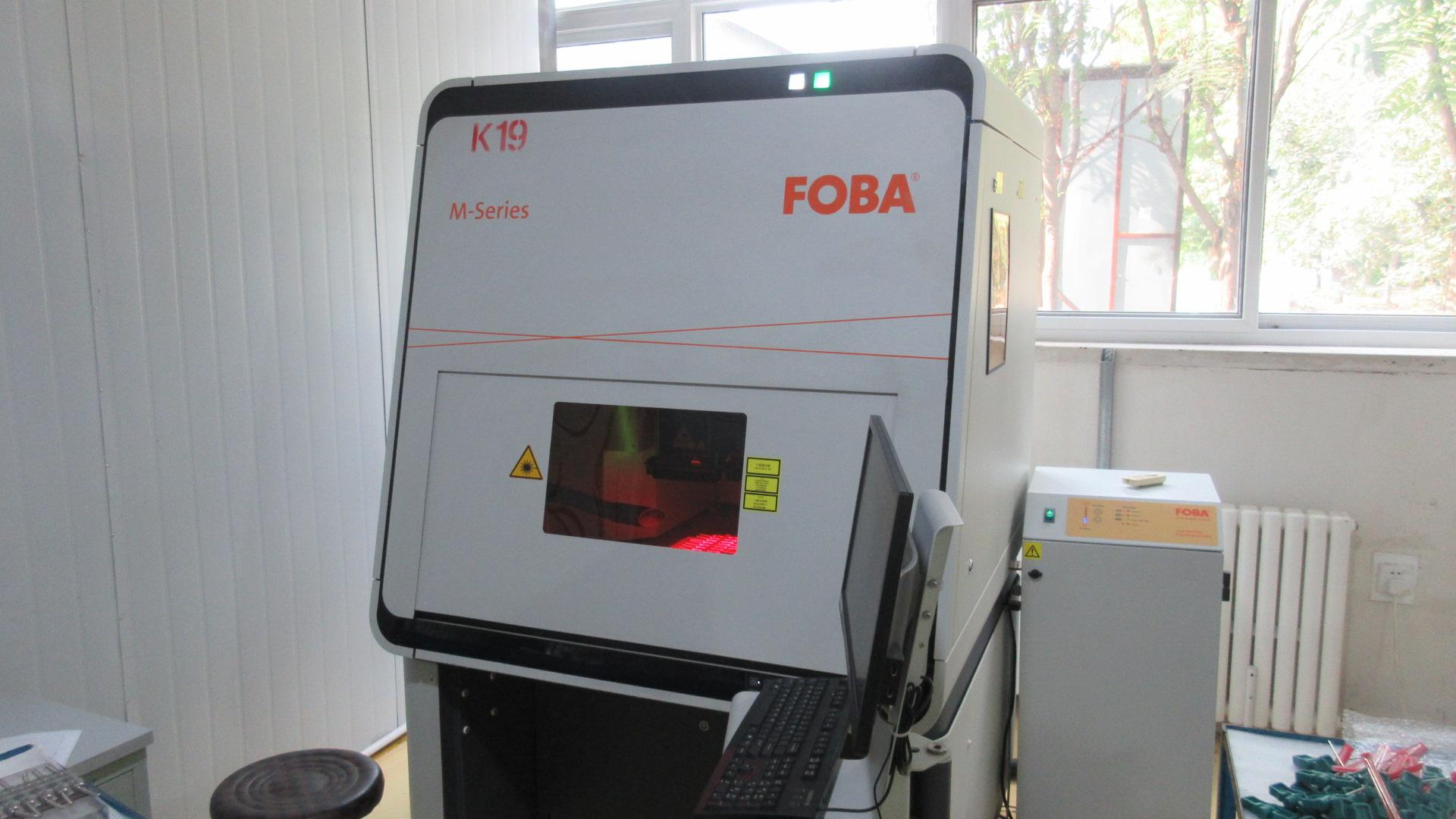
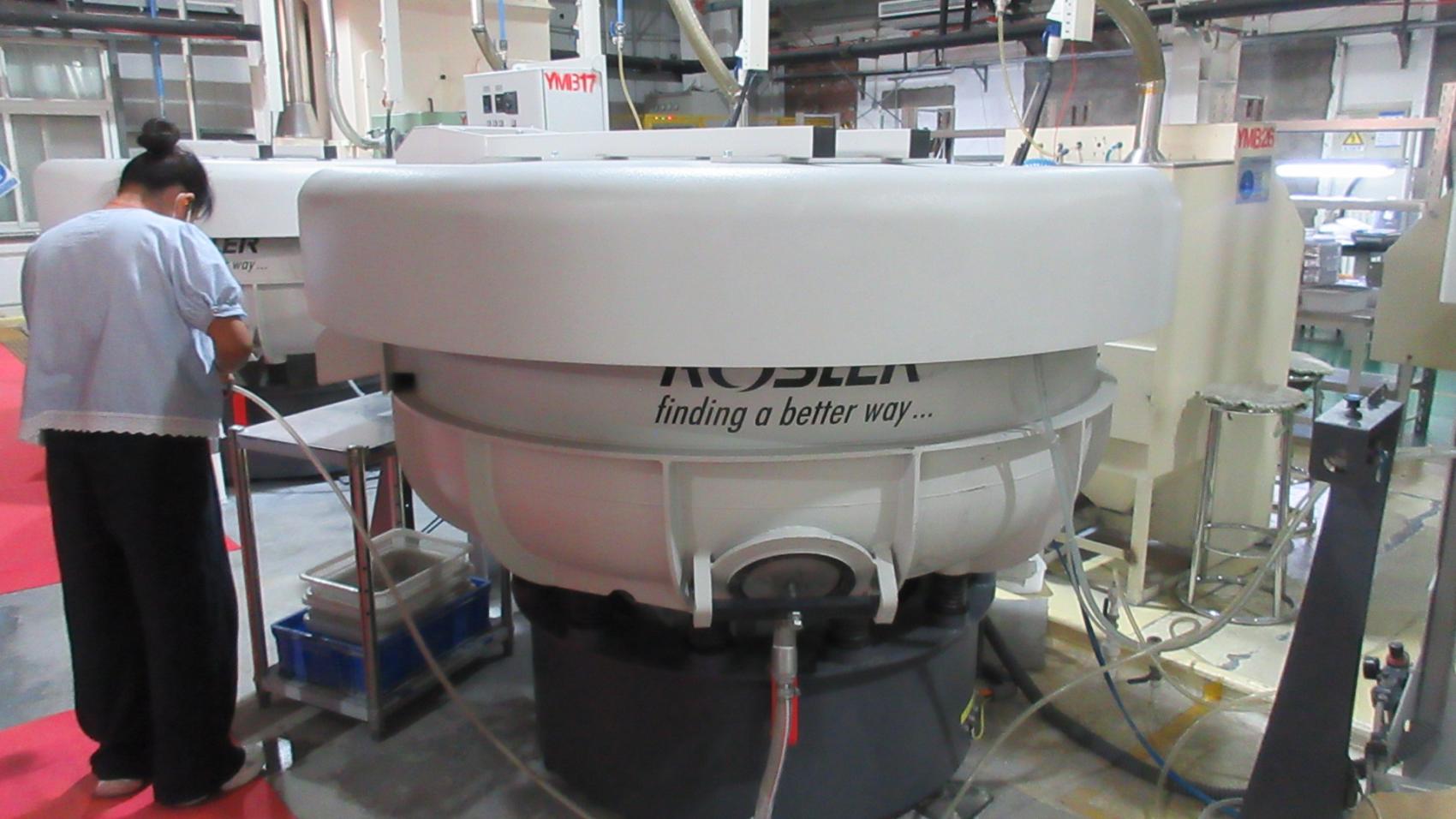
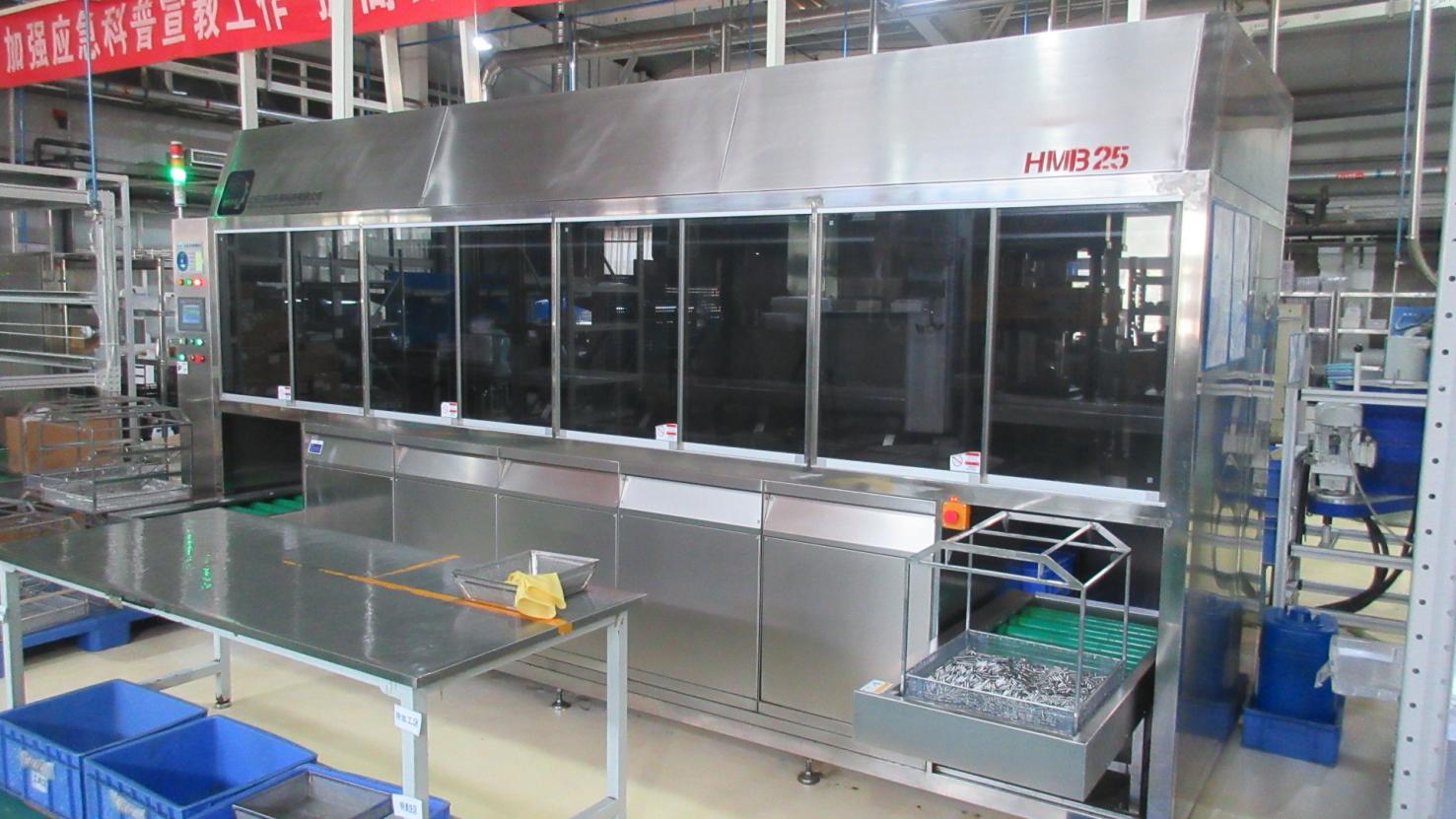
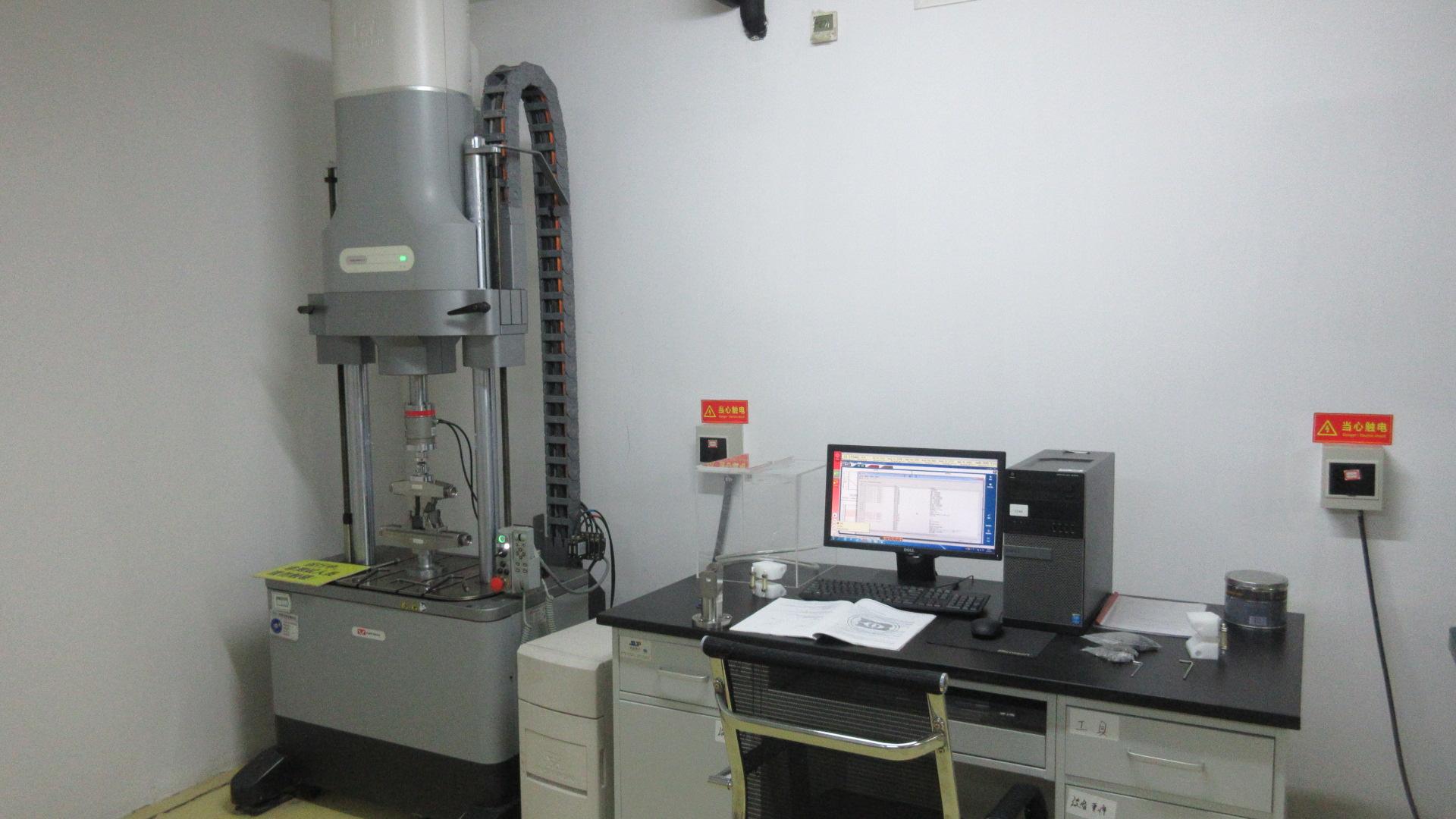
High-quality medical implant production requires advanced facilities and strict adherence to strict international standards. Below is an overview of our engineering infrastructure, quality control measures, and international trade footprint designed to support global supply networks.
A closer look at our cleanroom packing areas, multi-axis milling workshops, quality assurance departments, and storage facilities.
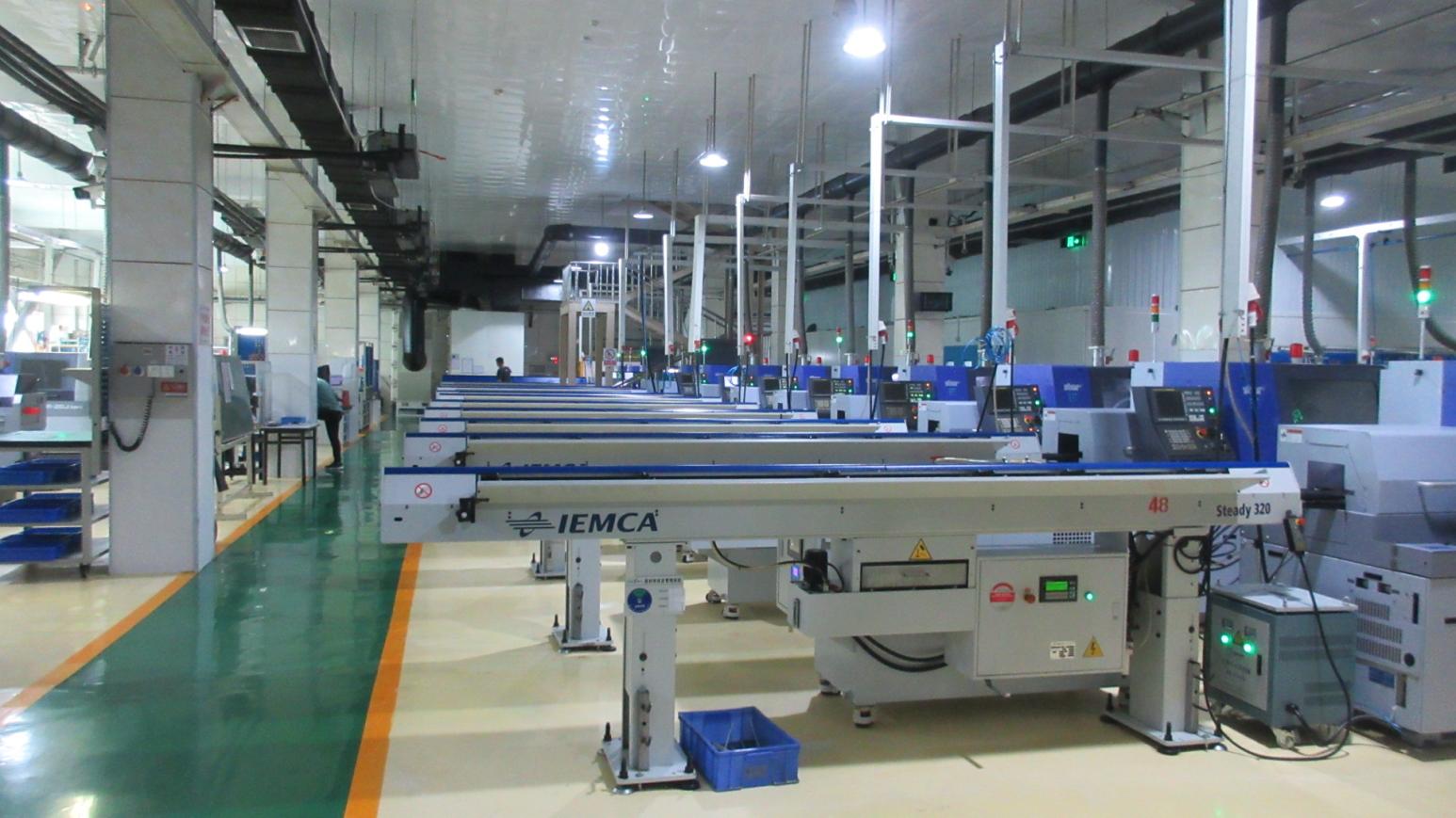
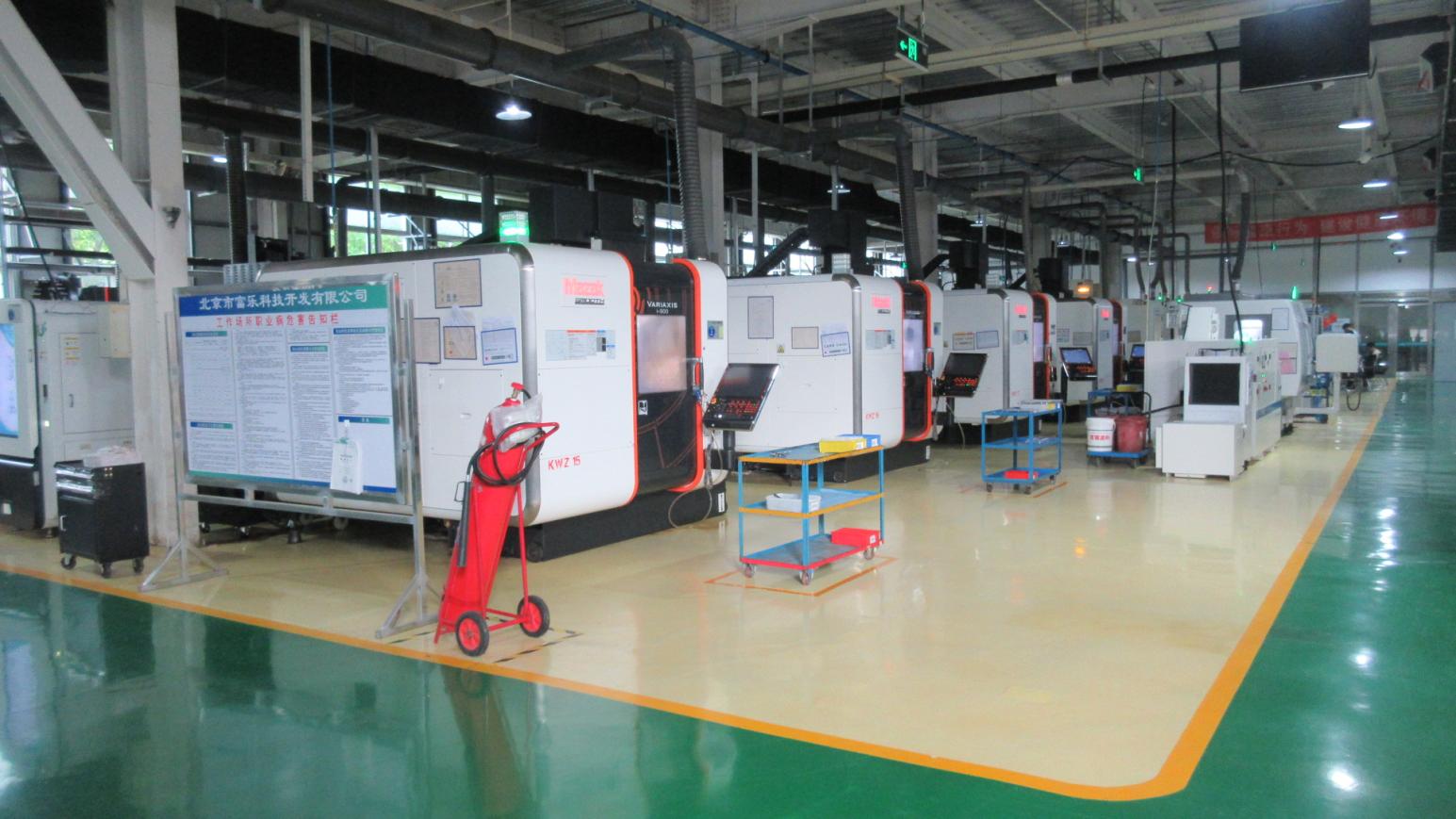
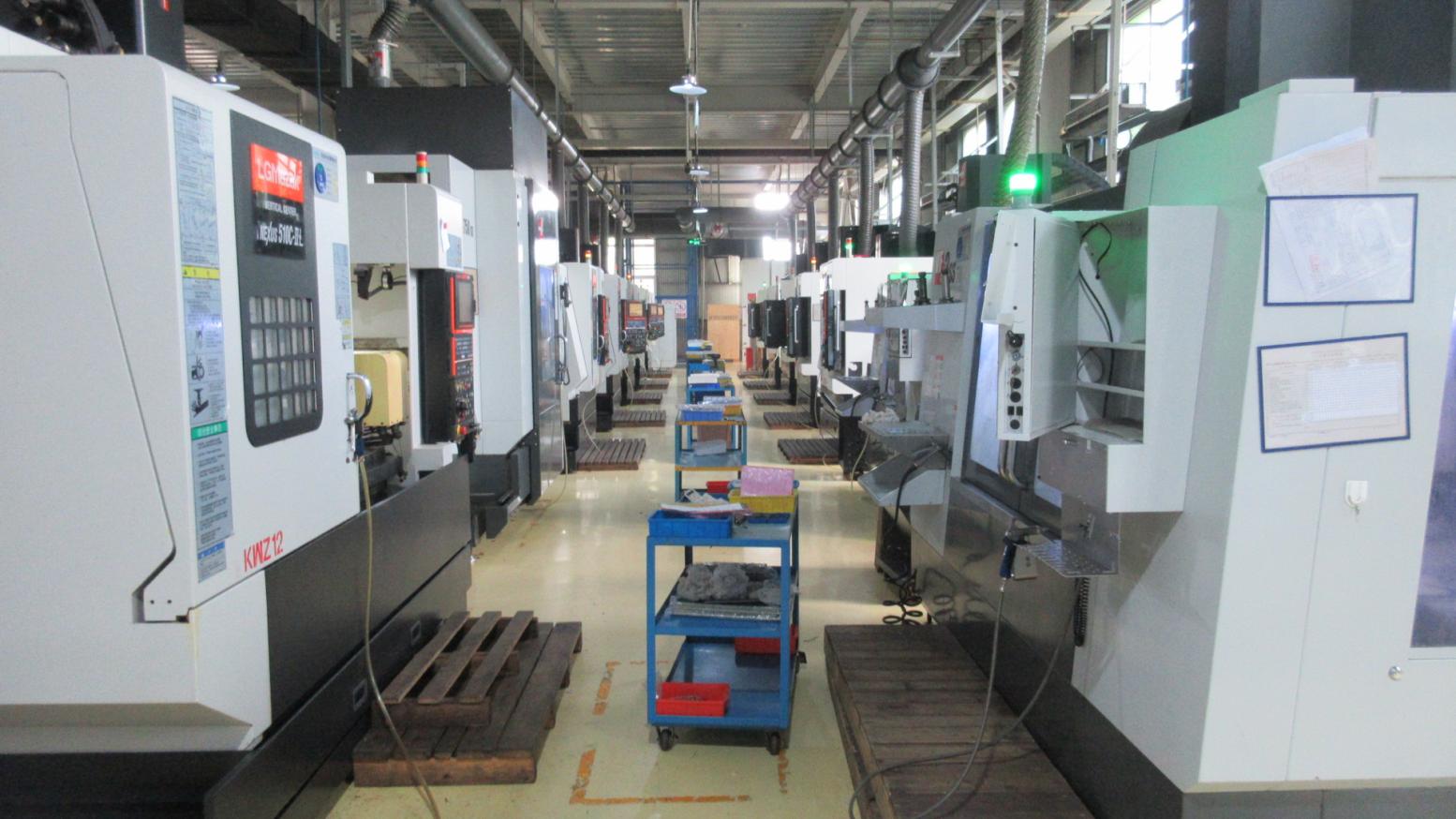
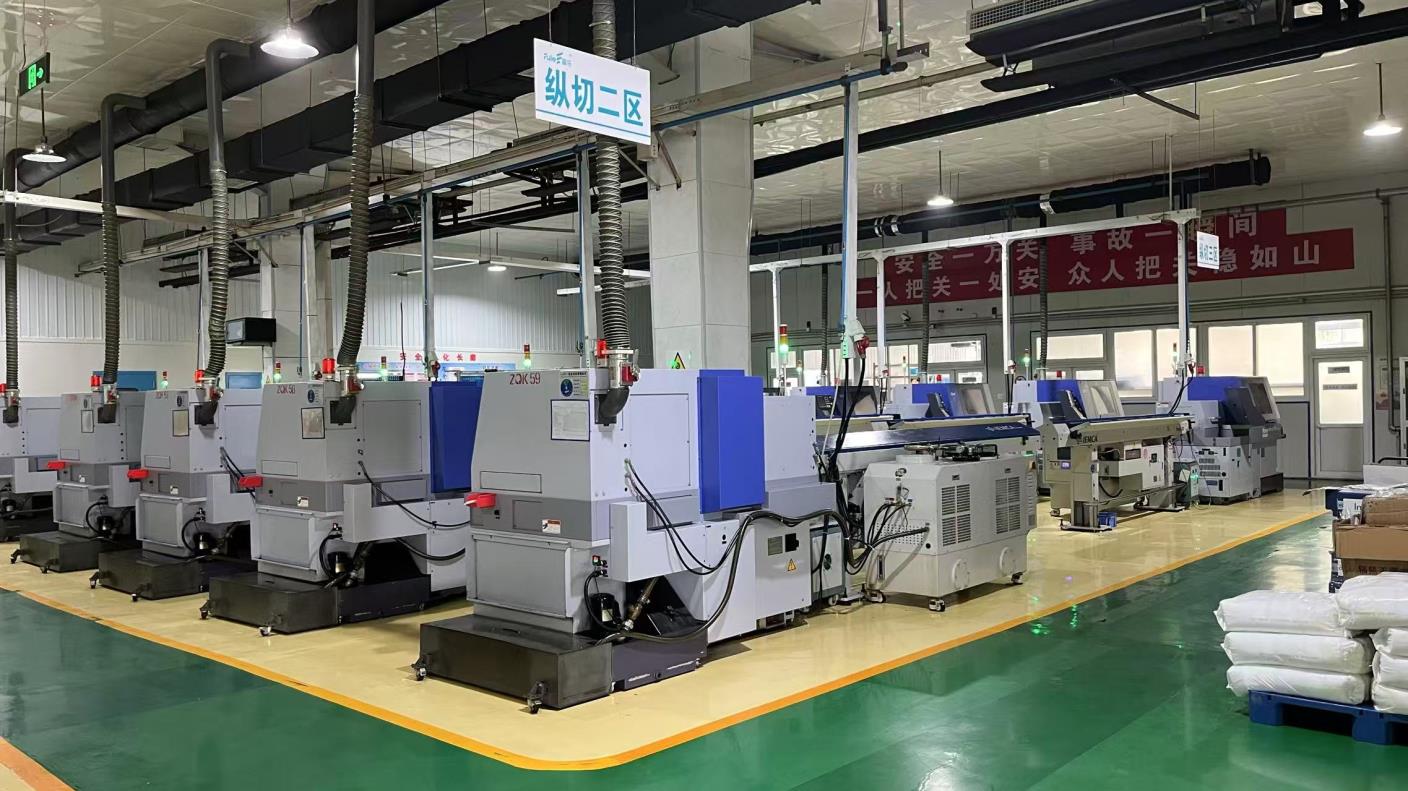
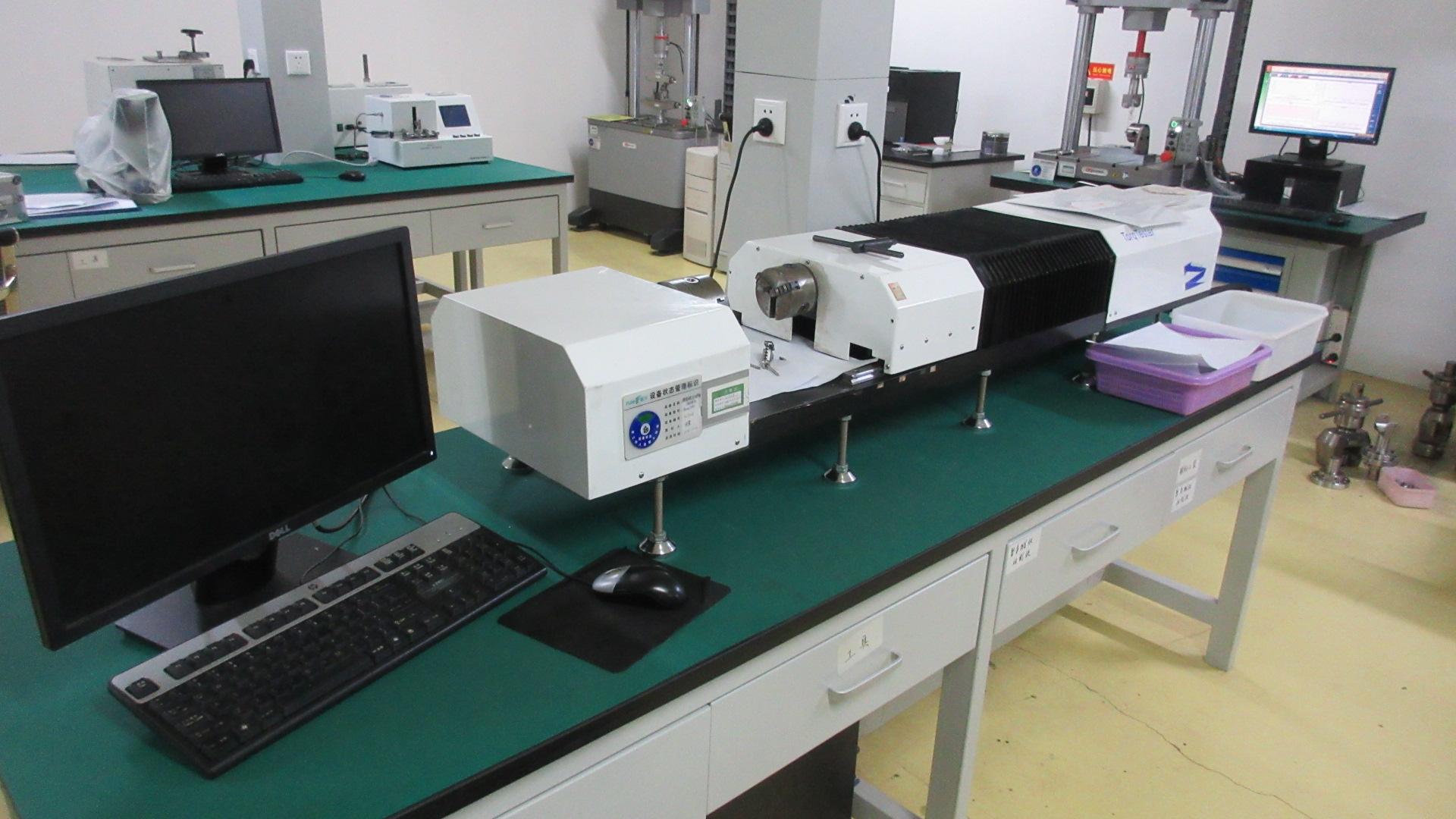
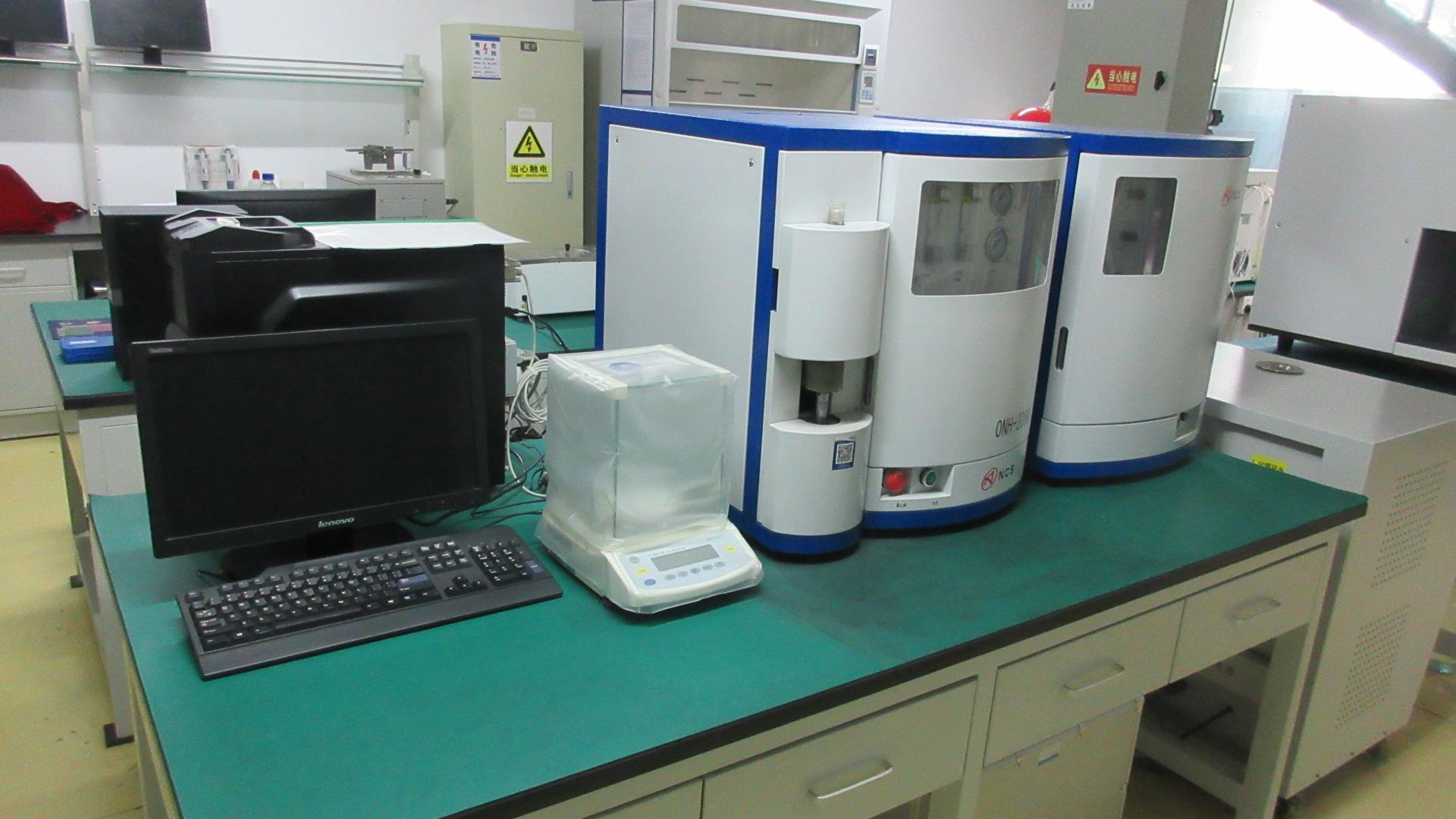
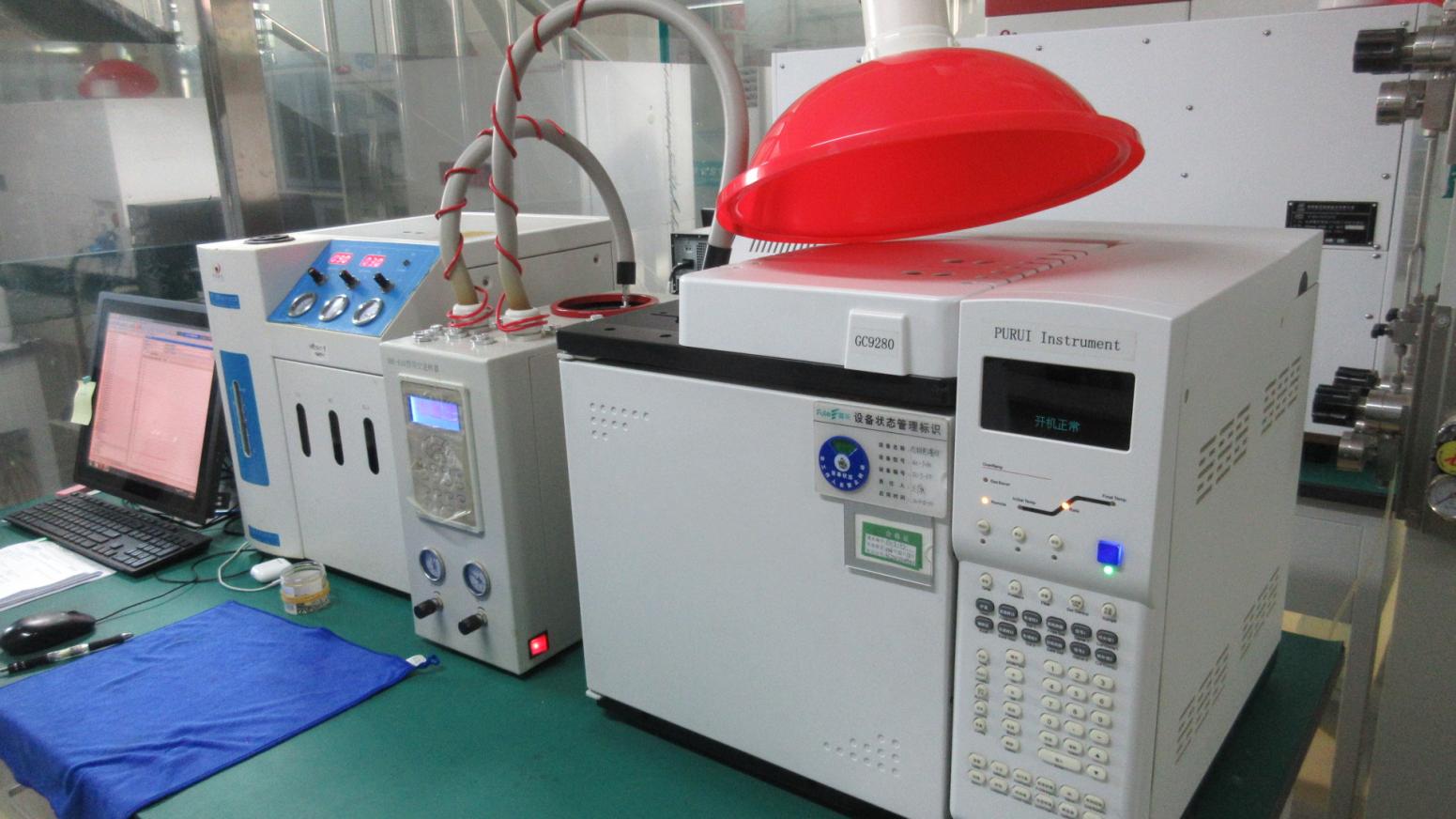
Common questions regarding our spinal plate systems, engineering parameters, and global manufacturing operations.
 Beren Science & Technology