Advanced Class III Vertebroplasty systems, implantable needles, customized spinal implants, and trauma tools designed for global medical distribution.
Meeting the strict clinical needs of modern hospitals, ambulatory surgical centers, and OEM distributors globally.
Surgical instruments manufactured using surgical-grade titanium, PEEK, and tempered stainless steel to ensure zero implant failure and absolute patient safety.
Exporting to Europe, Southeast Asia, and South America, with established partnerships to navigate international customs and regulatory documentation smoothly.
Led by 20 highly qualified R&D specialists, continually advancing minimally invasive surgical systems (MIS) and customizable bone-implant fixation arrays.
A comprehensive analysis of design methodologies, metallurgical properties, and regulatory dynamics driving surgical success.
The global demand for orthopedic medical devices and surgical instrumentation is undergoing a rapid transition. Driven by an aging worldwide population, rising incidences of spine disorders, and a major clinical shift toward Minimally Invasive Surgery (MIS), healthcare institutions require high-performance instrumentation. Today's surgical systems are no longer just tools; they are precise mechanical extensions of the surgeon's hand, demanding tighter tolerances, better biocompatibility, and consistent structural integrity.
As an established medical exporter, our role goes beyond logistics. We provide fully validated systems designed to minimize intraoperative issues. The integration of advanced diagnostics and surgical navigation platforms has pushed manufacturers to innovate, ensuring that physical tools interface correctly with virtual planning templates. This synergy reduces operating times and improves clinical outcomes in spinal fusion and joint reconstruction procedures.
Our implant systems utilize Extra Low Interstitial (ELI) titanium, delivering exceptional fatigue resistance, lower elastic modulus closer to cortical bone, and complete osteointegration profile to eliminate local tissue rejection.
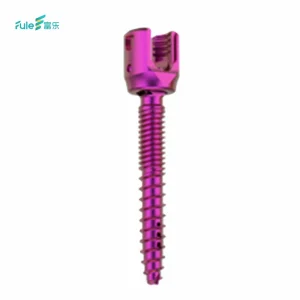
Orthopedic implants, including pedicle screws, spinal fusion cages, and vertebral body expanders, face complex mechanical stress within the human body. To resist cyclic loading and stress-shielding, we selection-engineer raw materials such as medical-grade Titanium Alloys and high-performance polyetheretherketone (PEEK). Our R&D team runs extensive finite element analysis (FEA) to simulate torque stress, pull-out forces, and fatigue wear profiles. This ensures that every implant system meets or exceeds ASTM and ISO standards before moving to clinical environments.
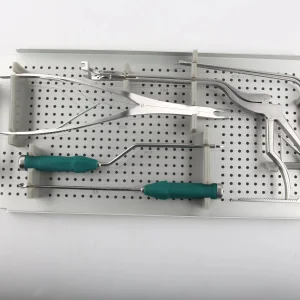
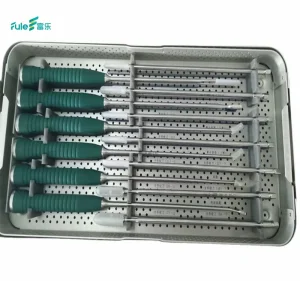
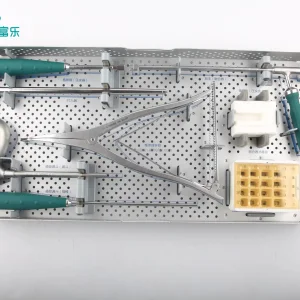
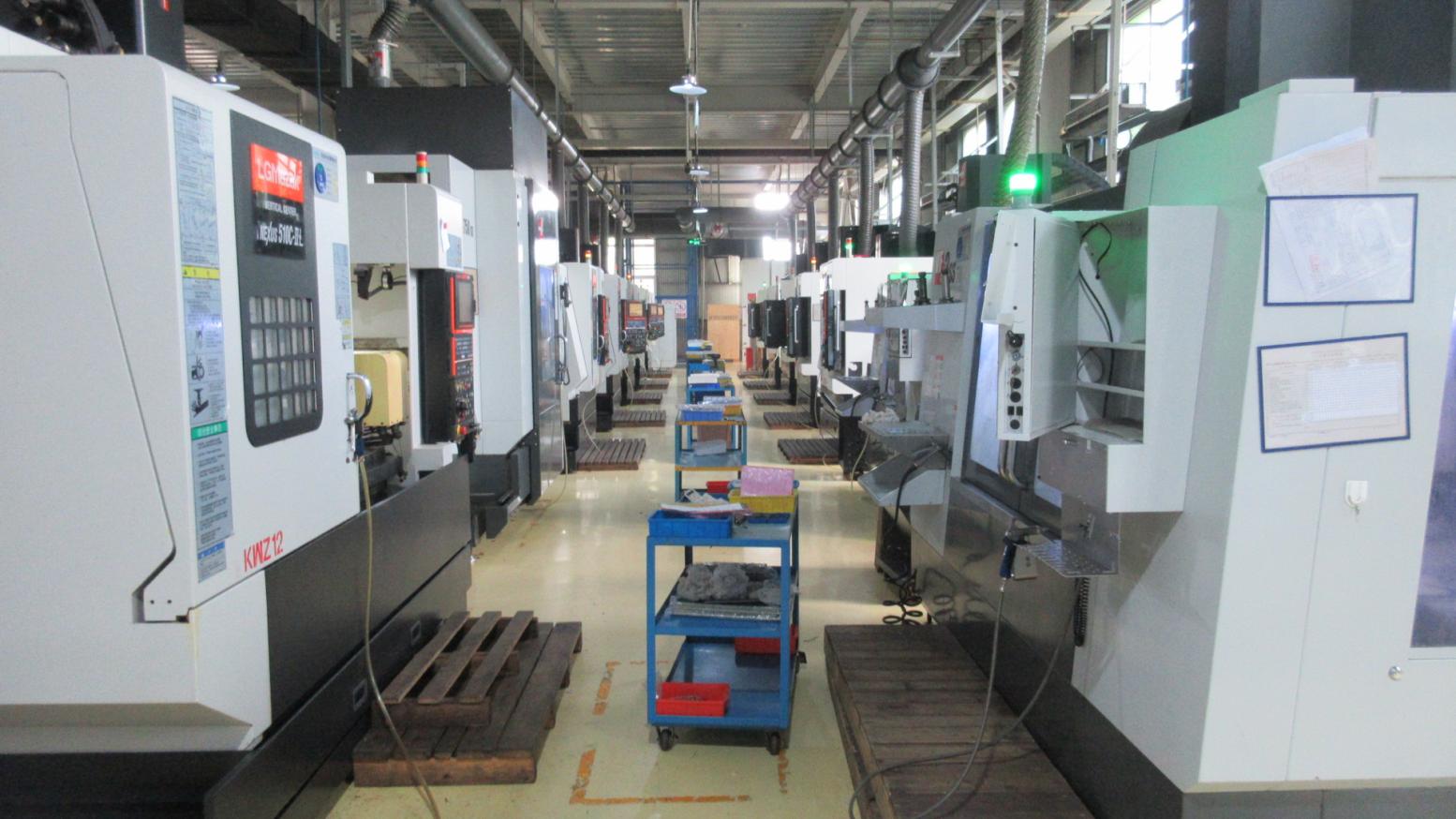
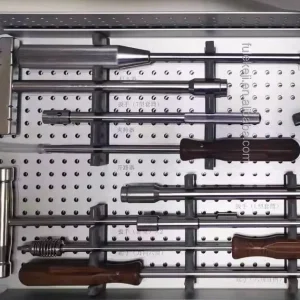
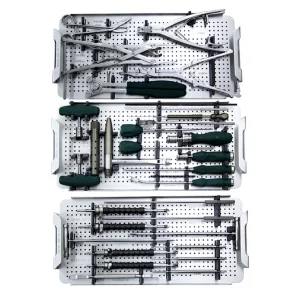
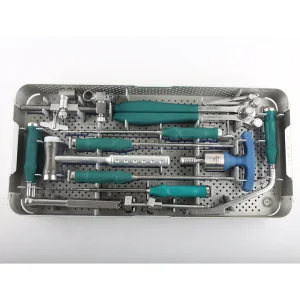
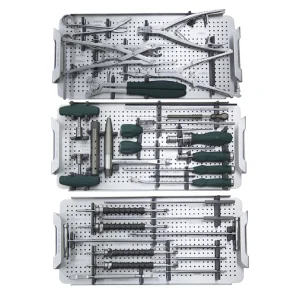
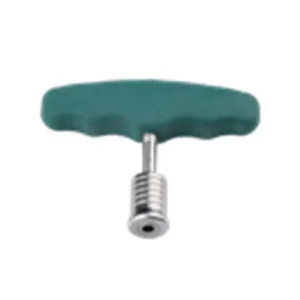
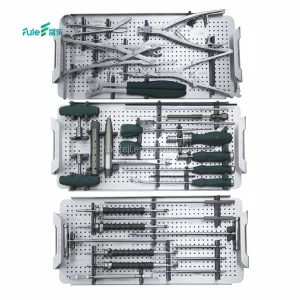
Additionally, instrument sets like the Broken Screws Removal Instruments must handle high torque loads without shearing. Through advanced heat-treatment processes and precision CNC machining, we produce surgical tools that retain sharpness, resist deformation under sterilization cycles (such as autoclaving), and offer clear tactile feedback to the surgeon during challenging procedures.
Under Google's Search Quality Rater Guidelines, particularly within Your Money or Your Life (YMYL) categories like medical devices, trust and accuracy are critical. Our operational workflow represents the highest levels of Experience, Expertise, Authoritativeness, and Trustworthiness (E-E-A-T). Every batch of titanium or surgical stainless steel we use is fully traceable back to the raw ingot stage, supported by mill test reports and chemical analysis certifications.
We perform 100% inspections on all production runs. Utilizing Coordinate Measuring Machines (CMM), optical comparators, and non-destructive testing (NDT), our QA team ensures that every dimension of our surgical sets matches the registered design files. This level of quality control is essential for managing risk and ensuring patient safety in operating rooms globally.
A statistical breakdown of our manufacturing capacity, quality control operations, and R&D benchmarks.
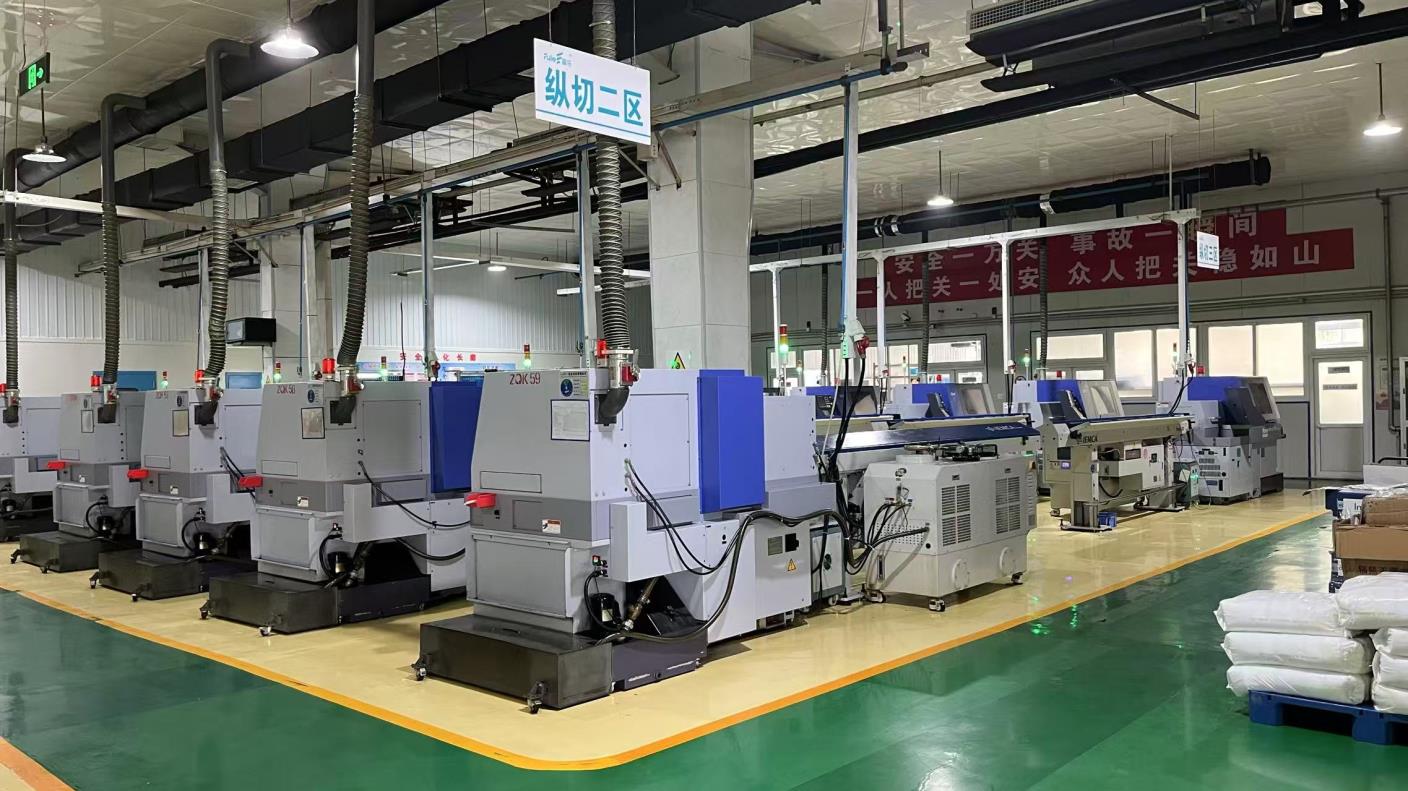
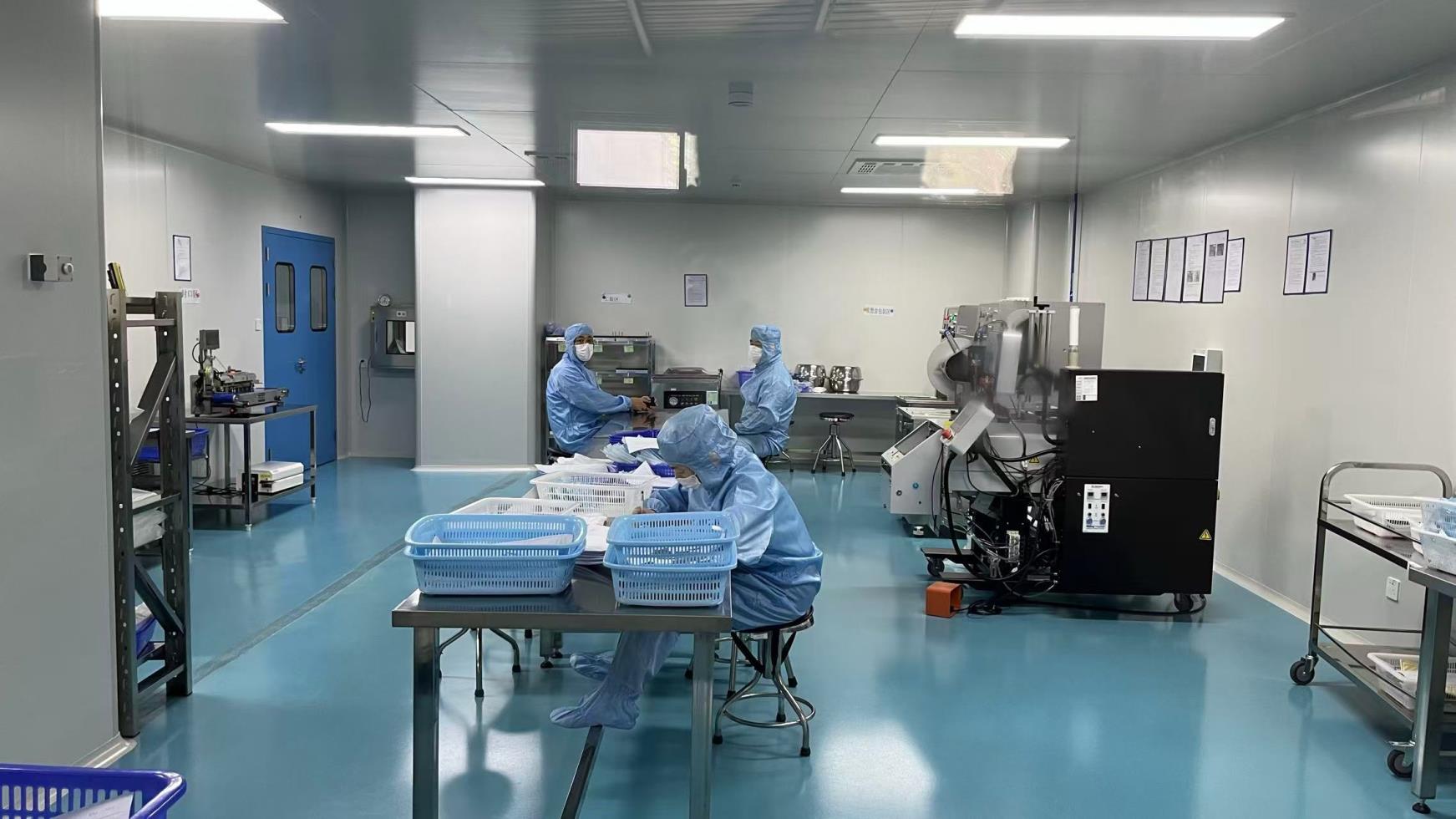
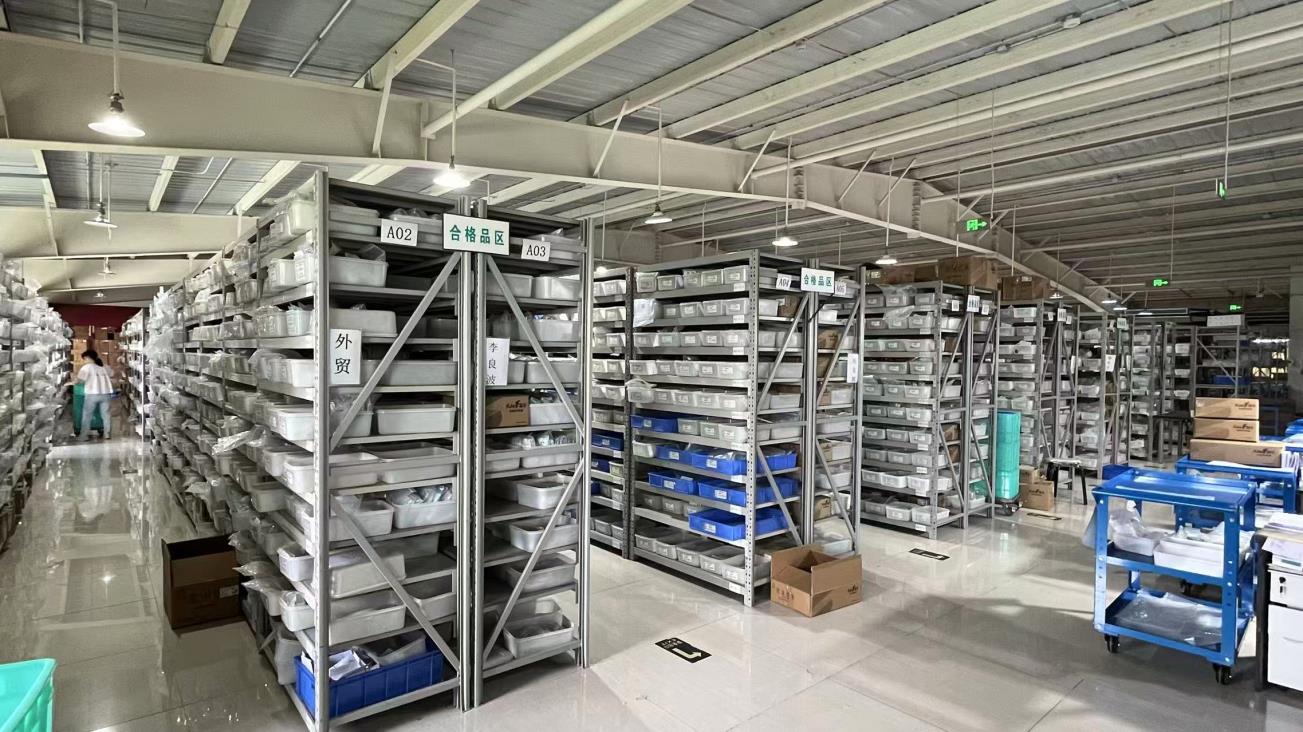
Visual presentation of our manufacturing facility, cleanroom assemblies, and ISO-certified quality control labs.

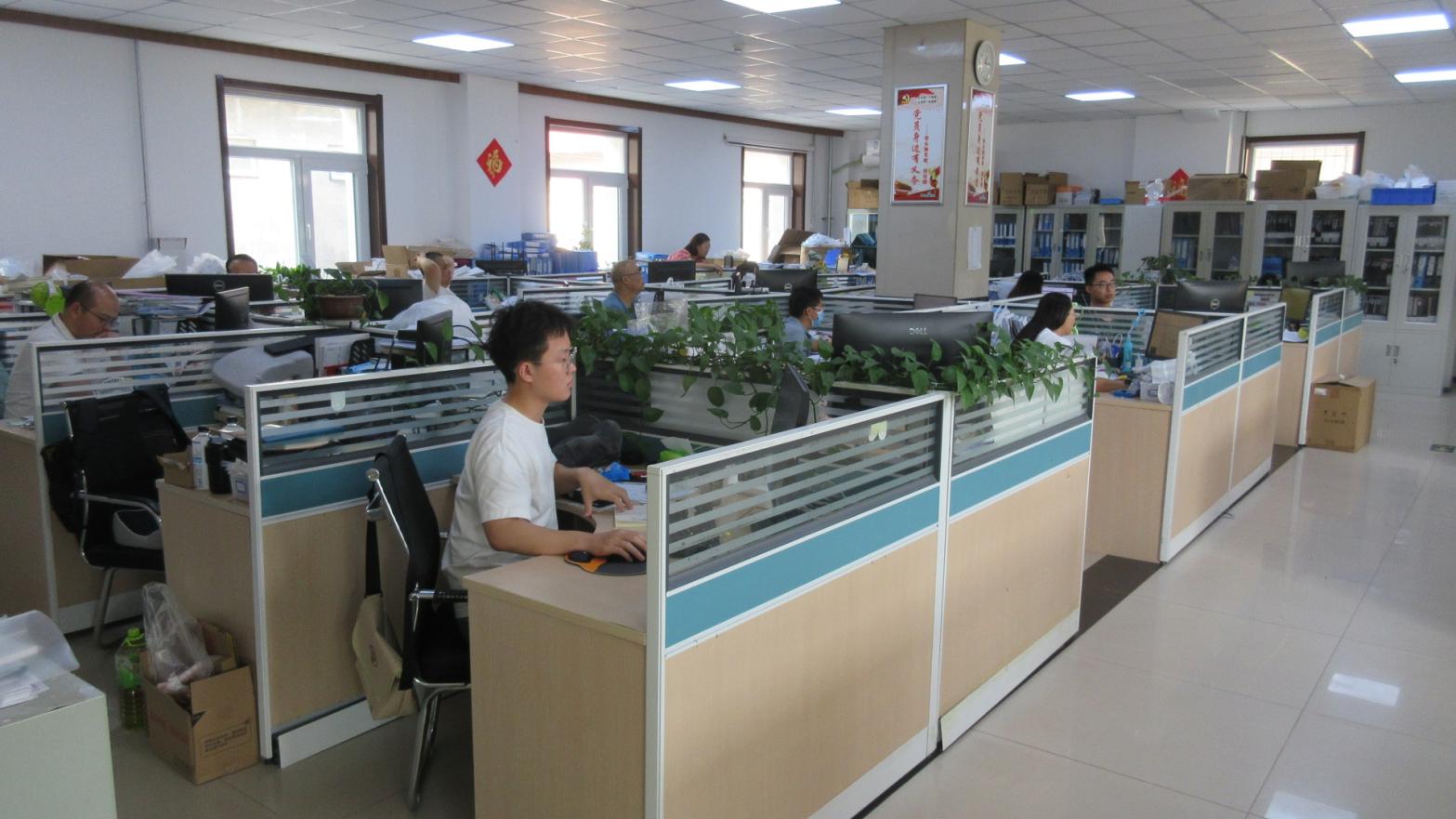
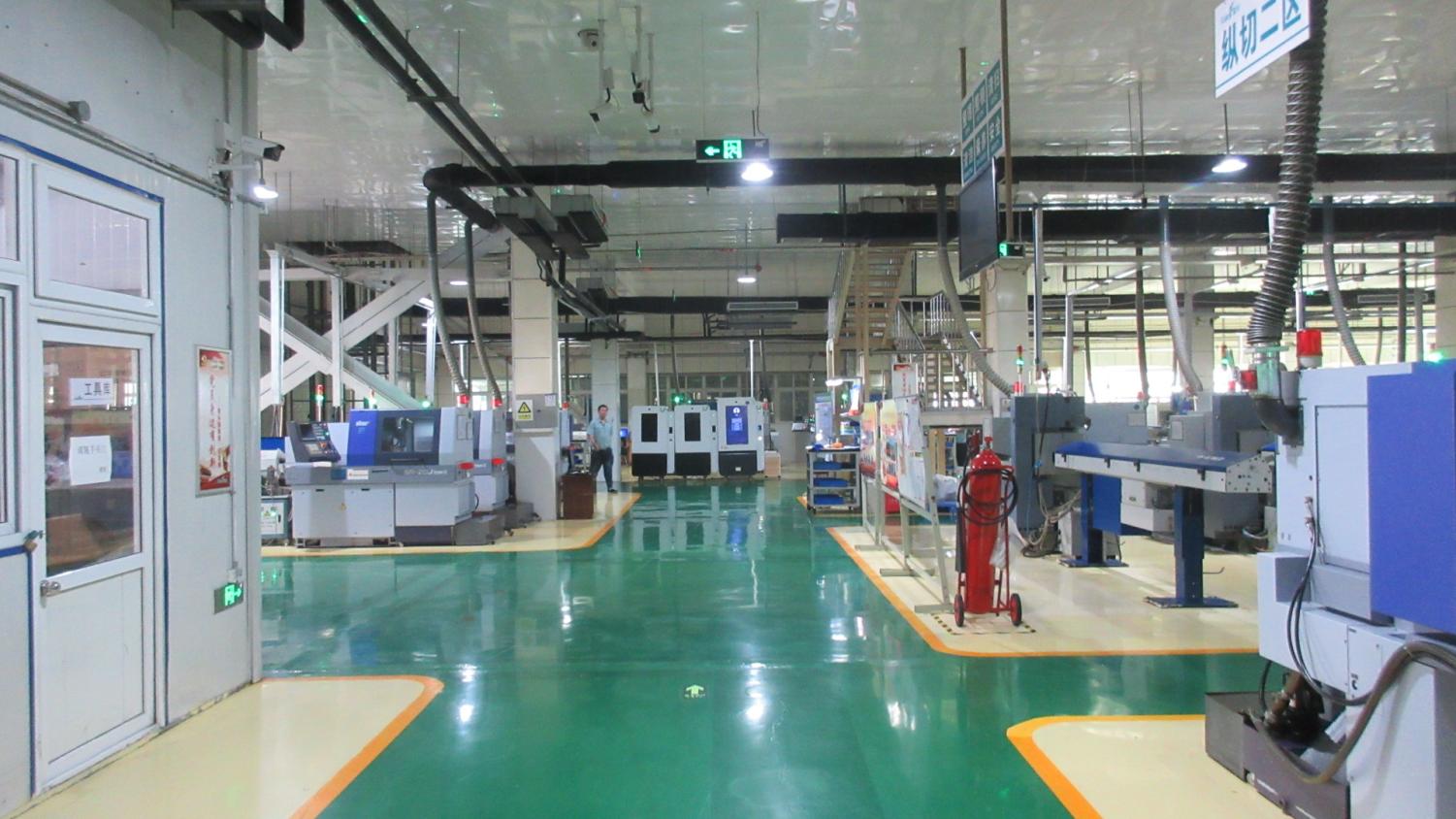
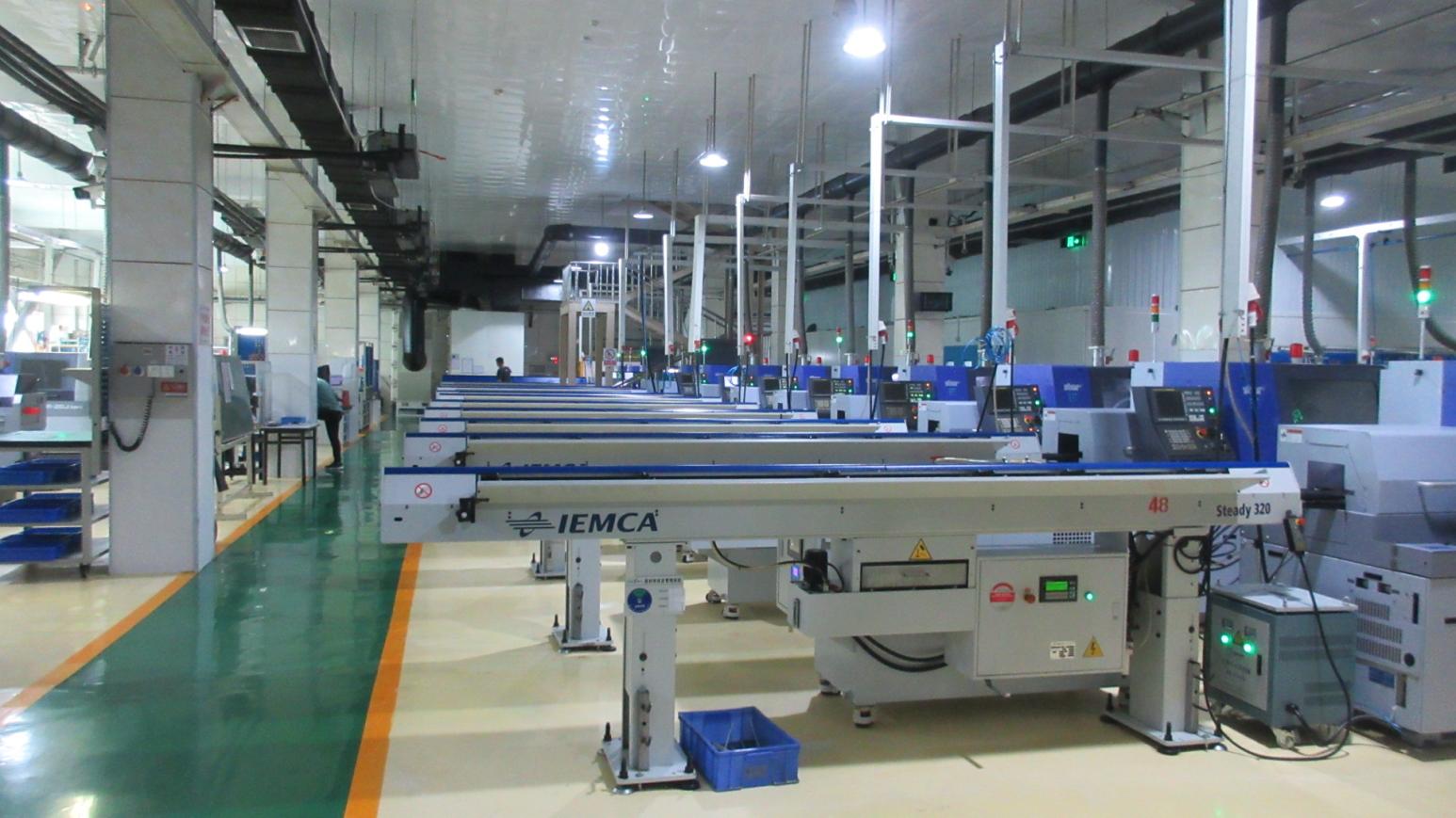
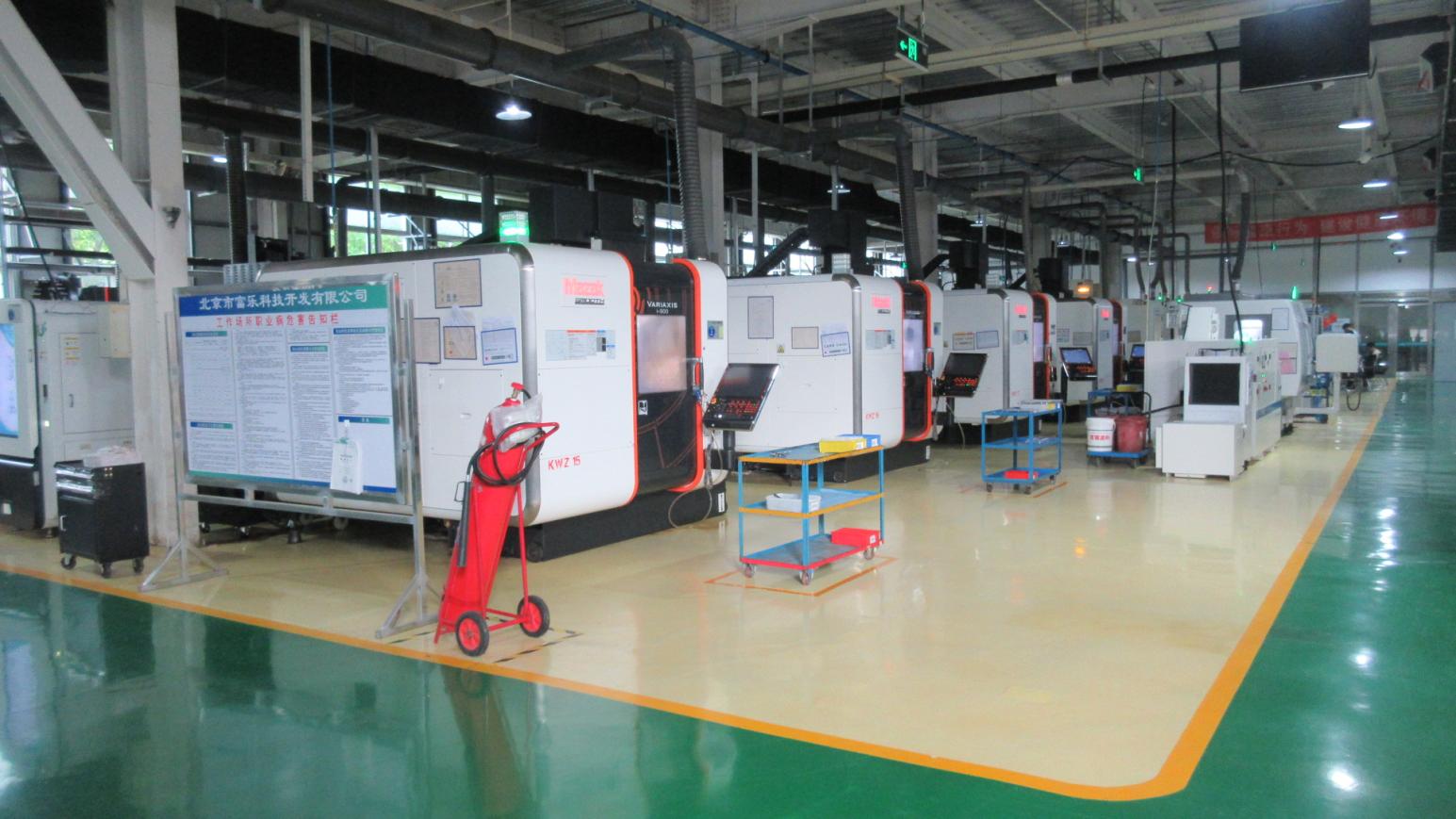
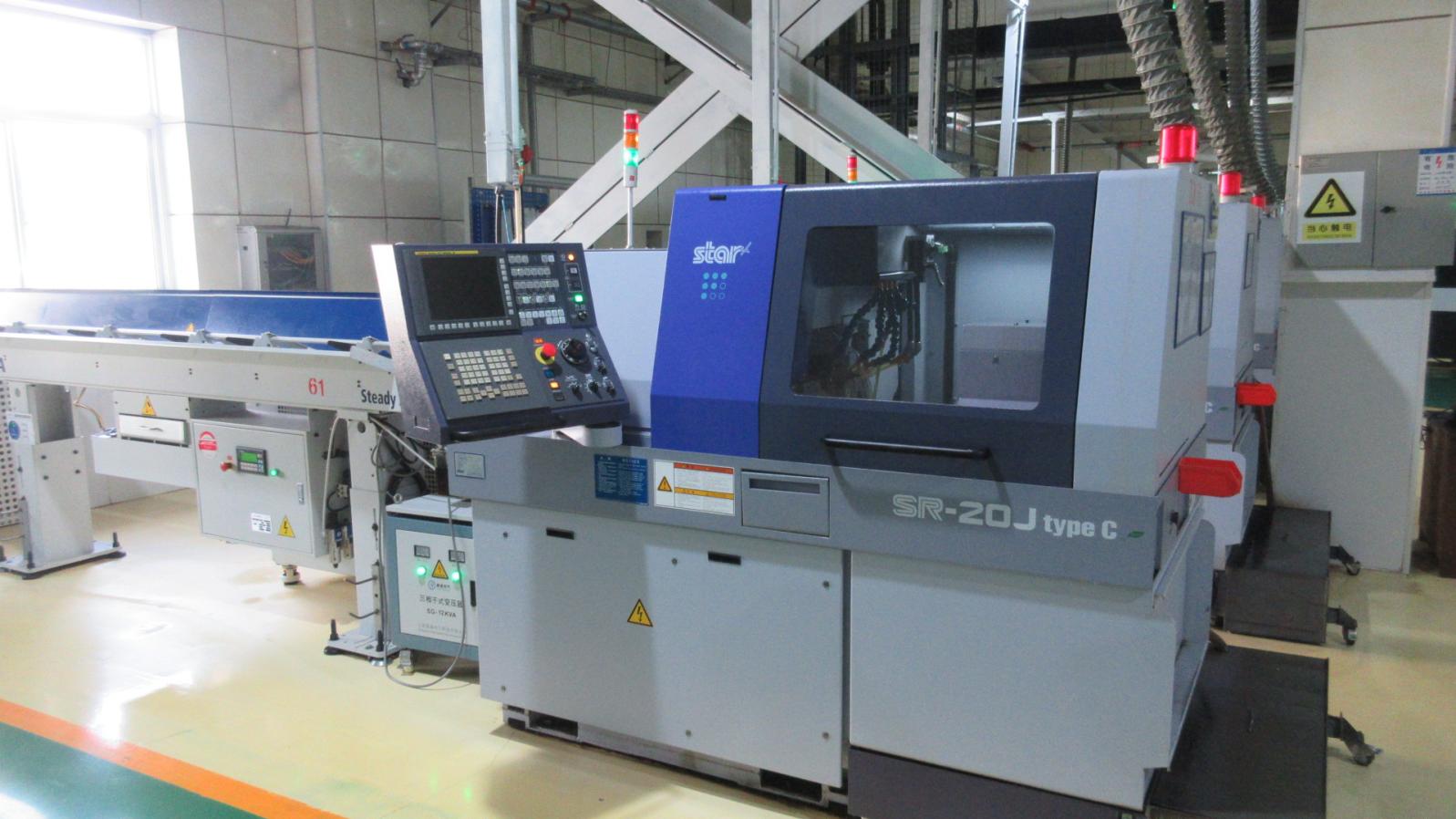
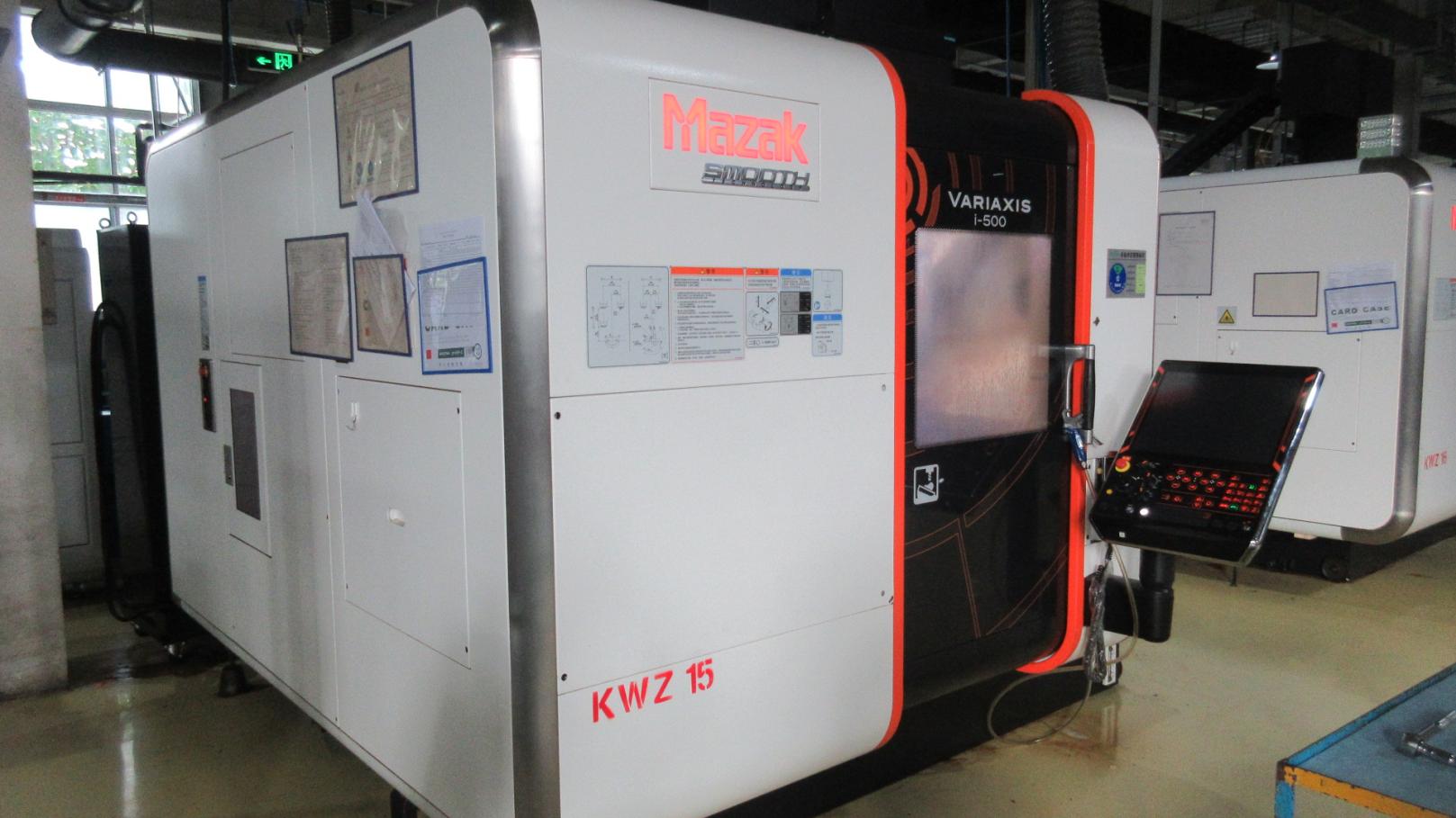
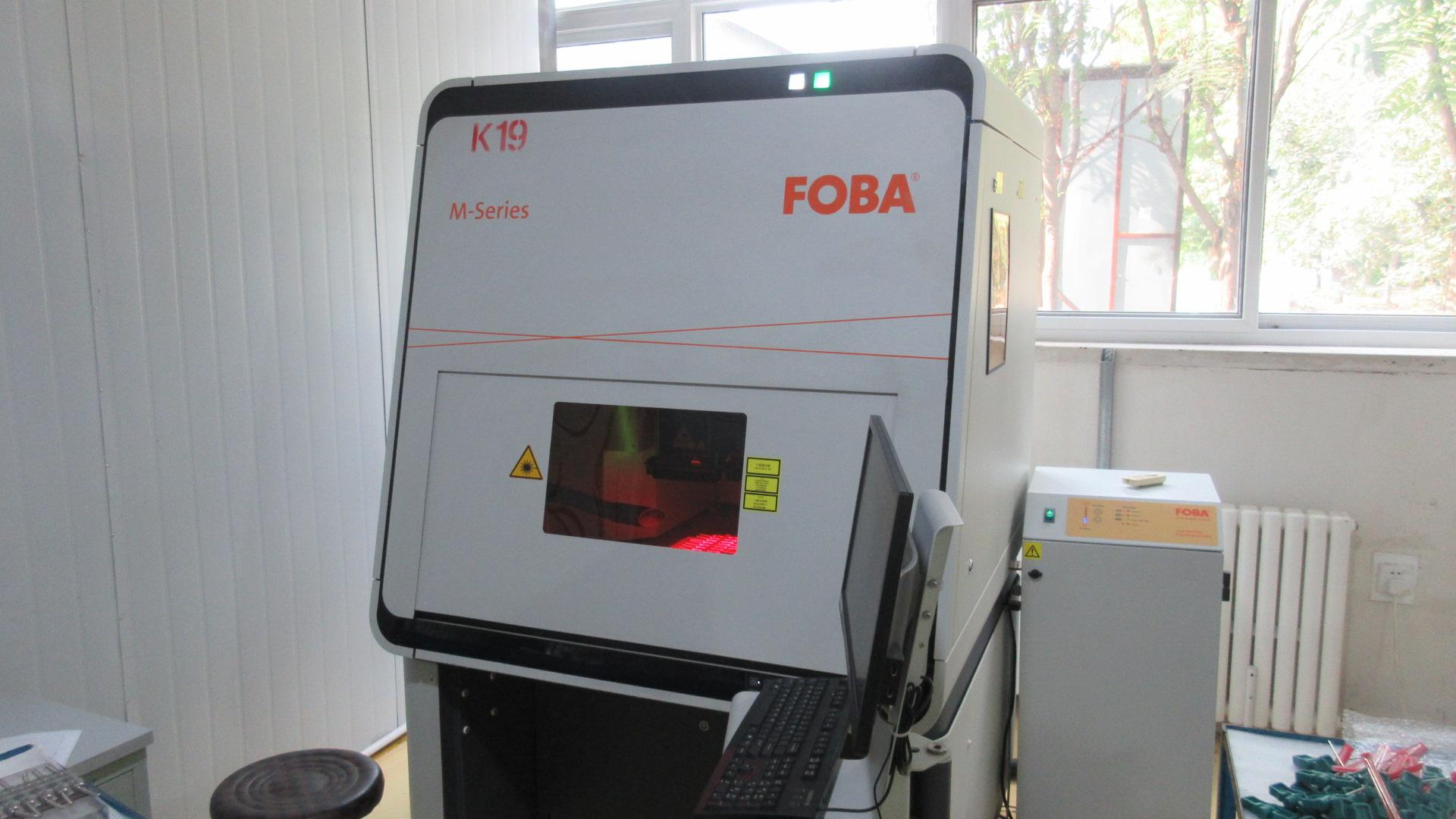
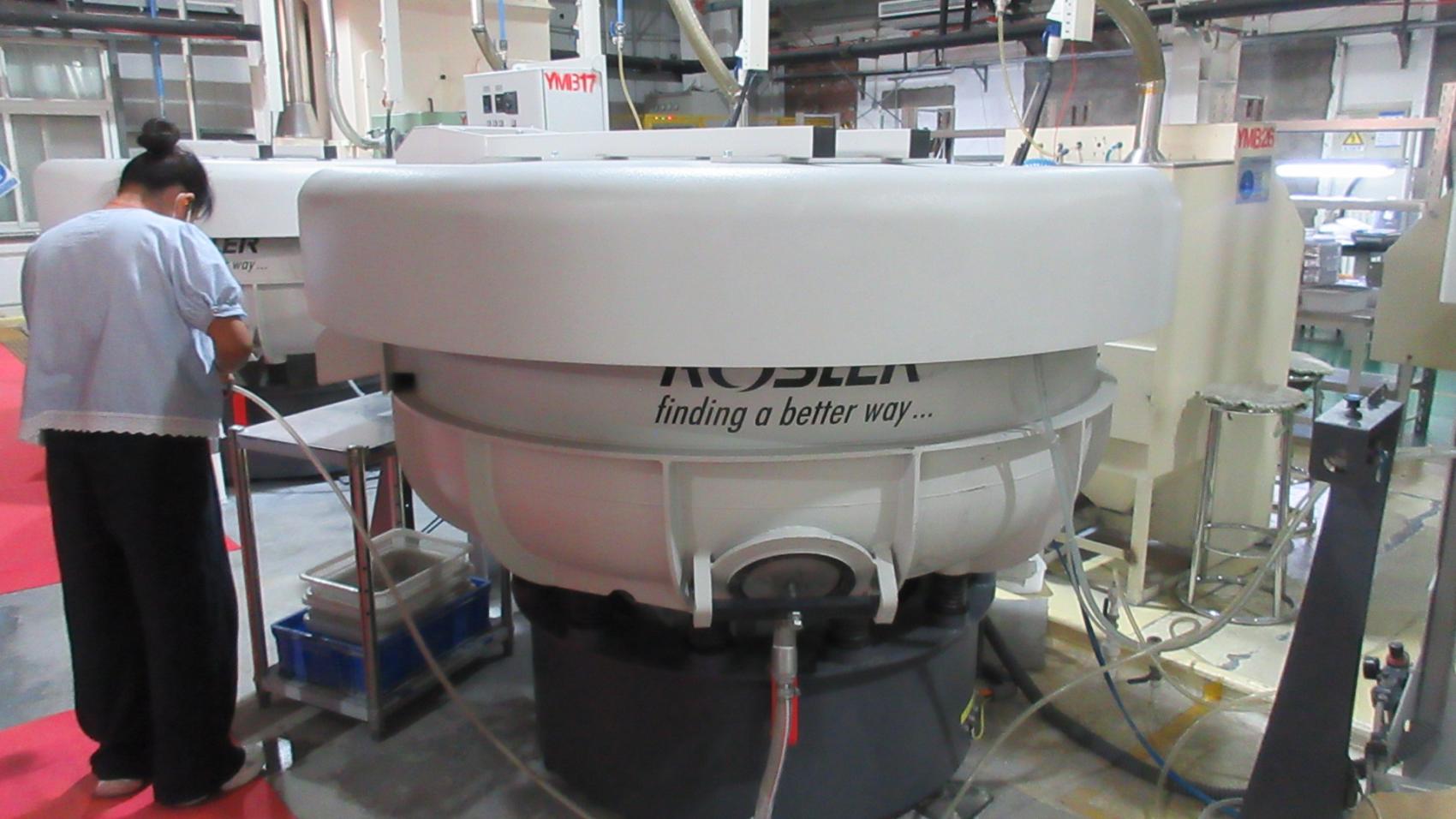
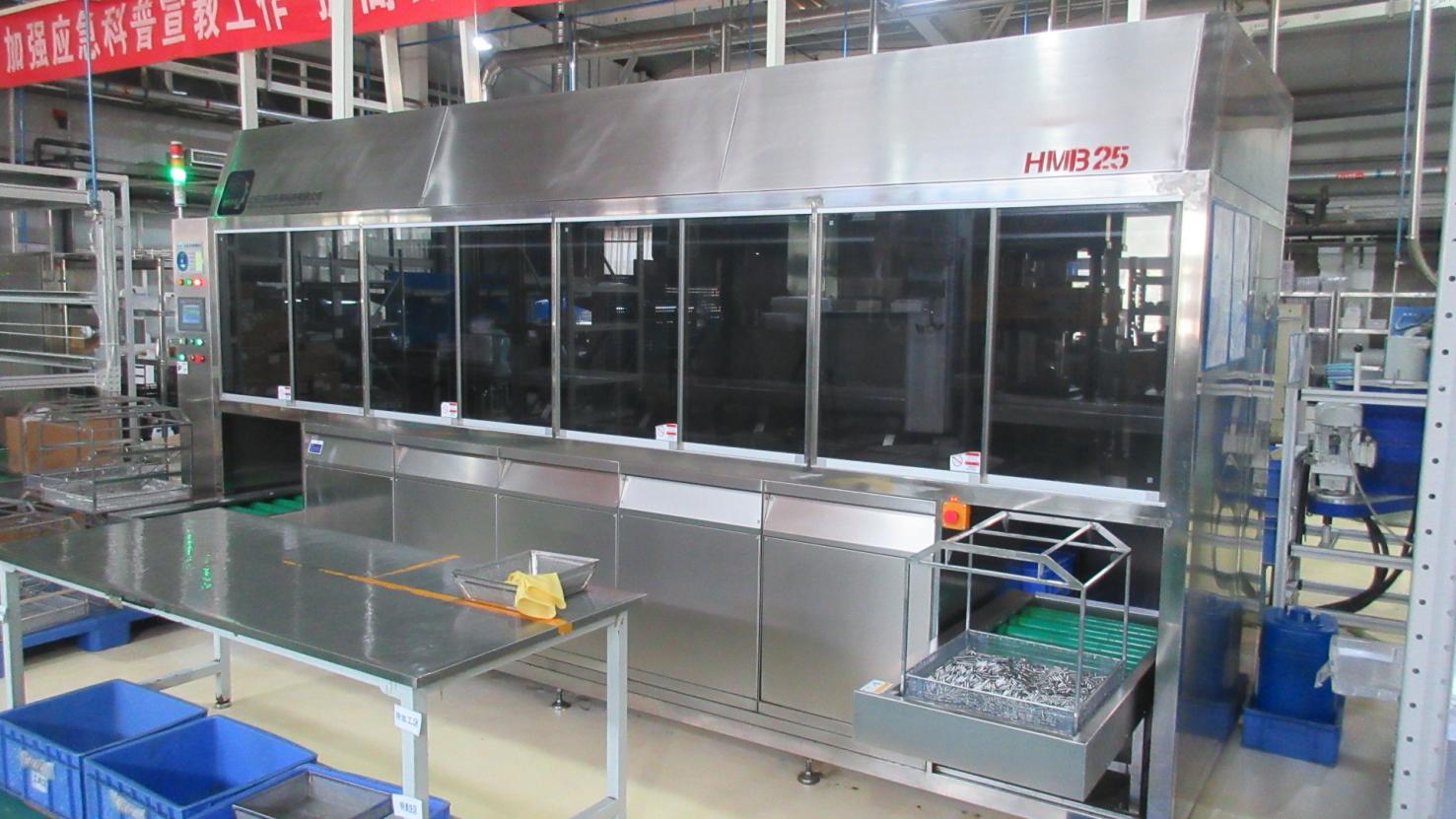
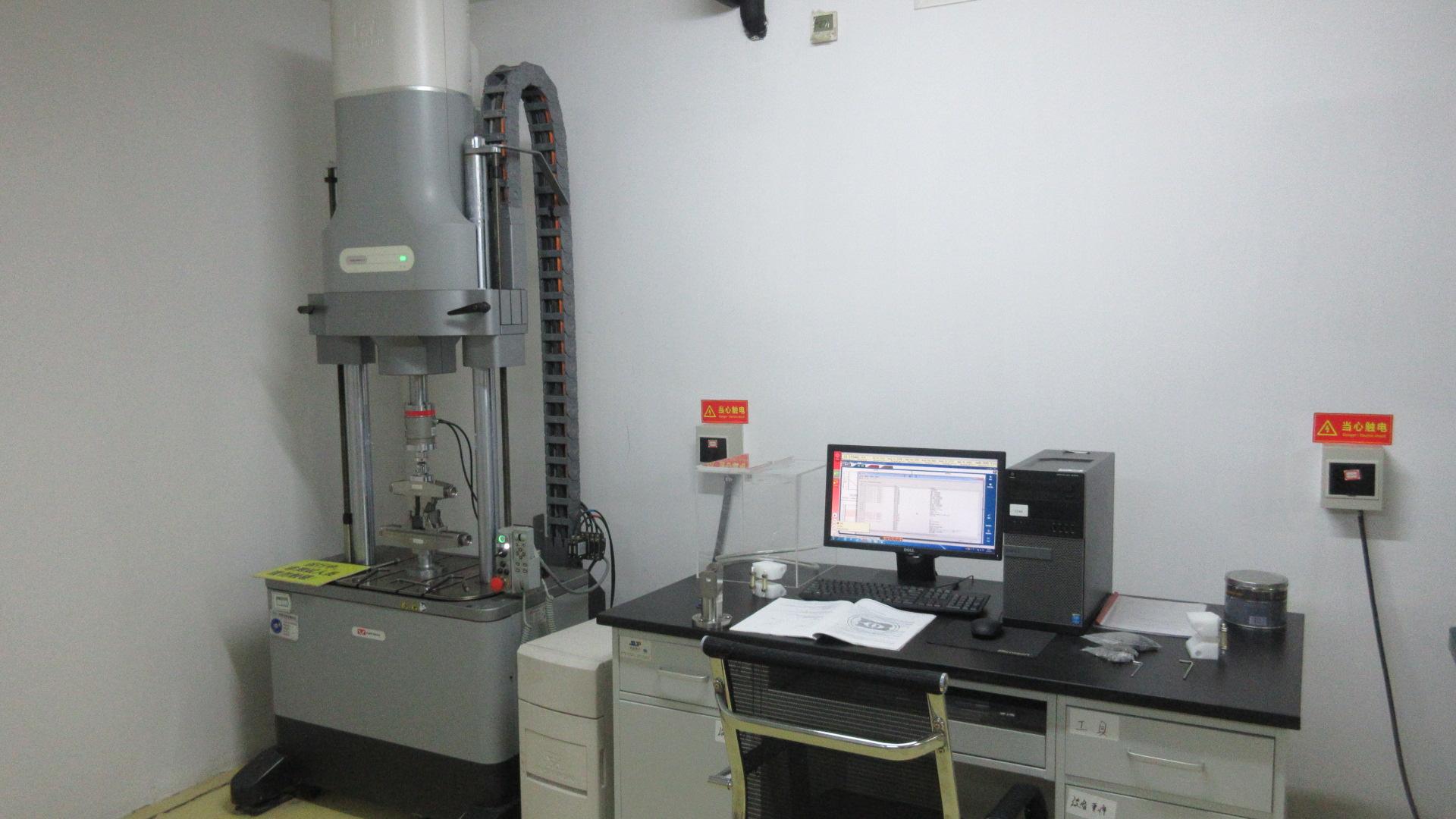
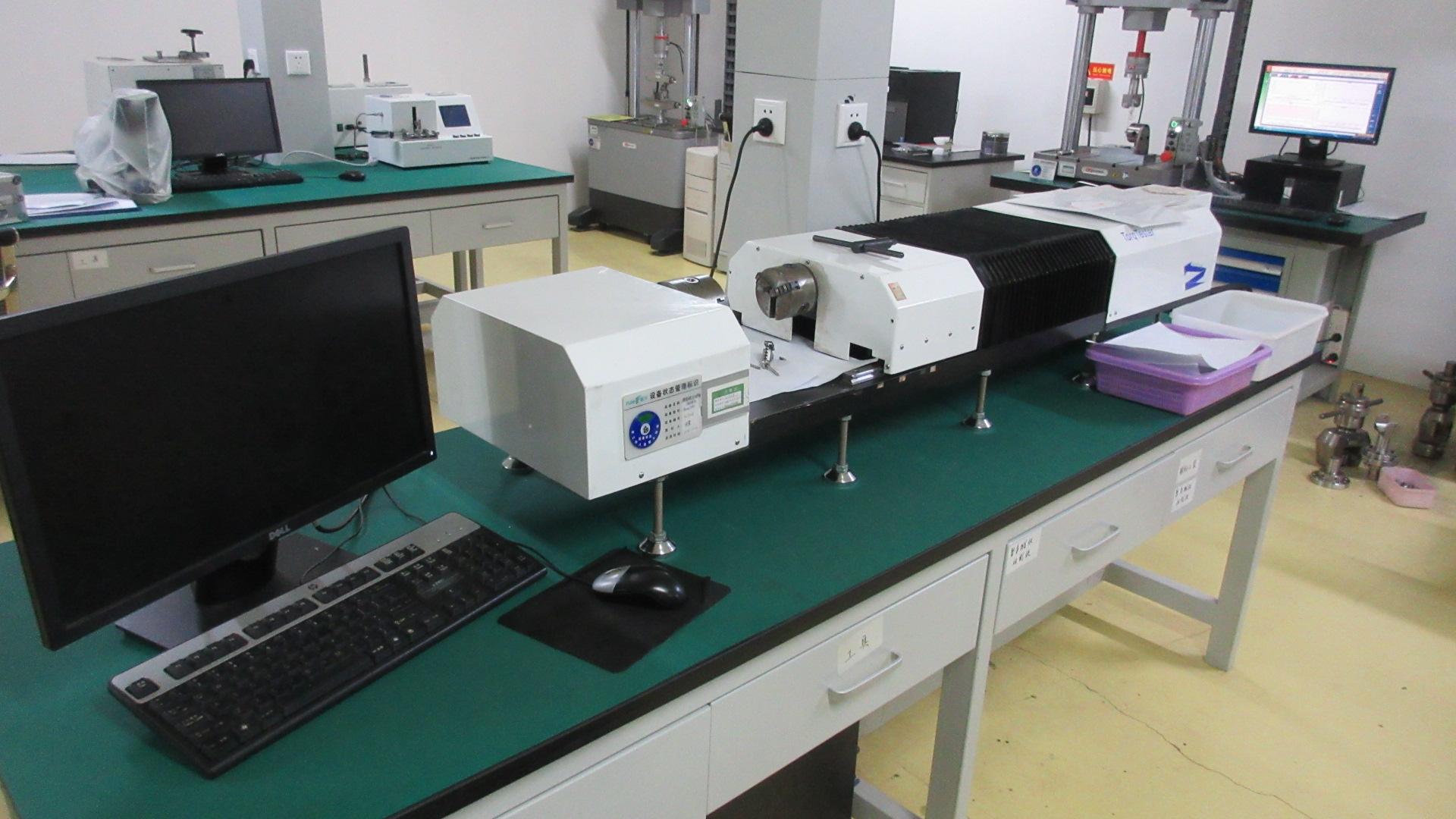
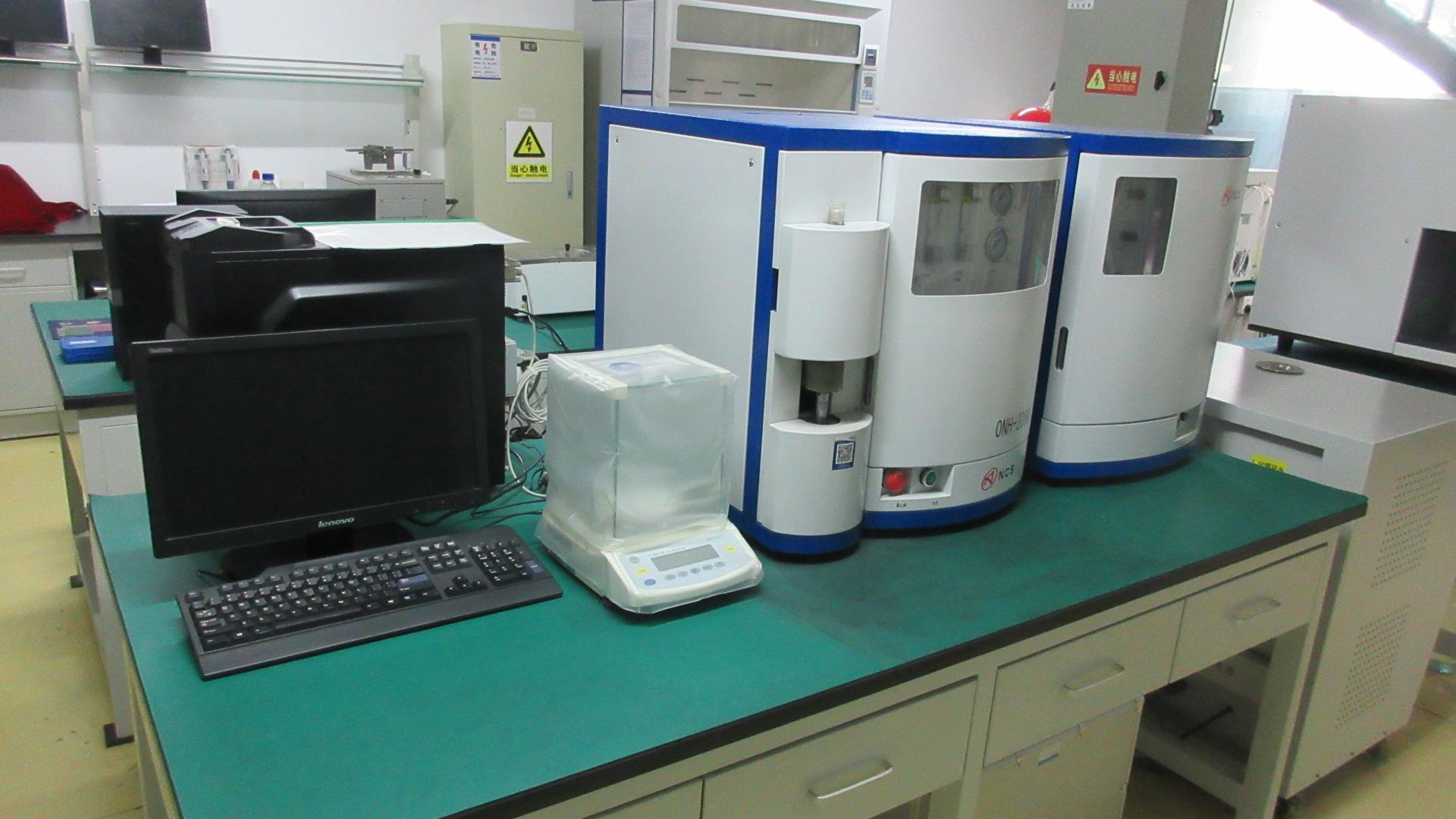
 ISO13485 Certified Facility - Registration No. 04724Q10000818
How our surgical instrumentation meets the specific demands of diverse clinical settings.
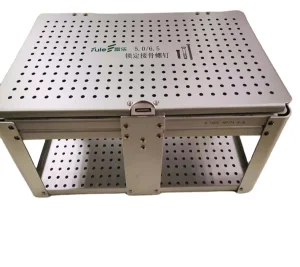
In modern Level-1 trauma centers and high-volume spinal surgery departments, surgical instrumentation must be highly reliable. Our pedicle screw systems and thoracolumbar plate options are designed to adapt to complex anatomies, providing stable fixation and long-term mechanical stability. For complex revisions, Beijing Fule’s specialized toolkits, like the Broken Screws Removal set, provide surgeons with reliable solutions to address intraoperative challenges without damaging surrounding bone tissue.
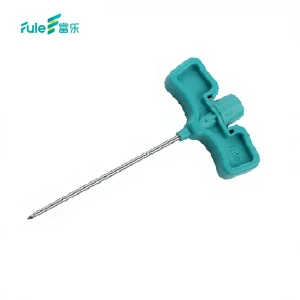
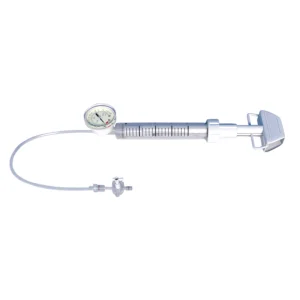
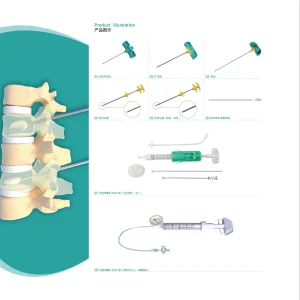
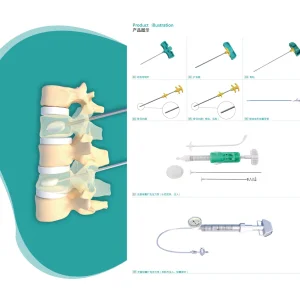
Minimally invasive spinal interventions require precise, ergonomic control. Our Class III Vertebroplasty and Kyphoplasty systems feature medical-grade implantable needles and specialized sterile inflation pumps. This combination allows for precise cement delivery and controlled balloon inflation. It helps stabilize osteoporotic compression fractures while minimizing thermal damage to surrounding nervous tissue, supporting faster patient recovery and reduced hospitalization times.
Our commitment to engineering the next generation of smart surgical systems.
Developing implantable technologies with micro-sensor arrays to monitor localized load changes and check for early signs of fusion failure or localized inflammation.
Transitioning toward 3D-printed titanium structures featuring advanced trabecular porosity. This helps accelerate bone growth and improves implant stability.
Creating lightweight, fully recyclable polymer-alloy instrument trays that reduce sterilization energy consumption while maintaining reliable tool protection.
Addressing key engineering, procurement, and certification queries for hospital procurement heads and global distributors.
Our manufacturing processes are fully certified under ISO 13485 quality standards. Key spinal implant product ranges hold CE certification, making them compliant with EU directives and standard registration rules in key target markets globally.
We use Grade 5 Titanium (Ti-6Al-4V ELI) conformant to ASTM F136 specifications. This alloy is the standard for long-term load-bearing implants due to its biocompatibility, strength-to-weight ratio, and excellent fatigue life.
With over 70 supply chain partners and an annual output capacity of 511,000 units, we keep safety stock of key materials. This enables us to maintain stable lead times, even during periods of high demand in international markets.
Yes. We provide customization support based on customer samples or 3D drawings. Our engineering team and manufacturing facility allow us to produce custom designs that meet local surgical requirements.
Pediatric systems, minimally invasive spinal components, titanium plates, and lumbar cages for spinal fusion surgery.
 Beren Science & Technology