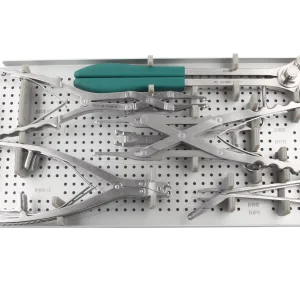
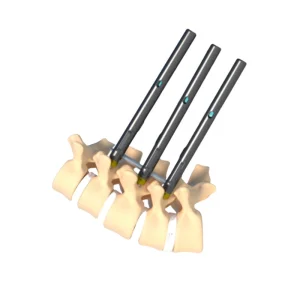
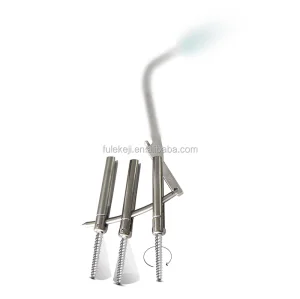
CE-Marked, Class I & Class III Orthopedic Implants and Manual Instrument Sets Configured for High-Performance Trauma Intervention.
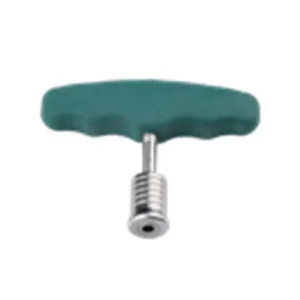
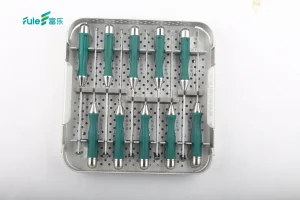
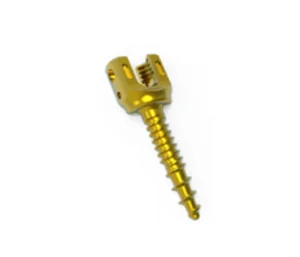
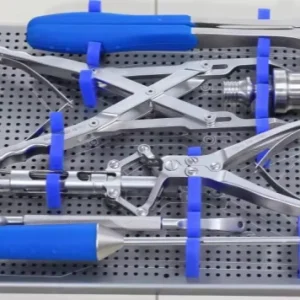
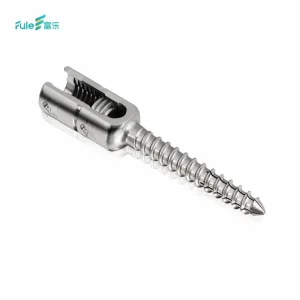
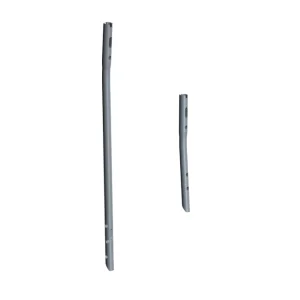
Modern trauma surgery demands extreme mechanical stability, rapid osseointegration, and reliable surgical instrumentation. As a premier manufacturer of CE certified instruments of trauma systems, our primary engineering objective is to mitigate the effects of stress shielding while ensuring maximum implant fatigue life. Through the careful application of biocompatible Grade 5 Titanium Alloy (Ti-6Al-4V ELI) and advanced surface treatment methodologies, our systems provide unmatched primary and secondary stabilization.
Surgical intervention for spinal and femoral reconstructive trauma requires specialized instrumentation designed to work seamlessly under adverse clinical environments. The performance of pedicle screws, locking plates, and intramedullary reconstruction nails depends heavily on the precision of their corresponding instrument systems. We focus on low-tolerance CNC machining to ensure that drivers, retractors, and alignment guides interface perfectly with implants, minimizing intraoperative complications.
Every tool and implant undergoes strict cyclic load testing mimicking standard physiological stresses. Under ASTM F1717 and ASTM F382 protocols, our spinal constructs and bone locking plates are subjected to over five million cycles of bending and torsional fatigue stress to guarantee that they meet the durability demands of trauma patients worldwide.
Providing technical solutions that ensure surgical accuracy, reduction of hardware failure, and rapid recovery.
Procuring medical device technologies requires deep understanding of regulatory pathways, shipping logistics, and manufacturing capacities. For hospital networks, OEM distributors, and government ministries of health, the criteria for selecting a trauma instrument system manufacturer extend beyond price. It is critical to secure manufacturers with robust traceability, certified sterile and non-sterile packaging configurations, and documented chemical composition analyses.
| Implant/Instrument Family | Metallurgical Standard | Standard Dimensional Offerings | Regulatory Certifications |
|---|---|---|---|
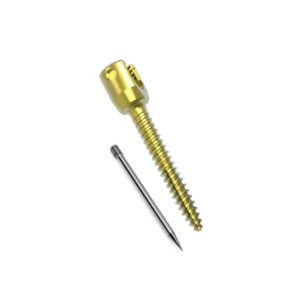
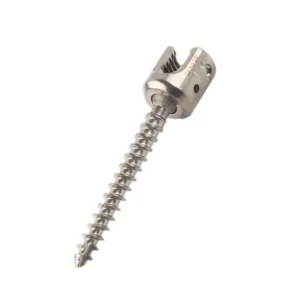
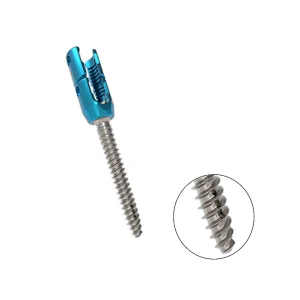
| COX 6.0 Screw & Rod System | ASTM F136 Ti-6Al-4V ELI | Ø 6.0mm Rods; 4.5mm - 7.5mm Screws | CE Class III (Implants) / Class I (Instruments) |
| PFNA Intramedullary Nail | Titanium Alloy & SS 316LVM | Length 170mm - 420mm; Dia 9mm - 12mm | CE Marked, ISO 13485 |
| Cervical Plate Screw System | High Purity Grade 5 Titanium | Plate Profile 1.5mm - 2.5mm thickness | ISO13485, CE Marked |
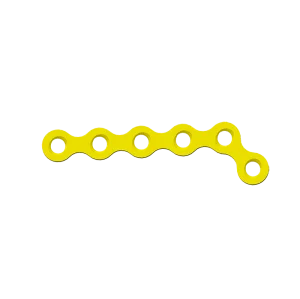
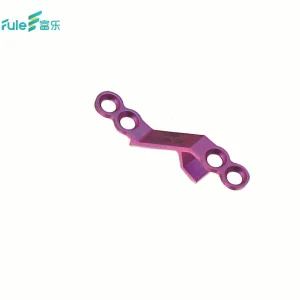
| Laminoplasty System (Posterior) | Titanium Alloy / Pure Titanium | Custom OEM Mini Plate Options | CE Certified, ISO 13485 |
Our facility offers extensive OEM and ODM solutions to fulfill these precise requirements. With 20 dedicated research and development engineers and an annual production output of 511,000 units, we possess the capacity to execute customized configuration requests (including customized instrument caddies, color-anodization schemas, and custom-labeled surgical kits) with prompt delivery turnarounds via international logistics networks (e.g., DHL, FedEx).
Operating under rigorous ISO 13485 quality protocols to ensure defect-free manufacturing.

Our quality management system is fully accredited for the design, manufacture, and distribution of orthopedic implants and surgical instruments. All raw materials (Ti-6Al-4V, PEEK, Stainless Steel) undergo strict chemical and mechanical testing, ensuring 100% traceability from raw bar stock to finished sterile surgical kits.
Certificate No: 04724Q10000818The orthopedic trauma sector is shifting towards patient-specific solutions and minimally invasive surgeries (MIS). To align with these trends, our R&D pipeline is focused on incorporating three primary technological areas over the next decade:
Traditional solid titanium implants have a higher Young’s modulus than cortical bone, occasionally leading to stress shielding and implant loosening. Our next-generation trauma systems incorporate 3D printed trabecular titanium with a high porosity structure (60-80%). This architecture matches human trabecular bone mechanical properties while accelerating natural bone ingrowth.
Surgical accuracy is critical for reducing revision surgery rates. Our future instrument sets will feature navigation-ready tracking arrays compatible with leading optical and electromagnetic navigation systems. This modification enables orthopedic surgeons to achieve precise alignment, reducing fluoroscopy exposure for both patients and clinical staff.
To improve post-operative imaging clarity, we are developing Carbon-Fiber reinforced PEEK implants. These provide high fatigue life while offering radiolucency, allowing surgeons to monitor bone healing without metal artifact interference under X-ray, CT, or MRI.
Frequently asked questions concerning compliance, material sourcing, design variants, and international supply logistics.
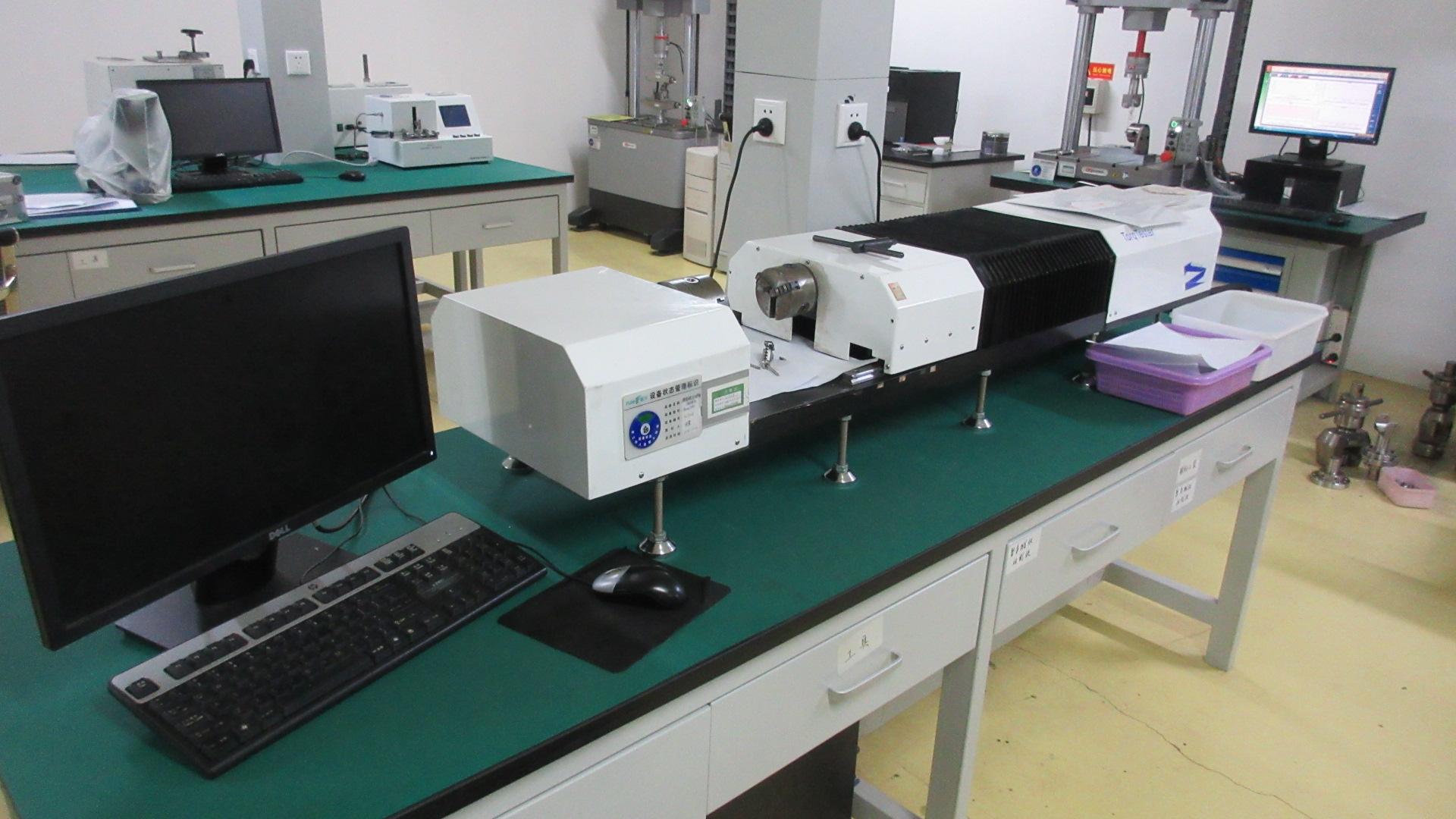
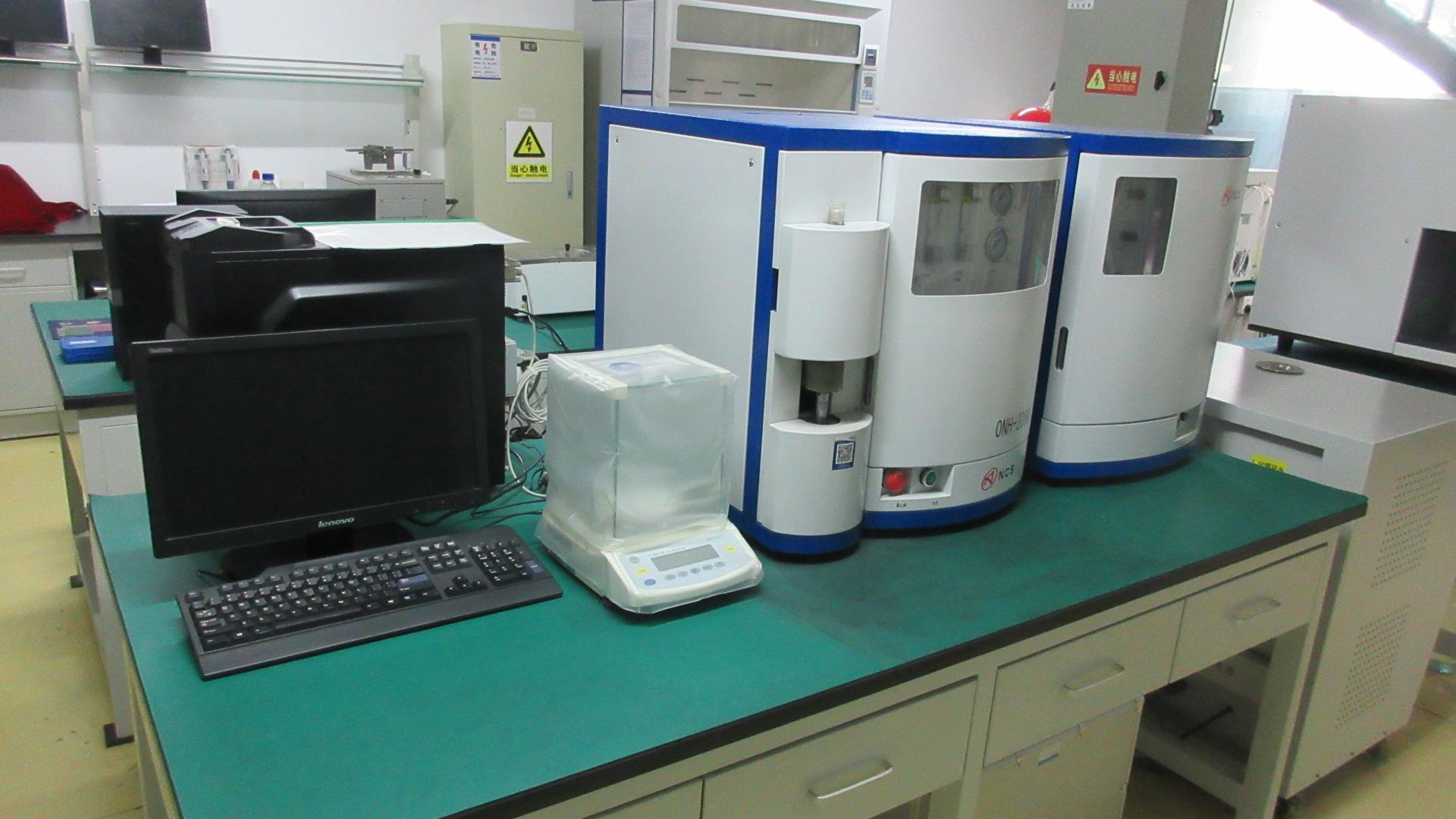
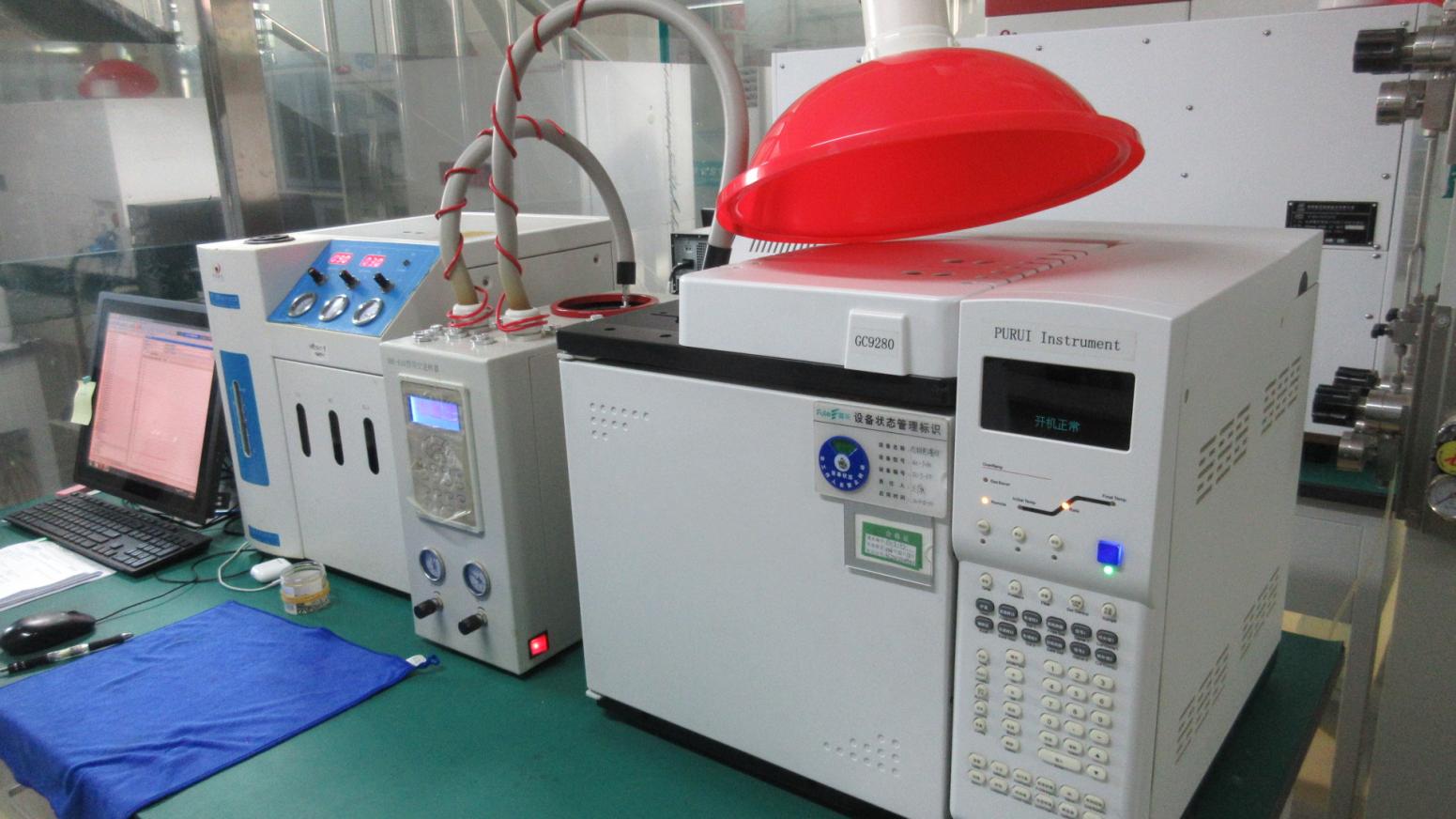
Visual representation of our manufacturing processes, raw materials, cleanrooms, and testing facilities.

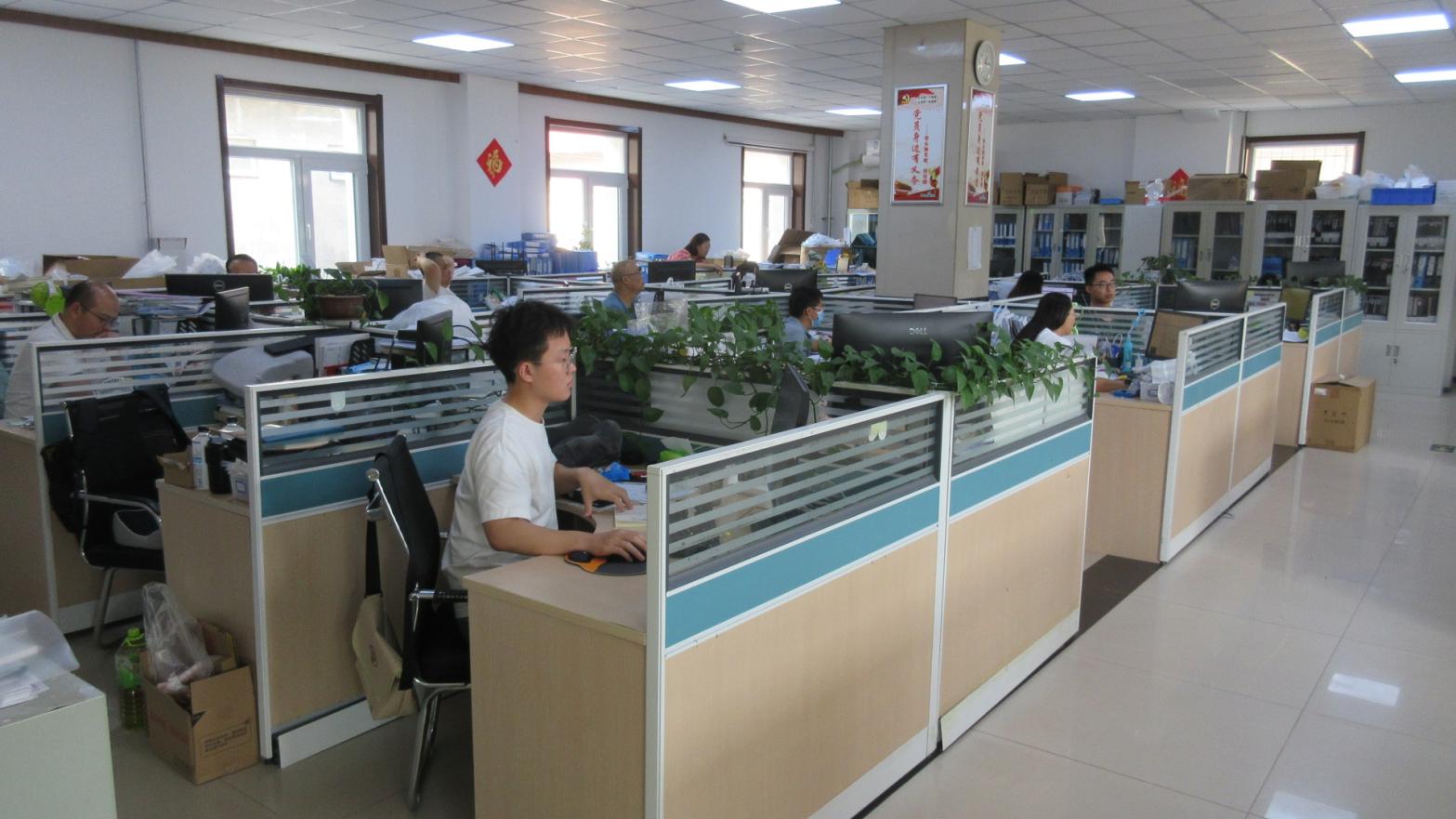
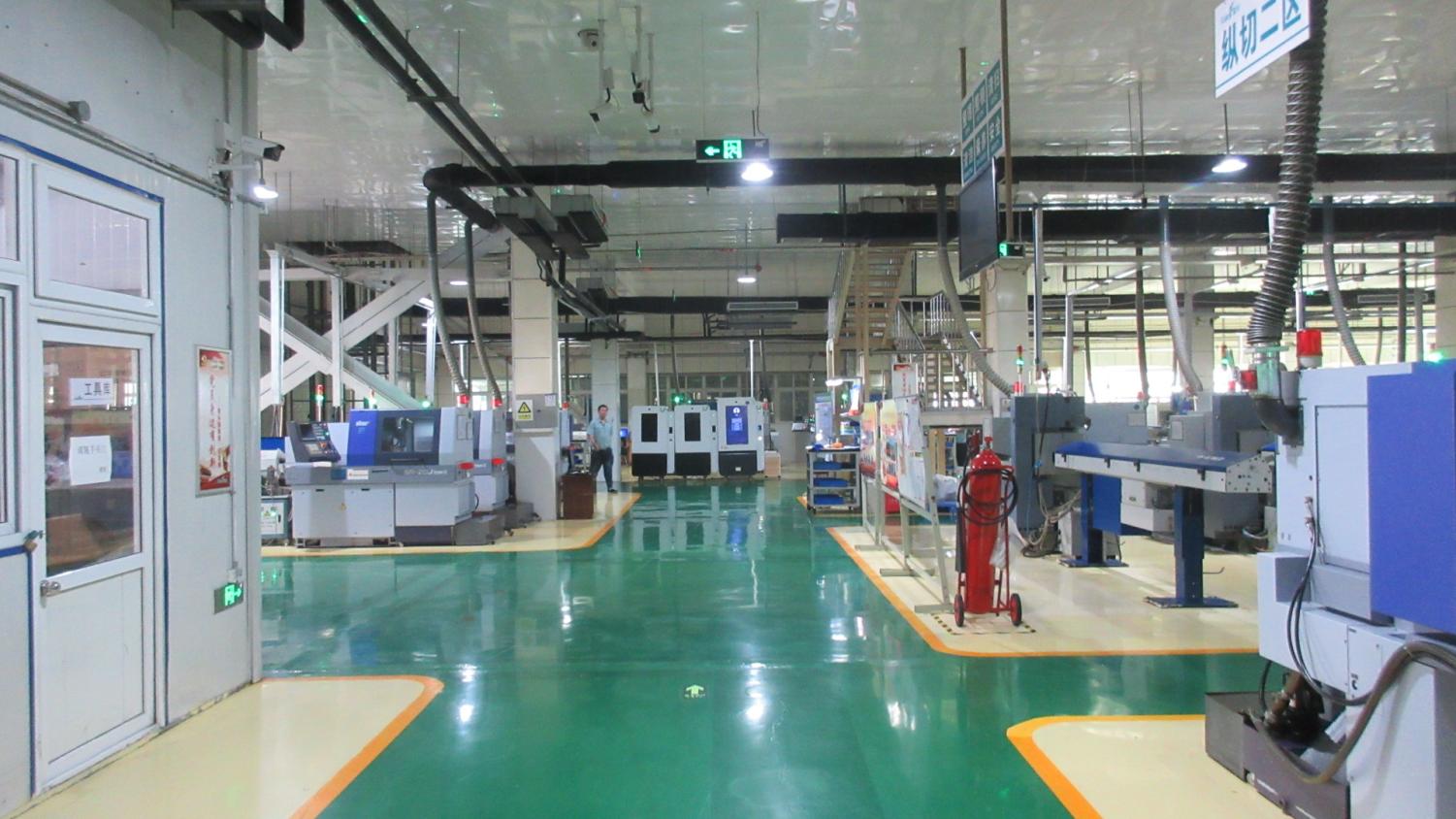
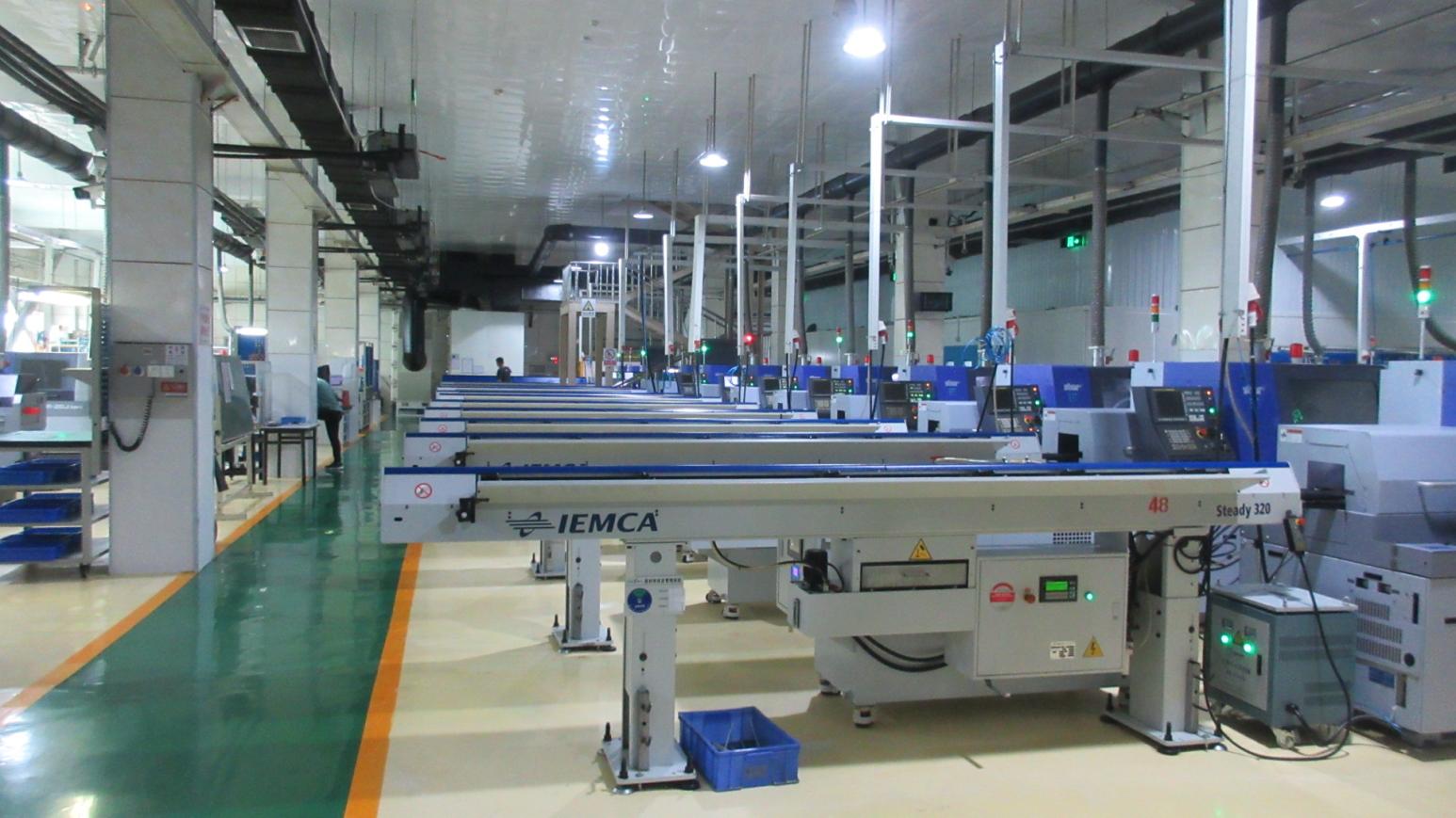
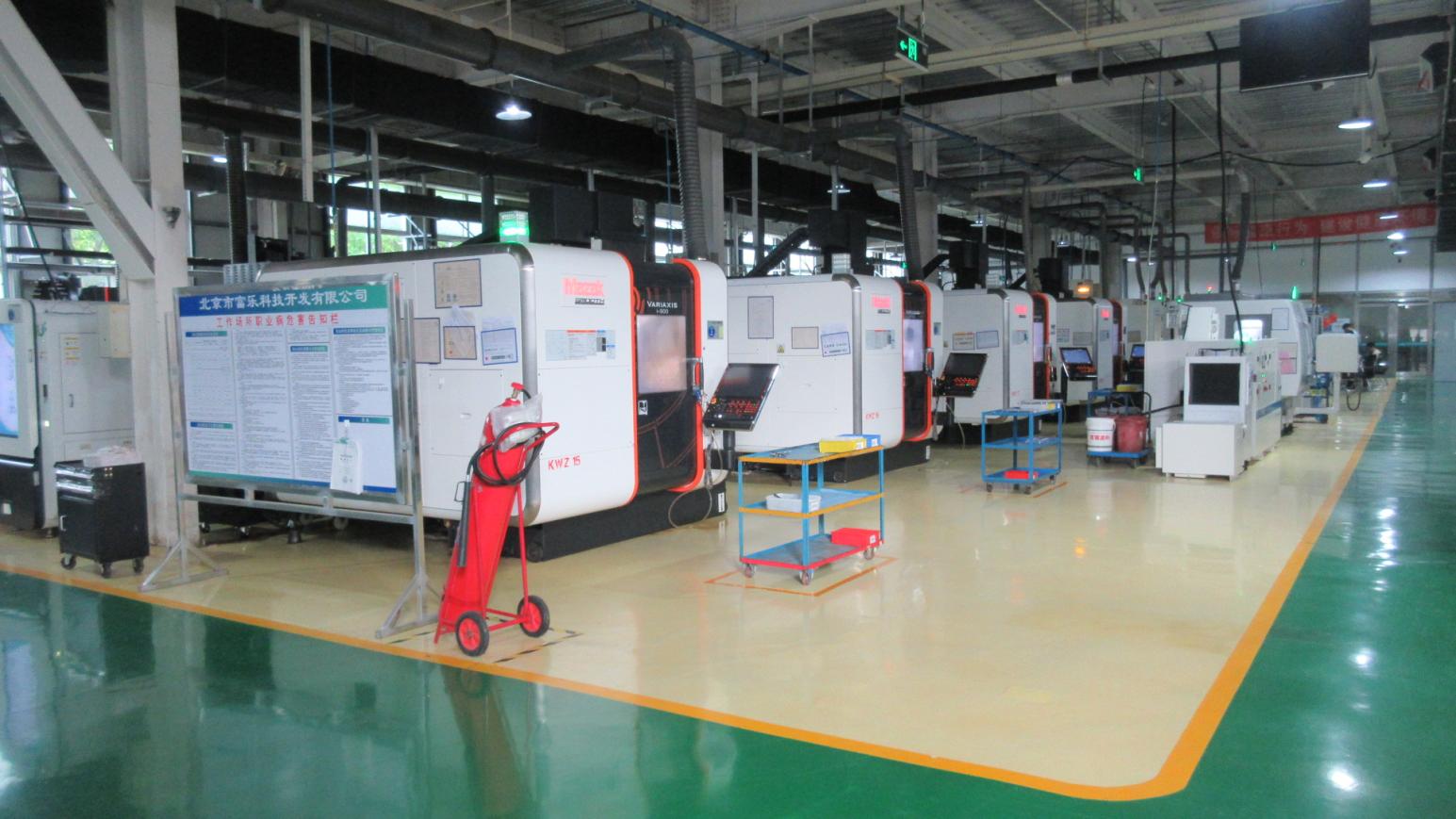
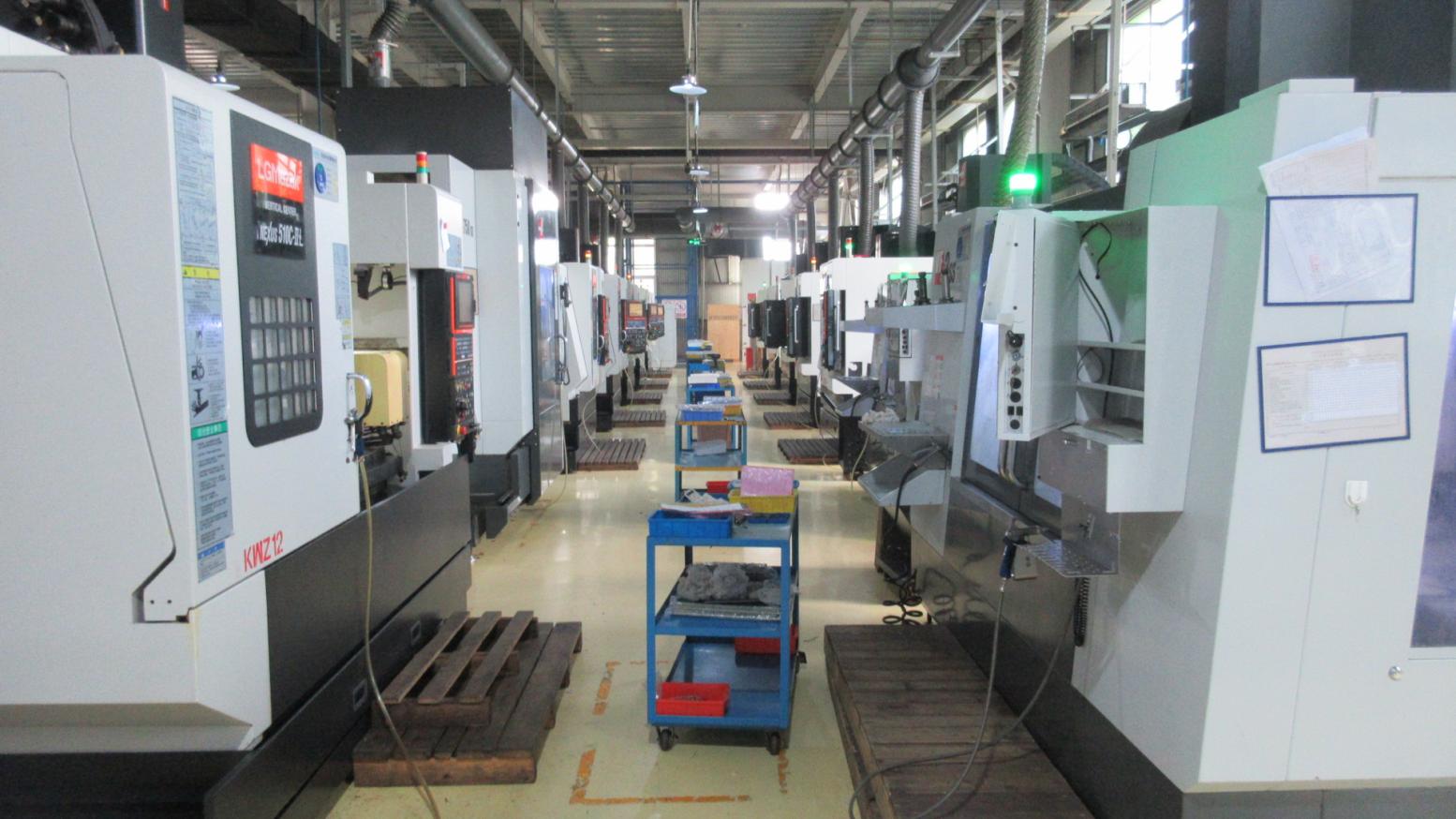
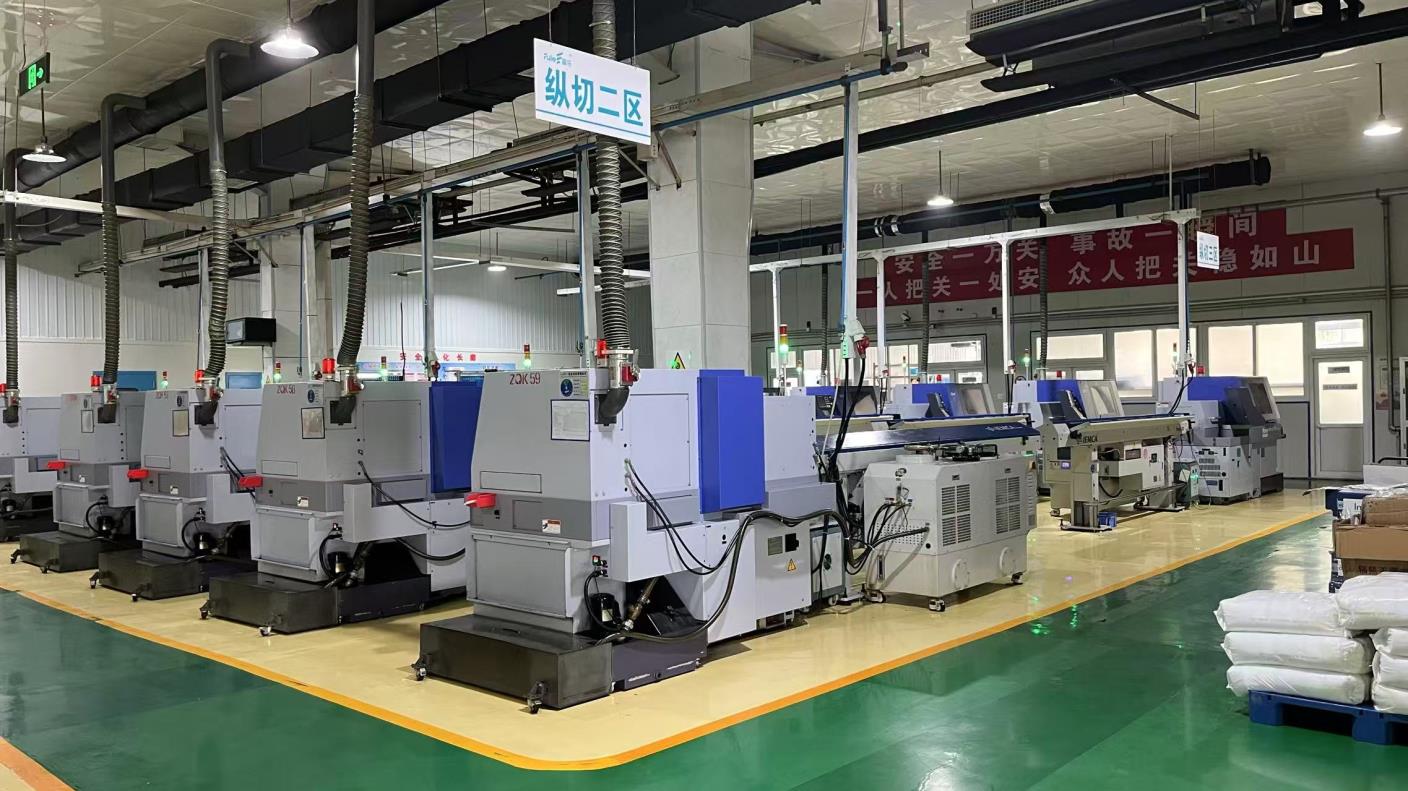
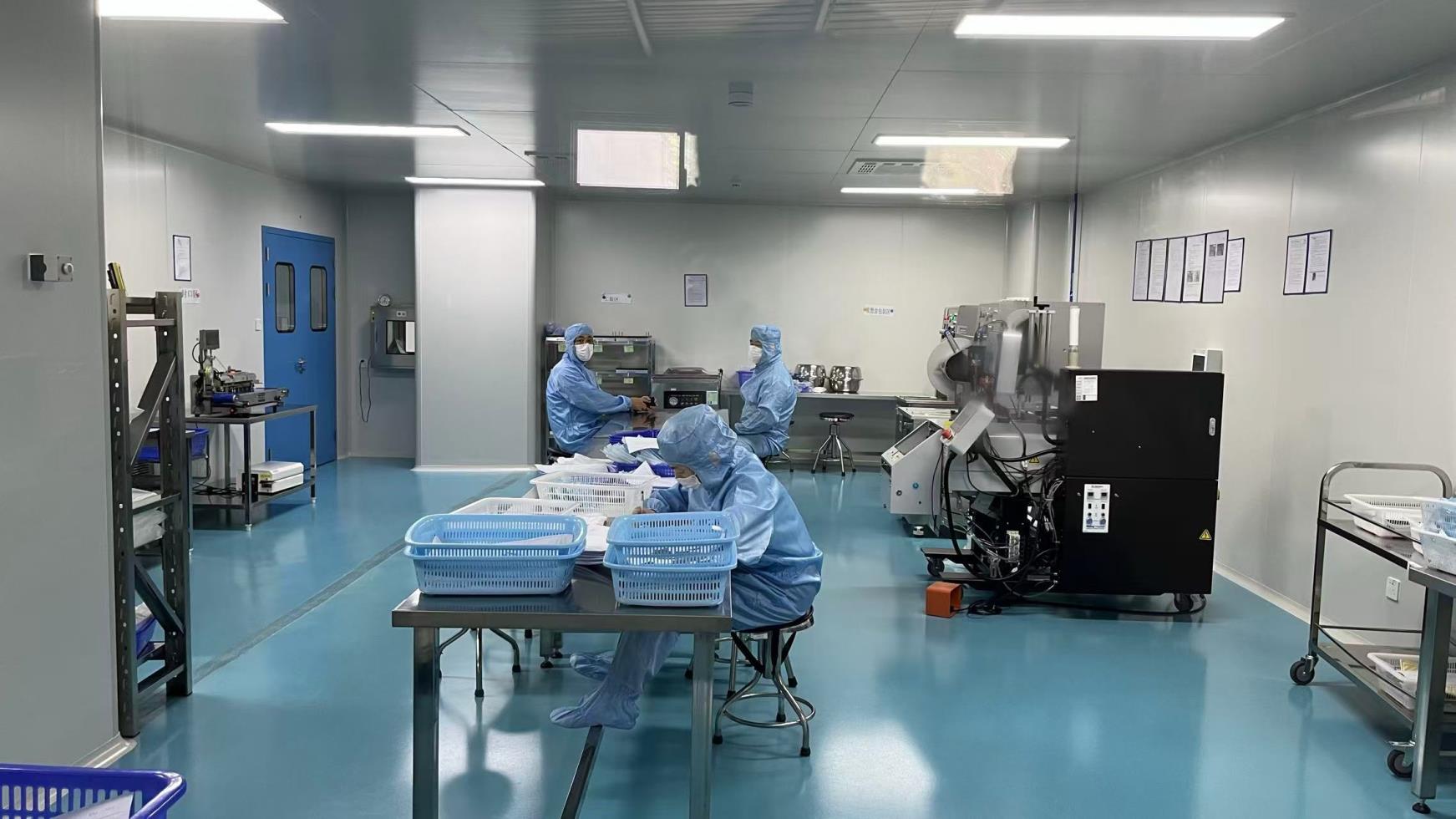
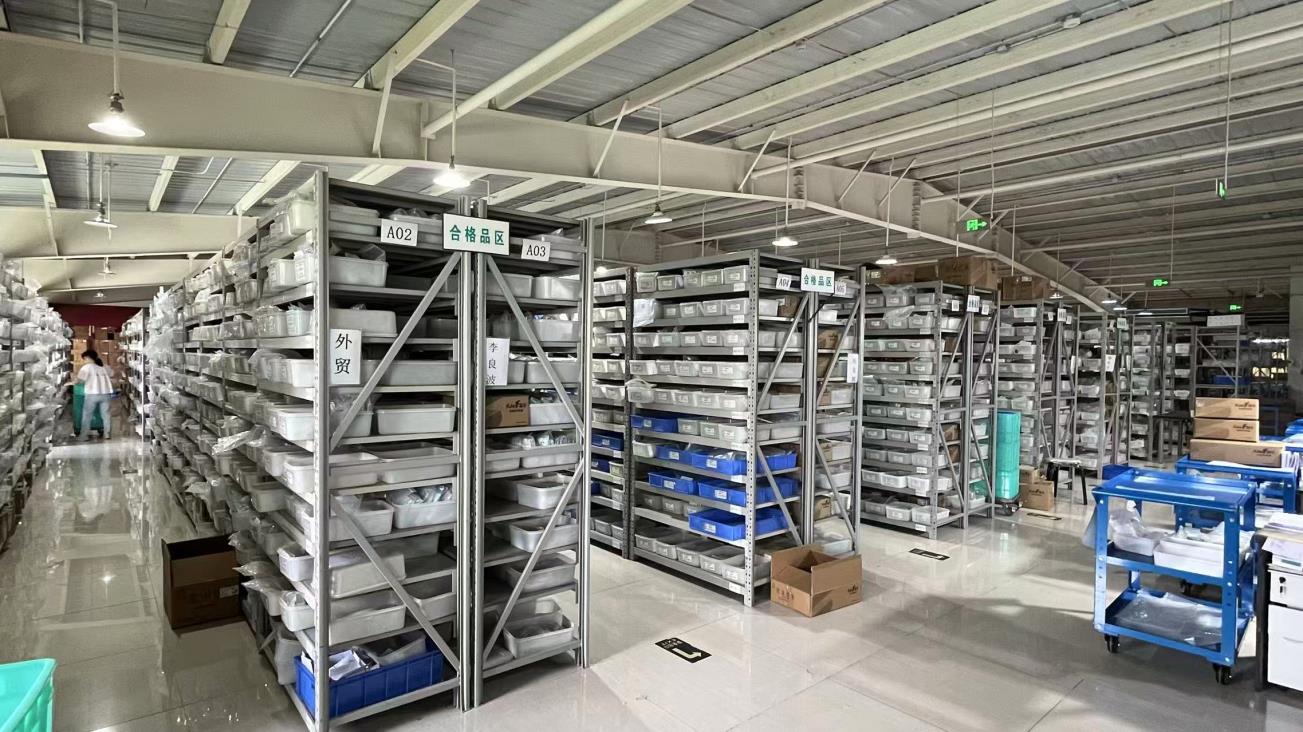
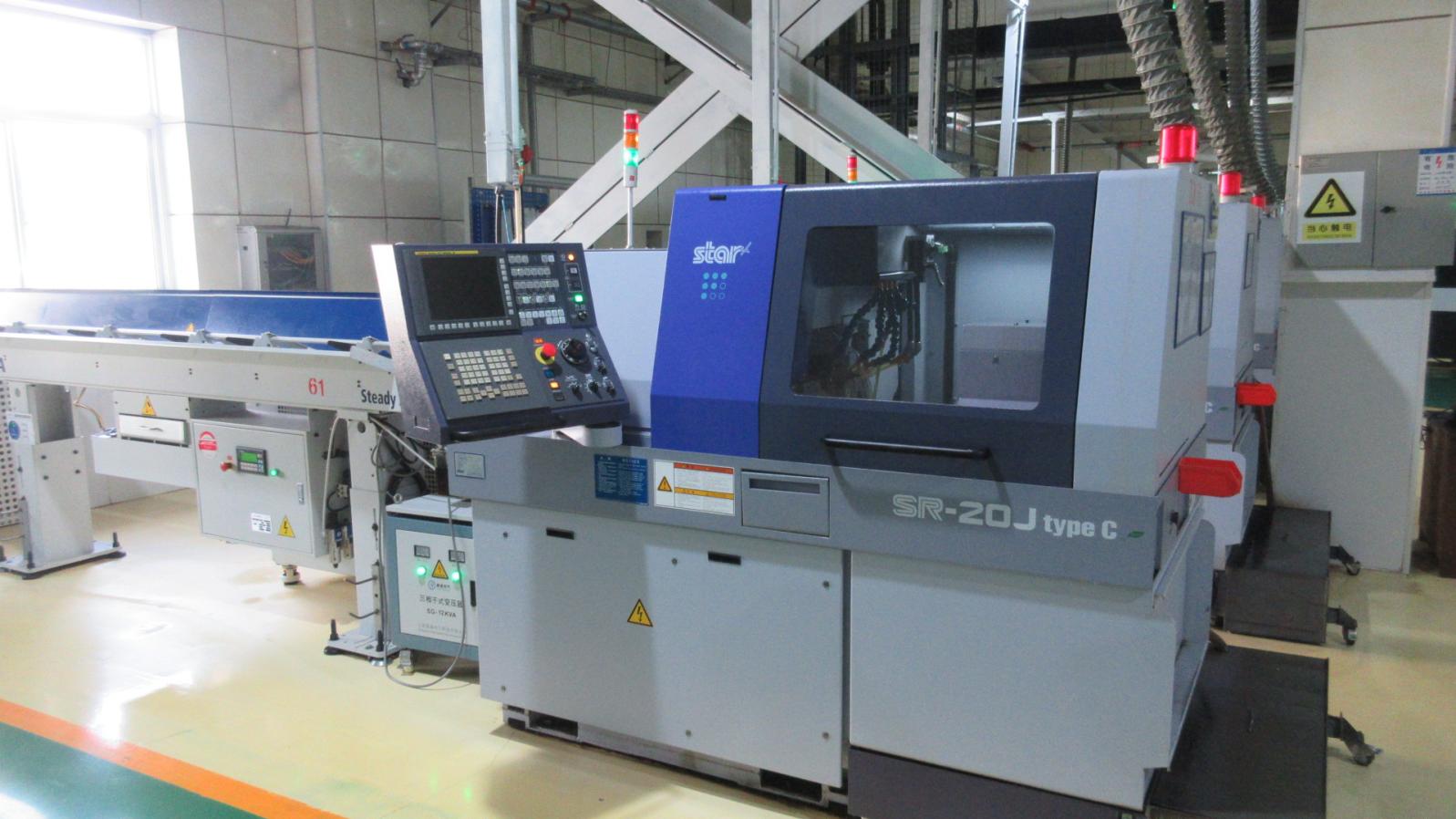
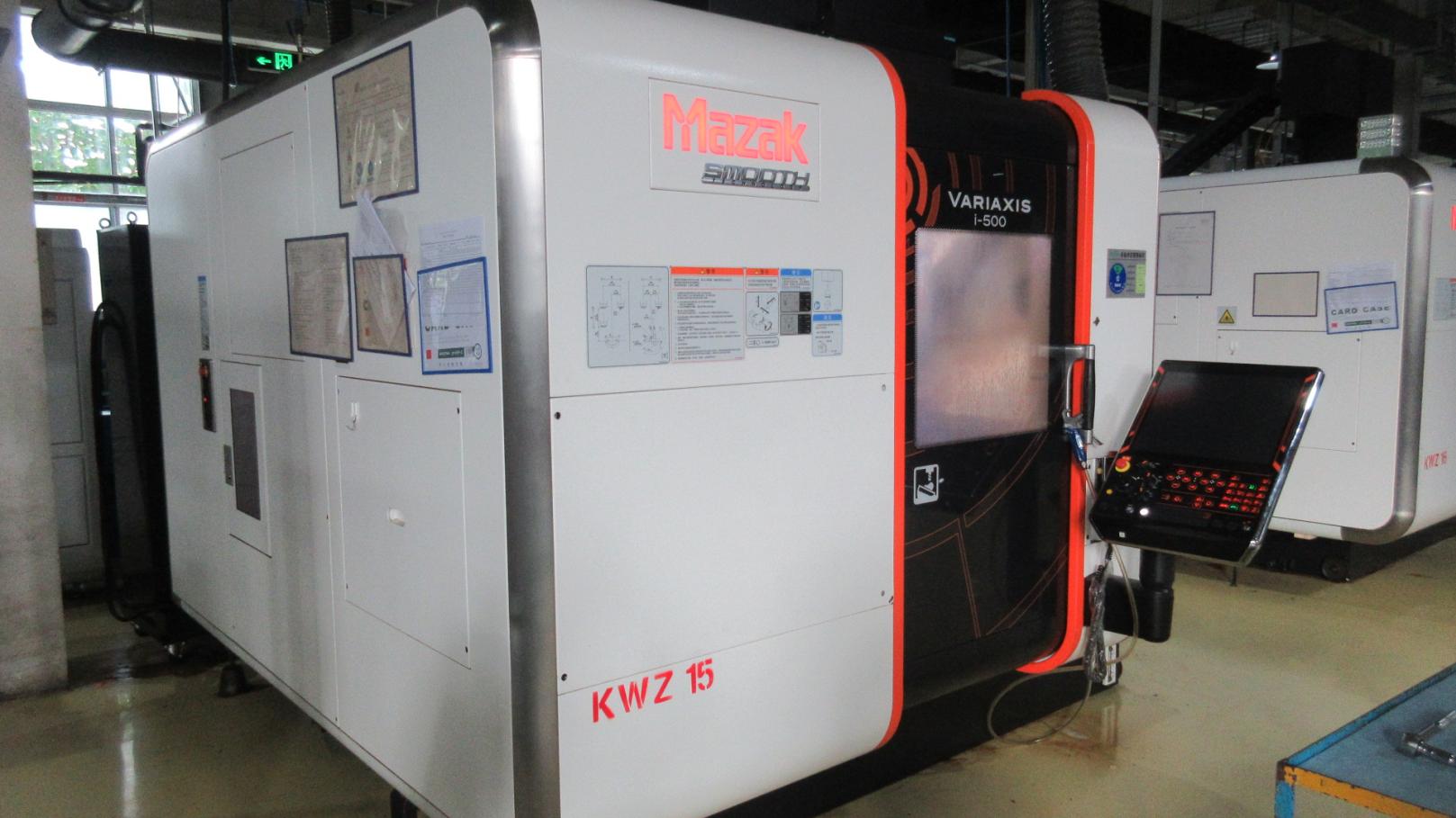
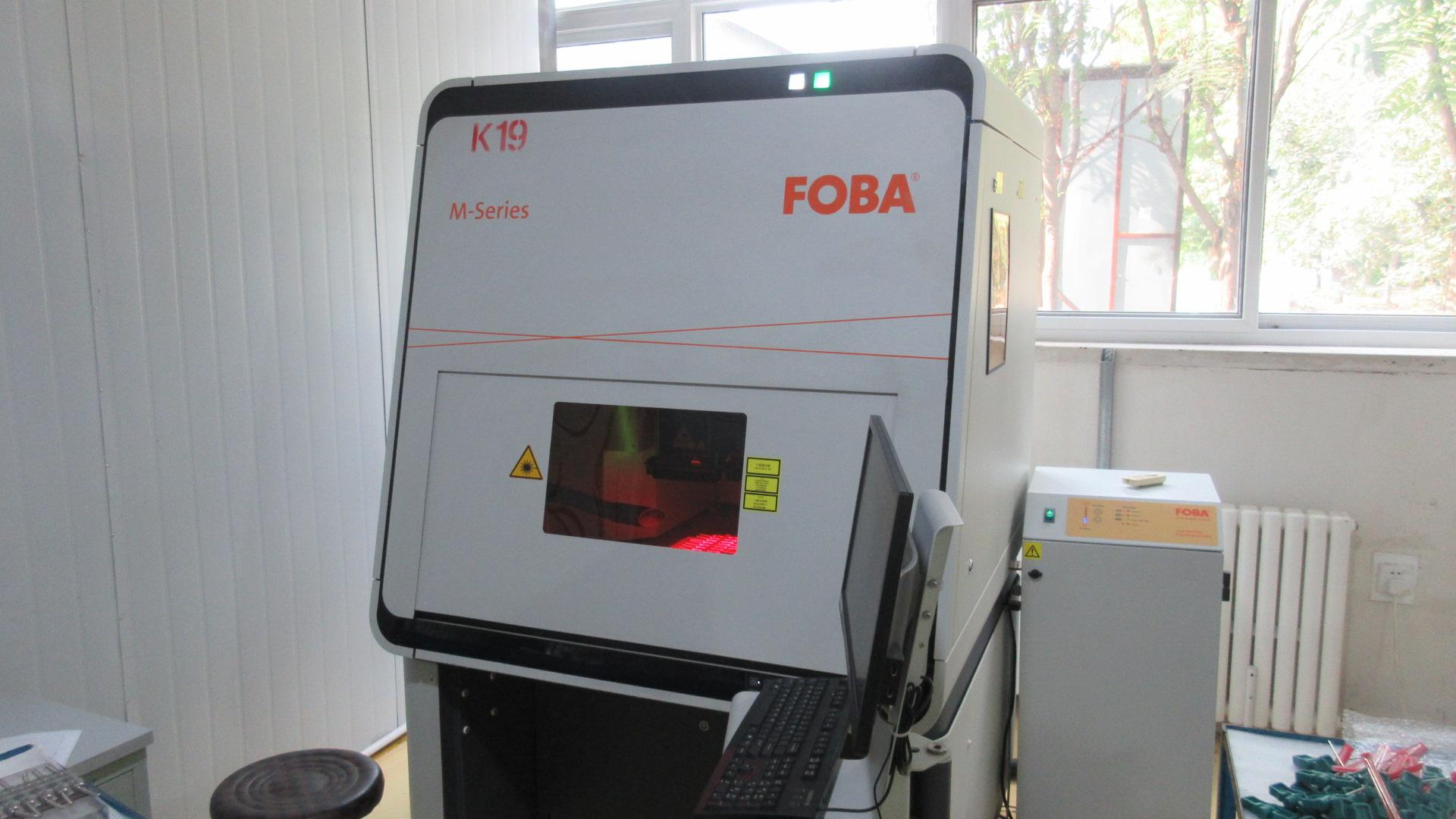
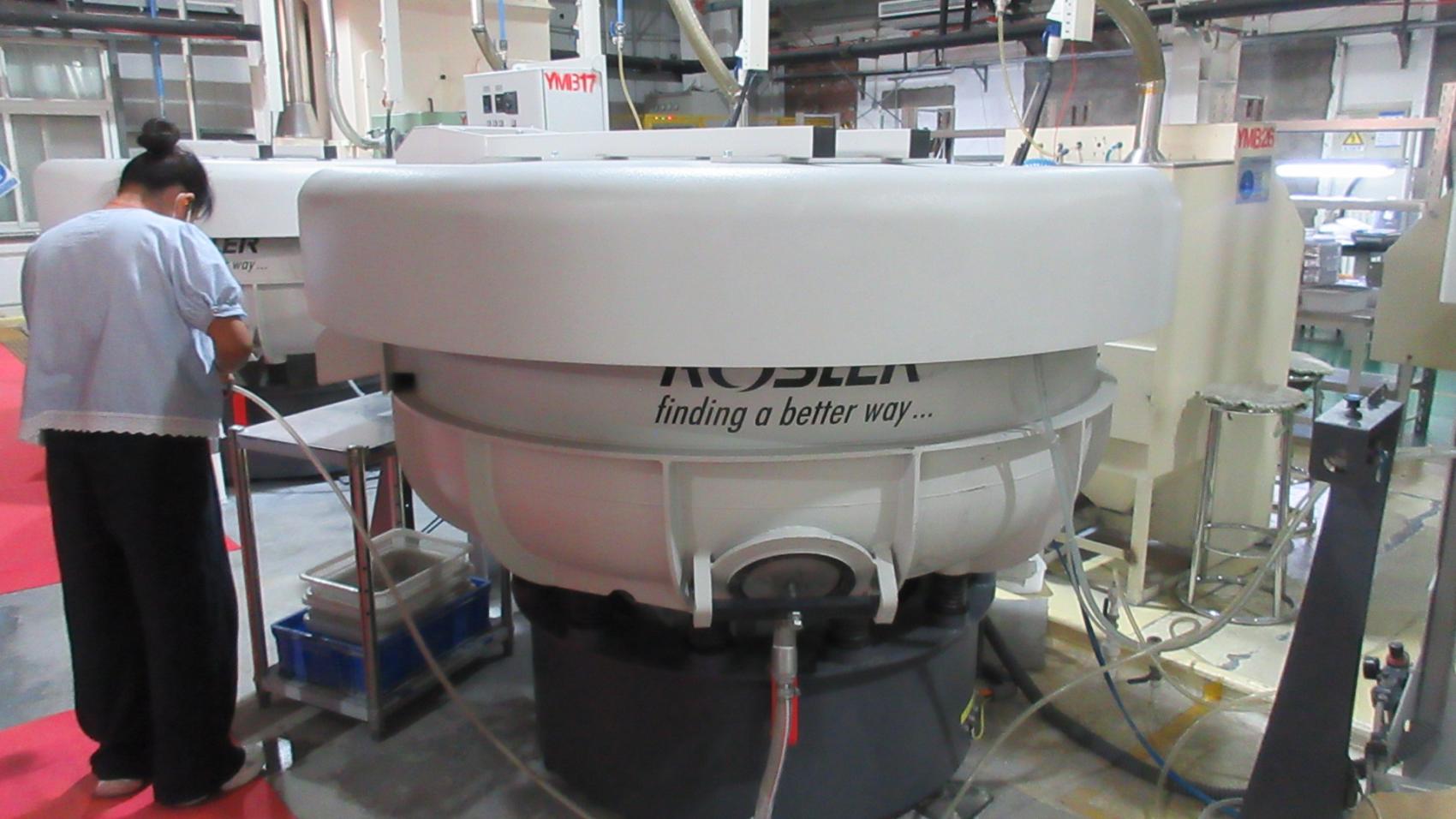
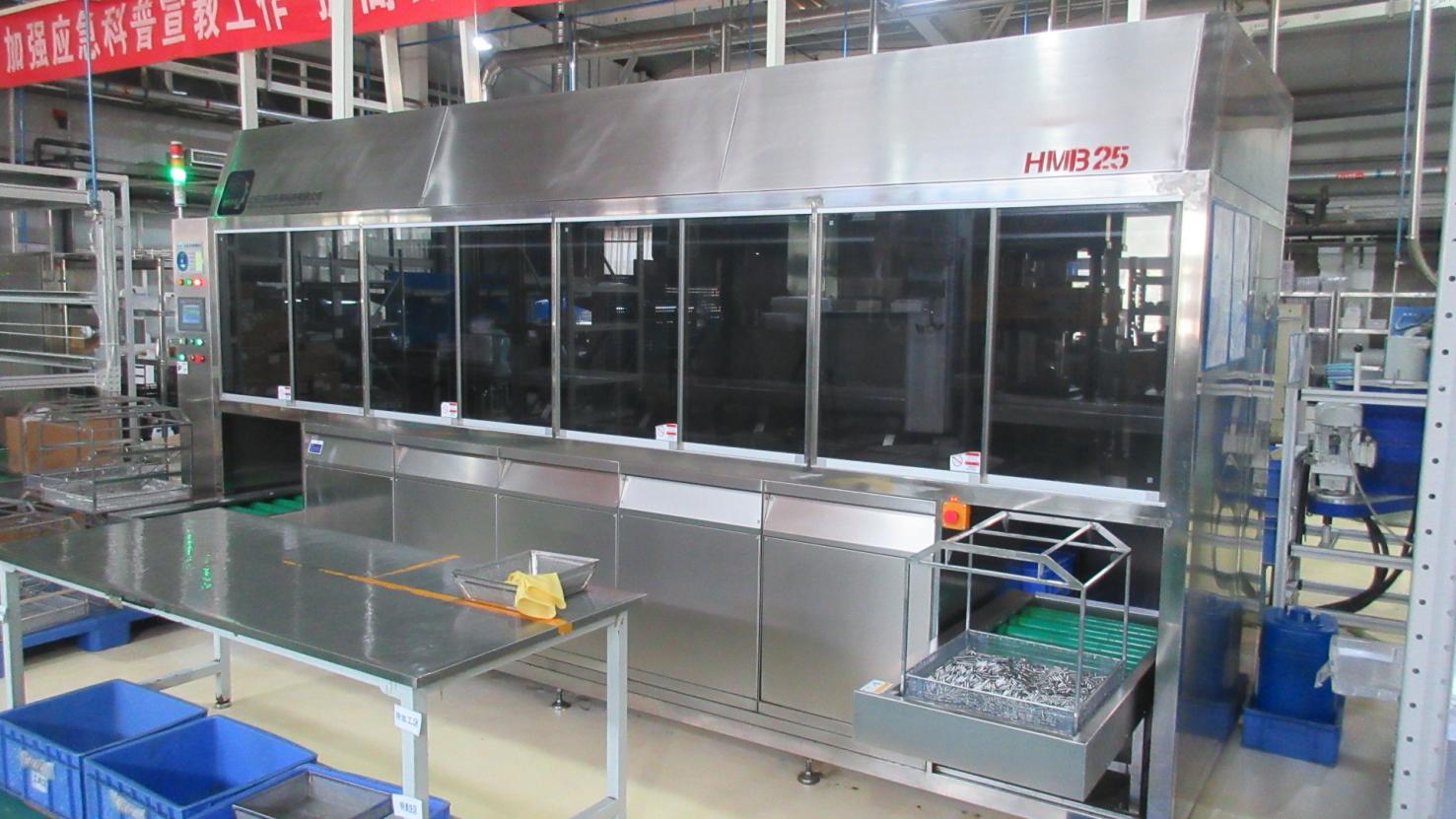
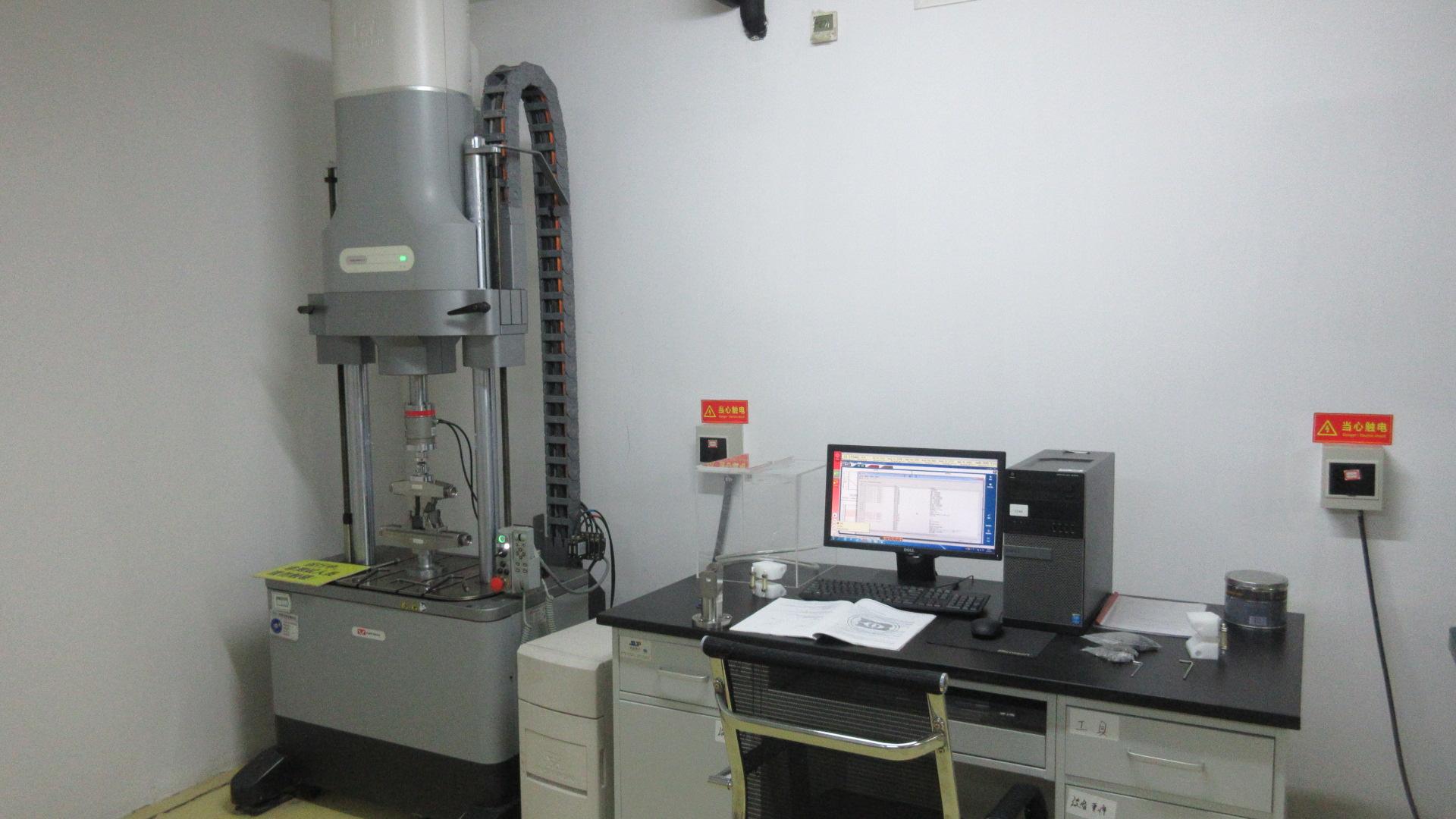
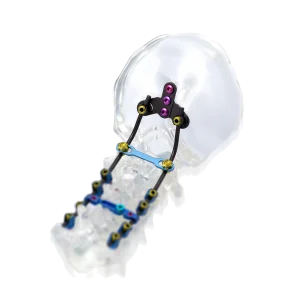
CE-Marked Titanium Pedicle Screw, Locking Plate, and MIS Implantation Systems.
 Beren Science & Technology