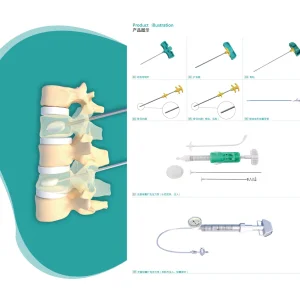
Global Clinical Grade Orthopedic implants & Instruments

CE Certified Looking Screws Manufacturer & Supplier

Class III CE-Certified Spine & Trauma Implants

Explore our premium surgical-grade internal and external fixation assemblies designed under strict ISO 13485 standards. Optimized for clinical precision and biomechanical durability.
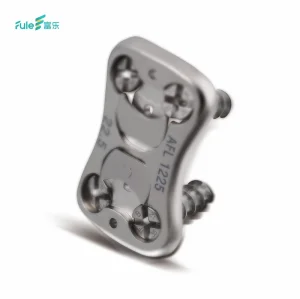
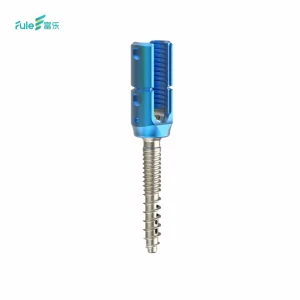
Fule Orthopedic Titanium 5.0mmCSS System

Fule Orthopedic Medical Implant Titanium 5.0mmCSS System CE Certified 5-Year Warranty

View Details
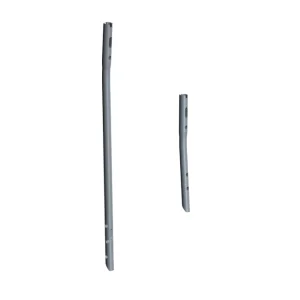
CE Marked PFNA Intramedullary Nail

CE Marked Metal PFNA Femoral and Reconstructional Intramedullary Nail for Trauma Surgery

View Details
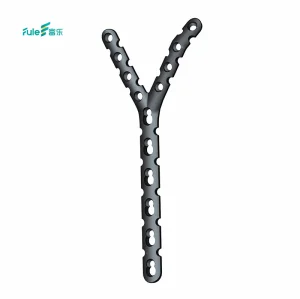
Anterior Cervical Plate and Variable Angle Screw

Anterior Cervical Plate and Variable Angle Screw for Spine Trauma Titanium Alloy Pedicle

View Details
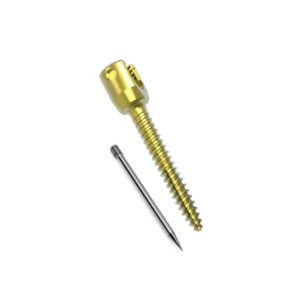
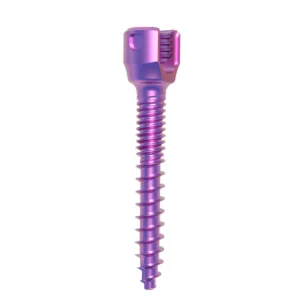
High Quality CCS 5.0 Titanium Pedicle Screw

CCS 5.0 Titanium Pedicle Screw Self-tapping Spinal Fixation High Quality

View Details
CE Marked Cervical Plate Screw System

CE Marked Cervical Plate Screw System Laminoplasty Plate for Hospital Use

View Details
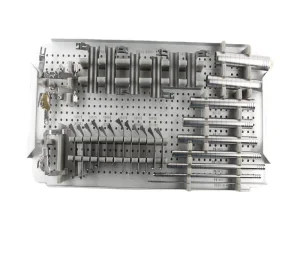
Hoffman External Fixator Kit

Hoffman External Fixator Kit-Aluminium Alloy Traumatic External Basis Surgical Instruments

View Details
CE Marked 6.0 COX Pedicle Screw-Rod System

CE Marked 6.0 COX Pedicle Screw-Rod System Titanium Monoaxial Osteoporosis Treatment

View Details
Fule Sterile Balloon Expansion Pressure Pump

Fule Sterile Balloon Expansion Pressure Pump Class I Key Instrument for Orthopedics

View Details

The Engineering & Clinical Paradigm of Looking Screws in Orthopedic Trauma

In modern orthopedic internal fixation, the term Looking Screws (anatomically known as Locking Screws) signifies a fundamental leap in biomechanical load transfer. Unlike traditional non-locking mechanisms that rely entirely on bone-to-plate friction to maintain reduction, looking/locking screw assemblies construct a fixed-angle construct. By mechanically securing the screw head directly into the plate's threaded holes, these implants behave as single, integrated internal splints.

This dynamic configuration drastically reduces compressive forces on the periosteum, protecting the local vascular supply crucial for primary bone healing. Clinically, looking screws have become the gold standard for stabilizing fractures in osteopenic bone, complex articular fractures, and cases requiring bridge plating protocols.

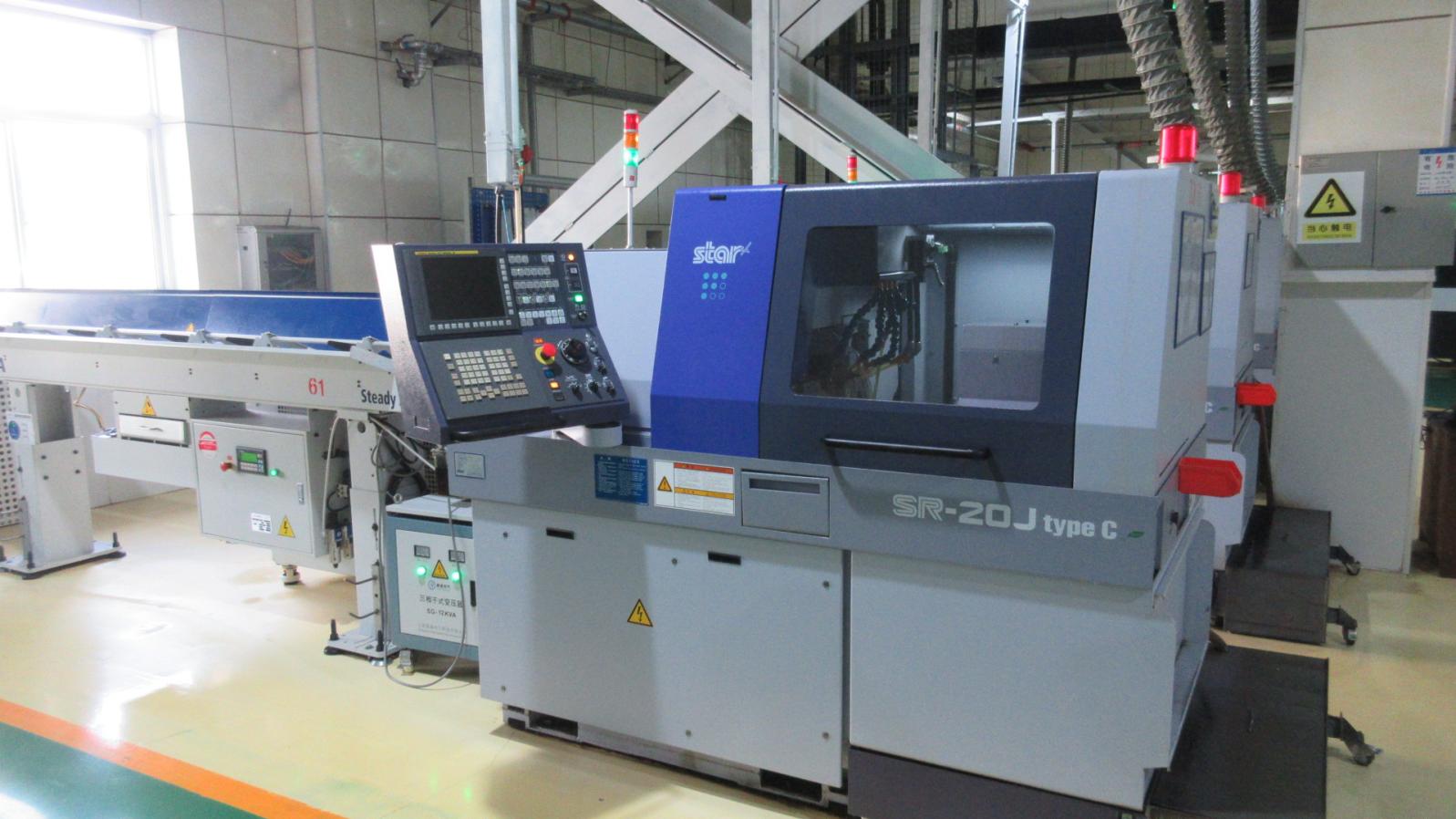
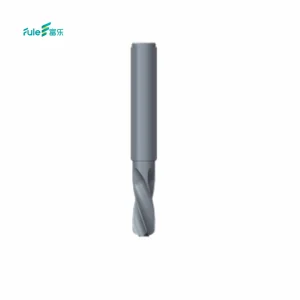
Our titanium alloy looking screw configurations utilize grade 5 Ti-6Al-4V ELI (Extra Low Interstitial) formulations, delivering exceptional fatigue life, biocompatibility, and high corrosion resistance. The precision threads are optimized using advanced CNC tooling, ensuring smooth insertion torque with maximum pull-out resistance.

Clinical applications of bone locking screws

China’s Orthopedic Supply Chain Resilience: The Fule Advantage

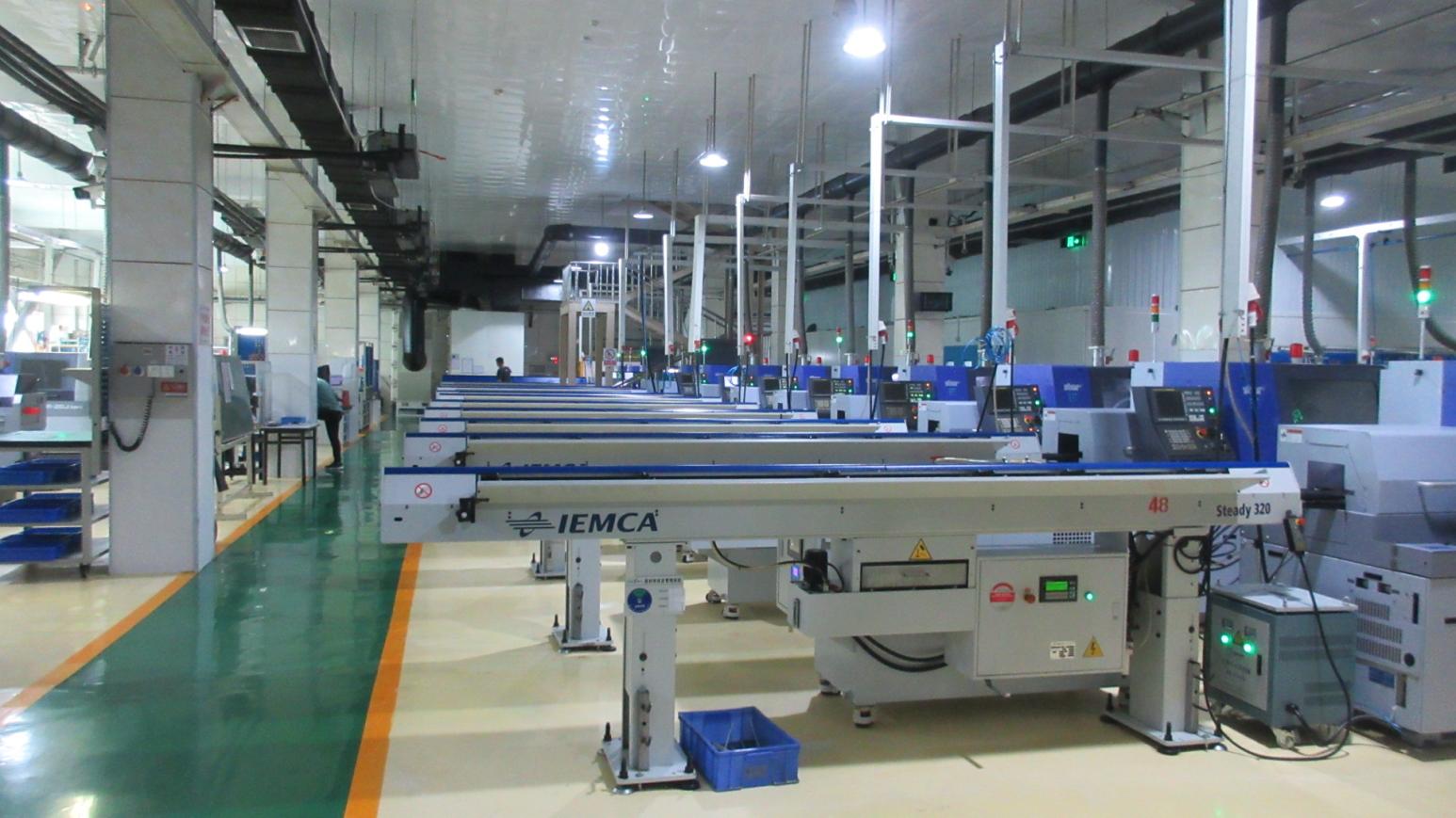
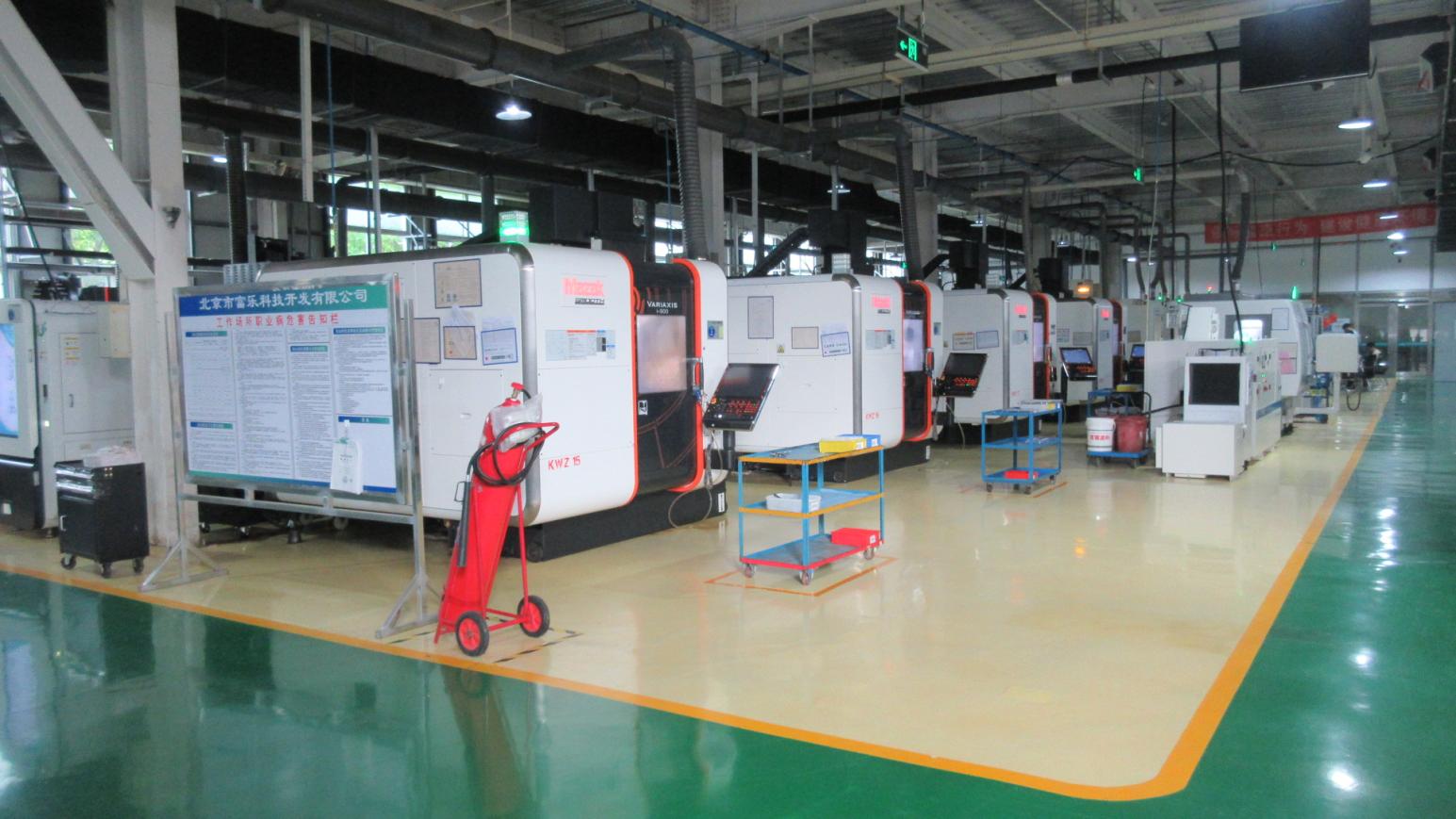
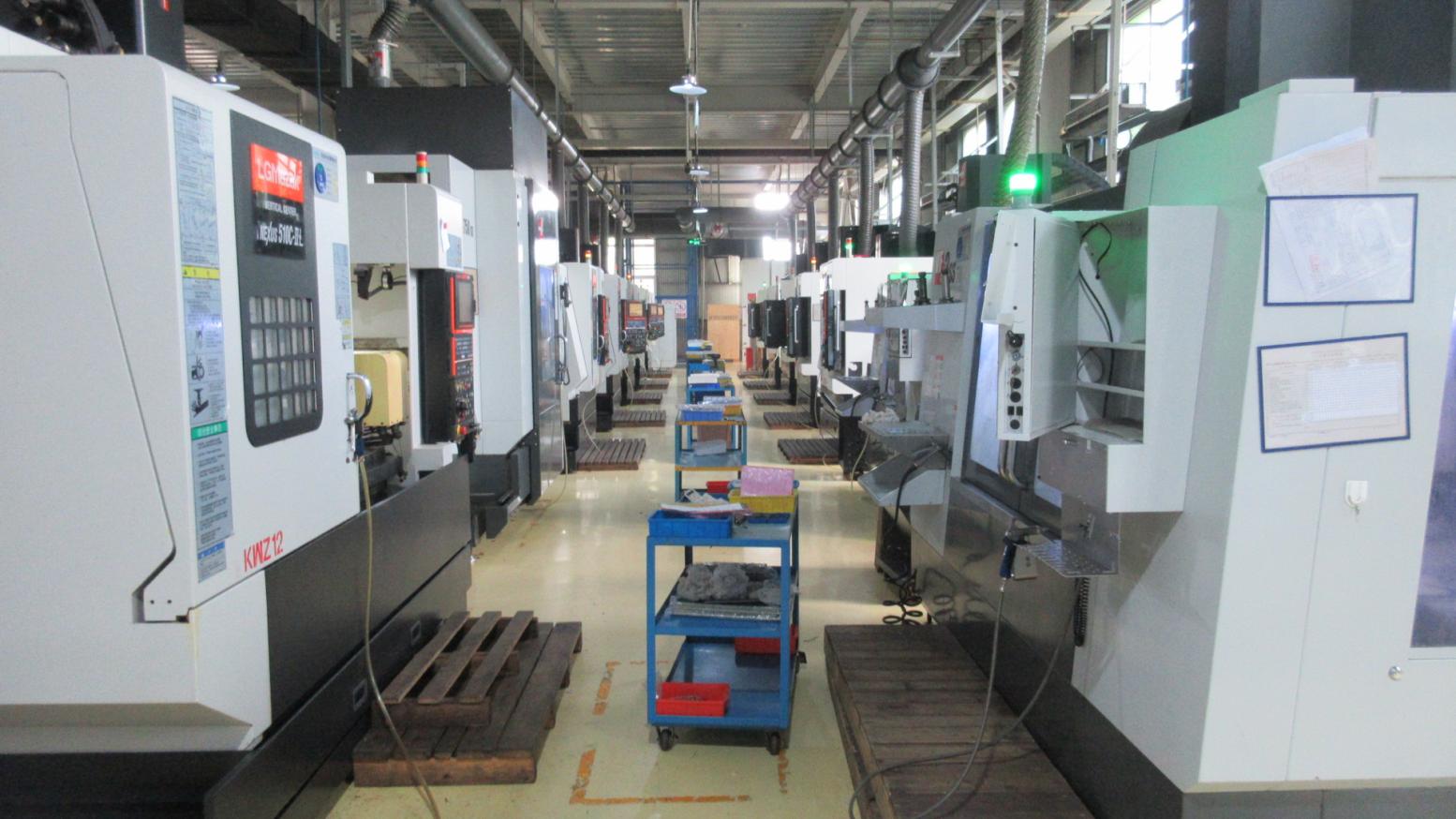
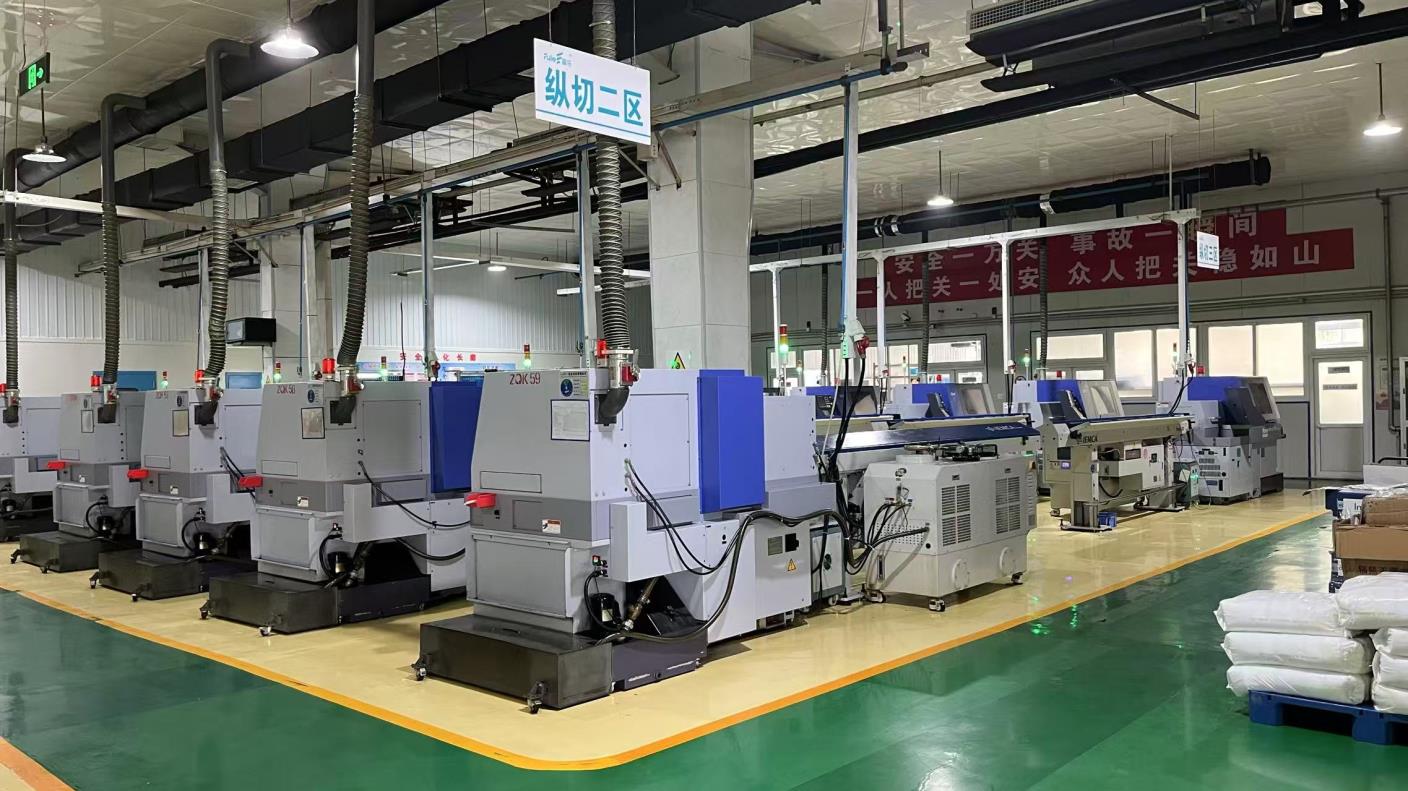
Operating from a state-of-the-art 10,000 square meter medical manufacturing campus, our production infrastructure is designed to fulfill large-scale global medical tenders without compromising clinical safety margins.

1996
Established Year
10k ㎡
Floor Space
102
CNC Machines
511k+
Annual Output Units

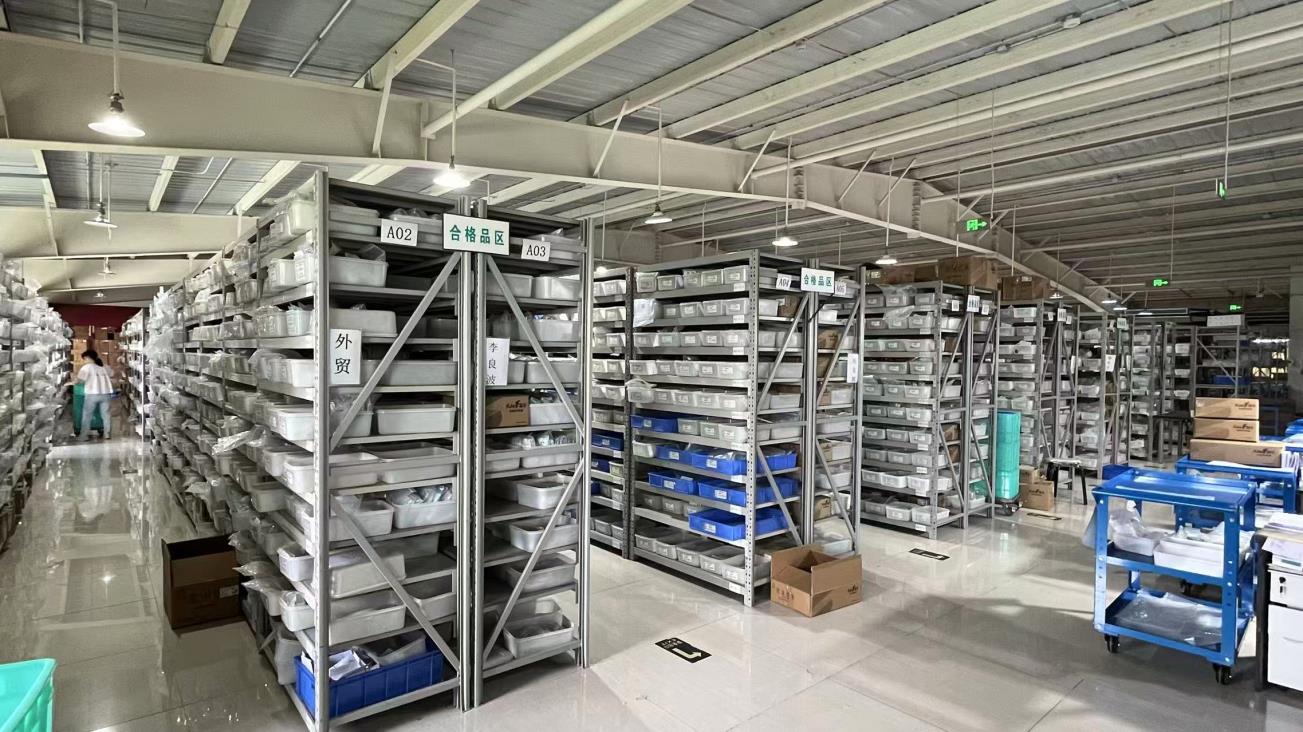
100% Raw Material Traceability

Every batch of medical-grade titanium and cobalt-chromium rods is backed by chemical composition and tensile test sheets tracking back to the original melt.

ISO 13485 & CE Audited

Certified under standard ISO 13485 (Registration: 04724Q10000818) and CE marked for high-risk surgical interventional materials.

Dedicated R&D Team

Supervised by 20 specialist R&D engineers (including 15 graduate-level researchers), launching over 20 innovative clinical designs annually.

Rigorous Process Validation & Quality Control

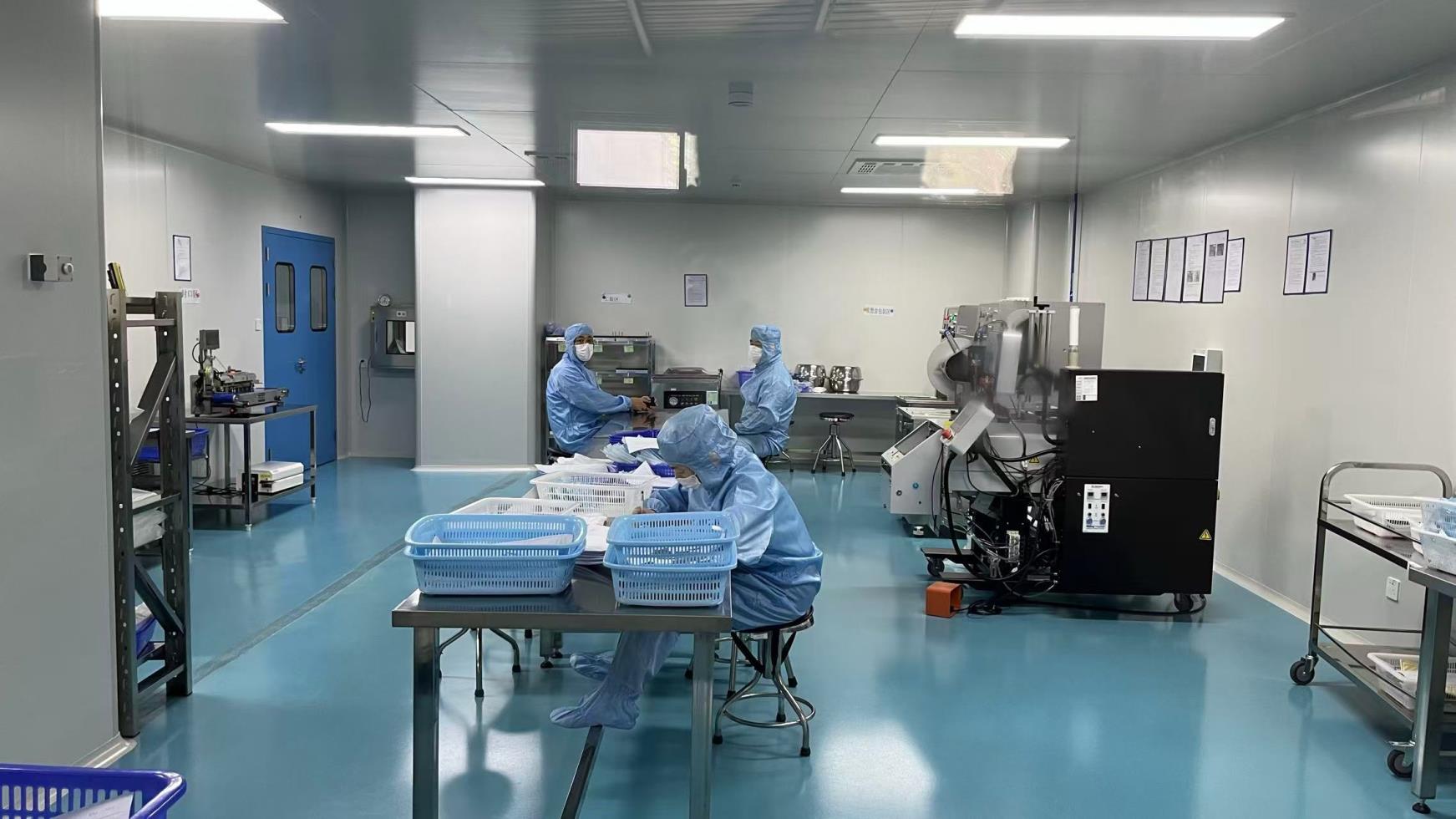
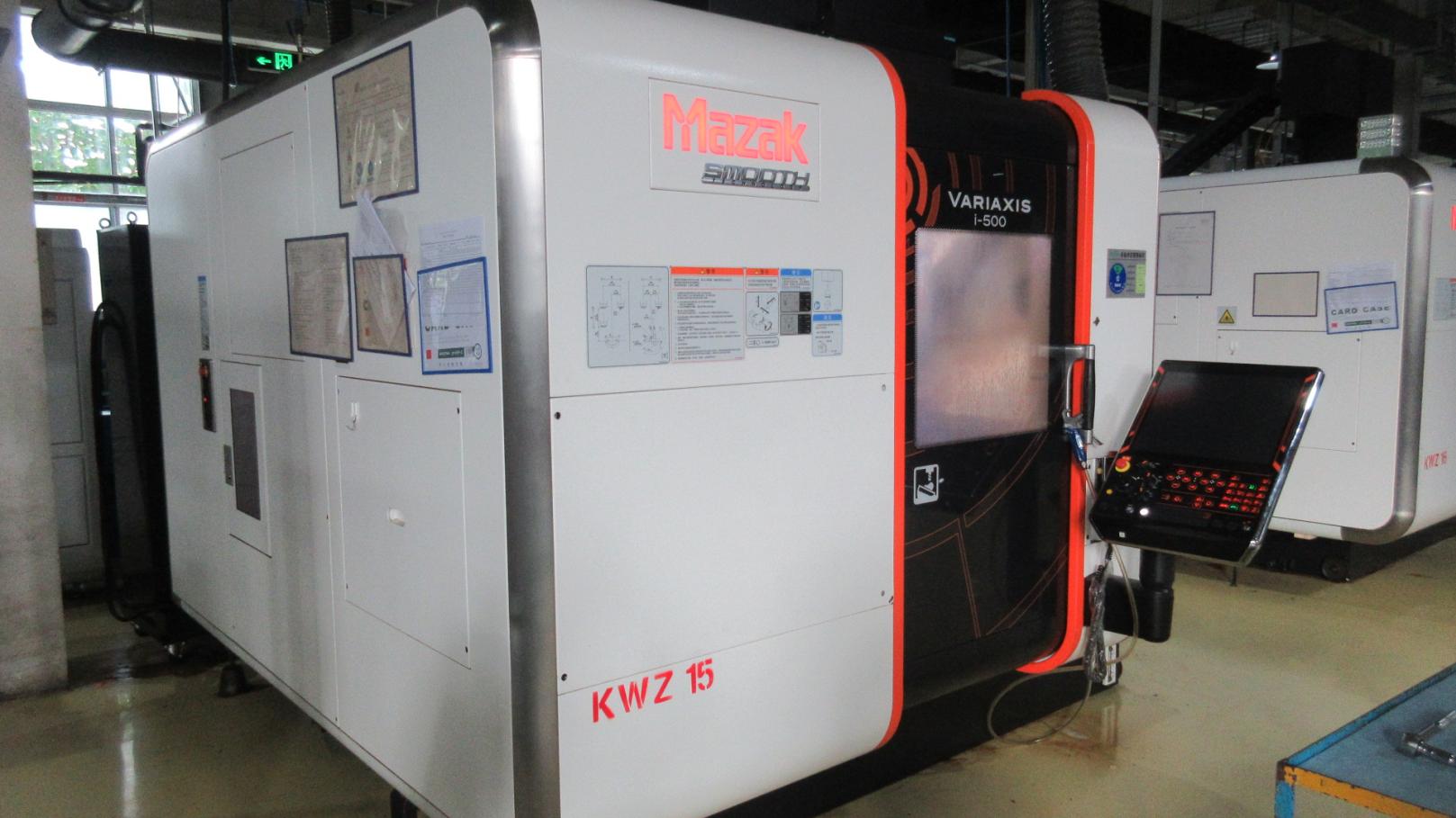
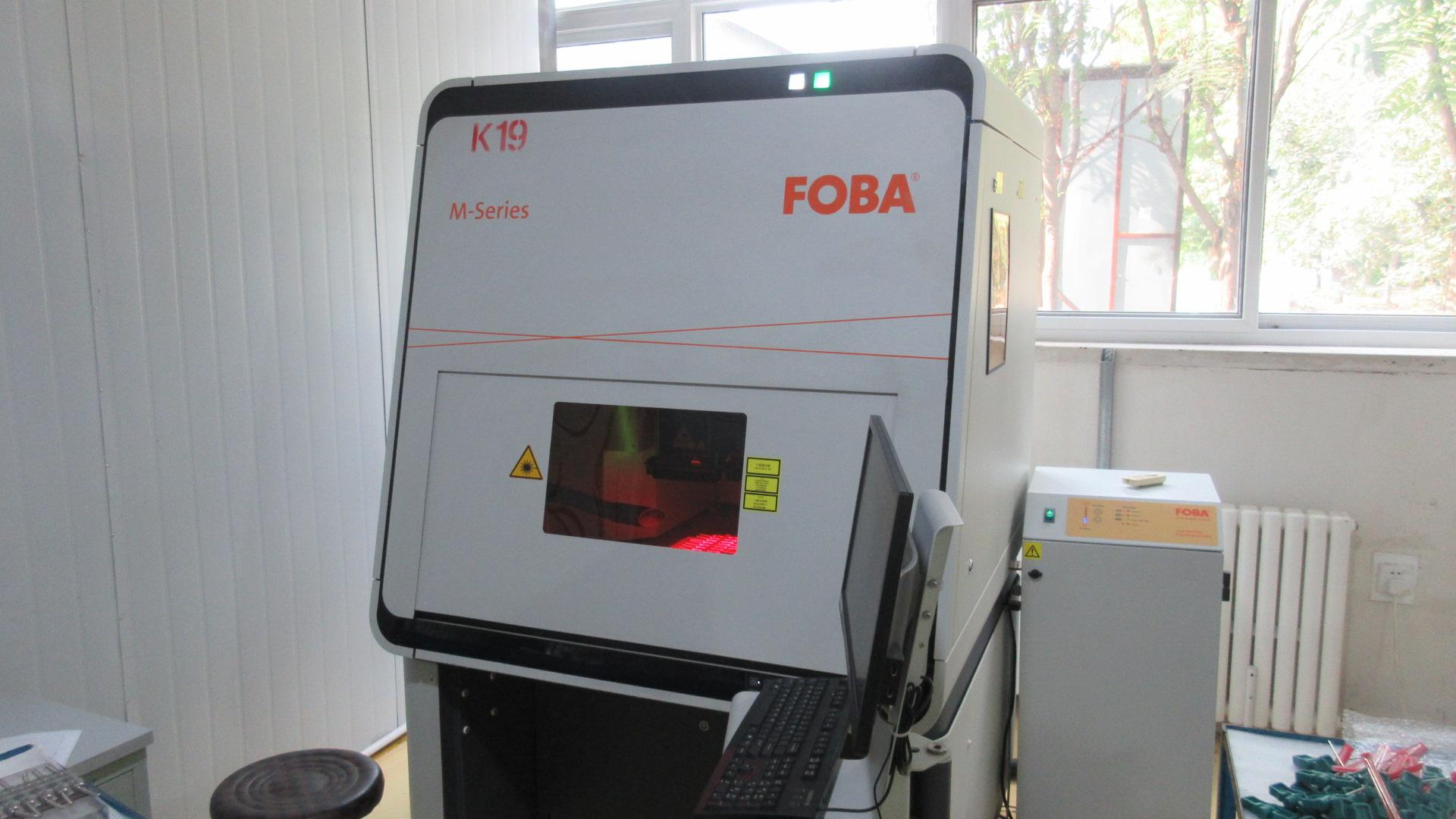
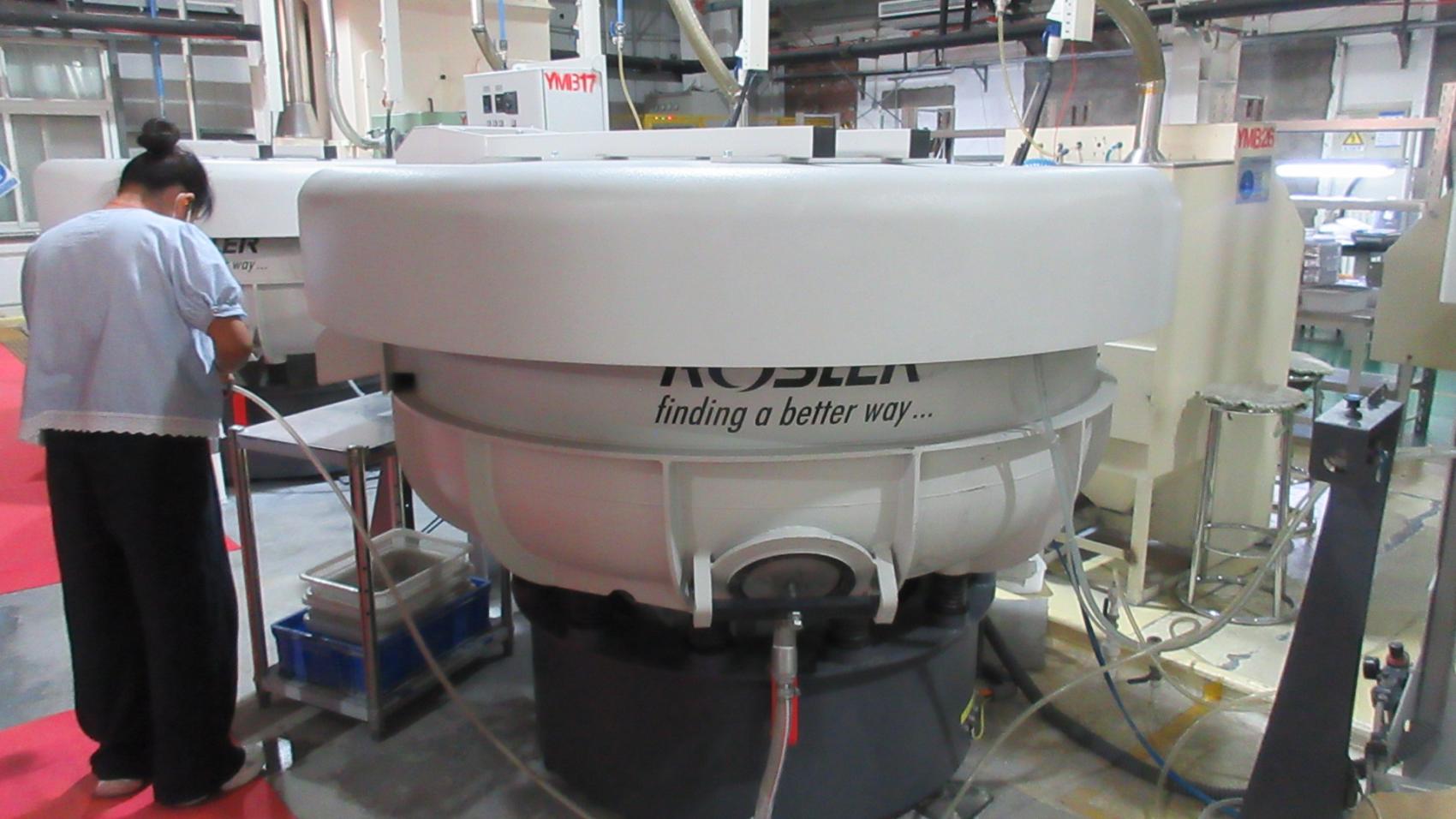
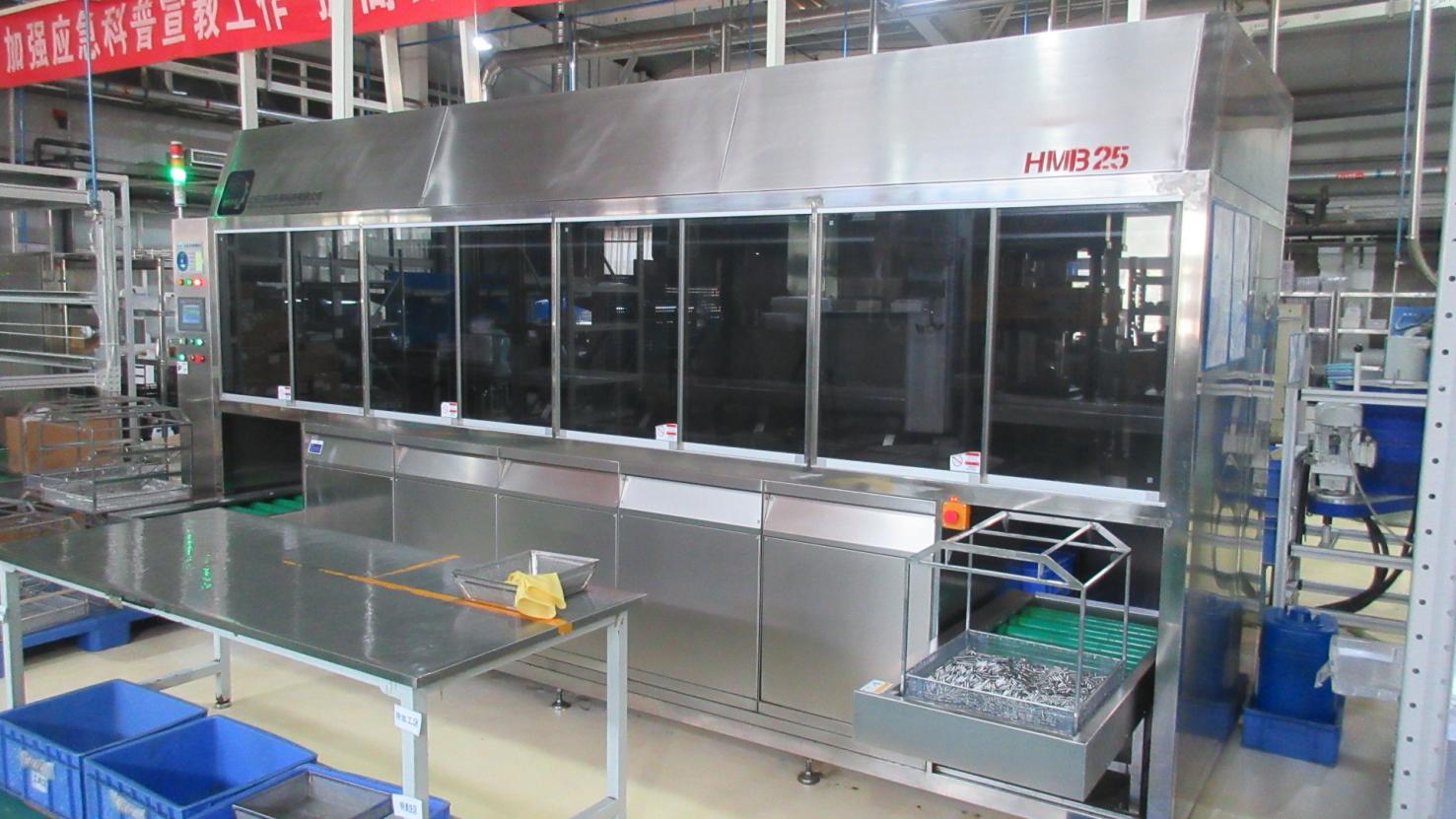
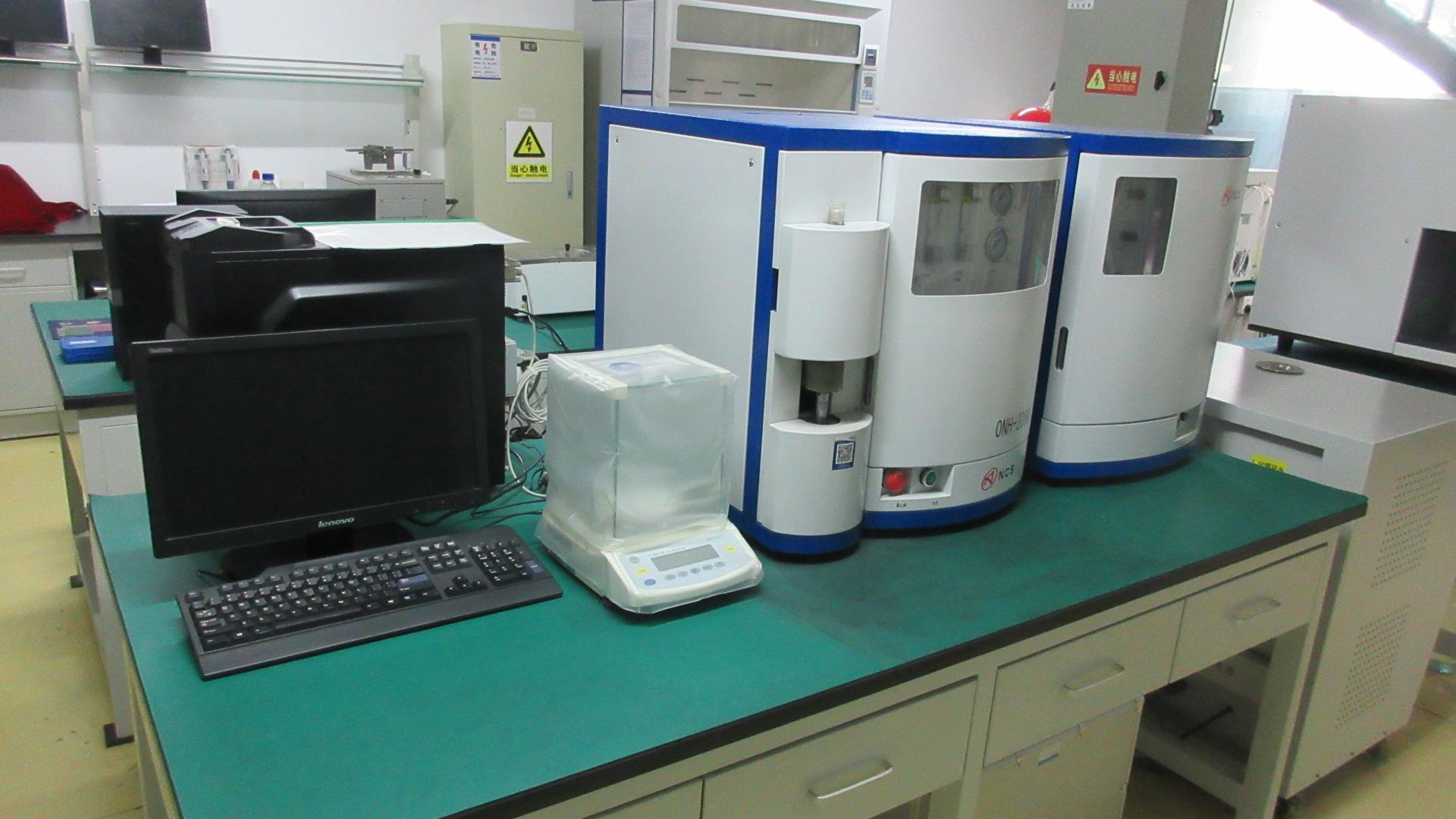
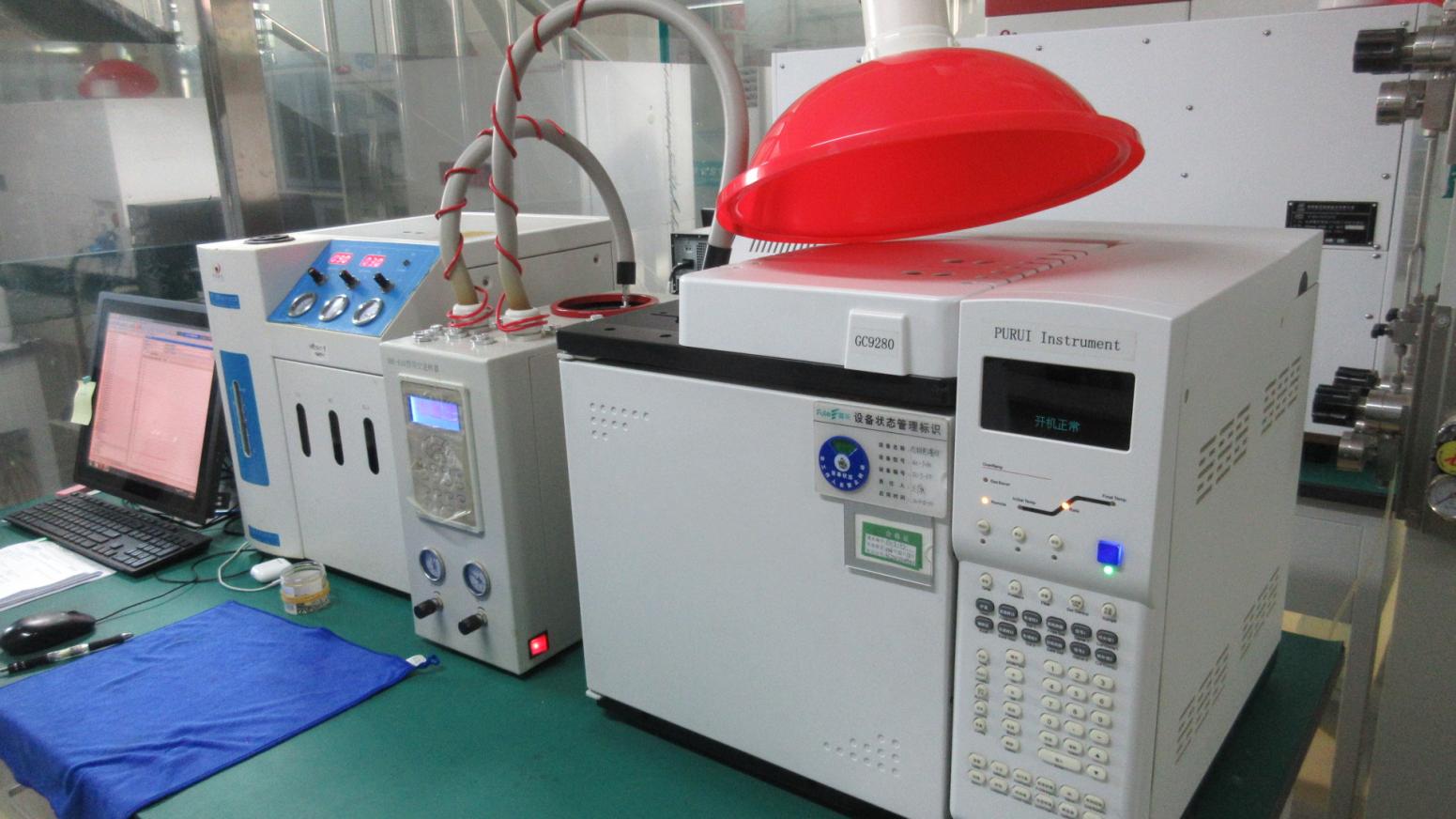
We execute 100% inspection across our key processing stages. Below are photographic records showing our production lines, raw material storage, and finished titanium locking arrays.
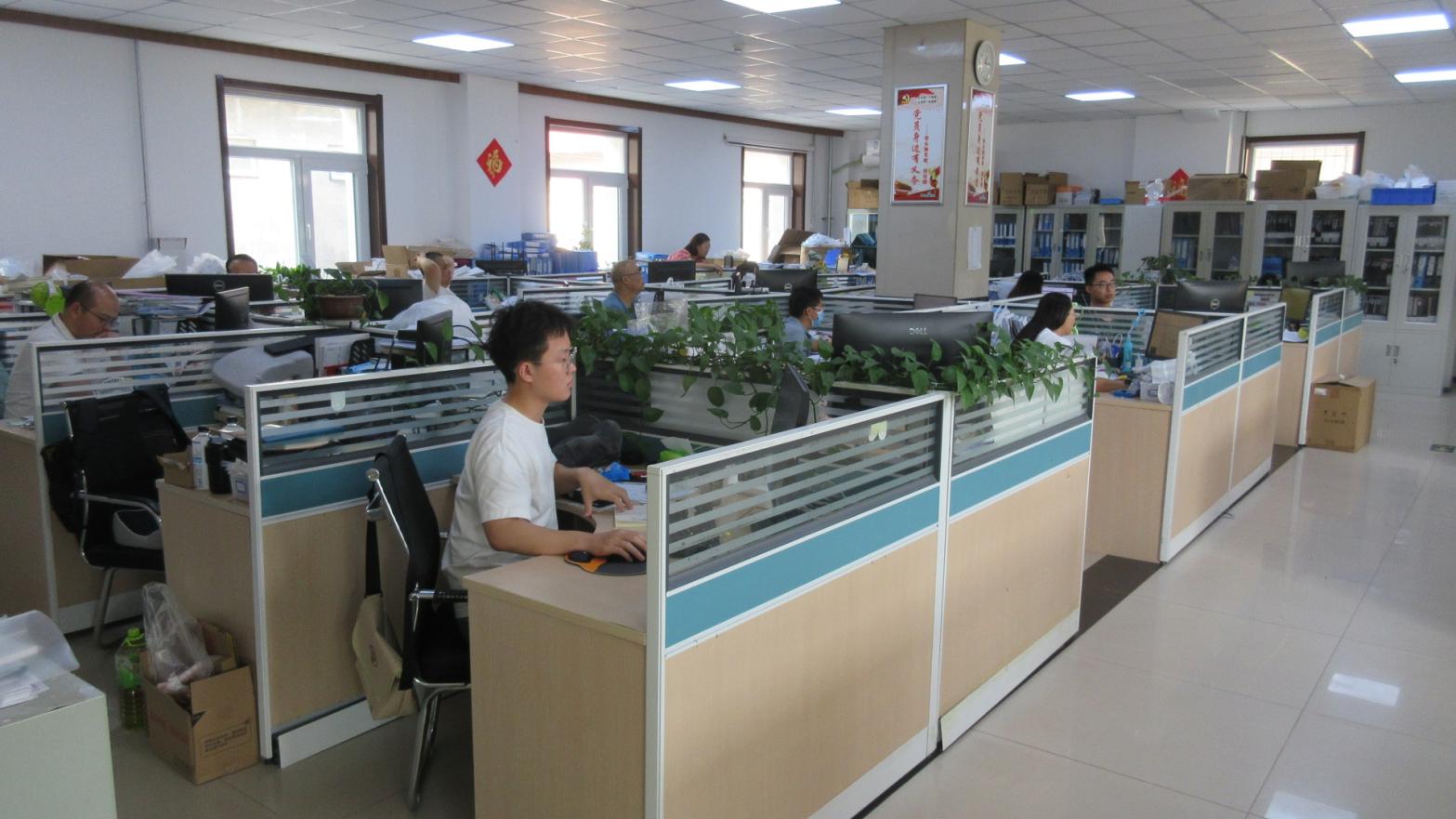
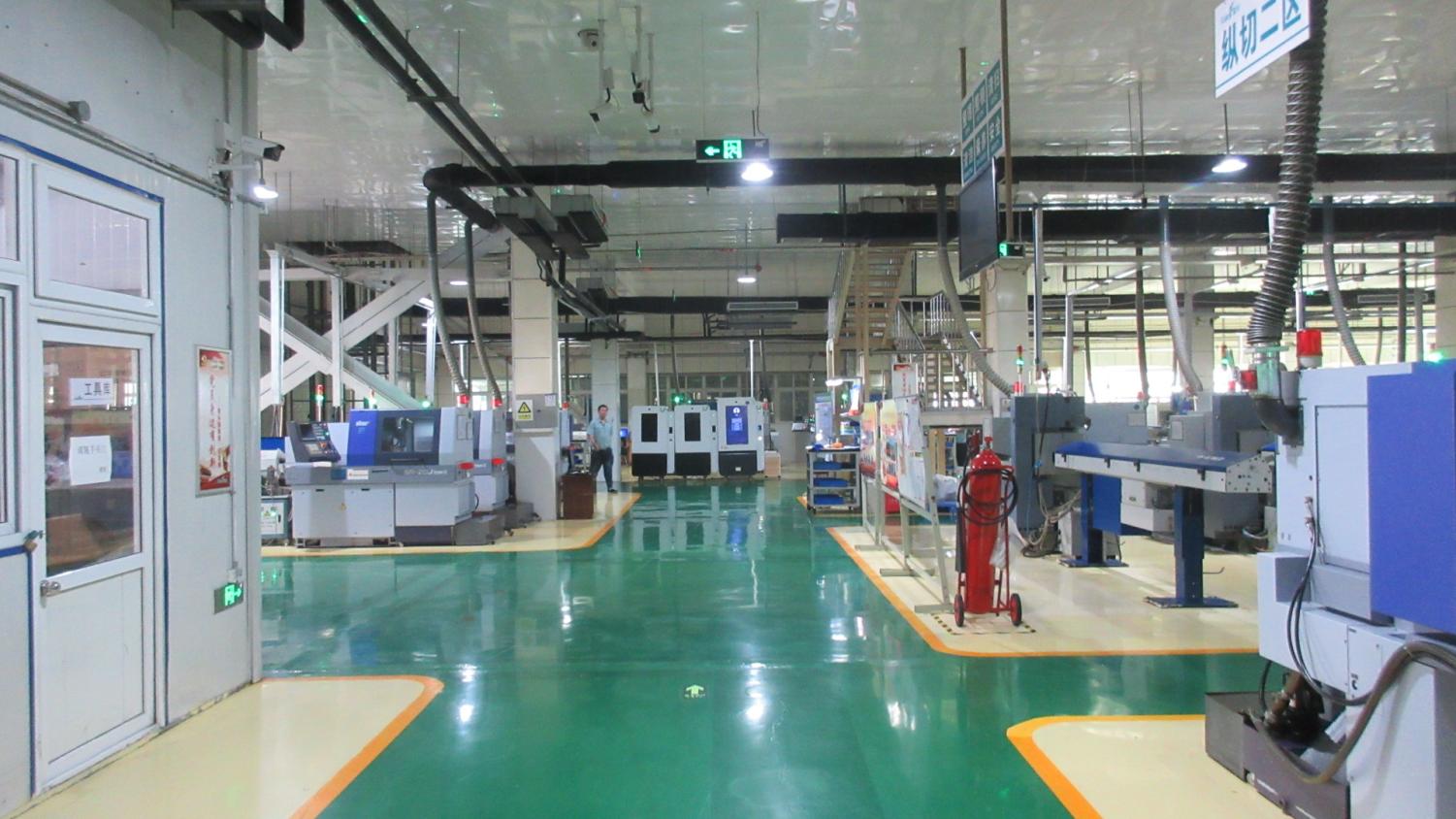
Titanium Locking Implants Production
Medical CNC Manufacturing
Orthopedic Plates Quality Control
Sterile Inspection Laboratory
Trauma Plate Testing
ISO Standard Packaging
Advanced Spine Screw Design
Surgical Tooling Calibration
Spinal Fusion Cage Components
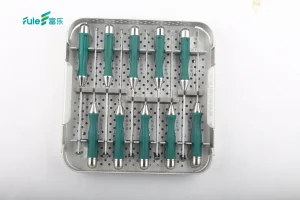
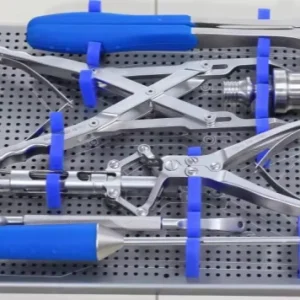
Orthopedic Instruments Set
CNC Lathe Precision Output
Orthopedic External Fixator Frame
Mechanical testing of spine screw systems

Localized Clinical Applications & Global Regulatory Compliance

Looking/locking screws perform specialized biomechanical duties depending on localized physiological stress profiles:

  • Spinal Arthrodesis: Used in pedicle configurations like our 5.0mmCSS System and Usmart 5.5 Spinal System to reconstruct the posterior column, maintaining height even under massive multi-axial load.
  • Diaphyseal & Metaphyseal Fractures: Used with locking plates for long-bone fixation (e.g. humeral locking plates). It provides stable bridging across communited segments while avoiding tissue necrosis.
  • Traumatic Cranio-Maxillofacial Surgery: Miniaturized locking constructs secure bone plates in facial reconstruction, limiting implant micro-motion under load.

The Smart Implant Technical Roadmap

Fule’s R&D department is charting the future of implant technology. Over the next three to five years, we are targeting key development phases: introducing smart piezo-resistive strain gauges into the screw core to monitor bone healing telemetry, and developing biodegradable magnesium alloy profiles that phase out secondary surgeries.

Strict QA Protocols: Validating Titanium & Stainless Steel Implants

For high-risk Class III orthopedic implants, reliability is not negotiable. Our facility utilizes a robust 15-inspector QA/QC team supervising a sequence of non-destructive and destructive assessments:

1. Dimensional Verification: Utilizing automated optical measurement systems and micro-calipers, ensuring thread pitches match sub-micron tolerances.

2. Surface Roughness Validation: Roughness profiles (Ra) are strictly monitored. Thread sections are polished to prevent bone friction, while the distal tips are designed for self-tapping efficiency.

3. Fatigue Strength Verification: Our implants undergo millions of cycles of dynamic bending stress tests mimicking in-vivo physical forces, ensuring they survive without implant failure.
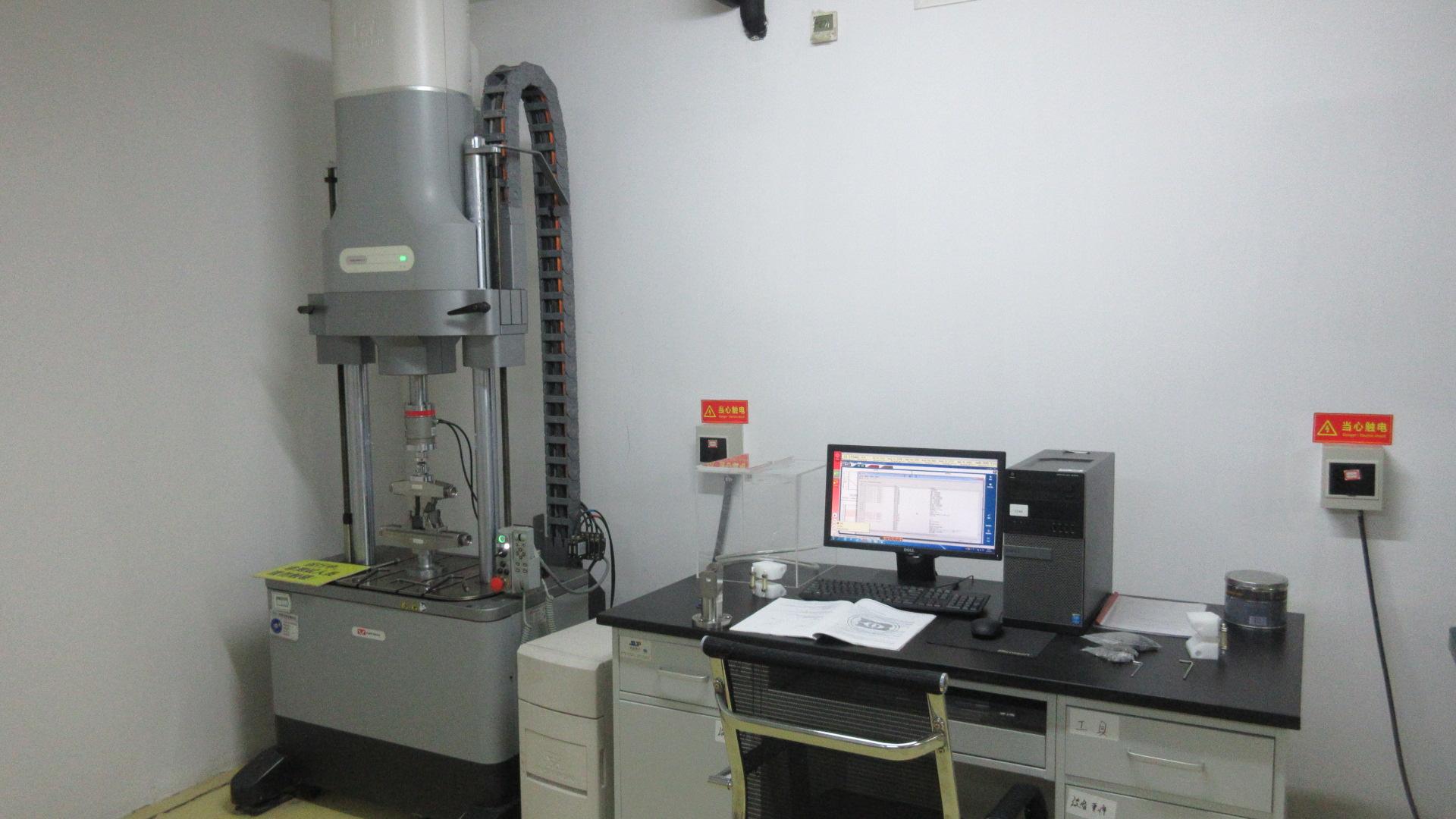
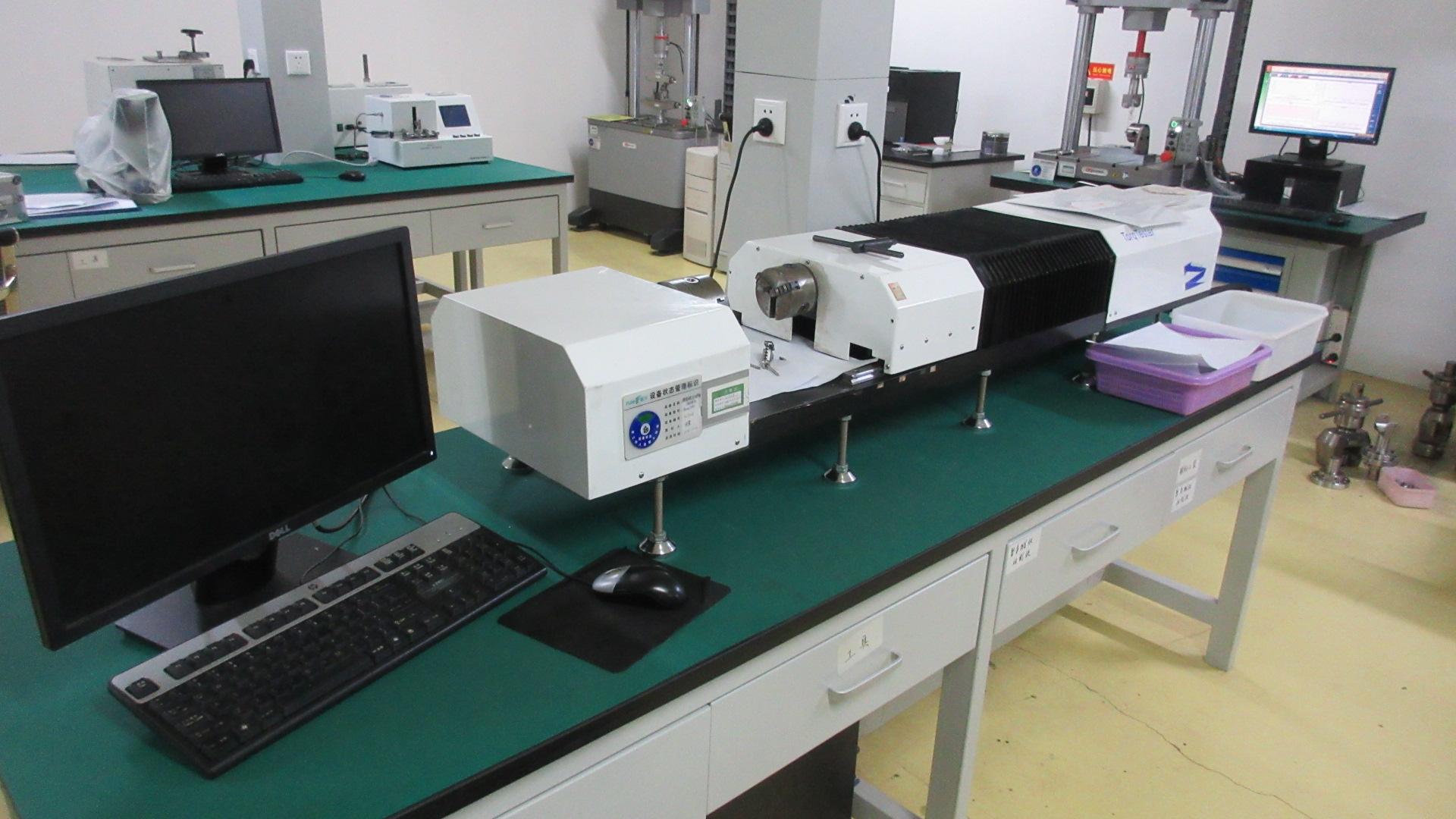
Medical testing and measurement lab
Testing equipment
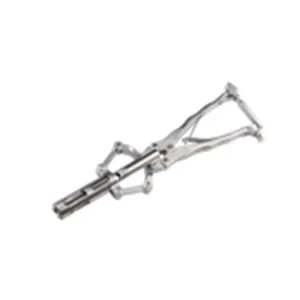
Surgical tool design
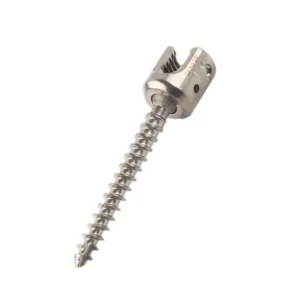
Class III spine implant assembly

Frequently Asked Questions

Answers to technical, regulatory, and procurement questions regarding our clinical-grade looking/locking bone screw components.

What is the functional difference between locking (looking) screws and traditional cortical screws?
Traditional cortical screws rely on generating high friction between the bone plate and the bone to keep the fracture stable. This pressure can compress the periosteum and restrict local blood flow. Looking/locking screws have threaded heads that lock directly into the bone plate, creating a fixed-angle construct. This supports the mechanical load without needing to press the plate hard against the bone, protecting the blood supply to the bone and offering better stability in osteoporotic bone.
Which titanium alloy materials do you use for orthopedic screw manufacturing?
We use Medical Grade 5 Titanium alloy (Ti-6Al-4V ELI - Extra Low Interstitial) conforming to ASTM F136 and ISO 5832-3 standards. This medical-grade material provides excellent biocompatibility, extremely high mechanical yield strength, and outstanding fatigue resistance, making it ideal for permanent or long-term internal implants.
Does your factory support customized OEM and ODM processing?
Yes. Backed by our 20-engineer R&D center and 102 state-of-the-art CNC machines, we offer extensive customization options, including custom thread pitches, personalized plating designs, customized surgical instrument kits, and sample-based or technical drawing-based OEM fabrication.
What regulatory certificates do your surgical implants hold?
Our company holds ISO 13485 quality system certification (Certificate No. 04724Q10000818). Our main product lines, including spinal pedicle screw systems, intramedullary nails, and locking plates, are CE-marked and certified under EU Class III regulations, ensuring compliance with international hospital and clinic standards.
How do you handle raw material verification and trace quality controls?
Every batch of incoming titanium alloy rods undergoes spectral and chemical composition verification. During machining, our 15 dedicated QC inspectors perform dimensional inspections on each processing run. We guarantee 100% finished-product inspection, and each packaging unit contains a tracking batch number linked to the raw material mill certificate.

Surgical-Grade Fixation Systems & Instruments

Engineered for precise osteosynthesis, our specialized pedicle devices, locking plates, and intramedullary rods are designed to support trauma recovery and complex spine stabilization.

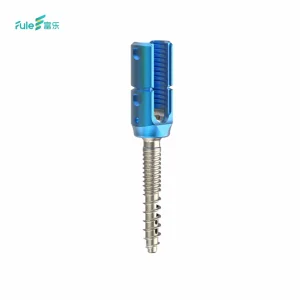
Fule Spinal Pedicle Screw Class III

FULE Spinal Pedicle Screw Class III CE Certified Right Hand Thread 5-Year Warranty

View Details
Orthopedic Surgery Implant Interventional Materials

Orthopedic Surgery Interventional Materials Set Spinal Pedicle Artificial Implant

View Details
CE Posterior Orthopedic MIS TLIF Instruments

CE Posterior Orthopedic MIS TLIF Instruments Instruments From Beijing Fule

View Details
Fule Titanium Humeral Locking Plate

Fule Orthopedic Implants Titanium Humeral Locking Plate CE Certified Class III

View Details
Orthopedic Implants Polyaxial Spine Screws

Orthopedic Implants Polyaxial Spine Titanium Pedicle Screws Usmart 5.5 System

View Details
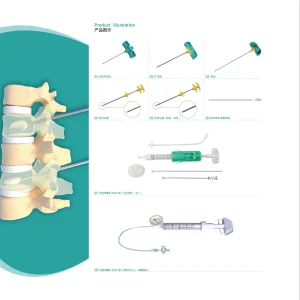
PKP Working Channel Instruments

PKP Working Channel Vertebral Body Instruments for Orthopedic Surgery Class I

View Details
CE Marked PFNA Femoral Intramedullary Nail

PFNA Femoral Intramedullary Nail Orthopedic Implant Titanium OEM Fule Brand

View Details
Titanium Pedicle Screw Instruments

High Quality CE Marked Fule Brand Titanium Usmart Pedicle Screw Instruments

View Details