Explore our leading portfolio of CE-marked osteosynthesis devices, anatomical fusion systems, and instrument sets designed to yield optimum surgical correction.
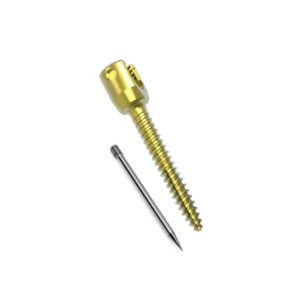
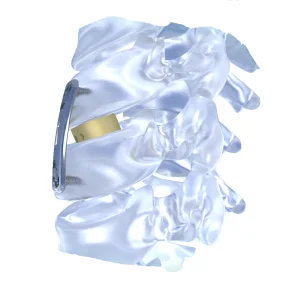
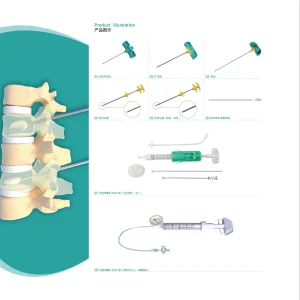
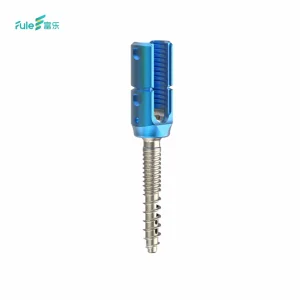
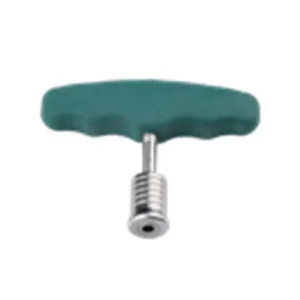
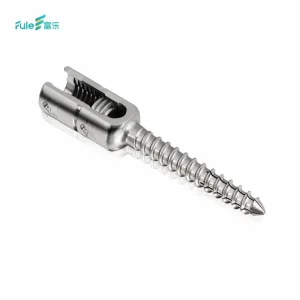
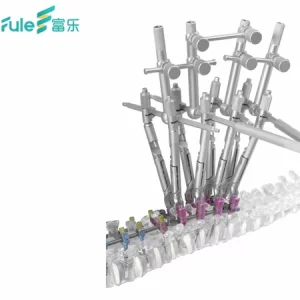
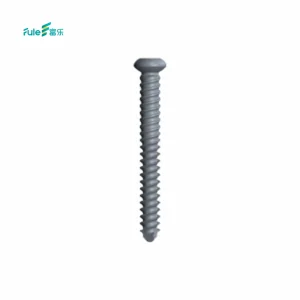
Within the clinical domain of spinal arthrodesis, safety, mechanical stability, and bio-integration are non-negotiable. As a premier CE Certified Miko II Factory and Exporter, we represent the vanguard of orthopedic implant production. The Miko II and COX II spinal screw-rod systems are systematically engineered to secure rigid segment immobilization, optimizing biological osteosynthesis while mitigating long-term structural complications.
Traditional spinal instrumentation often battles issues like fatigue failure, pedicle fracture, or screw pull-out, especially in osteoporotic patients. Our research team has integrated specialized dual-thread designs and expandable polyaxial components that drastically elevate purchase strength within compromised vertebral bodies. Through the precise utilization of Grade 5 Titanium (Ti-6Al-4V ELI) and bio-inert medical-grade PEEK (Polyetheretherketone), we achieve elastic moduli close to human cortical bone, preventing bone-resorption and stress-shielding phenomena.
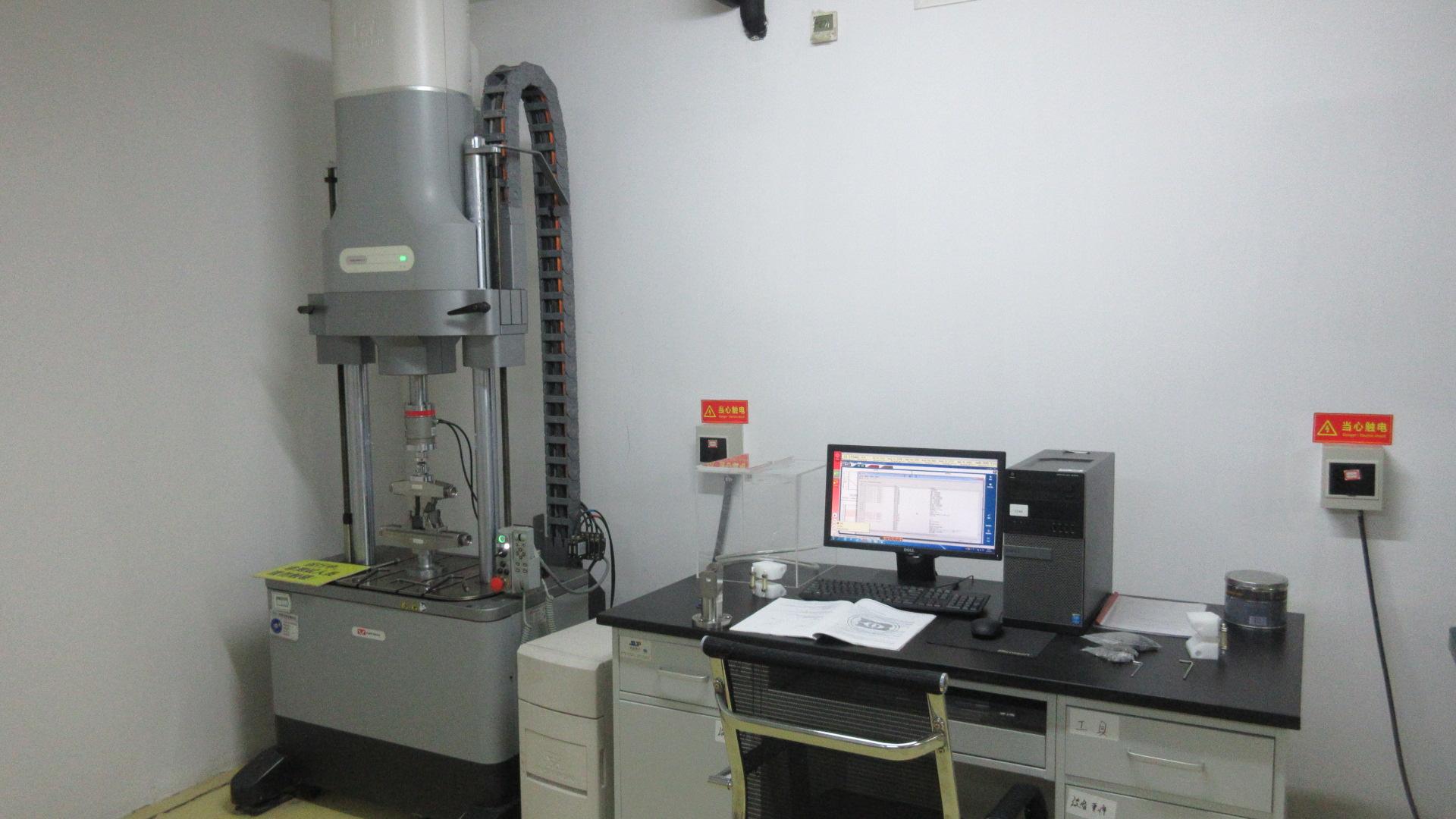
By complying strictly with international standards—specifically certified under ISO 13485 (Certificate No. 04724Q10000818)—our manufacturing protocols ensure that every implant system has traced raw material inputs and undergoes extensive static and dynamic fatigue tests (ASTM F1717 standard) simulating millions of spinal loading cycles.

Combining world-class production infrastructure with optimized raw material sourcing to offer unparalleled reliability and economic scale.
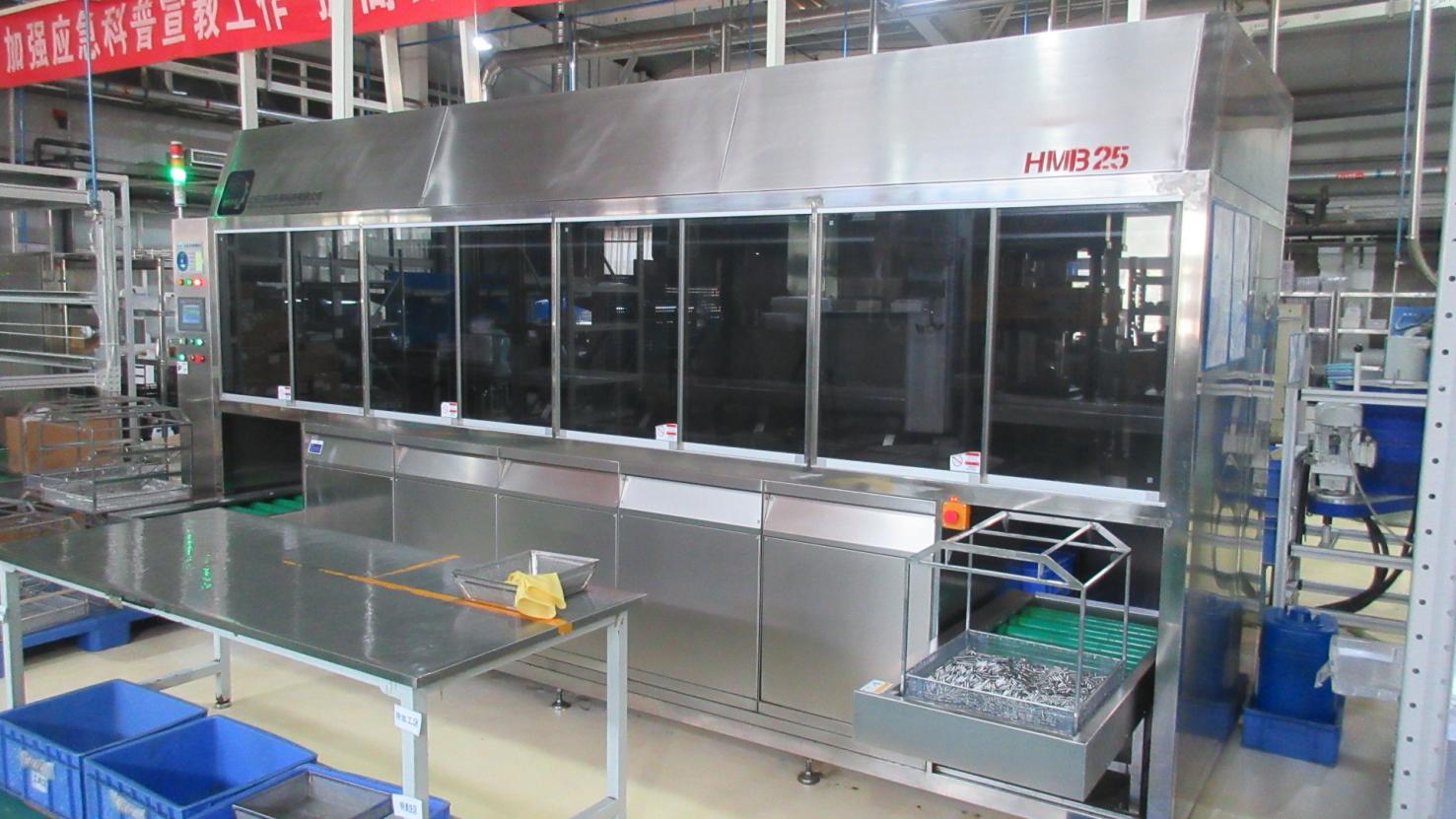
The efficiency of Beijing Fule's medical manufacturing ecosystem is rooted in our comprehensive vertically integrated chain. From titanium bar extrusion to high-precision Swiss CNC milling, chemical passivation, and automated ultrasonic cleanroom washing, we maintain total control. With 102 state-of-the-art production machines running concurrently across our 10,000 square meter plant, we satisfy high-volume requirements from large hospital procurement networks and state medical ministries, without experiencing delivery lag.
Furthermore, our robust relationships with over 70 premium supply chain partners ensure zero volatility in raw material supply, allowing us to insulate our global clients from bulk price fluctuations while guaranteeing the exact material grades required for critical patient implants.
How we streamline regulatory entry, packaging options, and device modifications for international medical distributors and importers.
Complete CE certification (MDR pathway) and ISO 13485:2016 support. Detailed documentation suites including Biocompatibility Reports (ISO 10993) and Clinical Evaluations.
Flexible engineering options including sample processing, custom thread profiles, laser engraving, and custom instrument kit assembly to match regional surgical practices.
Support for sterile (EO / Gamma irradiated) double-barrier packaging with up to 5 years shelf-life stability, as well as non-sterile bulk delivery options.
A pictorial insight into our physical manufacturing stages, quality testing rooms, and sterile packaging labs.
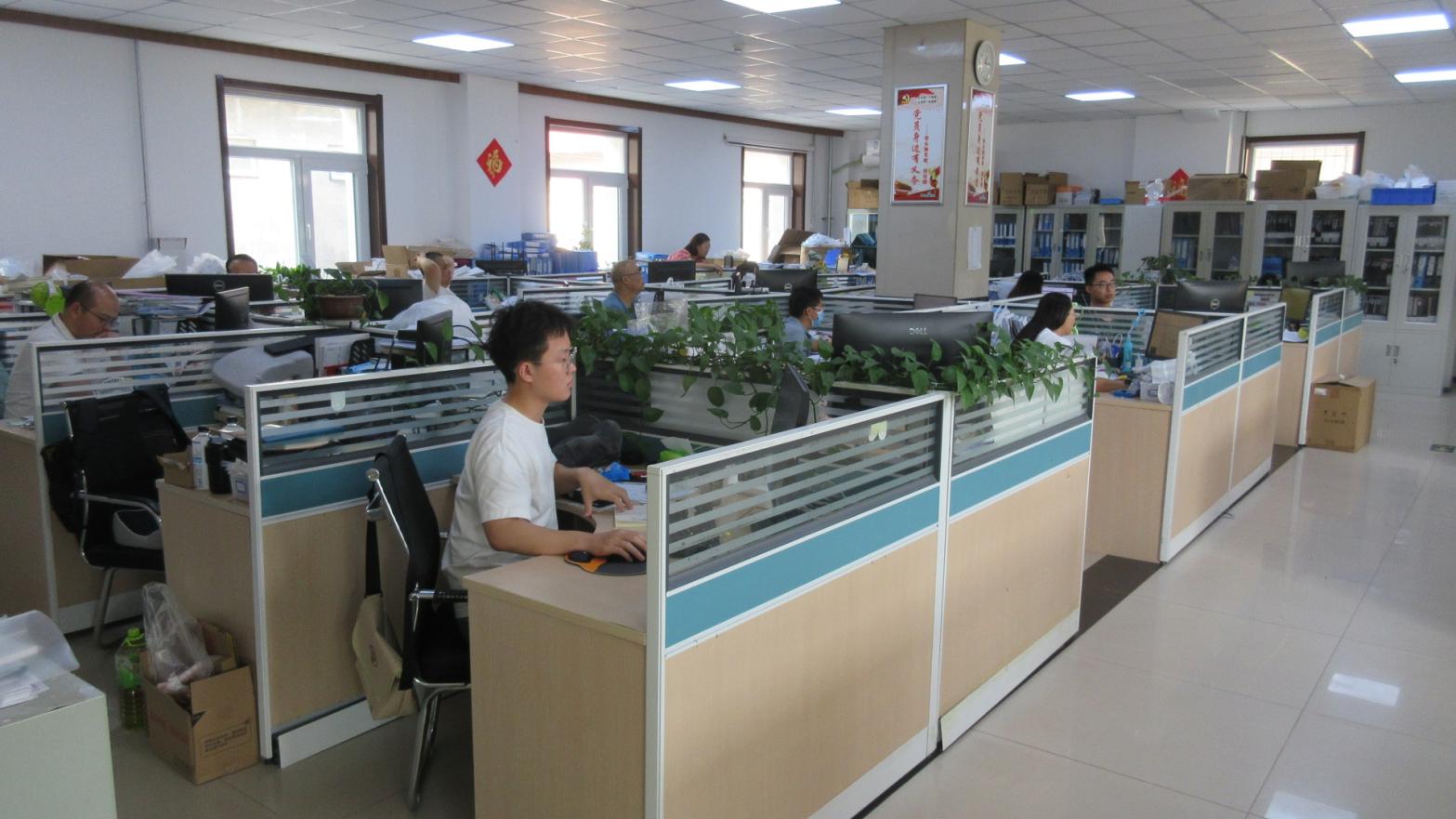
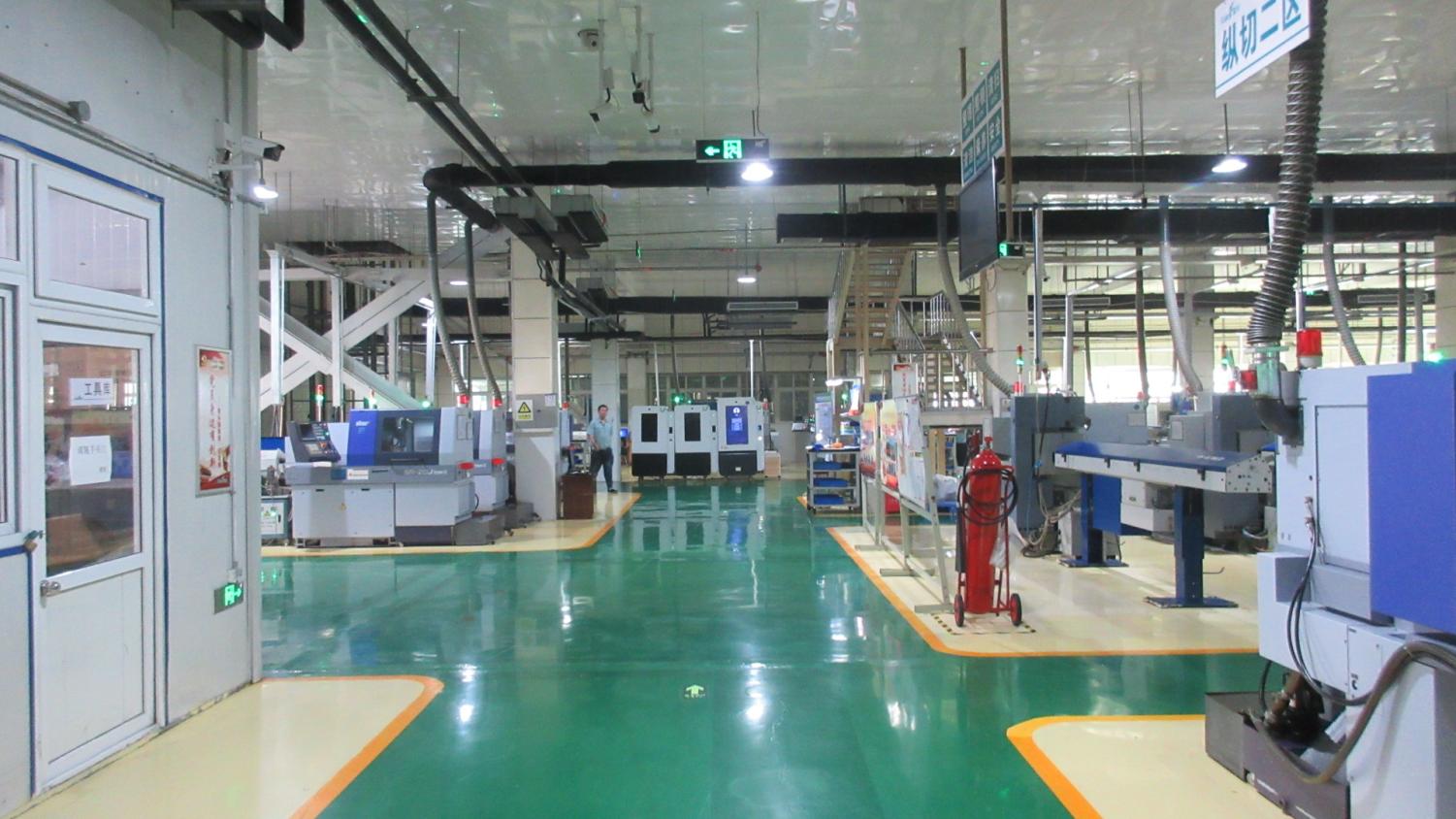
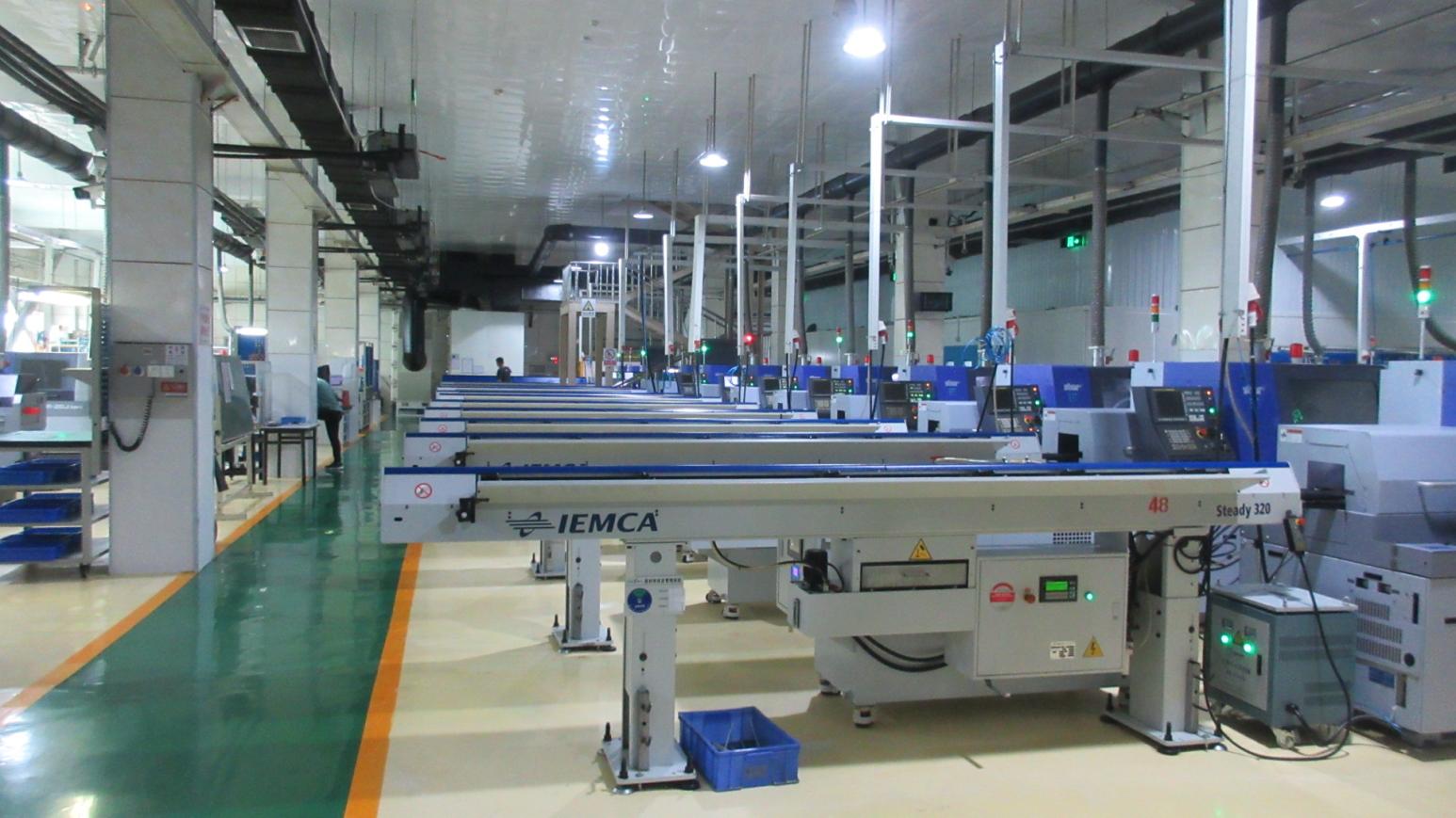
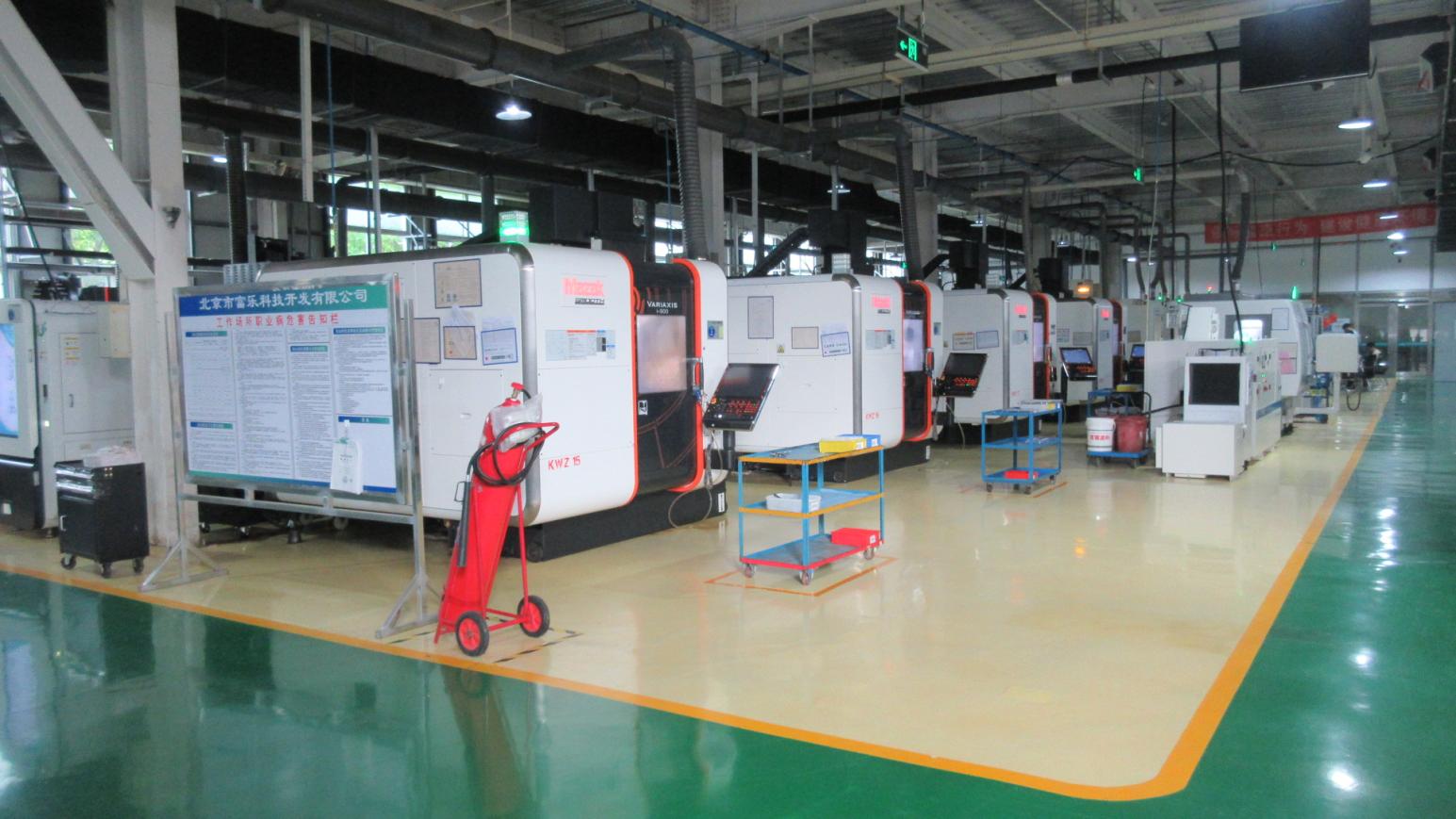
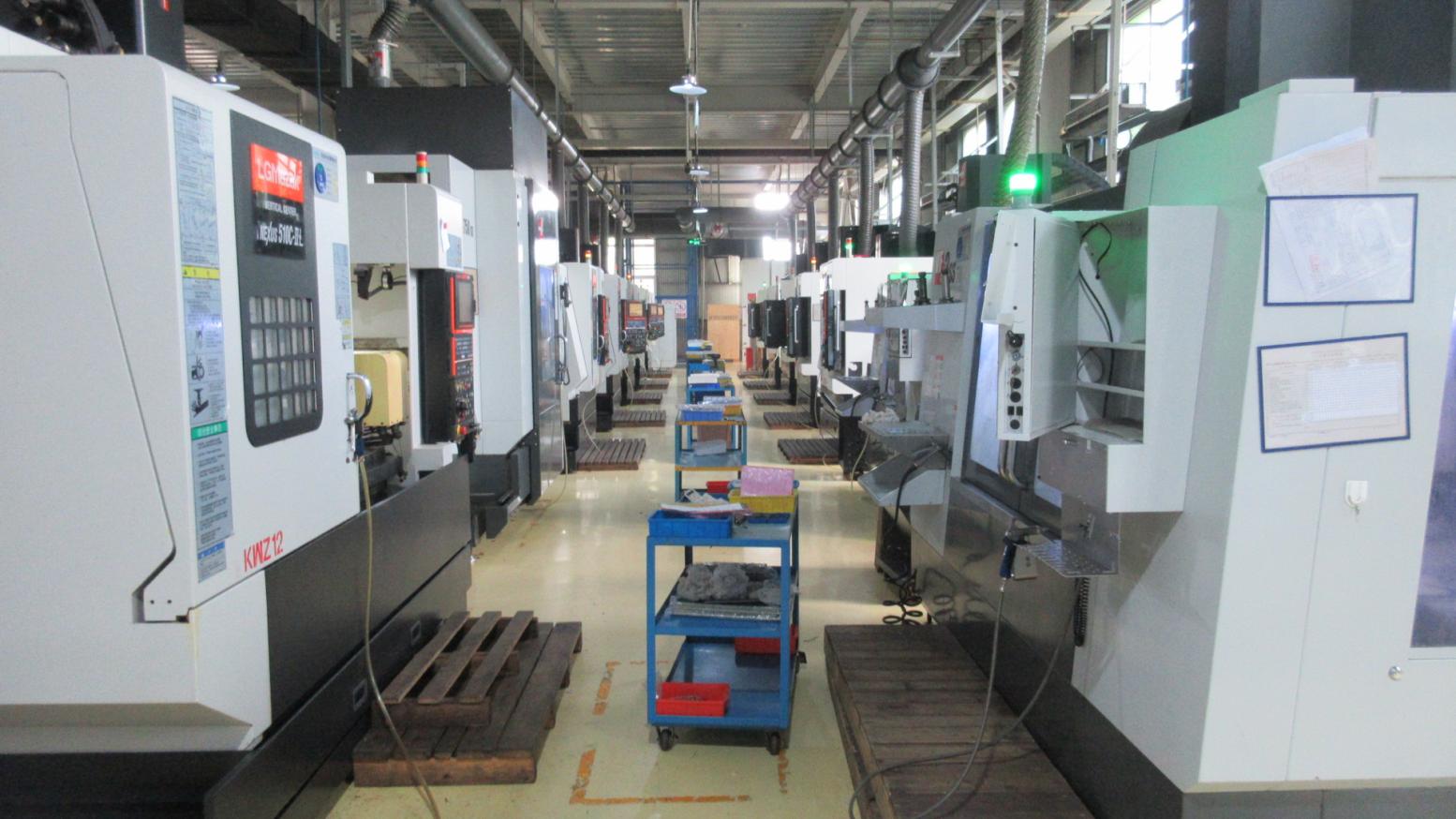
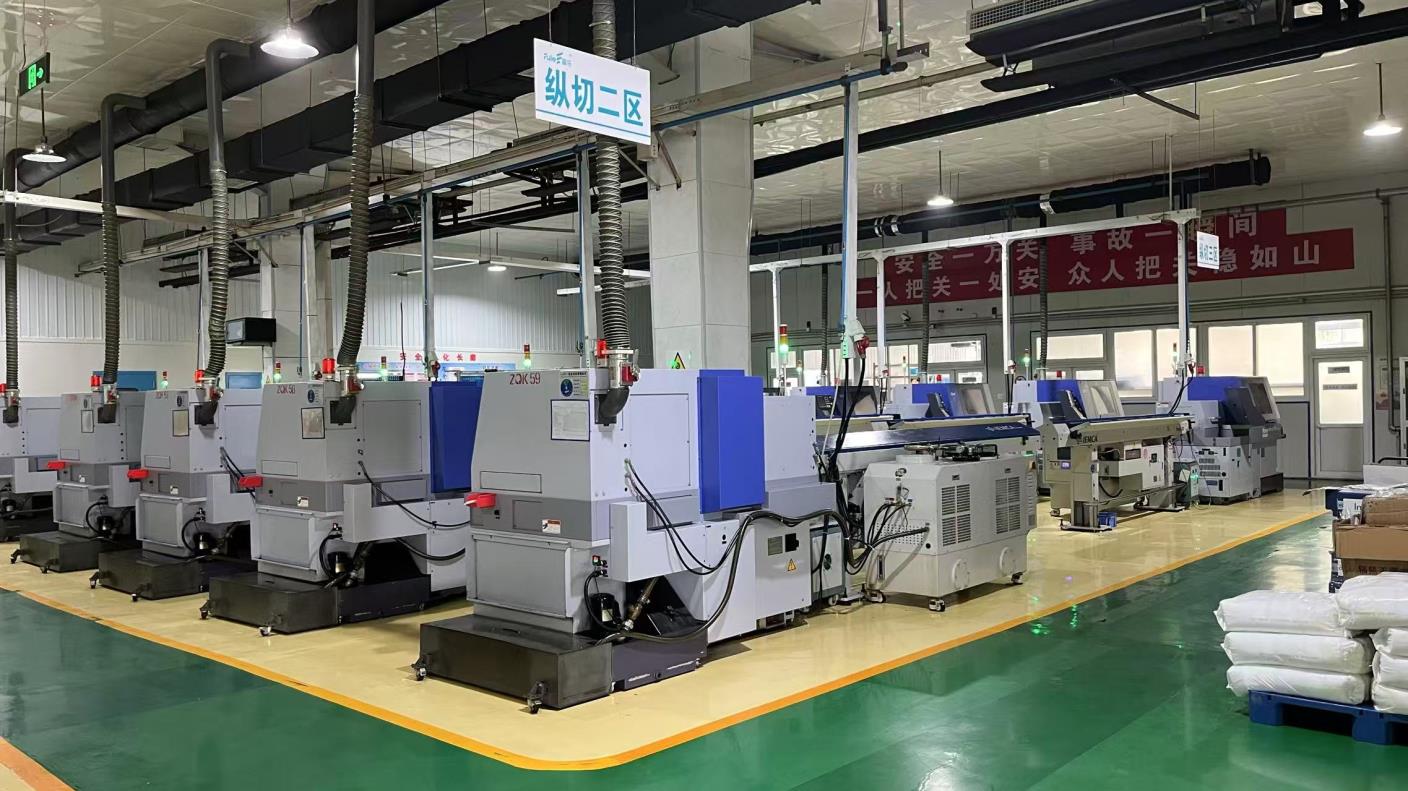
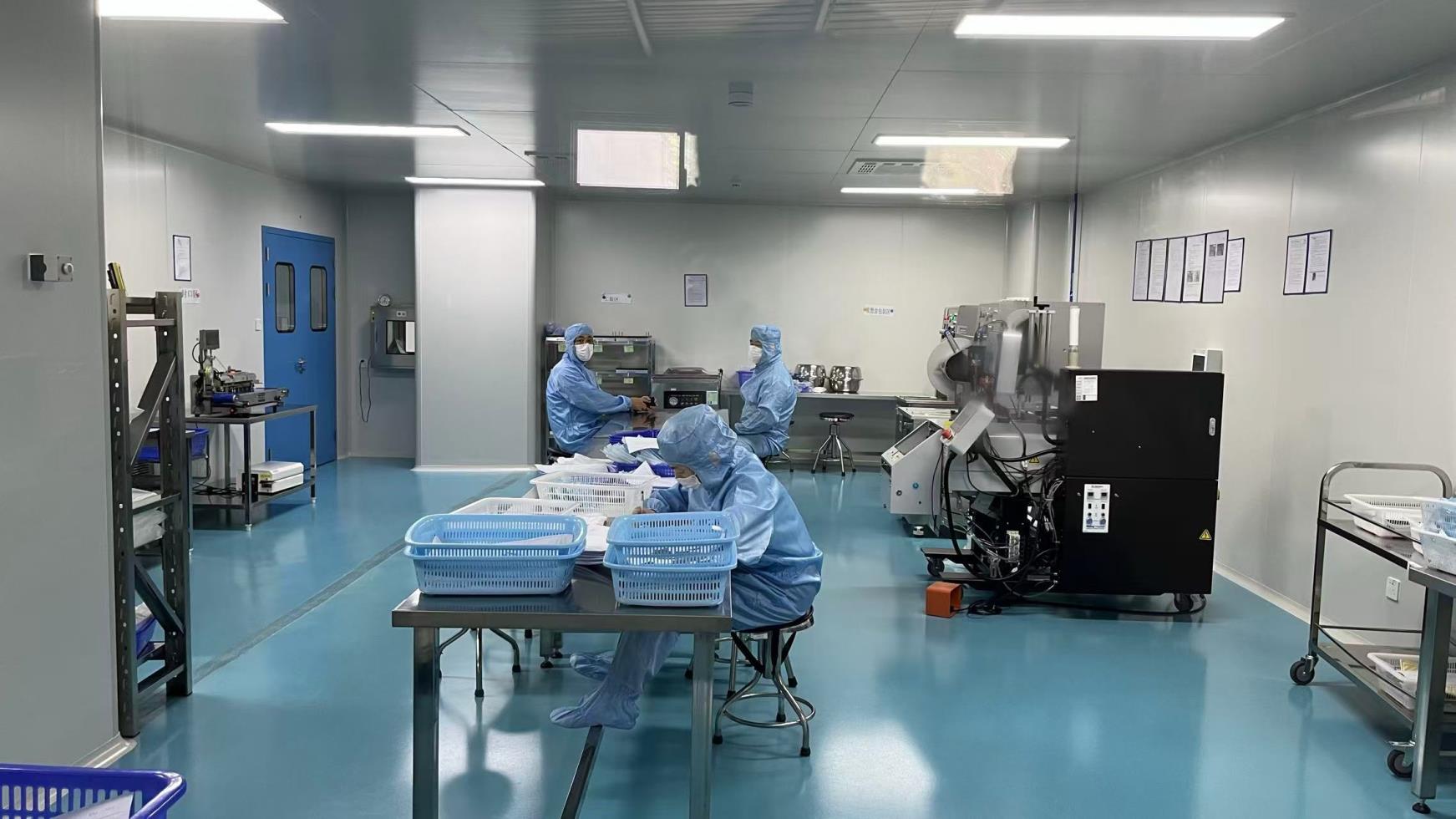
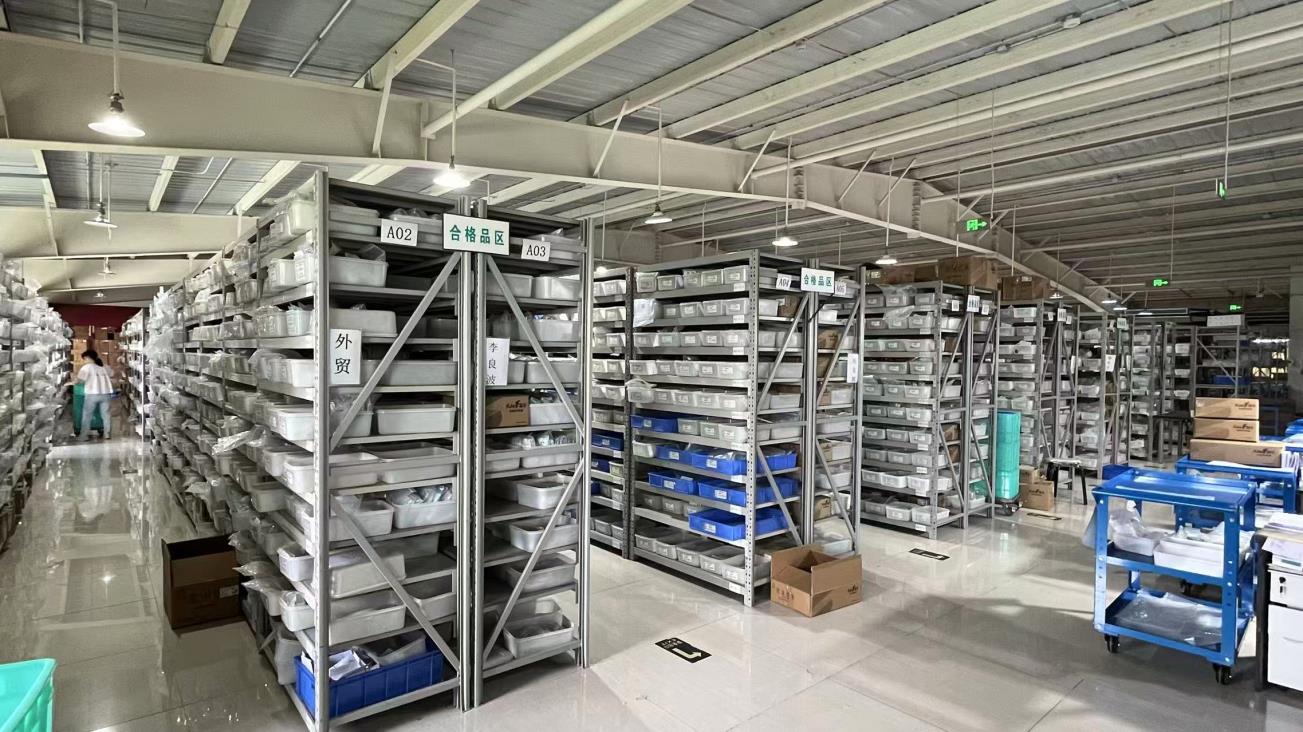
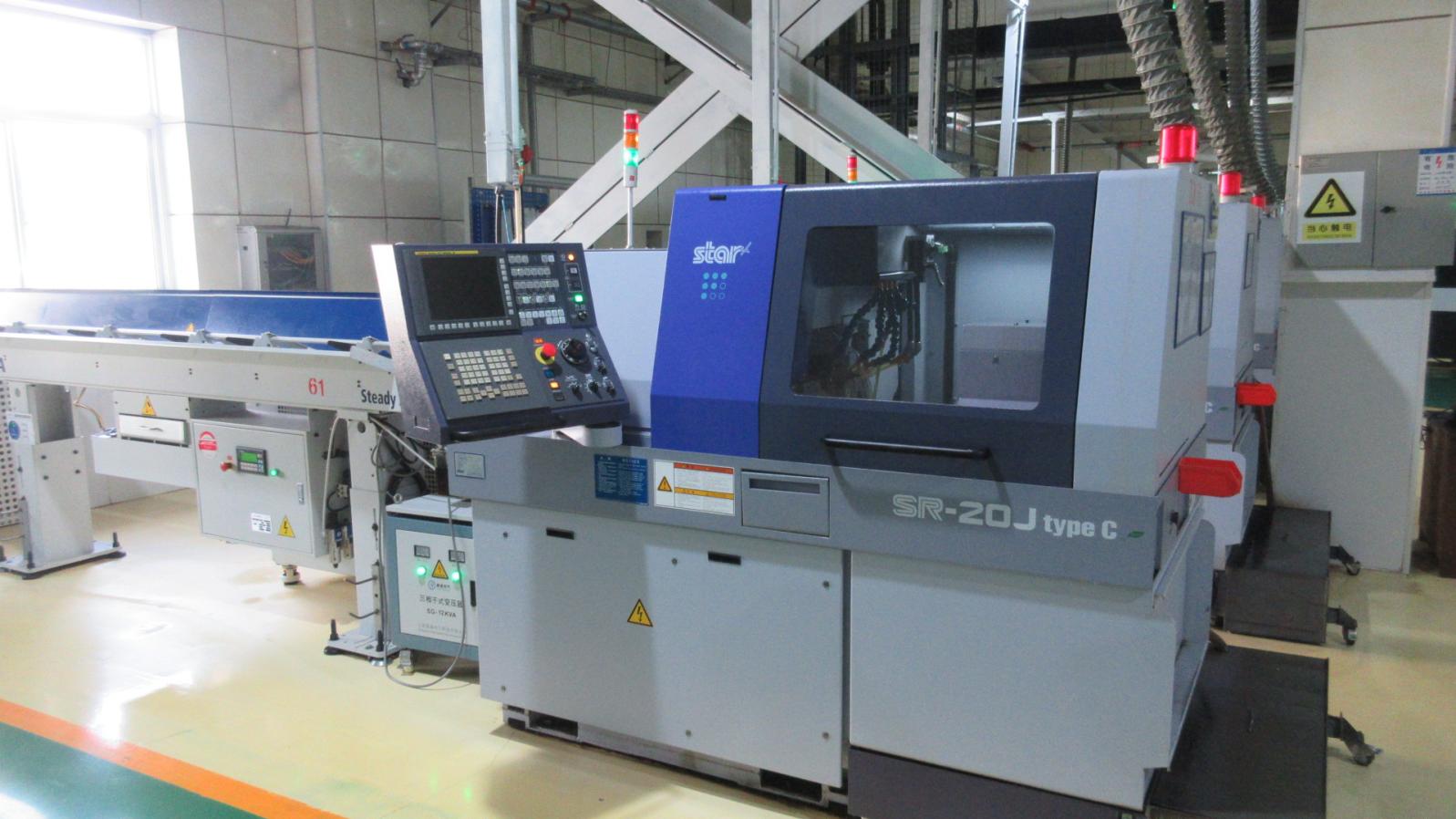
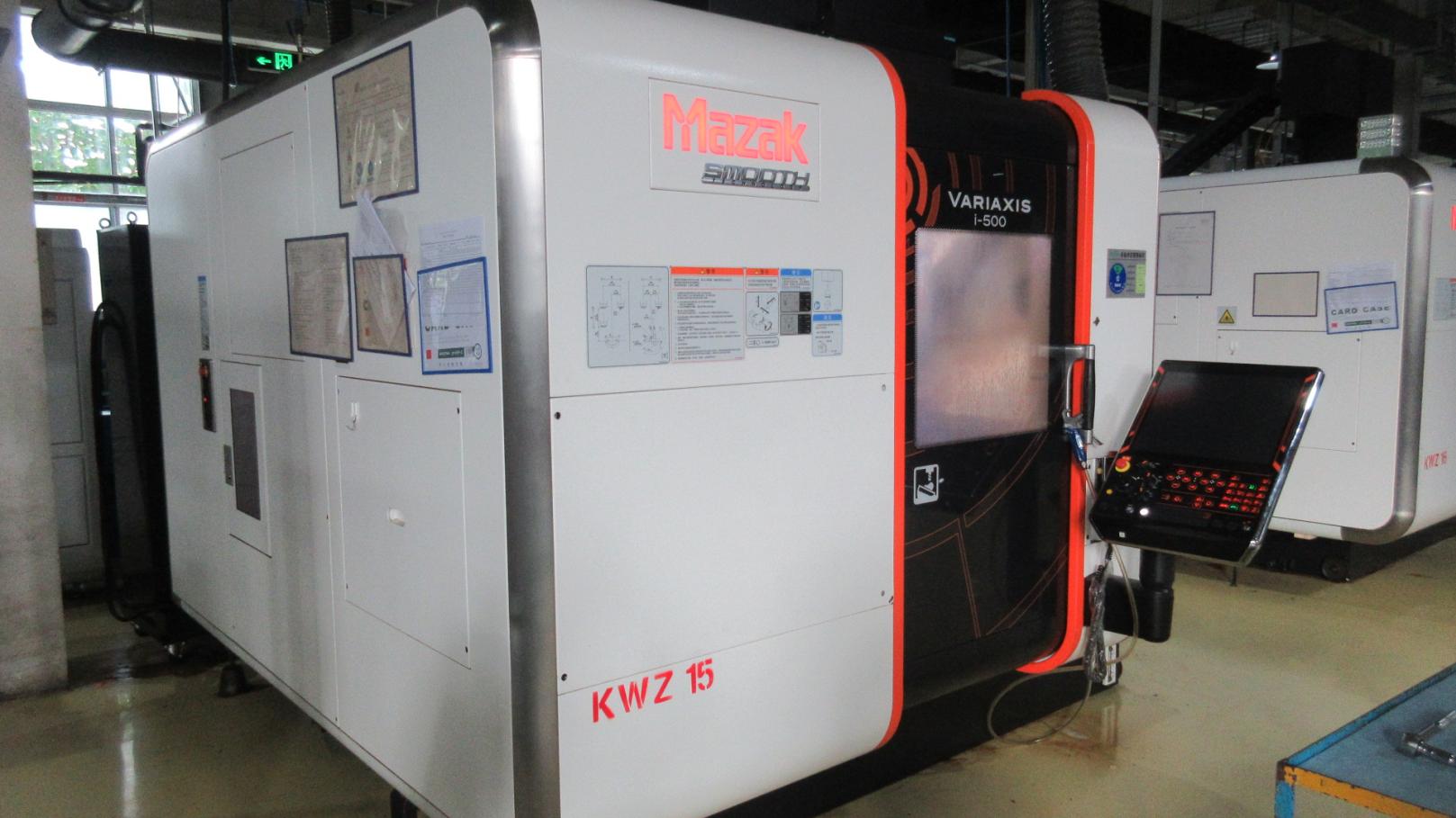
The versatility of our CE-marked spinal fixation portfolio makes it ideal for a multitude of clinical settings and patient indications. Whether addressing severe mechanical instability, spinal canal stenosis, or progressive osteopenia, the Miko II and COX II systems allow surgeons to confidently tailor their interventions.
Key clinical scenarios include:
By offering sterile packaged, single-use surgical instrument kits, we significantly reduce setup times in regional operating rooms, helping to prevent hospital-acquired infections and increase surgery throughput.
How additive manufacturing and mechanical refinements are shaping the next generation of Class III orthopedic devices.
The modern spine industry is experiencing a massive shift toward biological integration and smart technology. Surface topography modification on titanium implants, such as acid-etched and porous structures, encourages fast osteoblast attachment and osteointegration compared to traditional smooth materials. Furthermore, there is rising demand for patient-specific implants designed from pre-operative CT scans.
Our R&D department—comprising 20 senior engineers (including 15 with graduate degrees)—continually introduces structural refinements. In the past year alone, we launched 20 new products, incorporating features such as friction-fit screw heads and streamlined MIS instruments to reduce the duration of surgical operations.
| Parameters | Miko II / COX II Systems | Standard Spinal Systems |
|---|---|---|
| Base Materials | Grade 5 Ti-6Al-4V ELI / medical PEEK | Grade 4 Ti / Cast Alloys |
| Screw Type | Monoaxial, Polyaxial, Cement-injectable | Basic Monoaxial/Polyaxial only |
| Dynamic Fatigue | Exceeds 5M cycles (ASTM F1717) | 3-4M cycles |
| Sterilization Option | EO Sterile / Gamma Sterile / Non-Sterile | Primarily Non-Sterile |
| Shelf-Life Limit | 5 Years (Double Tyvek Barrier) | 3 Years |
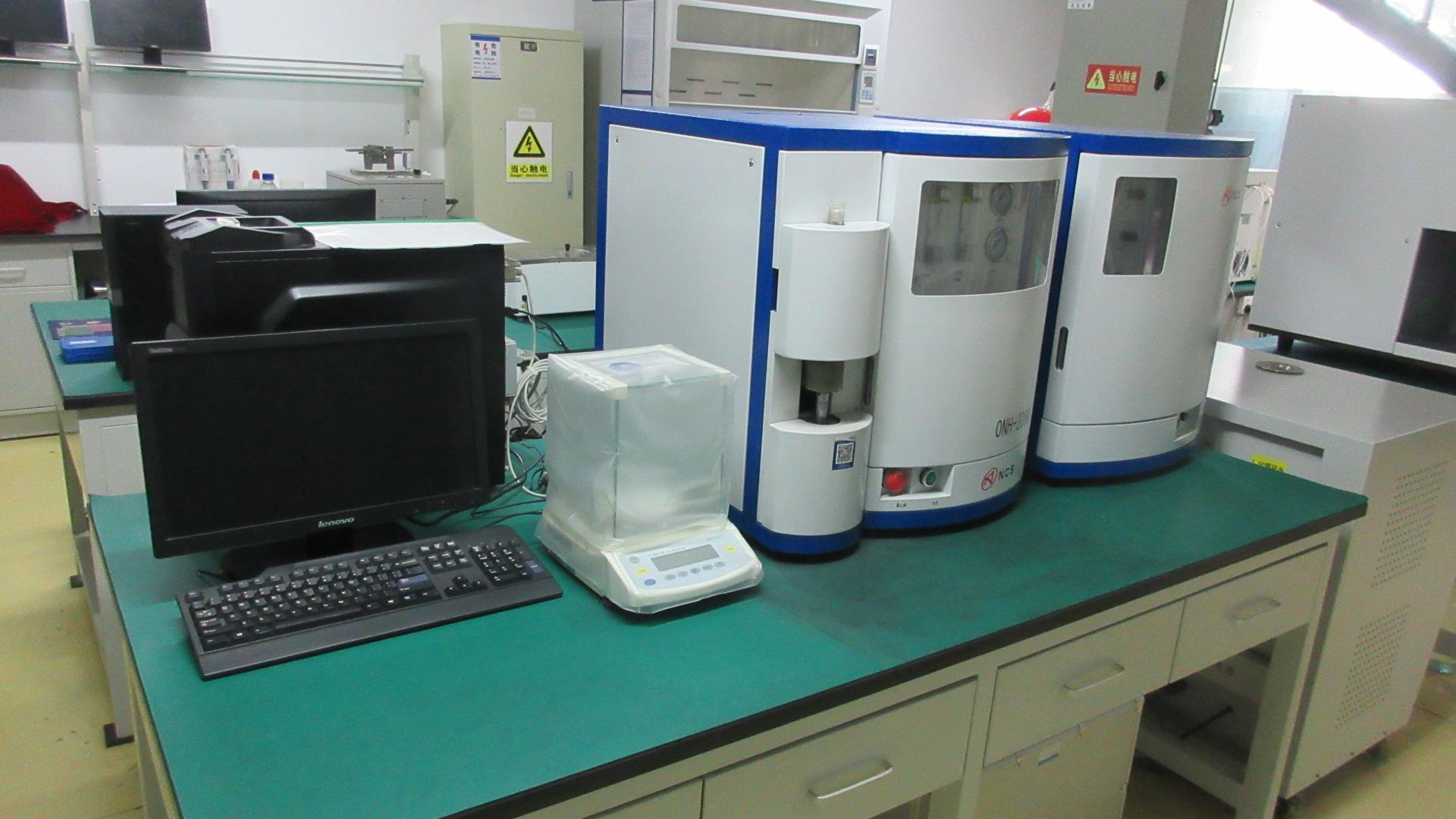
At Beijing Fule, we believe quality control is the single most critical factor for clinical safety. We implement 100% inspection on all production lines. Each batch of incoming titanium or PEEK raw material undergoes spectral analysis to verify its molecular structure before machining begins.
To enforce complete reliability, we assign a unique laser-etched matrix serialization code to each implant. This system allows us to instantly trace the manufacturing history of any implant, including details on the operator, machine tool calibration, cleaning cycle, and raw material batch.
Our QC division operates under a rigorous regulatory structure. With 15 full-time QA/QC inspectors supervising every step, our manufacturing error margin is kept below international surgical tolerances.

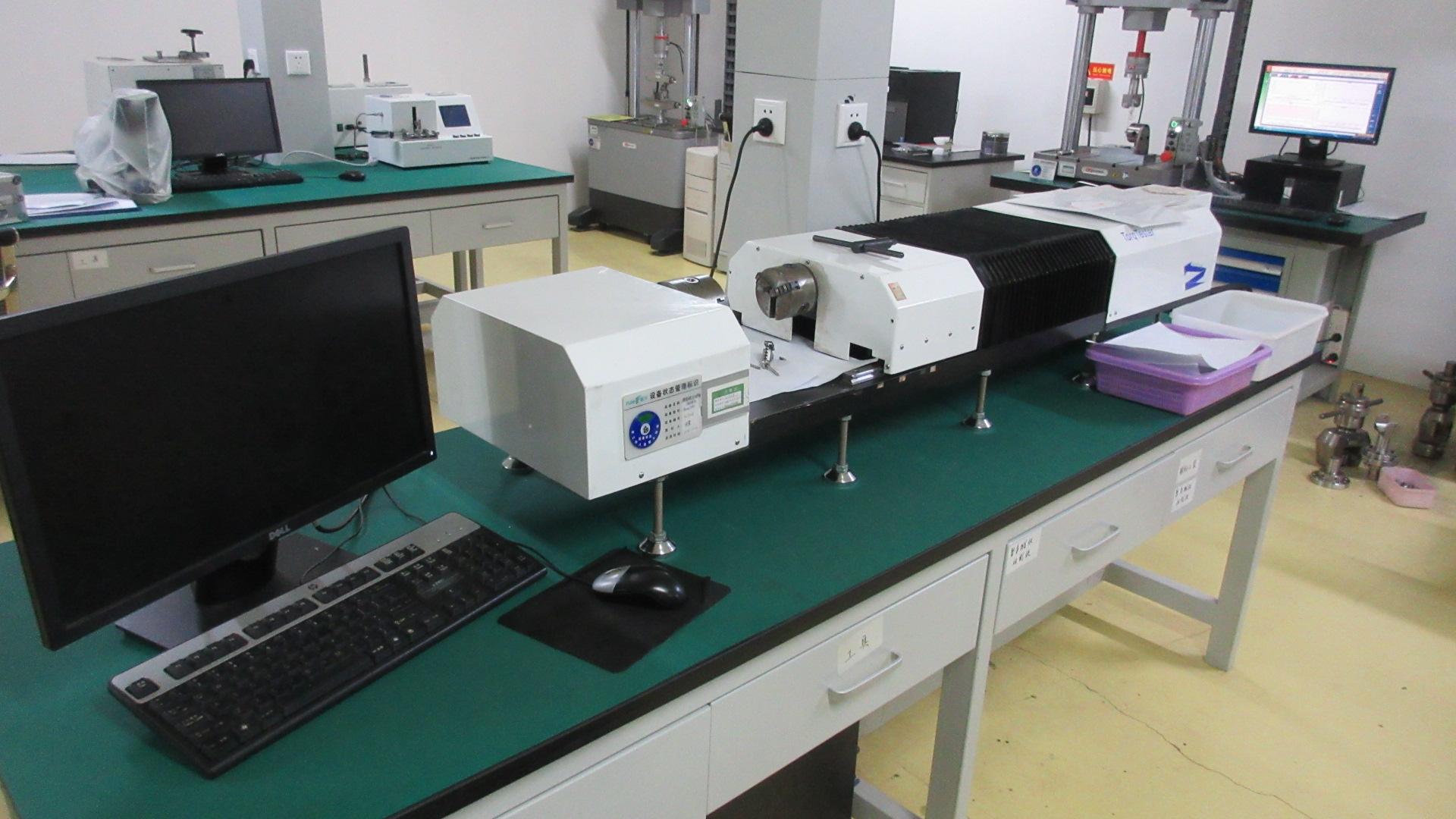
A closer look at our biological wash stations, product labeling systems, and clean storage vaults.
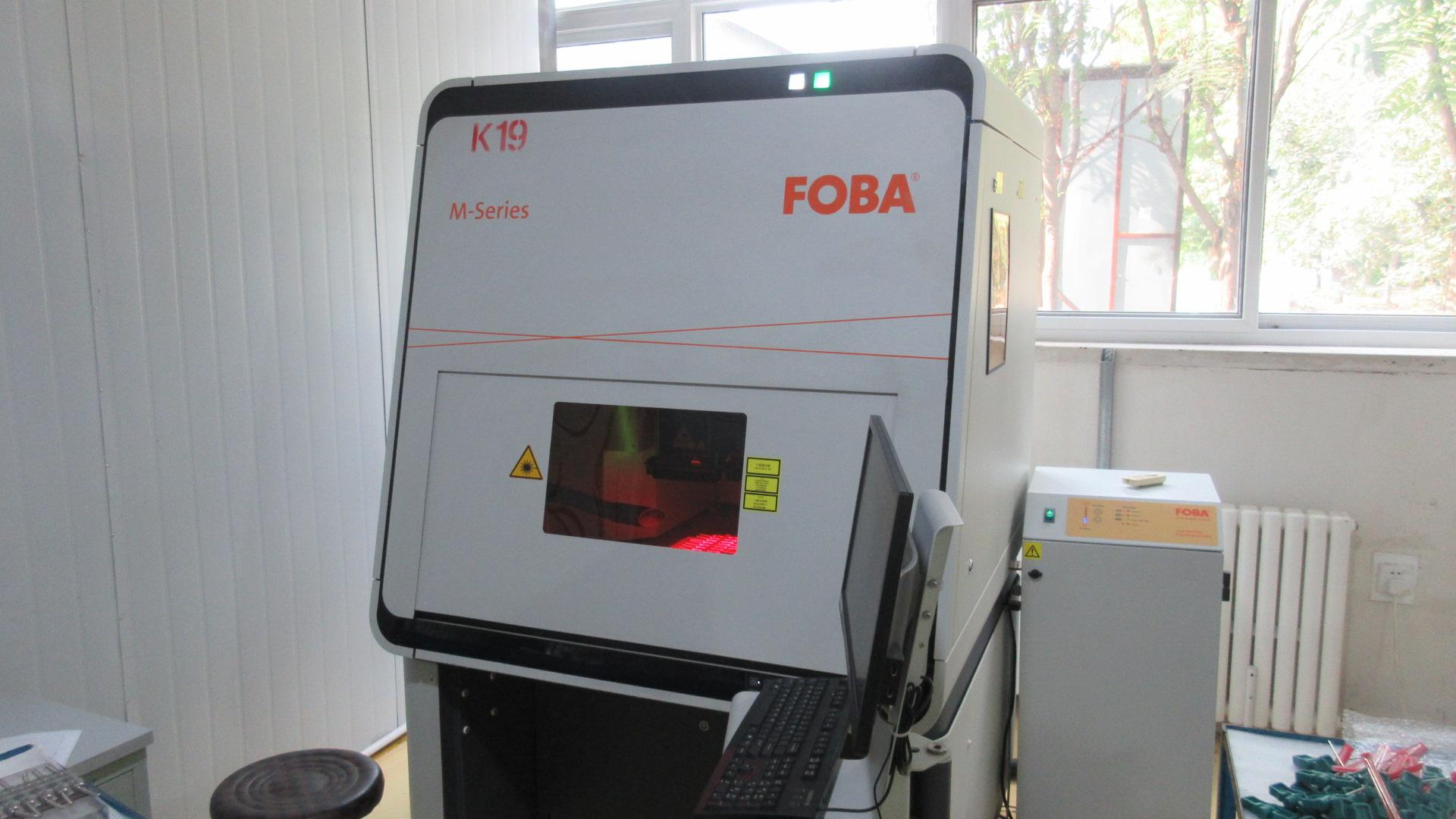
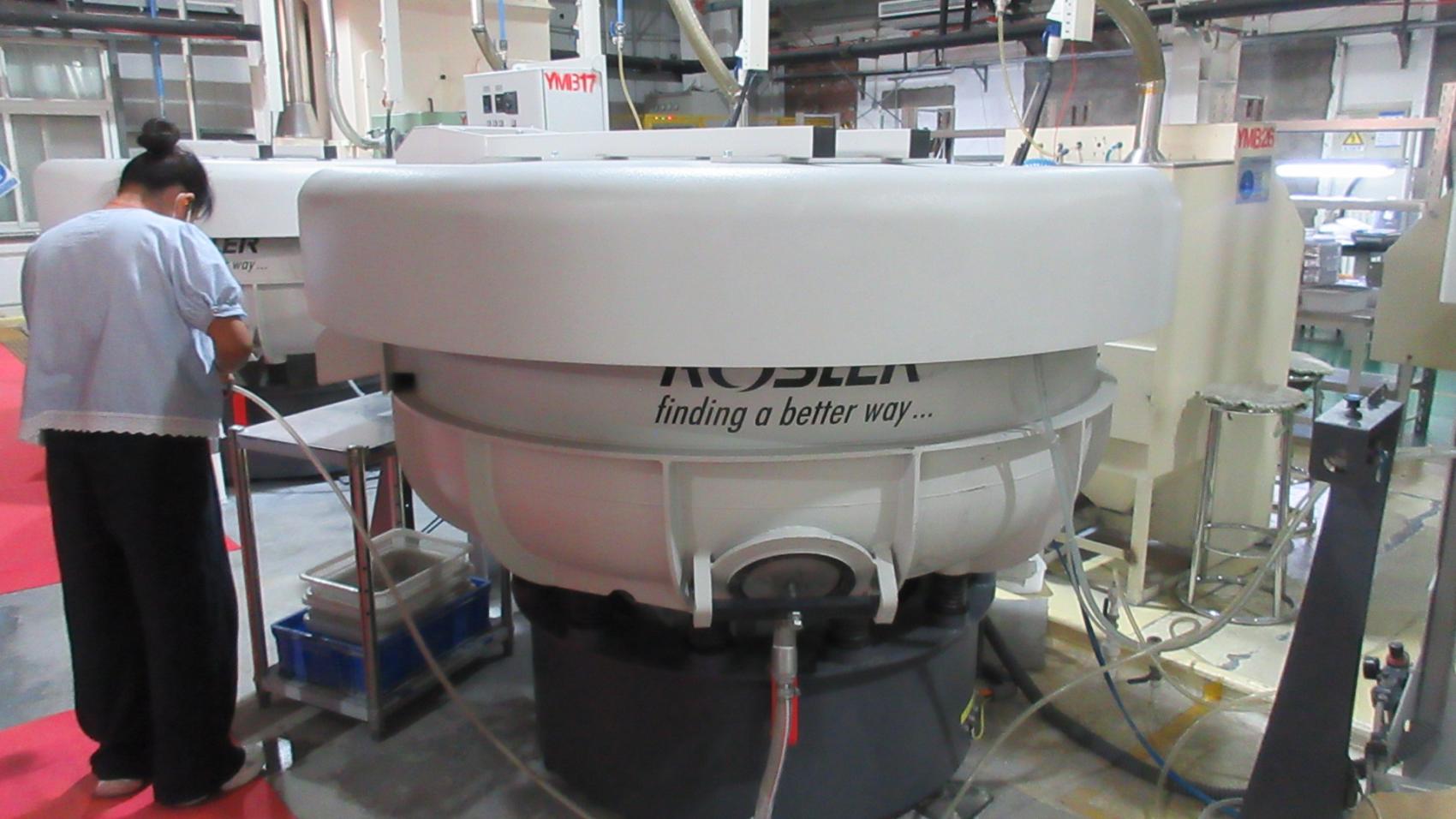
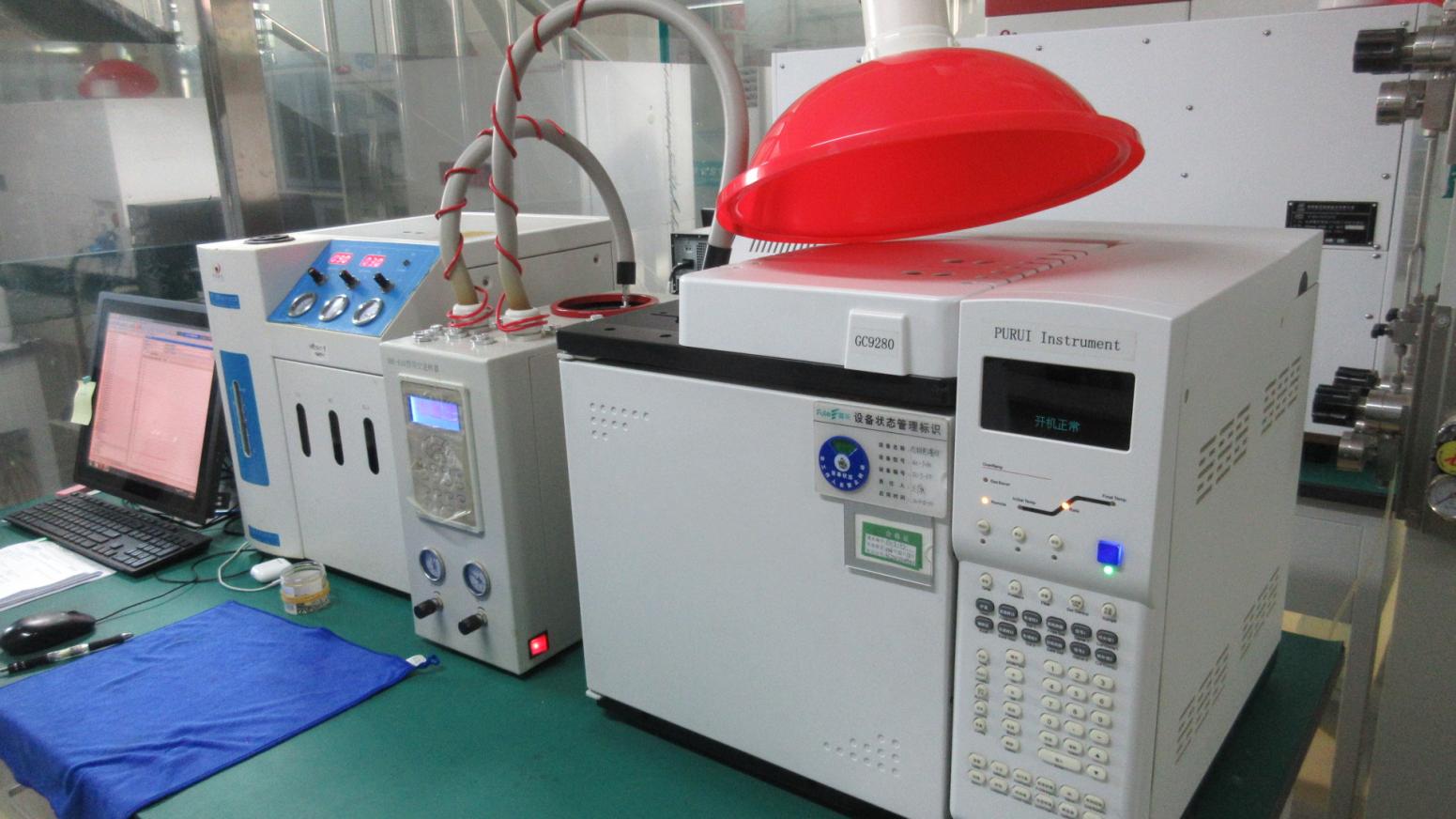
Key information regarding ordering, customization capabilities, biocompatibility, and shipping logistics.
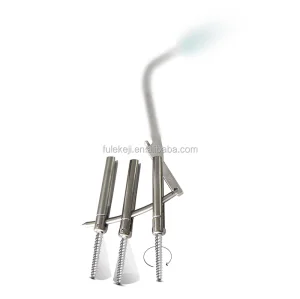
A comprehensive system requires dedicated, ergonomic instrumentation. Explore our range of CE-marked instrument sets and structural cages below.
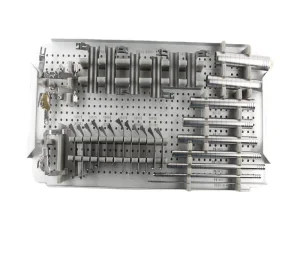
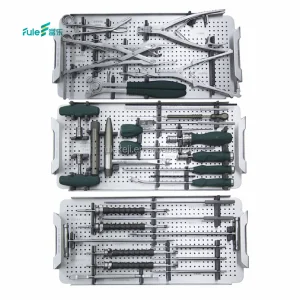
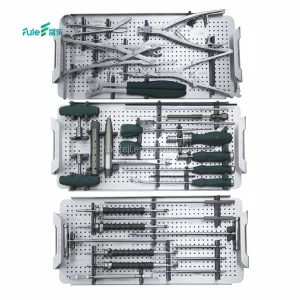
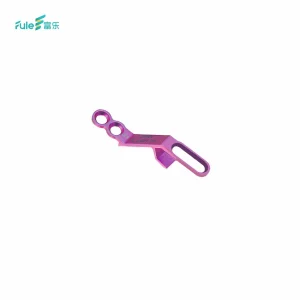
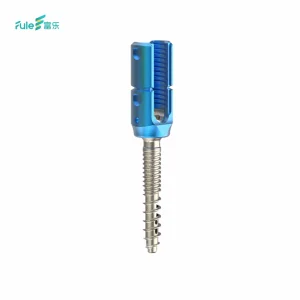
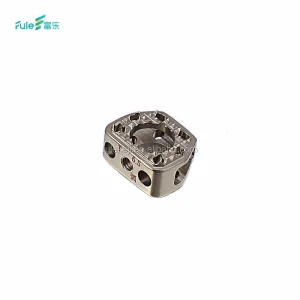
From initial design specifications to sterile delivery at your regional warehouse destination.
Aligning sizing needs, thread details, packaging configurations, and regulatory criteria.
Generating test batches, validating mechanical pull-out strength, and completing quality audits.
Running CNC milling protocols, finishing surfaces, and completing traceability etching.
Executing validation runs, double-barrier sealing, and shipping internationally via express carriers.
 Beren Science & Technology