Explore our flagship internal fixation systems. These titanium implants and precision instrumentation sets are designed for complex reconstruction and trauma protocols, manufactured under strict ISO 13485 regulations.
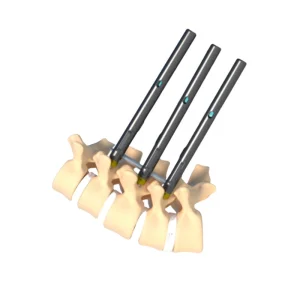
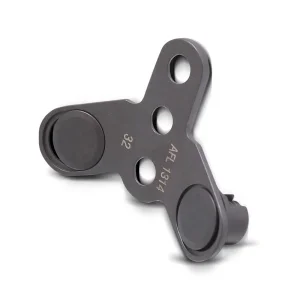
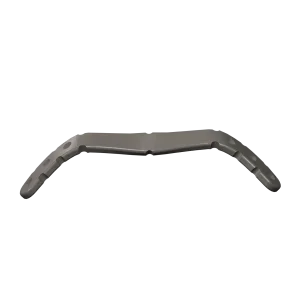
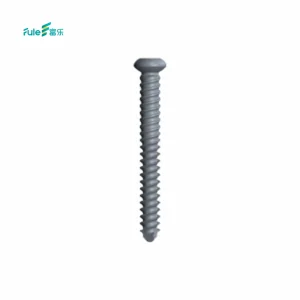
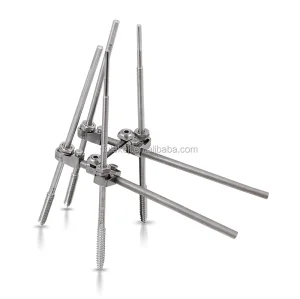
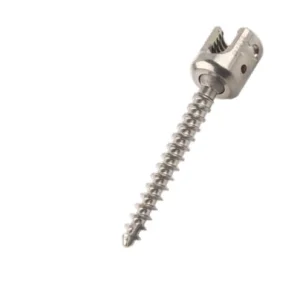
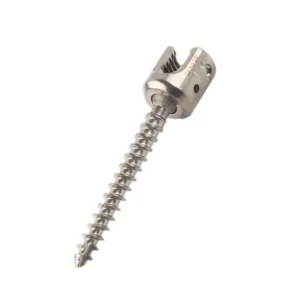
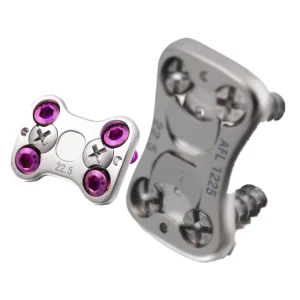
The pelvic ring represents a complex mechanical vault subject to multi-directional load configurations during locomotion. Dynamic forces, shear, and compression vectors require implant designs to preserve structural alignment while supporting rapid primary stabilization. This is especially vital when addressing unstable disruptions characterized by the Tile Classification (Type B and C) or Young-Burgess System.
For orthopedic trauma surgeons, maintaining the anatomical reduction of posterior elements (such as sacroiliac dislocations or iliac wing fractures) dictates long-term patient recovery. Implants must feature high fatigue limit ratios to withstand initial cyclical loads without osteosynthesis loosening.
Our pelvic systems are pre-contoured based on high-resolution 3D CT reconstructions of the human pelvis. This matches the anatomical curvature of both the pubic symphysis and the iliopectineal line, dramatically minimizing intraoperative plate contouring time.
The global demand for orthopedic implants is changing due to aging populations, higher trauma rates in developing economies, and strict regulatory frameworks worldwide.
International orthopedic supply chains are shifting toward manufacturers who can consistently supply premium raw materials, maintain ISO certifications, and scale production capacity. Historically, European and North American buyers experienced long lead times and high premiums. Today, verified global medical device manufacturers deliver comparable or superior biocompatibility and fatigue resistance at a fraction of the cost.
Regulatory audits verify the quality of orthopedic implants. Transitioning from MDD to MDR in the European Union demands exhaustive clinical evaluations, complete traceability of medical-grade titanium (specifically Ti-6Al-4V ELI), and cleanroom production control.
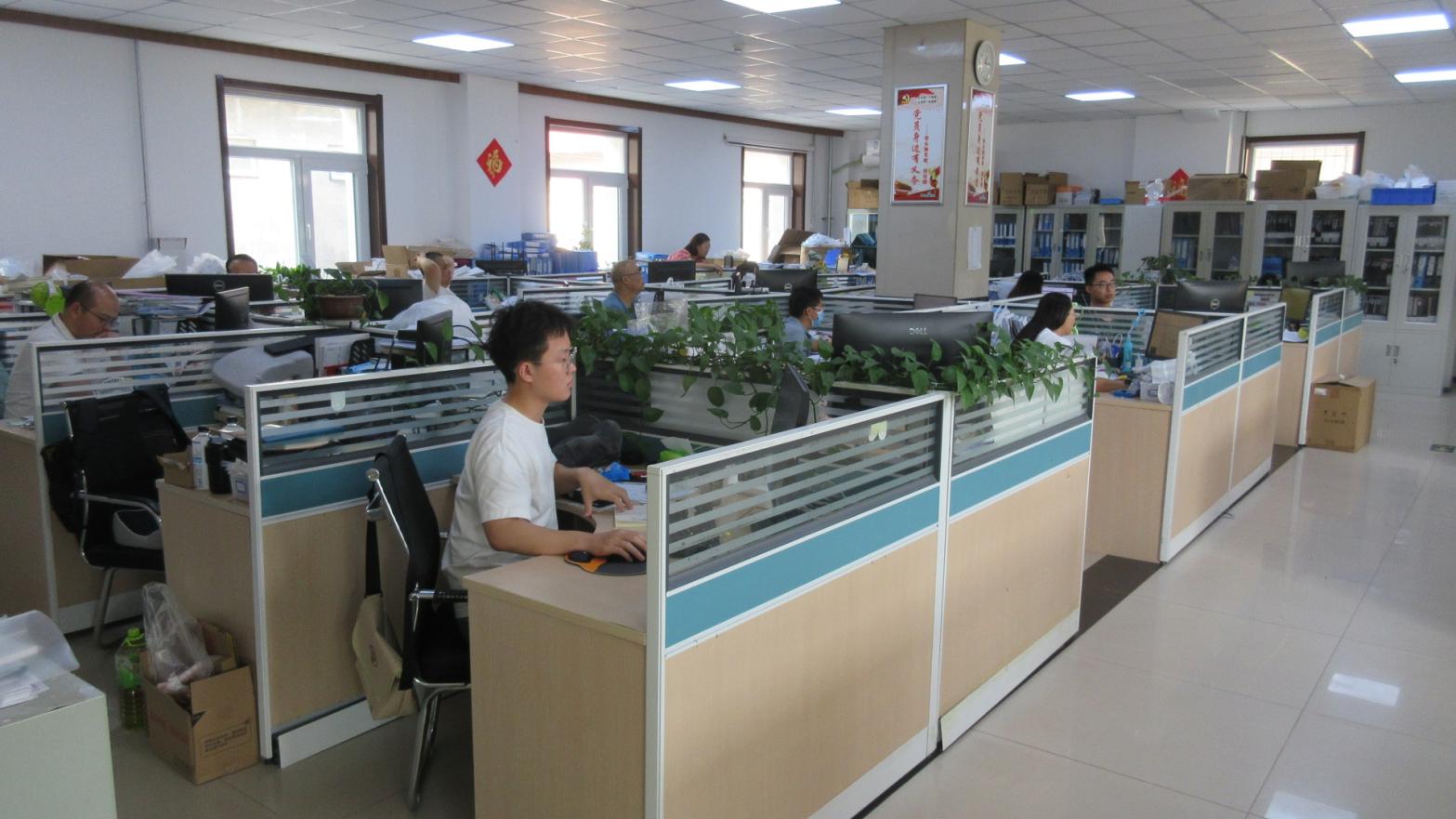
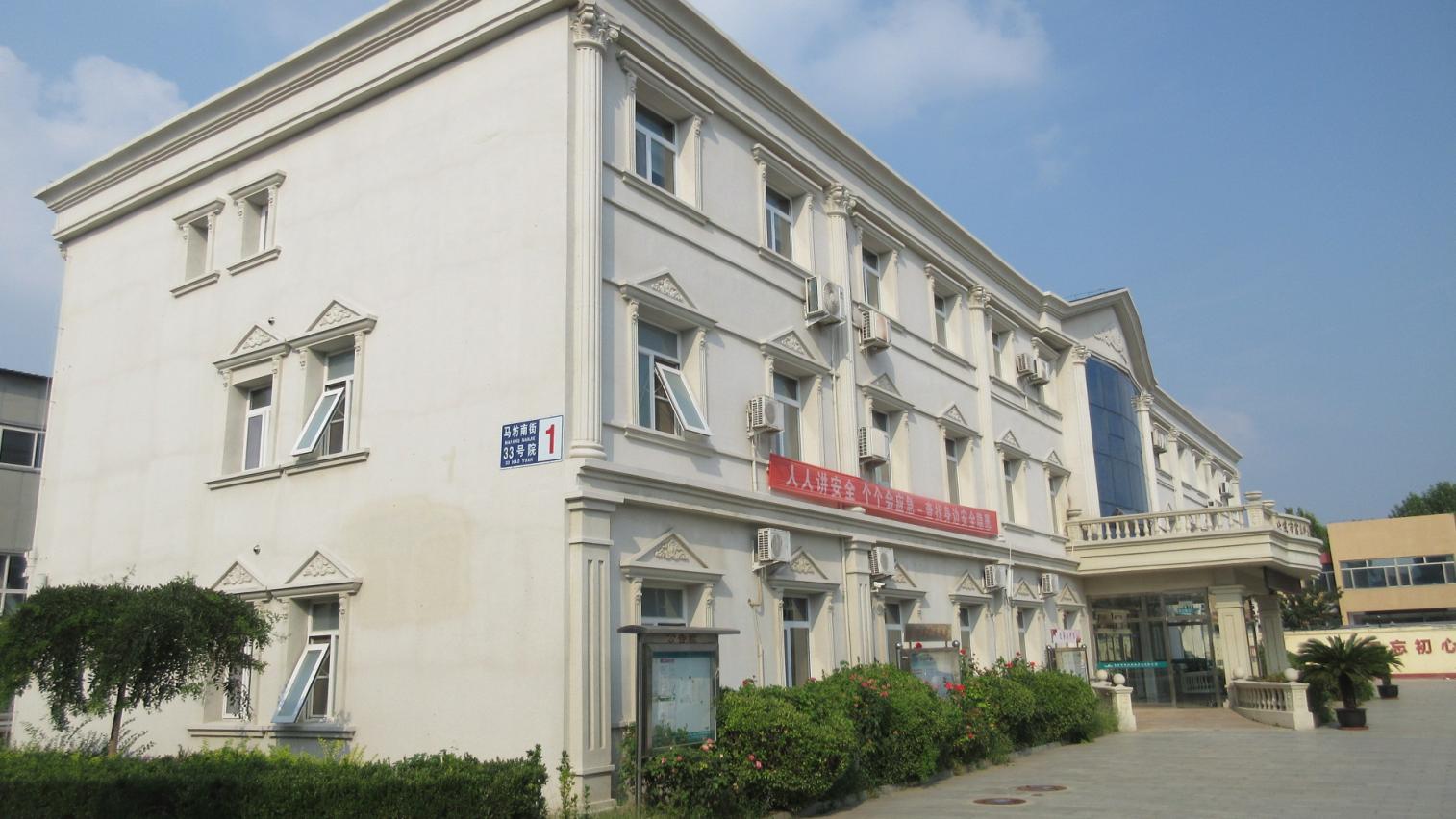
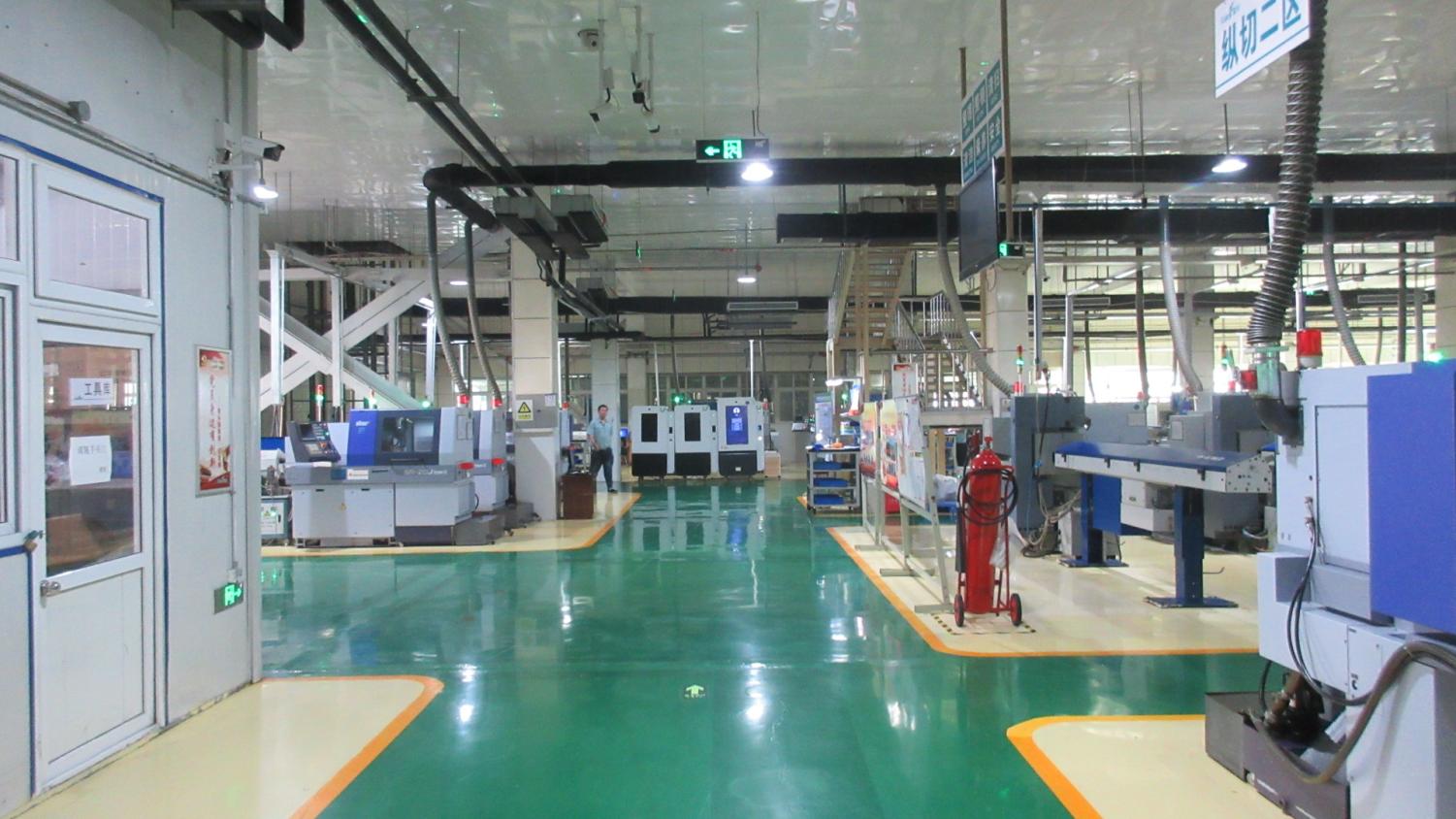
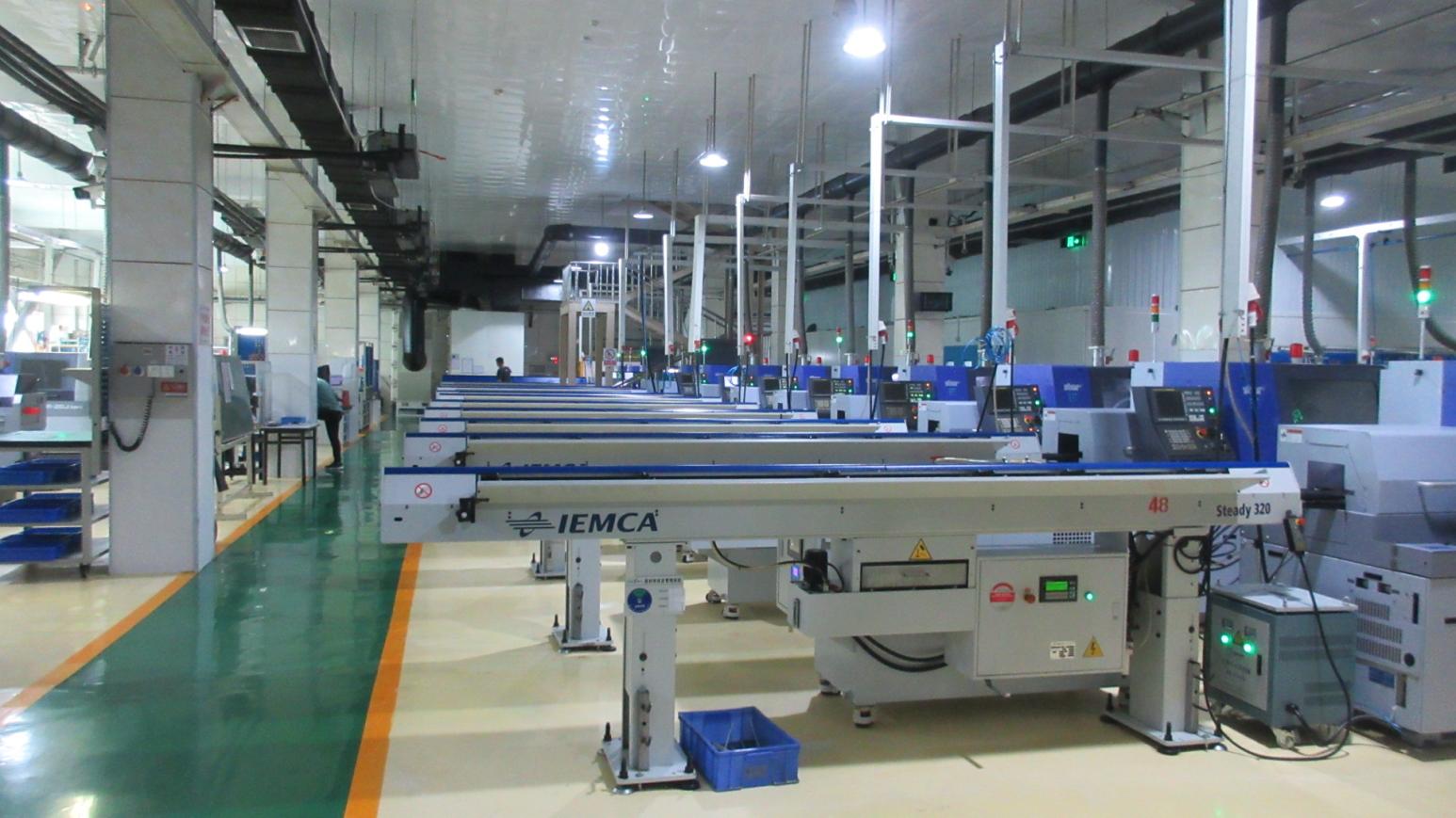
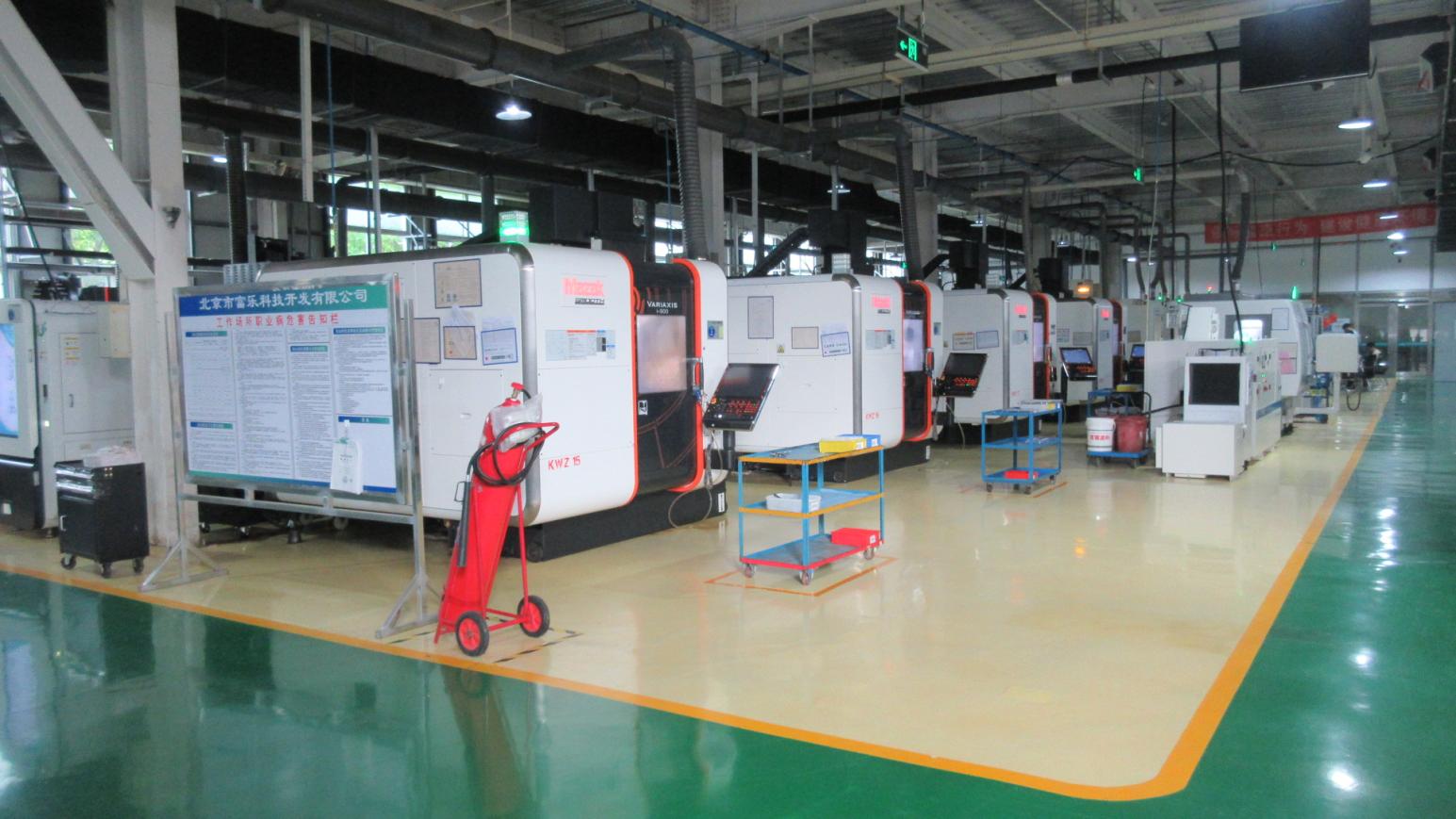
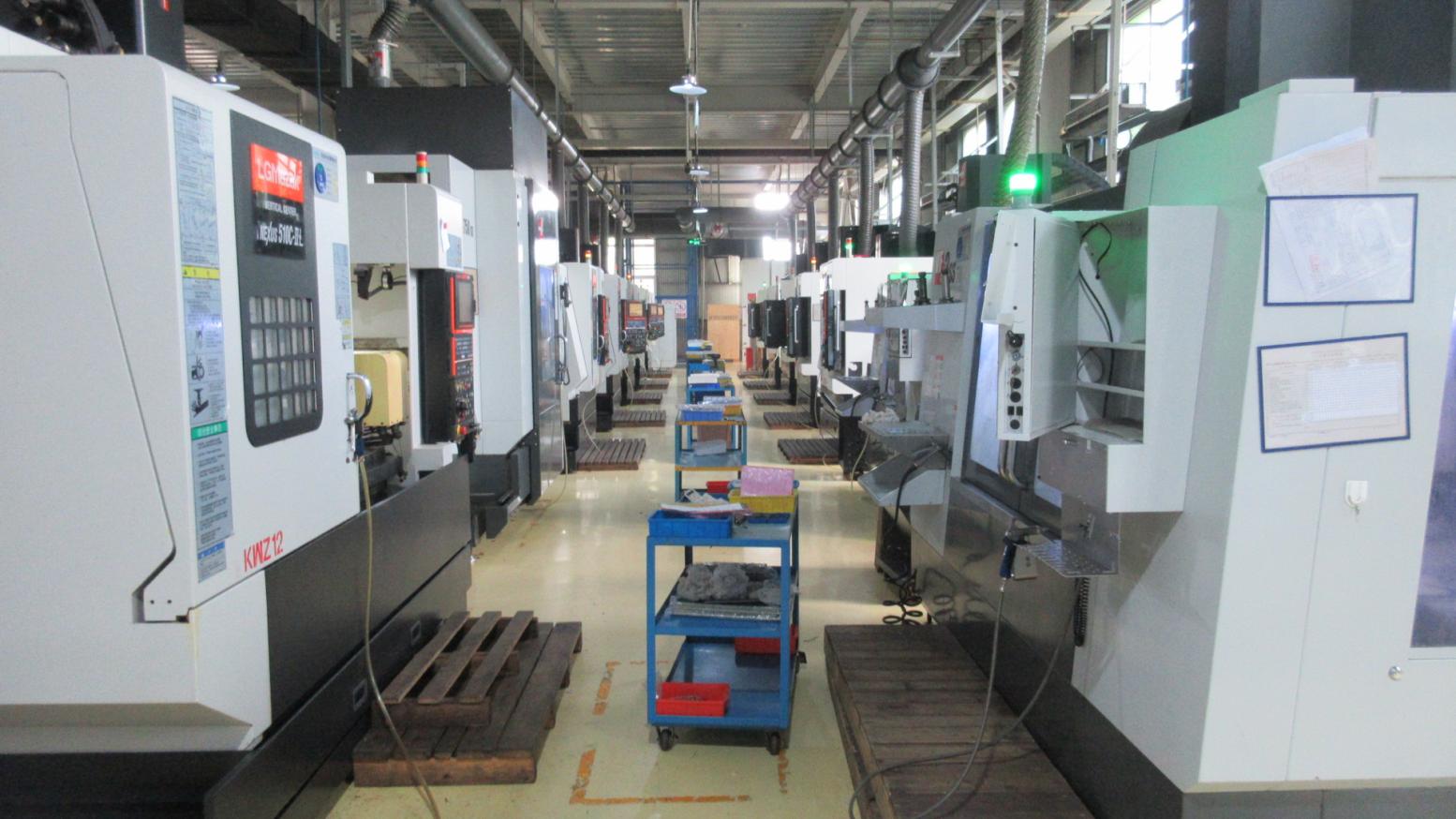
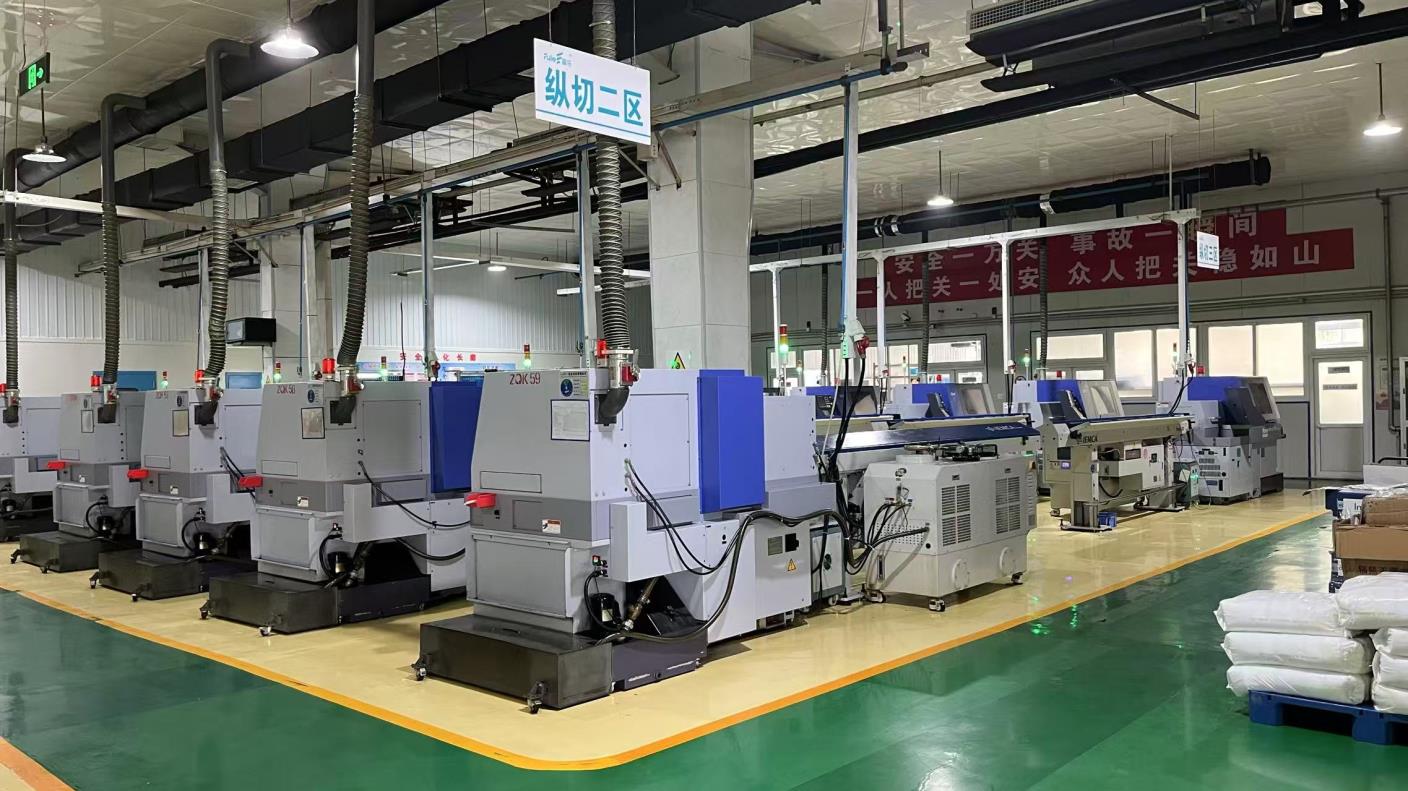
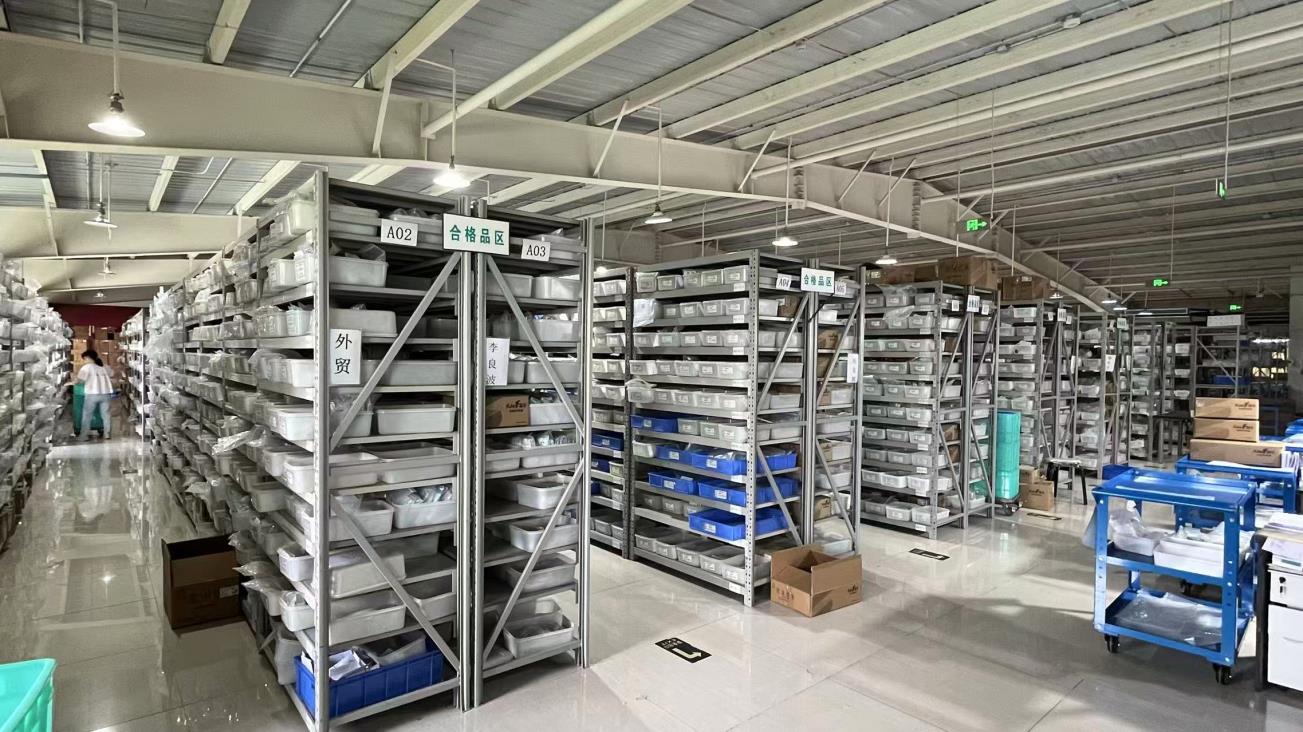
Operating a high-tech manufacturing center that produces over 510,000 units annually. Our vertically integrated production model guarantees quality control at every stage.
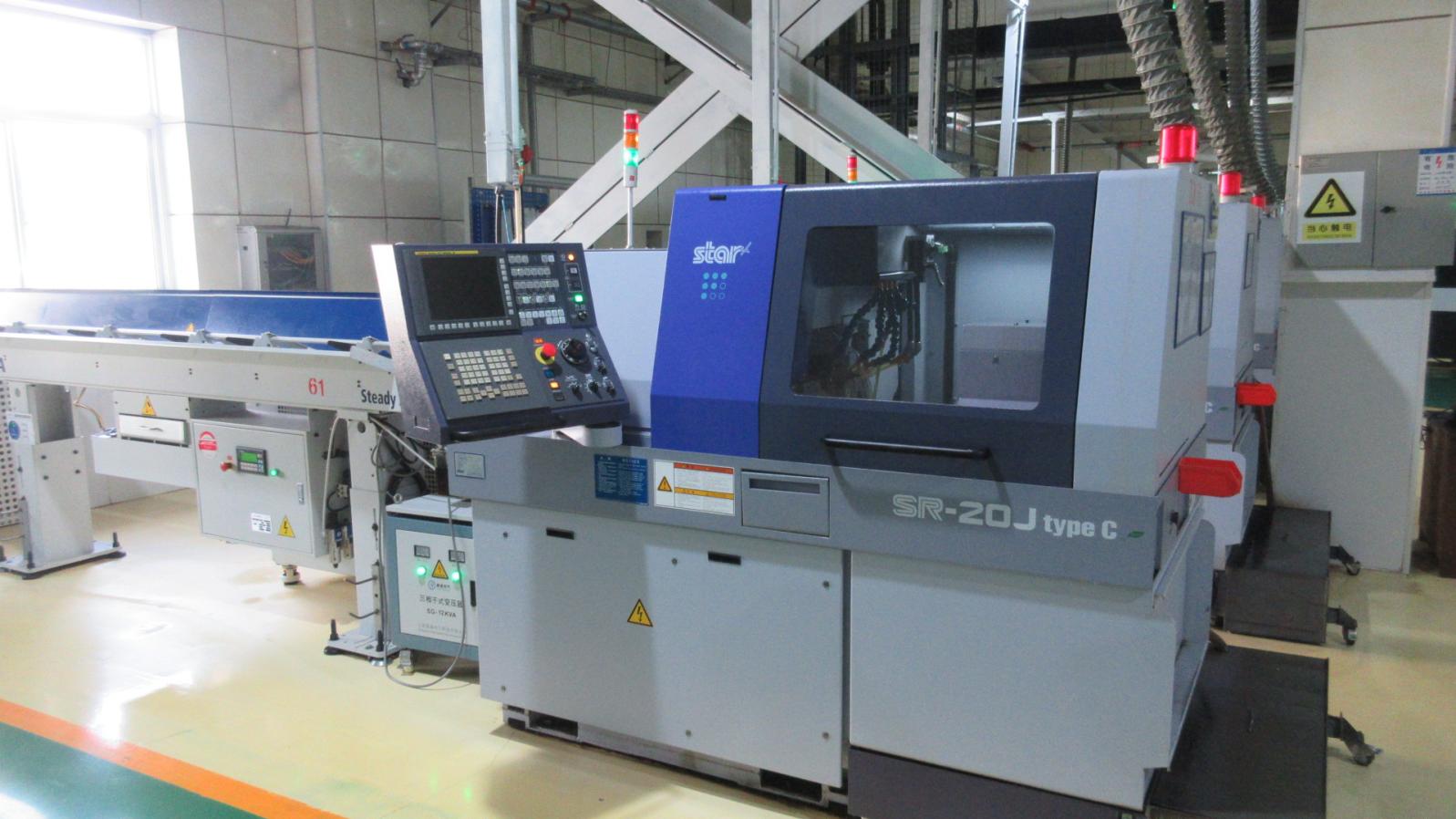
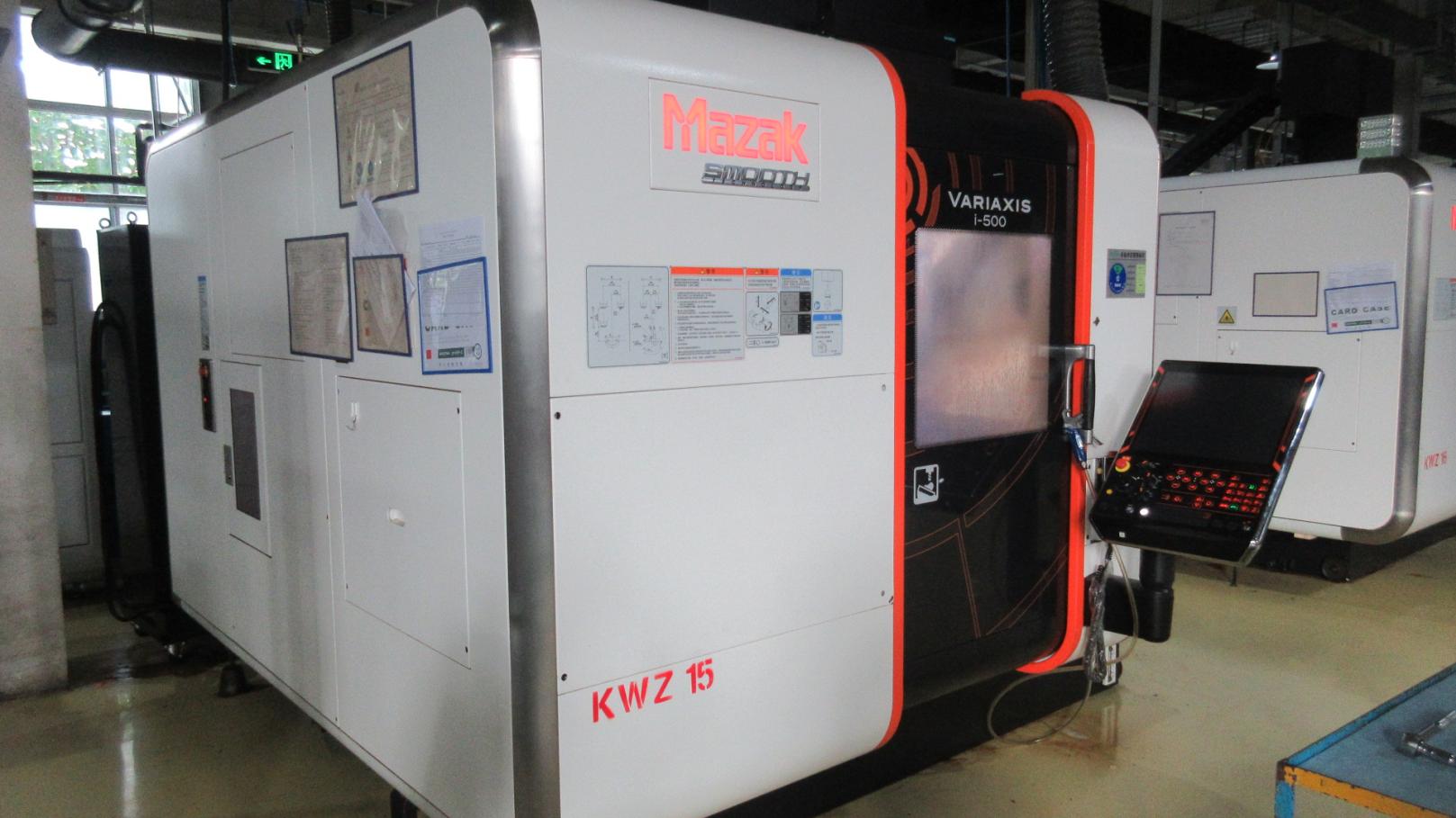
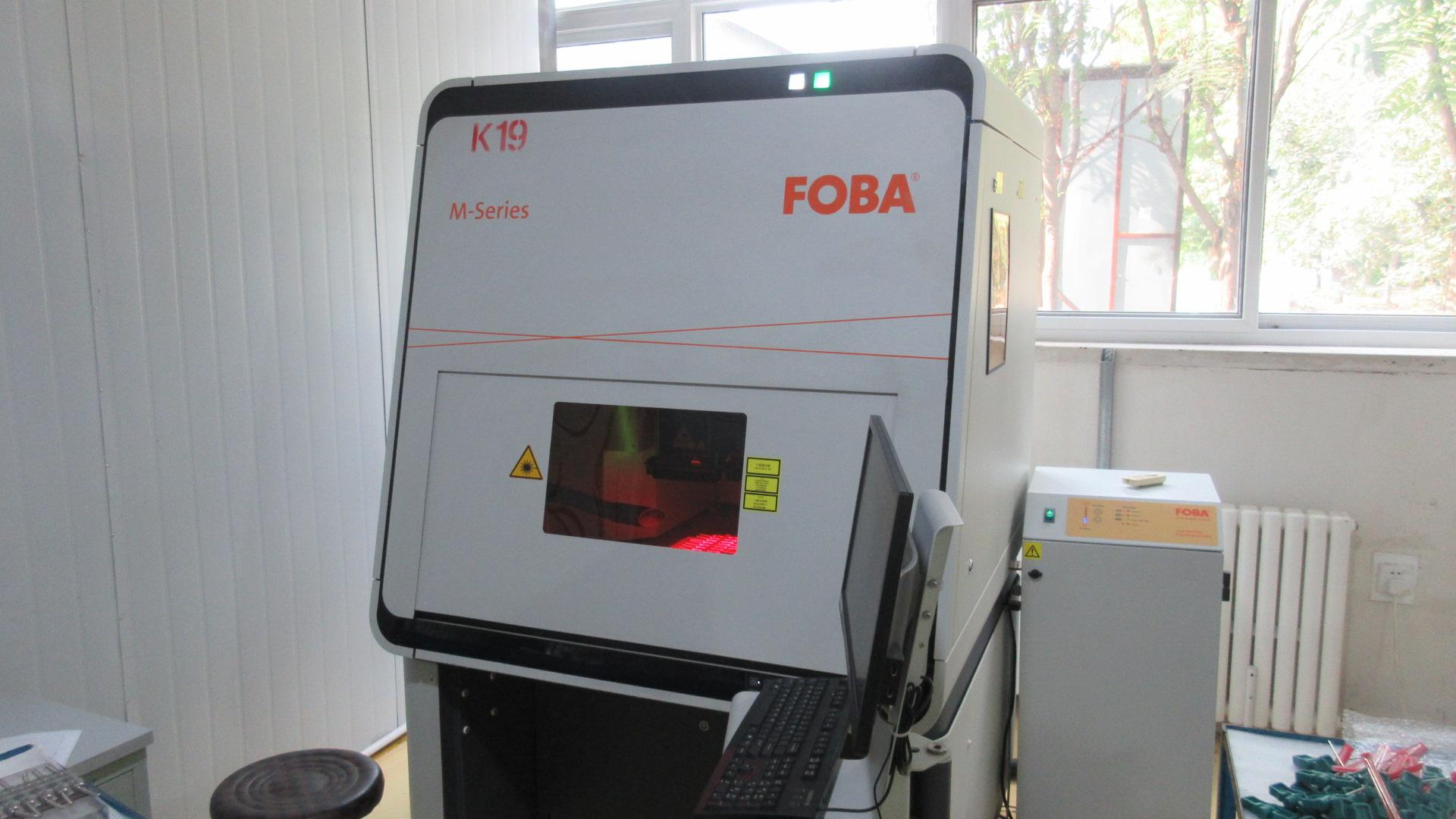
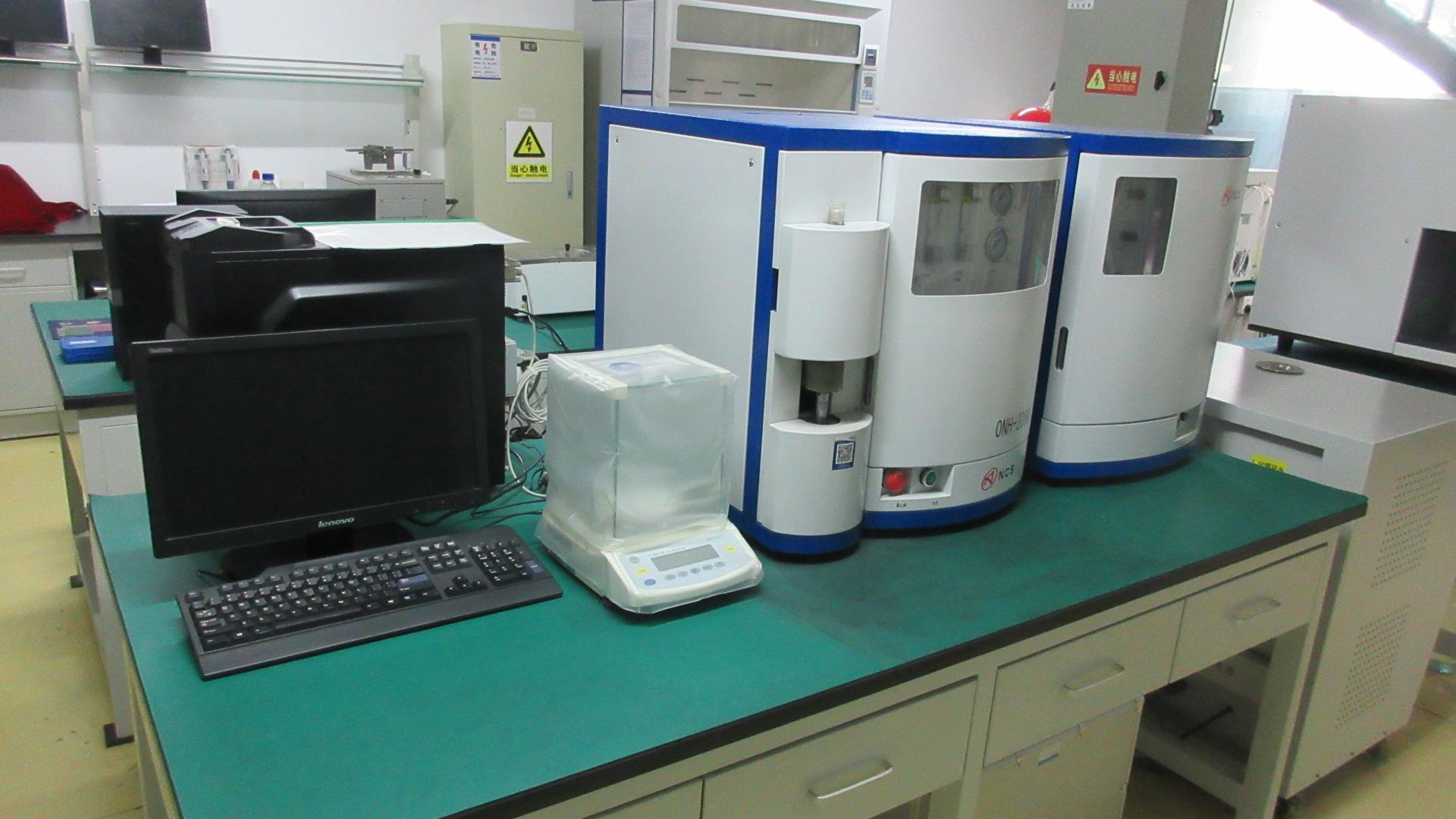
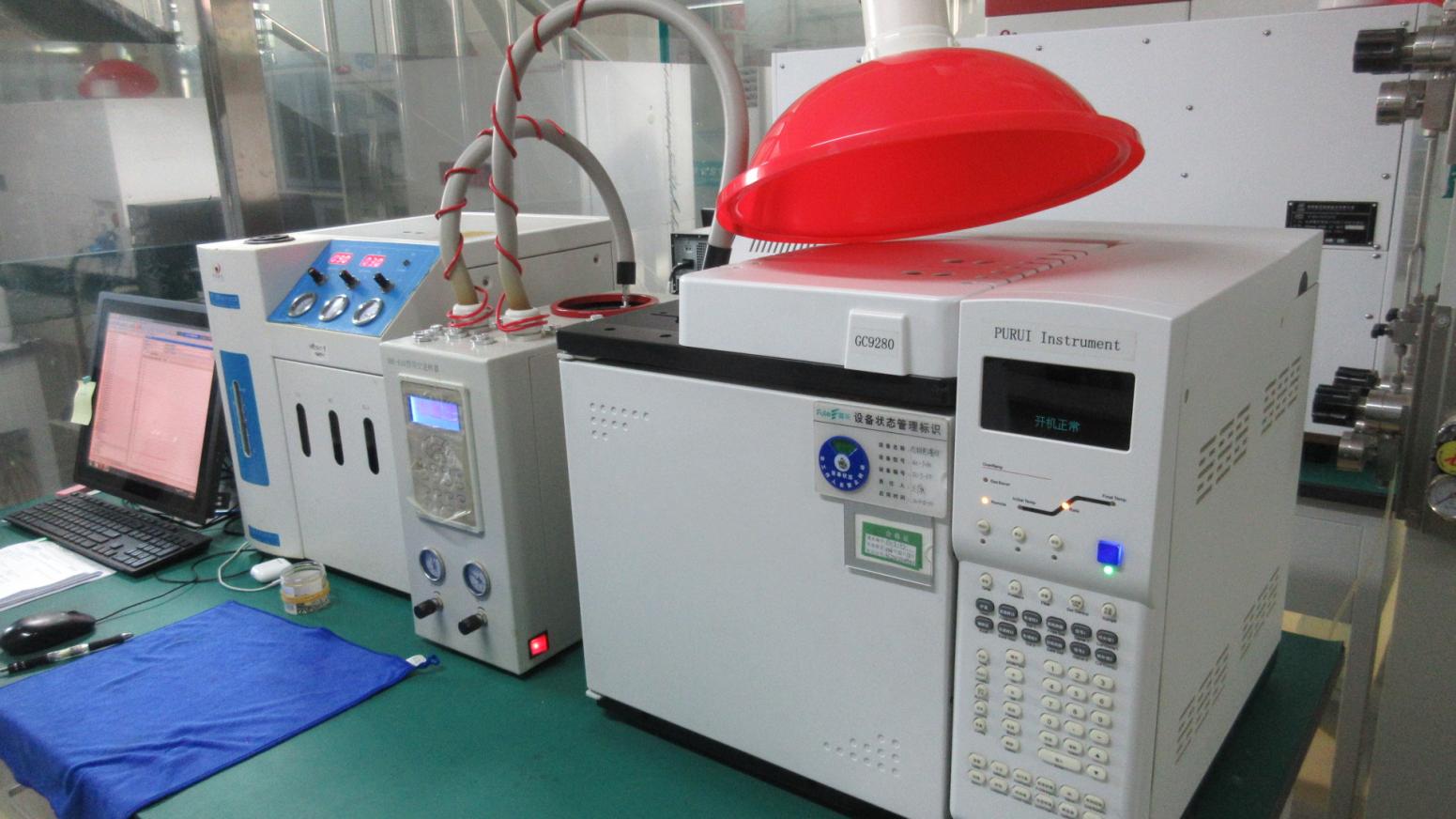
Established on June 28, 1996, our manufacturing complex features cutting-edge processing infrastructure. With 102 state-of-the-art production machines, we run highly synchronized production pipelines. Raw materials undergo spectrum analysis to confirm their chemical composition and structural integrity before entering the CNC lines.
Our dedicated team of 20 R&D engineers—composed of 15 post-graduate researchers and 5 technical specialists—continuously refines design parameters. We launched 20 new products last year, expanding our catalog of trauma and spinal systems.
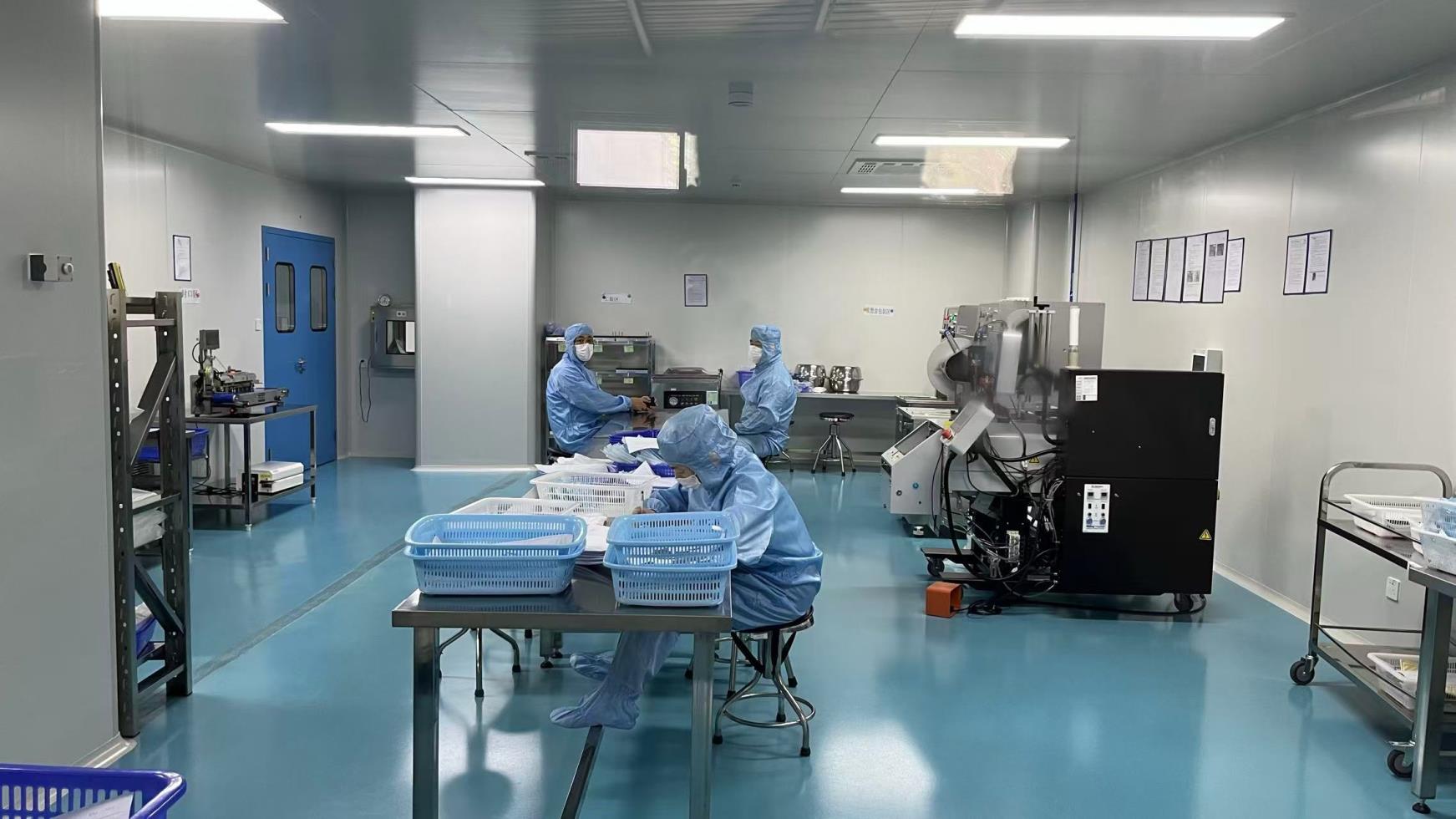
Our quality management system is fully certified under ISO 13485 (Certificate No: 04724Q10000818). With 15 QA/QC inspectors monitoring all operations, we enforce 100% finished product inspection and complete raw material traceability.
Understanding the anatomical requirements across various populations allows us to deliver specialized, localized solutions.
Clinical demands for pelvic fixation differ by region. In high-traffic urban areas, high-energy polytrauma cases (such as motorcycle accidents or falls) require heavy-duty, multi-fragment stabilization. Conversely, in regions with older demographics, fragility fractures of the pelvis (FFP) require bone-preserving implants. These implants must distribute mechanical loads evenly to prevent osteoporotic bone failure.
Our straight and arc-shaped pelvic locking reconstruction plates are designed for versatile surgical approaches, including the classic ilioinguinal approach, the Stoppa approach, and minimally invasive percutaneous plating (MIPO).
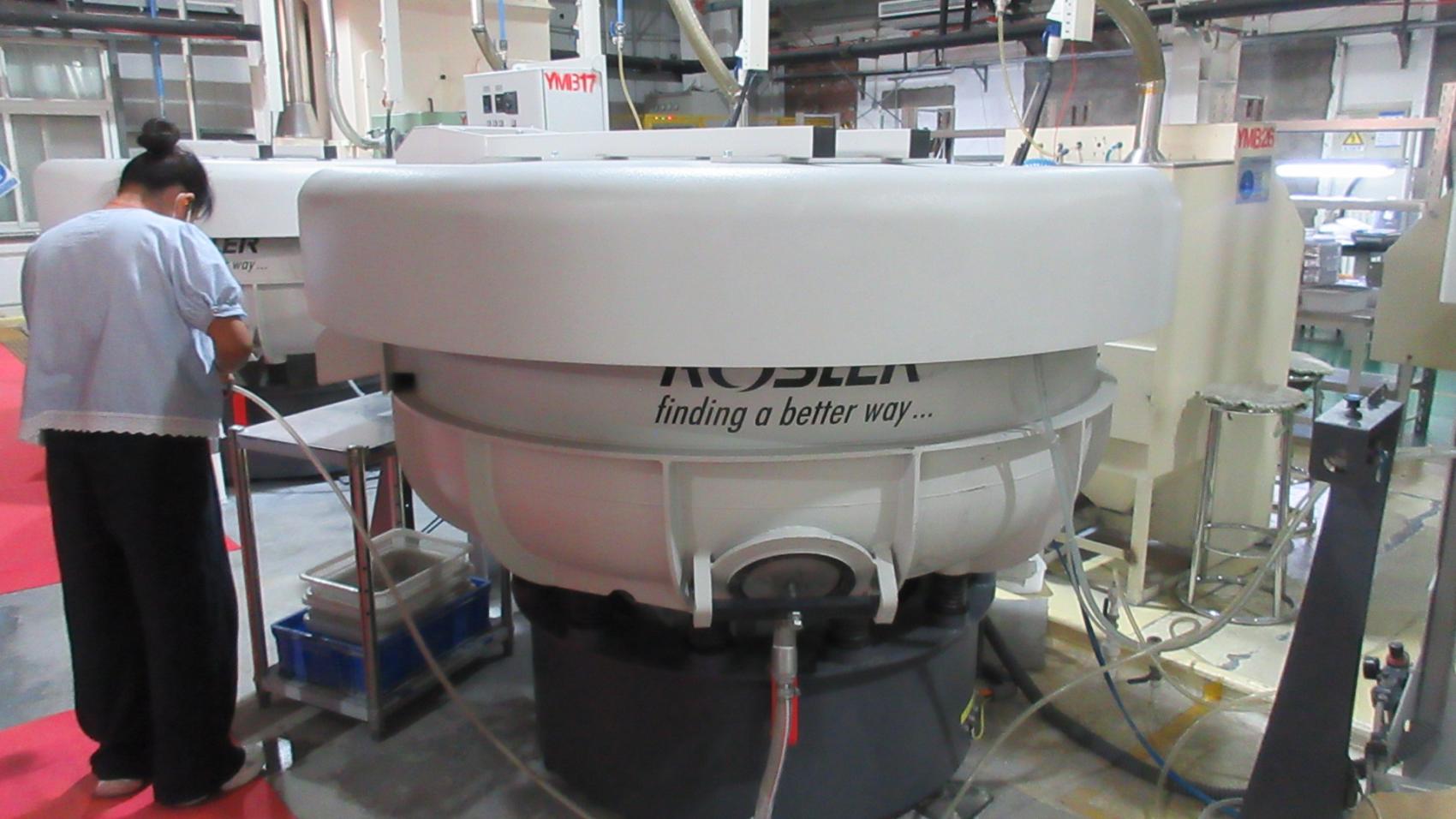
Our commitment to R&D drives the development of biocompatible surfaces and smart implant designs.
Advanced Type II electrochemical anodization to increase fatigue limit, eliminate galling, and improve biocompatibility.
Integrating additive manufacturing for custom acetabular reconstructions, encouraging direct bone ingrowth.
Enhancing bone-to-implant integration at the molecular level, minimizing recovery time in older patients.
Researching magnesium-based structural components that absorb over time, removing the need for follow-up hardware extraction.
| Material Category | Yield Strength (MPa) | Elongation at Break (%) | Biocompatibility Standard | Primary Clinical Application |
|---|---|---|---|---|
| Ti-6Al-4V ELI (Grade 23) | ≥ 860 | ≥ 10% | ISO 5832-3 / ASTM F136 | High-load Pelvic Locking Plates, Spinal Pedicle Screws |
| Pure Titanium (Grade 4) | ≥ 480 | ≥ 15% | ISO 5832-2 / ASTM F67 | Flexible Reconstruction Plates, Reconstruction Mesh |
| Co-Cr-Mo Alloy | ≥ 827 | ≥ 12% | ISO 5832-12 / ASTM F1537 | Joint Articulation Components, Heavy-Load Bearings |
| 316LVM Stainless Steel | ≥ 690 | ≥ 12% | ISO 5832-1 / ASTM F138 | Temporary Internal Fixations, Dynamic Compression Plates |
Regulatory audits verify the quality of orthopedic implants. Distributing surgical implants requires strict adherence to international laws. We maintain global distribution routes with complete import and export documentation.
Our regulatory team coordinates directly with health ministries and local distributors to register devices quickly. Whether navigating EU MDR Class III conformity assessments or custom clearance declarations, our documentation package guarantees smooth transit and approval.
We provide localized technical documents, product training manuals, custom packaging, and sterile barrier validation data. We support your local bidding processes and hospital tenders.
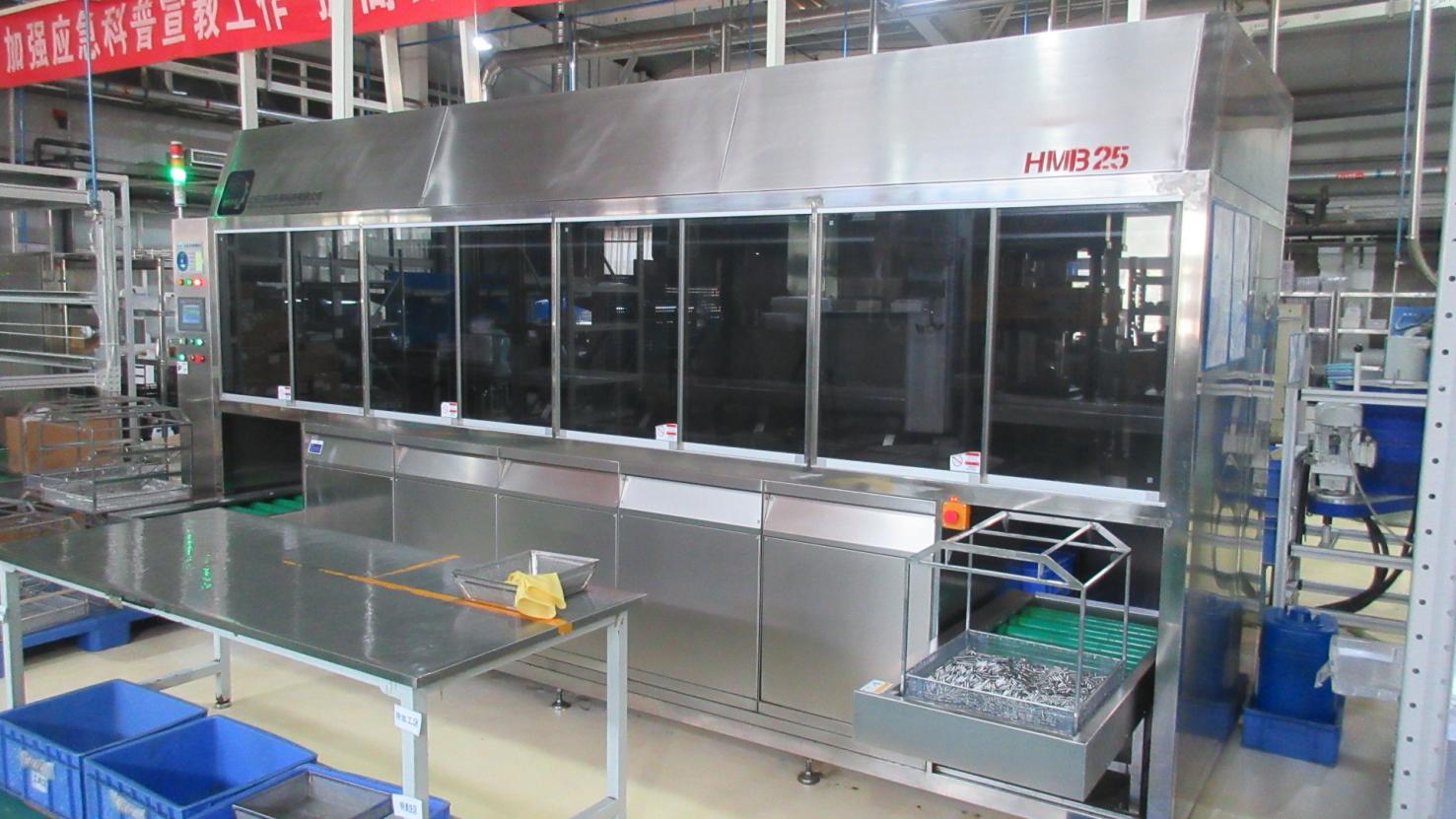
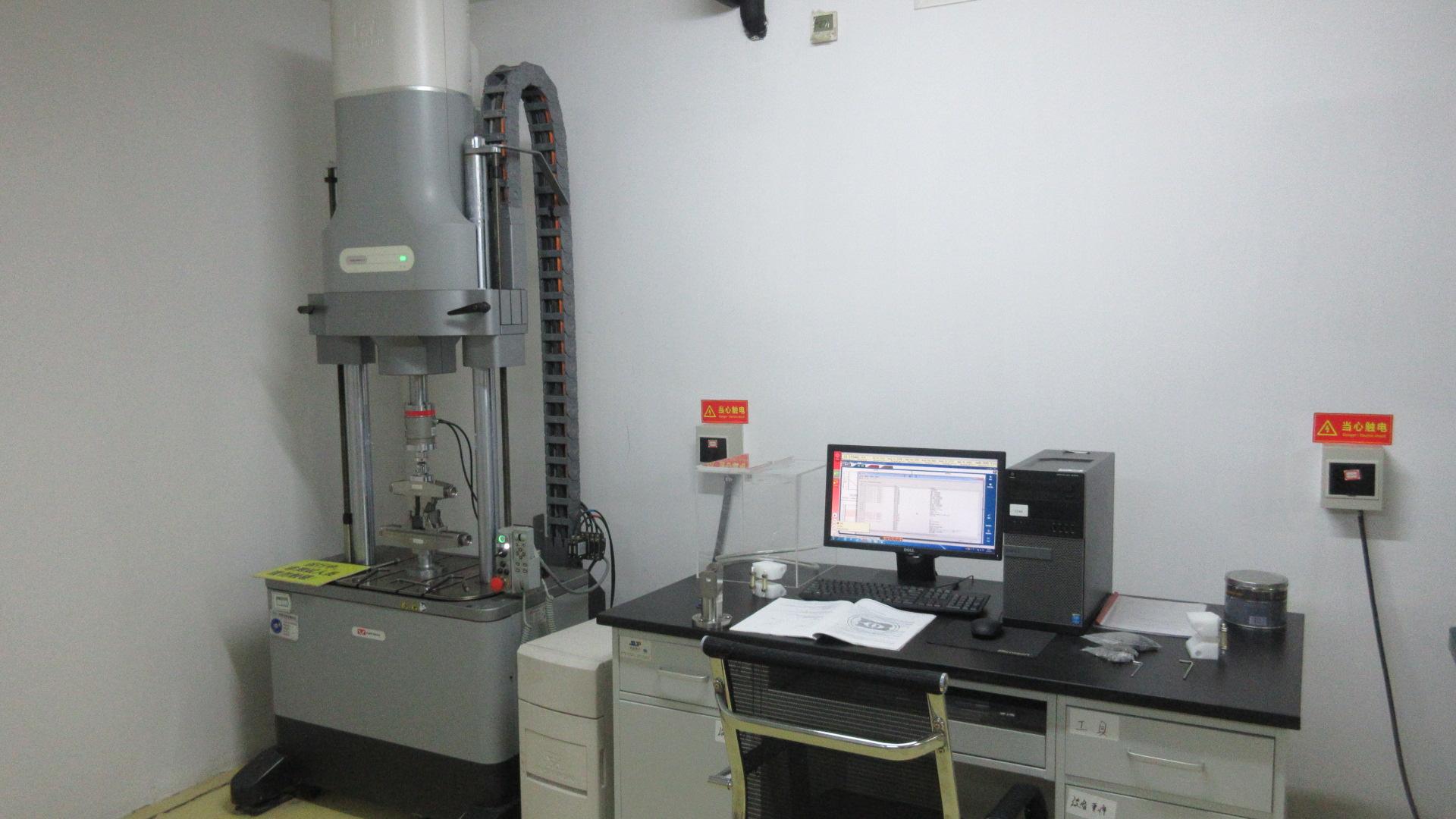
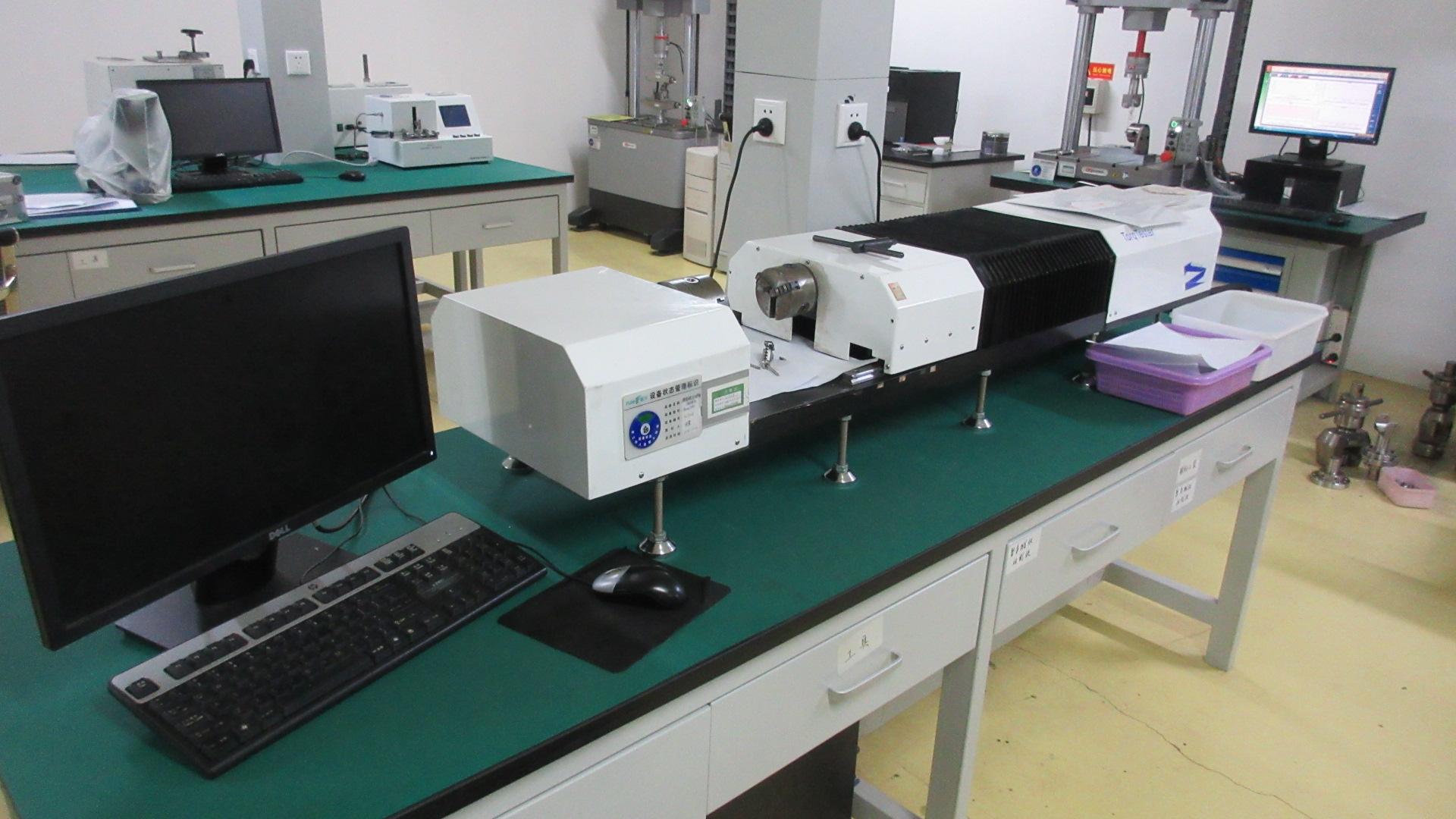
Clear, direct answers regarding certifications, manufacturing capacities, and material specifications for procurement managers and surgeons.
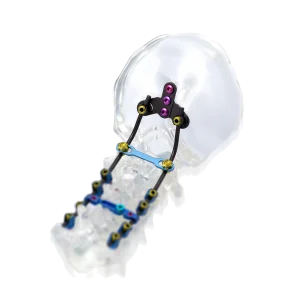
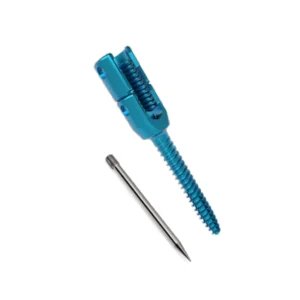
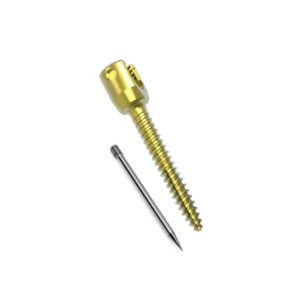
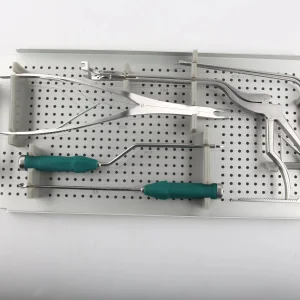
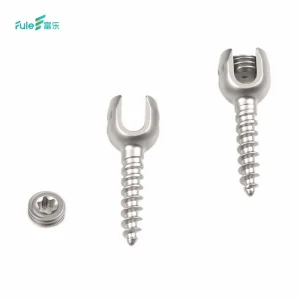
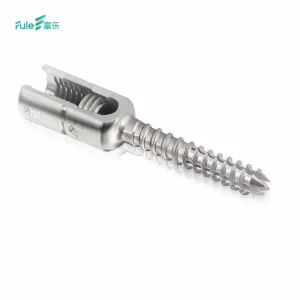
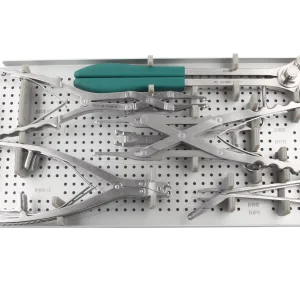
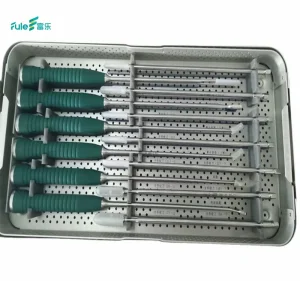
Explore our spinal fixation systems and specialized instrumentation sets, designed to deliver stability and precision for surgical teams worldwide.
 Beren Science & Technology