Explore our leading Class III titanium spinal systems, cervical fusion cages, and surgical implants certified to stringent CE and ISO 13485 standards.
The landscape of modern postoperative care equipment has undergone a critical paradigm shift. Today, postoperative intervention is no longer restricted to external support; it begins directly in the operating theater through advanced Class III implants, bio-harmonious spinal fixation devices, and precision micro-invasive tools. By mitigating mechanical instability immediately after surgical procedures, these devices dramatically reduce hospitalization time and accelerate patient rehabilitation metrics globally.
Globally, healthcare providers face escalating burdens from an aging demographic. With age-related skeletal pathologies such as degenerative disc disease, osteoporotic compression fractures, and severe articular trauma on the rise, hospitals and B2B distributors require surgical hardware that guarantees absolute mechanical reliability, long-term biological safety, and complete regulatory compliance. Our Class III orthopedic implants serve as the structural baseline for post-surgical success, minimizing risk of hardware migration and revision surgery.
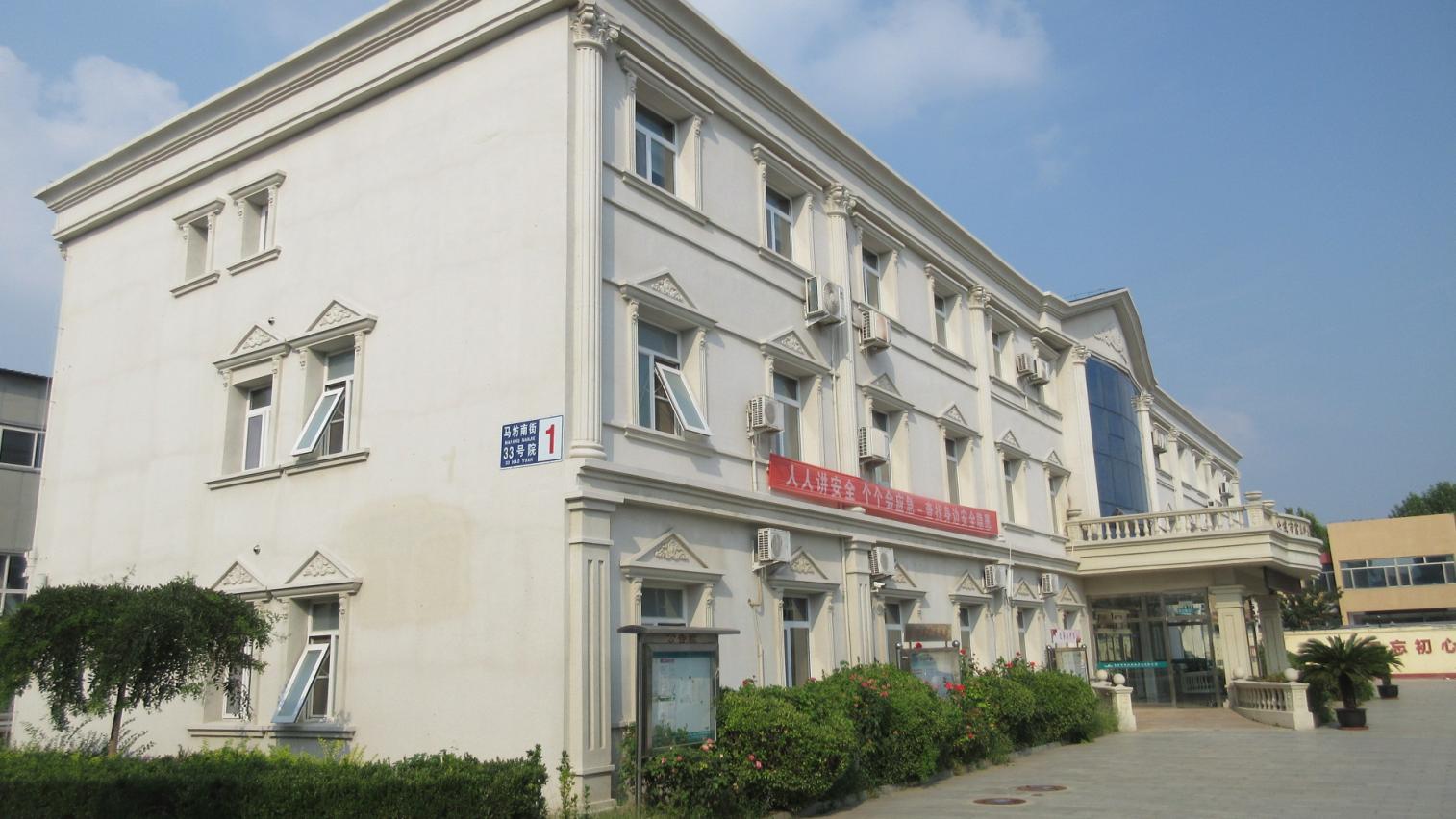
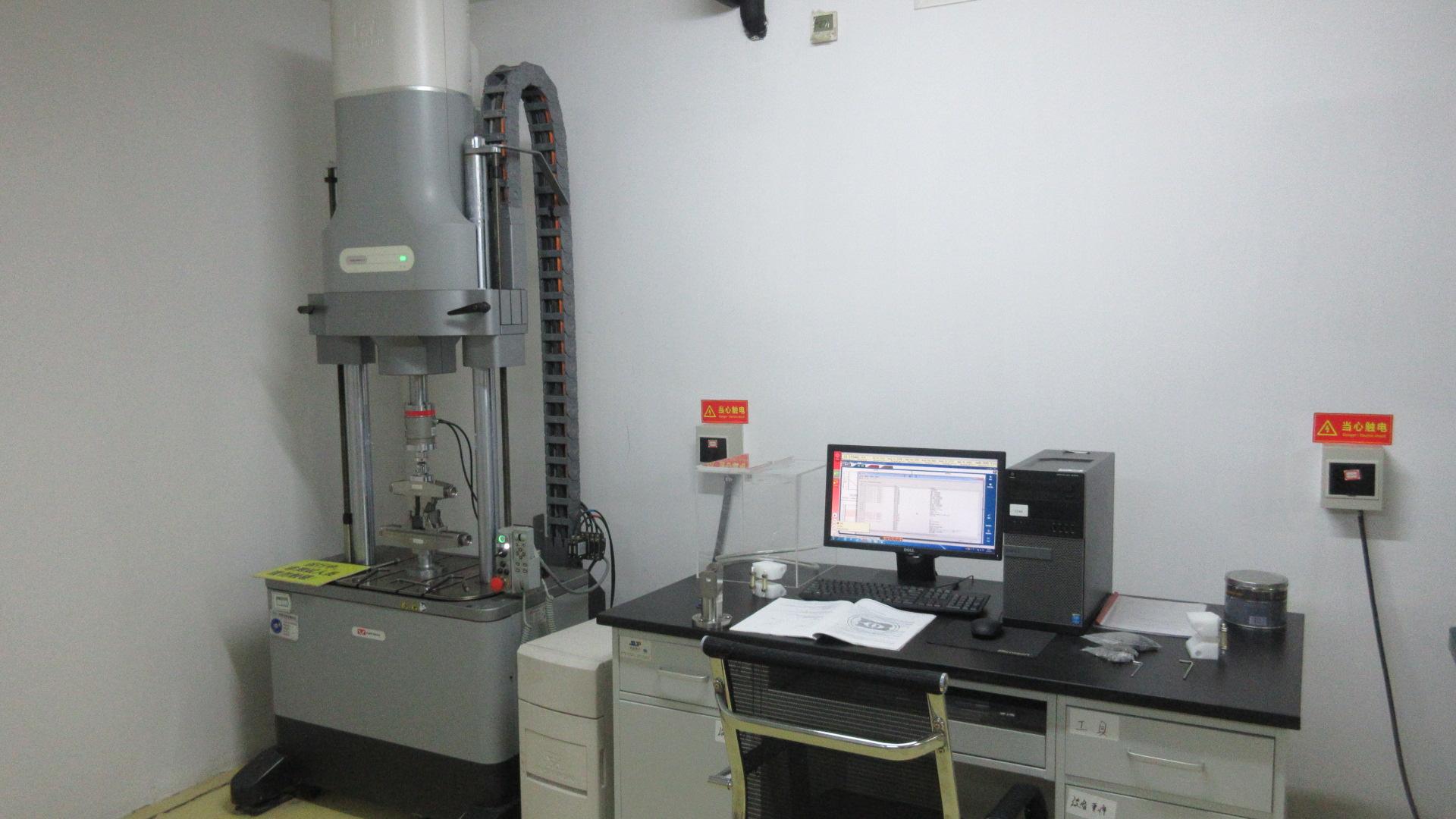
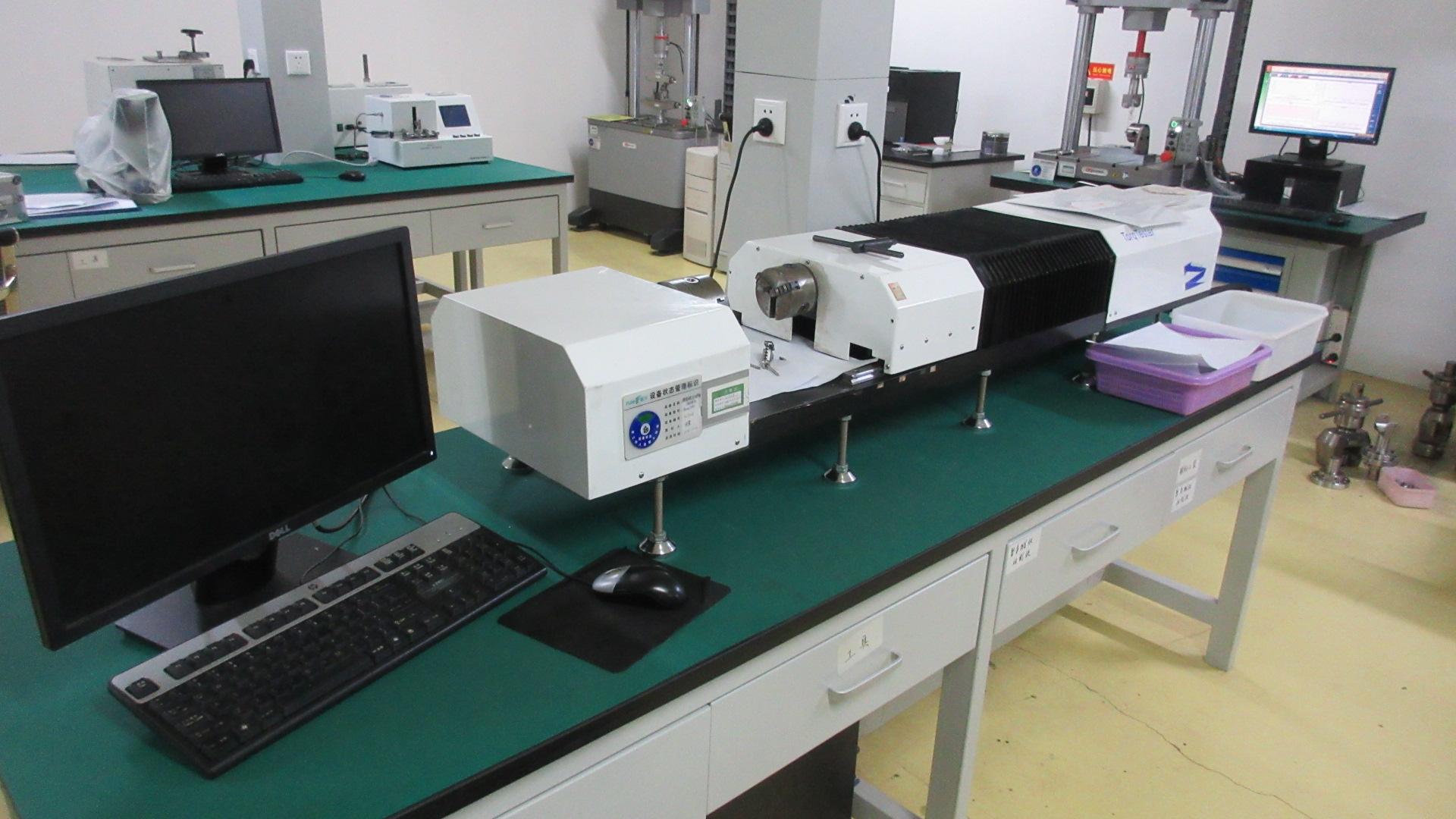
For procurement officers in European and Western hospitals, the regulatory matrix of medical devices is incredibly rigid. The trans-national shift to MDR (Medical Device Regulation 2017/745) demands verified biocompatibility files, rigorous clinical trial data, and sterile manufacturing parameters. As an industry-leading OEM/ODM manufacturer with ISO 13485 and CE credentials, our products undergo extensive fatigue testing, metallurgical purity checks, and 100% component-level inspection.
Our 30-year legacy of manufacturing spine fixation systems, locking plates, and custom interbody fusion devices certifies that every component leaving our facility possesses the material traceability required by the most demanding national health boards. By strictly processing raw medical-grade titanium (Grades 4 and 5) and advanced PEEK (Polyetheretherketone), we deliver implants optimized for osseointegration and radiographic evaluation.
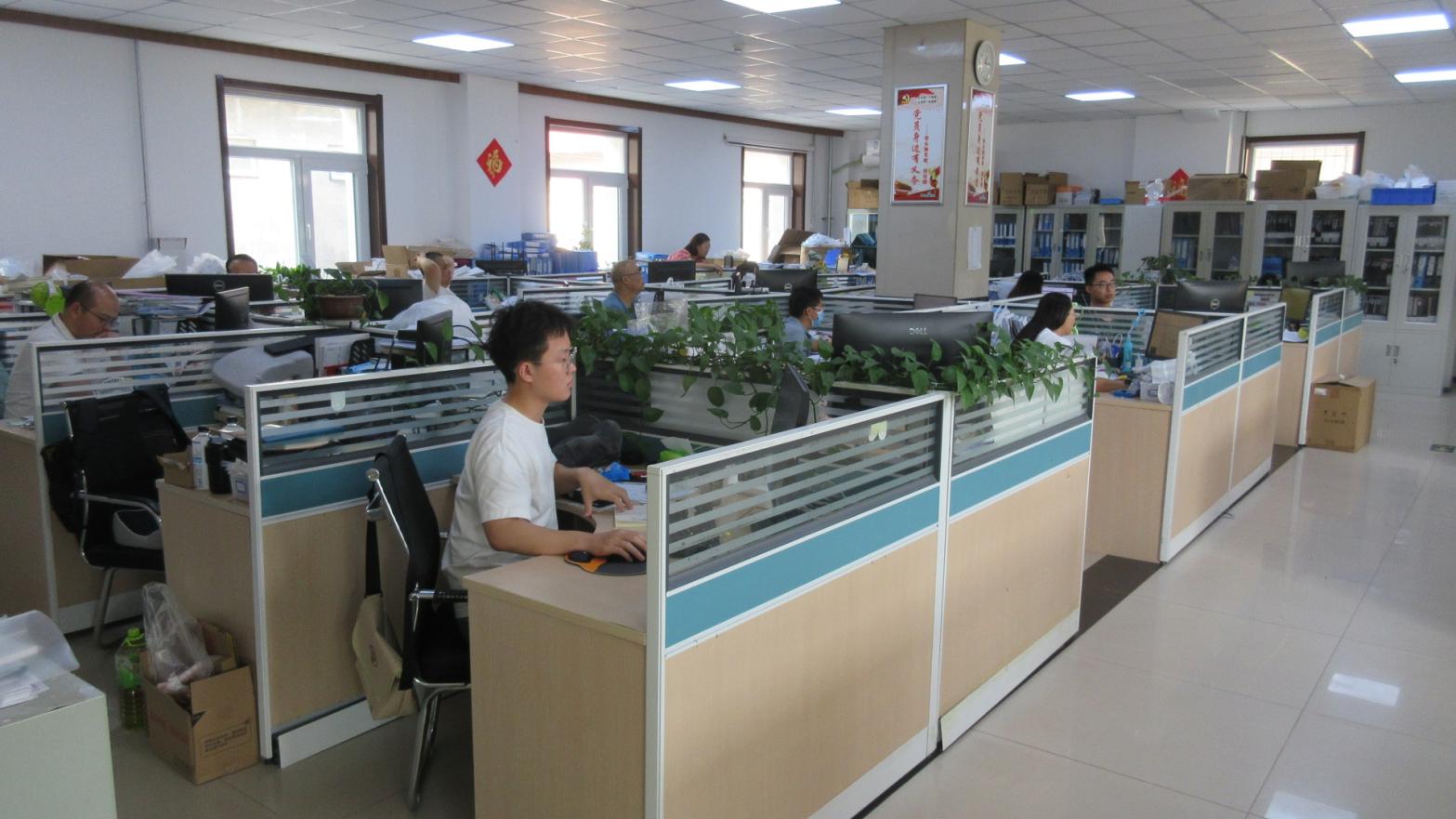
Data-driven manufacturing, showcasing our precision capacity, strict quality compliance, and production footprint.
High scale, deep engineering expertise, and vertically integrated supply chains establish China as the global nexus for high-end orthopedic hardware.
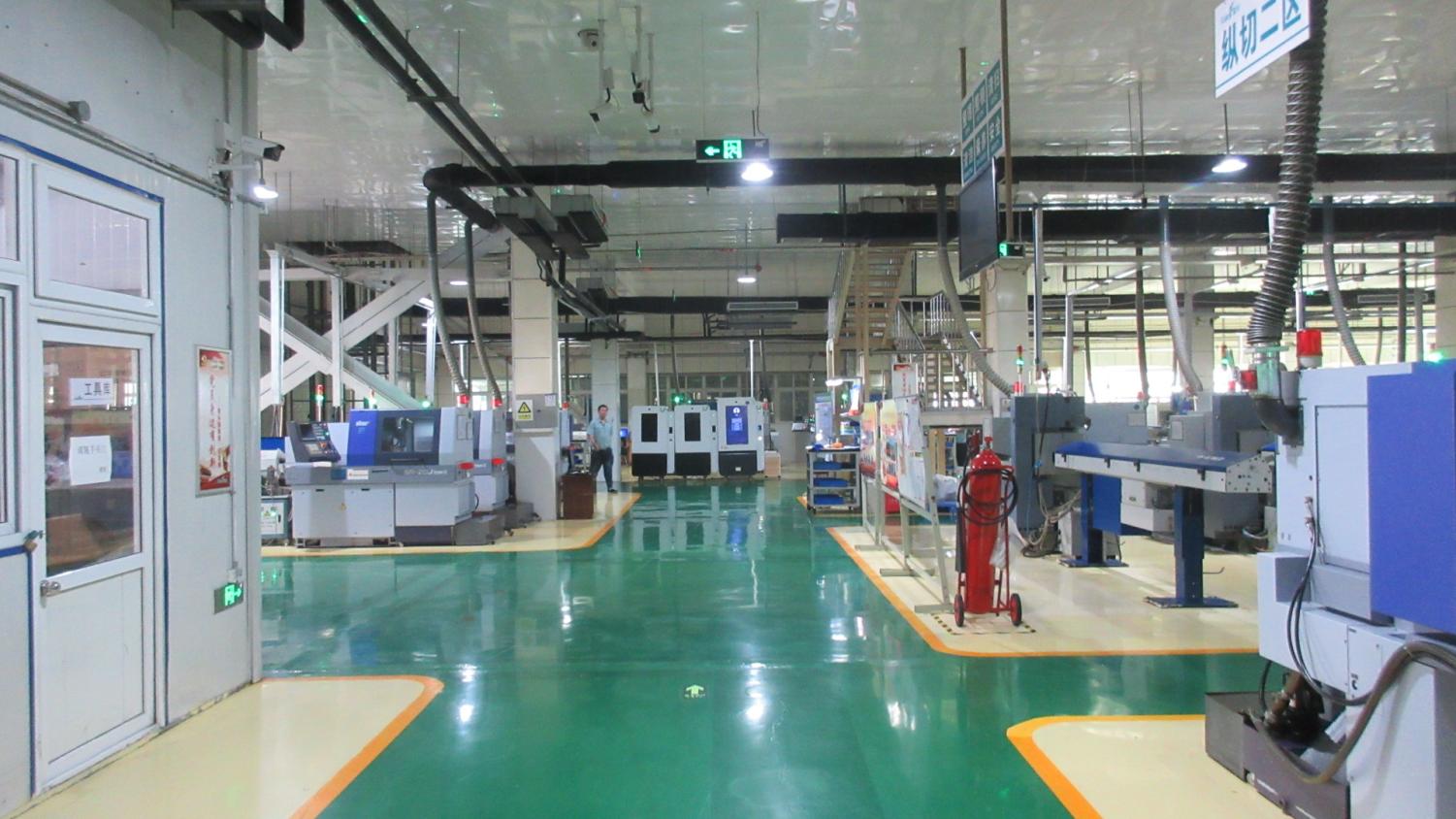
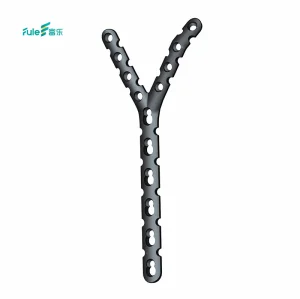
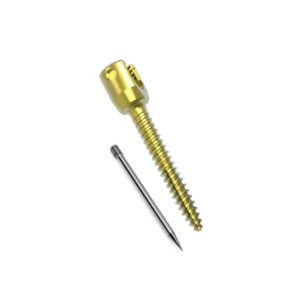
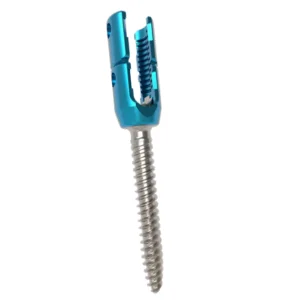
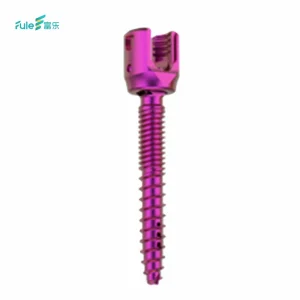
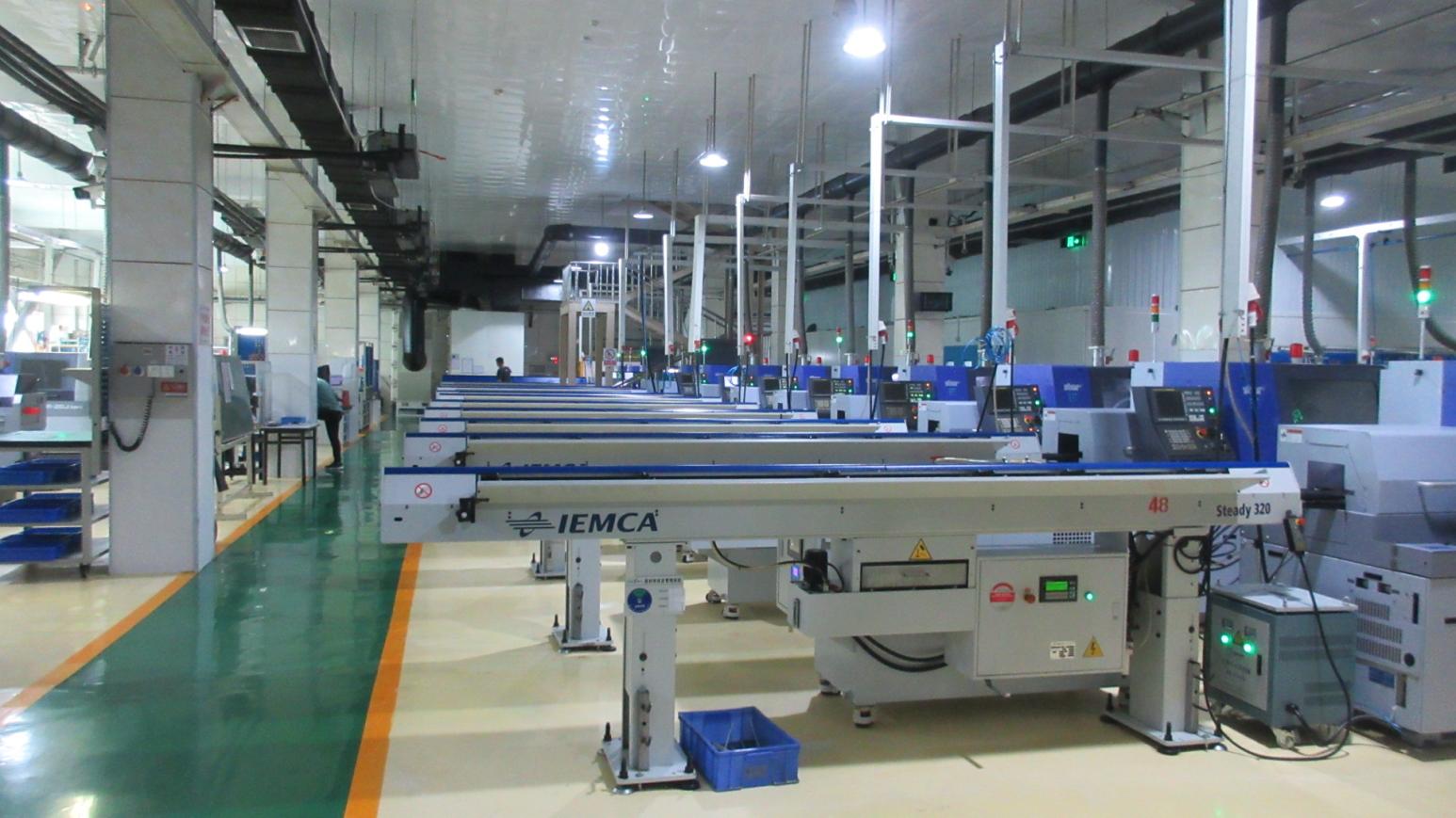
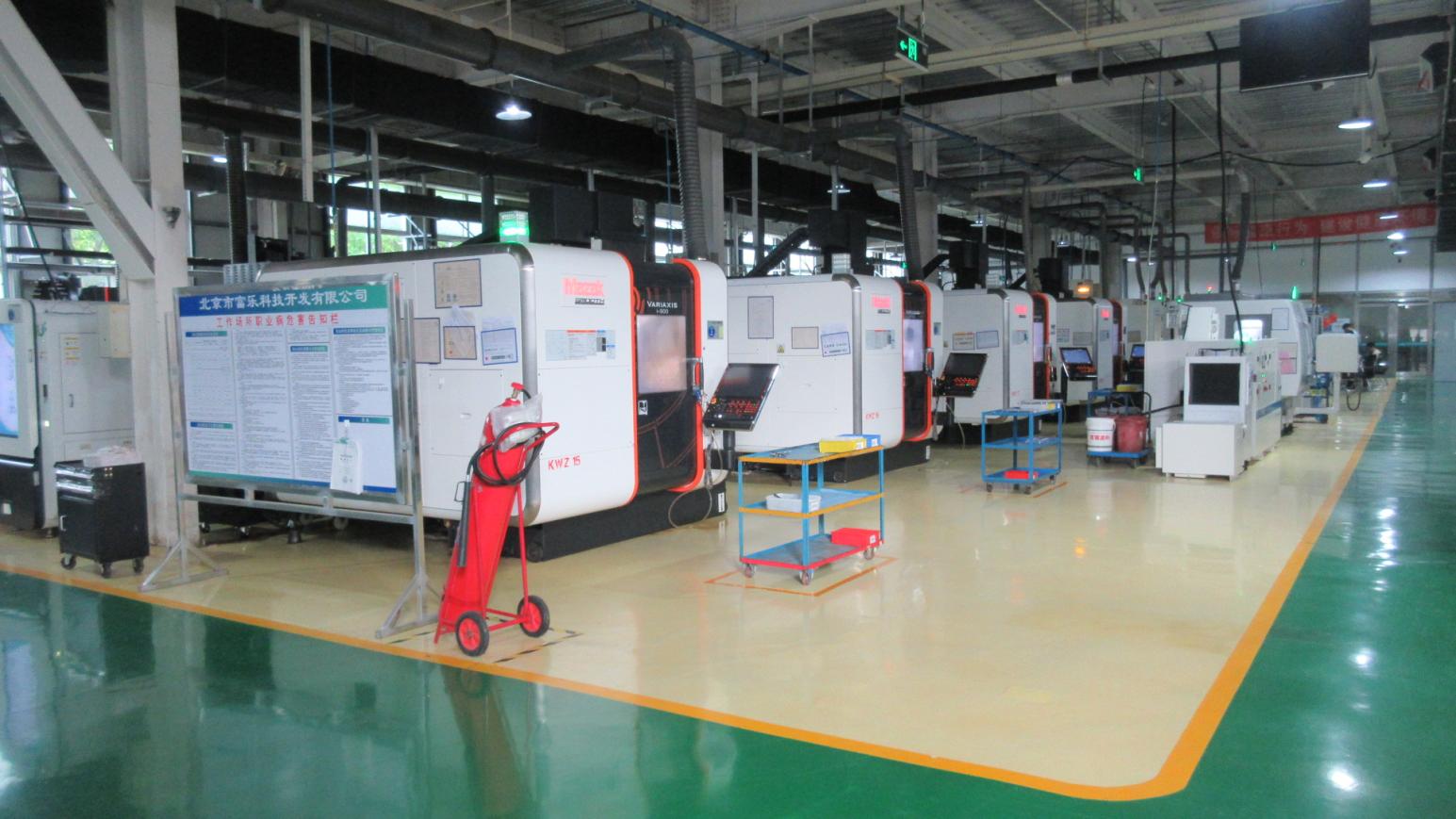
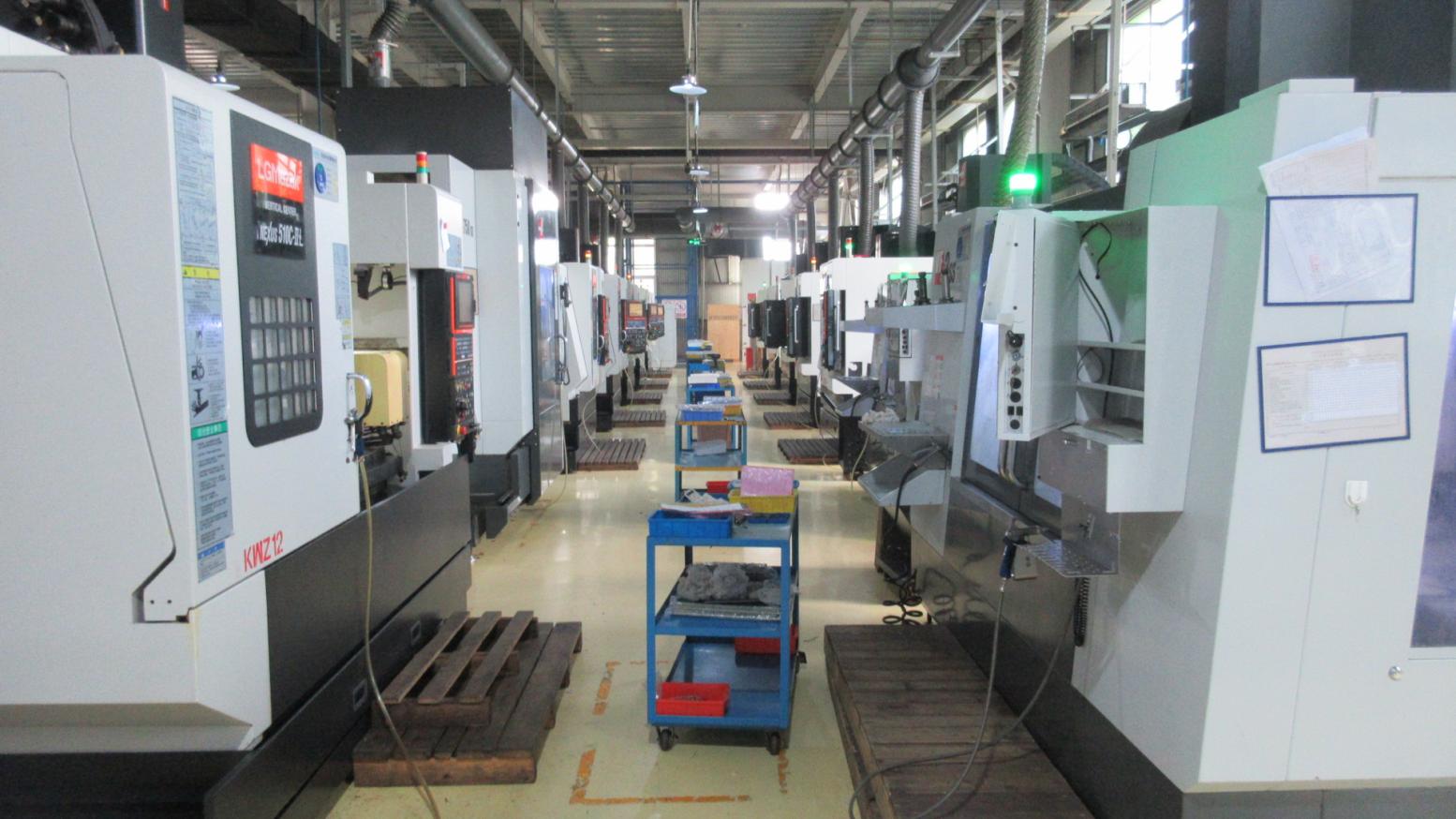
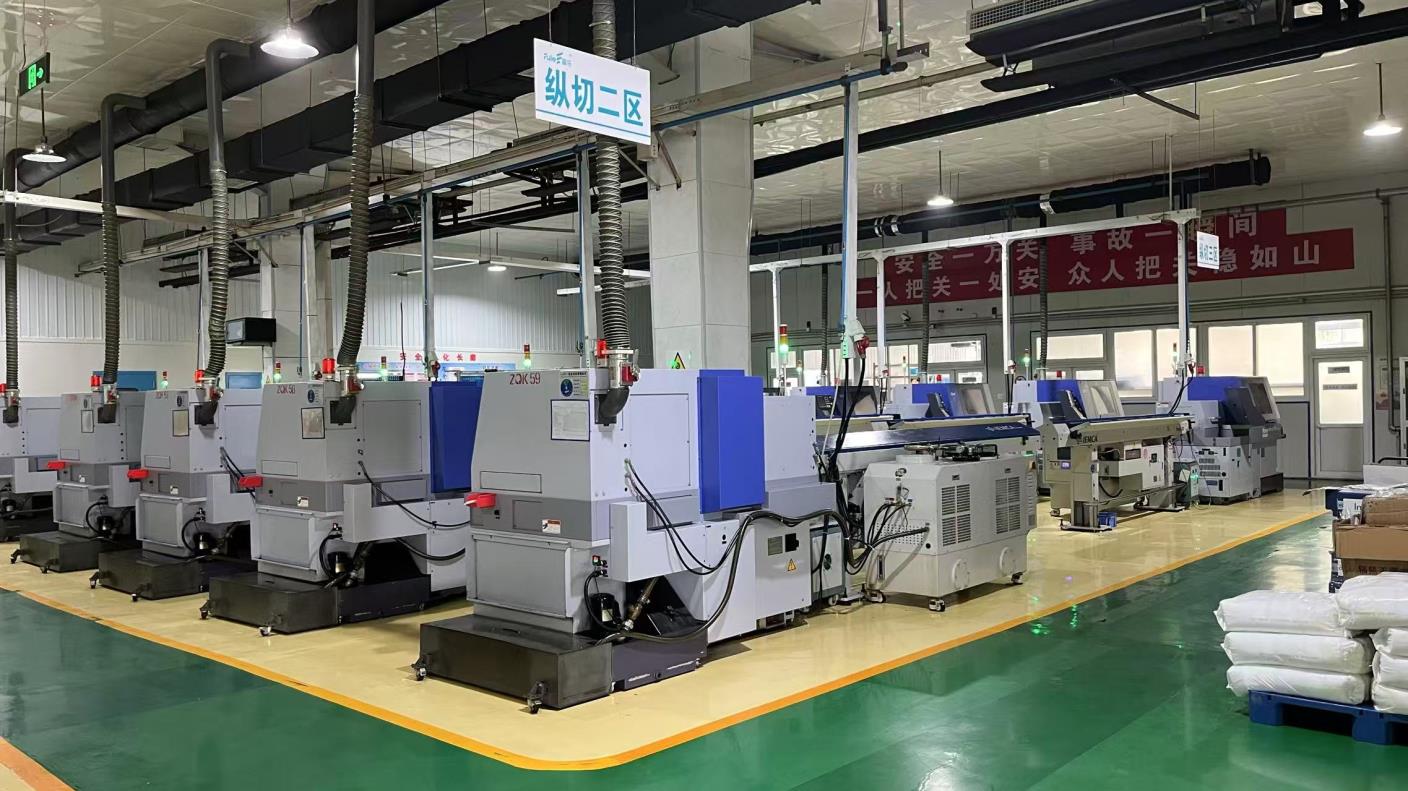
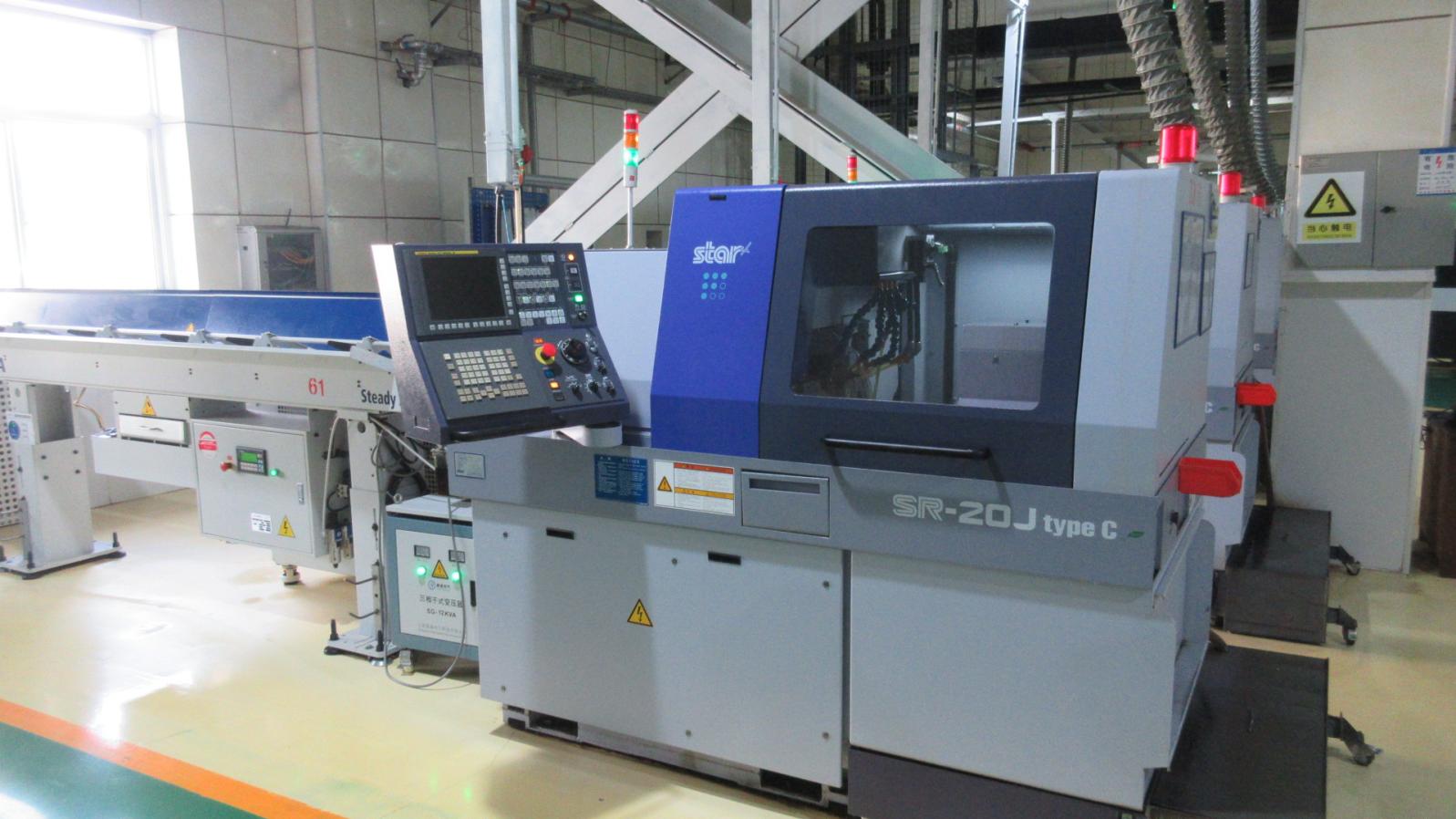
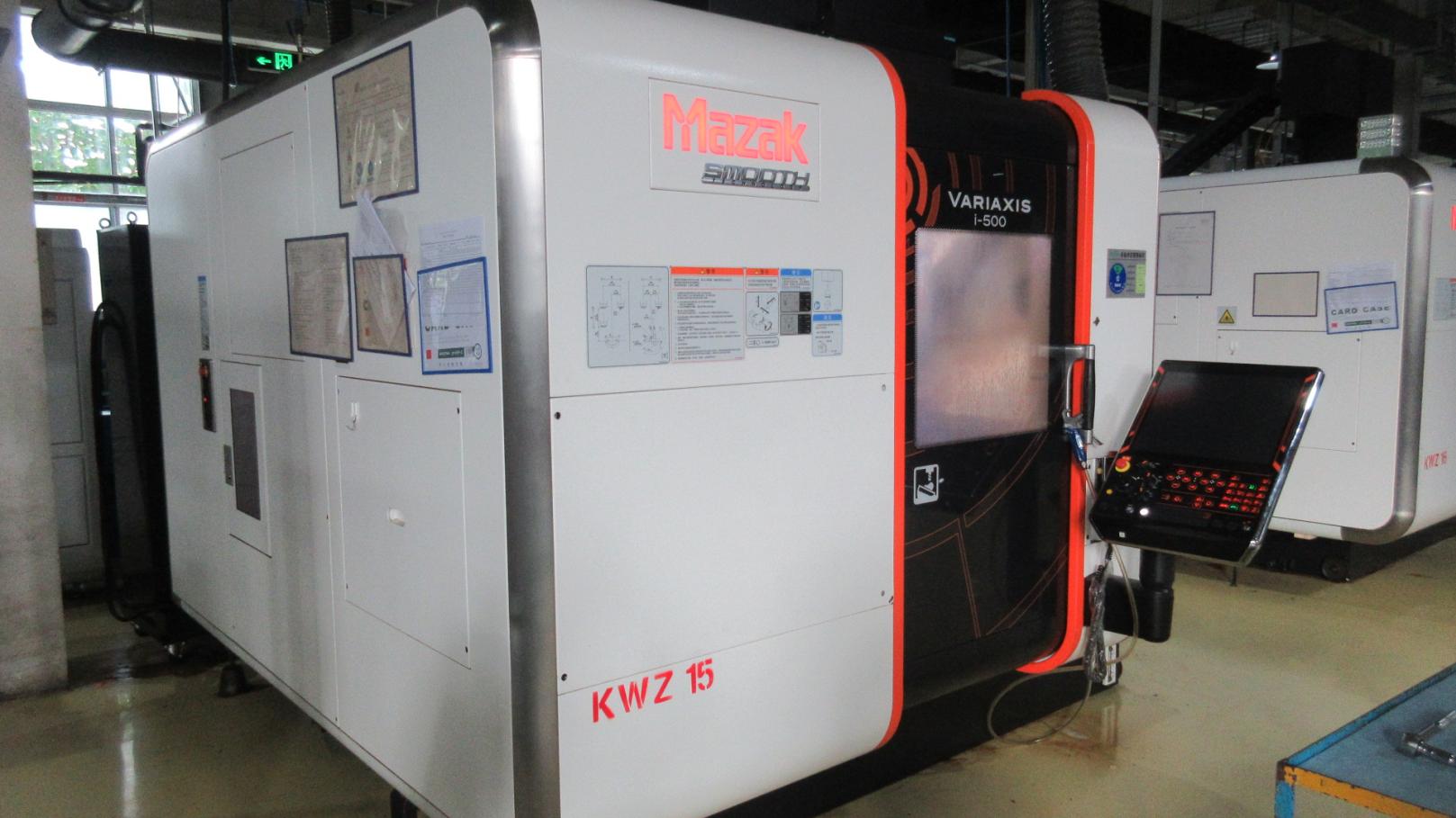
The production of Class III implants demands extreme tolerances—often measured in microns (+/- 0.005mm). Our facility houses 102 state-of-the-art production machines, including Swiss-type longitudinal sliding head CNC lathes, 5-axis machining centers, and automated wire EDM systems. This dense machine profile guarantees that complex geometries, such as the tapered threads of our polyaxial pedicle screws or the anatomical curves of humeral locking plates, are executed with total structural consistency.
Additionally, our supply chain is partner-integrated with 70 tier-1 metallurgical providers. This guarantees instant access to biomedical-grade raw titanium bars and PEEK sheets accompanied by full mill test certificates. Through efficient production scheduling, we minimize the downtime typically found in smaller manufacturing facilities, offering Western distributors shorter lead times without sacrificing mechanical safety.
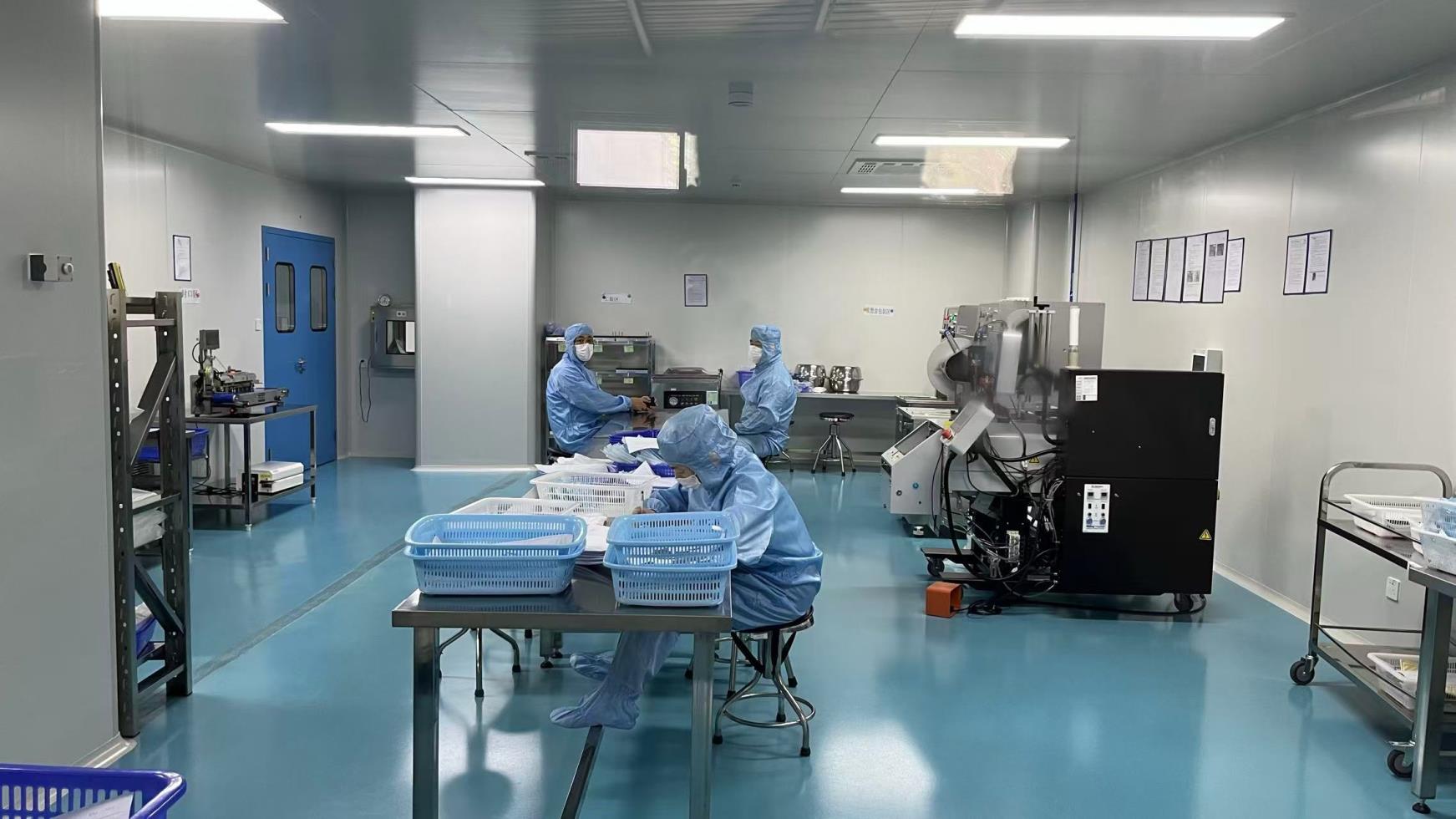
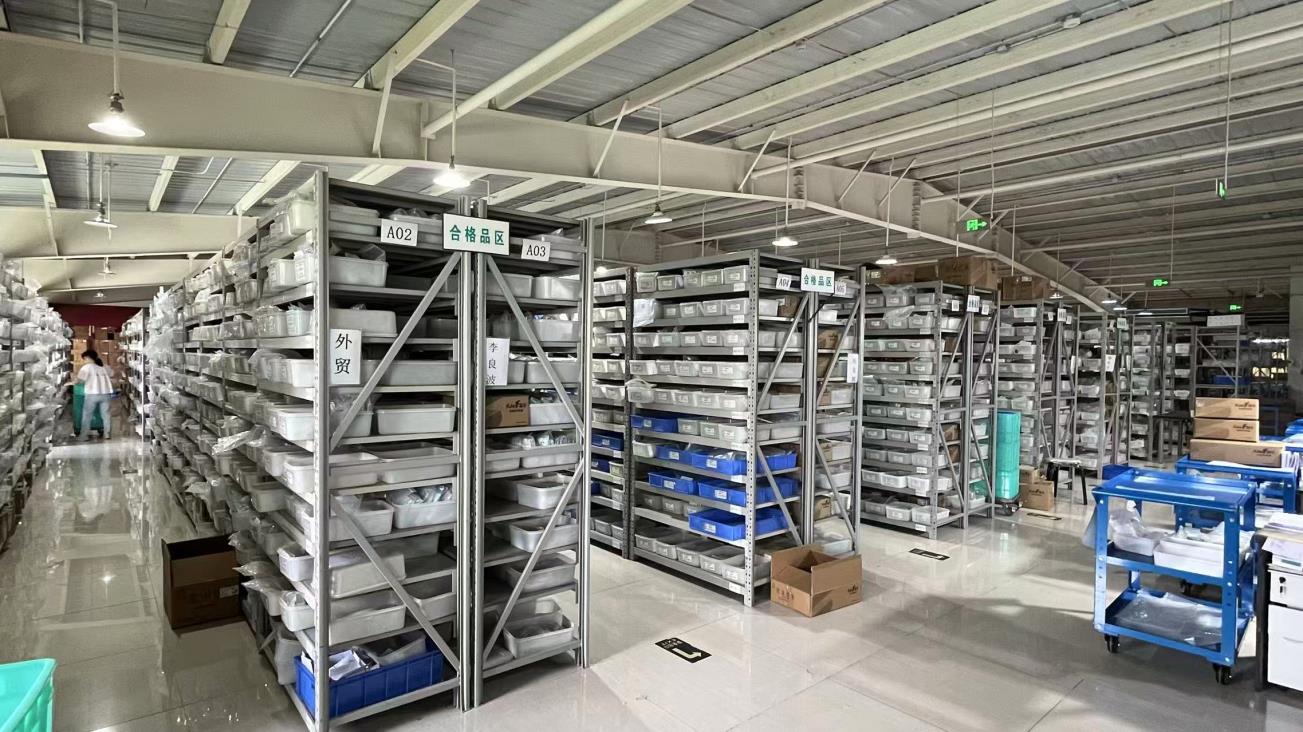
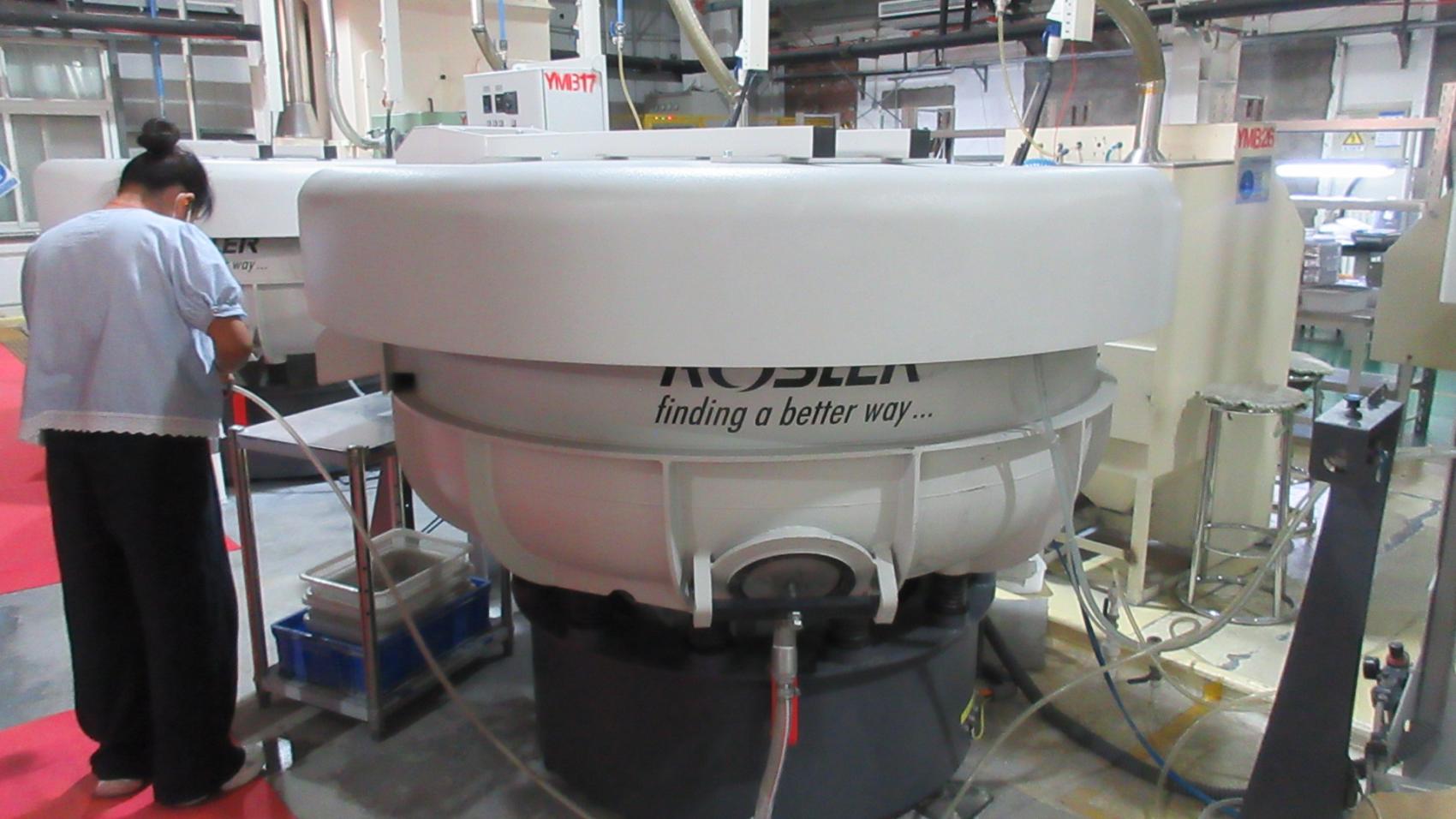
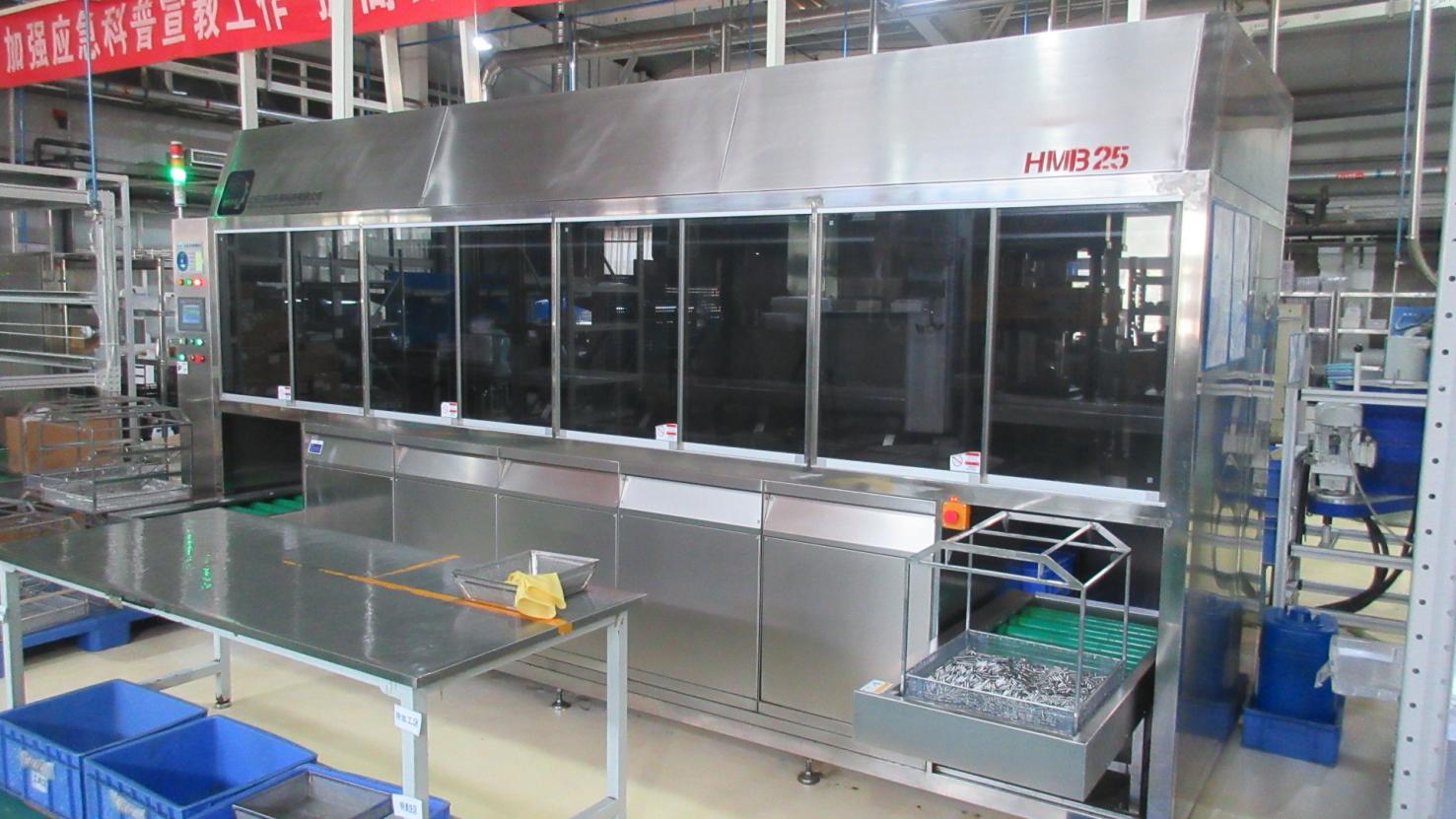
For postoperative safety, minimizing surgical site infection (SSI) is of paramount importance. Our orthopedic surgical implants are manufactured under strict environment-controlled cleanrooms that adhere to class 10,000 (ISO Class 7) parameters. Every phase of production, from initial titanium turning to ultrasonic cleaning and final sterile barrier packaging, is closely audited by our 15-person QA/QC department.
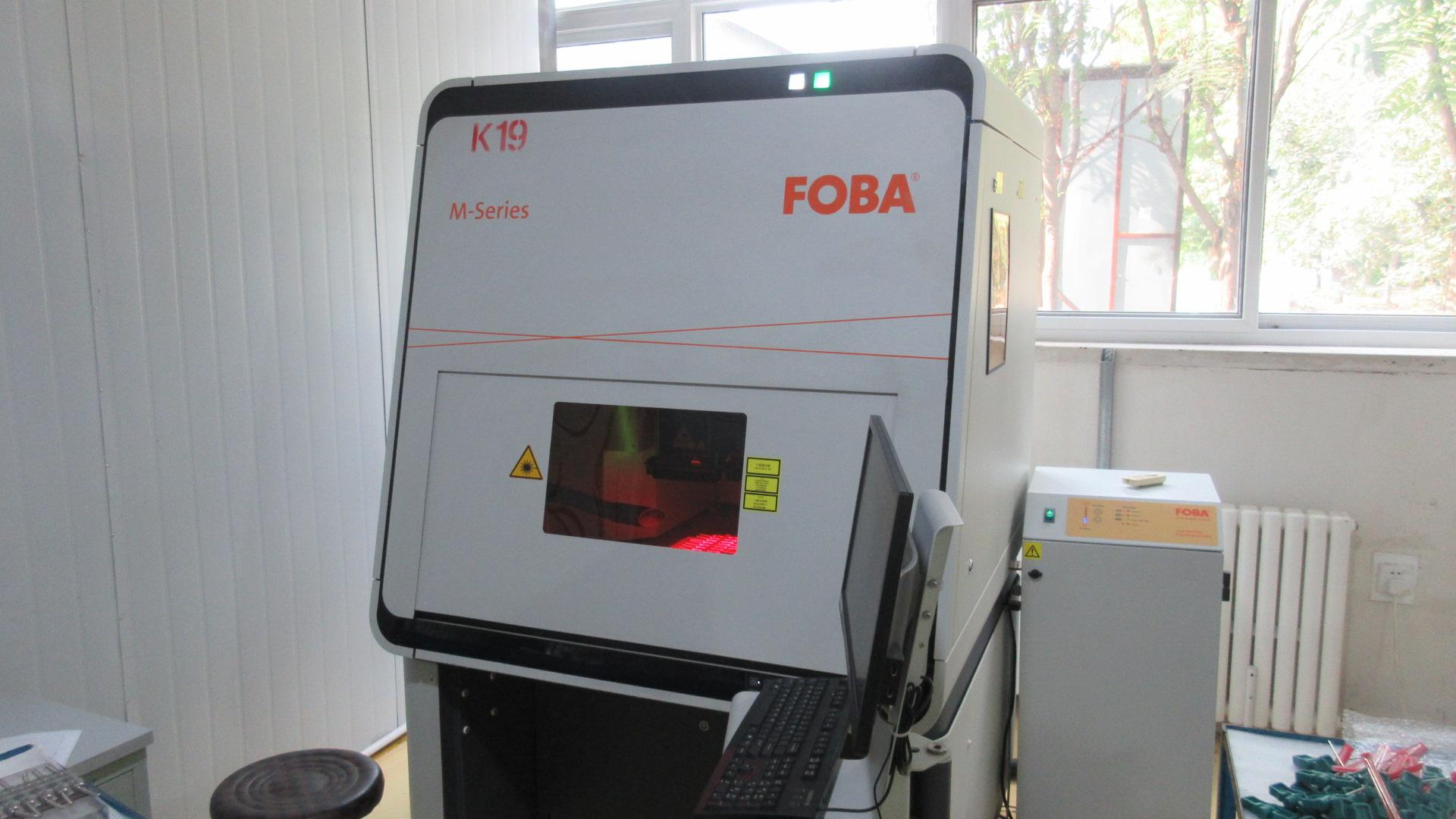
We trace every single implant back to its raw material heat lot. If a clinic experiences a complication, we can map the exact production date, operator, machine settings, and material batch numbers. This degree of accountability forms the foundation of our trusted partnership with hospitals, wholesalers, and retailers across the Domestic Market (40%), Eastern Europe (15%), and Southeast Asia (10%).
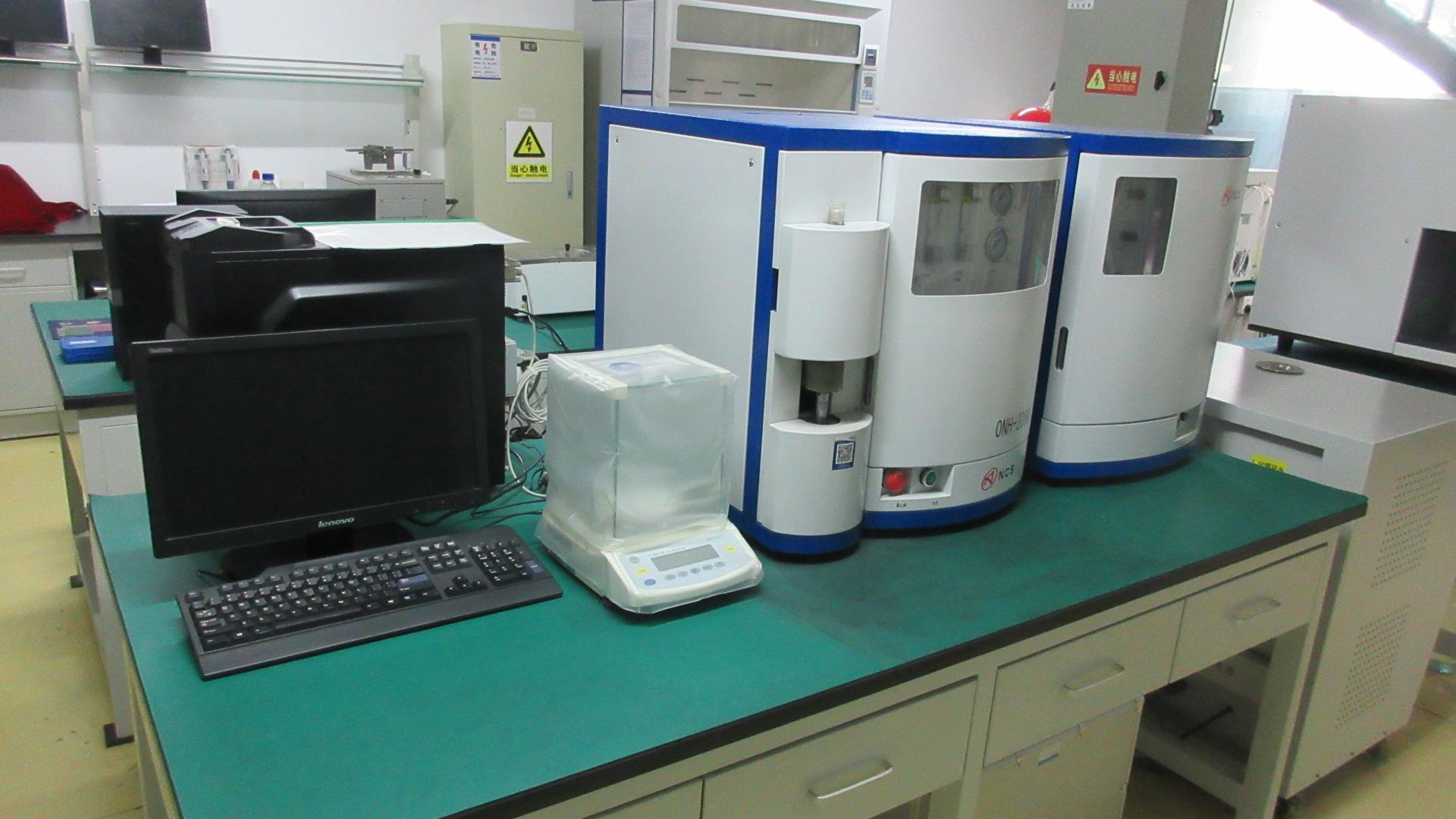
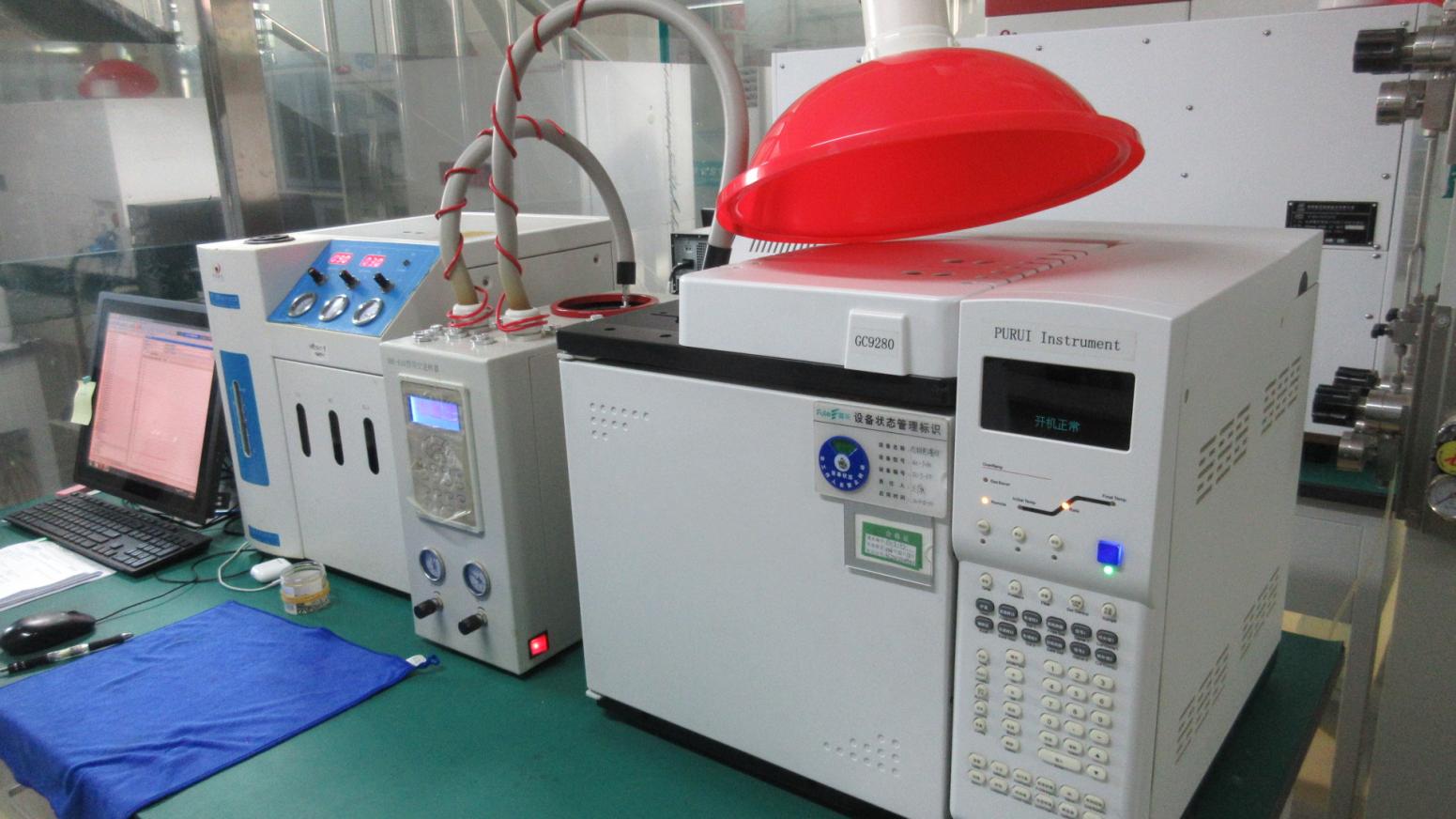
A transparent look inside our 10,000 square meter factory floor, clean rooms, testing laboratories, and precision machining workshops.
Understanding how material choices and engineering innovations translate to superior postoperative patient recovery.
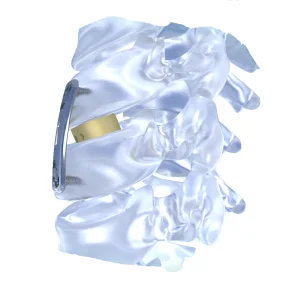
For conditions such as cervical myelopathy and disk herniation, postoperative care relies on structural stability. The integration of Cervical Interbody Fusion Cages fabricated from medical-grade PEEK (Polyetheretherketone) or high-strength Titanium Alloys provides the initial weight-bearing strength needed to preserve height clearance. PEEK offers an elastic modulus (approx. 3.6 GPa) highly similar to human cortical bone, reducing stress shielding and accelerating natural bone fusion.
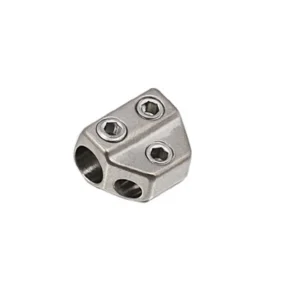
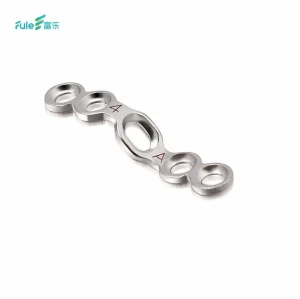
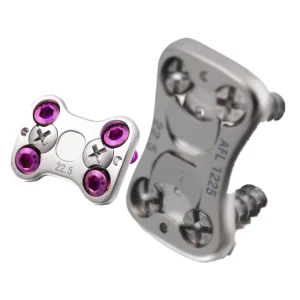
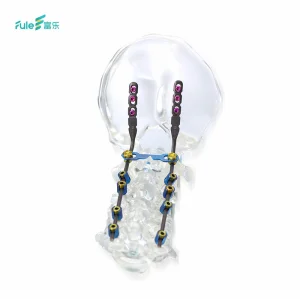
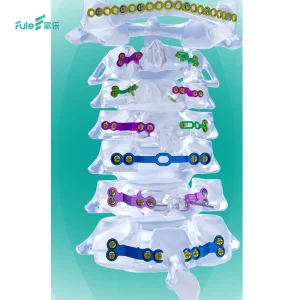
Complementing these cages are Posterior Cervical Fixation Systems and Anterior Cervical Plates. These implants act as rigid splints, immobilizing the motion segment during the critical 3-to-6-month post-op fusion phase. Our plate systems feature dual-locking mechanisms to prevent screw back-out, minimizing the risk of postoperative dysphagia and adjacent segment degeneration.
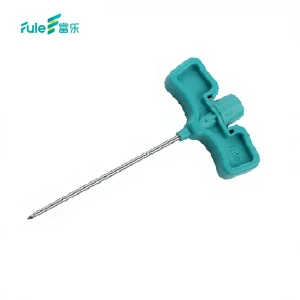
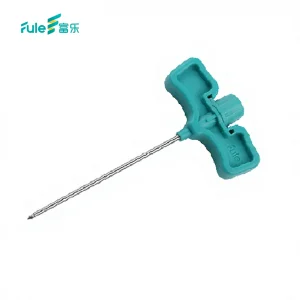
The modern medical field emphasizes minimizing patient tissue trauma. Vertebroplasty Balloon Catheters and metal PMMA bone cement delivery systems allow interventional radiologists to treat painful vertebral compression fractures (VCFs) under local anesthesia. This minimally invasive process allows patients to stand up and walk within hours after surgery.
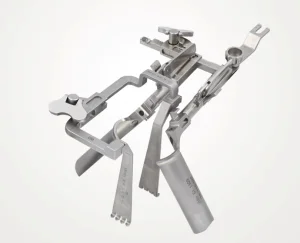
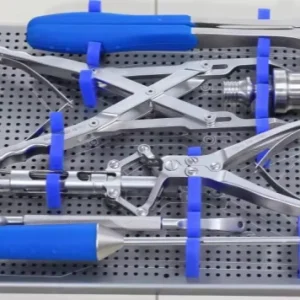
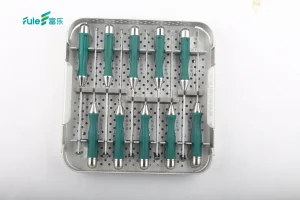
Additionally, our Class III Minimally Invasive Surgical Instruments are manufactured from hardened stainless steels that resist deformation during repeated sterilization cycles. By optimizing instrument profiles, surgeons can reduce soft-tissue retraction, lessening post-op pain and lowering recovery times for patients.
Crucial commercial and regulatory insights for hospital procurement managers and medical device distributors.
Explore our second assembly of Class III spinal systems, vertebroplasty balloons, and anatomical plates for comprehensive hospital supply chains.
 Beren Science & Technology