CE Certified Wearable Health Technology Factories & Exporters

Precision Engineering, Biocompatible Implantable Assemblies, and Spinal Stabilization Hardware for Advanced Global Medical Ecosystems

Institutional Quality & Production Ecosystem

Leveraging three decades of orthopedic manufacturing excellence, advanced materials processing, and strict global quality standards.

1996
Establishment & Heritage
10,000㎡
Advanced Manufacturing Facility
30 Yrs
Global Medical Export Footprint
511,000+
Annual Unit Output Capacity

Industrial Class & Regulatory Foundation

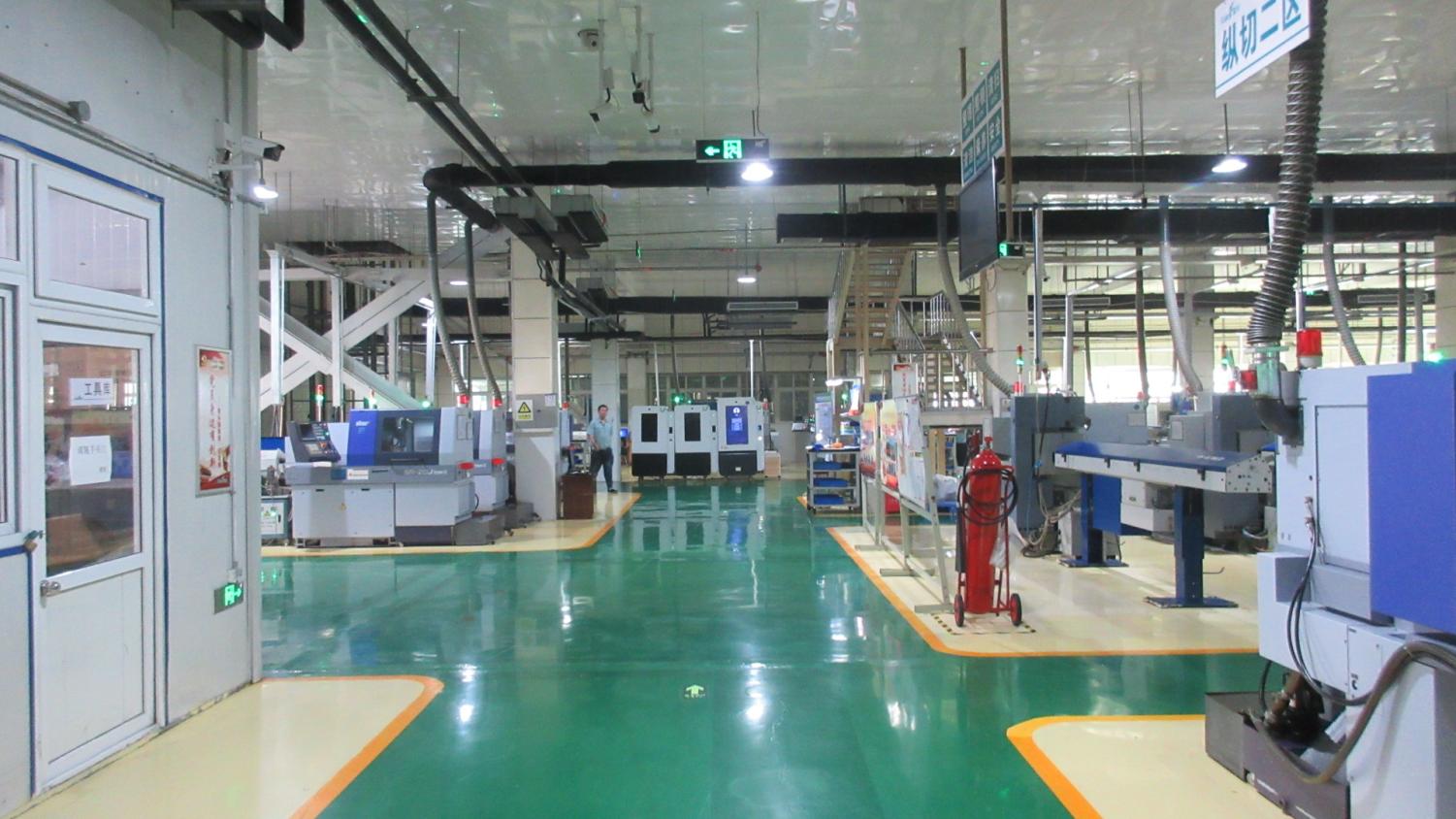
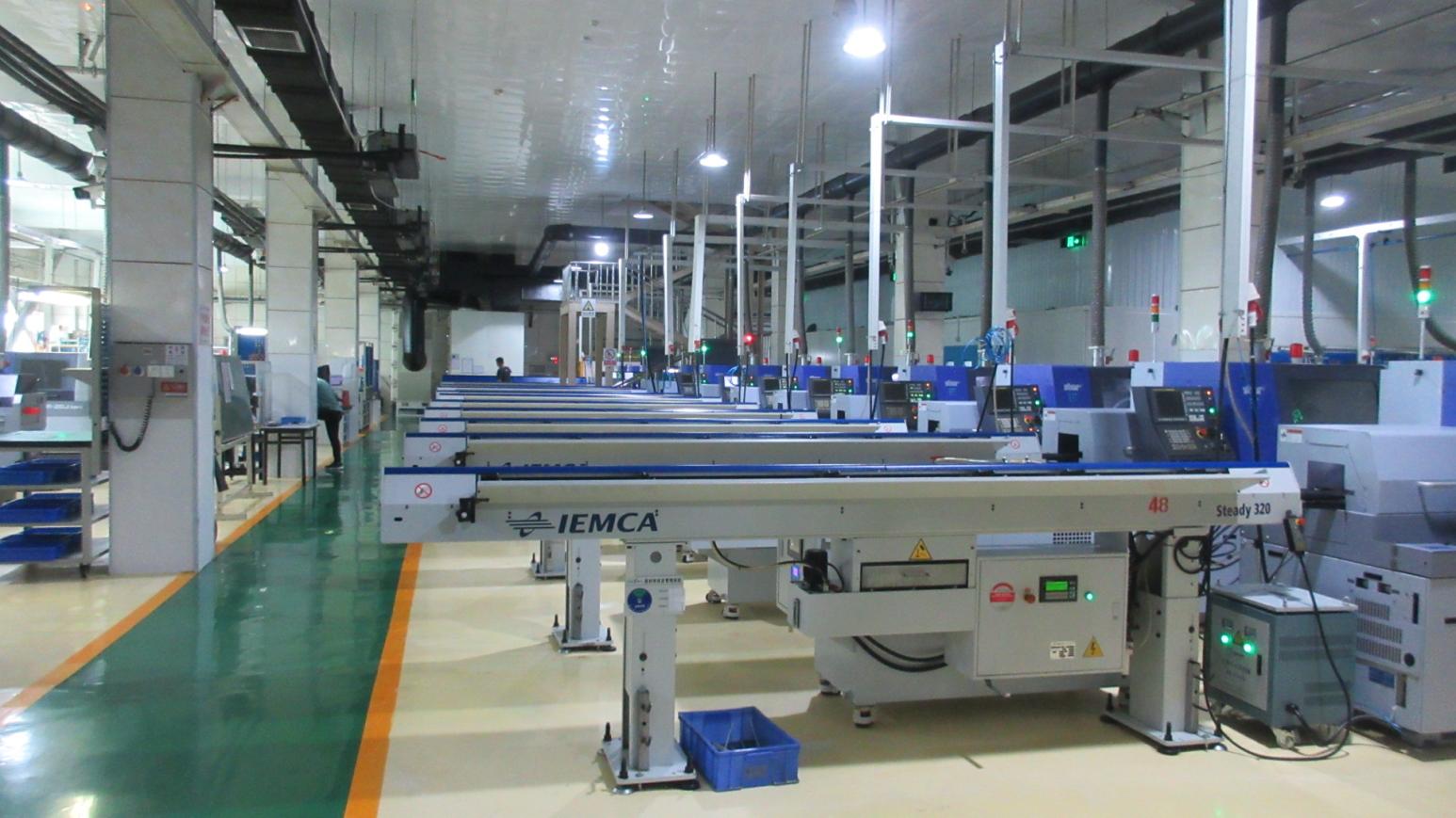
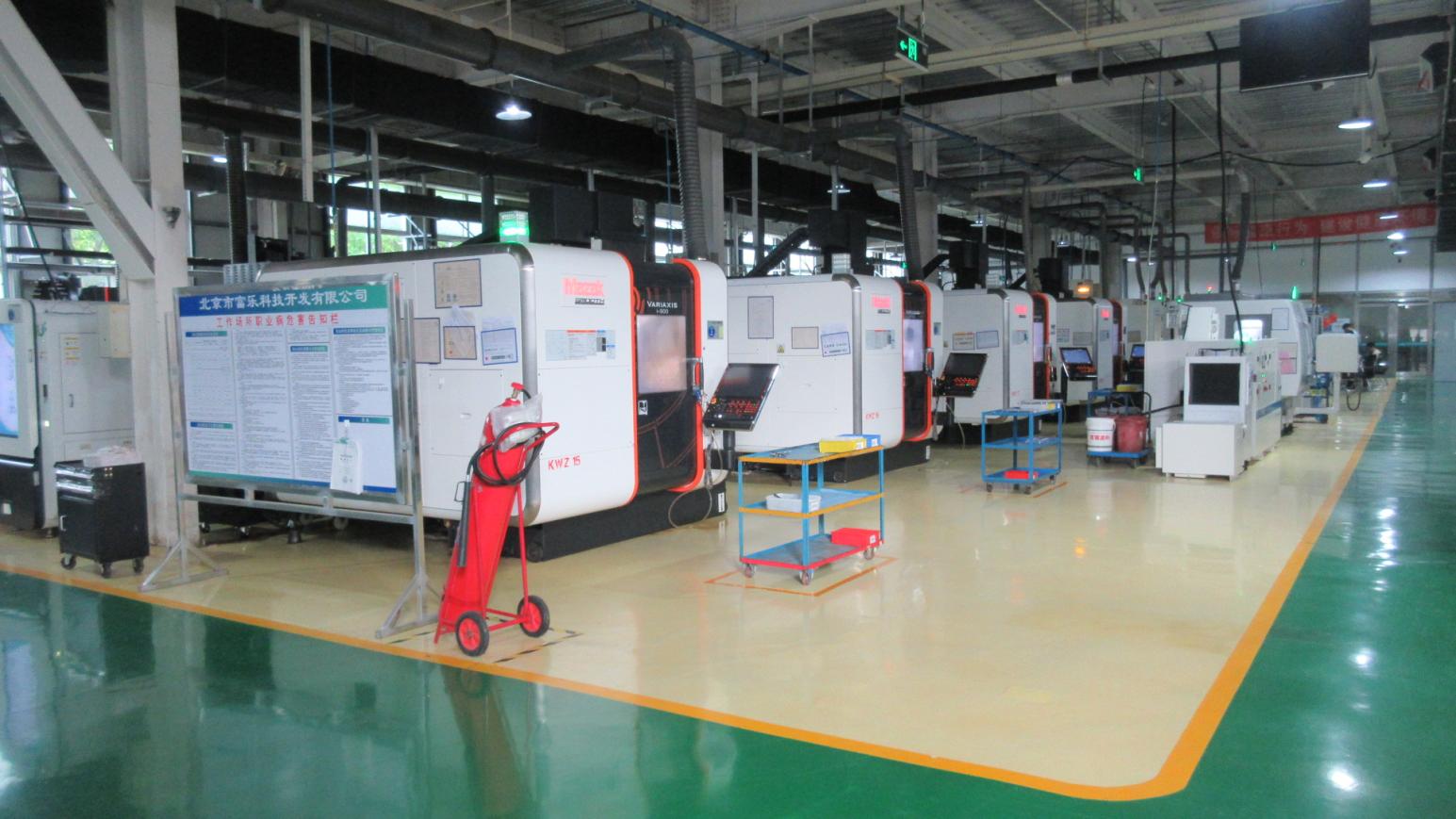
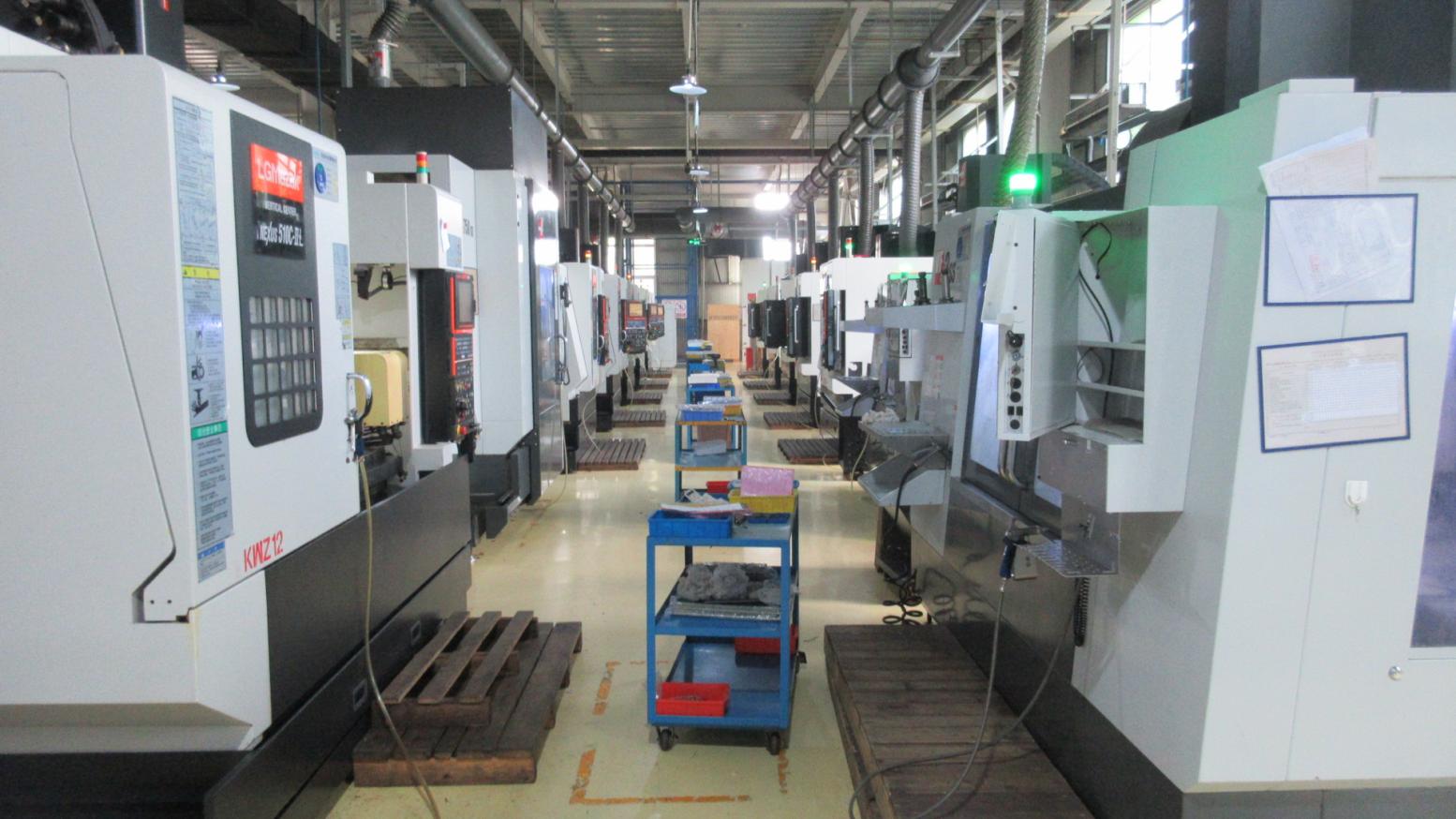
Founded in June 1996, Beijing Fule Science & Technology Development Co., Ltd. has established itself as an authoritative leader in the orthopedic implant industry. Operating from a specialized 10,000-square-meter facility with 102 state-of-the-art production machines, we run dedicated manufacturing lines optimized for orthopedic implants, biomechanical interfaces, and spinal surgical instruments. With an annual capacity exceeding half a million units and 20 specialized R&D engineers, we deliver reliable, bio-compatible solutions that interface seamlessly with advanced healthcare technologies.

ISO 13485 Certified
ISO13485 Certified Quality Management System
Certificate No: 04724Q10000818

The Evolution of Implantable Biomechanical Tech & Wearable Systems

The boundaries between wearable health technology and implantable medical hardware are merging. Today’s orthopedic implants—such as cervical plates, interbody fusion cages, and pedicle screw systems—serve as the foundational mechanical structural framework for high-precision, long-term human-machine physical integration. As a premier manufacturer certified under CE and ISO 13485, we supply the key physical structural interfaces and instruments that make modern spinal, trauma, and restorative clinical surgeries possible.

"Precision clinical care requires implant materials and structural hardware that mimic the mechanical performance of human bone. Matching elastic modulus, fatigue resistance, and surface topography is critical to ensuring patient safety, structural stability, and long-term integration."

Clinical Applications & Localized Integration Scenarios

Our implantable and instrument systems are built for a wide range of specialized surgical workflows:

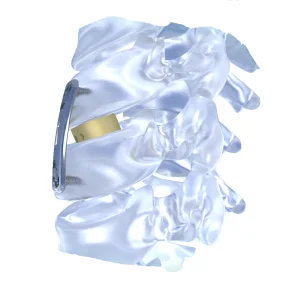
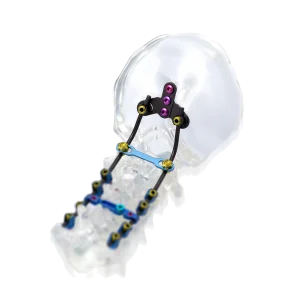
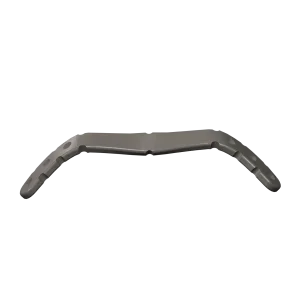
  • Cervical Stabilization: Using low-profile anterior cervical plates and biocompatible PEEK cervical fusion cages to relieve nerve compression and secure spinal alignment.
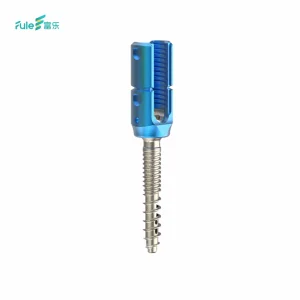
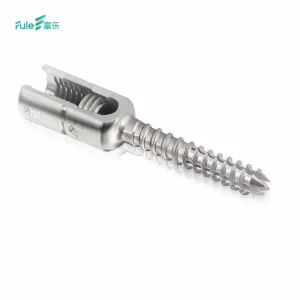
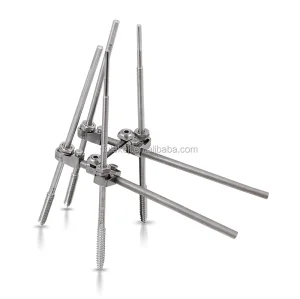
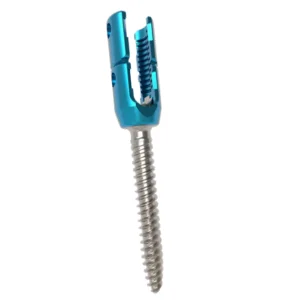
  • Thoracic and Lumbar Posterior Fixation: Employing monoaxial and polyaxial pedicle screws with optimized self-tapping designs to achieve immediate structural stability following degenerative disc diseases or spine trauma.
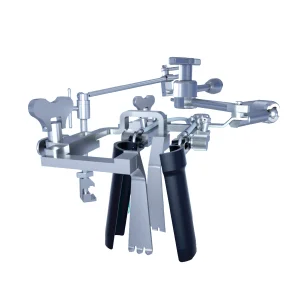
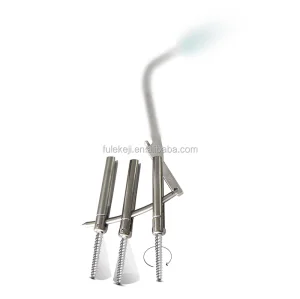
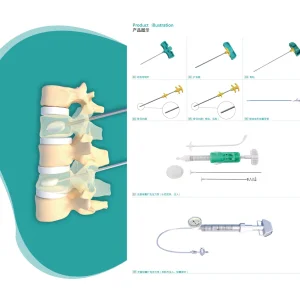
  • Minimally Invasive Spinal Surgery (MIS): Providing low-impact cannulated screws, MIS TLIF instrumentation, and direct visualization tools to reduce incision sizes, limit muscle damage, and speed up patient recovery.
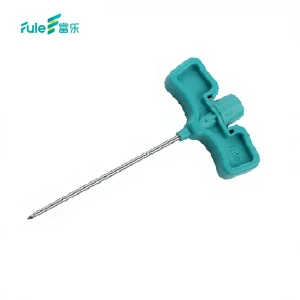
  • Thoracic Vertebroplasty (PKP/PVP): Delivering mechanical access instruments and bone cement systems to stabilize fractured thoracic vertebrae caused by osteoporosis or bone tumors.

China's Medical Supply Chain: Unmatched Resilience & Technical Precision

Operating within China's premier industrial medical clusters, Beijing Fule delivers unique efficiency and technological advantages:

Raw Material Traceability

We source only high-grade biocompatible medical titanium alloy and medical-grade PEEK. Every production batch is fully documented with material mill certificates and chemical assays for trace element compliance.

Advanced Machining

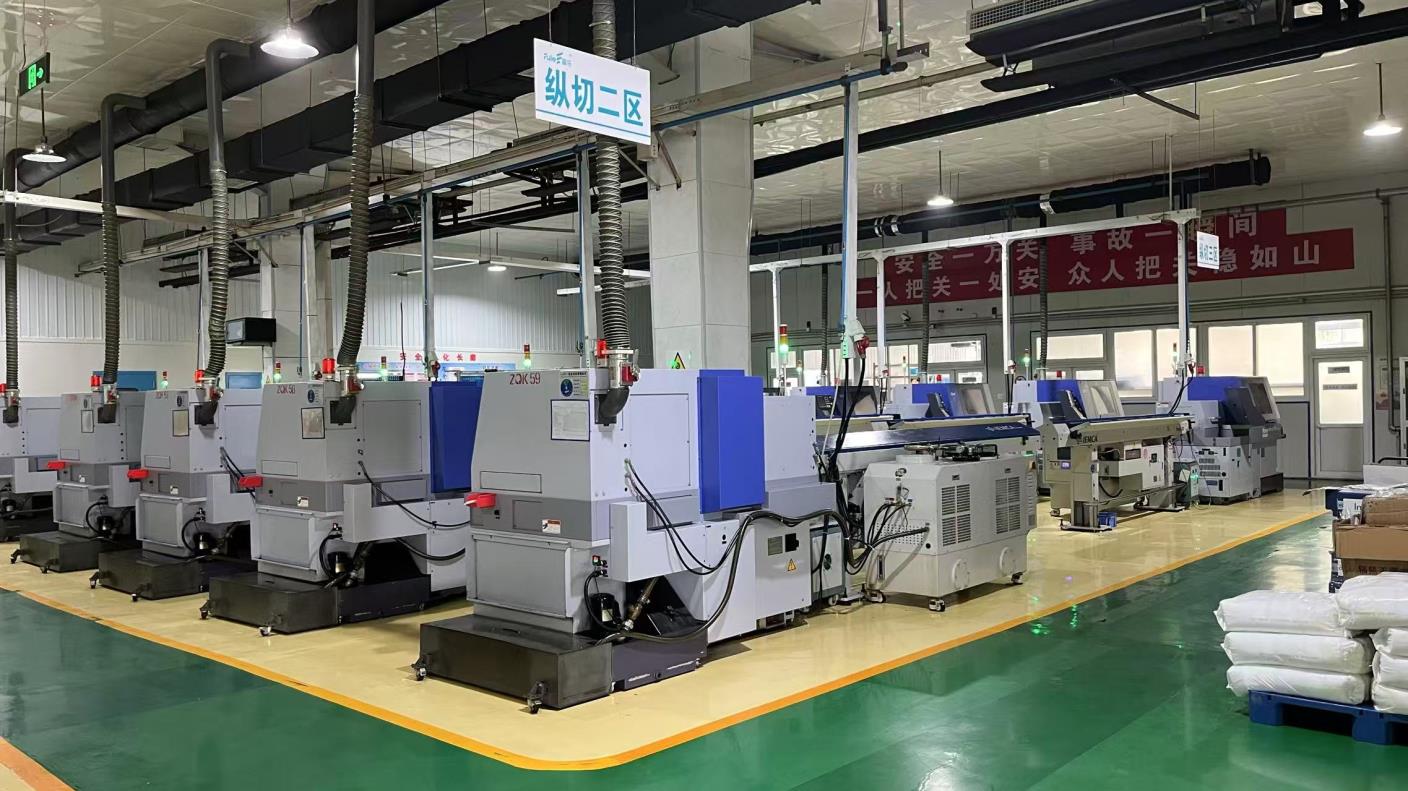
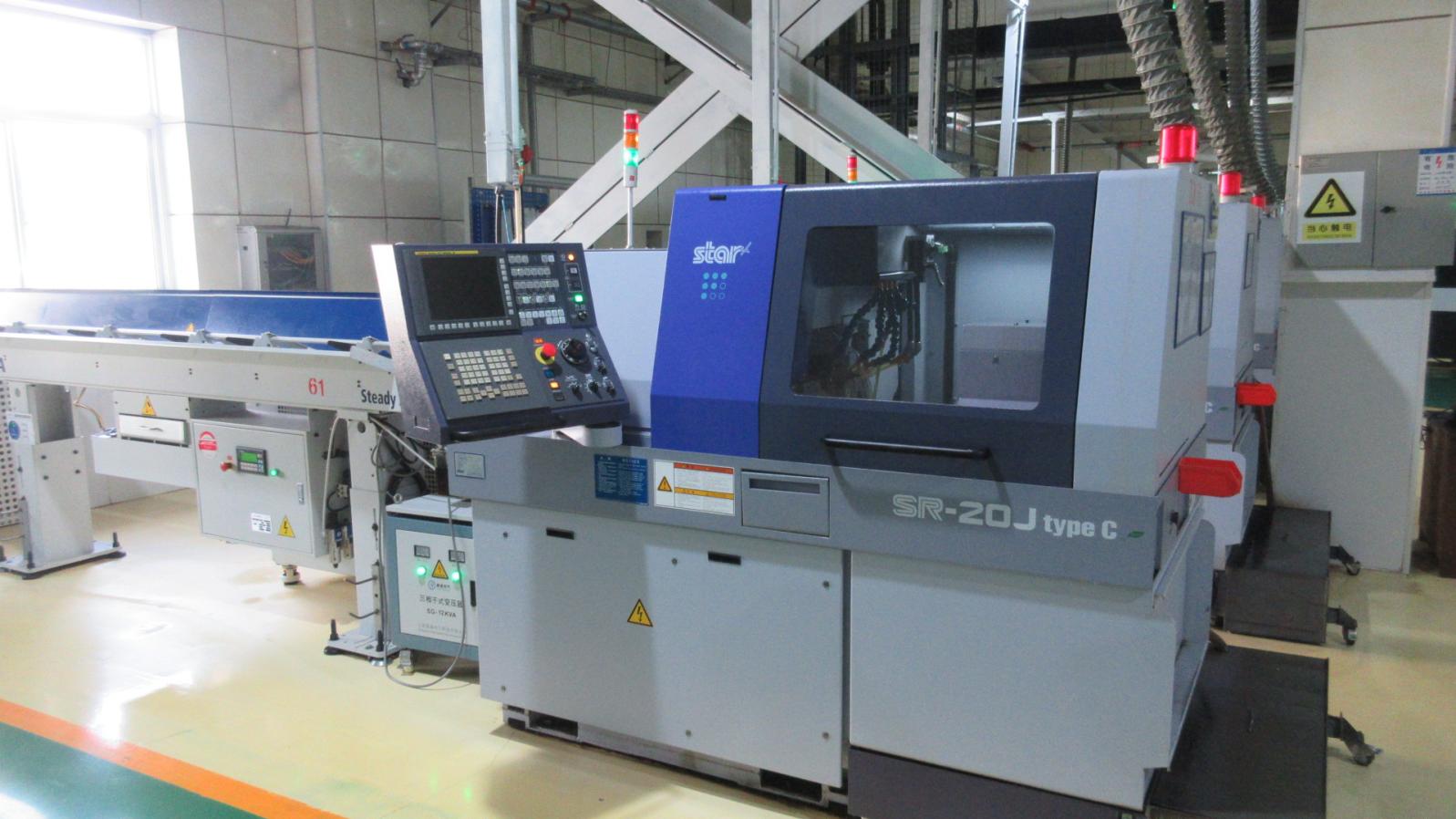
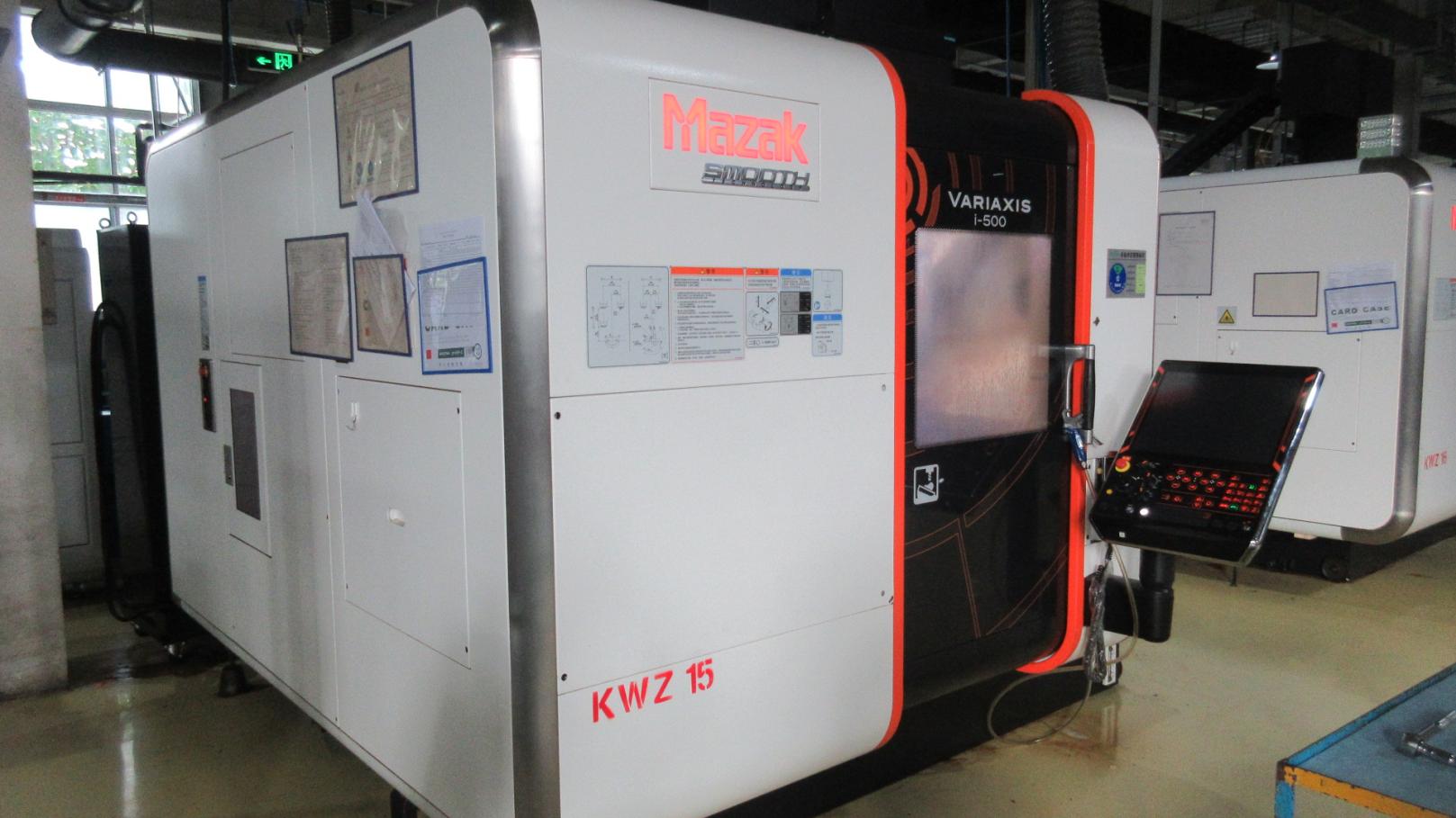
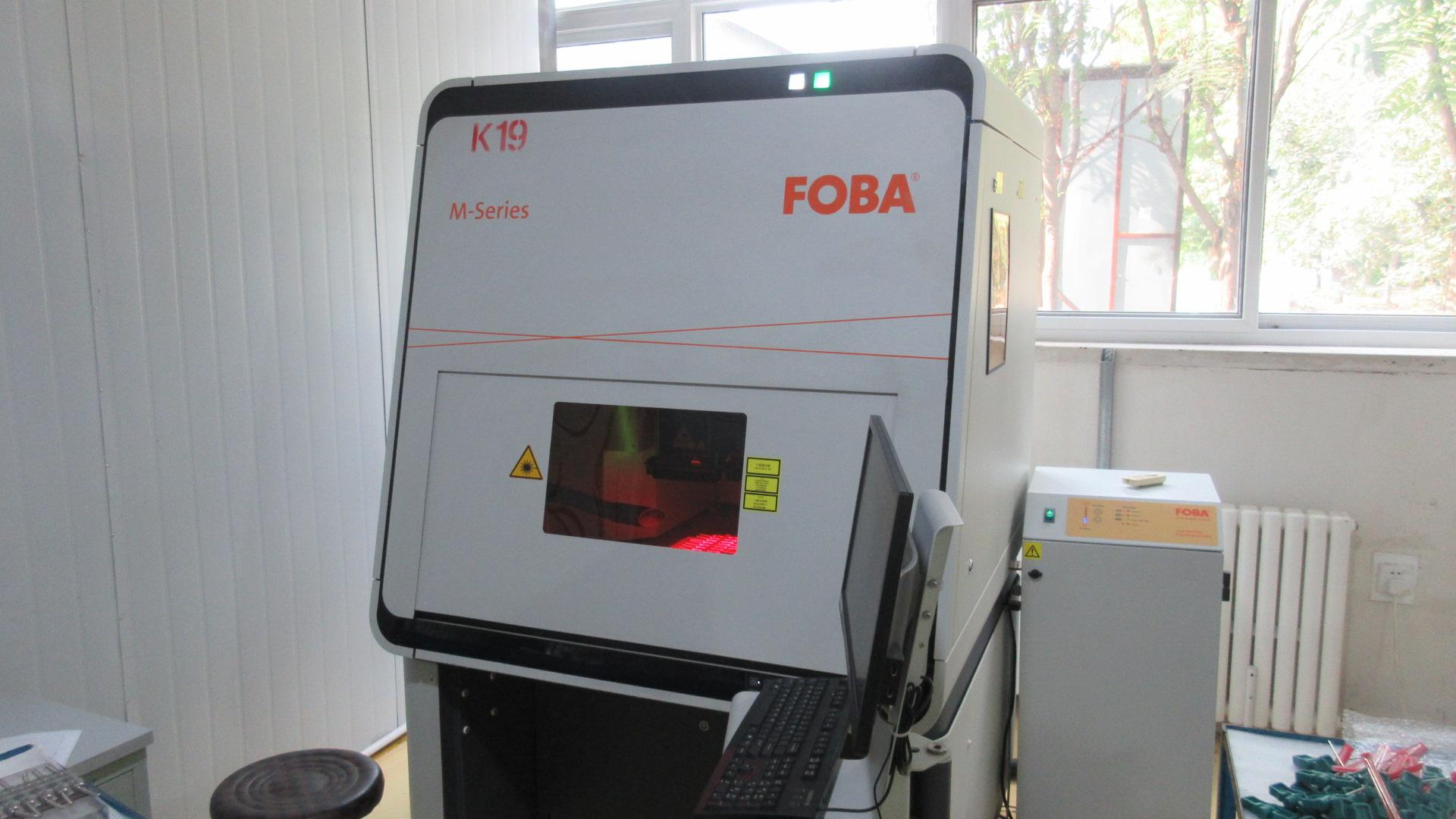
Our facility runs 102 state-of-the-art production machines, including Swiss CNC longitudinal turning centers and multi-axis milling stations. This ensures strict dimensional tolerances within ±0.005mm.

Cleanroom Packaging

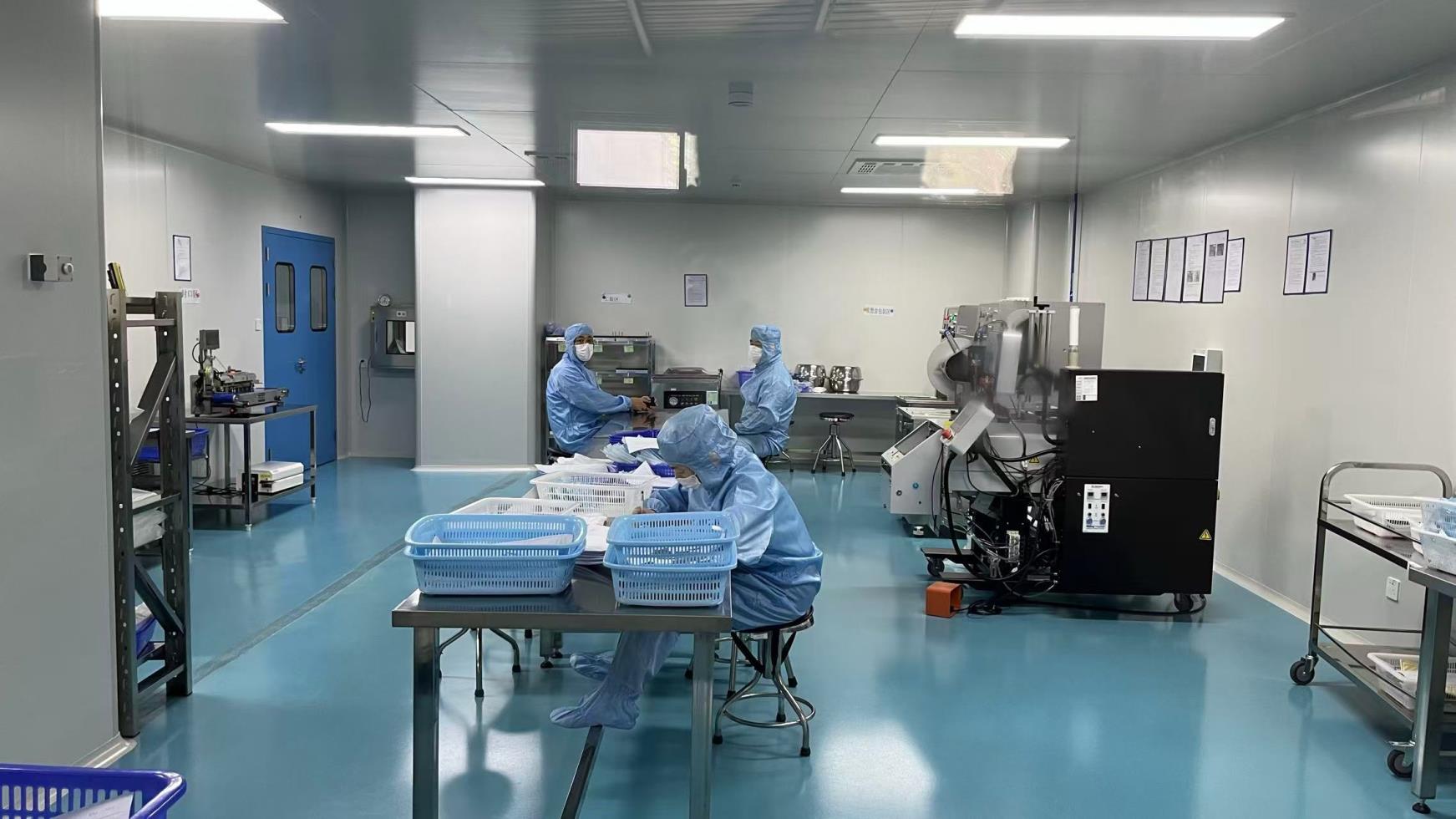
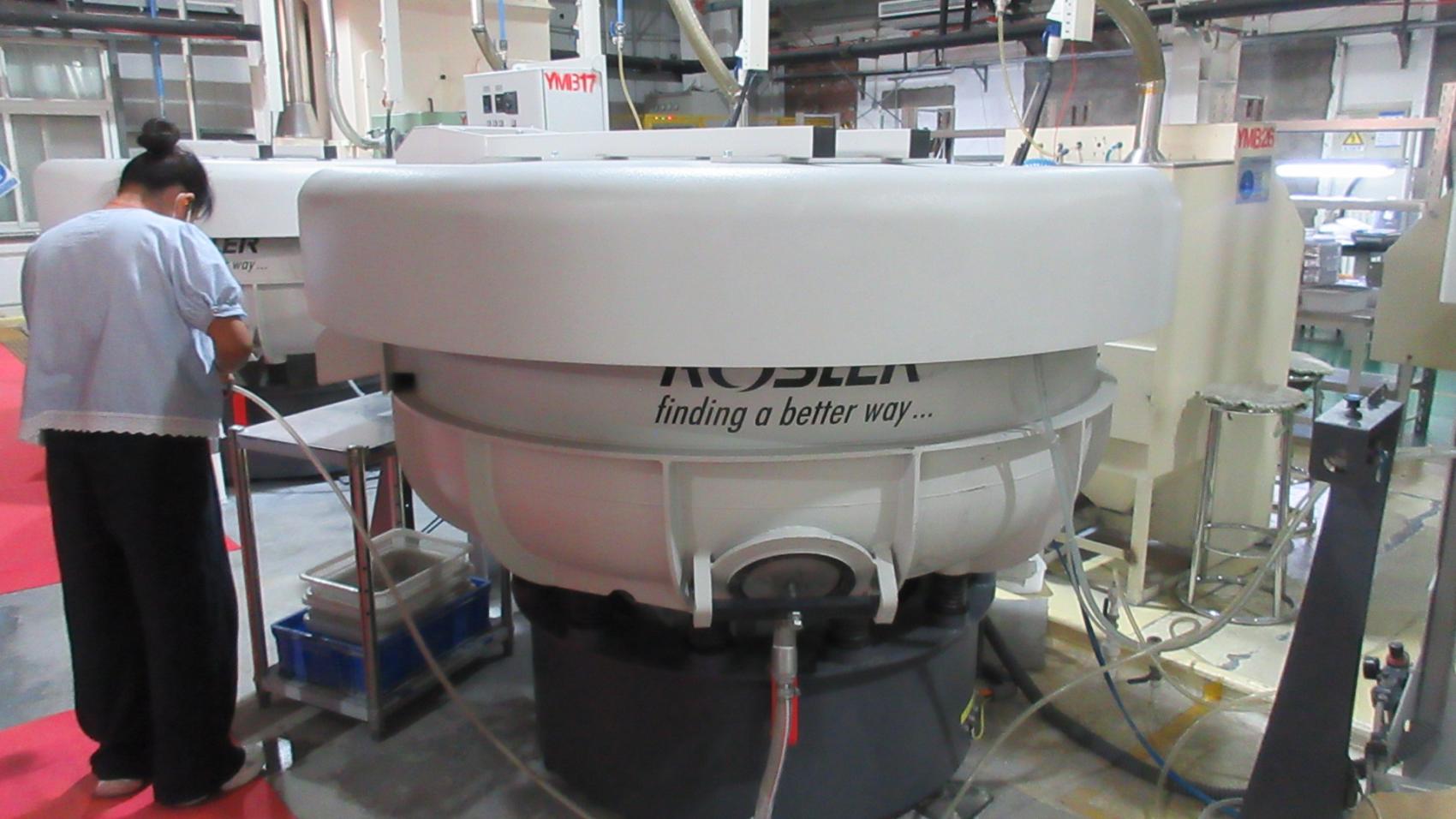
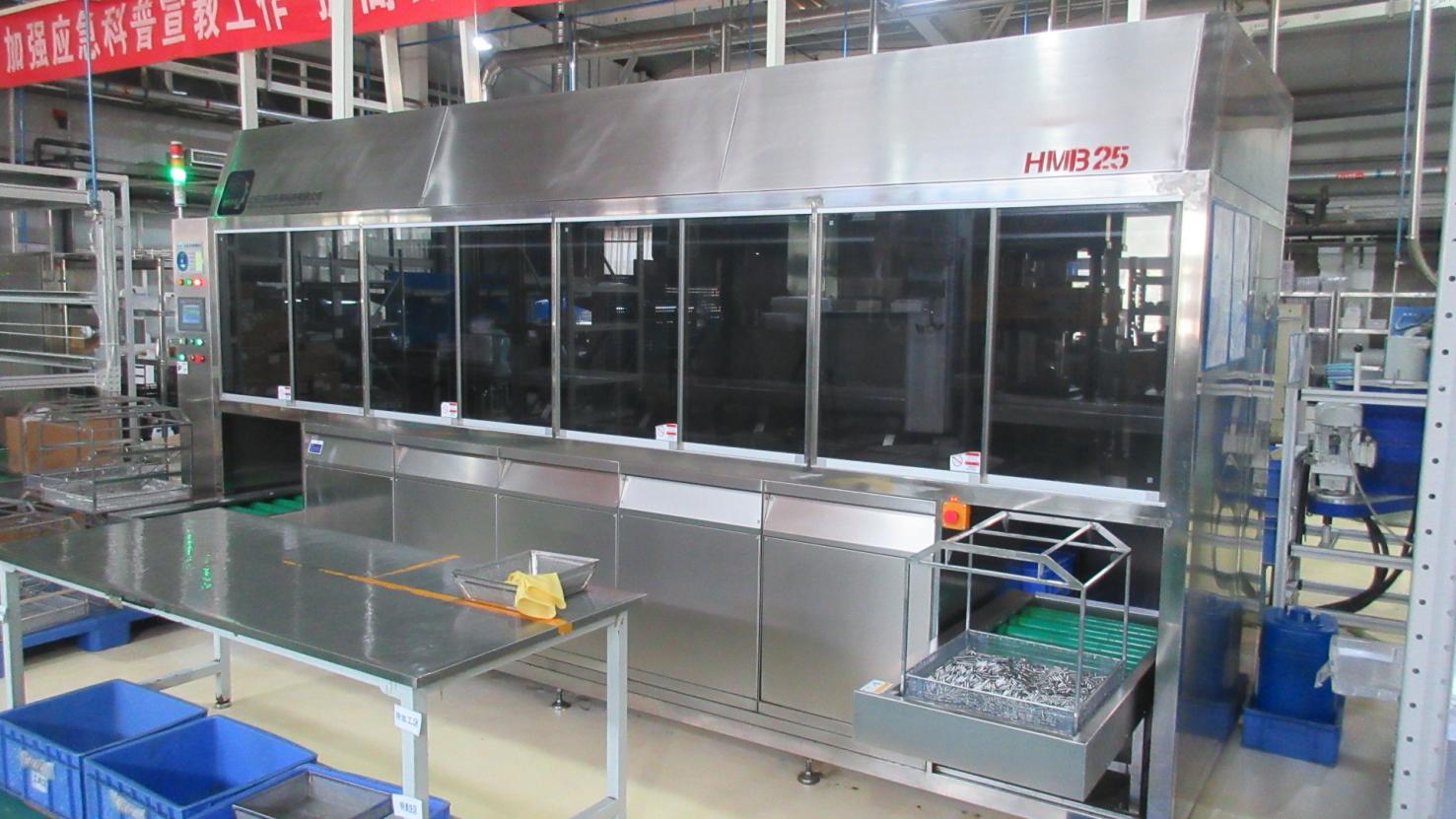
All implants undergo ultrasonic cleaning and are packaged in Class 10,000 cleanrooms. This process ensures low bioburden levels and compliance with international sterilization standards.

Technology Roadmap & Future Outlook

As healthcare shifts toward personalized medicine and digital health integration, our R&D roadmap focuses on adding smart capabilities to orthopedic and bio-mechanical implants:

Phase 1: Bioactive Surface Modifications (Current focus)

Applying advanced anodic oxidation, acid etching, and micro-arc oxidation (MAO) to titanium implants. These techniques create osteoconductive micro-textures that accelerate bone integration and improve initial stability.

Phase 2: Custom Patient-Specific Implants via 3D Printing (Mid-term)

Integrating Electron Beam Melting (EBM) and Direct Metal Laser Sintering (DMLS) technologies. This allows us to manufacture complex, custom titanium lattice structures designed specifically to match individual patient anatomy.

Phase 3: Sensor-Integrated Smart Implants (Future Outlook)

Developing low-power, biocompatible strain sensors and temperature micro-electronics. These sensors will embed into load-bearing spinal plates and cages, providing real-time data to help clinicians monitor postoperative healing and detect early-stage infections.

Global Compliance, Quality Control, and E-E-A-T Assurance

Beijing Fule runs a strict Quality Assurance protocol overseen by 15 dedicated QA/QC inspectors. We maintain 100% inspection rates on all implantable products to ensure safety and precision.

Traceability of Raw Materials
Yes, full metallurgical tracing
Product Inspection Method
100% physical & dimensional inspection
QA/QC Inspectors
15 experienced specialists
R&D Department
20 engineers (15 post-graduates)
Core Target Markets
Domestic (40%), Eastern Europe (15%), Southeast Asia (10%), global OEMs
Customization (OEM/ODM)
Supported: sample processing, graphic design, and custom manufacturing

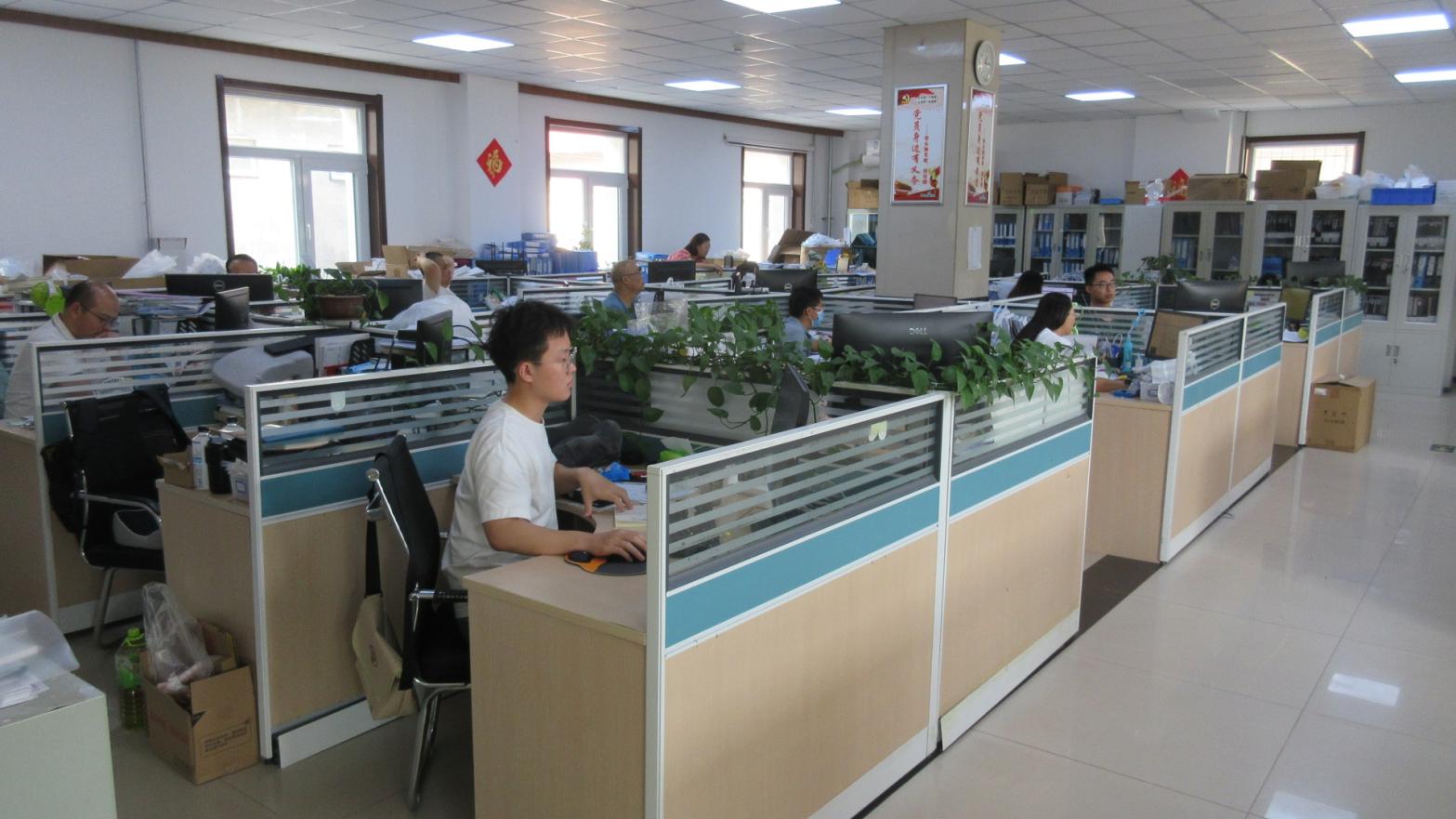
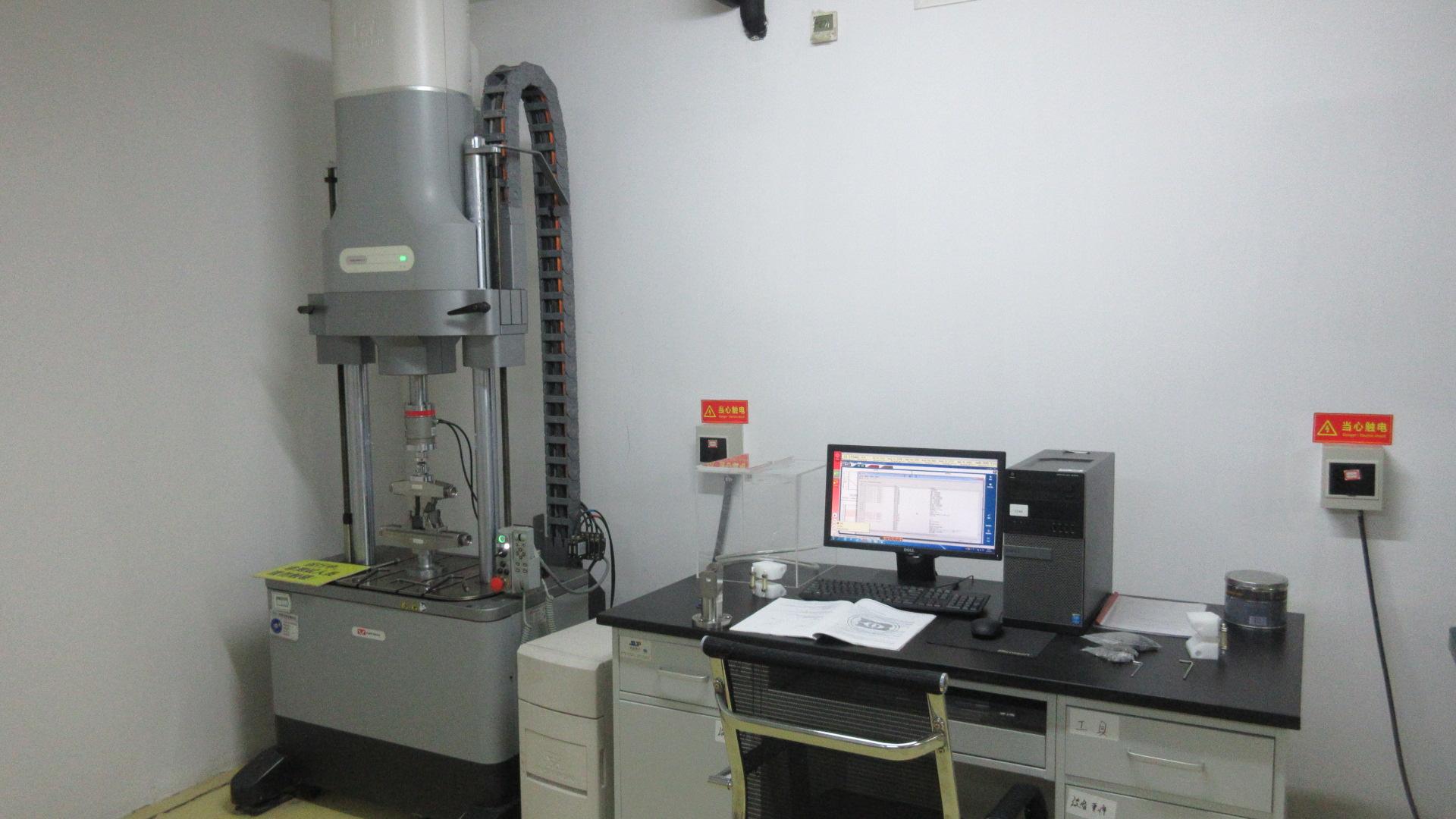
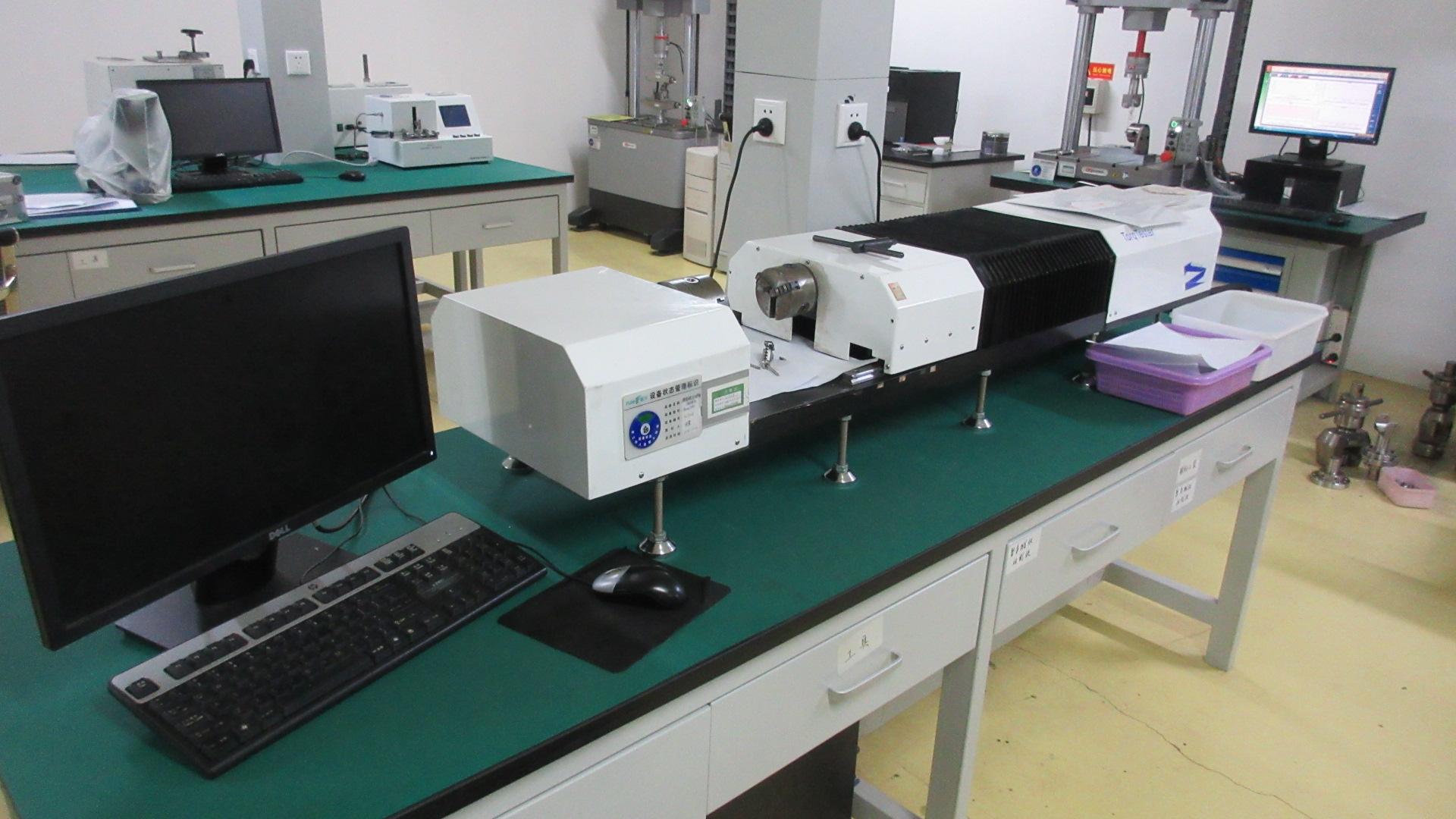
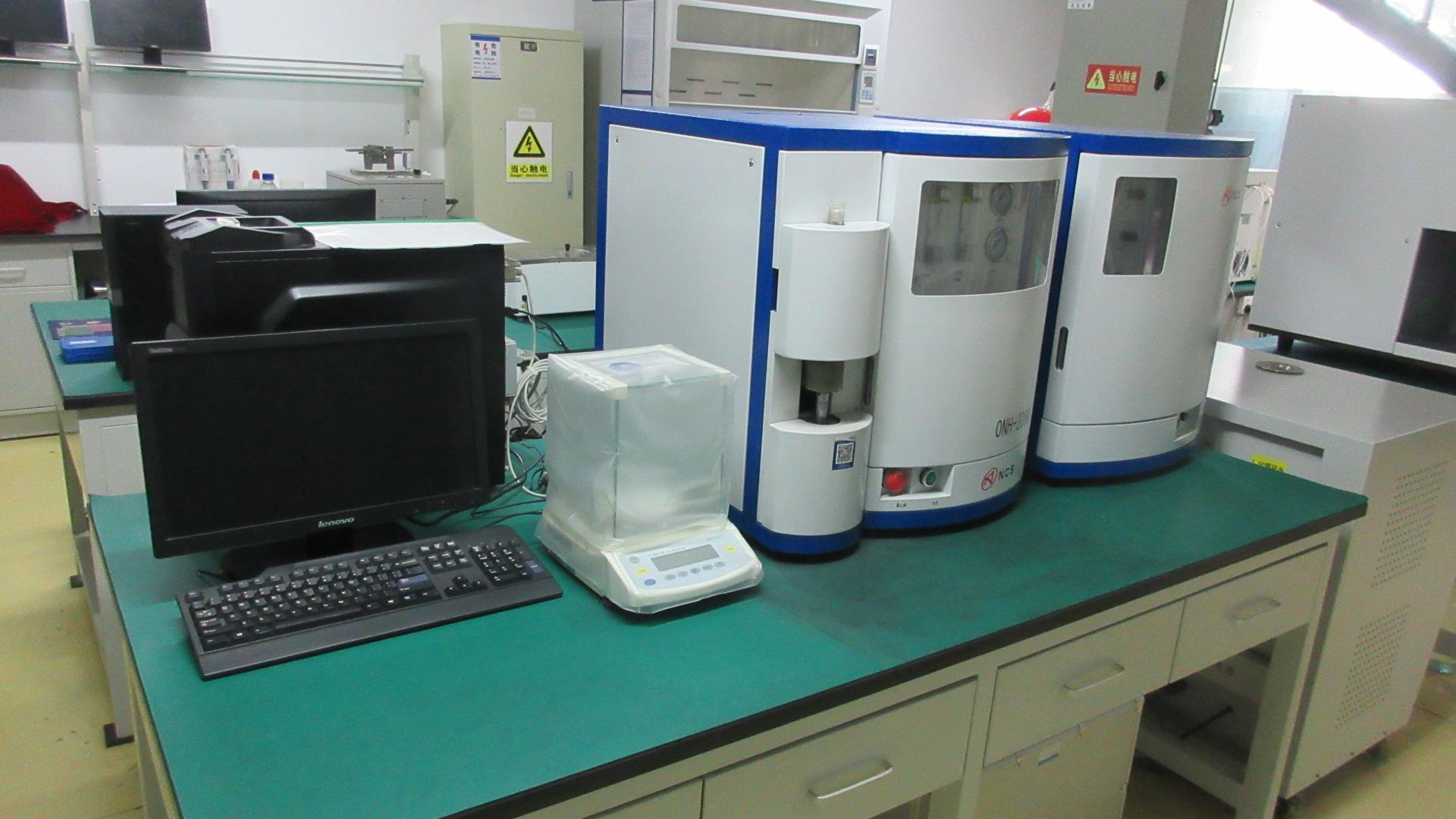
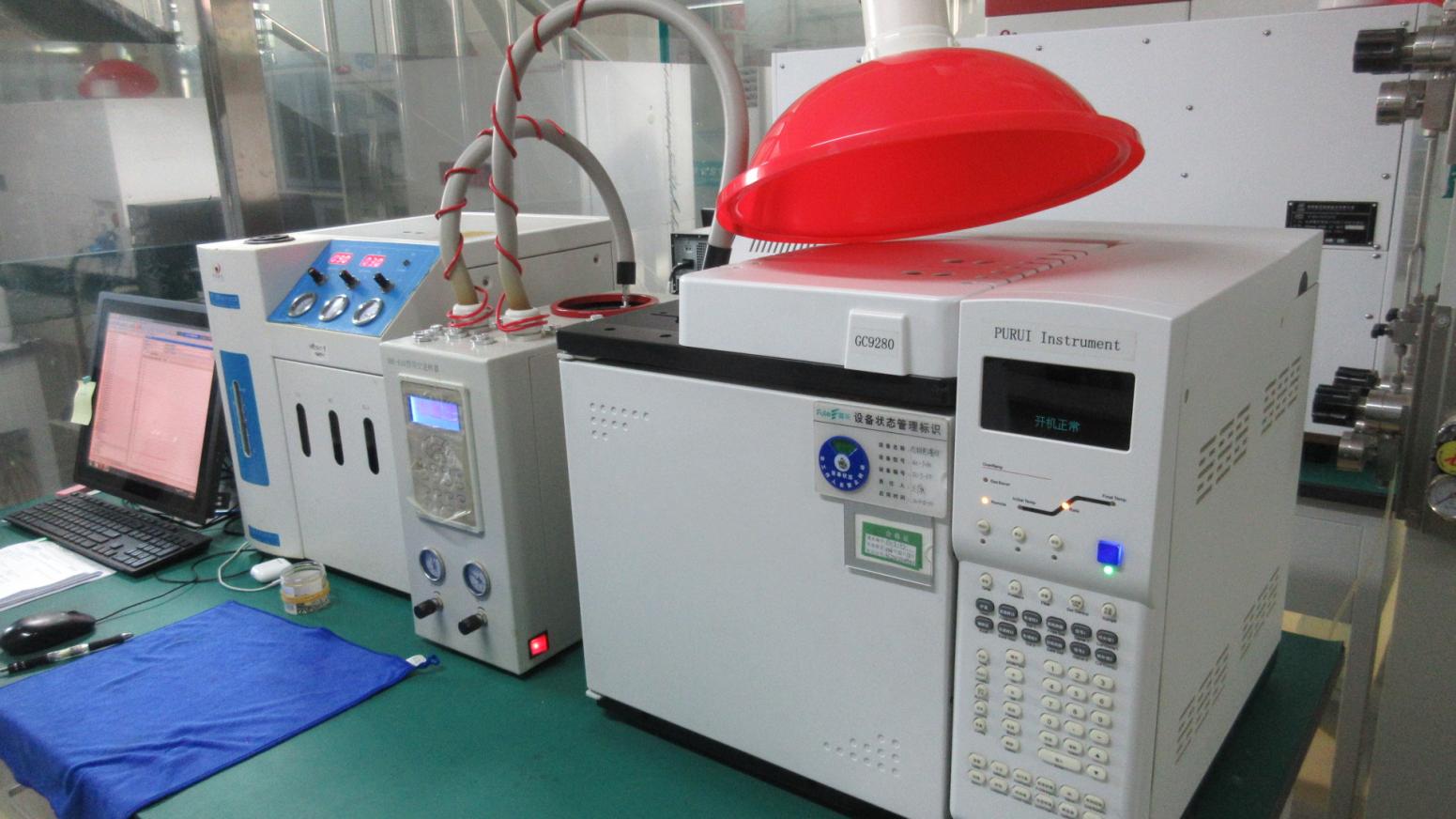
Advanced Manufacturing Facility & Infrastructure

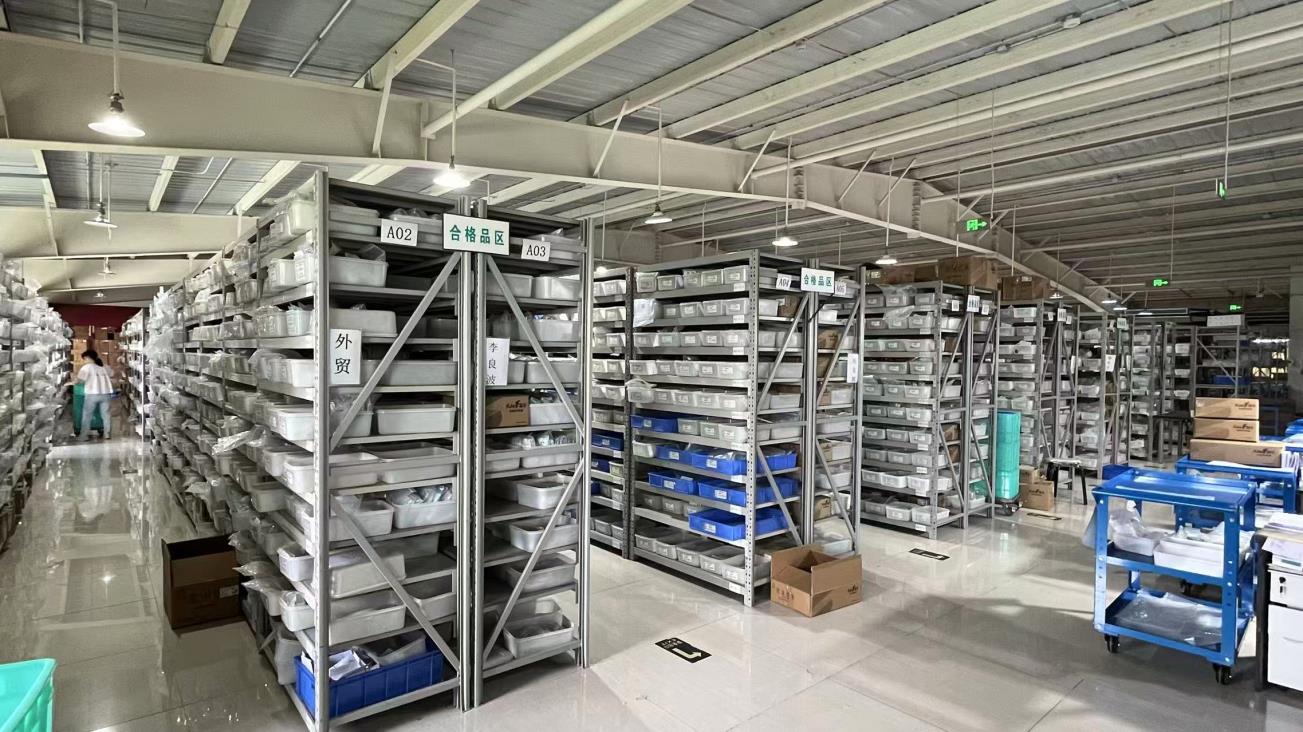
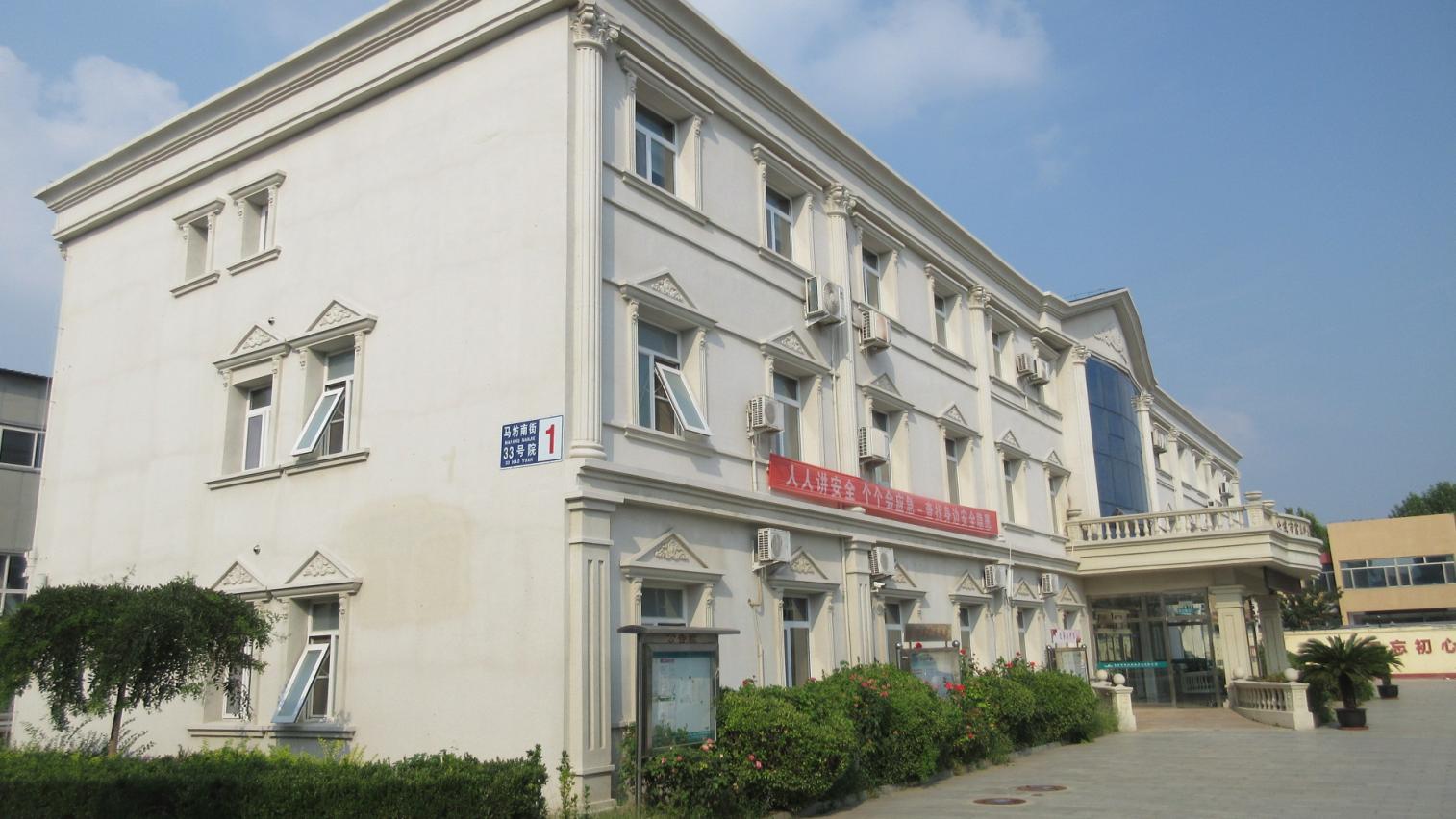
A tour of our manufacturing floors, testing labs, cleanrooms, and ISO-certified operations.
Expert Procurement Q&A (FAQ)

Key technical, regulatory, and logistics answers for hospital administrators, international distributors, and OEM buyers.

Q1: What specific material standards does Beijing Fule use for implants and instrument sets?
Our titanium implants are manufactured from medical-grade Ti-6Al-4V ELI (Extra Low Interstitial) alloy, complying with ASTM F136 specifications. This ensures high fatigue strength and biocompatibility. Our non-metallic cervical fusion cages are machined from medical-grade PEEK (Polyetheretherketone) sourced from top-tier polymer manufacturers, matching the elasticity modulus of human bone to reduce stress shielding.
Q2: How does your quality control framework support MDR / CE regulatory compliance?
Our quality management system is fully certified under ISO 13485:2016 (Certificate 04724Q10000818). Under our CE markings, we enforce complete raw material traceability, 100% visual and dimensional inspection, and strict bioburden controls for implants. Every batch is supported by certificate records, processing data sheets, and final inspection reports.
Q3: Are you able to customize implants or design custom tools (OEM/ODM)?
Yes. Our R&D team consists of 20 highly qualified engineers who support custom designs. We provide three main customization options: sample processing, graphic CAD drawing design, and fully custom implants designed for specific markets or applications.
Q4: What is your production lead time, and how do you ensure supply chain resilience?
With 102 production machines and an annual capacity of 511,000 units, we maintain stable production pipelines. For standard products (such as pedicle screws, rods, and surgical instruments), we keep stock levels that allow us to ship within 7–14 days. Custom OEM orders typically range from 30 to 45 days, depending on mechanical complexity and material requirements.
Q5: Do you provide surgical training sets and instrumentation along with your implants?
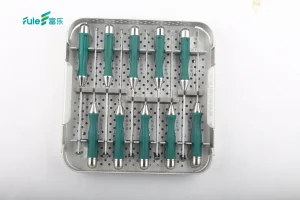
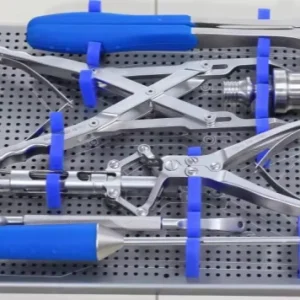
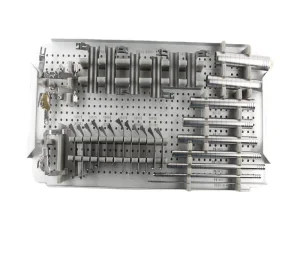
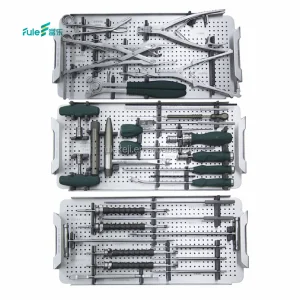
Yes, we provide specialized, reusable instrument sets in dedicated sterilization boxes for all of our systems. This includes our Cervical Plate Screw Systems, Posterior Lumbar Screws, and MIS TLIF implants.