Explore our CE-marked portfolio of spine decompression systems, traumatic external fixators, and high-performance pedicle screws.
A professional overview of international clinical guidelines, metallurgic advancements, and strict compliance parameters in skeletal fixation.
Modern osteosynthesis relies heavily on the metallurgical integrity of surgical wire and pins (e.g., Kirschner wires and Steinmann pins). Superior biocompatibility is achieved through high-grade Titanium Alloy (Ti-6Al-4V ELI) and implant-quality 316LVM Stainless Steel. These materials prevent adverse tissue reactions while offering exceptional yield strength, preventing axial distortion under structural compression.
Procuring surgical-grade implants requires strict compliance with international medical directives. CE marking (MDR 2017/745) guarantees that orthopedic wire and pins meet strict biophysical requirements. Hospitals and medical distributors prioritize ISO 13485 certified facilities to ensure traceability, stable mechanical properties, and zero defects across all manufacturing lines.
To reduce bacterial adhesion and accelerate osseointegration, our orthopedic wires undergo advanced electrochemical polishing and anodization. This creates an inert titanium oxide layer, which prevents ion release and improves the implant's resistance to cyclic fatigue under dynamic loads.
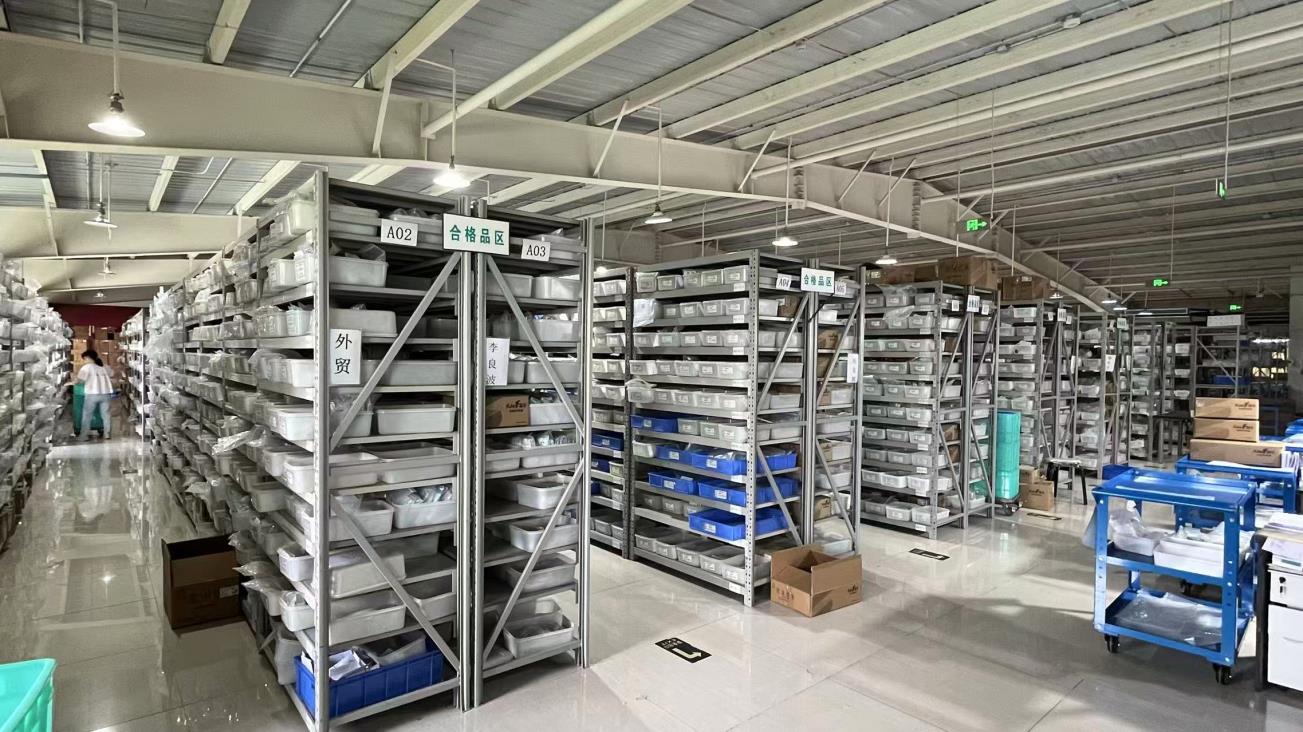
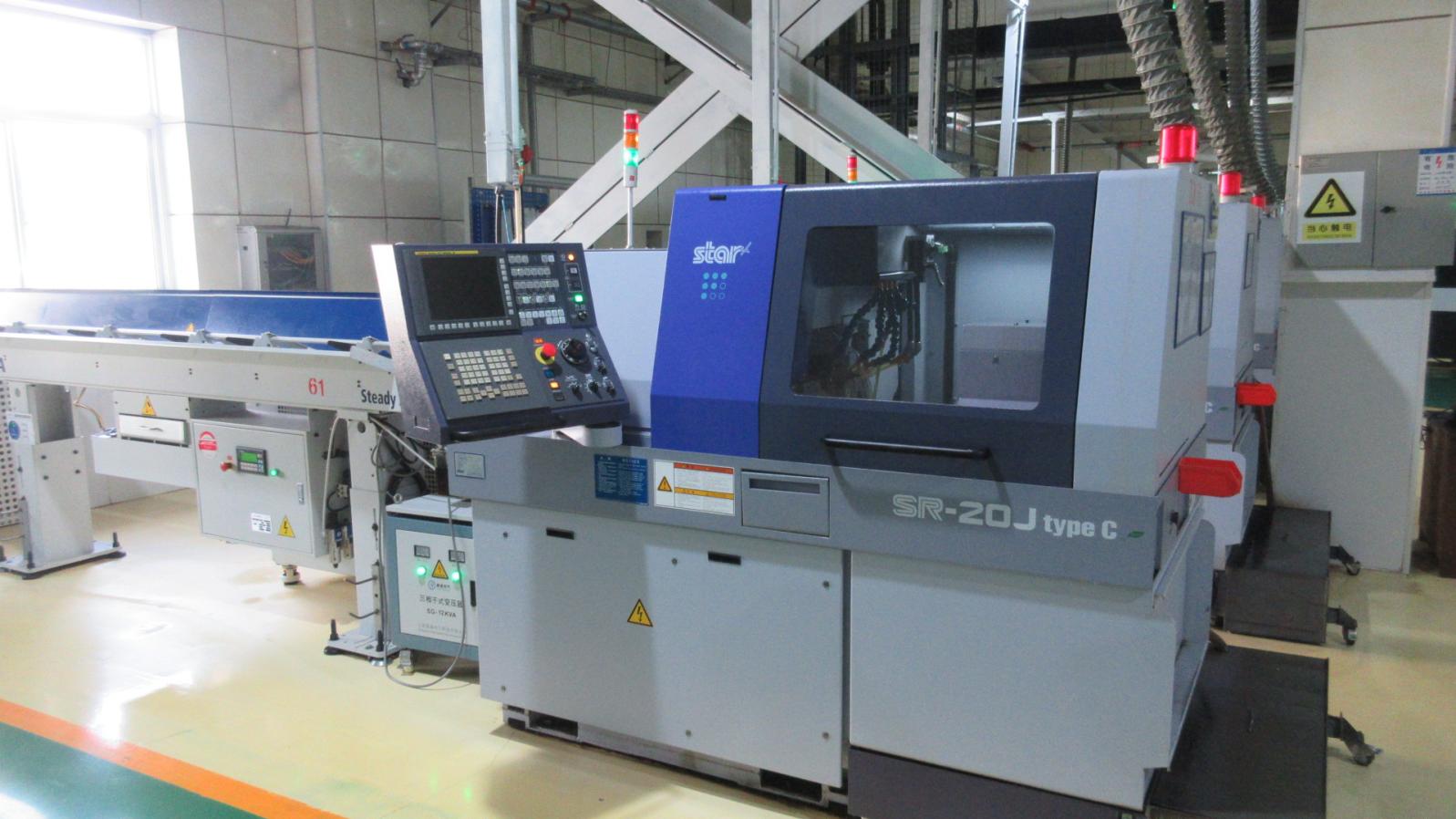
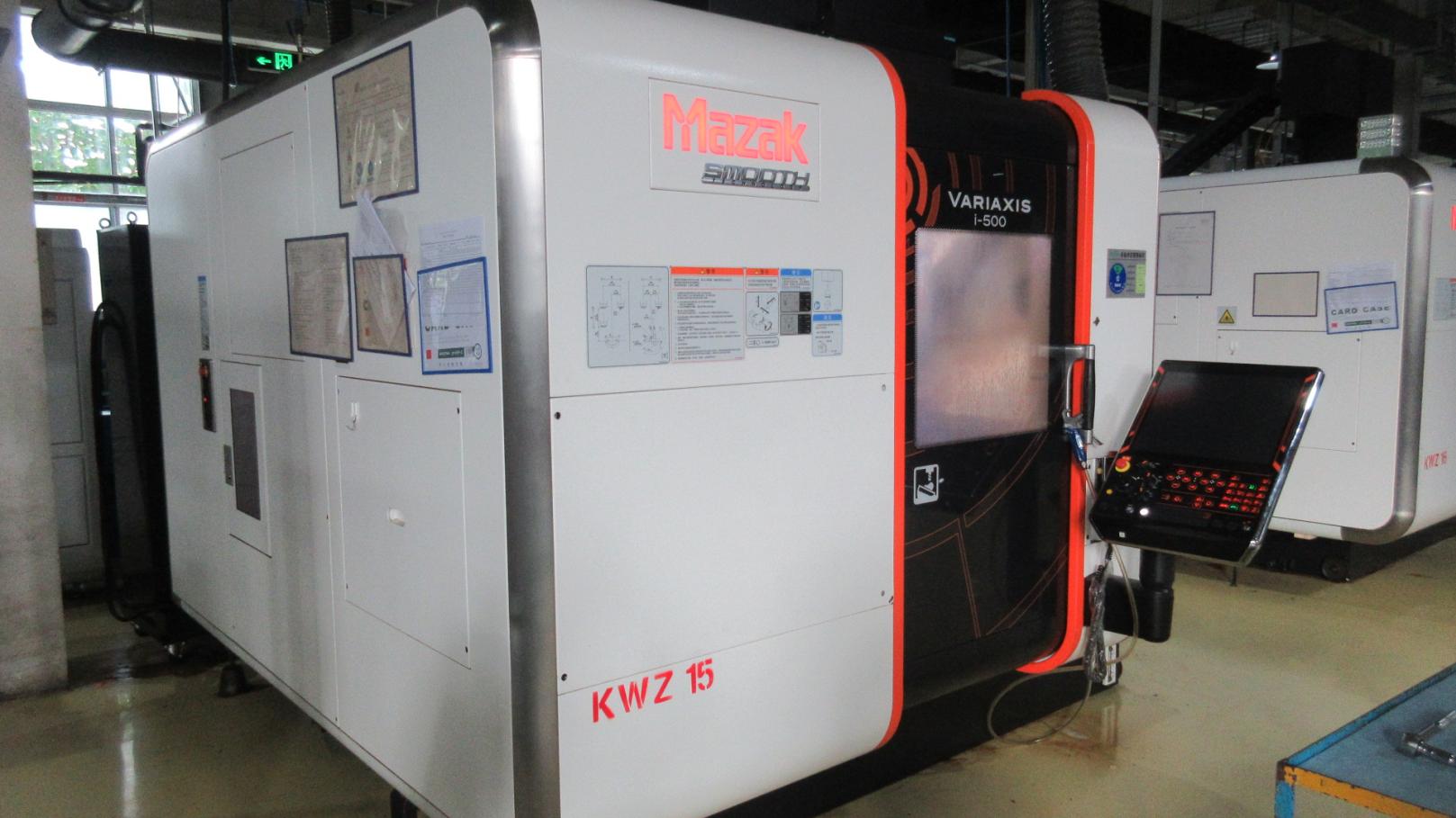
Every step of our process—from raw material inspection to automated CNC milling and sterilization preparation—meets international medical device standards.
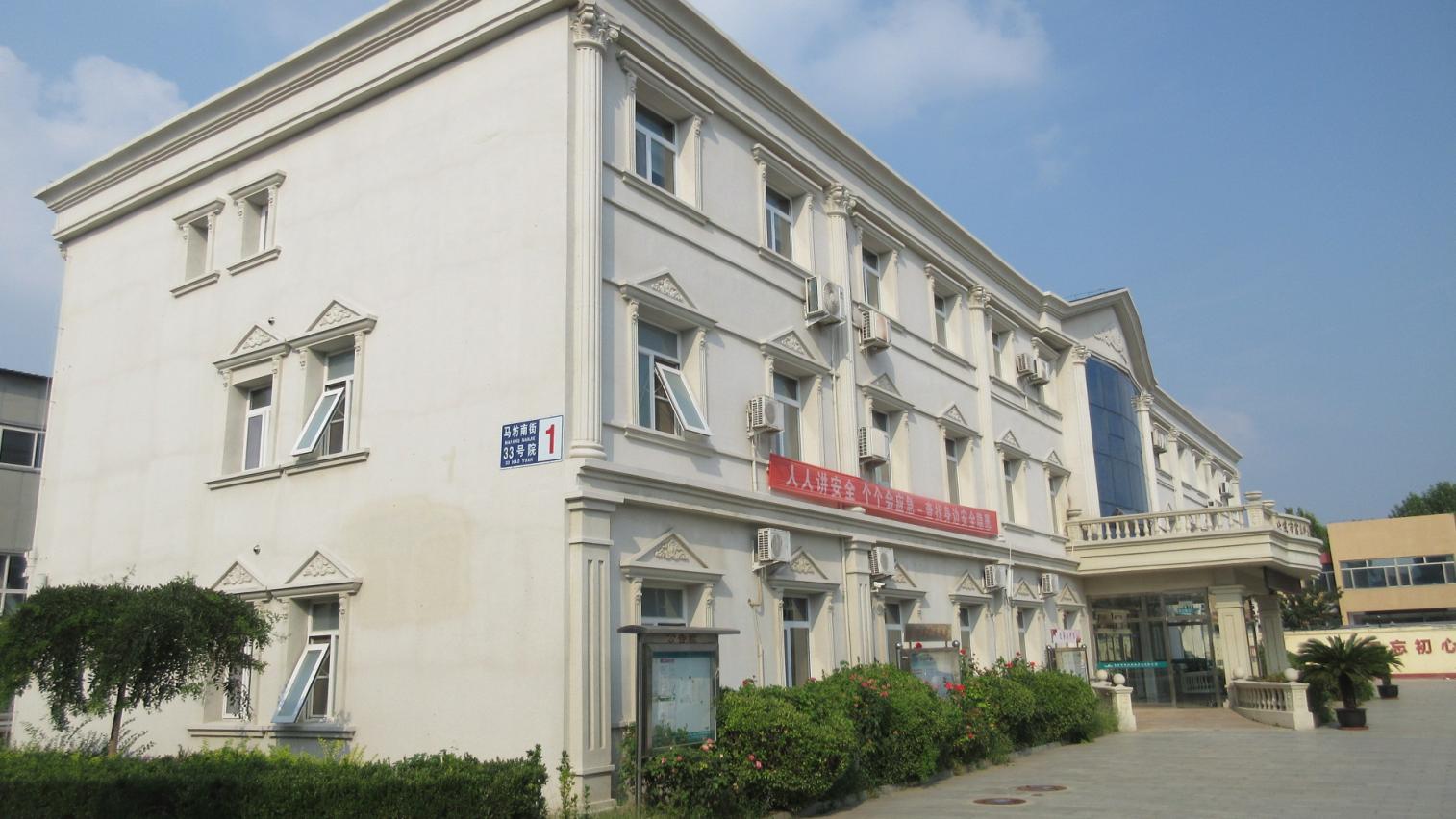
We source medical-grade titanium and stainless steel with full material certificates, ensuring complete batch traceability.
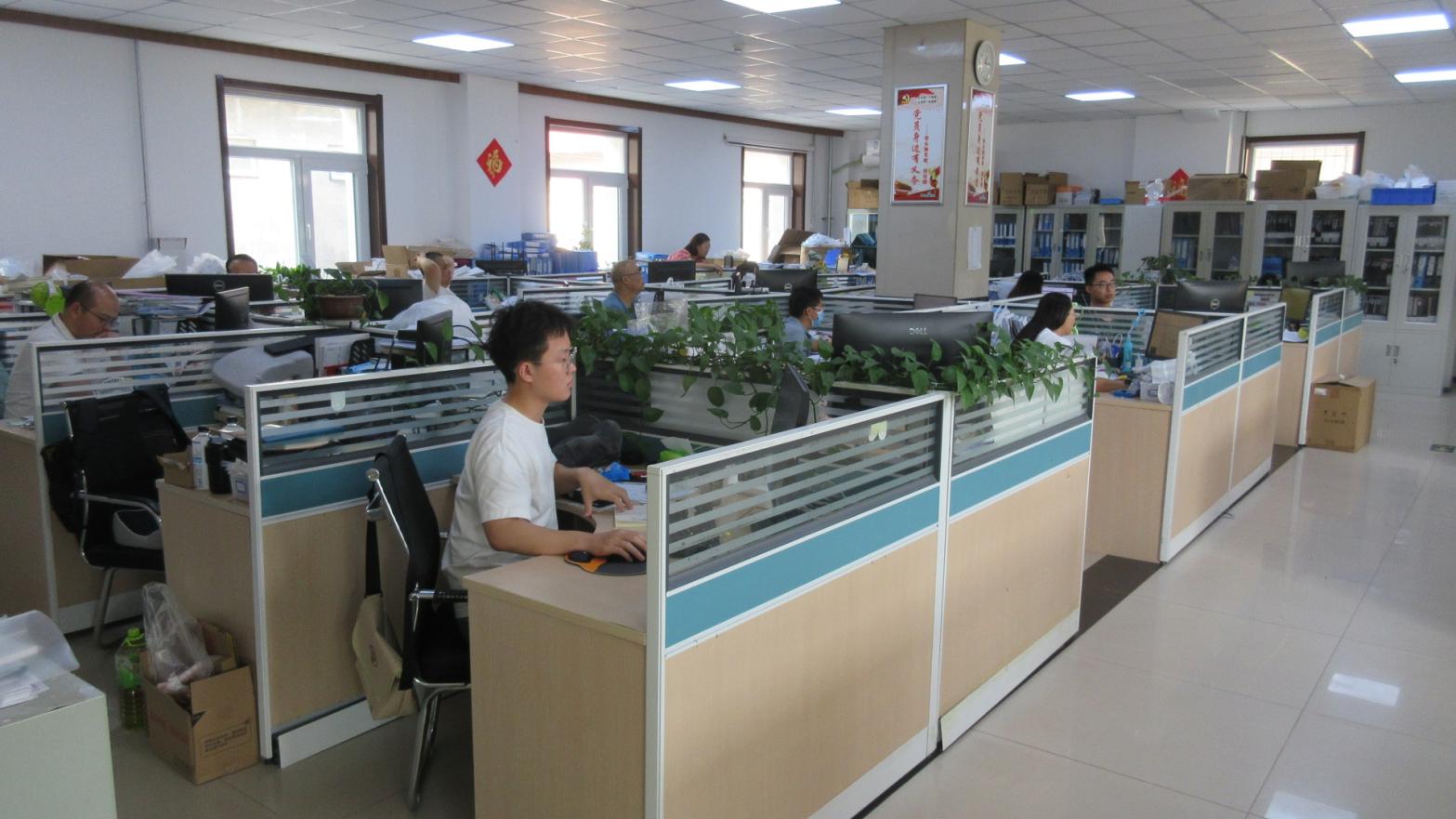
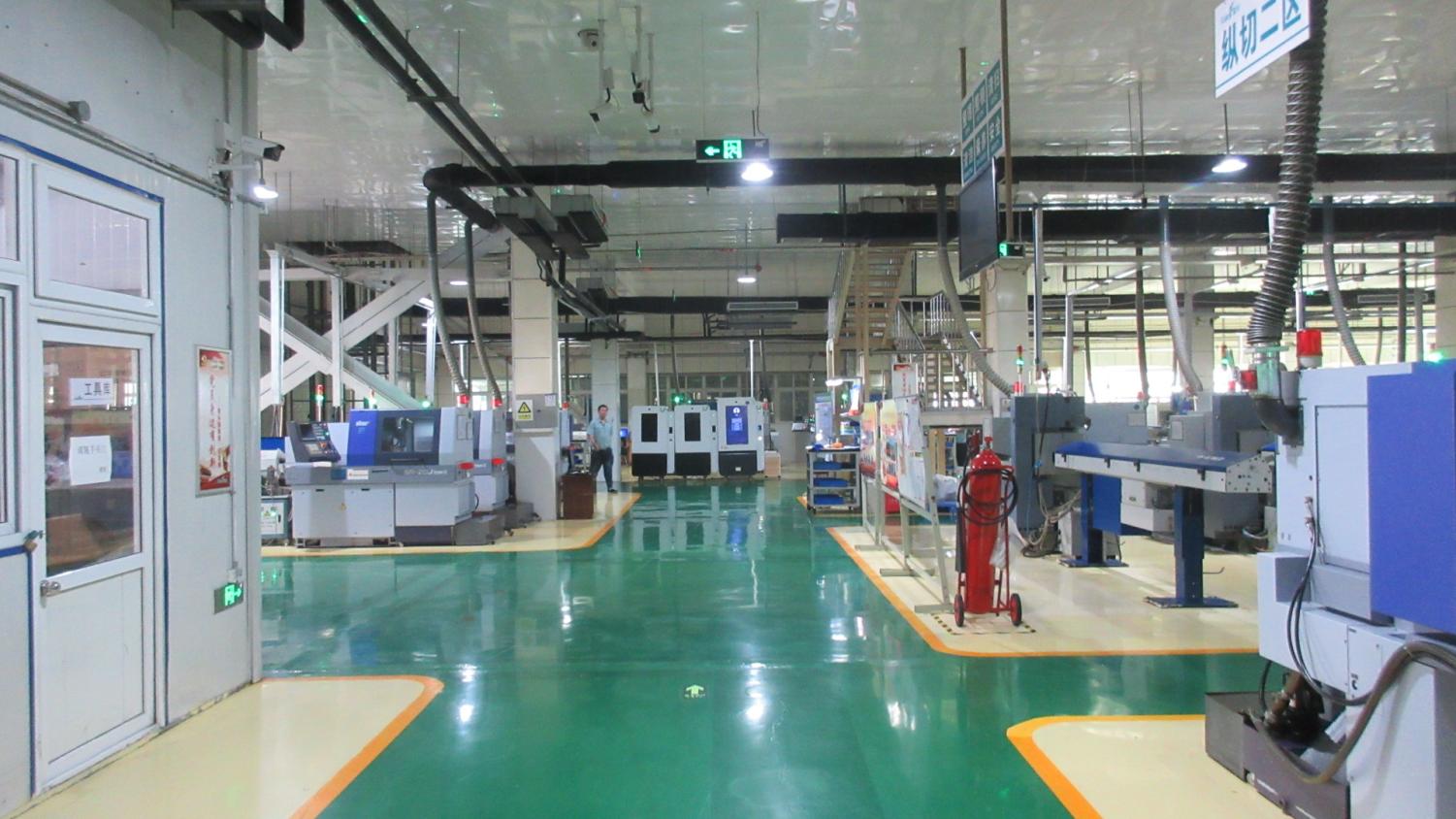
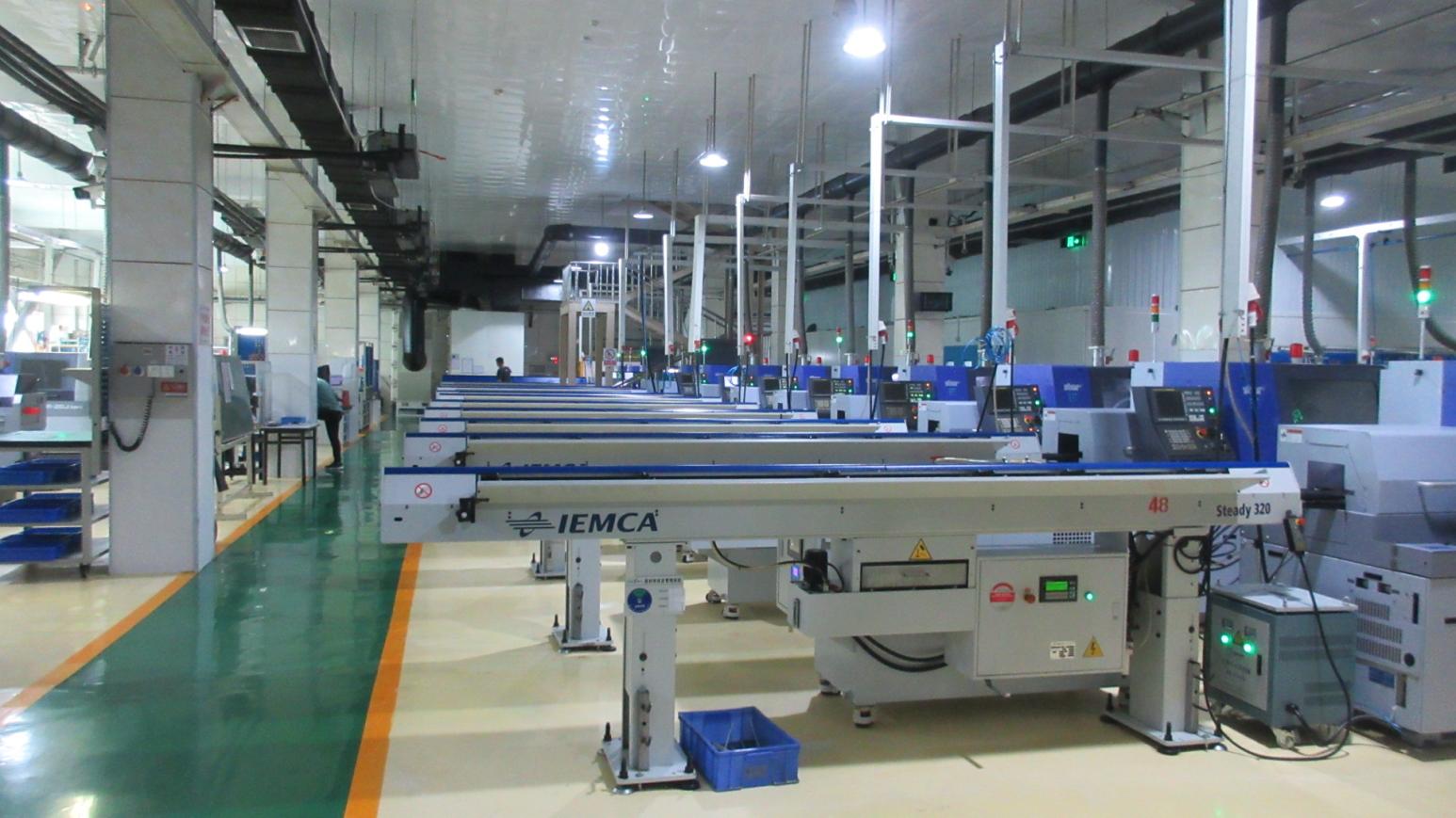
Our Swiss-type CNC lathes machine complex geometries, thread profiles, and sharp tip configurations with micron-level accuracy.
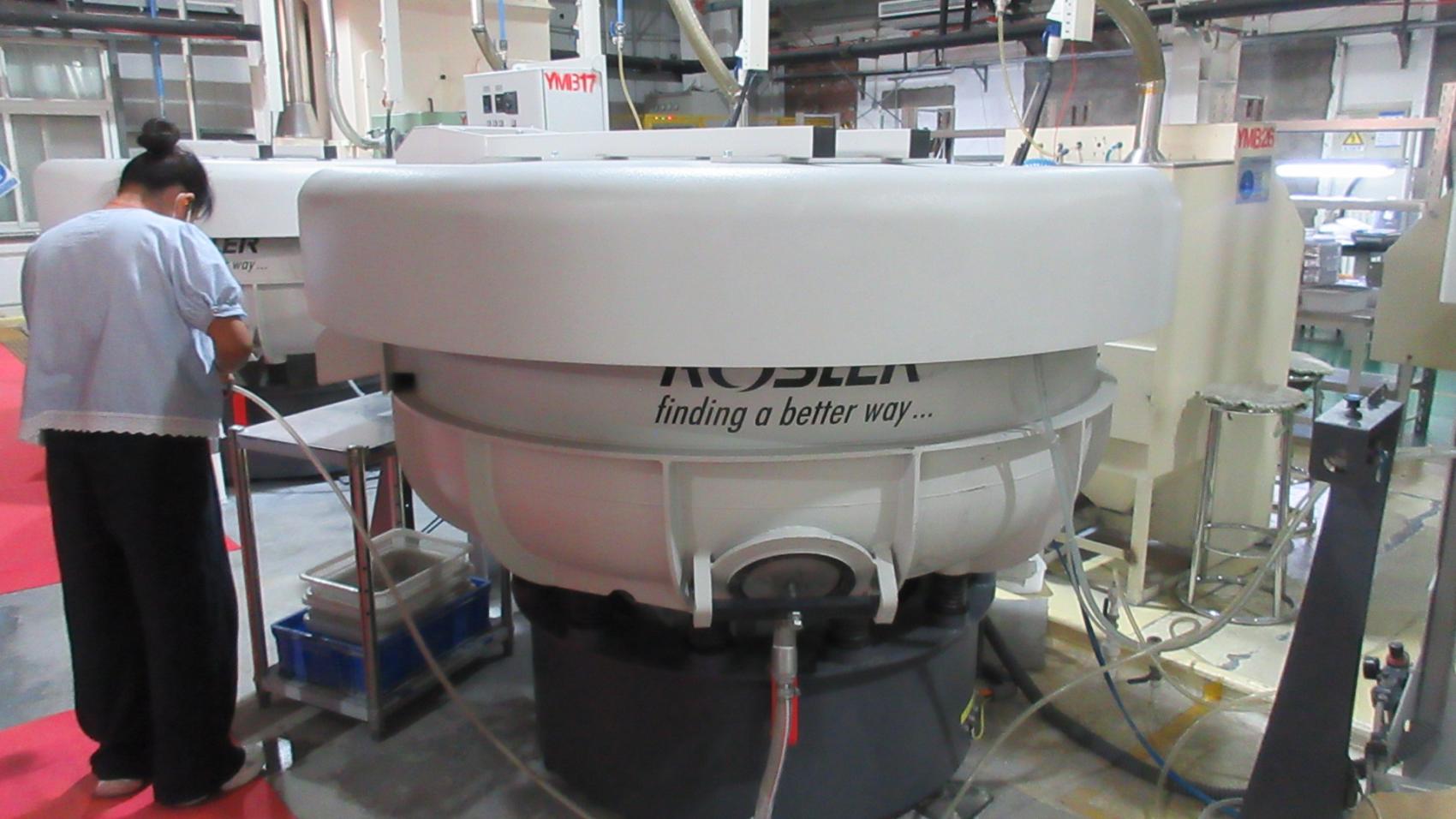
Advanced finishing processes eliminate micro-burrs and surface defects, optimizing the fatigue limits of bone pins.
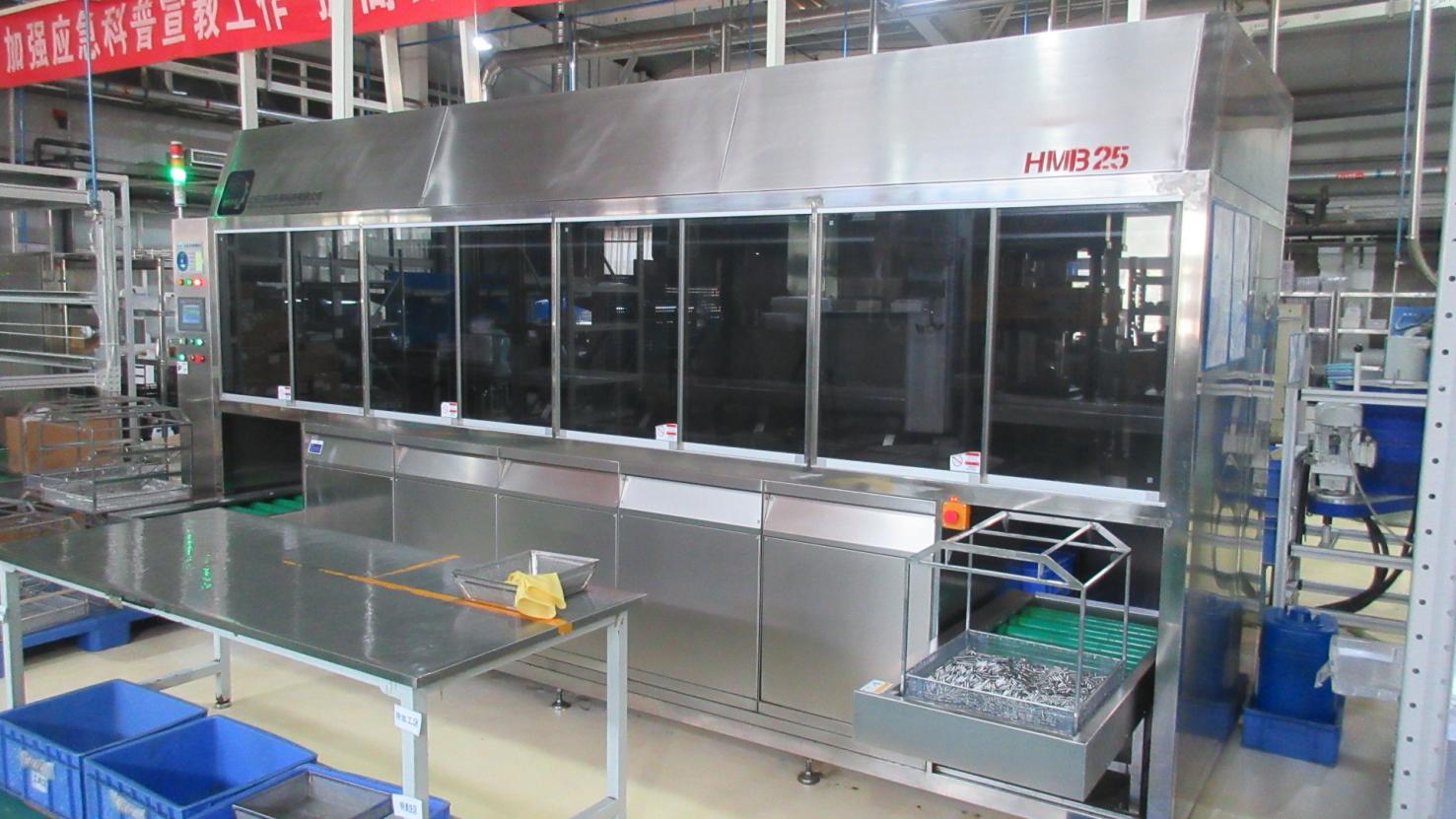
Implants are washed, inspected under microscope arrays, and packaged in controlled environments to prevent bioburden contamination.
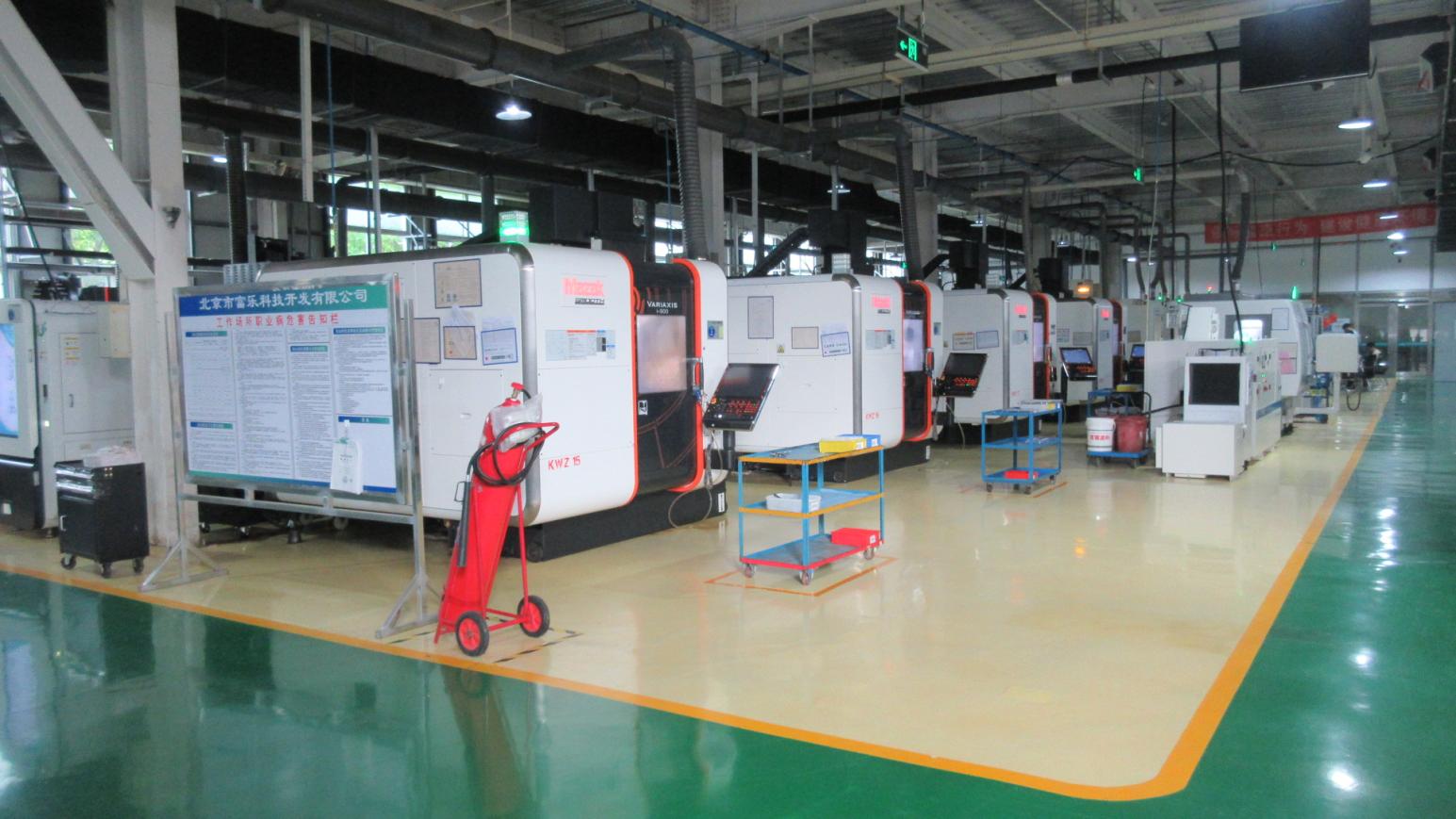
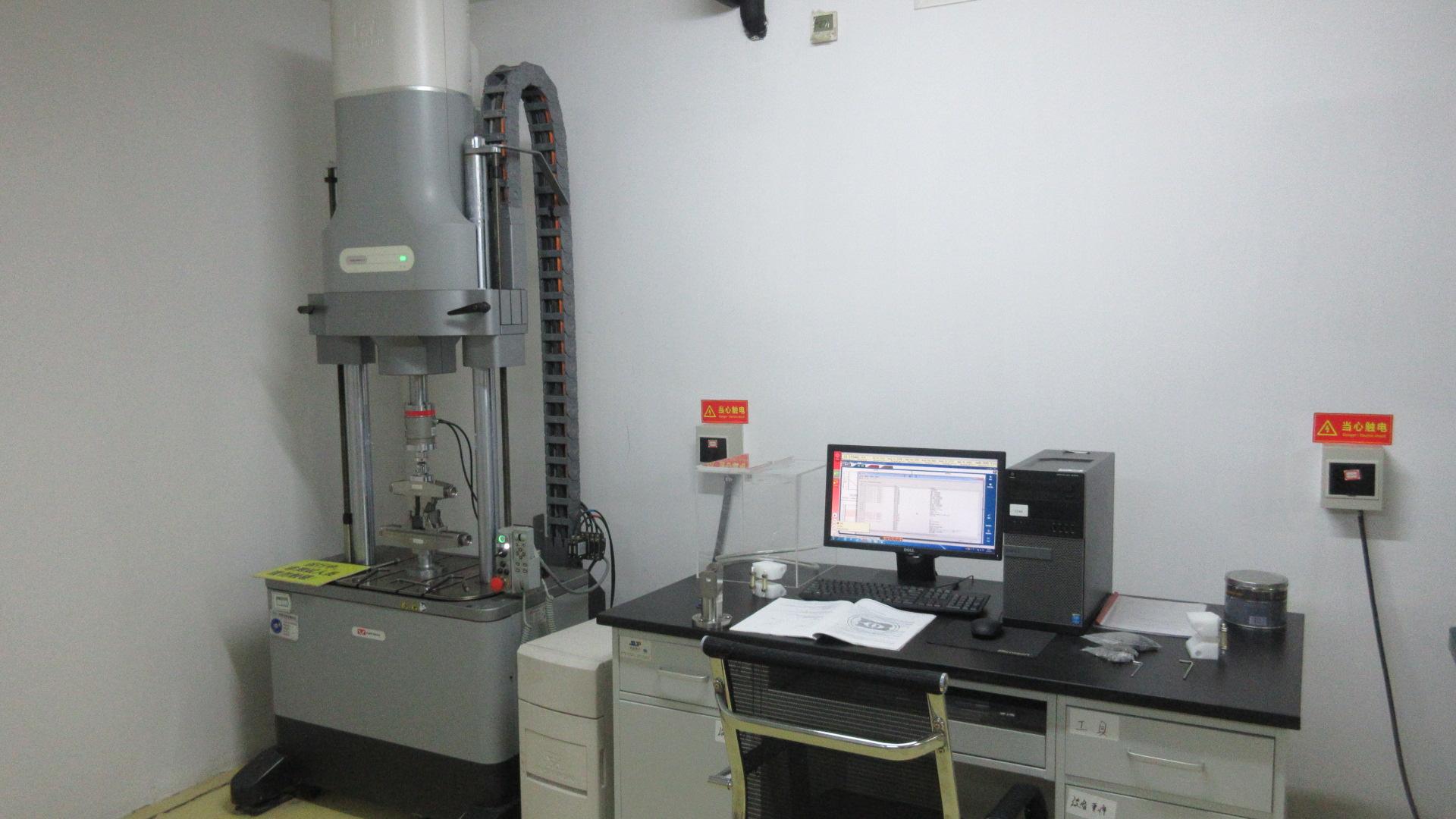
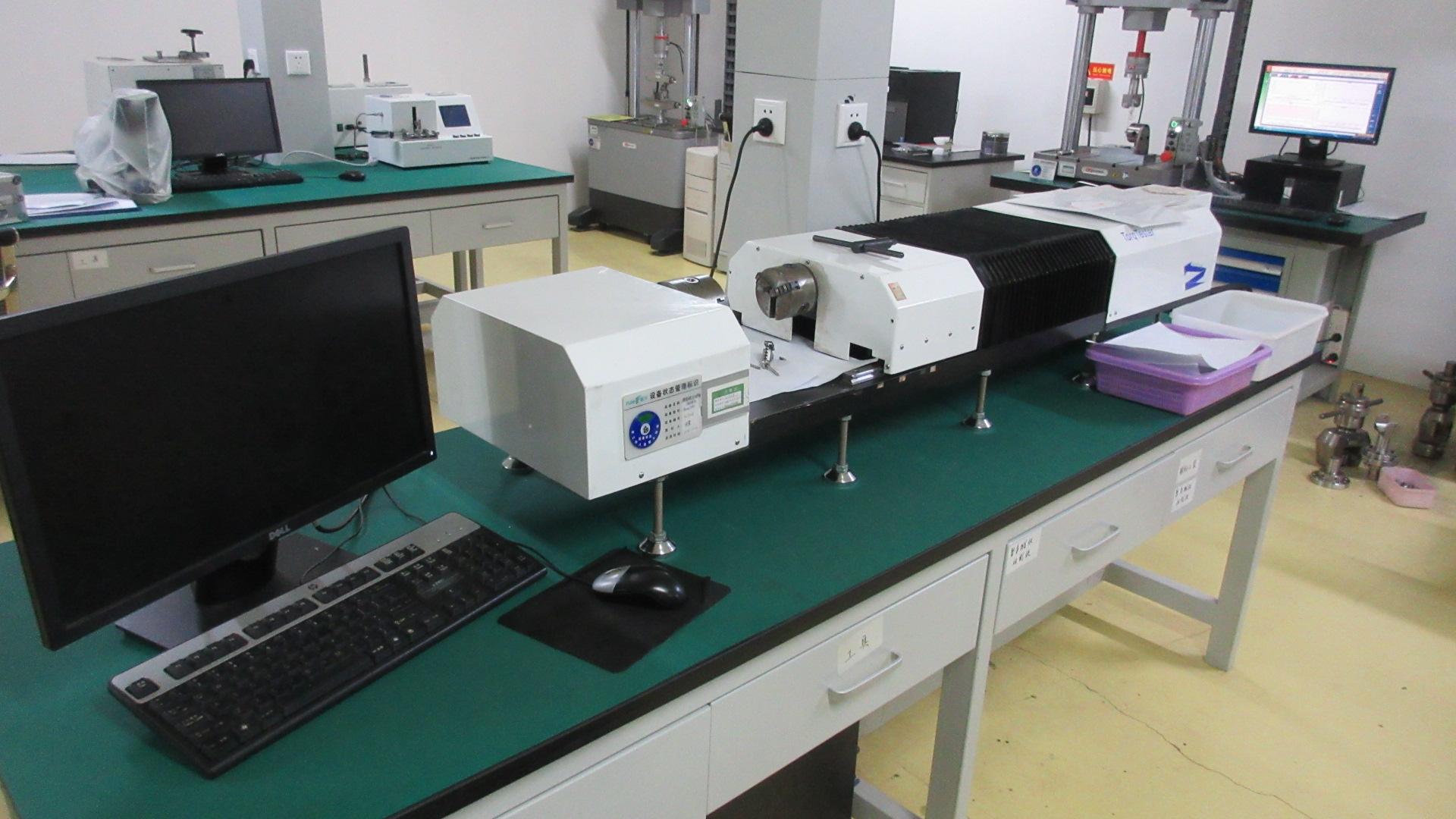
Tension, torsion, and pull-out tests verify that our orthopedic fixation hardware exceeds international standard thresholds.
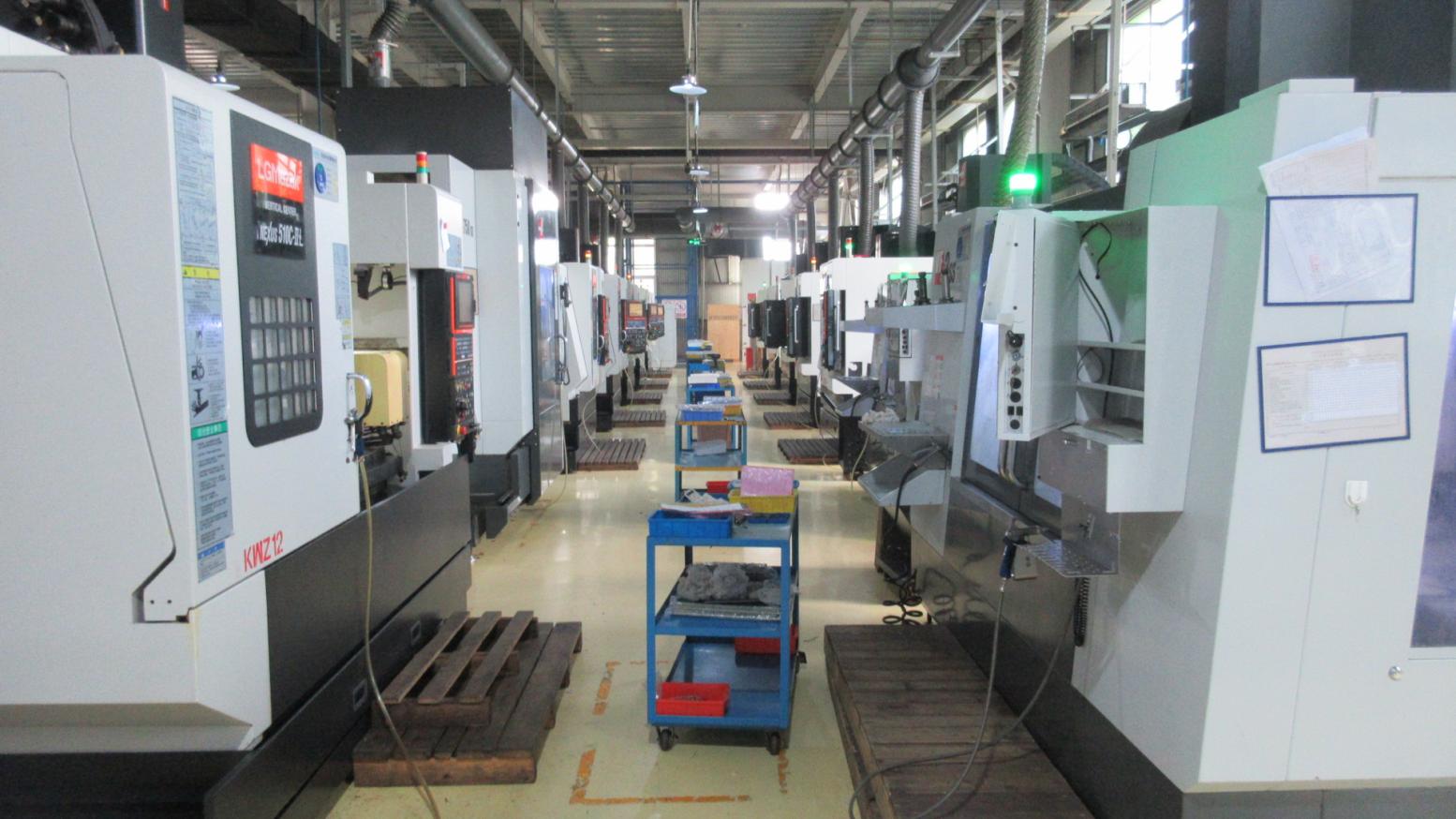
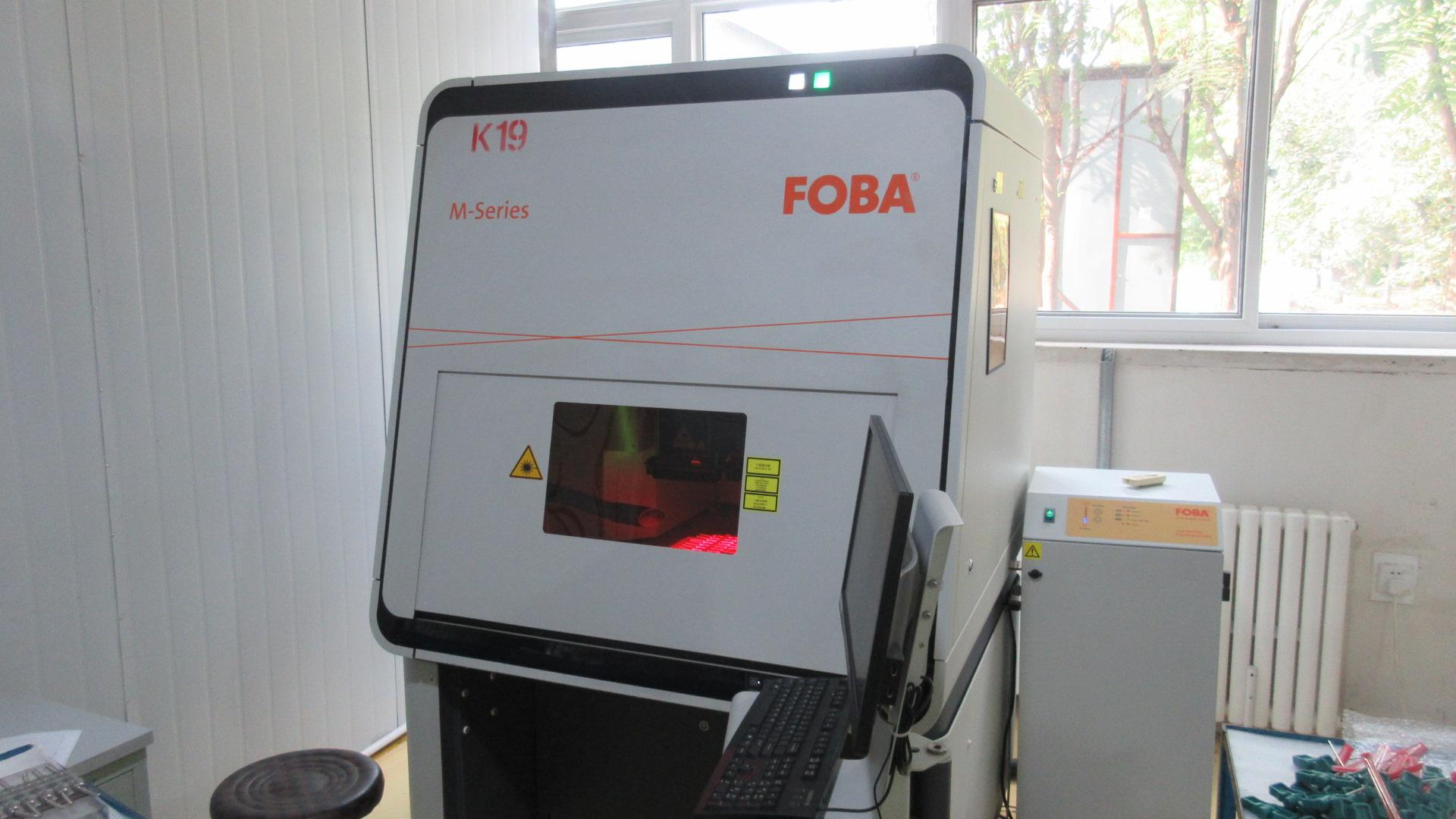
Unique Device Identification (UDI) codes are laser-etched onto all implants to meet global traceability standards.
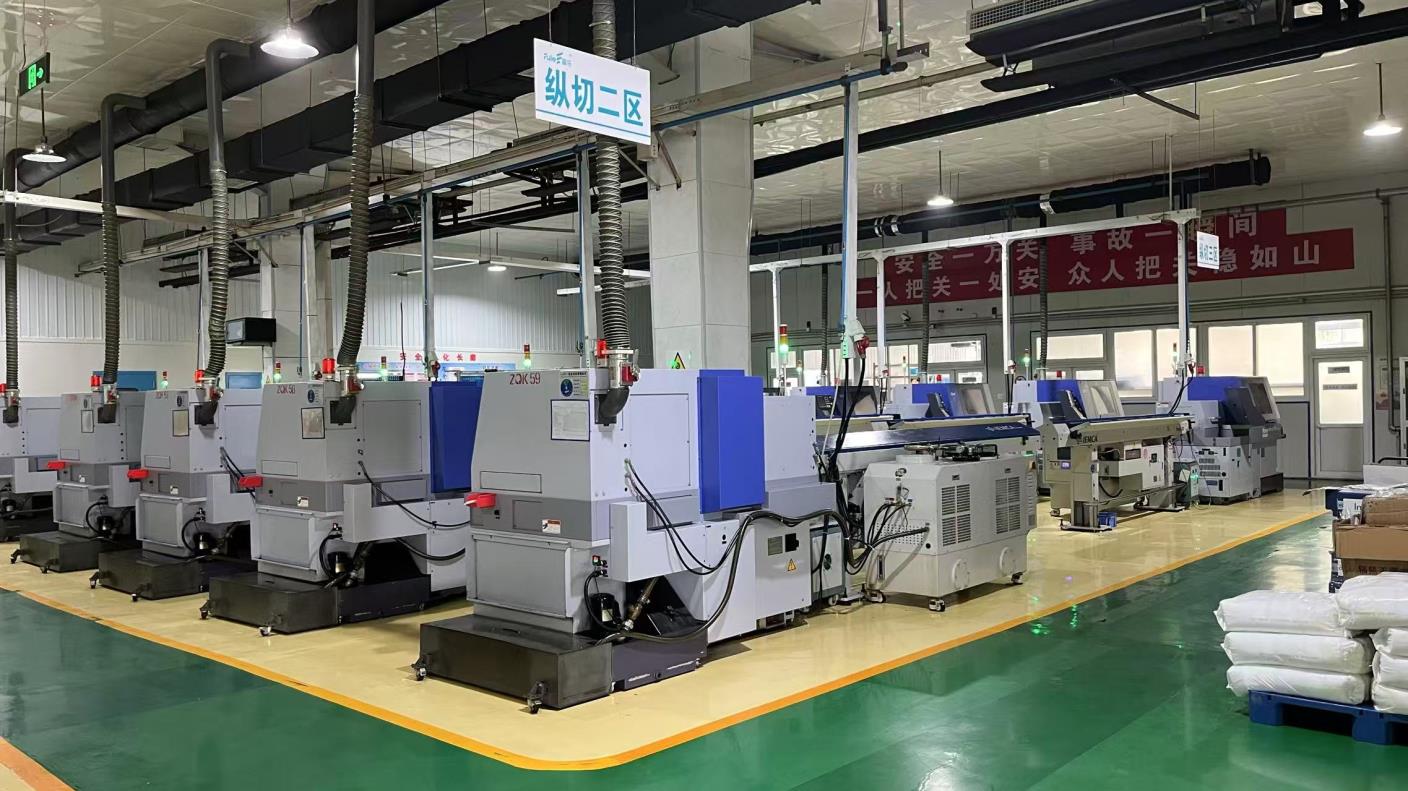
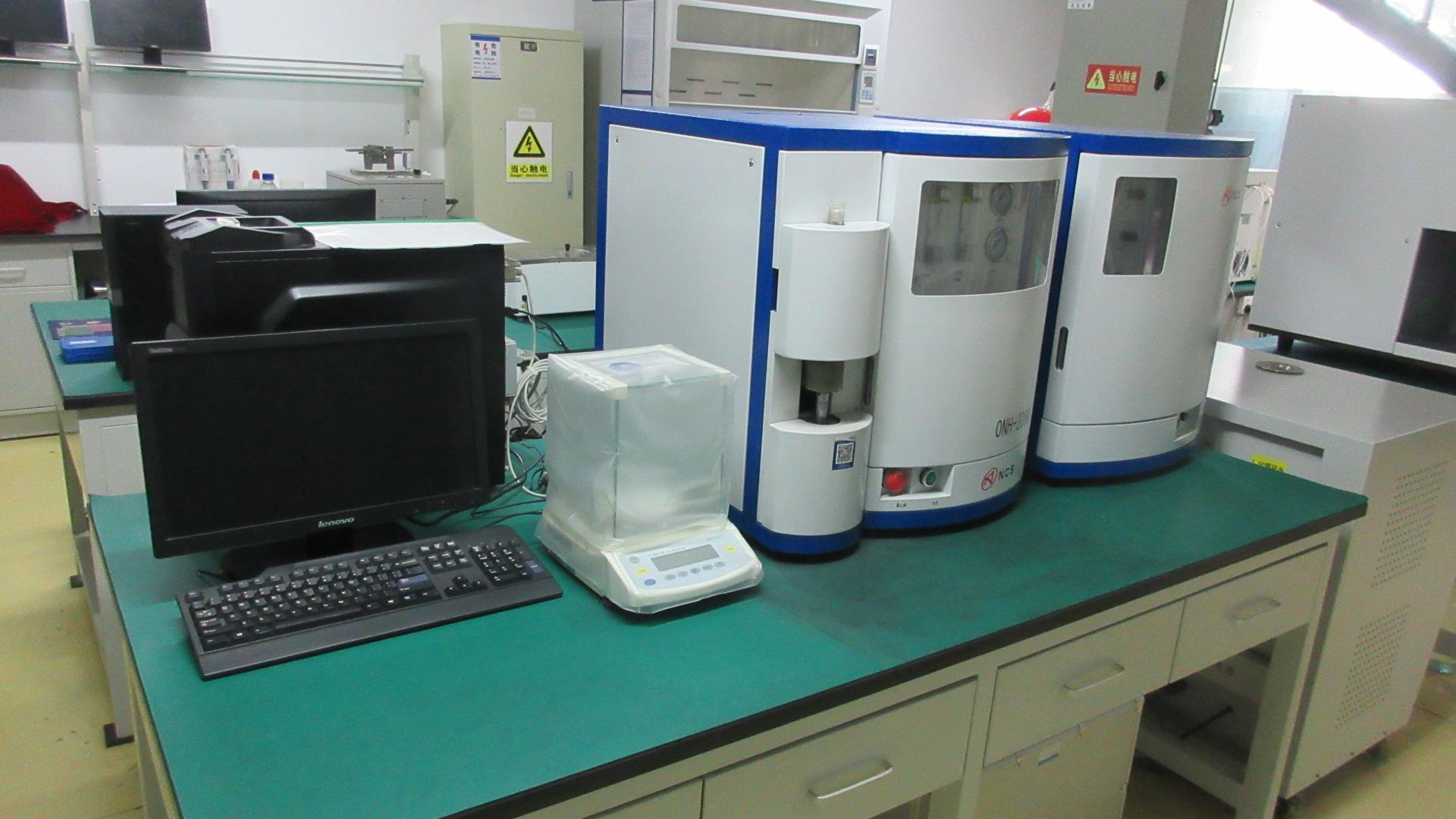
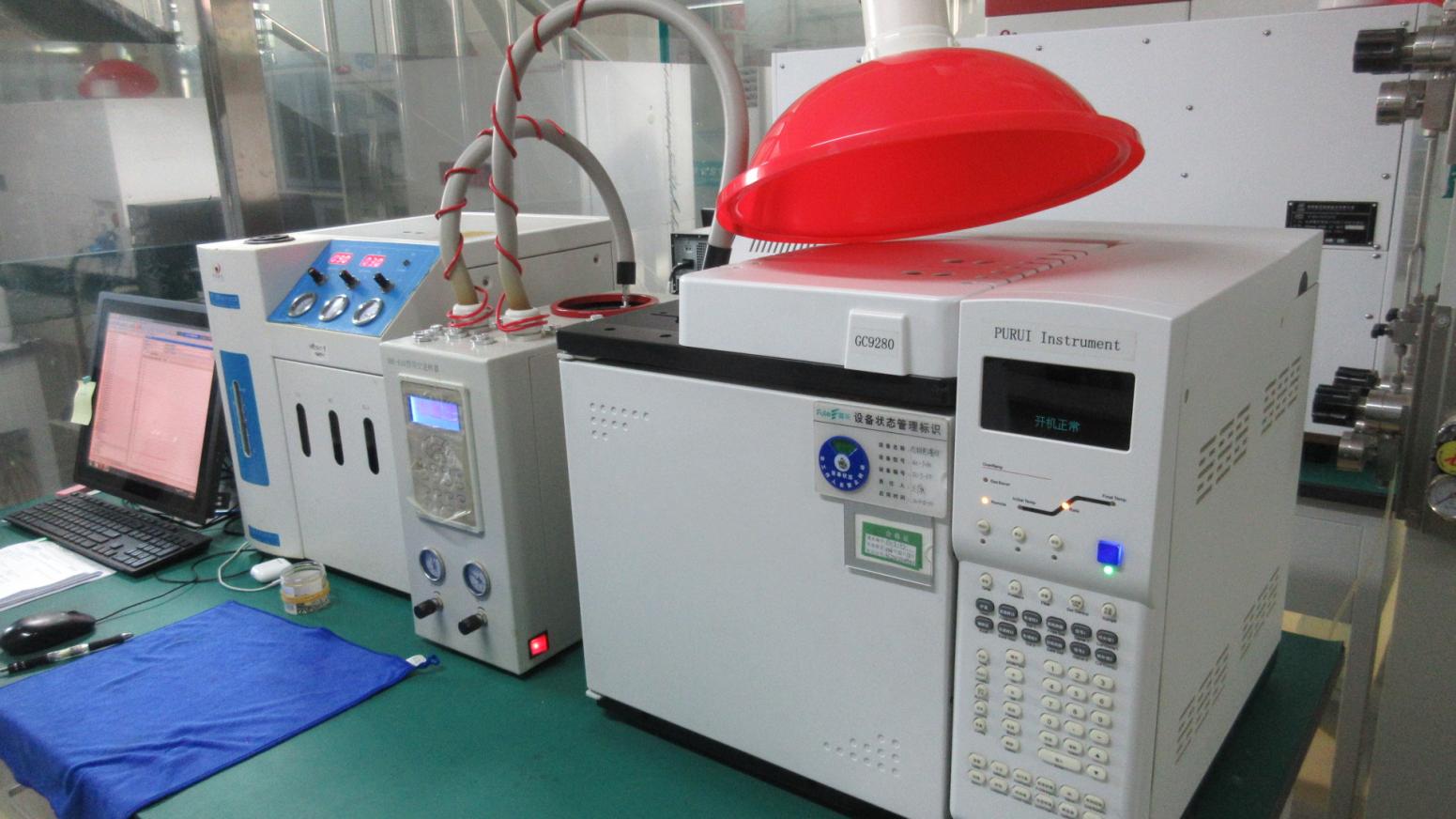
Our QA/QC team inspects every batch with optical comparators to ensure they meet specified mechanical tolerances.
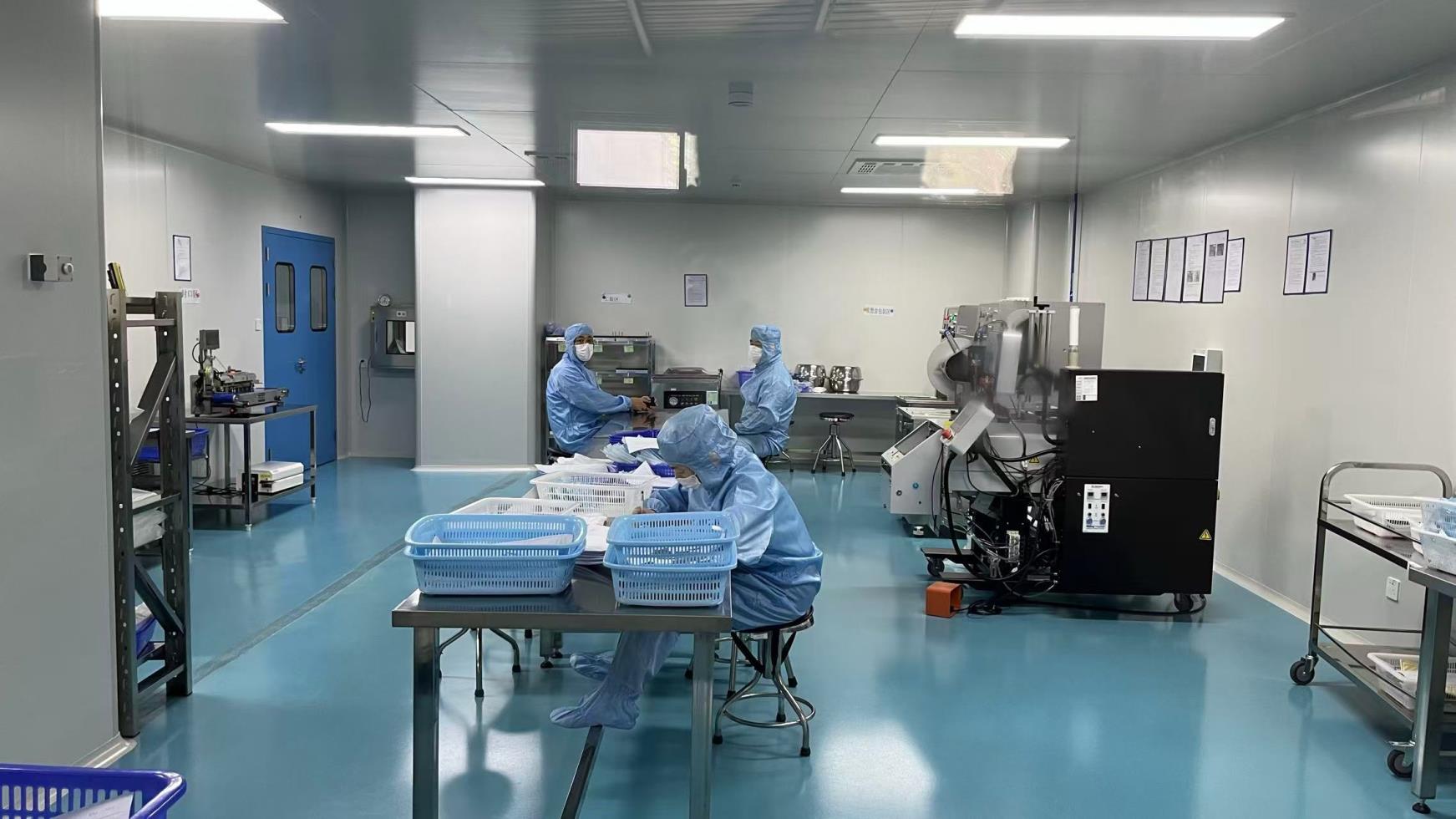
Secure packaging and protective transit barriers ensure our products reach international distributors in pristine condition.
Compare material parameters and configurations to determine the optimal solution for your medical requirements.
| Implant Class | Common Materials | Standards Compliance | Primary Clinical Application | Sterilization Method |
|---|---|---|---|---|
| Kirschner Wires (K-Wires) | 316LVM / Ti-6Al-4V ELI | ASTM F138 / F136 | Fracture fixation, skeletal traction, guide pin for cannulated screws | Autoclave / Gamma Irradiation |
| Steinmann Pins | Stainless Steel / Titanium | ISO 5832-1 / ISO 5832-3 | Heavy traction, temporary external fixation frames | EO / Autoclave |
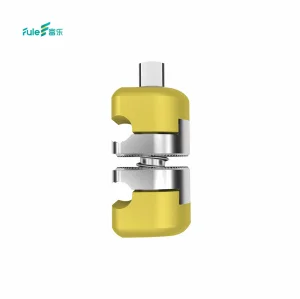
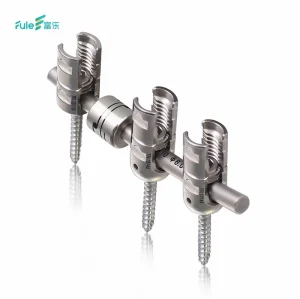
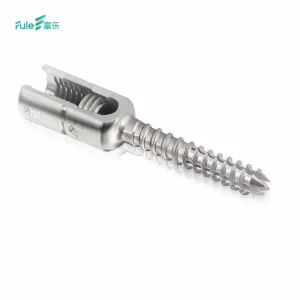
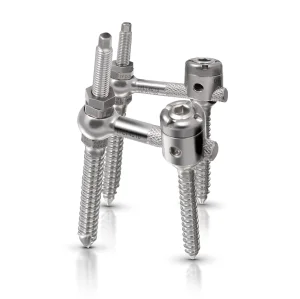
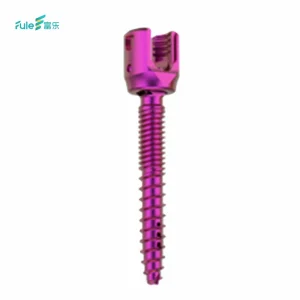
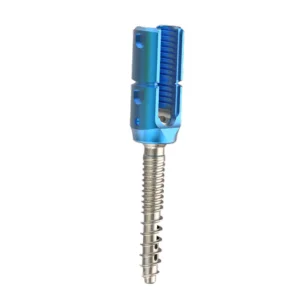
| Pedicle Screws (Mono/Poly) | Titanium Alloy Grade 5 | ASTM F136 / CE Marked | Spinal stabilization, posterior spinal fusion | Pre-sterilized / Surgical Tray |
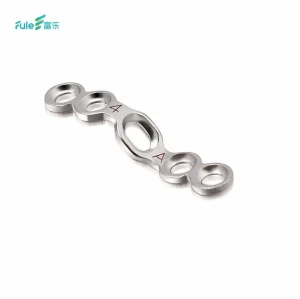
| Cervical Laminoplasty Systems | Commercially Pure Titanium | ISO 13485 Compliant | Spinal canal expansion, decompression stabilization | Gamma Irradiation |
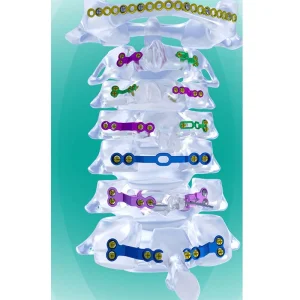
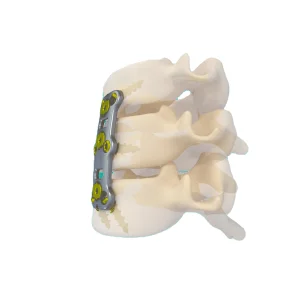
Our pins and wire products are designed for precision surgical applications. In trauma cases, Kirschner wires provide quick, secure temporary fixation before permanent plates or external frame assemblies are attached. For complex reconstructive spine surgeries, such as posterior cervical laminoplasty, our titanium implant systems help stabilize bone segments while protecting neural structures. These implants are engineered to maintain high tensile strength and load distribution under variable physiological pressures.
Additionally, our pediatric spinal systems feature specialized geometries tailored to smaller anatomical profiles. This ensures secure mechanical purchasing without risking damage to growing growth plates. The self-tapping tip designs across our pedicle screw portfolio minimize insertion torque, reducing operating times and the risk of intraoperative screw fracture.
Common questions from global hospital procurement teams, biomedical engineers, and implant distributors.
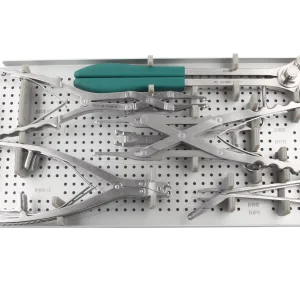
Complementary surgical plates, intramedullary nails, and extraction instruments for comprehensive orthopedic workflows.
 Beren Science & Technology