Clinical-grade medical devices certified under international regulatory frameworks for spine stabilization, trauma osteosynthesis, and lower extremity support systems.
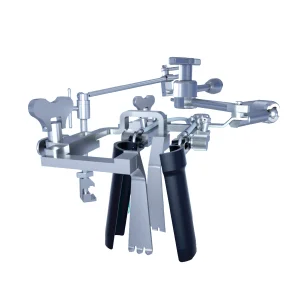
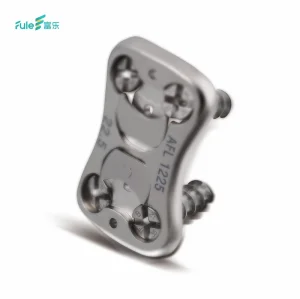
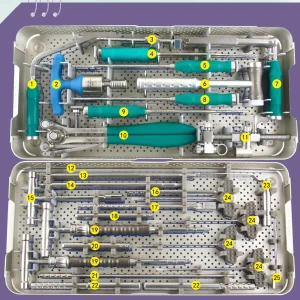
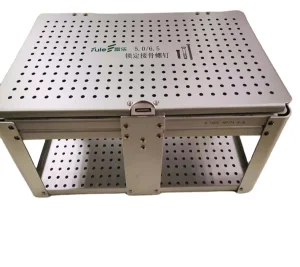
Understanding the clinical demand, engineering challenges, and material standards governing lower extremity fixation systems.
The global market for lower extremity orthosis (LEO) and fixation implants is witnessing an unprecedented surge. This is primarily driven by an aging global population, the rising incidence of musculoskeletal disorders, and high-energy sports and vehicular trauma. Lower limb orthotics and skeletal stabilizers represent a critical intersection of human biomechanics and mechanical engineering. They are designed to align, prevent, or correct deformities, and support weakened skeletal structures.
In modern clinical applications, there is a distinct transition from static external orthotics to dynamic internal and external fixation systems. Manufacturers must navigate stringent load-bearing requirements. Lower extremity implants must endure up to five times the patient's body weight during walking cycles. This demands materials with exceptional fatigue limit, bio-compatibility, and corrosion resistance.
Our engineering focus centers on high-grade titanium alloys (such as Ti-6Al-4V ELI) and ultra-high-molecular-weight polyethylene. These materials are utilized to design and manufacture components that integrate seamlessly with the patient's biological structures. They minimize stress shielding while maximizing primary structural stability.
| Biomechanical Parameter | Standard Target | Fule Medical Threshold |
|---|---|---|
| Material Composition | ASTM F136 Gr 5 Titanium | Grade 5 Ti-6Al-4V ELI (99.9% Traceability) |
| Tensile Strength | ≥ 860 MPa | ≥ 930 MPa (Enhanced fatigue life) |
| Modulus of Elasticity | 110-120 GPa | 105 GPa (Closer alignment to bone stiffness) |
| Anodization Treatment | Type II / ISO 5832-3 | Electro-chemically controlled bio-passivation |
Why global healthcare brands, distributors, and hospital procurement departments rely on our state-of-the-art Chinese manufacturing facilities.
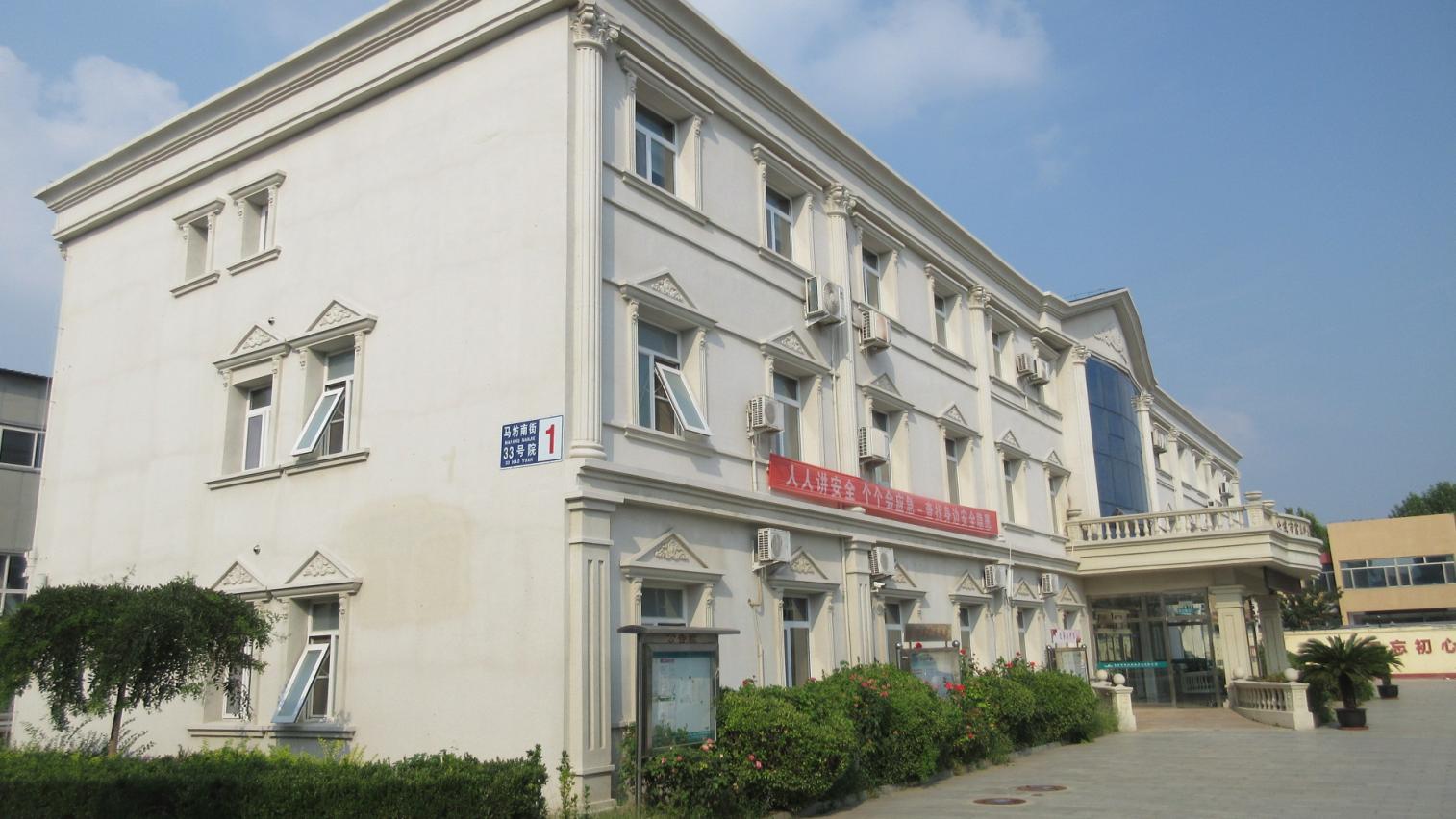
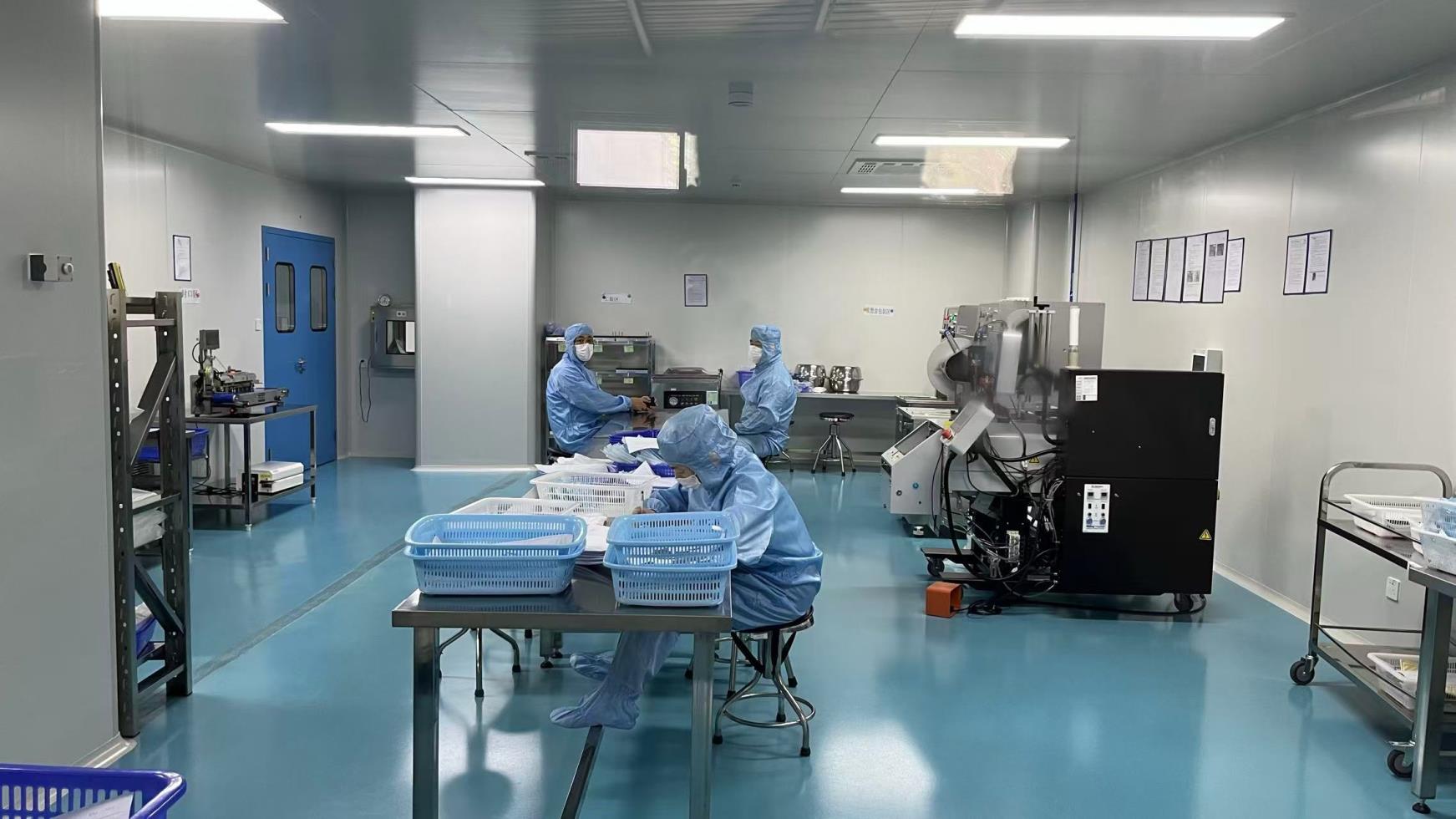
From raw medical-grade titanium ingots to surface treatment (passivation, anodization) and cleanroom sterile packaging, every process is conducted within our 10,000 square meter factory. This integration eliminates intermediate logistical delays and compound markups, providing a 25% cost reduction compared to Western counterparts.
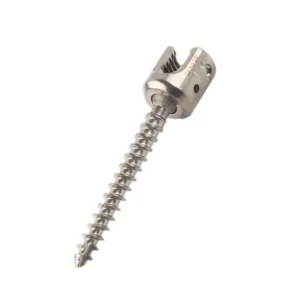
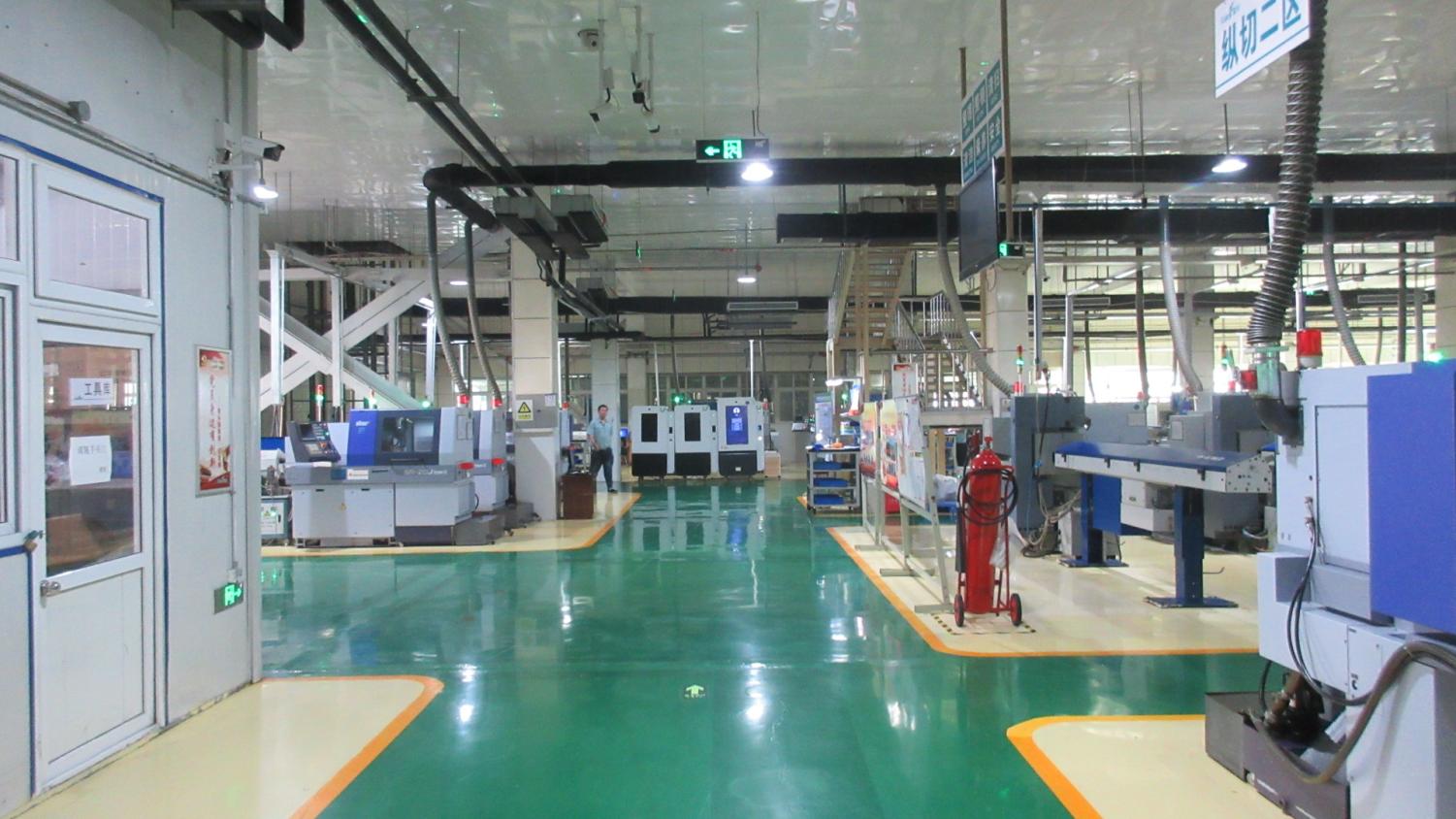
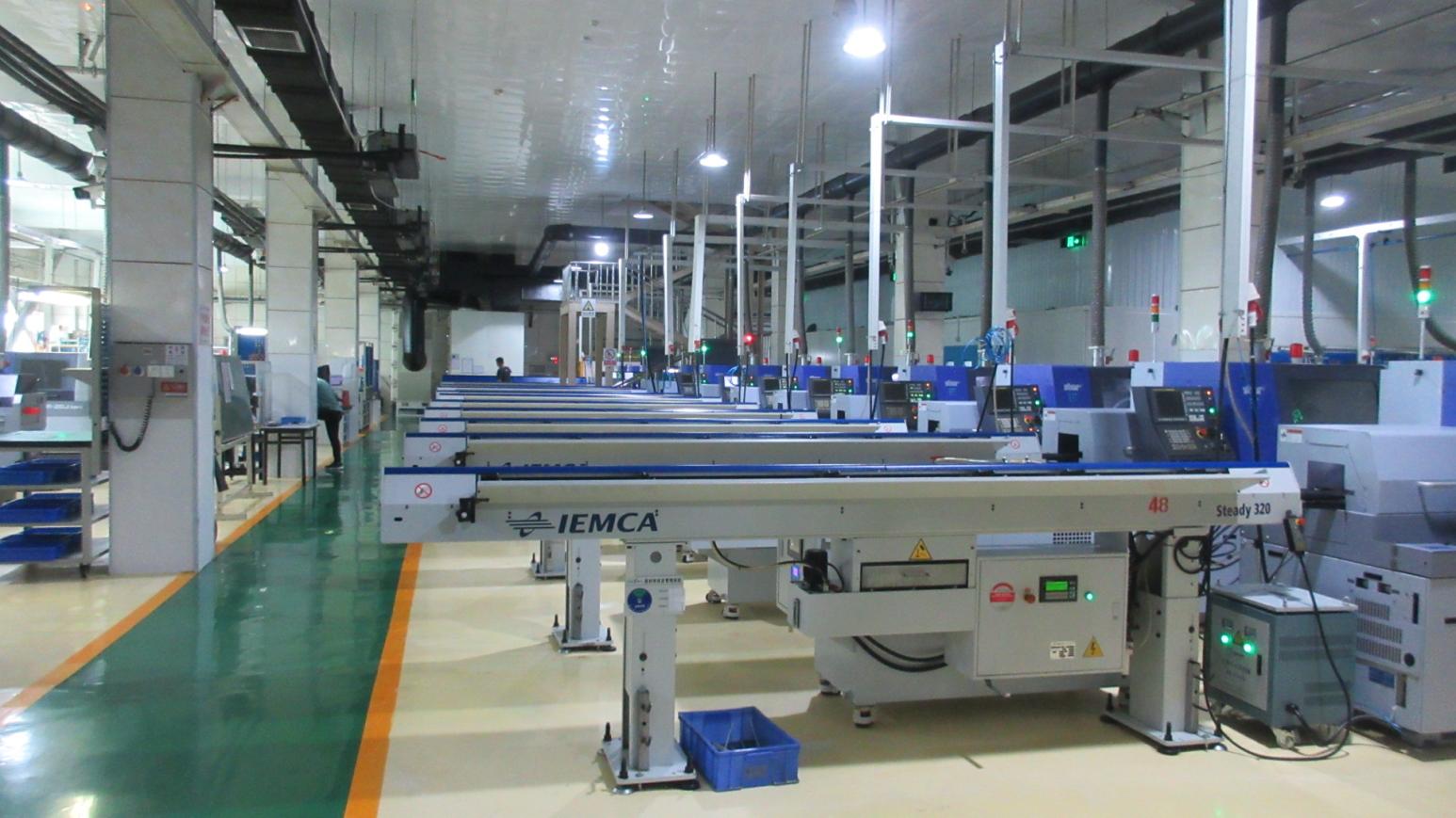
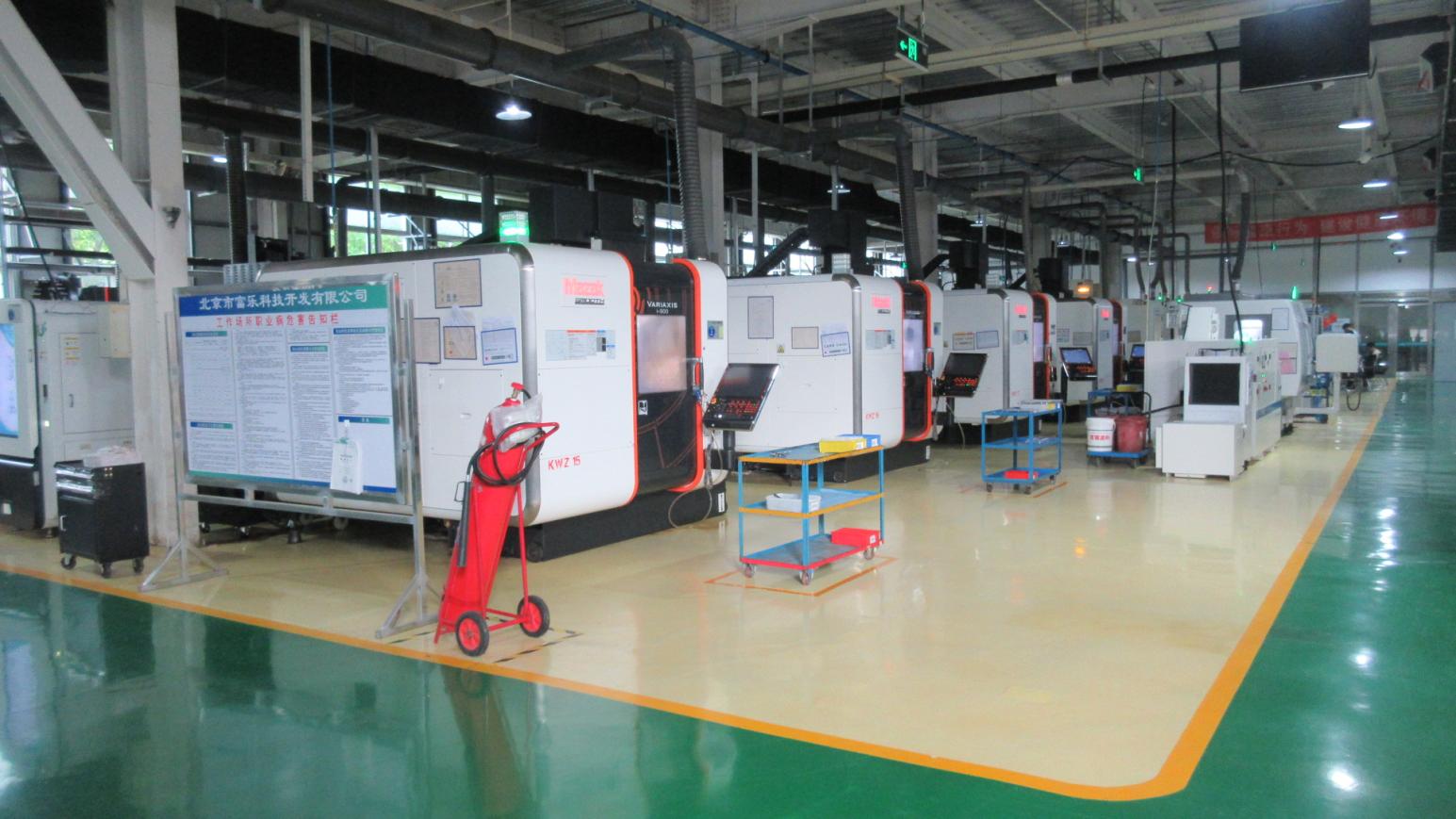
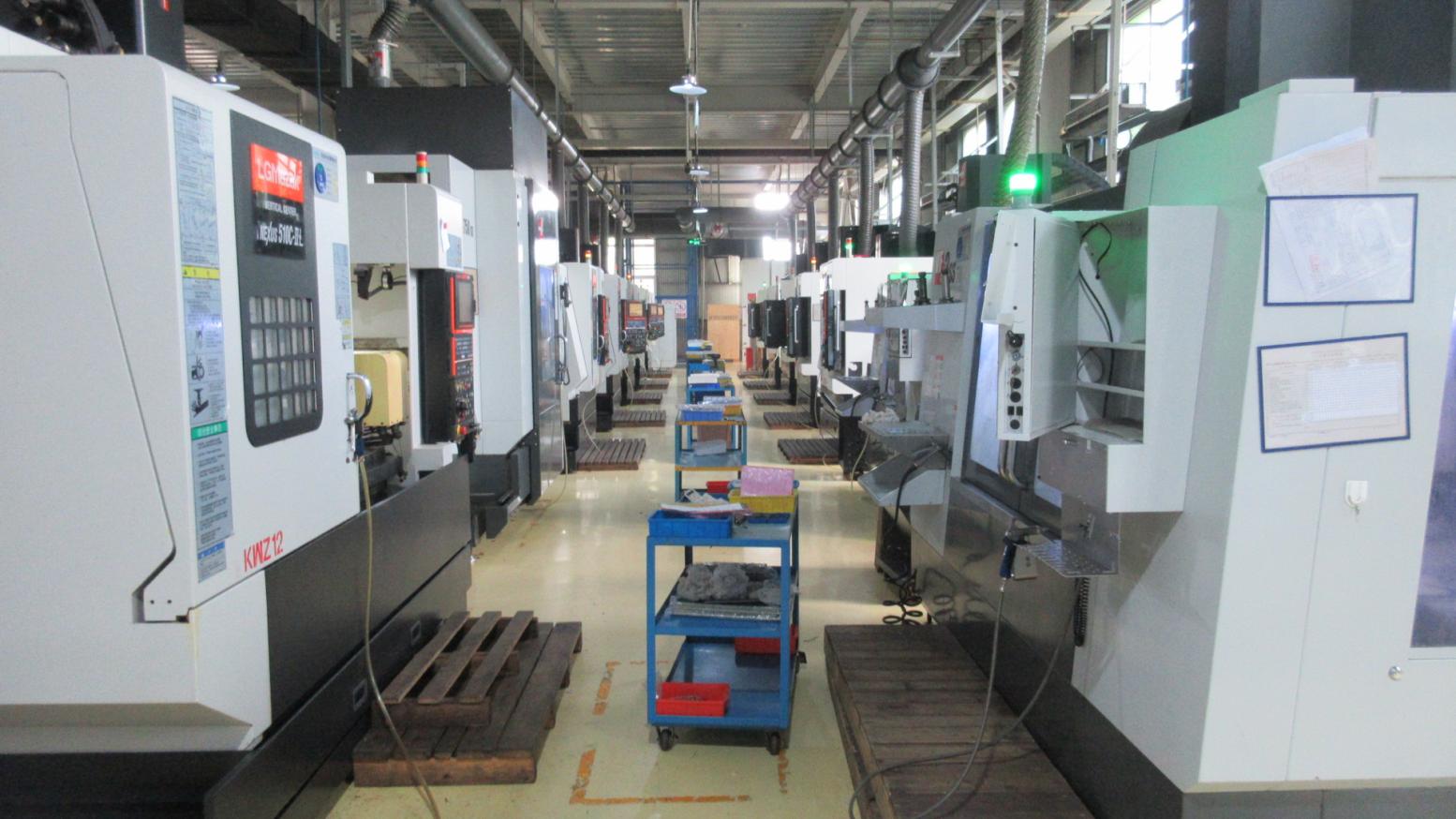
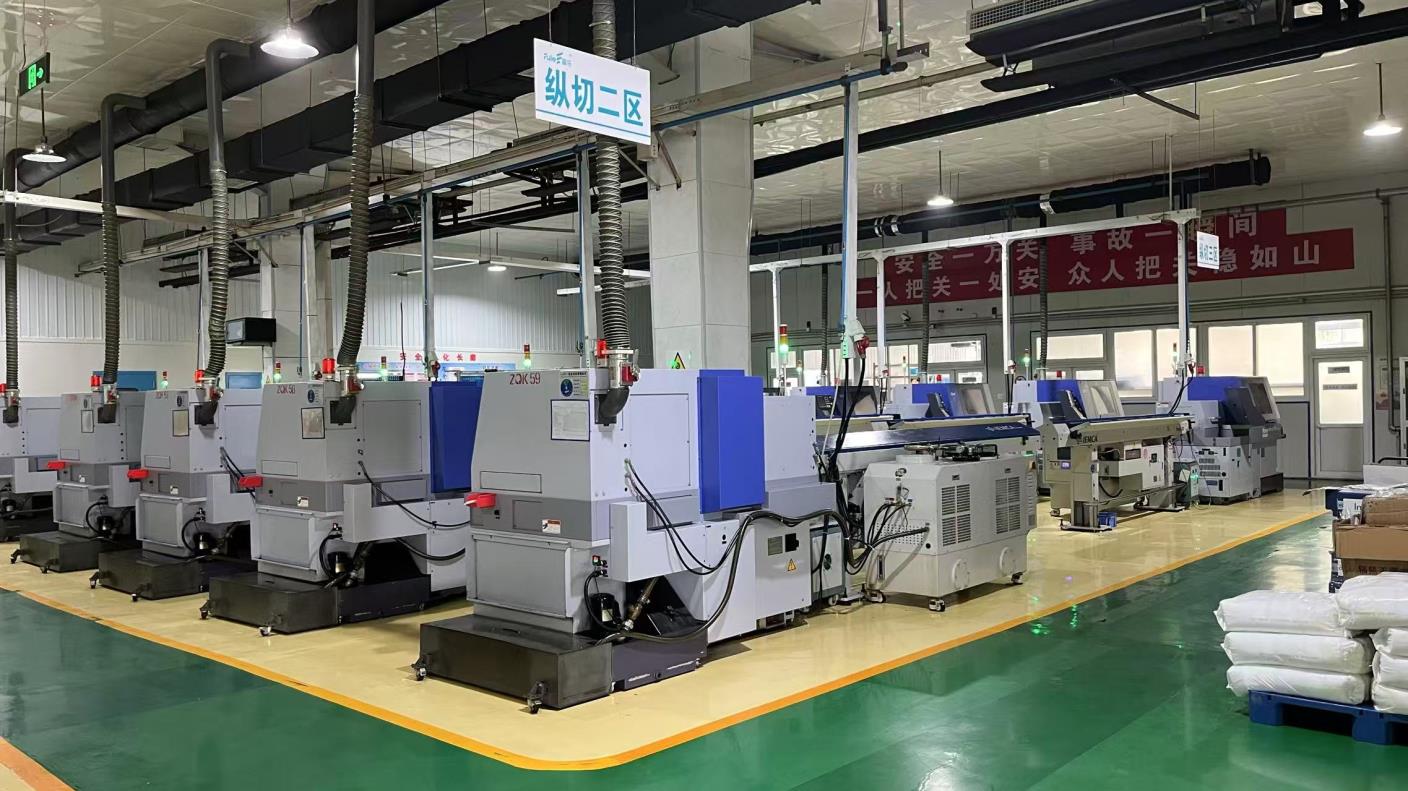
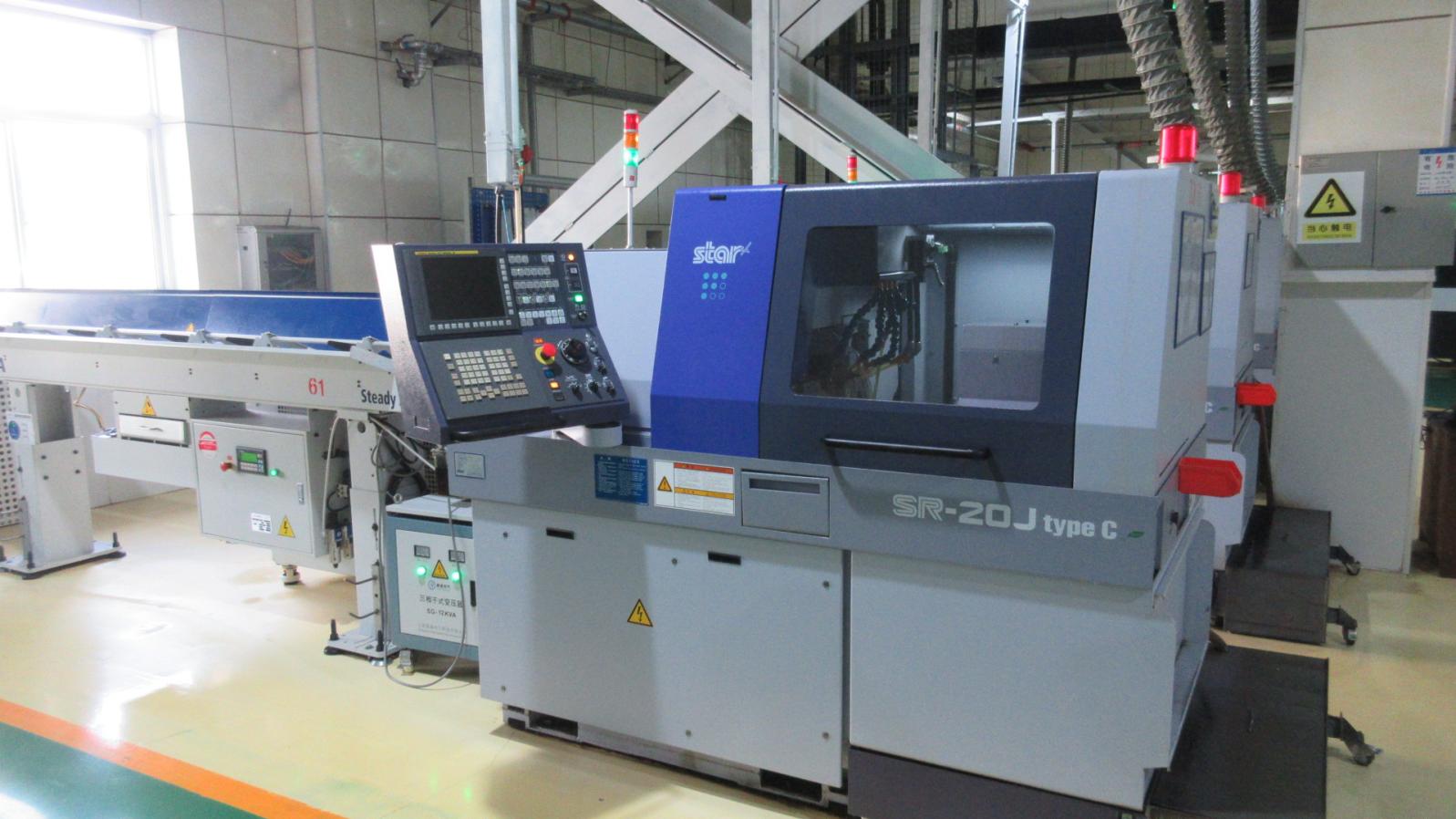
Equipped with 102 state-of-the-art production machines, including Swiss-type five-axis CNC lathe centers, we achieve dimensional tolerances within 0.005mm. This guarantees absolute interchangeability between pedicle screws, locking plates, and custom-engineered trauma constructs.
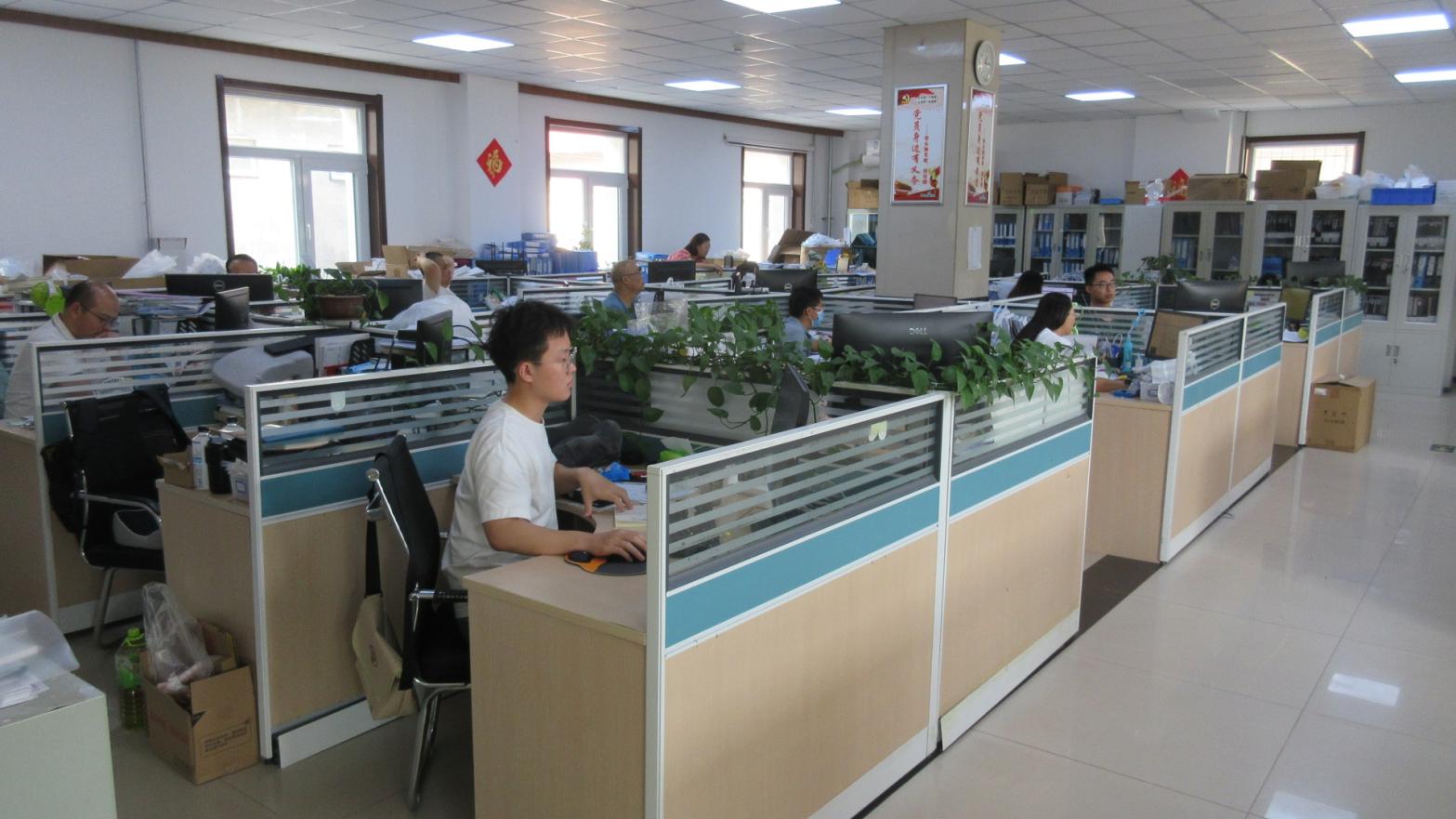
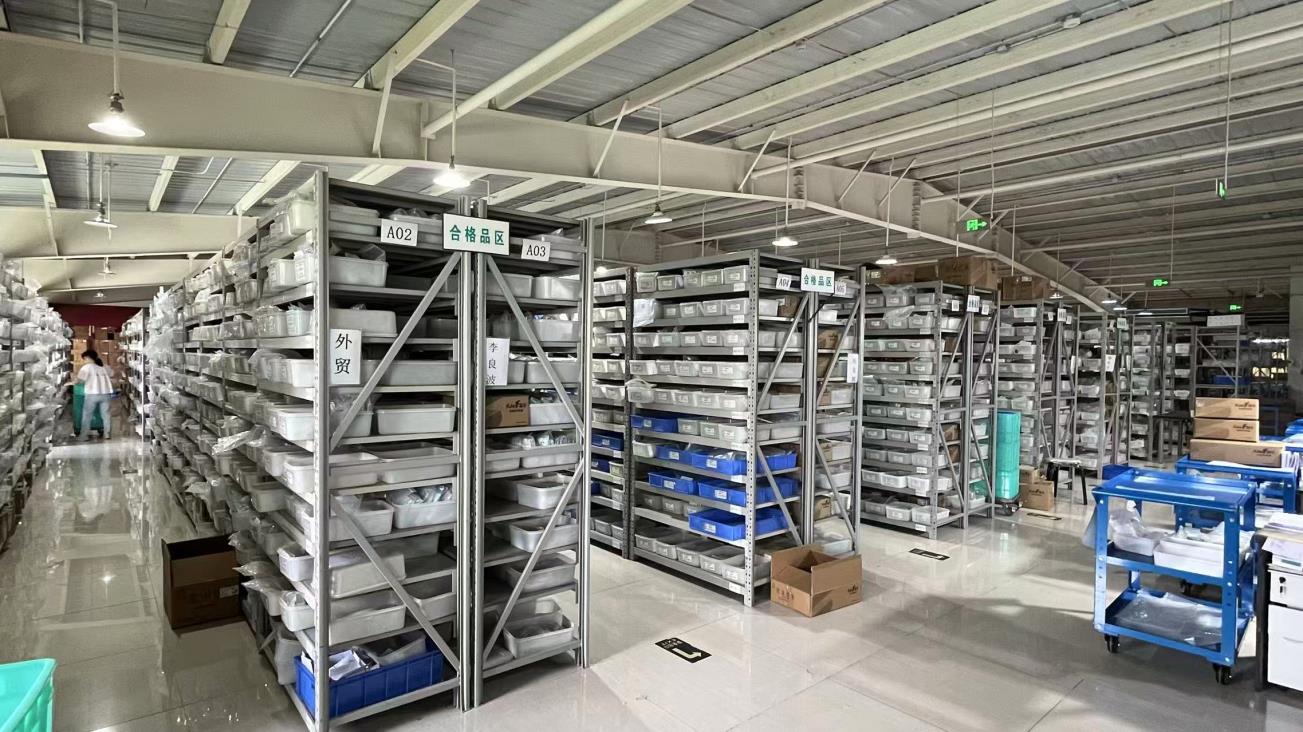
Certified under ISO 13485 (Certificate No. 04724Q10000818), our facility strictly operates in accordance with the Quality Quality Management System. We deploy 15 dedicated QA/QC inspectors monitoring all operations, ensuring every shipped unit matches international regulatory standards.
An inside look at our specialized production workshops, mechanical testing laboratories, and strict quality control pipelines.
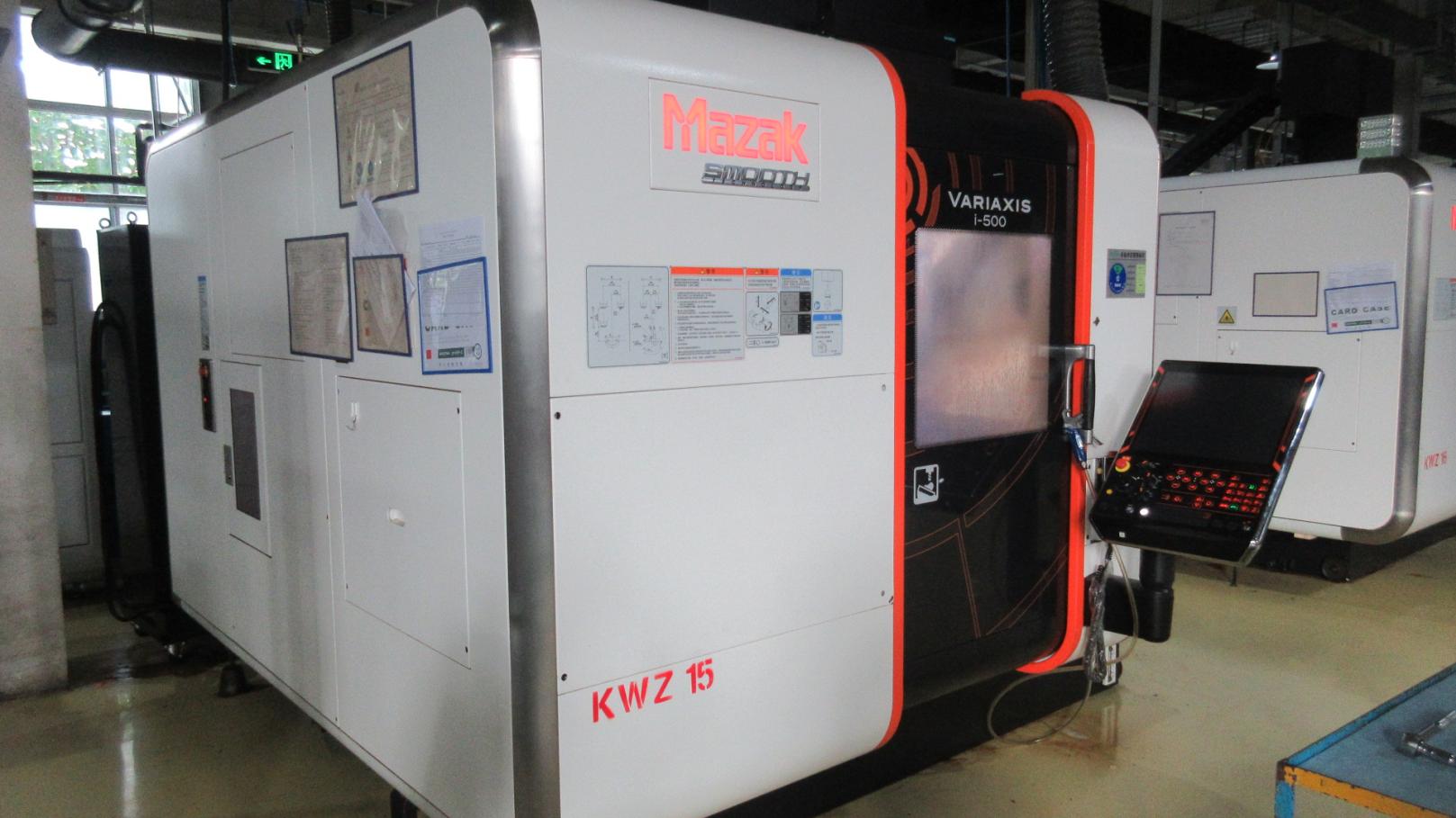
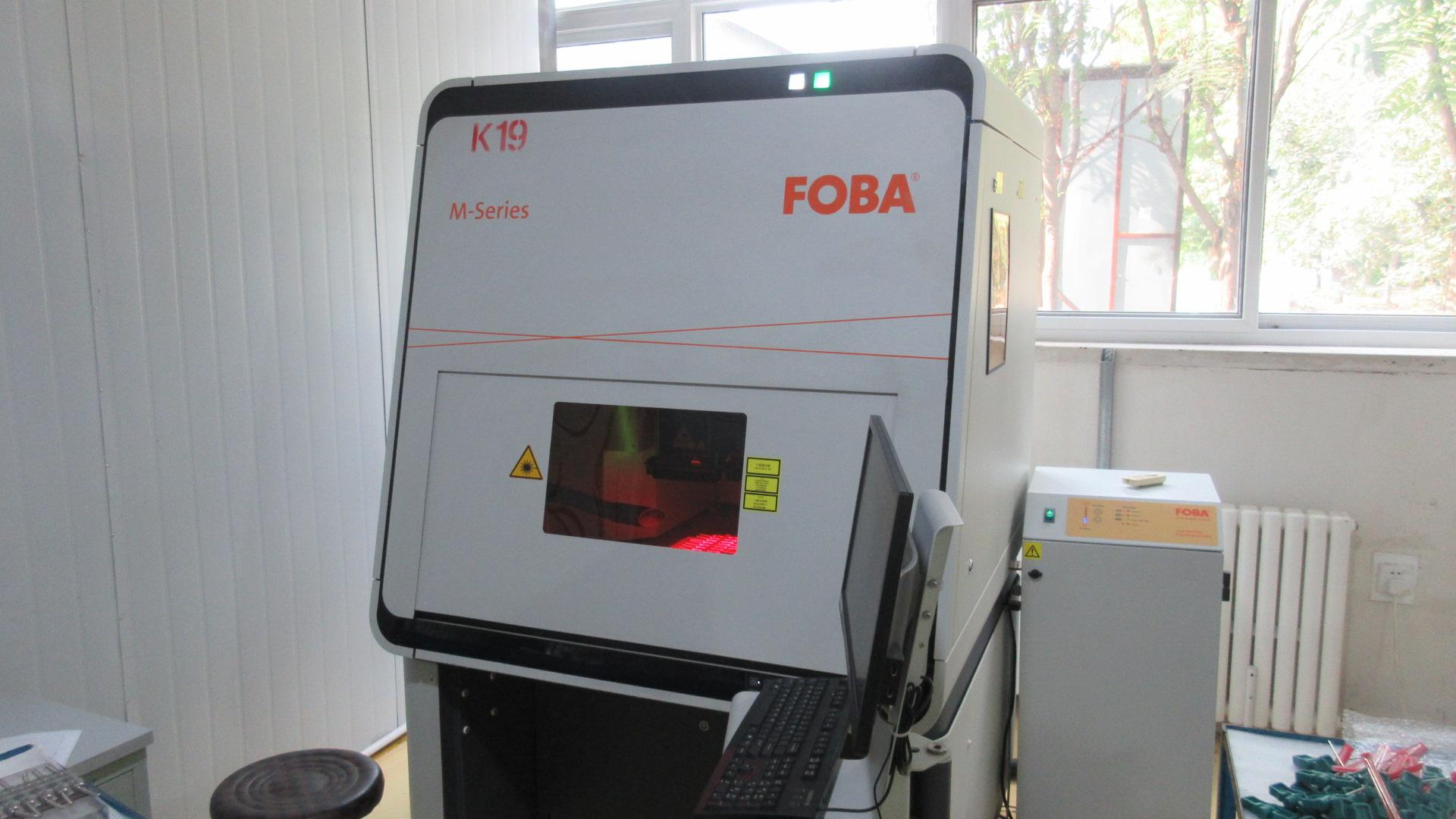
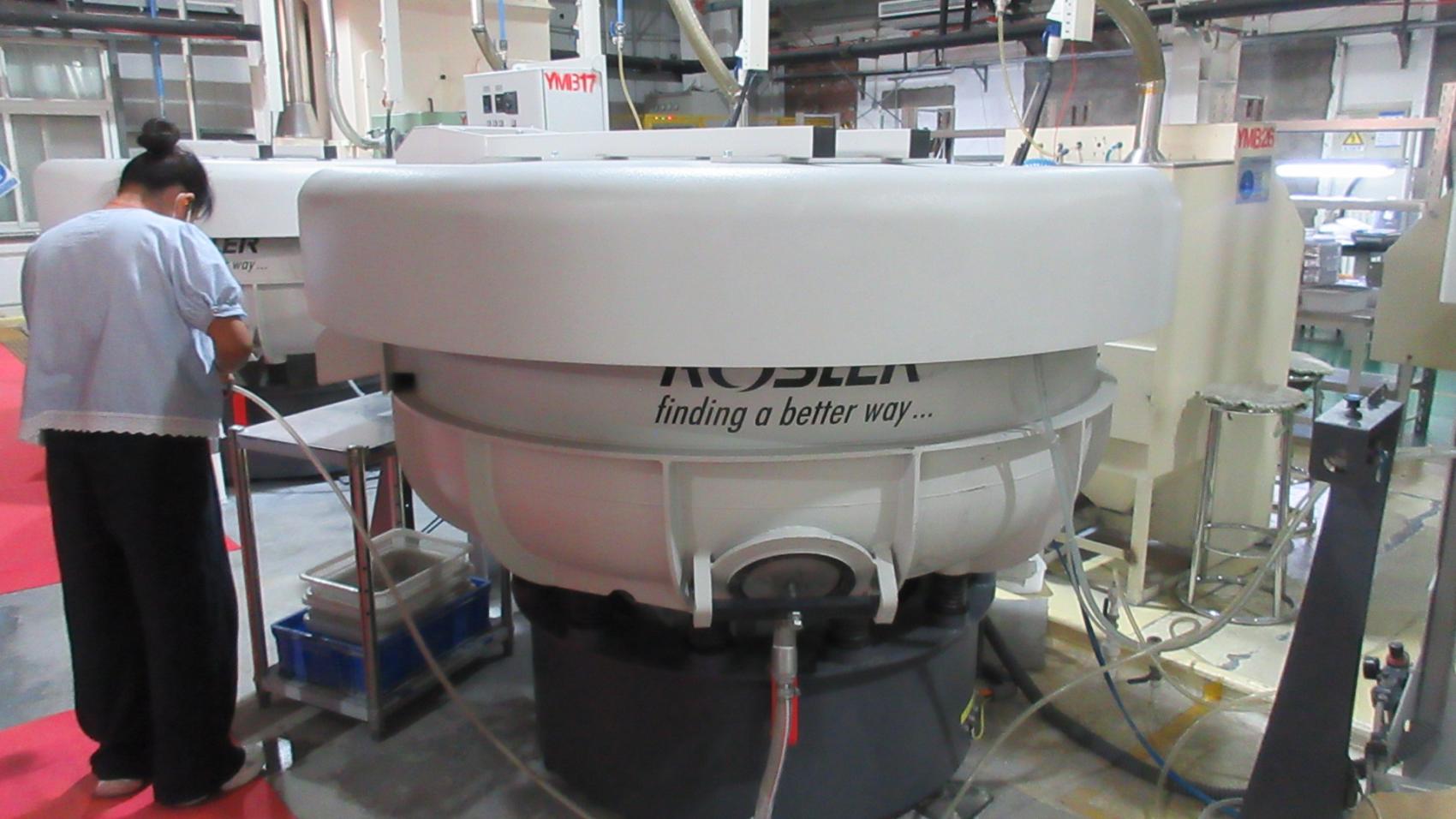
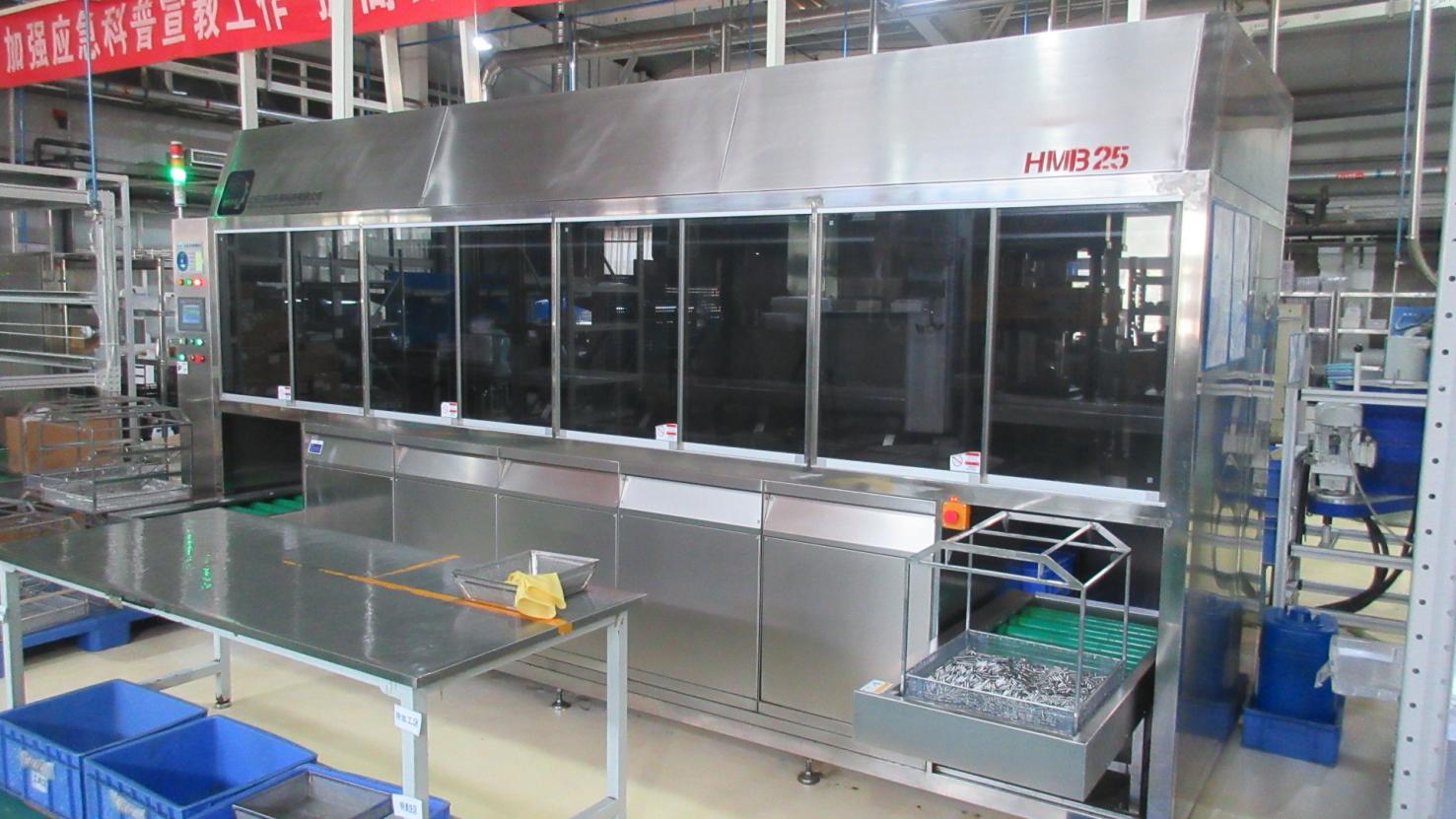
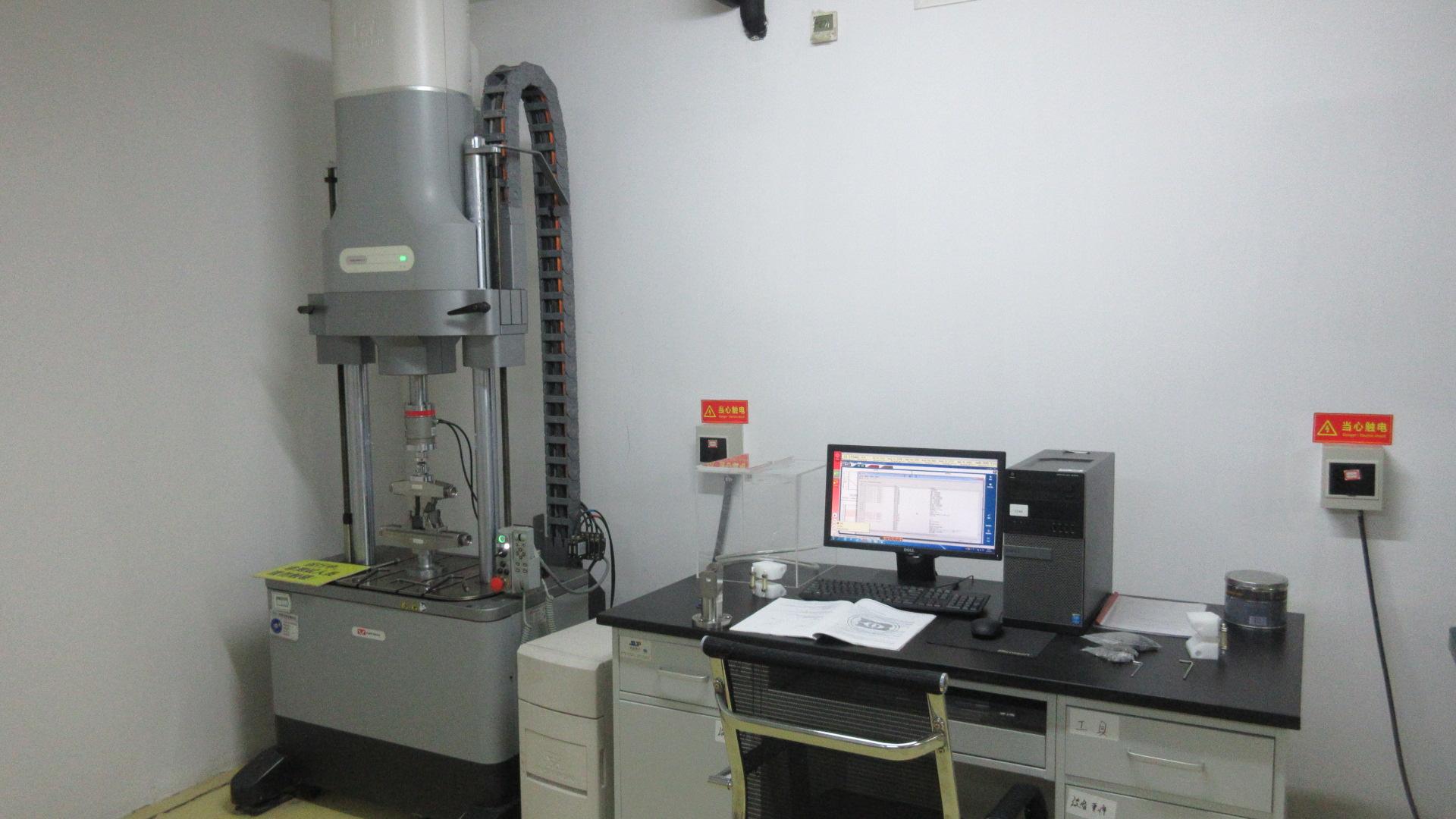
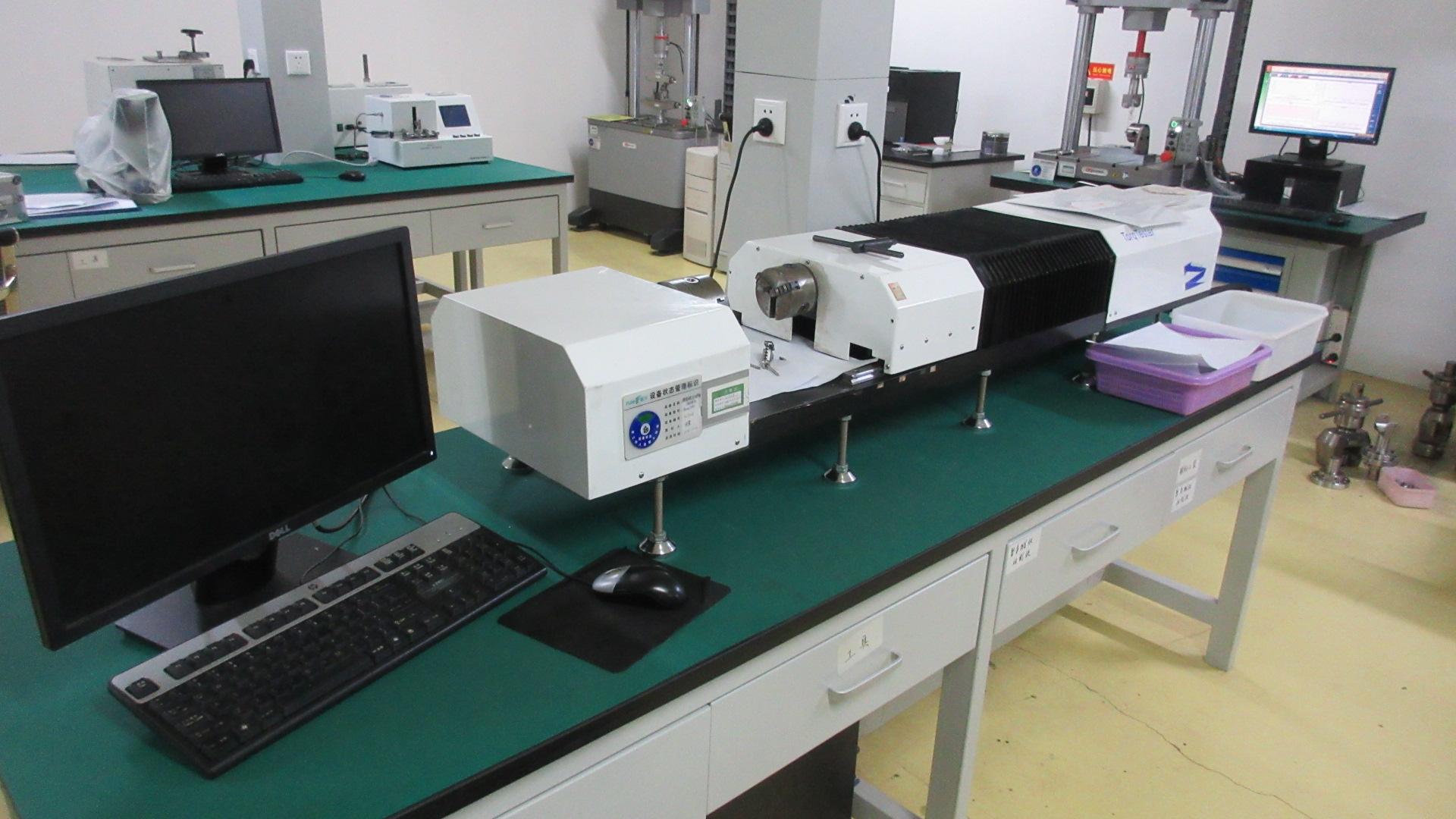
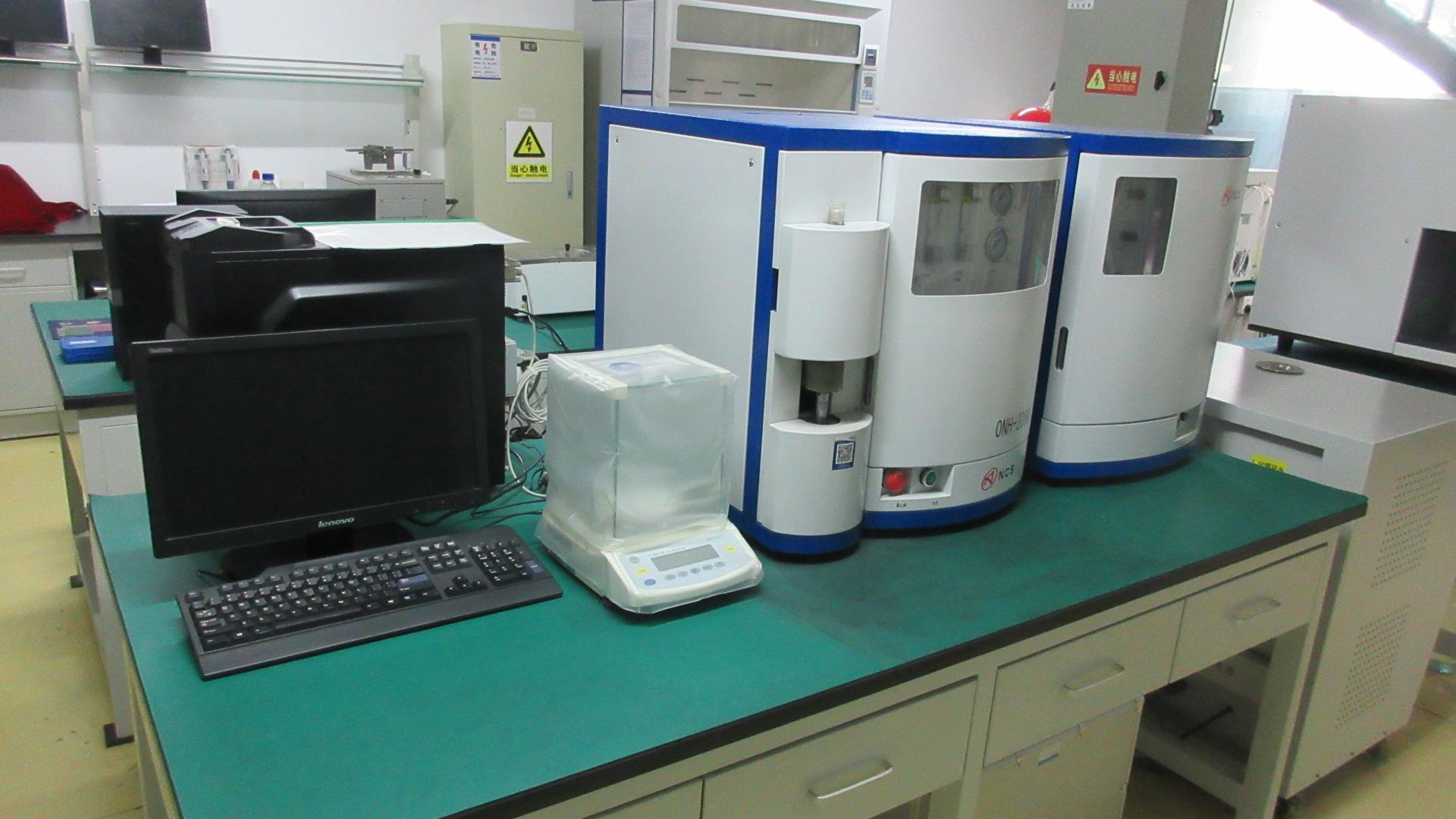
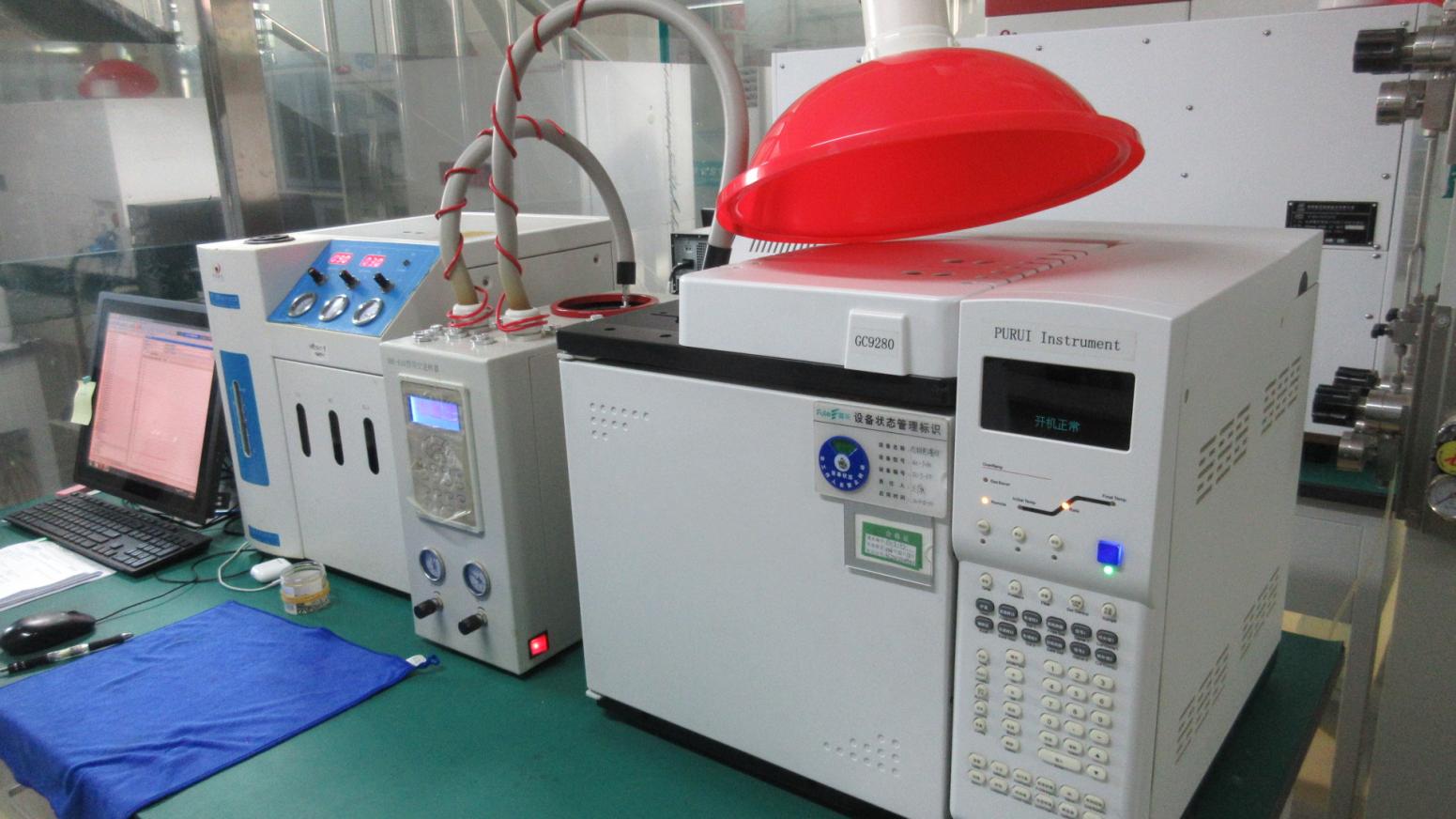
Aligning advanced engineering with the operational demands of orthopedic trauma wards and surgical teams.
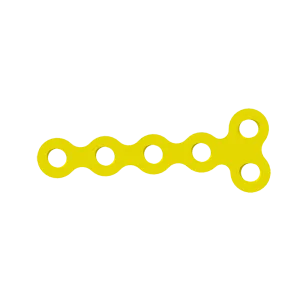
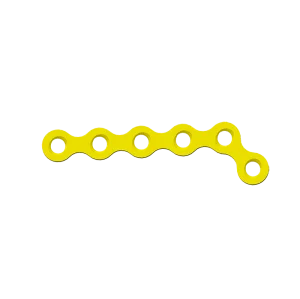
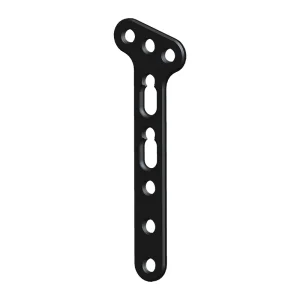
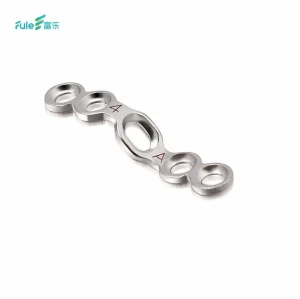
In patients recovering from compound tibiofibular fractures, post-traumatic reconstruction requires high structural stability. The integration of locking bone plates with dynamic locking screws allows for minor elasticity. This promotes optimal callus formation during the primary phase of bone healing.
Furthermore, pediatric orthopedic procedures require highly adaptable sliding screw configurations. These systems accommodate natural longitudinal growth while maintaining alignment. Our 5.0 Titanium Sliding Screw System addresses this specific clinical need, offering superior stabilization without hindering skeletal development.
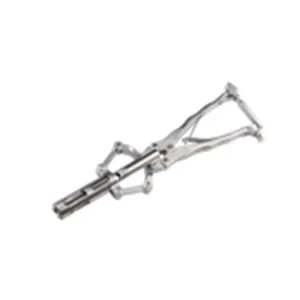
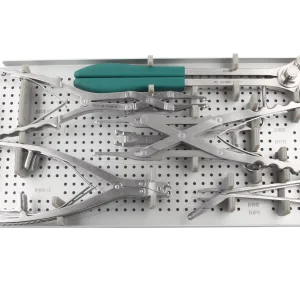
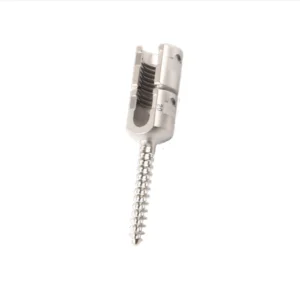
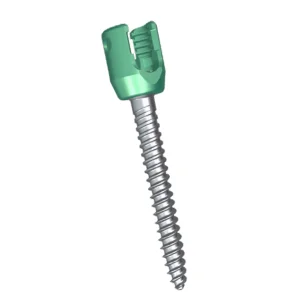
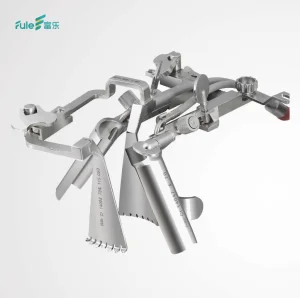
Contemporary surgery focuses on reducing muscle dissection and surgical trauma. Our minimally invasive spine surgical instrument sets allow clinicians to deploy percutaneous pedicle screws with high accuracy. The integrated guide systems reduce intraoperative fluoroscopy exposure for both patients and surgical personnel.
Additionally, our low-profile occipitocervical-thoracic spinal rod configurations provide stabilization near delicate neural structures. This design minimizes the risk of post-operative tissue irritation or implant extrusion.
Transparent operating metrics and raw manufacturing data indicating a resilient B2B industrial partner.
| Industrial Capacity Metrics | |
|---|---|
| Incorporation Date | June 28, 1996 |
| Industrial Floor Space | 10,000 Square Meters (ISO 13485 Certified Facility) |
| Export History | 30 Years of Global Sourcing Experience |
| Dedicated Production Lines | 1 Integrated Medical-Grade Processing Line |
| Machinery Infrastructure | 102 Swiss-type CNC, Milling, & Surface Treatment Units |
| Global Reach | Domestic Market (40%), Eastern Europe (15%), Southeast Asia (10%), Rest of World (35%) |
| Quality Control & R&D Index | |
|---|---|
| QA/QC Inspectors | 15 Dedicated In-line Inspectors (Raw Material to Finish) |
| Product Inspection Ratio | 100% Inspection of All Finished Lots |
| R&D Engineering Strength | 20 Specialists (15 Post-Graduate, 5 Junior College Engineers) |
| New Product Cycles | Minimum 20 Custom OEM/ODM Variants Launched Annually |
| Supply Chain Network | 70 Key Raw Material and Tooling Sub-contractors |
| B2B Service Scope | Sample Processing, Graphic Blueprint Customization, OEM Branding |
Expert technical answers addressing typical vetting processes of medical device distributors, purchasing managers, and clinical consultants.
Precision implants engineered to reduce operative failure rates and support anatomical union.
 Beren Science & Technology