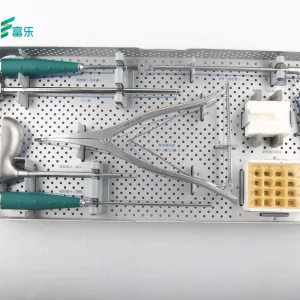
Explore our elite selection of Class III and Class I certified orthopedic nail systems, intramedullary plates, and pedicle screw assemblies designed for spinal and trauma surgeries.
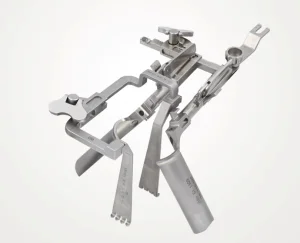
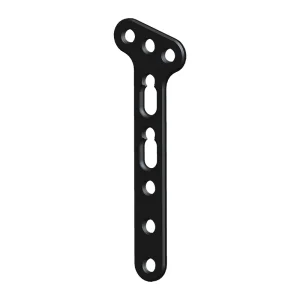
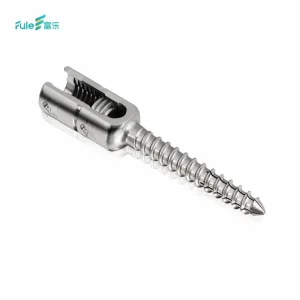
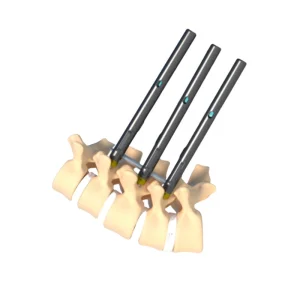
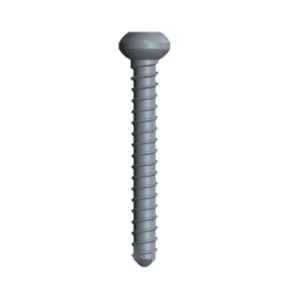
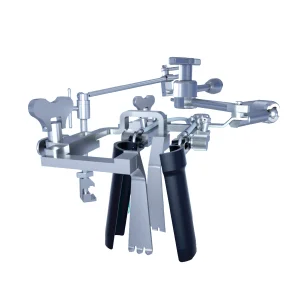
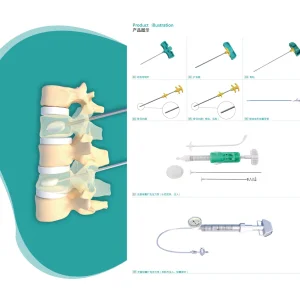
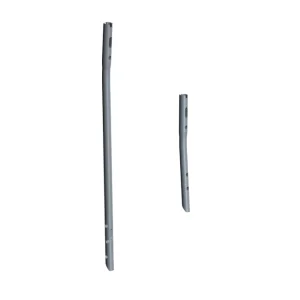
In B2B medical procurement, search queries targeting "Nail Systems" often bridge two distinct industries: cosmetic enhancement technologies and orthopedic osteosynthesis implants. For clinical procurement professionals, surgeons, and healthcare distributors, a Nail System refers to critical medical implant configurations—specifically intramedullary nail systems, pedicle screw-rod systems, and related orthopedic instrumentation used to achieve anatomical reduction and bone fracture fixation.
Chinese factories have historically evolved from basic metal processing shops to state-of-the-art medical-grade fabrication plants. Standardized orthopedic procedures now mandate precise tolerances measured in microns. Systems such as the PFNA (Proximal Femoral Nail Antirotation), humeral intramedullary nails, and polyaxial pedicle screws require high-purity Titanium Grade 5 (Ti-6Al-4V ELI) or cobalt-chromium alloys to meet biomechanical compliance frameworks outlined by global surgical associations.
Unlike external fixators, intramedullary nails act as internal splints to share physiological loads across the bone shaft. The introduction of spiral blades and distal locking configurations prevents rotational instability, accelerating patient mobilization and reducing overall post-operative complications. Our production lines ensure that locking mechanisms are engineered with perfect structural matching to prevent cross-threading during critical surgeries.
Advancements in manufacturing technology that define the future of clinical osteosynthesis implants.
Provides titanium implants with enhanced wear resistance, minimal protein absorption, and a biocompatible surface that reduces structural friction during intramedullary insertion.
Bioactive hydroxyapatite (HA) coatings and Sand-blasted Large-grit Acid-etched (SLA) treatments accelerate osseointegration, forming a direct bond with living bone tissue.
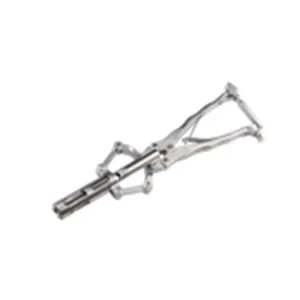
Intelligent, ergonomically streamlined instrument configurations reduce surgical incision size and muscle disruption, maximizing postoperative healing rates.
Our long-term engineering vision targets smart implant integration. Incorporating biodegradable magnesium alloys and polymer structures like PEEK (polyetheretherketone) allows for adjustable modulus of elasticity matching the native bone structure. By mimicking trabecular bone patterns, our newest posterior lumbar fusion cages demonstrate superior structural stability, reducing stress-shielding risks for spinal interventions.
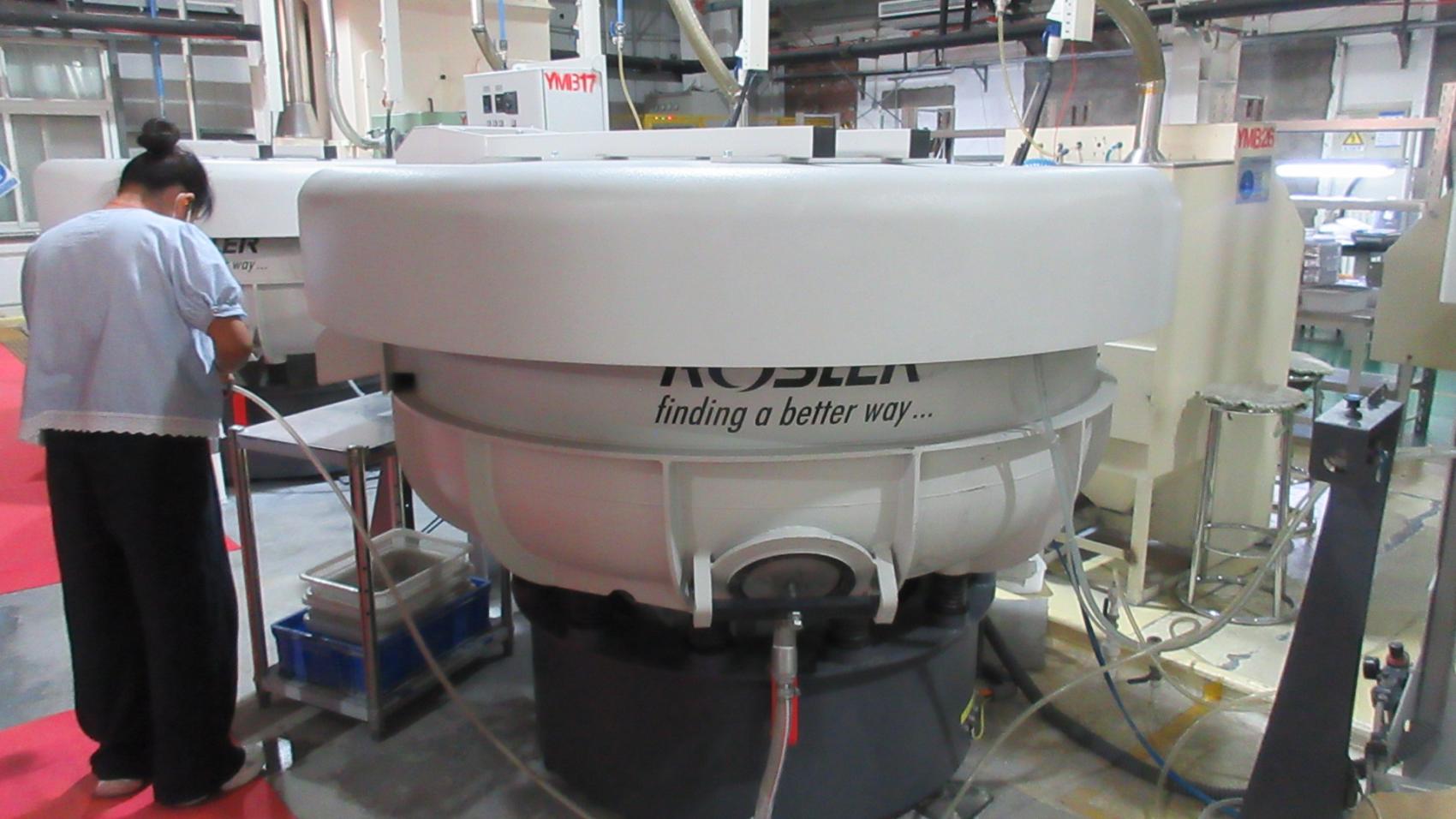
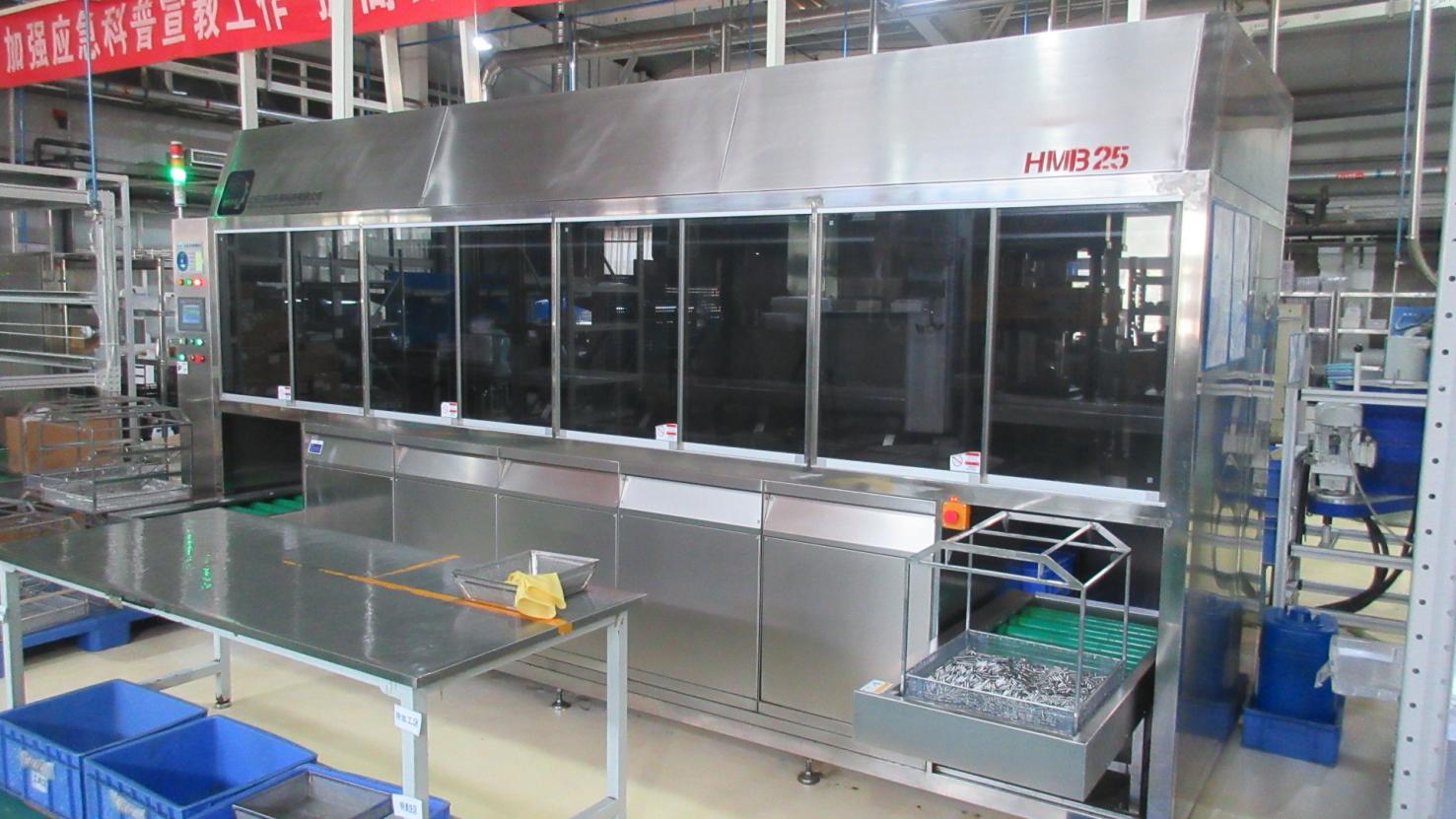
The global healthcare distribution ecosystem demands zero-defect component batches. To achieve this, our manufacturing plants leverage Industry 4.0 integration, combining automated raw material processing with precision testing. With 102 state-of-the-art machines, including Swiss-type longitudinal lathes and five-axis CNC milling centers, we manage toolwear variances in real-time down to ±5 microns.
Every titanium bar and medical grade alloy plate undergoes strict spectroscopic validation upon receiving. From smelting heat logs to the final laser marking of unique Device Identifiers (UDI), we enforce complete, end-to-end trace documentation. Under the supervision of 15 certified QA/QC inspectors, our facility implements ISO 13485 standard operating protocols across all production sectors, guaranteeing clinical stability and product safety.
Transparent corporate data reflecting over 30 years of medical device engineering and international export history.
 ISO 13485 Certified (No. 04724Q10000818)
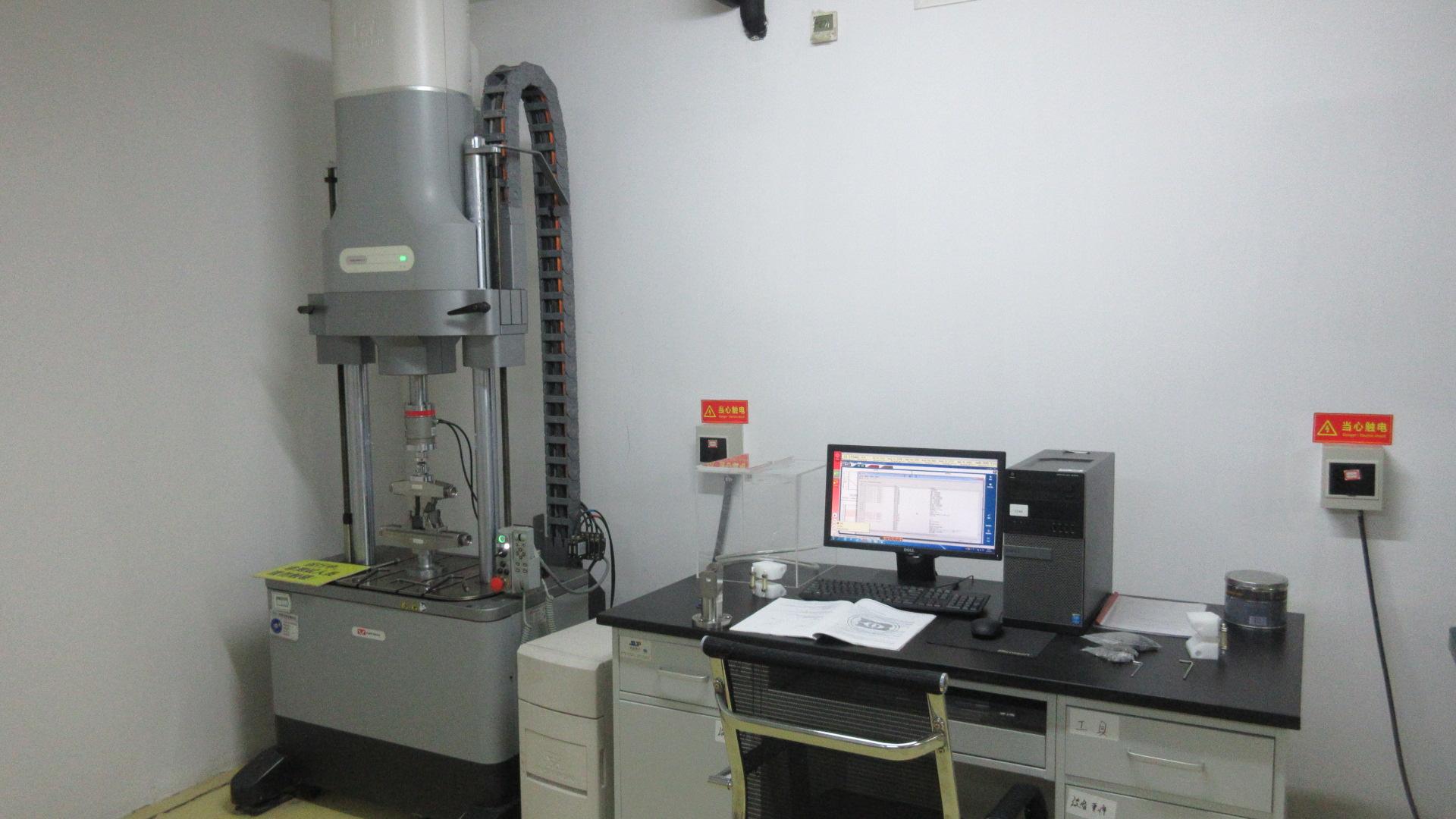
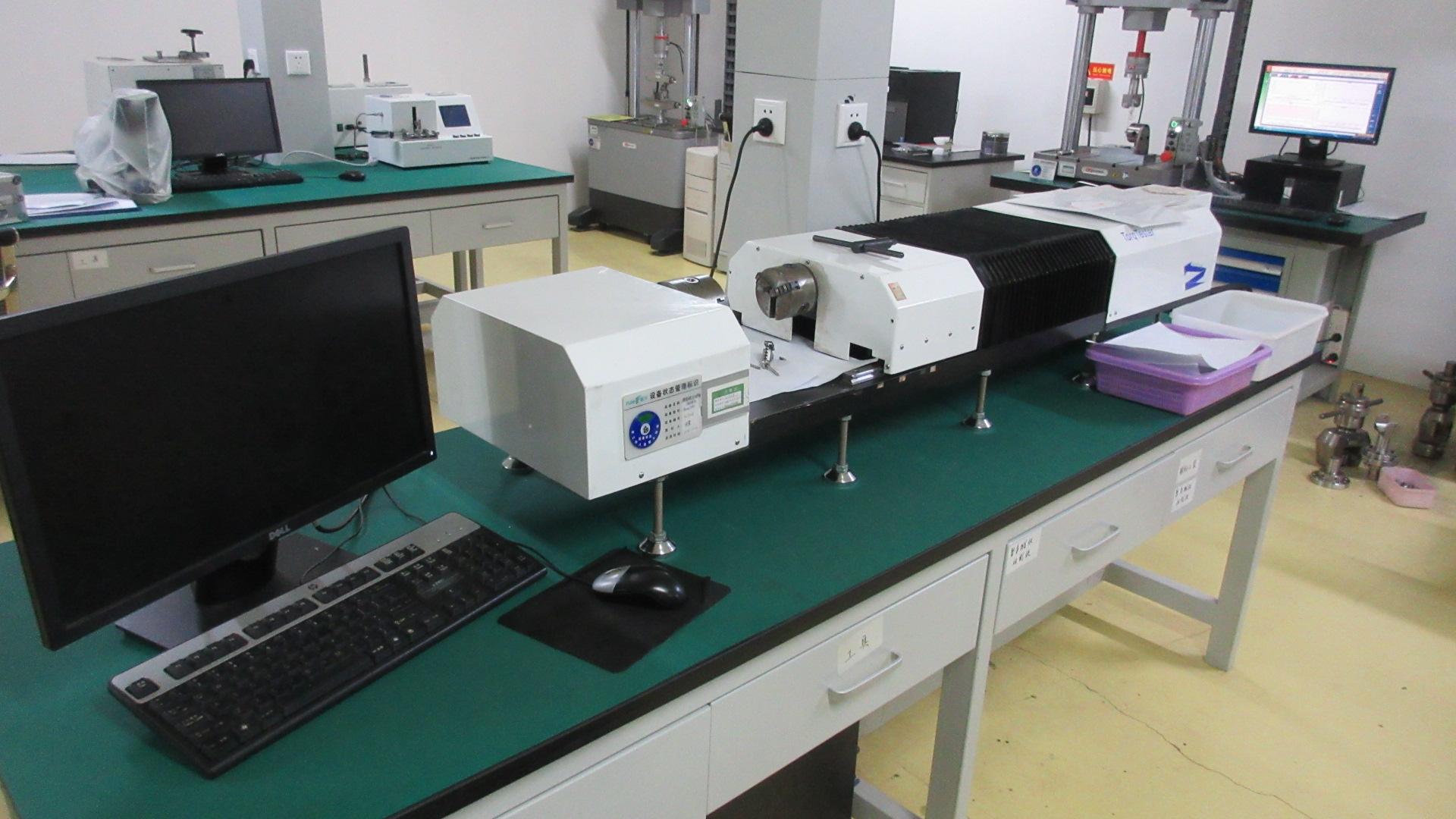
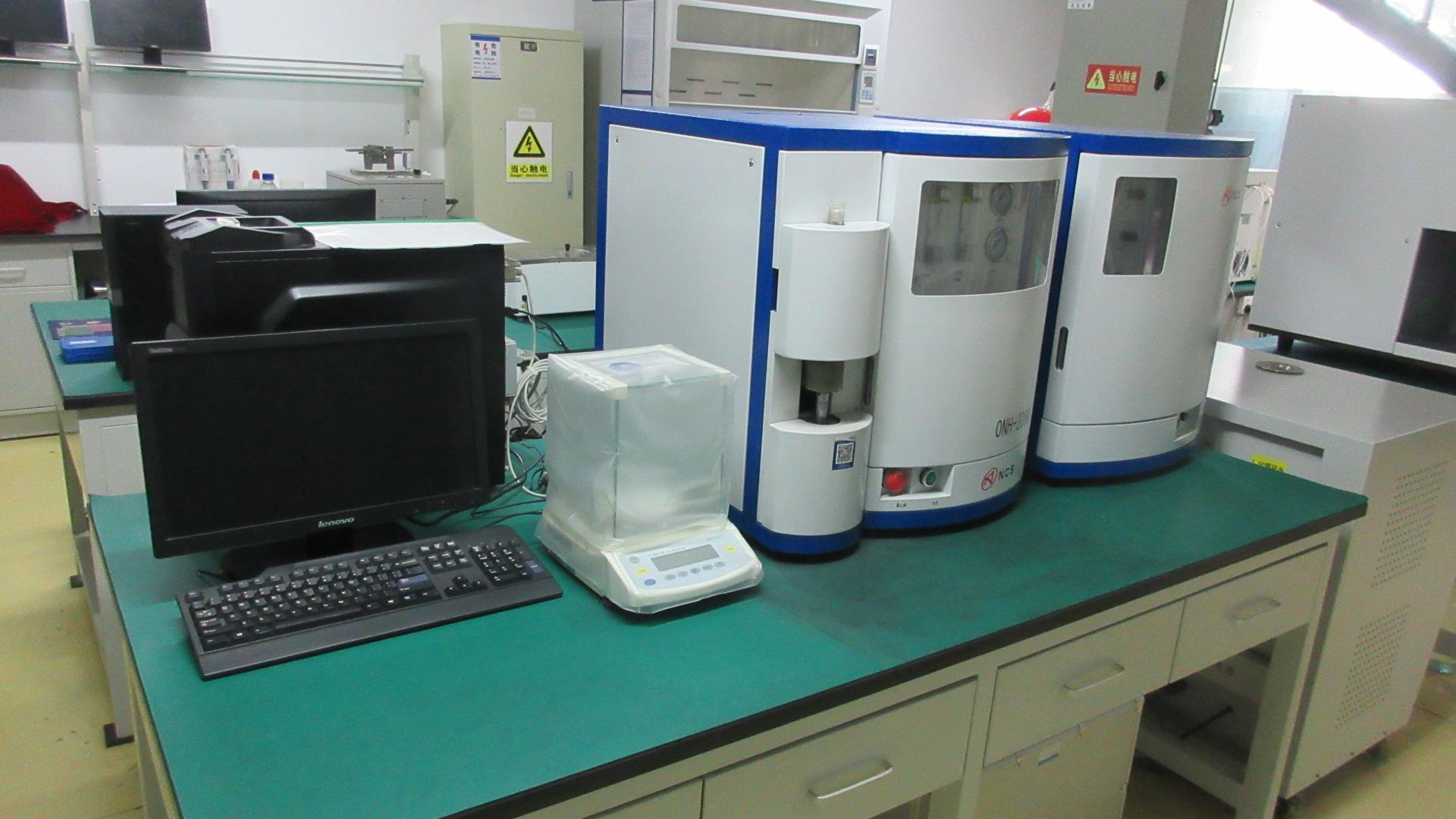
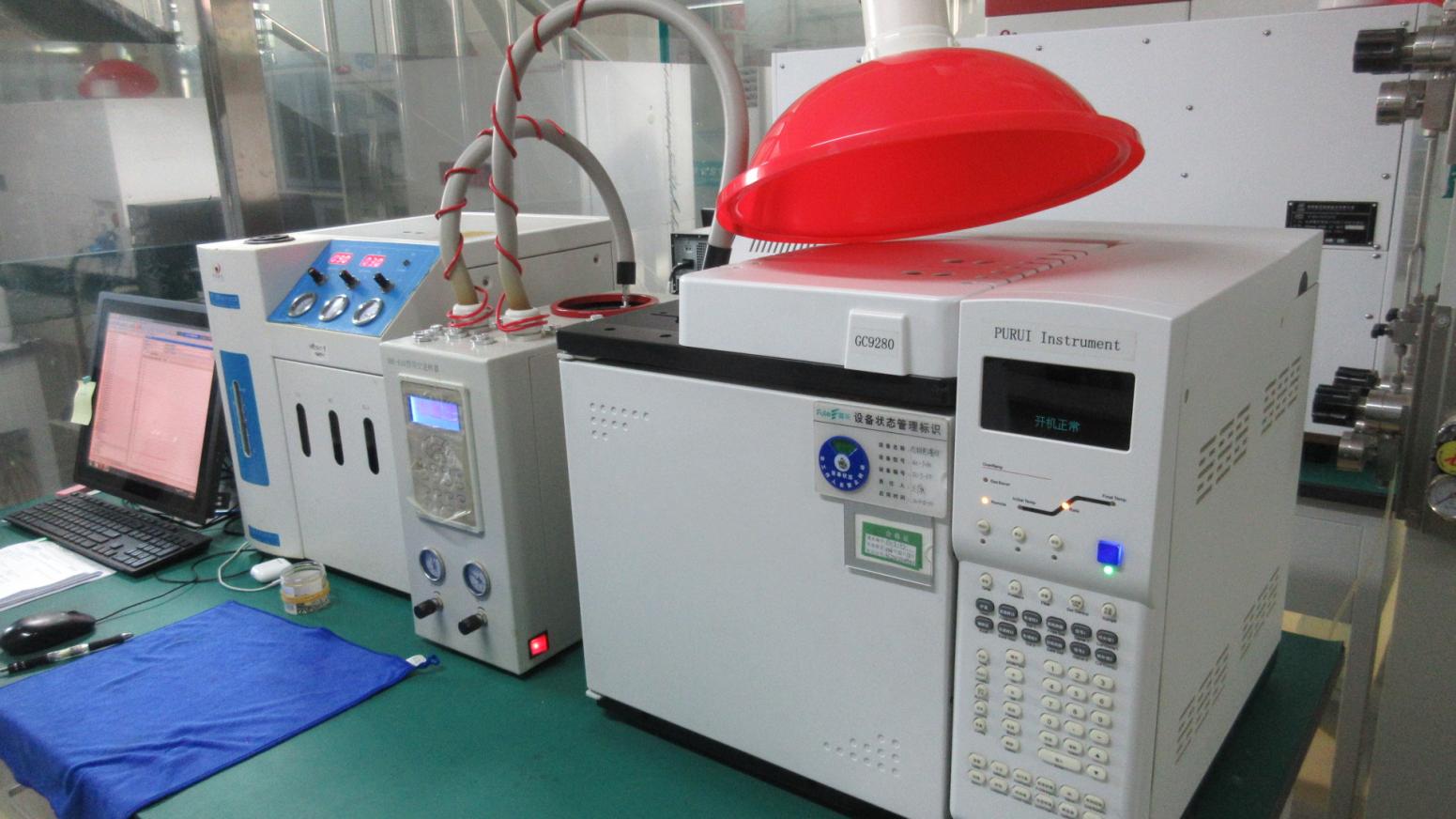
Physical visualization of our production units, CNC milling suites, assembly areas, and quality testing labs.
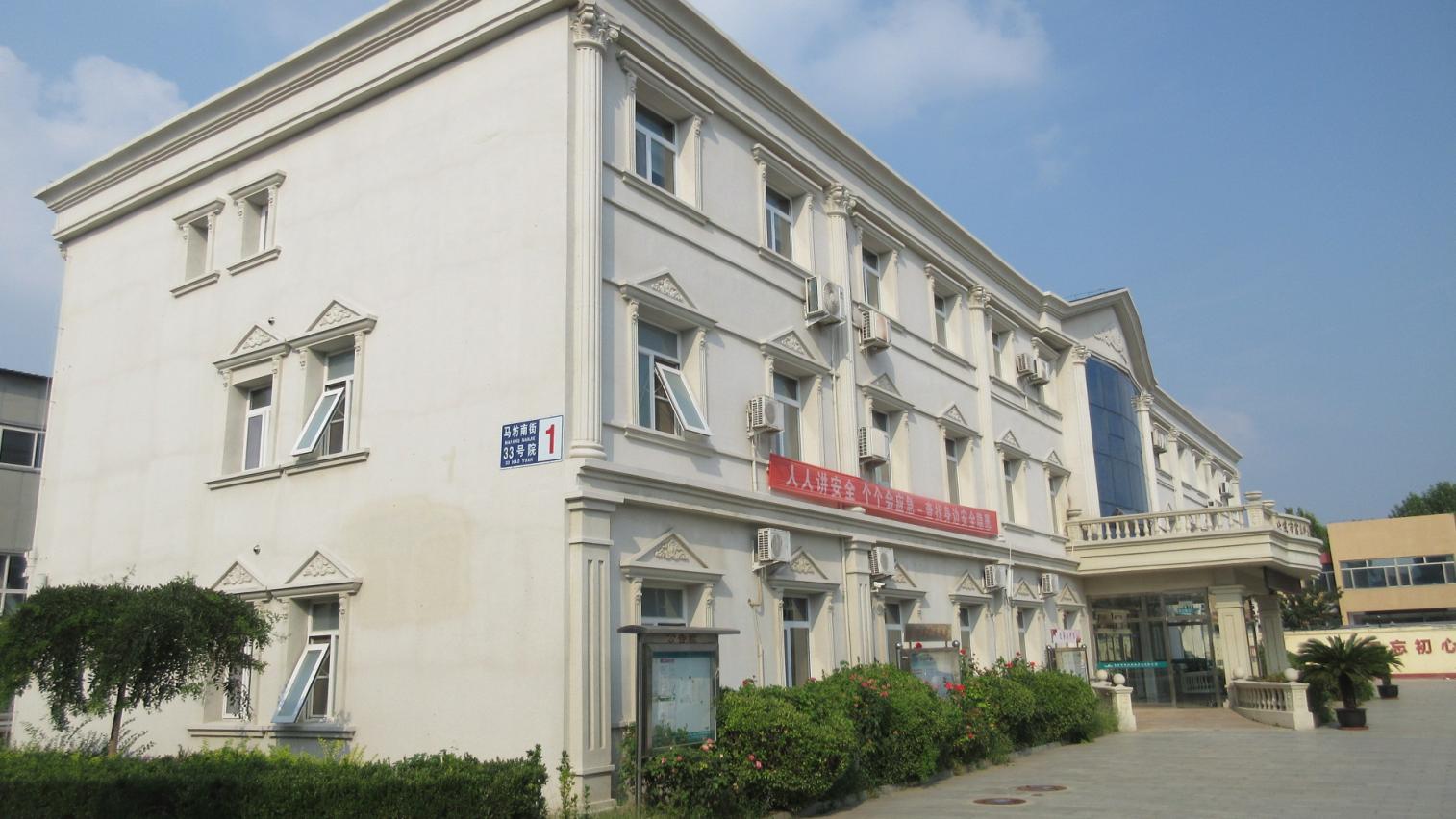
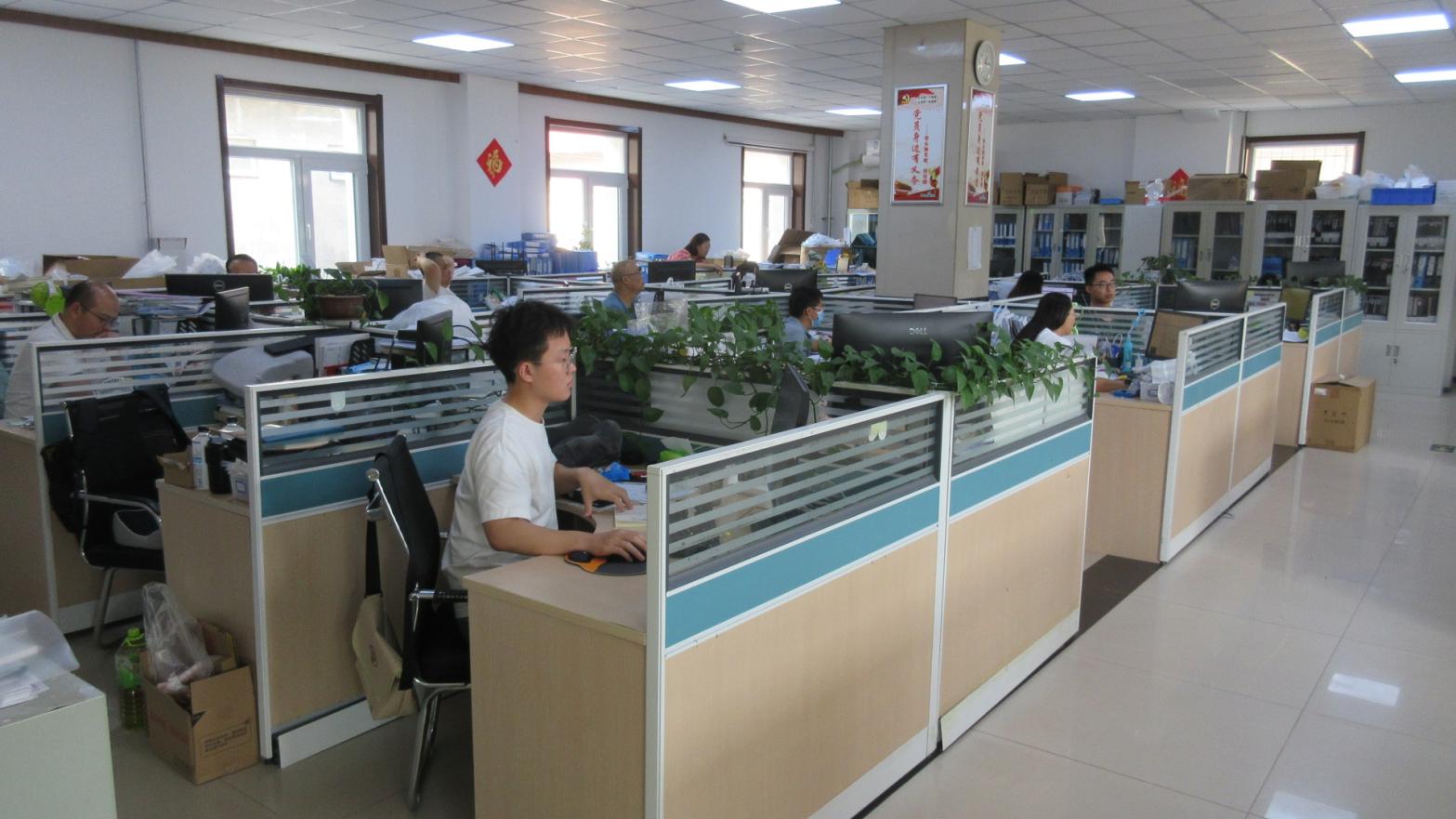
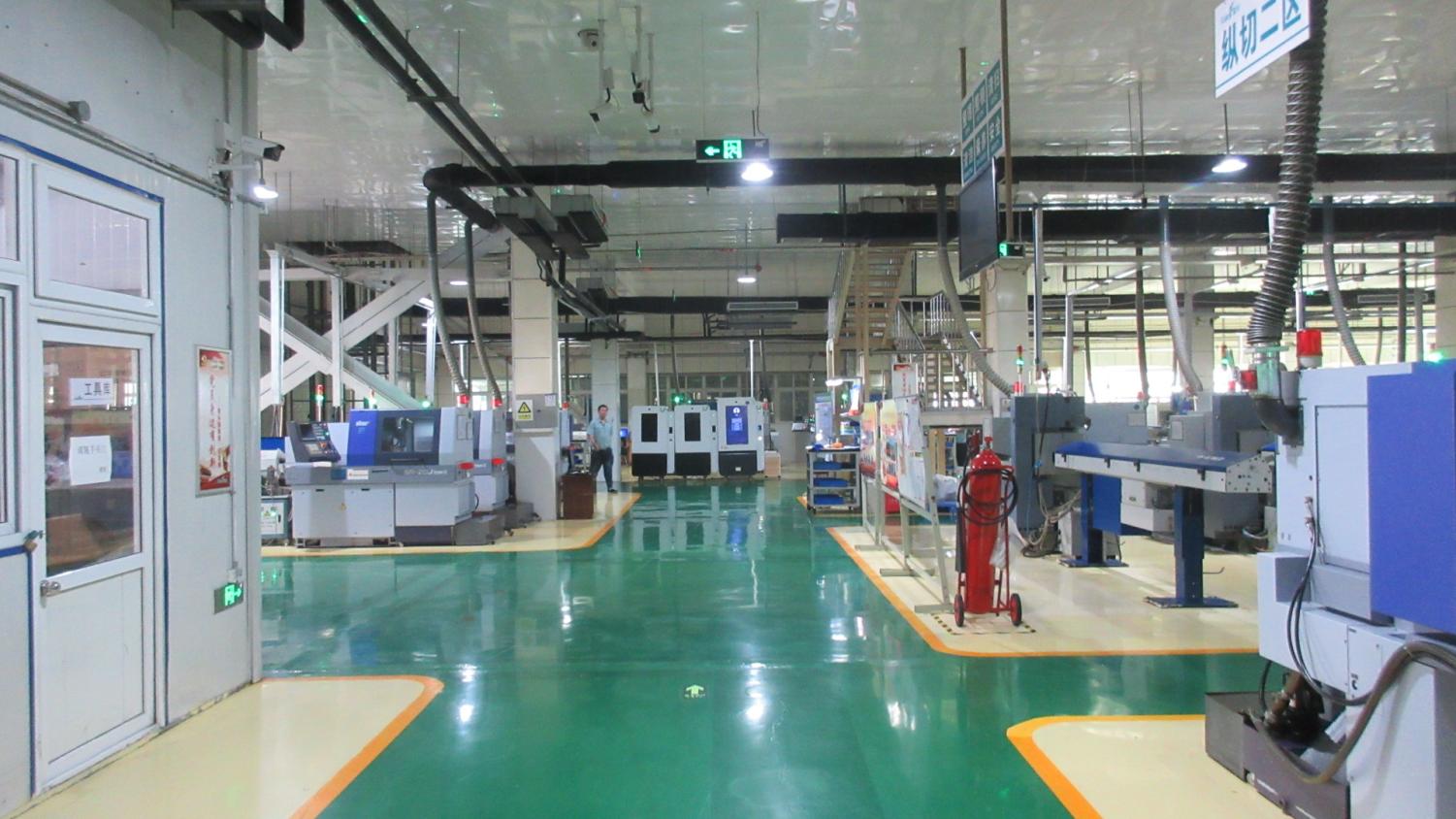
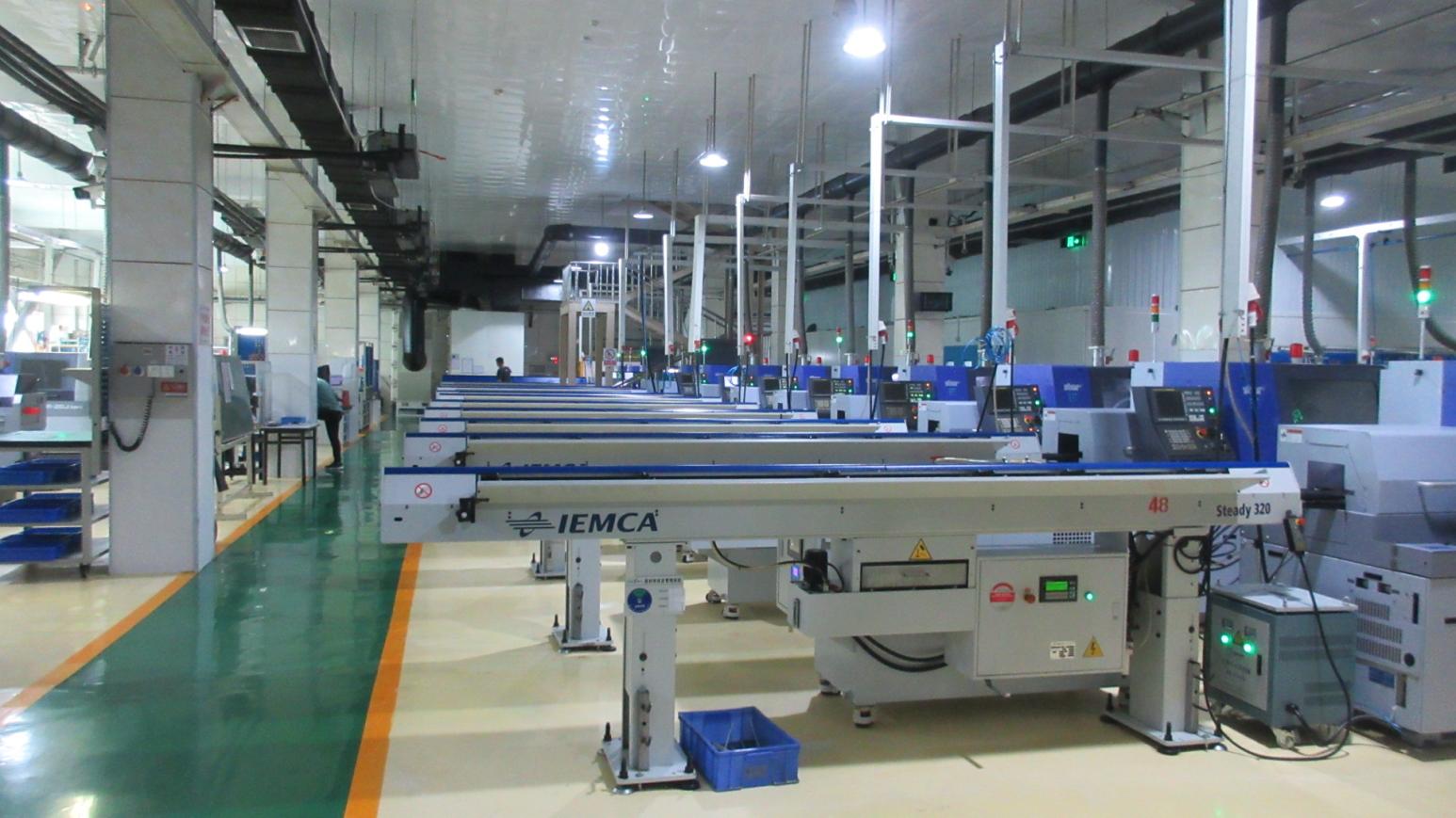
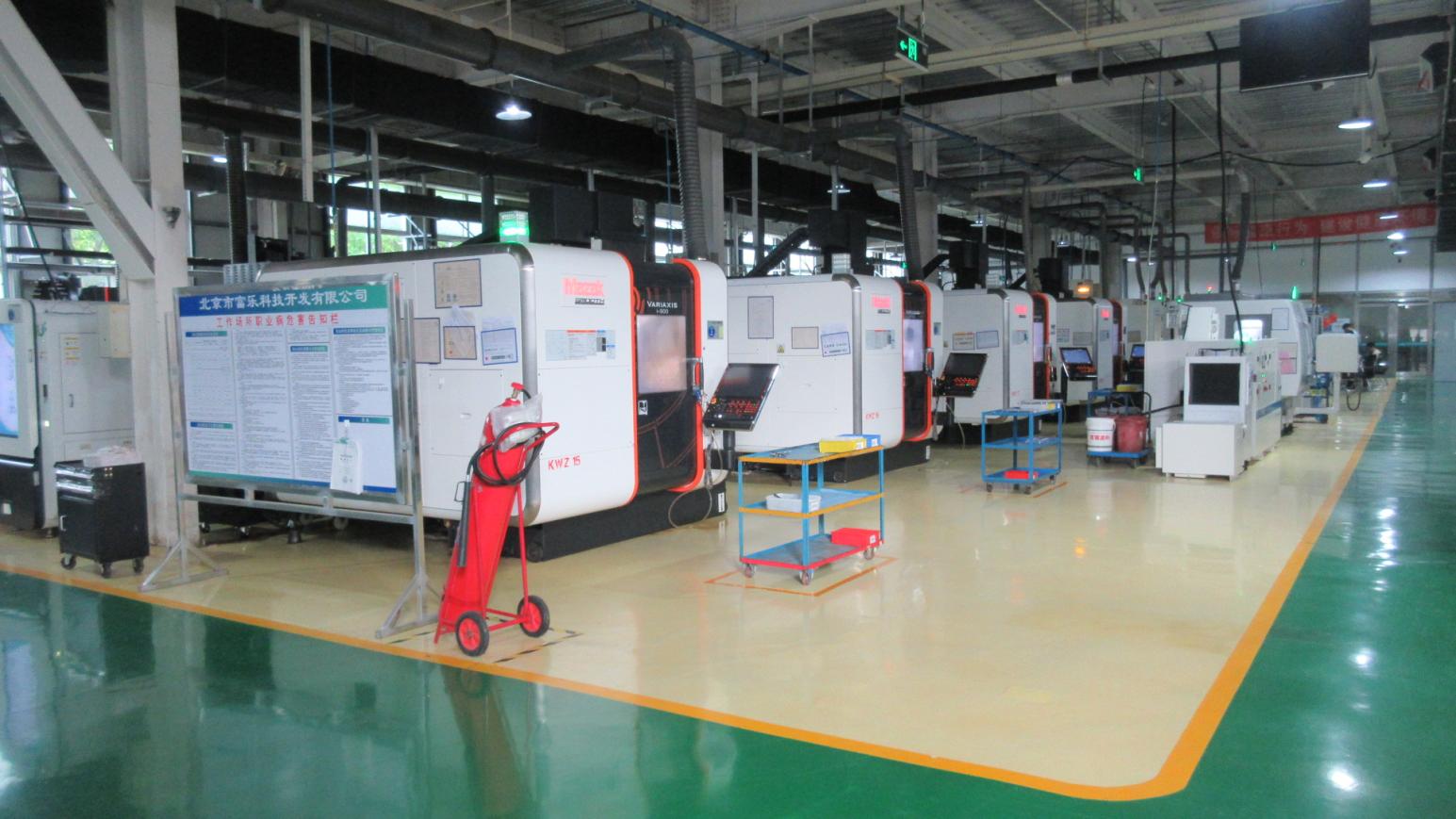
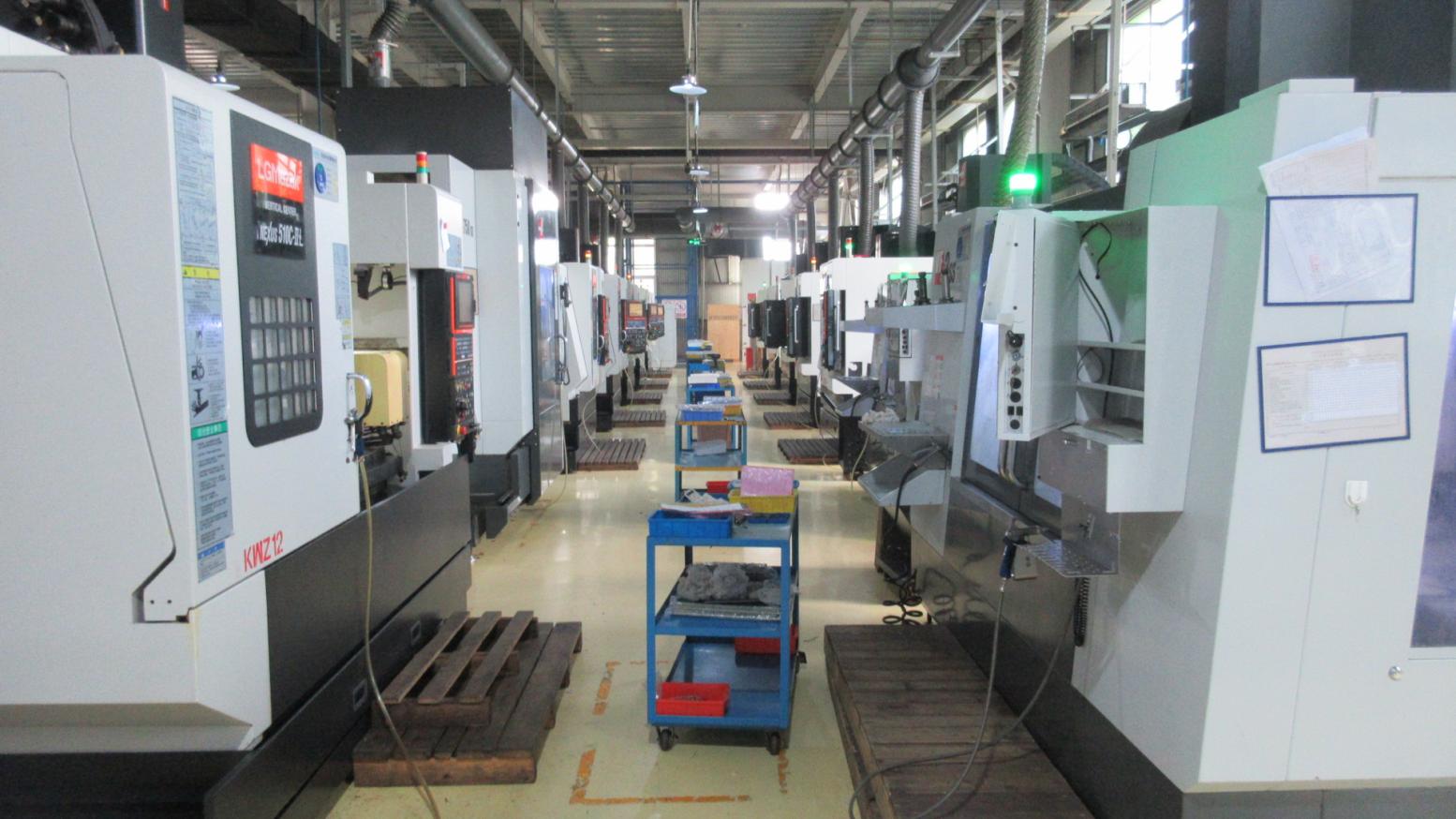
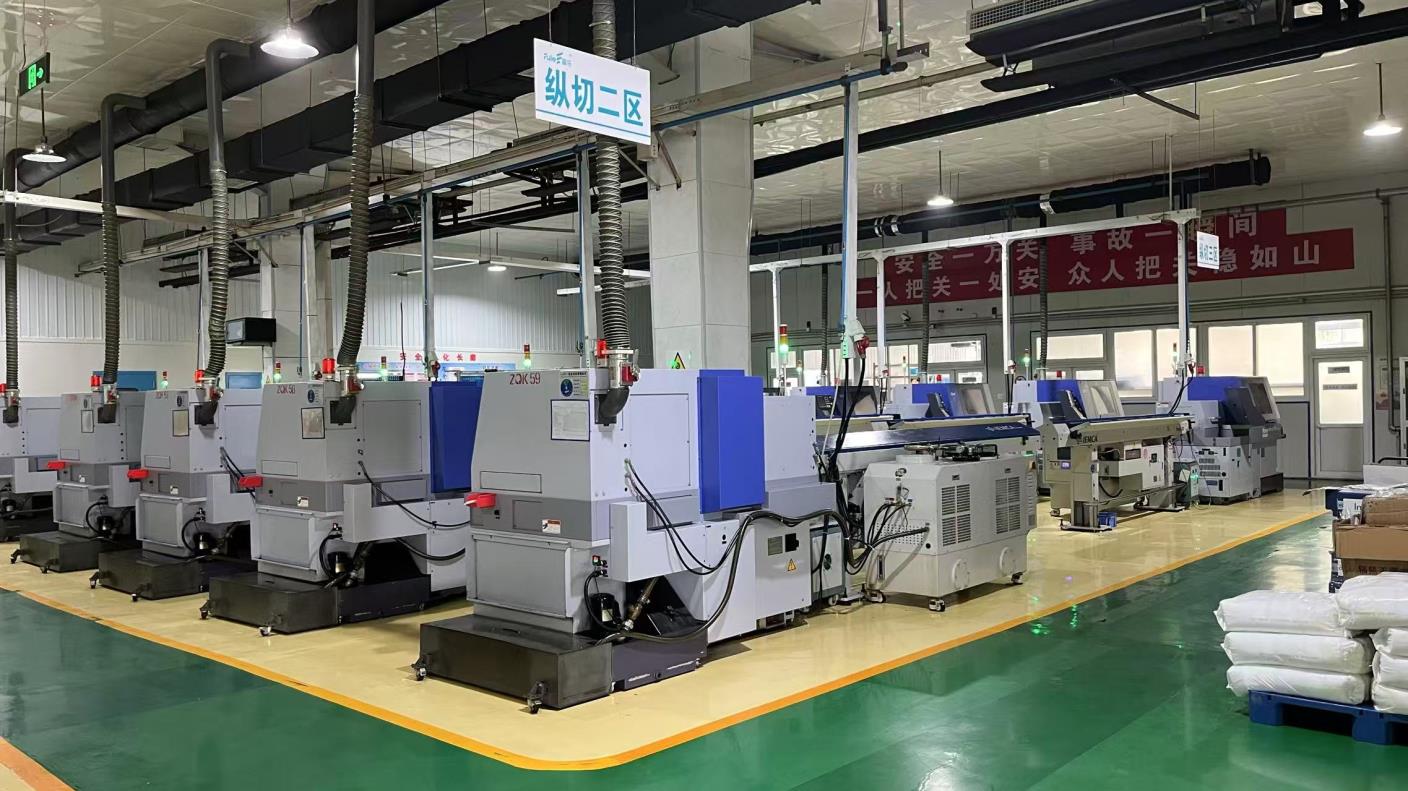
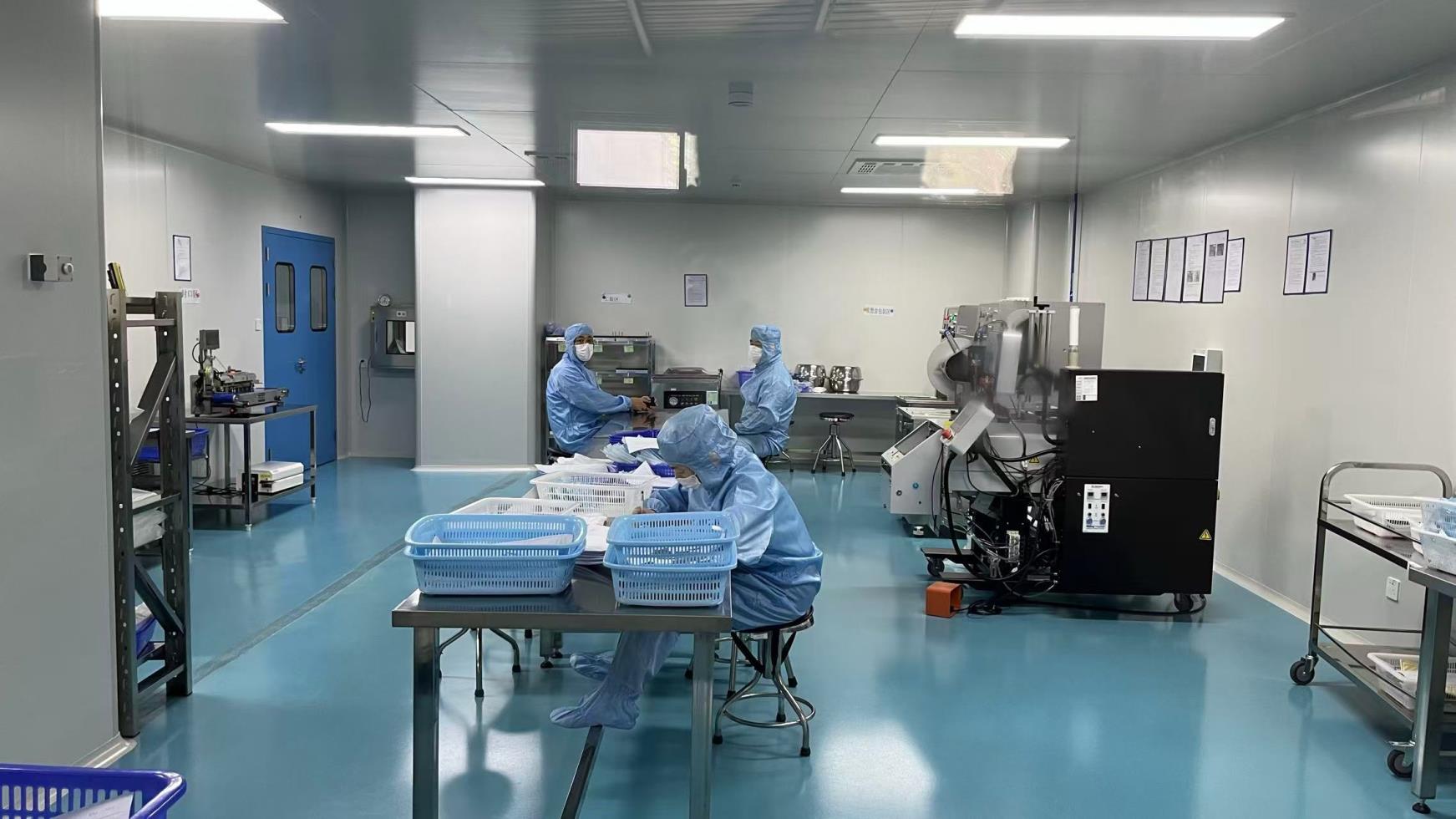
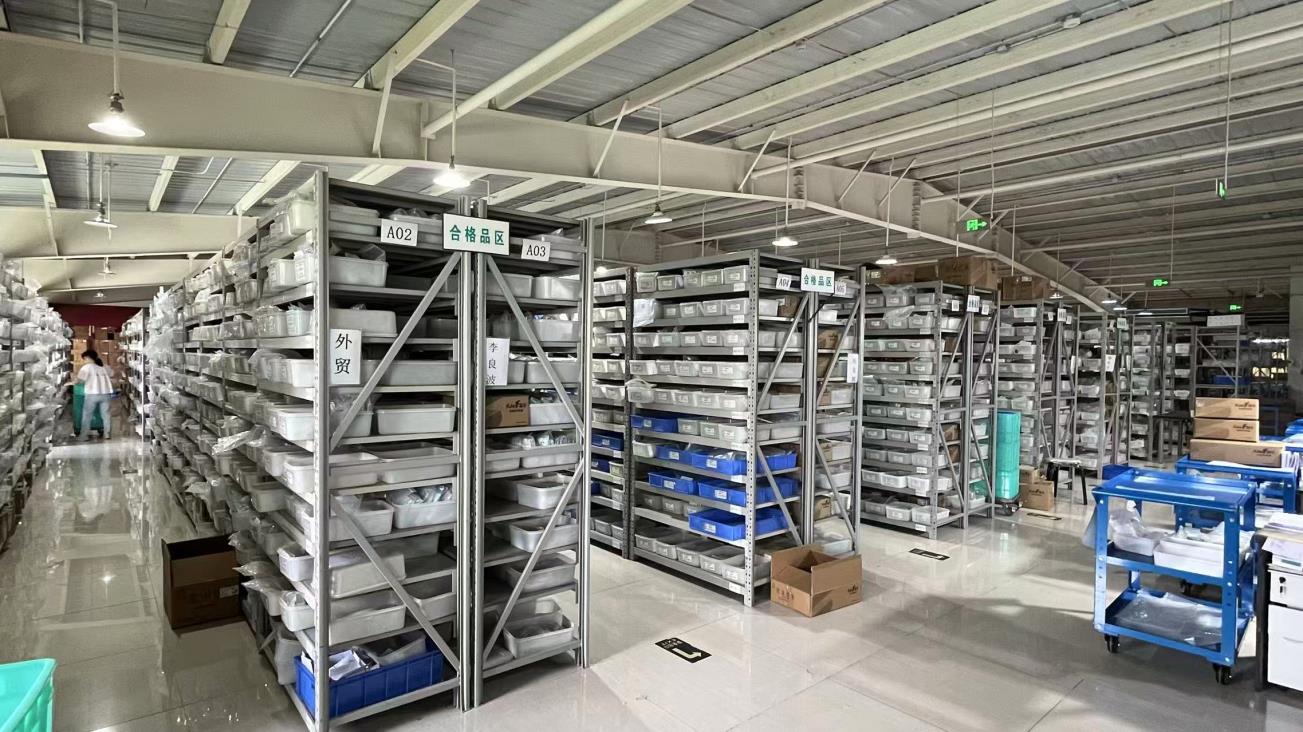
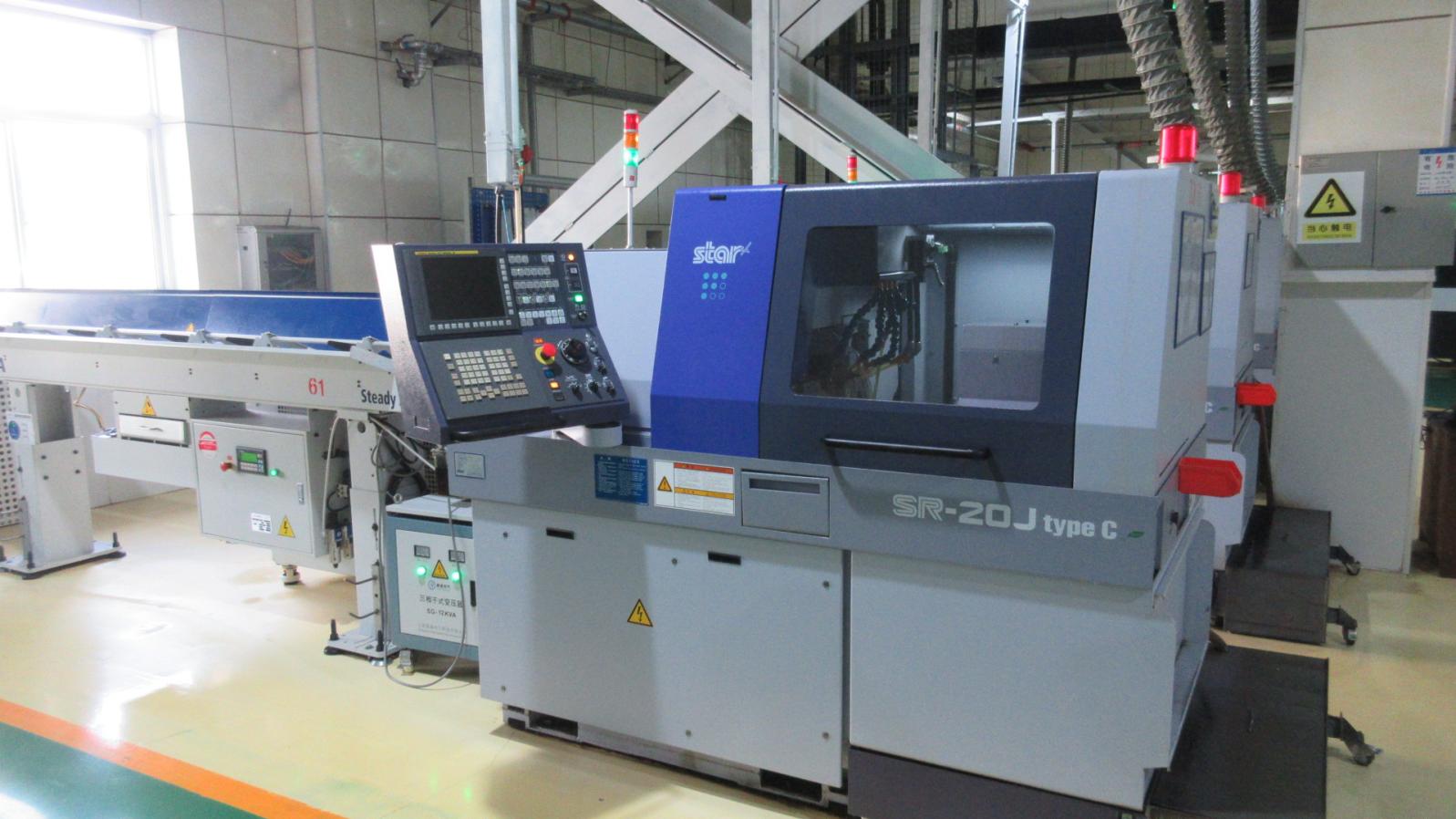
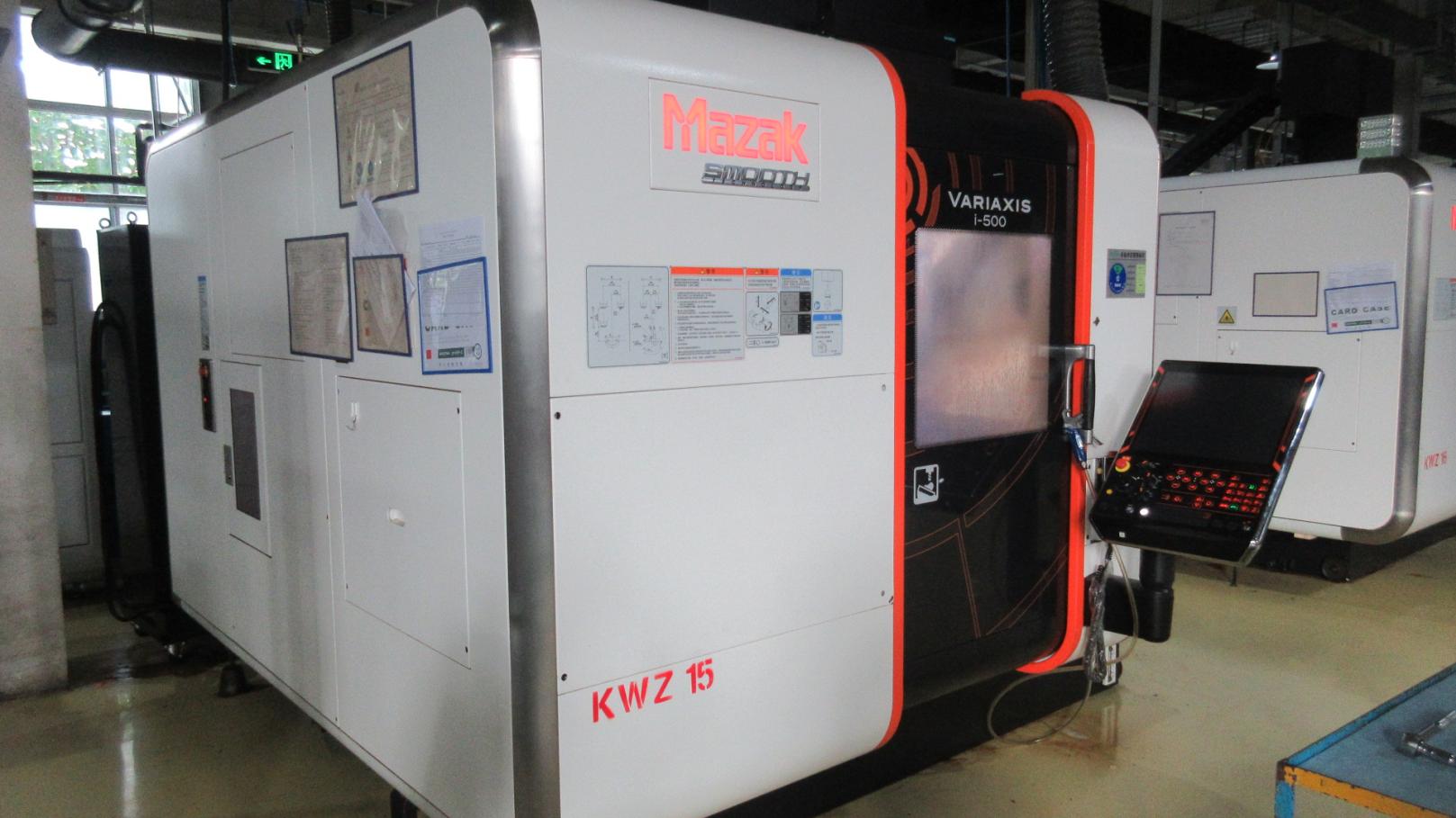
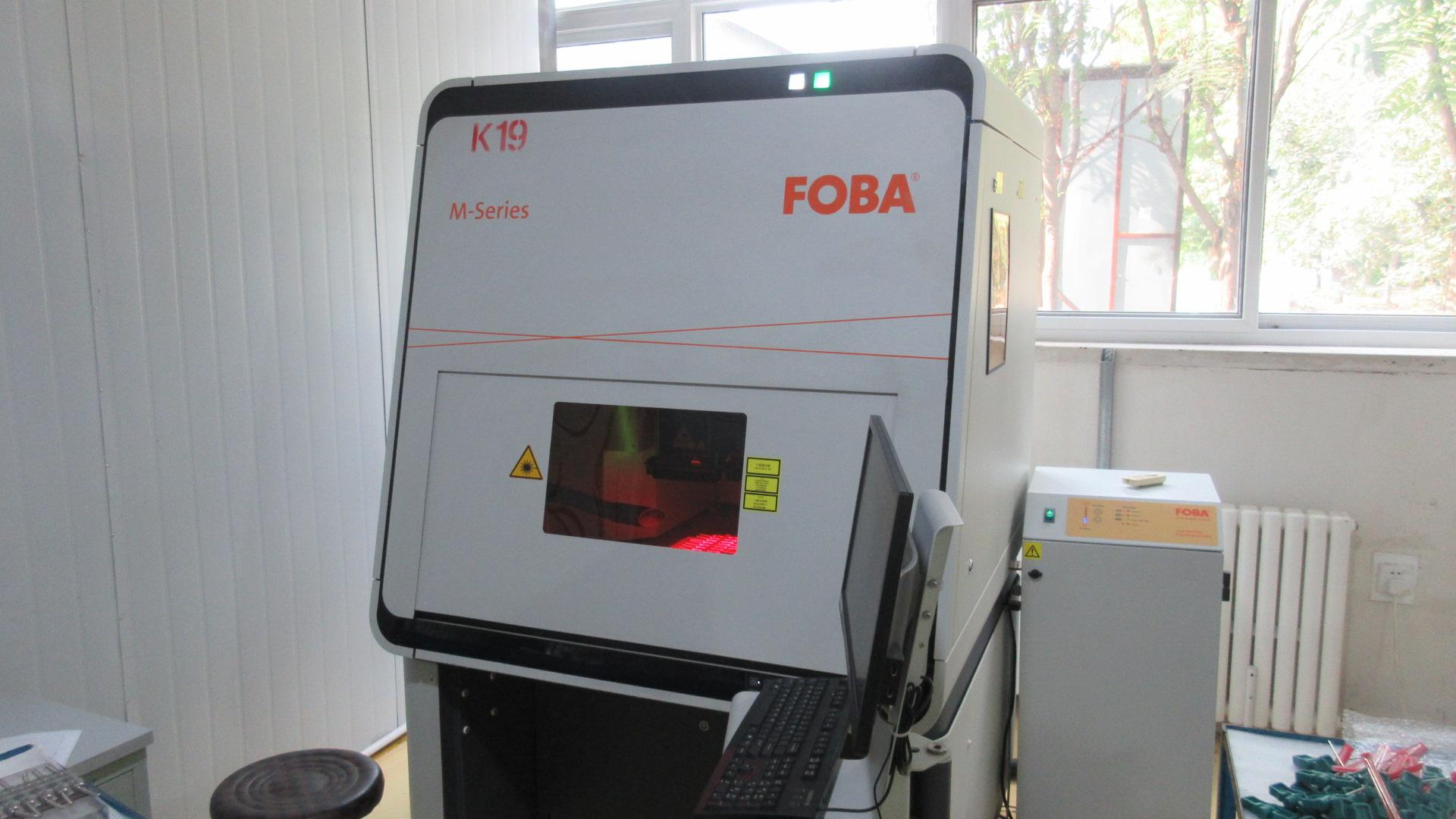
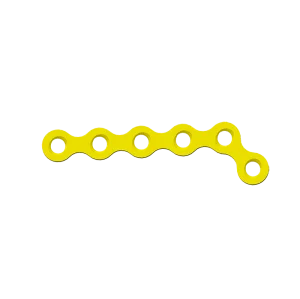
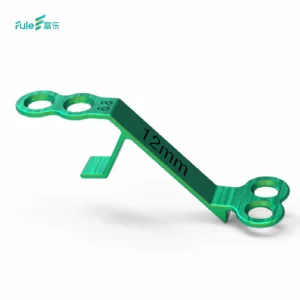
Discover more specialized osteosynthesis and trauma solutions certified for distribution across demanding healthcare sectors.
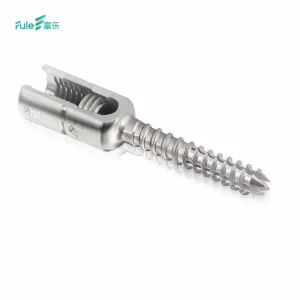
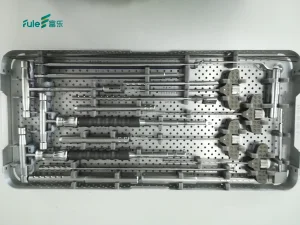
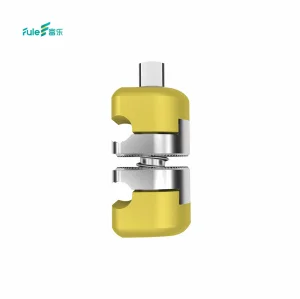
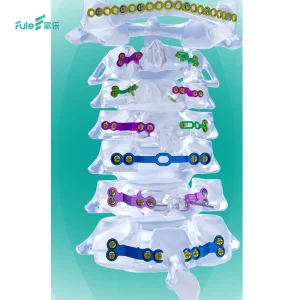
Sourcing medical implants globally demands deep regulatory understanding. Our team actively bridges localized validation pathways to assist distributors, hospitals, and national tenders with smooth customs and local registry procedures.
Regulatory Compliance Standards (MDR & FDA Alignment): Since Class III orthopedics implants carry the highest risk profile, our production methodologies align with the EU Medical Device Regulation (MDR 2017/745) and United States FDA 510(k) recommendations. Our ISO 13485 certificate (04724Q10000818) ensures that corrective and preventive action (CAPA) systems are systematically maintained and audited.
Customization (OEM/ODM) Strategy: Understanding that patient demographics and surgeon preferences vary by region, we provide extensive custom engineering. Leveraging our R&D pool of 20 specialist engineers, we provide rapid sample prototyping within 15 working days based on custom clinical parameters or mechanical blueprints. From structural modifications of locking plates to custom thread pitches on polyaxial pedicle screws, we help clients adapt products to their local markets.
Logistics, Packaging & Sterilization: All implants can be shipped sterile (gamma radiation sterilized in cleanroom dual-pouch packaging) or non-sterile depending on market requirements. Protective plastic tubes and customized surgical cases secure product integrity, preventing transport micro-fractures in titanium alloys.
Essential inquiries and detailed answers for international procurement managers and surgical implant distributors.
We use high-purity Titanium Grade 5 (Ti-6Al-4V ELI) conforming to ASTM F136 and ISO 5832-3 standards. This medical-grade alloy offers exceptional biocompatibility, superior corrosion resistance, and high tensile strength while maintaining a low modulus of elasticity close to human bone to minimize stress shielding.
We implement a strict raw material traceability system. Each batch of titanium or stainless steel is supplied with original material certificates from accredited smelting laboratories. Every finished implant is laser-marked with a unique device identifier (UDI) linked to the exact material batch, CNC production shift, and anodization run, ensuring 100% downstream tracking.
Yes, our R&D department consisting of 20 engineers provides comprehensive custom manufacturing. We support sample processing, graphic CAD/CAM development, and customized product dimensions for specific surgical needs. Prototyping times vary but typically span 15 to 30 days depending on complexity and sterilization requirements.
Our premium products, such as the Fule MIKO II Screw-Rod System and CSS Spinal System, carry a 5-year manufacturer's warranty. Our standard trauma plates and intramedullary nails are covered by a 2-year warranty. We provide comprehensive technical support and replacing protocols for all surgical systems.
We execute 100% inspection across all finished devices. Our team of 15 QA/QC inspectors conducts visual, coordinate, and mechanical performance audits at each manufacturing step. We also conduct regular fatigue testing (ASTM F1717 / ASTM F1264) in our dedicated testing laboratories to ensure long-term mechanical reliability.
Yes, our packaging cleanrooms conform to Class 100,000 (ISO Class 8) air purity standards. Implants intended for sterile delivery are double-packed in medical-grade Tyvek pouches and sterilized using validated gamma-irradiation or Ethylene Oxide (EO) gas methods in accordance with ISO 11137 standards.
 Beren Science & Technology