China Best Occipitocervical Thoracic Posterior Spinal System Supplier & Exporters

Advanced Biomechanical Stability & Regulatory-Compliant Spinal Implants Designed for Complex Craniovertebral Reconstruction

Premium Spinal Implants & Orthopedic Surgical Products

Explore our top-tier CE-certified surgical implants engineered to provide structural integrity and optimal clinical outcomes.
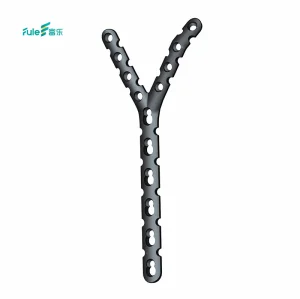
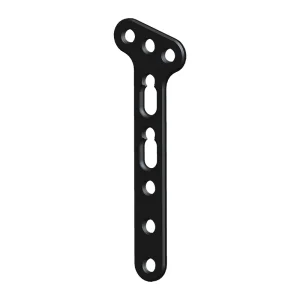
Fule Orthopedic Titanium Humeral Locking Plate
Fule Orthopedic Surgical Implants Titanium Humeral Locking Plate CE Certified Class III for Proximal Distal T-Oblique Metaphysis
View Details
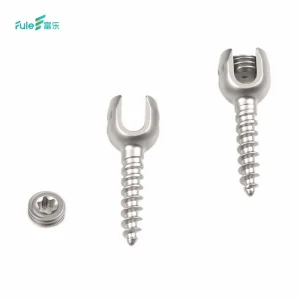
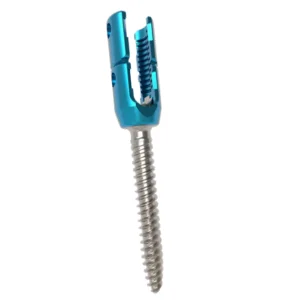
Fule COX Polyaxial Reduction Pedicle Screw
Fule COX Polyaxial Reduction Pedicle Screw Titanium Material CE/ISO13485/ISO9001 Certified Class III Implantable Spine Implant
View Details
China Manufacture Fule Titanium Orthopedic Bone Plate
China Manufacture Fule Titanium Orthopedic Bone Plate Proximal Distal T-Oblique Olencranon for Bone Fracture Fixation
View Details
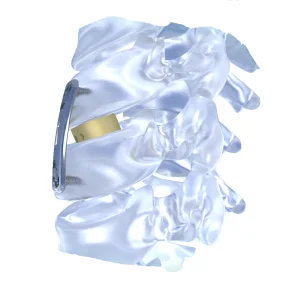
Orthopedic Implant Cervical Interbody Fusion Cage
Orthopedic Implant Cervical Interbody Fusion Cage Arc-shaped Wedge-shaped PEEK Titanium Alloy OEM Fule Brand CE Certified 5-Year
View Details
PFNA Femoral Intramedullary Nail
CE Marked China Manufacture PFNA Femoral Intramedullary Nail Orthopedic Implant Titanium OEM Fule Brand Class III 5-Year
View Details
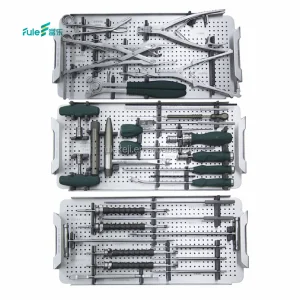
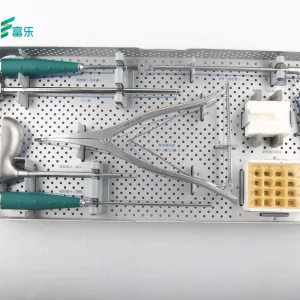
Spine Fixation Spinal Screw Box
Spine Fixation Spinal Screw Box Orthopedic Instruments Surgical Tools
View Details
Customized Titanium FJQ-d Anterior Cervical Plate
Customized Titanium FJQ-d Anterior Cervical Plate and Screws for Spinal Fixation
View Details
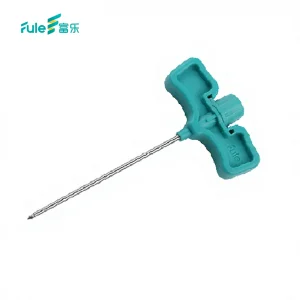
Professional Metal Medical Vertebroplasty Balloon Catheters
Professional Metal Medical Vertebroplasty Balloon Catheters-Factory Direct Sales at Cheap Prices
View Details

Industrial Scale & Enterprise Strengths

Decades of manufacturing excellence backed by certified R&D facilities and stringent international standards.

1996
Registration Date
10,000㎡+
Factory Floor Space
30 Years
Global Exporting Experience
511,000+
Annual Units Output
Profile Specification Enterprise Status & Value
Quality Control Personnel 15 dedicated QA/QC inspectors managing comprehensive testing loops.
Traceability 100% full raw materials traceability from medical-grade Titanium ingot to finished implant.
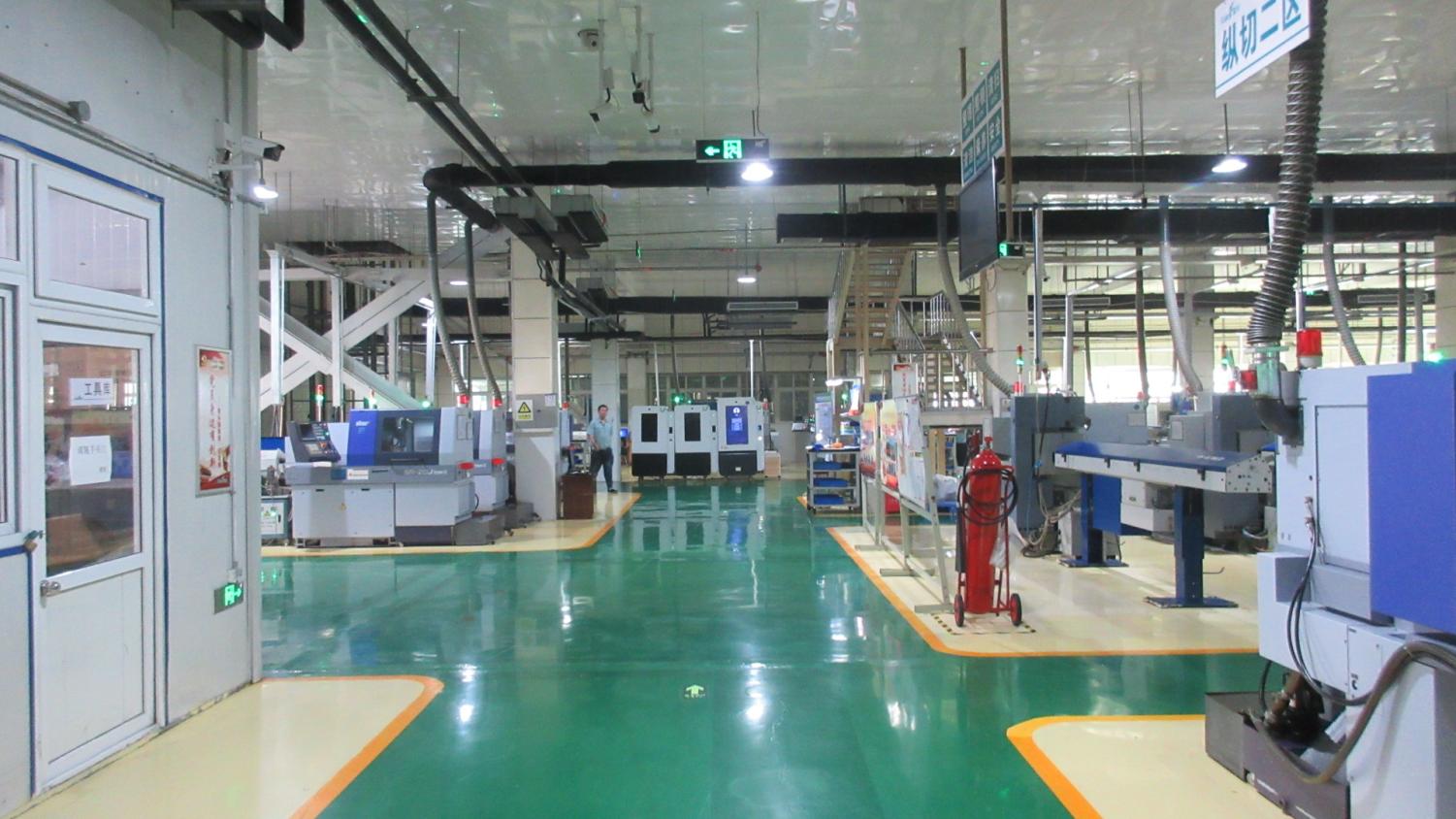
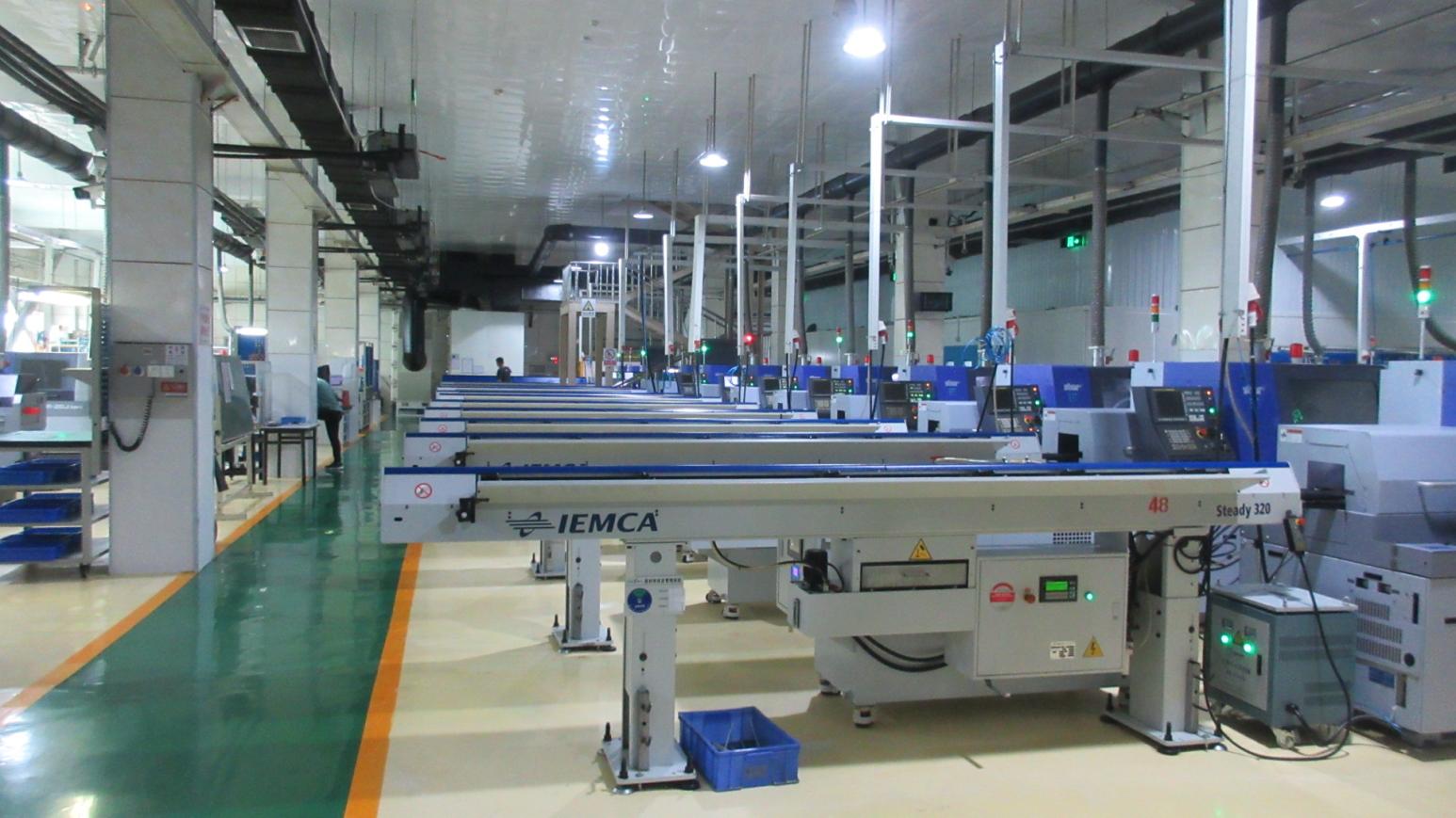
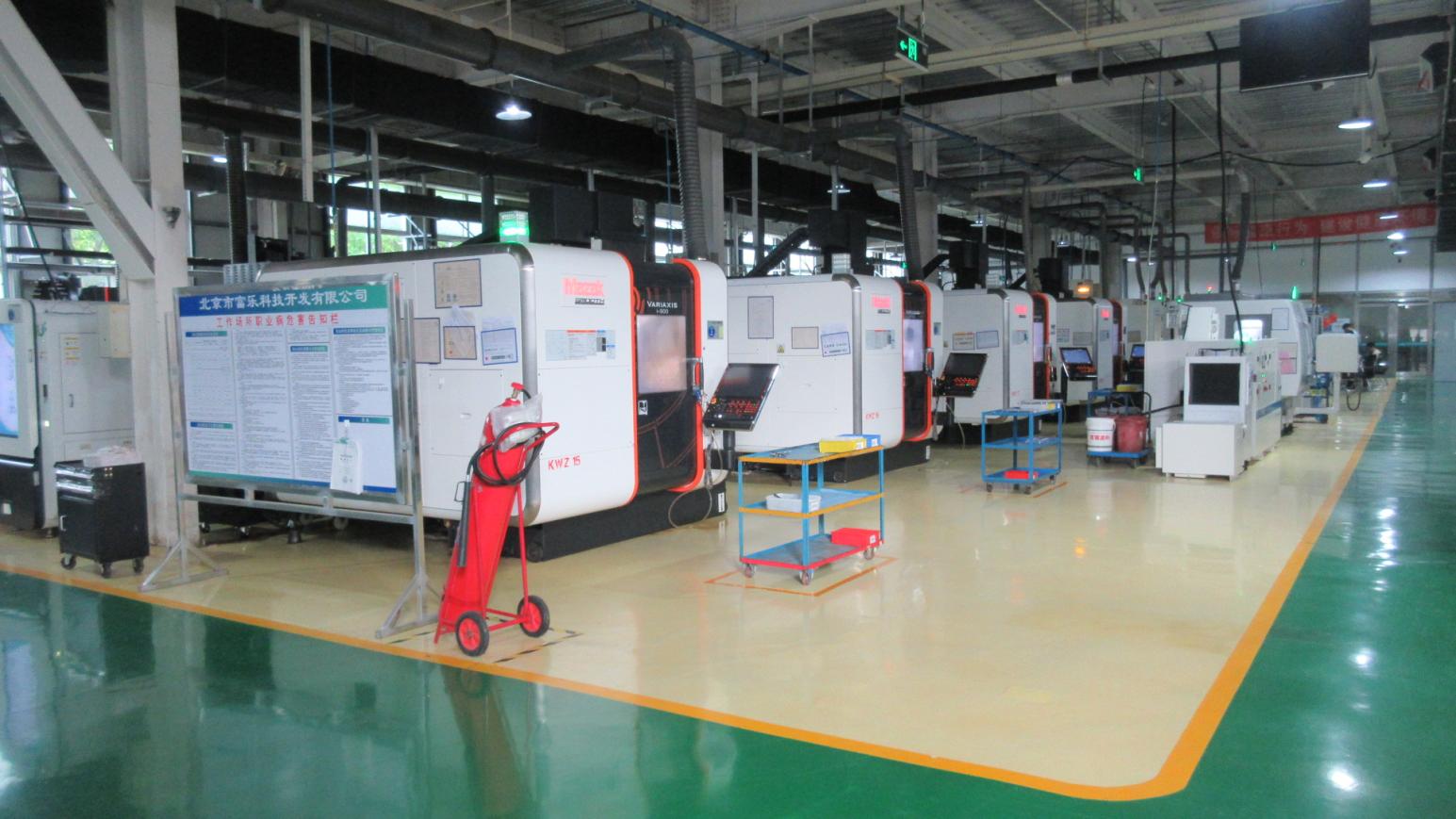
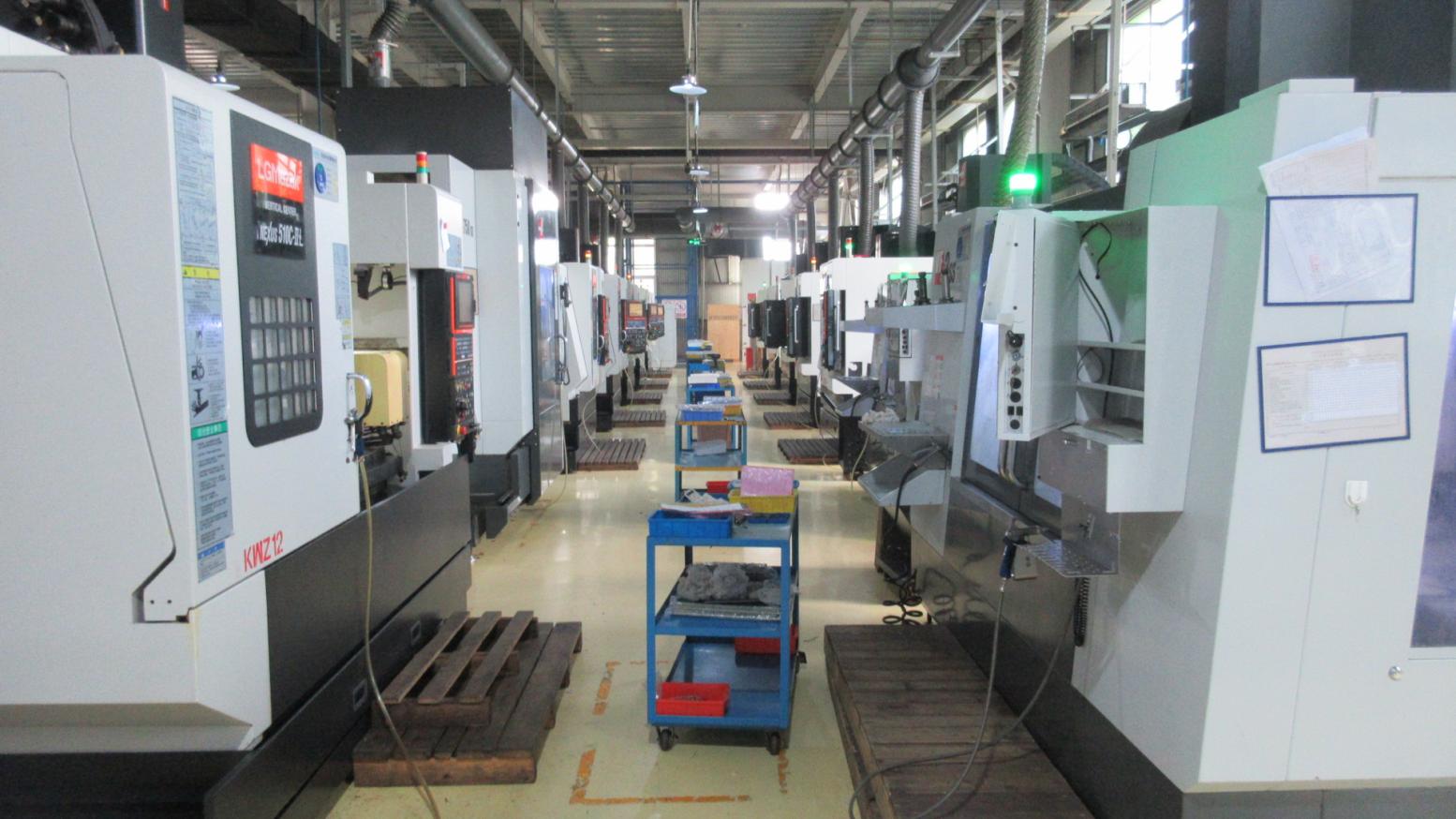
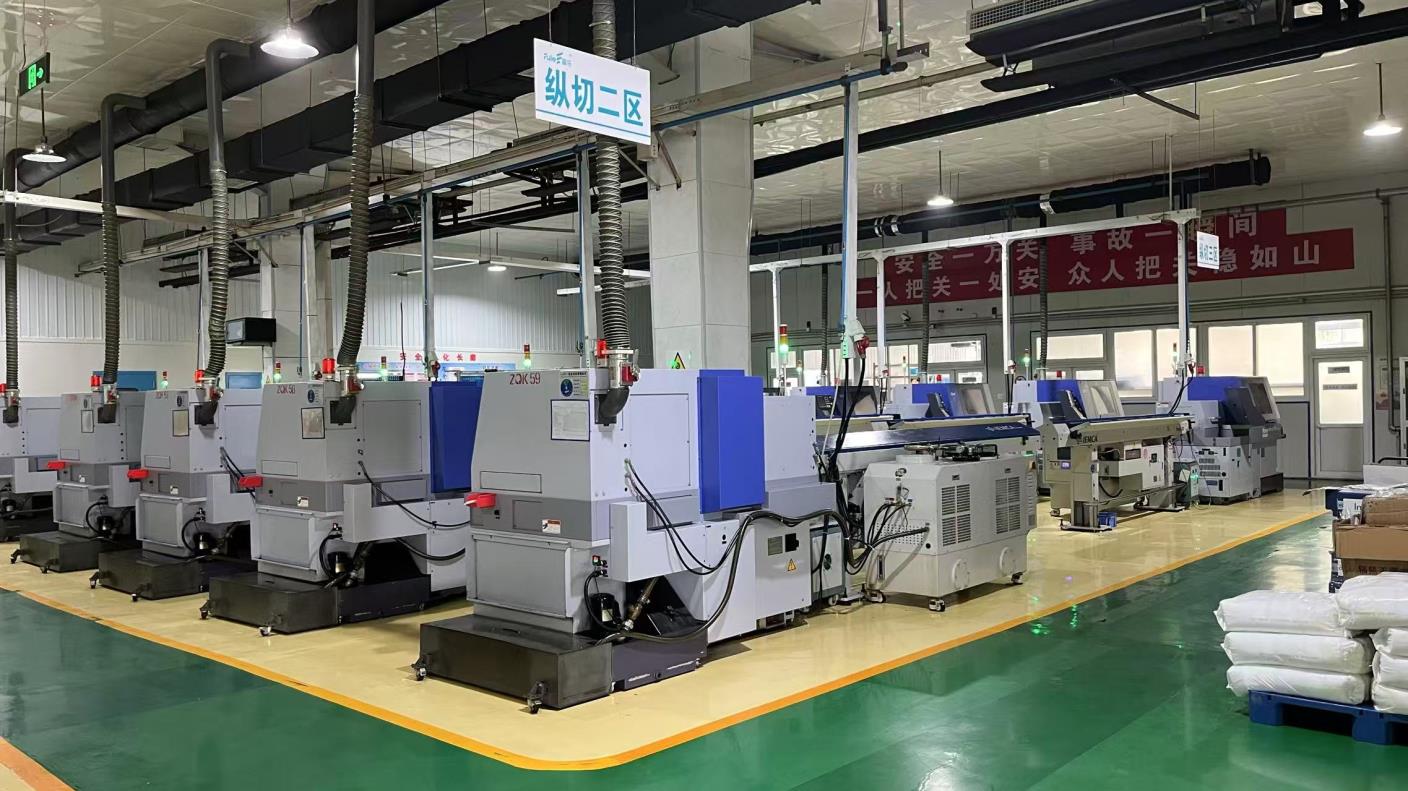
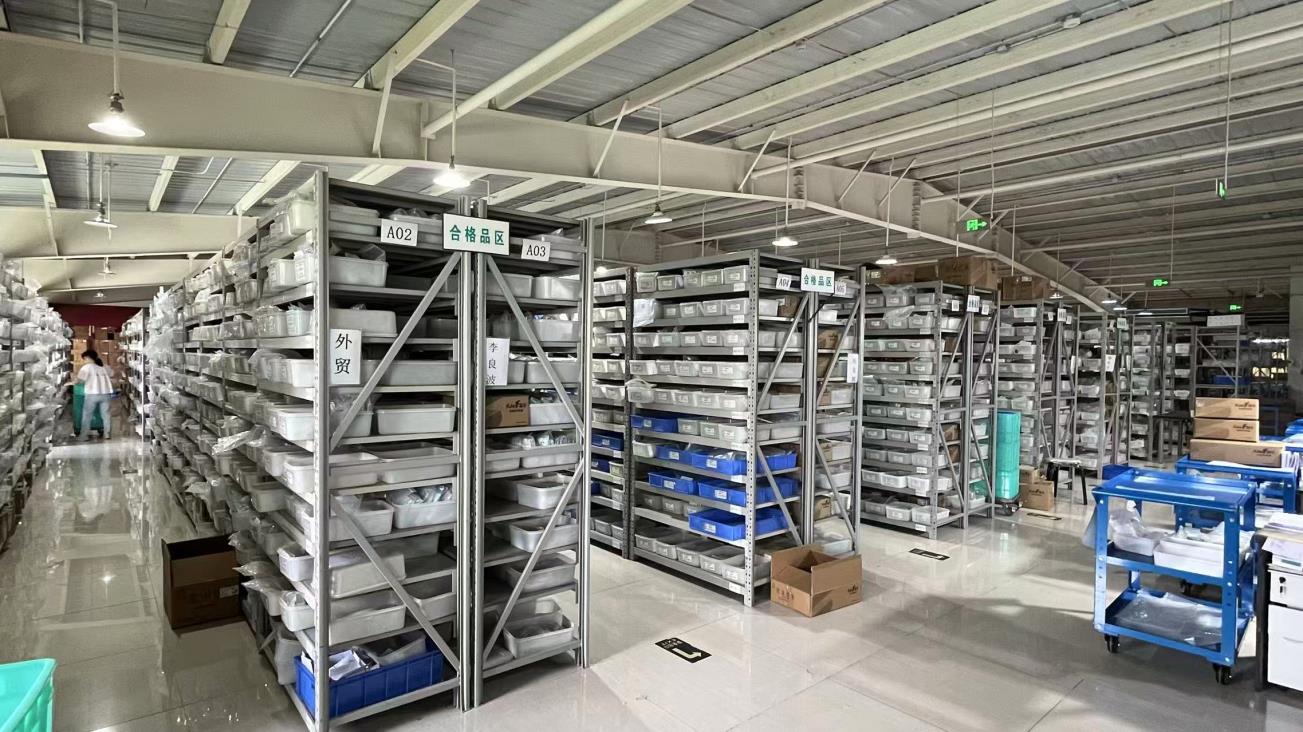
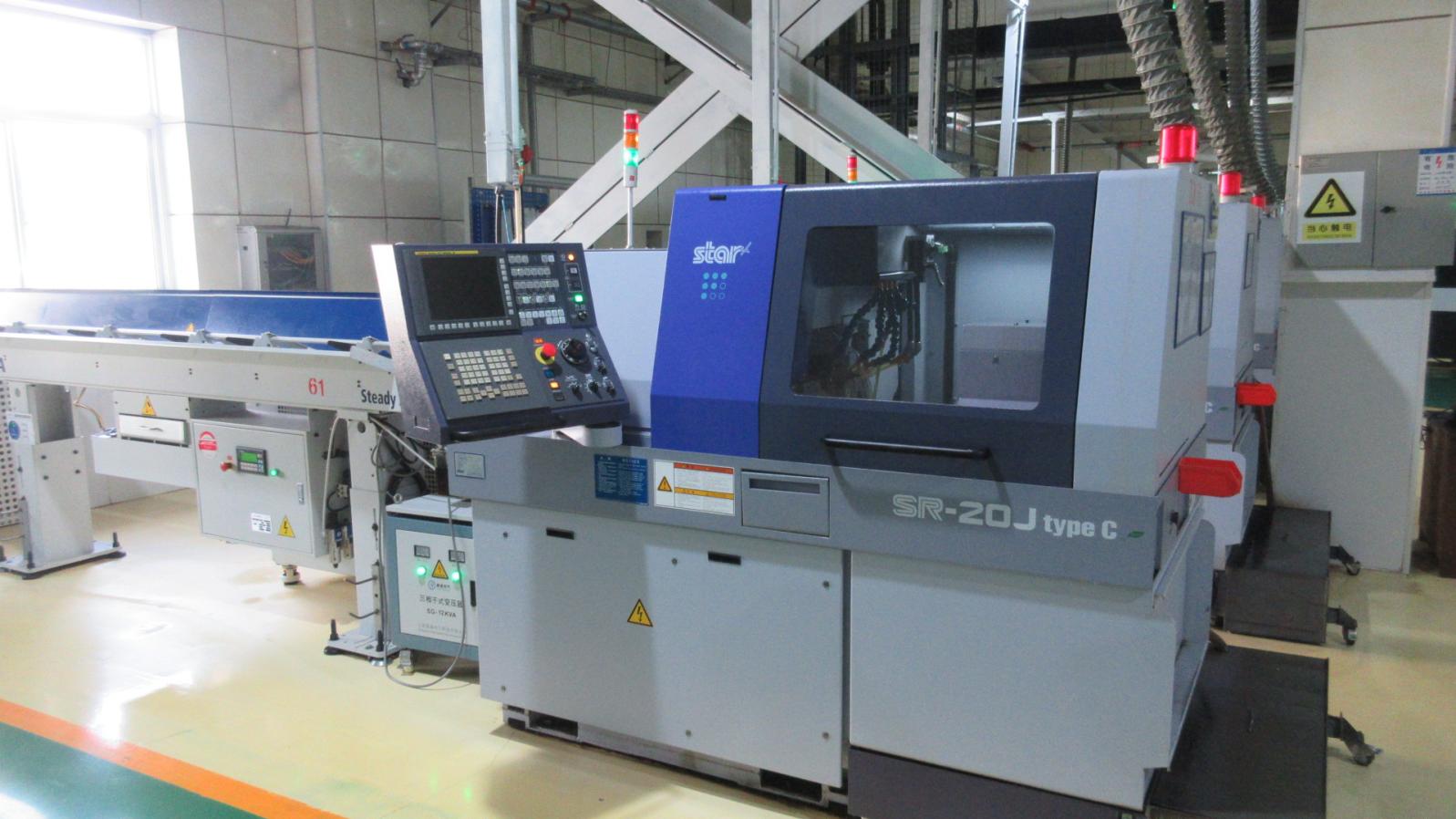
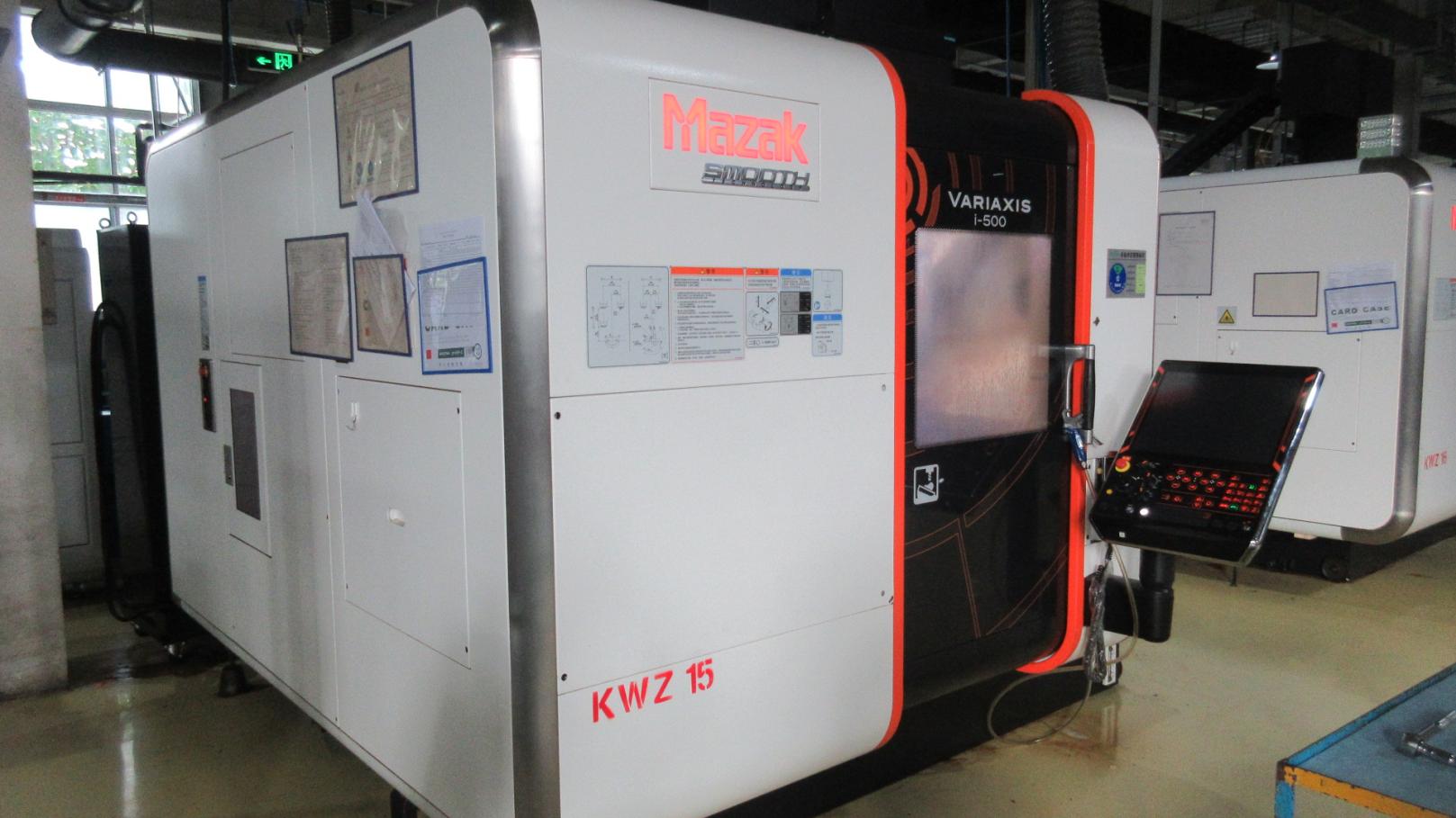
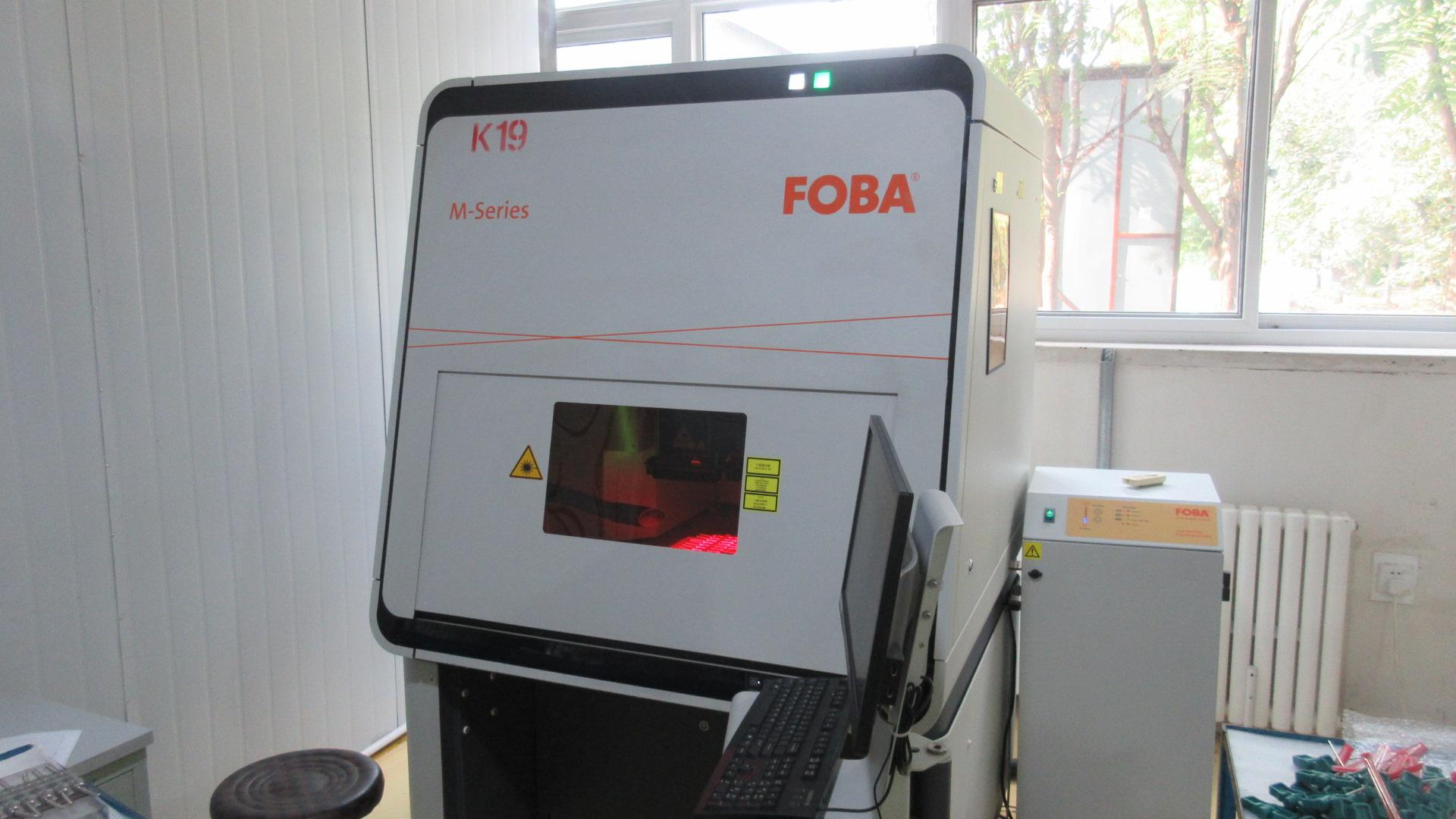
Manufacturing Infrastructure 102 high-precision production machines, optimized for spinal implant surface processing.
R&D Capability 20 professional R&D engineers (15 graduates, 5 junior college specialists).
Market Distribution Domestic Market (40%), Eastern Europe (15%), Southeast Asia (10%), with global coverage.
Customization Options Sample processing, graphic processing, and OEM/ODM customized on demand.

The Occipitocervical Thoracic Posterior Spinal System: Technical Architecture & Clinical Imperatives

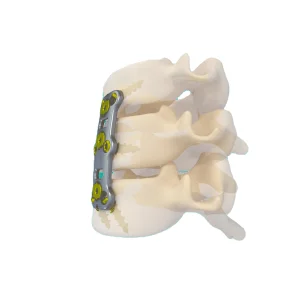
Stabilization of the craniovertebral junction (CVJ) represents one of the most demanding challenges in spine surgery. The biomechanical transition zone extending from the occiput, through the highly mobile subaxial cervical spine, and into the rigid thoracic spine is subject to significant shear, rotational, and flexural forces. Occipitocervical thoracic posterior spinal systems are complex, multi-segment constructs designed to manage these forces, ensuring immediate rigid stabilization to facilitate bone fusion.

1. Biomechanical Engineering & Construct Design

The stabilization of the cervical-thoracic junction requires implants that balance structural rigidity with low profile geometries to prevent soft tissue irritation. The occipital plate is engineered to map the unique contour of the occiput, featuring optimized screw trajectory angles to maximize cortical bone purchase in the thickest regions of the skull (often near the external occipital protuberance).

Key structural components include:

  • Occipital Plates: Pre-contoured, low-profile plates equipped with multiple fixation points and translation capabilities to align with bilateral rod constructs.
  • Polyaxial Screws: Multi-axial angulation ranges (up to 45 degrees or more) that allow surgeons to navigate around critical vertebral arteries while maintaining firm grip in the pedicles or lateral masses.
  • Dual-Diameter Rods: Transition rods ranging from 3.0mm/3.5mm (for the delicate cervical spine) to 5.5mm (for the thoracic spine) minimize stress shielding and joint transitions without requiring bulky mechanical connectors.
  • Transverse Connectors (Crosslinks): High-stability crosslink systems designed to restrict axial rotation and lateral bending, keeping the spinal construct completely rigid under multi-planar forces.

2. Material Science and Biocompatibility Specifications

Modern implant design relies on the mechanical superiority of Medical Grade Titanium Alloys (Ti-6Al-4V ELI) and Polyetheretherketone (PEEK). Titanium alloys offer high fatigue strength, corrosion resistance, and a modulus of elasticity that is closer to human bone than stainless steel, reducing the likelihood of hardware failure or bone resorption due to stress shielding.

Anodic Oxidation Surface Finish
Promotes osteointegration and builds an oxide film barrier, minimizing heavy metal ion release over the implant's lifespan.
High-Fatigue Resistance Performance
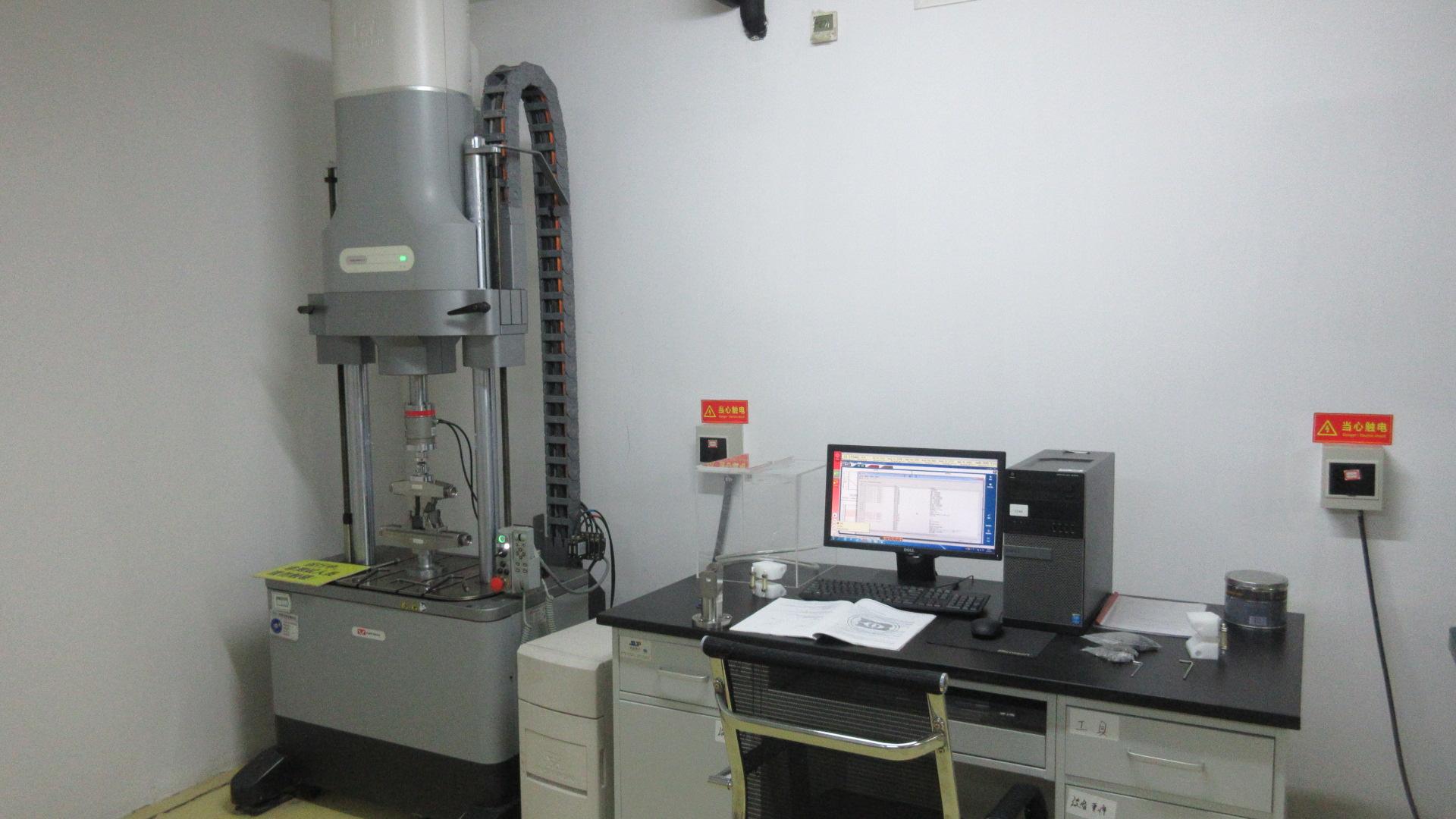
Tested to ASTM F1717 and ISO 12189 standards, our implants withstand over 5 million cycles of dynamic load compression and bending.

3. Regulatory Compliance & E-E-A-T Quality Safeguards

As a leading exporter of Class III medical implants, we follow a rigorous regulatory paradigm. The manufacturing process of our Occipitocervical Thoracic Posterior Spinal System operates under full compliance with ISO 13485 quality systems. Raw materials are sourced from audited suppliers with traceable mill certificates for every batch.

Quality safeguards include 100% dimensional inspections using coordinate measuring machines (CMM) and optical comparators to ensure every thread, runout, and lock-screw hex keyway falls within tight tolerances of ±0.01mm. This eliminates intraoperative complications such as screw stripping or rod mismatching.

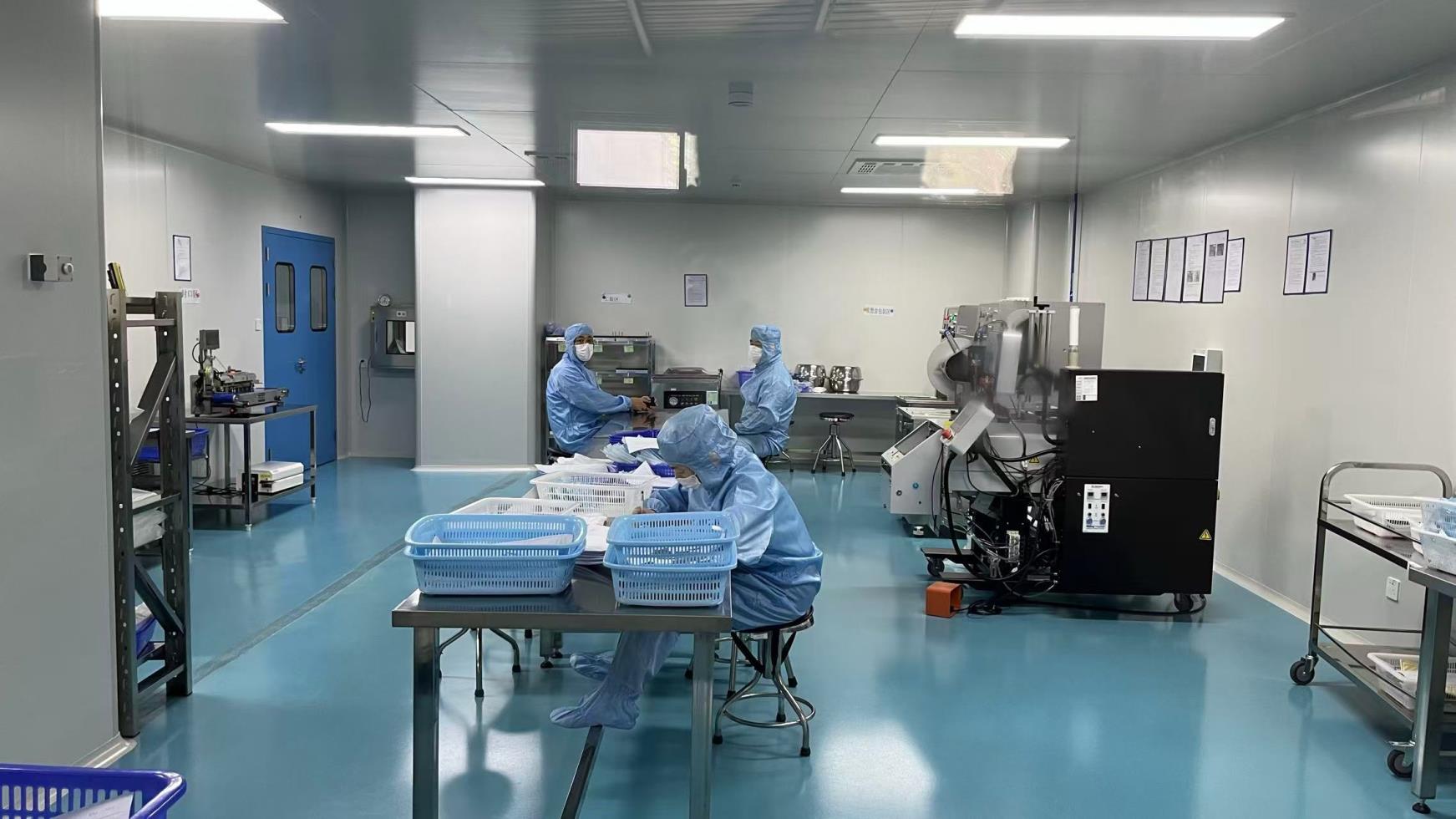
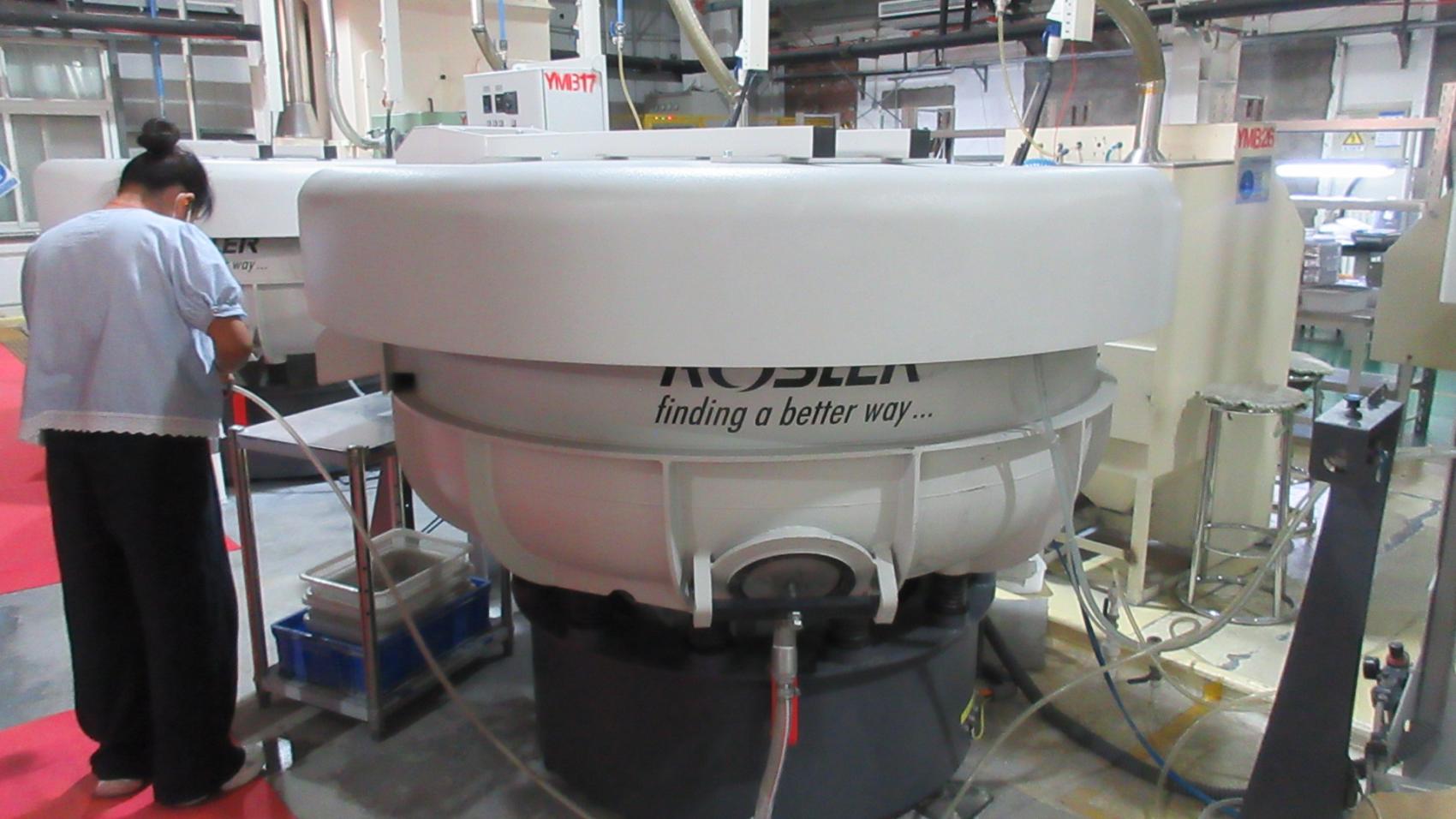
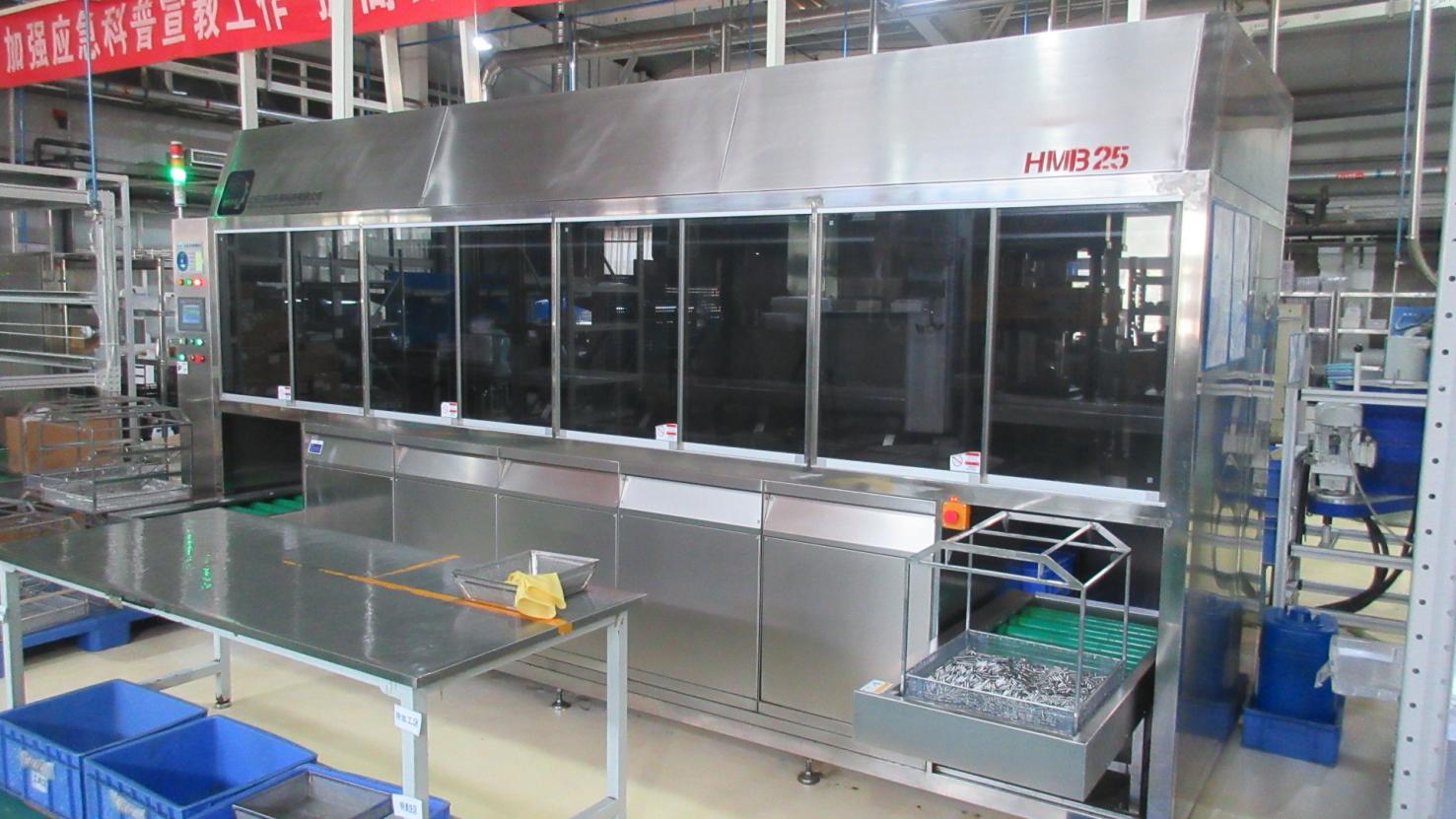
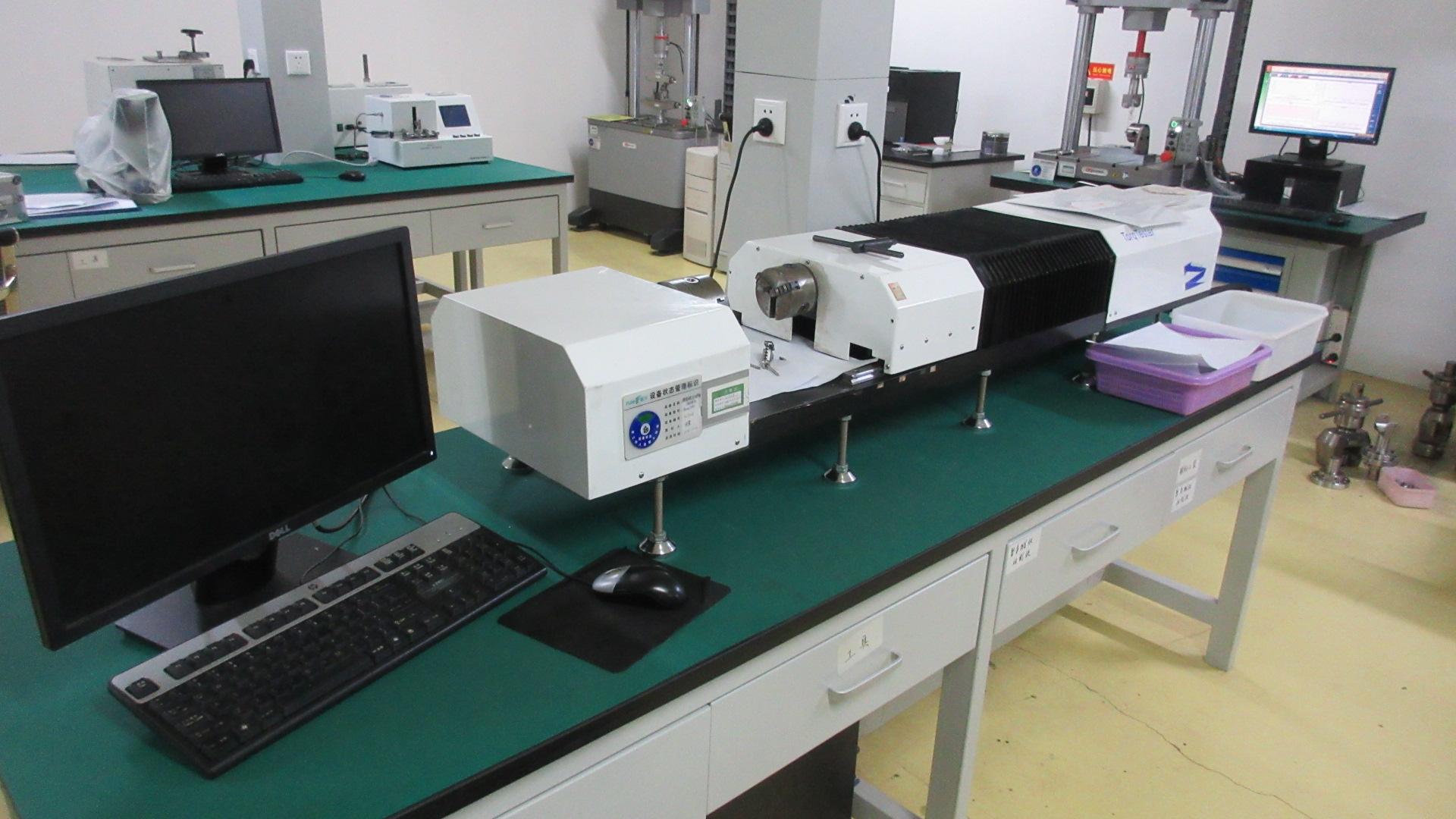
Advanced Manufacturing & Technical Documentation

Visual insights into our state-of-the-art orthopedics manufacturing processes, packaging clean rooms, and quality control departments.


4. Global Commercial Ecosystem & Customized OEM Capabilities

As a leading supplier of spinal solutions, Fule supports diverse procurement and supply chain requirements. Hospitals, medical device distributors, and private label partners across Eastern Europe, Southeast Asia, and domestic markets trust our responsive delivery options and comprehensive regulatory compliance packages.

We provide extensive customized OEM/ODM options to match regional surgical techniques and patient needs, including:

  • Graphic Processing & 3D Prototyping: Designing specialized implant geometries, plates, and low-profile connectors based on CT scan models or custom orthopedic CAD configurations.
  • Instrument Kit Customization: Providing custom sterilization cases and instrument layouts to simplify surgical flow and reduce autoclave cycle times.
  • Flexible Packaging & Labeling: Delivering CE-compliant, bulk sterile or non-sterile packaging options configured for local hospital distribution channels.

5. Clinical Indications & Case Scenarios

The Occipitocervical Thoracic Posterior Spinal System is recommended for patients requiring multi-segment stabilization across the craniocervical junction down to the upper thoracic region. Key indications include:

  • Severe occipitocervical instability secondary to rheumatoid arthritis or advanced osteoarthritis.
  • Post-traumatic instability from complex atlas/axis fractures (e.g., unstable Jefferson fractures or hangman's fractures) that fail conservative management.
  • Neoplastic spinal lesions or metastatic disease affecting the subaxial cervical spine and upper thoracic levels requiring radical decompression and reconstructive stabilization.
  • Revision surgeries for failed anterior cervical discectomy and fusion (ACDF) or posterior cervical laminectomies showing progressive kyphosis.

6. Technical Roadmap & Future Design Enhancements

Our R&D roadmap focuses on improving the safety and efficacy of posterior spinal stabilization. Key development areas include:

  • Additive Manufacturing (3D Printing): Developing 3D-printed porous titanium occipital plates that promote direct bone ingrowth, reducing reliance on graft containment meshes.
  • Navigation & Robotics Integration: Incorporating optical navigation trackers directly into our spinal instrument systems to improve pedicle screw placement accuracy.
  • Next-Generation Surface Technologies: Studying silver-doped or bio-active hydroxyapatite coatings to prevent implant-associated biofilm formation without compromising structural integration.

Clinical & Procurement Q&A (FAQ)

Expert answers regarding biomechanics, material specifications, and regulatory clearance for surgical application.

What are the key biomechanical indications for an Occipitocervical Thoracic posterior construct?
This system is indicated for gross spinal instability spanning the craniocervical junction, subaxial cervical spine, and upper thoracic spine. Common causes include traumatic dislocation, tumor resections, severe rheumatoid subluxations, and revision surgeries where anterior stabilization alone is insufficient.
How does the dual-diameter rod configuration improve surgical outcomes?
Dual-diameter rods transition from a smaller diameter (3.0mm or 3.5mm) in the cervical spine to a larger diameter (5.5mm) in the thoracic region. This design matches local load requirements, reduces stress concentration at the transition zone, and avoids the need for separate inline step-down connectors, which can increase the overall construct profile.
What certifications back Fule's spinal implants?
Our manufacturing processes are ISO 13485 certified, and our key orthopedic implants hold CE certificates under Class III medical device classification. This ensures our products meet international standards for design control, raw material sourcing, and mechanical performance testing.
Do you support customized medical implant configurations (OEM/ODM)?
Yes. We offer customization options including graphic processing, sample processing, and custom instrument box design. Backed by an experienced R&D team, we can configure implants to meet specific clinical preferences or regional regulatory standards.
What quality control steps are taken for raw implantable titanium?
We source all titanium alloy from qualified medical-grade suppliers, ensuring complete traceability. Every batch undergoes chemical composition analysis and mechanical testing (tensile strength, yield strength, and elongation) before release to the CNC machining lines.
How does Fule ensure structural reliability under cyclic fatigue conditions?
Our implants undergo mechanical testing in accordance with ASTM F1717 and ISO 12189 standards. This includes static compression, static torsion, and dynamic fatigue testing (up to 5 million cycles) to ensure the implant constructs withstand physiological loads without failure.

Related Orthopedic & Spinal Trauma Systems

Complementary surgical fixation systems designed to provide comprehensive solutions across all spinal levels and trauma scenarios.
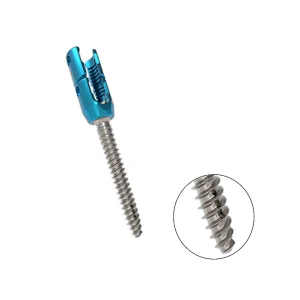
DHL Titanium Fedex Customized Medical Screw
DHL Titanium Fedex Customized Medical Screw COX II Bone Cement Pedicle Screw 6.0 System for the Treatment of Osteoporosis
View Details
High Quality Titanium Alloy Implantable EHN Humeral Intramedullary Nail
High Quality Titanium Alloy Implantable EHN Humeral Intramedullary Nail on Sale
View Details
Fule Orthopedic Pelvic Locking Plate Titanium
Fule Orthopedic Surgical Implants Pelvic Locking Plate Titanium Straight and Arc-Shaped Reconstruction Plate Class III
View Details
COX 6.0 Screw & Rod System Class I Implant Instruments
COX 6.0 Screw & Rod System Class I Implant Instruments for Orthopedic Surgery
View Details
Orthopedic Spine Instrument Set
Orthopedic Spine Instrument Set for Minimally Invasive Surgery Stainless Medical Technical Instrument Devices
View Details
5.5 Anterior Spinal Screw-Rod System
5.5 Anterior Spinal Screw-Rod System CD Monoaxial Pedicle Screw Titanium
View Details
Posterior Lumbar Interbody Fusion Cage
CE Marked Fule Brand High Quality Class I Medical Instruments Posterior Lumbar Interbody Fusion Cage Spine Surgery 1 Year
View Details
Titanium Posterior Cervical Laminoplasty
Hot Sales Titanium Posterior Cervical Laminoplasty Spine Surgery Orthopedic Implant CE Certified
View Details