Precision-engineered trauma, spinal, and instrument systems fabricated under strict cleanroom and regulatory conditions.
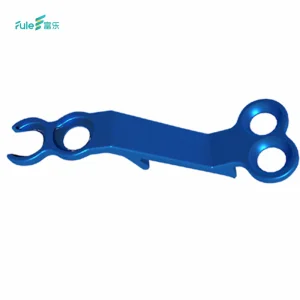
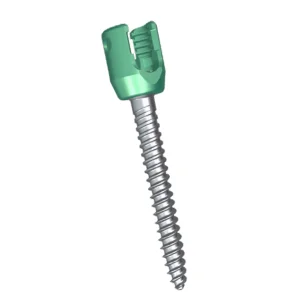
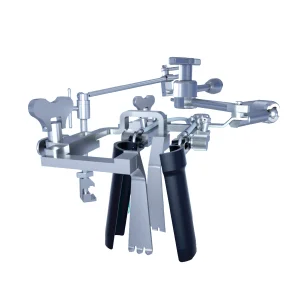
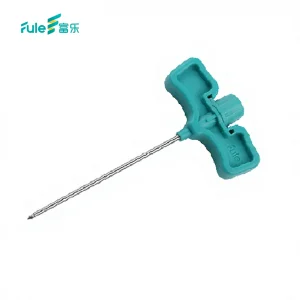
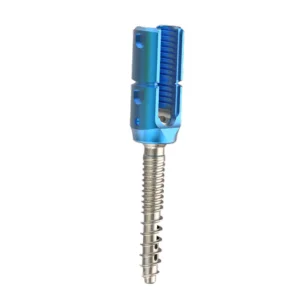
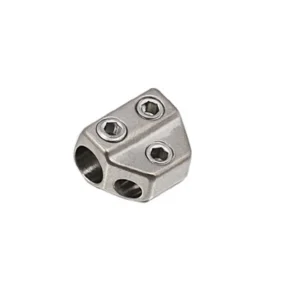
The global orthopedic implant sector is experiencing unprecedented shifts. Valued at over USD 50 billion globally, the demand for joint reconstruction, trauma fixation, and spinal hardware is projected to sustain a CAGR of 5.8% through 2032. This trajectory is driven by multiple secular winds: an aging global demographic, a rising incidence of degenerative disc and joint diseases, and the critical need for fast-turnaround surgical interventions. Historically dominated by a few multinational conglomerates based in the West, the manufacturing landscape is rapidly transitioning. Global procurement executives, medical device distributors, and healthcare purchasing organizations (GPOs) are aggressively optimizing their supply chains. They look toward high-technology production clusters in the Asia-Pacific region, with China standing out as the premier industrial hub.
Today's orthopedic B2B sourcing model is no longer centered solely on material cost minimization. Instead, it prioritizes regulatory compliance (ISO 13485, CE, MDR, FDA clearances), absolute material purity (primarily Grade 5 titanium, medical PEEK, and cobalt-chromium alloys), and supply chain resilience. Manufacturers in China have transitioned from simple OEM contract shops into high-end R&D innovation labs. They offer complete orthopedic trauma systems, complex spinal implants, and customized patient-specific constructs (PSIs) designed using CAD/CAM systems.
Utilization of high-tensile biocompatible titanium alloys (Ti-6Al-4V ELI) that offer excellent fatigue resistance, high strength-to-weight ratios, and optimal osseointegration profiles for long-term clinical success.
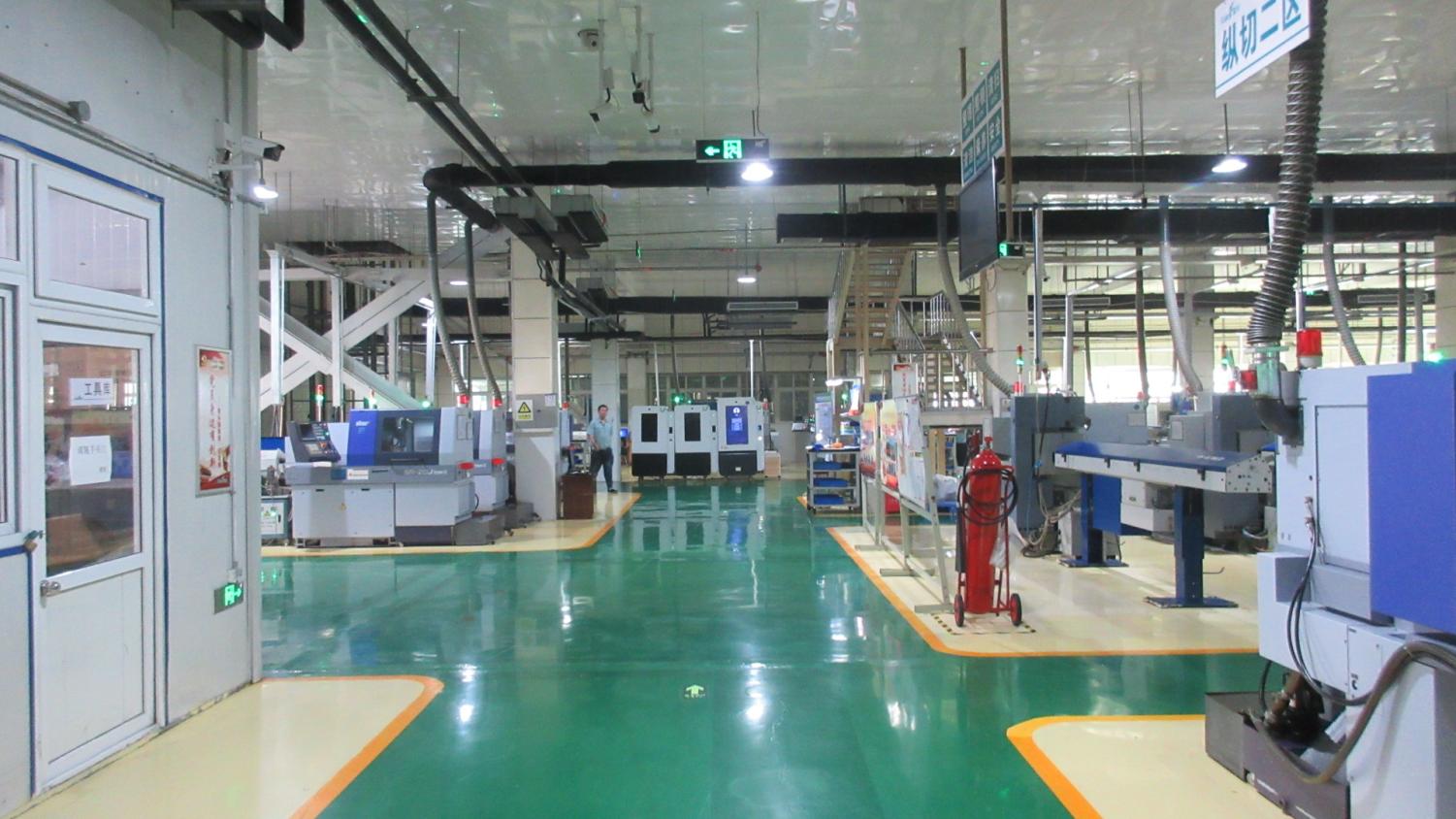
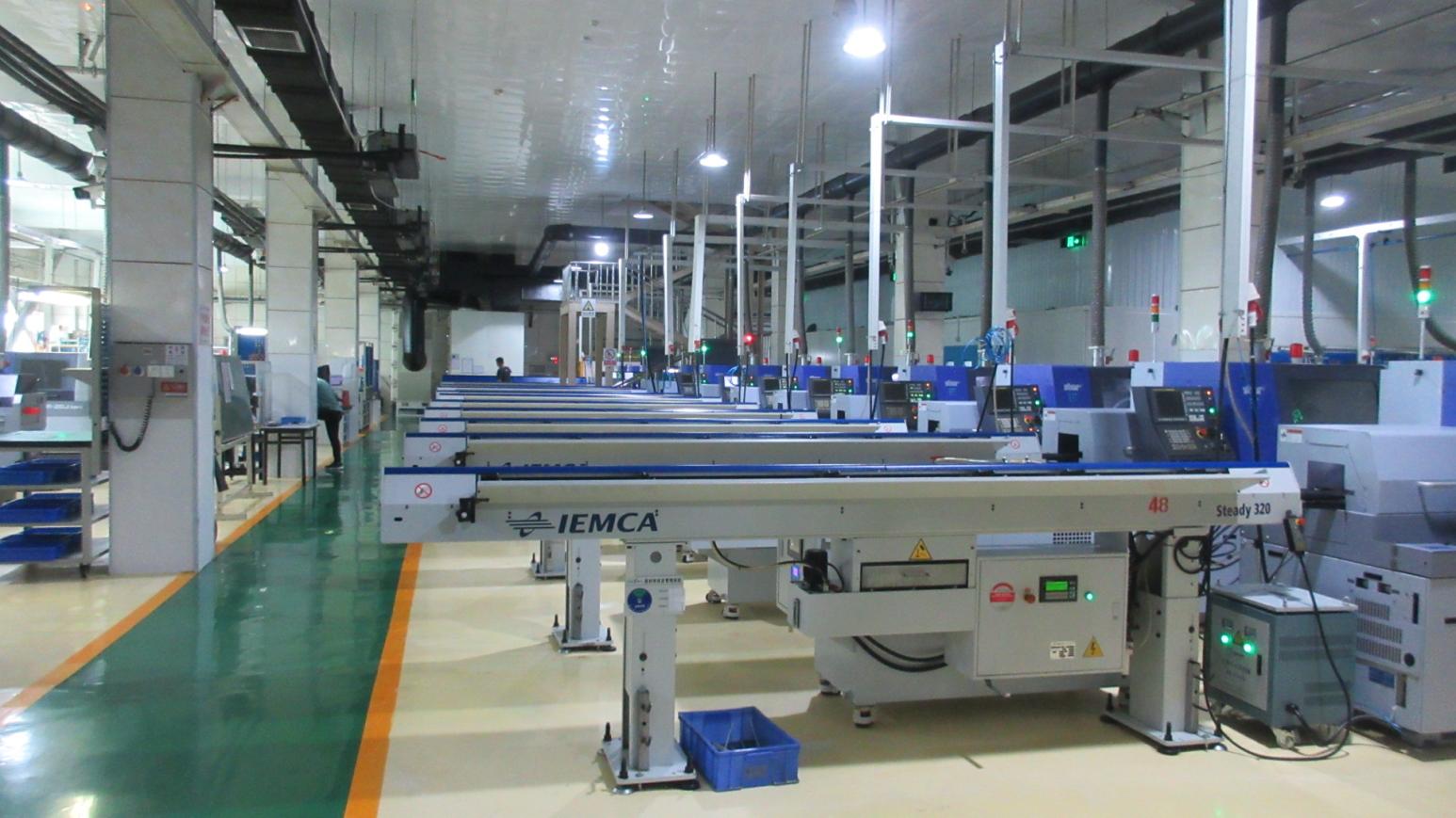
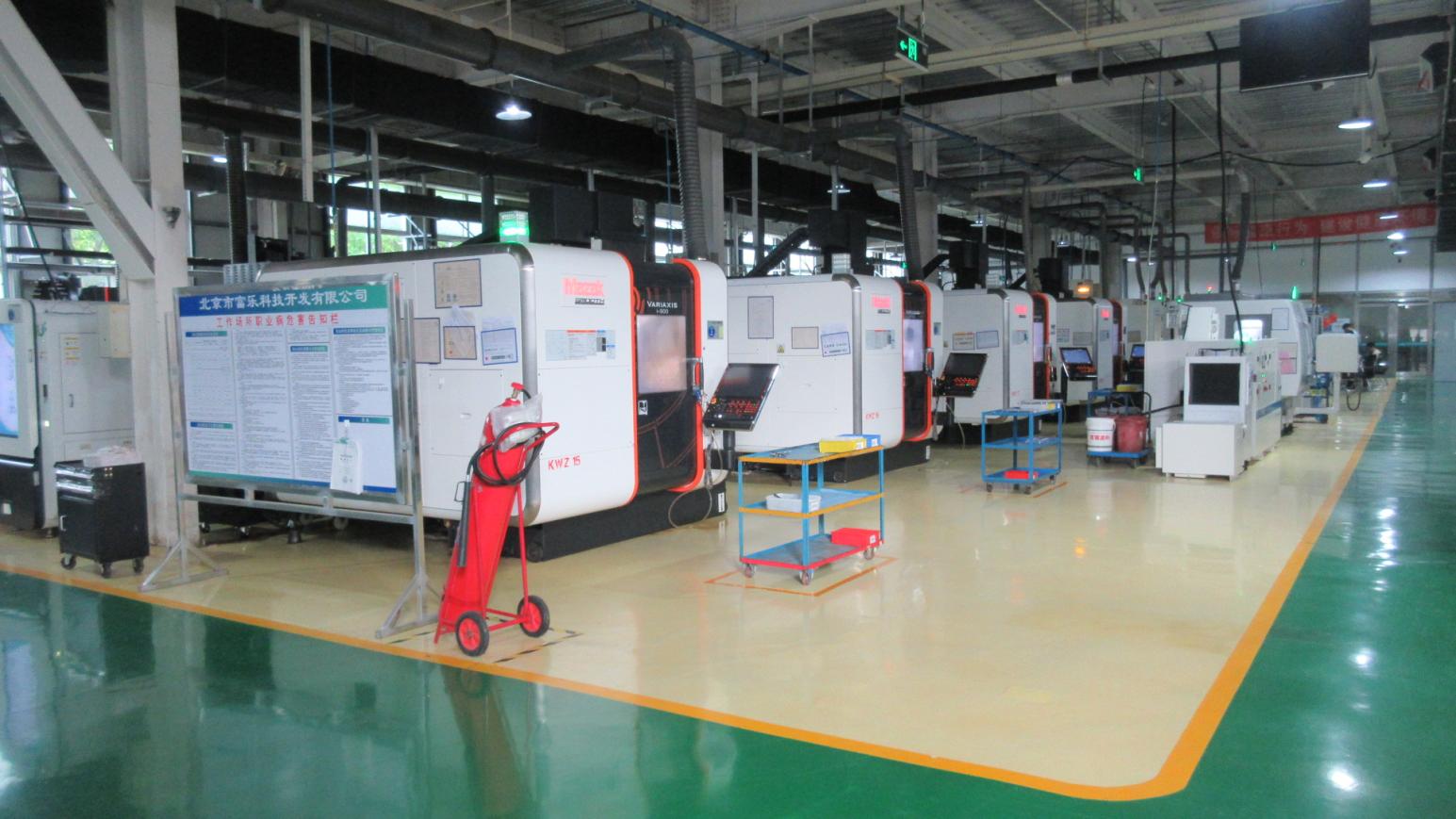
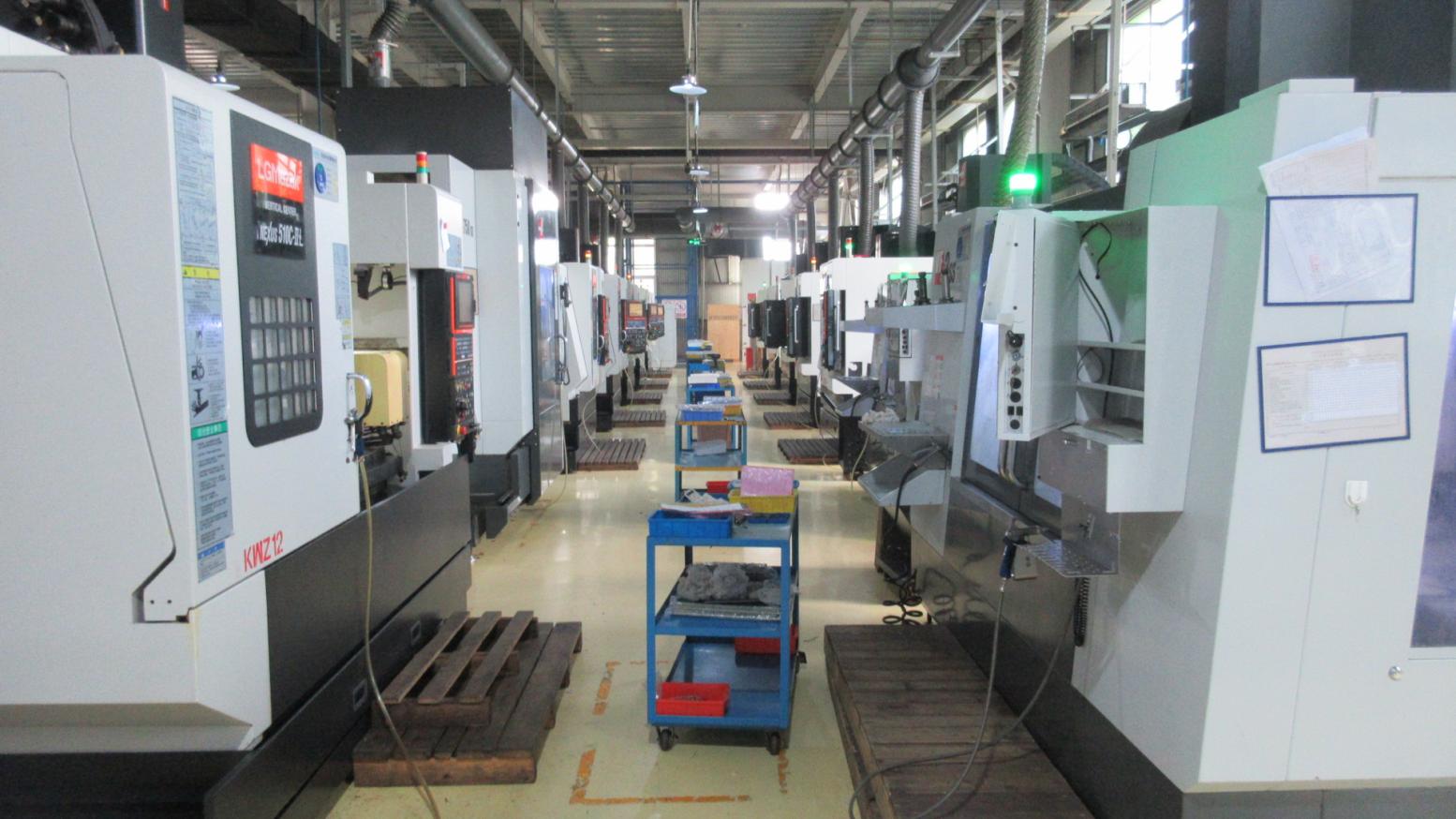
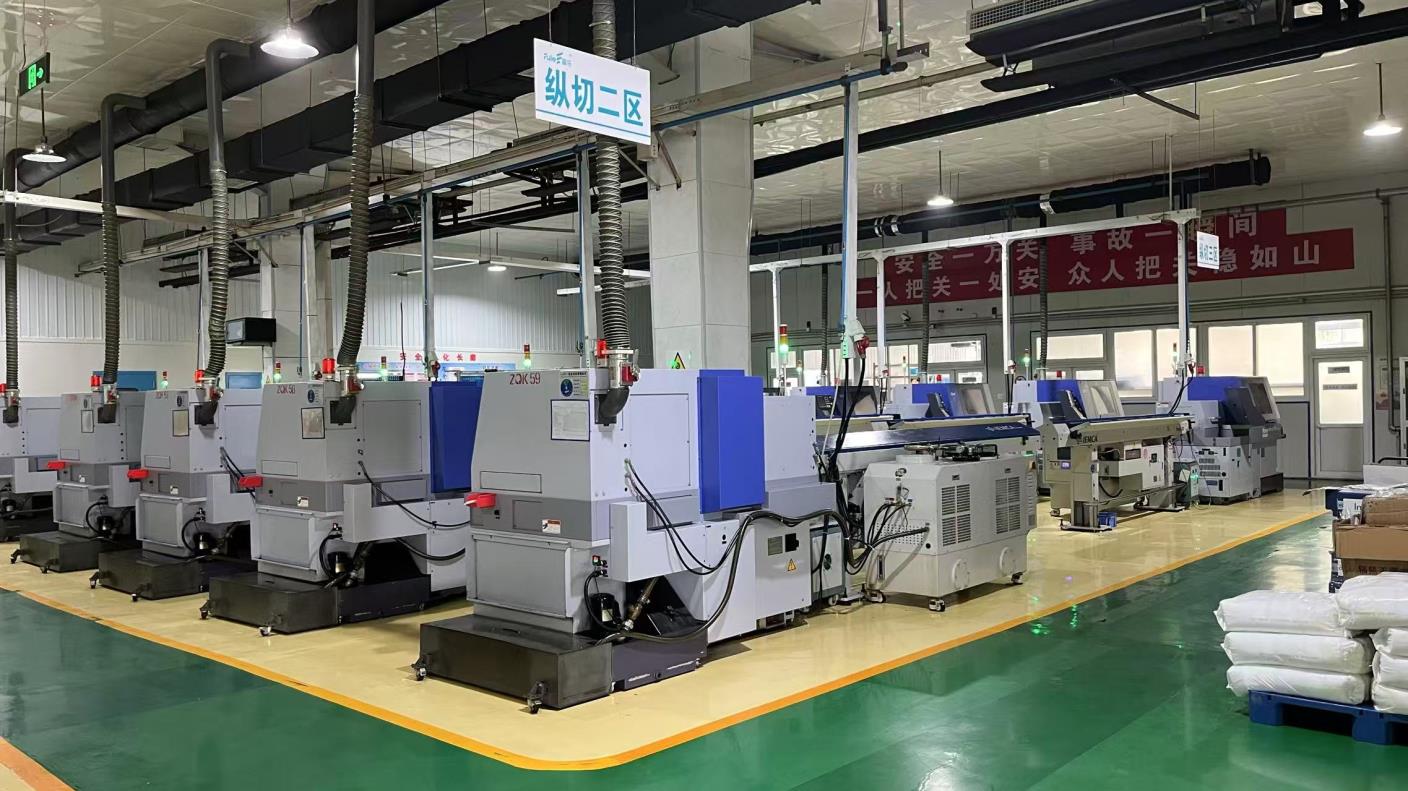
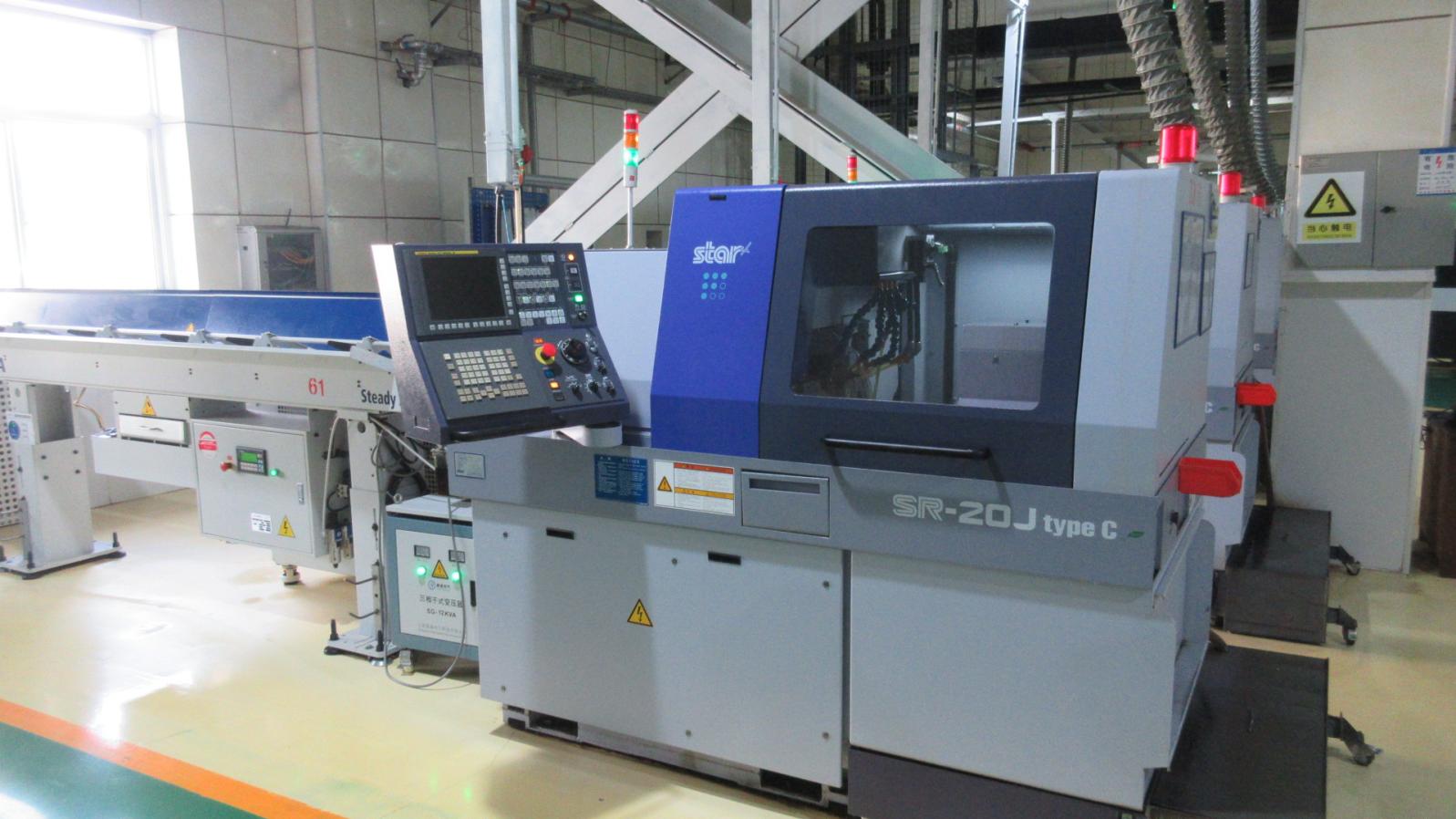
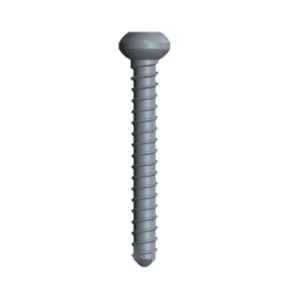
State-of-the-art multi-axis CNC machines and automated Swiss lathes guarantee tolerances down to +/- 5 microns, ensuring total system compatibility between pedicle screws, spinal rods, and locking plates.
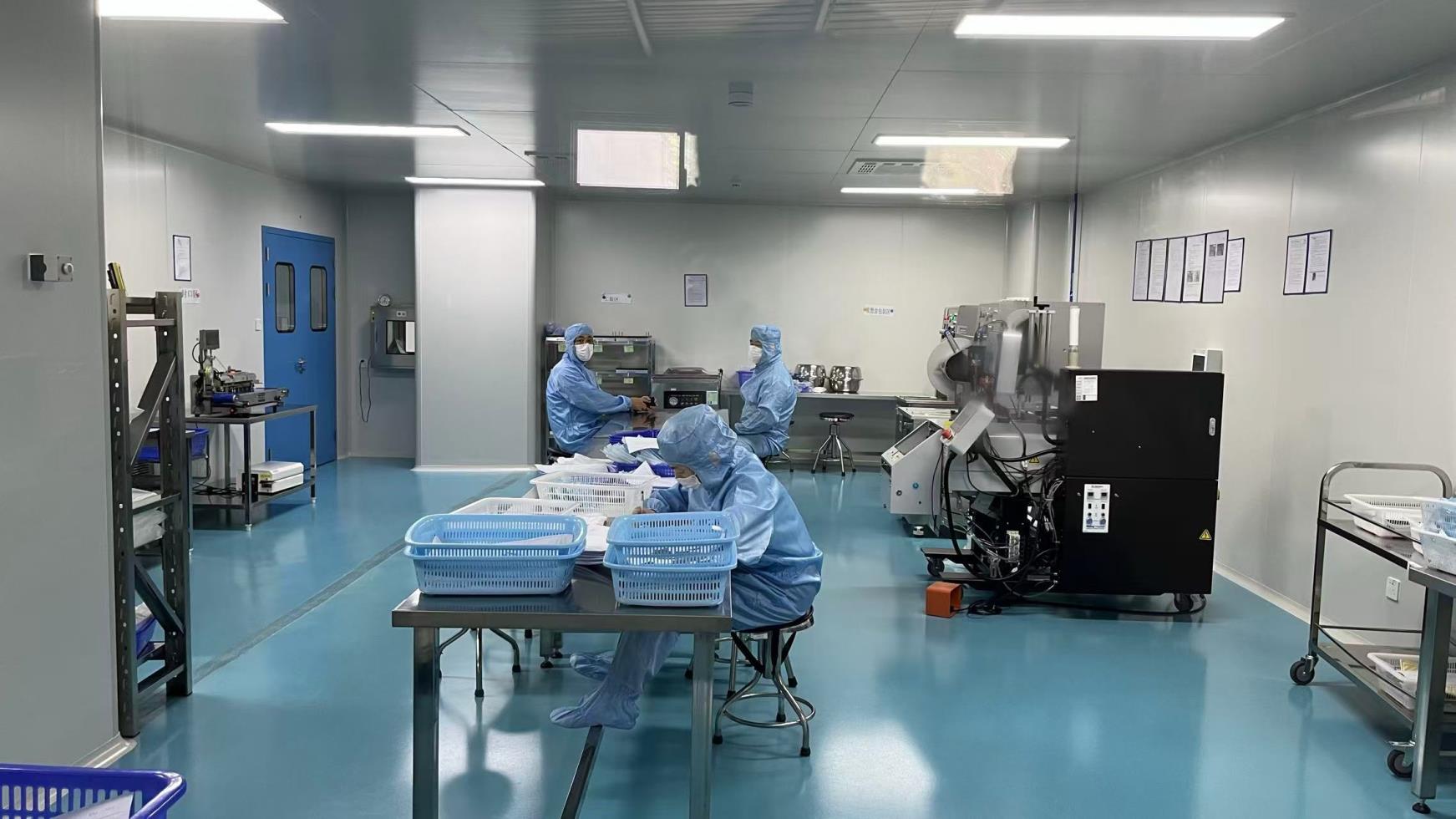
Production is conducted inside Class 100,000 cleanrooms. Stringent QC protocols ensure complete tracking from the raw ingot to the final packaged, ready-to-sterilize orthopedic implant.
The core advantage of partnering with a premier Chinese orthopedic implant manufacturer lies in the intersection of scale, efficiency, and engineering depth. By utilizing a vertically integrated supply chain encompassing local raw material sourcing, in-house mechanical testing labs, and state-of-the-art packaging facilities, Beijing Fule reduces manufacturing cycle times by up to 40% compared to Western counterparts.
This operational efficiency translates directly to commercial value. Distributors benefit from lower unit costs, enabling robust margins in competitive public tender settings, while healthcare institutions gain access to premium spinal plates, pedicle screw-rod systems, and intramedullary nails. Our facility leverages 102 advanced production machines operated by certified machinists and monitored by 15 dedicated QA/QC inspectors to maintain absolute batch consistency across our 511,000-unit annual capacity.
Modern orthopedic surgeries demand hardware that aligns perfectly with anatomical forces and patient physiology. Beijing Fule’s implant systems are optimized across three key clinical areas:
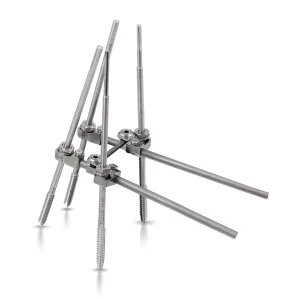
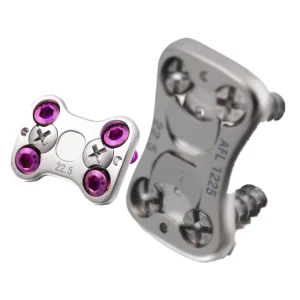
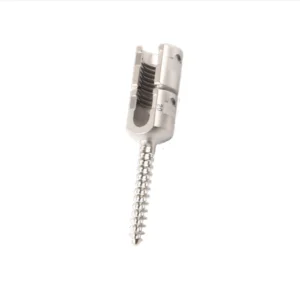
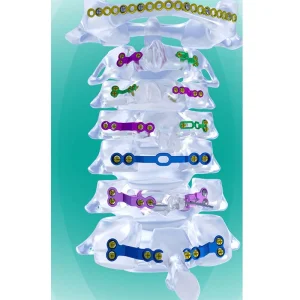
From degenerative disc disease to major scoliosis correction, spinal implants must withstand continuous physiological cycles. Systems such as the Anterior Cervical Plate and the COX Pedicle Screw-Rod System provide immediate rigidity and promote fusion, minimizing the risk of pseudoarthrosis or hardware failure.
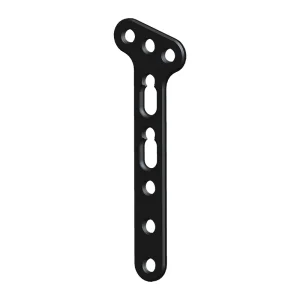
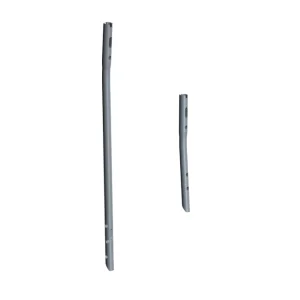
In high-impact trauma scenarios, rigid and dynamic stabilization is critical. Our PFNA Intramedullary Nails and titanium anatomical locking plates are designed for minimally invasive placement. They preserve the periosteal blood supply, accelerating primary bone healing.
Reducing surgical trauma, hospital stays, and patient recovery times is a cornerstone of modern clinical practice. Products like our vertebroplasty balloon catheters and MIS TLIF instrument sets allow surgeons to treat osteoporotic compression fractures through micro-incisions under fluoroscopic control.
Looking to the future, three key trends are shaping the orthopedic landscape: 3D-printed porous implants with biomimetic trabecular structures to improve bone ingrowth, PEEK-based radiolucent implants for optimized oncology monitoring, and smart instrument sets integrated with surgical navigation interfaces. Chinese factories are at the vanguard of these advancements, heavily investing in additive manufacturing technologies (Direct Metal Laser Sintering - DMLS) and advanced surface treatments (anodizing, sandblasting, and HA coatings) to meet future demands.
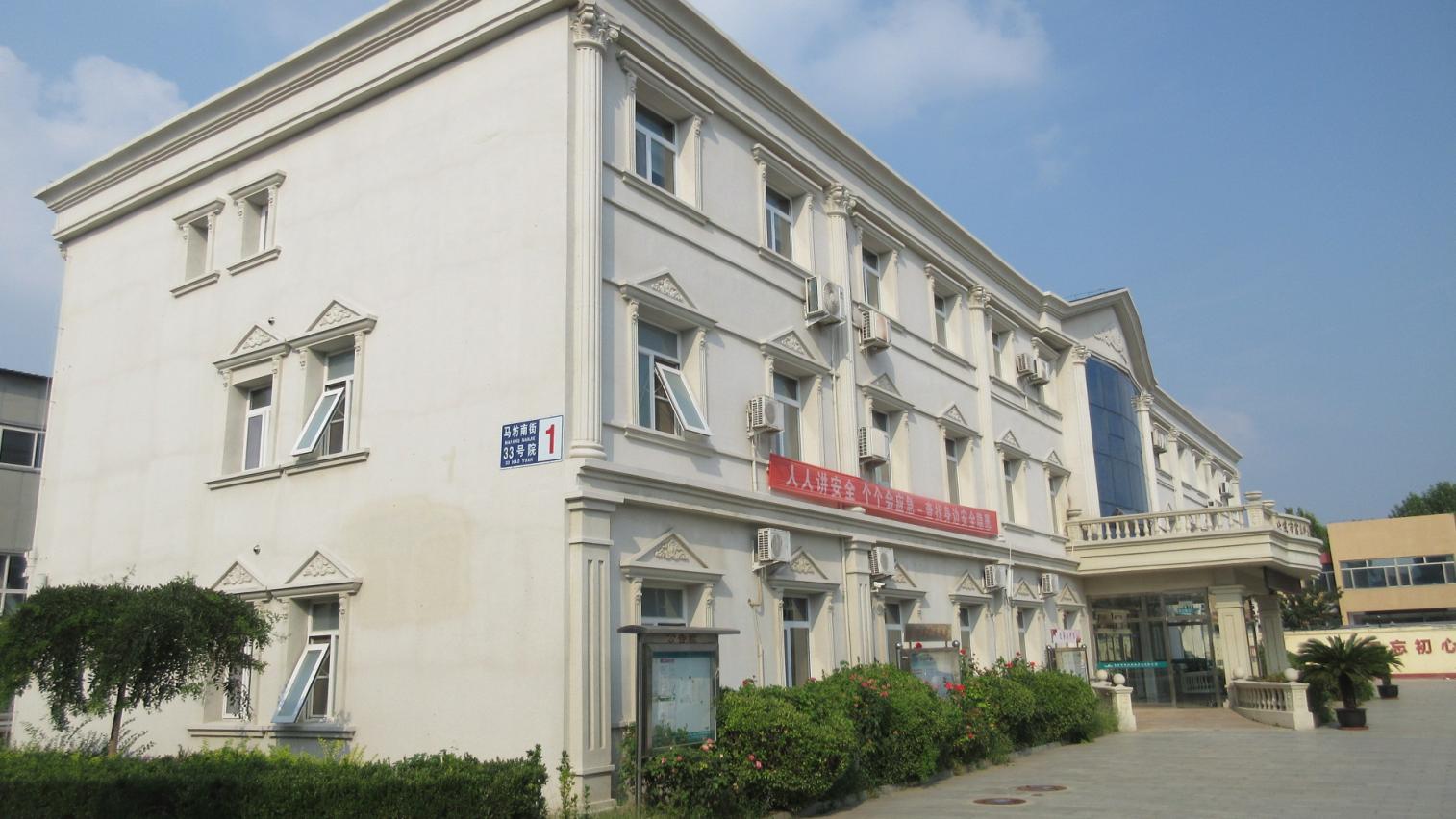
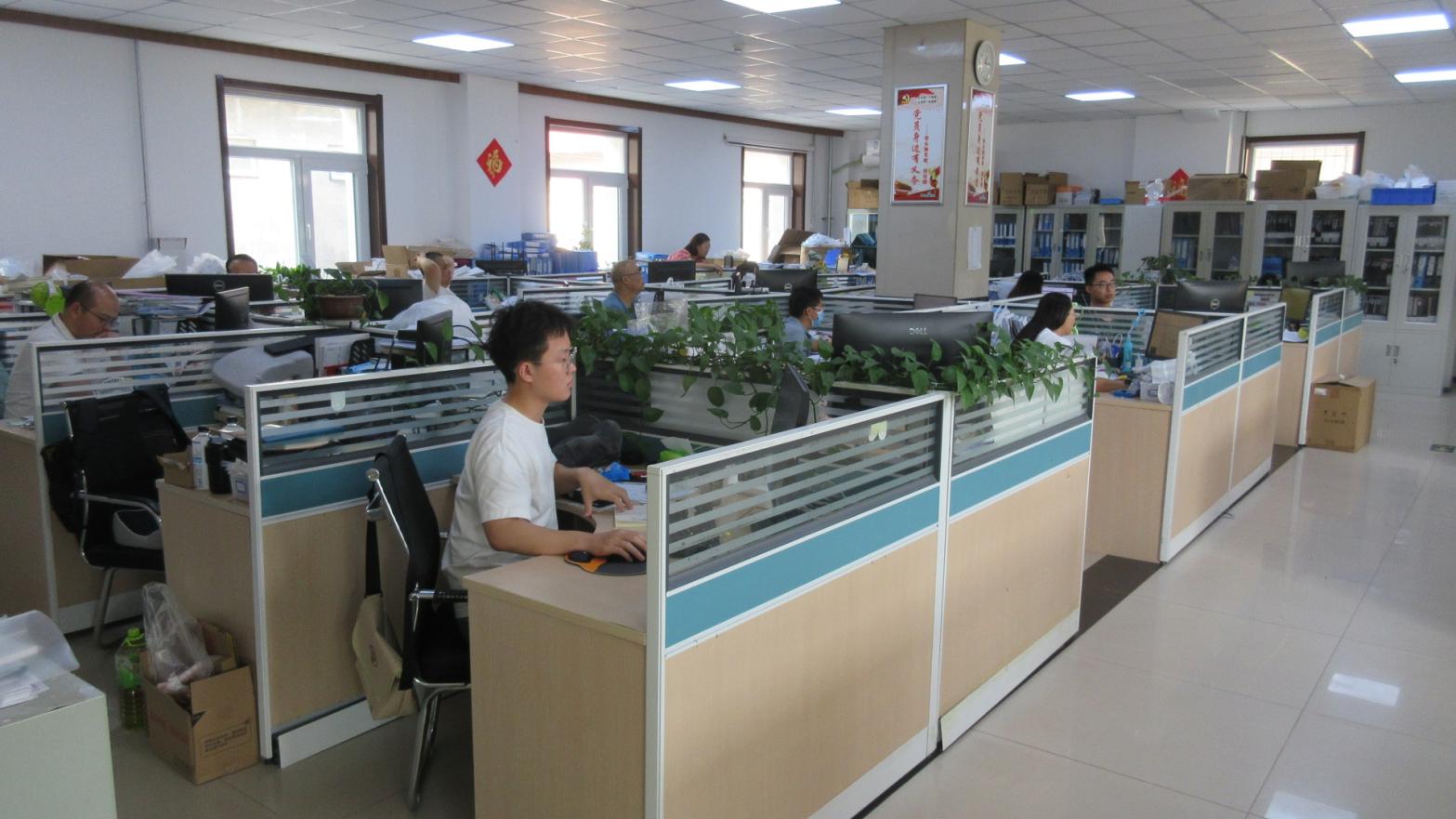
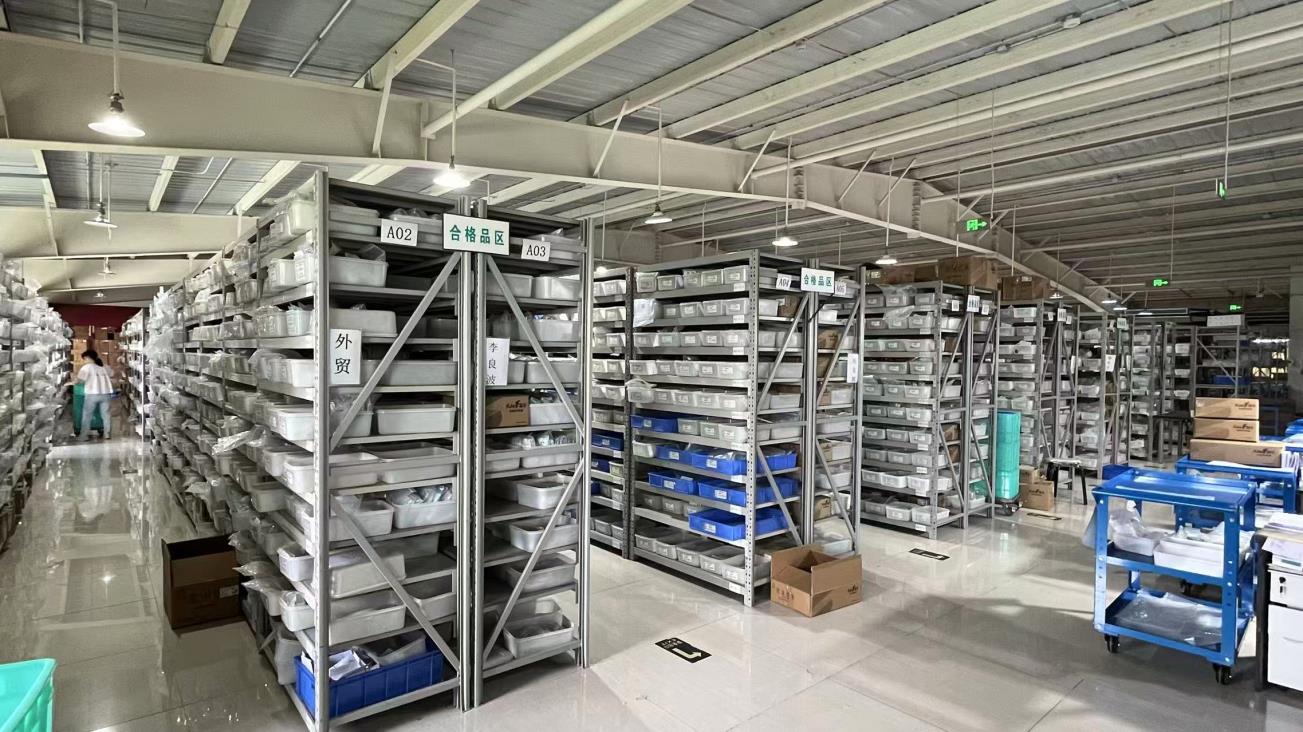
Explore Beijing Fule's manufacturing environment, highlighting our CNC machinery, sterile packaging lines, and regulatory testing labs.
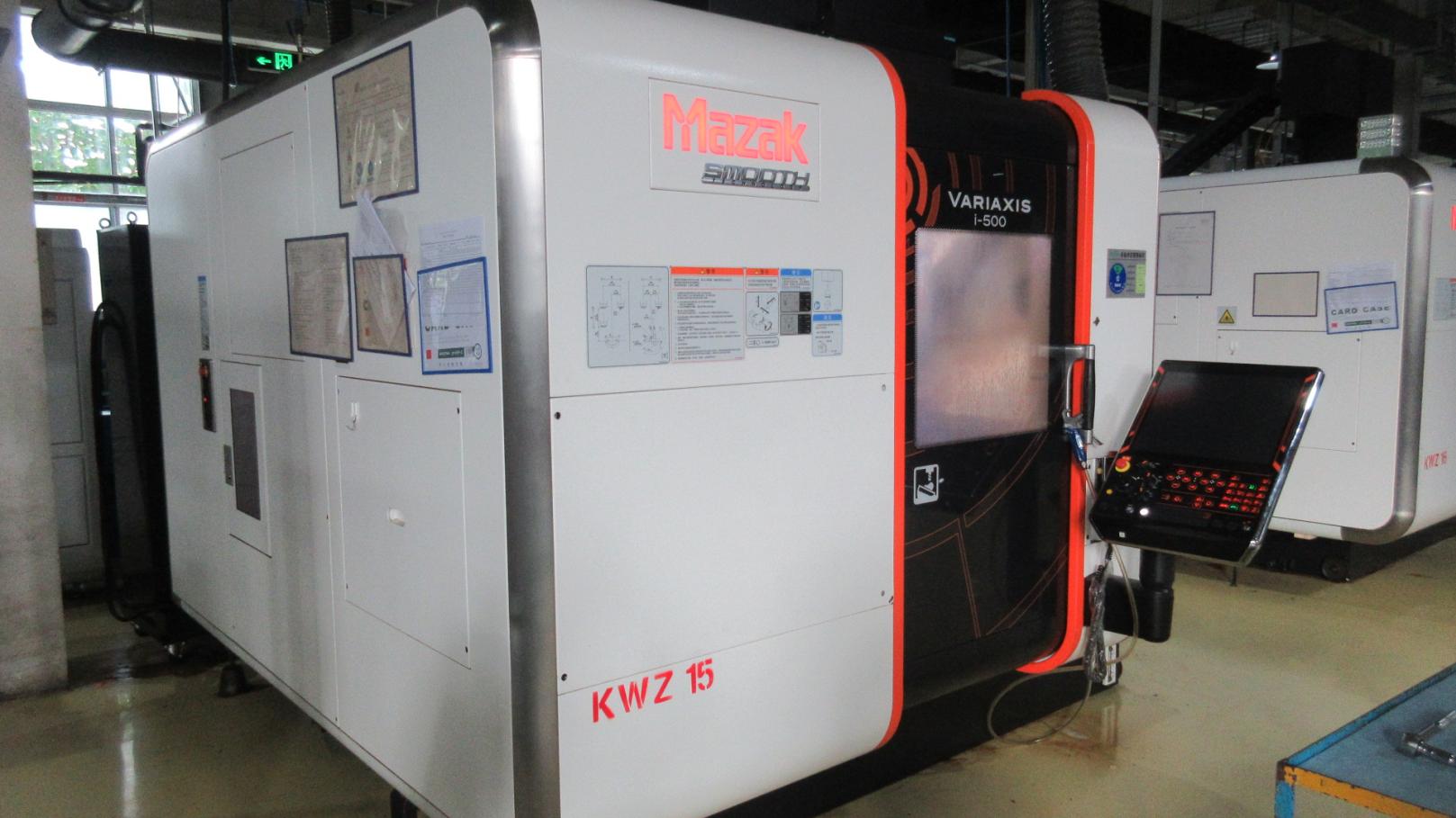
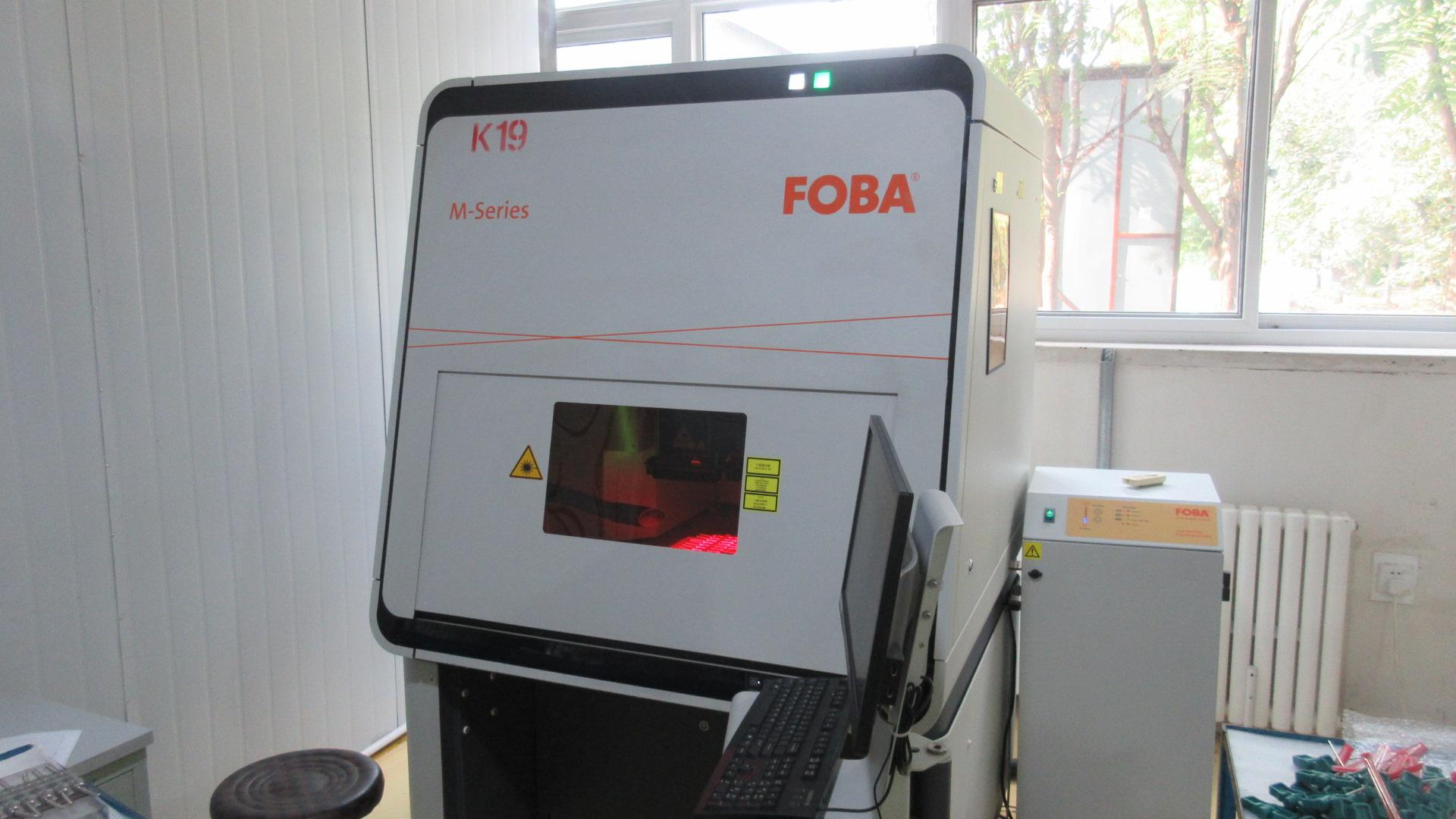
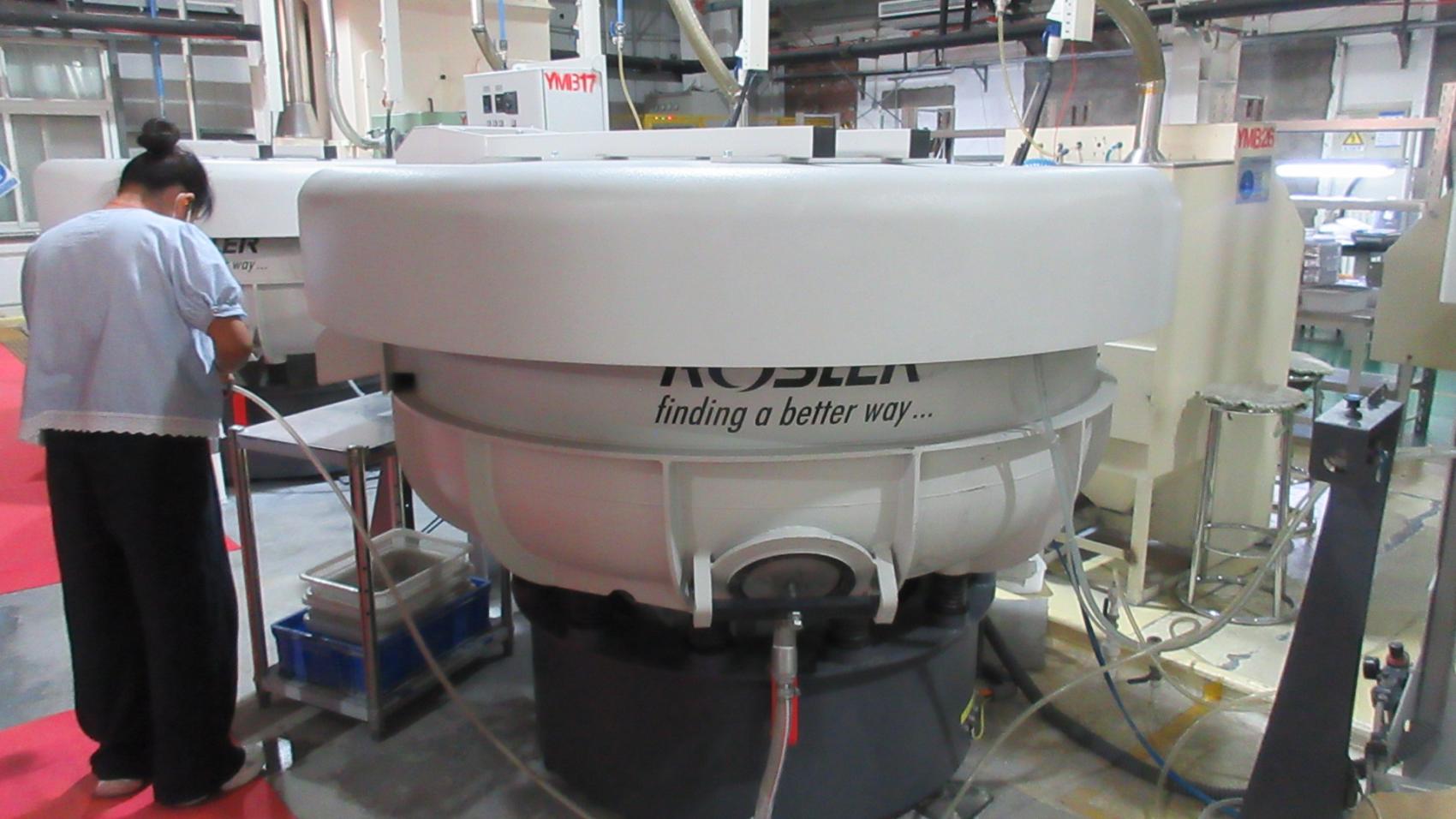
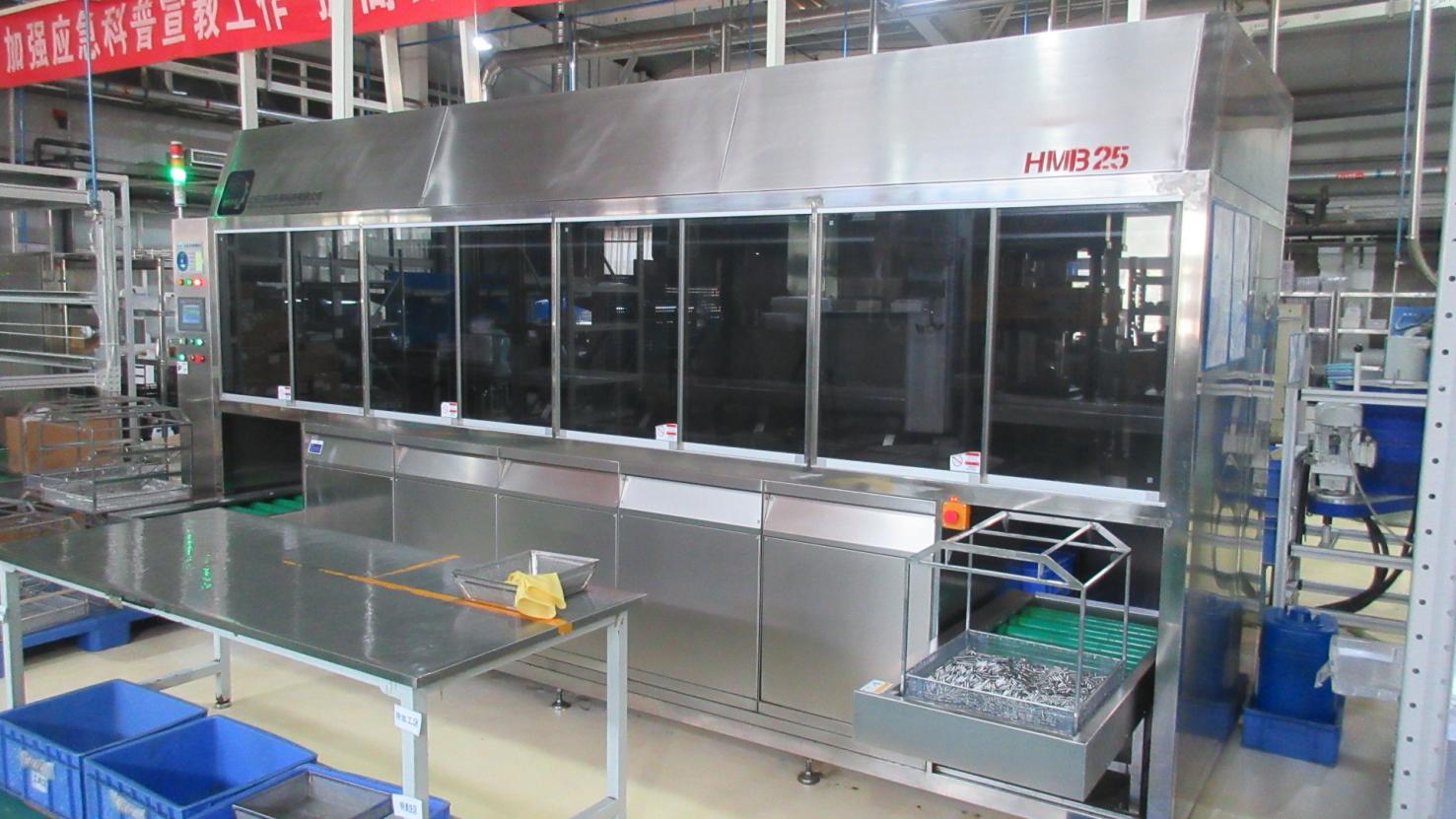
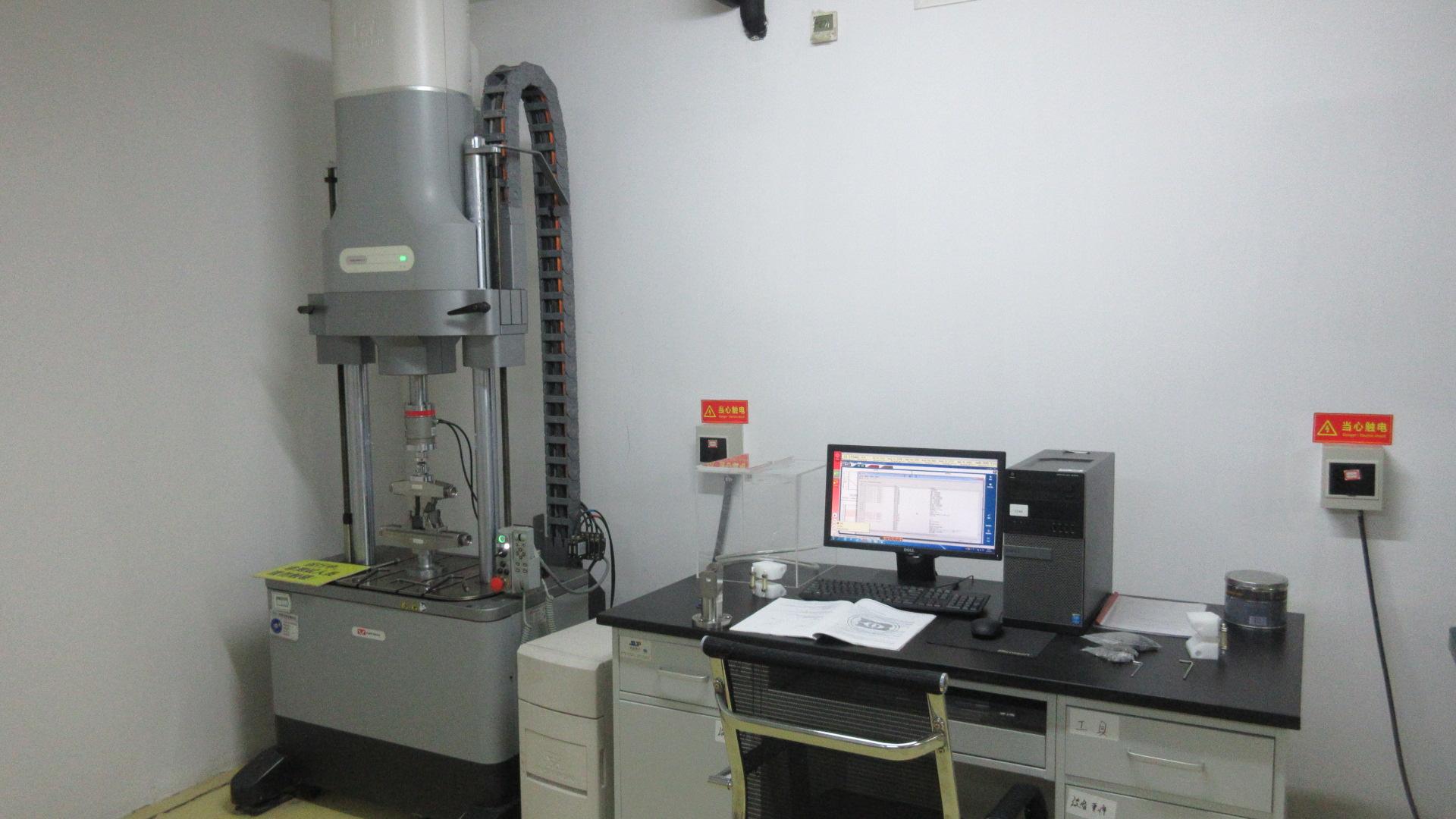
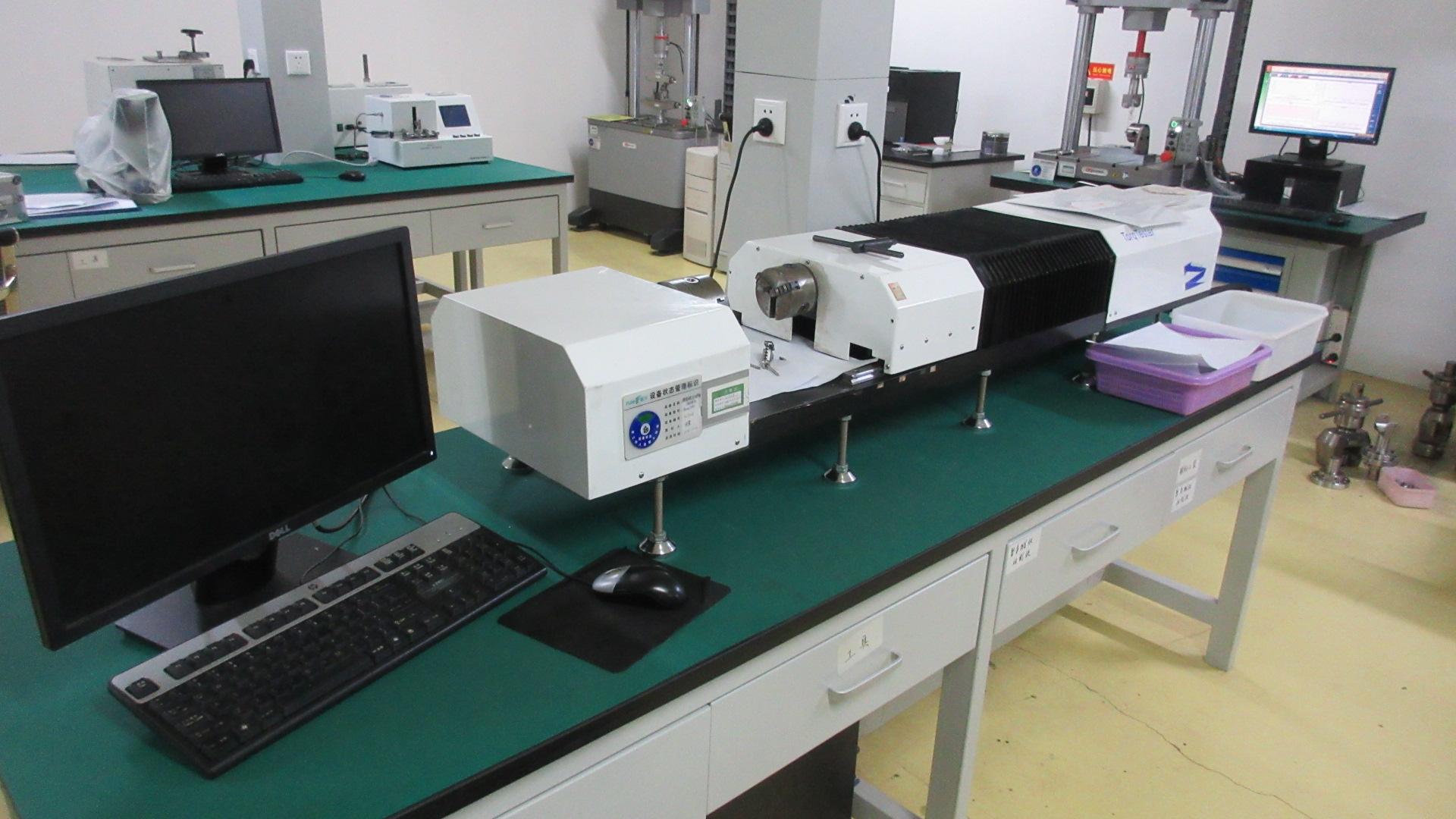
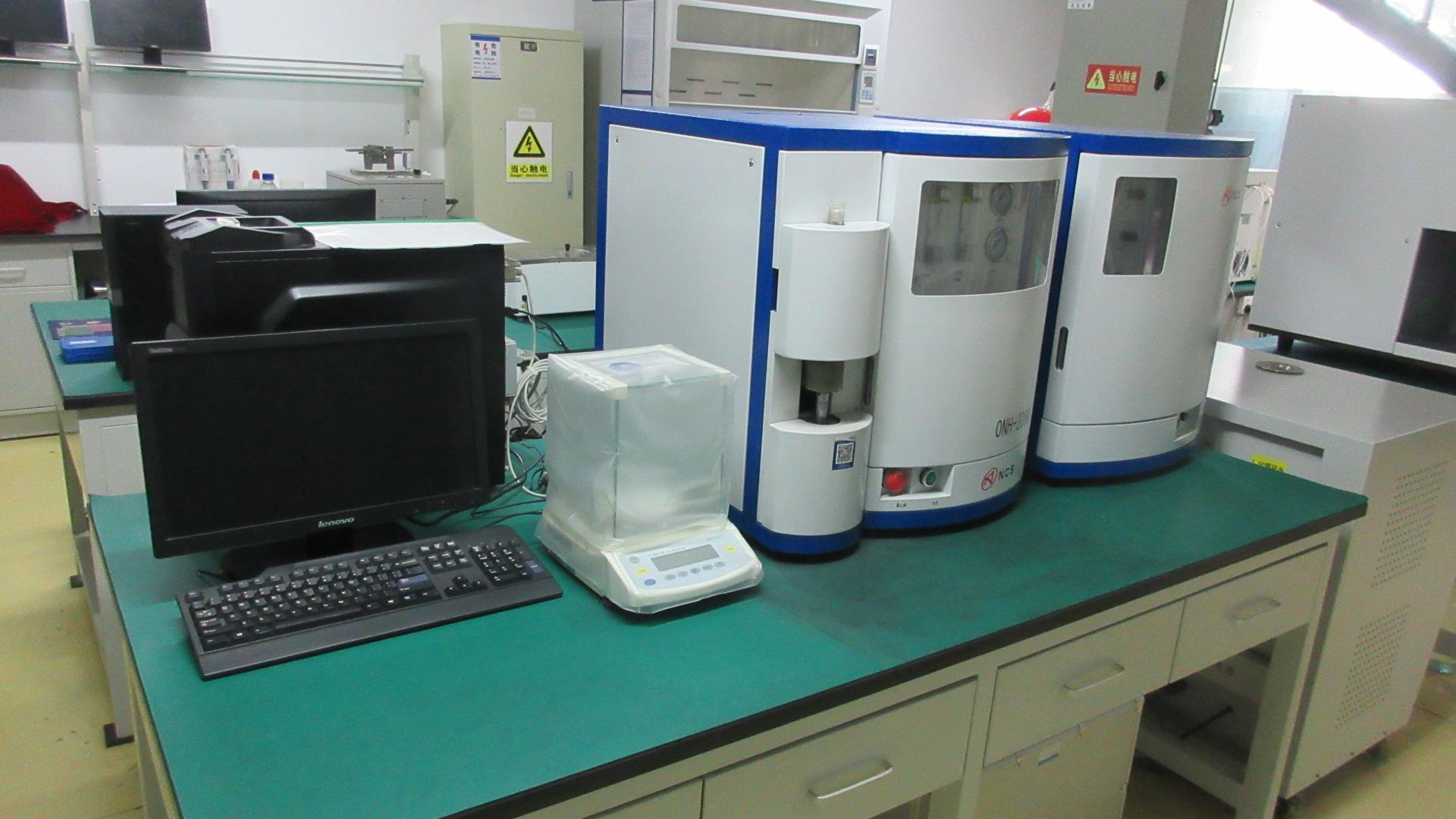
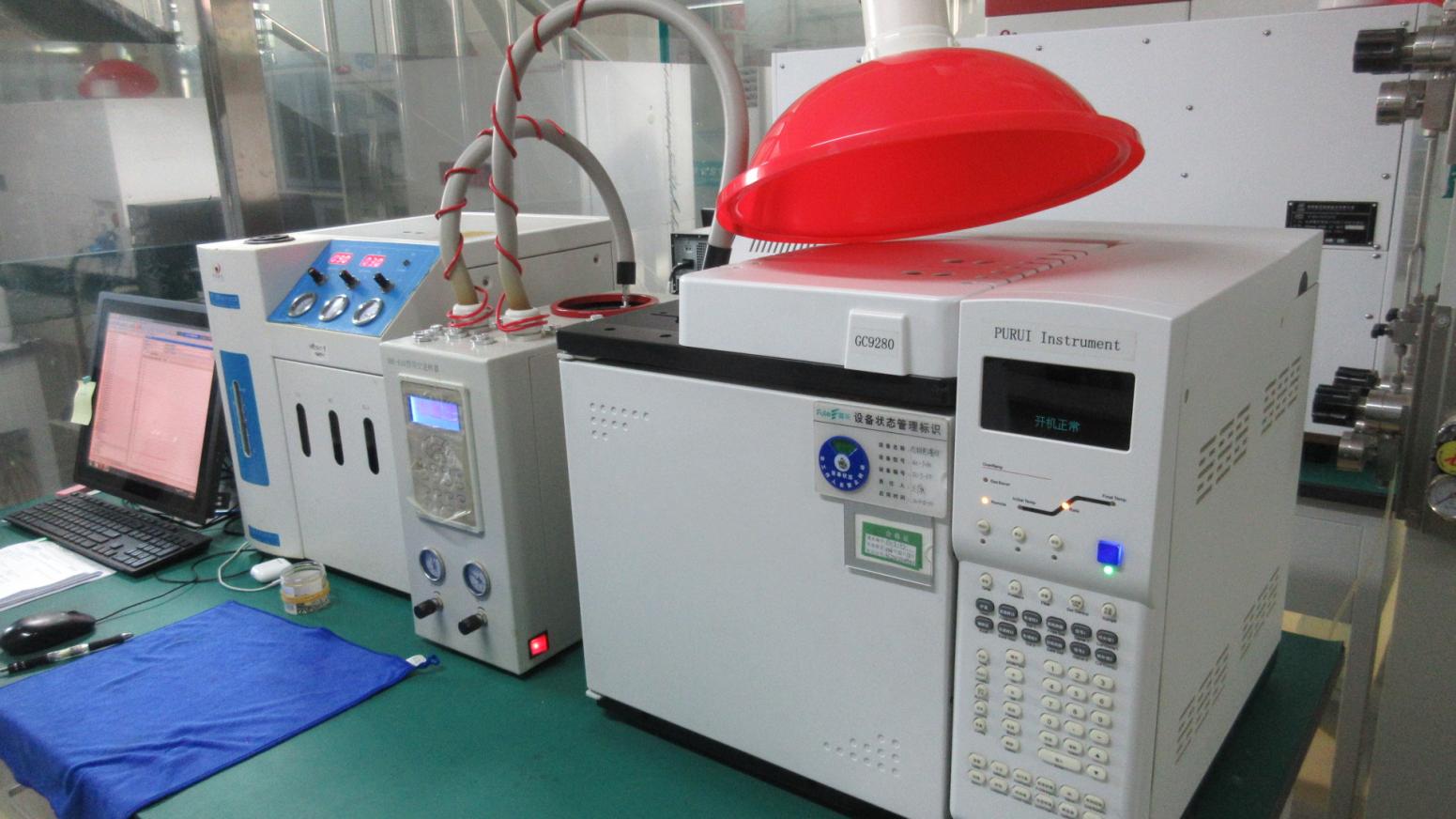
Sourcing orthopedic implants requires a rigorous evaluation framework. Professional procurement leads should evaluate the following structural dimensions when finalizing purchase agreements:
Request ISO 5832-3 or ASTM F136 certificates of conformity for raw medical titanium. Traceability must map back to the original heat number from the steel mill.
Ensure the factory can provide complete documentation, including ISO 13485 quality system certificates and CE marks, to support local ministry of health registrations.
Verify documentation for ISO 10993 cytotoxicity, sensitization, and systemic toxicity tests. These are critical for long-term patient implantation safety.
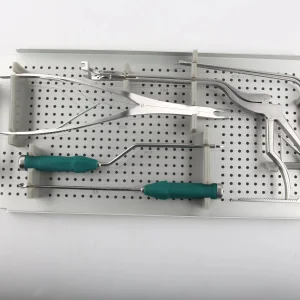
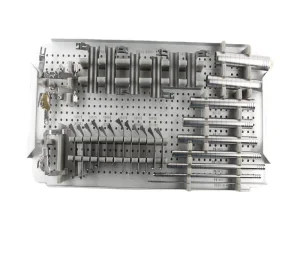
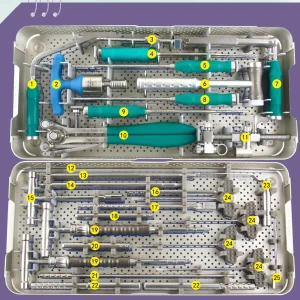
High-quality implants must be paired with precise instrument sets. Beijing Fule provides modular, reusable, and stainless surgical kits designed to optimize procedures.
Our manufacturing system is certified under ISO 13485 (certificate no. 04724Q10000818) for medical device quality management systems. Our products also hold CE markings, allowing import and distribution in Europe and other international markets.
We manufacture implants using biocompatible titanium alloys (Ti-6Al-4V ELI conforming to ASTM F136/ISO 5832-3), medical-grade stainless steels (316LVM conforming to ASTM F138/ISO 5832-1), and implant-grade PEEK (Polyetheretherketone) for specialized spinal spacers.
Yes, we provide comprehensive OEM/ODM services, including sample processing, graphic design processing, and customized on-demand manufacturing. Our R&D department features 20 experienced engineers, including 15 postgraduates, using CAD/CAM systems to translate requirements into finished products.
We maintain traceability across our production cycle. Every batch of titanium or stainless steel receives a unique tracking number linked to the mill test report (MTR). This number tracks the material from incoming receiving through CNC machining, cleaning, packaging, and shipping.
We employ a strict 100% inspection method for all finished items. Our 15 QA/QC inspectors check dimensions, thread tolerances, surface roughness, and packaging integrity. We verify tolerances using coordinate measuring machines (CMM) and optical projection systems before release.
Our facility spans 10,000 square meters and houses 102 production machines. We produce an annual output of 511,000 units, allowing us to manage large procurement orders from international distributors and domestic tender systems.
Yes, we engineer and supply dedicated instrument sets tailored to our implant systems. These include broken screw removal sets, MIS spinal surgery instrumentation, and TLIF insertion tools, ensuring surgeons have matching components in the operating room.
Beijing Fule was registered in 1996 and has 30 years of manufacturing and export experience. Our primary export markets include Eastern Europe, Southeast Asia, South America, and domestic medical systems.
Explore our specialized orthopedic surgical devices designed for safety and clinical efficacy.
 Beren Science & Technology