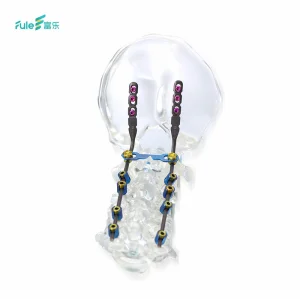
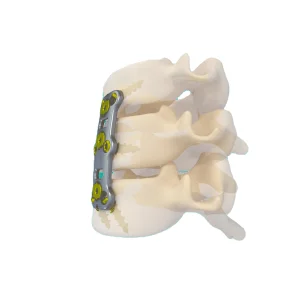
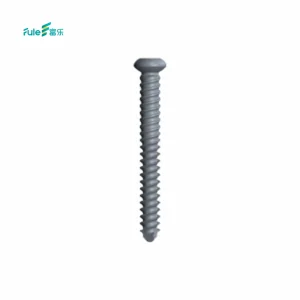
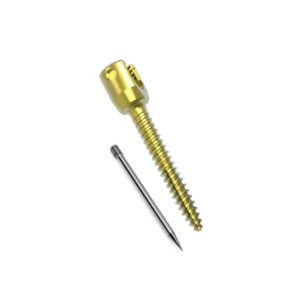
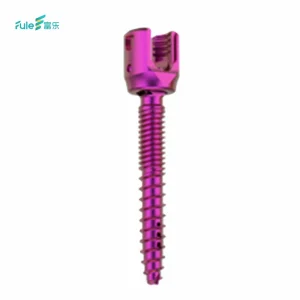
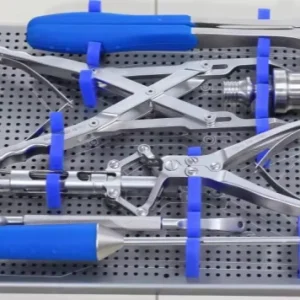
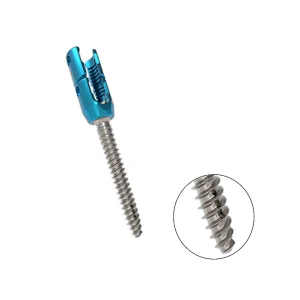
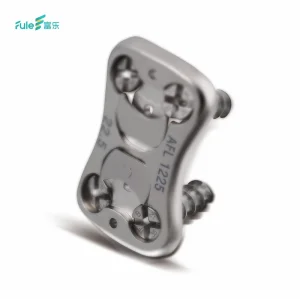
Explore our flagship ISO13485 and CE certified spinal fusion implant systems designed for osteosynthesis, degenerative disc disorders, and spinal instability corrections.
The global orthopaedic implant market, particularly spinal fusion systems, demands absolute precision, regulatory compliance, and biological compatibility. Historically, international medical device distributors and hospitals relied heavily on Western tier-one manufacturers. However, over the past three decades, a profound transition has occurred. Chinese medical-grade titanium fabrication and machining tolerances have advanced to match and exceed international standards.
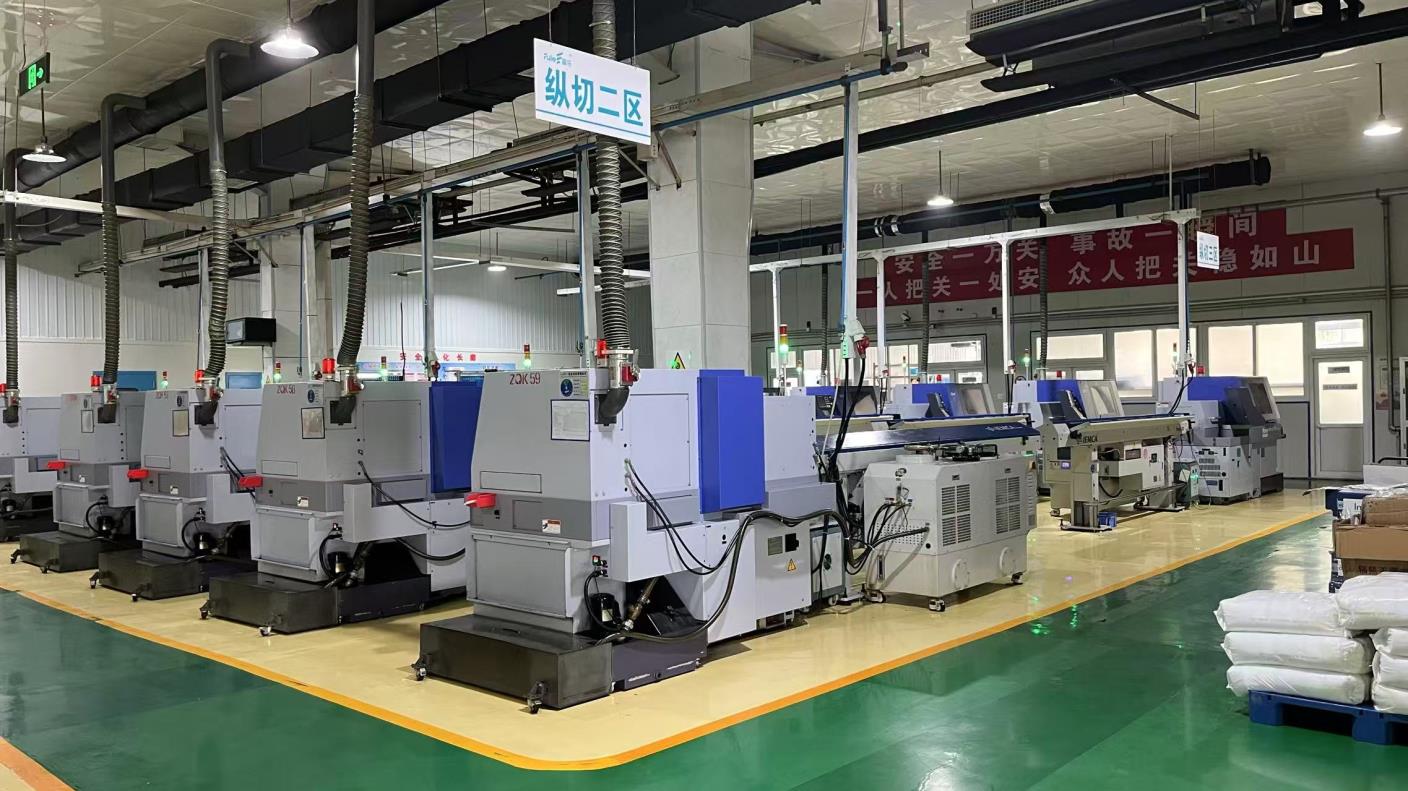
As a leading Chinese designer and exporter established in 1996, we operate a 10,000 square meter state-of-the-art facility dedicated to the manufacture of Class II and Class III spinal fixation systems. Leveraging a robust R&D framework composed of 20 specialized engineers, we offer unmatched OEM and ODM services. This white paper breaks down the core benefits of procuring spinal fusion hardware from China's leading suppliers.
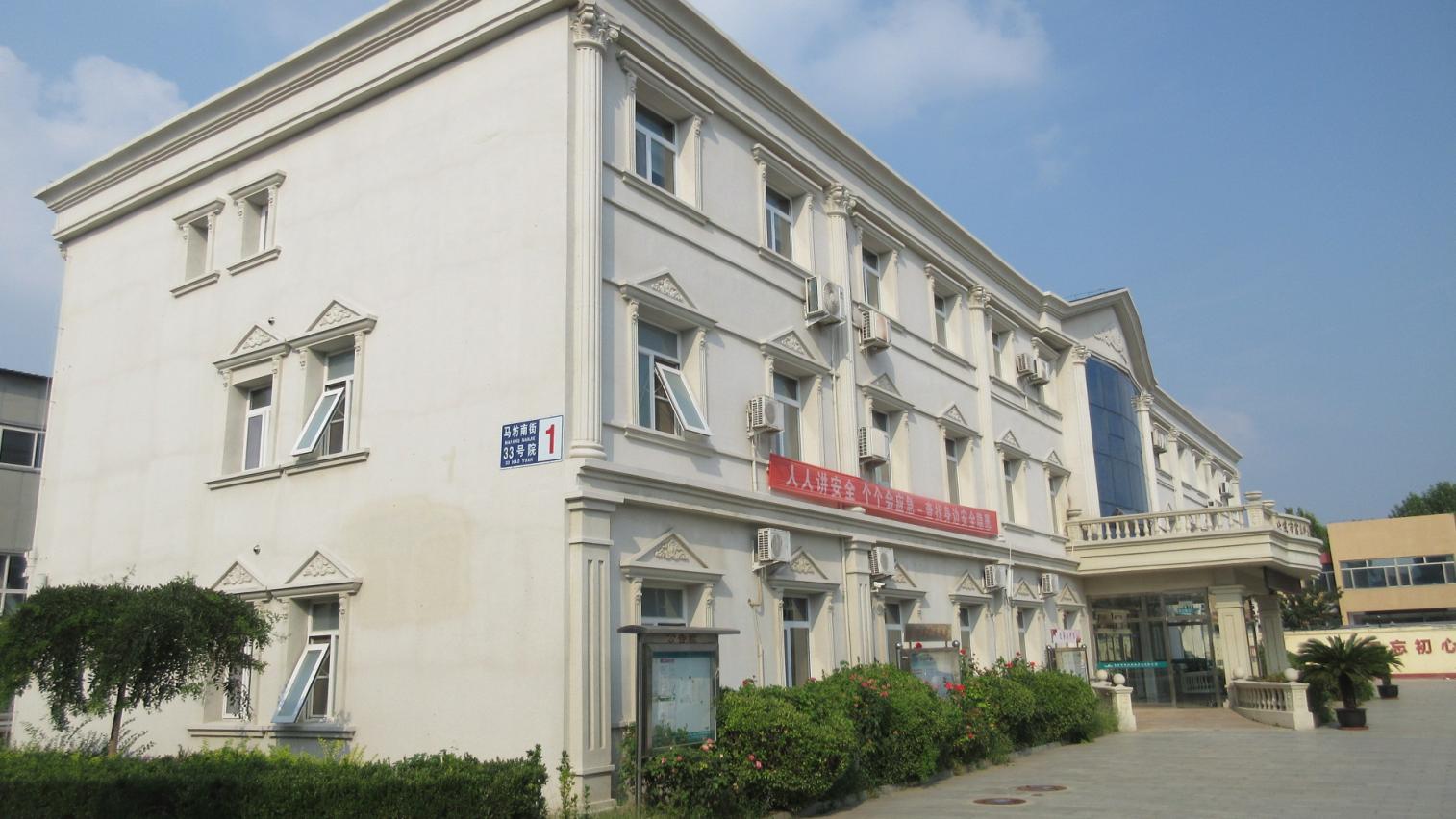
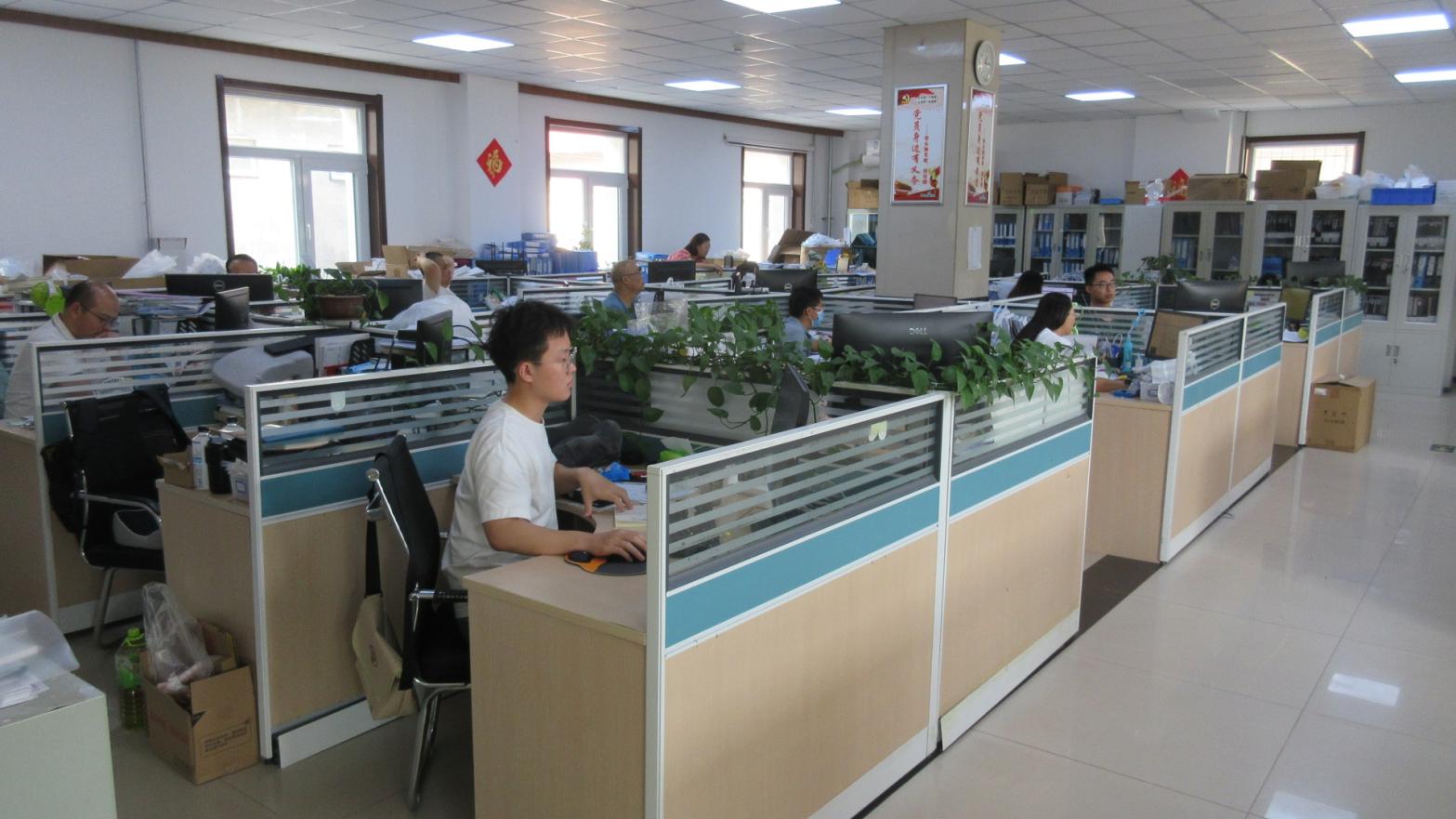
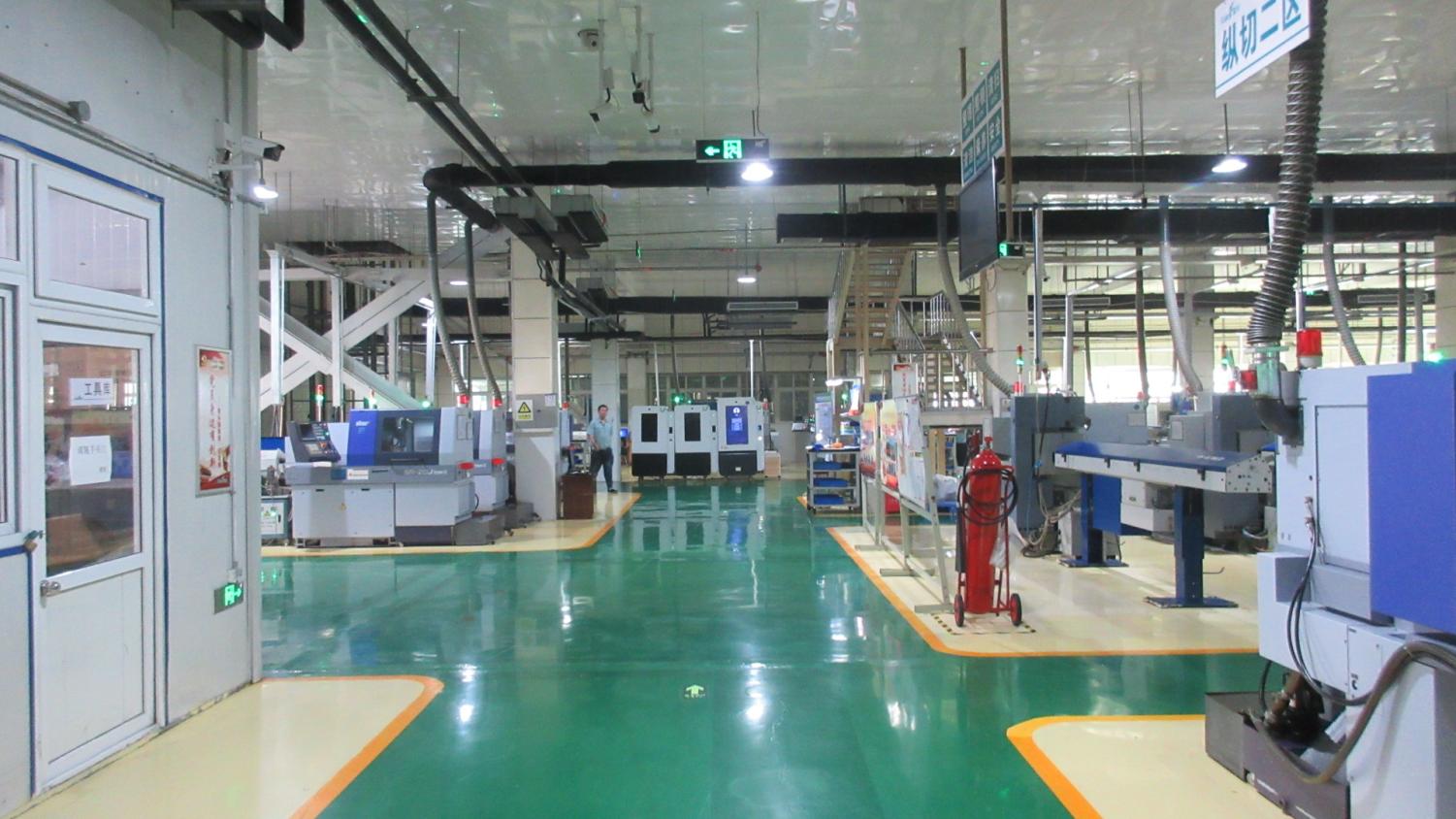
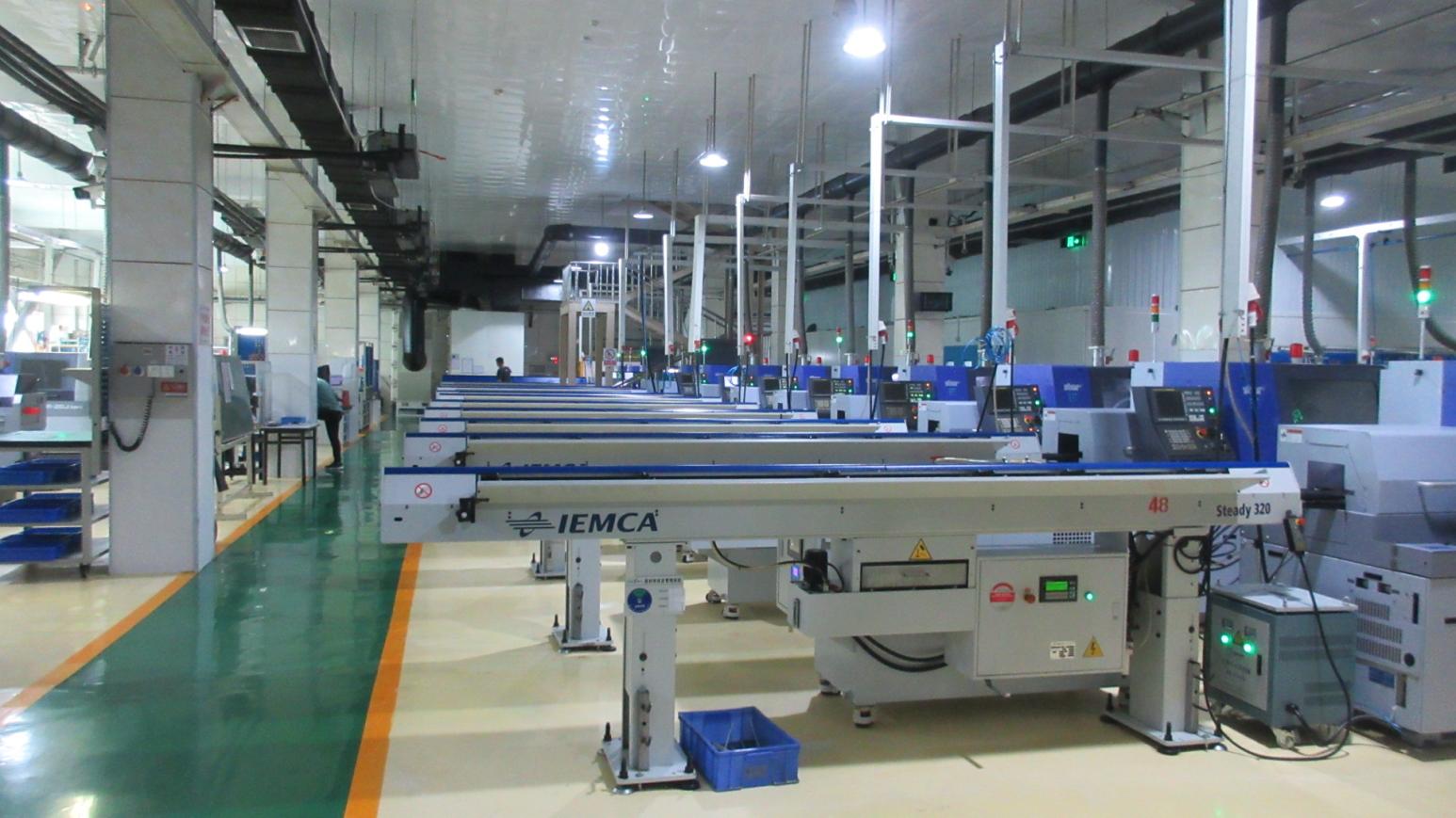
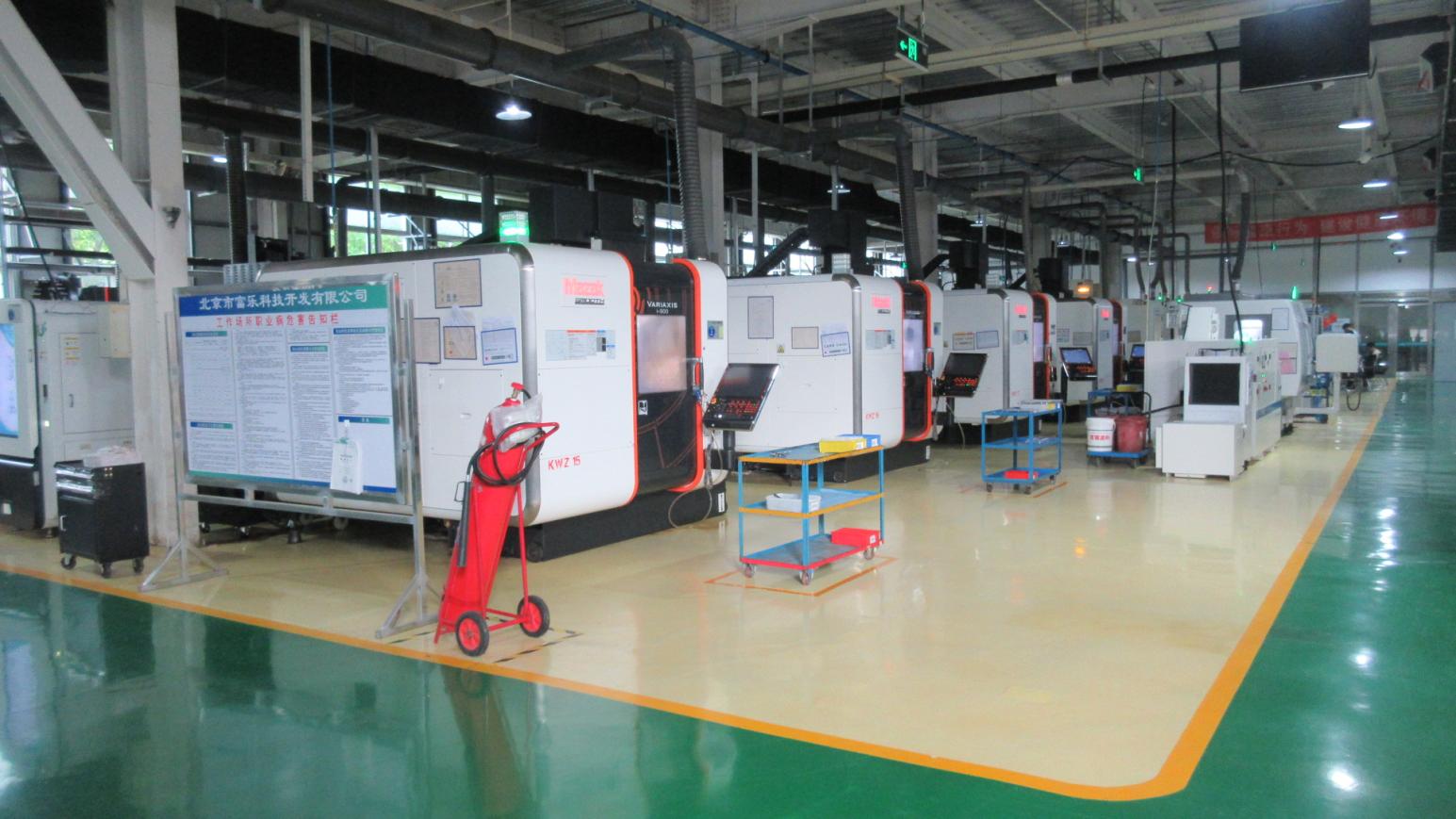
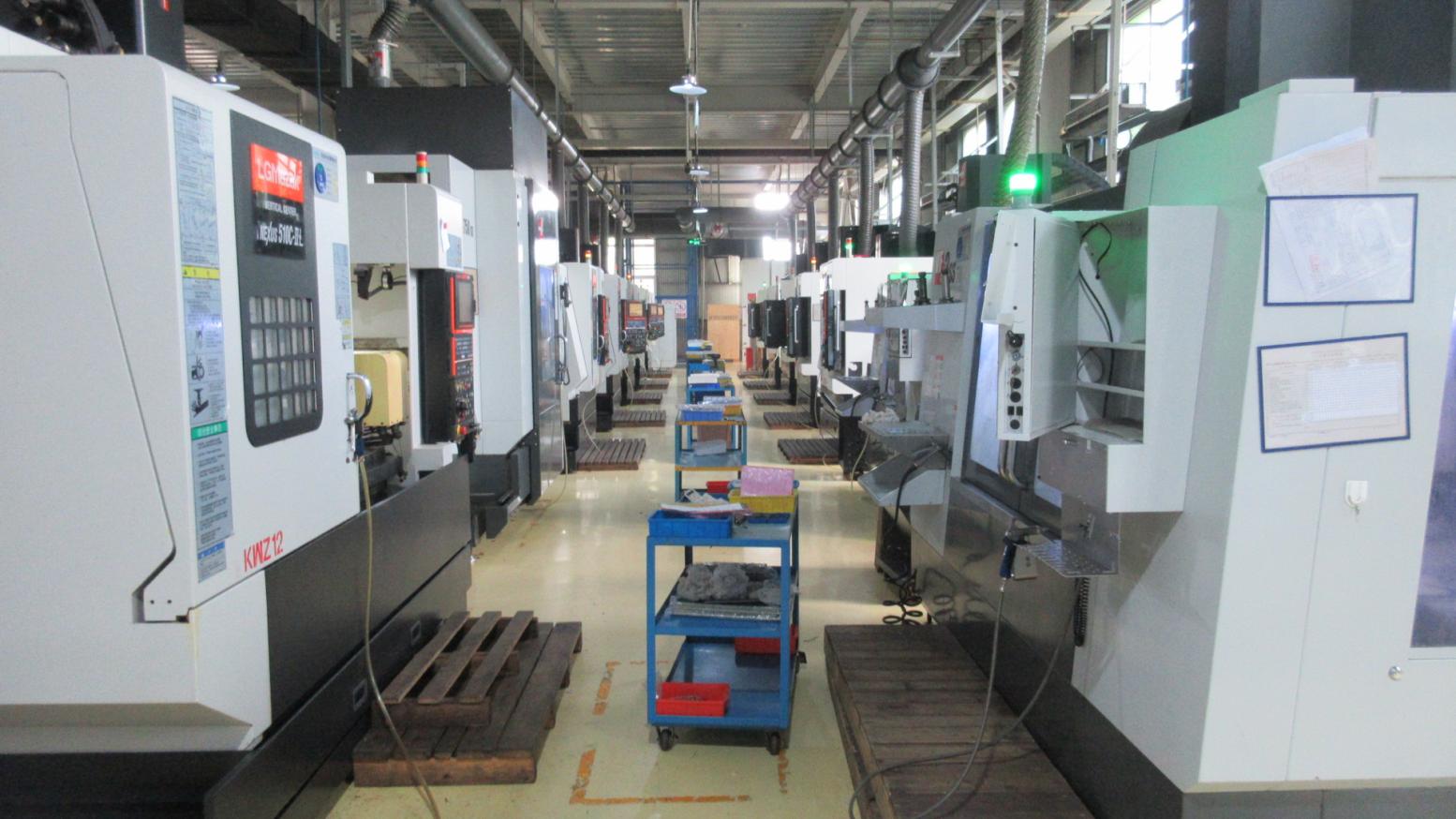
Procuring orthopedic surgical implants demands a balance between technical perfection and economic viability. China’s spinal fusion factories have developed mature ecosystems that outpace Western alternatives on several key fronts:
Our raw materials consist strictly of implant-grade titanium alloy (Ti-6Al-4V ELI) conforming to ASTM F136 and ISO 5832-3 standards. Chinese titanium metallurgists supply highly stabilized rods that undergo strict mechanical, ultrasonic, and chemical composition validation prior to CNC machining.
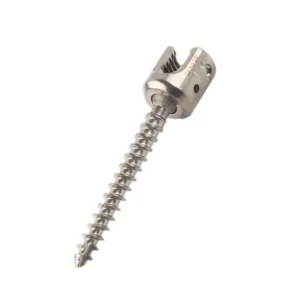
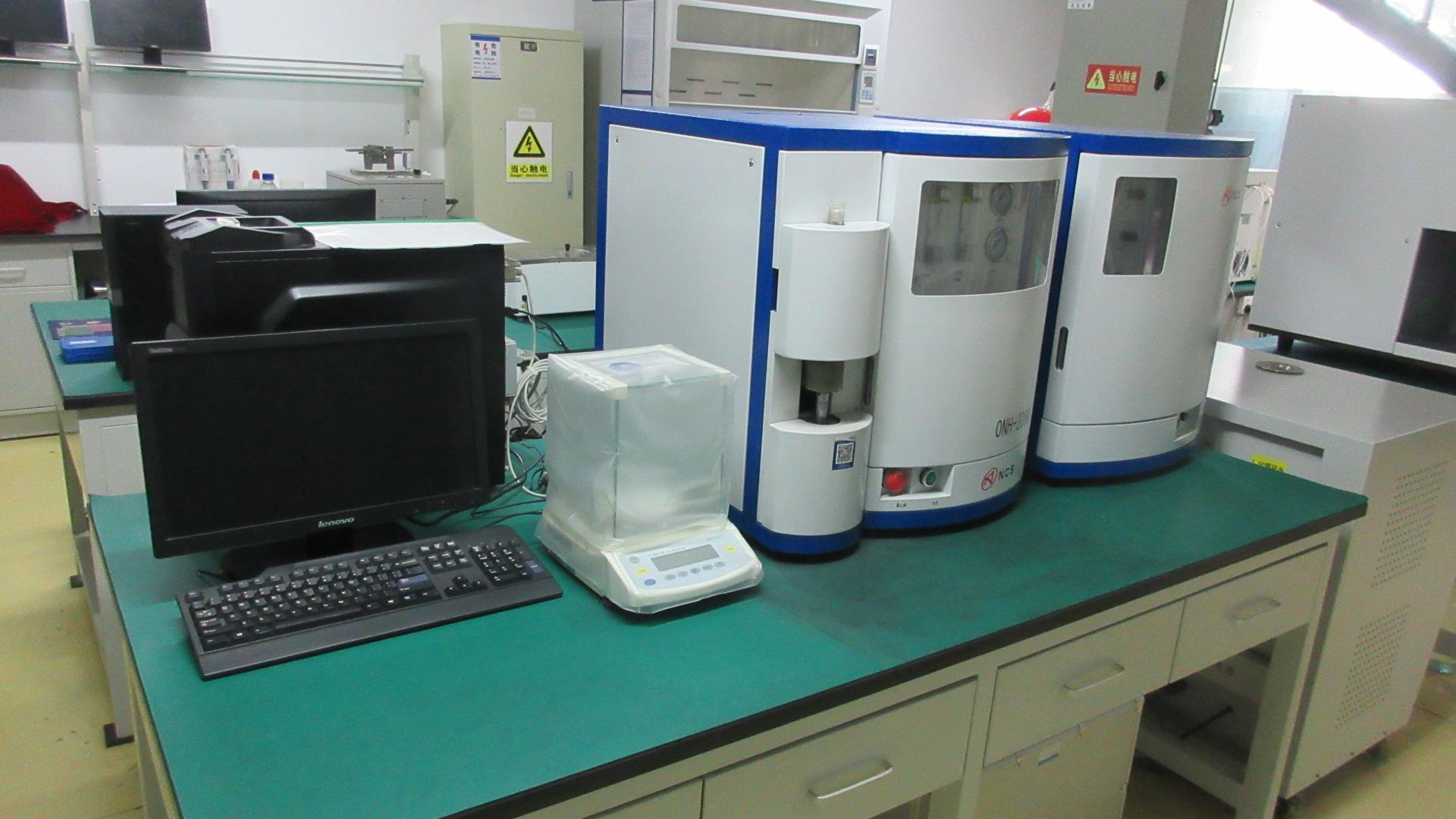
Utilizing high-speed 5-axis CNC machining centers, our factory achieves tolerances within ±0.005mm. This guarantees that screw-thread interfaces, polyaxial joints, and locking mechanisms line up perfectly, reducing intraoperative frustration and preventing device migration.
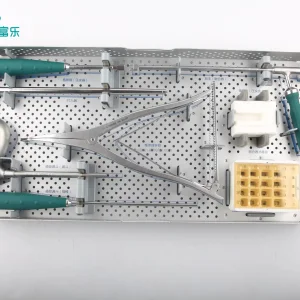
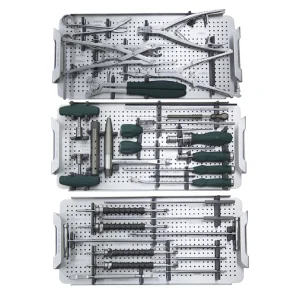
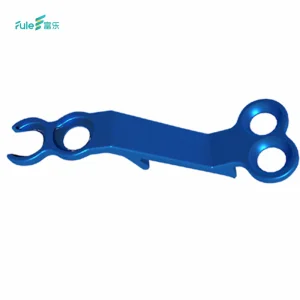
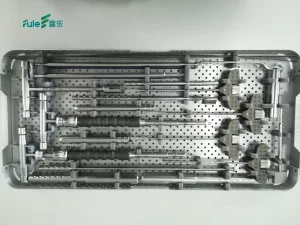
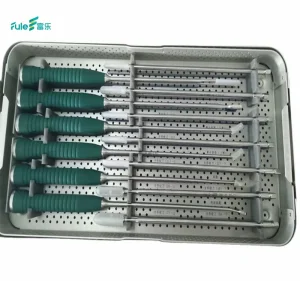
Rather than providing standalone screws, we develop integrated surgical sets (CFS Cervical Systems, CCS Pediatric Screw-Rod Systems, PLIF/TLIF Cages, and dedicated surgical instrumentation). This turnkey capability ensures clinical teams have everything needed for successful decompression and stabilization.
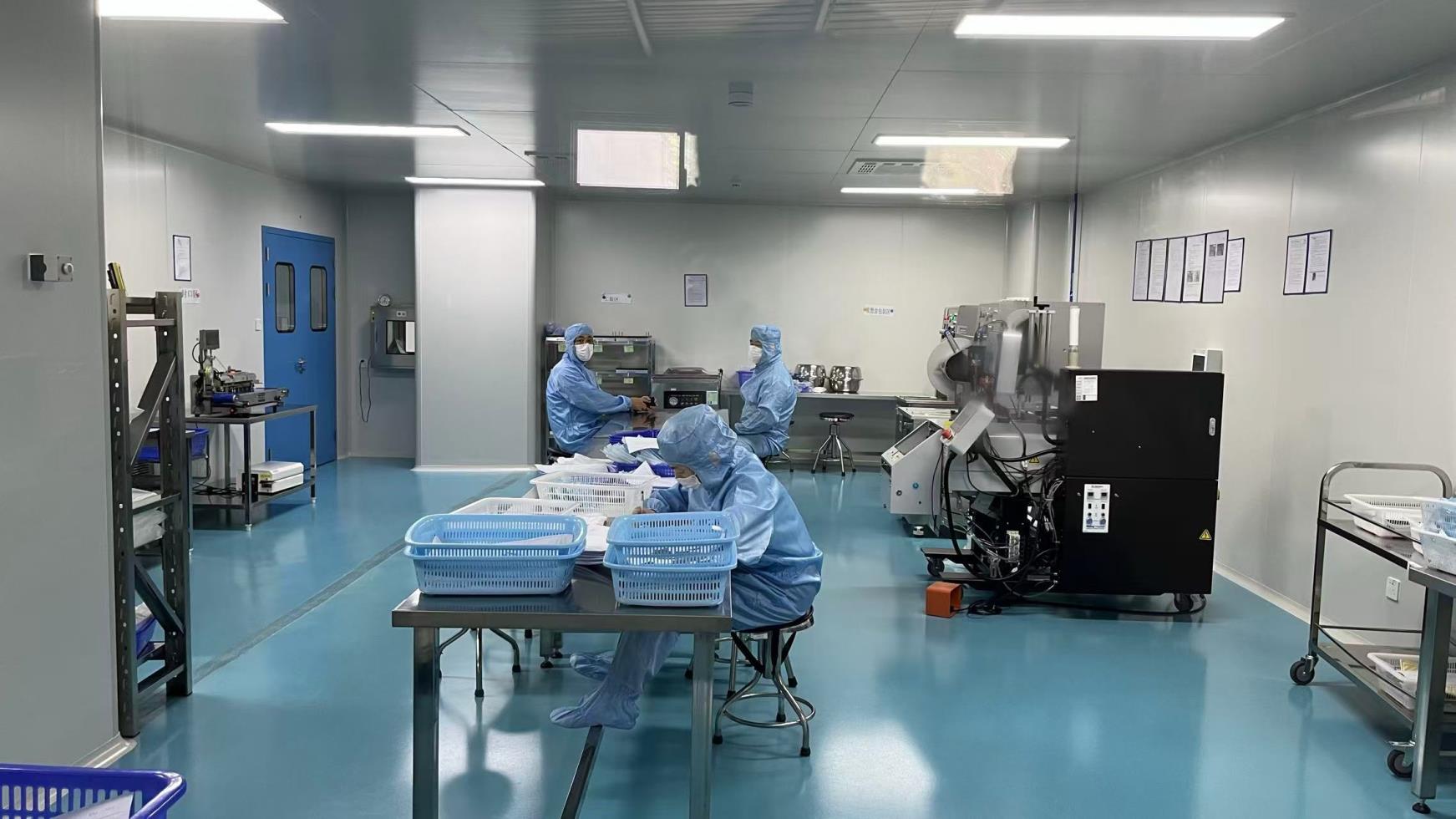
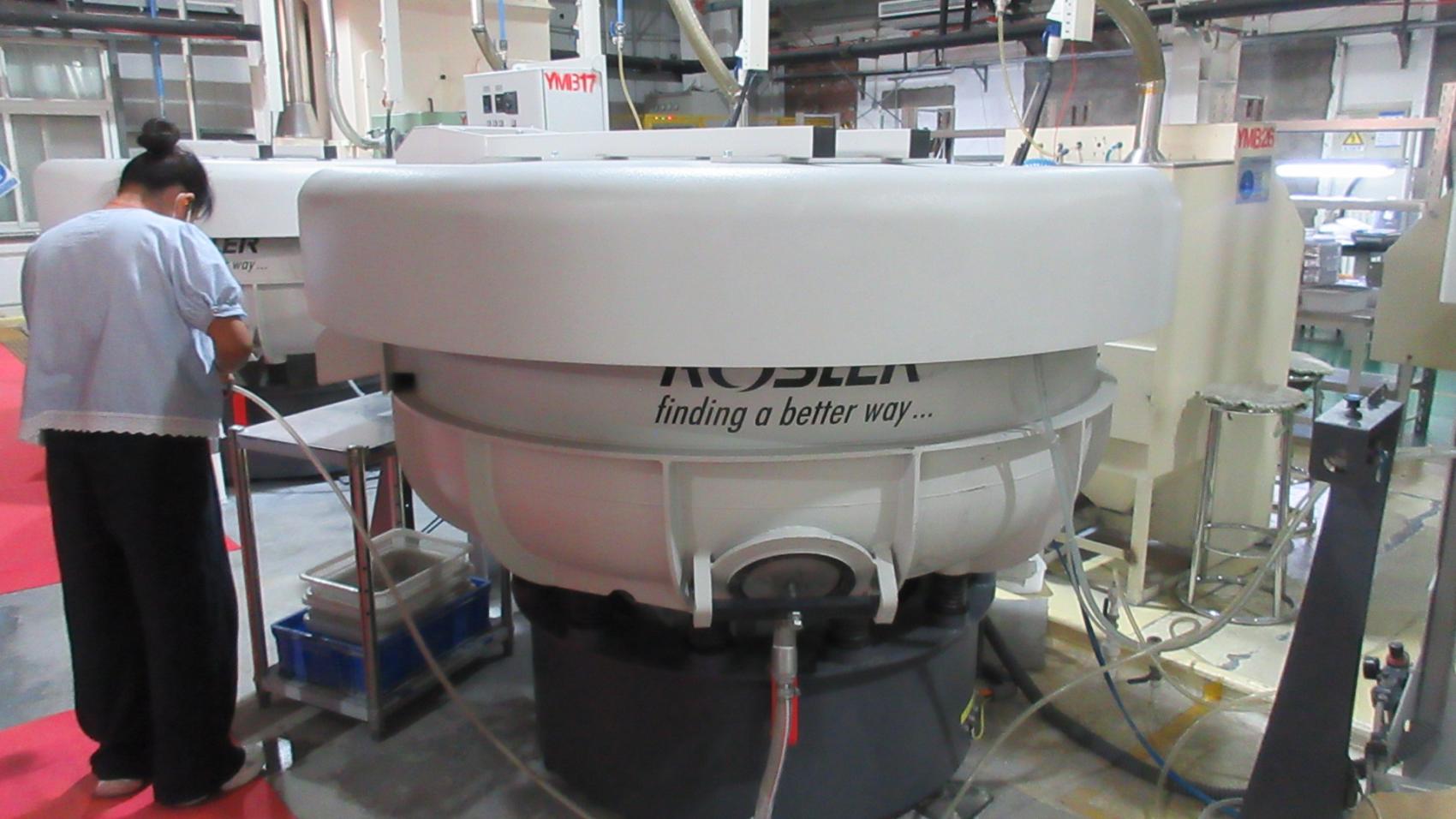
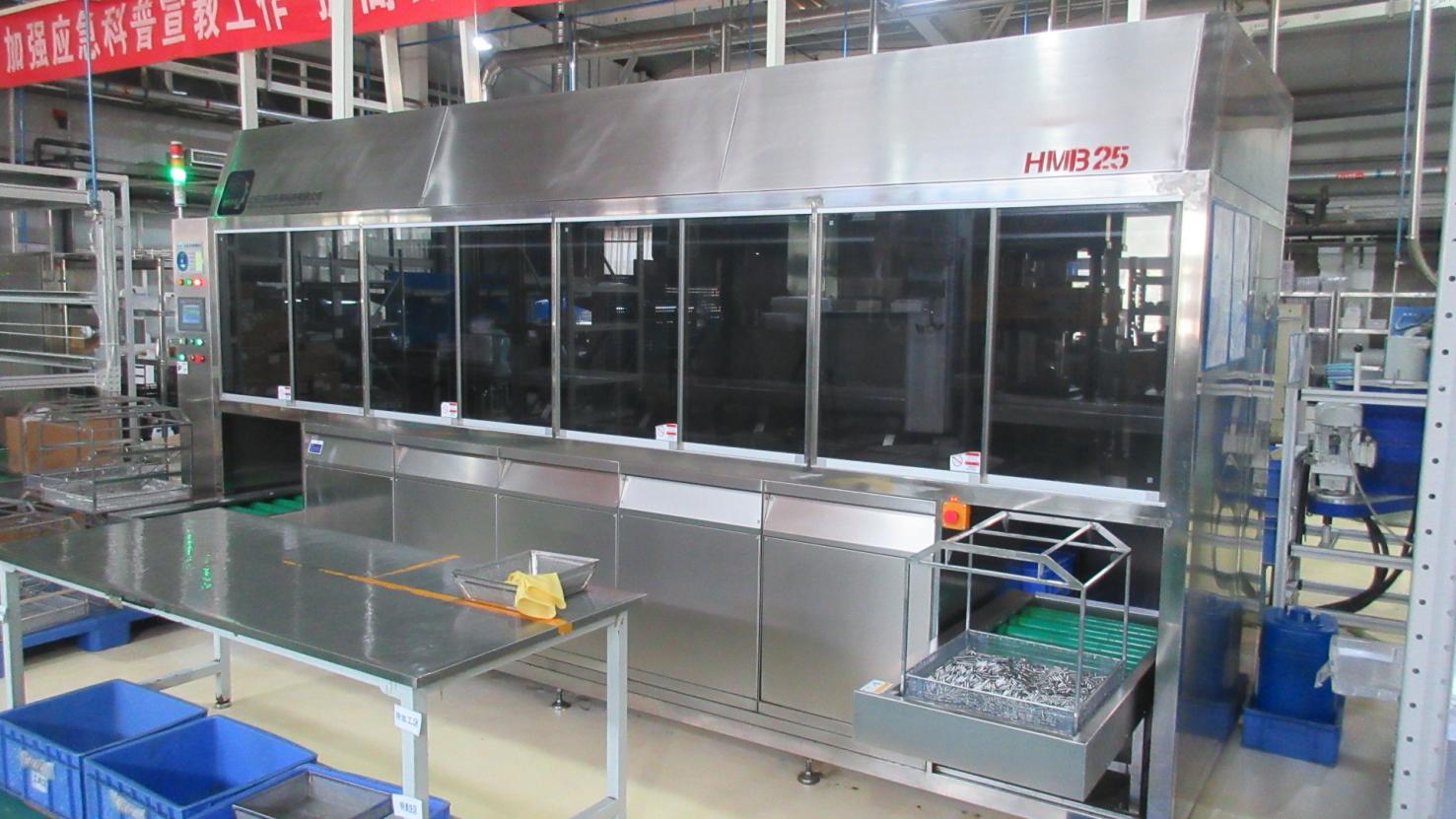
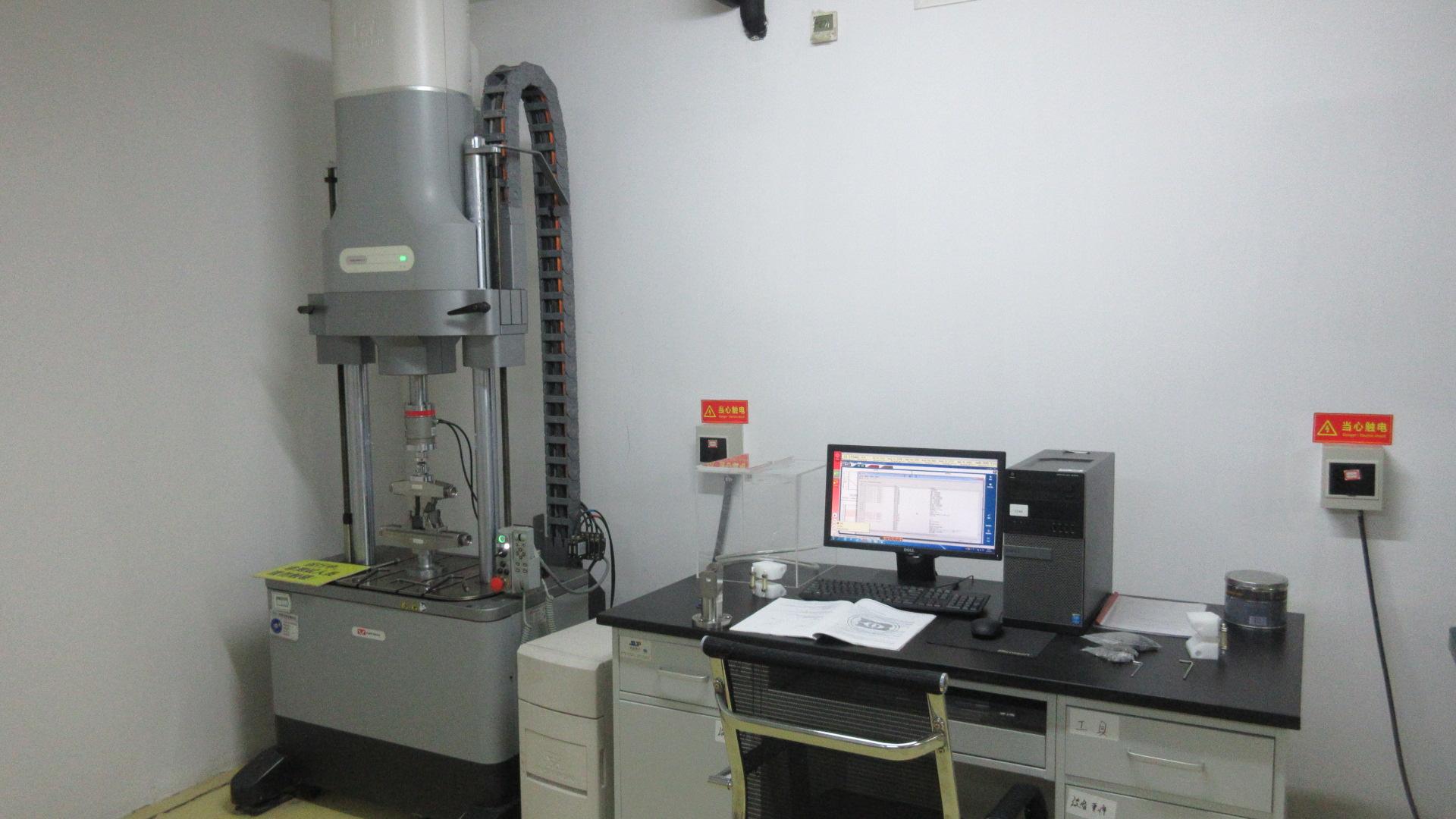
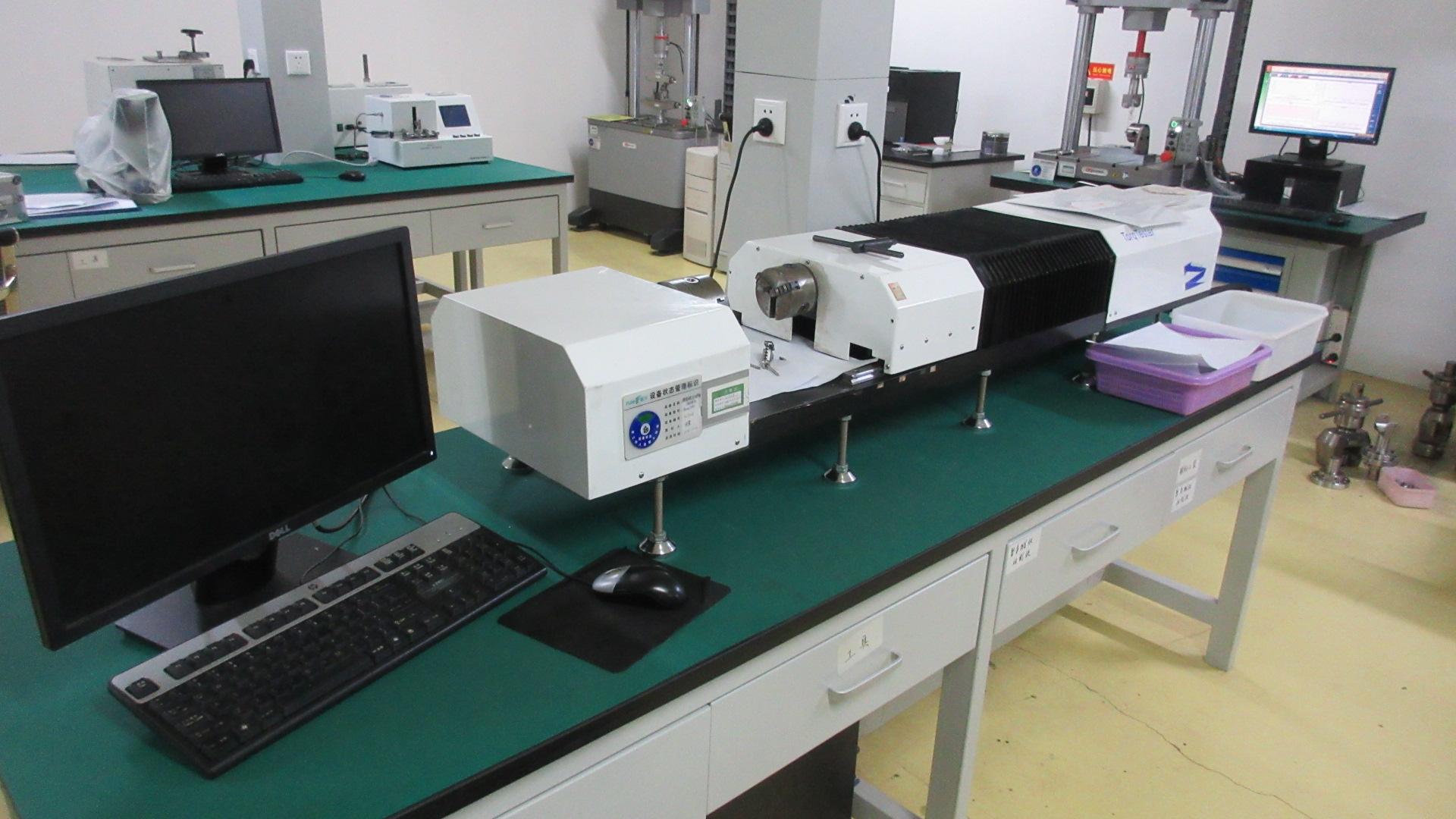
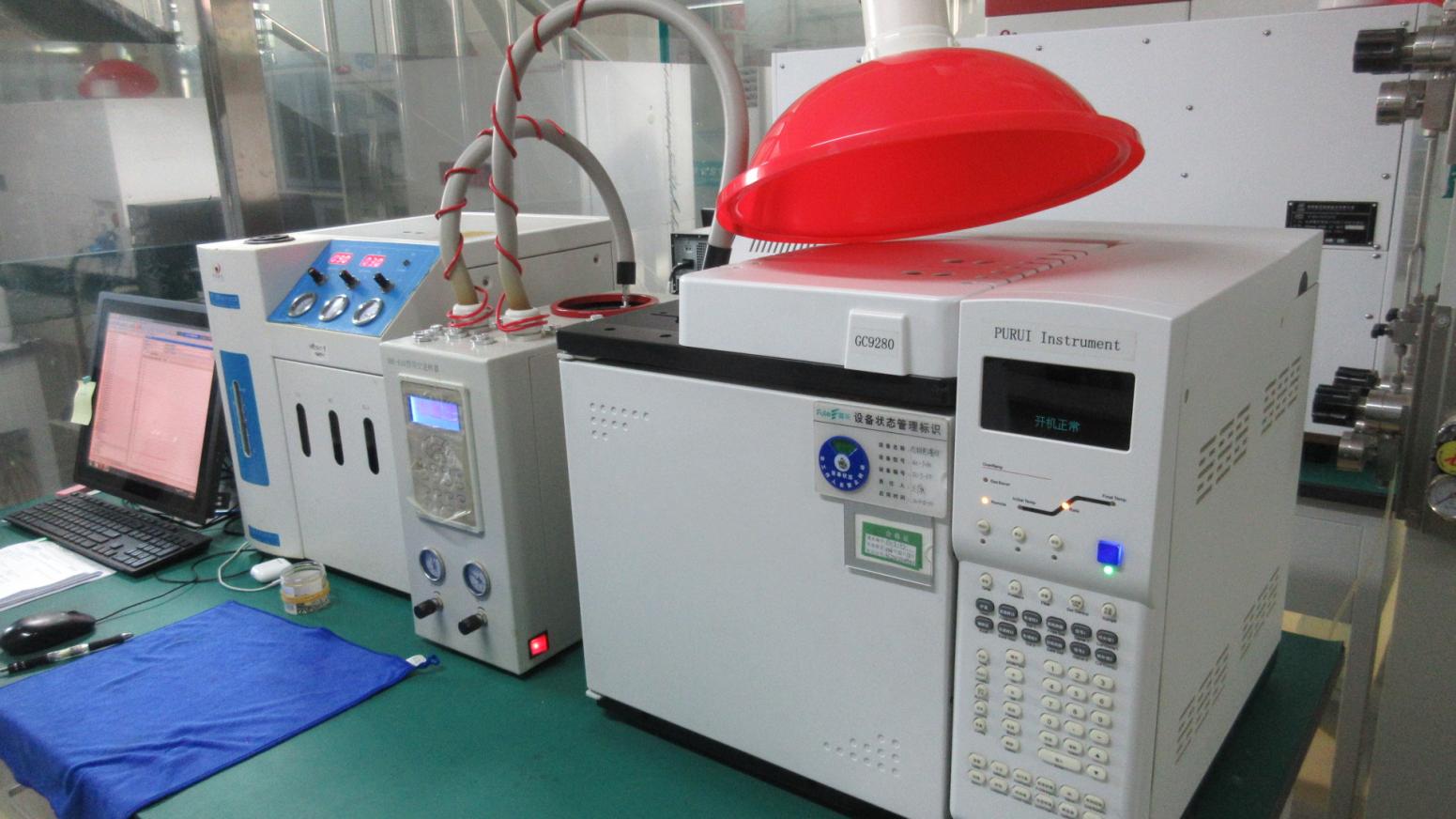
Quality in orthopedics is not negotiable. A failed spinal screw can lead to catastrophic pseudoarthrosis, hardware failure, and revision surgeries. At our factory, quality is monitored at every touchpoint:
| Inspection Parameter | Testing Standard/Method | Acceptance Criterion |
|---|---|---|
| Chemical Composition | ASTM F136 / ISO 5832-3 (Ti-6Al-4V ELI) | Perfect elemental conformance |
| Dynamic Fatigue Life | ASTM F1717 (Spinal construct fatigue testing) | >5 million cycles without failure |
| Polyaxial Torque Strength | ASTM F543 (Bone screw axial pullout/torque) | Exceeds FDA & CE standard limits |
| Surface Roughness (Ra) | ISO 4287 (Profilometer evaluation) | Ra ≤ 0.4 μm for moving parts |
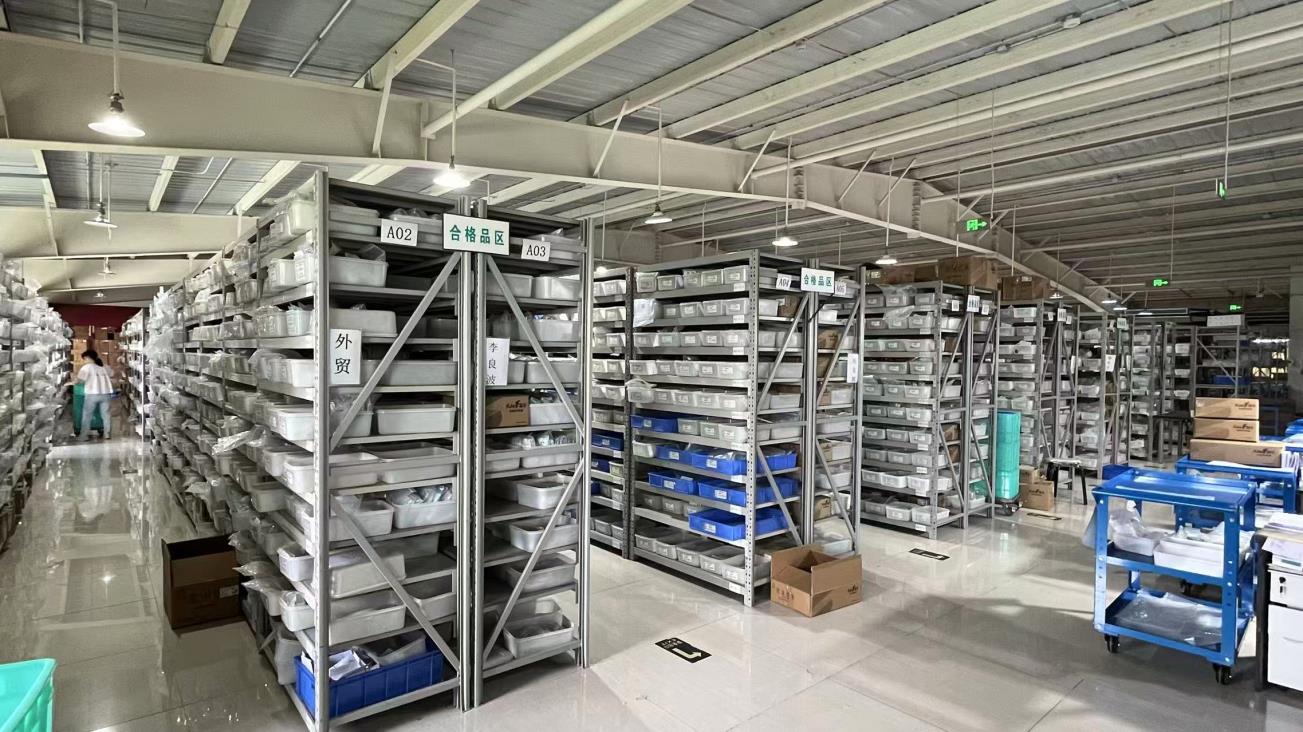
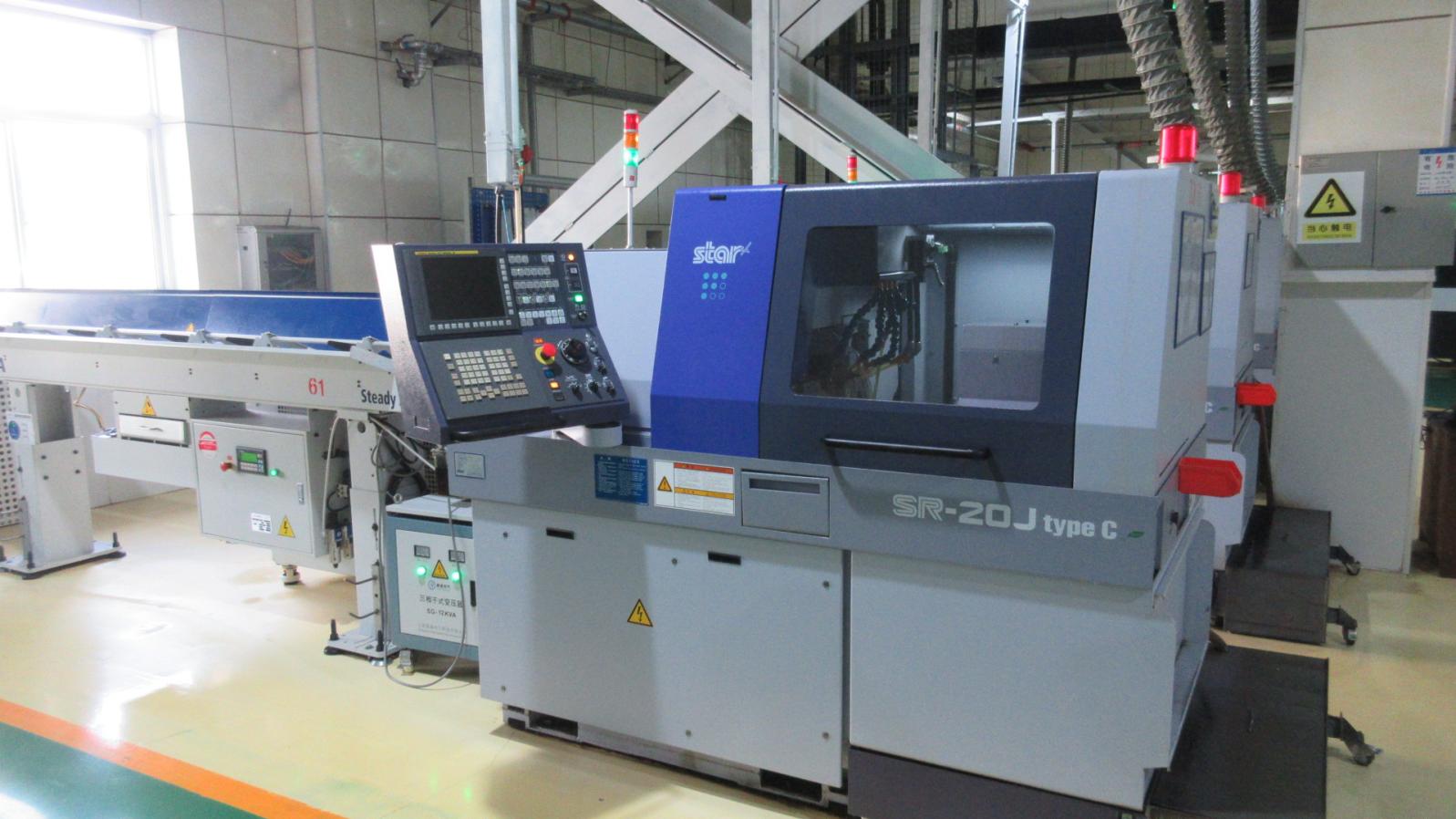
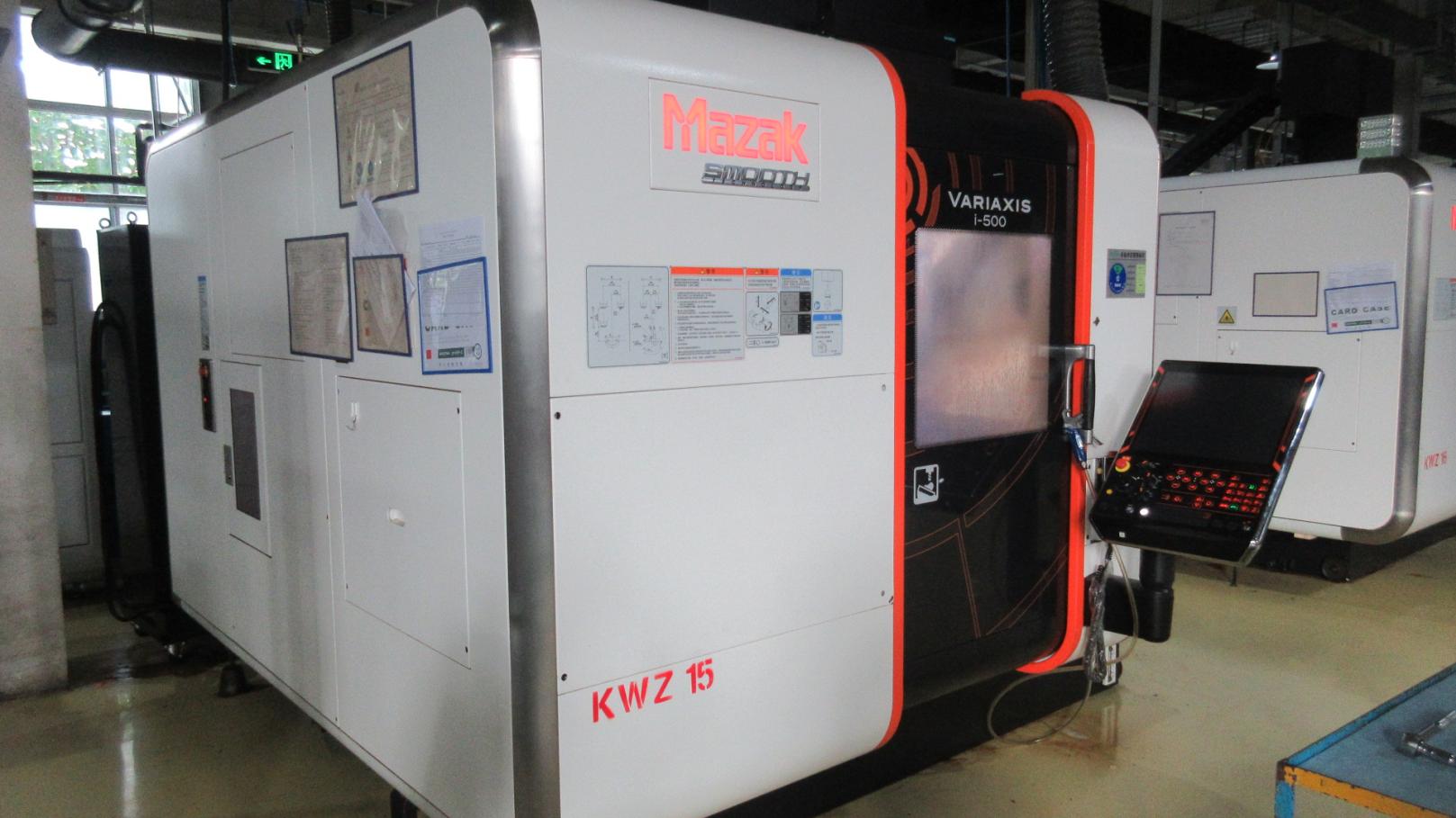
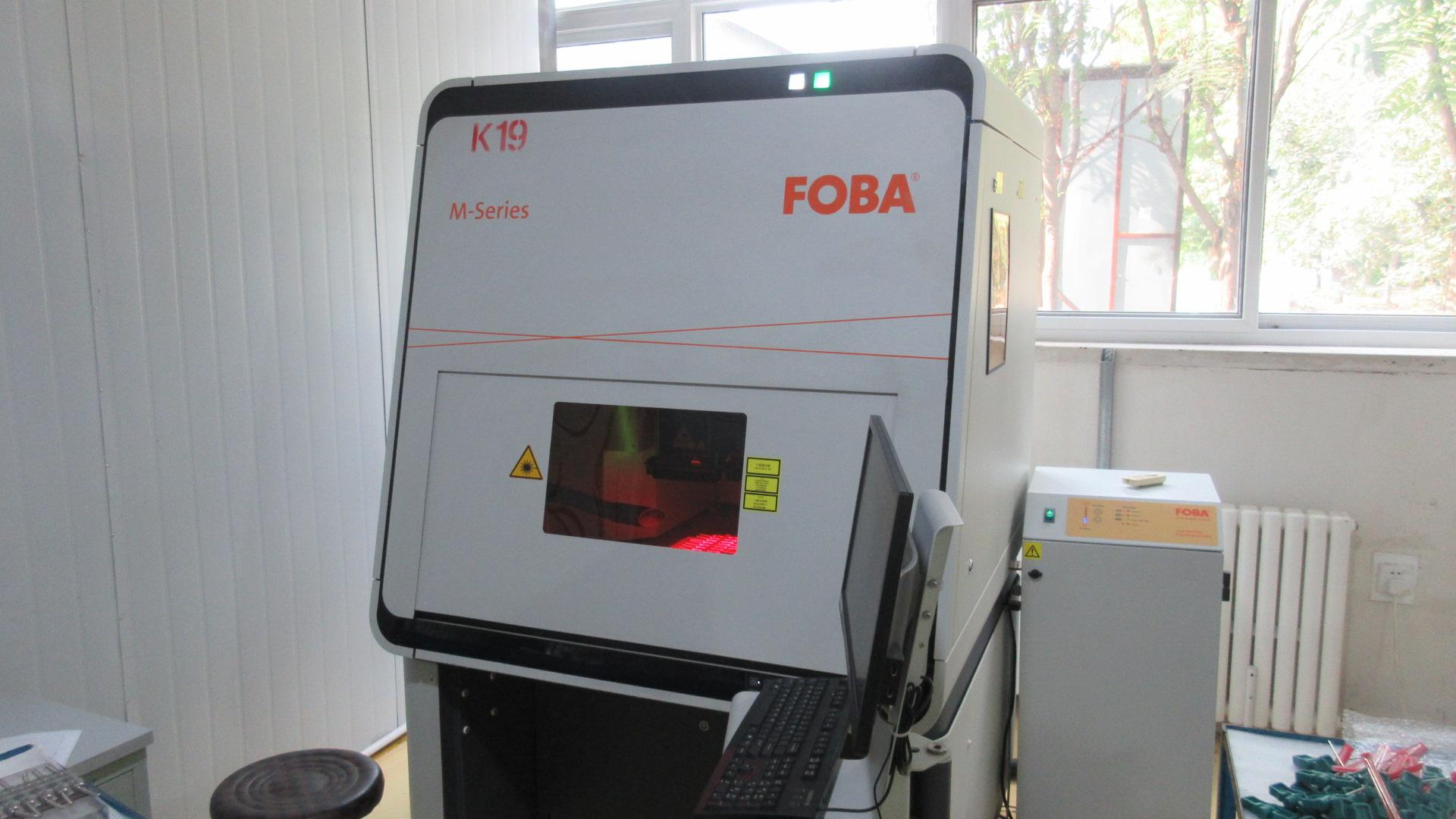
As a seasoned supplier, we categorize our production to address the clinical demands of surgeons globally. Below are the key subdivisions of our spinal fusion catalog and their clinical application profiles:
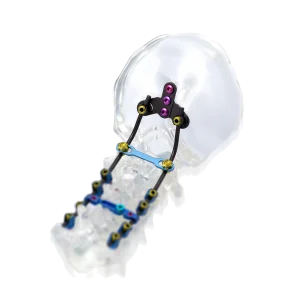
Design: Ultra-low profile polyaxial screws with 3.0mm/3.5mm rods, engineered specifically for posterior occipito-cervical and cervical-thoracic fusion procedures.
Clinical Indication: Cervical myelopathy, instability caused by rheumatoid arthritis, posterior decompression revisions, and trauma reconstructive surgeries.
Design: Variable/fixed angle locking mechanism with high graft visibility window, thickness capped at 2.0mm to limit postoperative dysphagia.
Clinical Indication: Anterior cervical discectomy and fusion (ACDF) for degenerative disc disease, trauma, spondylolisthesis, and failed previous fusions.
Design: Cement-injectable or expanding distal tip design. Maximizes purchase strength in osteoporotic or compromised cancellous bone.
Clinical Indication: Senile osteoporosis, spine fractures, and stabilization of tumor-induced spinal degradation.
Design: Biocompatible PEEK or 3D-printed titanium structures featuring open spatial geometries for maximum bone graft incorporation.
Clinical Indication: Lumbar interbody fusion for degenerative spondylolisthesis, discogenic lower back pain, and spinal stenosis.
The field of spinal osteosynthesis is moving away from rigid, overly stiff implants toward dynamic, osteoconductive, and minimally invasive options. Our R&D team works closely with partner surgeons to address these trends:
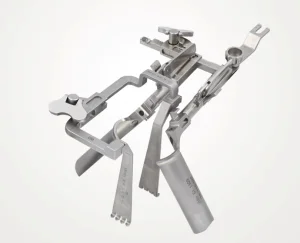
Historically, spinal fusion required large muscle-stripping incisions. Modern techniques rely on percutaneous screw placement and tubular retractors. Our MIS Minimally Invasive Spine Instability systems are engineered with extended-tab pedicle screws and low-profile instrumentation to minimize surgical trauma, limit intraoperative blood loss, and speed up patient recovery.
While Polyetheretherketone (PEEK) remains popular due to its radiolucency and modulus similar to cortical bone, 3D-printed porous titanium is gaining rapid market share. The micro-porous structure mimics trabecular bone, promoting rapid osseointegration and lowering the rate of cage subsidence. Our OLIF and TLIF cage production lines support both PEEK and micro-machined porous titanium to suit diverse clinical philosophies.
Managing the supply of orthopaedic implants requires strong logisitical oversight. Our export department supports international clinical organizations, medical device wholesalers, and private label partners with customized supply chain programs:
We process client graphic files, STEP files, and physical samples. Our 20-engineer R&D team uses advanced 3D modeling and FEA (Finite Element Analysis) to prototype custom spinal plates, custom pedicle screws, and specialized instrument geometries.
We provide sterile double-barrier Tyvek packaging or non-sterile bulk shipments. This accommodates local sterilization protocols and enables compliance with various national healthcare import laws.
Navigating FDA, CE, and national health registration (e.g., ANVISA, NMPA) can be challenging. We supply full technical documentation, material characterization reports, biocompatibility files, and clinical evaluation reports (CER) to assist registration teams.
Common technical and commercial questions answered by our engineering and export compliance specialists.
Explore our range of pediatric implants, bone cement systems, and specialized instruments for minimally invasive spine surgeries.
 Beren Science & Technology