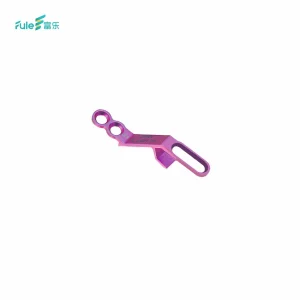
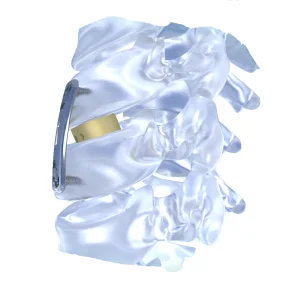
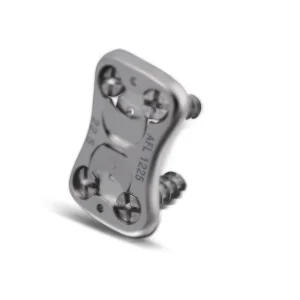
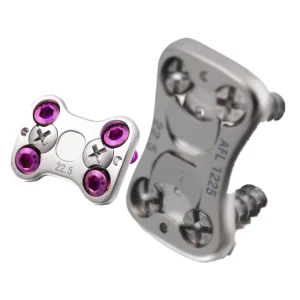
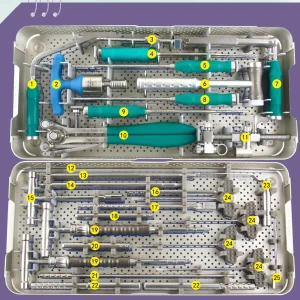
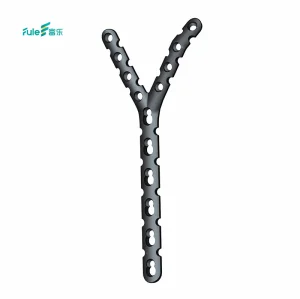
Explore our top-tier surgical implant configurations designed to work in synergy with osteoconductive matrixes and surgical collagen membranes for rapid bone union.
In modern trauma, reconstructive orthopedics, and spinal surgeries, the biological synergy between soft-tissue healing biomaterials and hard-tissue structural implants is paramount. As a leading voice in Chinese medical device manufacturing, we recognize that titanium plate fixation, pedicle screws, and cervical fusion cages only provide the mechanical scaffolding necessary for immediate stabilization. The ultimate long-term clinical success relies heavily on accelerating the biological process of osteogenesis and tissue integration.
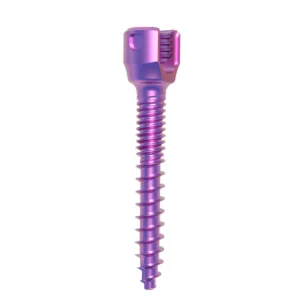
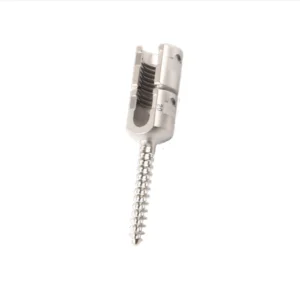
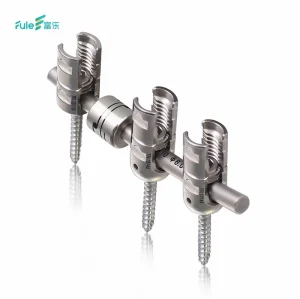
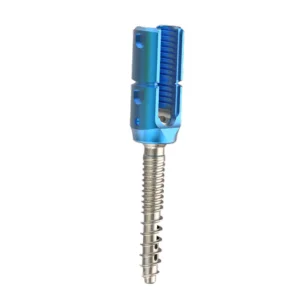
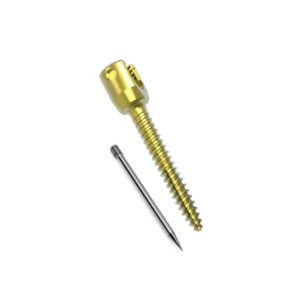
Surgical Collagen stands at the forefront of this biological revolution. By offering highly purified, biocompatible type I and type III collagen membranes and matrices, surgeons can dramatically reduce surgical site infection rates, control localized bleeding, and guide osteogenesis. When paired with high-precision implants (such as the Cervical Interbody Fusion Cage or the Polyaxial Spine Titanium Pedicle Screws), medical-grade surgical collagen acts as a vital carrier for osteoconductive minerals, localized bone grafts, and bone morphogenetic proteins (BMPs).
Utilizing state-of-the-art enzymatic cleavage and telopeptide extraction protocols to ensure absolute minimal immunogenicity. Highly suited for global regulatory approvals including NMPA, FDA, and EU MDR.
Designed as a complementary structural substrate for titanium spinal hardware. Our biocompatible matrices facilitate rapid cell attachment, speeding up the patient's postoperative healing phase.
Advanced cross-linking technologies enable precise control over the absorption timeline, matching the cellular remodeling rate of native human tissue for flawless anatomical restoration.
The international market for surgical-grade collagen has witnessed exponential growth due to an aging global population, rising sports injuries, and a paradigm shift toward minimally invasive clinical techniques. Historically, American and European multinationals dominated the biomaterials export landscape. Today, Chinese medical manufacturers have risen as premier global exporters, leveraging massive investments in biomedical R&D, strict compliance with GMP standards, and unmatched vertical supply chain integration.
By synthesizing tissue repair materials in state-of-the-art cleanrooms alongside advanced mechanical orthopedic implants, Chinese factories offer an integrated medical portfolio. This unique approach allows hospitals, healthcare systems, and B2B distributors to consolidate their procurement paths. Instead of sourcing titanium hardware and bio-absorbable membranes separately, global buyers now acquire comprehensive systems from a unified, ISO-certified, and CE-marked manufacturer.
Years Industry & Export Experience
Advanced Production & Testing Machines
New Innovations Launched Annually
Dedicated QA/QC Expert Auditors
Different regions present unique clinical challenges. For instance, in European and North American markets where geriatric reconstructive procedures dominate, the primary clinical focus is on mitigating the risks of osteoporosis-related implant failure. In rapidly expanding Southeast Asian regions, trauma and spinal decompression surgeries are common, demanding cost-effective, high-throughput implant systems with minimal complication risks.
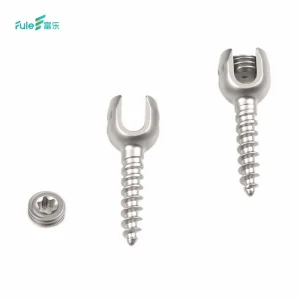
Surgical collagen matrices enriched with autologous bone graft materials are wrapped around the Pedicle Screws & Usmart Spinal Systems. This accelerates the bridging bone growth and stabilizes segment mobility.
When performing open-door laminoplasty using titanium systems, surgical collagen membranes serve as biological barriers preventing muscle adhesion and dural scarring post-decompression.
High-porosity collagen sponges are deployed directly to control bleeding in orthopedic oncology or trauma reconstruction where conventional ligation is anatomically challenging.
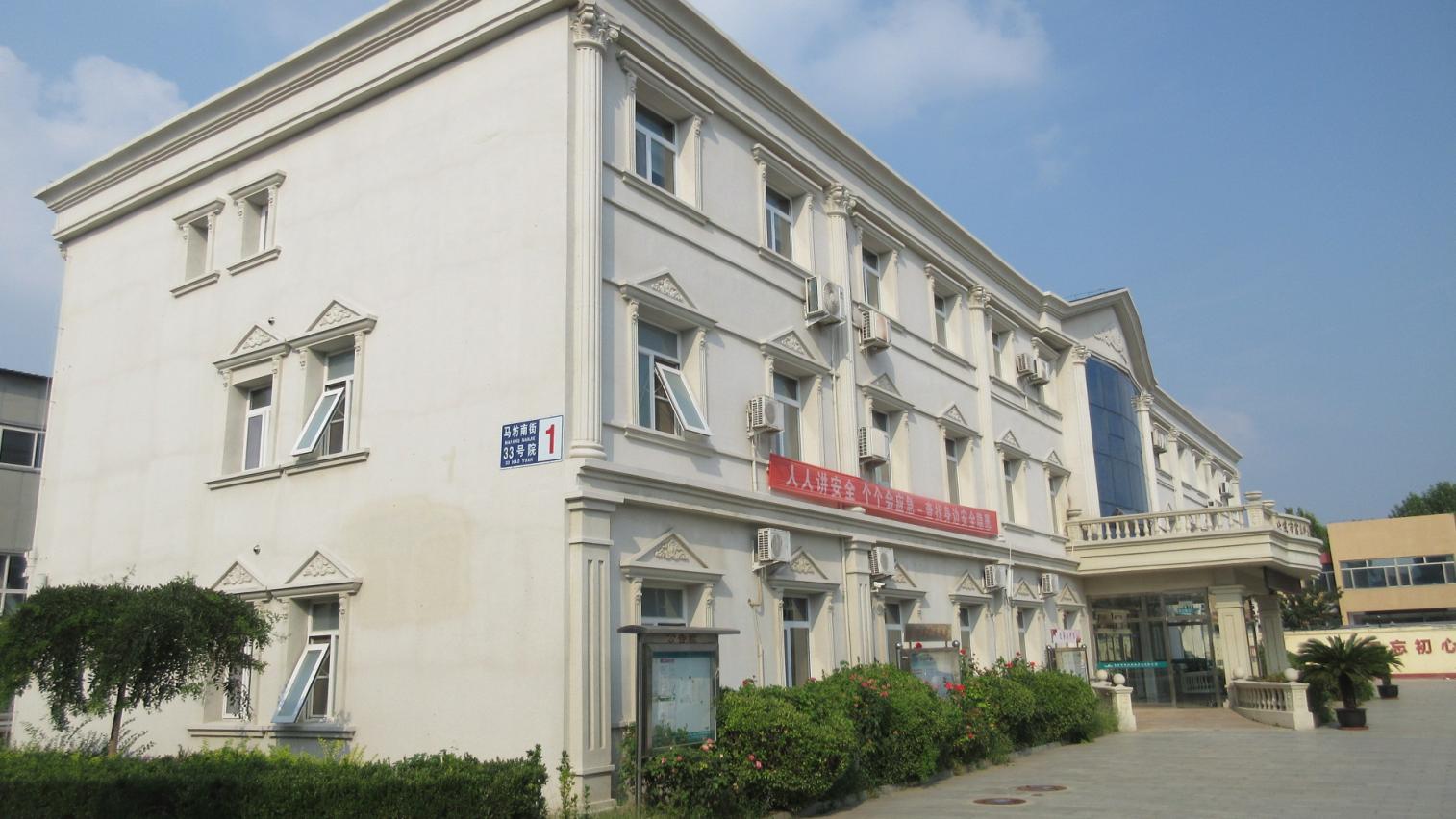
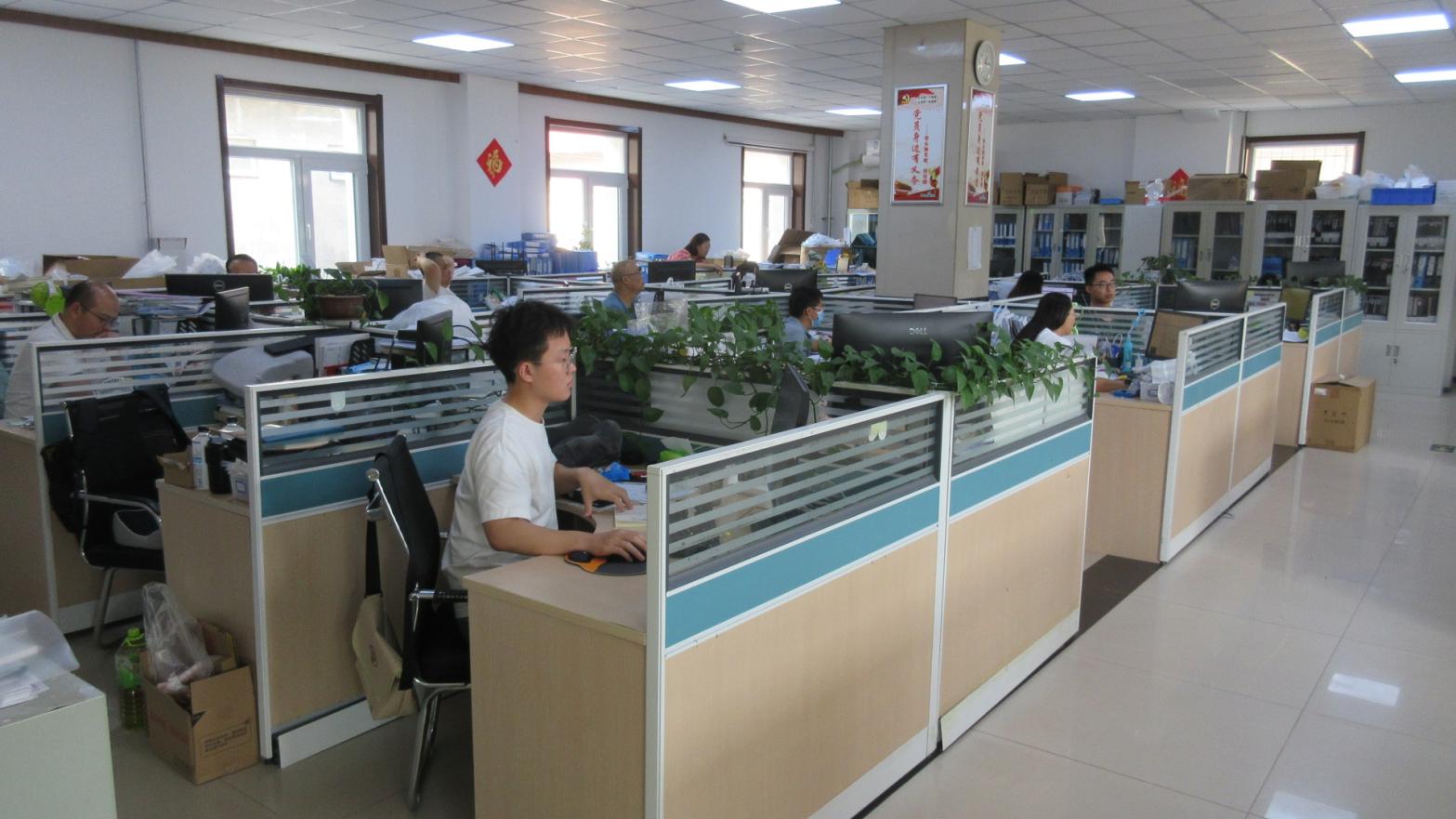
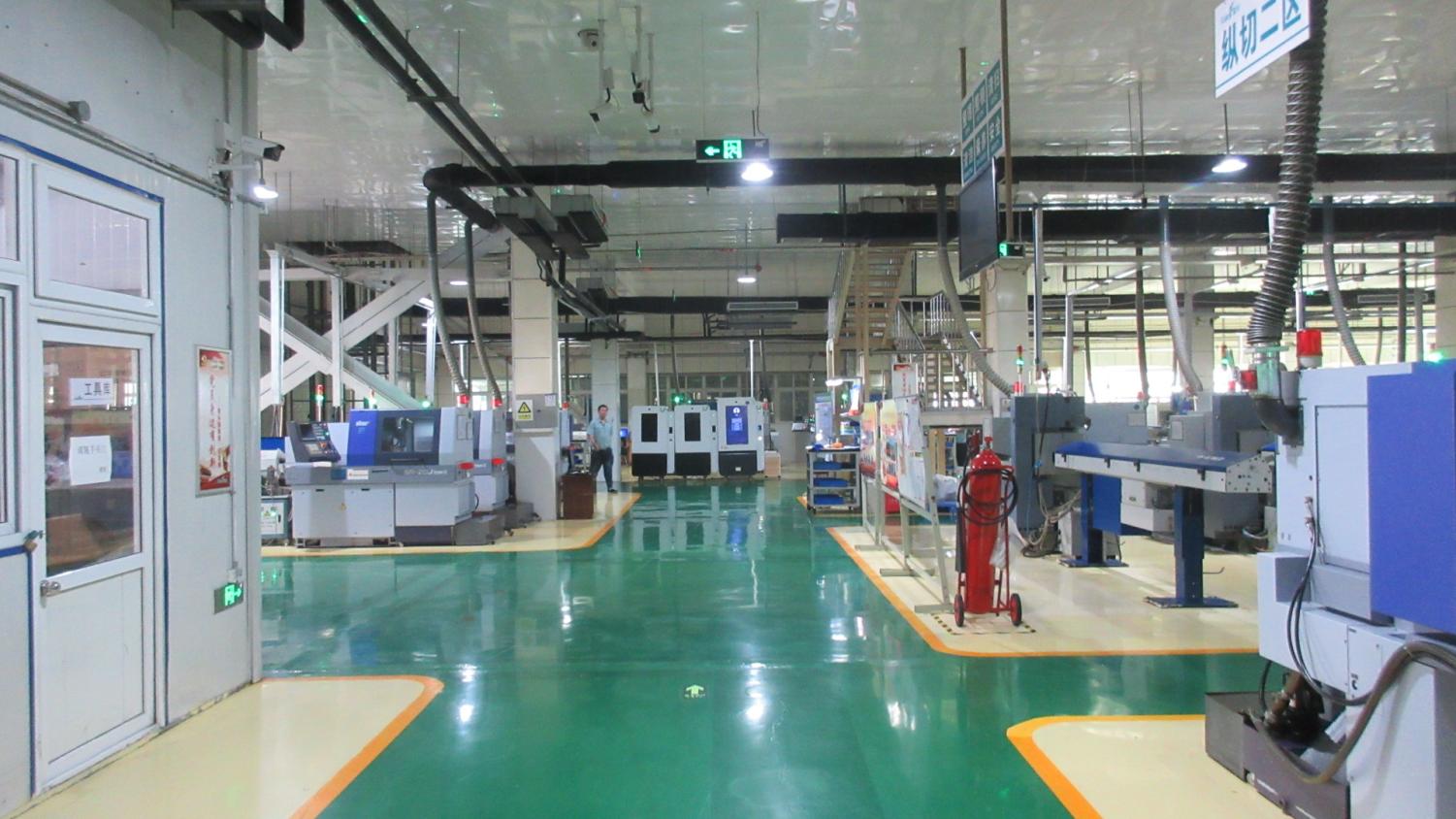
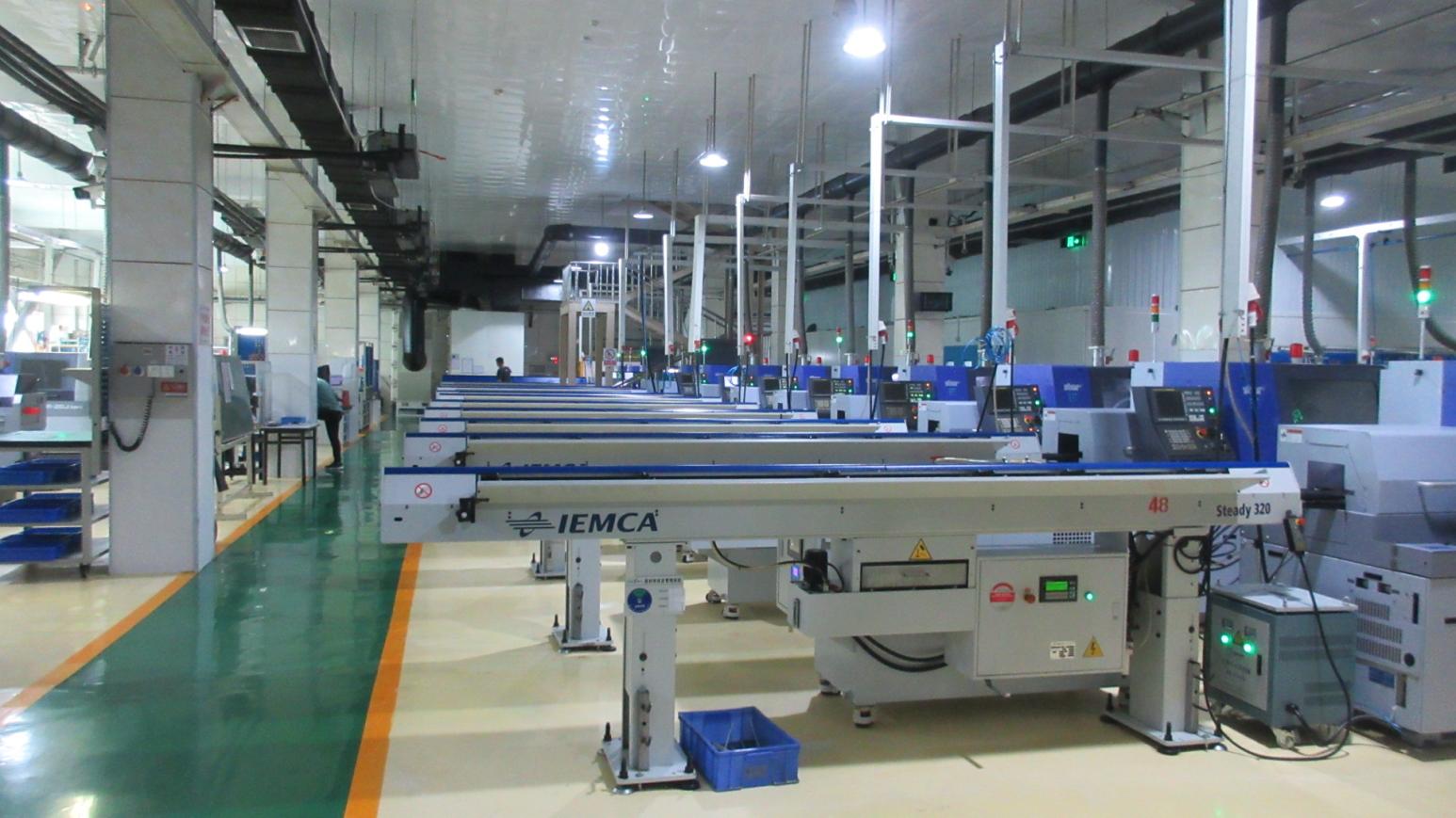
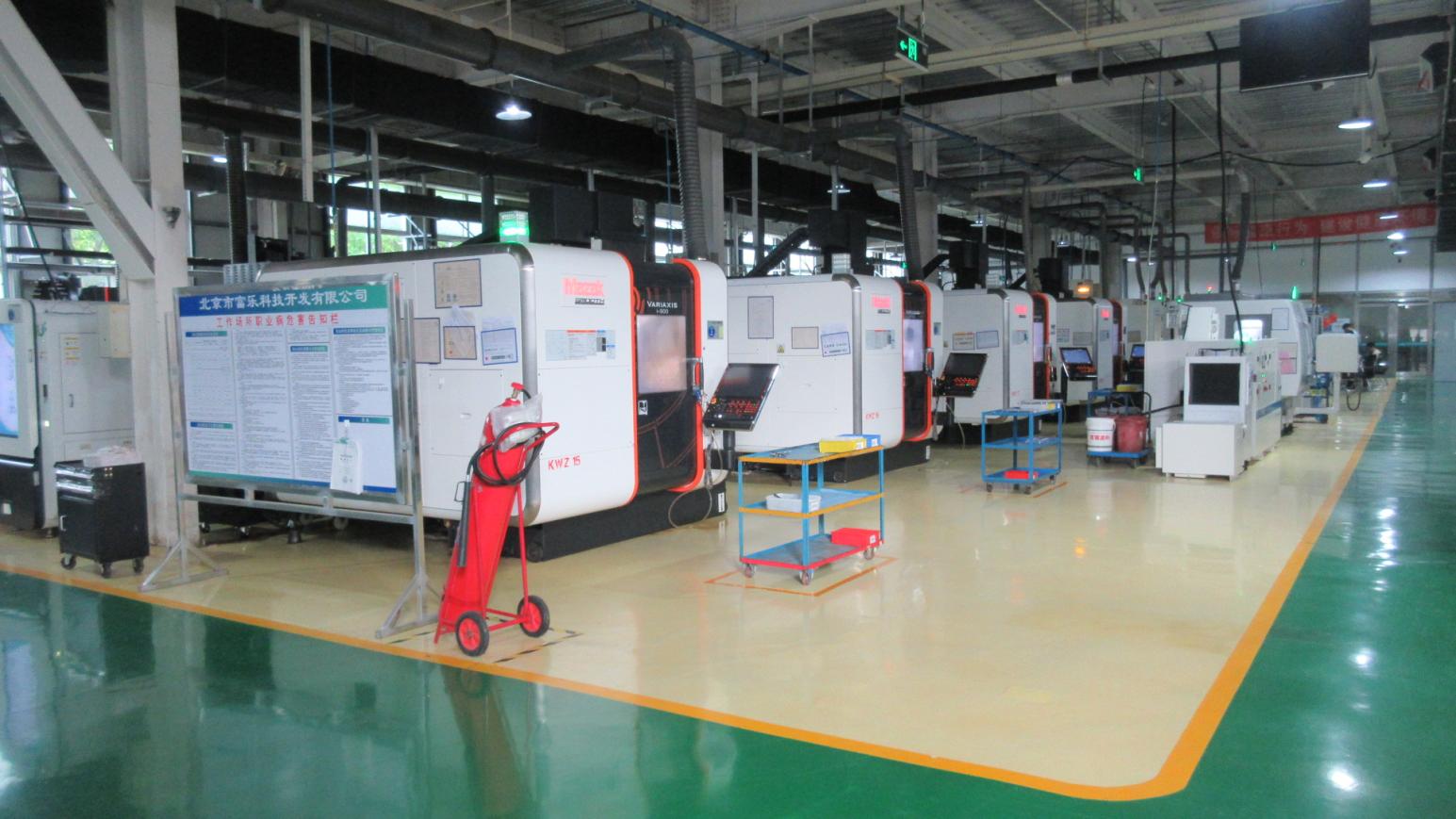
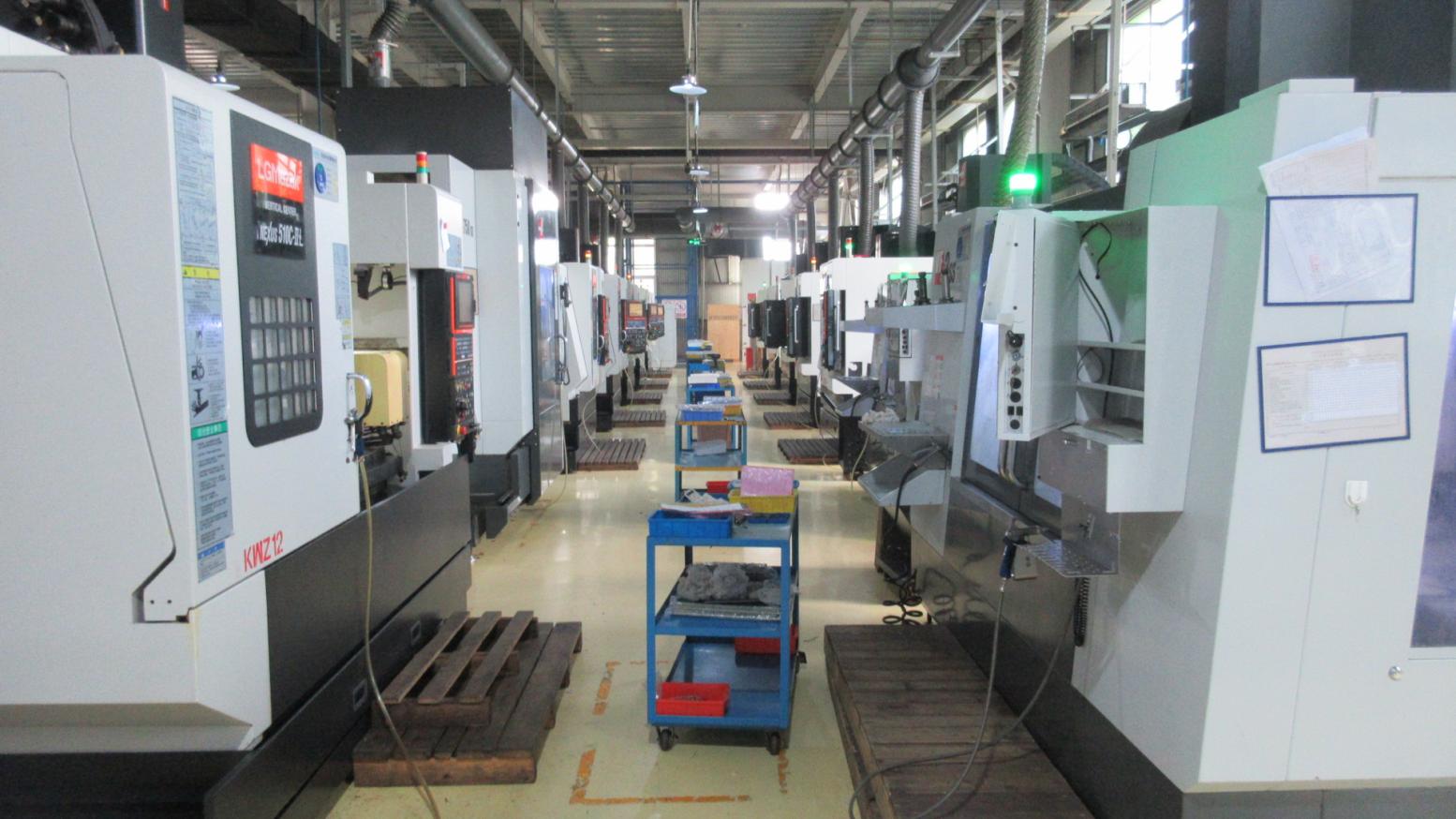
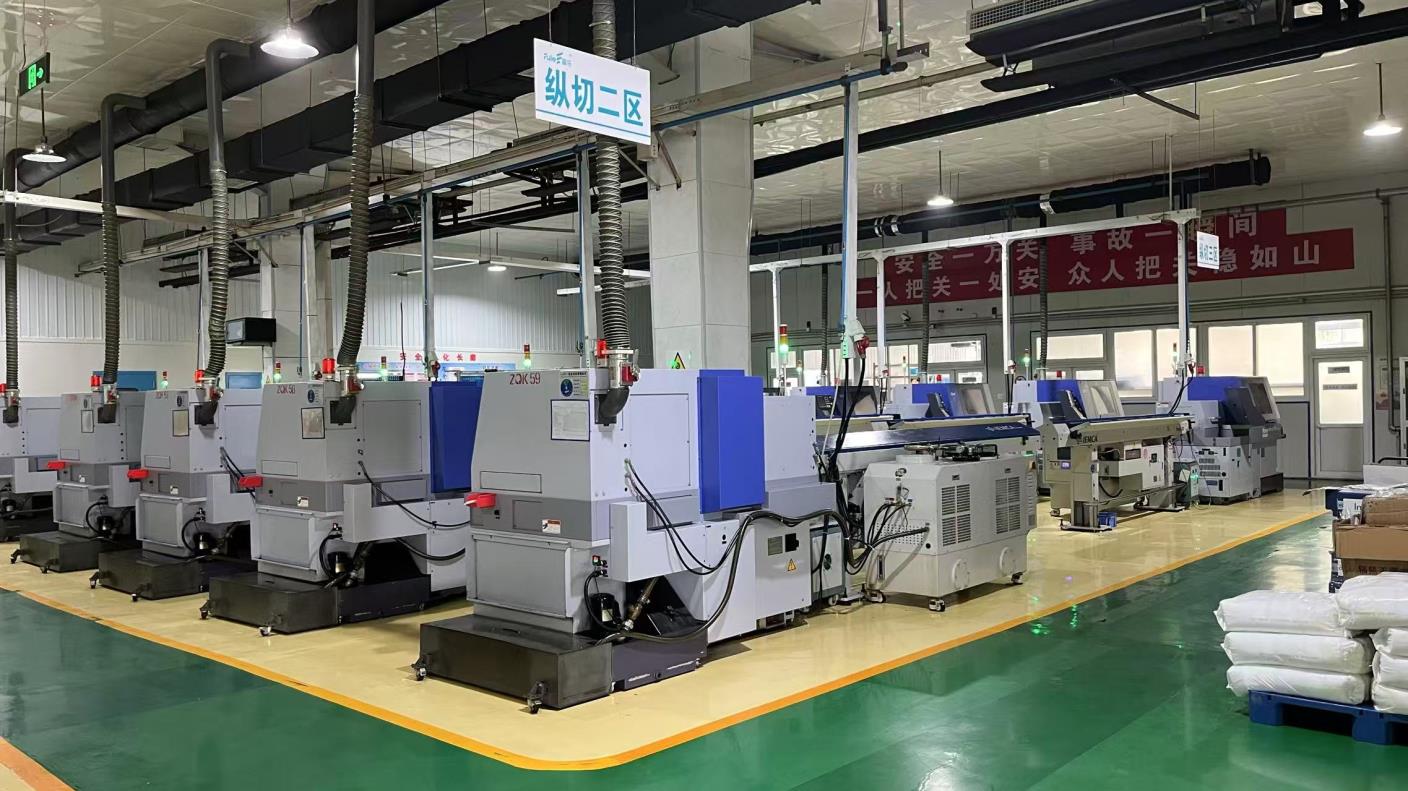
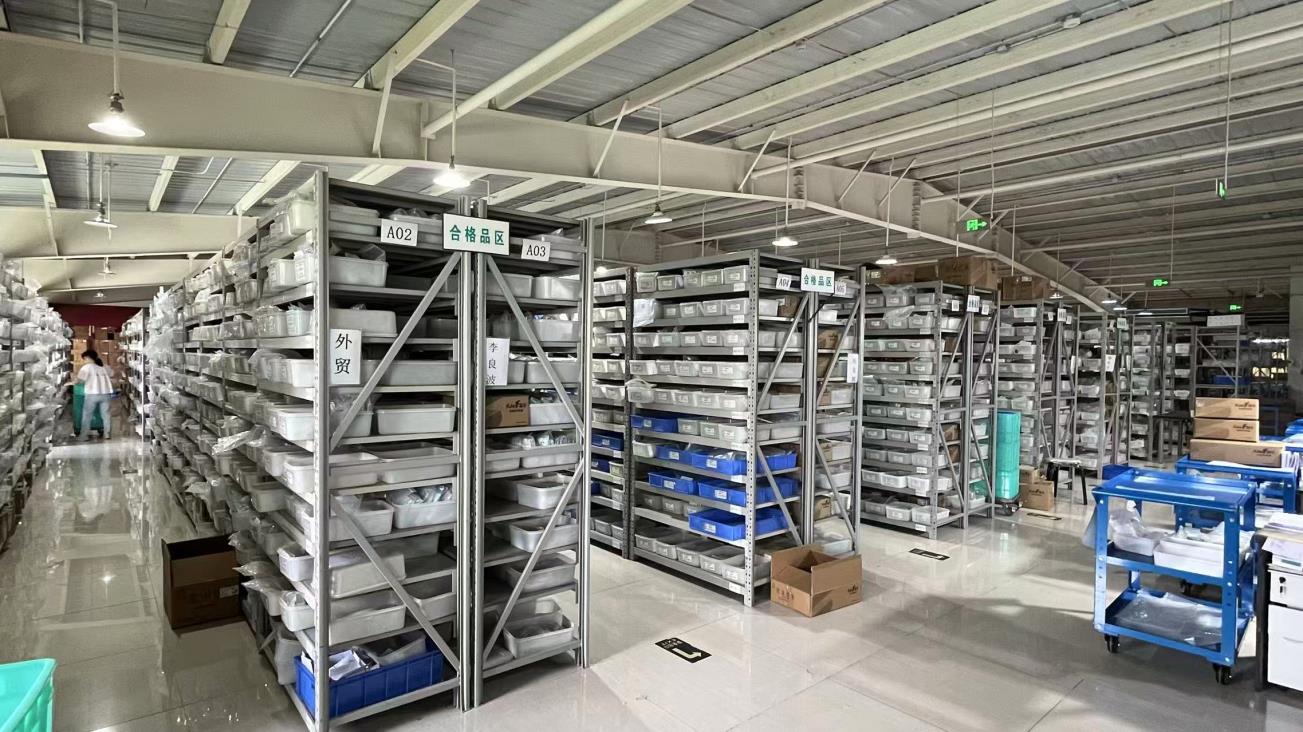
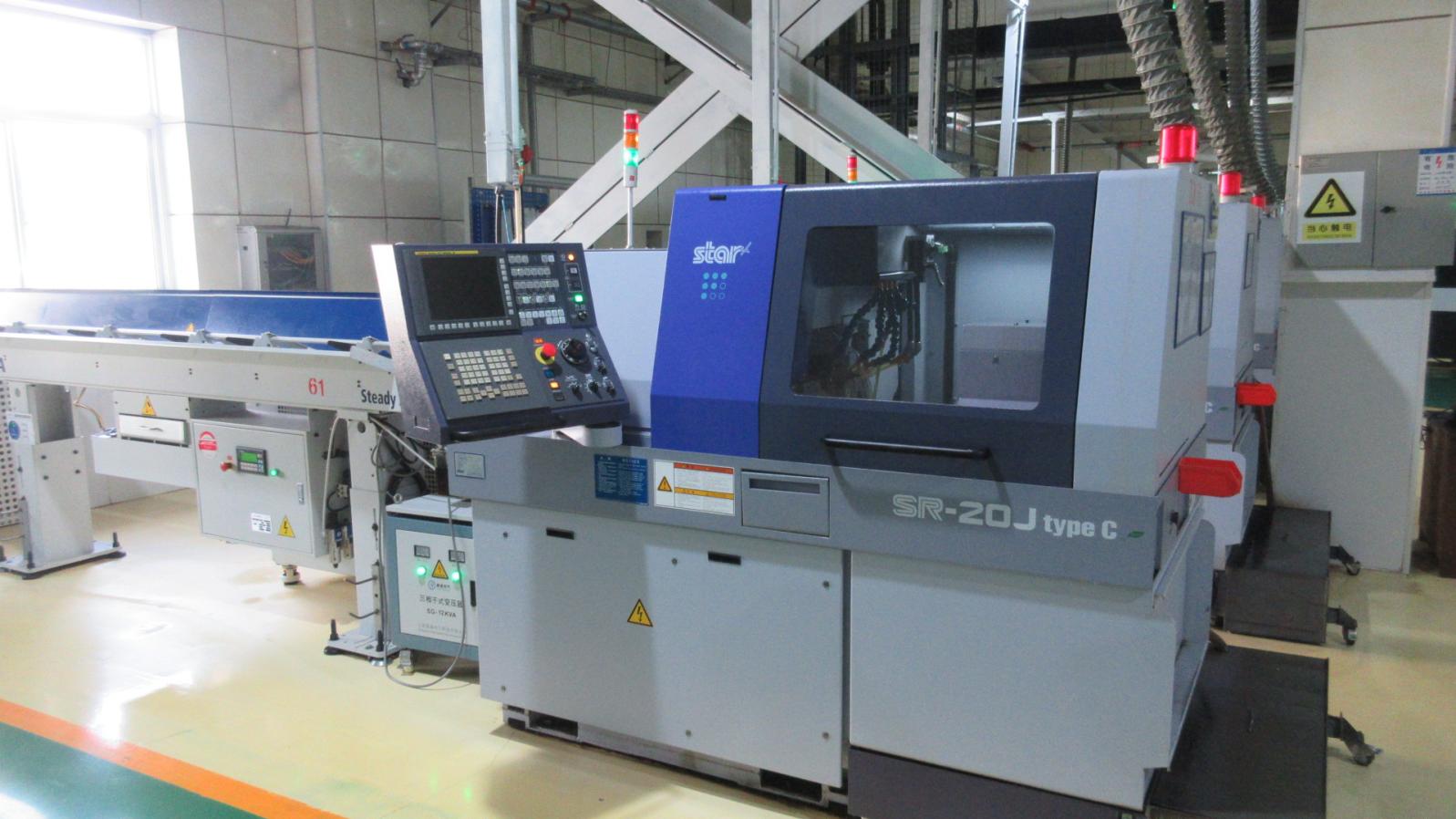
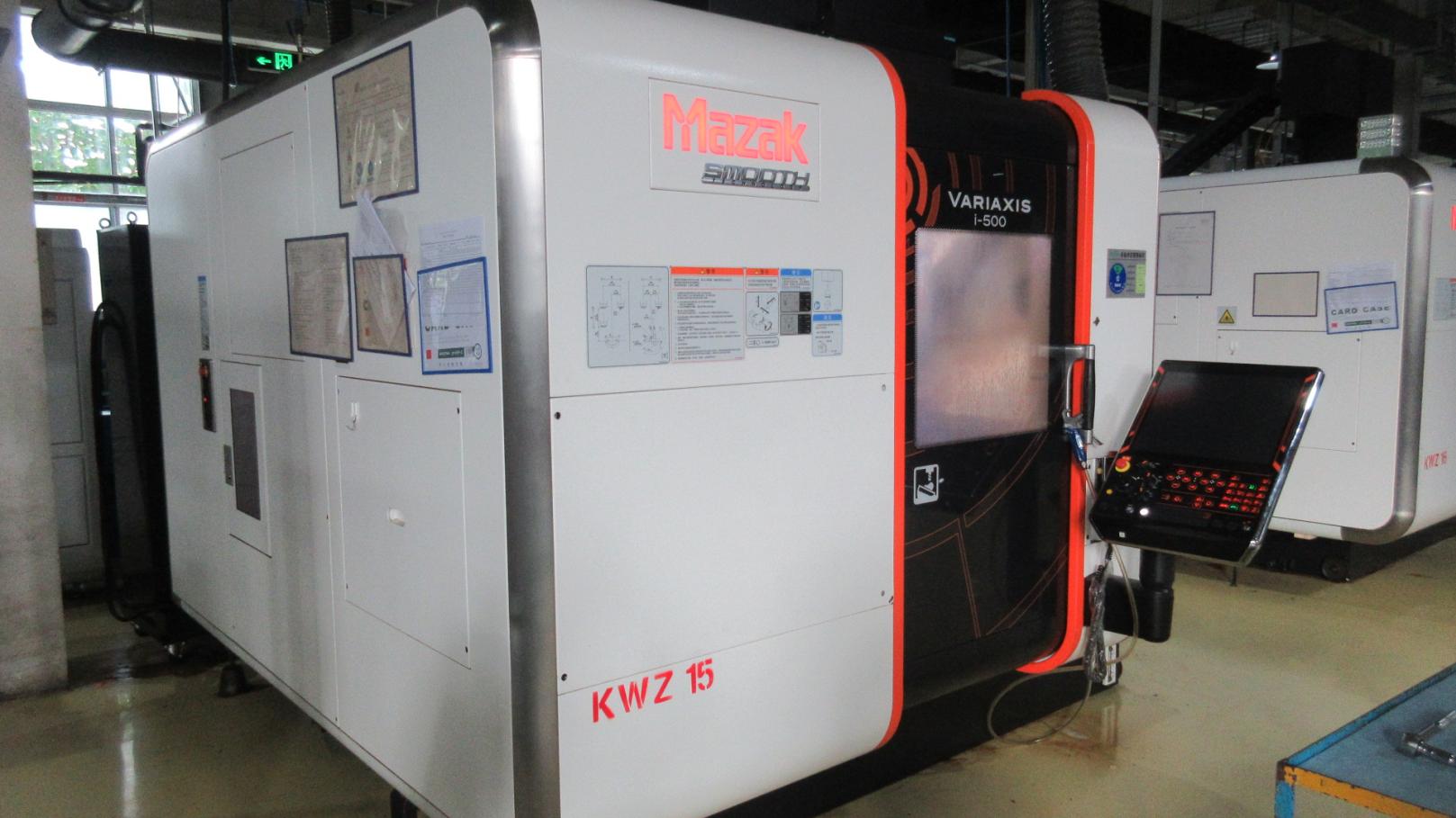
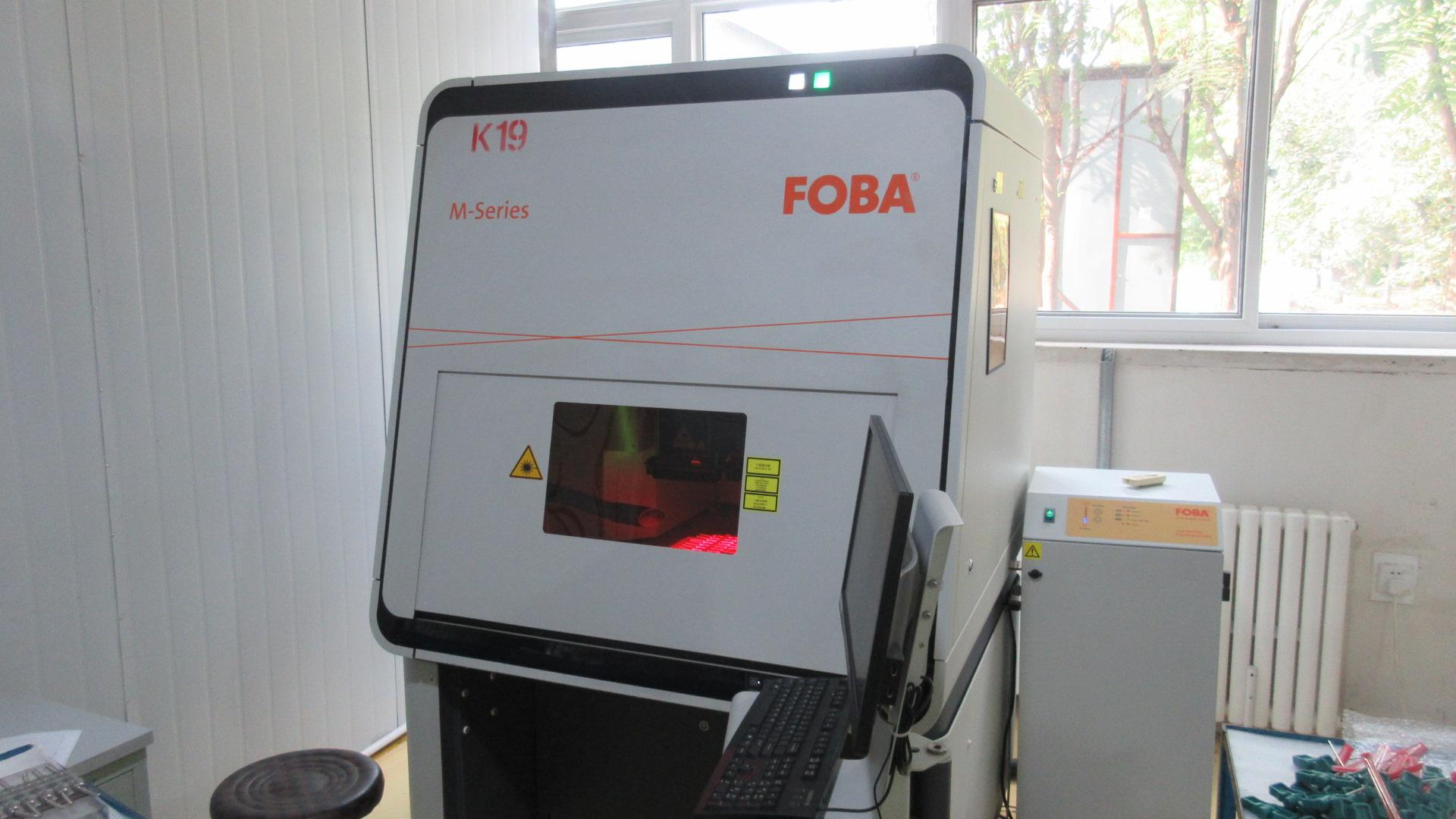
Established in 1996, our medical device and biomaterials plant operates under rigid quality protocols. Spanning 10,000 square meters of production floor, the facility utilizes specialized testing and processing machinery to deliver reliable surgical hardware and biological matrices. We execute a 100% inspection protocol across every production line, supported by 15 full-time QA/QC inspectors.
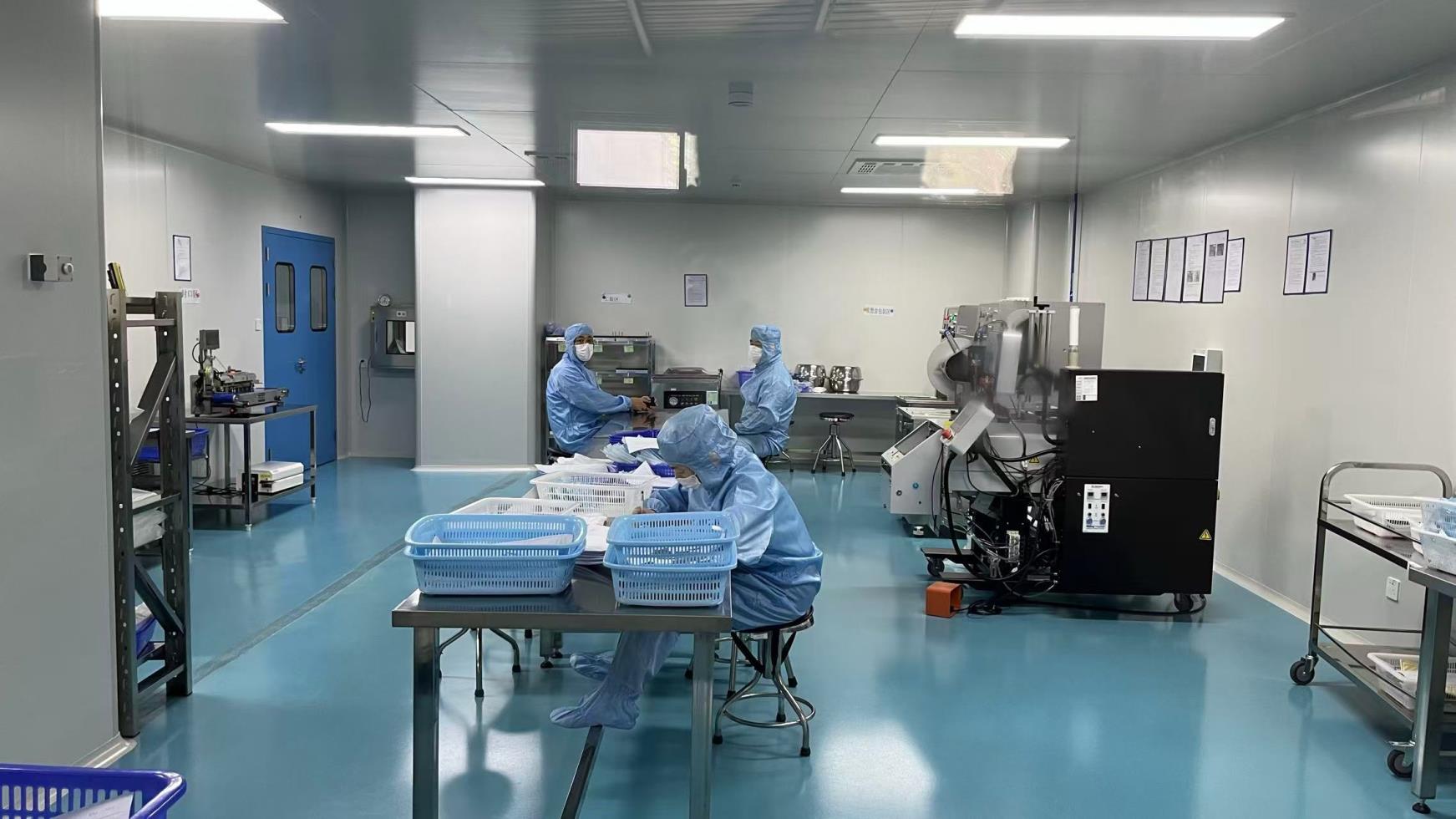
Transparent visual proof of our sterile packaging lines, advanced CNC metalworking equipment, cleanrooms, and testing facilities. Rest assured of our 30-year medical manufacturing heritage.
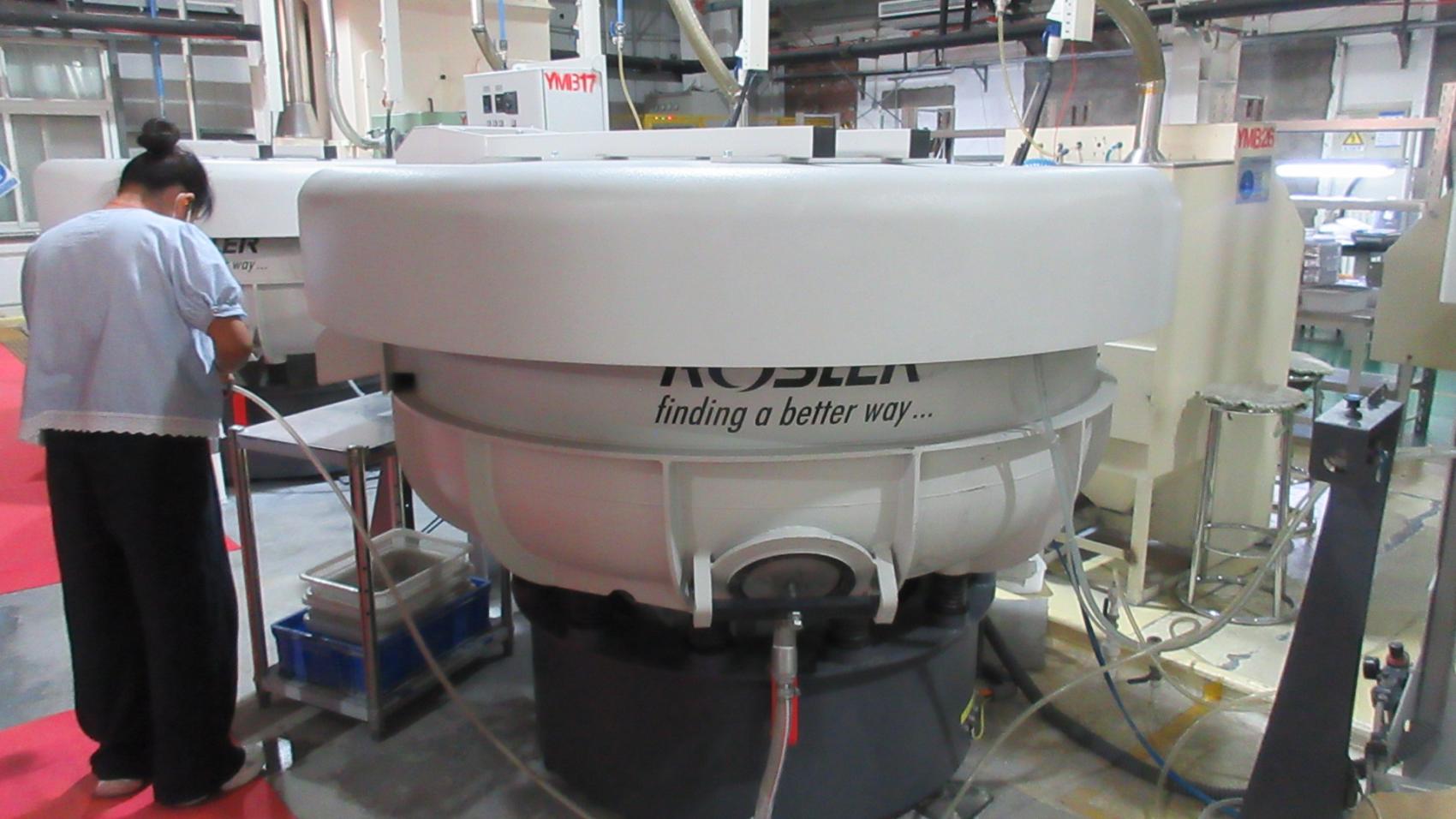
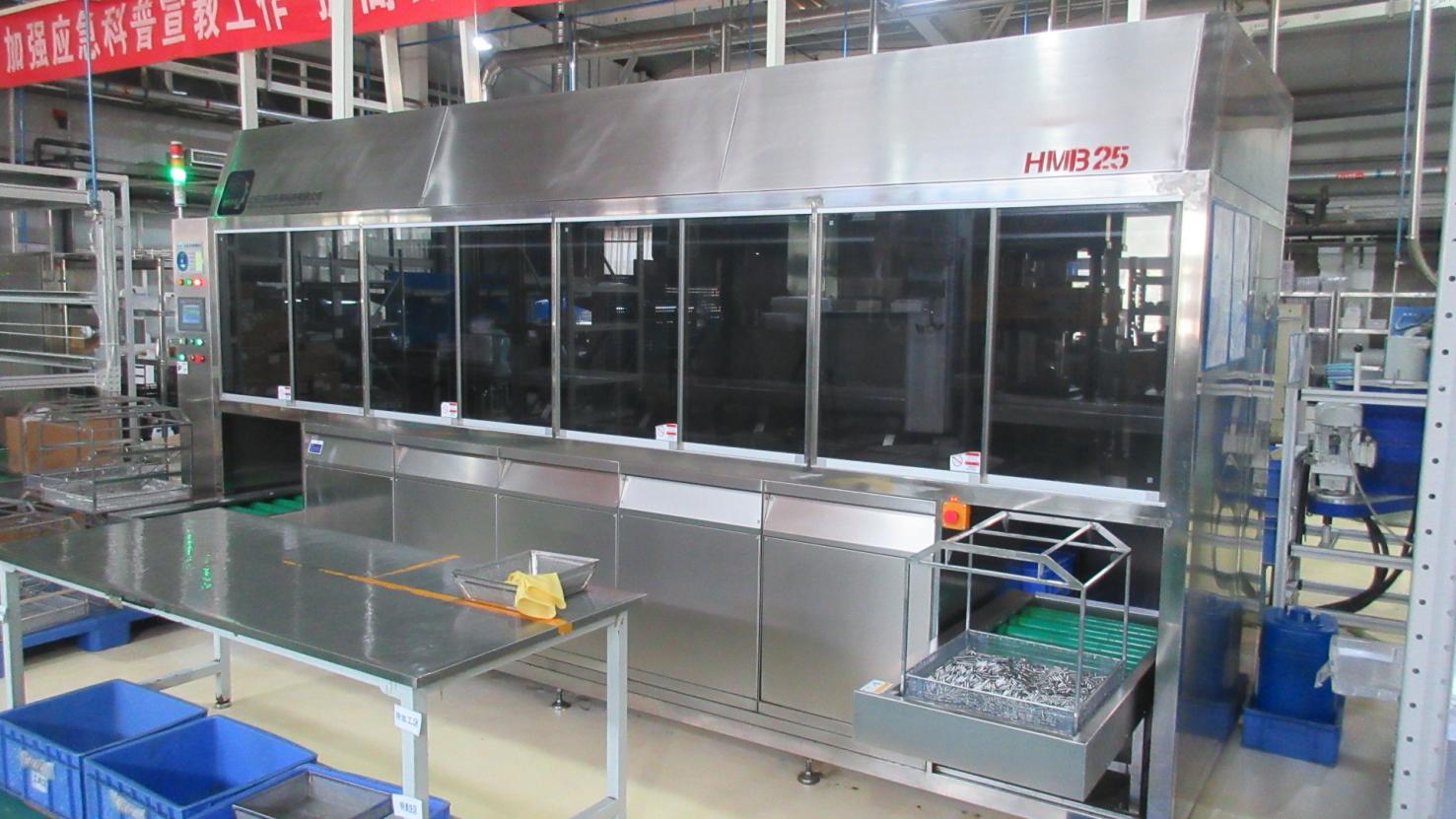
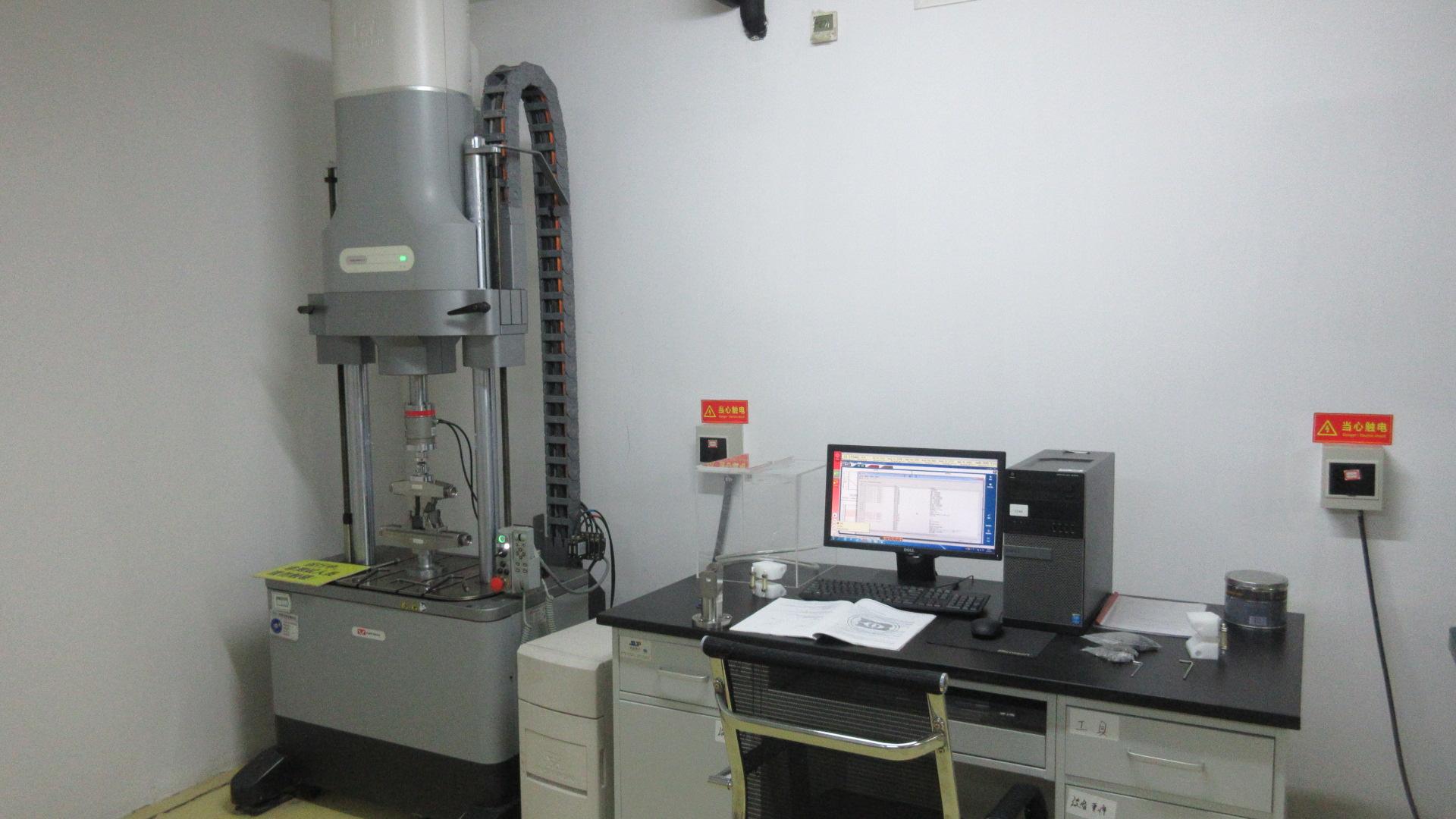
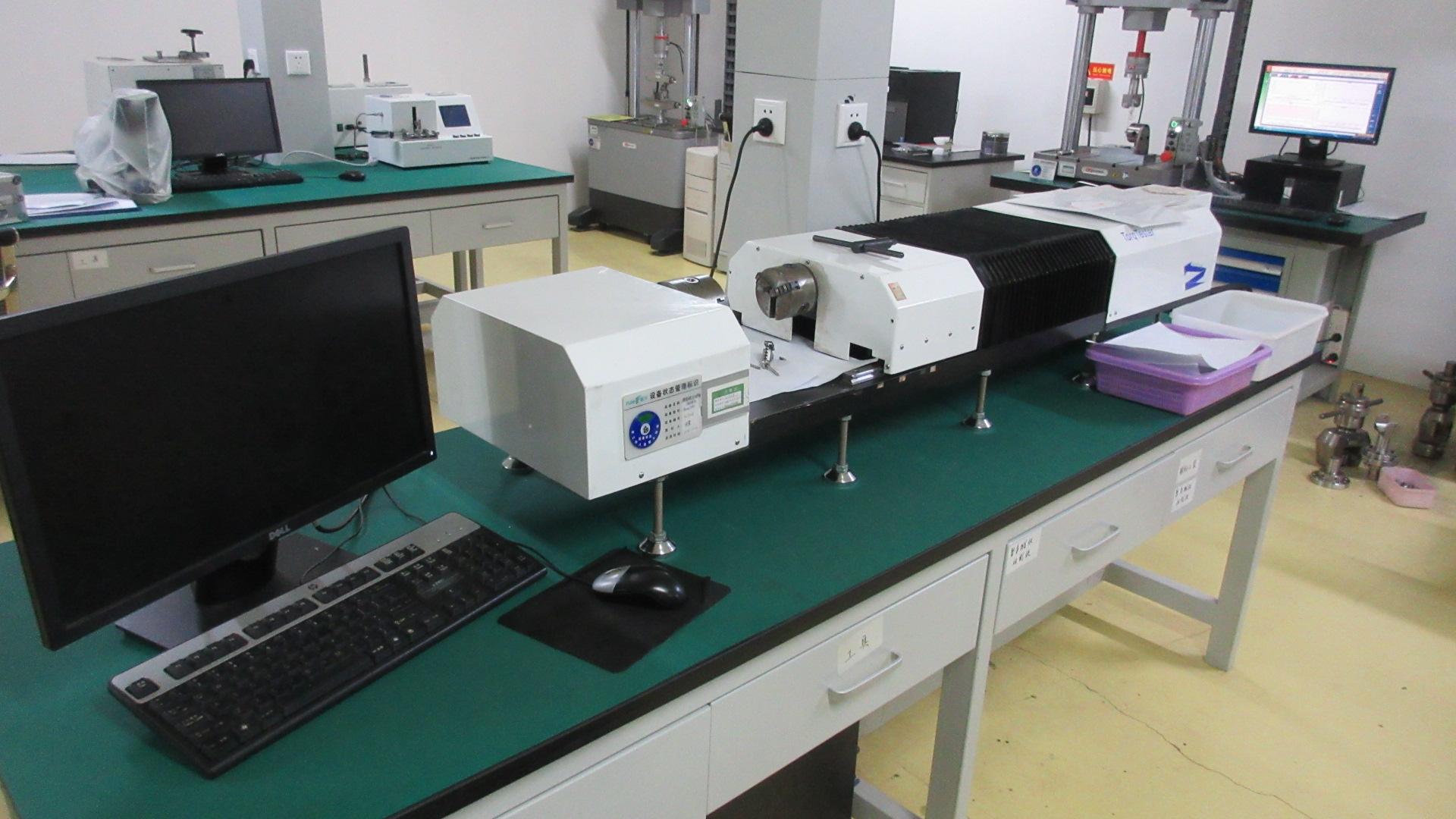
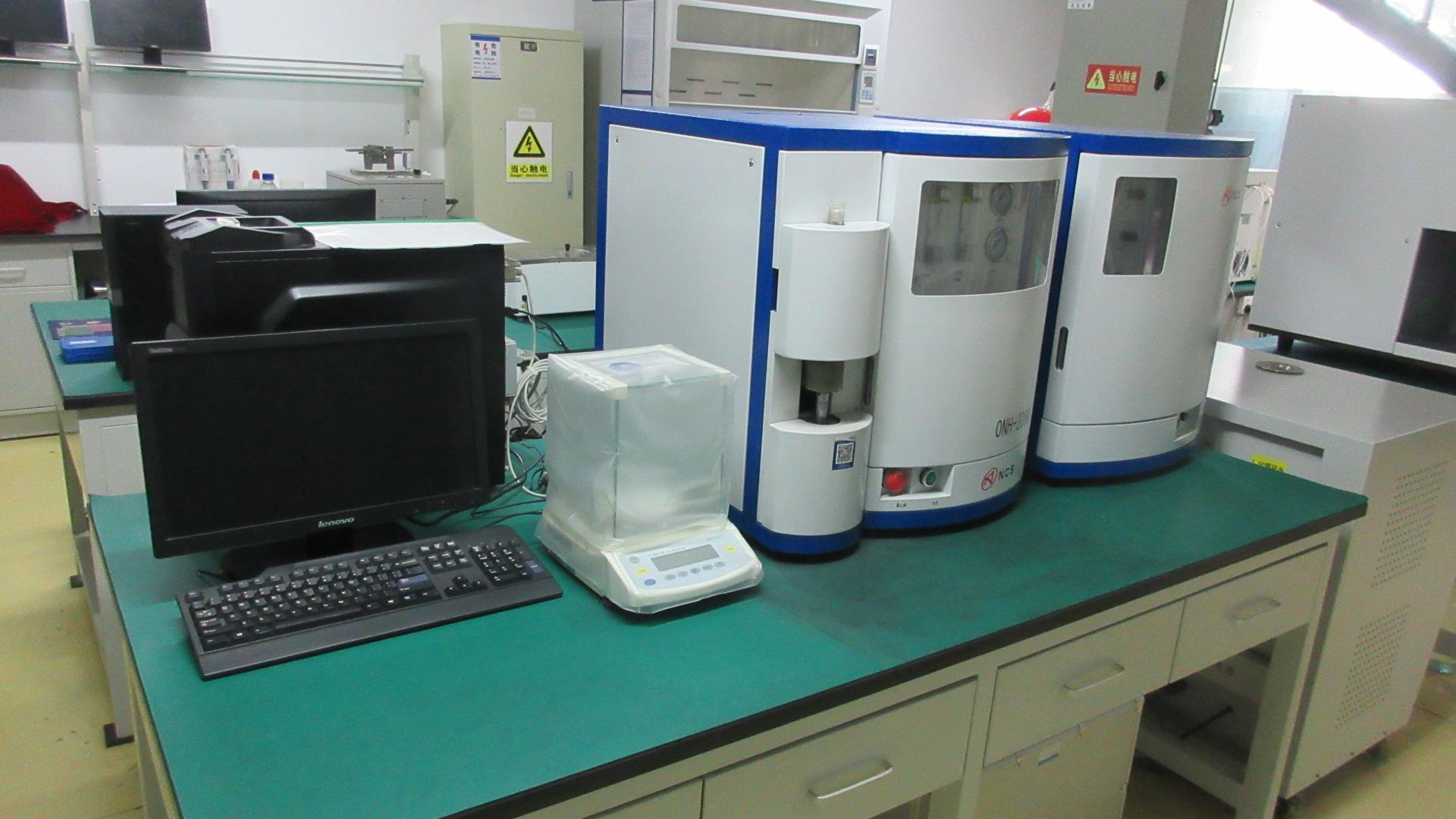
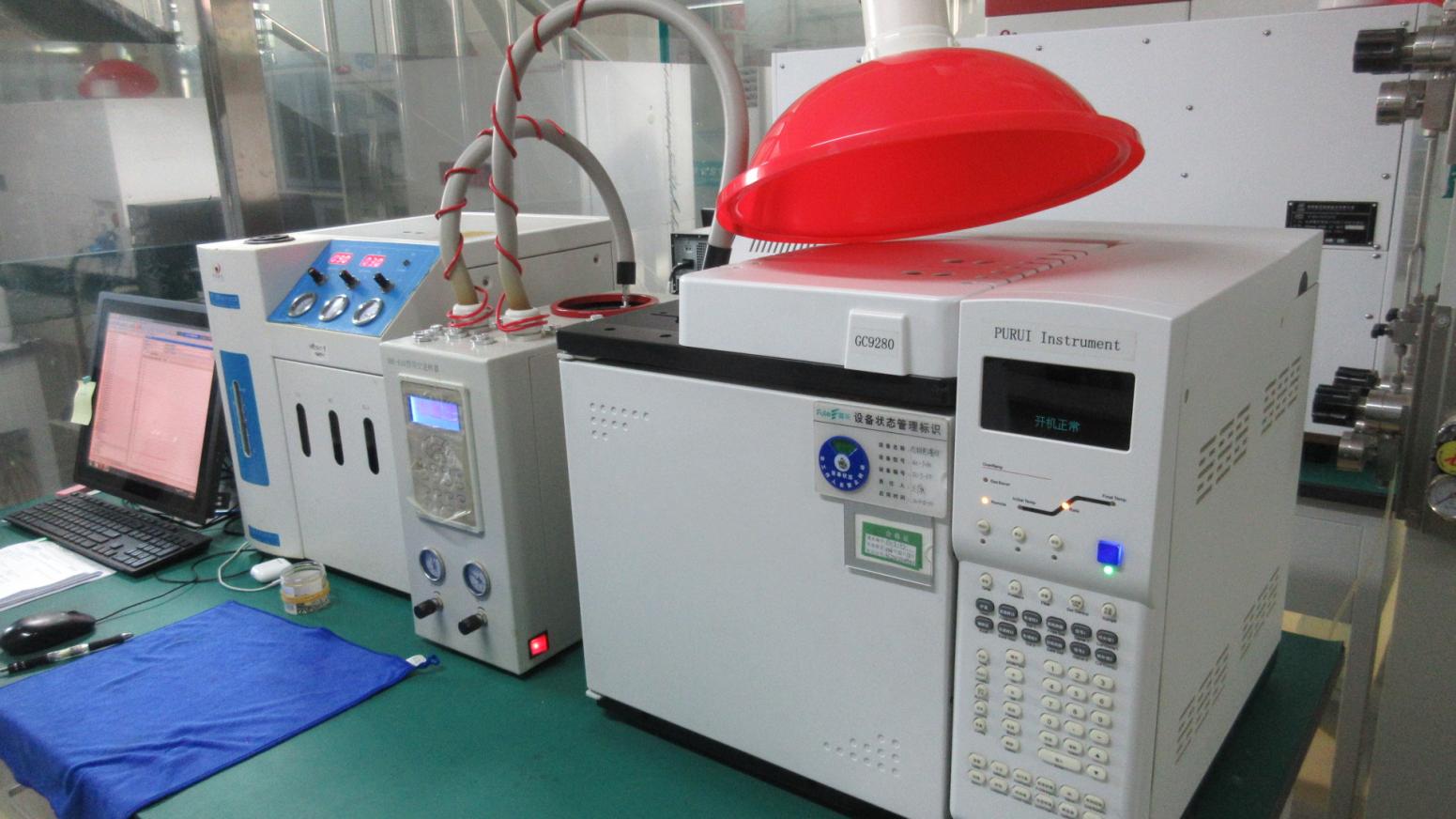
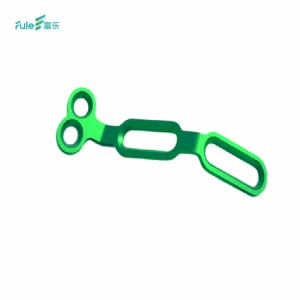
Distributing high-risk medical implants globally requires deep regulatory alignment. Every piece of surgical collagen, PEEK spinal cage, and titanium alloy locking plate exported from our facility complies strictly with harmonized international standards. Because of this dedication, our systems transition seamlessly into the clinical registration channels of diverse countries.
Certified under ISO 13485 (Audit Ref: 04724Q10000818), establishing structured tracking of raw materials and meticulous validation records for sterile processing.
Ensuring that device files, clinical evaluation documents (CER), and biocompatibility assessments (ISO 10993) satisfy modern European Union medical device standards.
Utilizing validated ETO (Ethylene Oxide) or Gamma Irradiation cycles, confirming a Sterility Assurance Level (SAL) of 10⁻⁶ for patient safety.
As a forward-looking OEM partner, we continuously track the progression of modern biomaterials. The surgical collagen industry is transitioning from animal-derived tissues (bovine, porcine) to synthetic, genetic-expression platforms. Recombinant Humanized Collagen (rhCollagen) represents the next frontier of clinical care.
Our research labs are refining the application of rhCollagen coatings onto 3D-printed porous titanium implants. This technology bridges the gap between metal and tissue, allowing cells to colonize the implant surface immediately. Ultimately, this approach will decrease the incidence of aseptic loosening, simplify revision surgeries, and provide robust mechanical structures that bond directly with the human skeleton.
Answers to technical and regulatory queries from clinical procurement officers, bio-design engineers, and global medical distributors.
PEEK and Titanium provide immediate mechanical stability (primary fixation). However, they are inherently bio-inert. Surgical collagen membranes or bone graft matrices introduce biological signals (secondary fixation), speeding osteogenesis and ensuring long-term fusion across the motion segment.
Our facilities are audited and certified to ISO 13485 (Registration No. 04724Q10000818). This demonstrates that our biological products, implants, and trauma systems comply with global quality management system requirements for medical devices.
Yes, we provide extensive custom engineering, including graphic and sample processing, allowing global distributors to localize our products under their proprietary brands while utilizing our validated regulatory documents.
We utilize a 100% sterile inspection protocol. Manufacturing occurs within specialized Class 100,000 cleanrooms under strict humidity, pressure, and biological monitoring, followed by validated sterilization methods.
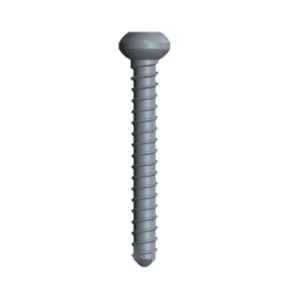
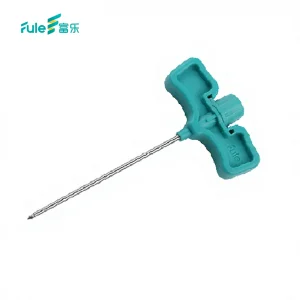
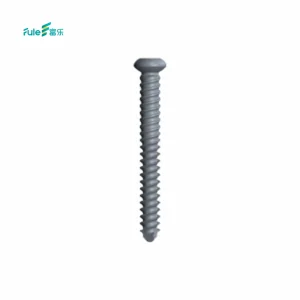
Review our specialized bone-screws, intramedullary nails, and expansion systems optimized for reliable mechanical performance in severe clinical conditions.
 Beren Science & Technology