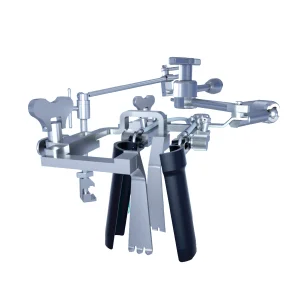
Direct supply from leading smart-manufactured facilities in China. High bio-compatibility and absolute surgical accuracy.
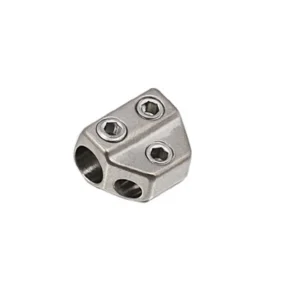
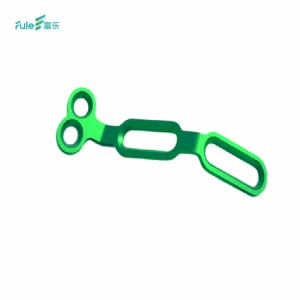
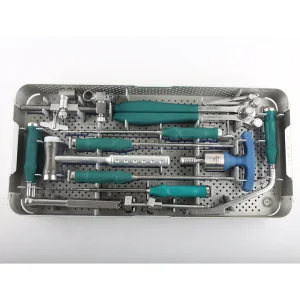
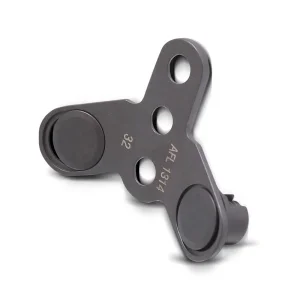
The global orthopedic and trauma surgery landscape demands absolute zero-defect manufacturing. Under the Usmart Intelligent Factory standard, orthopedic medical implants undergo transition from classic manual milling to multi-axis CNC robotics, smart cleanroom setups, and complete digital traceability.
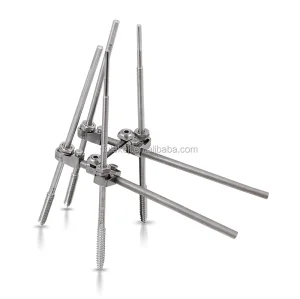
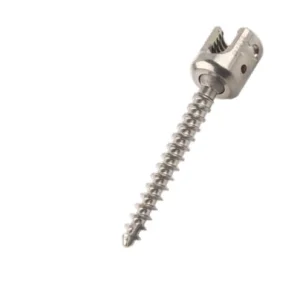
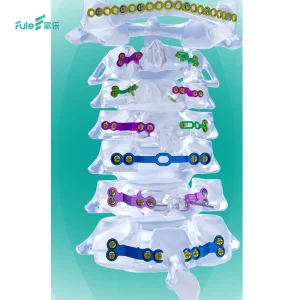
Usmart factories bridge the gap between high clinical demands and production capacities. From the spinal instrumentation configurations (like posterior thoracic rods or pedicle stability screws) to tailored anterior plates, these components must support critical biological loads. By incorporating automated optical measurement, automated thermal monitoring during titanium milling, and automated laser marking, we ensure that every batch meets ASTM and ISO standards for human implantation.
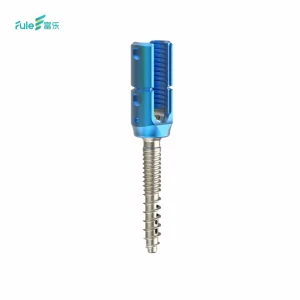
Utilizing high-end CNC lines capable of handling medical-grade titanium (Gr5 ELI) to achieve tolerances within ±0.005mm. Ideal for complex threads on spinal pedicle screws.
Strict environmental management matching ISO Class 7 standards. All Class III implants undergo final ultrasonic clearing, drying, and sterile packing under certified protocols.
Why Tier-1 medical buyers and global distributors partner with Chinese Usmart factories for their high-stakes surgical supply chains.
From sourcing raw medical-grade titanium bars to physical surface treatment (anodization, sandblasting) and mechanical validation, everything happens under one ecosystem, reducing lead times by up to 40%.
Employing ISO 13485 guidelines, every single spinal fixation system component or instrumentation set undergoes 100% optical inspection and mechanical stress tolerance analysis, backed by ISO13485 credentials.
Large manufacturing output allows factories to lower unit costs without sacrificing precision. This optimizes budget usage for global hospitals and procurement partners.
Empirical proof of our industrial excellence and supply capacity.
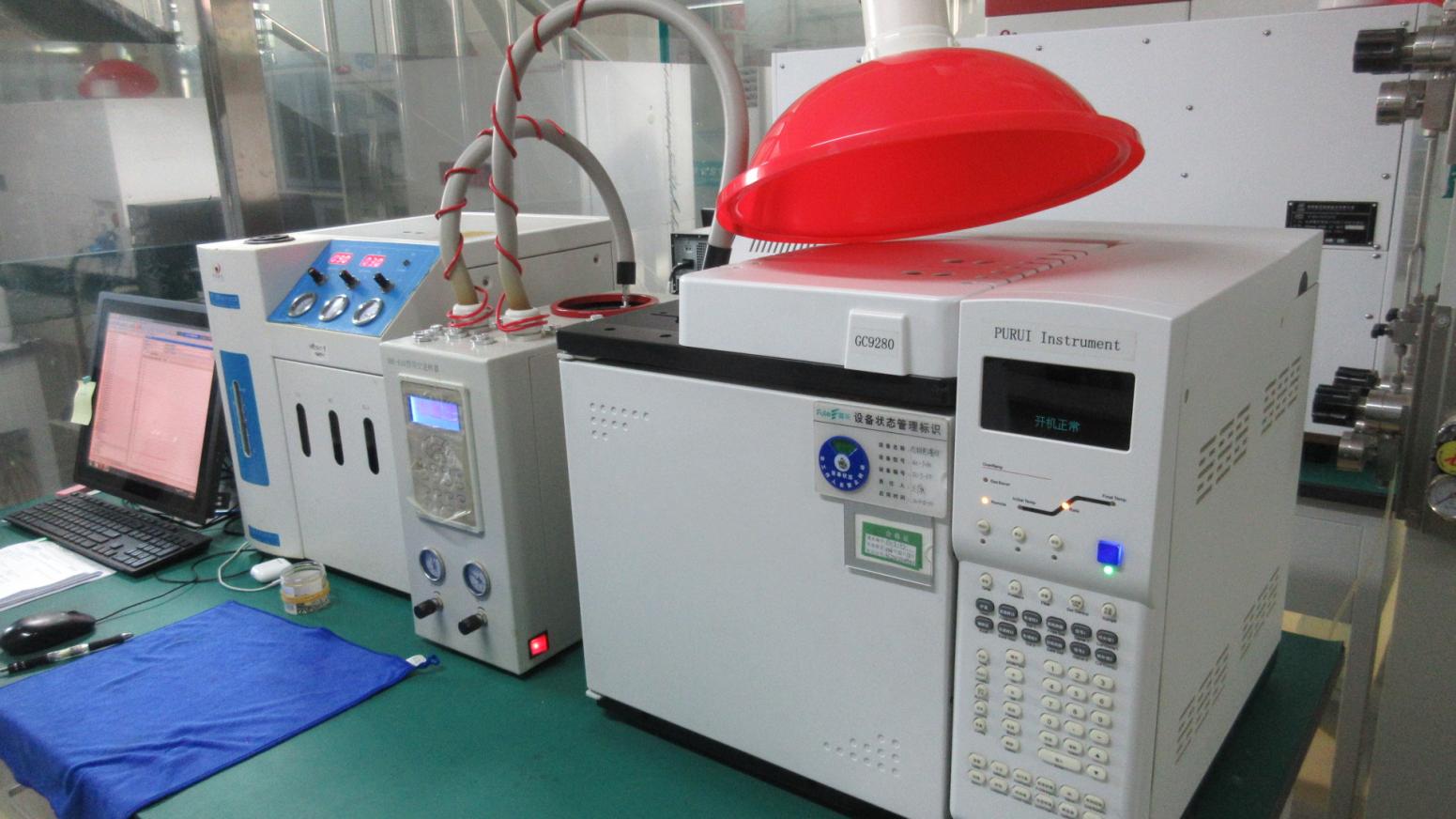
A look inside our advanced ISO Class 7 cleanrooms, testing labs, and high-precision CNC manufacturing facilities.
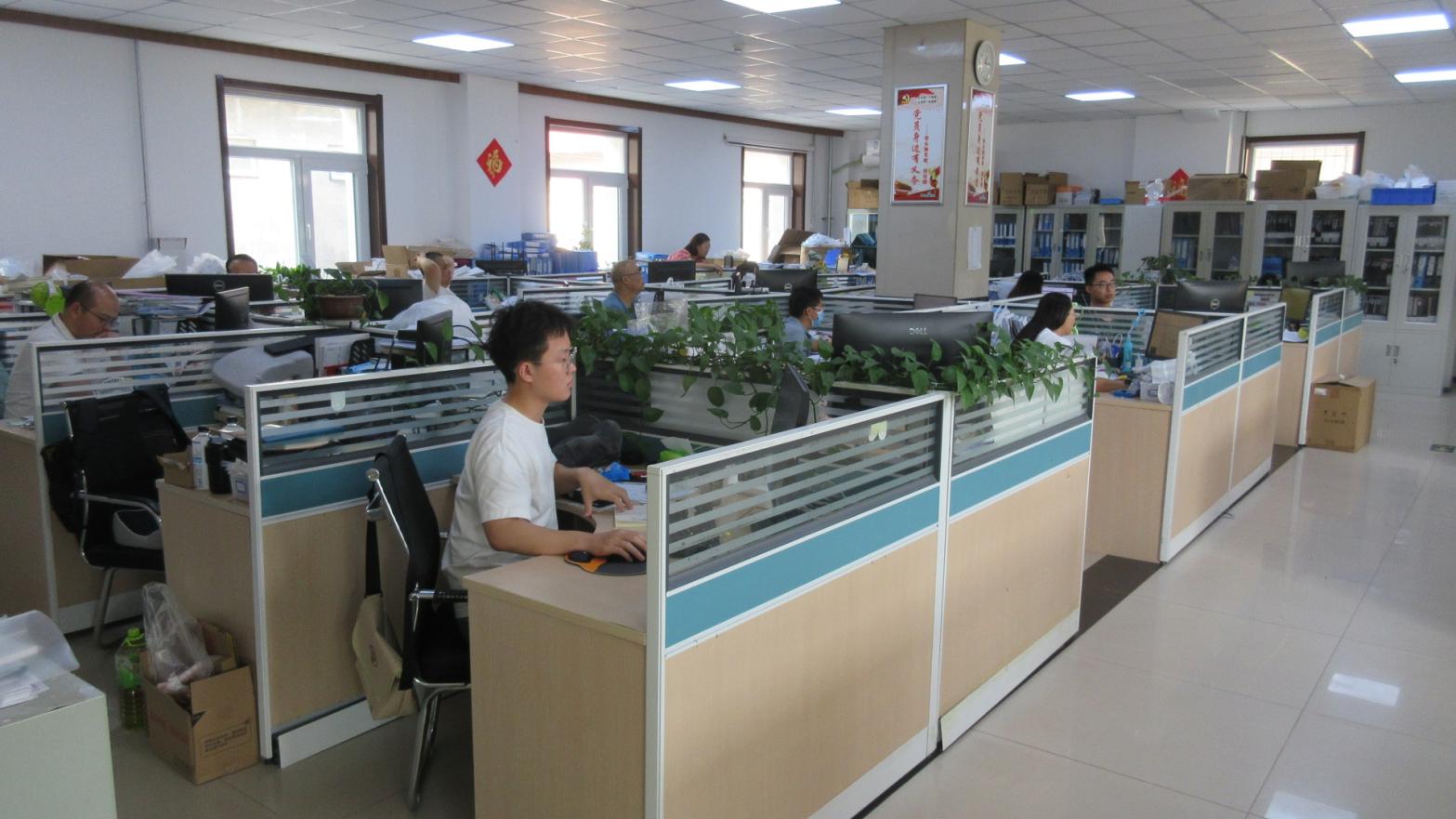
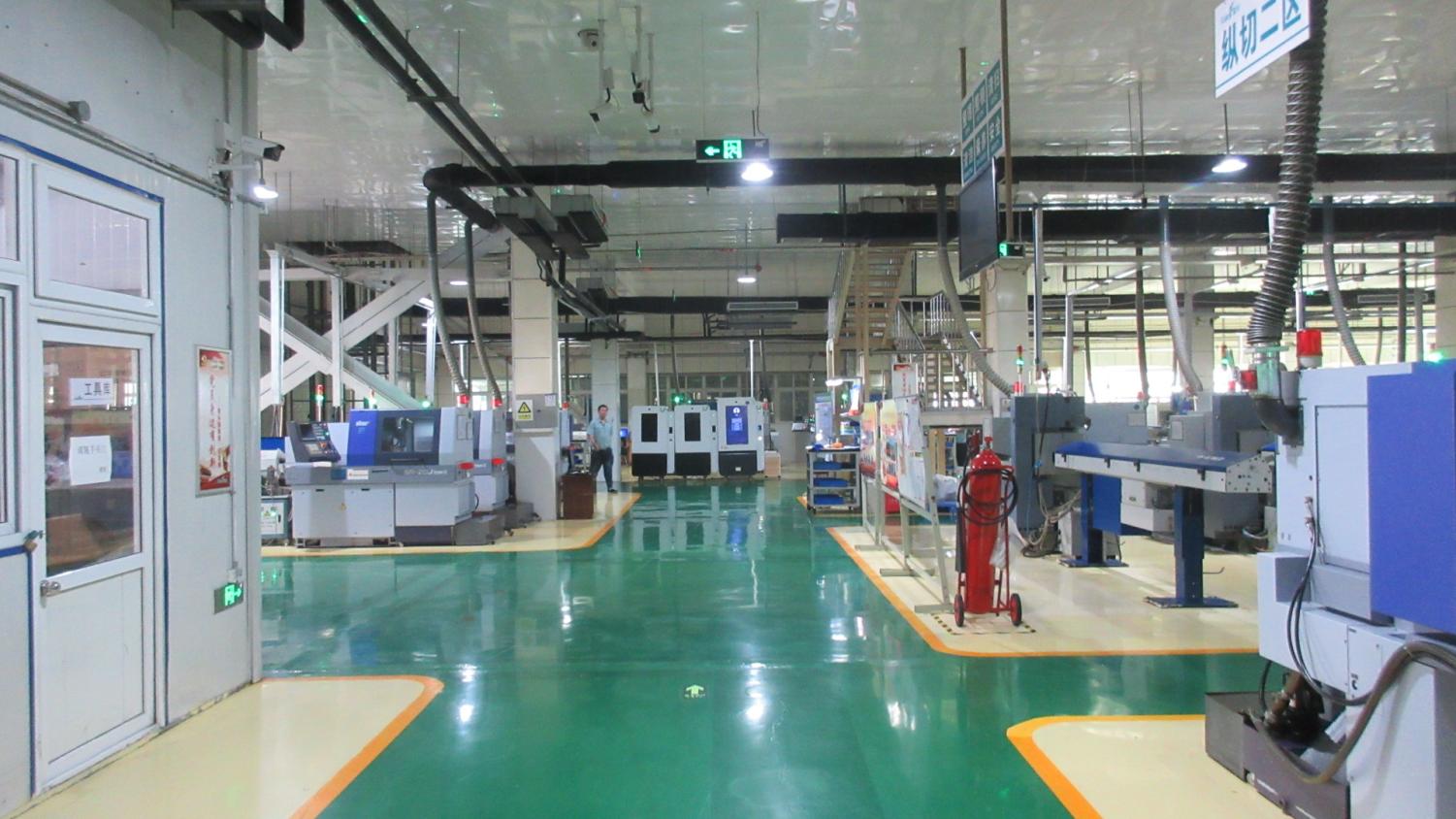
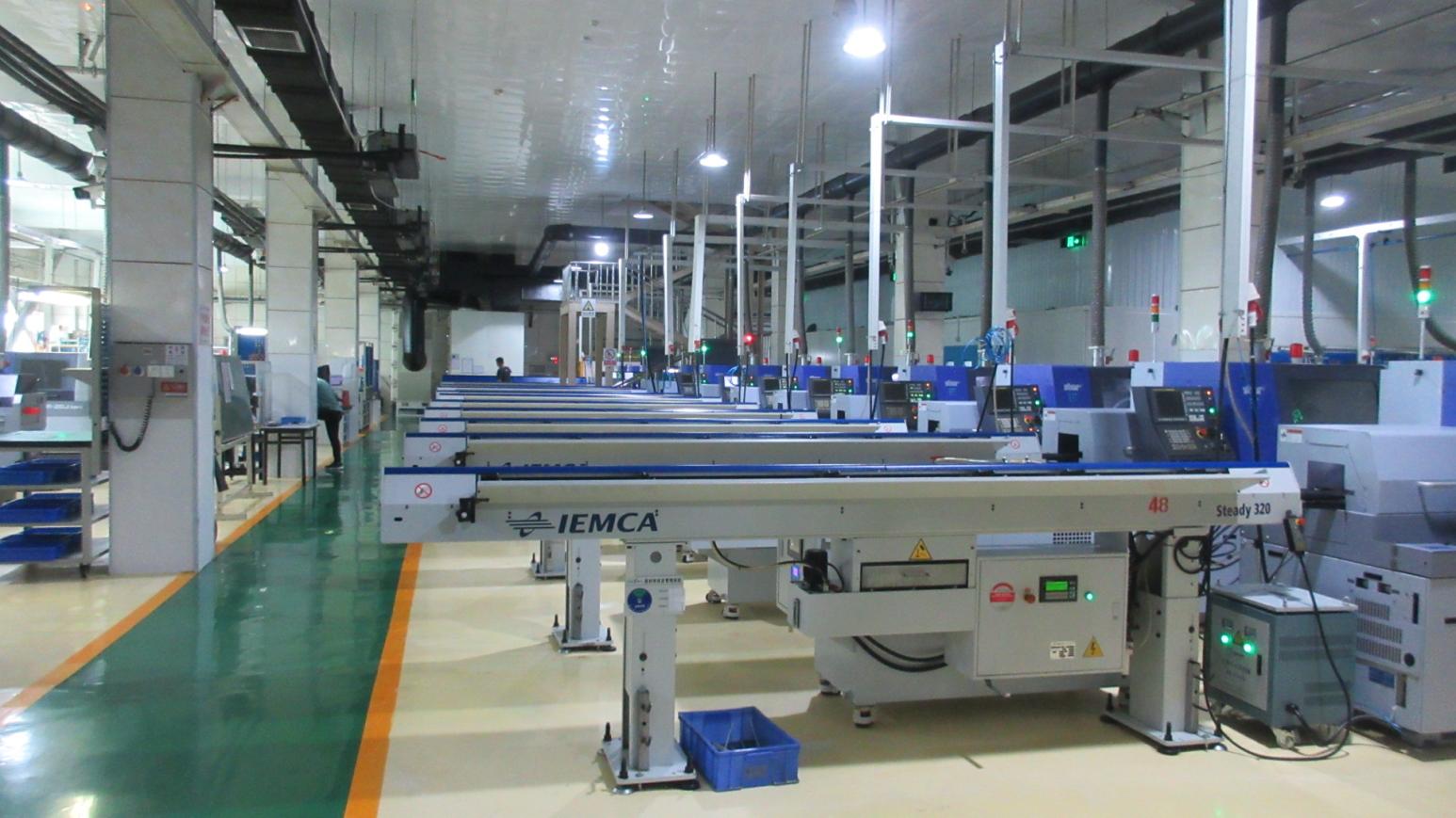
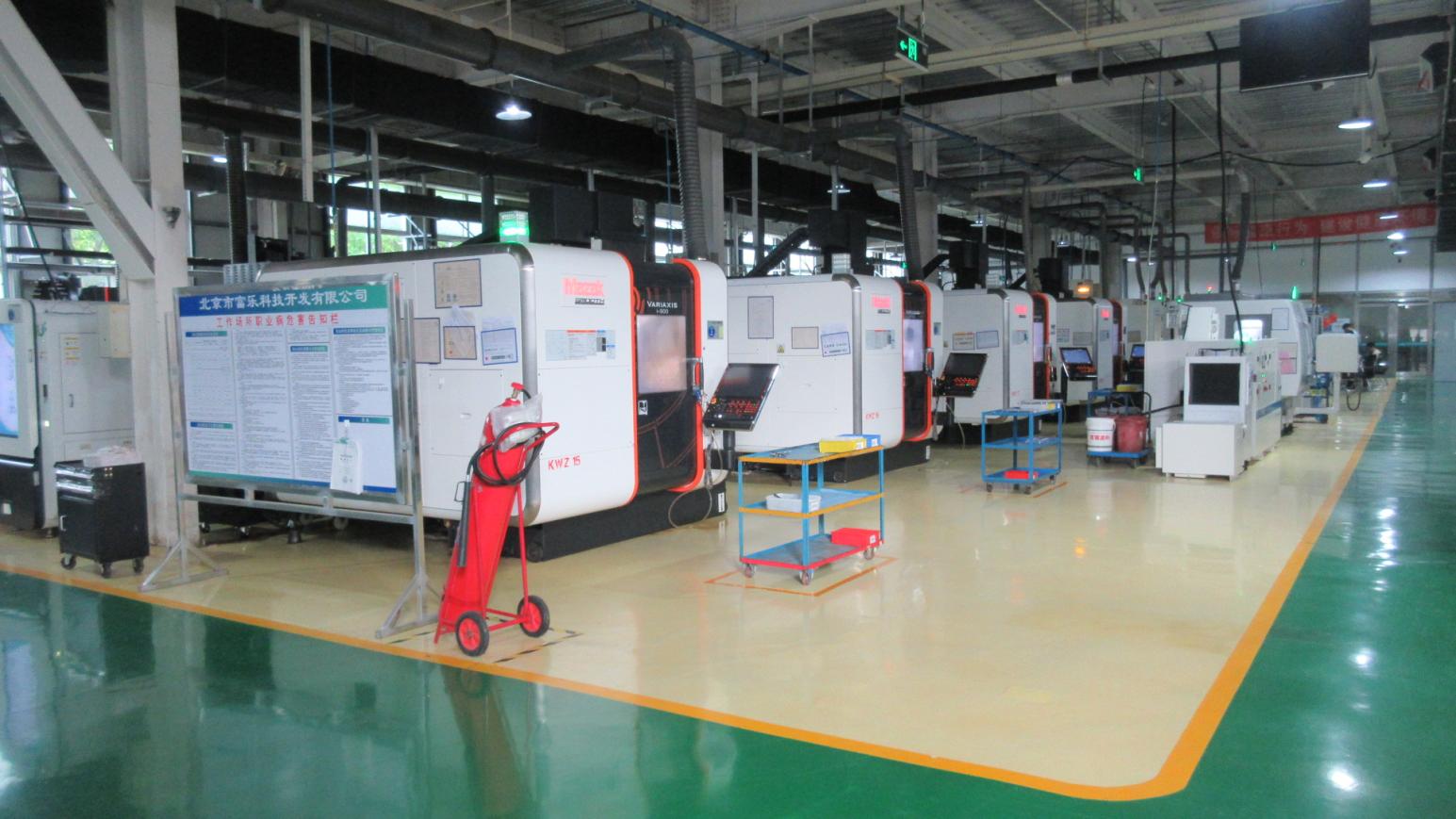
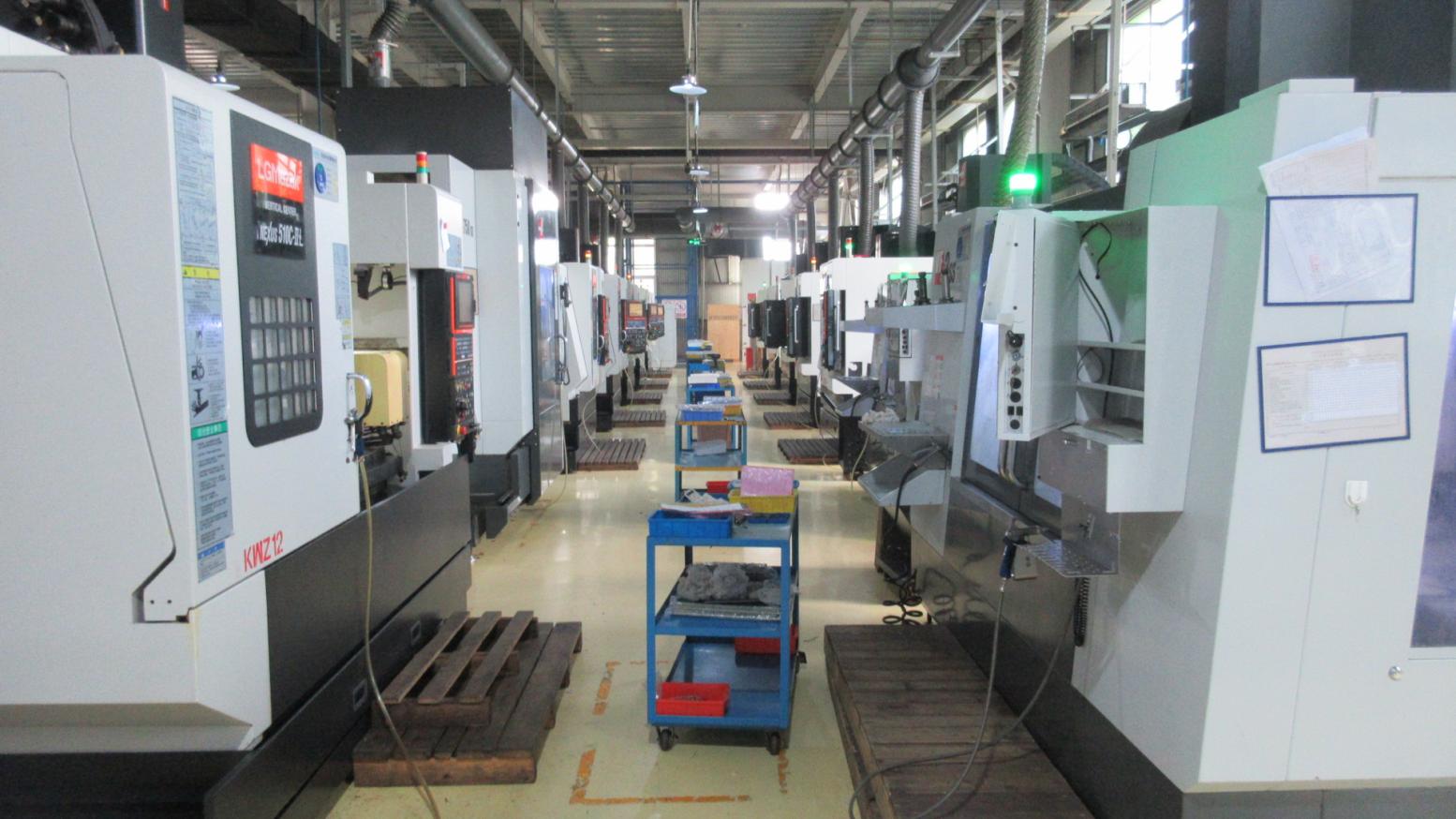
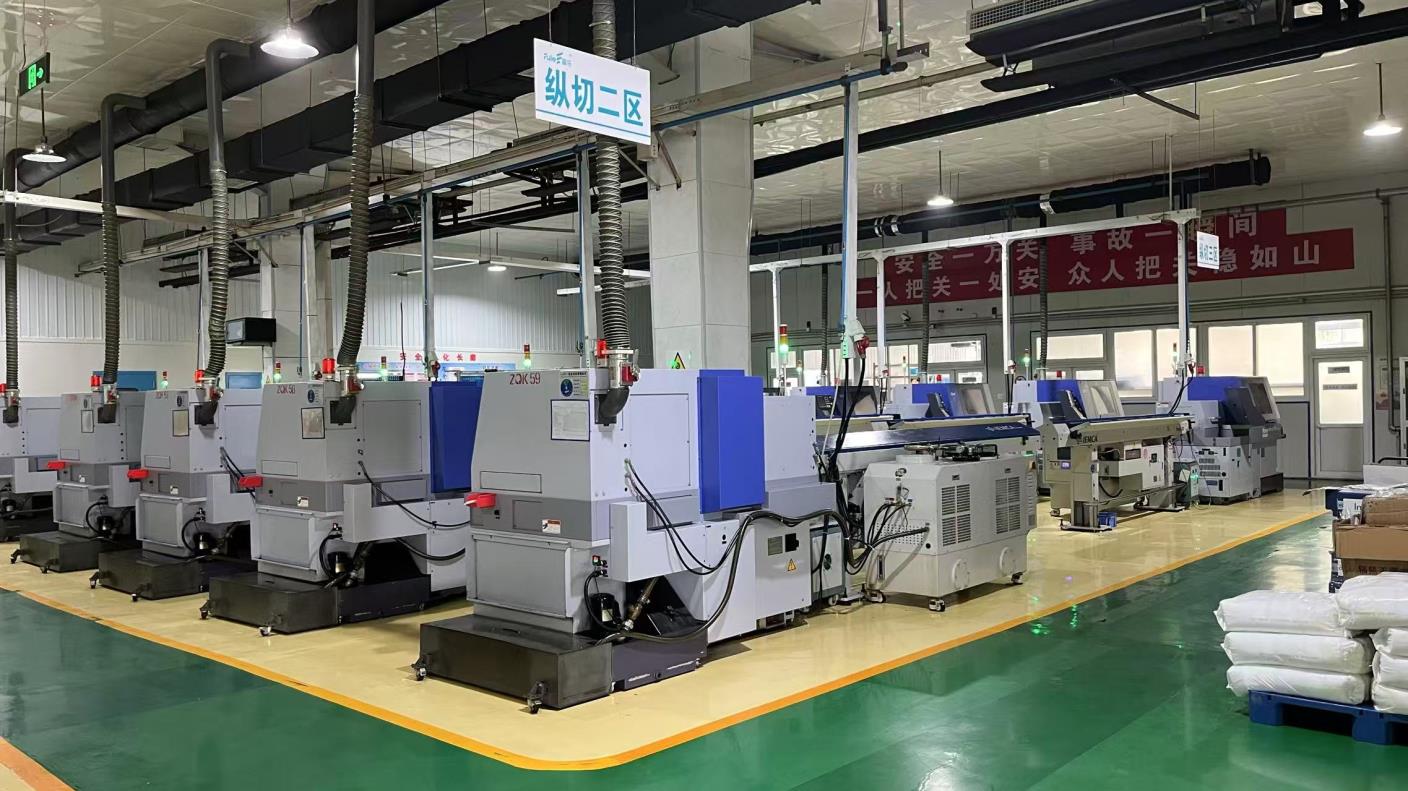
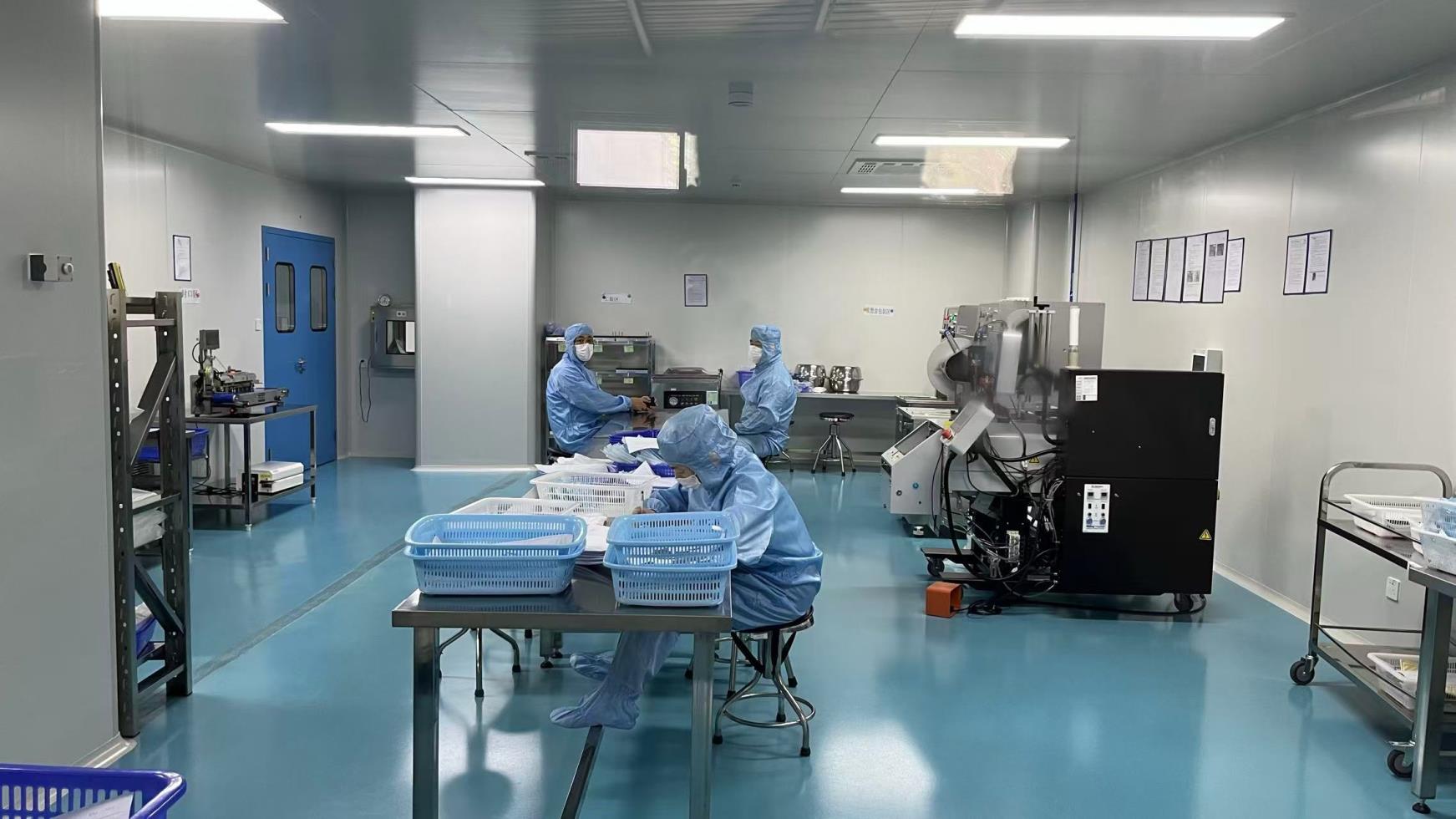
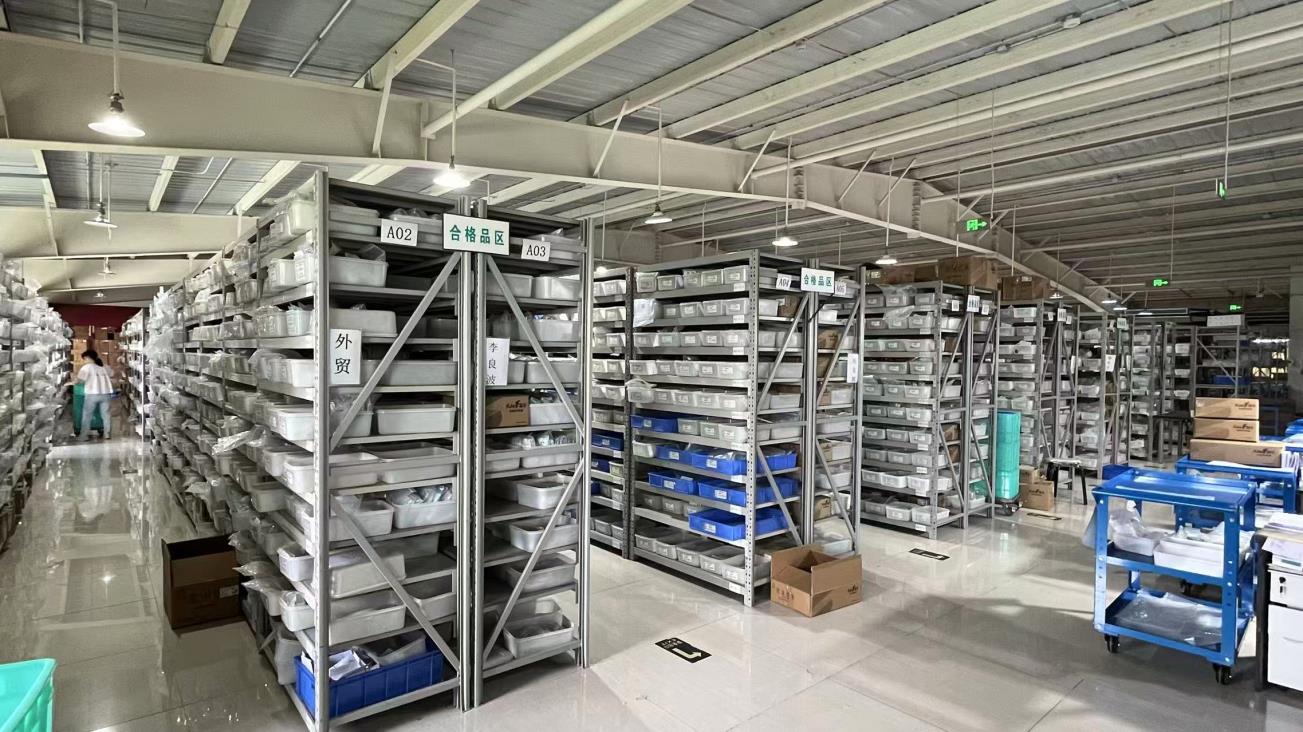
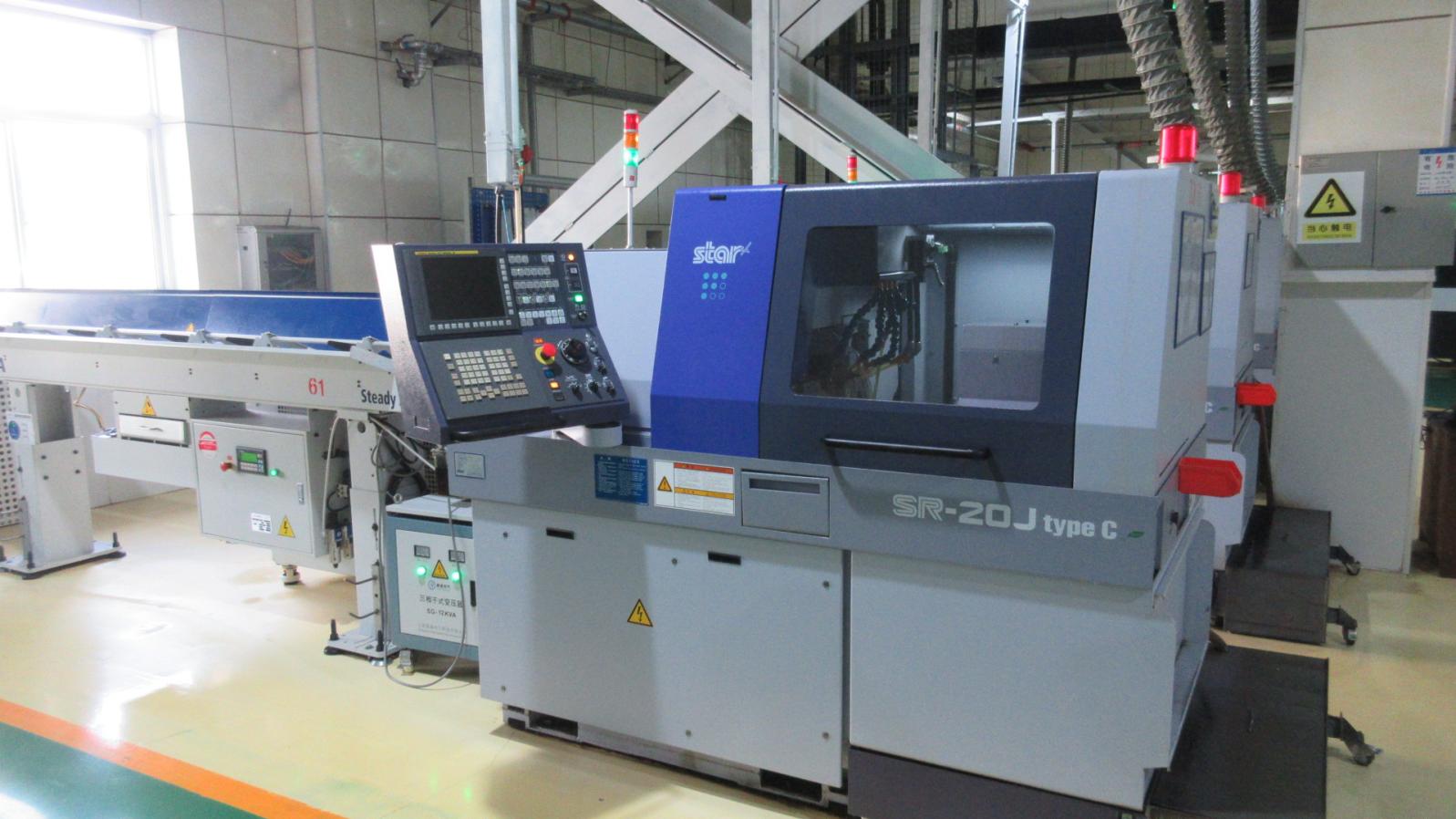
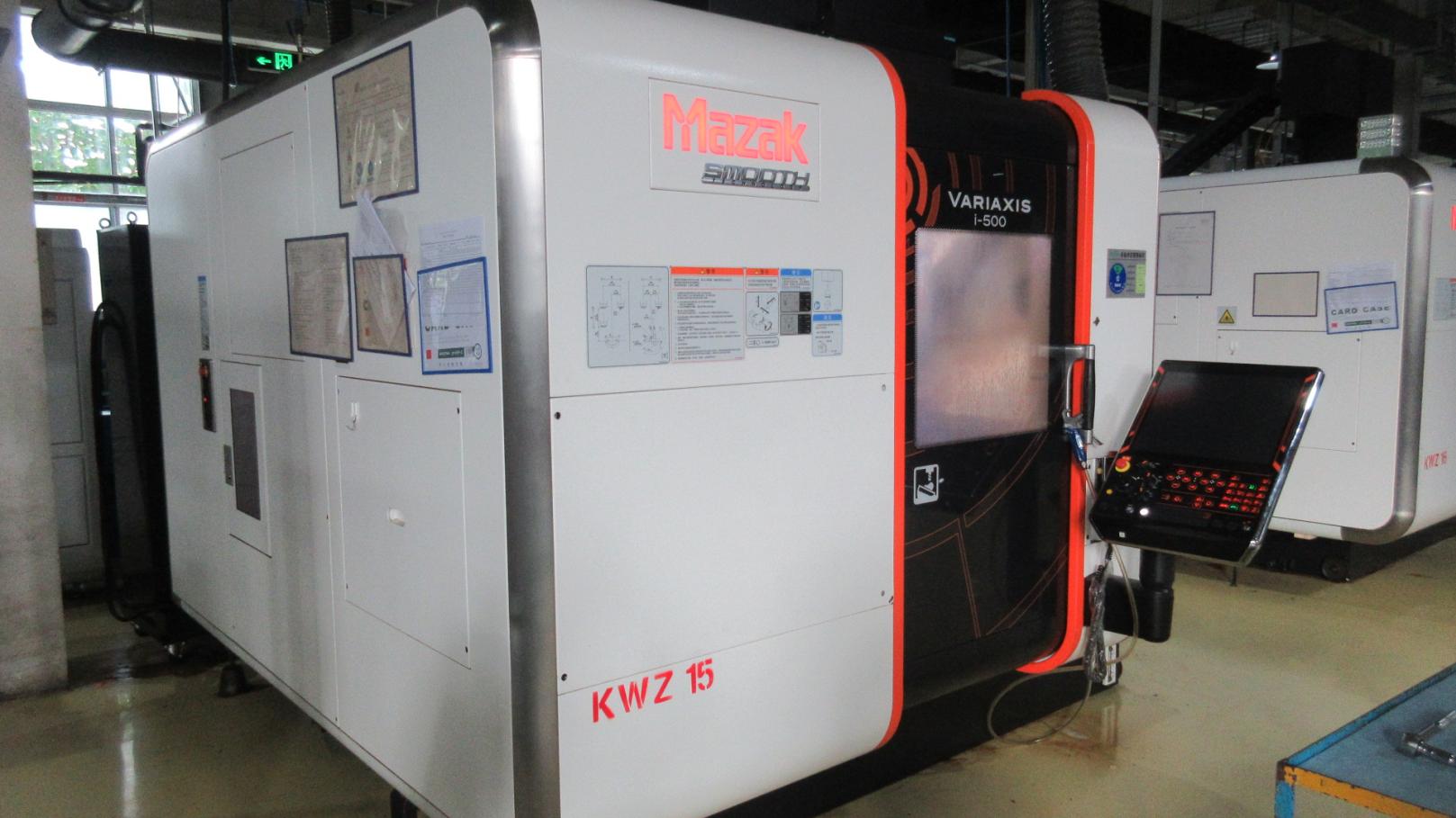
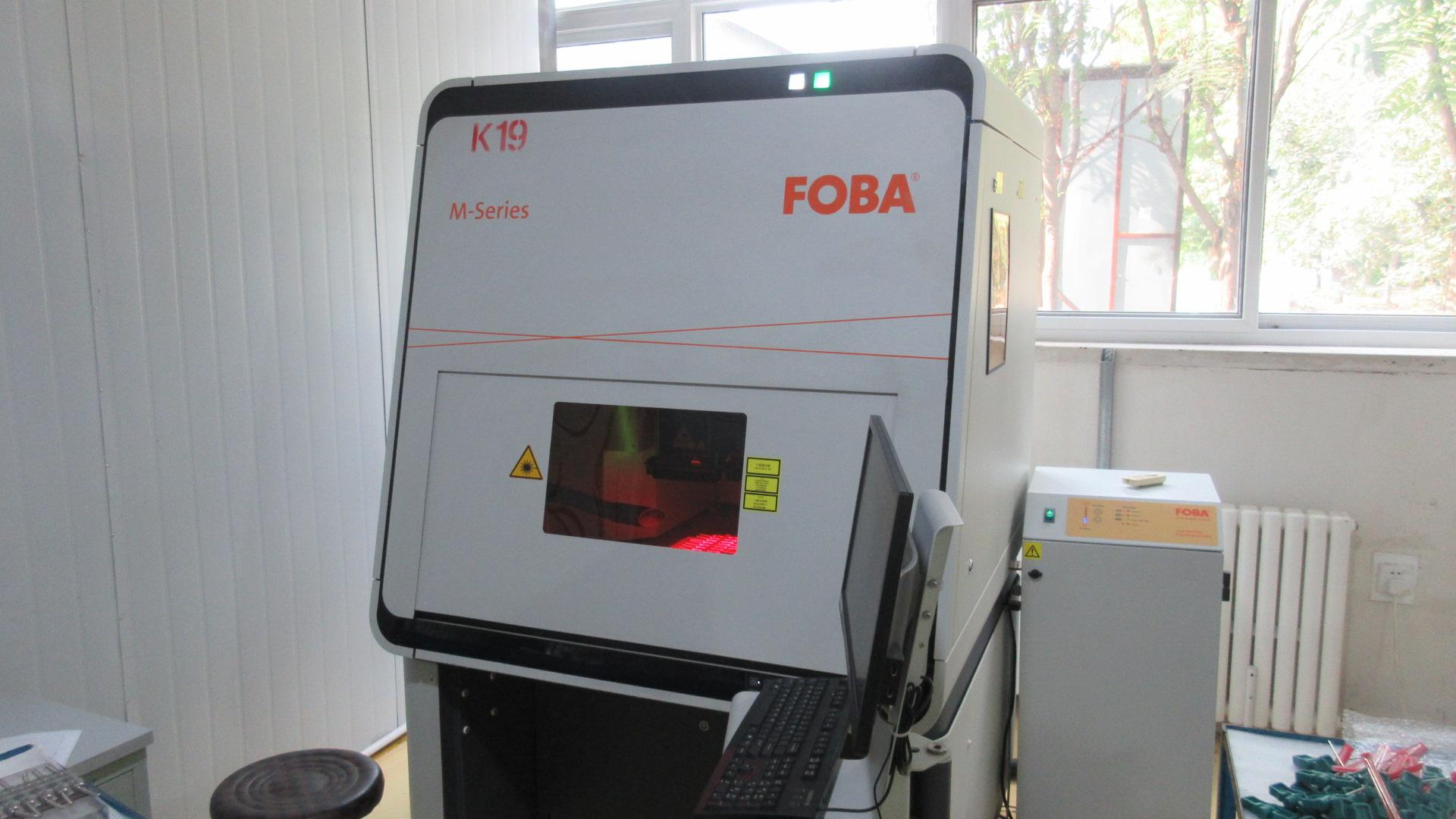
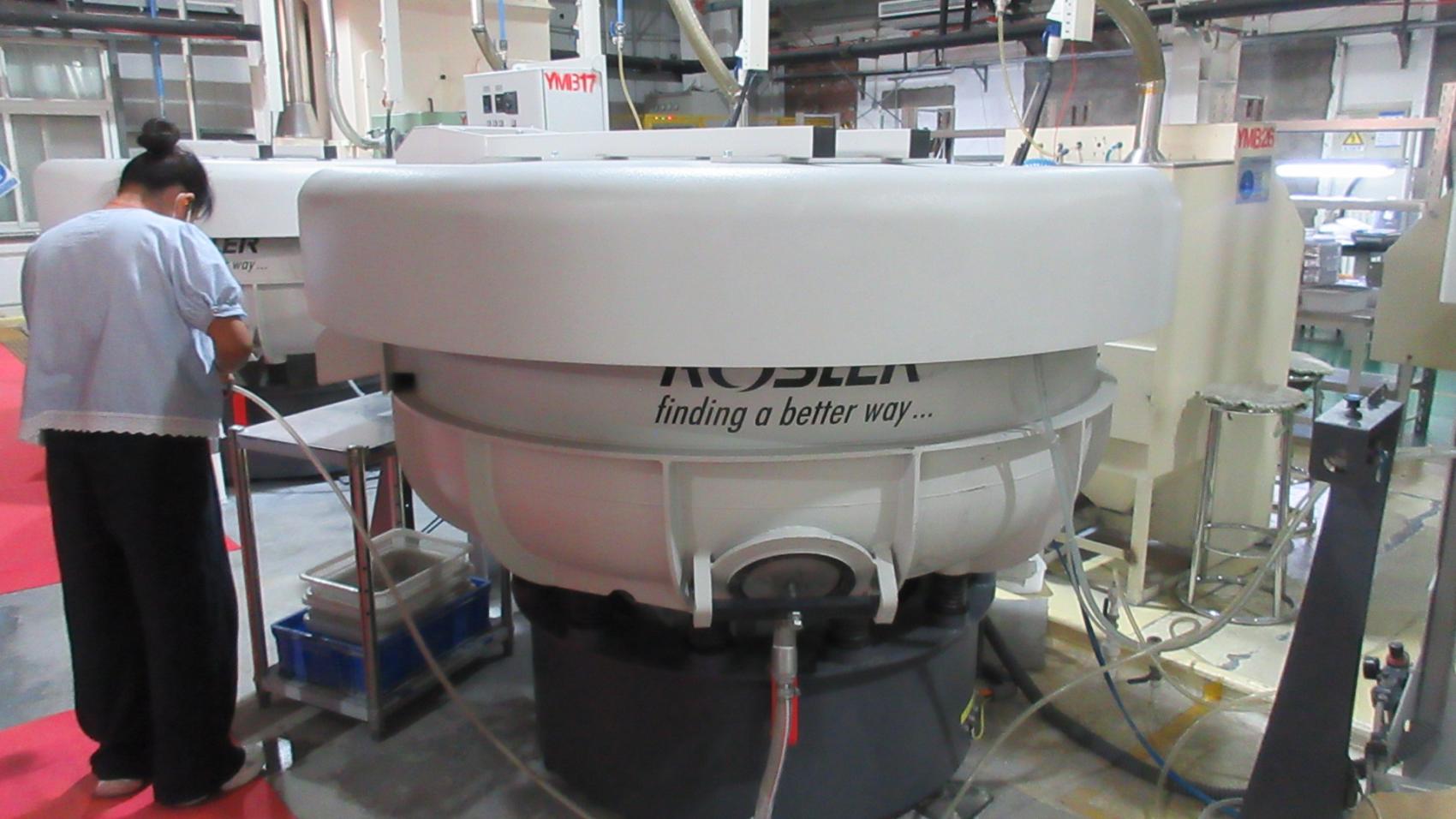
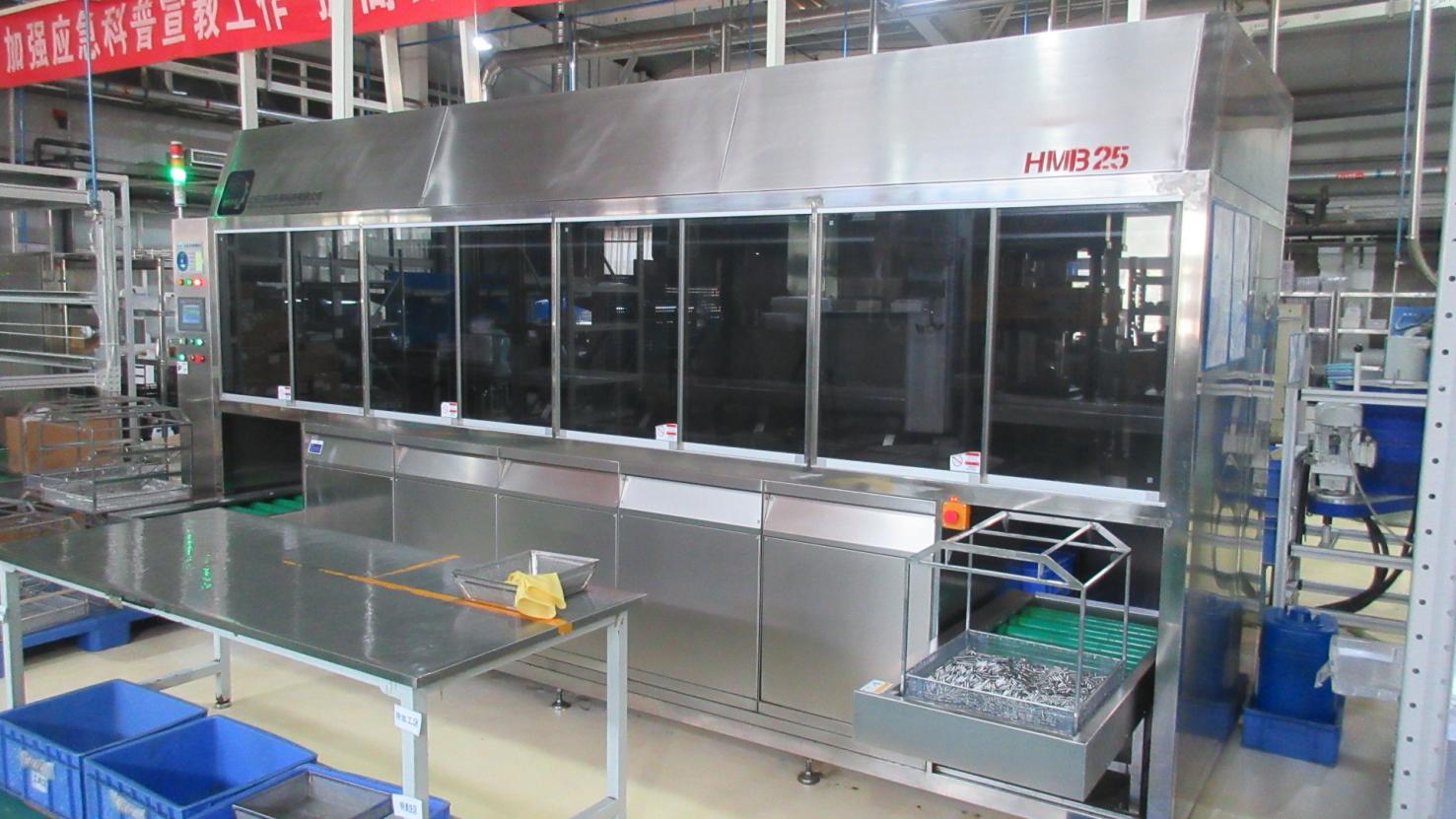
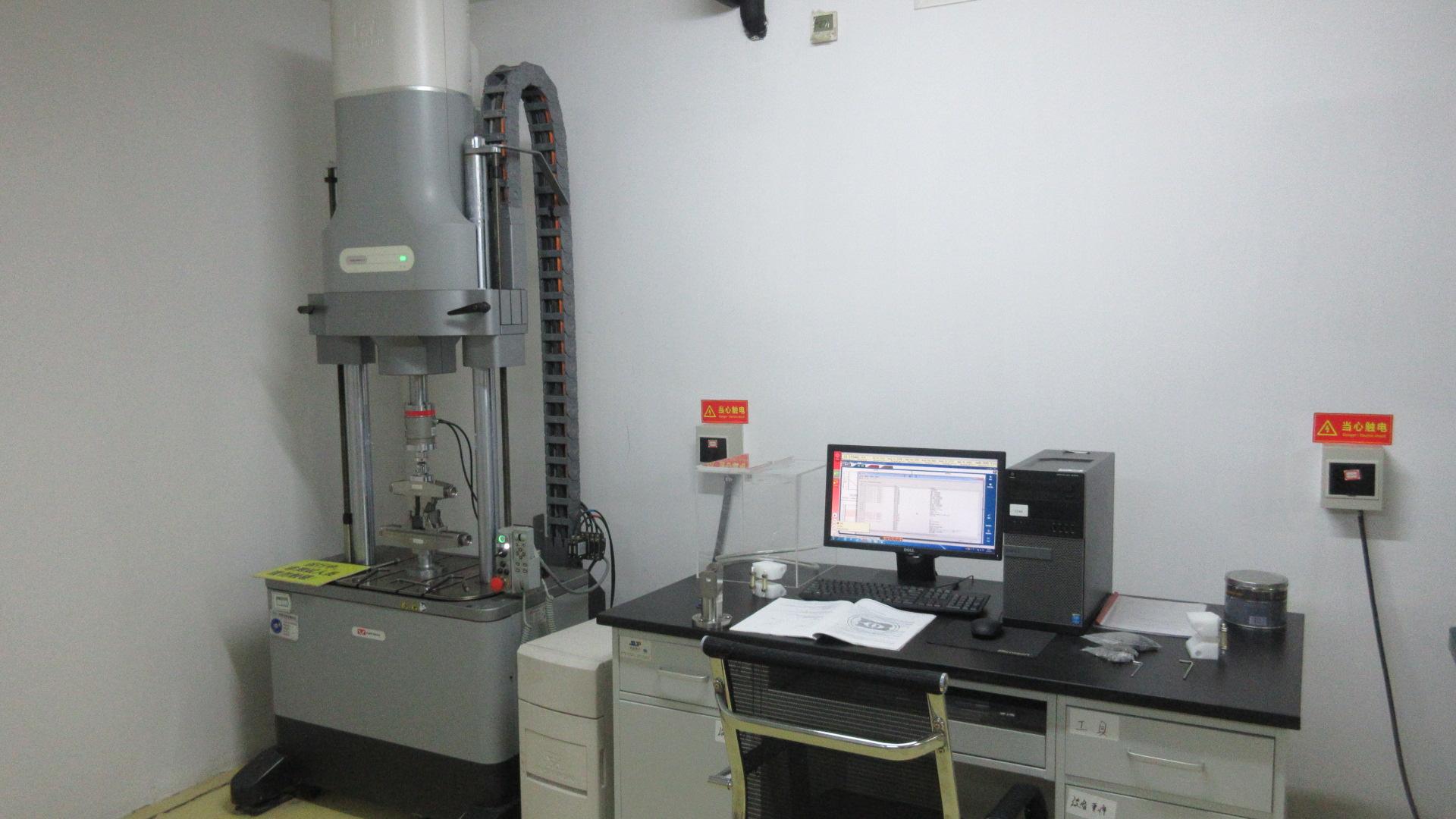
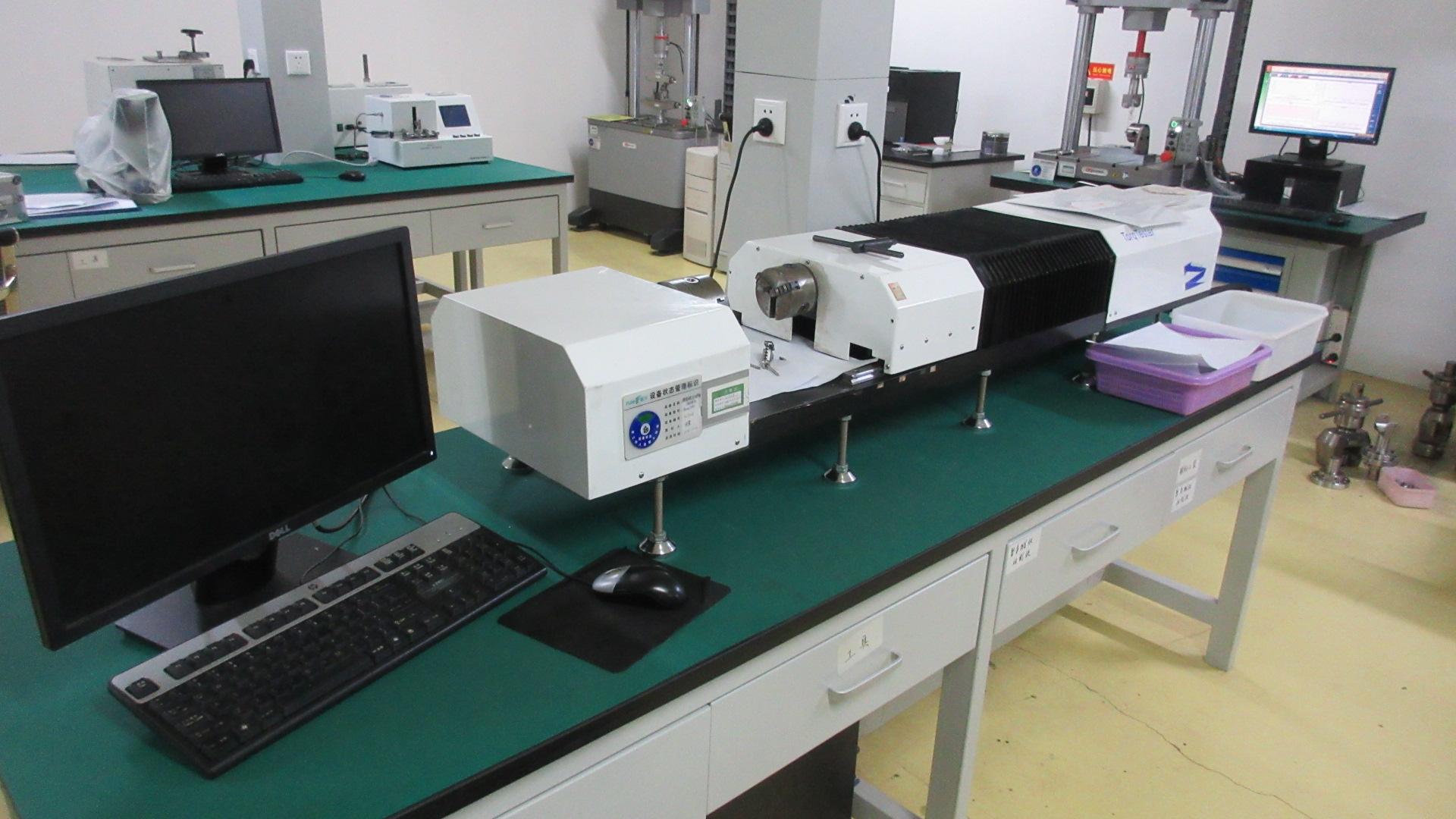
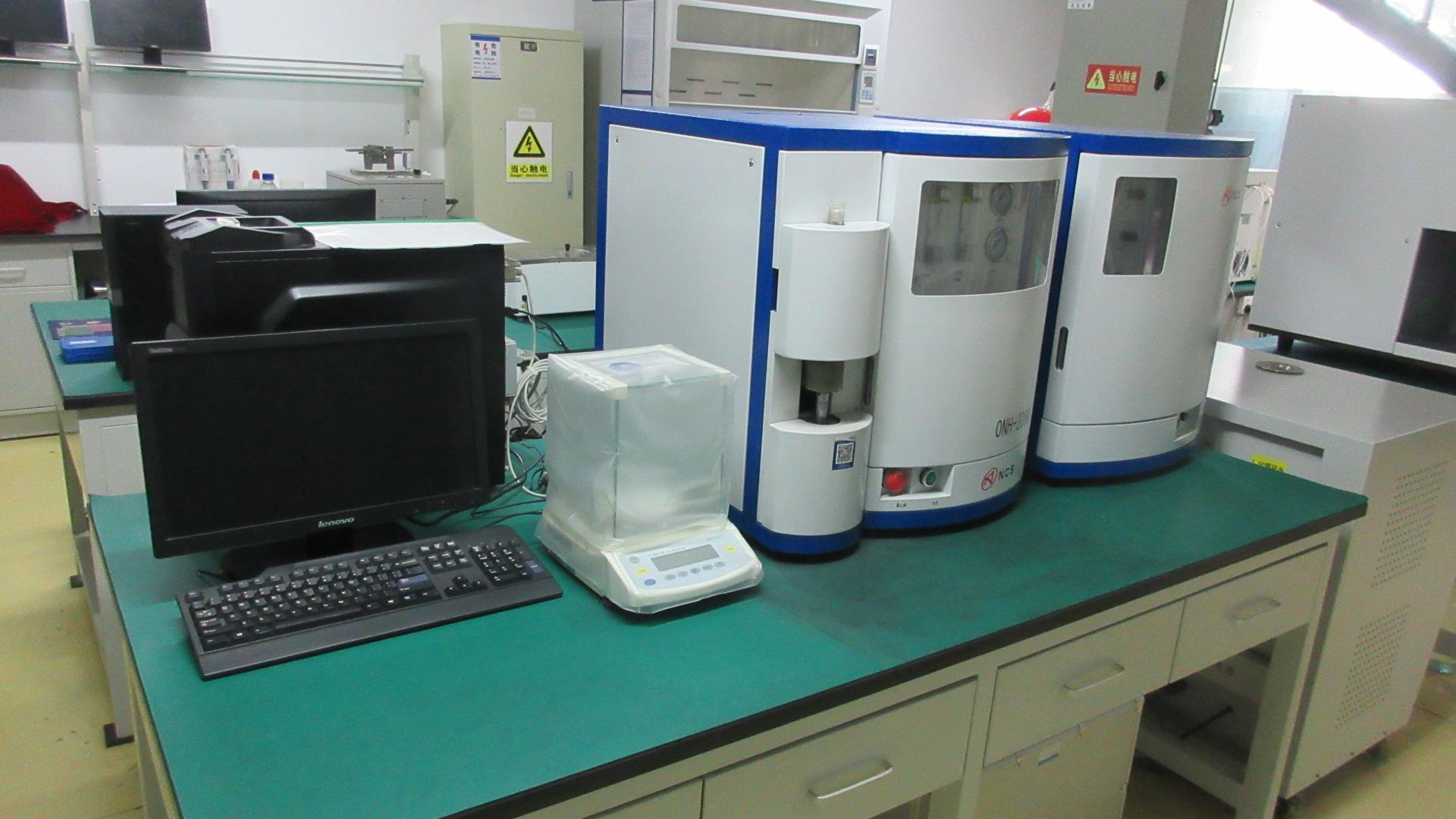
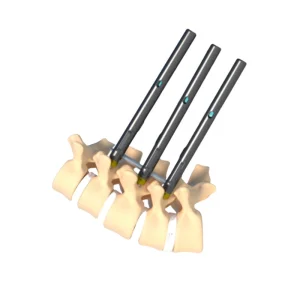
How our surgical implants and fixation products perform under dynamic, high-stakes medical procedures globally.
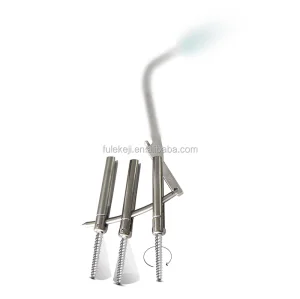
Designed for multi-level stabilization. Screws provide deep bone anchorage while matching standard spinal alignment curves during complicated cervical laminoplasty.
Low-profile screw-rod geometries support smaller surgical incisions, reduce intraoperative blood loss, and shorten clinical recovery windows.
PEEK and Titanium fusion cages feature textured, high-porosity contact surfaces that promote rapid bone tissue growth and biological integration.
During spinal decompression and fusion procedures, even slight component failure can lead to severe surgical revisions. Our Titanium implants use Ti-6Al-4V ELI (Grade 23), ensuring high fatigue strength and mechanical stability, matching strict clinical demands globally.
Analyzing key shifts in orthopedic sourcing: from basic implants to smart, personalized medical devices.
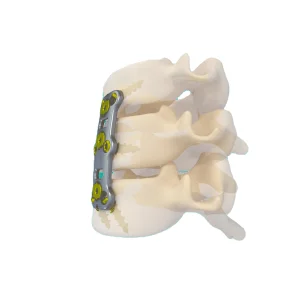
Standard implants are increasingly giving way to patient-specific geometries. Chinese manufacturers are adapting rapidly, using CAD data and 3D printing to create customized anterior plates and cages.
With regulations tightening (such as EU MDR), factories focus heavily on compliance. ISO 13485 certification, cleanroom records, and material traceability help products pass international regulatory audits.
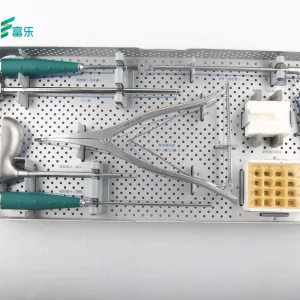
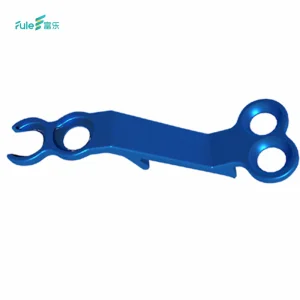
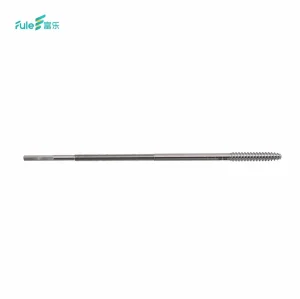
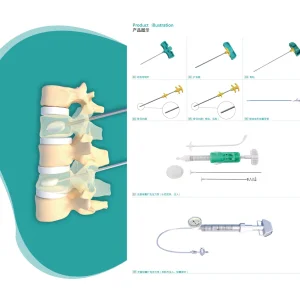
Distributors prefer purchasing implants bundled with specialized surgical instrument kits (Class I/Class III forceps, screwdrivers, rods). This guarantees compatibility and reduces sourcing complexity.
Crucial procurement and technical insights answered by our medical manufacturing experts.
Extend your surgical portfolio with verified orthopedic systems engineered for durability and clinical success.
 Beren Science & Technology