Premium biomaterial constructs engineered to restore structural integrity, relieve articulation stress, and facilitate tissue reconstruction.
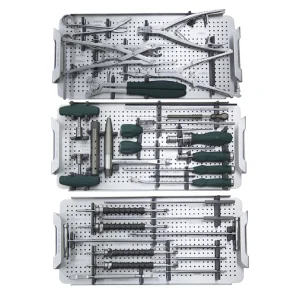
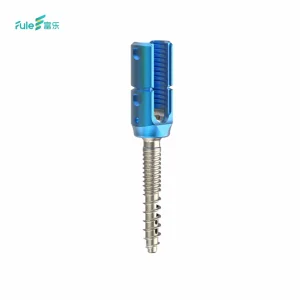
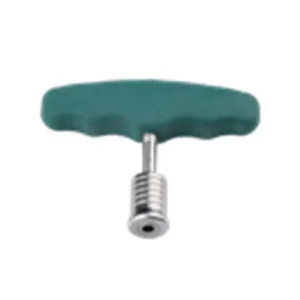
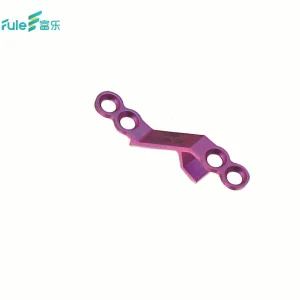
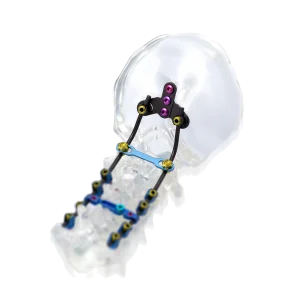
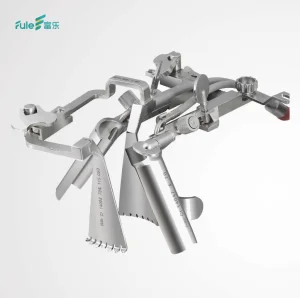
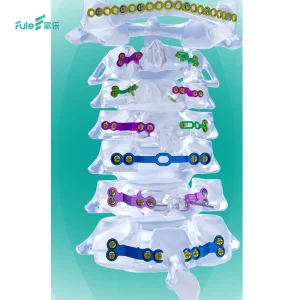
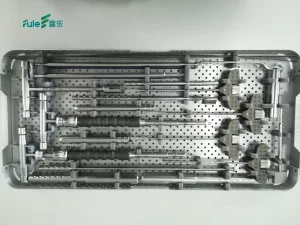
Analyzing the biomechanical fusion of regenerative technology and high-performance load-bearing osteosynthesis implants.
In modern orthopedic and traumatology sectors, the management of articular defects and spinal pathologies is undergoing a massive paradigm shift. Traditional symptomatic treatments are rapidly being replaced by joint preservation methodologies and biomechanically stable arthrodesis structures. In articular structures, cartilage lacks vascularization, lymphatic channels, and neural pathways, leaving it with virtually zero capacity for self-regeneration after trauma or degenerative disease. Resolving these challenges requires an interdisciplinary treatment route: combining biomimetic matrices with absolute mechanical stabilization.
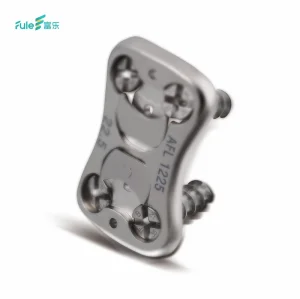
As a leading pioneer in Chinese orthopedic design, Beijing Fule Science & Technology Development Co., Ltd (established in 1996) has continuously bridged the gap between basic biomaterial research and clinical surgical efficacy. Over the past three decades, we have developed advanced medical grade titanium alloy implants, anterior cervical plates, and lumbar cages that work synergistically with biologics to ensure optimized structural unloading—the direct mechanical prerequisite for micro-environmental cartilage healing and subchondral bone remodeling.
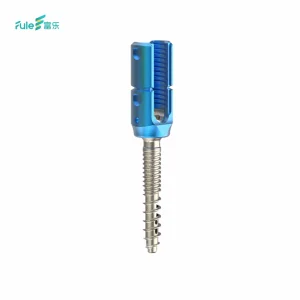
Uncontrolled mechanical stress is the primary driver of chondrocyte apoptosis and extracellular matrix deterioration. When structural segments like the lumbar or cervical spine suffer from instability or disc herniation, abnormal shear forces are transmitted through the articular facets, causing accelerated osteochondral degeneration. The utilization of CE-certified Posterior Lumbar Interbody Fusion (PLIF/TLIF) systems and cervical plates acts to stabilize these motion segments. By restoring disc height and physiological lordosis, our implants reduce the stress burden on adjacent facets, preserving cartilage thickness and postponing the degenerative cascade.
Our titanium implant alloys (specifically Ti-6Al-4V ELI conforming to ASTM F136) are processed to optimize mechanical elasticity, achieving a compromise between strength and load transfer to prevent the stress-shielding effect on subchondral bone.
Through advanced acid-etching and grit-blasting technologies, we yield micro-rough implant surfaces. This microtopography boosts cell adhesion, enabling osteoblasts and cartilage-forming cells to secure initial anchorage.
Our raw materials pass rigorous in-vitro cytotoxicity, systemic toxicity, and sensitization tests. They carry Class III CE certification under MDR directives, rendering them safe for long-term implantation.
Our long-term R&D pathway focusing on advanced biomaterials, surface modifications, and minimally invasive delivery systems.
The field of cartilage reconstruction is transitioning from mechanical substitution to biological regeneration. Beijing Fule's engineering roadmap actively tracks this evolution by dividing our innovation strategy into three parallel, overlapping horizons:
Through our dedicated lab partnerships and academic clinical trials, we are continuously refining our micro-machined surfaces. By integrating nanostructured textures on spinal cages and titanium nails, we can stimulate positive biological pathways without using exogenous growth factors, minimizing the cost of regulatory pathways and improving safety outcomes.
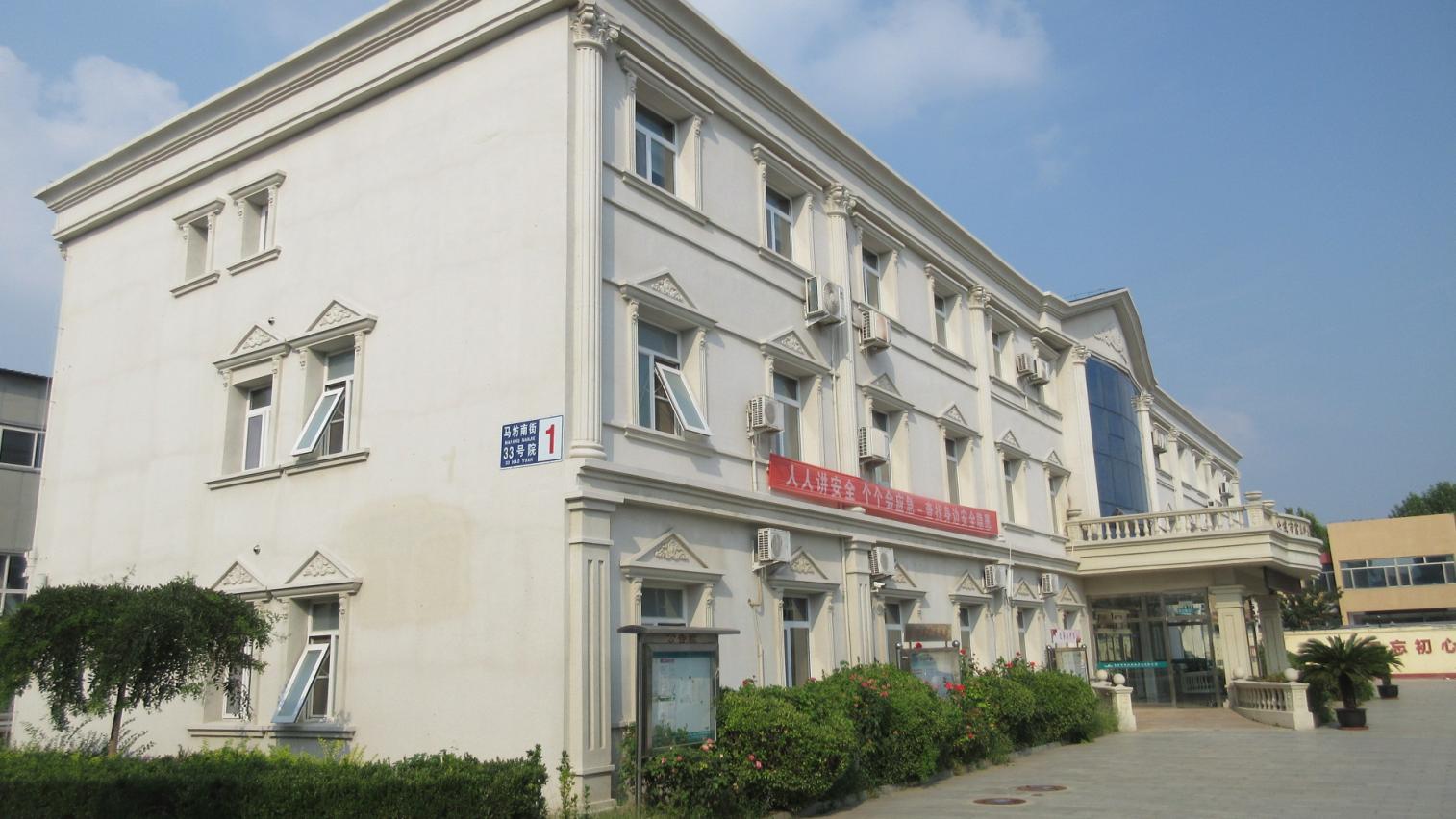
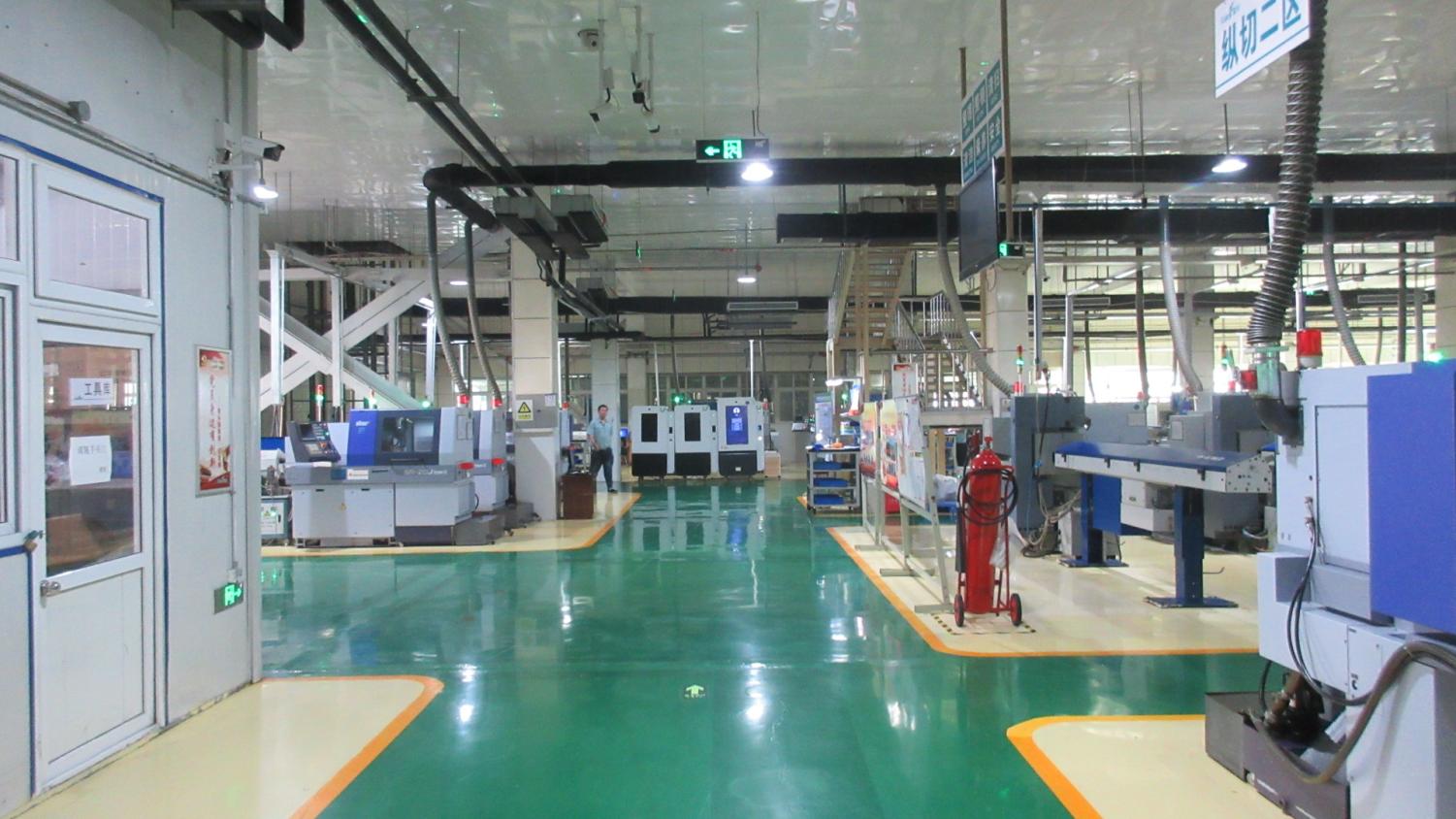
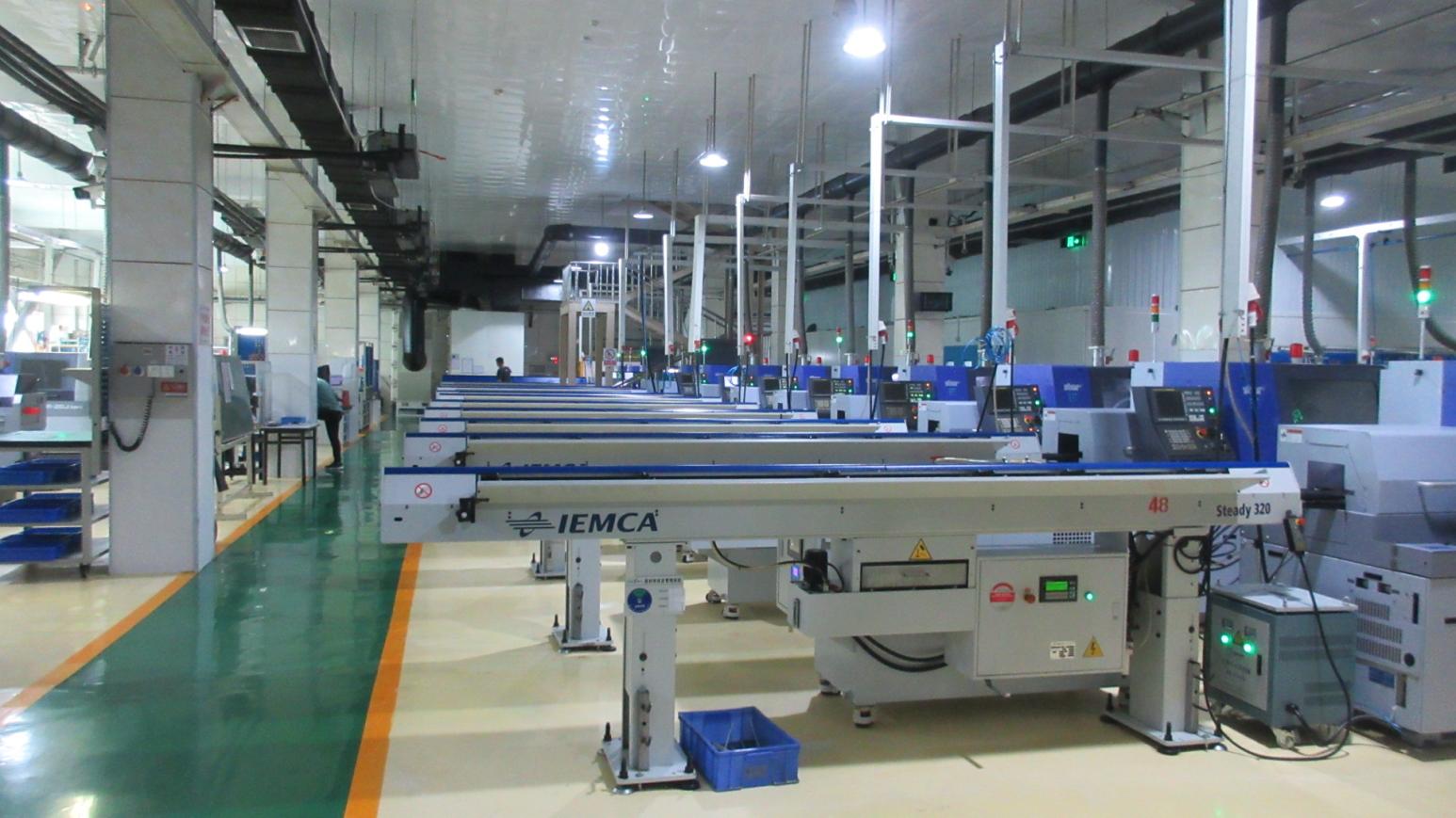
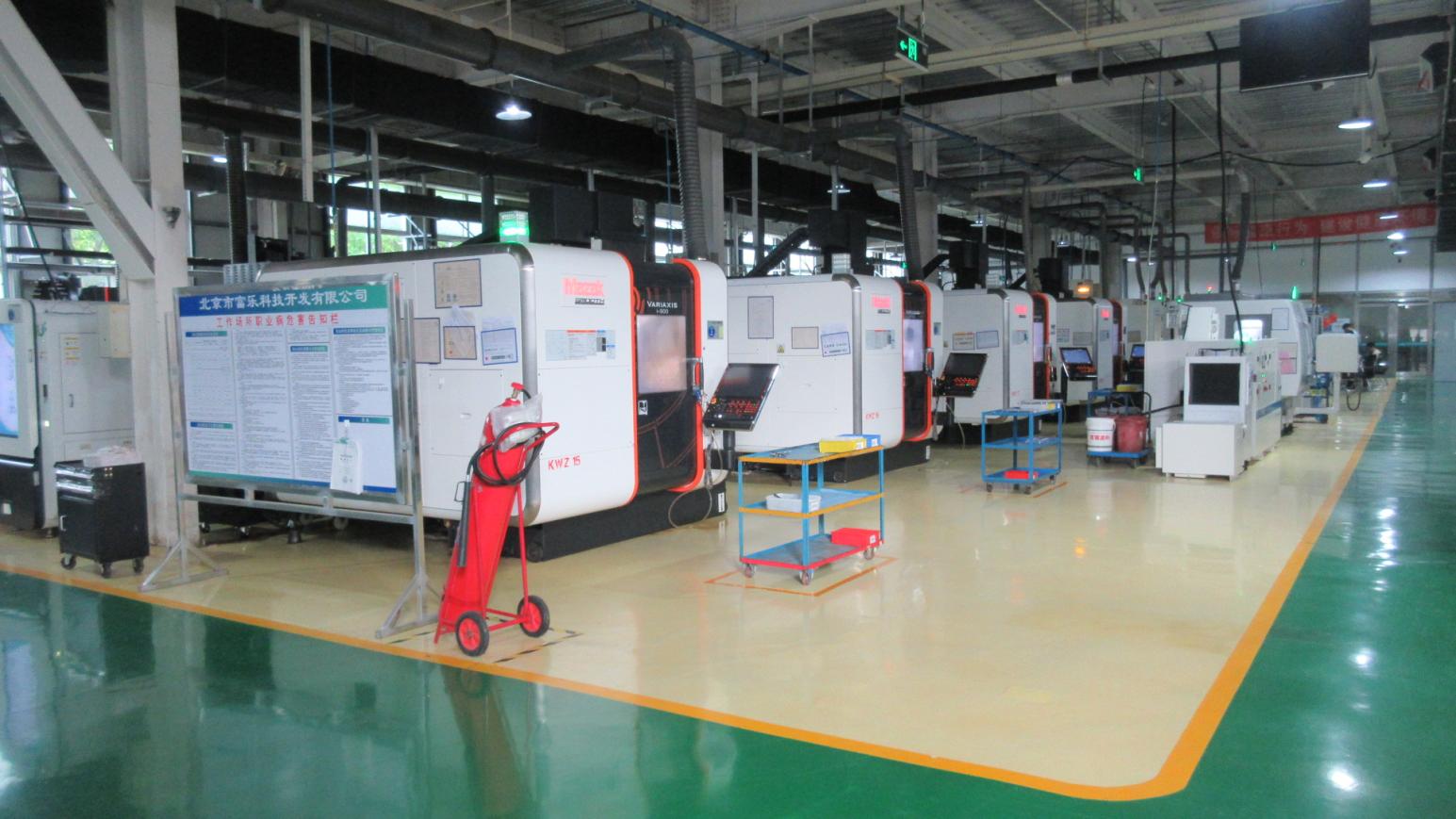
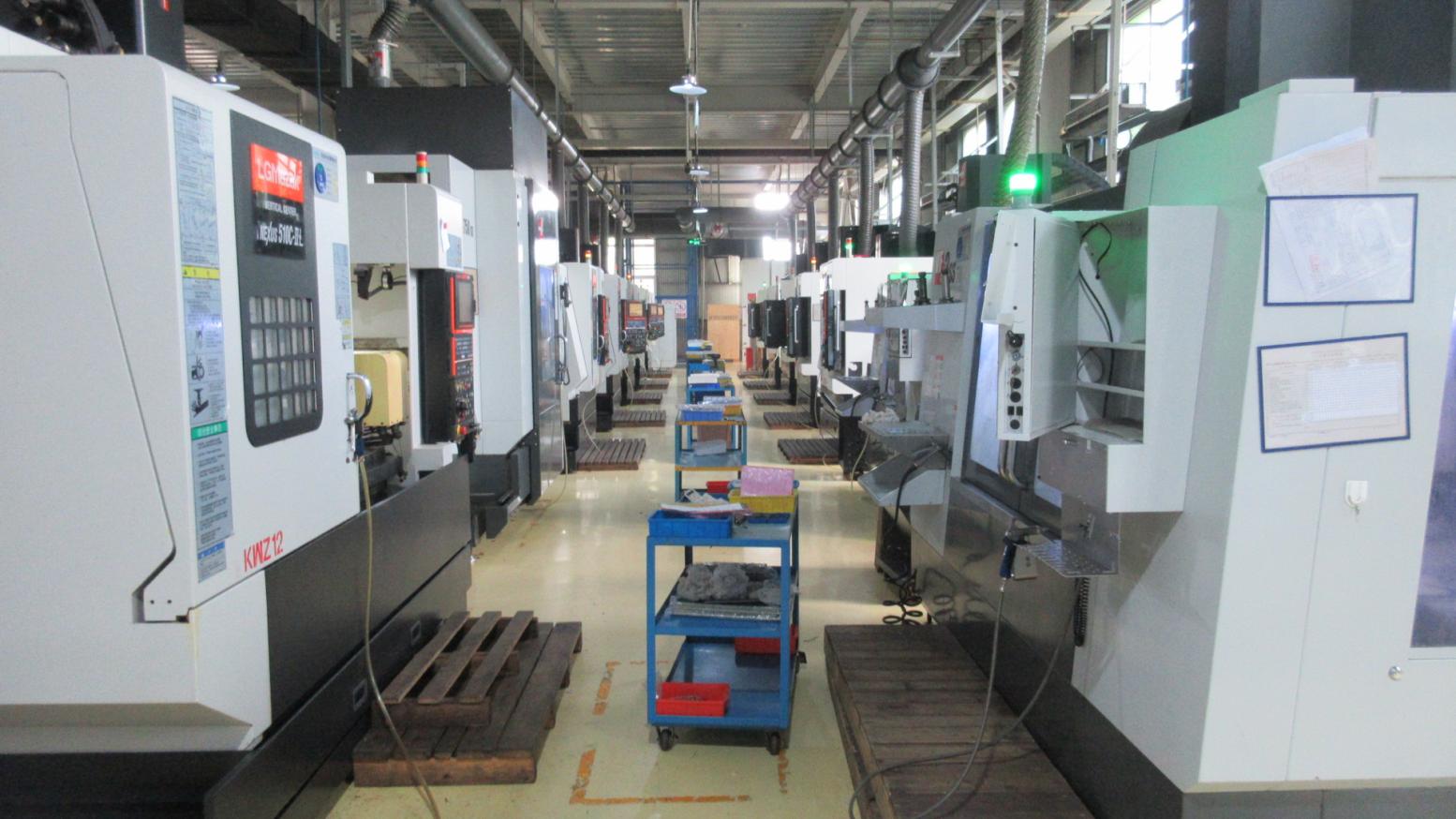
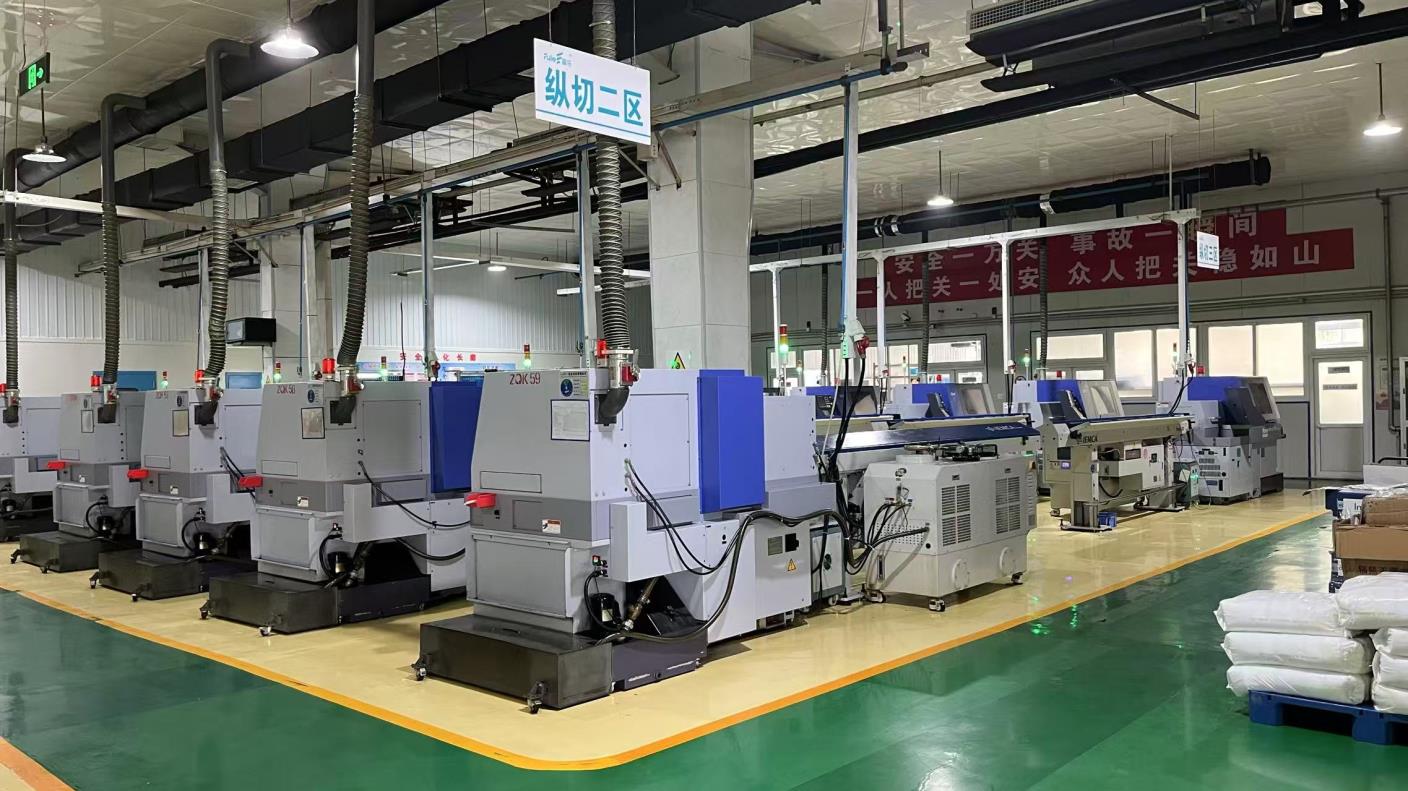
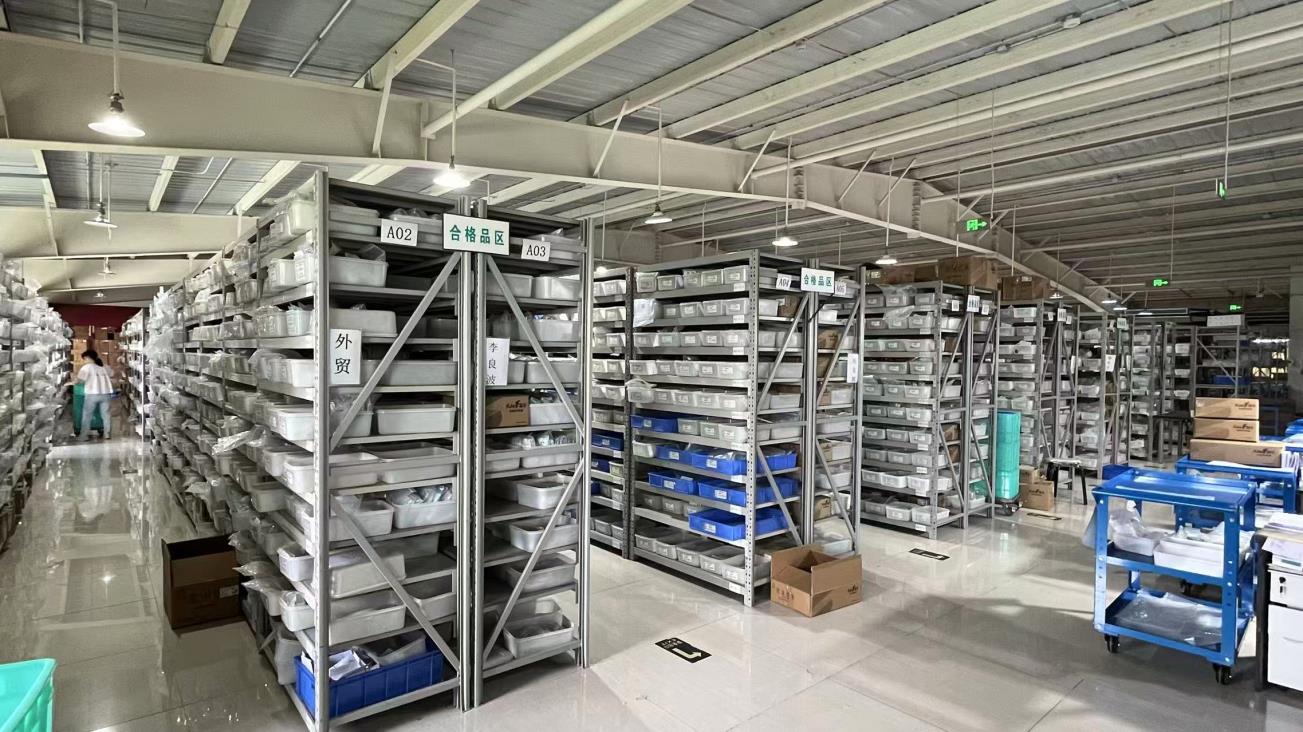
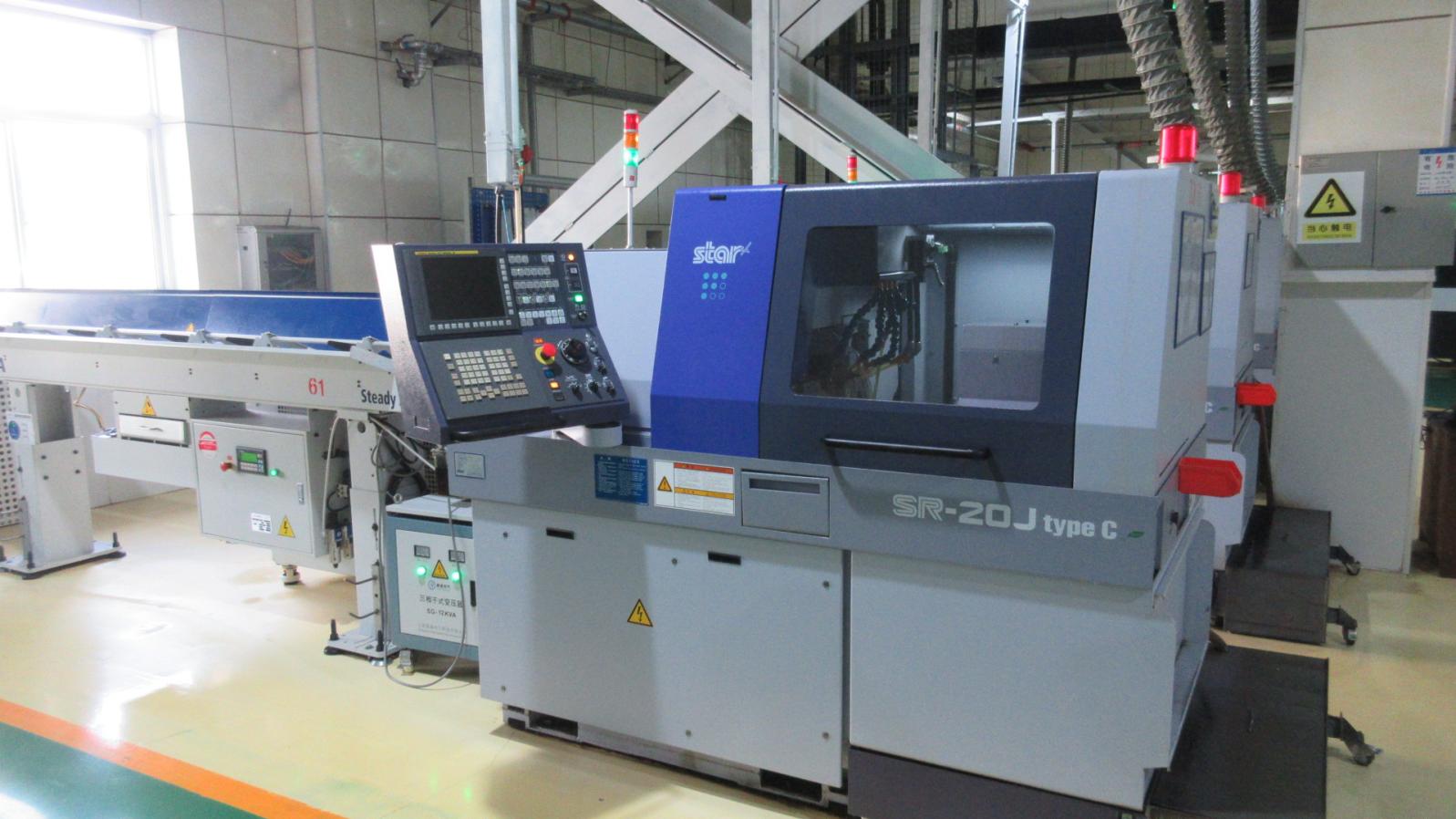
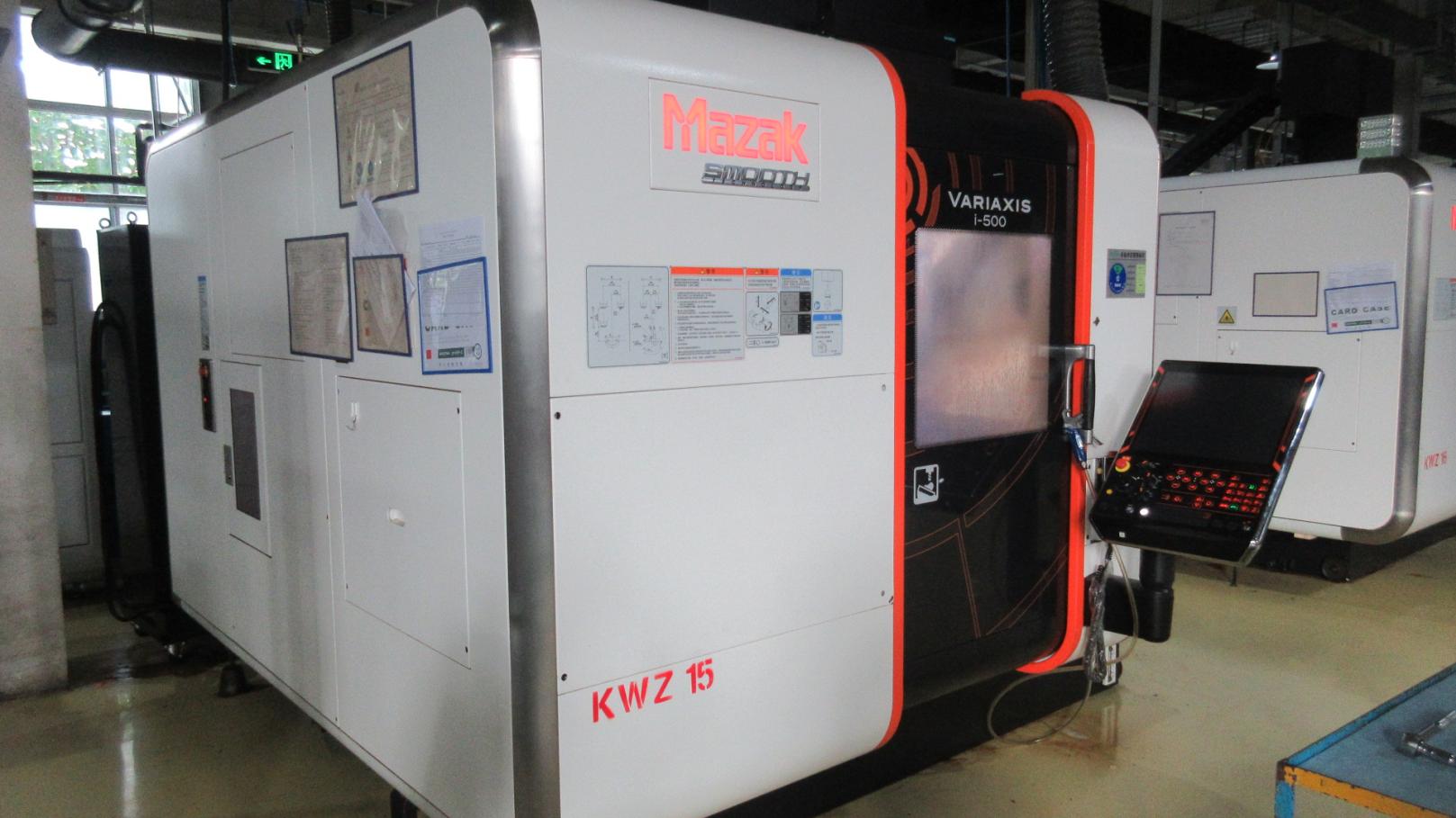
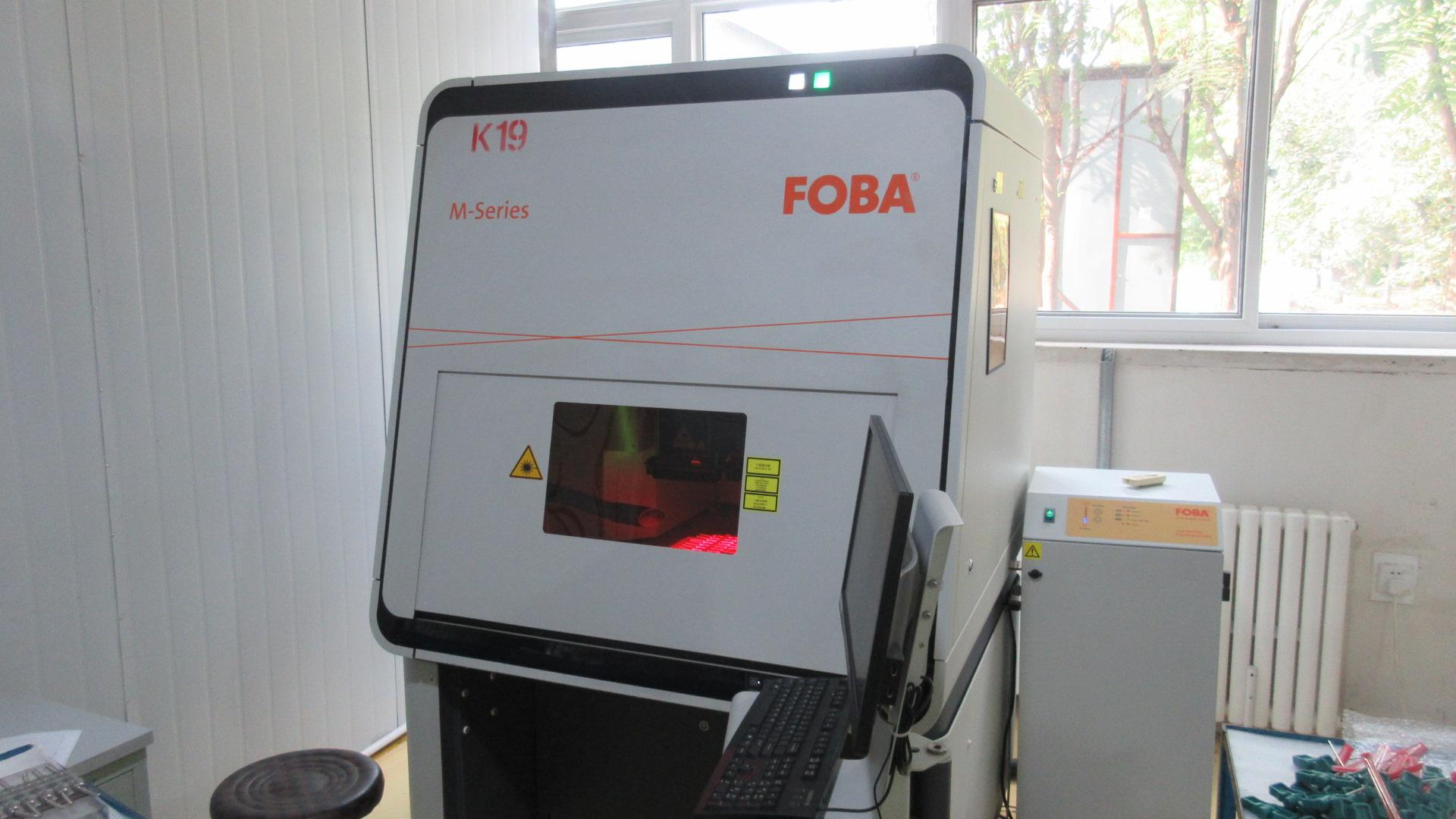
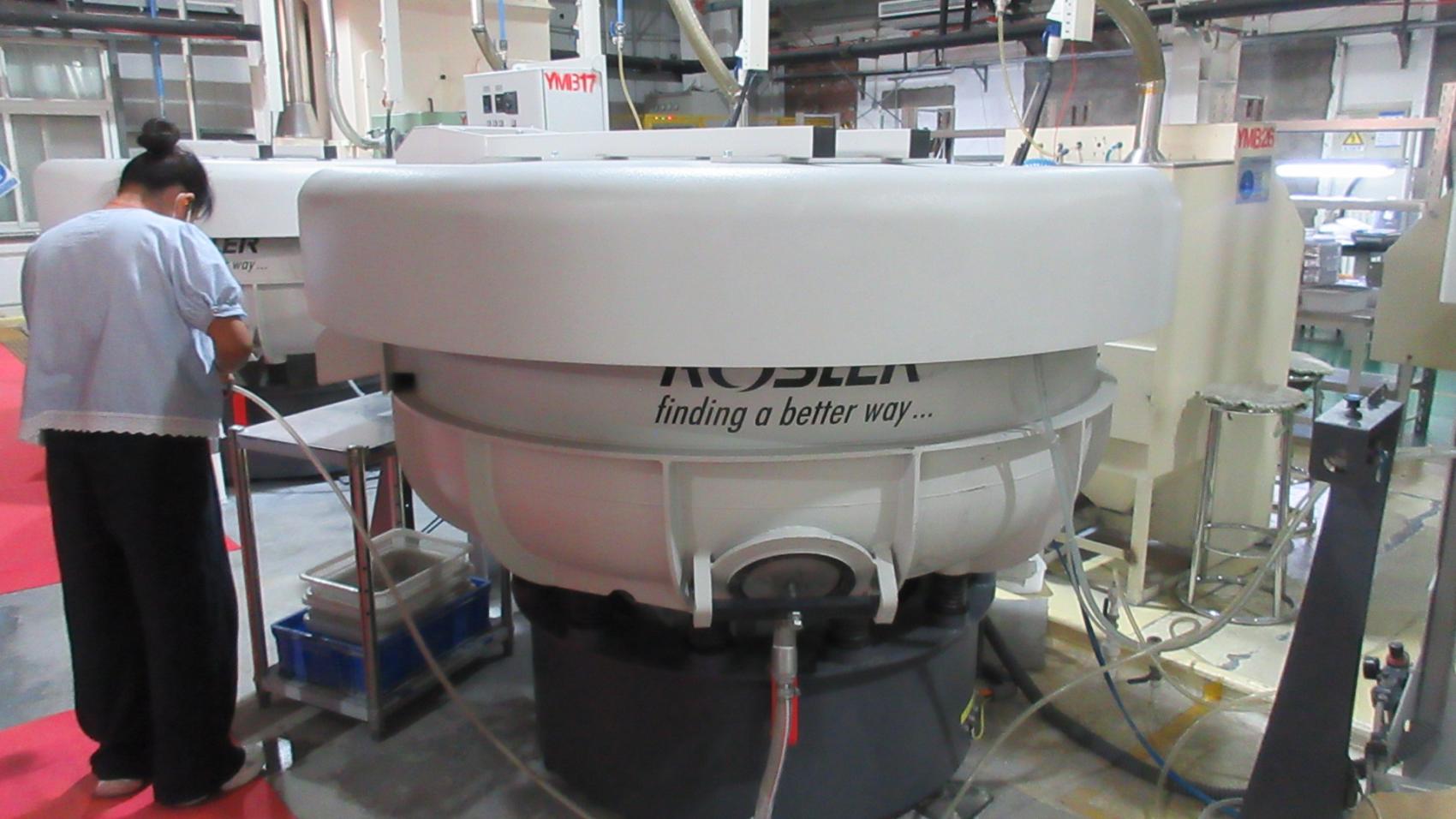
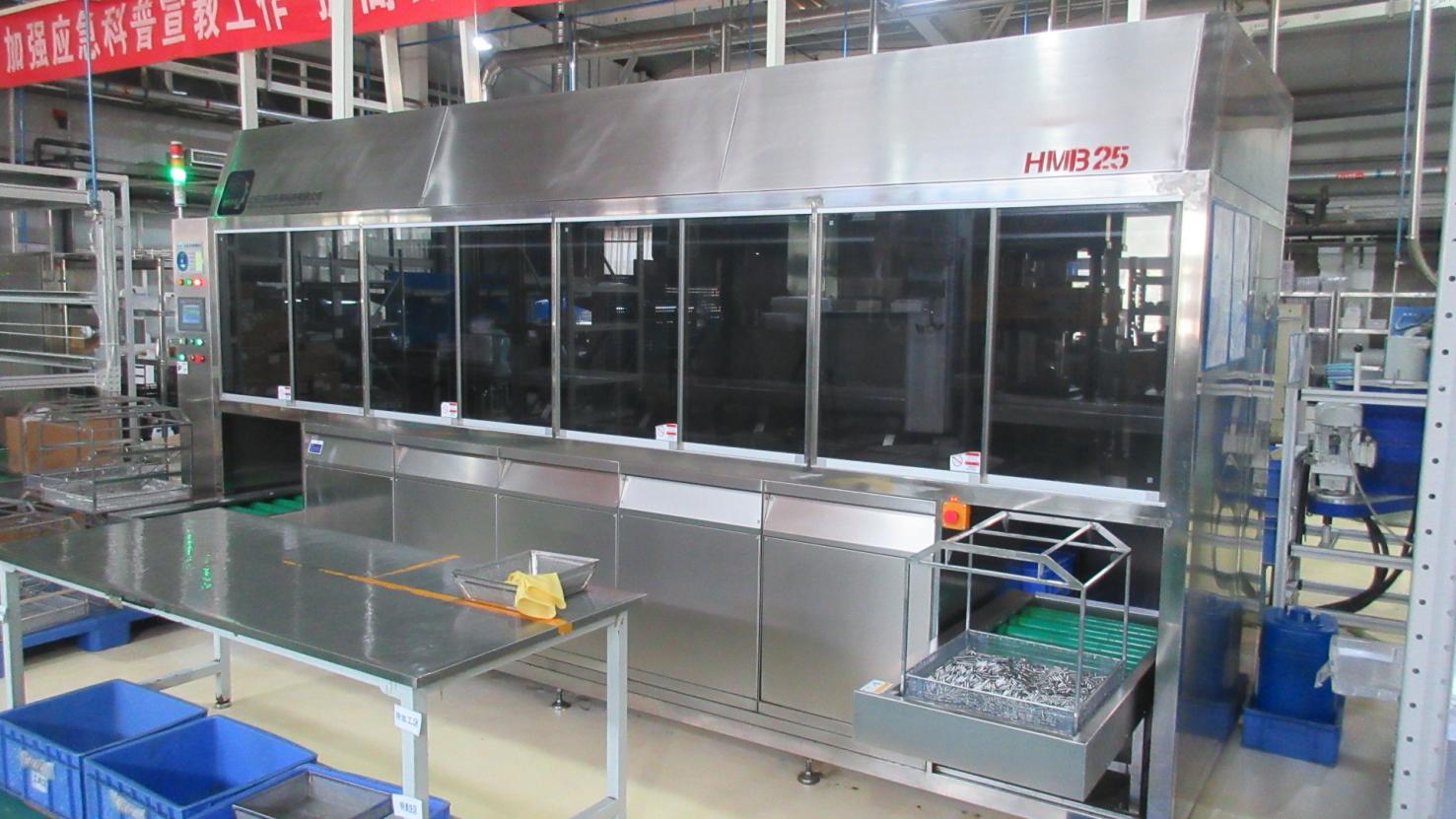
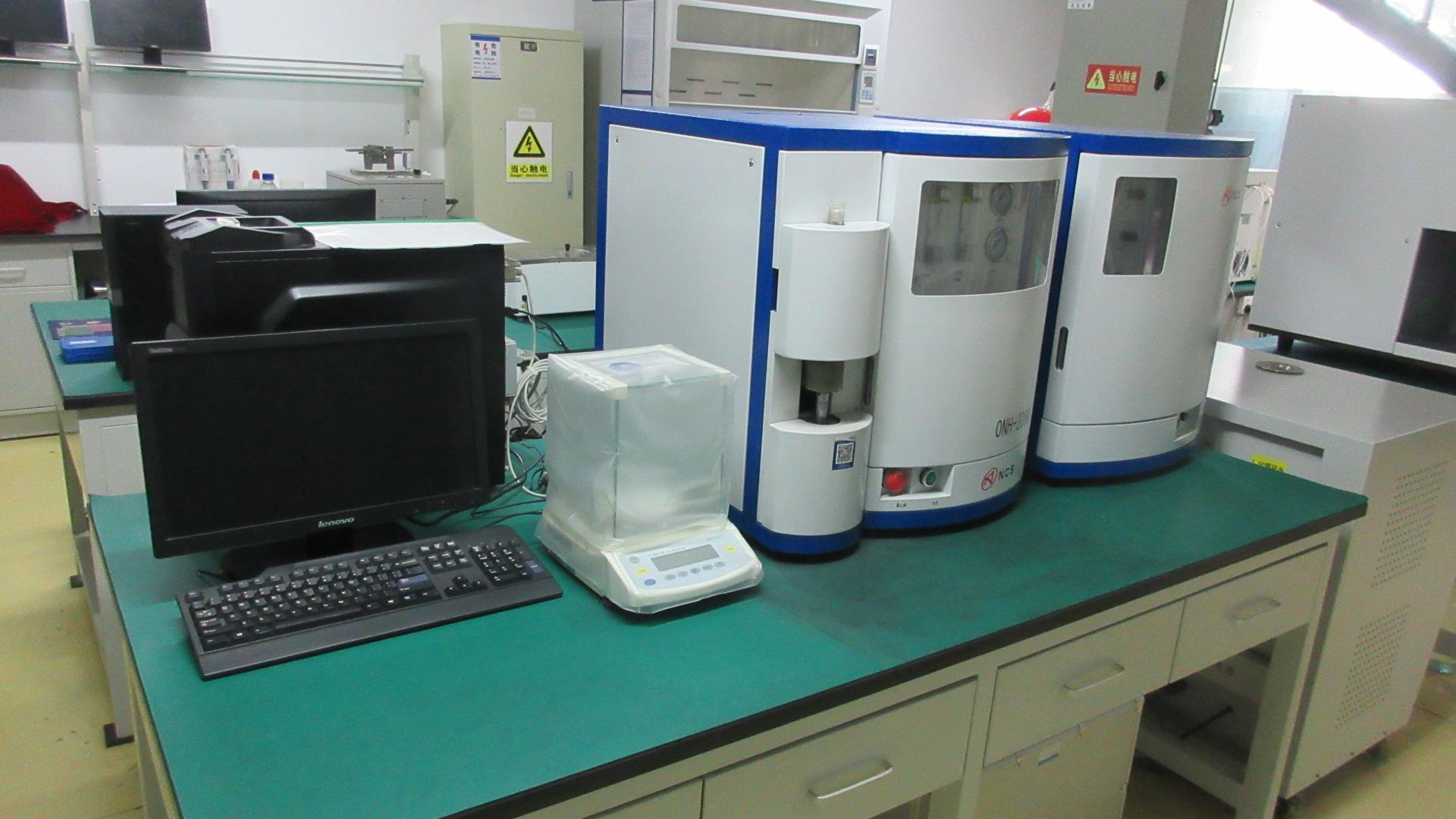
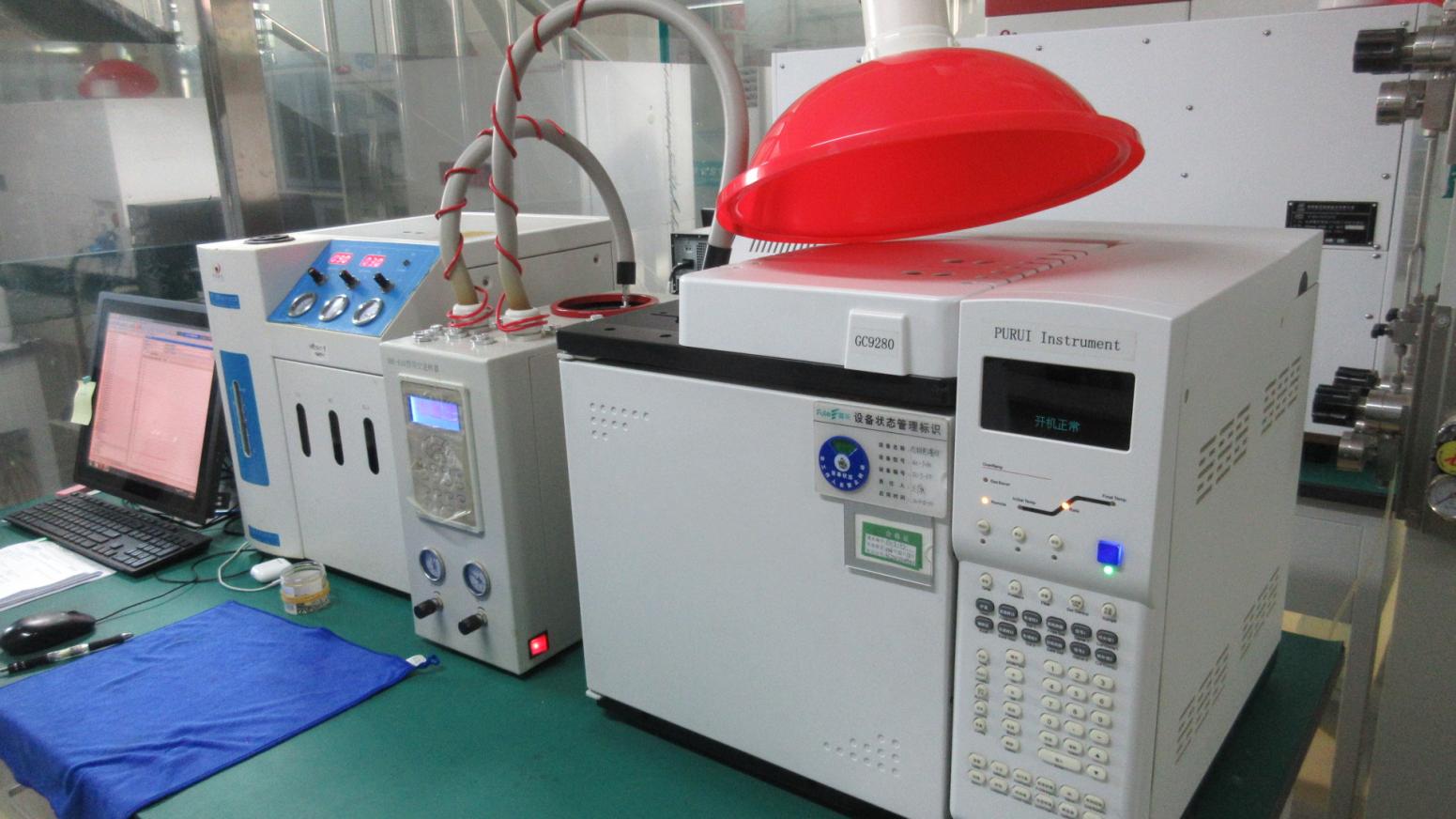
Our advanced 10,000 sqm manufacturing base utilizes lean engineering, CNC machinery, and trace-monitored material loops.
| Beijing Fule Factory Operational Specifications | |
|---|---|
| Company Registration | 1996-06-28 (Over 30 years of medical device engineering expertise) |
| Quality Certifications | ISO13485 Certified (Cert No. 04724Q10000818) & CE Markings for Class II/III Implants |
| Quality Control Protocol | 100% Inspection of all finished parts; 15 full-time QA/QC inspectors; full trace-monitored raw materials |
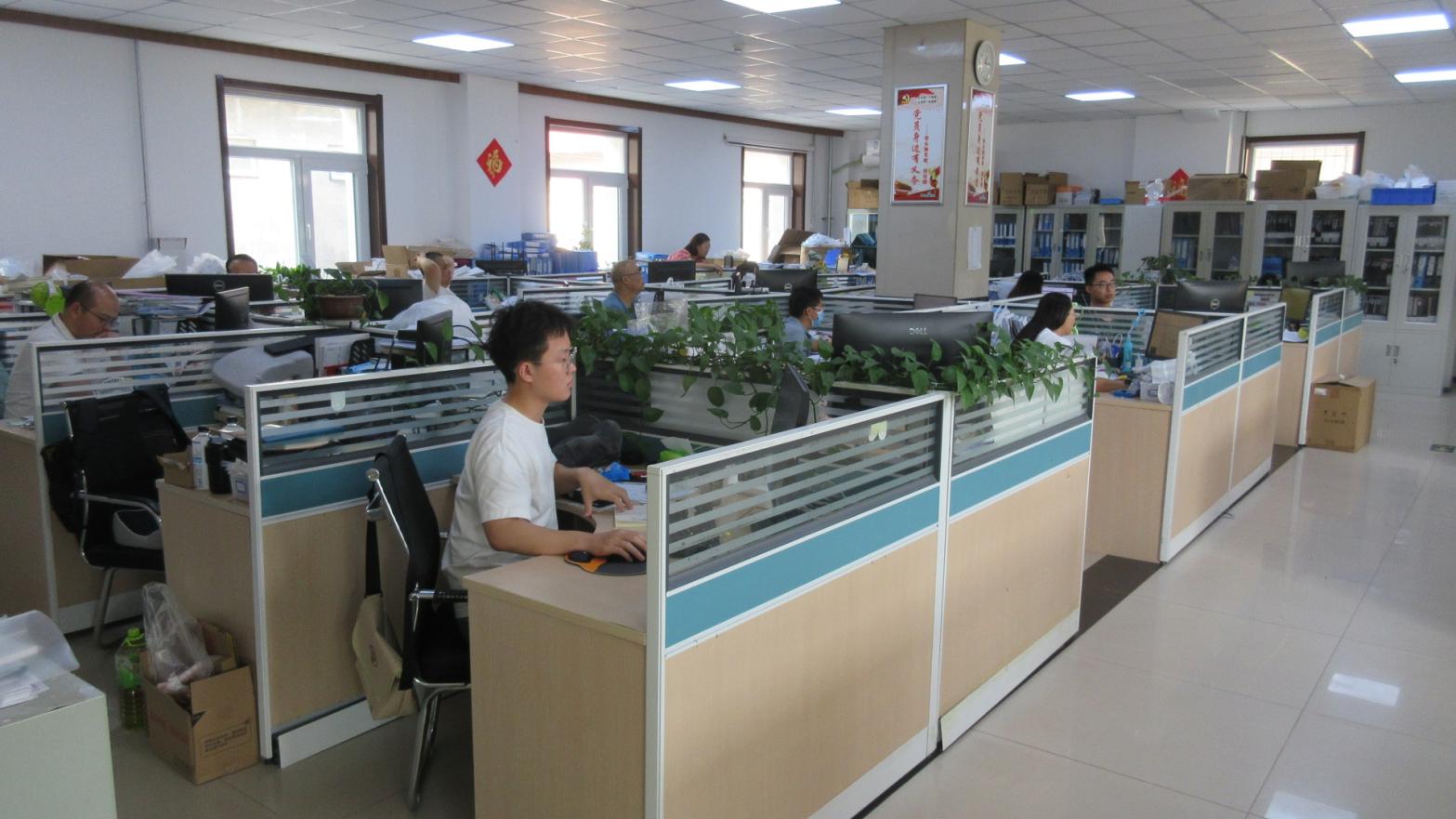
| R&D Capabilities | 20 Dedicated R&D engineers (15 holding Master/Post-Graduate degrees, 5 Junior College specialists) |
| Global Supply Profile | Domestic Market (40%), Eastern Europe (15%), Southeast Asia (10%), with over 70 supply chain partners |
| Customization Scope | OEM / ODM Support: sample processing, graphic CAD/CAM processing, customized on demand |
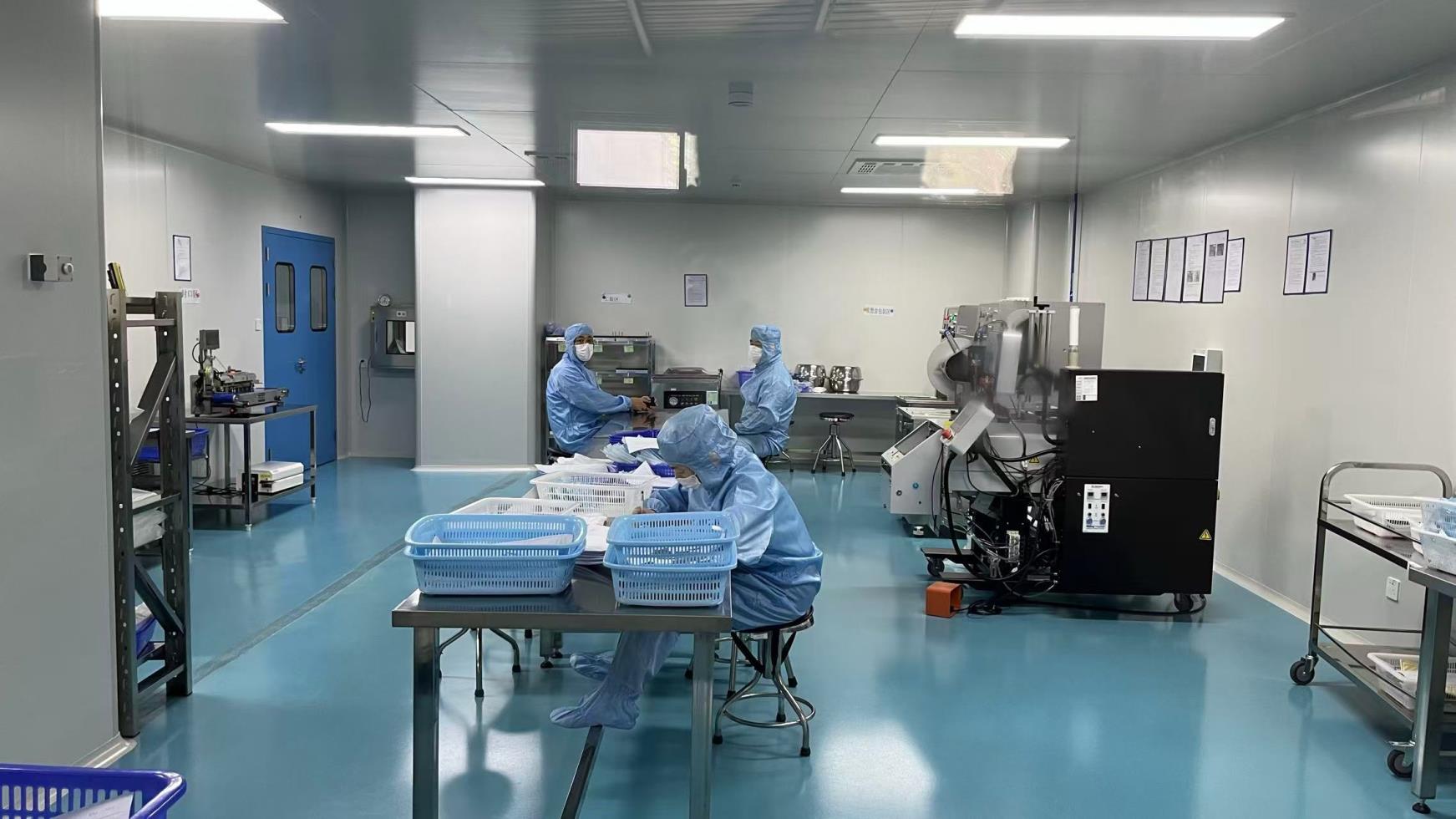
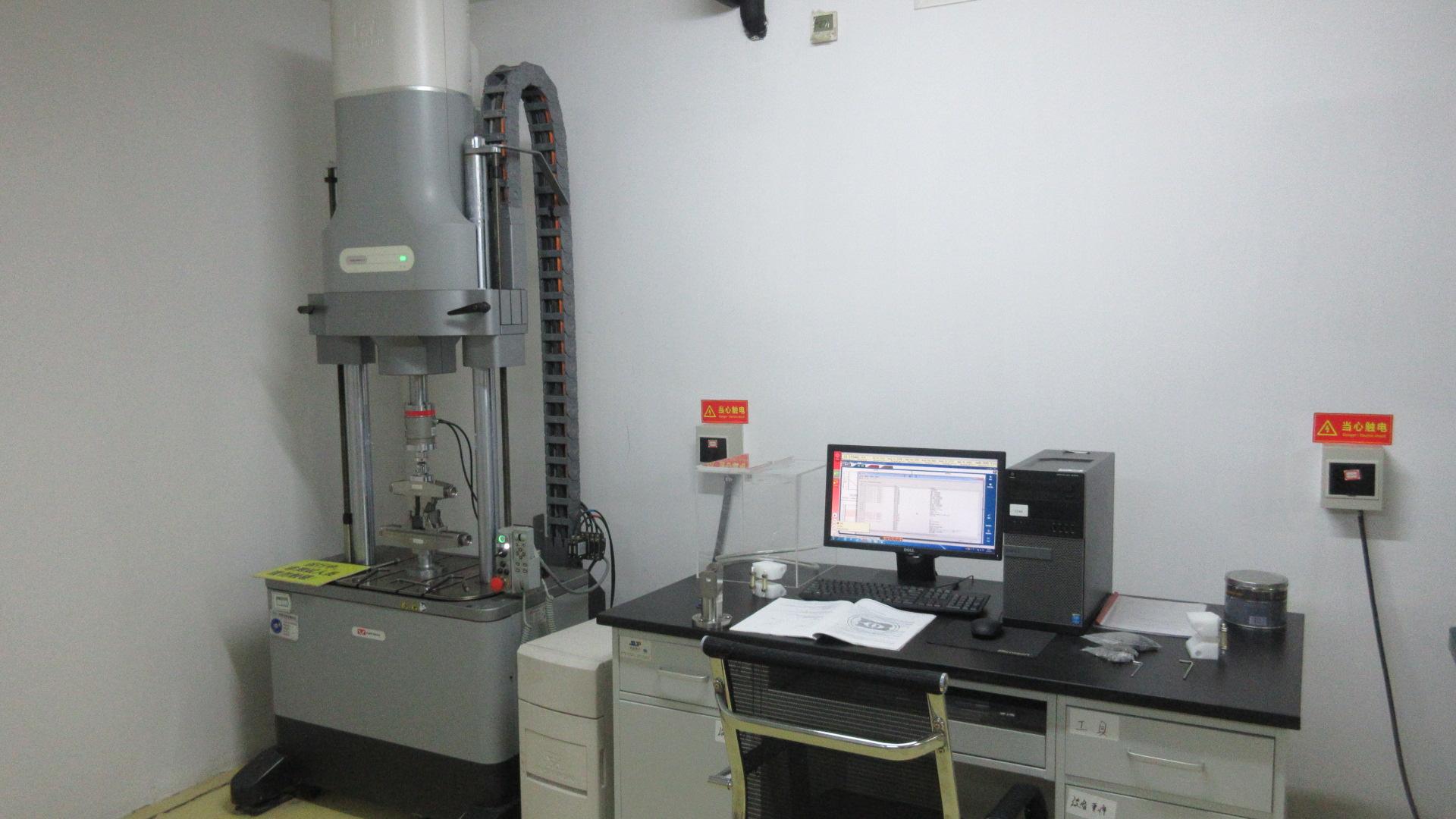
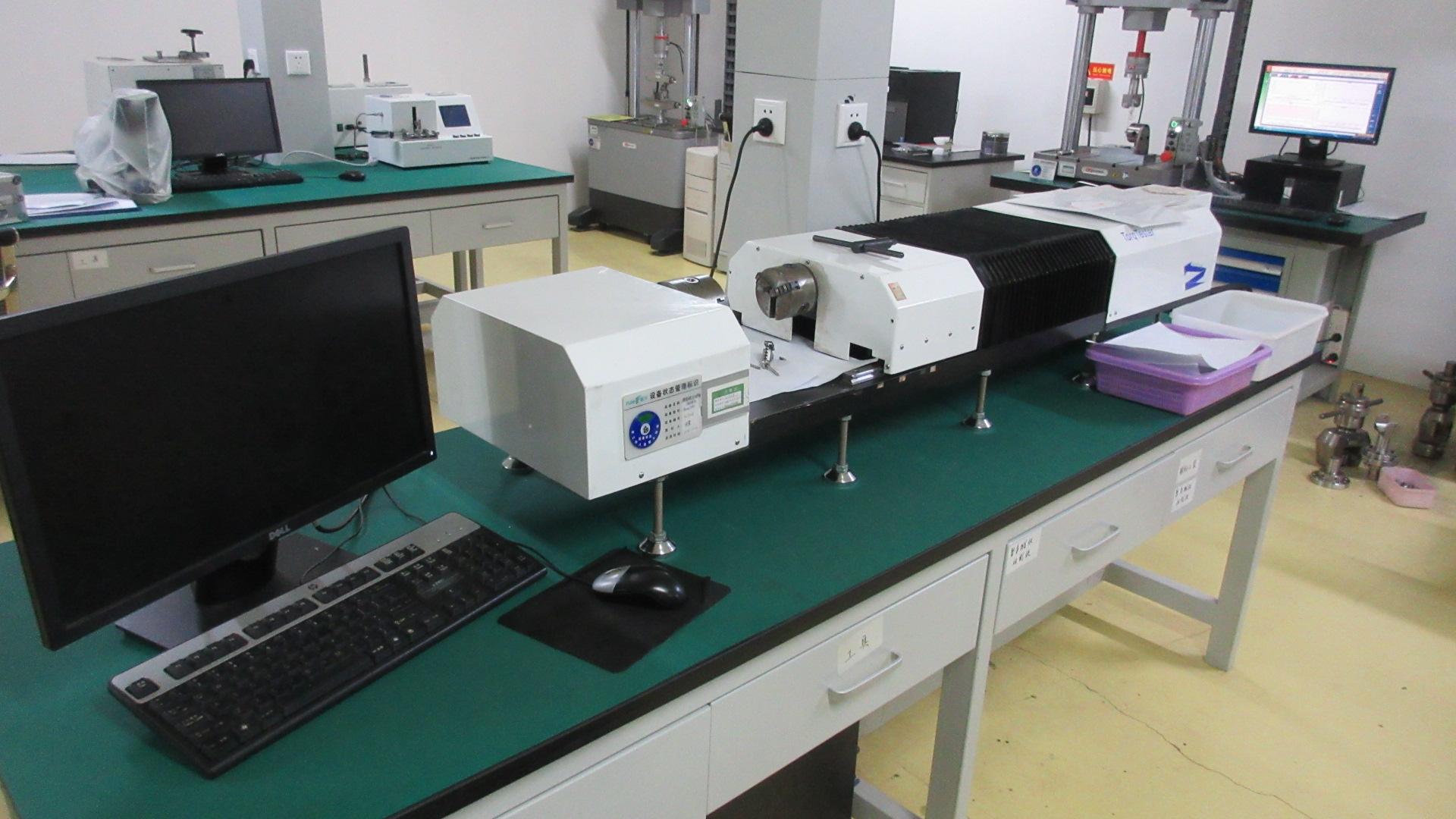
Direct view of our advanced CNC milling, cleanrooms, mechanical verification facilities, and packaging lines.
Enabling seamless market penetration for orthopedic distributors and surgical providers globally.
Purchasing Class III implantables demands strict compliance with global medical regulations. Beijing Fule supports international distributors by providing complete documentation, technical dossiers, and logistics validation:
Expert answers addressing materials science, manufacturing capabilities, and export compliance.
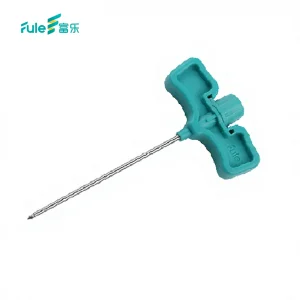
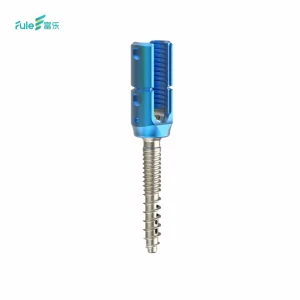
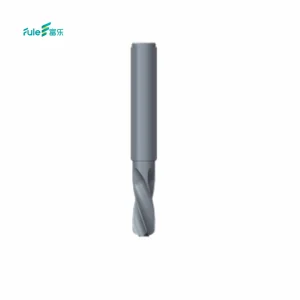
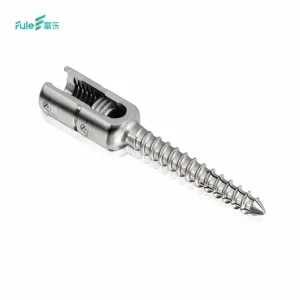
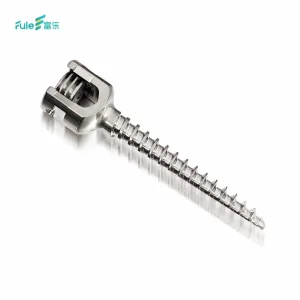
A comprehensive portfolio of interventional tools, intramedullary fixation nails, and spinal stabilization implants.
 Beren Science & Technology