Analyzing key market growth vectors, technological transitions, and macro manufacturing configurations for Class III implantable devices.
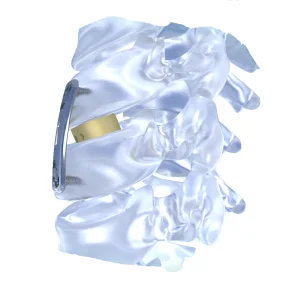
Modern clinical practices require implants that bridge the biomechanical gap between bone tissues and engineering substrates. Modern cervical interbody fusion cages must combine structural rigidity with biocompatibility. Standard clinical PEEK provides optimal radiolucency to visualize fusion progression, while direct-milled titanium coatings encourage osteoblast migration and mechanical interlocking via surface micro-roughness. As a leading manufacturer, our production setups integrate both materials, offering hybrid configurations that dramatically reduce stress-shielding effects.
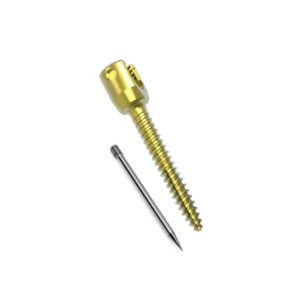
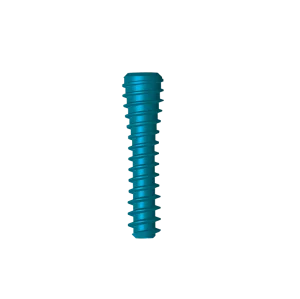
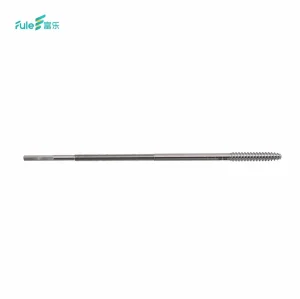
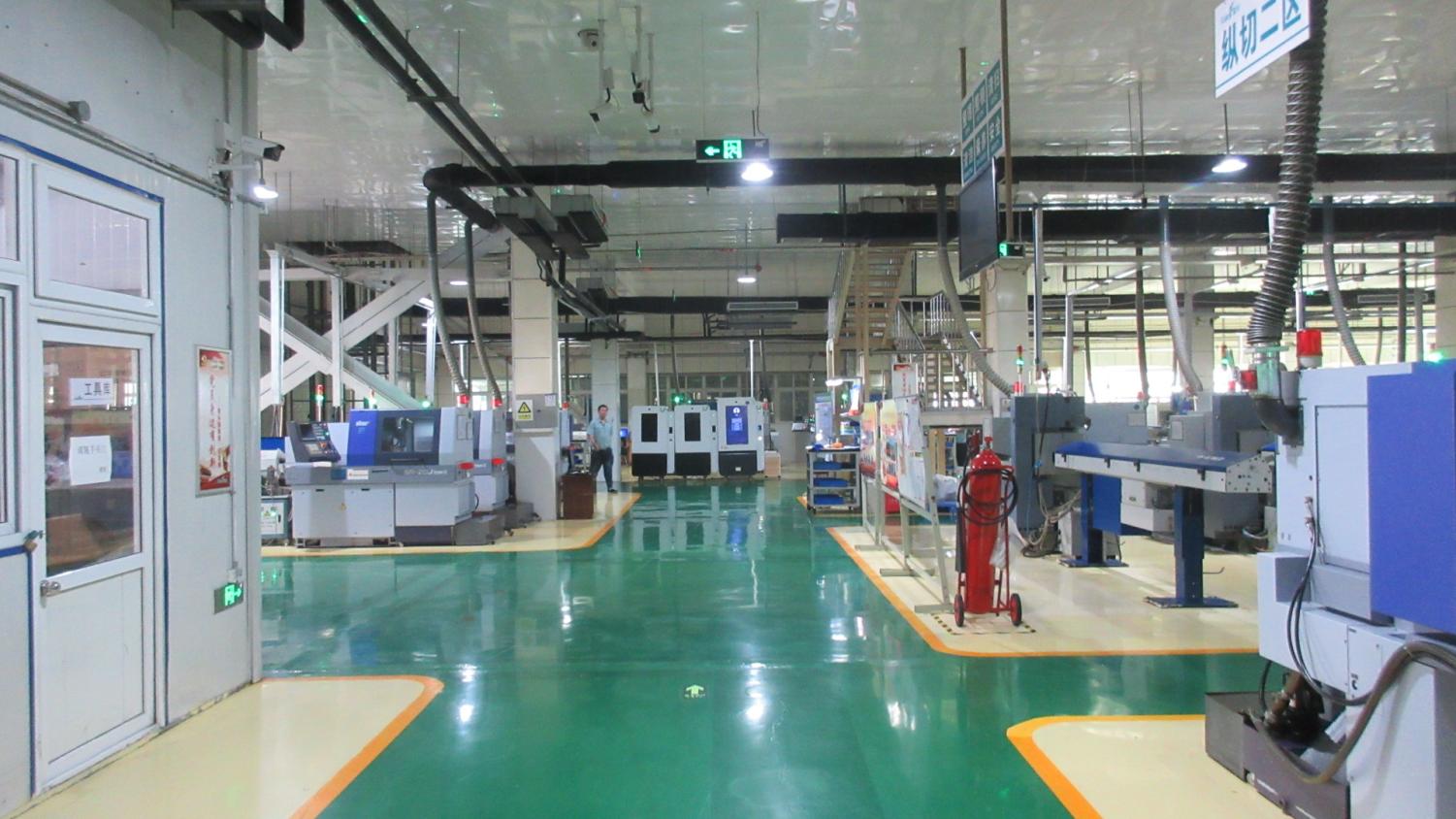
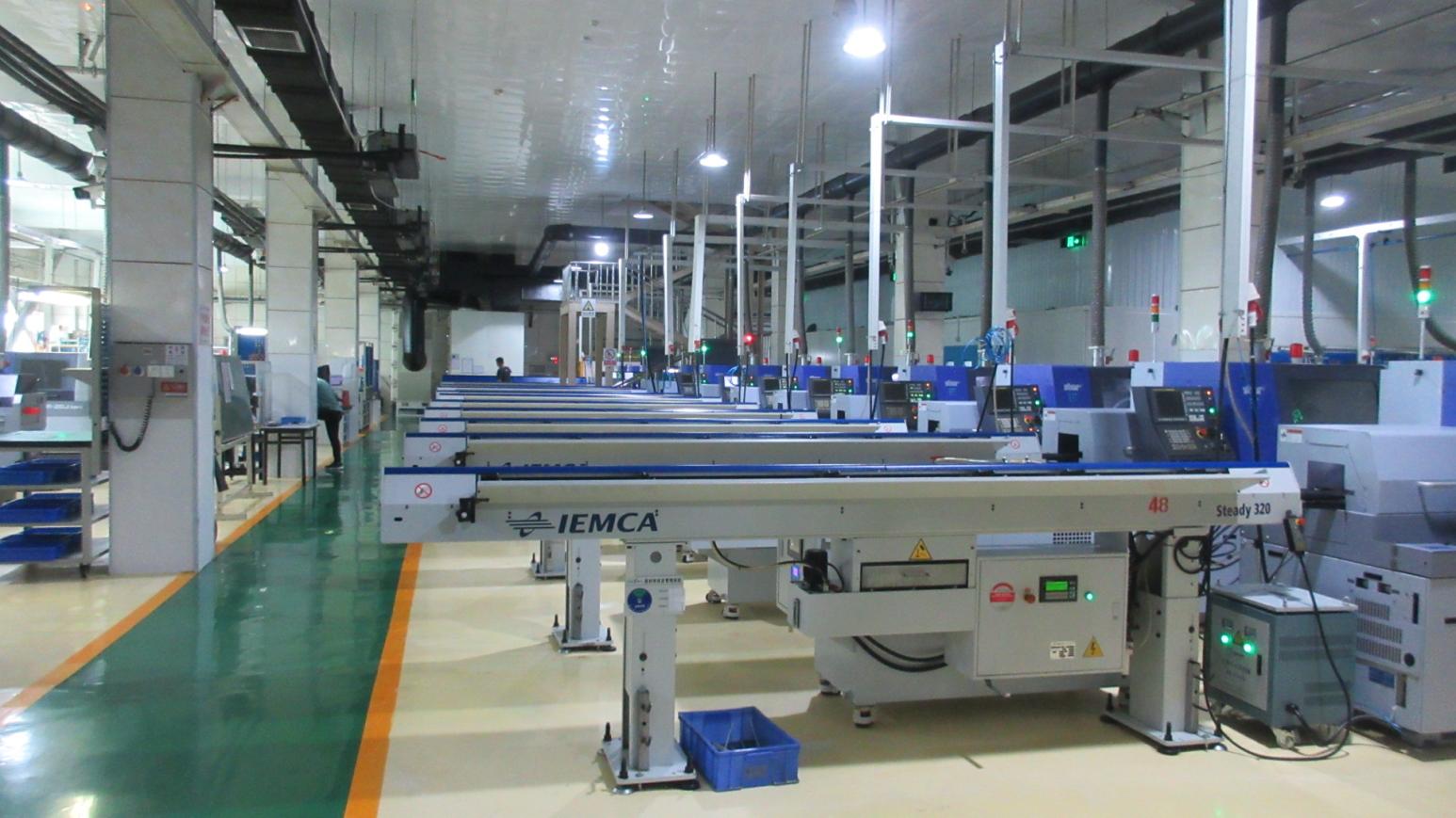
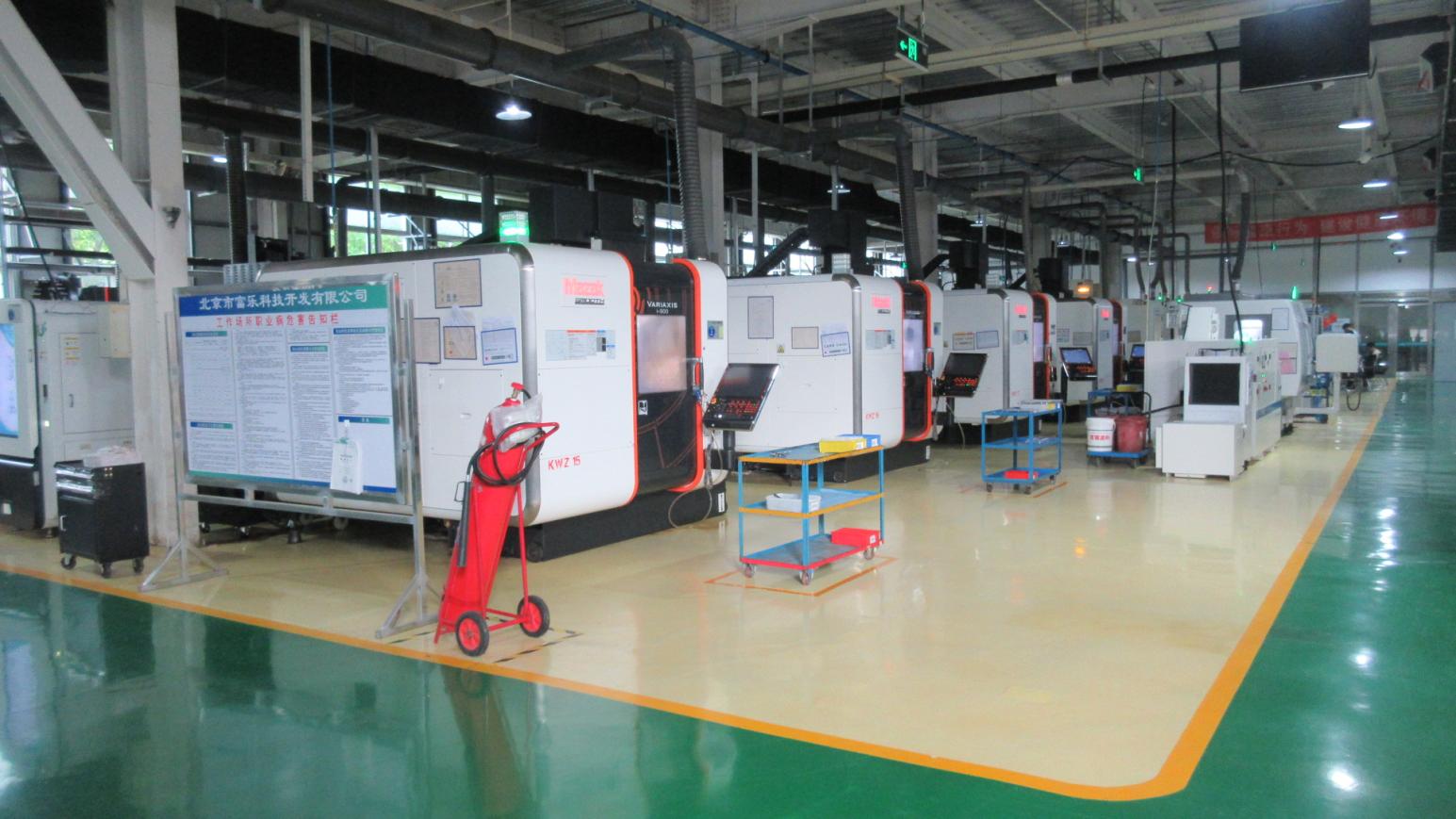
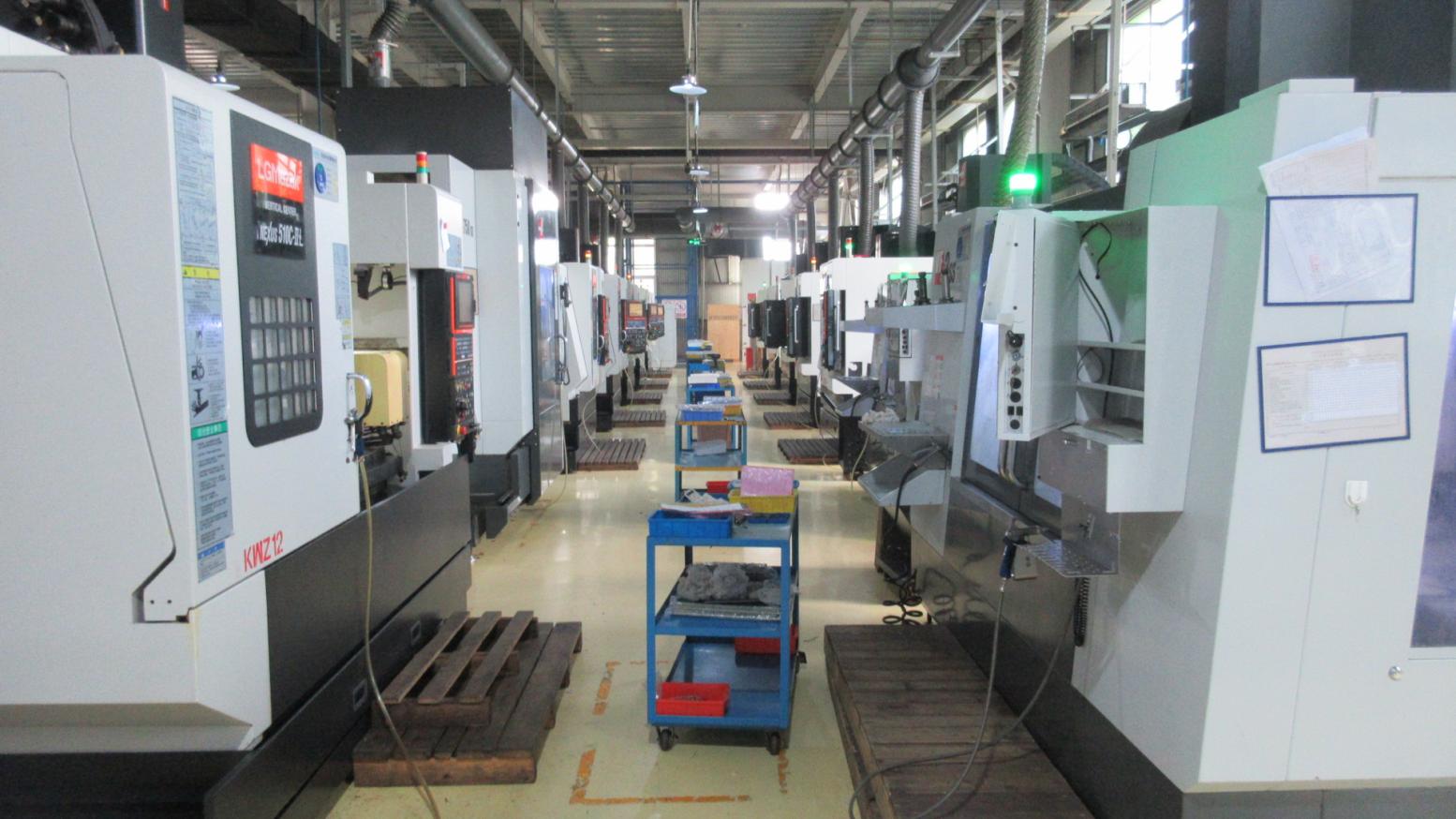
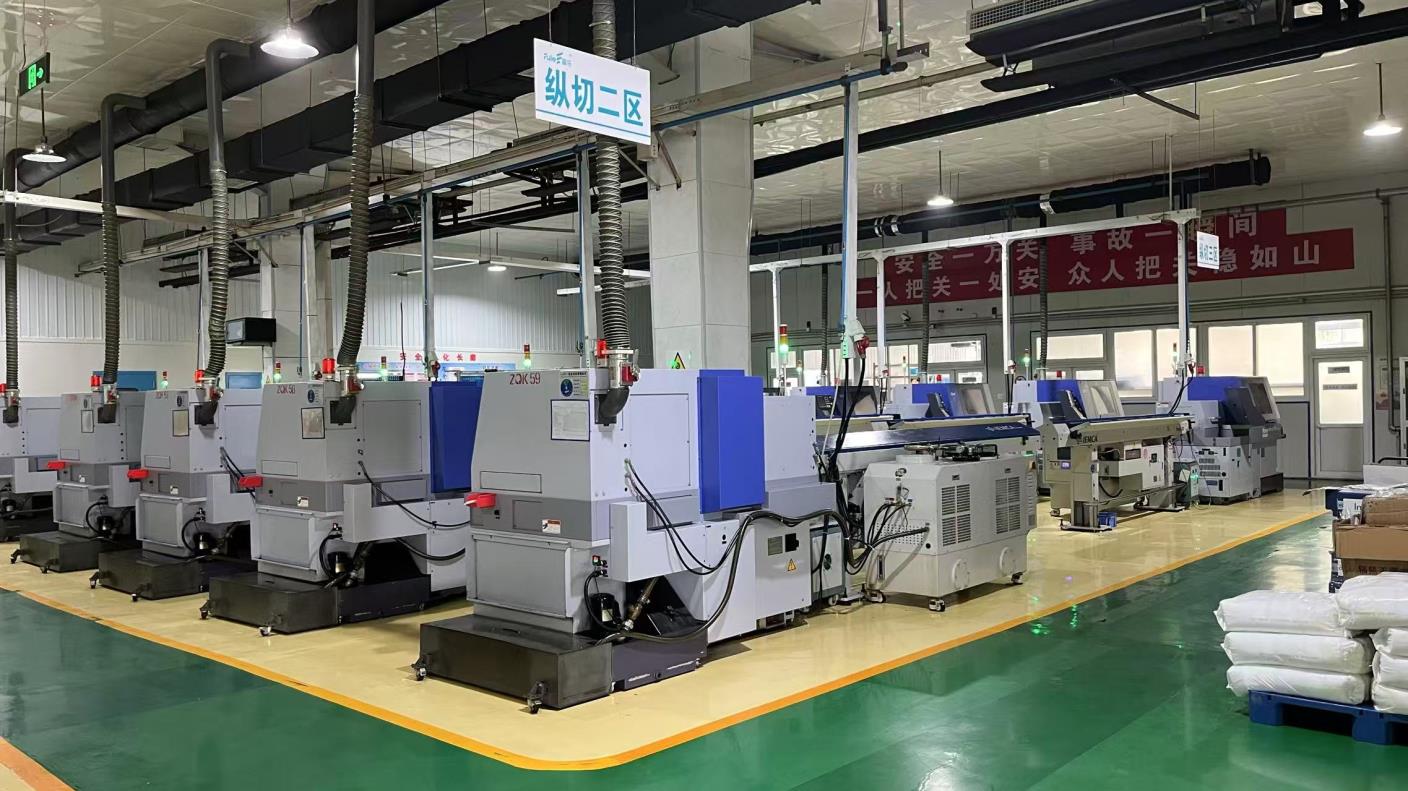
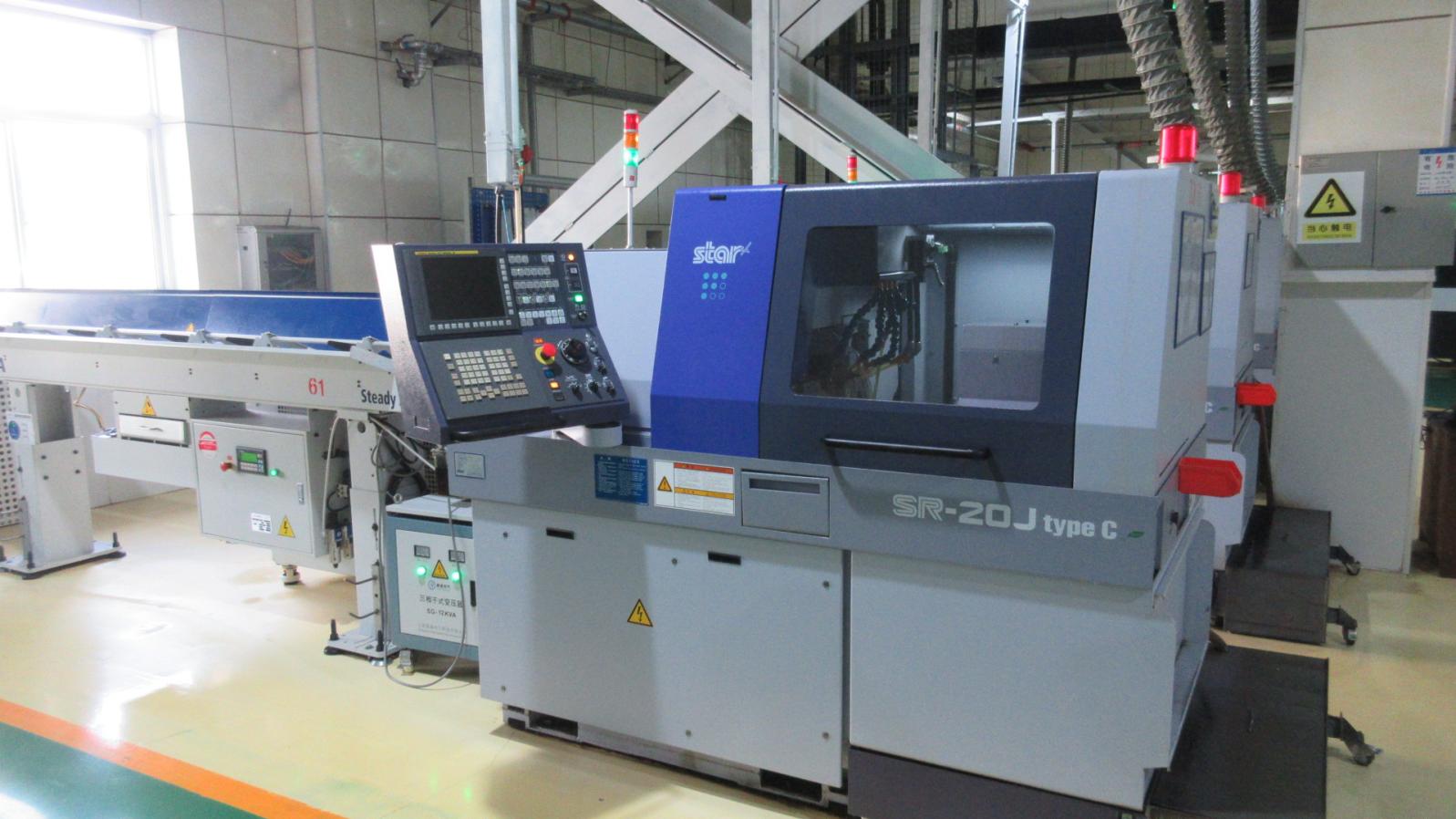
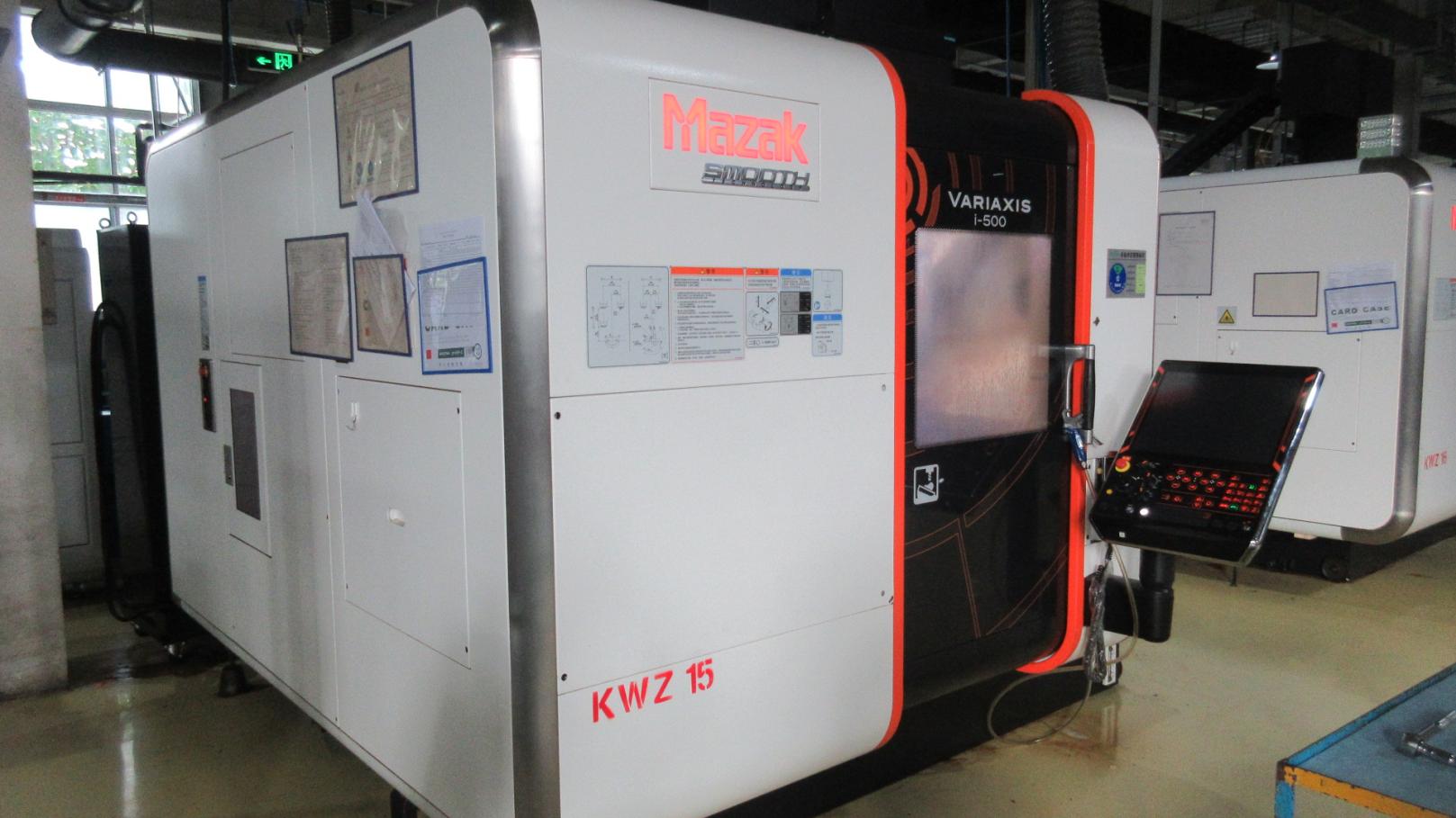
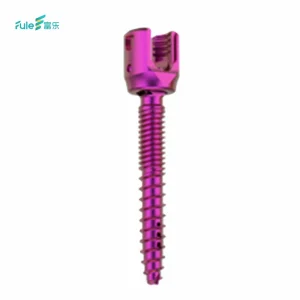
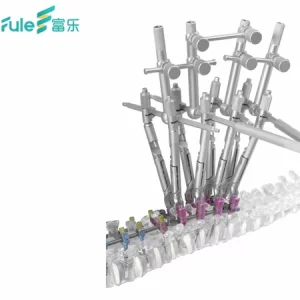
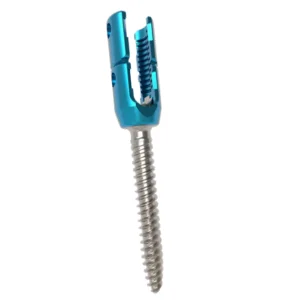
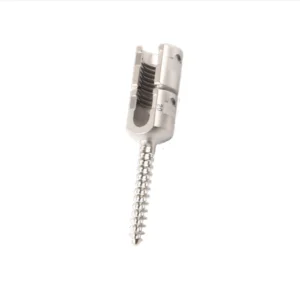
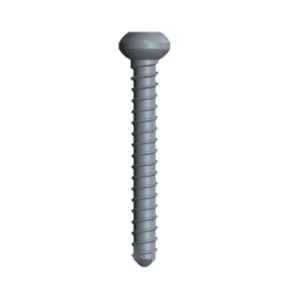
For MIS instrumentation and pedicle screws (such as the COX Polyaxial system), manufacturing precision defines success. A tolerance fluctuation of mere microns can result in screw thread binding or dynamic subluxation under multi-axial loads. Utilizing advanced multi-axis CNC machines and Swiss longitudinal lathes, our manufacturing lines process raw titanium bar stocks into finished implants featuring complex dual-lead threads and expandable geometries with consistent reproducibility.
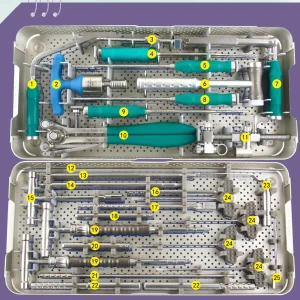
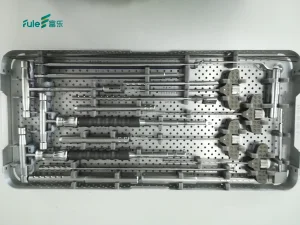
Global demand for minimally invasive surgery devices is shifting rapidly from standardized designs towards systemized, procedure-specific kits. Professional purchasing departments seek manufacturers capable of providing unified, certified kits containing both the implantable materials (e.g., Titanium Pedicle Screws, PEEK cages) and the corresponding high-grade stainless steel instrumentation. This unified supply chain approach ensures seamless surgical integration and simplifies global regulatory filings (EU MDR, US FDA, and local certifications).
Bespoke manufacturing backed by almost three decades of engineering expertise and rigorous ISO 13485 quality control protocols.
| Infrastructure Metric | Capabilities & Compliance Details |
|---|---|
| Regulatory Certifications | ISO 13485 (Registration No: 04724Q10000818) & CE Mark compatibility for Class III implantable orthopedic devices. |
| QA/QC Inspectors | 15 dedicated QA specialists enforcing 100% inspection of critical functional dimensions and raw material traceability protocols. |
| R&D Engineering Department | 20 specialized engineers (15 with advanced postgraduate degrees) driving continuous orthopedic implant optimization. |
| Customization Scope | Comprehensive OEM/ODM capabilities supporting sample processing, custom CAD/CAM graphic blueprints, and custom titanium finishing. |
| Global Export Footprint | 30 years of export experience, serving key markets across Eastern Europe (15%), Southeast Asia (10%), and international wholesalers. |
Exploring how we achieve exceptional fatigue resistance and biocompatibility in our implant systems.
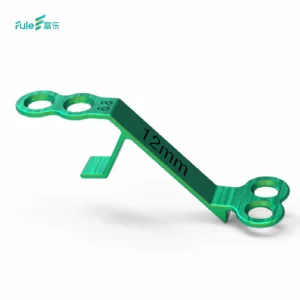
Our spine and trauma implant systems use Grade 5 Extra Low Interstitial (ELI) titanium. This alloy offers high tensile strength and high fatigue limits to withstand long-term spinal flexion and load-bearing cycles. Using automated anodizing processes, we create a stable, passive titanium dioxide layer. This prevents ion release and enhances osseointegration when implanted.
PEEK exhibits an elastic modulus of approximately 3.6 GPa, closely matching that of cortical bone. This physiological match minimizes stress shielding and promotes bone remodel grafting around cervical cages. Our processing systems are equipped with dedicated tooling to prevent cross-contamination from metal particles during manufacturing.
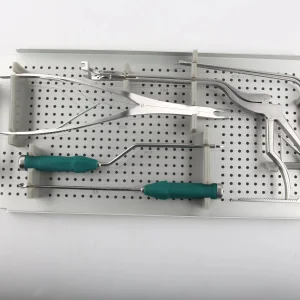
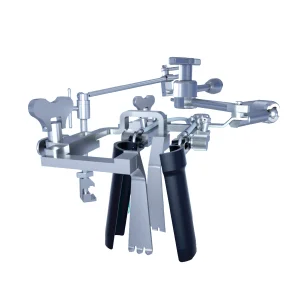
Our instrument sets are designed to interface seamlessly with MIS implants. They are made from surgical-grade stainless steel (including martensitic and austenitic grades) with satin finishes to prevent reflections under high-intensity OR lighting. Each device undergoes multiple passivation steps to resist corrosion from aggressive clinical cleaning and autoclaving.
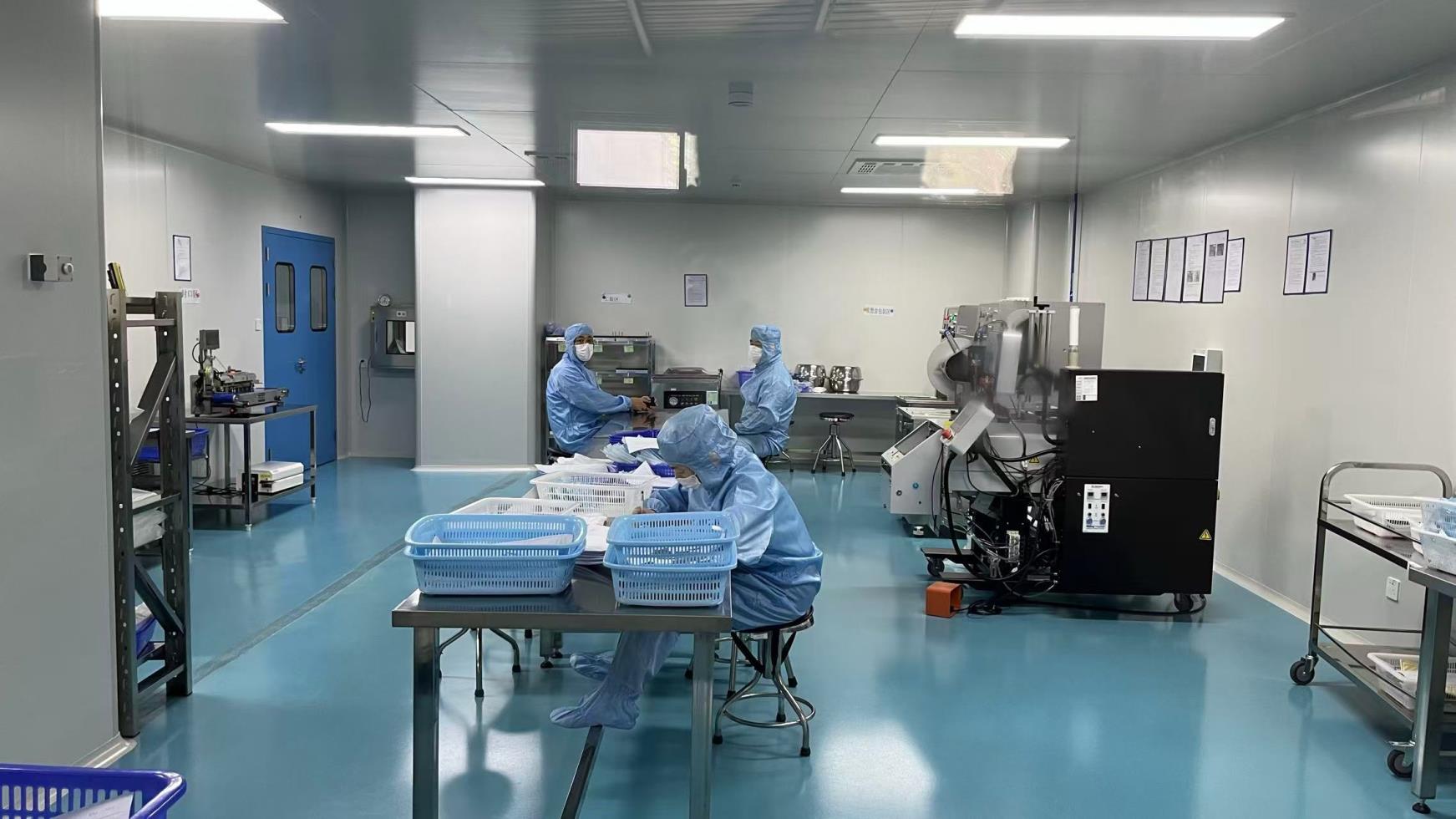
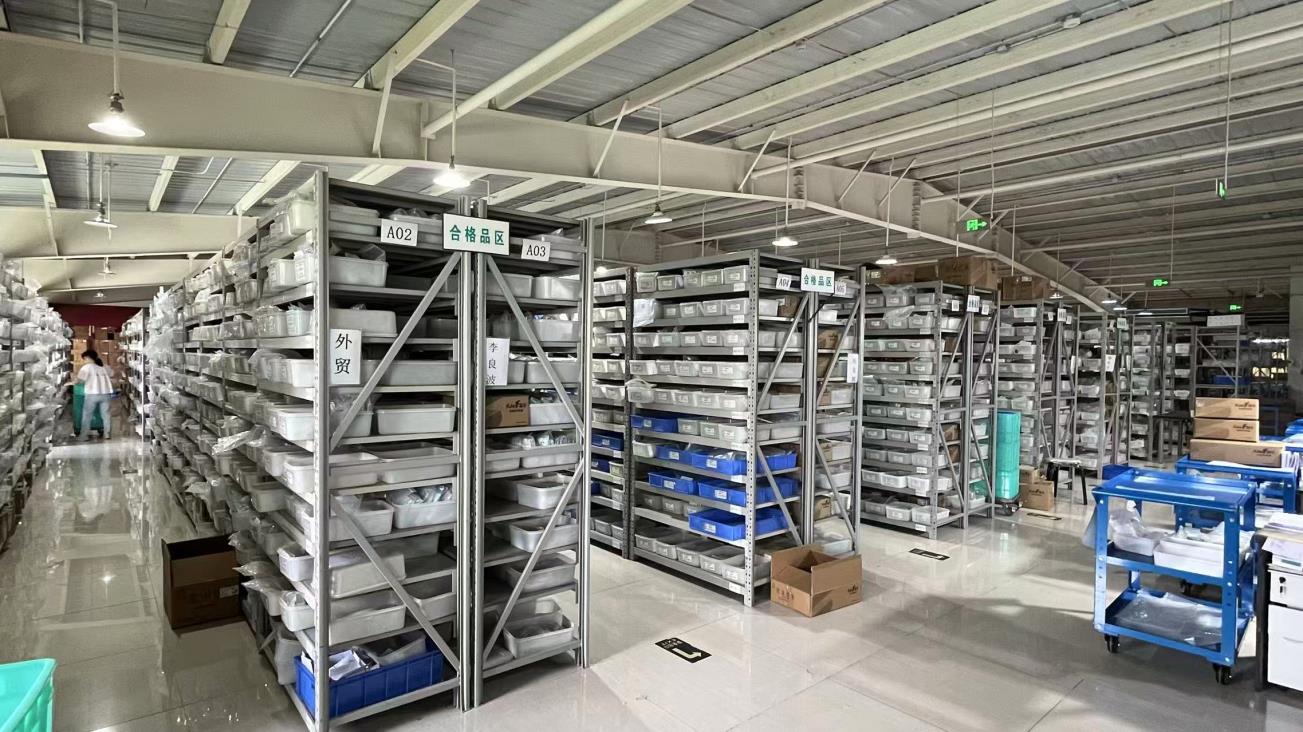
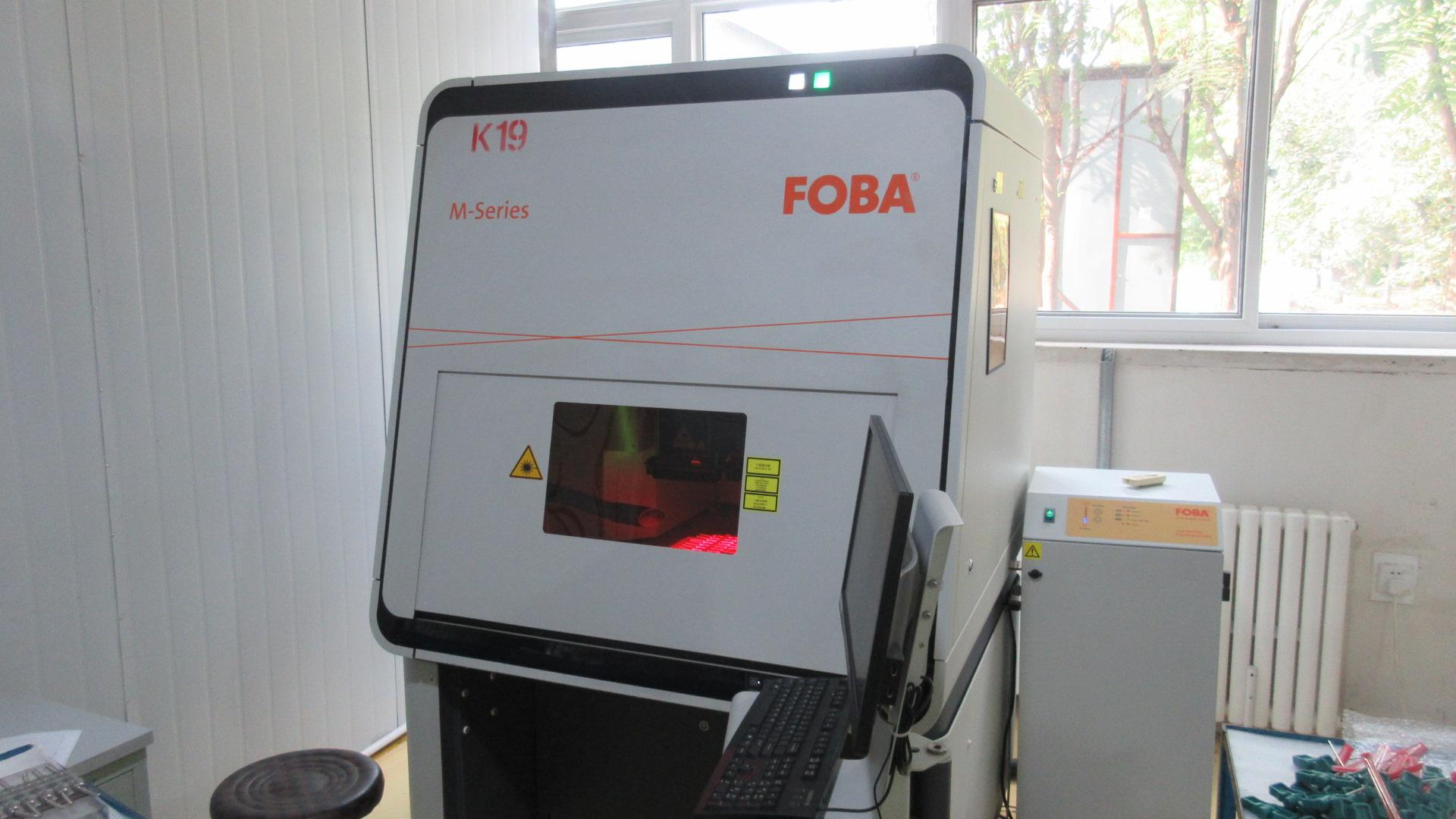
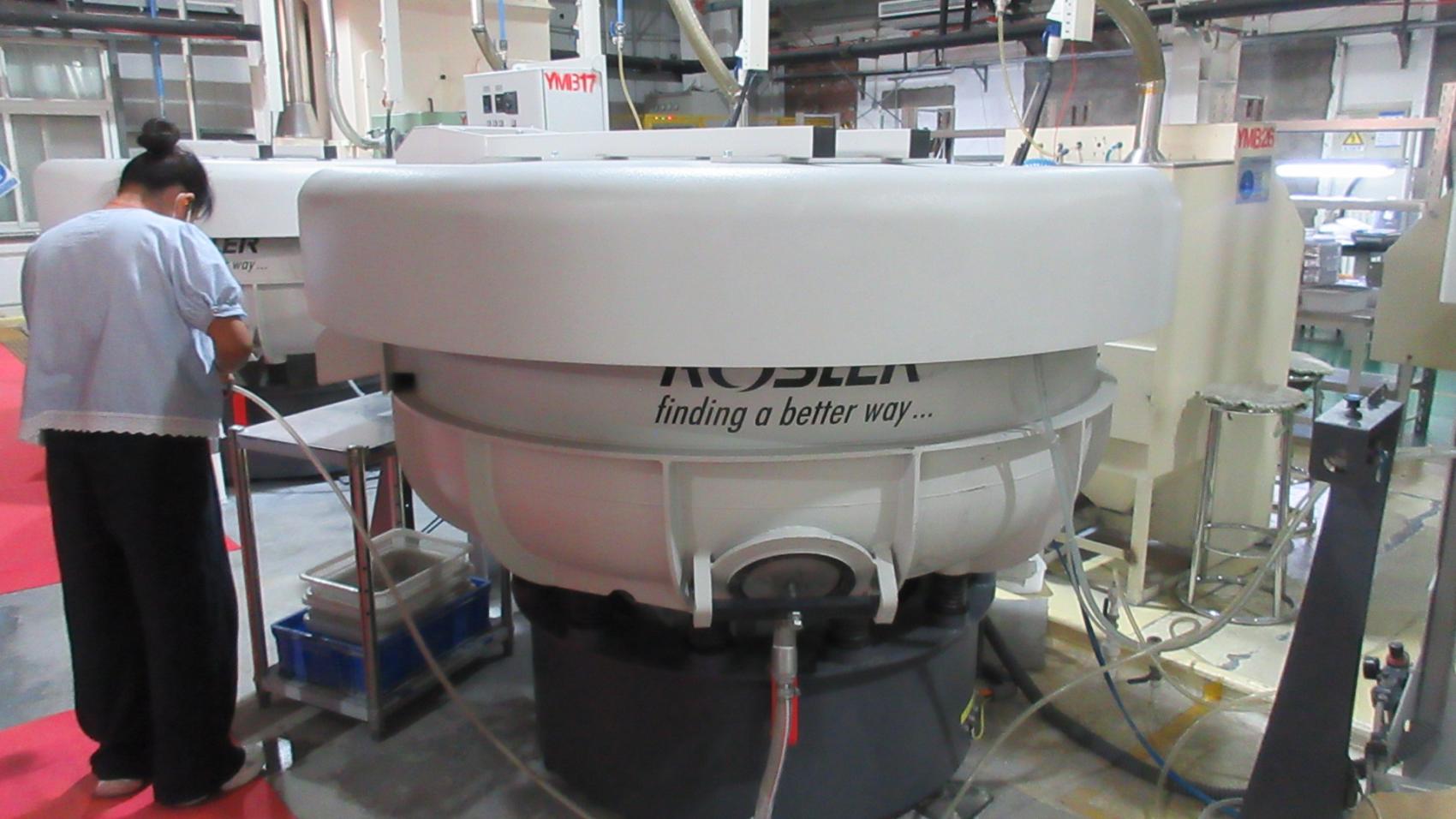
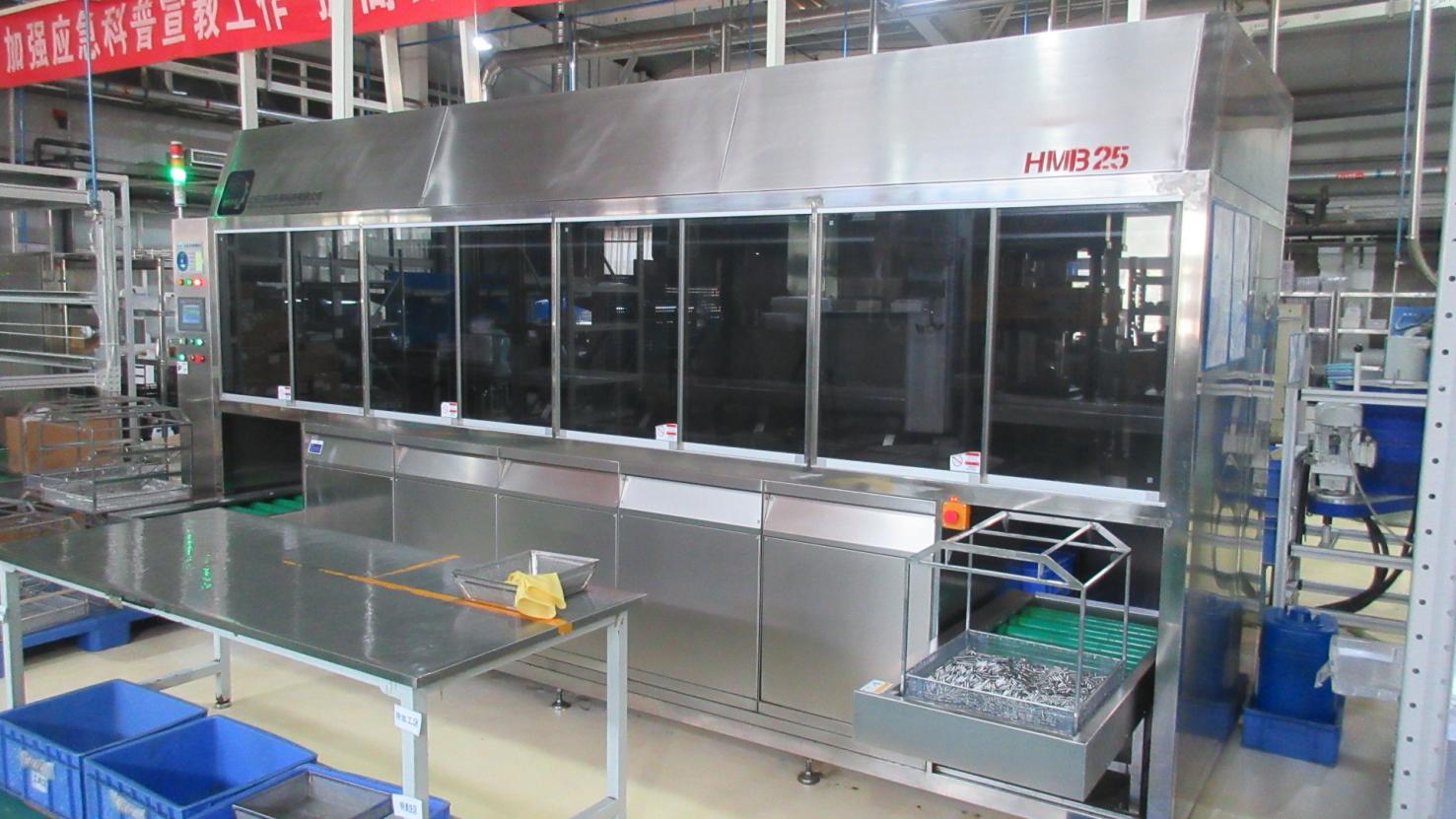
Take a visual tour inside our advanced manufacturing facility, showing precision testing, packaging, and raw material handling.


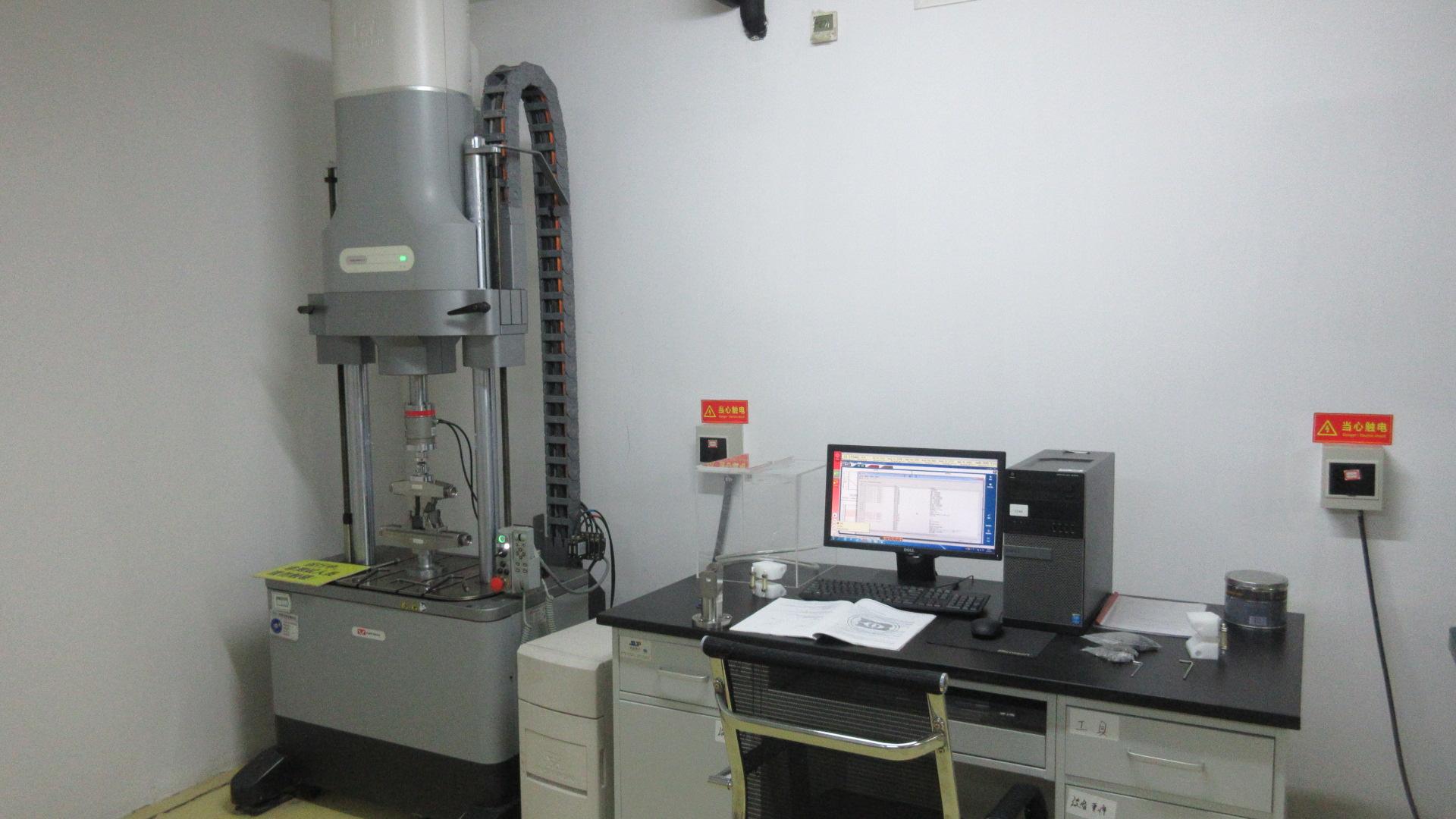
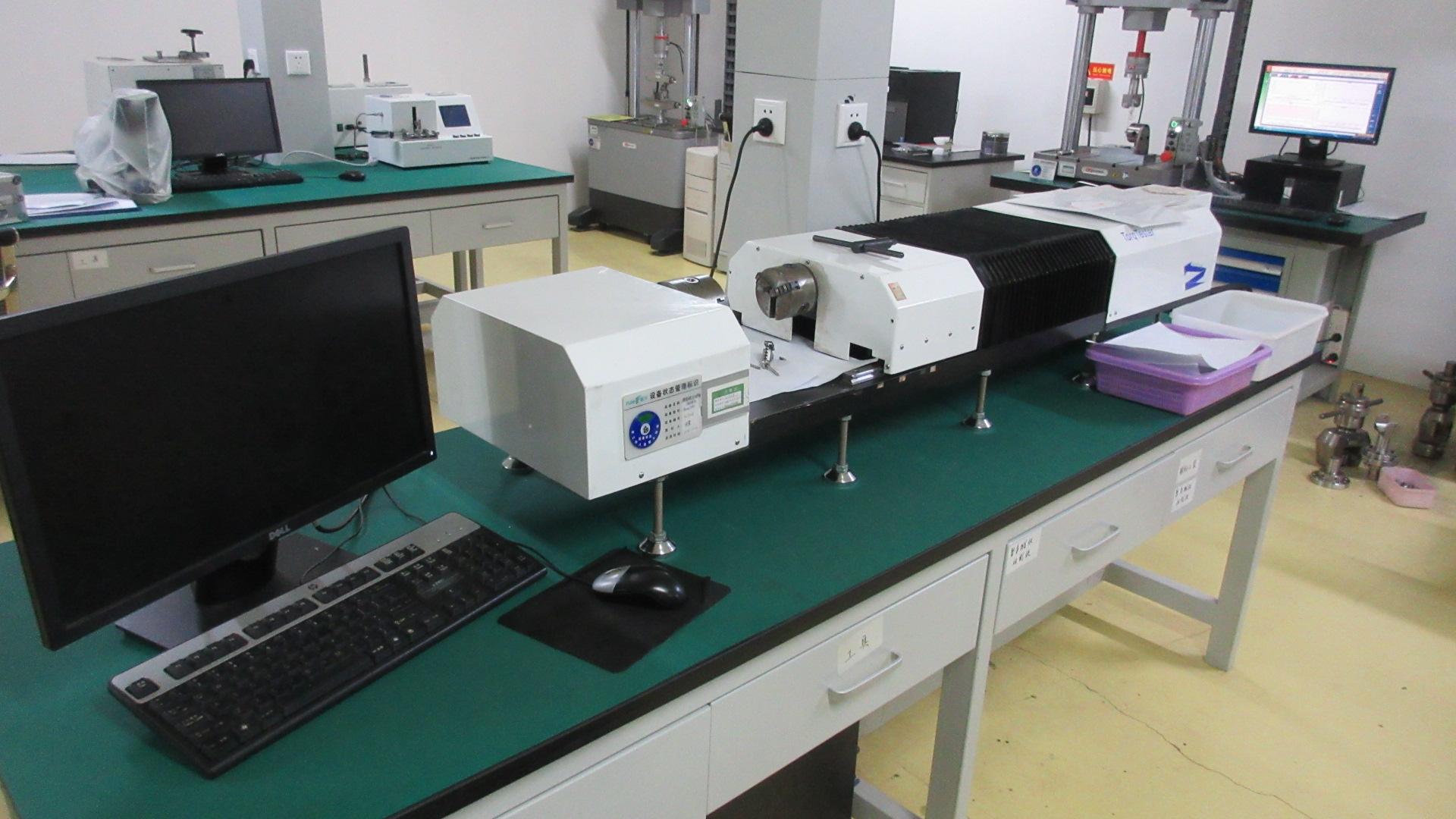
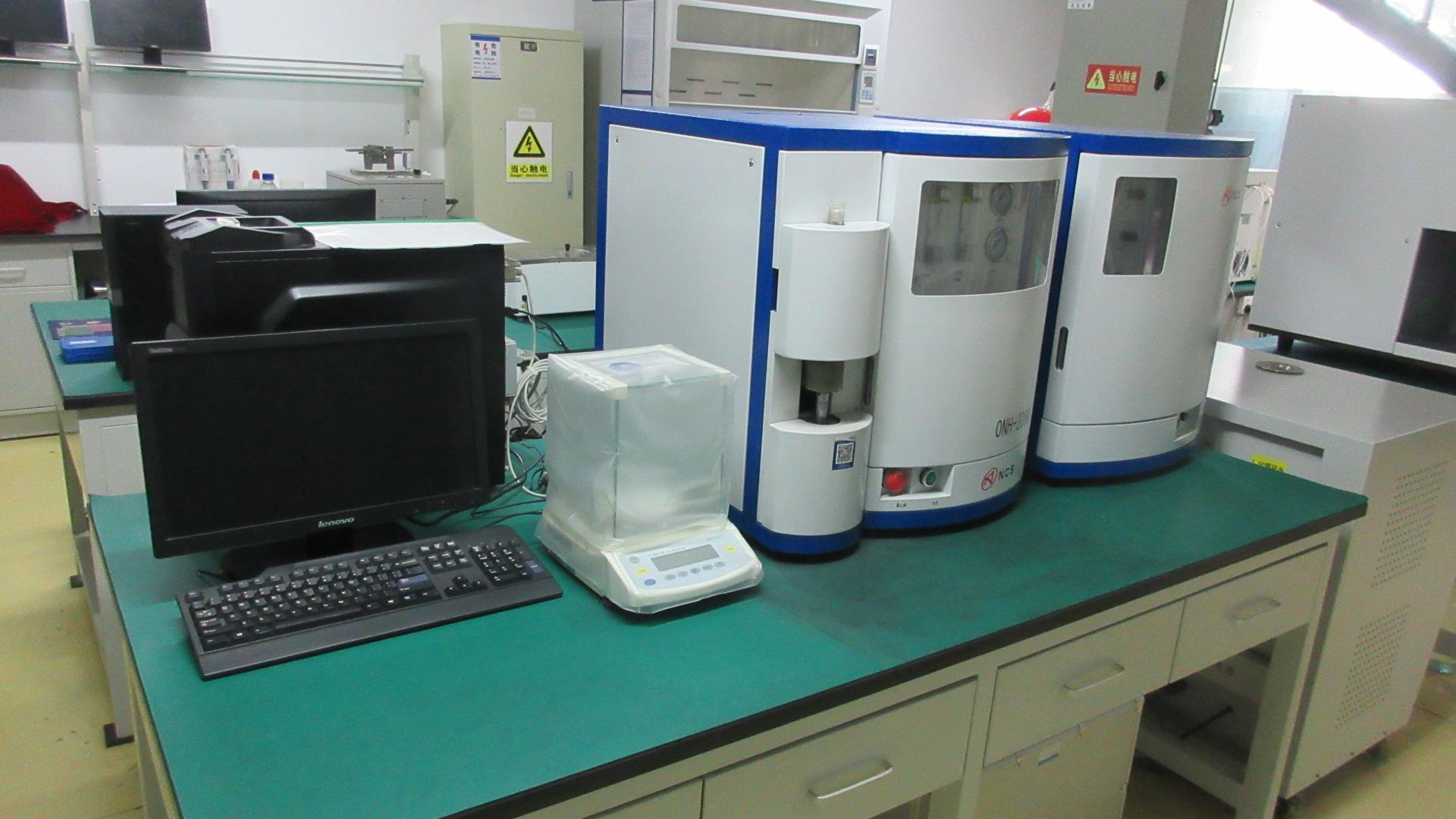
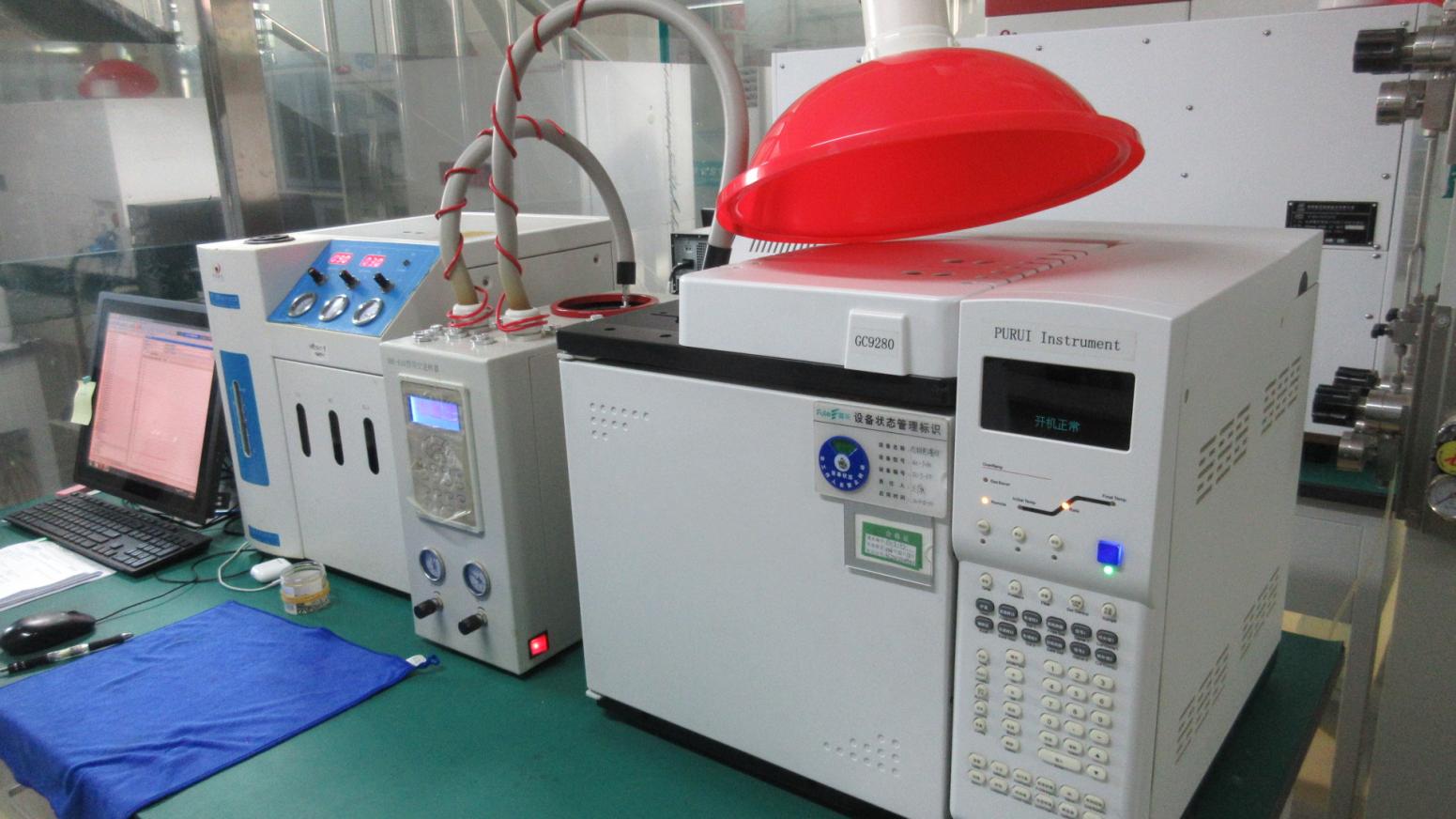
Clear, detailed information to help medical device distributors, hospitals, and OEM partners make informed sourcing decisions.
 Beren Science & Technology