The global landscape of spinal orthopedics is witnessing a profound shift toward Minimally Invasive Spine Surgery (MISS), digitalized biomechanical assessment, and advanced biocompatible metal alloys. As international healthcare bodies mandate tighter quality systems, surgical centers and global distributors demand flawless mechanical accuracy and comprehensive regulatory profiles from their manufacturing partners.
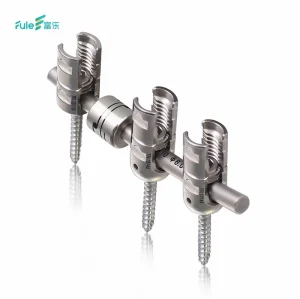
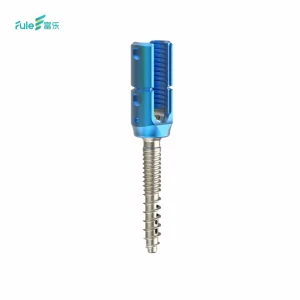
Historically, orthopedic implants functioned primarily as passive stabilization structures. Today, modern surgical pathways utilize dynamic spinal stabilization assemblies, advanced polyaxial pedicle screws, and PEEK (Polyetheretherketone) interbody fusion cages designed for active integration with bone tissues. In this high-stakes environment, orthopedic assessment tools—ranging from intraoperative derotation structures to physical trial devices—determine the success of long-term spinal fusion and stabilization.
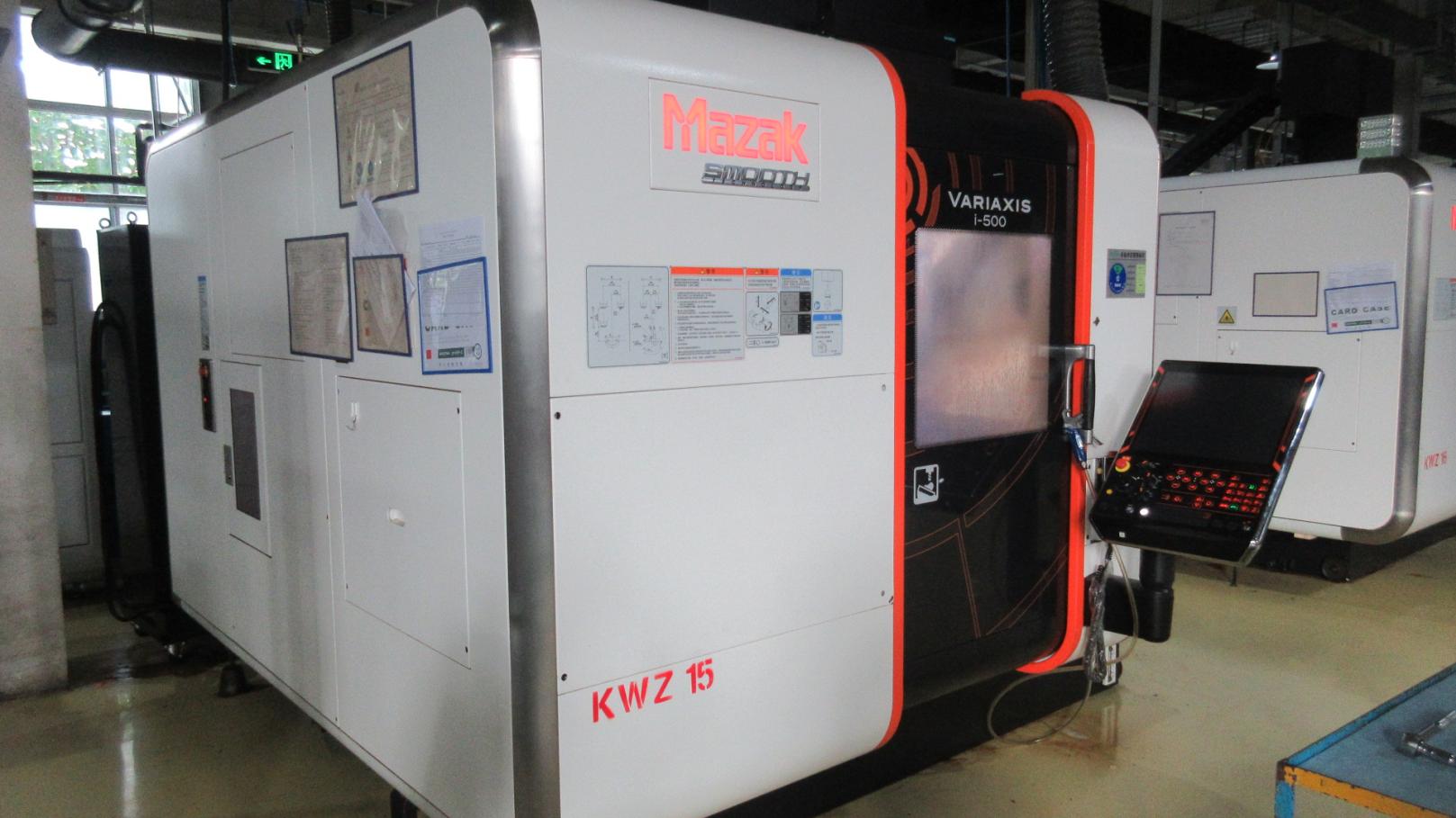
As a leading domestic orthopedic manufacturer in China, we leverage three decades of metallurgical engineering, state-of-the-art multi-axis CNC milling, and high-precision testing to supply hospitals, medical distributors, and OEM brands worldwide. Our solutions satisfy strict ASTM/ISO requirements, ensuring that each implant offers maximum fatigue life, exceptional load-bearing performance, and zero-defect bio-compatibility.
Established on June 28, 1996, our production operations run within an ISO 13485 certified quality system. From raw material ingestion to cleanroom packaging, every phase of production is monitored, tracked, and documented. We maintain 100% material traceability back to the original titanium alloy ingot heat number, providing absolute confidence to clinical buyers.
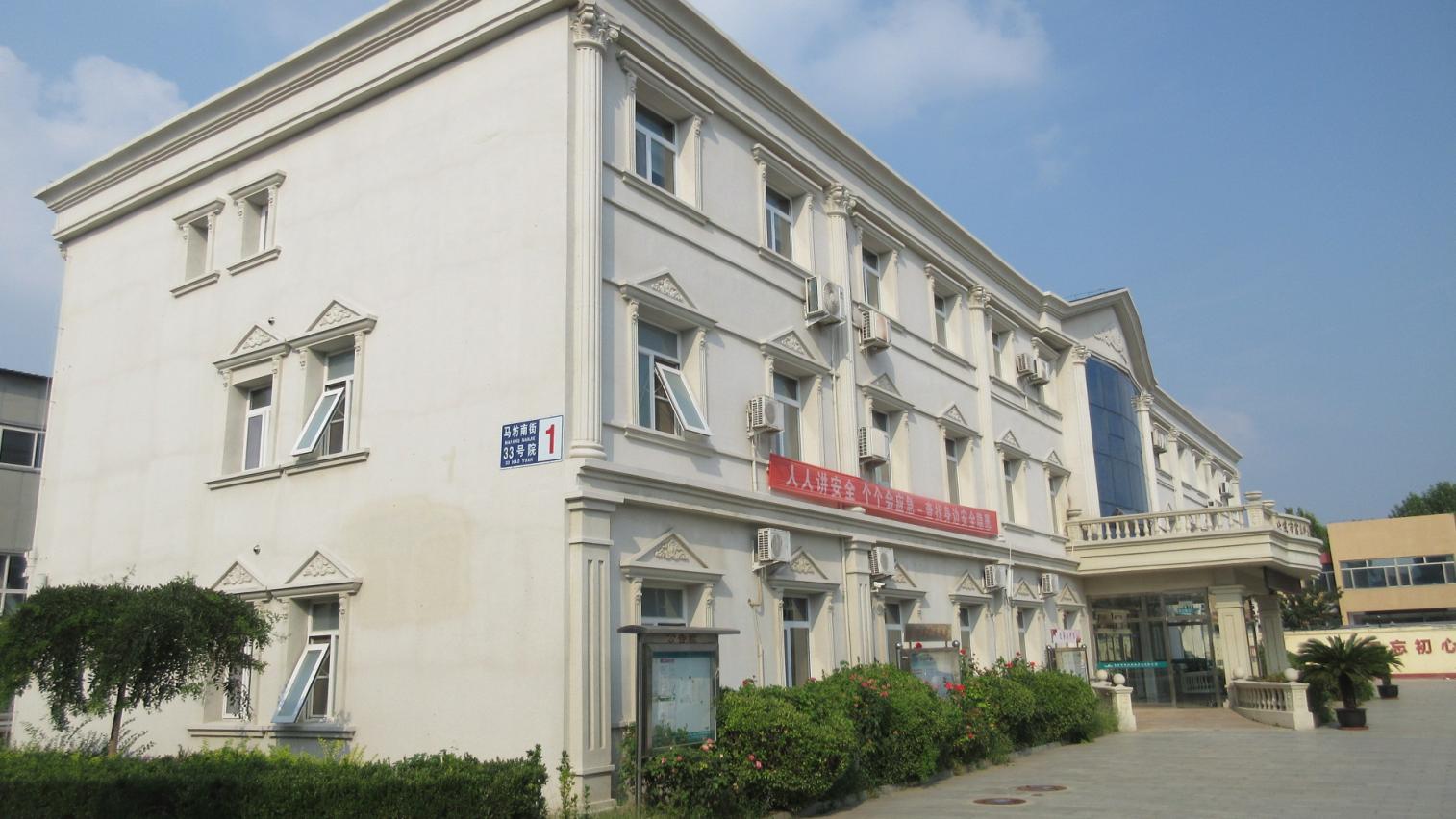
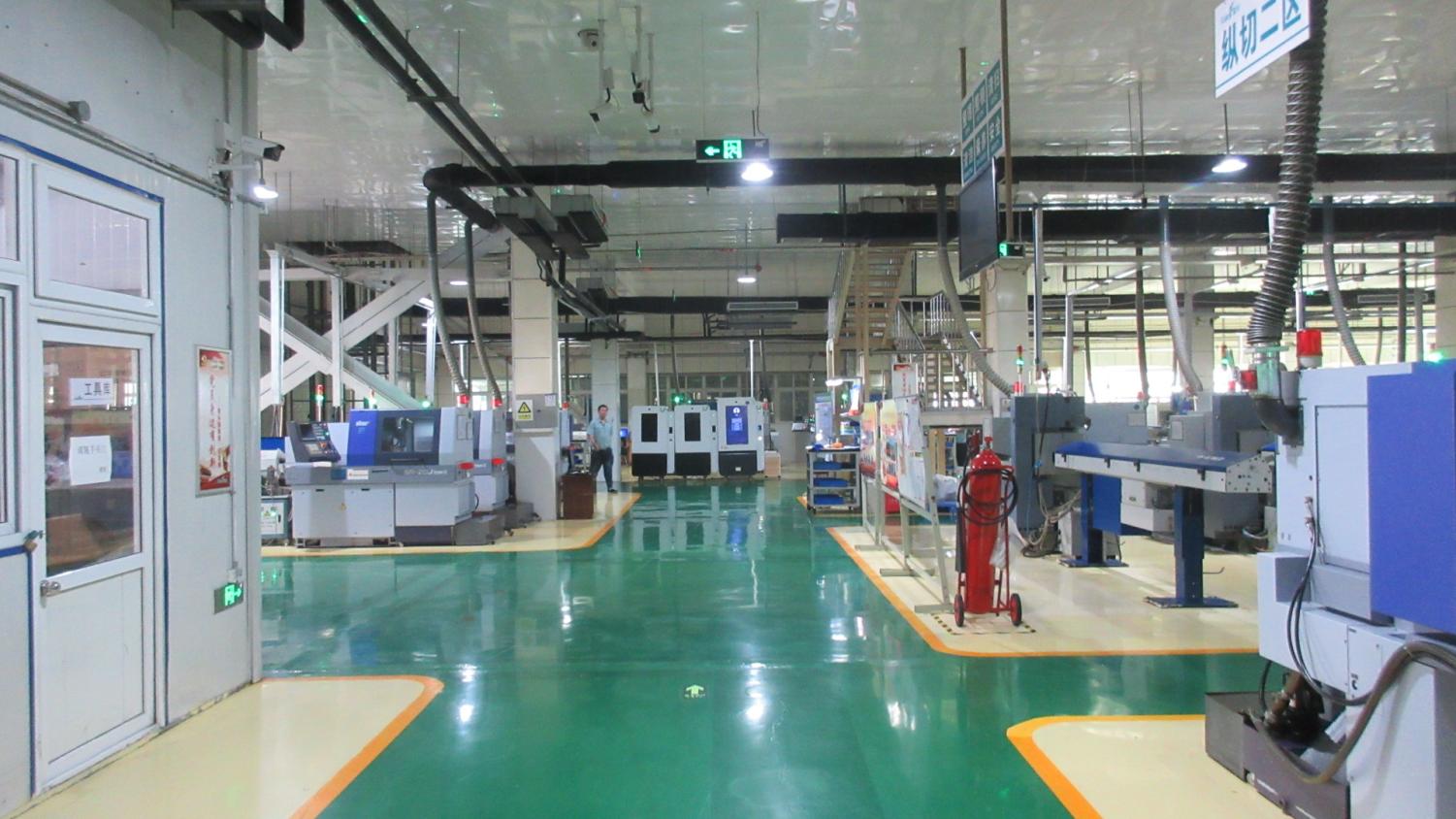
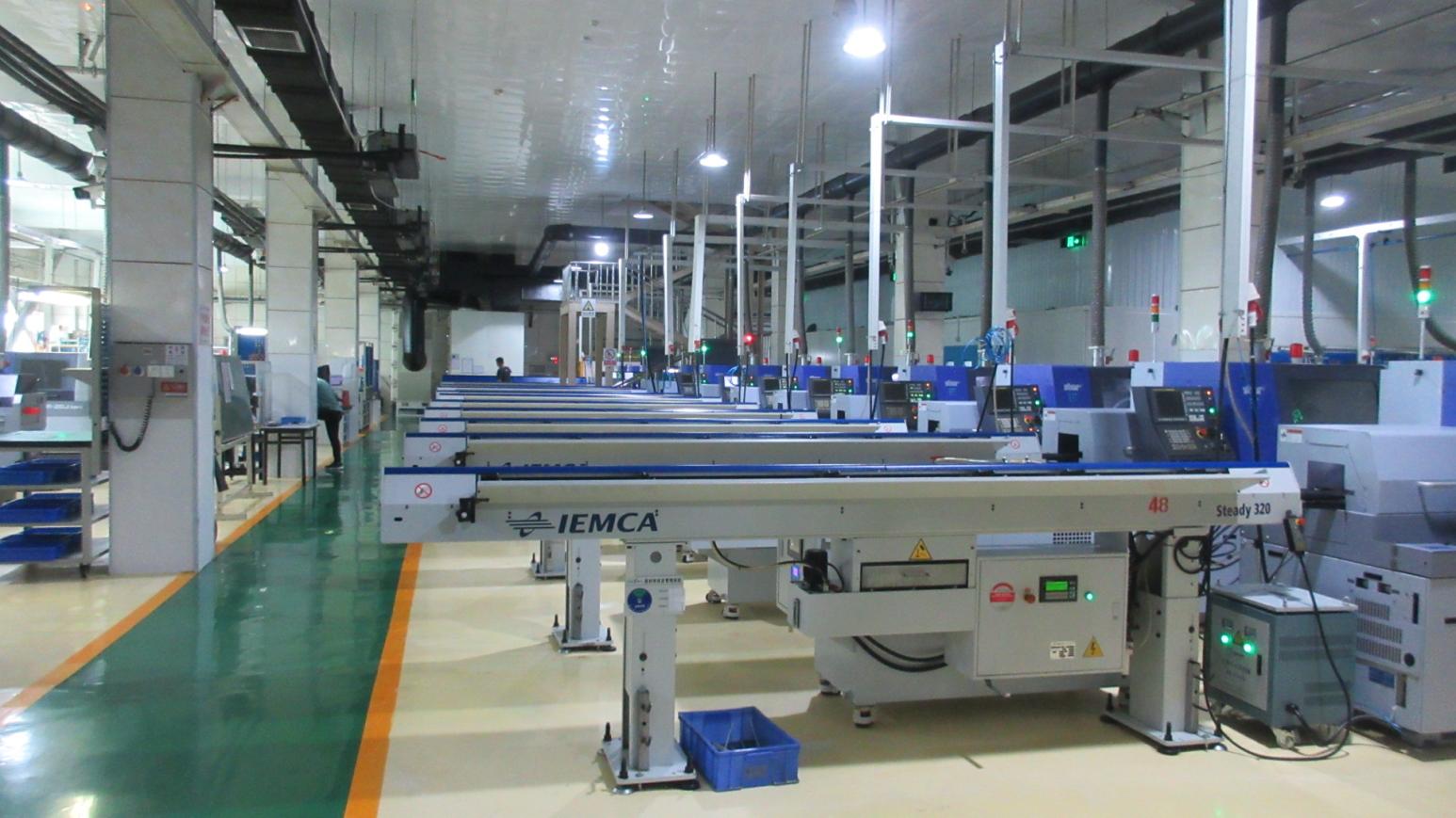
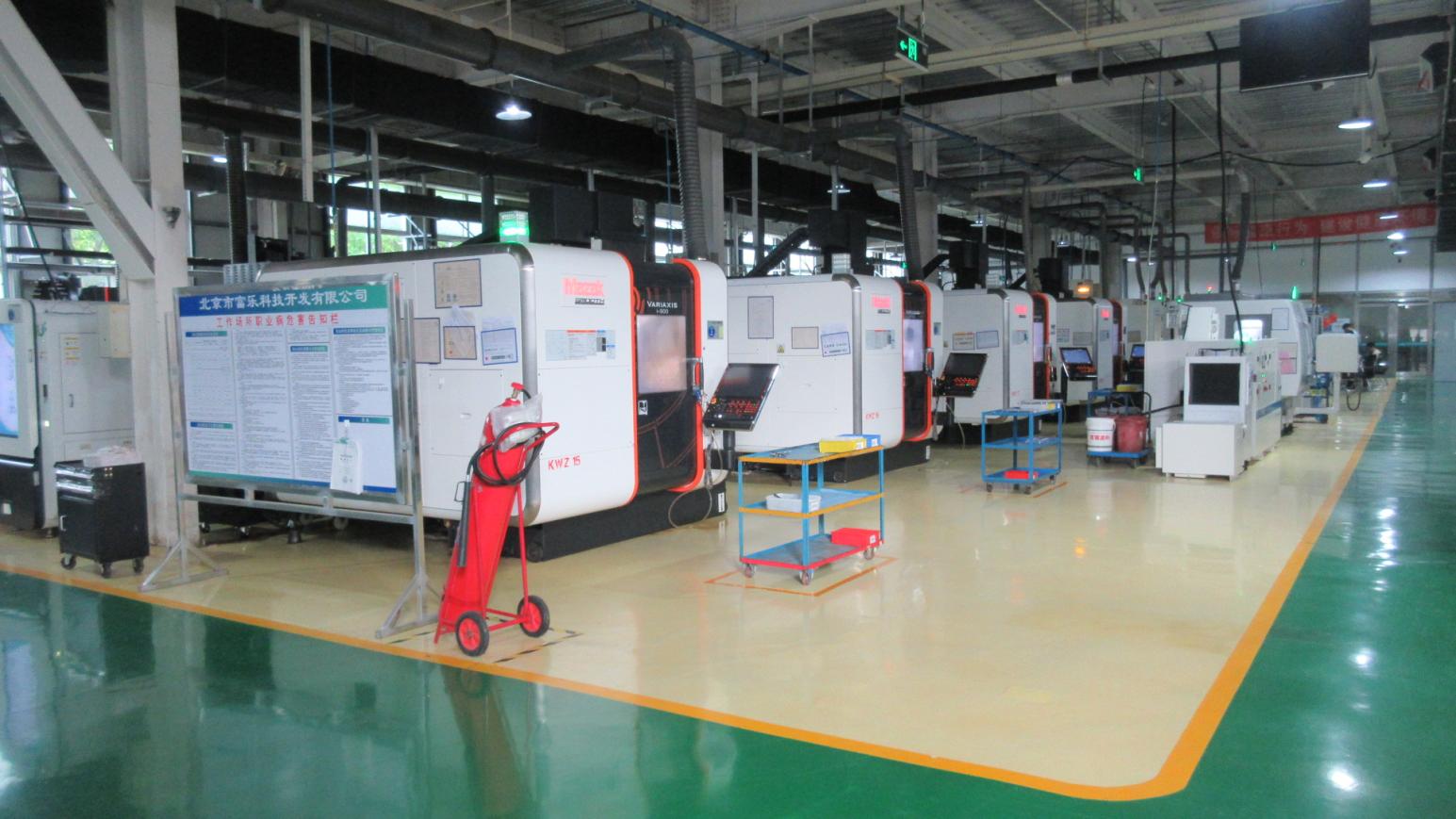
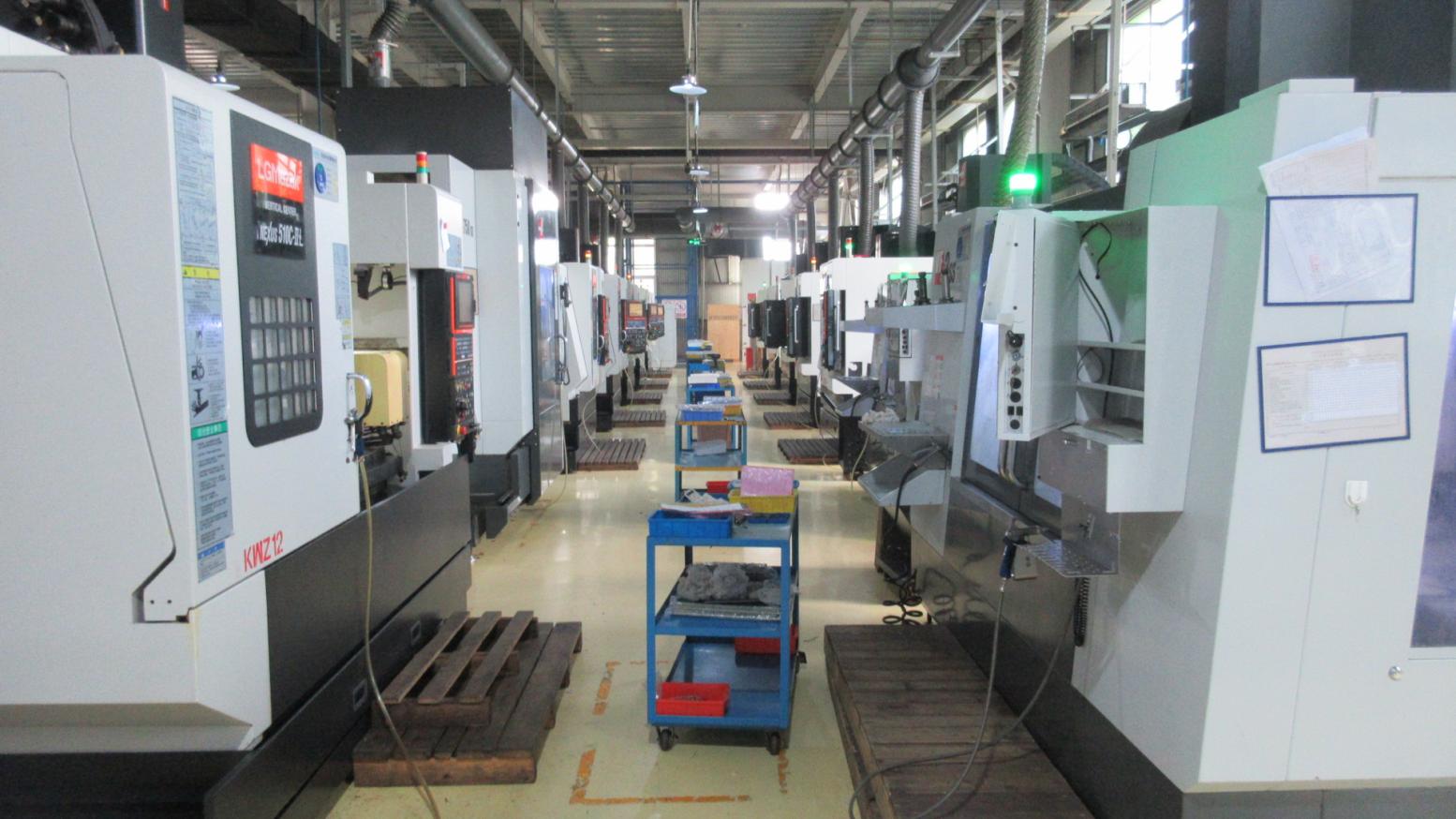
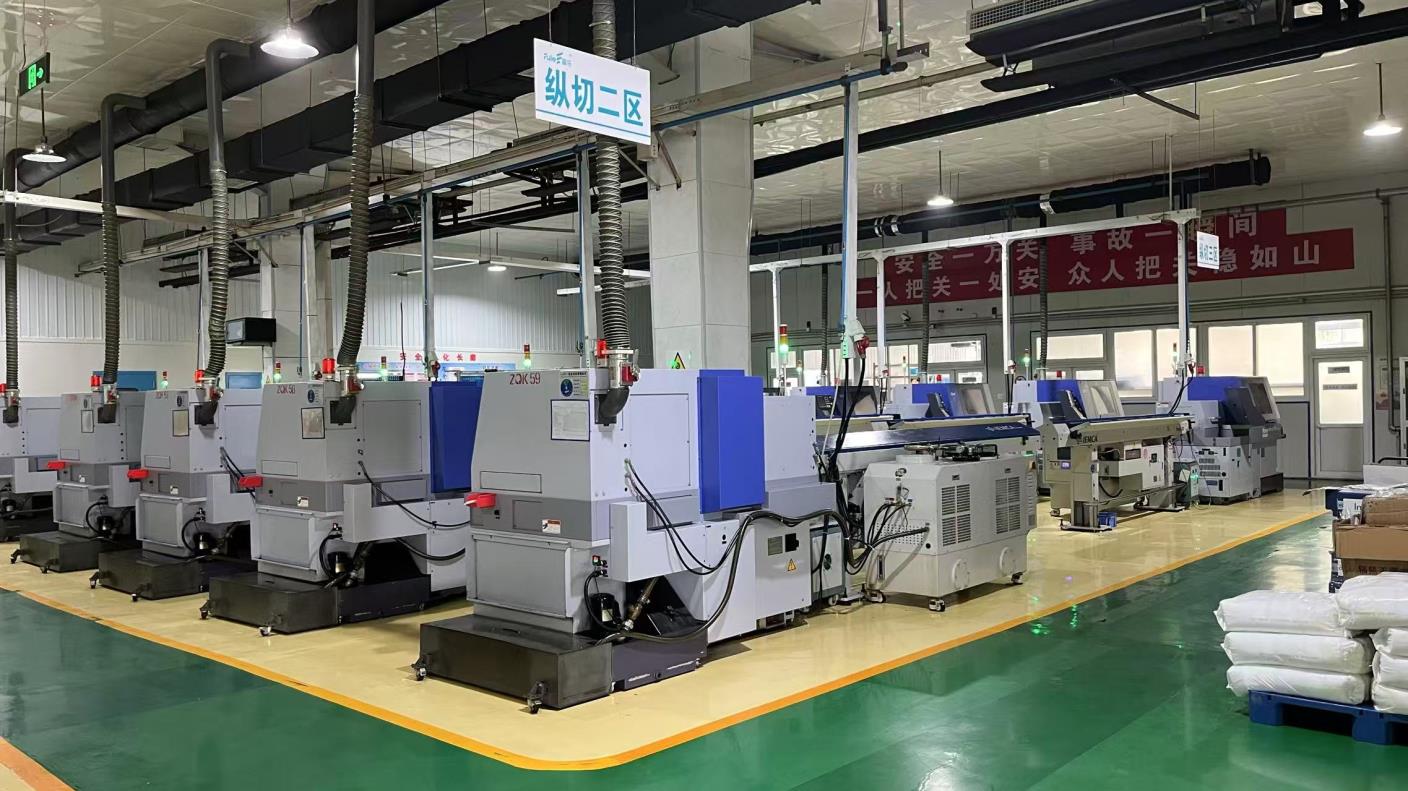
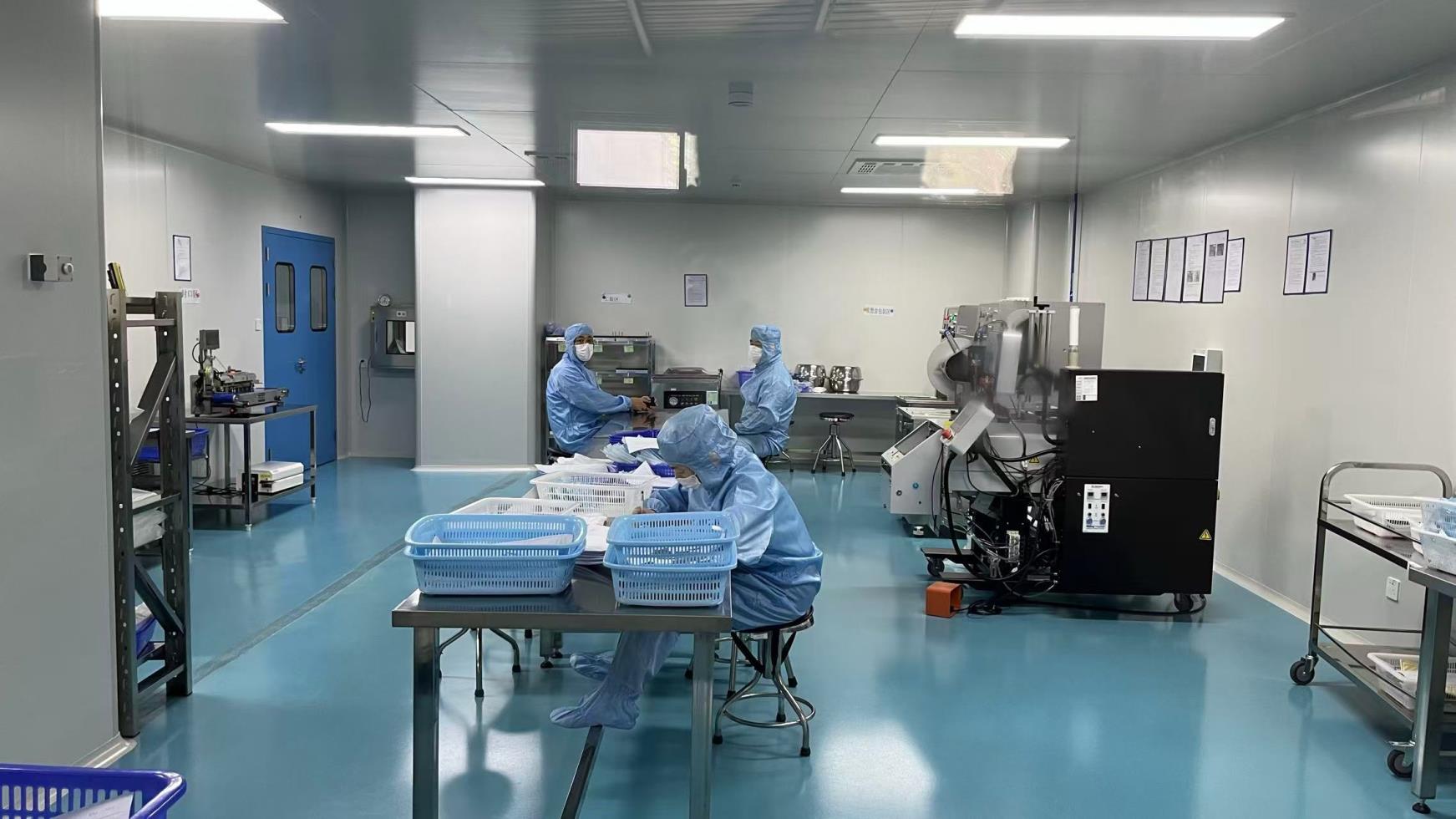
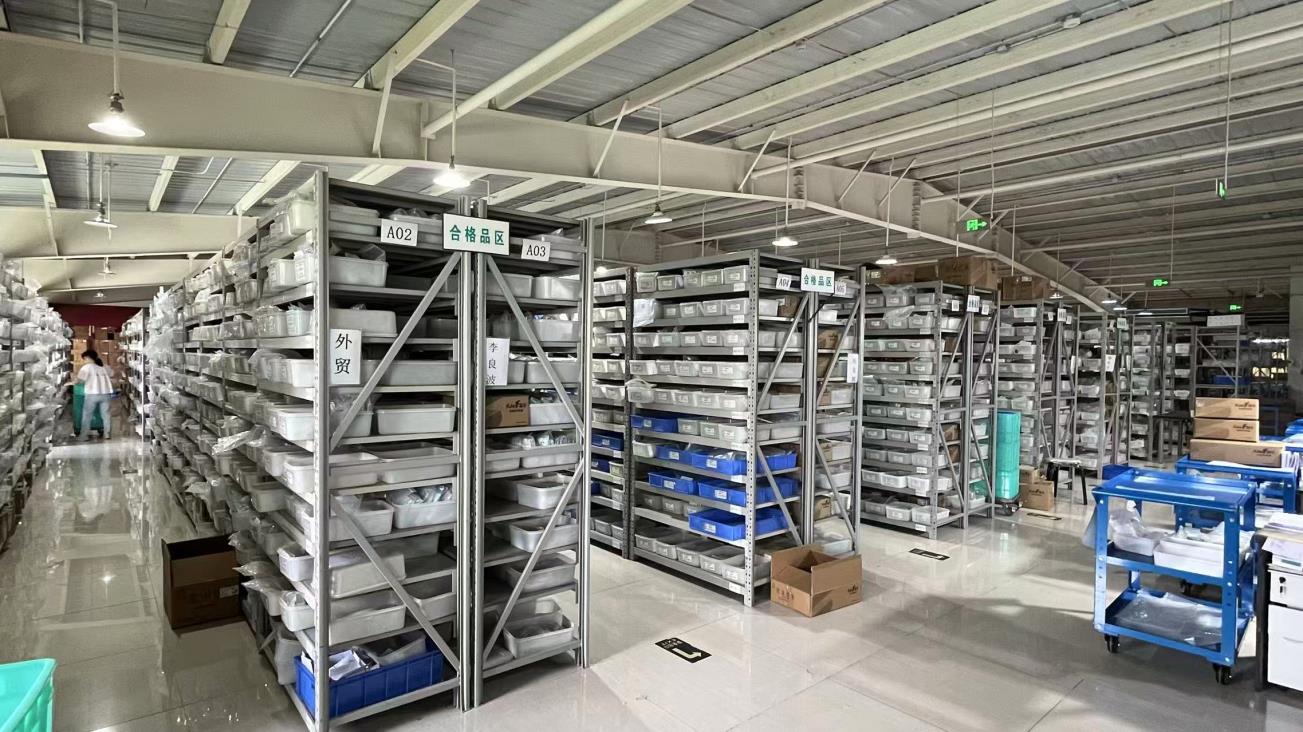
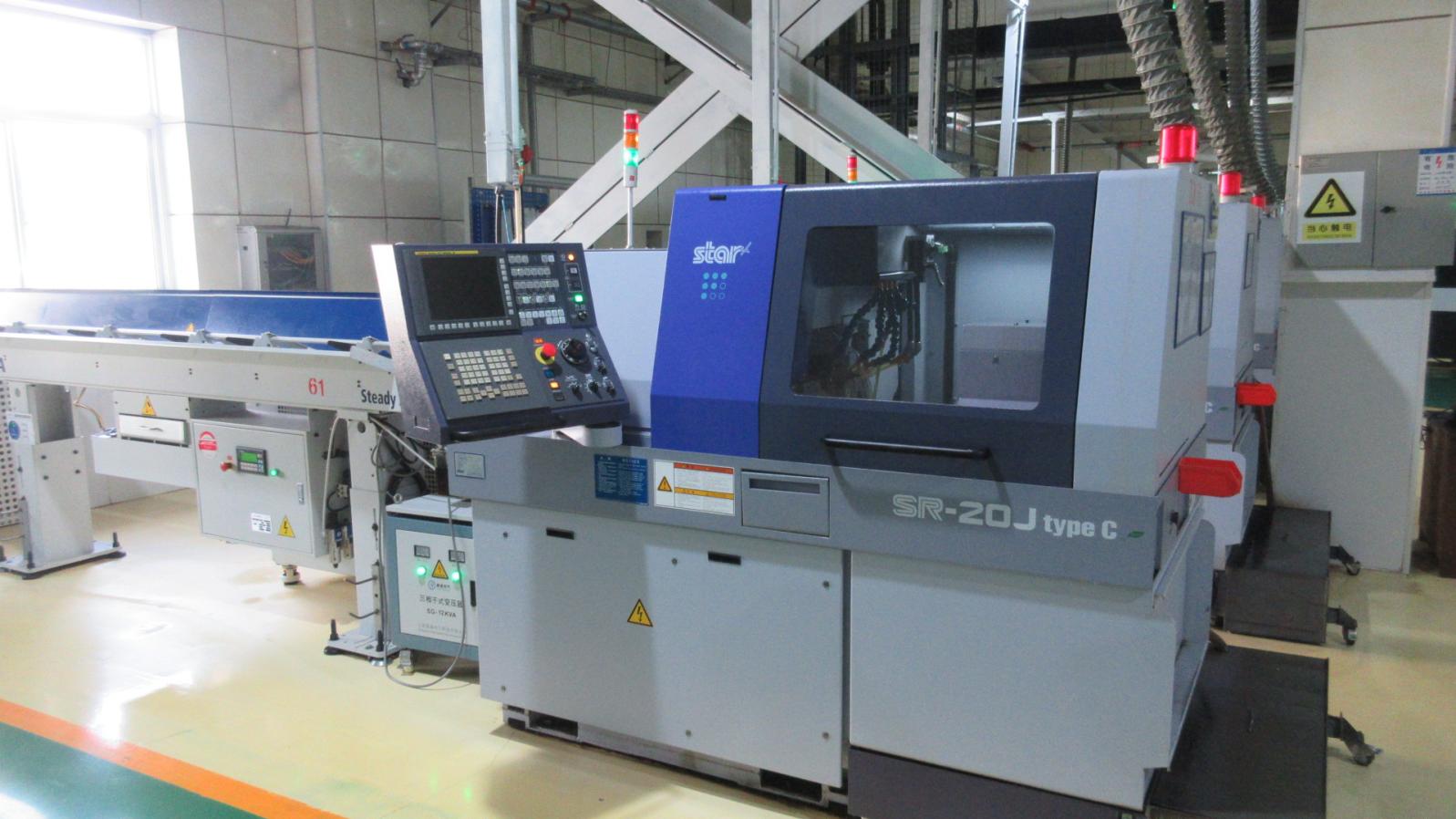
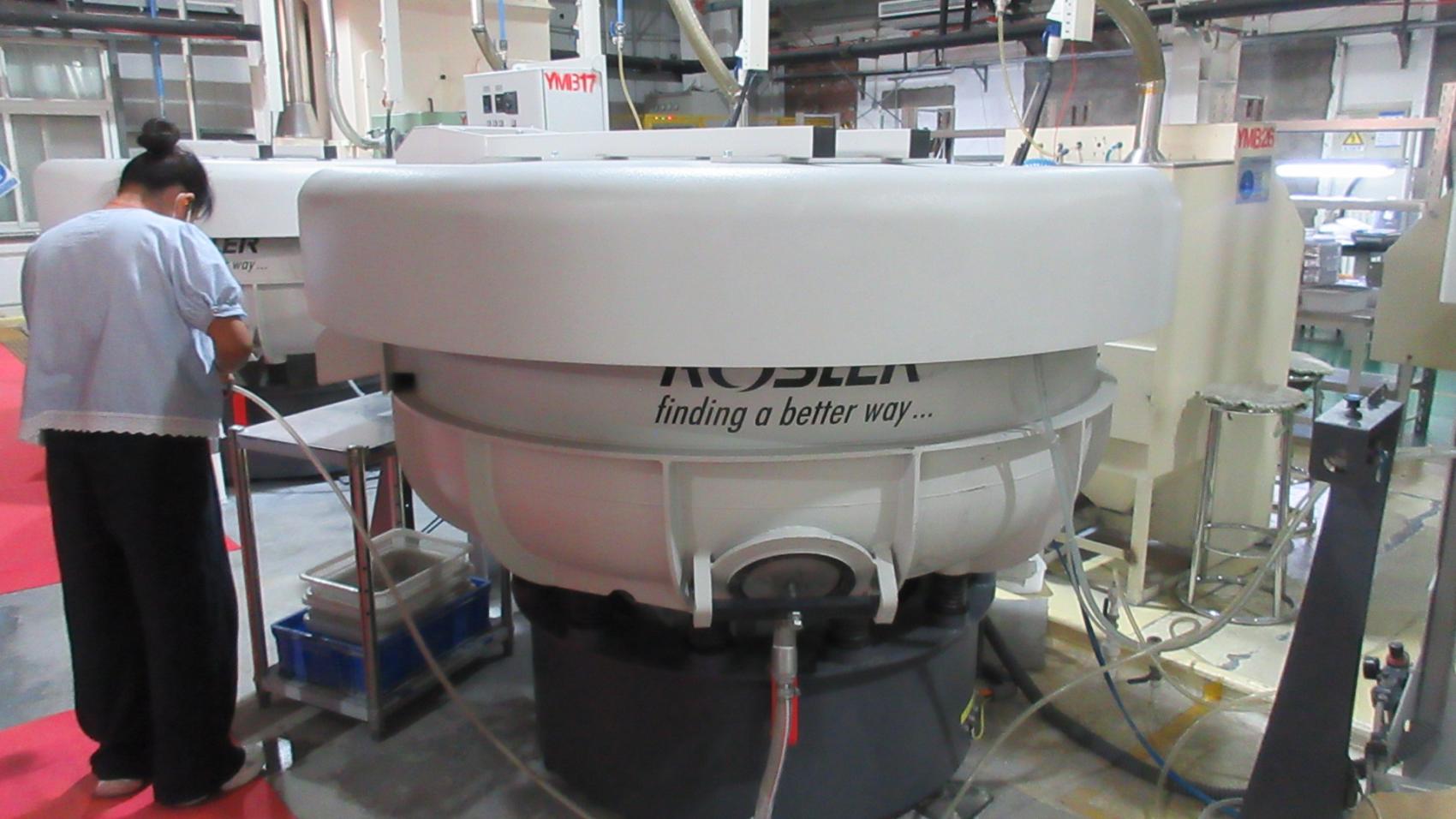
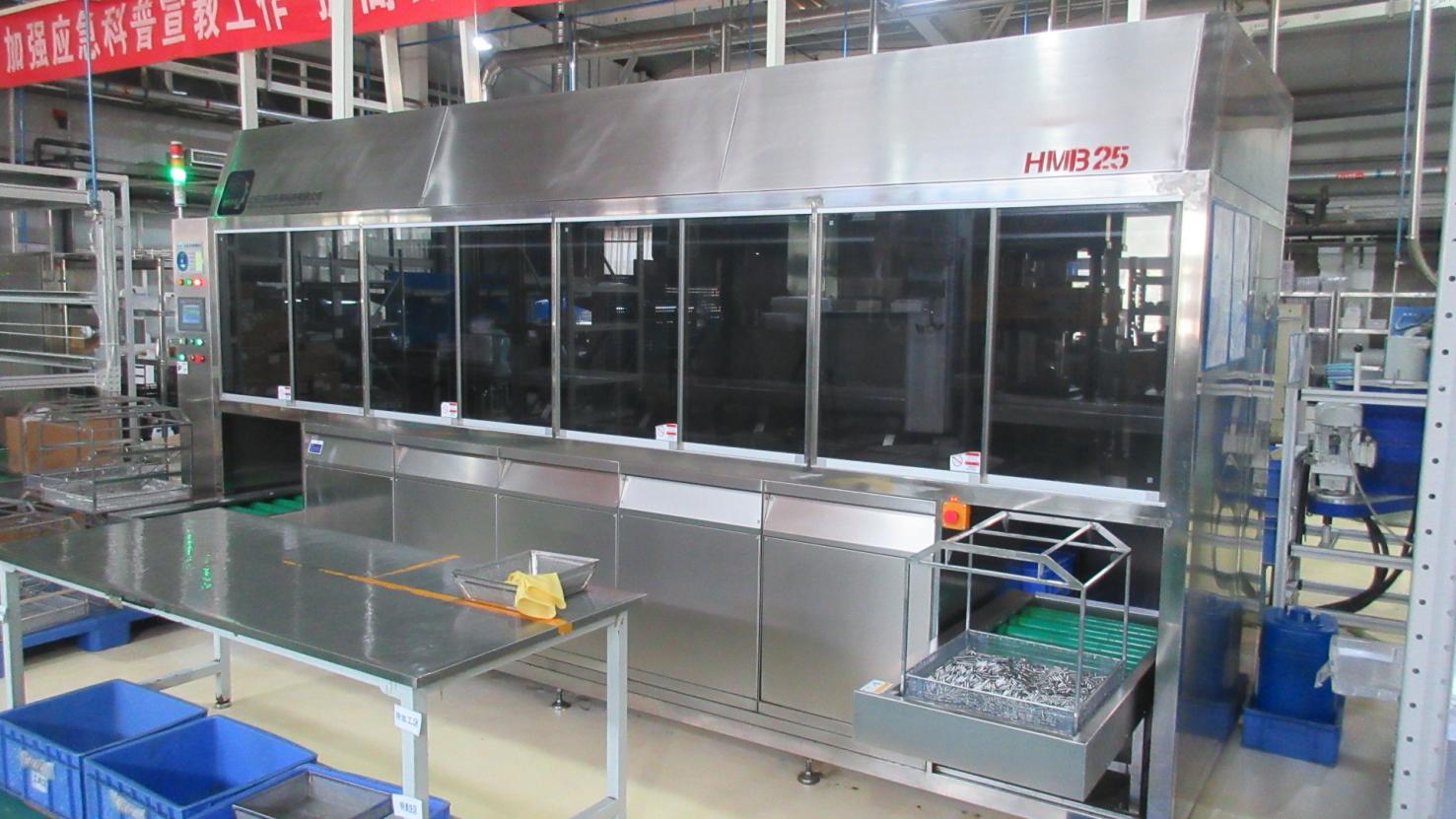
Our 10,000 square meter facility houses 102 state-of-the-art production machines, including Swiss longitudinal lathes, Japanese CITIZEN sliding-head CNC machines, and advanced ultrasonic cleaning systems. With dedicated cleanrooms and a production capacity of 511,000 units annually, we support massive national healthcare tenders as easily as custom clinical batches.
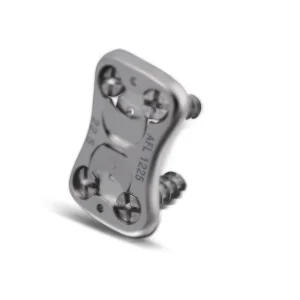
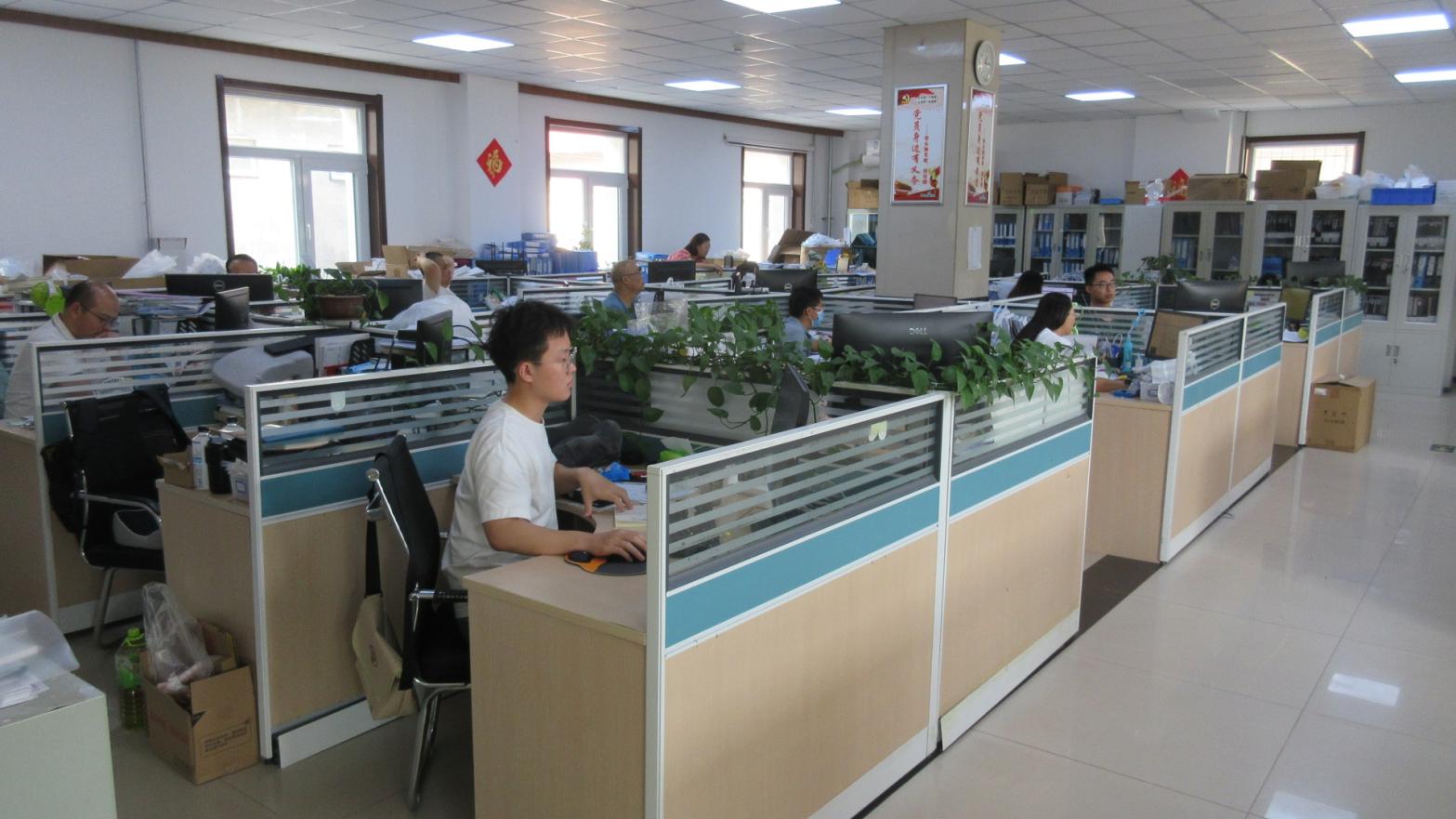
Led by a team of 20 highly qualified R&D engineers, we launch over 20 new products annually. Our team specializes in sample processing, graphic blueprints, and custom orthopedic implant modifications. Whether optimizing screw-thread pitches or tailoring posterior plates for regional anatomical variations, we provide rapid turnarounds.
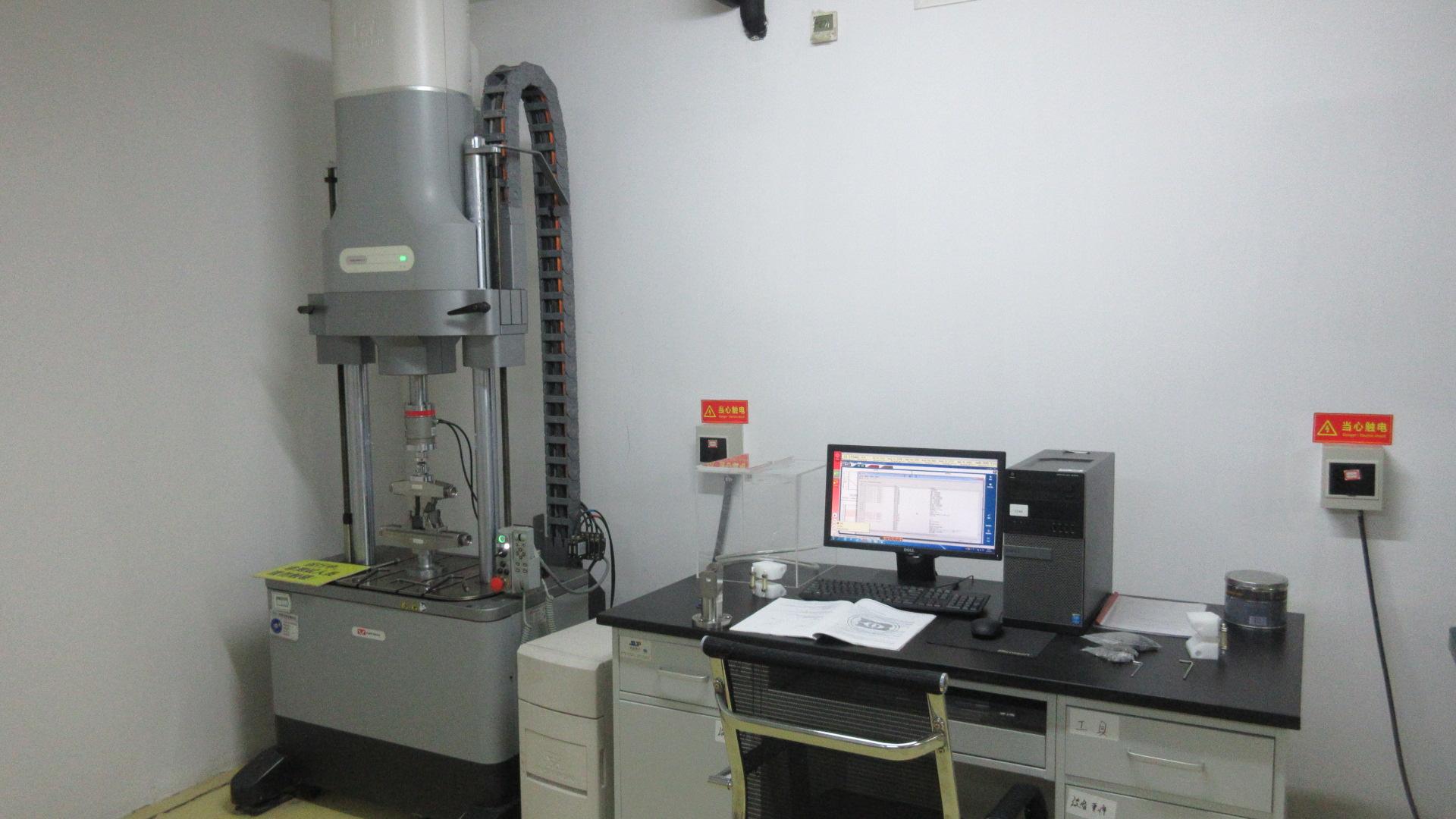
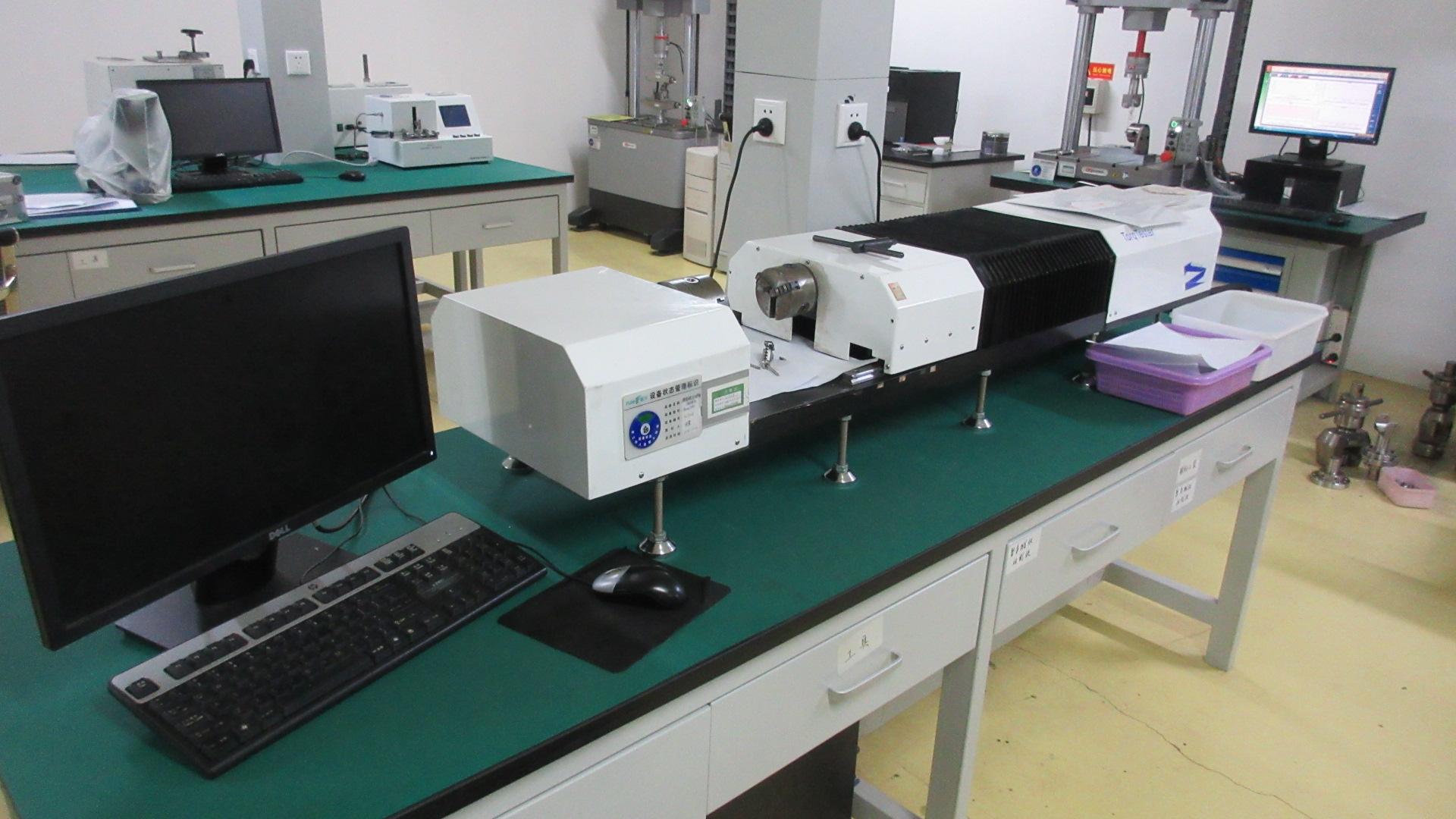
Quality control is performed across all active production lines. 15 dedicated QA/QC inspectors manage in-process measurements, visual surface checks, and final testing. Utilizing advanced laser coordinate measuring machines (CMM) and mechanical stress testing rigs, we perform 100% inspection on finished surgical implants.
Developing reliable orthopedic solutions requires deep expertise in material science and biomechanics. The clinical performance of spinal fixation devices depends directly on the interface between the metal implants and the surrounding skeletal tissue. Our production lines use only premium grade raw materials, focusing on two key biocompatible materials:
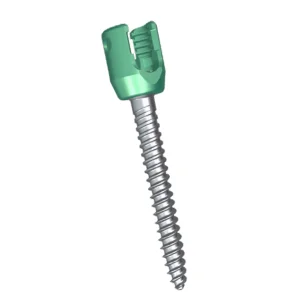
Our manufacturing development roadmap is focused on advanced surface modification technologies, including plasma-sprayed hydroxyapatite (HA) coatings to accelerate osseointegration, and the production of low-profile, double-lead thread pedicle screws that reduce insertion torque while maximizing pullout strength.
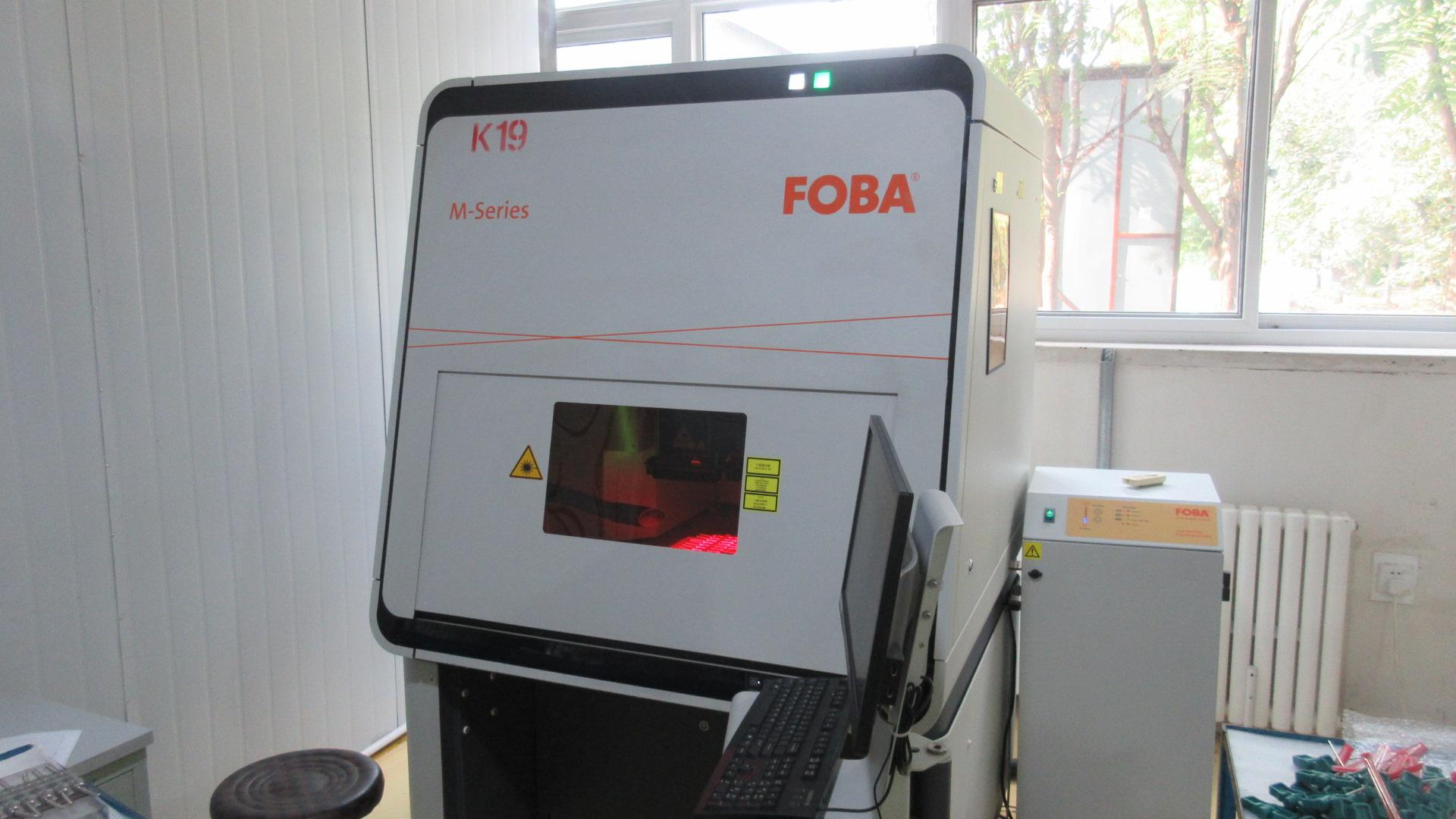
A visual overview of our industrial capabilities, CNC machining centers, QA cleanrooms, and packaging processes. We ensure medical-grade precision at every step of manufacturing.
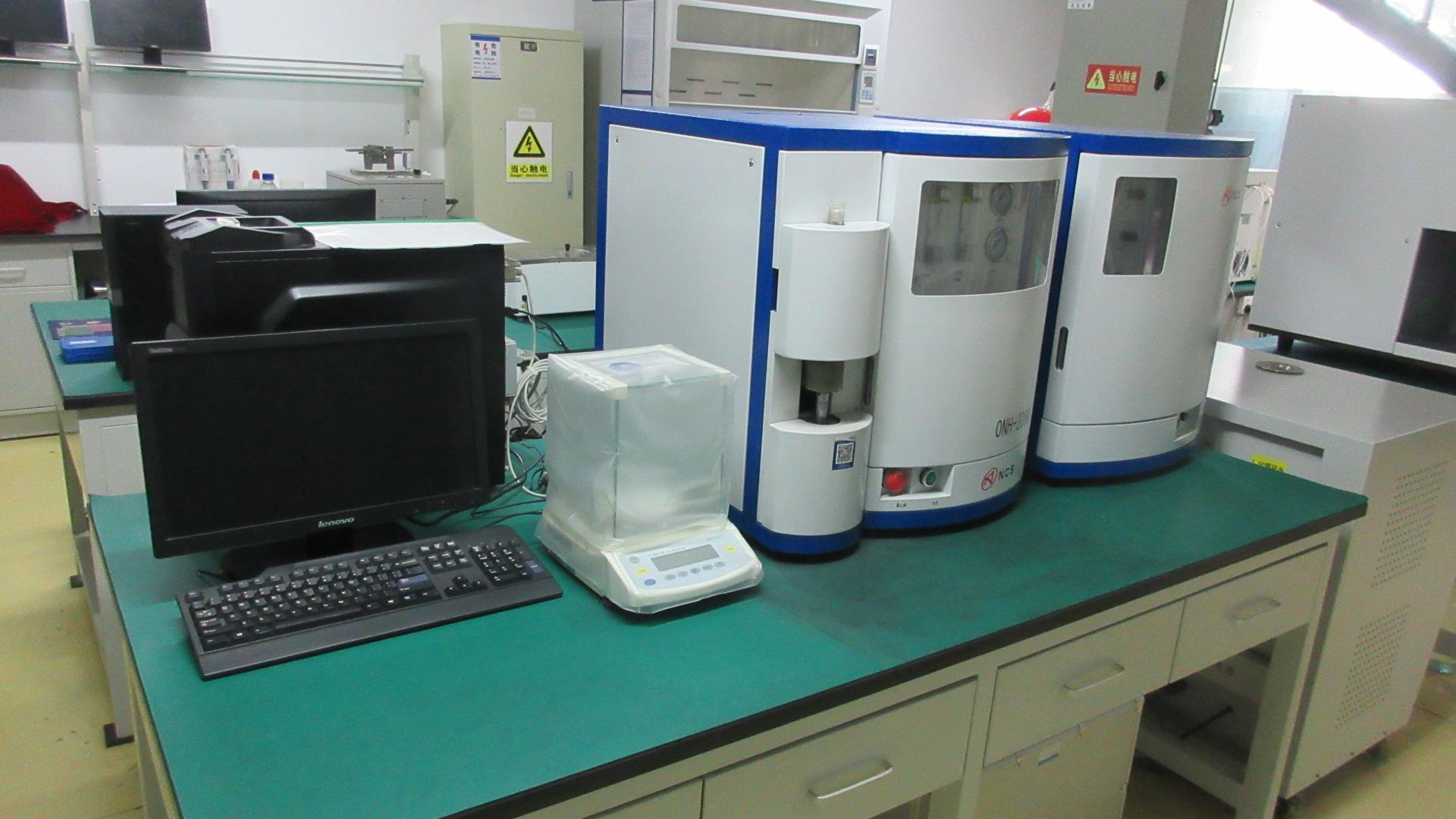
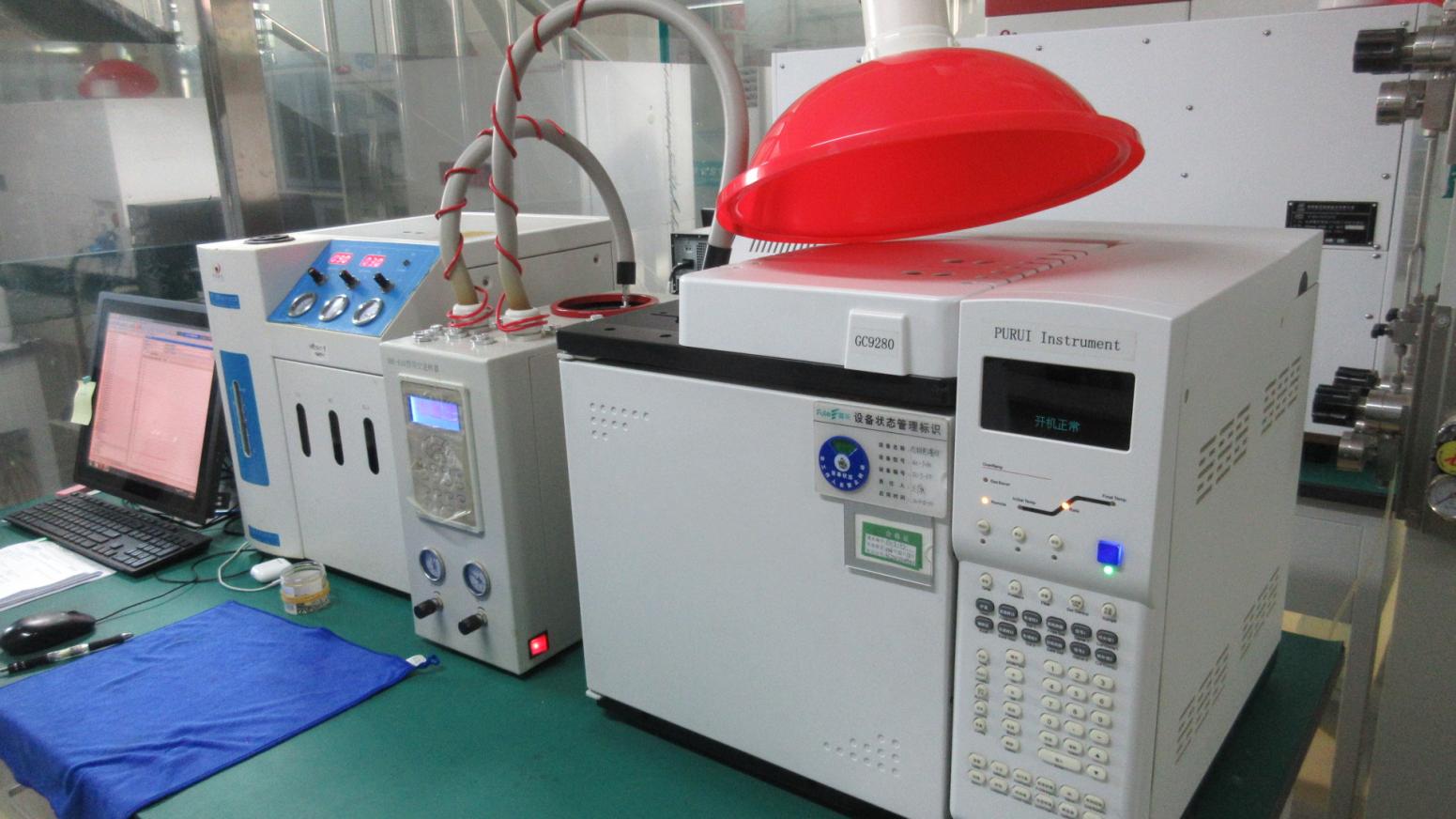
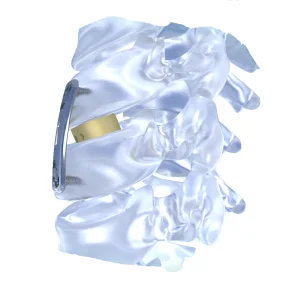
Our PEEK Cervical Interbody Fusion Cages and polyaxial pedicle screws provide immediate mechanical stabilization. Combined with bone graft materials, they form a stable fusion construct that helps restore natural disc height and reduce pressure on neural elements.
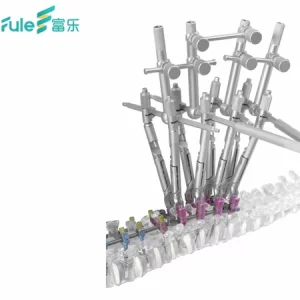
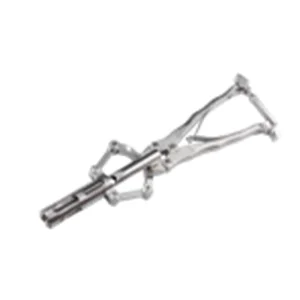
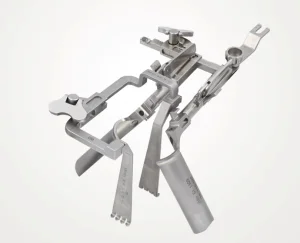
Correction of complex spine deformities requires precise force application. Our spine derotation instruments allow surgeons to apply controlled corrective torque, helping align spinal columns safely before locking the final rod assembly into place.
For osteoporotic compression fractures, our medical vertebroplasty balloon catheters facilitate precise cavity creation and bone cement delivery. This minimally invasive procedure helps stabilize vertebral bodies, offering immediate pain relief and restoring structural stability.
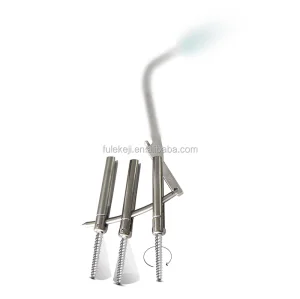
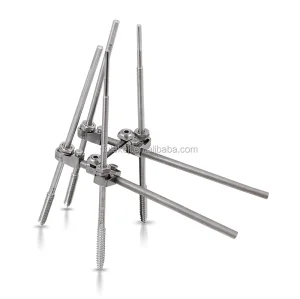
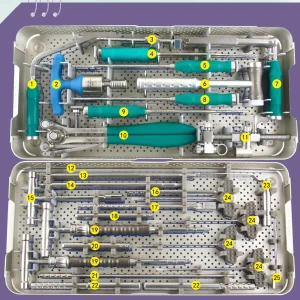
Our MIS spinal implantation systems are engineered for muscle-sparing access. Using cannulated pedicle screws, specialized guidewires, and minimally invasive instrumentation, surgeons can perform complete stabilization through small incisions, helping reduce patient recovery times.
 Beren Science & Technology