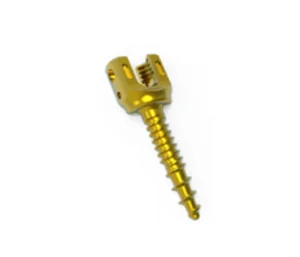
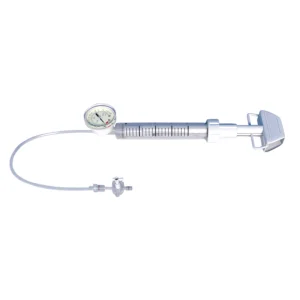
Over the last three decades, China's orthopedic medical device sector has evolved from baseline local assembly to high-precision engineering. Global clinical settings demand extremely tight dimensional tolerances and surface chemistries. Chinese medical exporters have met this demand by investing heavily in ISO Class 7 cleanrooms, Swiss-type CNC micro-machining centers, and rigorous metallurgic test facilities.
For surgeons and global B2B procurement partners, finding a reliable supplier goes beyond looking at price lists. It requires verifying certifications like ISO 13485 and evaluating trace records, processing workflows, and testing setups. As regulatory frameworks like the European Medical Device Regulation (EUMDR) tighten globally, top Chinese manufacturers are shifting toward fully validated process architectures, offering reliable quality that meets international standards.
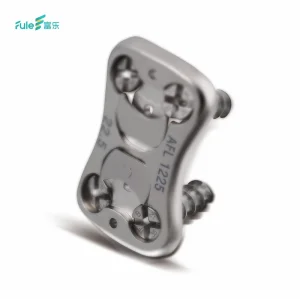
Modern orthopedic fixation relies on material science. High-load implants, such as pedicle screws and cervical plate components, need to balance high tensile strength, fatigue resistance, and biocompatibility. They also need to minimize the risk of stress shielding.
Using Extra Low Interstitial (ELI) Grade 23 Titanium ensures high fracture toughness and biocompatibility. It reduces the risk of long-term metal degradation inside the human body.
This process changes the chemical composition of the screw surface. It reduces friction, improves fatigue life, and helps prevent galling during clinical insertion.
Dual-lead and variable pitch configurations help speed up insertion. They also increase pull-out strength in both osteoporotic and cancellous bone structures.
| Material Grade | Tensile Strength (MPa) | Yield Strength (MPa) | Biocompatibility Standard | Primary Clinical Application |
|---|---|---|---|---|
| Ti-6Al-4V ELI (Grade 23) | ≥ 860 | ≥ 795 | ISO 5832-3 / ASTM F136 | Spinal Pedicle Screws, Locking Plates, Interbody Cages |
| Pure Titanium (Grade 2/4) | ≥ 345 - 680 | ≥ 275 - 483 | ISO 5832-2 / ASTM F67 | Anterior Cervical Plates, Low-Load Craniofacial Implants |
| PEEK (Polyetheretherketone) | 90 - 100 | N/A | ASTM F2026 | Radiolucent Interbody Fusion Cages & Hybrid Fixation Components |
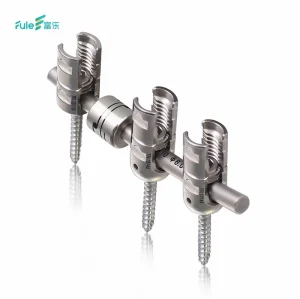
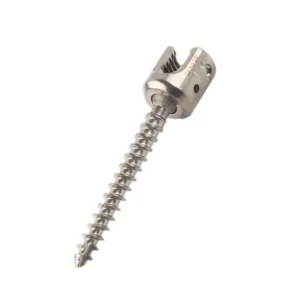
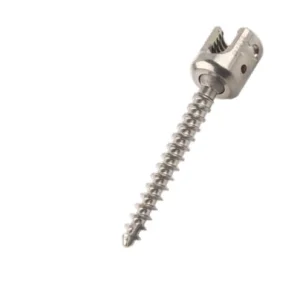
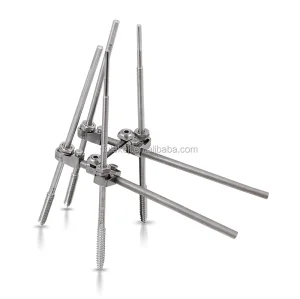
Pedicle screws are subject to demanding biomechanical stresses. Spinal fixation involves multi-axial forces, requiring a design that can withstand cyclical loads without experiencing fatigue failures. Modern screw designs utilize advanced engineering features to optimize clinical performance:
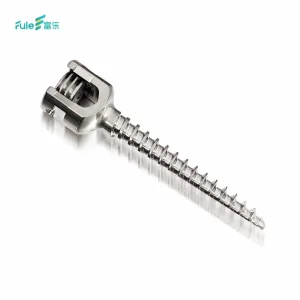
Polyaxial Saddle Rotation: Our polyaxial systems feature 360-degree rotation and up to 25 degrees of angulation. This offers surgeons placement flexibility while simplifying rod insertion during complex spinal reconstructions.
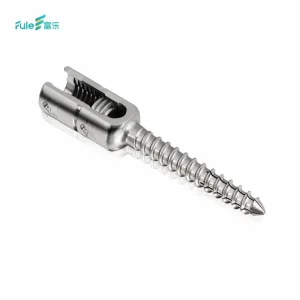
Self-Tapping Thread Paths: Cutting flutes on the distal tip of the screw help ease insertion. This design lowers torque requirements, preserving bone bed integrity and reducing the risk of micro-fractures in surrounding tissues.
Expandable & Bone-Cement Options: For patients with compromised bone density, cement-injectable and expandable pedicle screws provide enhanced immediate fixation. They improve anchoring strength within the vertebral body, lowering the risk of post-operative implant loosening.
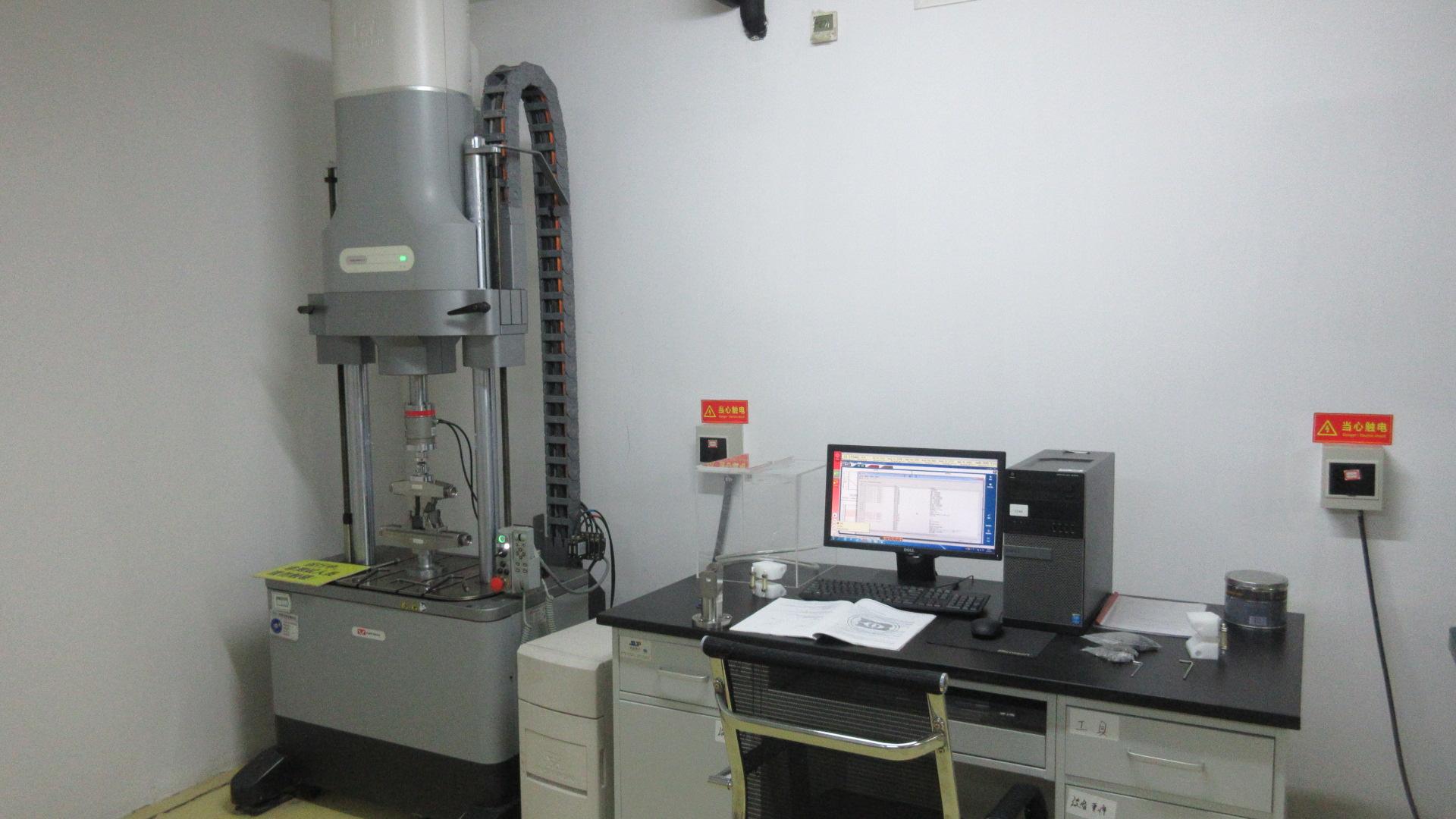
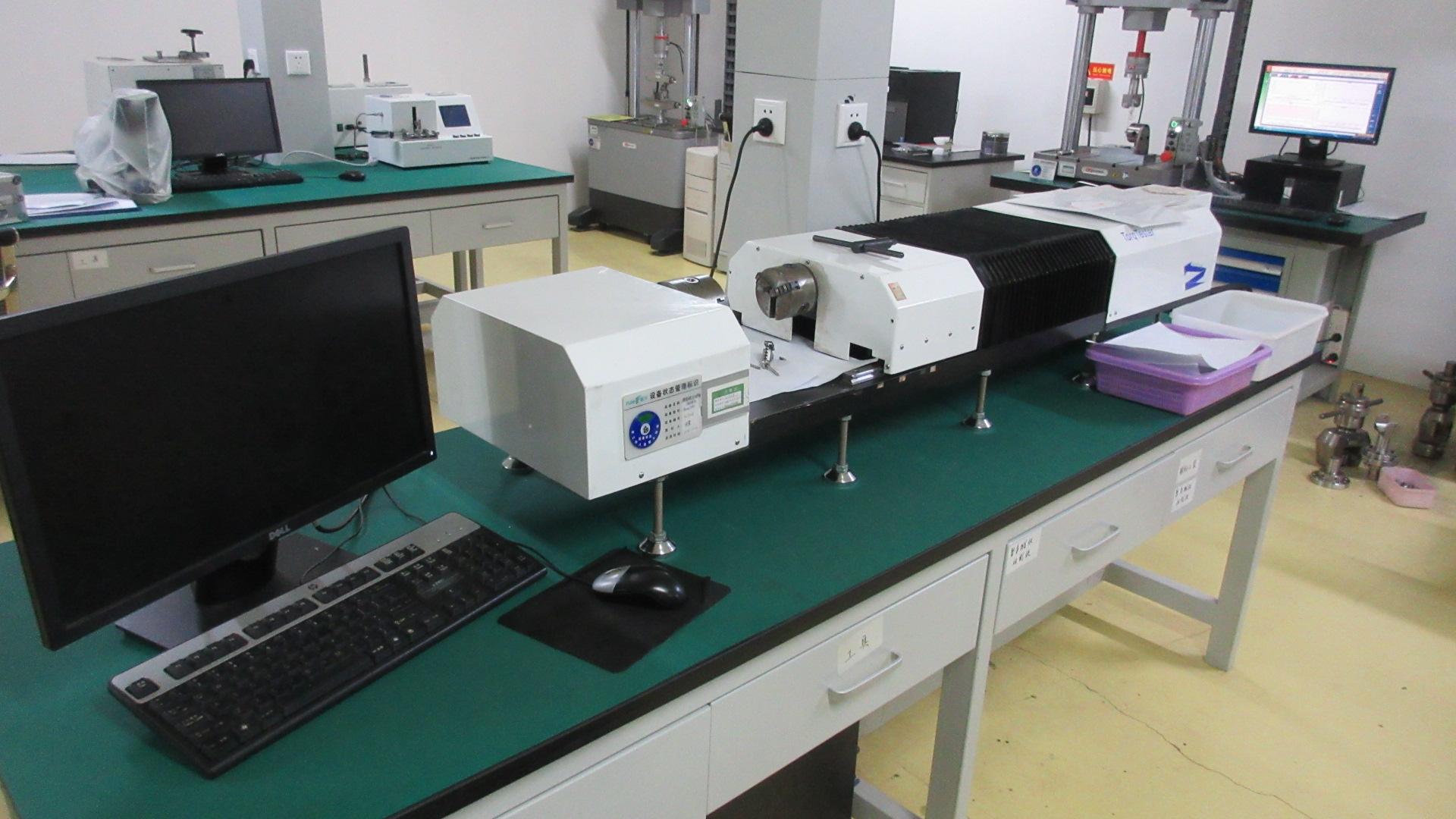
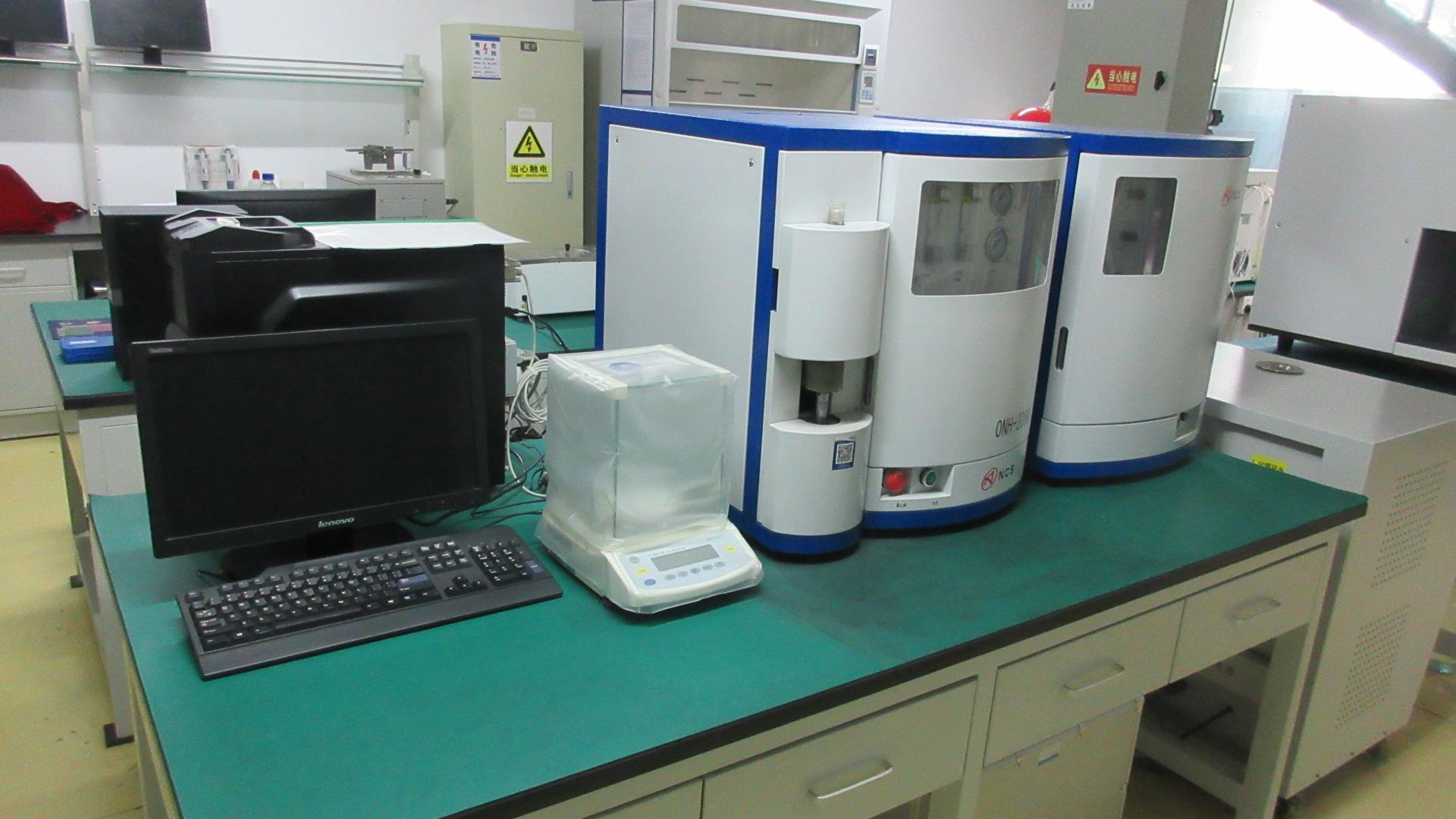
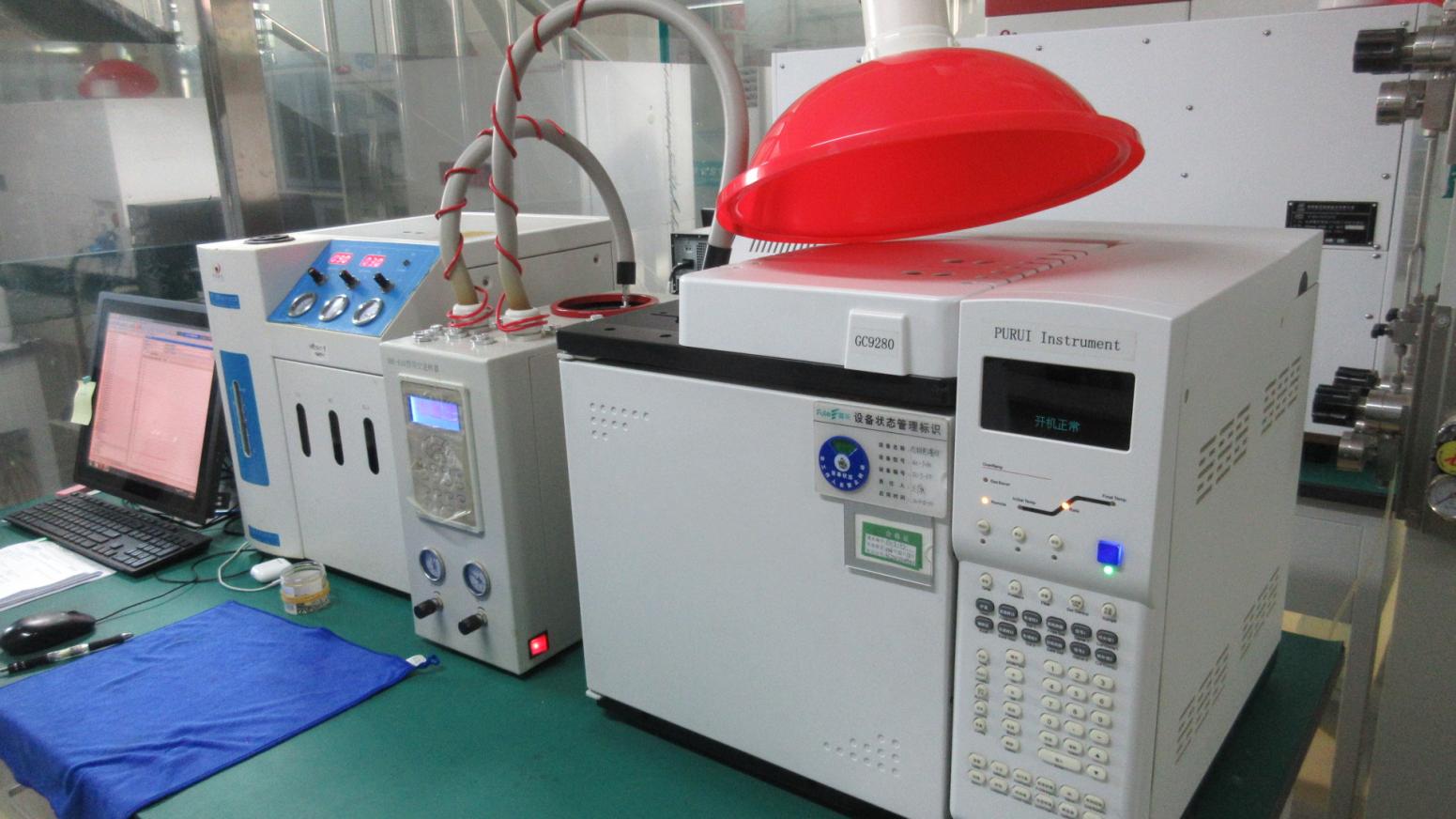
Medical implant sourcing requires high quality control. Our facility uses structured inspection protocols to monitor every step of production, from raw material arrival to final packaging.
Every single orthopedic screw undergoes optical dimensional checks and surface inspections. This ensures zero-defect delivery for critical surgical applications.
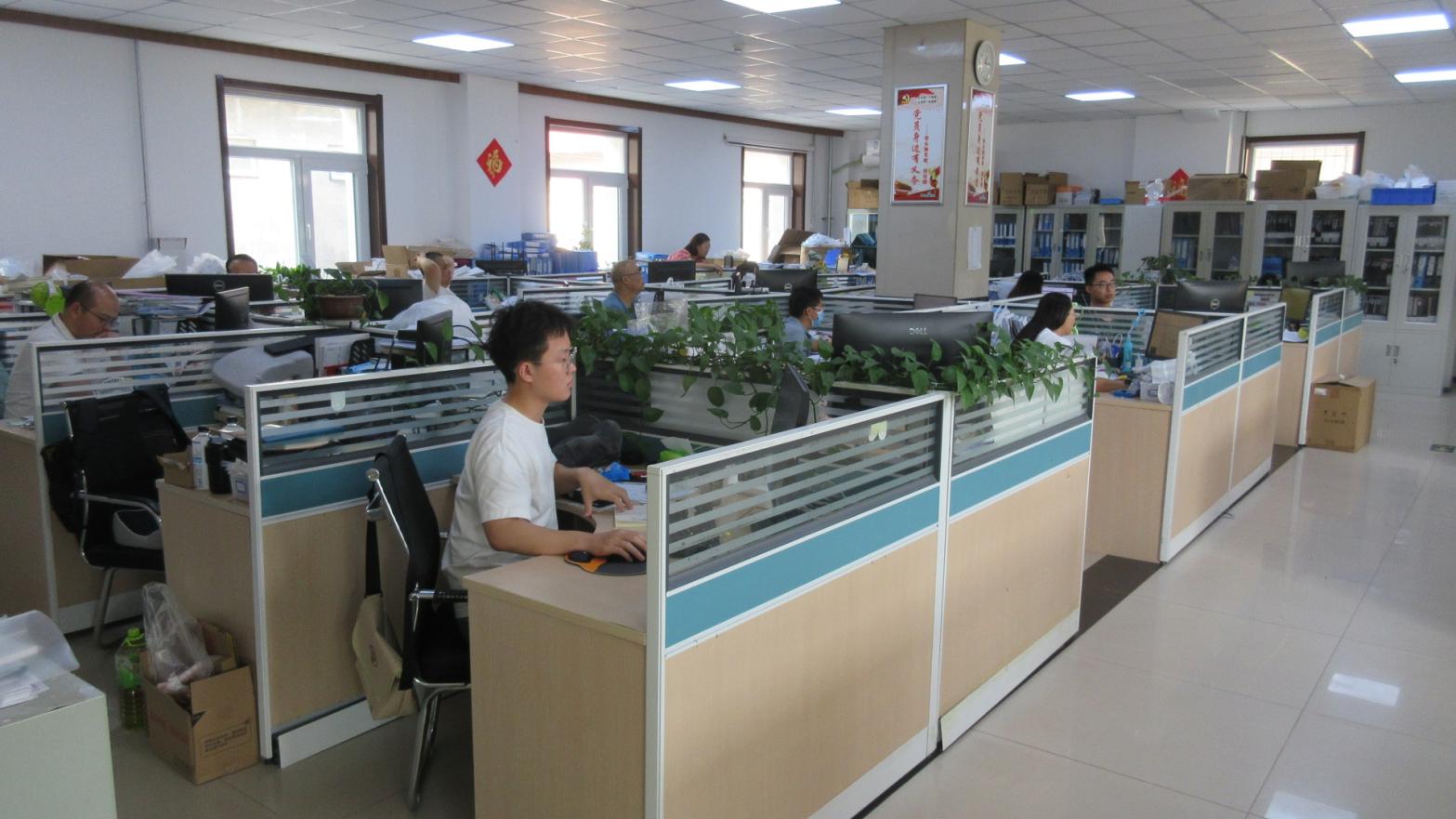
A dedicated Quality Assurance team oversees production processes. They document critical metrics like raw material heat numbers and final surface roughness.
Our Quality Management System is audited to meet ISO 13485 standards. This supports regulatory approvals in international markets, helping streamline local registration.
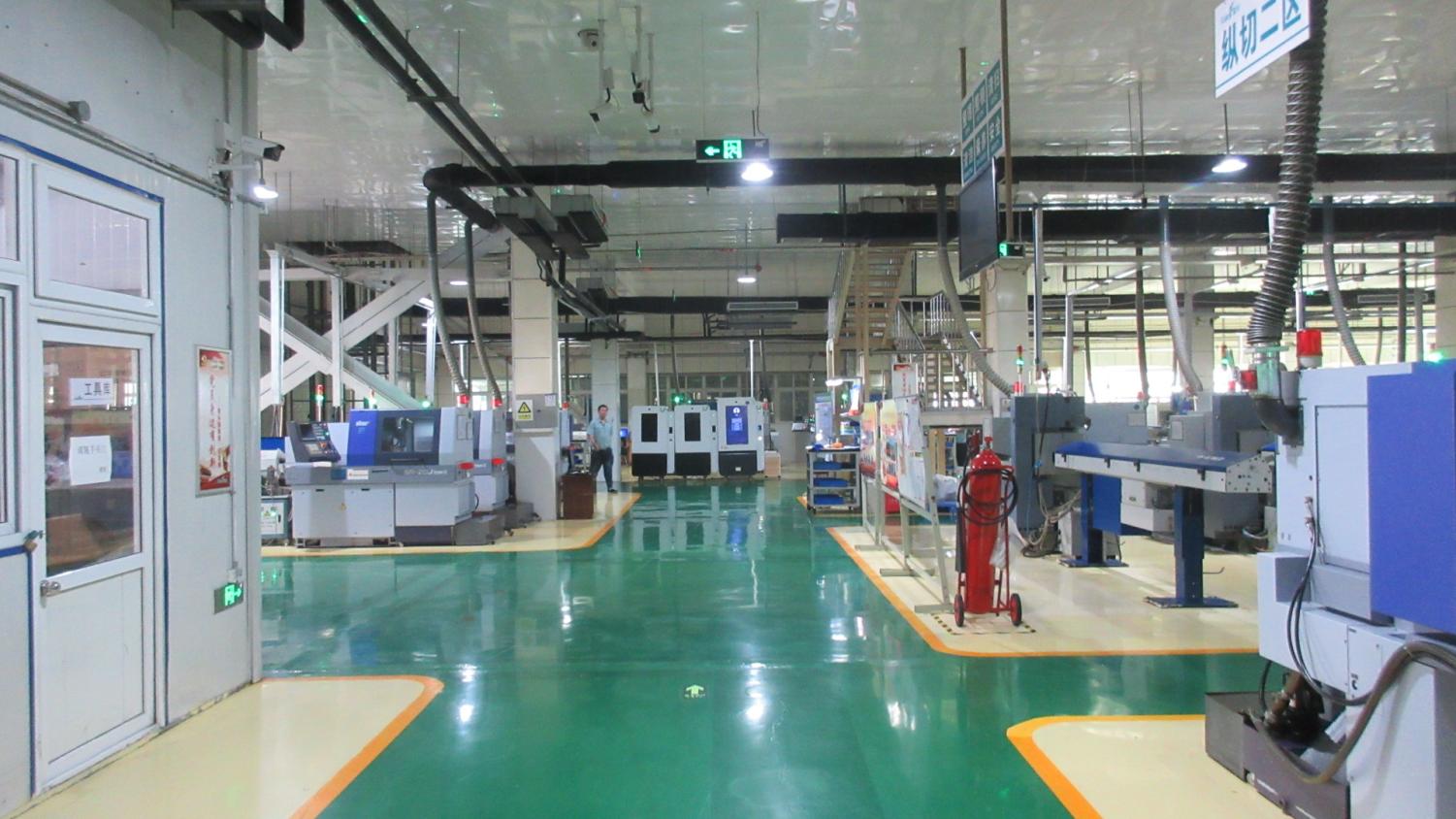
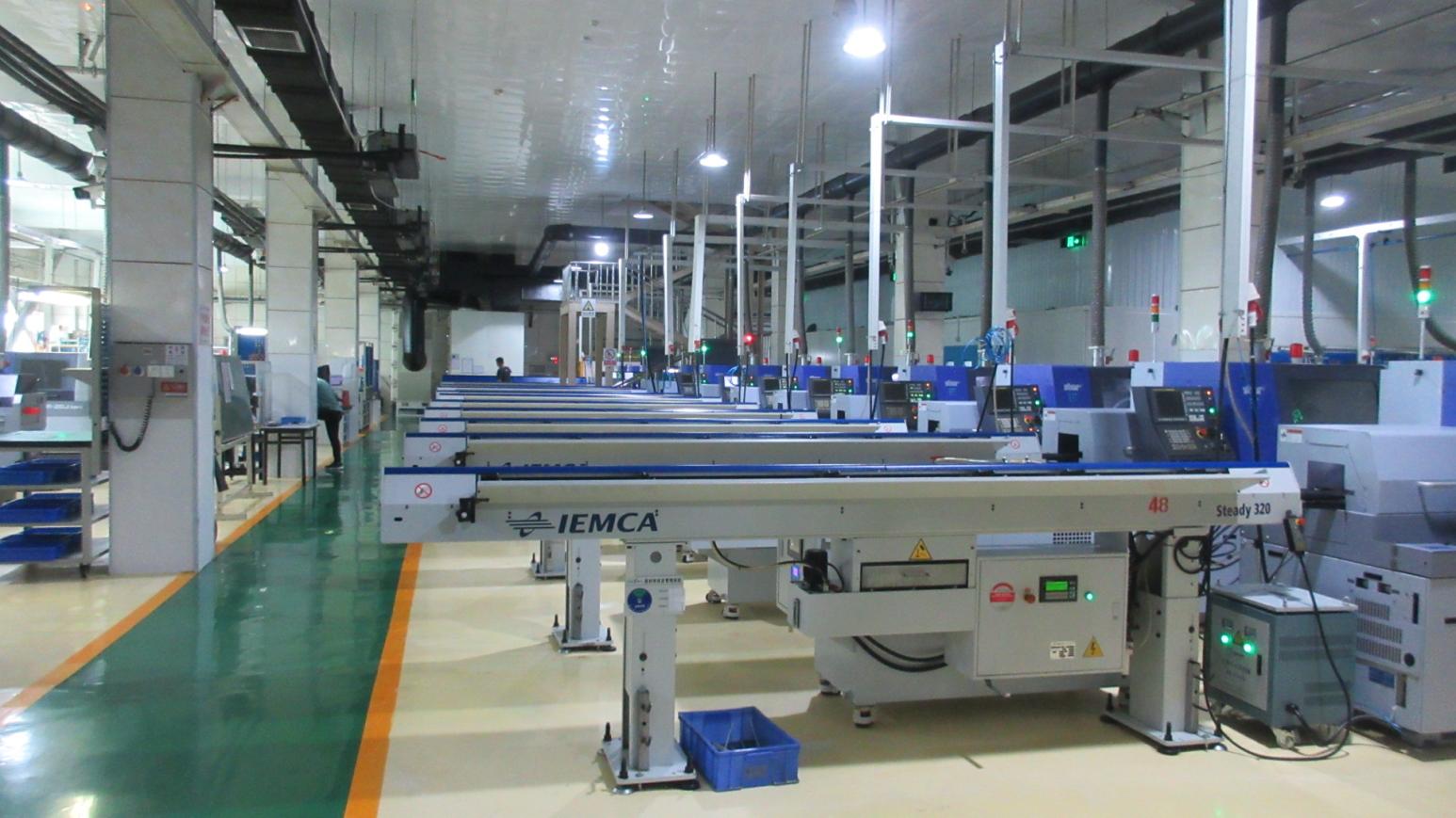
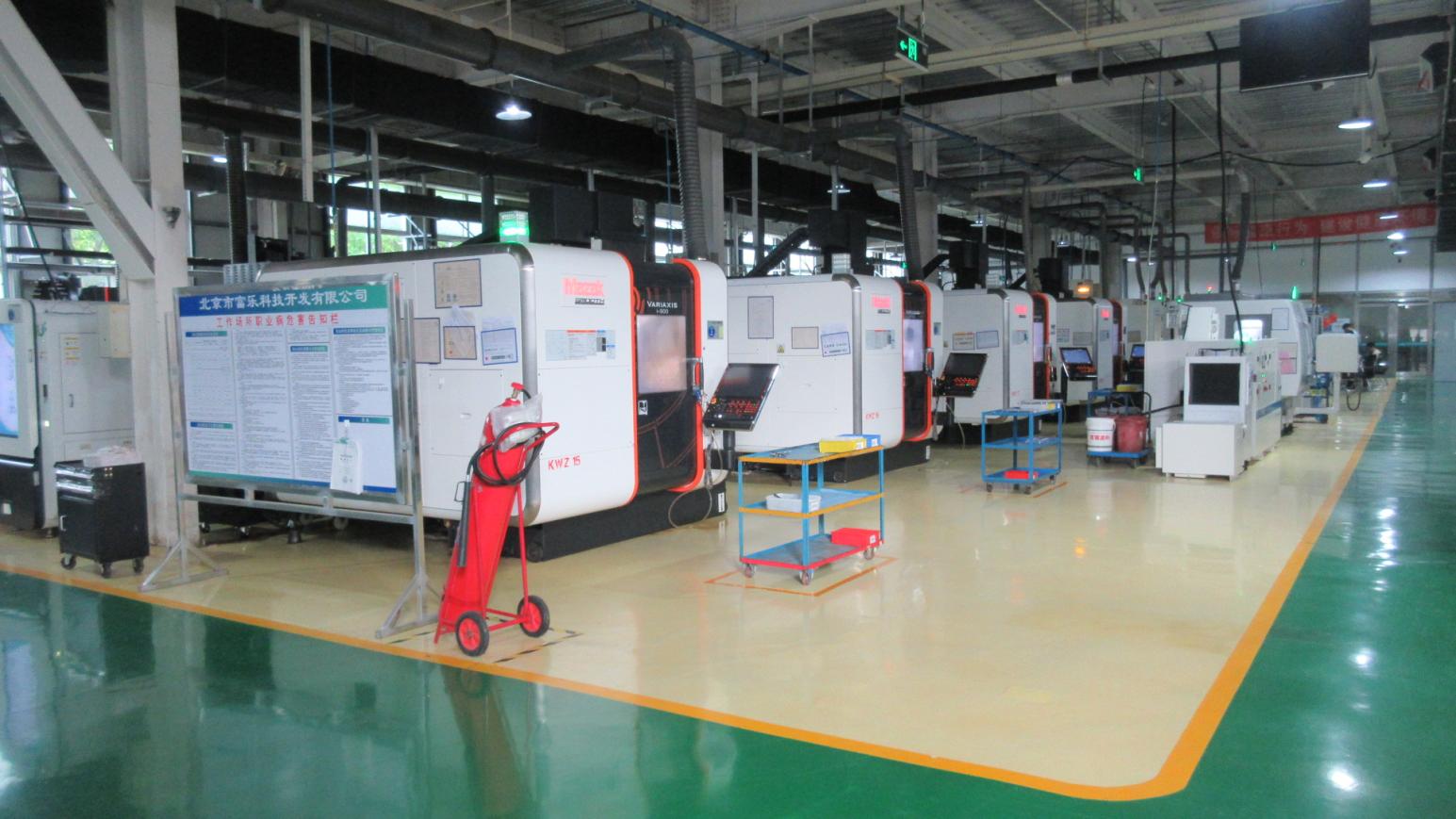
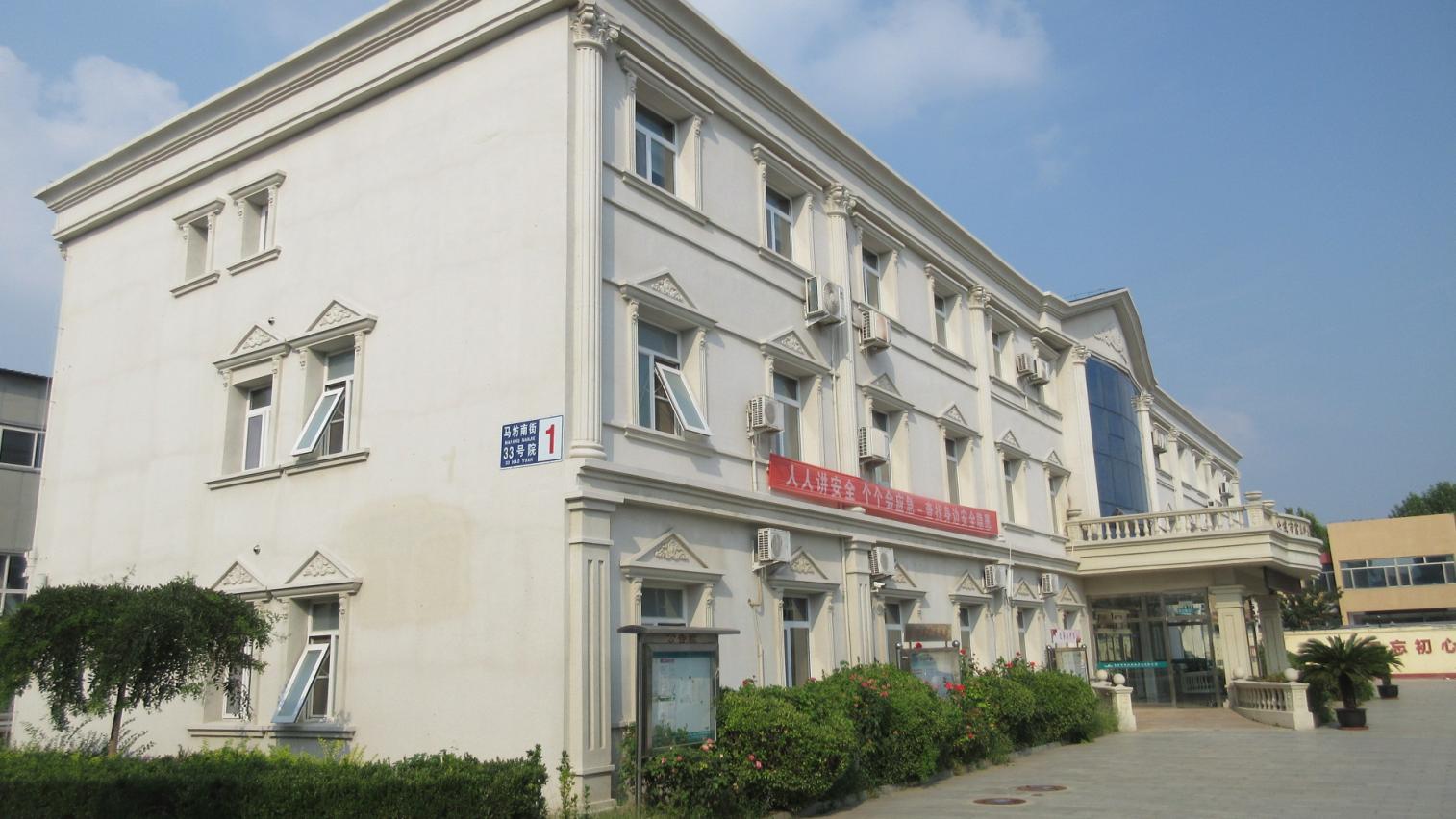
We provide orthopedic solutions tailored for global distributors, healthcare providers, and private label importers. Our vertically integrated facility in Beijing offers custom engineering services alongside standard product lines.
Custom OEM/ODM Services: Supported by a team of 20 R&D engineers, we customize implants to match specific clinical requirements. We offer services from sample replication to cleanroom packaging design.
Global Supply Chain Support: We have over 30 years of export experience and work with 70 trusted supply chain partners. This helps us ensure reliable logistics, timely delivery, and steady stock availability for urgent surgical demands.
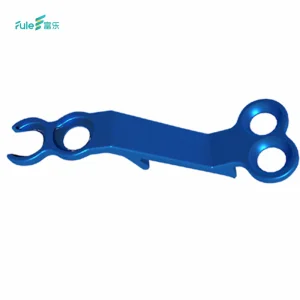
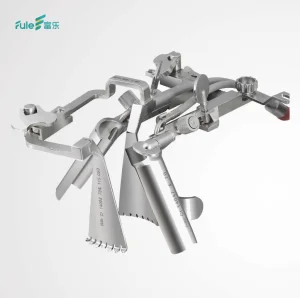
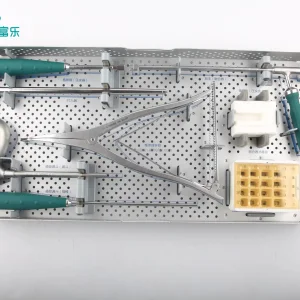
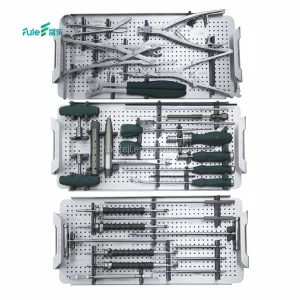
Complete Surgical Tooling: We manufacture complete, matching class II surgical instrument kits. This ensures proper fit and performance between implants and insertion tools during surgical procedures.
The field of orthopedic implants is shifting toward personalized care and advanced materials. Our engineering teams are working on new designs to improve patient outcomes:
Integrating 3D printing (Selective Laser Melting) to build titanium structures with open porosity. This matches the modulus of natural bone and supports direct bone ingrowth.
Developing magnesium and zinc-based screws that dissolve safely in the body over time. This helps eliminate the need for a second surgery to remove the hardware.
Applying thin coatings that release localized silver ions or antibiotics. This helps reduce the risk of post-operative surgical site infections.
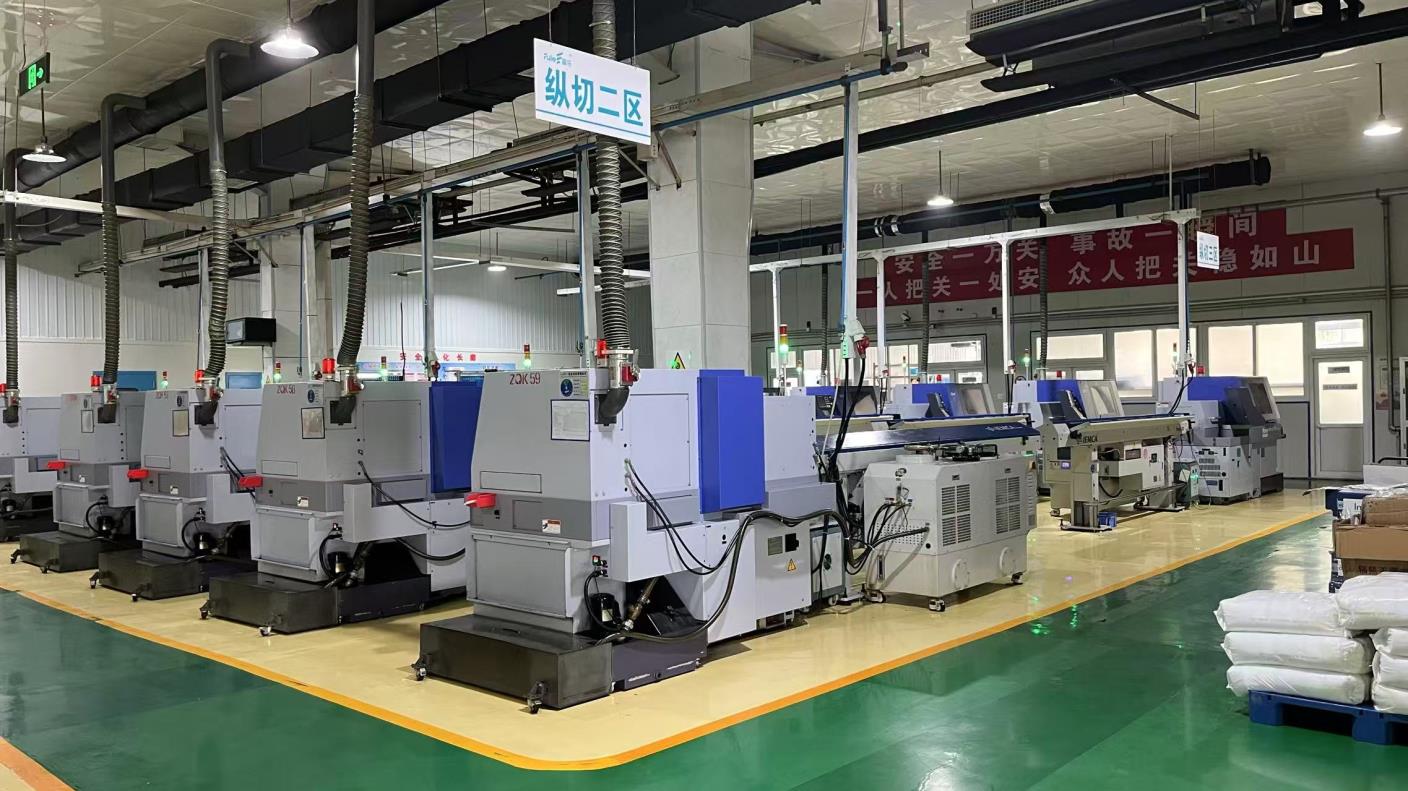
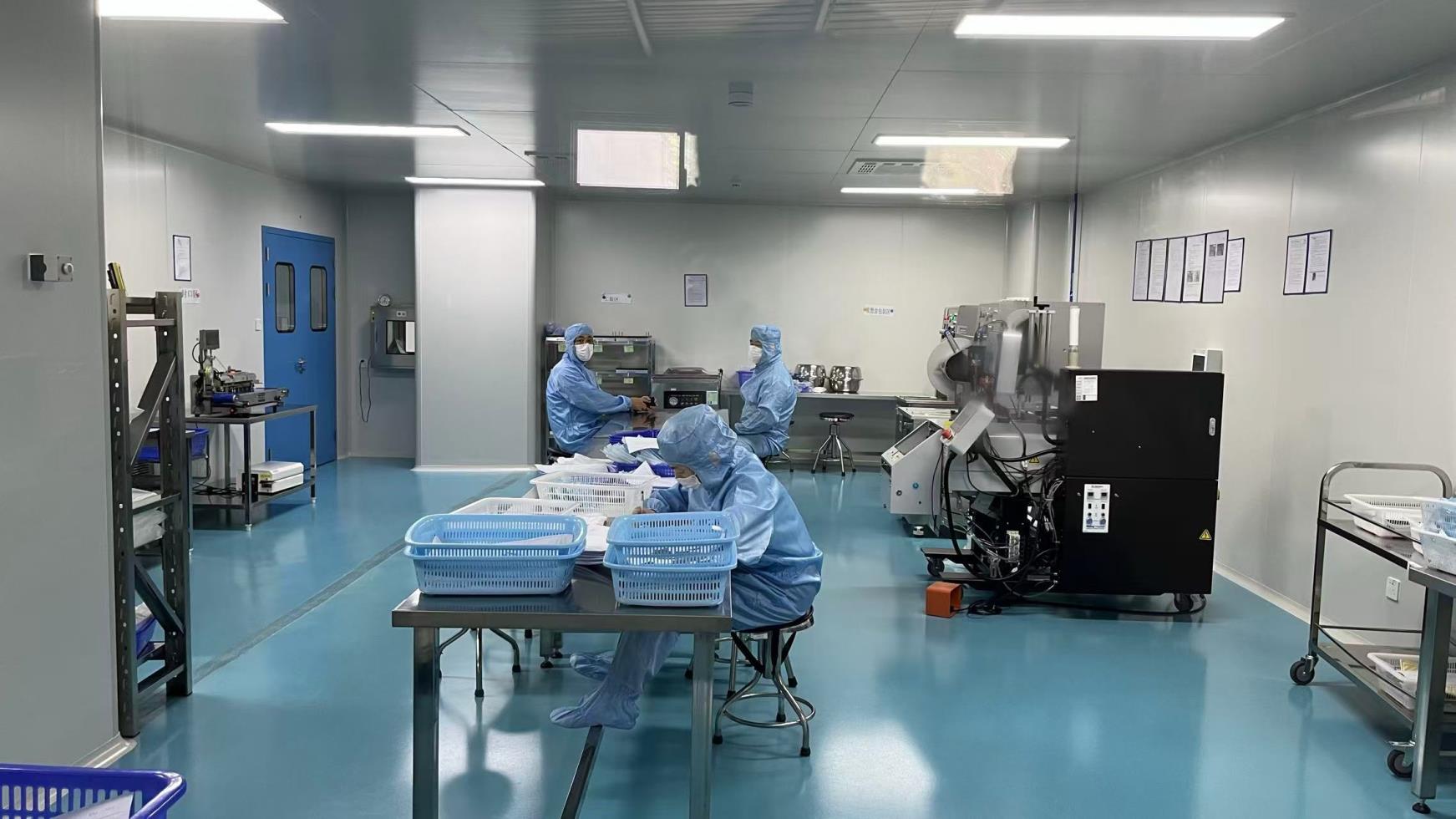
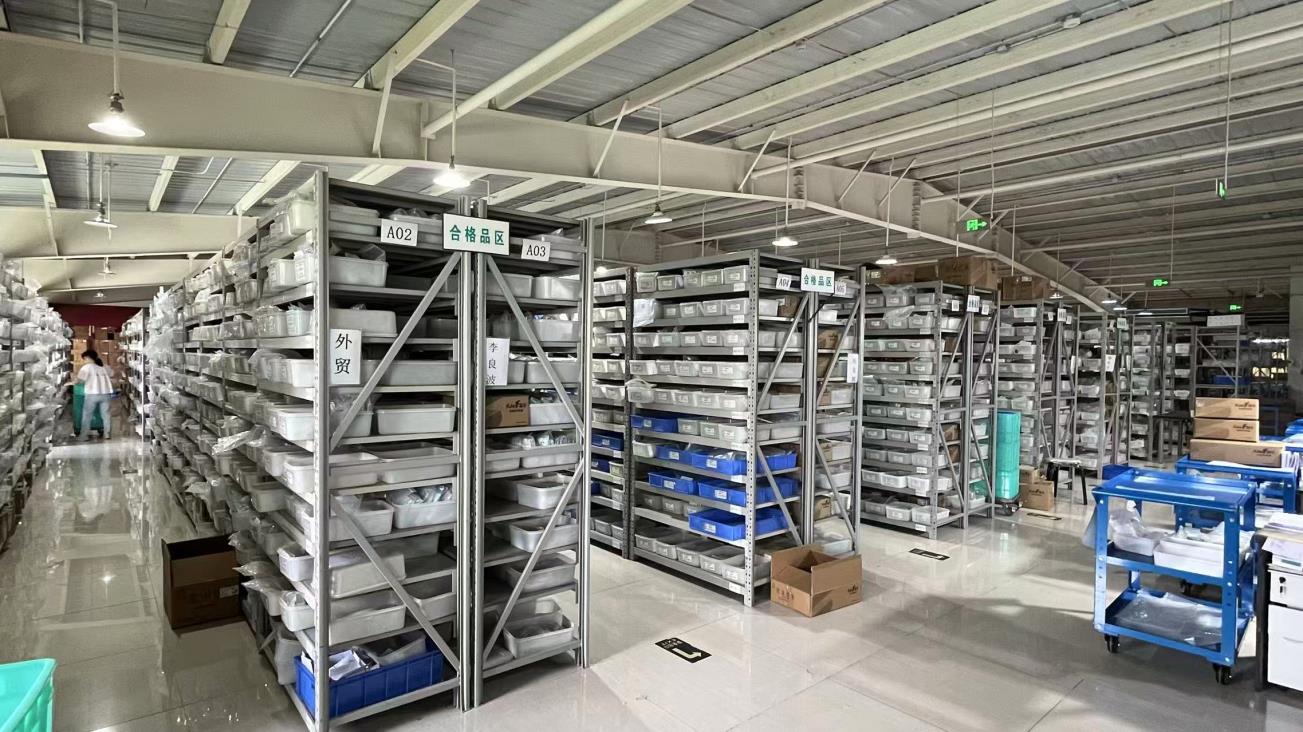
We operate transparently by documenting our manufacturing processes, facilities, and quality certifications. These credentials demonstrate our capability to meet demanding global supply requirements.
| Profile Specification | Certified Factory Data & Standards |
|---|---|
| Establishment Date | 1996-06-28 (Over 28 years of industry experience) |
| Manufacturing Area | 10,000 square meters of production space |
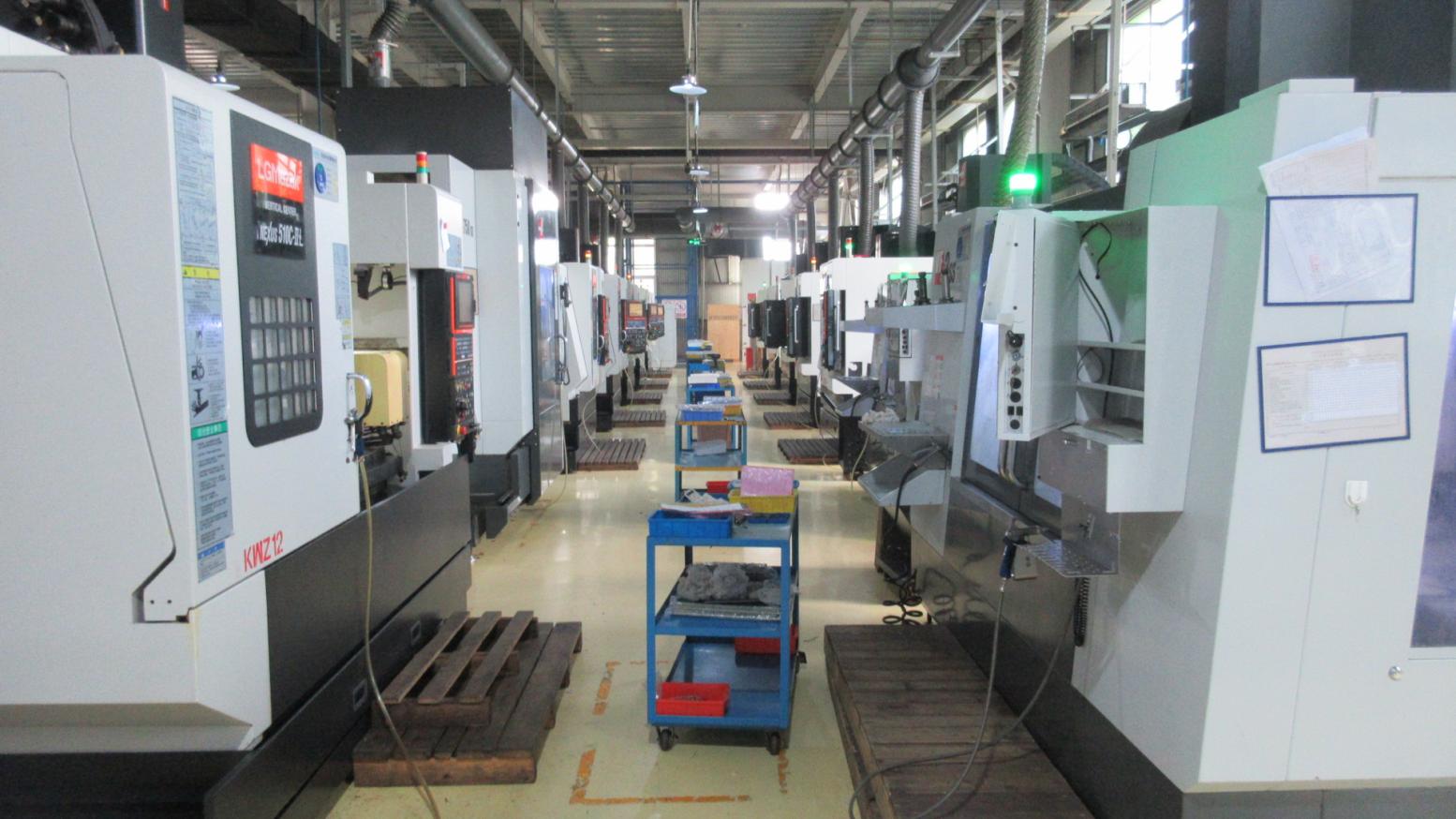
| Machinery | 102 precision production machines (Swiss CNC, Thread Rollers) |
| Quality Certification |
 ISO13485 (Registration No. 04724Q10000818)
|
| Annual Production Output | 511,000 Units |
| Quality Control Staff | 15 QA/QC dedicated inspectors (100% visual and physical product tracing) |
| R&D Team Capacity | 20 Engineers (15 holding postgraduate degrees, 5 junior college specialists) |
| Primary Export Regions | Eastern Europe (15%), Southeast Asia (10%), Domestic Market (40%) |
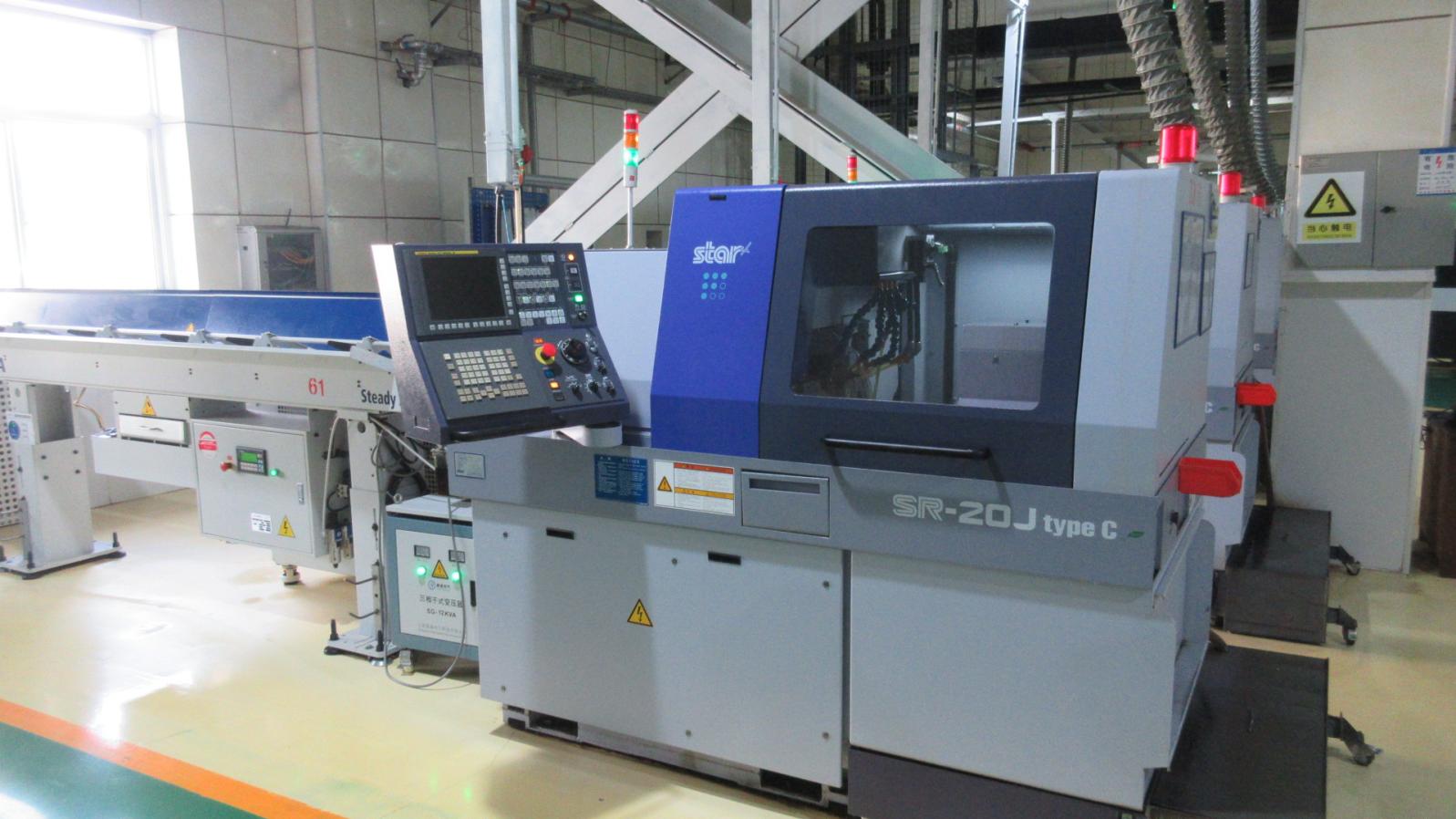
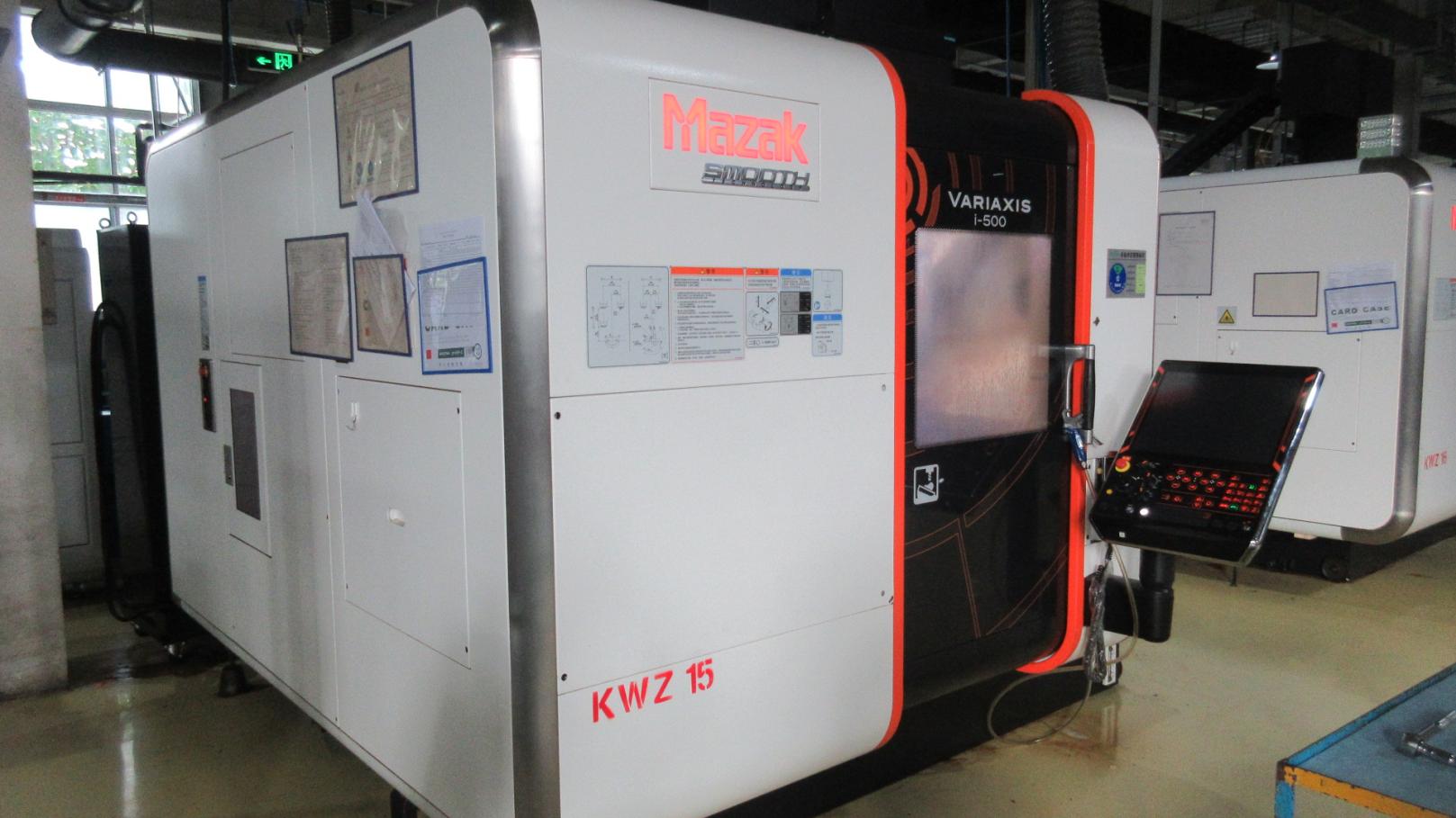
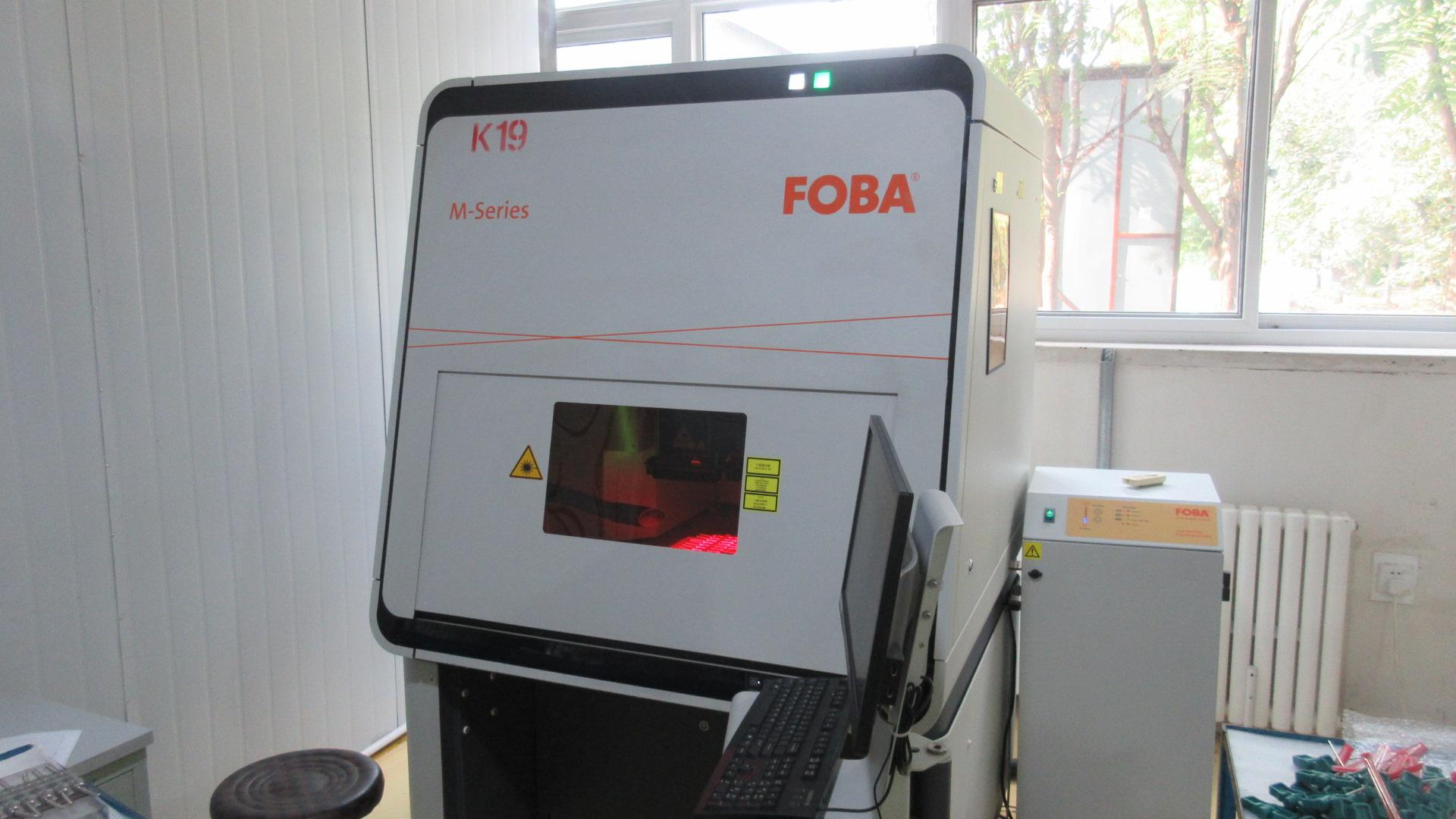
A list of frequently asked questions regarding technical features, material standards, quality checks, and ordering terms for partners sourcing orthopedic implants from China.
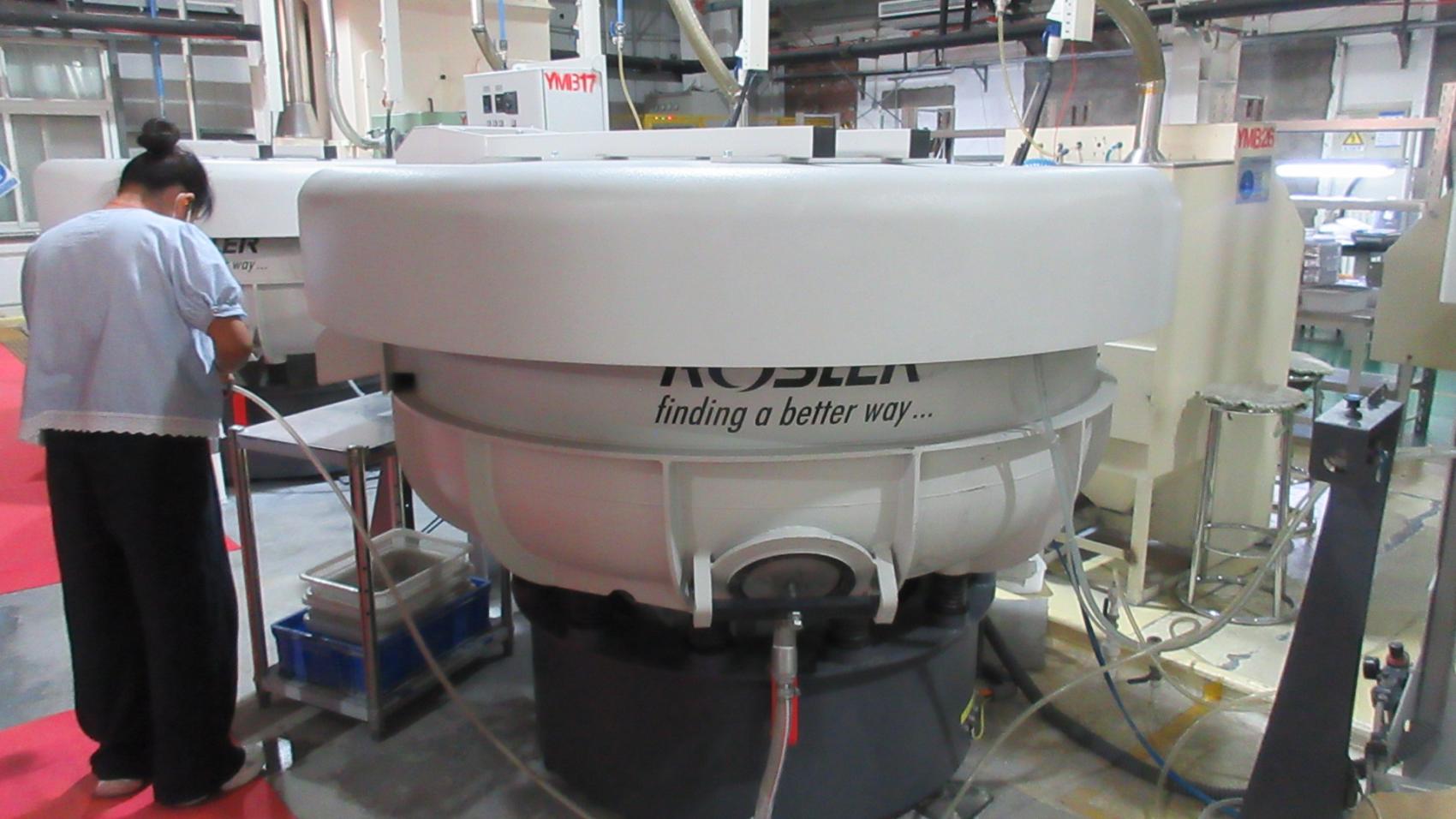
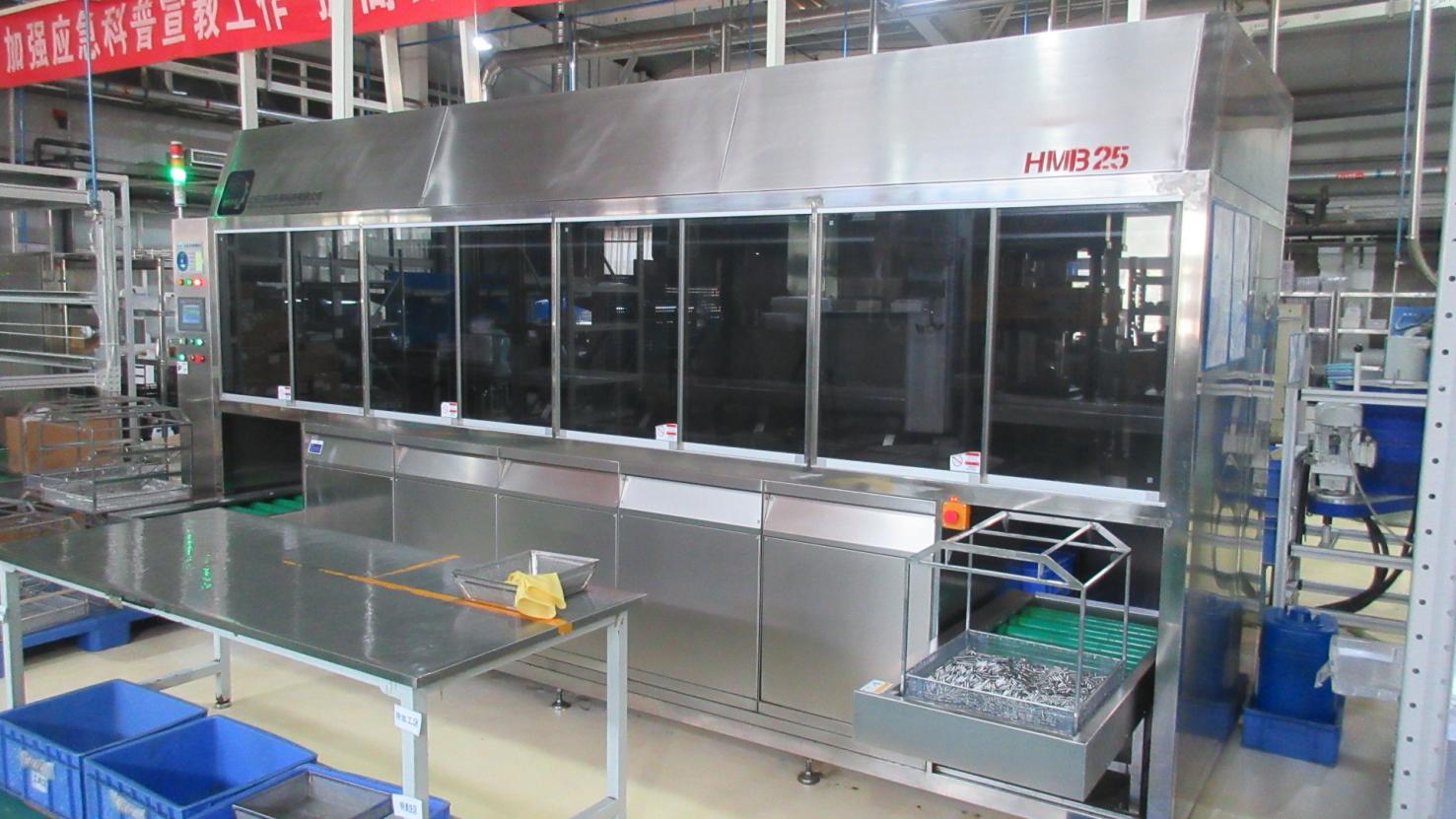
We work to ensure compatibility between implants and surgical instruments. Our systems are designed for straightforward handling, reliable locking, and ease of use in clinical settings.
 Beren Science & Technology