Engineered for durability, structural integration, and optimal patient outcomes. Fully compliant with international regulatory clearances.
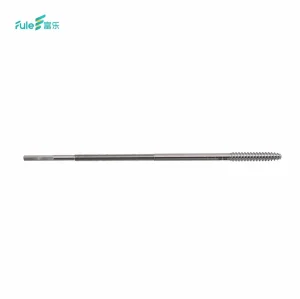
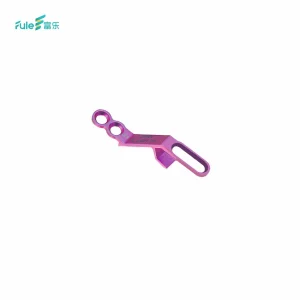
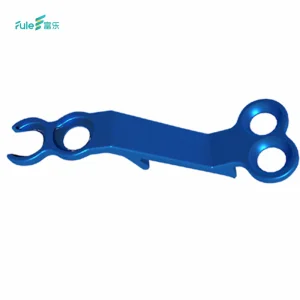
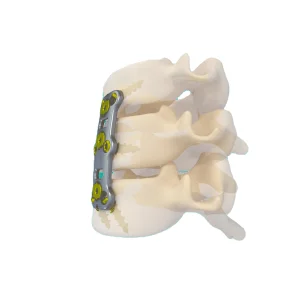
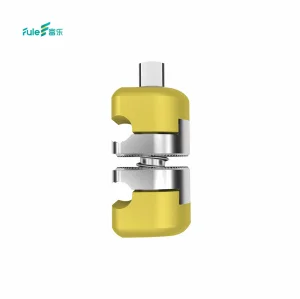
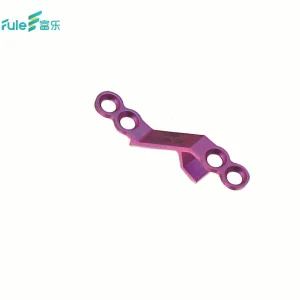
Analysing structural fixation standards, mechanical performance, and regulatory landscapes in pelvic osteosynthesis.
Pelvic ring disruptions, often resulting from high-energy traumatic incidents such as motor vehicle accidents or significant falls, present one of the most critical challenges in orthopedic surgery. The biomechanical integrity of the pelvic posterior ring (including the sacroiliac joints and sacrum) is vital for load-bearing and physiological stability. Advanced pelvic fracture systems are designed to withstand multi-planar physiological loads while facilitating anatomic reduction and rigid fixation.
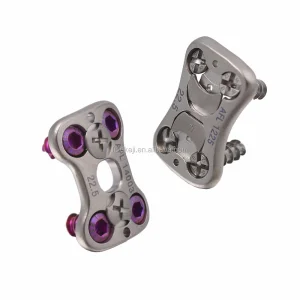
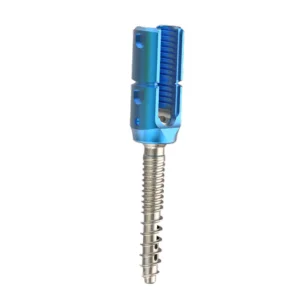
Globally, the treatment paradigm has shifted towards minimally invasive approaches that preserve blood supply and soft tissue viability. Surgical implants, specifically anatomically contoured pelvic plates, variable-angle locking screws, and external fixation kits, must satisfy stringent design parameters to avoid neurovascular structures while offering primary biomechanical stability.

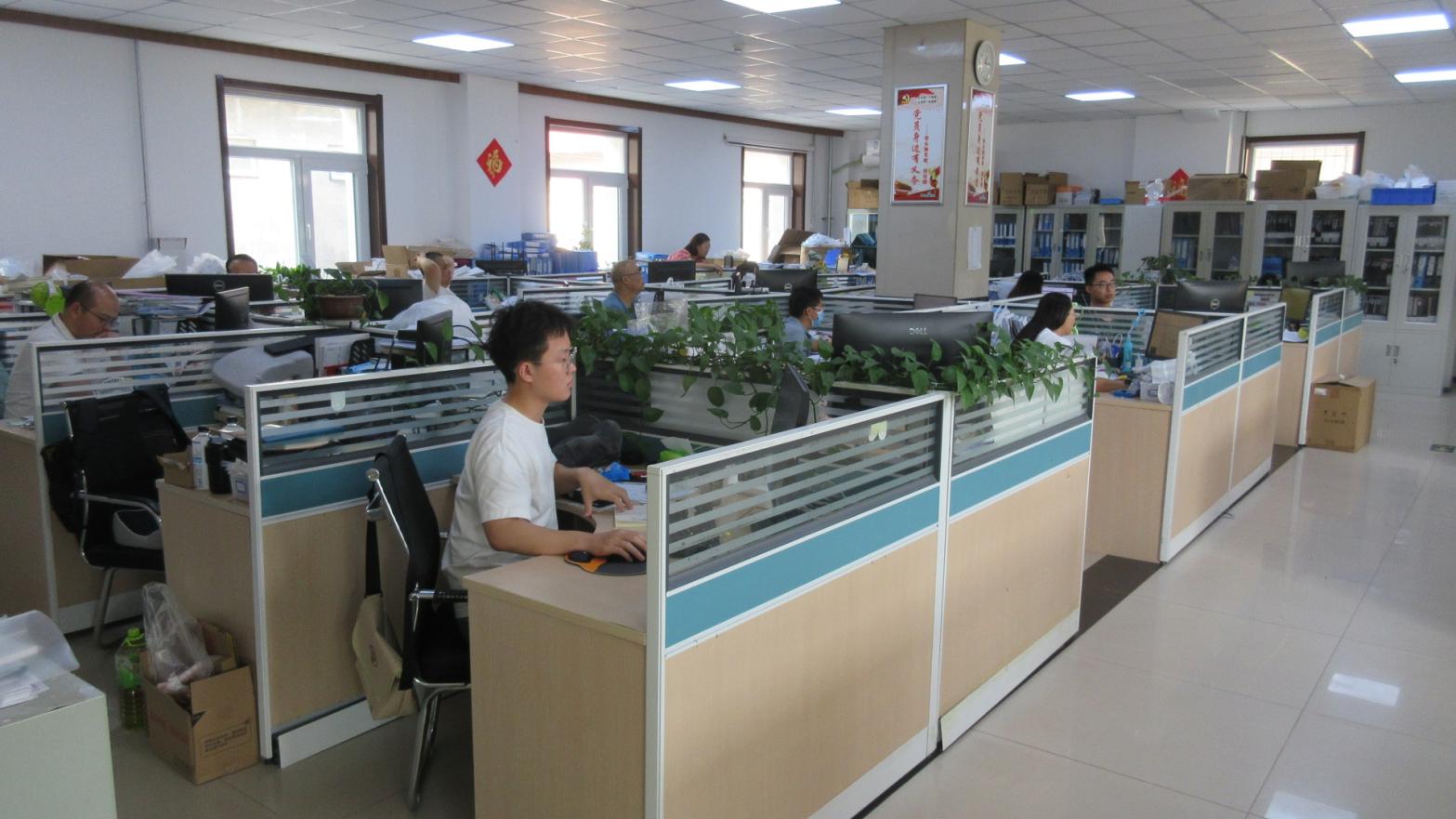
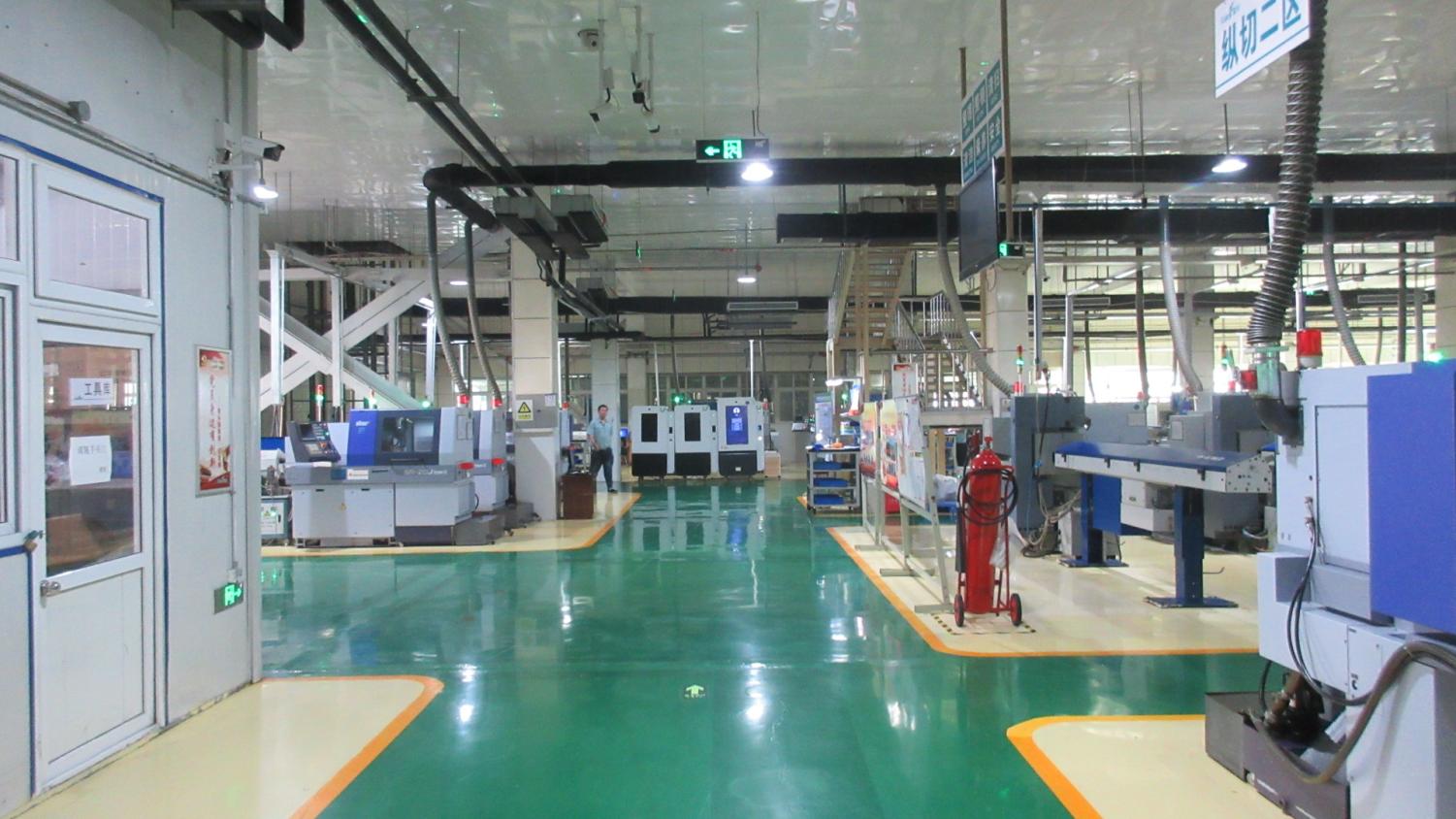
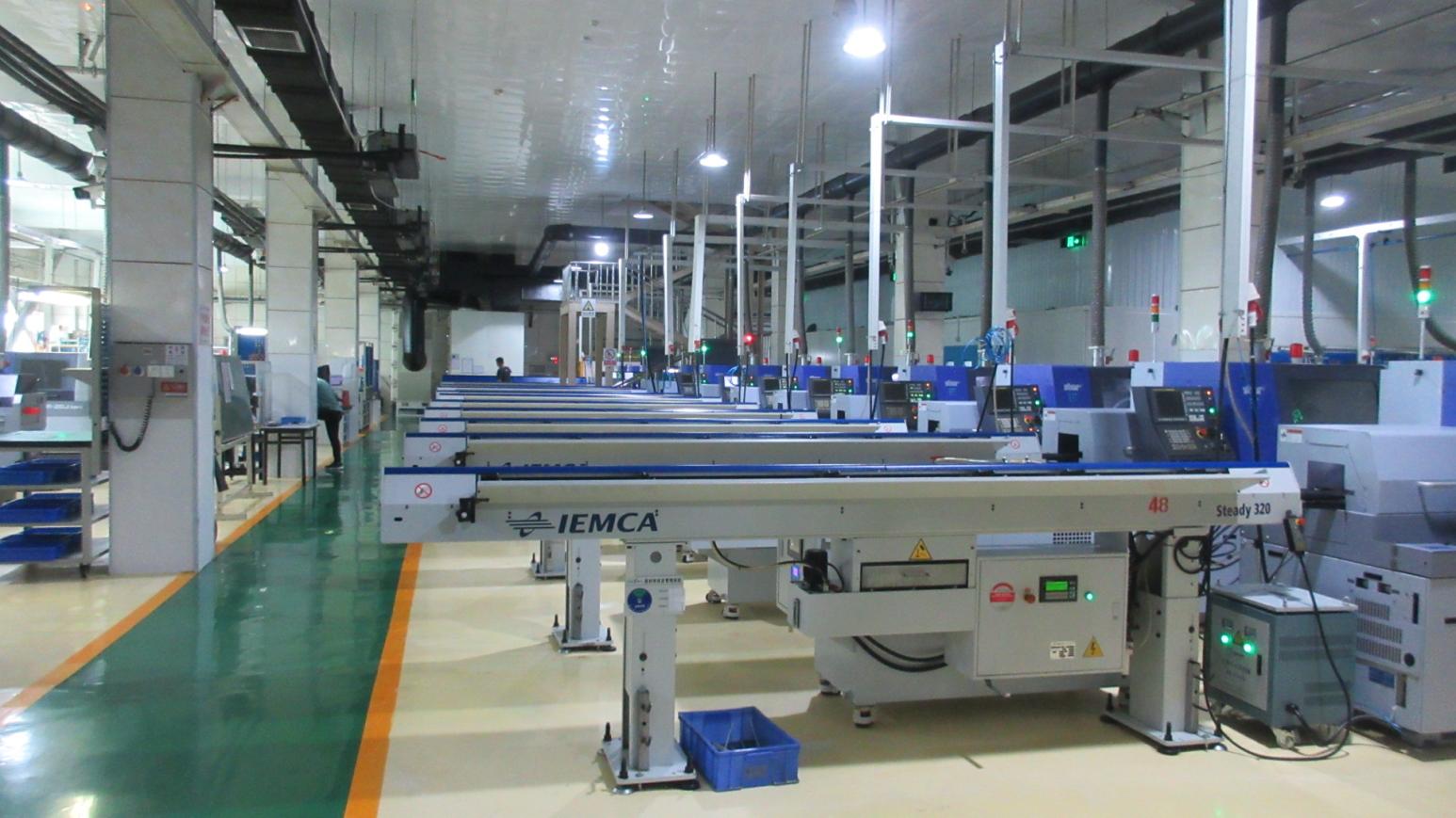
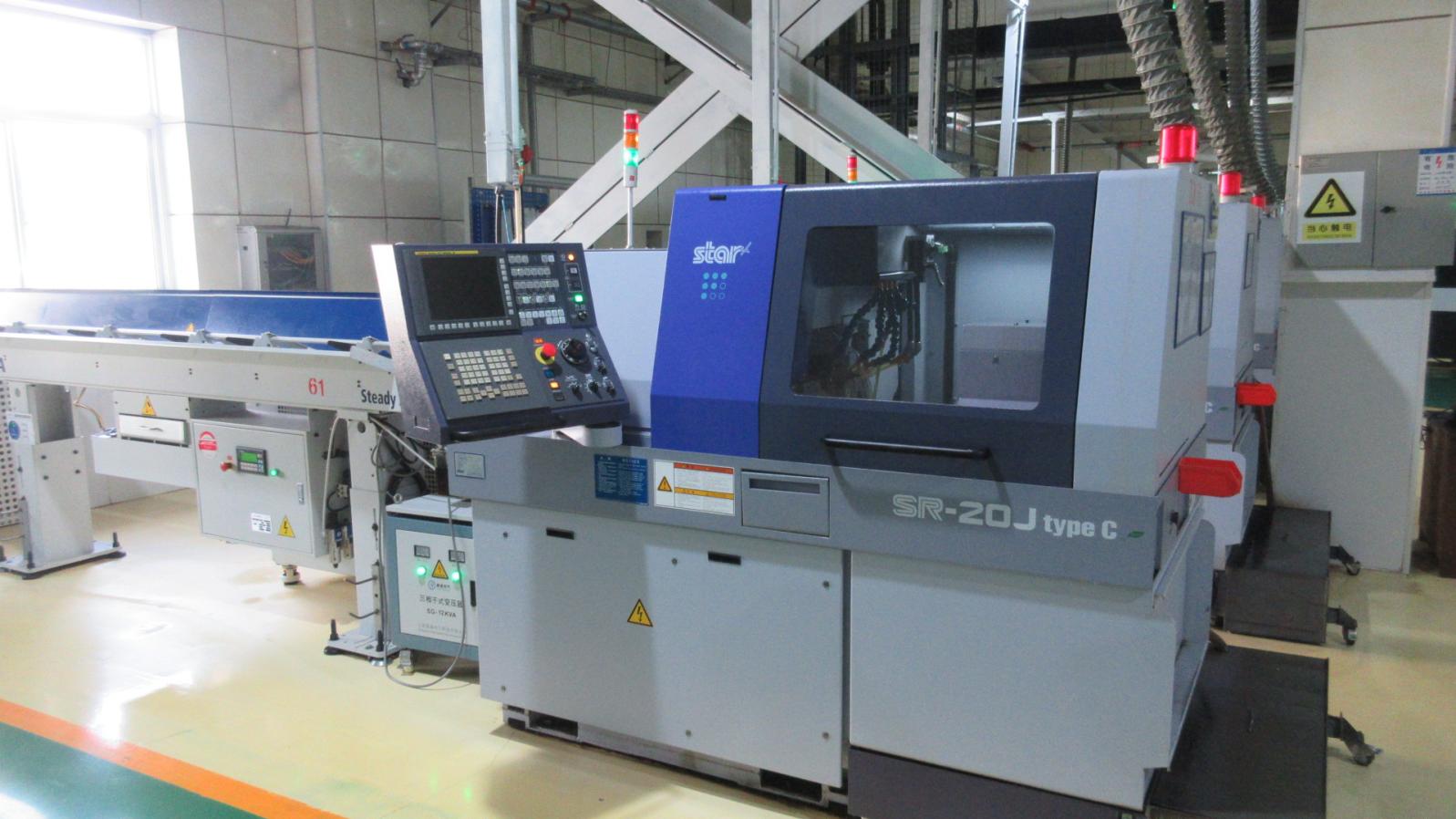
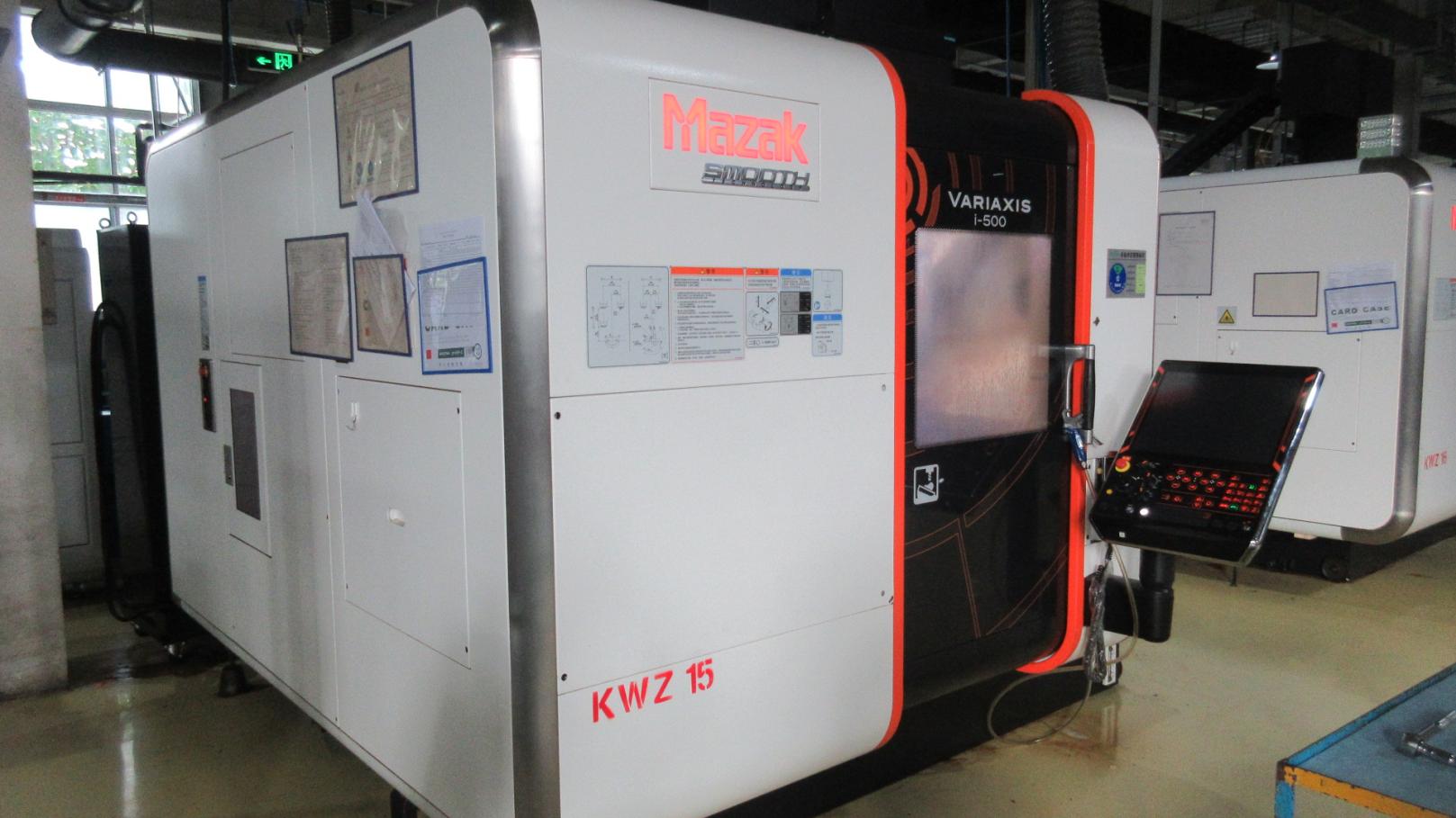
Leveraging Class III CE certifications, advanced Swiss-type CNC machining, and automated quality control loops.
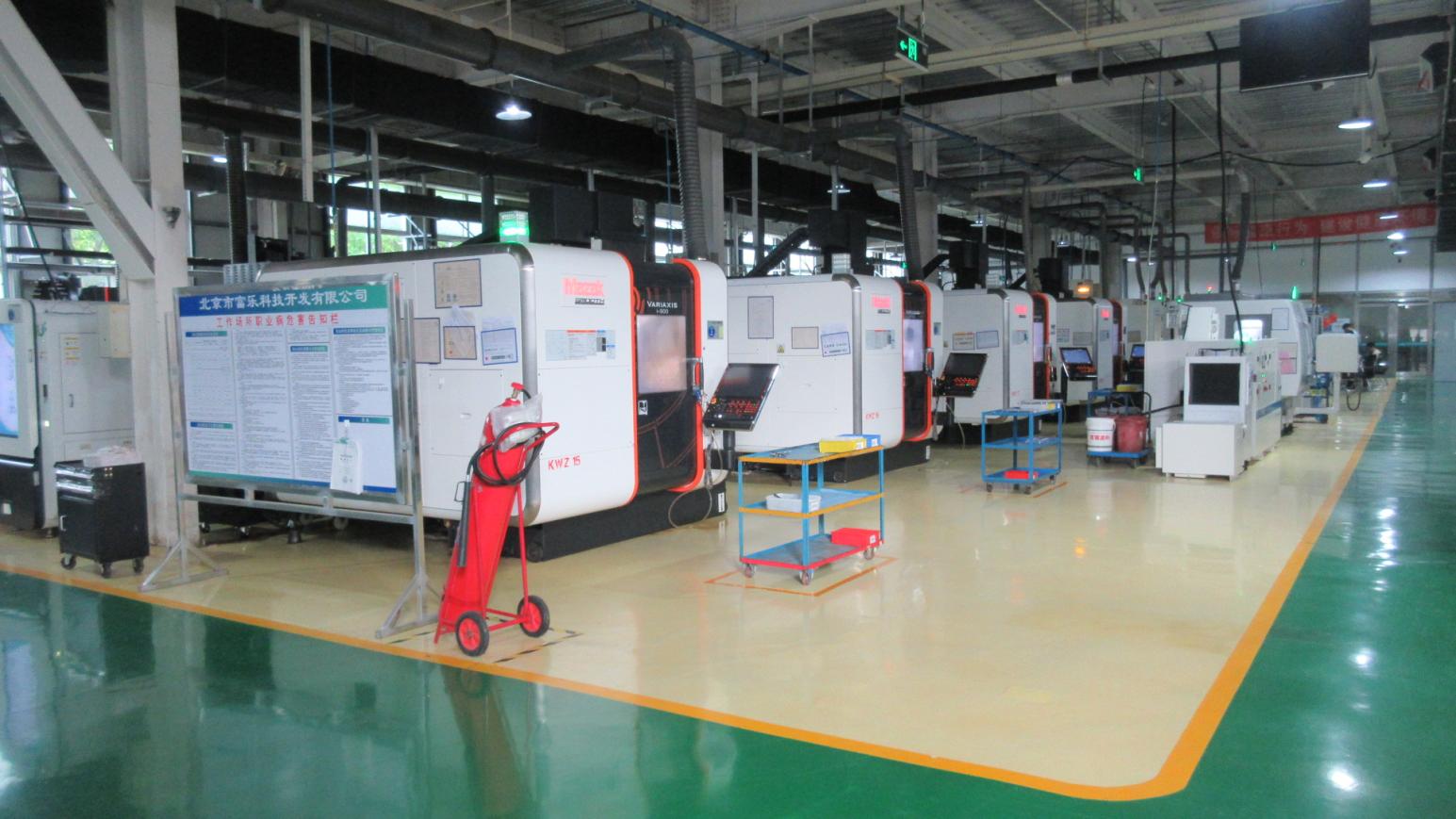
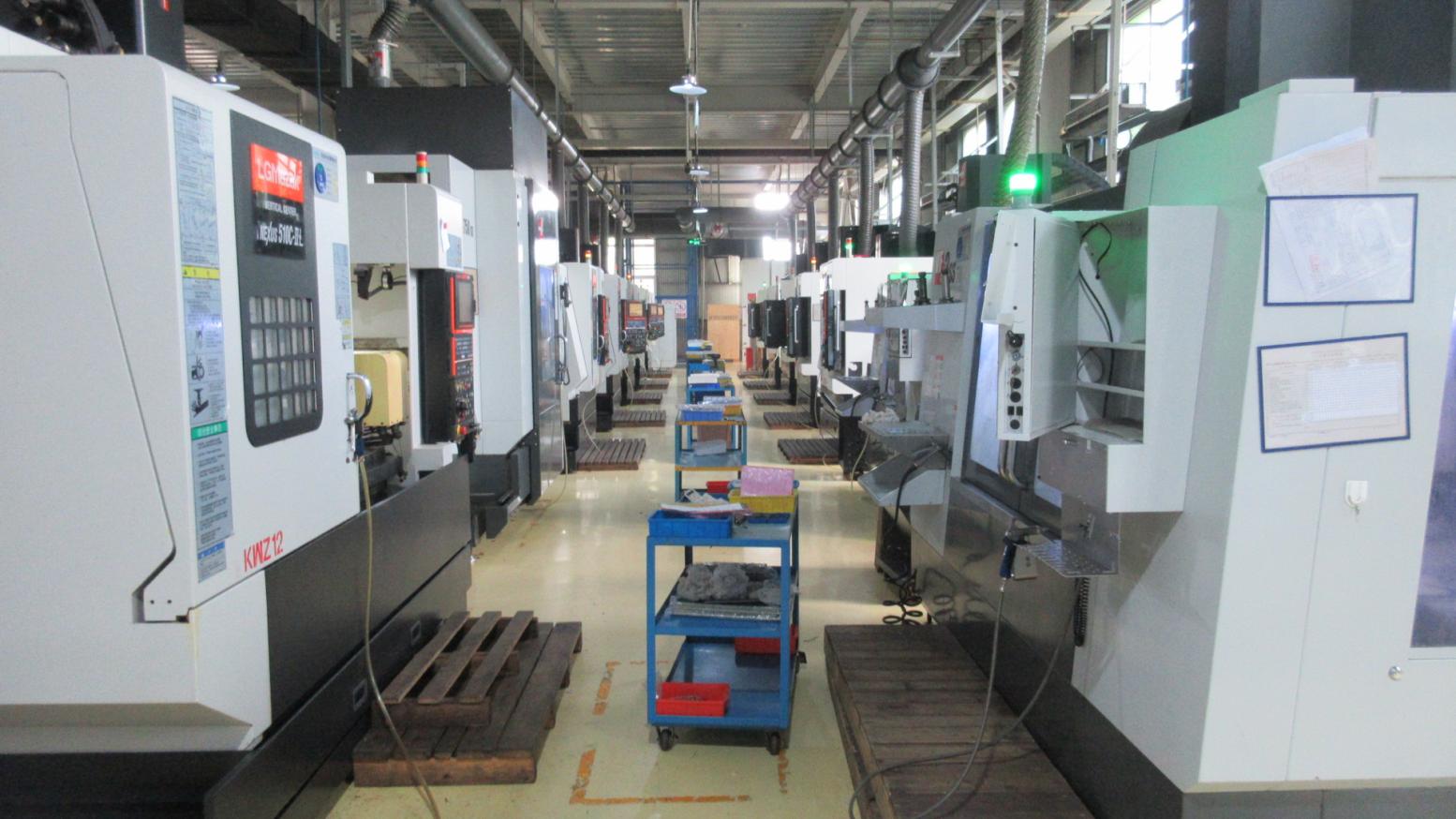
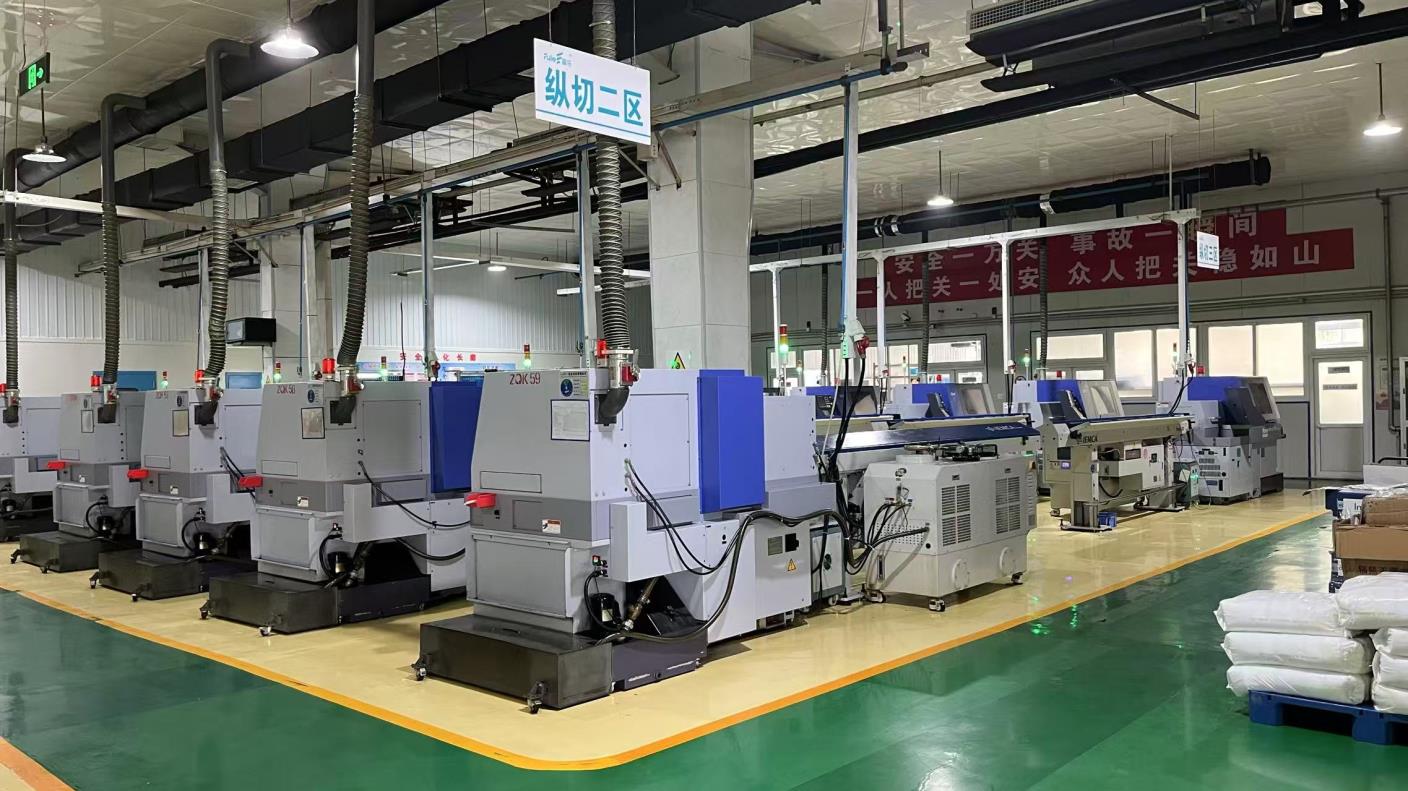
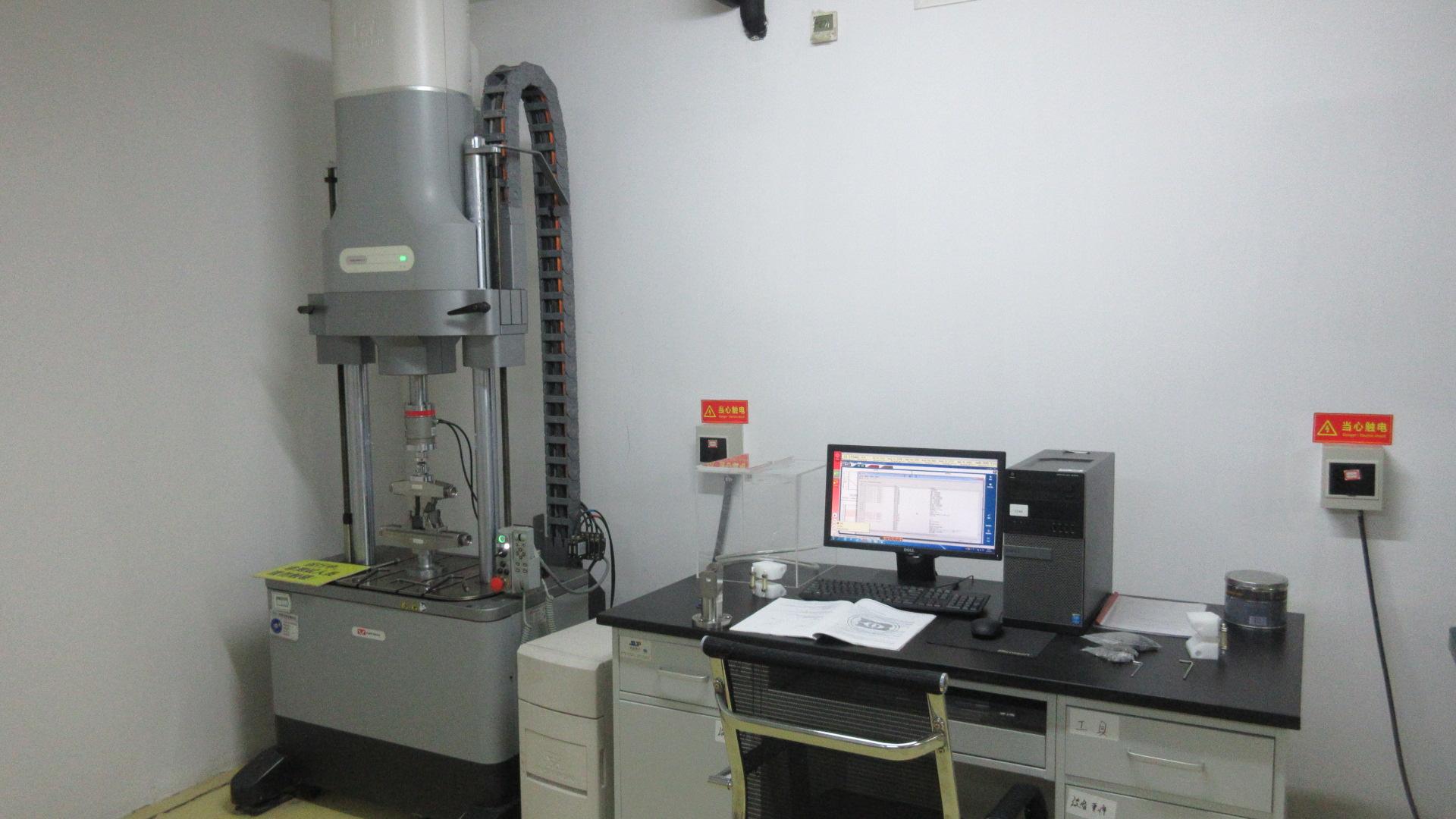
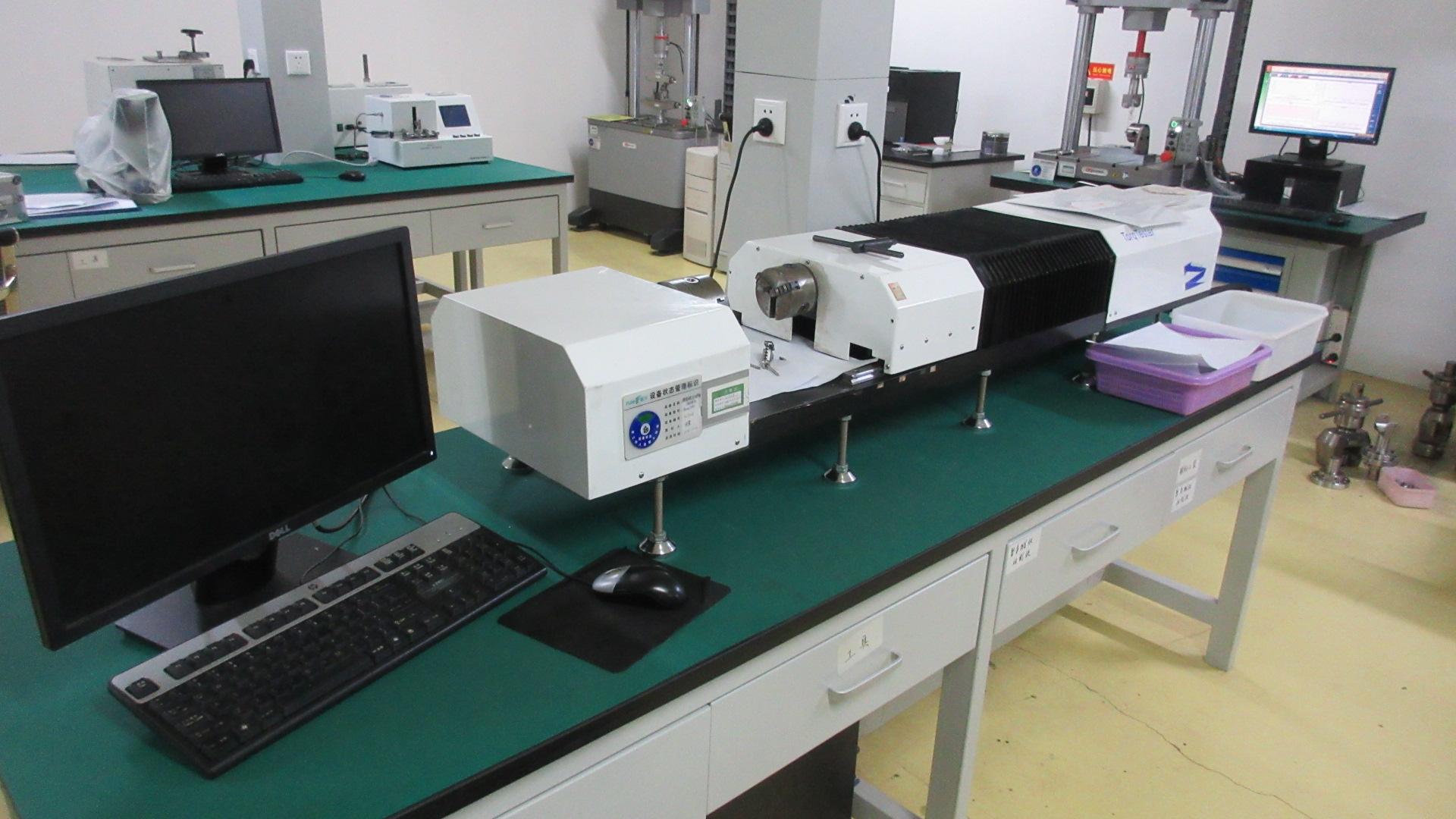
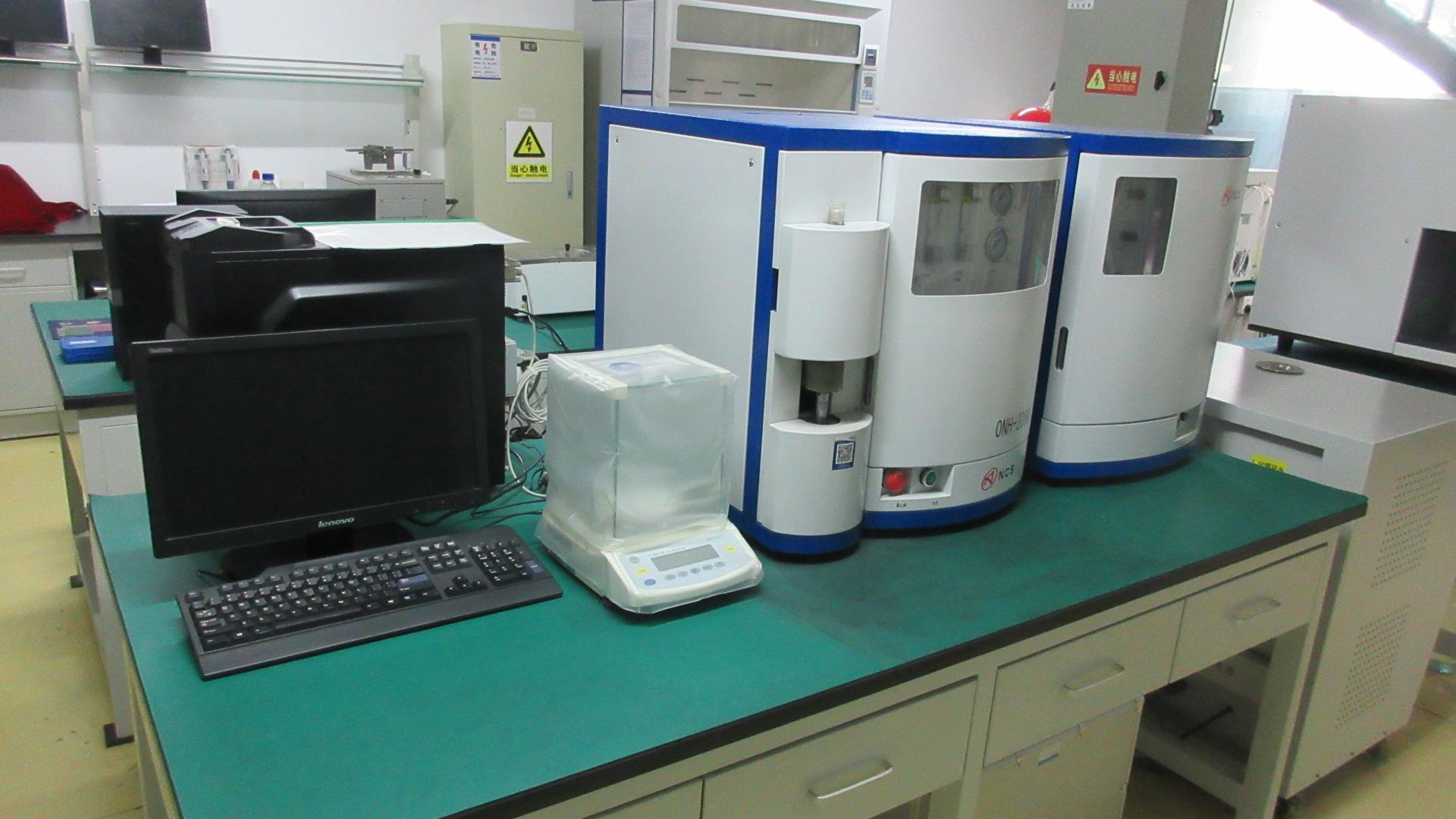
We source medical-grade titanium alloy (Ti-6Al-4V ELI) compliant with ASTM F136 standards. By utilizing centralized manufacturing hubs in China, our production lines achieve exceptional cost efficiencies without sacrificing quality. Complete raw material chemical tracking, thermal treatment verification, and optical coordinate measurements are performed on 100% of internal fixation products to guarantee complete compatibility and eliminate intraoperative failure risks.
Streamlining private labeling, customized mechanical properties, and supply chain continuity for global distributors.
We support sample processing, technical graphic programming, and custom production runs tailored to specific anatomical archetypes. Last year alone, we introduced over 20 new products to address emerging clinical challenges.
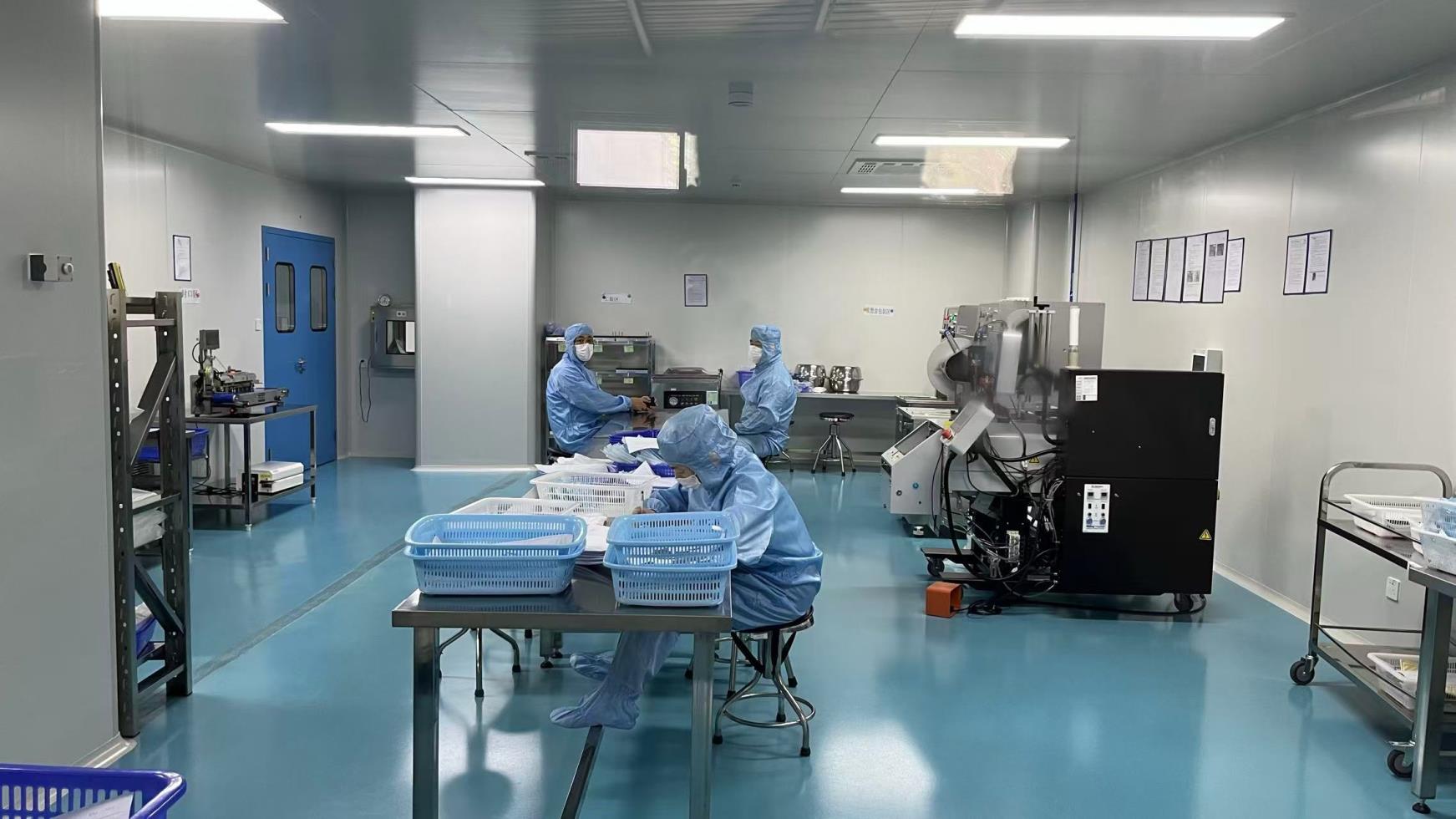
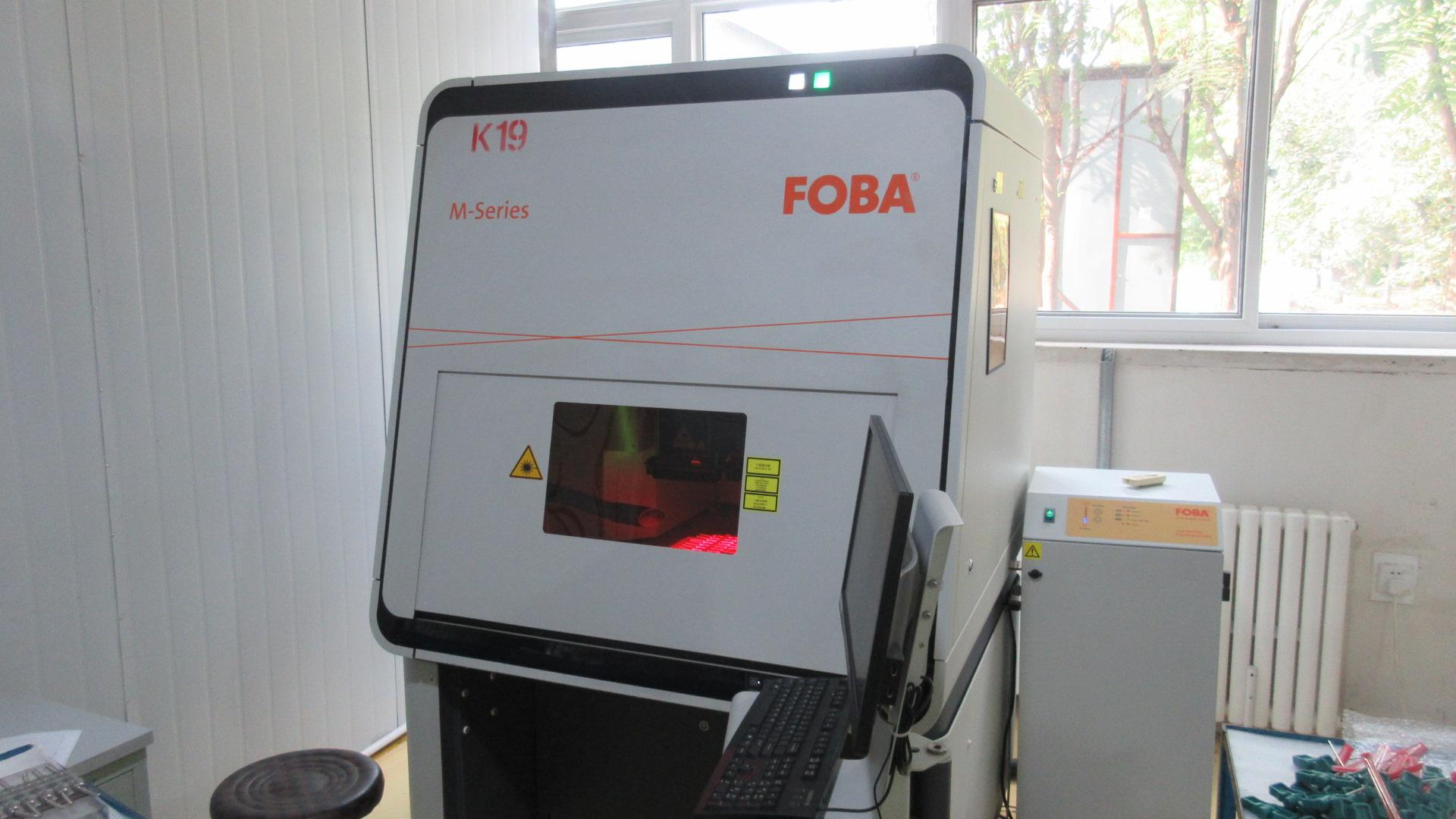
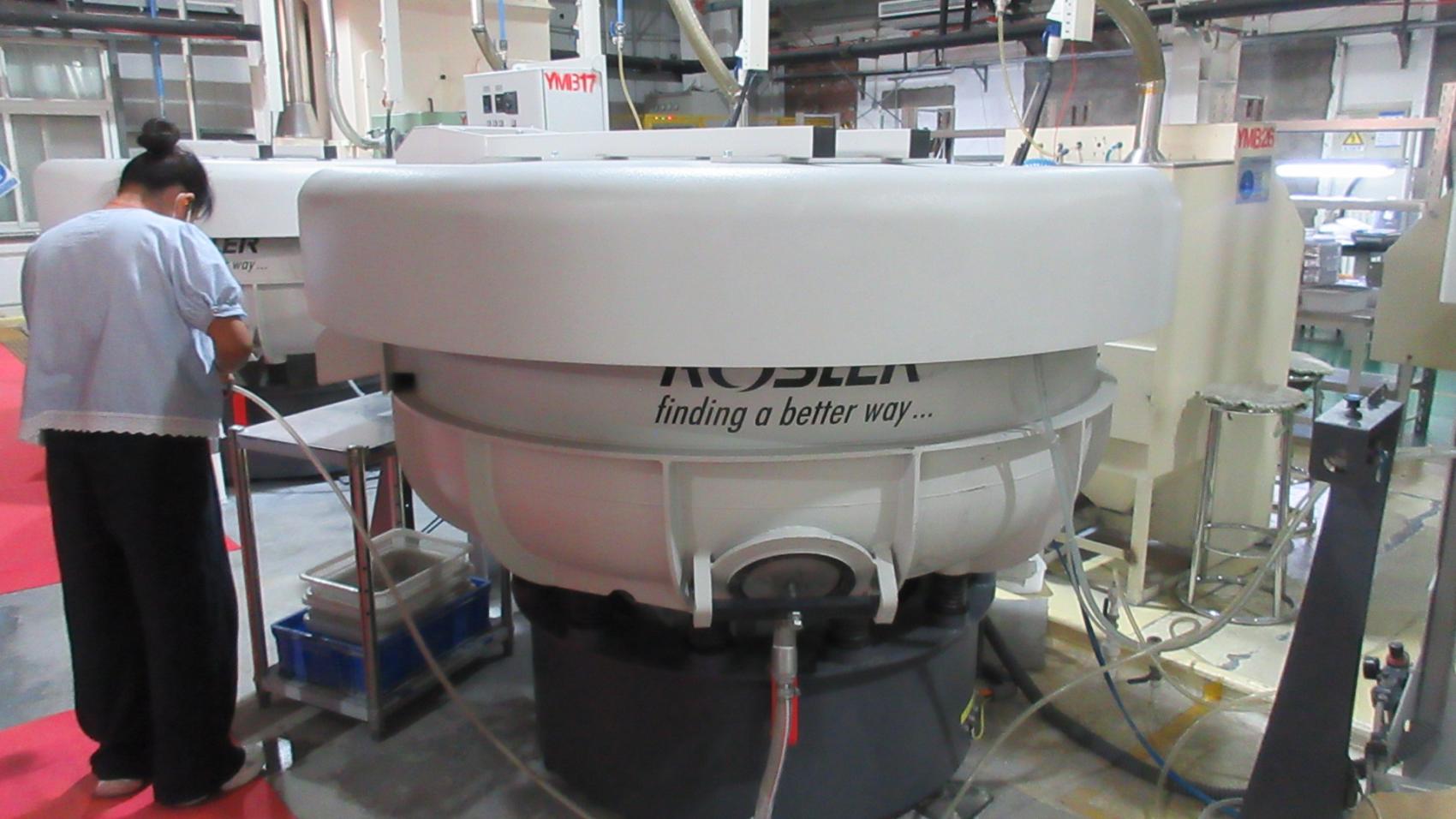
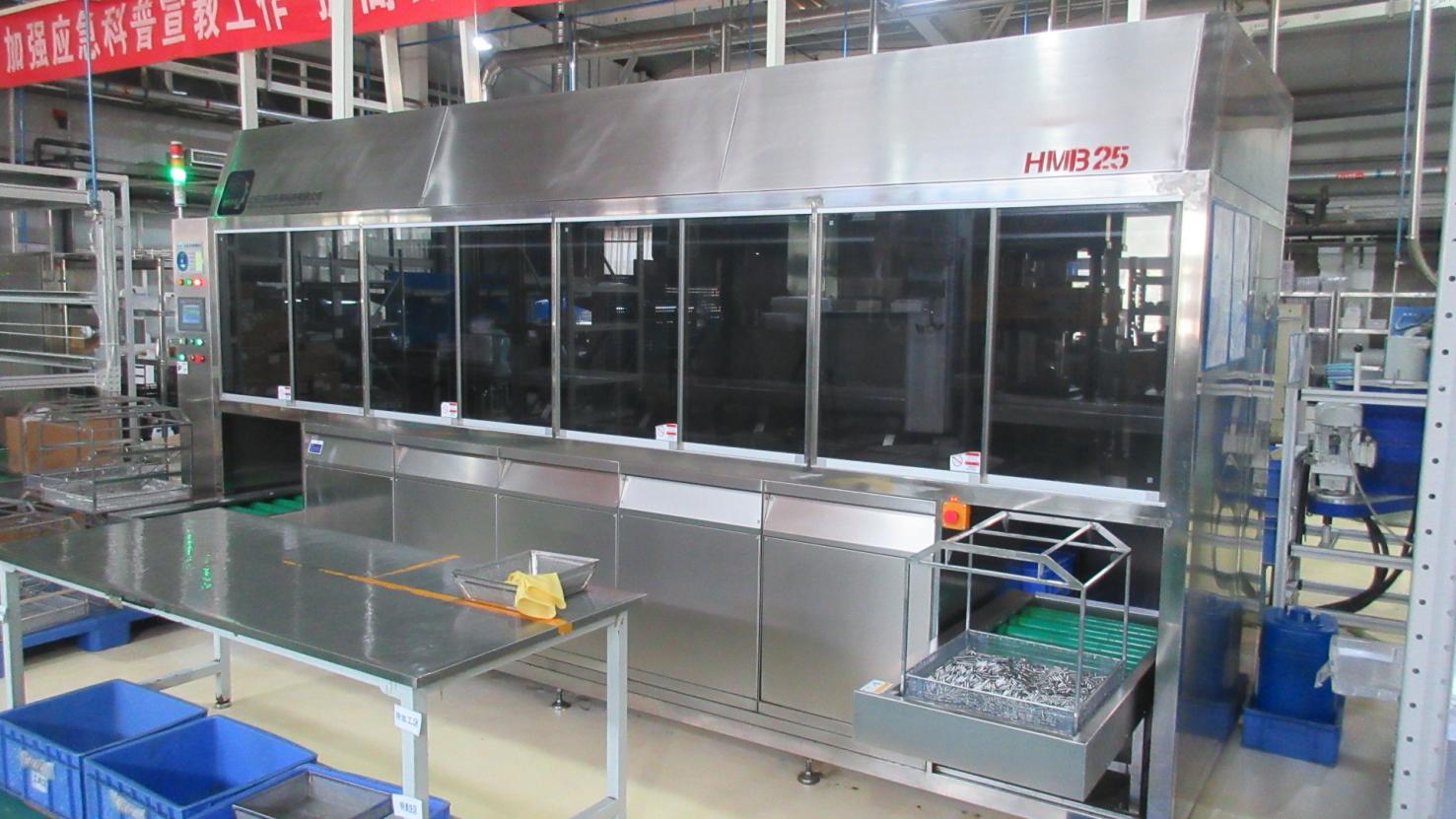
Equipped with a certified Class 100,000 cleanroom, our sterilization and packaging lines adhere to strict international requirements. 100% of finished parts undergo non-destructive inspection prior to distribution.
Our research and development team consists of 20 senior medical device engineers, including 15 postgraduates, working in collaboration with top biomechanical laboratories to advance implant geometry and locking mechanism performance.
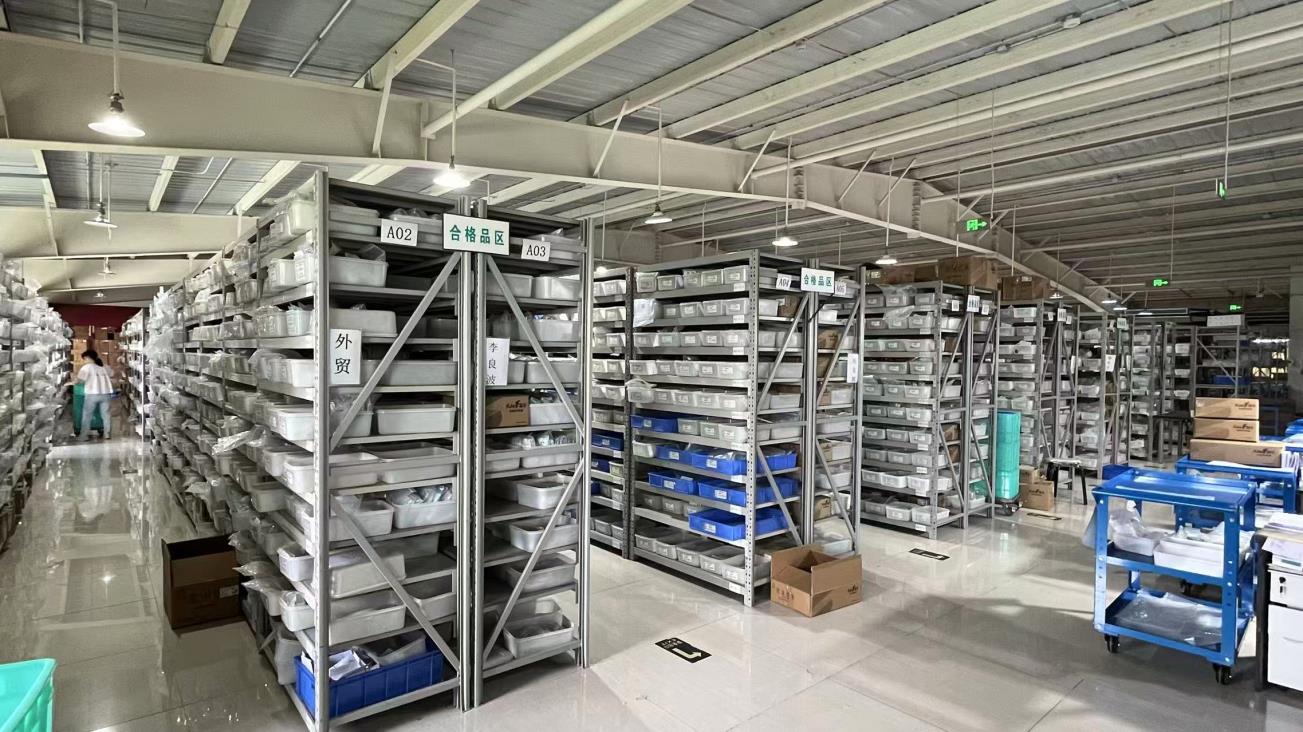
From sterile cleanroom assembly to emergency room availability: ensuring mechanical stability in diverse operating scenarios.
Every clinical trauma center faces highly unique patient profiles. Our pelvic plates are structurally engineered to allow flexible adjustment during surgery without compromising the structural integrity of the titanium alloy. Specialized locking configurations prevent screw back-out, minimizing the risk of secondary revision surgeries.
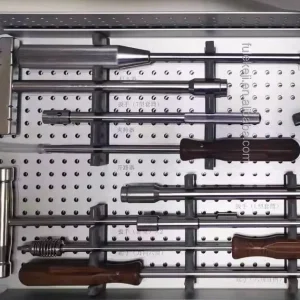
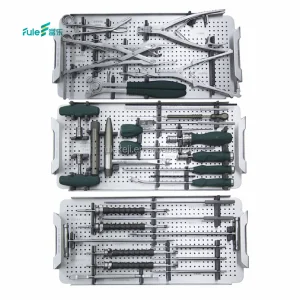
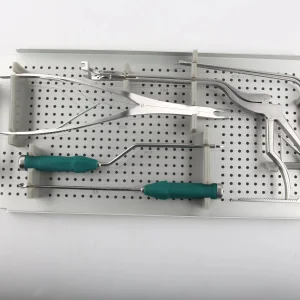
Our supply chain matches localized clinical dynamics, providing complete instrumentation sets along with implants. Whether utilizing the Hoffman External Fixator Kit for rapid stabilization or high-precision anterior/posterior plating systems, surgeons can find specialized, integrated solutions ready for use.
Answering essential questions on biomechanical properties, materials science, and procurement processes.
Engineered for surgical precision and anatomical conformity. Explore our medical systems below.
 Beren Science & Technology