China's Leading Ulna Exporter & Orthopedic Implant Manufacturer

Empowering global orthopedic healthcare with CE & ISO 13485 certified trauma, spine, and reconstructive systems engineered for precise anatomical fit and structural stability.

Global Industry & Commercial Dynamics of Ulna Reconstruction

The international market for upper extremity osteosynthesis, specifically focusing on distal radius and ulna fractures, has witnessed major shifts due to geriatric demographic expansion and rising high-energy athletic trauma. As a leading China ulna exporter, we recognize the critical clinical demands of surgeons worldwide. Ulna plating systems and intramedullary implants are no longer treated as simple mechanical fasteners; they are sophisticated anatomical structures required to minimize soft tissue irritation, resist multi-directional load profiles, and preserve the delicate vascular networks of distal forearm bones. Through years of commercialization, Chinese manufacturing has transitioned from OEM blueprint replication to pioneering metallurgical processing. Today, top global distributors seek strategic alignments with robust Chinese supply chains that guarantee consistent implant purity, complex geometries, and complete regulatory alignment with European and American clinical pathways.

Vascular Preservation

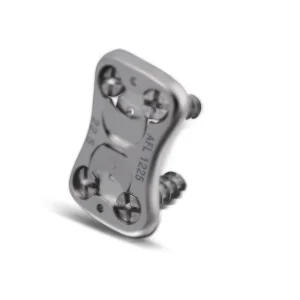
Advanced low-profile anatomical designs reduce periosteal contact, preserving crucial vascularization to stimulate faster bone remodeling and reduce non-union rates.

Dynamic Locking Tech

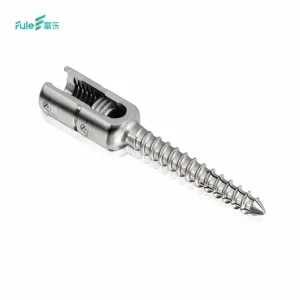
Combines variable-angle locking screws with dynamic compression slots, allowing surgeons to customize fixations depending on fracture severity and bone density.

Bio-Grade Alloys

Utilizing premium Ti-6Al-4V ELI (Grade 5) titanium alloys, delivering superior fatigue strength and mechanical biocompatibility compared to standard grade implants.

China Factory Supply Chain Resilience & Manufacturing Capacity

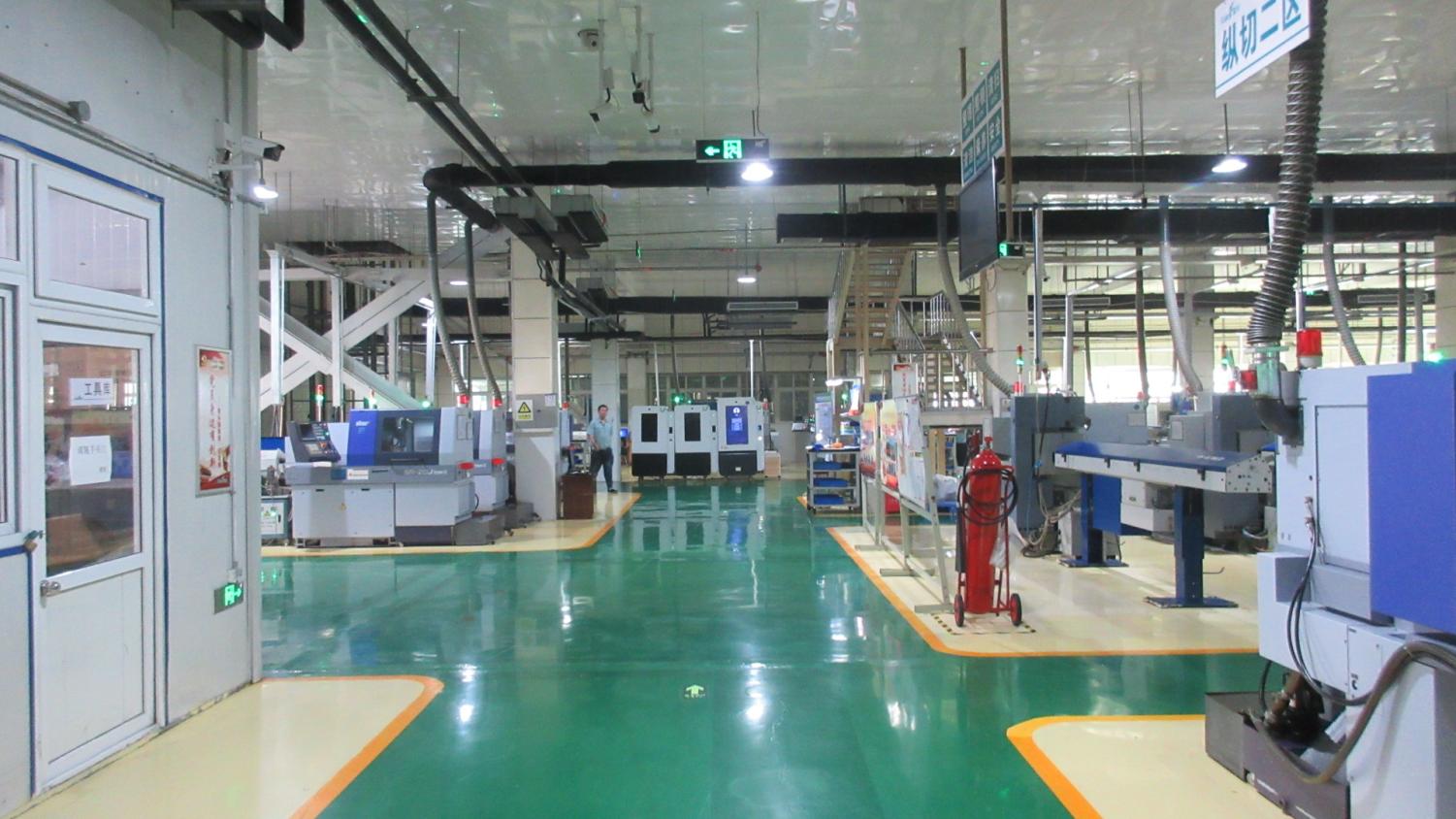
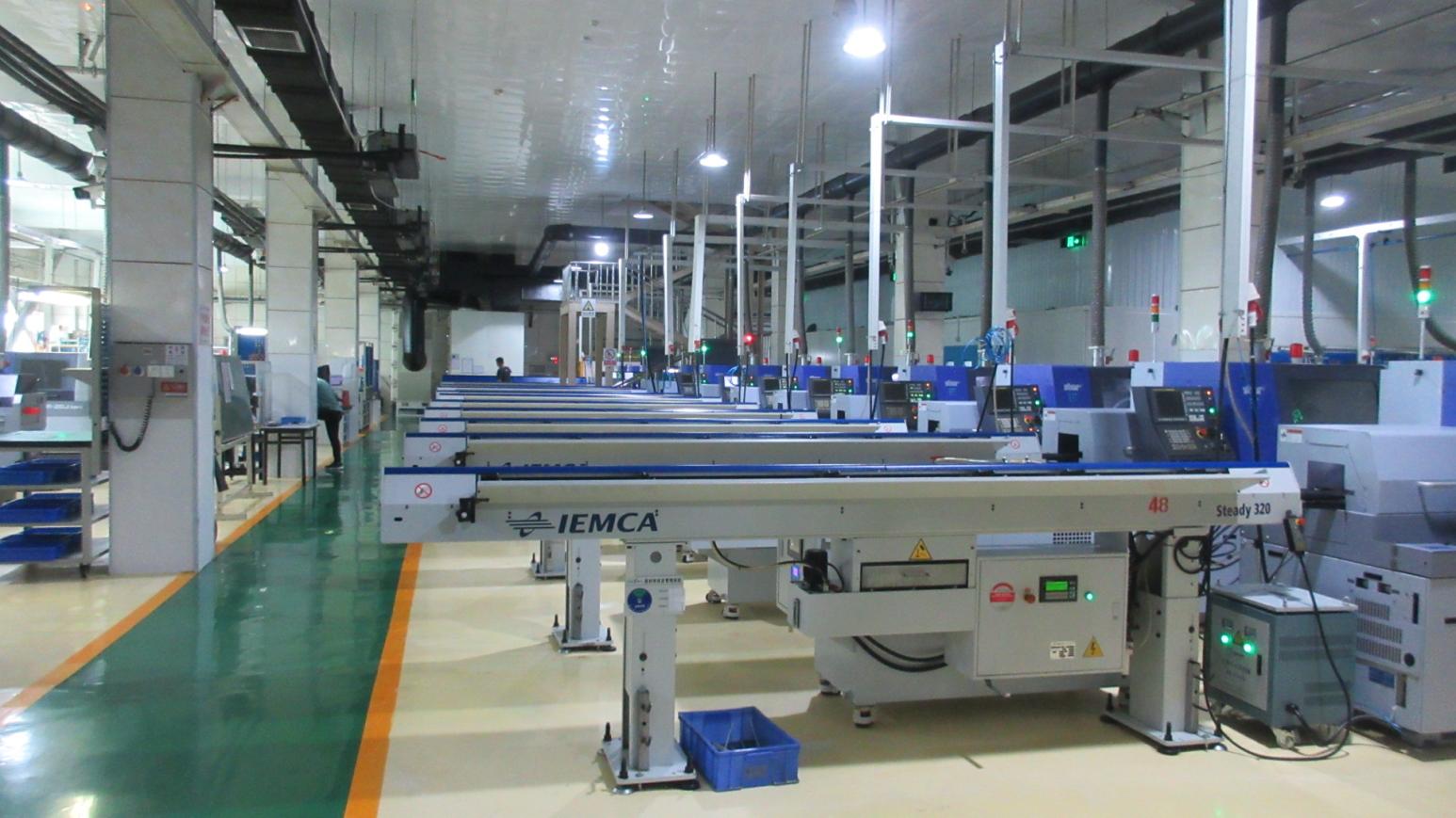
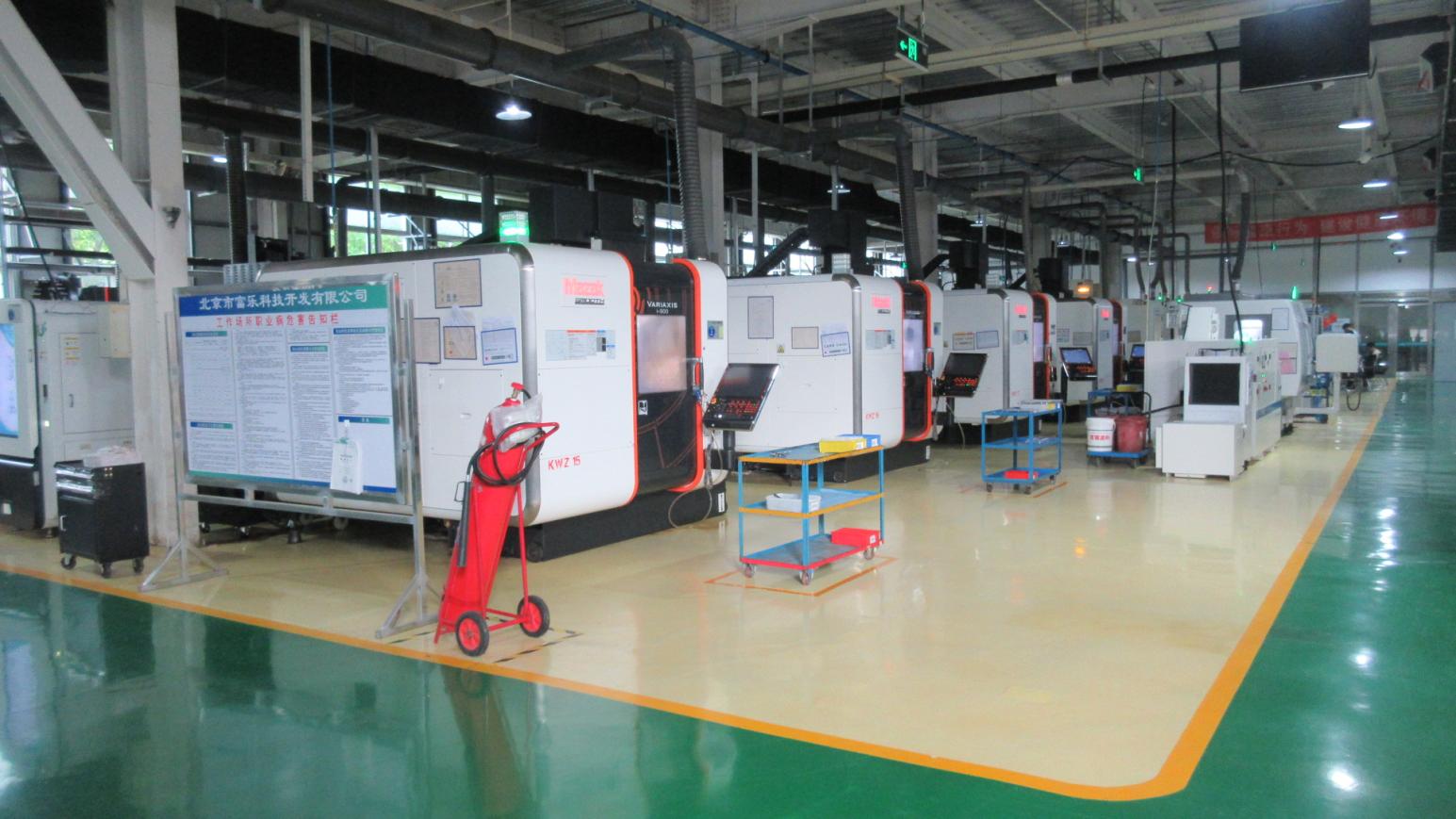
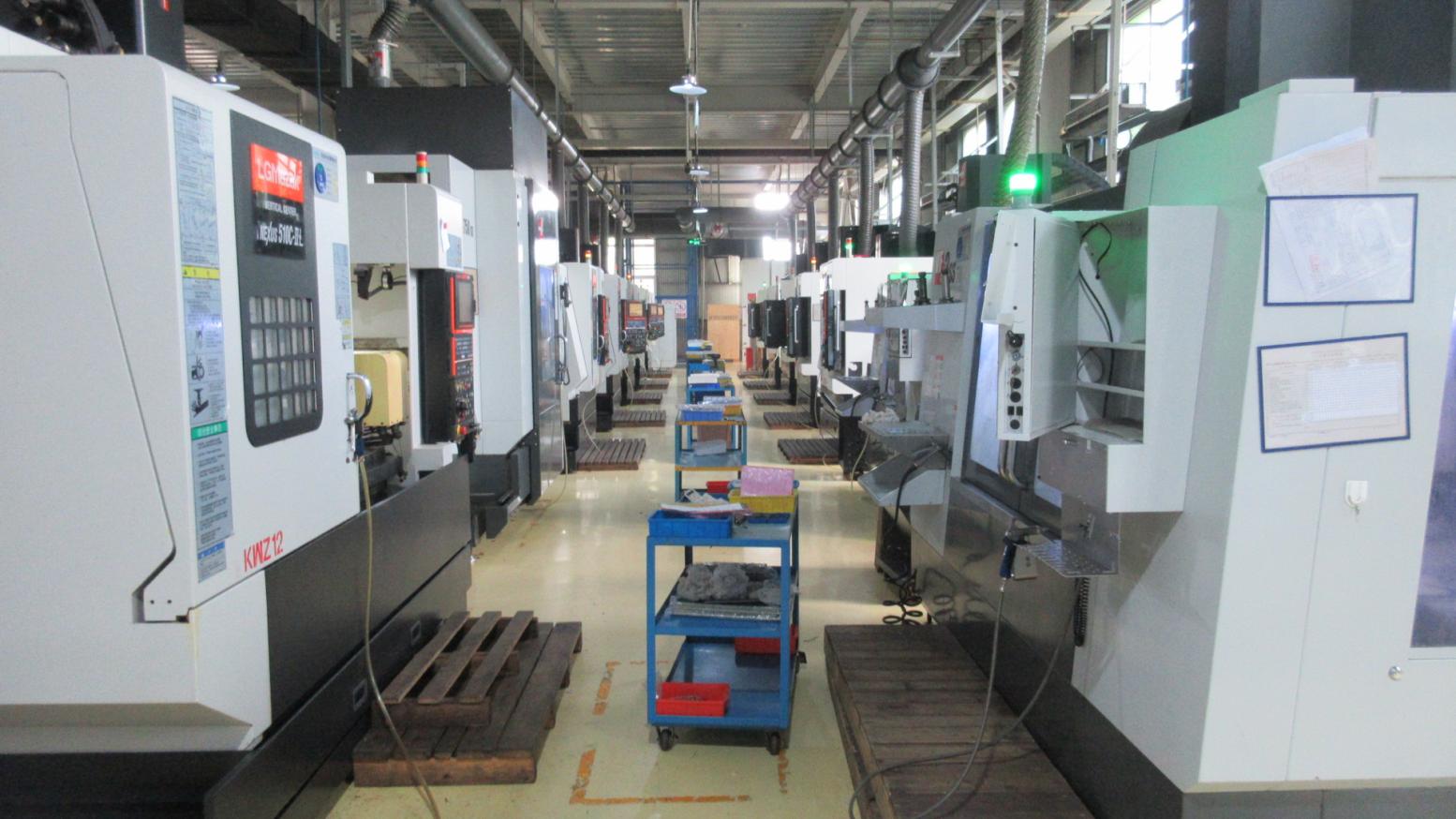
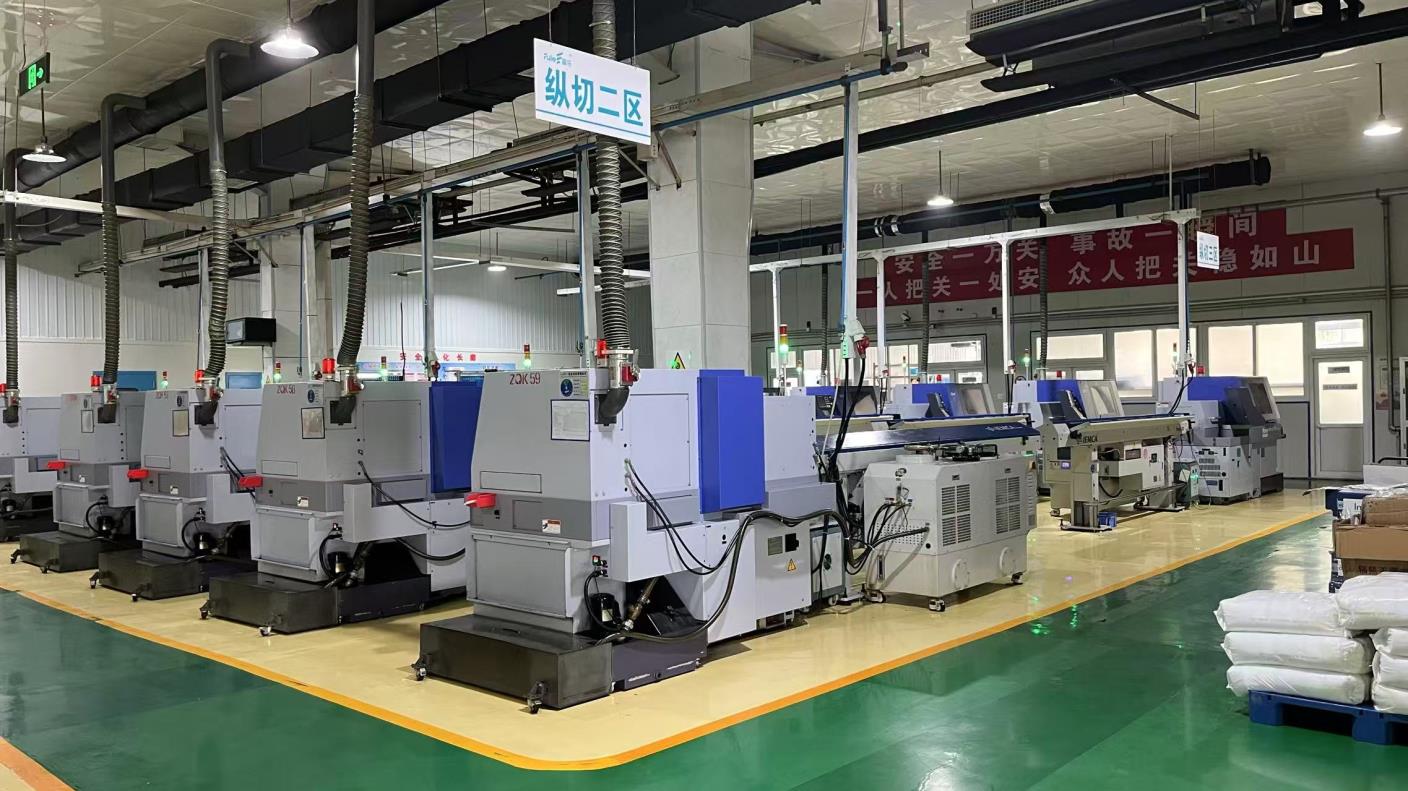
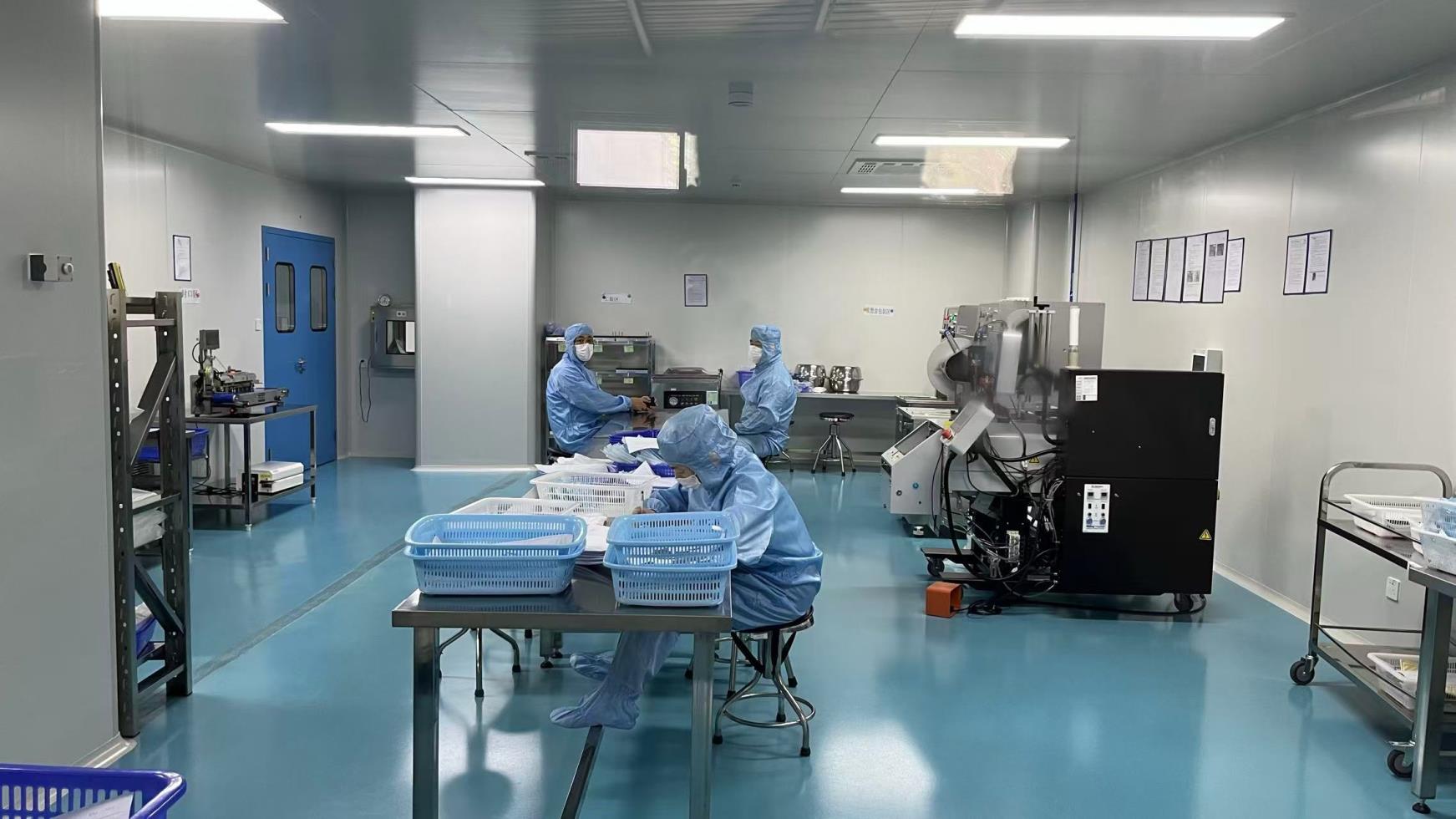
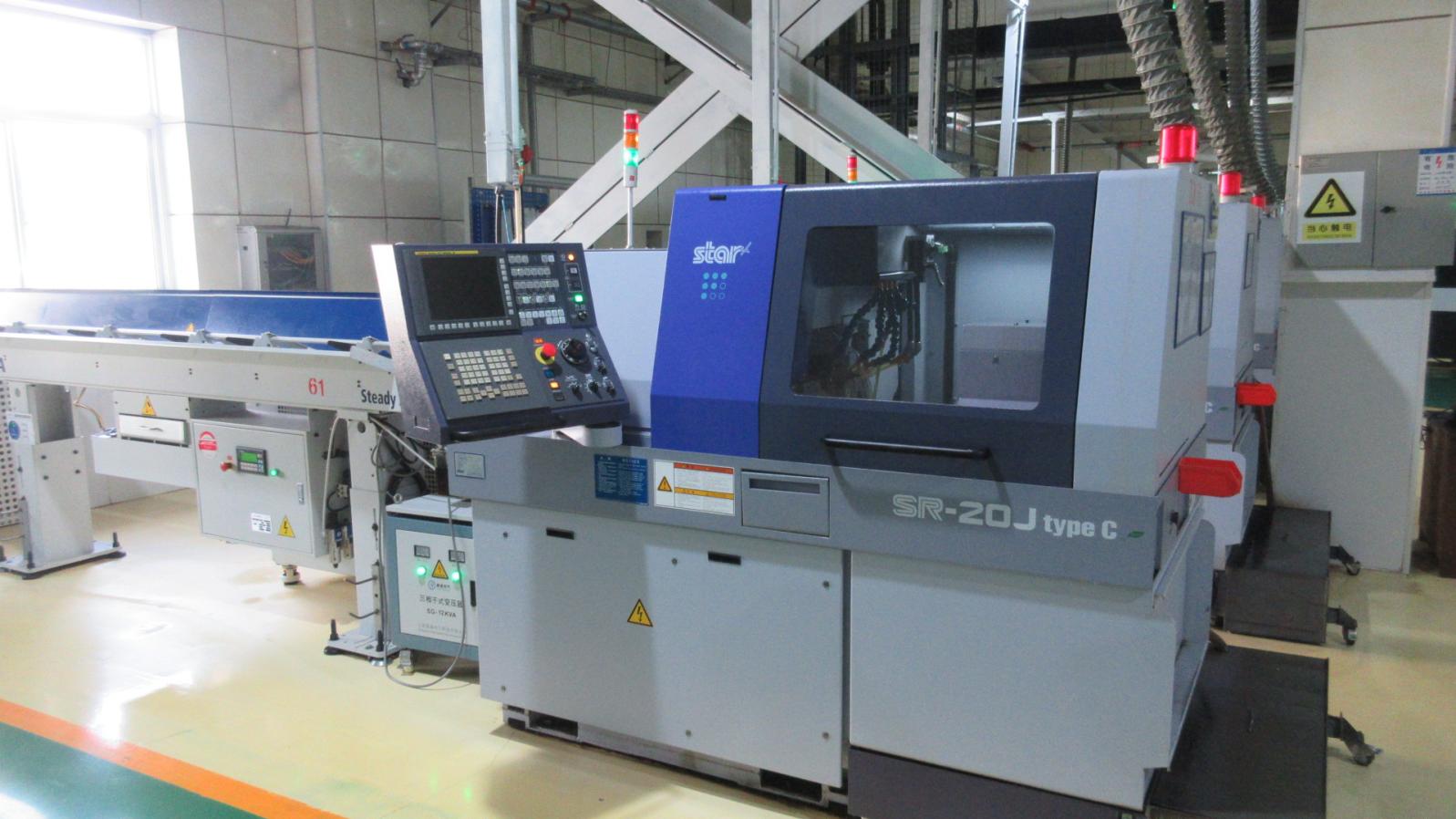
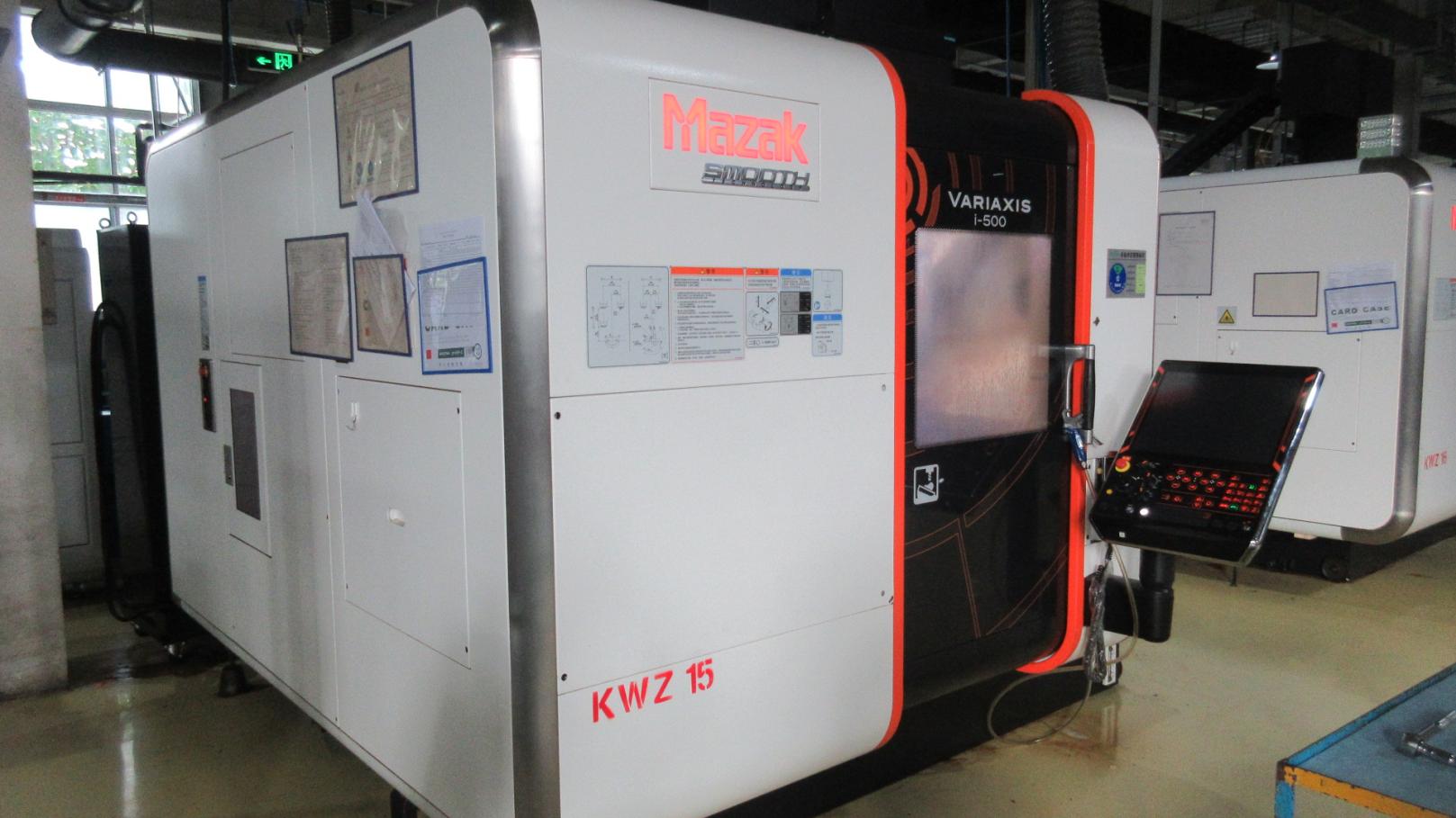
Our production facilities represent the peak of modern medical device manufacturing in China. With a vast 10,000 square meters floor space, we operate highly automated production lines equipped with 102 state-of-the-art Swiss and Japanese precision CNC machines. By consolidating raw material sourcing, multi-axis machining, surface anodization, and Class 100,000 cleanroom packaging under a unified ISO 13485 framework, we protect global distributors from supply chain bottlenecks. Unlike standard exporters, we carry out 100% inspection across every batch of raw materials and finished implants, ensuring total quality traceability from bar stock to the operating room.
30+ Years Industry Expertise
511K Annual Unit Output
102 CNC Precision Machines
15+ QA/QC Inspectors

Technical Roadmap & Future Outlook of Bone Fixation Systems

Our engineering roadmap addresses critical biomechanical and biochemical advancements. The focus is to bridge the gap between traditional rigid hardware fixations and modern biological dynamic implants. By integrating additive manufacturing techniques with surface modification science, we are actively shaping the future of osteosynthetic implants.
Phase 1: Anatomical Pre-Contouring & Profile Reduction

Anatomical Fit & Low-Profile Plating

Utilizing high-resolution CT scan databases from diverse global populations, we pre-contour plates to minimize the necessity for intraoperative bending. Reduced edge profiles prevent irritation to adjacent extensor and flexor tendons in the forearm.

Phase 2: Bioactive Anodization & Osteointegration

Type II Anodization and Nano-texturing

Implementing advanced electrochemical surface modifications to increase the fatigue strength of the titanium structure, while establishing a bioactive surface that promotes early bone cell adhesion and rapid osseointegration.

Phase 3: Smart Resorbable & Additive Hybrid Implants

Magnesium Alloys & 3D Printed Lattice Structures

R&D focus shifts toward hybrid implants integrating resorbable magnesium pins and 3D printed trabecular titanium mesh designs, facilitating natural bone ingrowth and eliminating the need for secondary implant removal surgeries.

Strategic Localized Applications

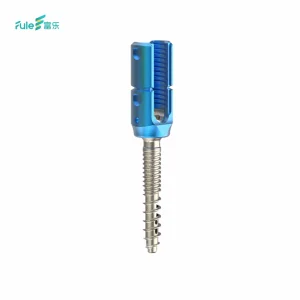
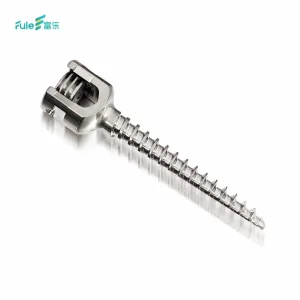
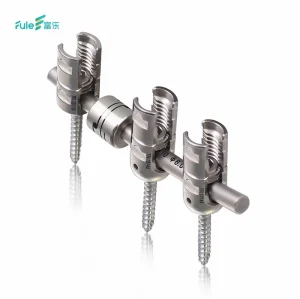
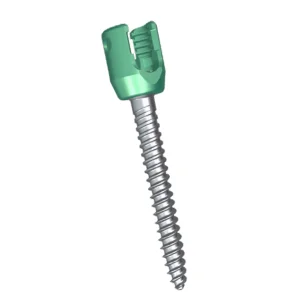
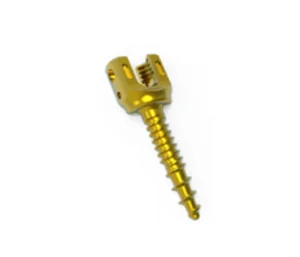
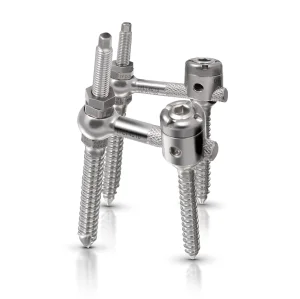
Orthopedic interventions demand highly localized strategies based on clinical realities. Our comprehensive implant lines, including cervical plates, pedicle screws, and trauma systems, are widely utilized across global markets to address distinct orthopedic needs:

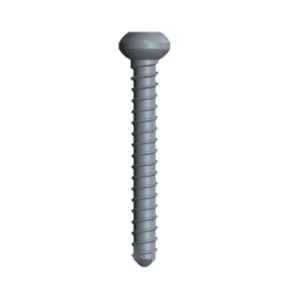
  • Geriatric Osteoporotic Fracture Fixation: Offering specialized variable-angle locking screws with optimized thread pitches to ensure purchase in soft, osteopenic distal bone.
  • High-Energy Trauma Interventions: Heavy industrial and traffic-related fractures require highly rigid titanium plates designed to tolerate massive mechanical stress during active reconstruction.
  • Corrective Osteotomy Systems: Enabling surgeons to correct distal malunions with micro-adjustable plates, ensuring restoration of the natural radioulnar kinematics.

Export Overview & Corporate Certifications

Establishment Date 1996-06-28 (Over 27 years of corporate maturity)
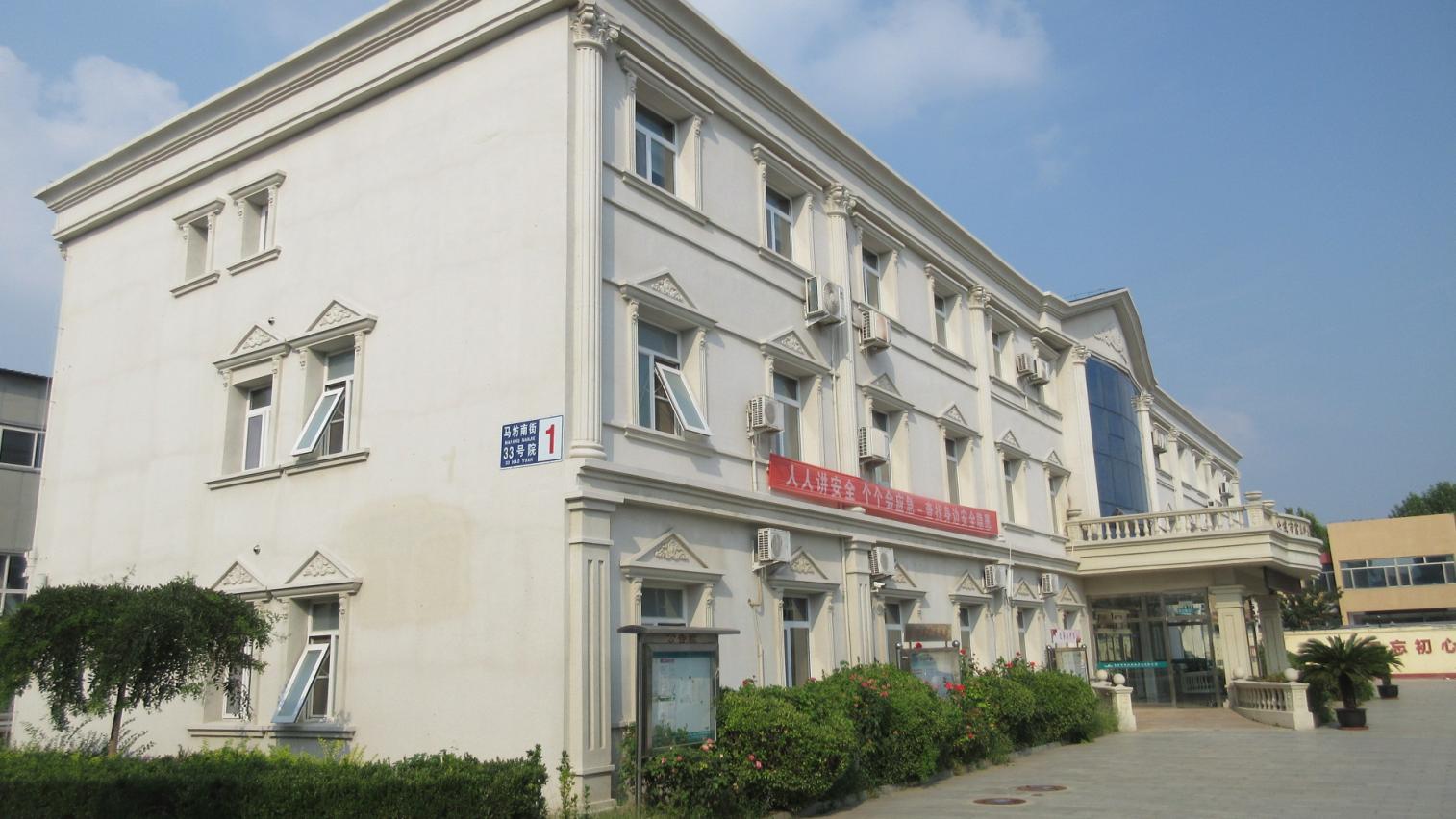
Factory Space 10,000 Square Meters modern facility
R&D Capabilities 20 In-house specialized engineers (15 post-graduates)
Customization Options Sample processing, graphic customization, OEM/ODM on-demand
QC Infrastructure 100% inspection protocol, 15 dedicated QA/QC inspectors
Main Export Markets Eastern Europe (15%), Southeast Asia (10%), Domestic (40%)
ISO 13485 Certified ISO13485 Quality System (Cert. No. 04724Q10000818)

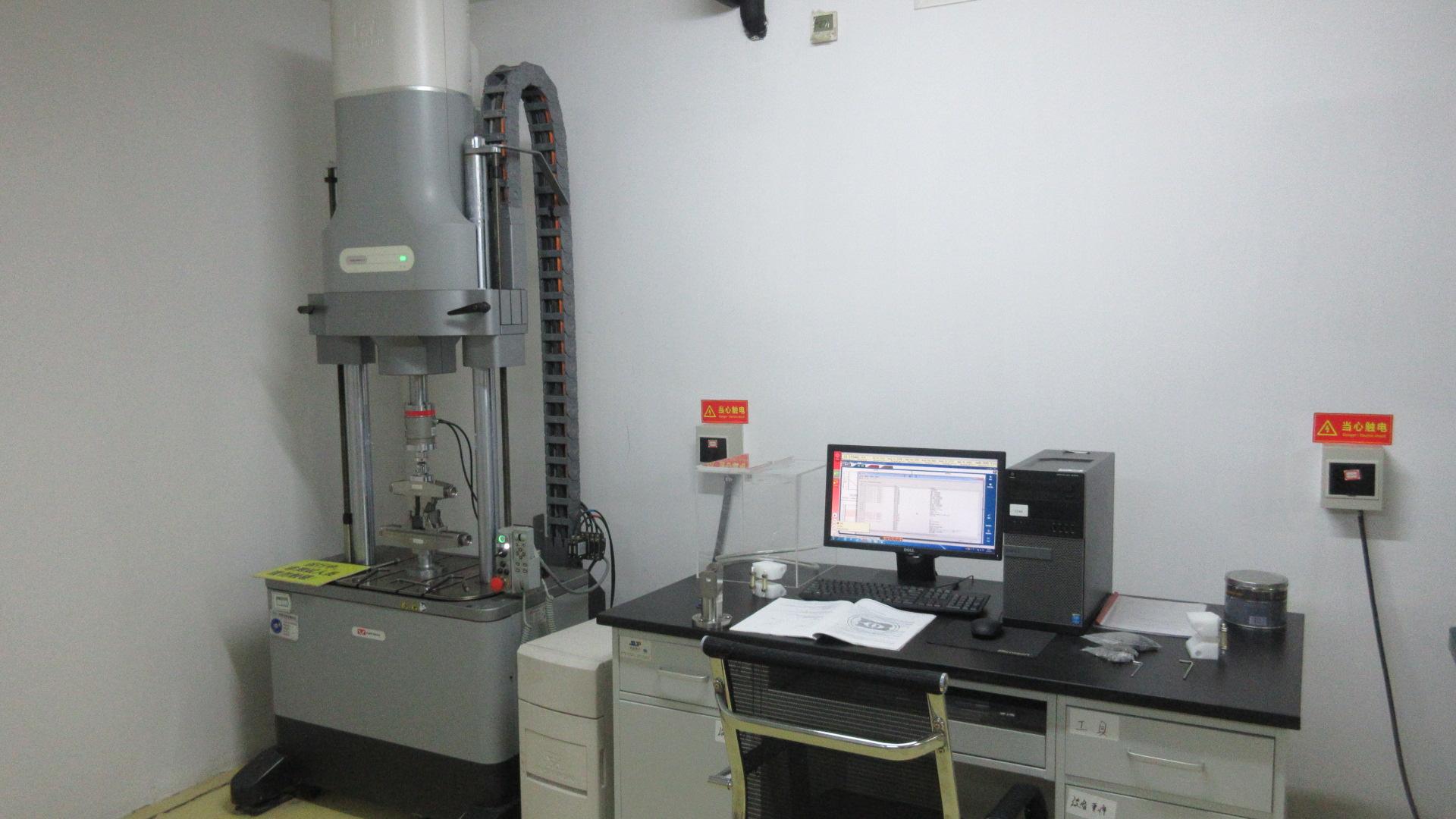
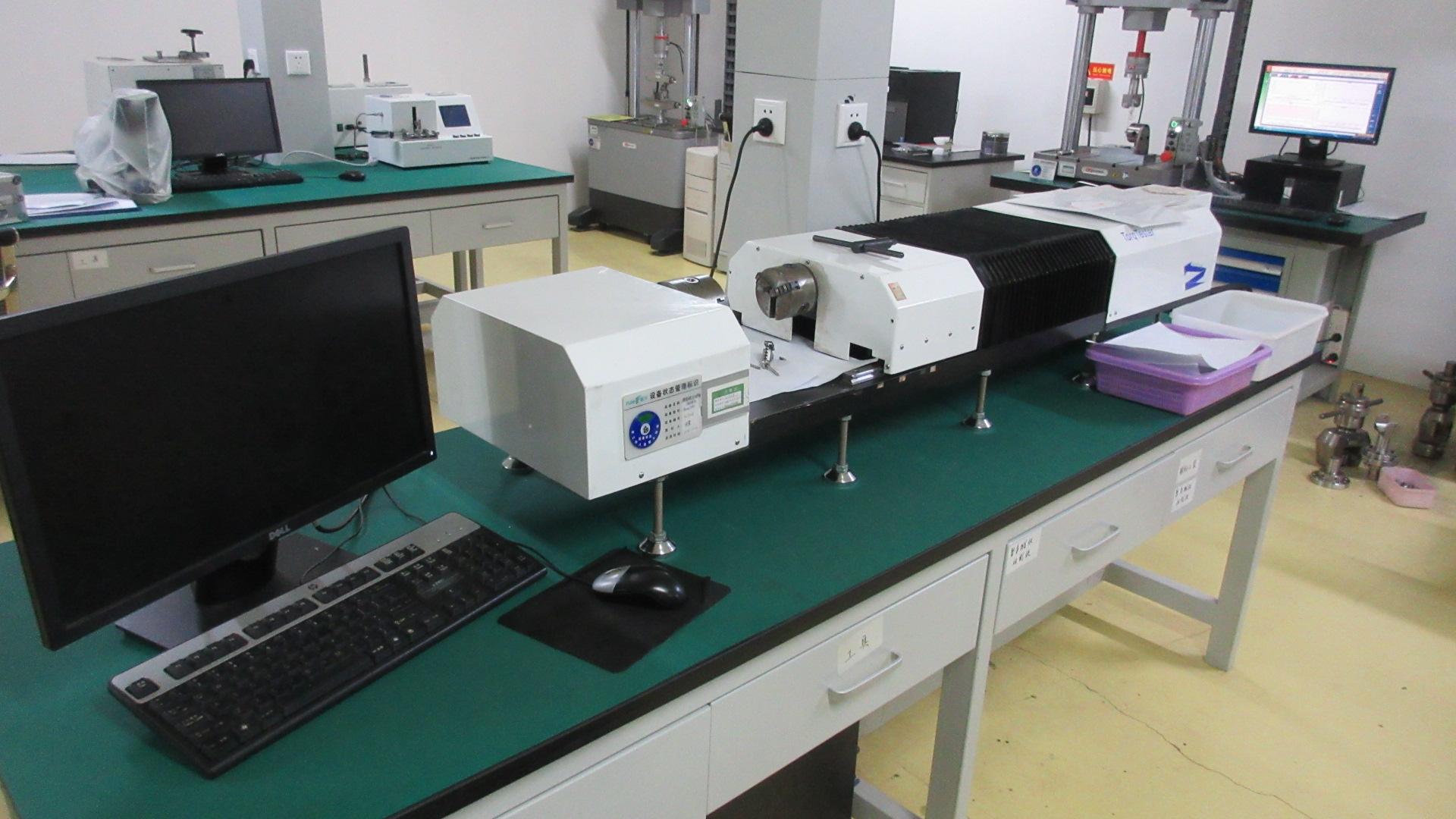
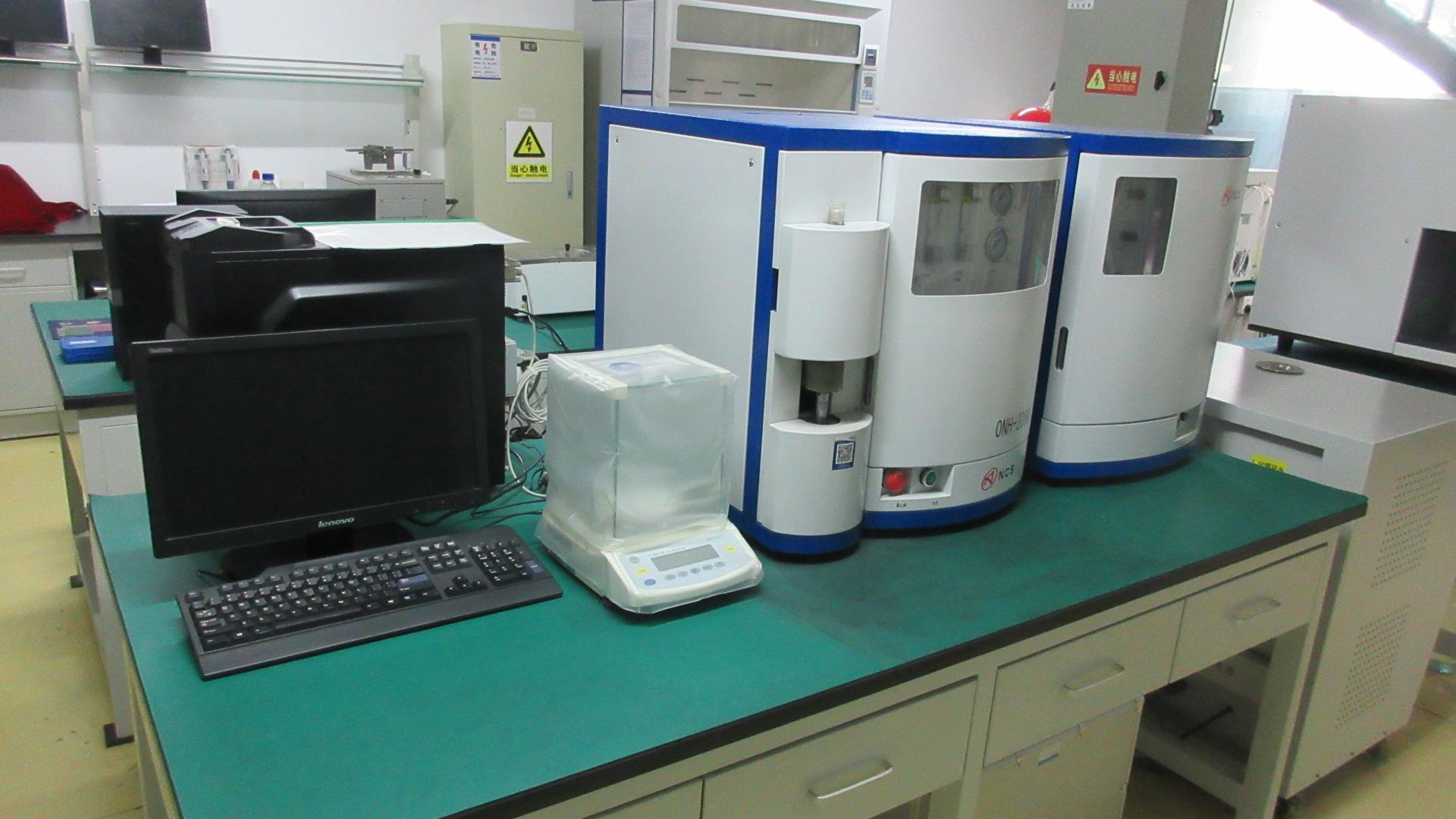
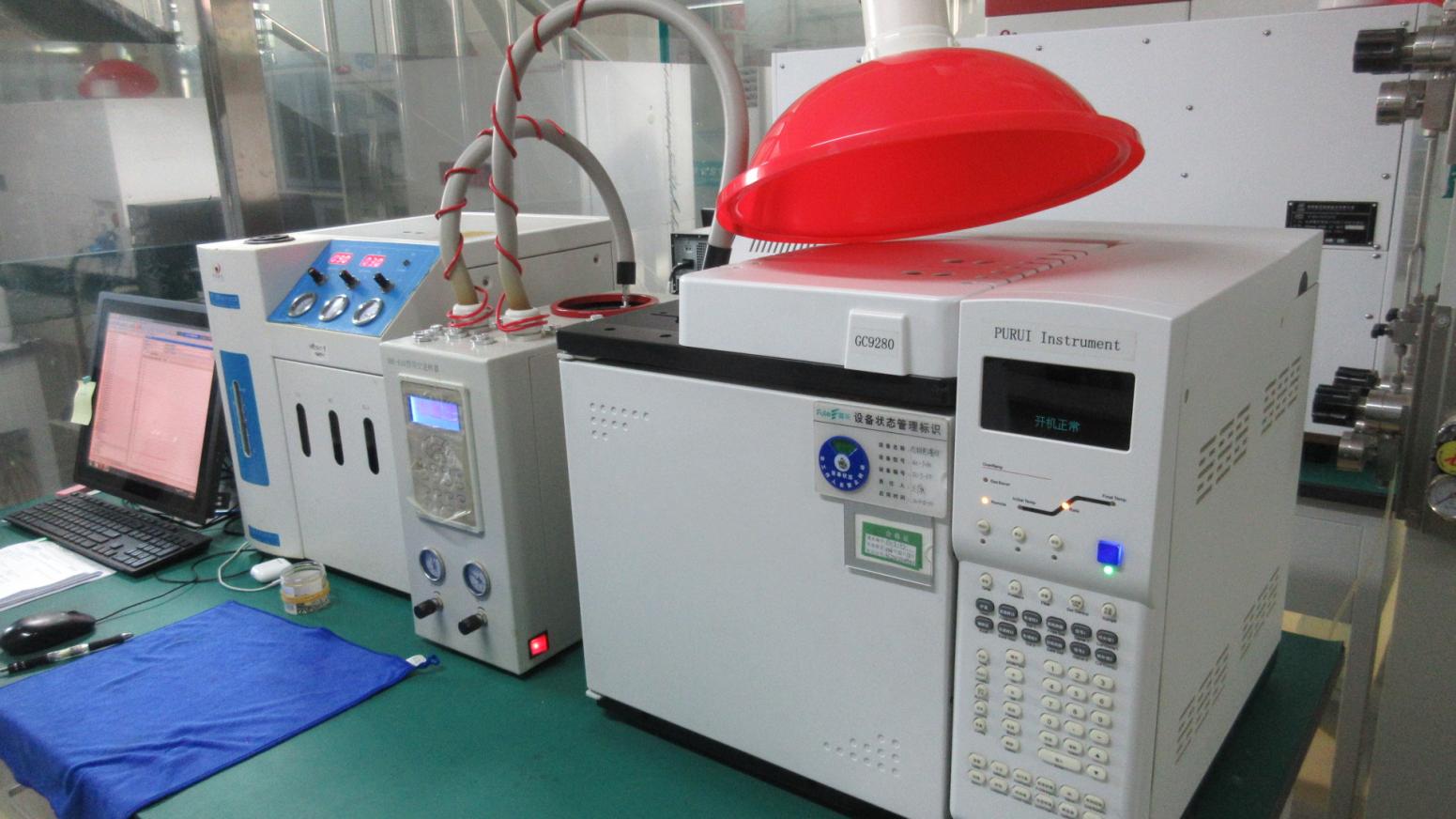
Advanced Production & Quality Control Facilities

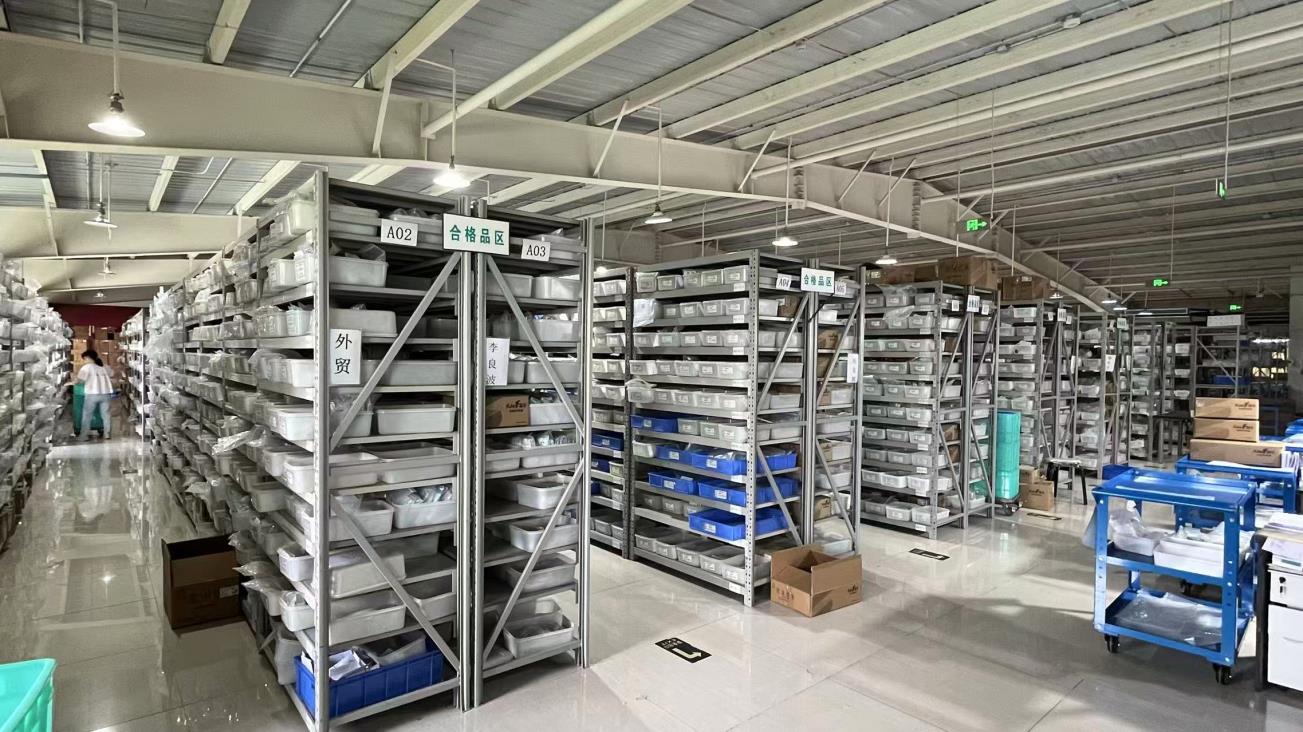
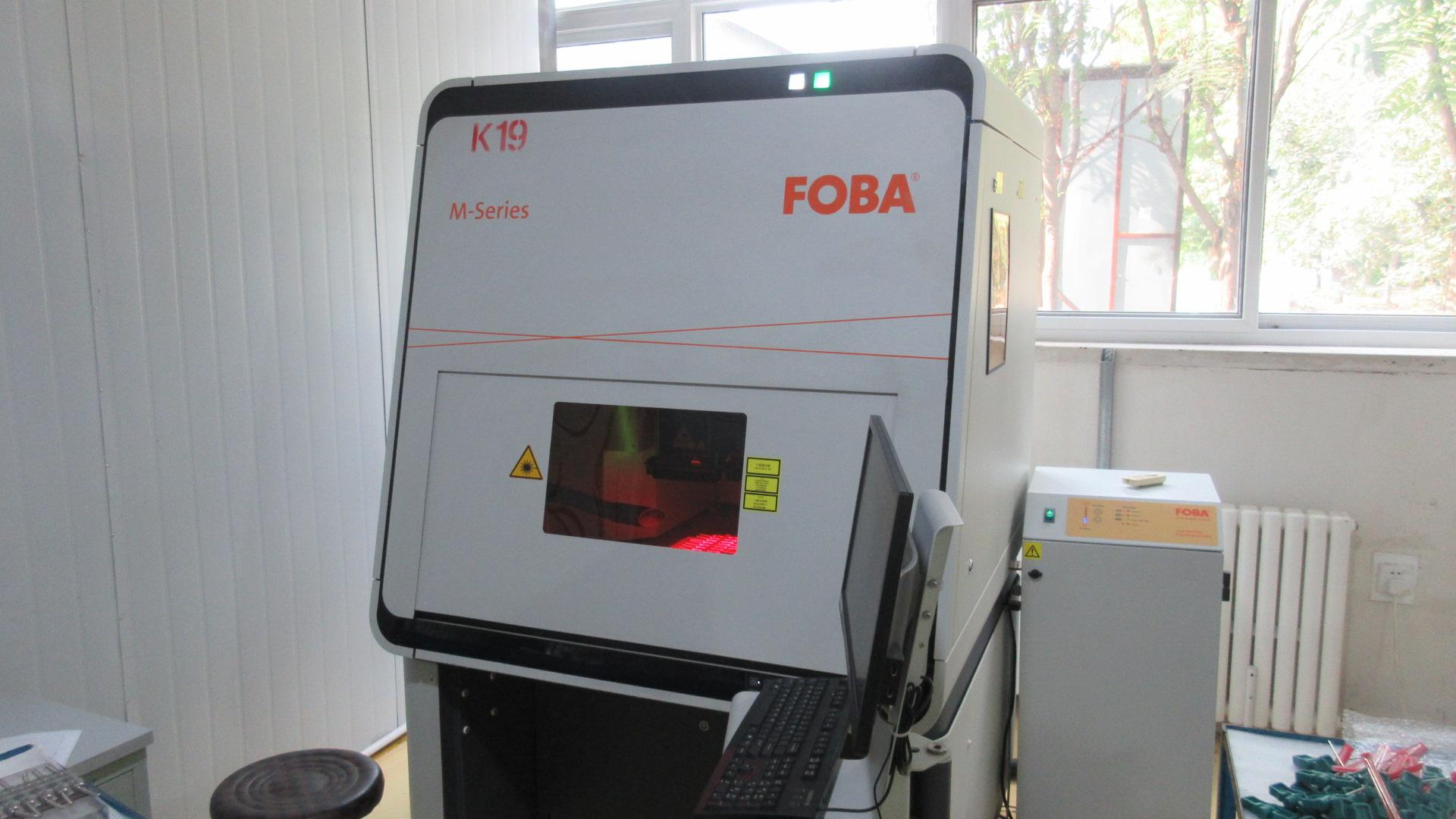
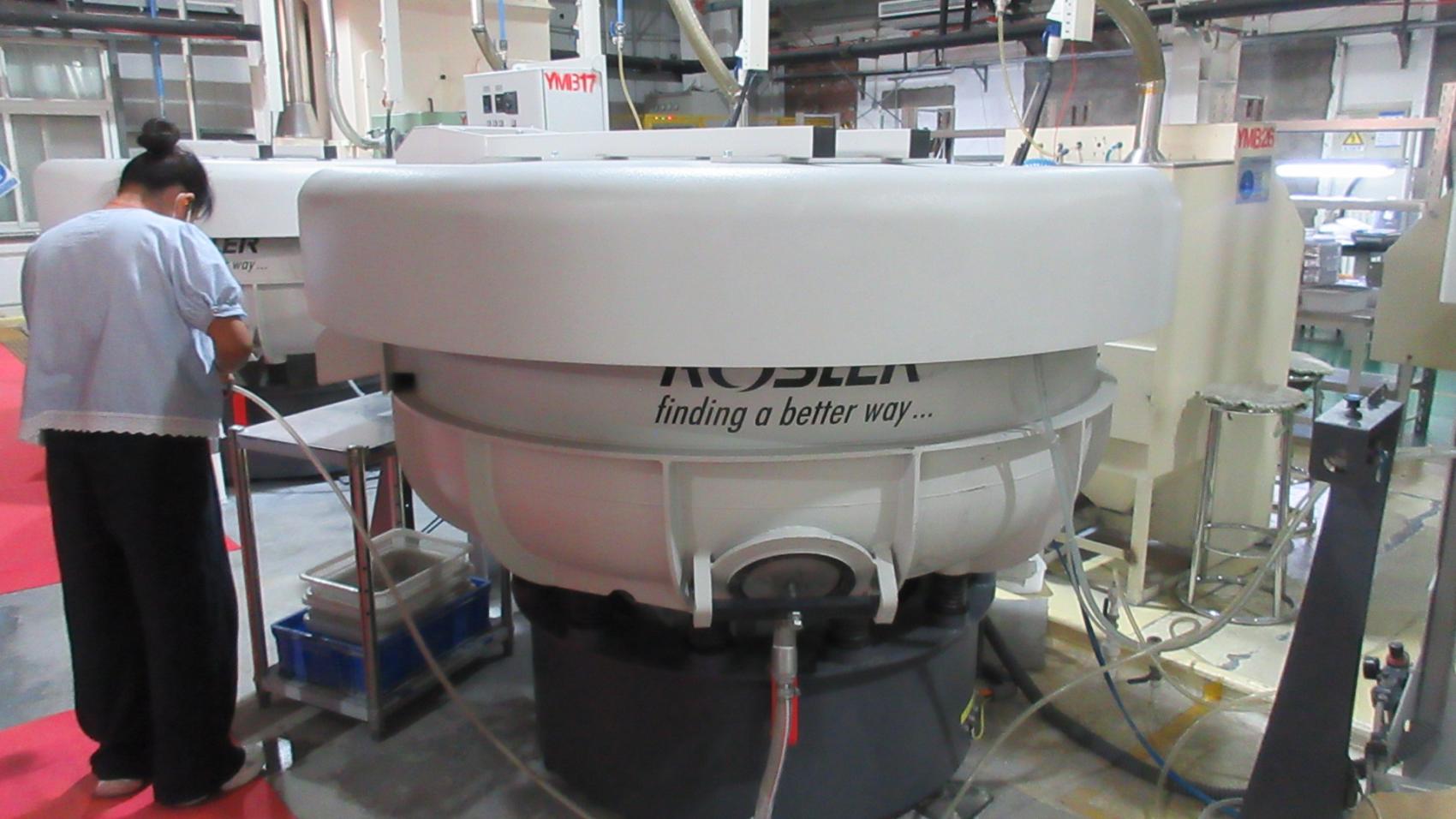
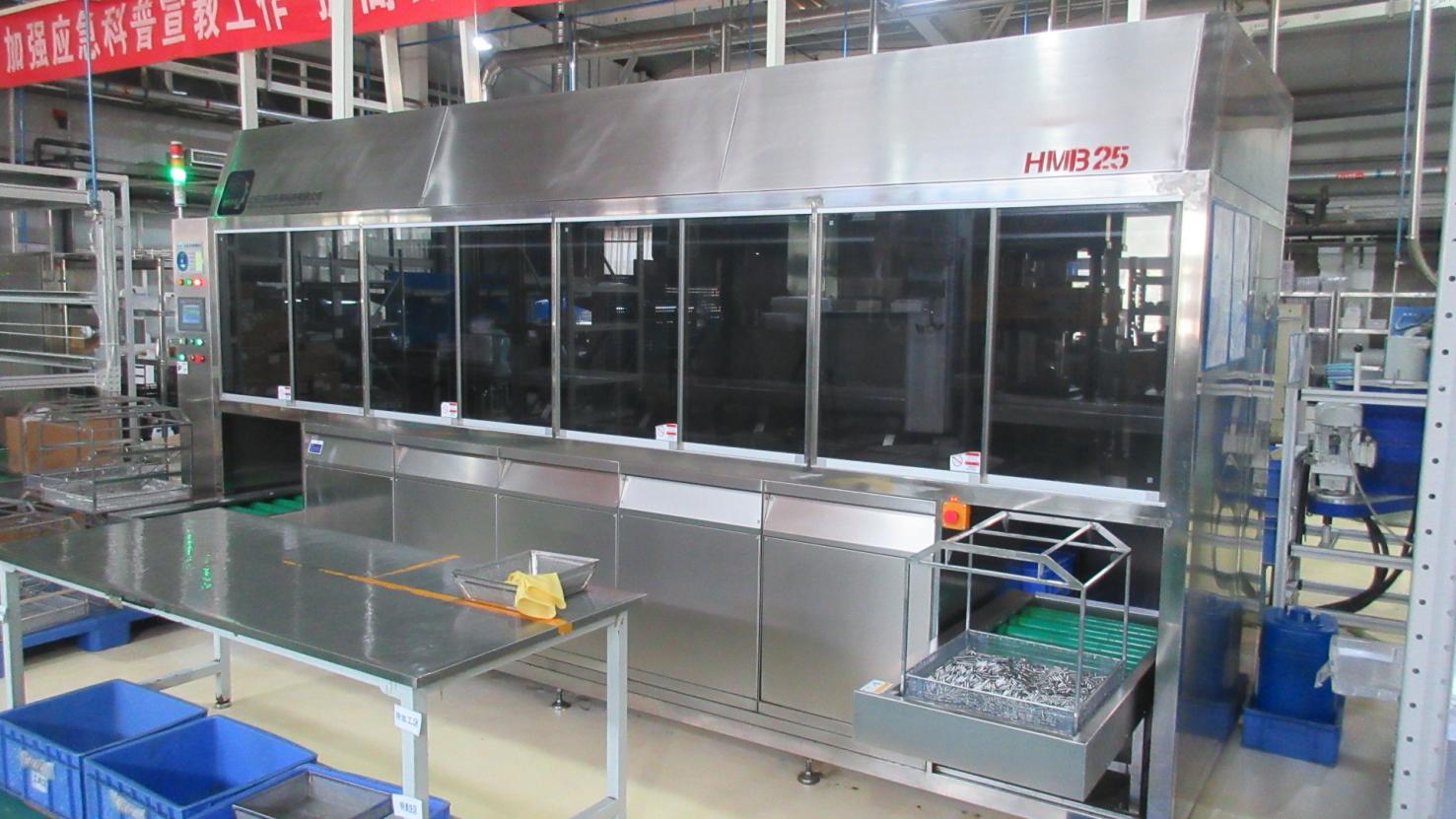
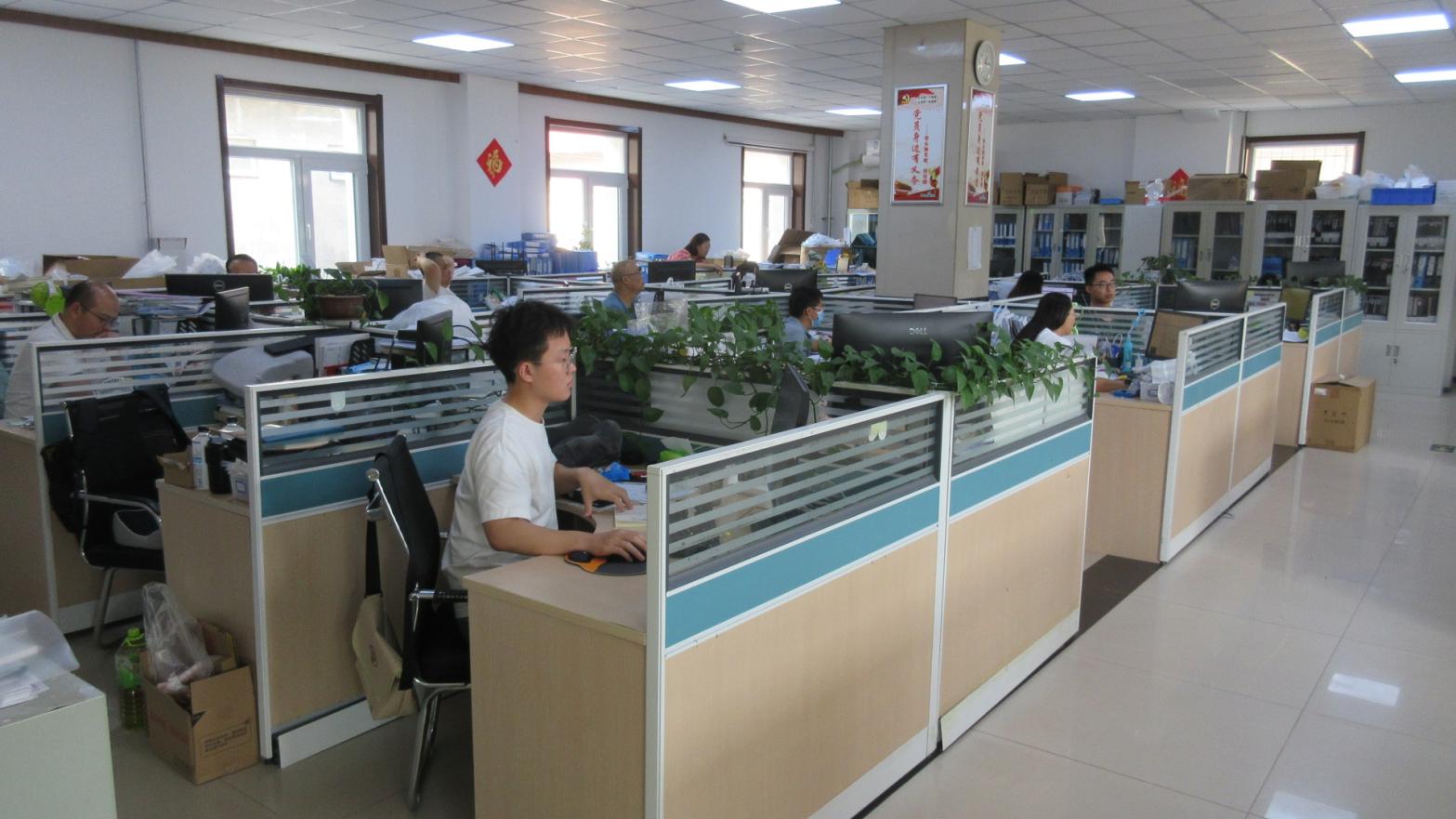
A visual tour through our raw titanium processing floor, high-precision machining centers, ISO Class 8 cleanrooms, and testing labs.
Frequently Asked Questions (FAQ)

Q1: What materials are used in your locking plate and screw systems?
Our orthopedic implants, including locking systems and intramedullary nails, are exclusively fabricated from premium Ti-6Al-4V ELI (Grade 5) titanium alloy or commercially pure titanium conforming to ASTM F136 and ASTM F67 standards. Material certificates are provided with every single shipment.
Q2: Are your manufacturing processes compliant with CE and ISO 13485 regulations?
Yes, our manufacturing plant has maintained ISO 13485 certification (Certification No. 04724Q10000818) for decades. Most of our core spinal, traumatic plate, and screw systems are CE marked, complying with the strict guidelines required for medical exports to Europe and APAC markets.
Q3: Do you support OEM/ODM customization for international distributors?
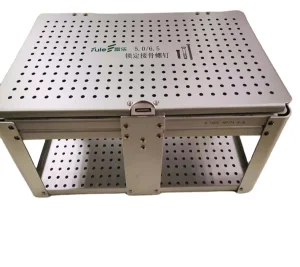
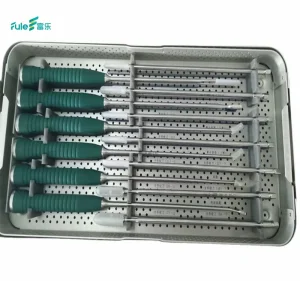
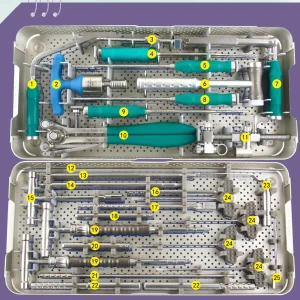
Absolutely. Our R&D team consisting of 20 highly qualified engineers offers complete product engineering and sample processing. We can customize thread pitches, plate profiles, drill guide cases, and instruments based on graphic files or physical sample prototypes.
Q4: What is the factory's standard lead time for wholesale exports?
For standard orthopedic trauma and spine inventory, shipments can be dispatched within 7–14 days. For customized OEM/ODM projects or large-scale wholesale production runs, the general lead time varies between 30 and 45 days, depending on machine tool setups and sterilization validation protocols.
Q5: How does your quality department handle chemical and structural traceability?
We enforce a strict 100% inspection routine. Every raw bar stock is assigned a unique heat number tracing back to the primary mill melt. Post-production, every plate and screw is laser-etched with a unique batch number, ensuring full regulatory traceability through our ERP database.