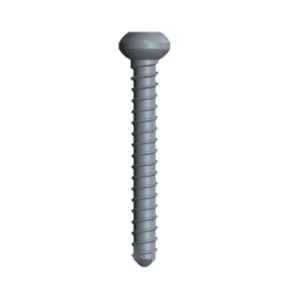
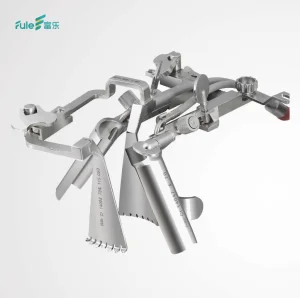
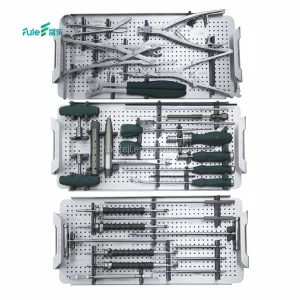
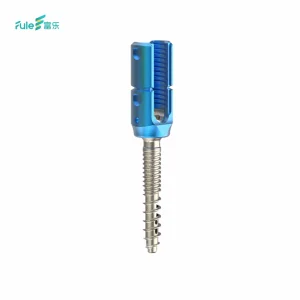
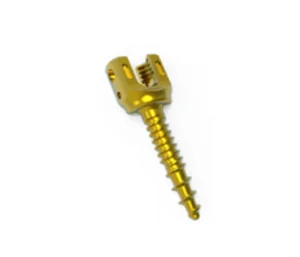
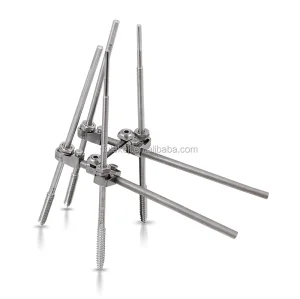
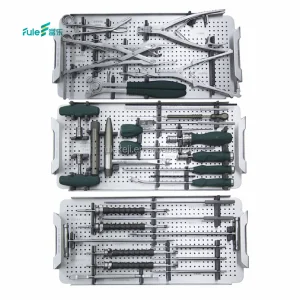
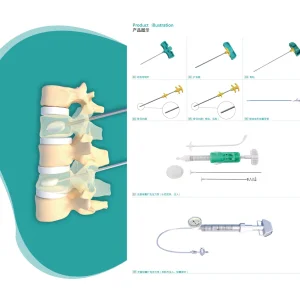
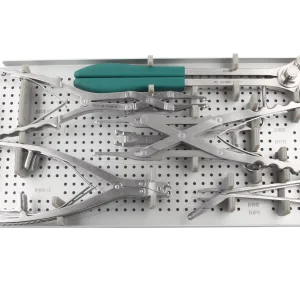
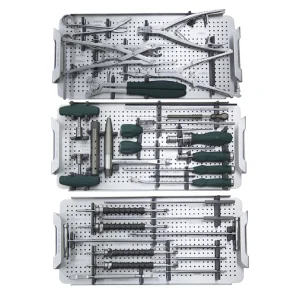
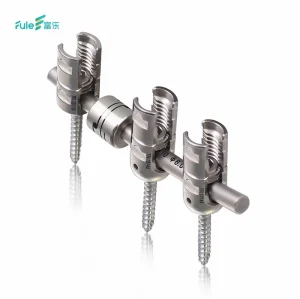
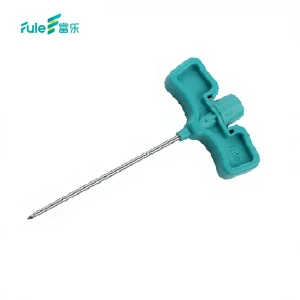
Explore our leading surgical instruments, titanium nails, and pedicle systems engineered for structural stabilization and trauma care.
An in-depth whitepaper on biomechanical integrity, material sciences, and wholesale supply chain structures for extreme fixation systems.
Ankle stabilization, particularly the treatment of syndesmotic disruption and ankle fractures (Weber Type B and C), has undergone a dramatic clinical evolution. Traditional rigid screw fixation restricts the natural physiological micro-motion of the fibula relative to the tibia, occasionally leading to screw breakage or requiring a secondary removal surgery. Modern surgical preferences are rapidly leaning toward dynamic stabilization options like flexible suture-button constructs.
However, anatomical locking plates and cannulated compression screws remain the gold standard for maintaining posterior malleolus and syndesmotic alignment during initial bone consolidation. As a premier medical device manufacturer, we balance structural load-bearing rigidity with dynamic elastic behaviors, utilizing medical-grade titanium (Ti-6Al-4V ELI) to match physiological modulus levels as closely as possible.
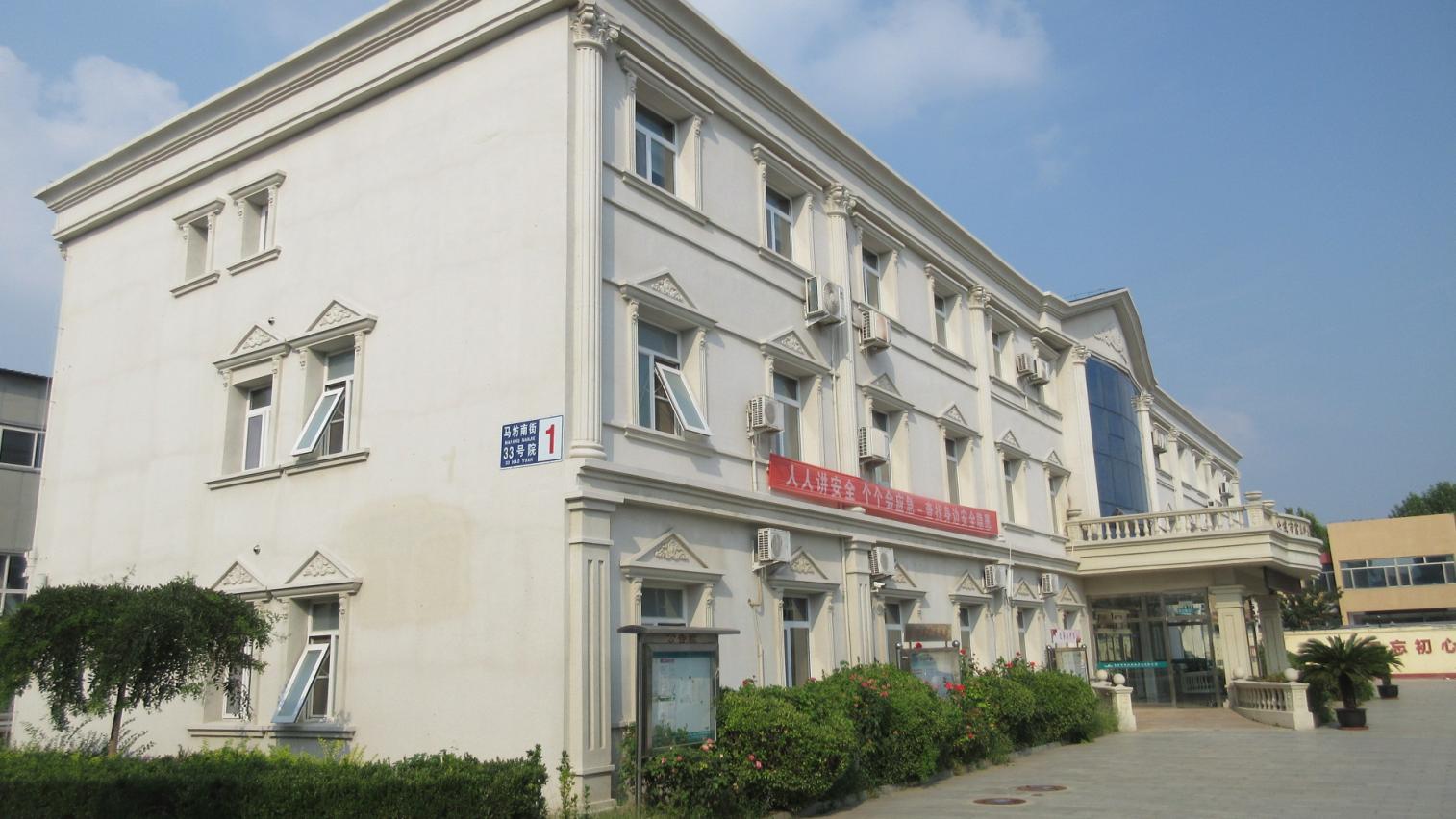
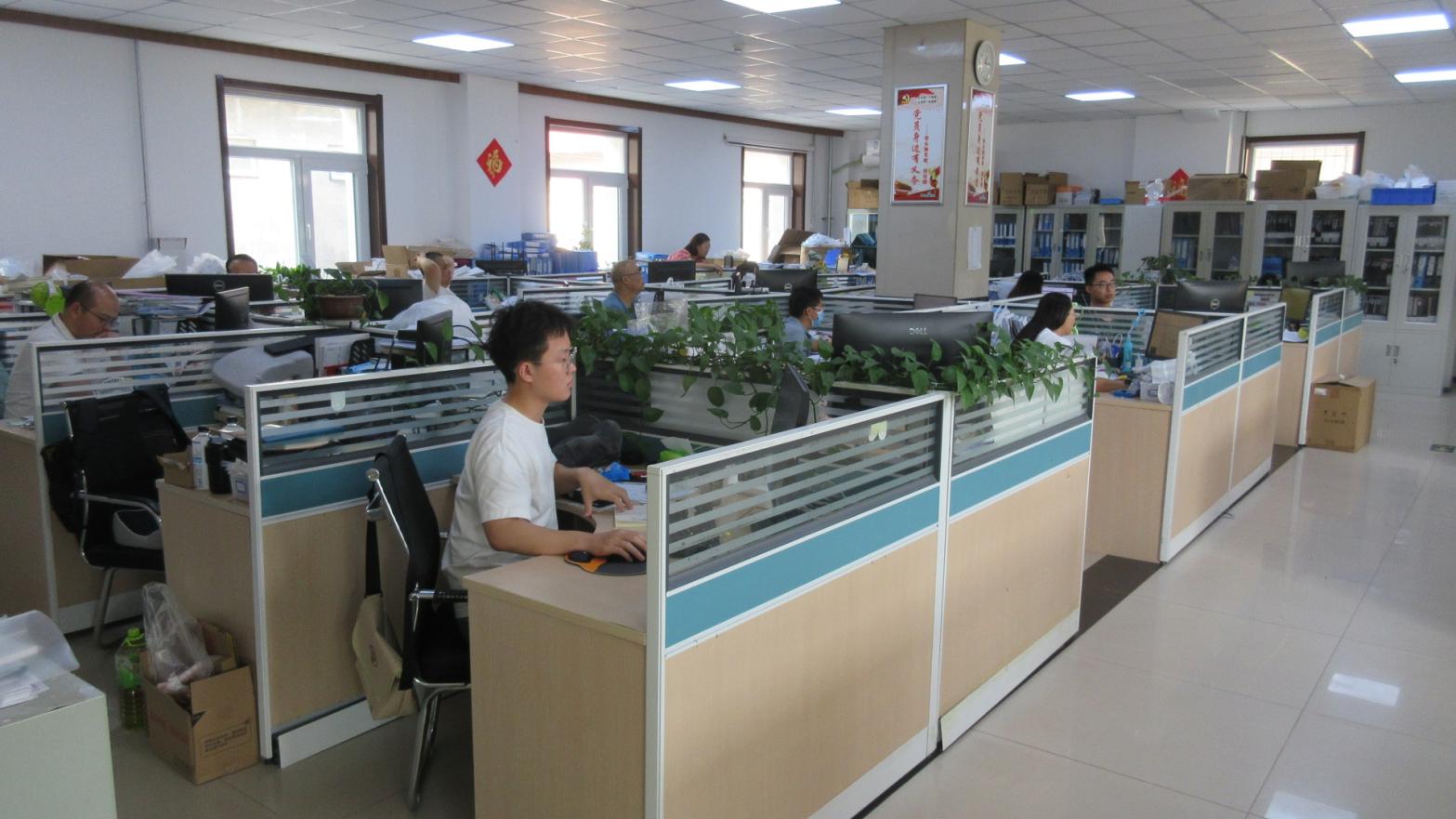
Global procurement offices (GPOs), medical device distributors, and hospital networks face severe challenges in ensuring product reliability and maintaining regulatory compliance. A reliable ankle stabilization partner must guarantee consistent mechanical yield strength, precise screw thread profiles, and clear raw material traceability back to the titanium ingot source.
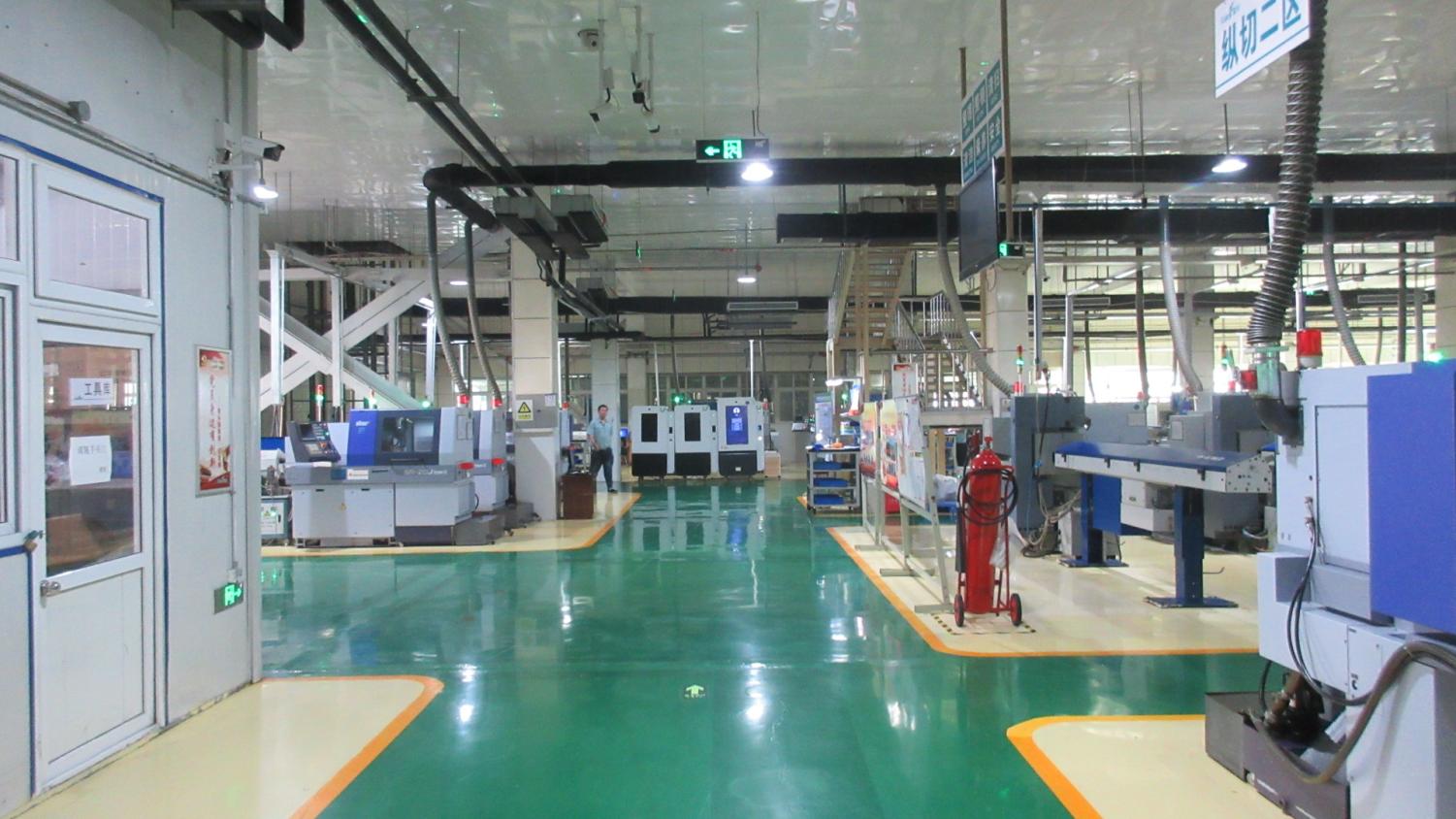
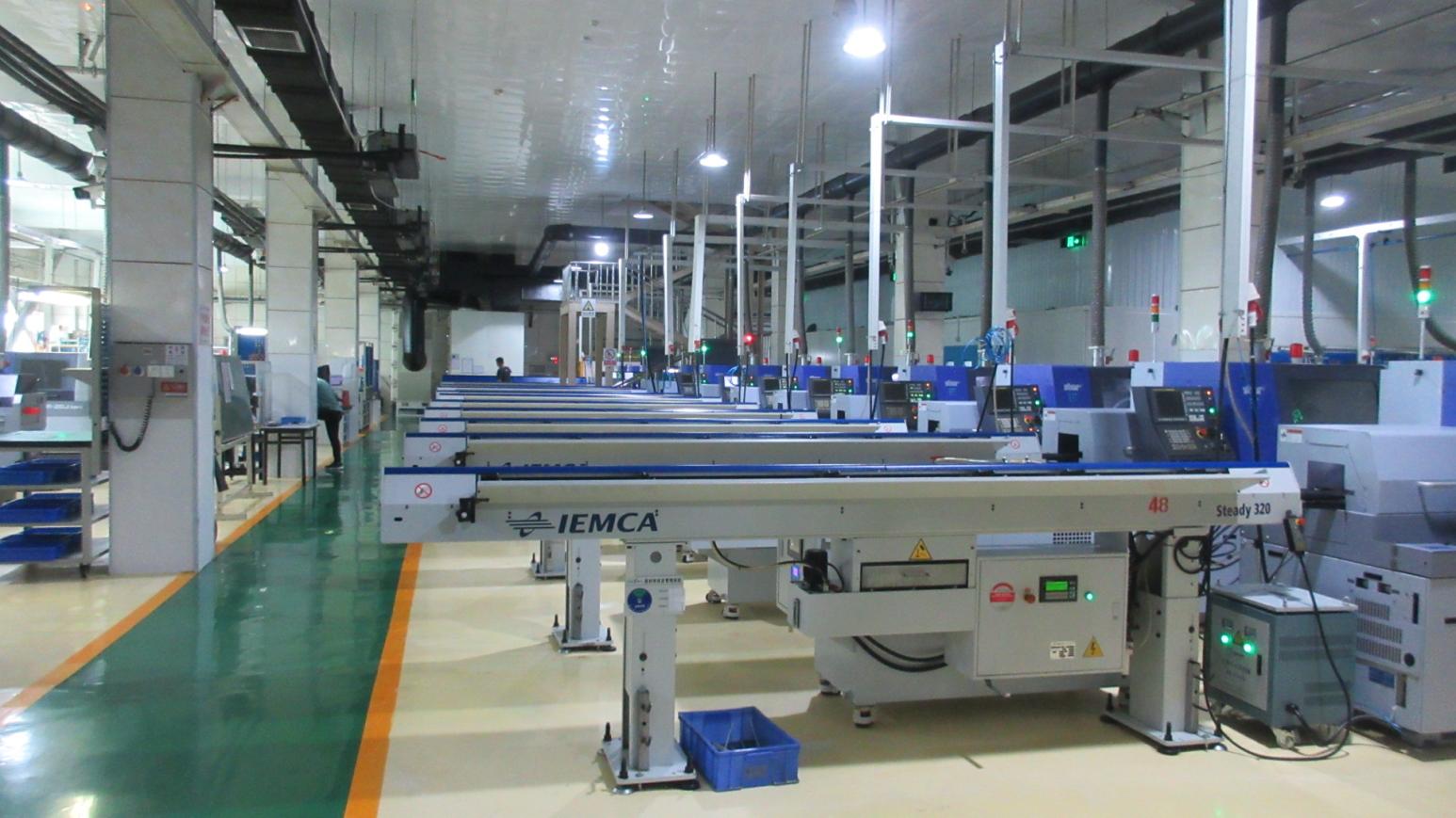
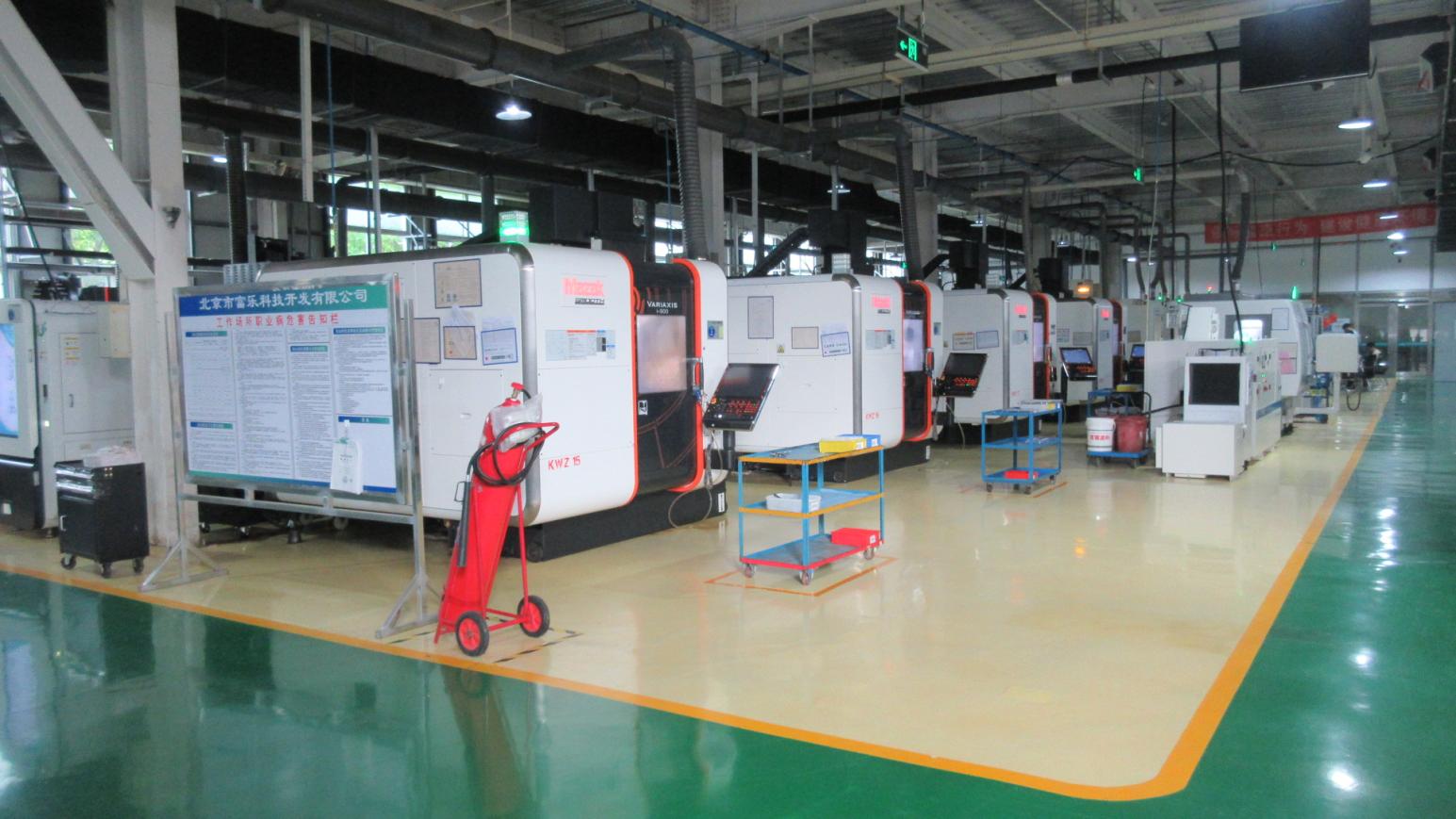
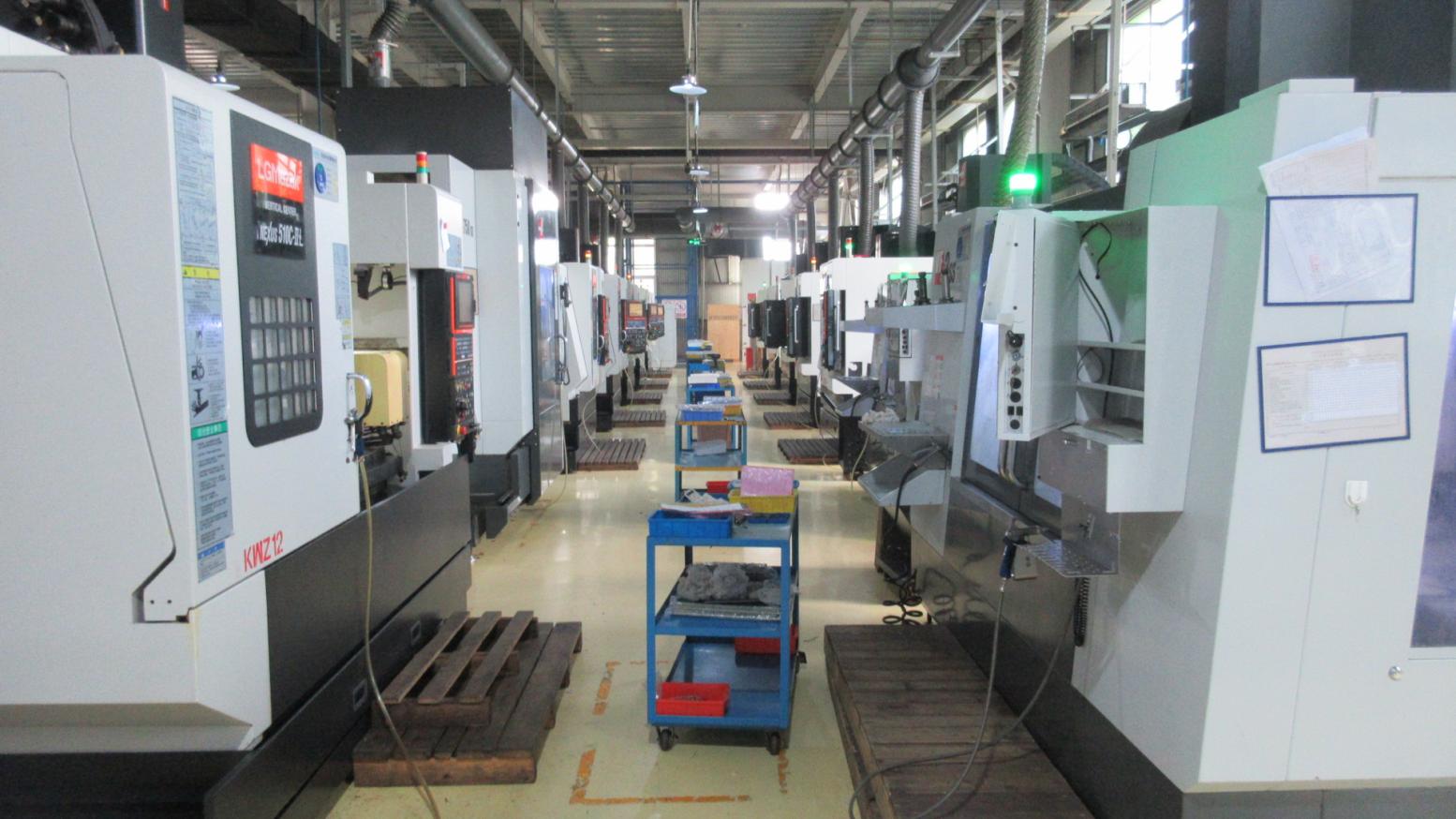
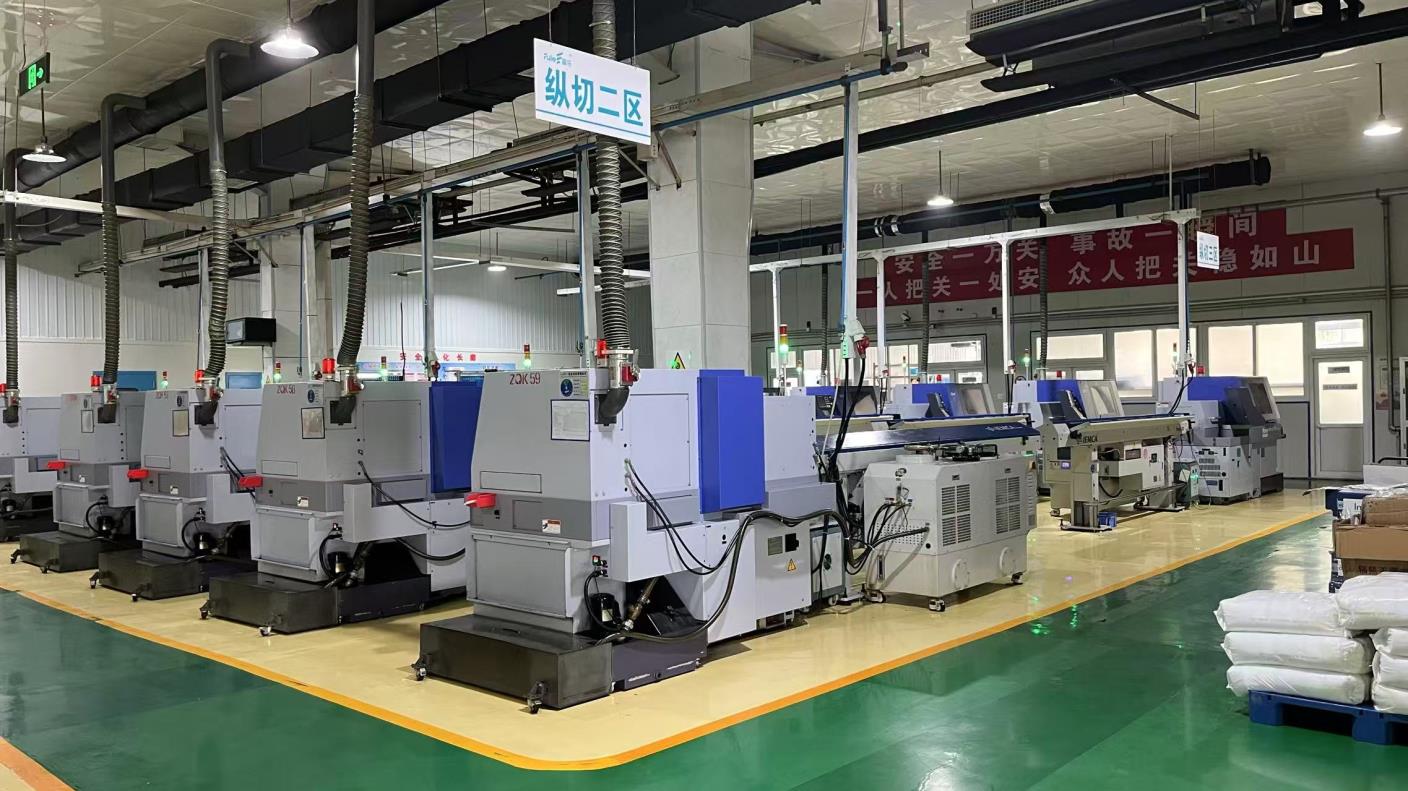
With three decades of medical hardware exporting experience, we address these challenges by operating 102 state-of-the-art production machines in our 10,000 square meter ISO 13485-certified manufacturing facility. This ensures complete supply-chain resilience, minimizing lead times while meeting strict certification protocols (like MDR CE and domestic medical authorizations).
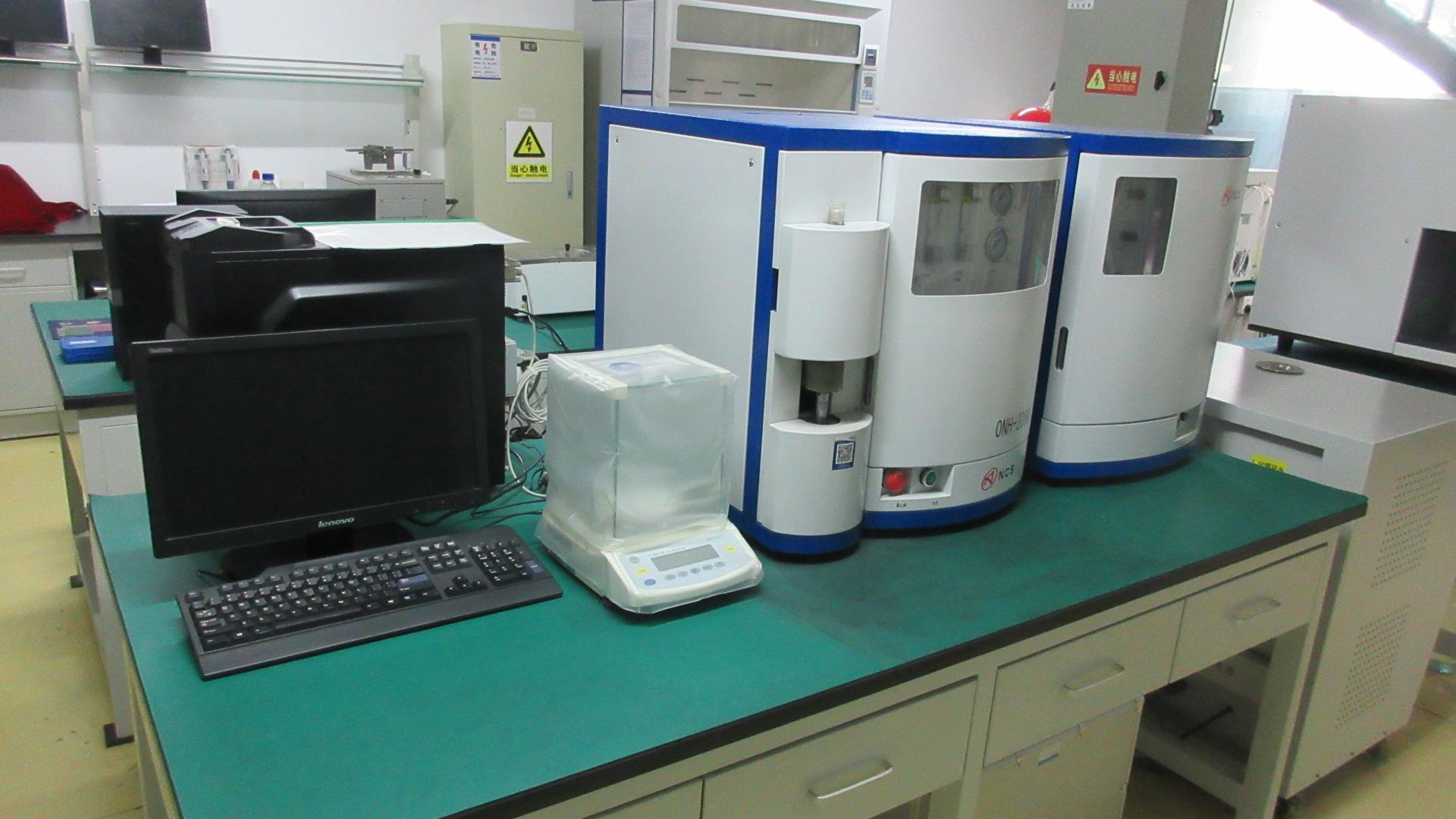
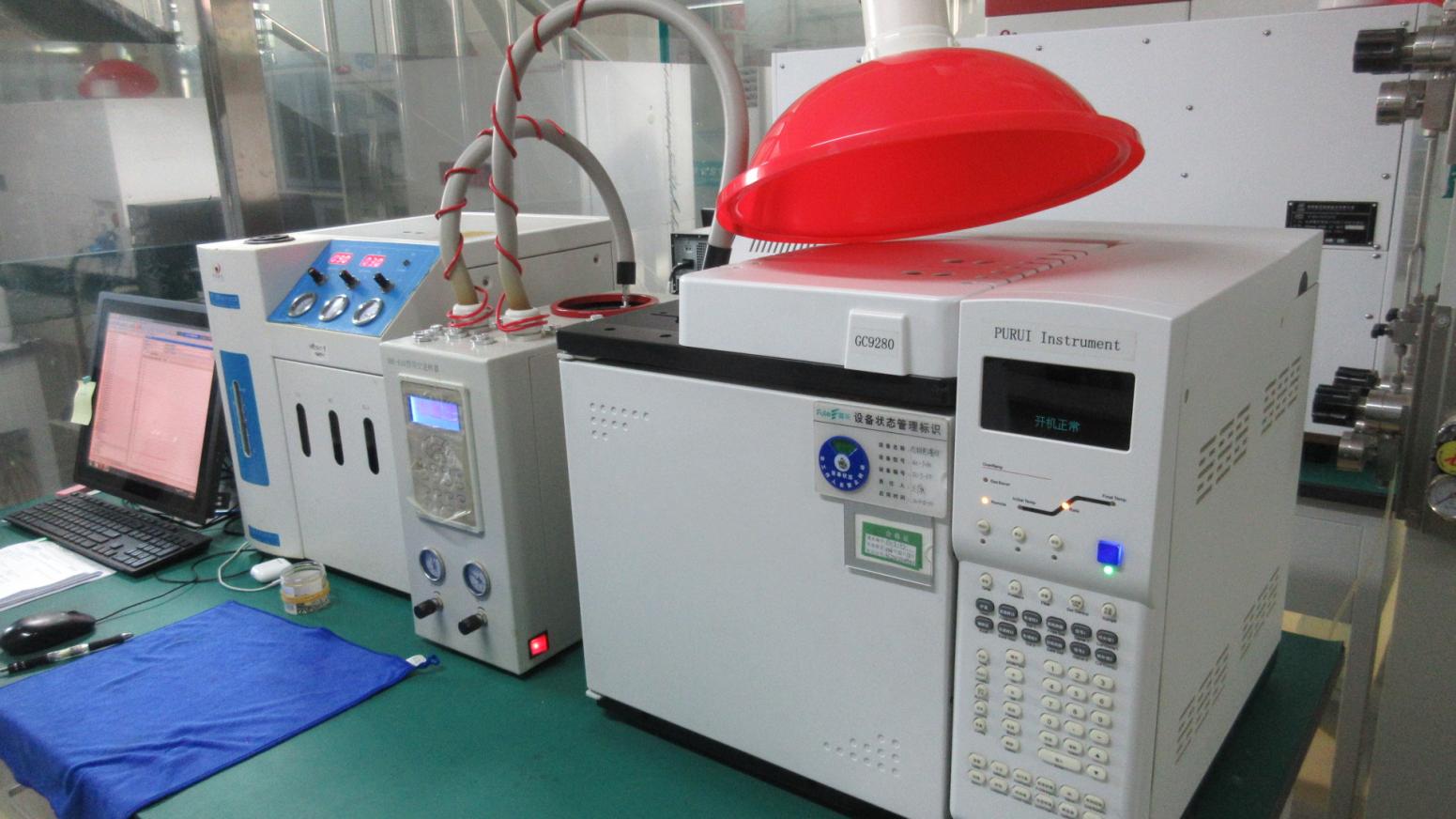
A closer look inside our ISO 13485 certified manufacturing environment and technical production lines.
Comparison of biomedical materials implemented in our ankle stabilization plates, intramedullary rods, and pedicle systems.
| Alloy Class / Standard | Ultimate Tensile Strength (MPa) | Yield Strength (MPa) | Biocompatibility Rating | Primary Clinical Application |
|---|---|---|---|---|
| Ti-6Al-4V ELI (ASTM F136) | 860 - 960 | 795 - 830 | Excellent (Low Modulus) | Intramedullary Nails, Bone Plates, Pedicle Screws |
| Cobalt-Chromium-Molybdenum (ASTM F1537) | 900 - 1050 | 500 - 650 | High (High Wear Resistance) | Joint Articular Surfaces, High-Stress Pins |
| Medical Grade Stainless Steel (316LVM) | 490 - 690 | 190 - 310 | Moderate (Short-Medium Term) | External Fixator Rods, Cerclage Wires, Instruments |
| PEEK (Polyetheretherketone) | 90 - 100 | N/A | Excellent (Radiolucent) | Interbody Fusion Cages, Radiolucent Spacers |
Full manufacturing execution system (MES) trace from raw material ingots to final sterile-packed implantable devices.
Every batch undergoes mechanical torque tests, cycle fatigue evaluations, and rigorous non-destructive testing (NDT).
Supported by 20 highly qualified R&D engineers capable of graphic prototyping and specialized processing.
Adhering to high-accuracy requirements for medical grade implants designed for high mechanical load areas.
With an experienced QA/QC squad containing 15 dedicated inspectors, our verification matrix covers raw metal chemical analyses, coordinate measuring machine (CMM) dimensional tolerance checks, and ultrasonic testing to identify hidden internal metallic faults.
This systematic rigor ensures that no component leaves our facility with micro-fractures, dimensional deviations, or passivation imperfections. Our internal quality guidelines match or exceed standard global criteria, including ASTM and ISO protocols.
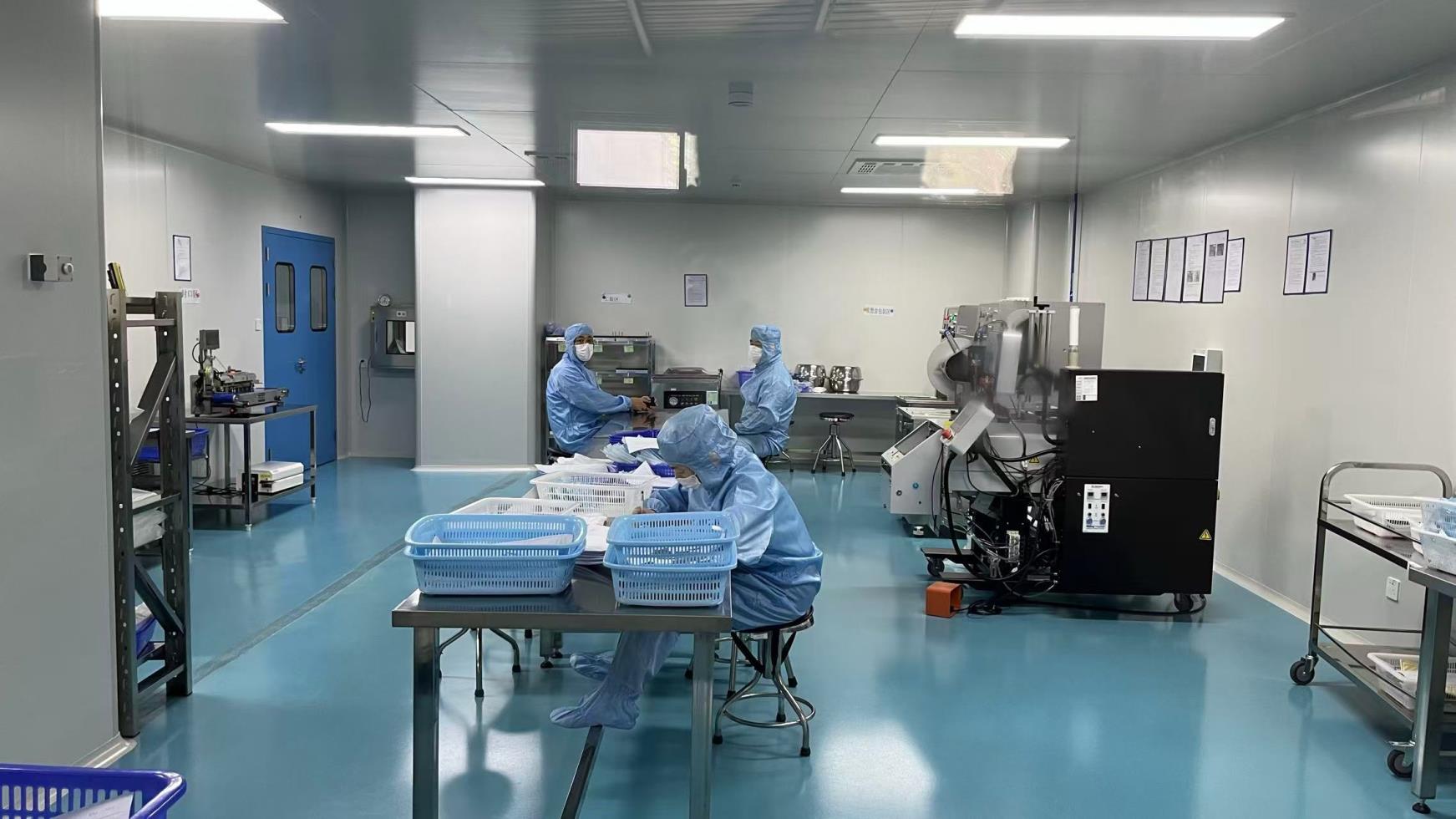
For implants to be safely introduced into the operating theatre, absolute sterilization integrity must be maintained. We package our trauma and stabilization plates inside Class 10,000 (ISO Class 7) cleanrooms, utilizing high-barrier sterile blister and pouch options. This protective layer ensures the implants remain completely free of microbiological contamination throughout transit, storage, and handling prior to opening.
Our collaborative path forward with global research universities, focusing on bone healing rates and structural materials.
By mimicking natural cancellous bone structures via additive titanium laser melting, we are working toward implants that promote faster osteointegration and stronger physical bonds.
Developing bioabsorbable screws for foot and ankle stabilization that dissolve safely once tissue repair is complete, avoiding a second removal surgery.
Researching micro-sensors integrated into intramedullary nail systems to monitor early post-op load patterns and detect structural strain changes.
A transparent look at our specialized production workshops, raw materials warehouse, and chemical processing facilities.
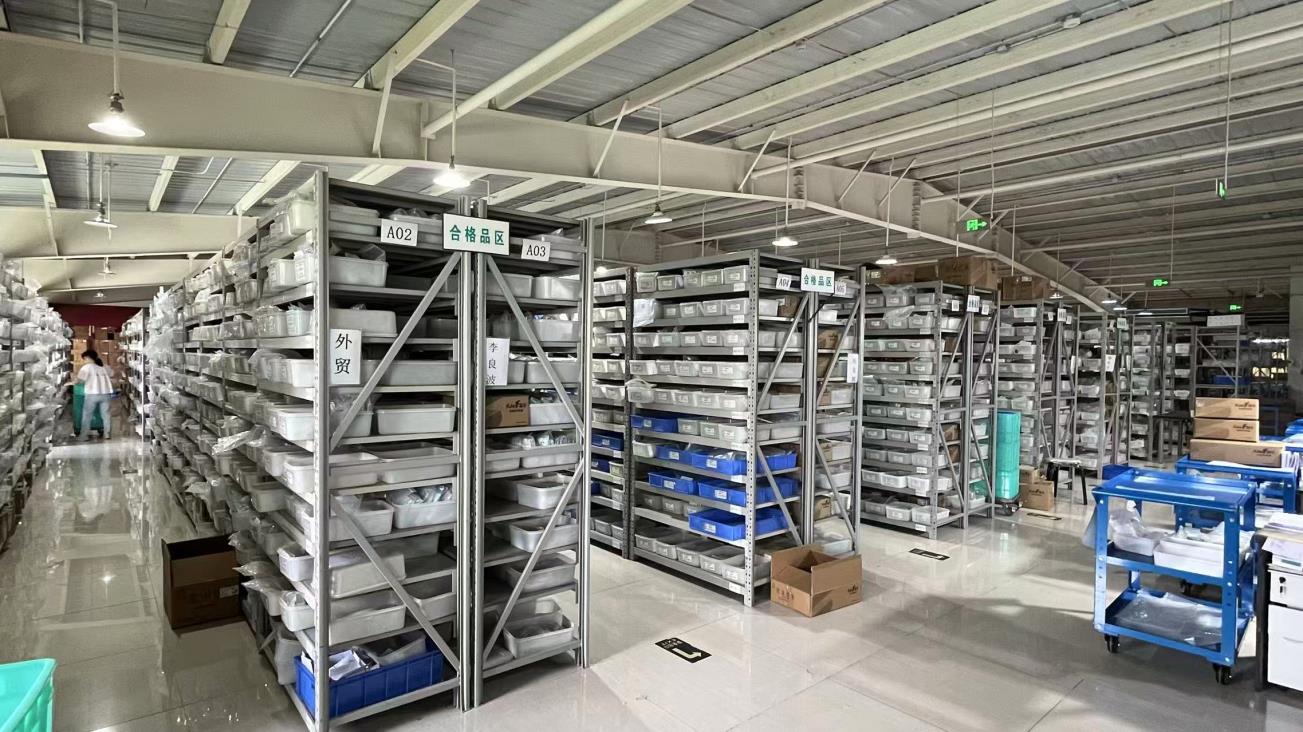
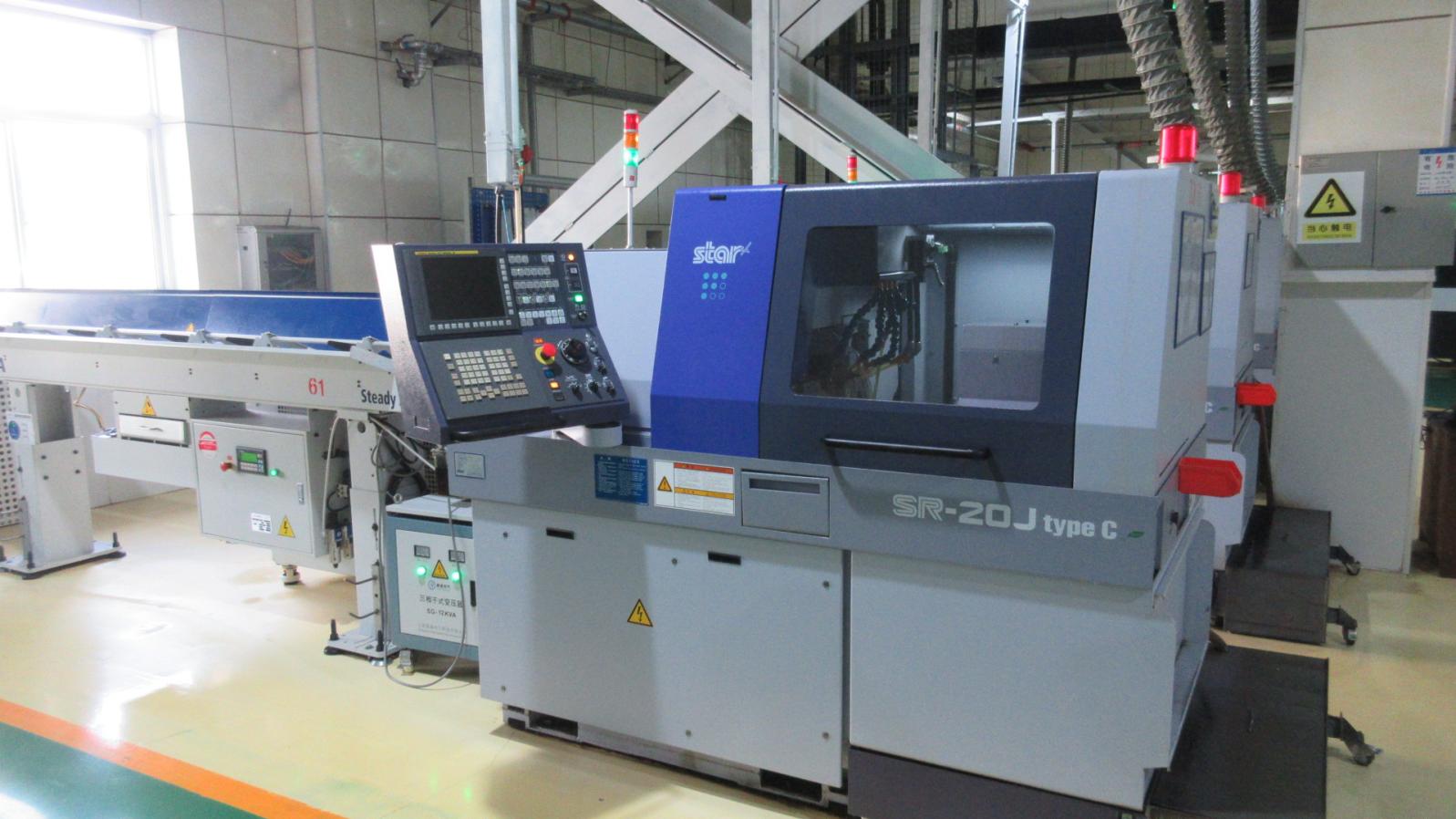
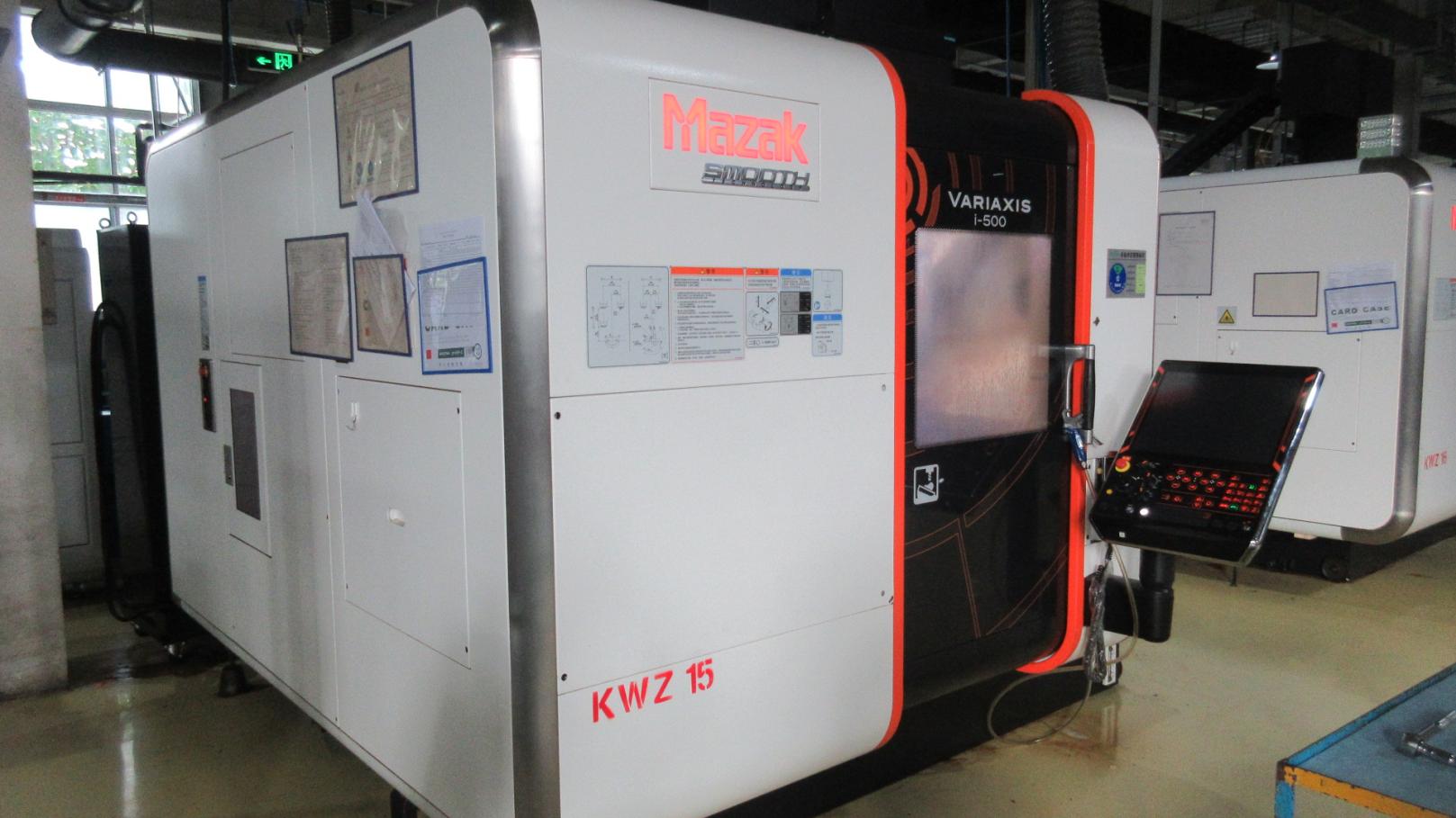
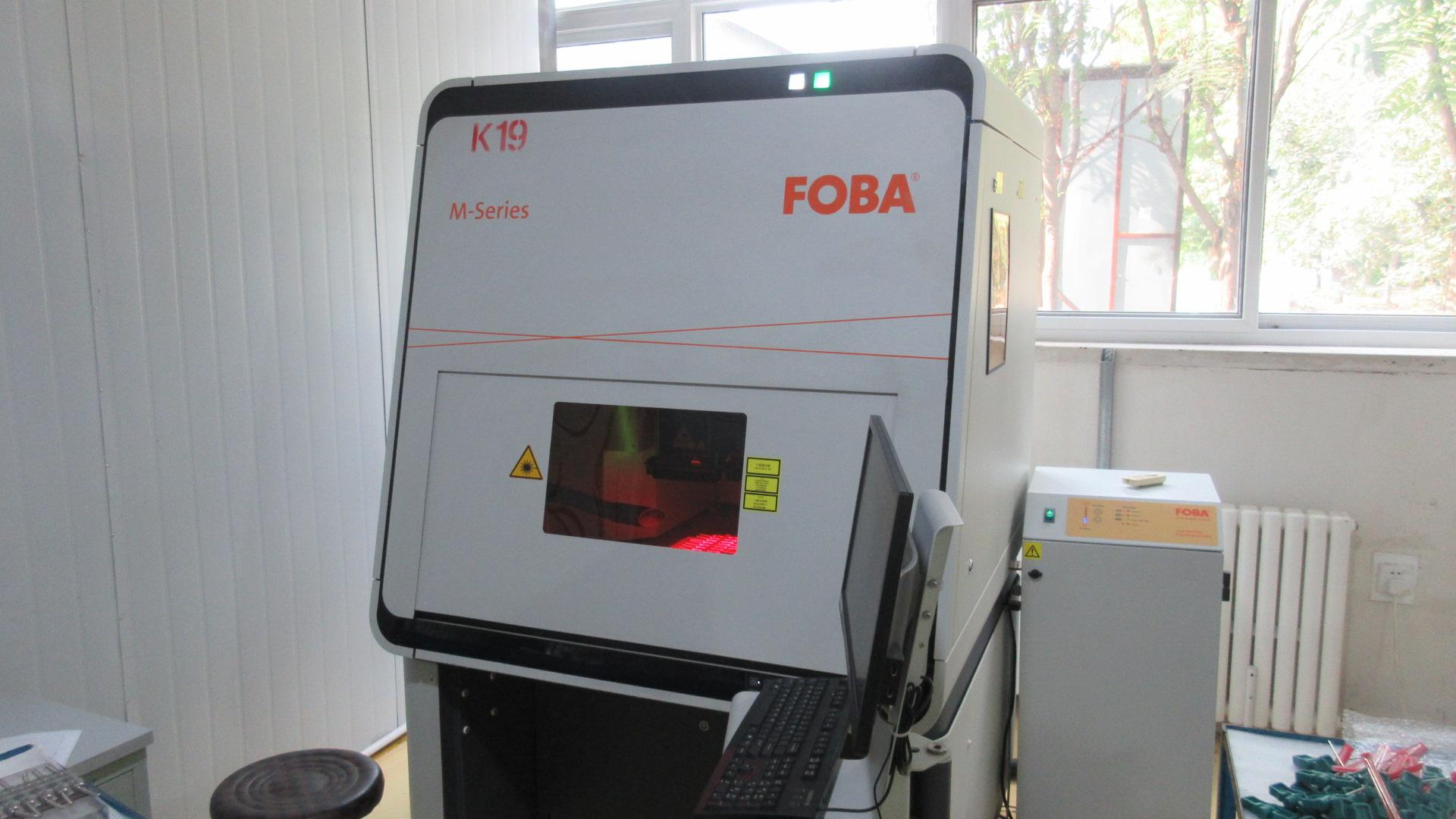
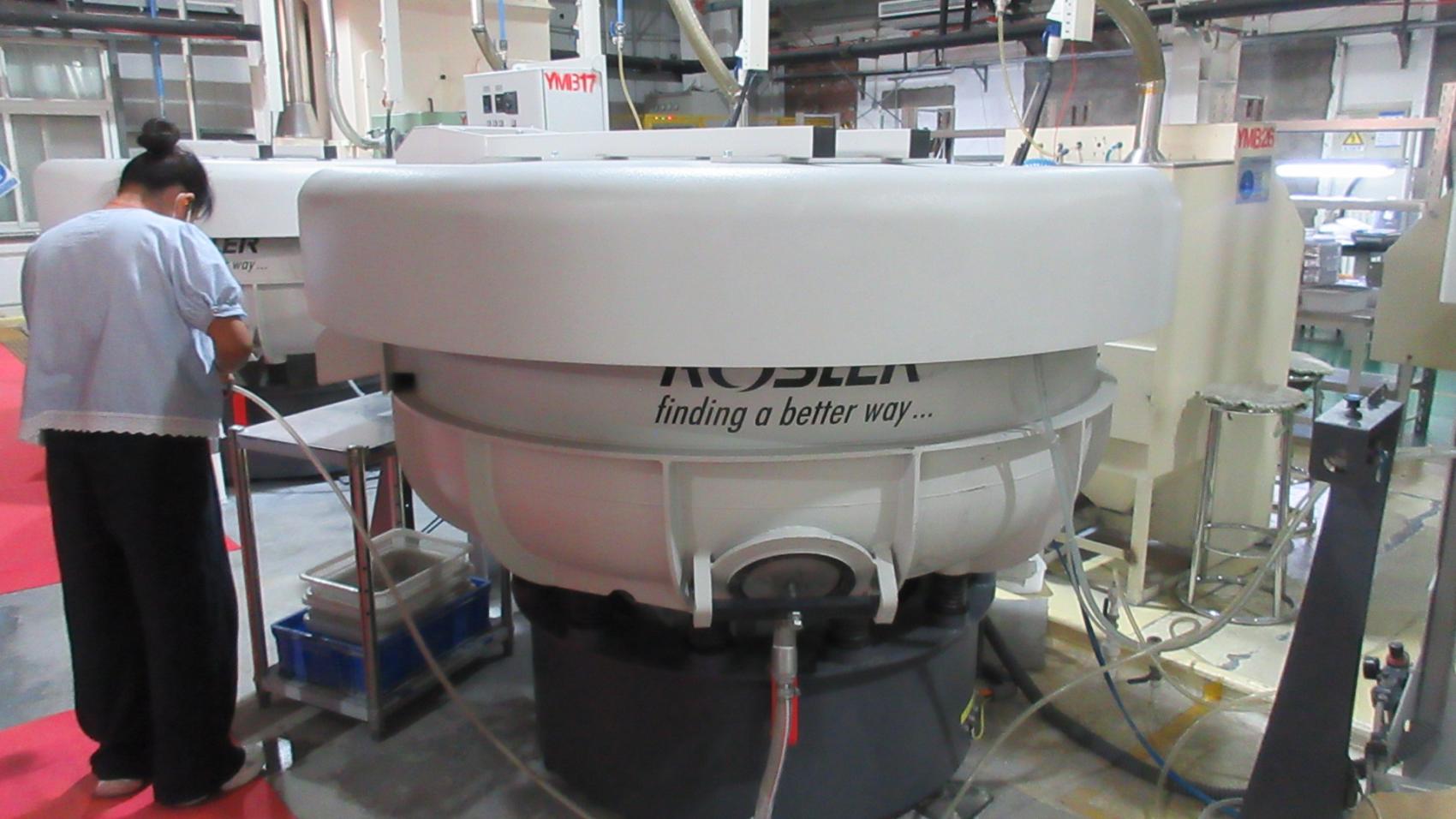
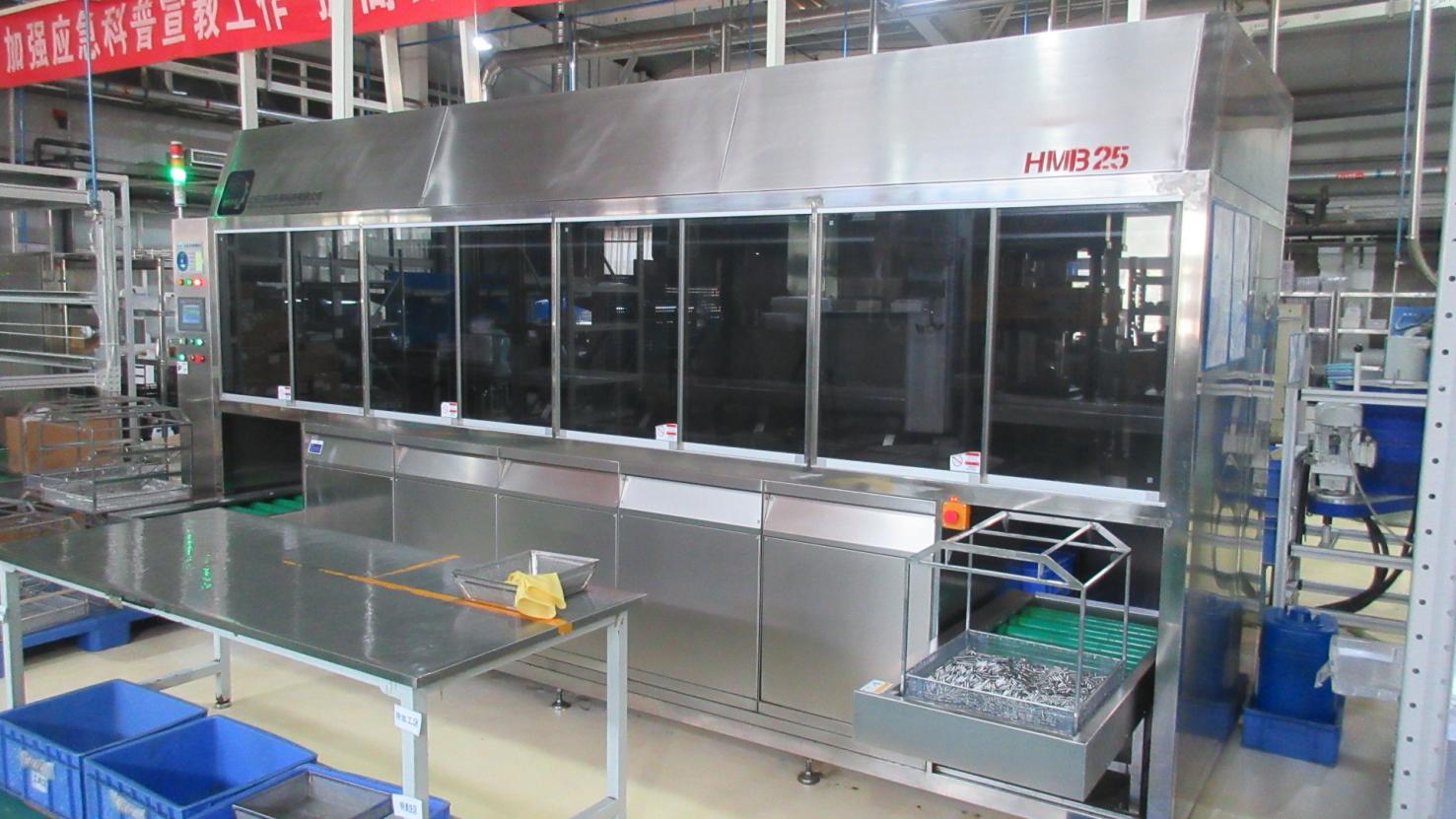
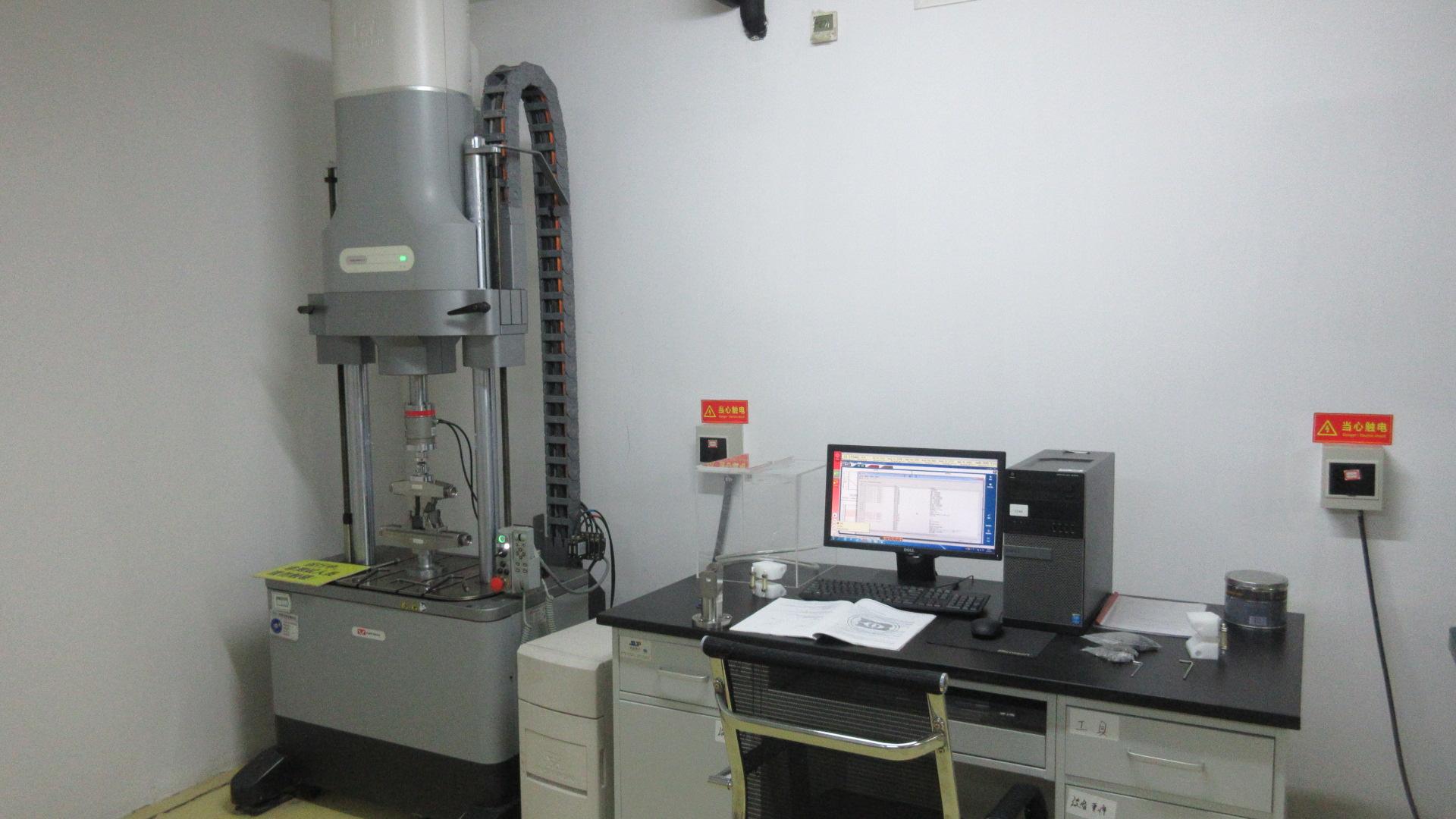
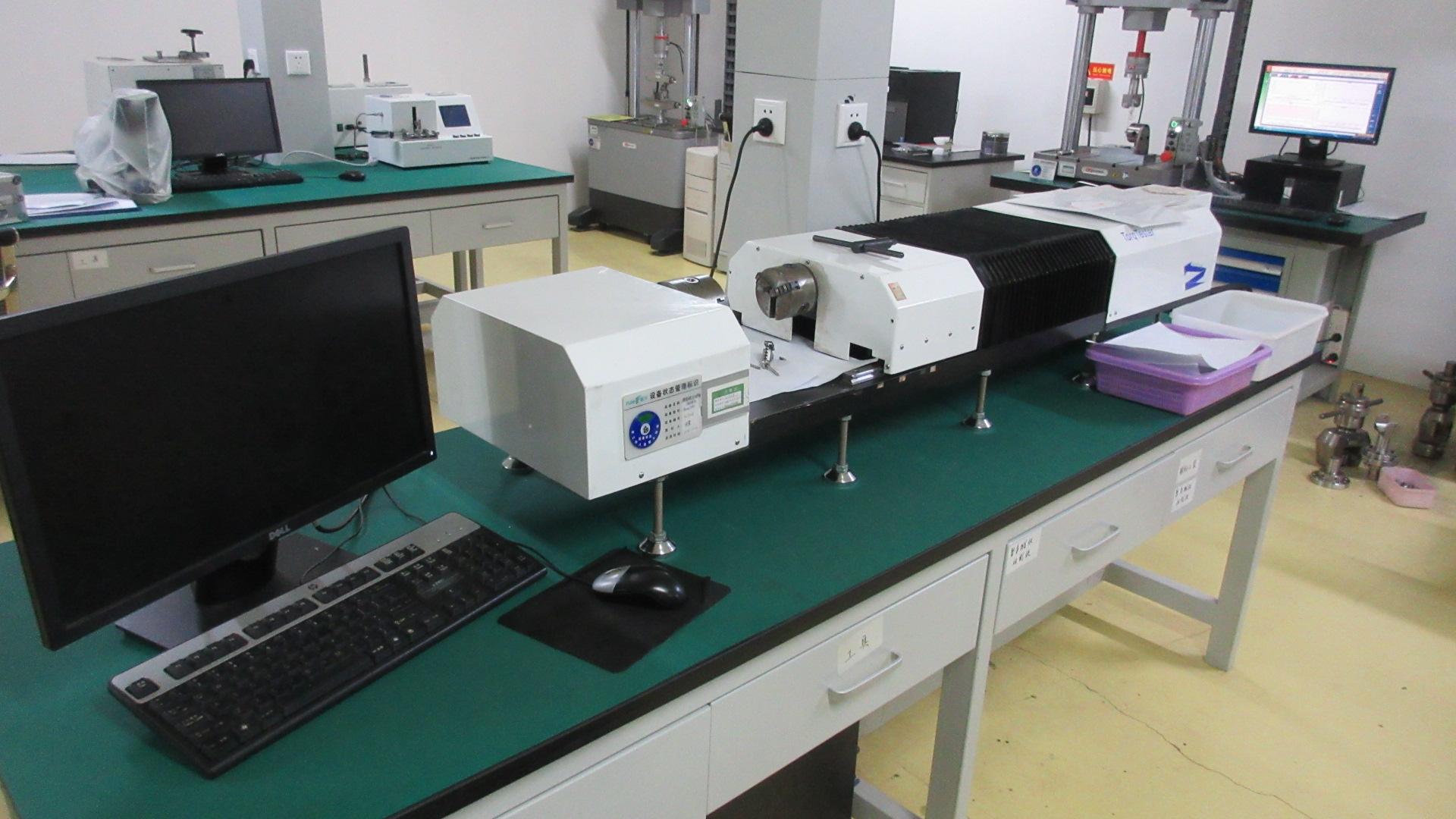
We are a certified ISO 13485 manufacturer (Certificate Number: 04724Q10000818). This accreditation highlights our dedication to absolute safety in design, development, and delivery. In addition, our implant products carry CE marking, clearing the way for seamless integration into medical ecosystems across Europe, Southeast Asia, and many other territories.

Validating trace networks, machining tolerances, and sterile environment parameters.
Direct technical feedback from our engineering department regarding orthopedic purchasing and manufacturing specifications.
Explore additional orthopedic components, including pediatric designs, bone cement screws, and external fixation kits.
 Beren Science & Technology