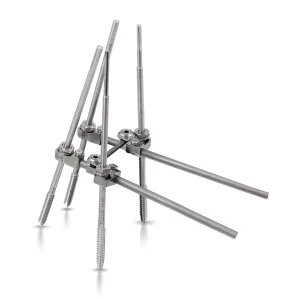
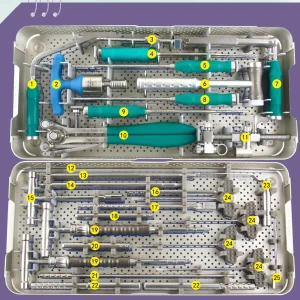
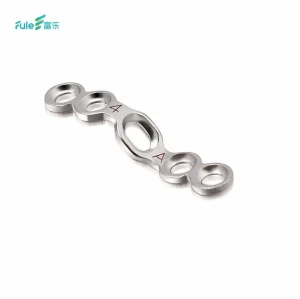
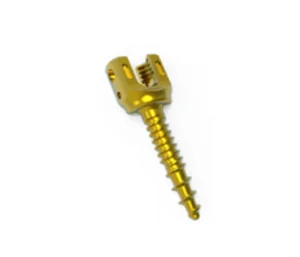
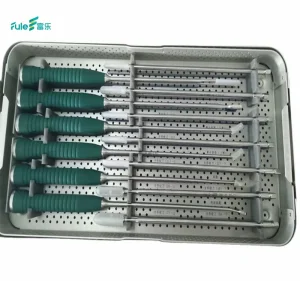
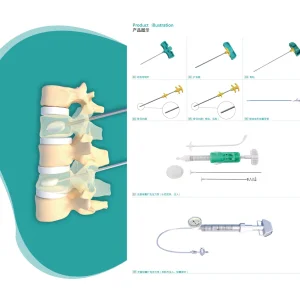
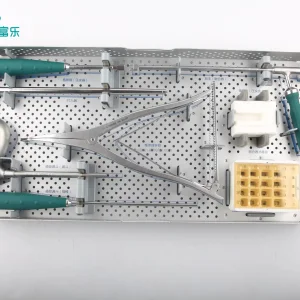
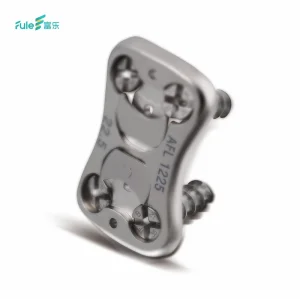
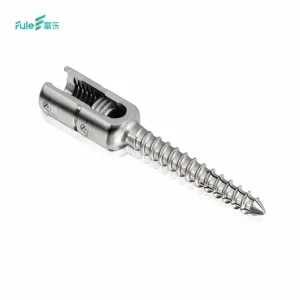
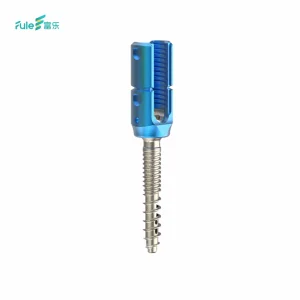
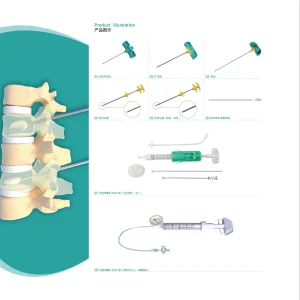
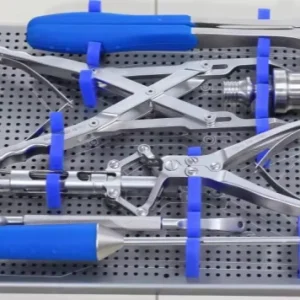
The global field of spinal surgery has witnessed an unprecedented paradigm shift, pivoting away from standard open surgeries toward micro-invasive, highly-targeted stabilization techniques. In this clinical landscape, the COX Monoaxial Pedicle Screw and Rod System and its corresponding fixation arrays represent a pinnacle of biomechanical engineering. As a leading China wholesale COX manufacturer, our mission is to address the multifaceted challenges faced by orthopedic surgeons: minimizing soft-tissue disruption, ensuring absolute rotation-resistant rigidity, and promoting reliable osseointegration.
Modern spinal trauma systems and degenerative solutions must work in harmony with the body's natural biomechanics. Traditional implant materials and fixed thread configurations often lead to long-term issues like stress shielding or micro-motion-induced screw loosening. Our structural designs combat this through advanced thread geometry, cortical-cancellous differential mapping, and high-precision tolerances. By supplying global healthcare partners with state-of-the-art implants like the posterior spinal traumatic system and anterior cervical plates, we provide holistic clinical solutions that improve patient outcomes and simplify surgical workflows.
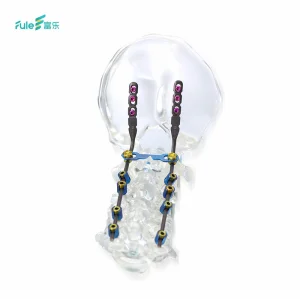
Providing long-term load distribution and stabilization for lumbar interbody fusions (PLIF, OLIF) with optimized titanium and PEEK interfaces to facilitate rapid bone bridging.
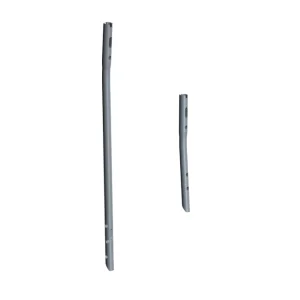
Designed for immediate biomechanical lock-in during spinal trauma cases. Rigid SCHANZ screws and monoaxial rods deliver the rigidity required to stabilize unstable fractures.
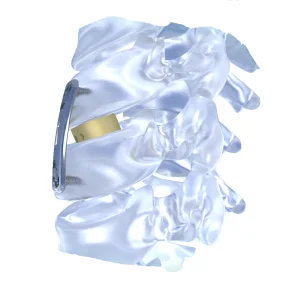
Titanium cervical laminoplasty sets offer customizable reconstruction solutions, maintaining open canals while protecting sensitive neural structures from collapse.
The international orthopedic implant sector demands absolute compliance and supply chain resilience. High-quality spinal screws and hardware are no longer viewed simply as commodities but as critical therapeutic elements that must meet rigorous global standards. From North American surgical suites to European trauma centers, the demand for CE-marked, ISO 13485-compliant medical hardware is growing rapidly.
As a global OEM provider with 30 years of export experience, we understand that supply chain stability, traceability of raw materials, and precision manufacturing are vital to our global partners. By offering comprehensive customization options—from sample processing to customized-on-demand designs—we bridge the gap between regional clinical preferences and centralized, high-efficiency manufacturing.
When engineering posterior spinal fixation constructs or cervical plates, material integrity defines clinical success. Under our strict production standards, all implantable devices are manufactured from raw titanium alloy (Ti-6Al-4V ELI) or high-grade medical Polyetheretherketone (PEEK). These materials are chosen for their exceptional biocompatibility, fatigue limit, and structural elasticity, which closely mimics human bone tissue.
Designed for load-bearing stability, providing high tensile strength and fatigue resistance. Critical for the Usmart Titanium Spinal Screw-Rod System and SCHANZ traumatic screws.
Ideal for interbody fusion cages (PLIF/OLIF). Offers radiolucency, allowing clear postoperative imaging of bone growth, with an elastic modulus that reduces stress shielding.
Anodized titanium surfaces create a stable oxide layer that resists corrosion, minimizes ion release, and enhances osteoblast attachment and proliferation.
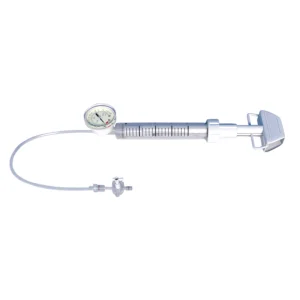
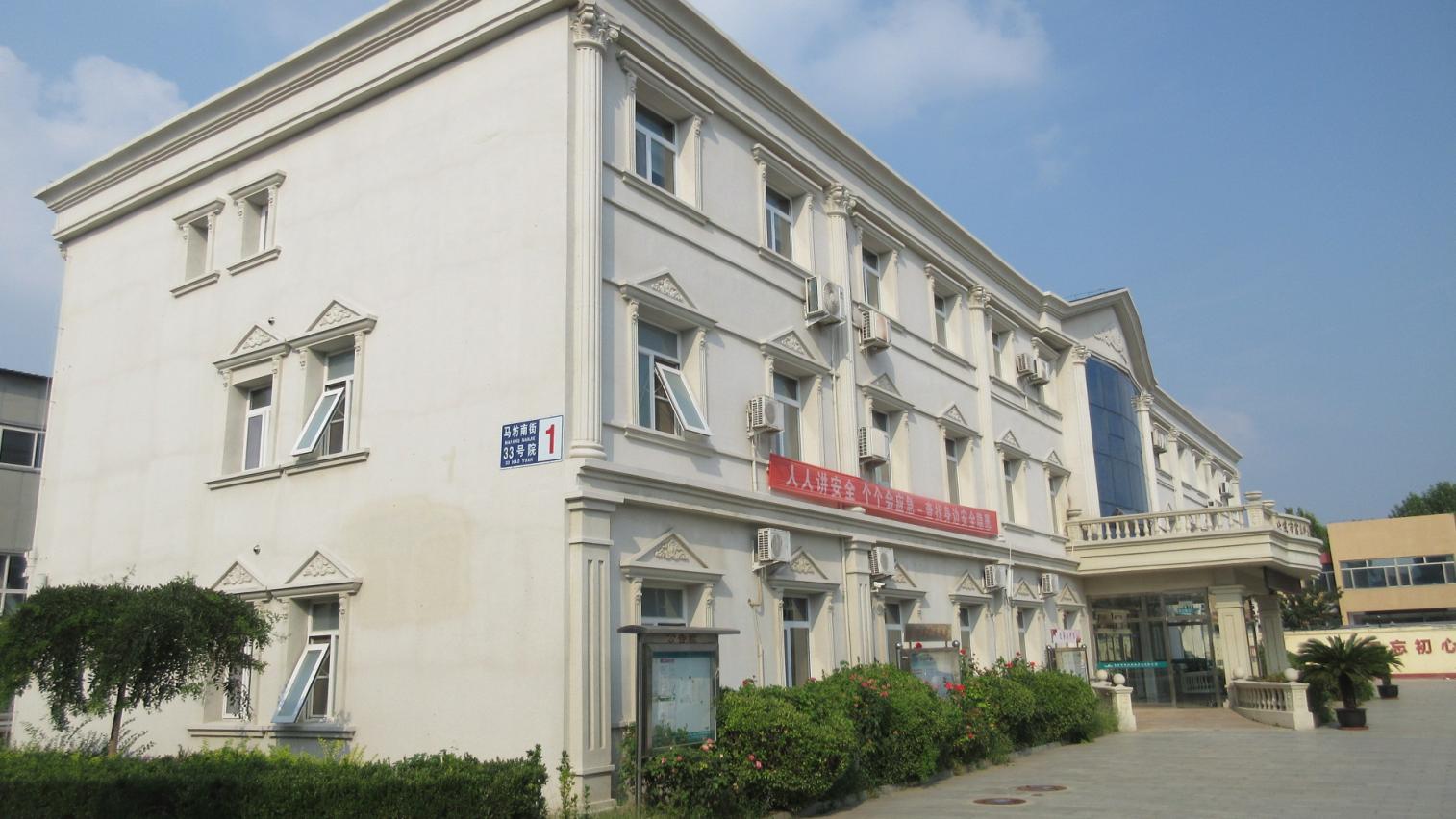
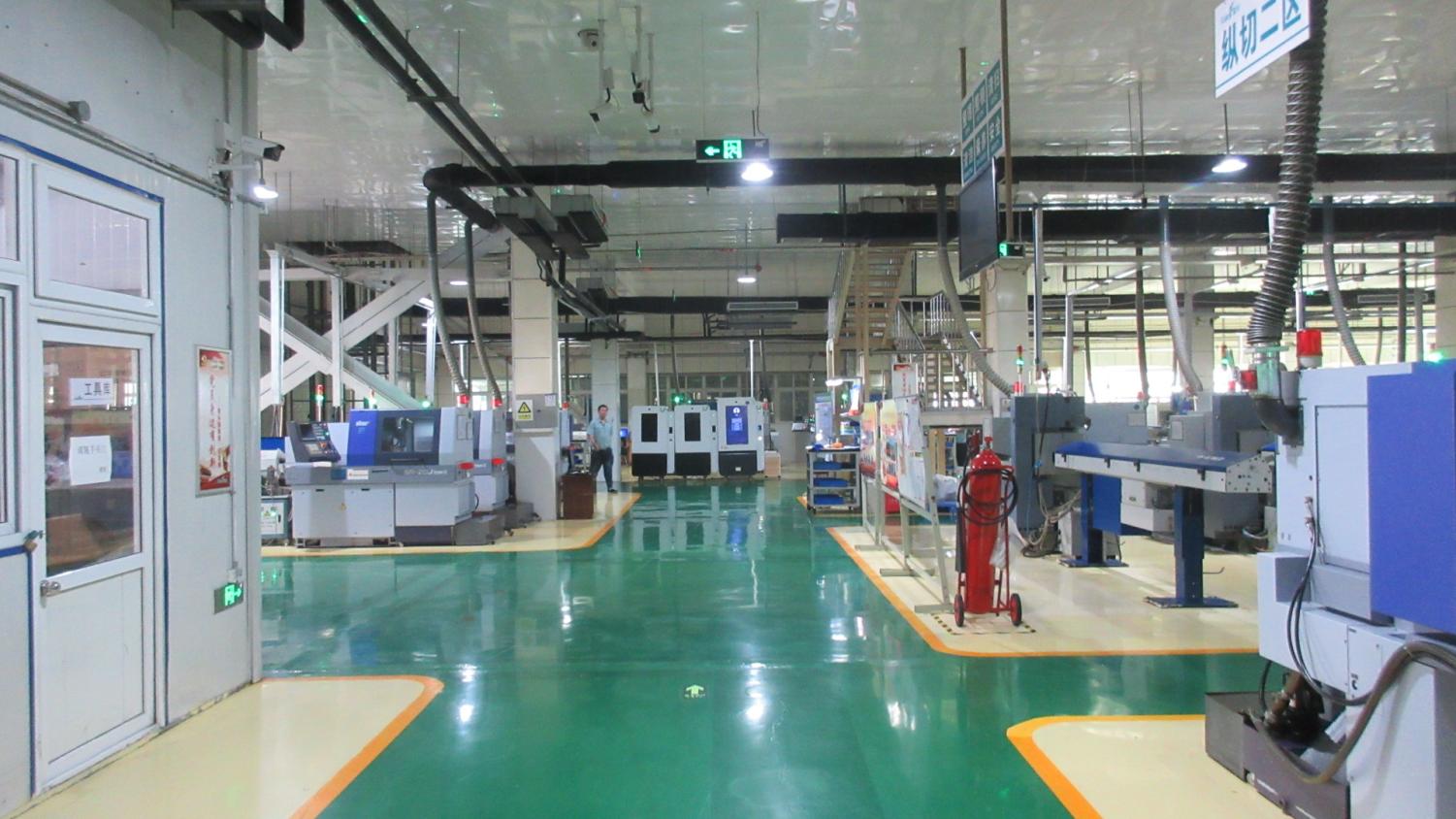
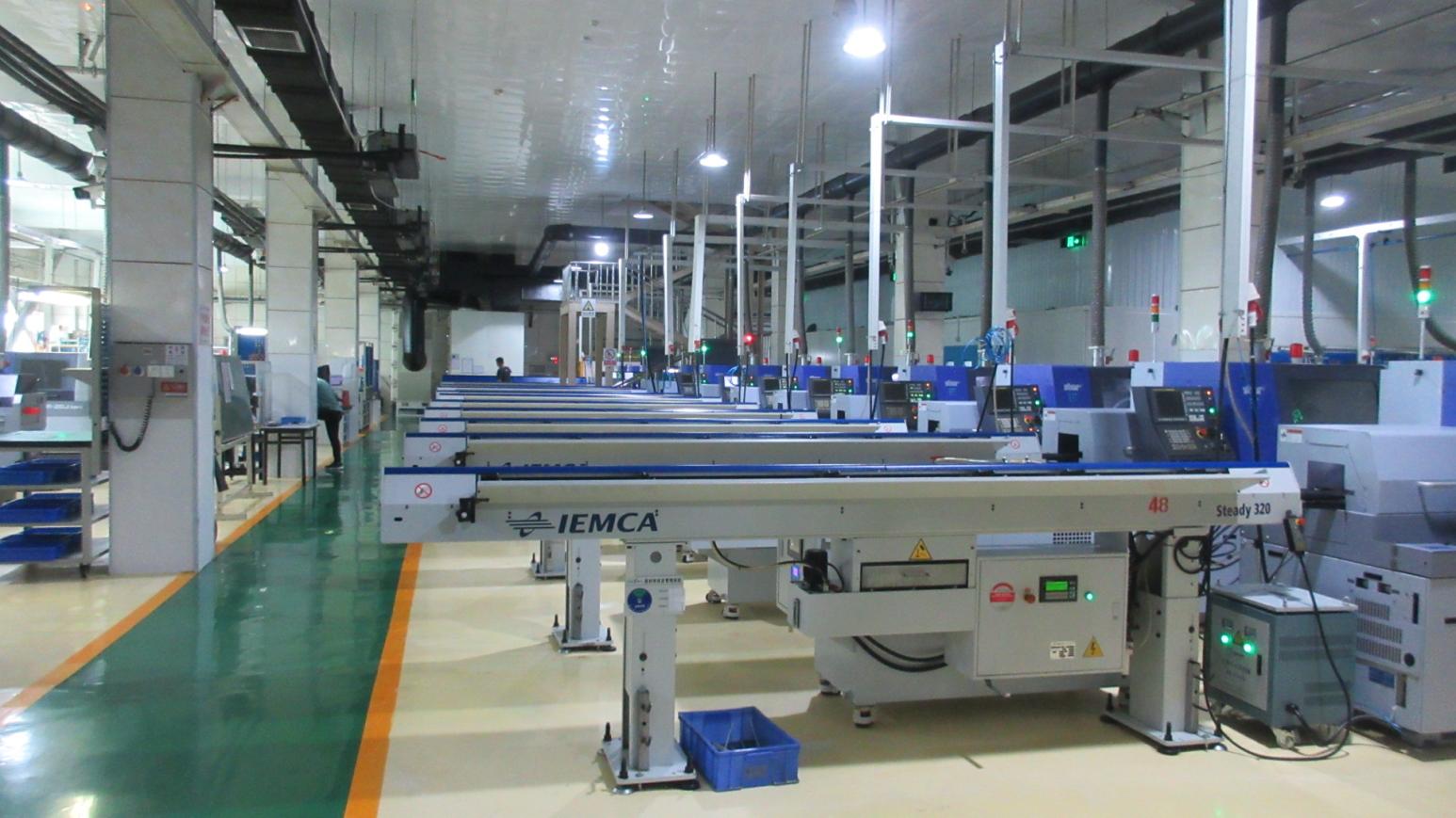
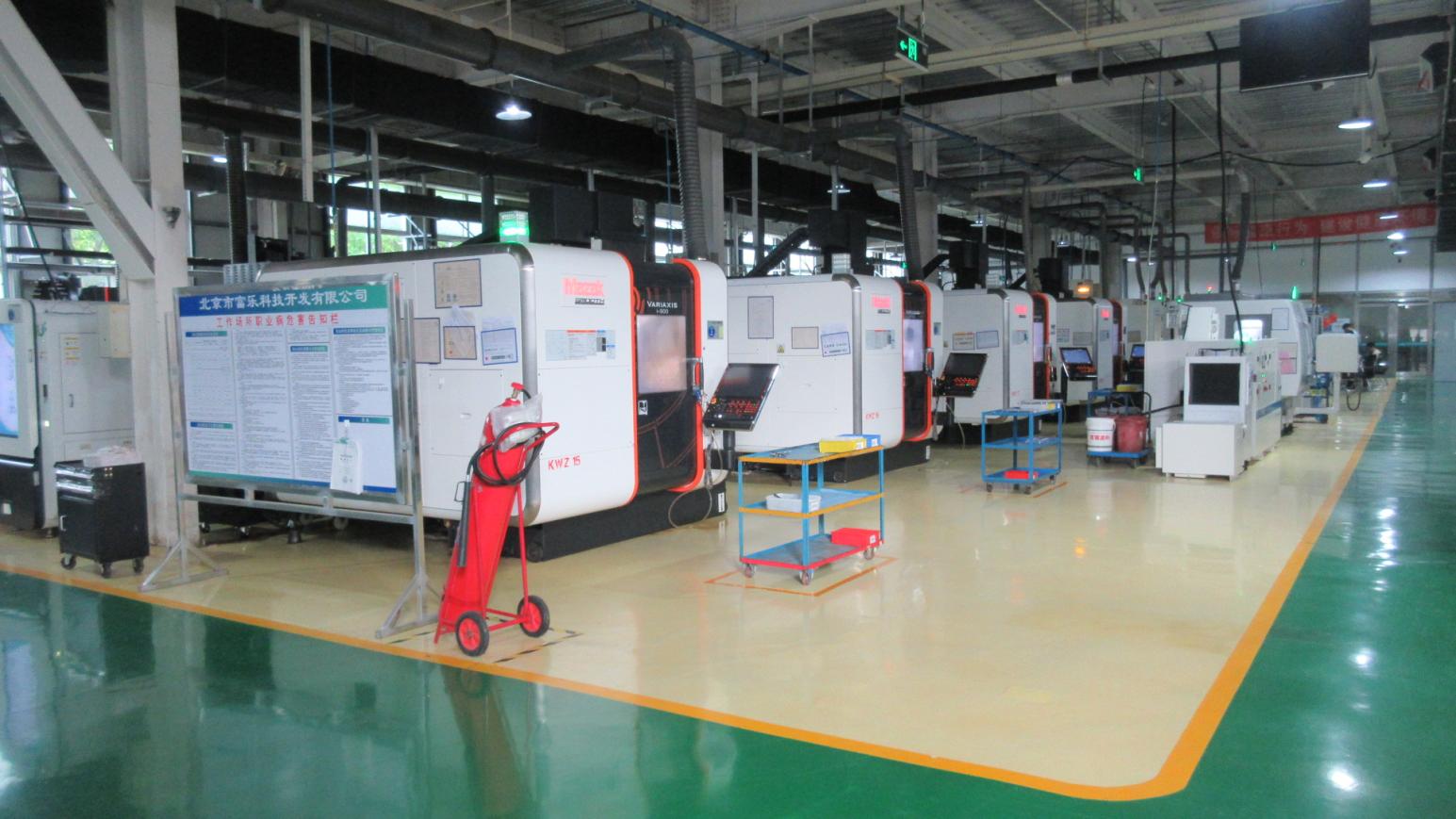
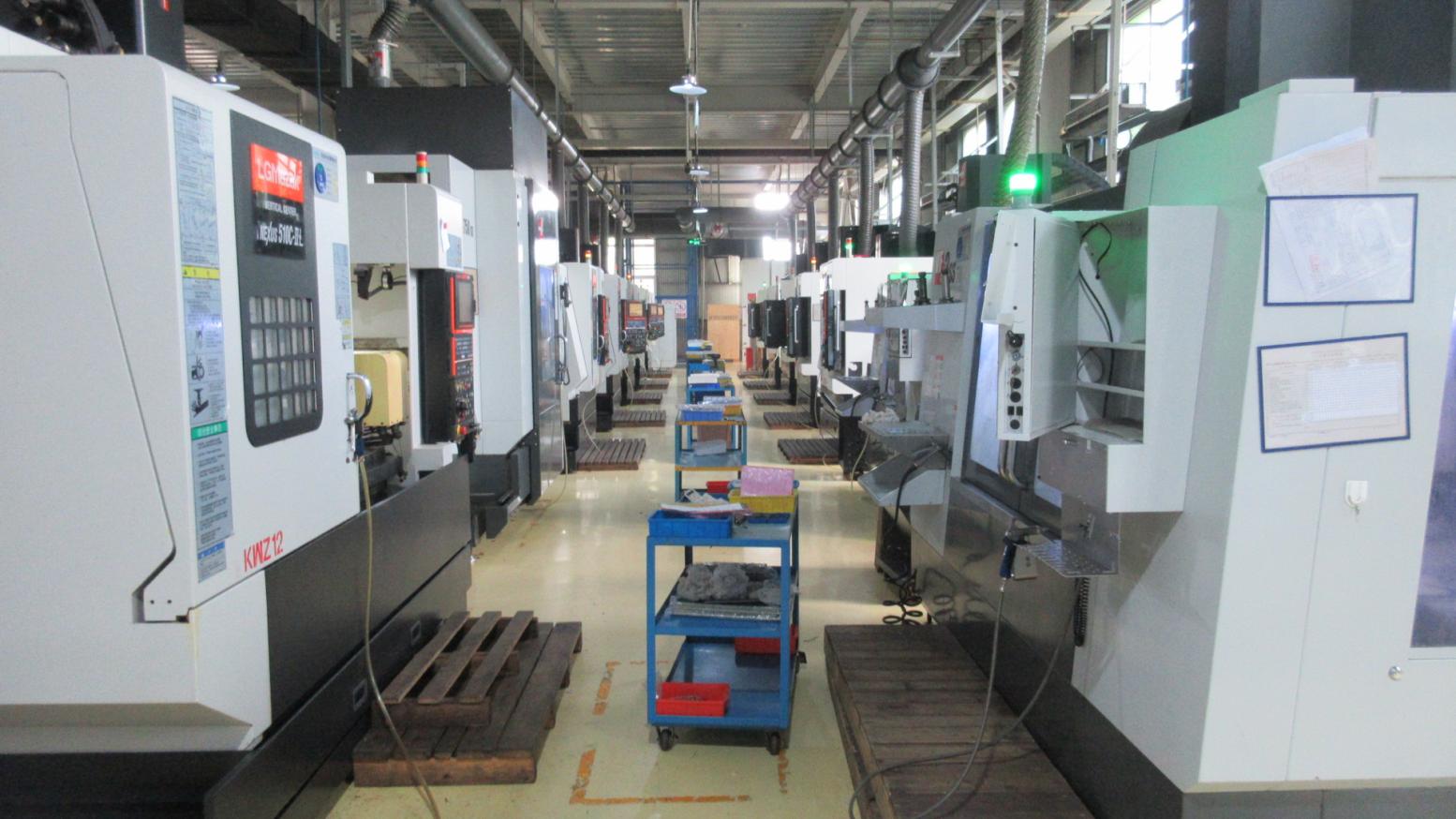
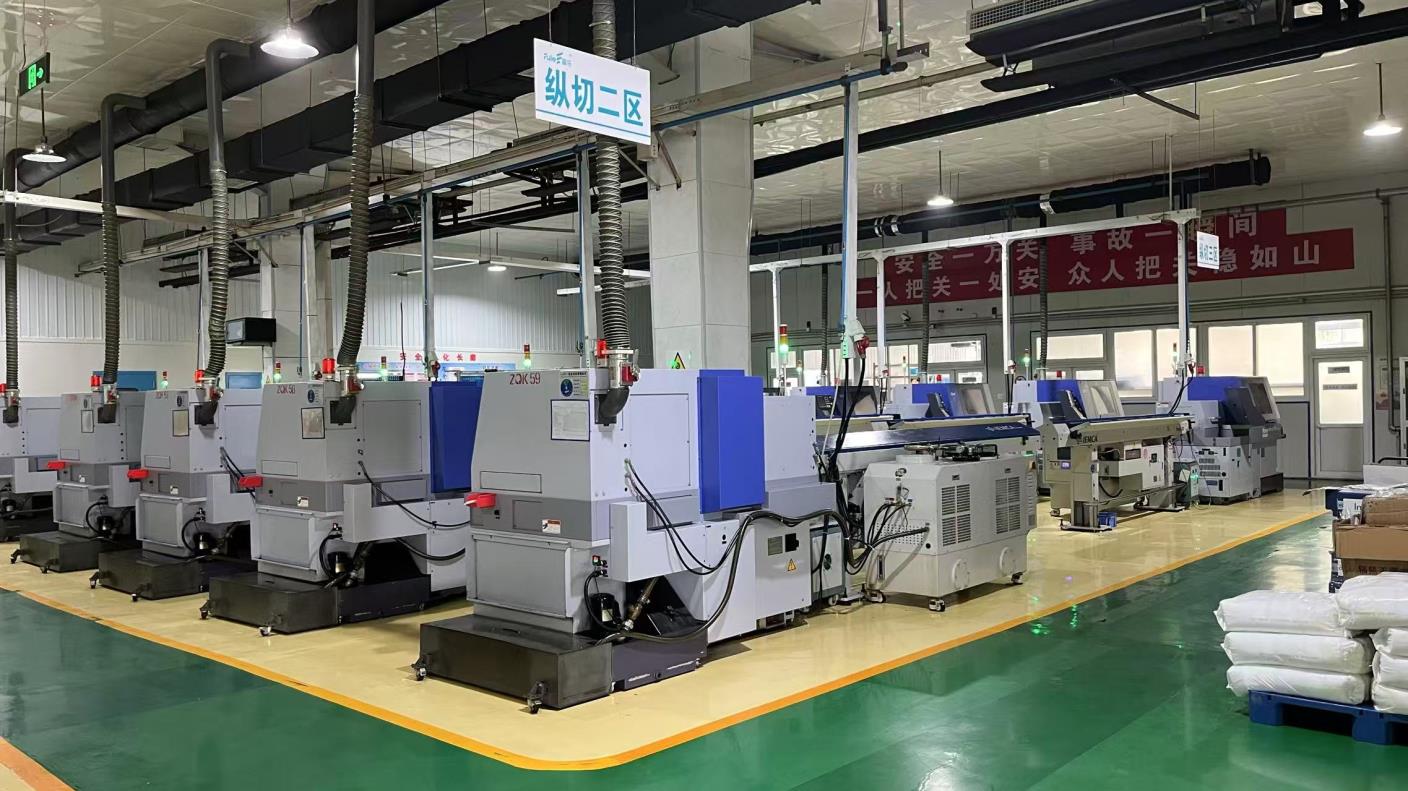
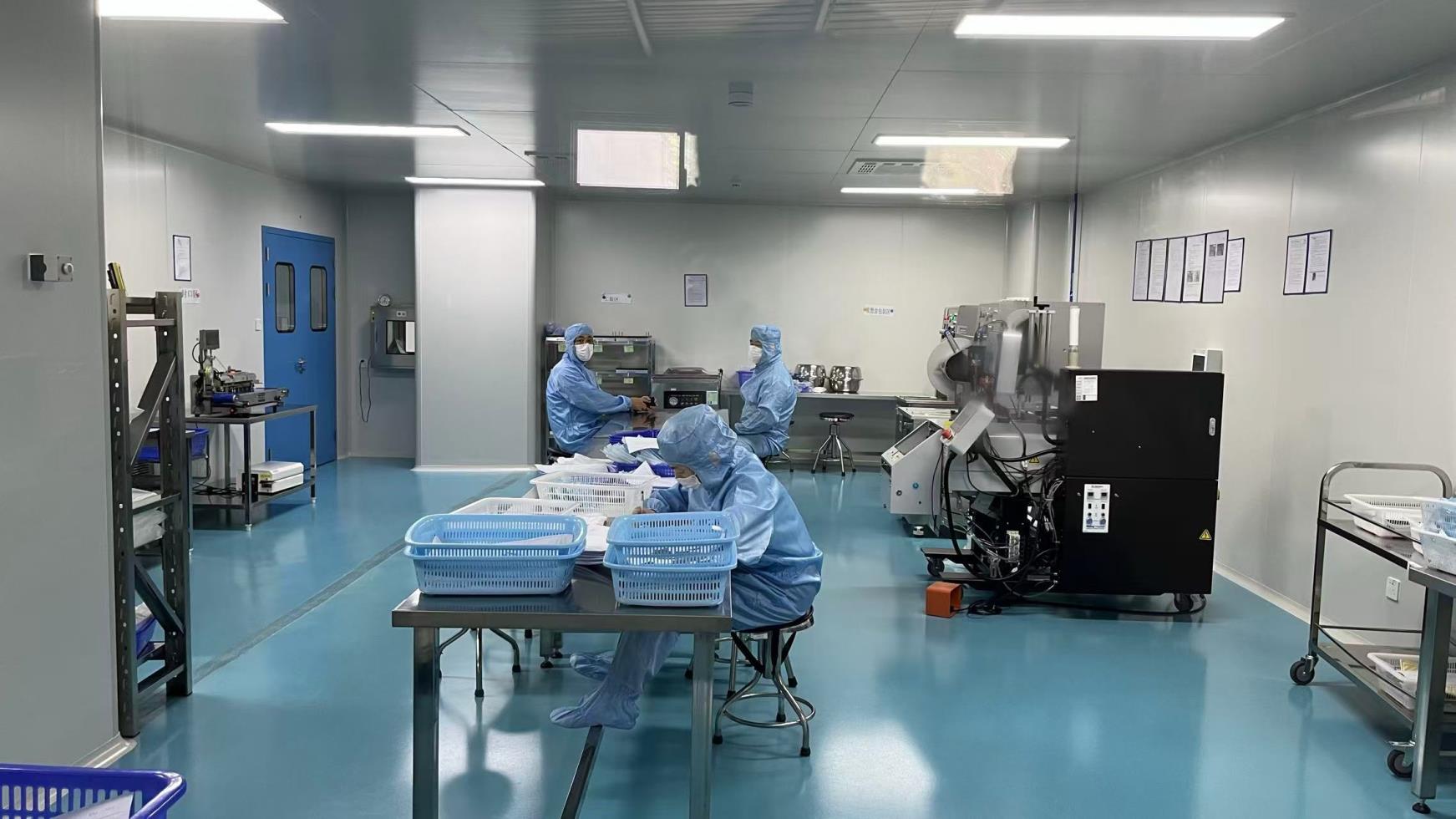
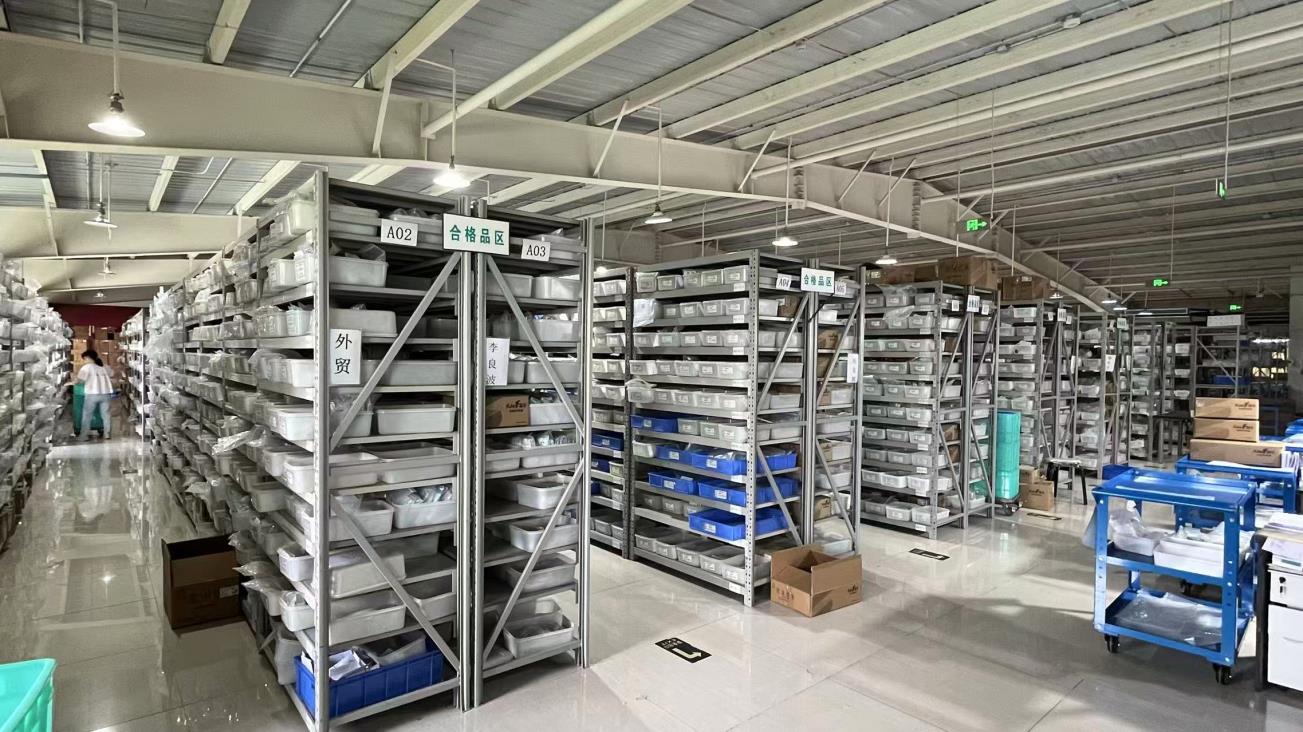
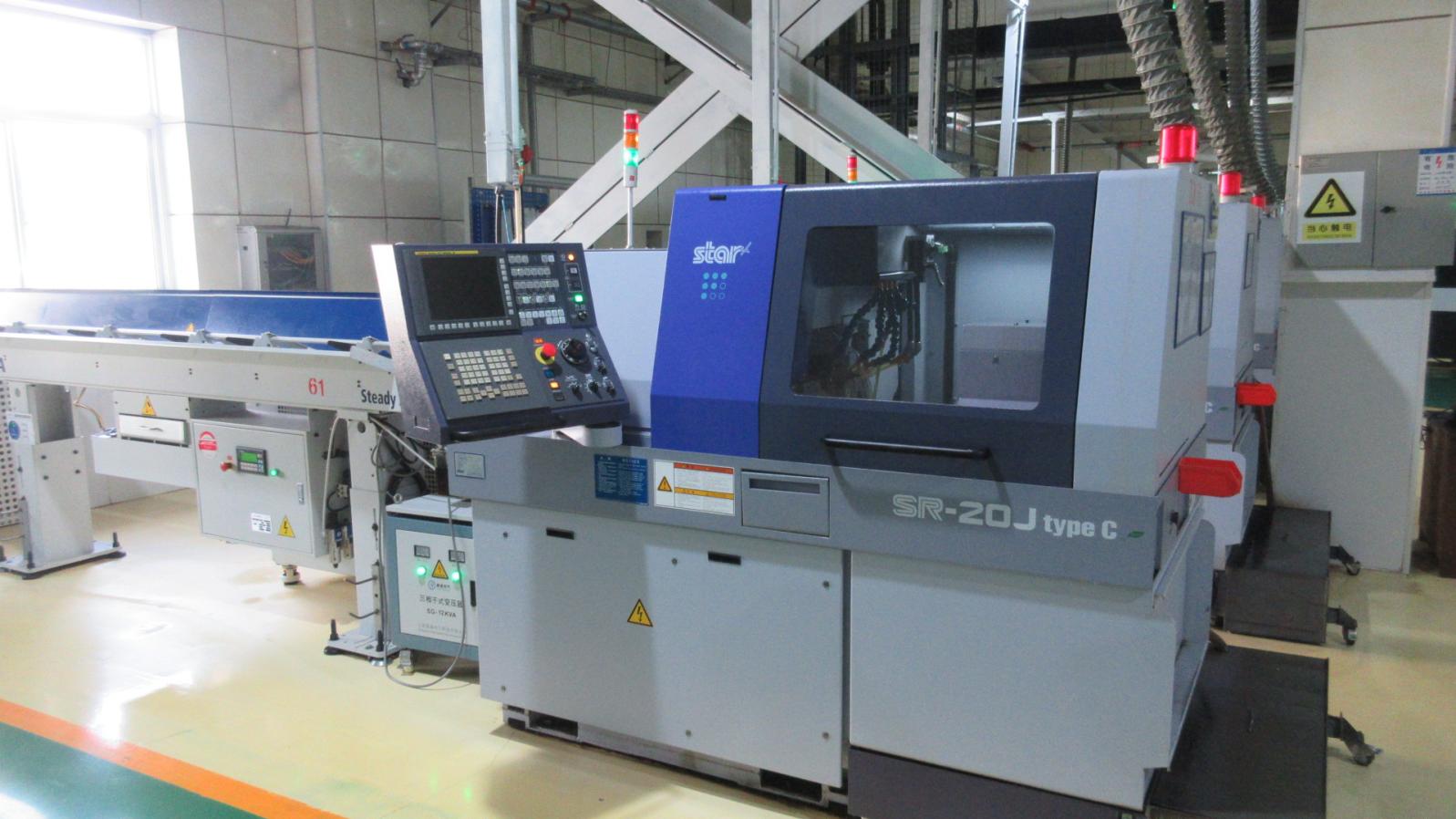
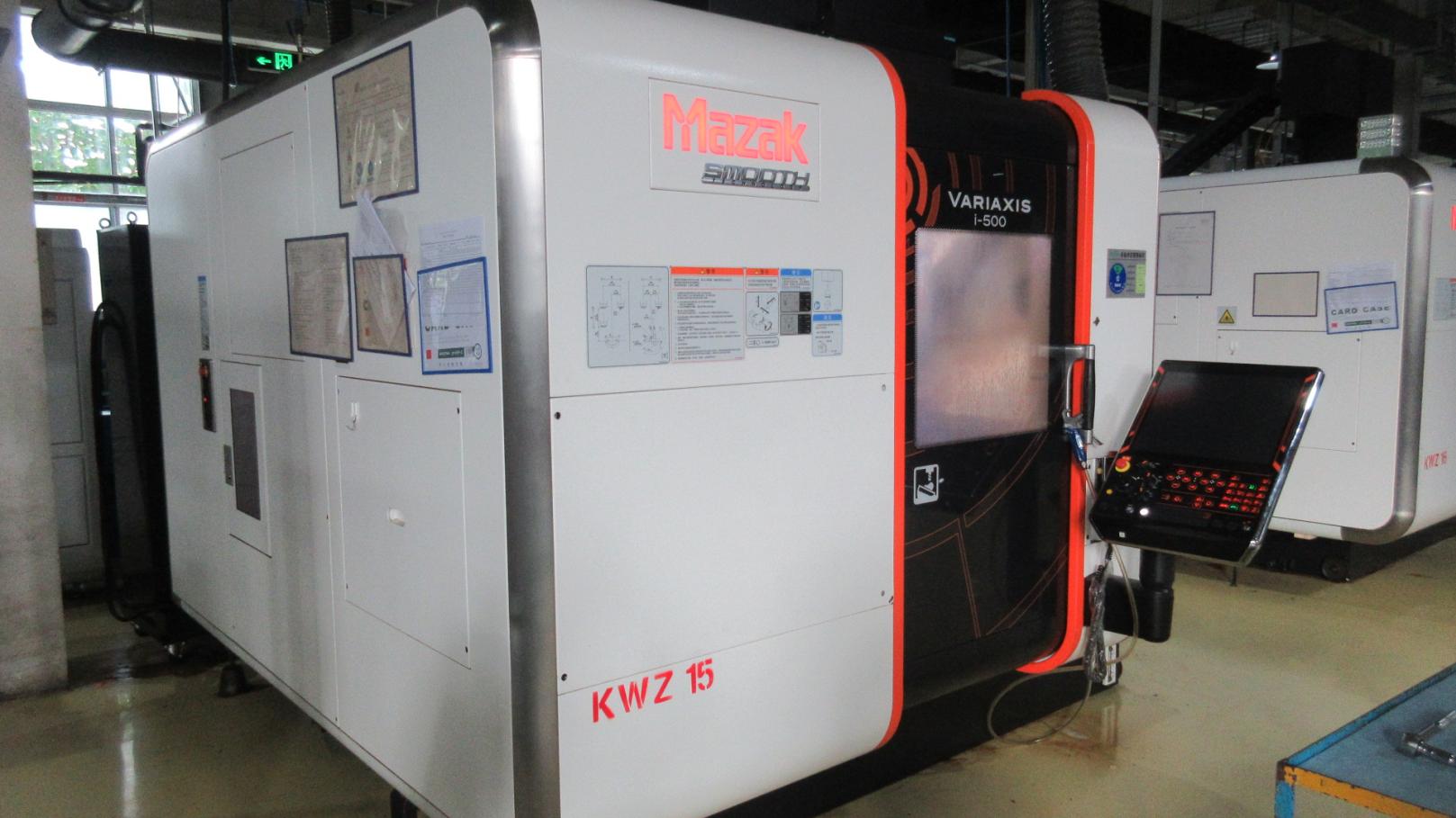
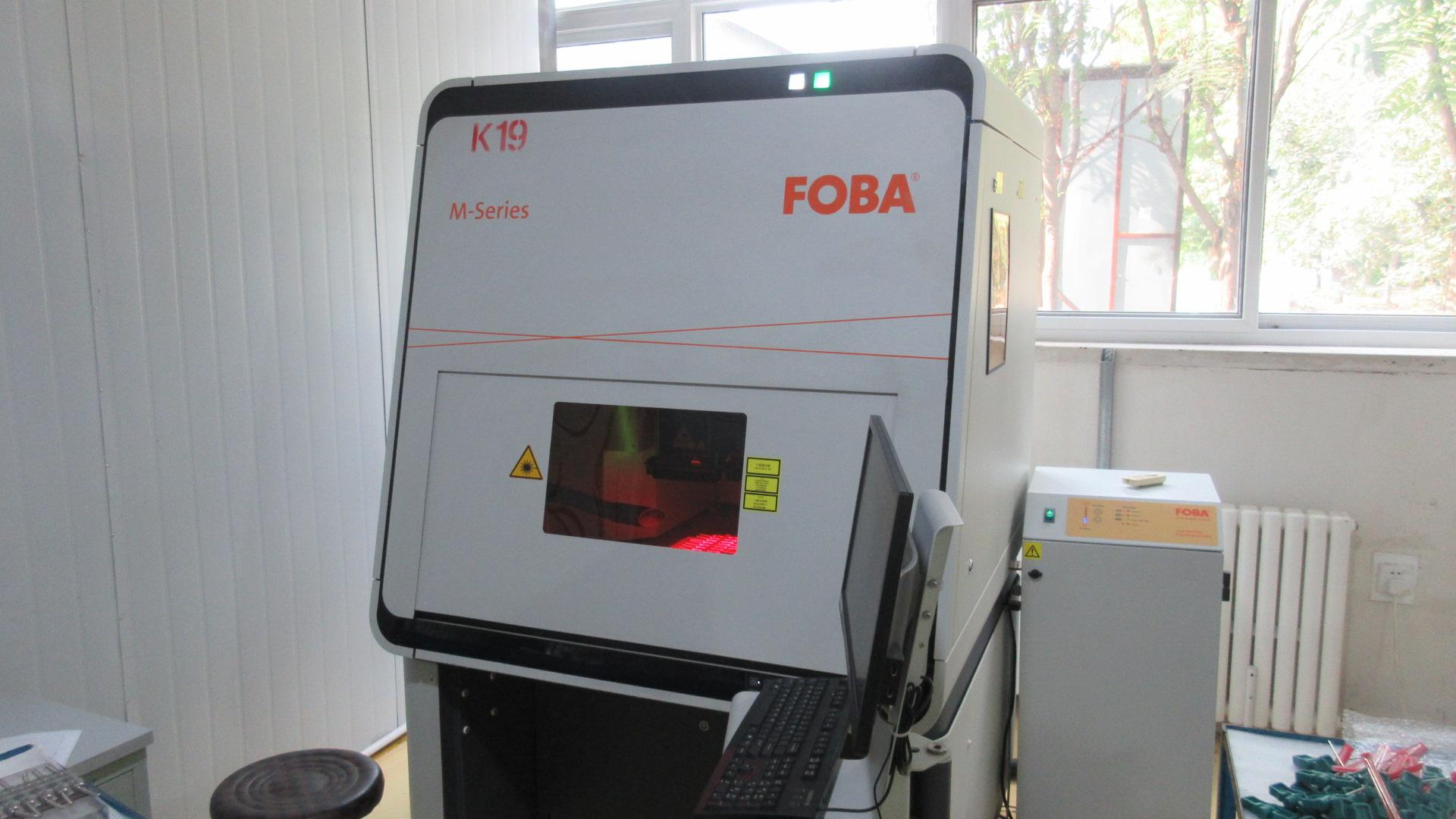
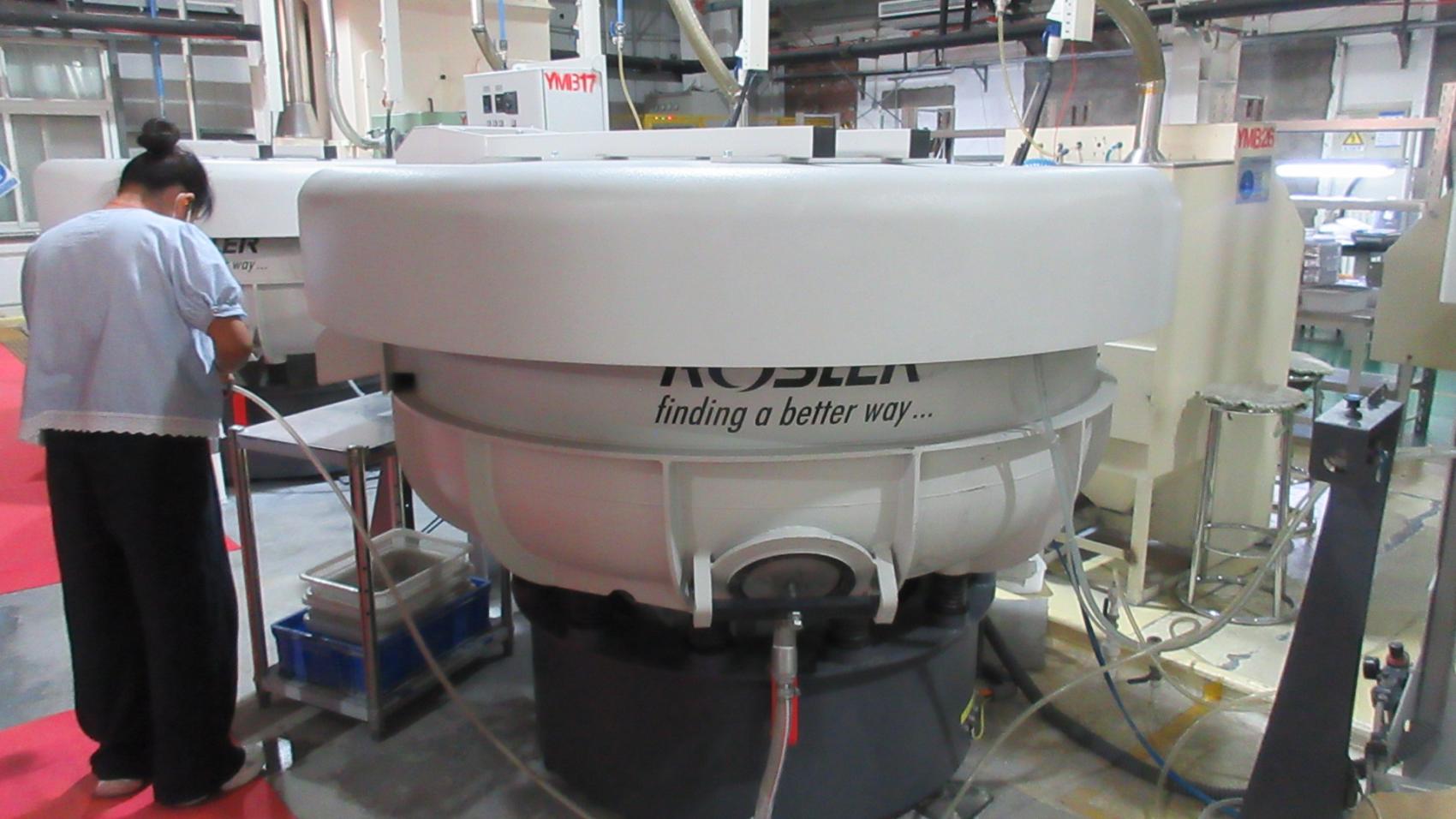
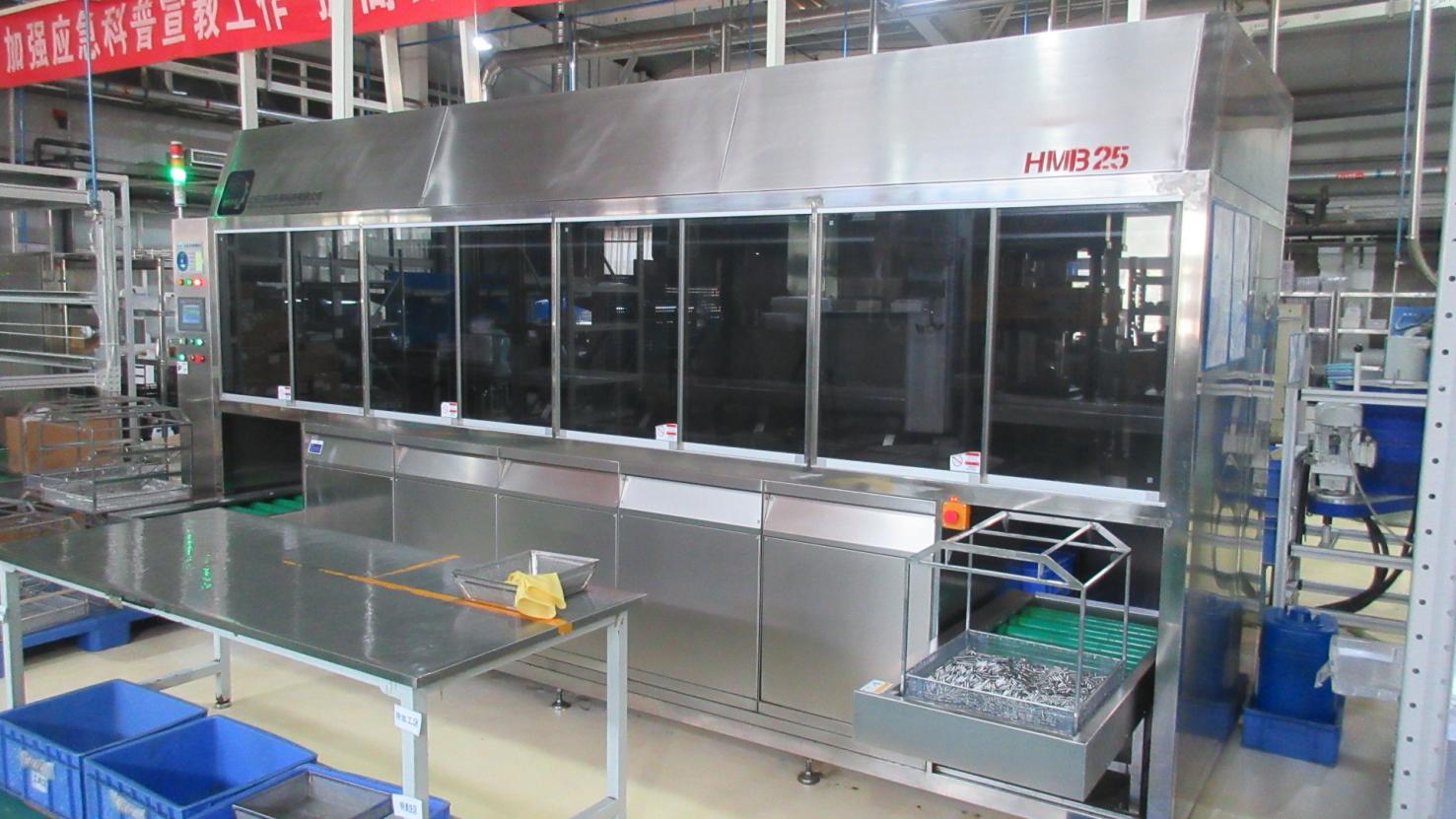
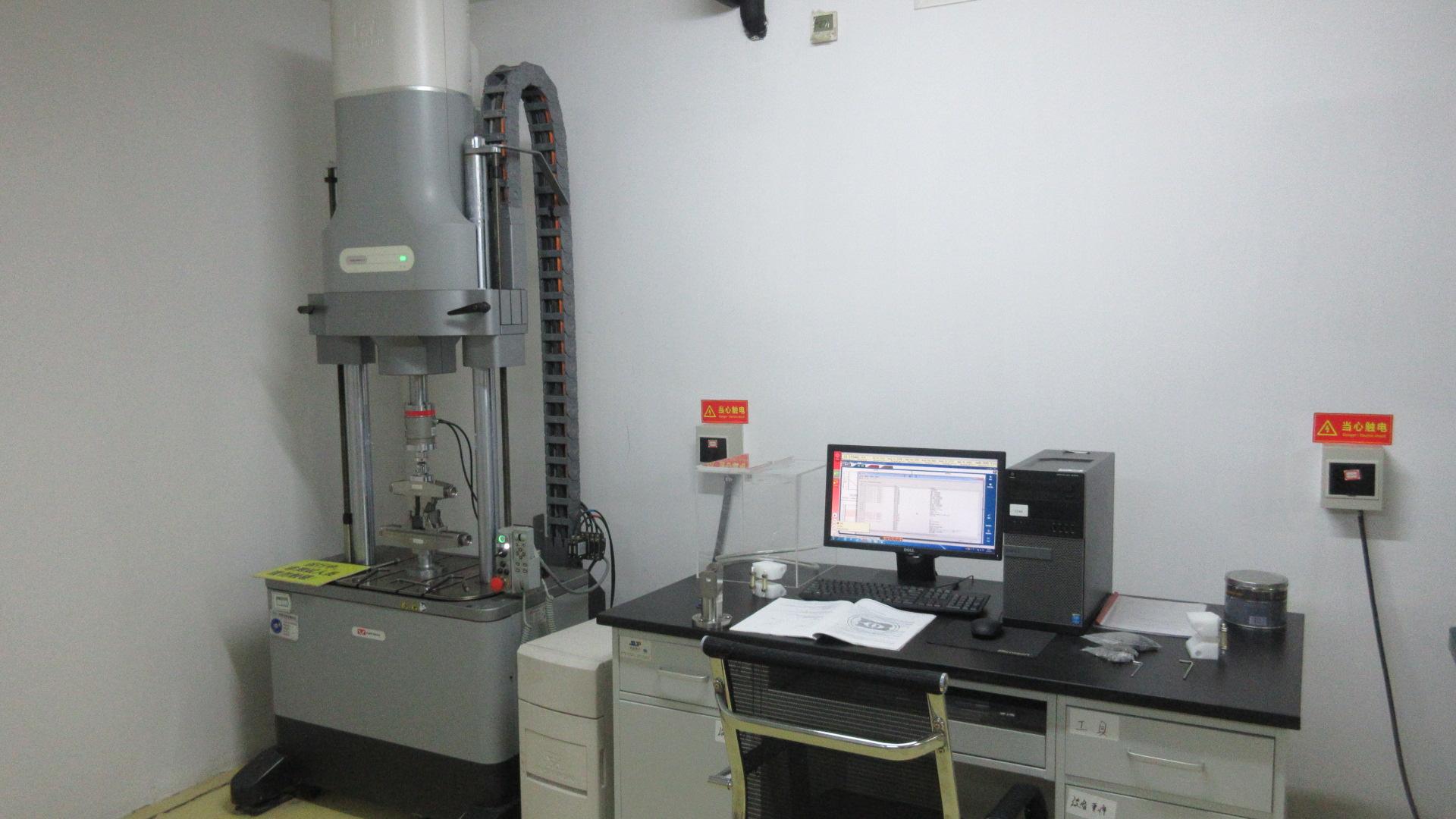
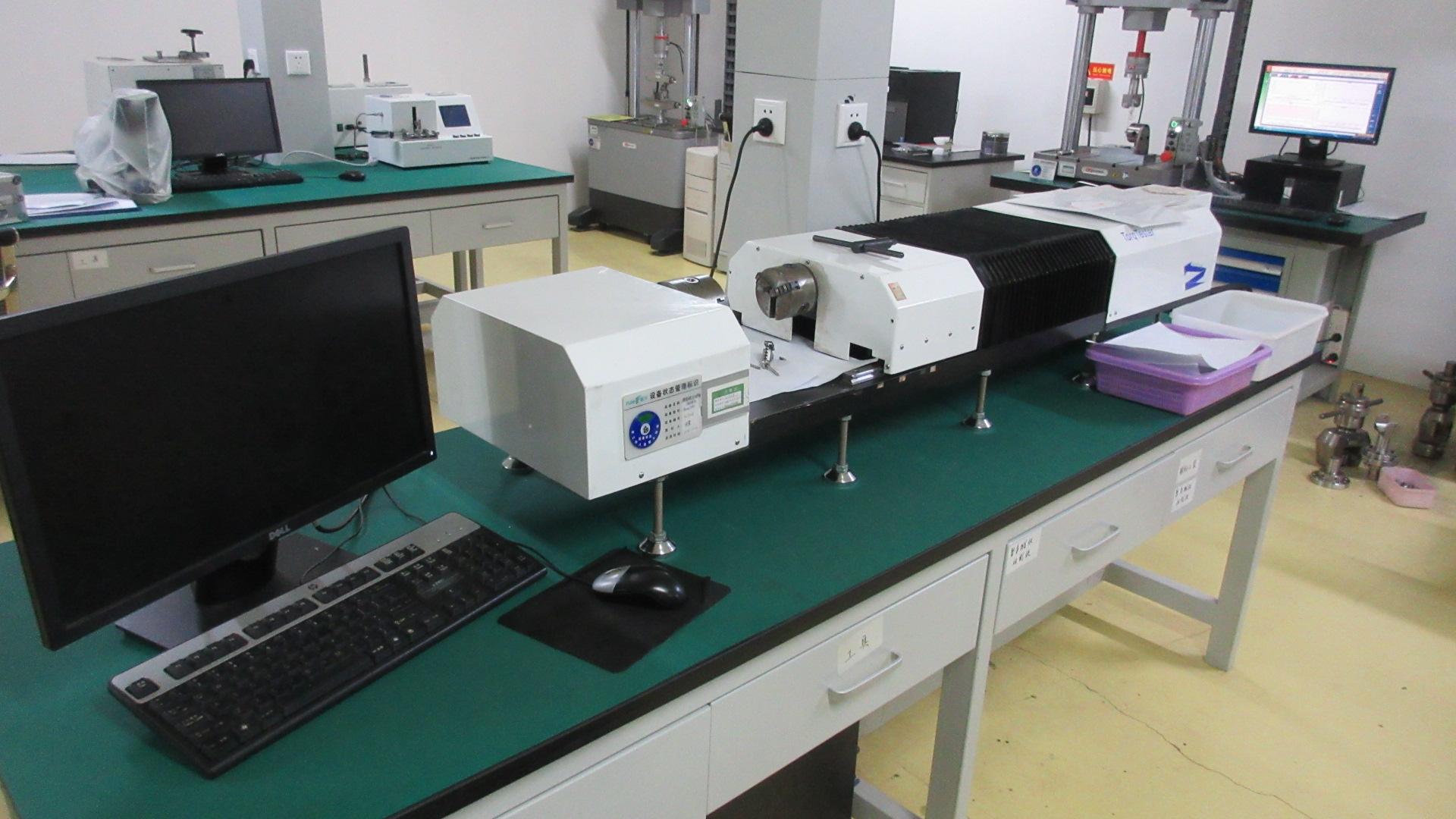
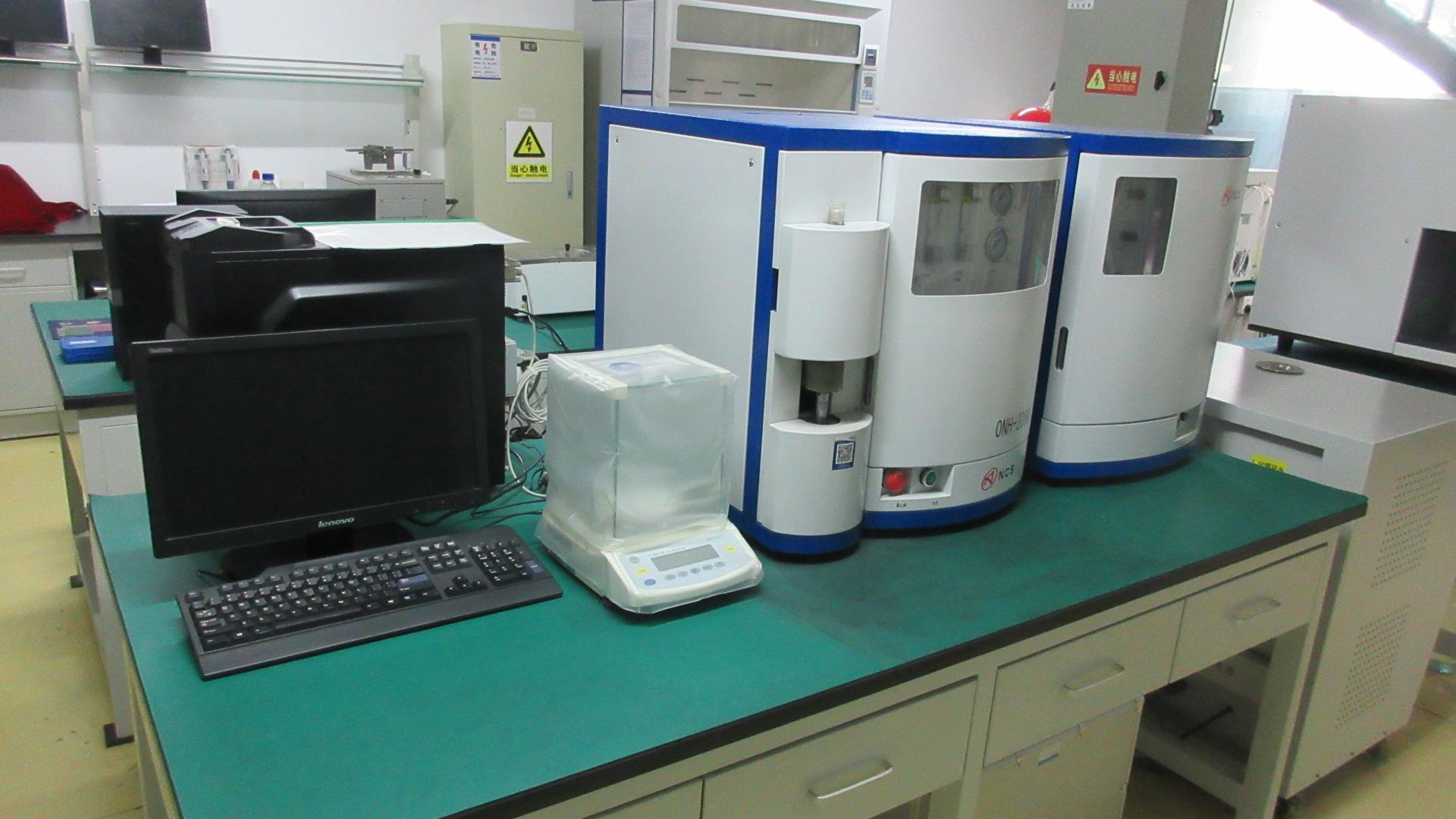
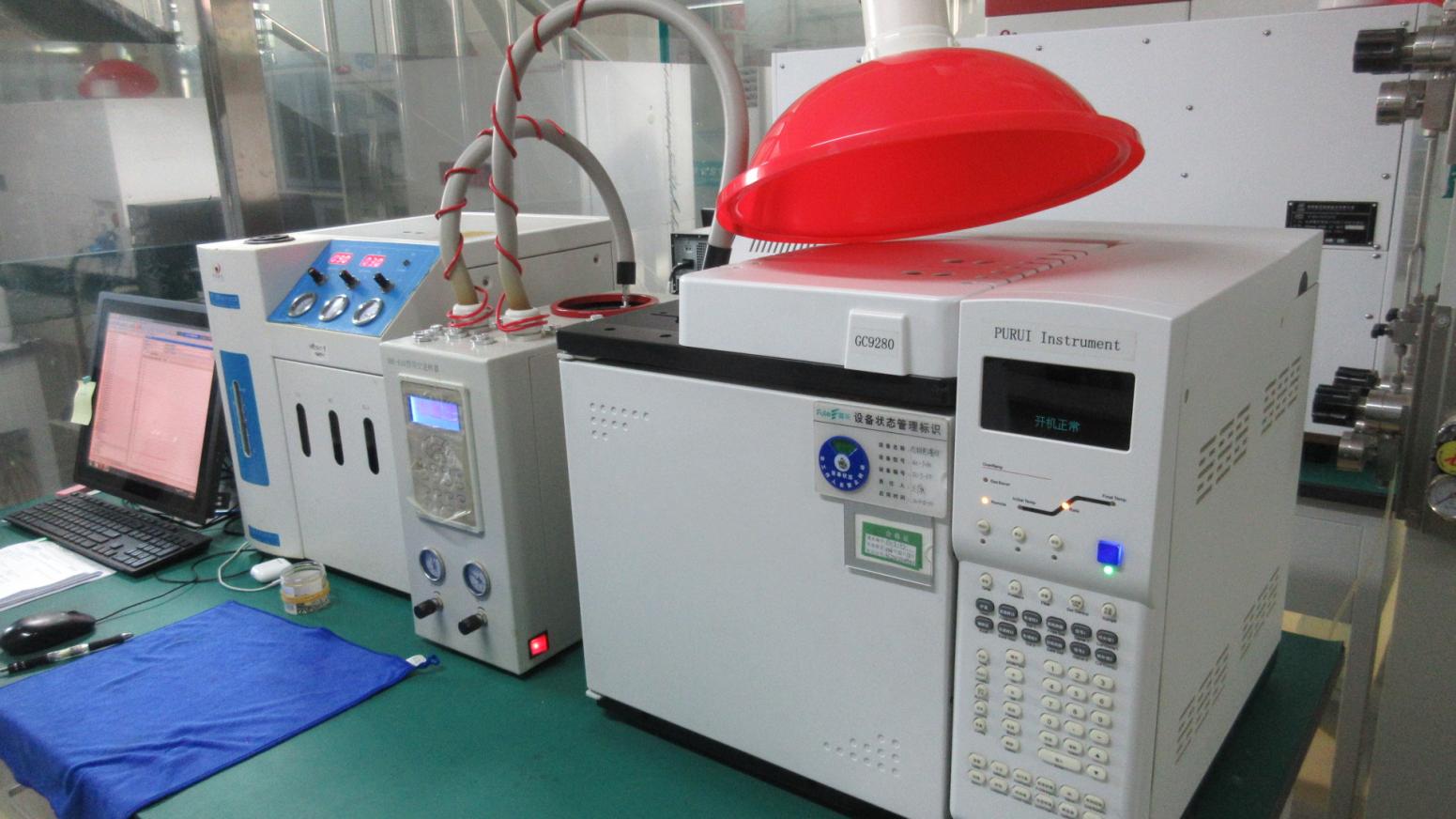
Our 10,000-square-meter facility features automated precision machinery, class-10,000 cleanrooms, and high-precision testing labs. We inspect all finished devices to guarantee that every single component—whether it is a 6.0 COX monoaxial pedicle screw or a sterile balloon expansion pressure pump—conforms to international ISO 13485 regulations.
Registering and launching medical devices in new markets is a complex regulatory process. Whether navigating the European Union Medical Device Regulation (EU MDR), registering Class III implants with the China National Medical Products Administration (NMPA), or meeting localized regulatory pathways across Latin America and Southeast Asia, compliance is essential.
We provide full technical documentation, including raw material traceability certificates, biological safety test reports, and mechanical test results (such as ASTM F1717 dynamic fatigue evaluations). This comprehensive support helps simplify the registration process for global wholesale buyers and distributors, reducing regulatory risk and accelerating time-to-market.
Integrating additive manufacturing technology to produce porous scaffolds that mimic natural bone trabeculae, facilitating faster bone integration and implant stability.
Applying bioactive surface coatings, such as synthetic hydroxyapatite (HA) and antimicrobial layers, to accelerate osteoblast differentiation and reduce postoperative risk.
Designing pedicle screws and surgical instrument guides with optical markers and tracking compatibility to support computer-assisted, minimally invasive spinal surgery.

Certificate Registration Number: 04724Q10000818
 Beren Science & Technology